
Used Tunable Laser Sources for Sale
69 units in stock - Keysight, Ando, Santec, JDSU, Exfo, HP/Agilent, and Photonetics. Standalone benchtop units and Keysight 816x plug-in modules. C-band, L-band, and wideband coverage. Every unit powered on and output-tested before listing. Most ship within one business day.
Agilent Tunable Laser Sources (2 units)
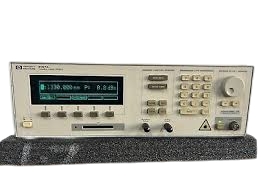
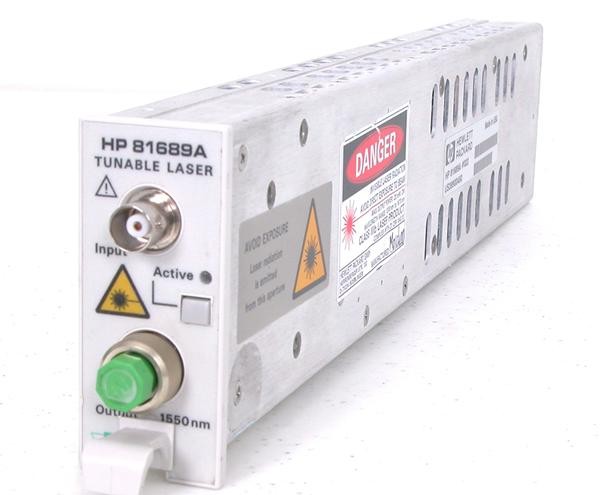
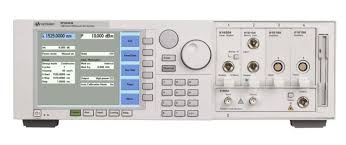
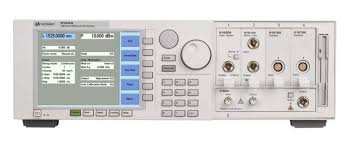
Agilent / Keysight Tunable Laser Sources (30 units)
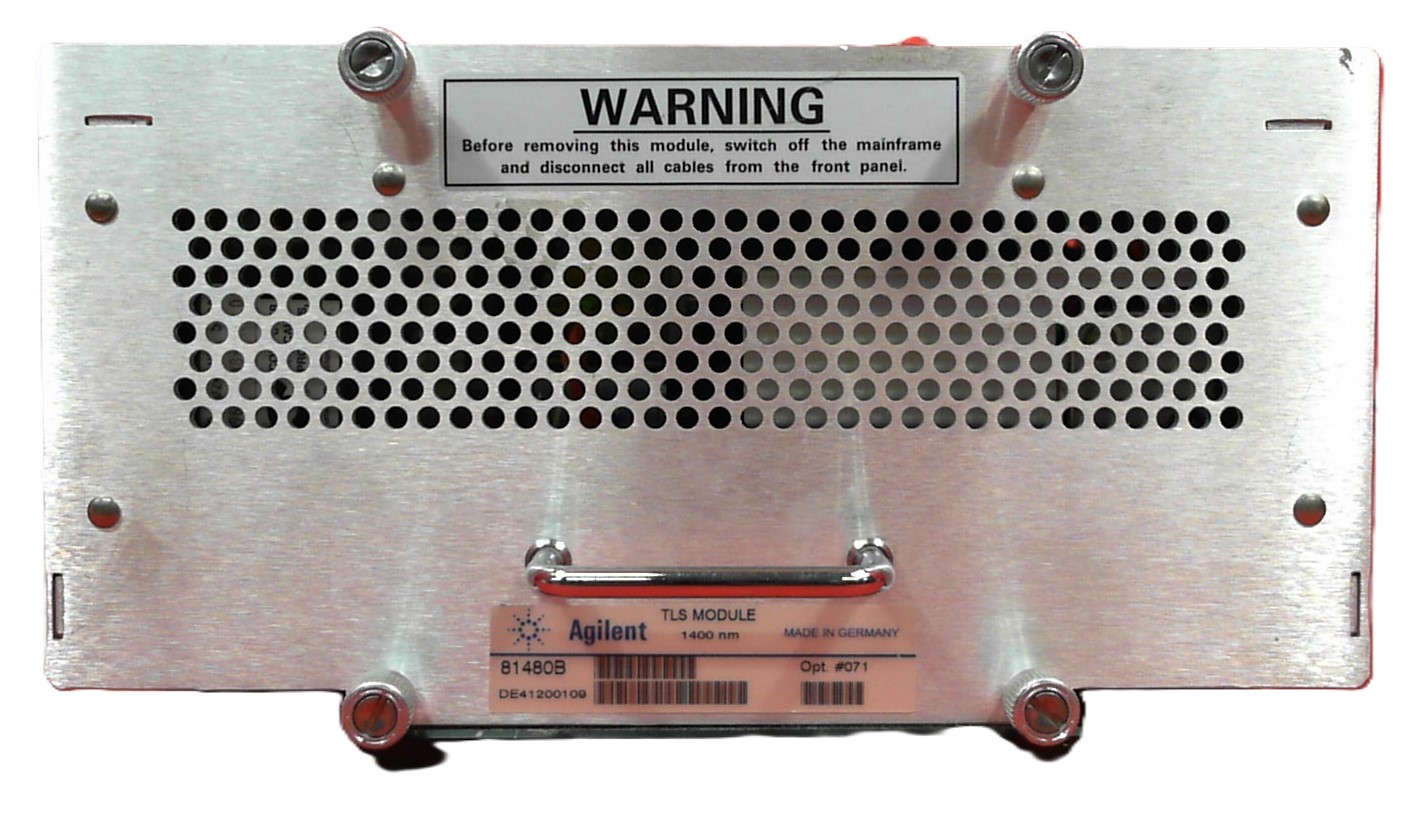
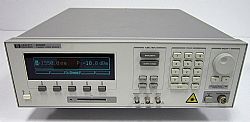
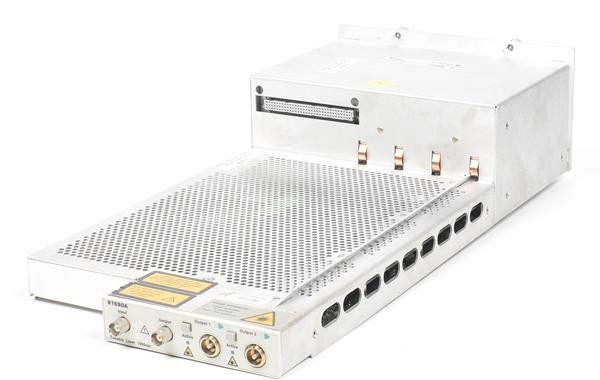
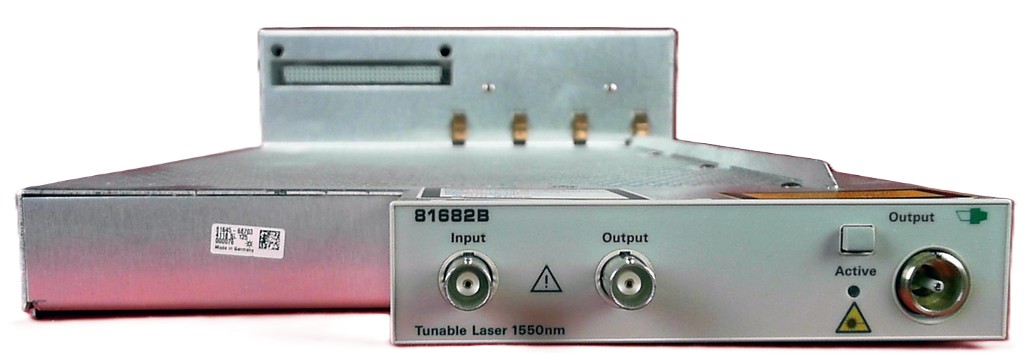
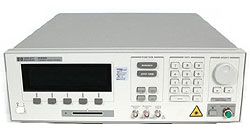
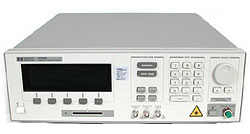
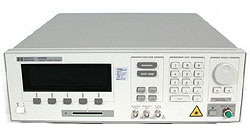
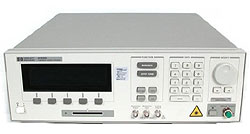
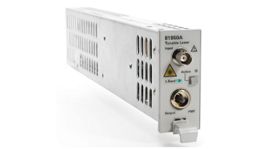
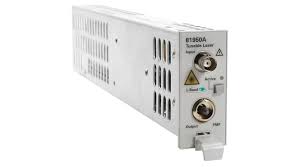
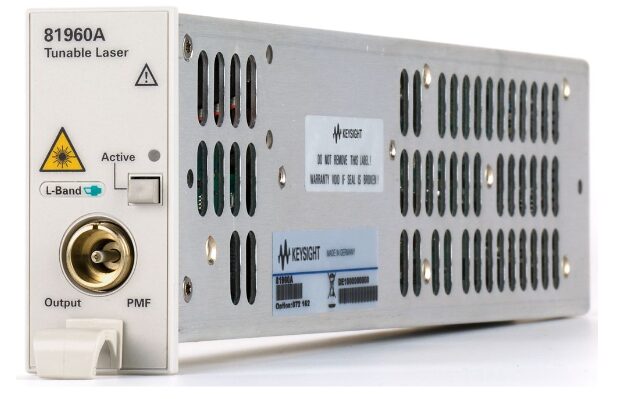
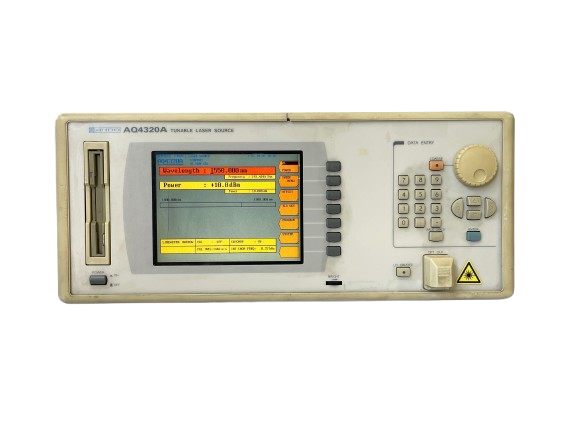
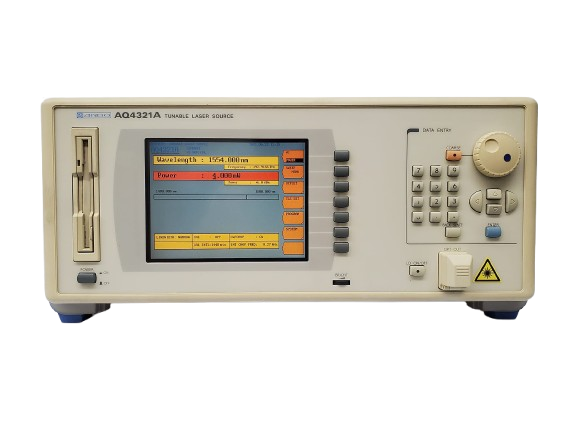
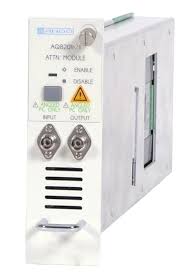
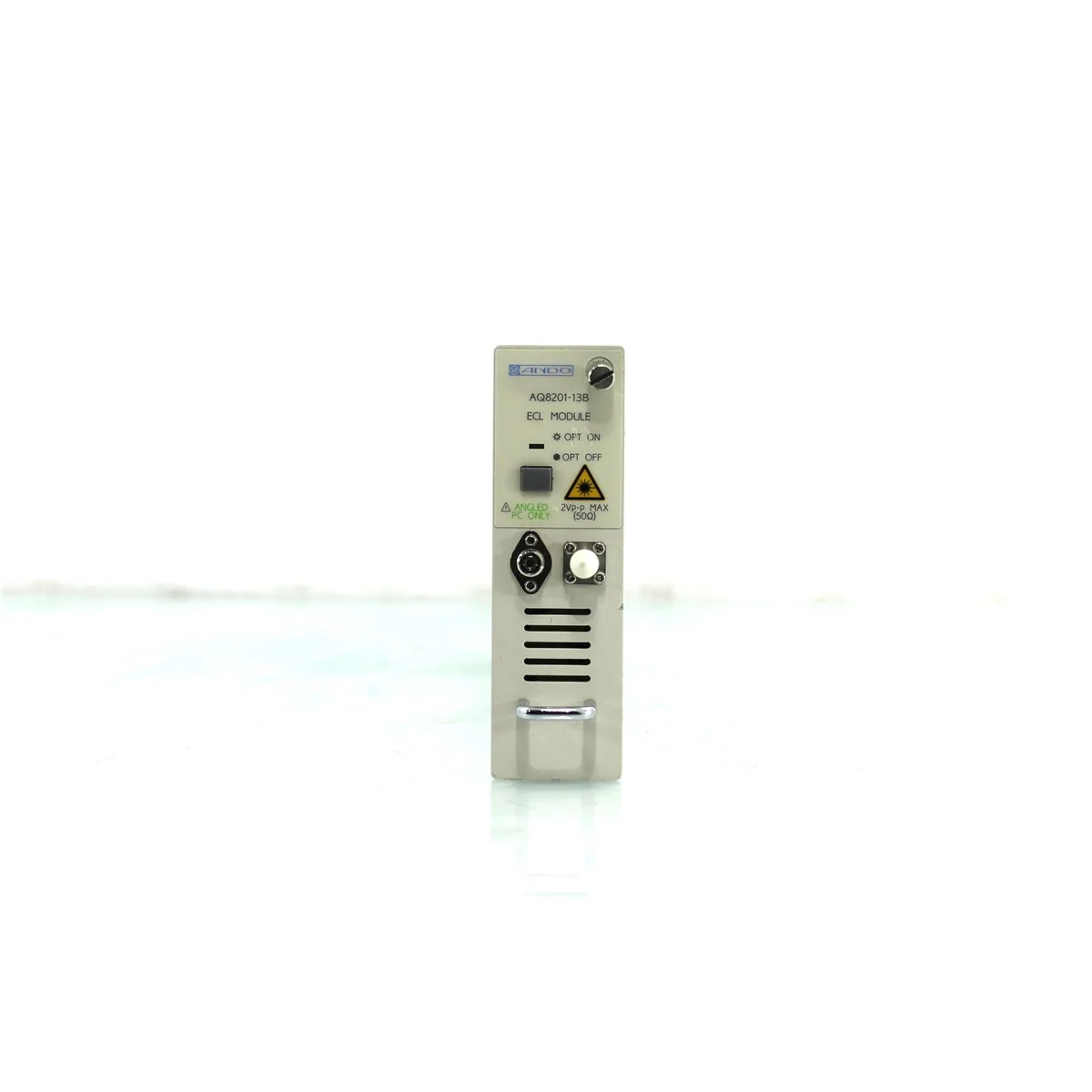
Ando Tunable Laser Sources (6 units)
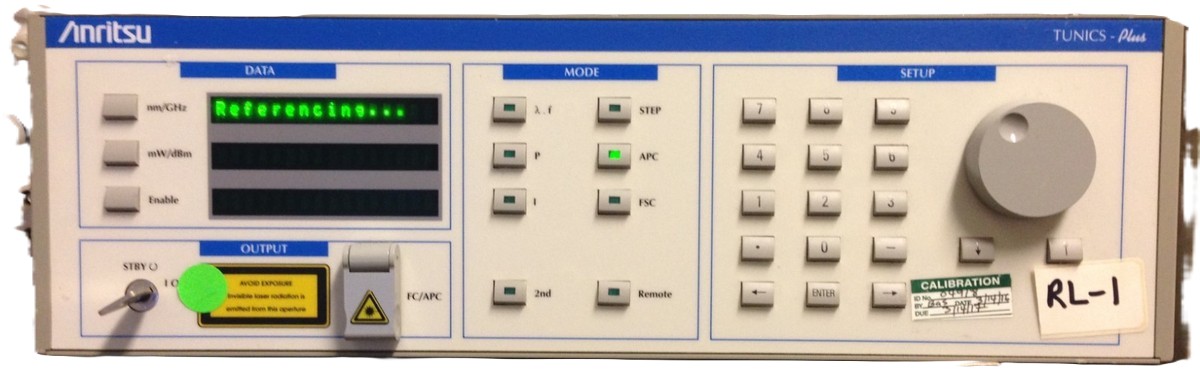
Anritsu Tunable Laser Sources (1 unit)
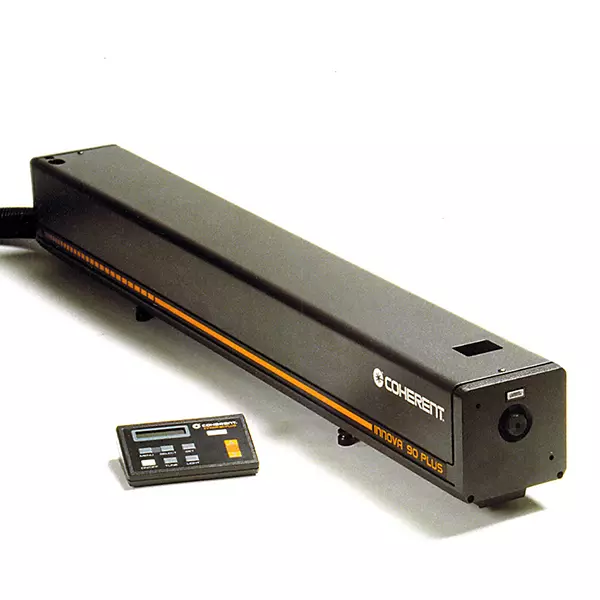
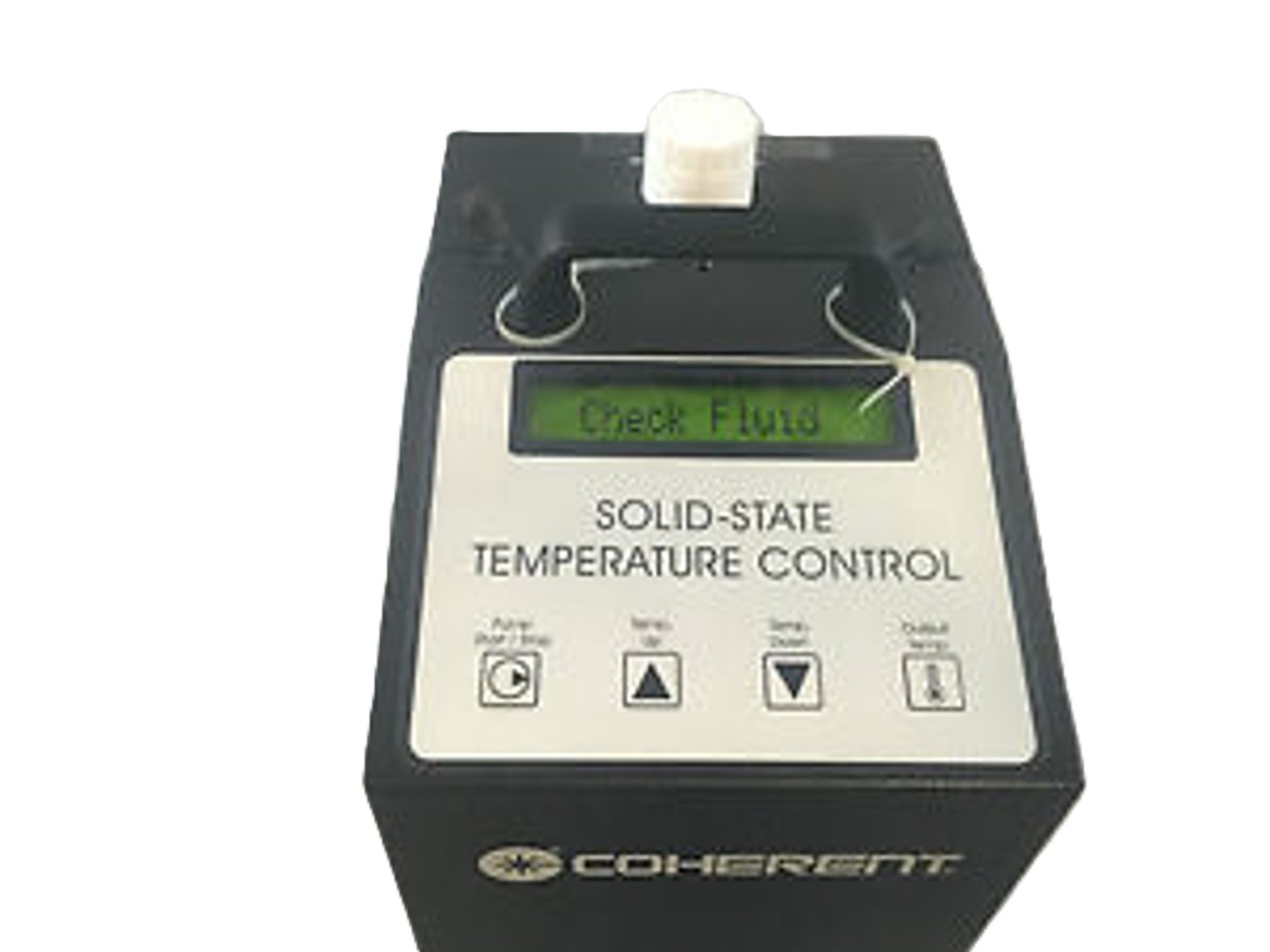
Coherent Tunable Laser Sources (2 units)
Exfo Tunable Laser Sources (6 units)
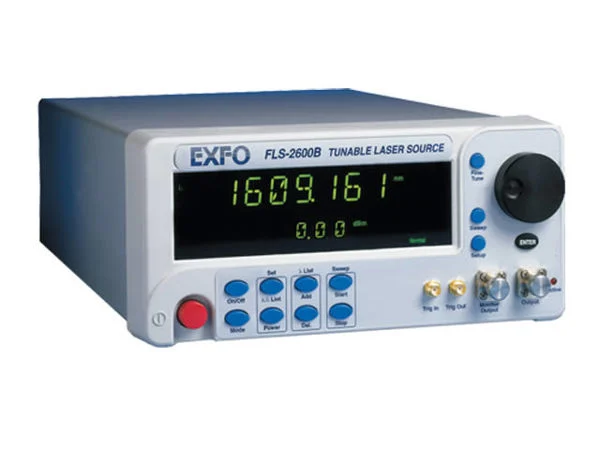
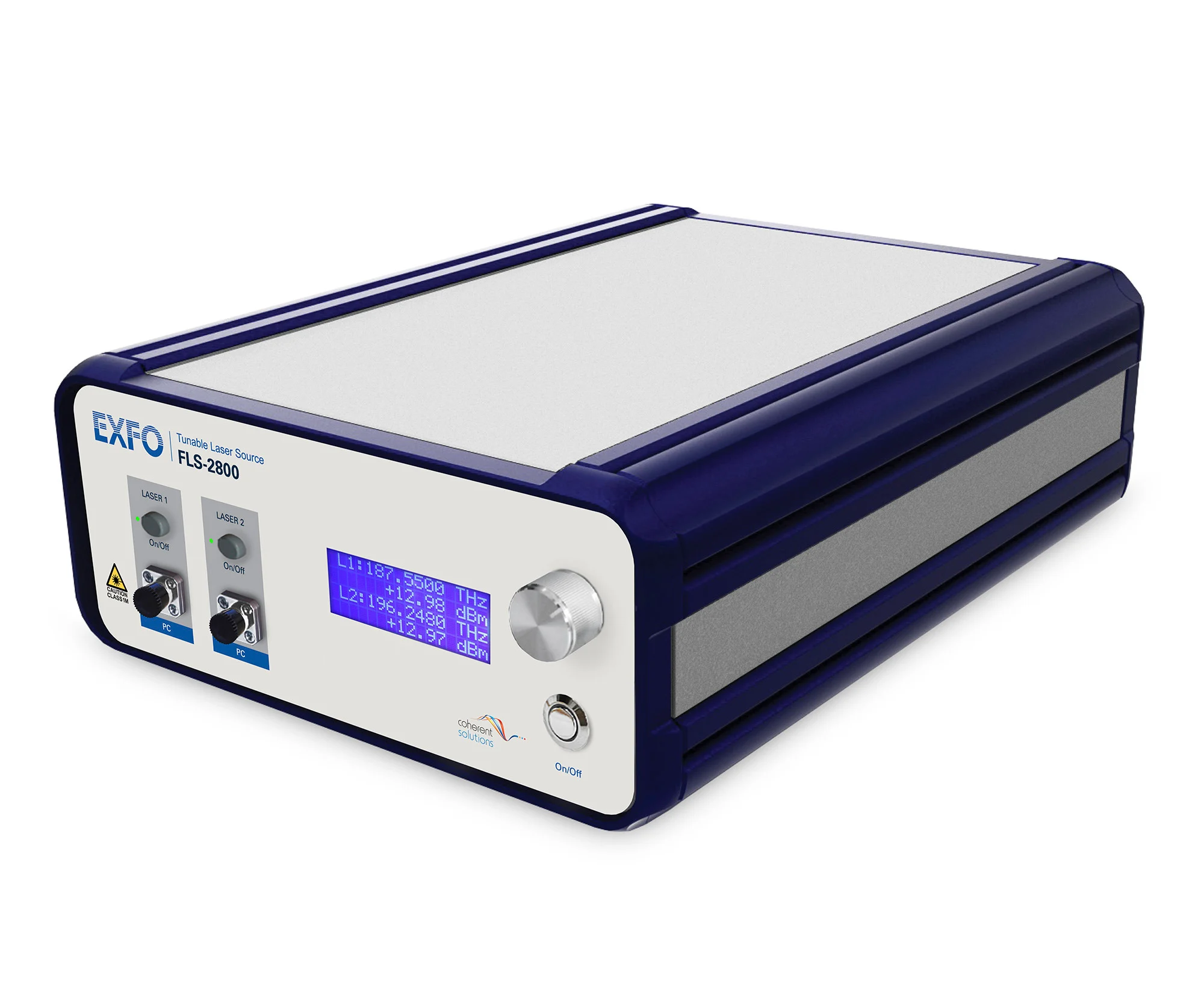
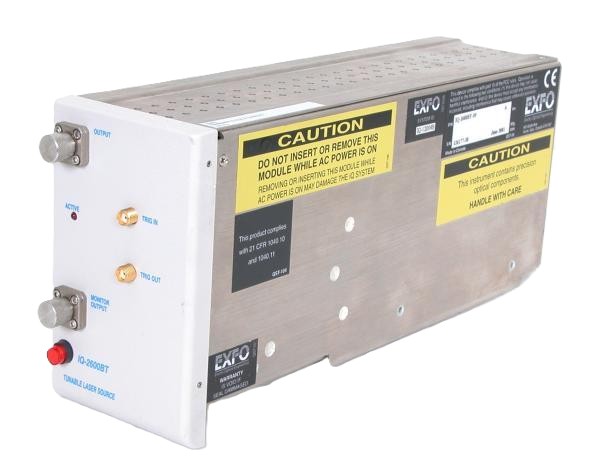
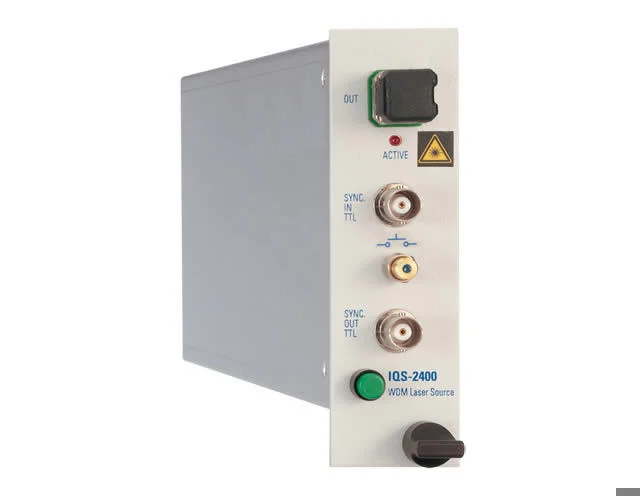
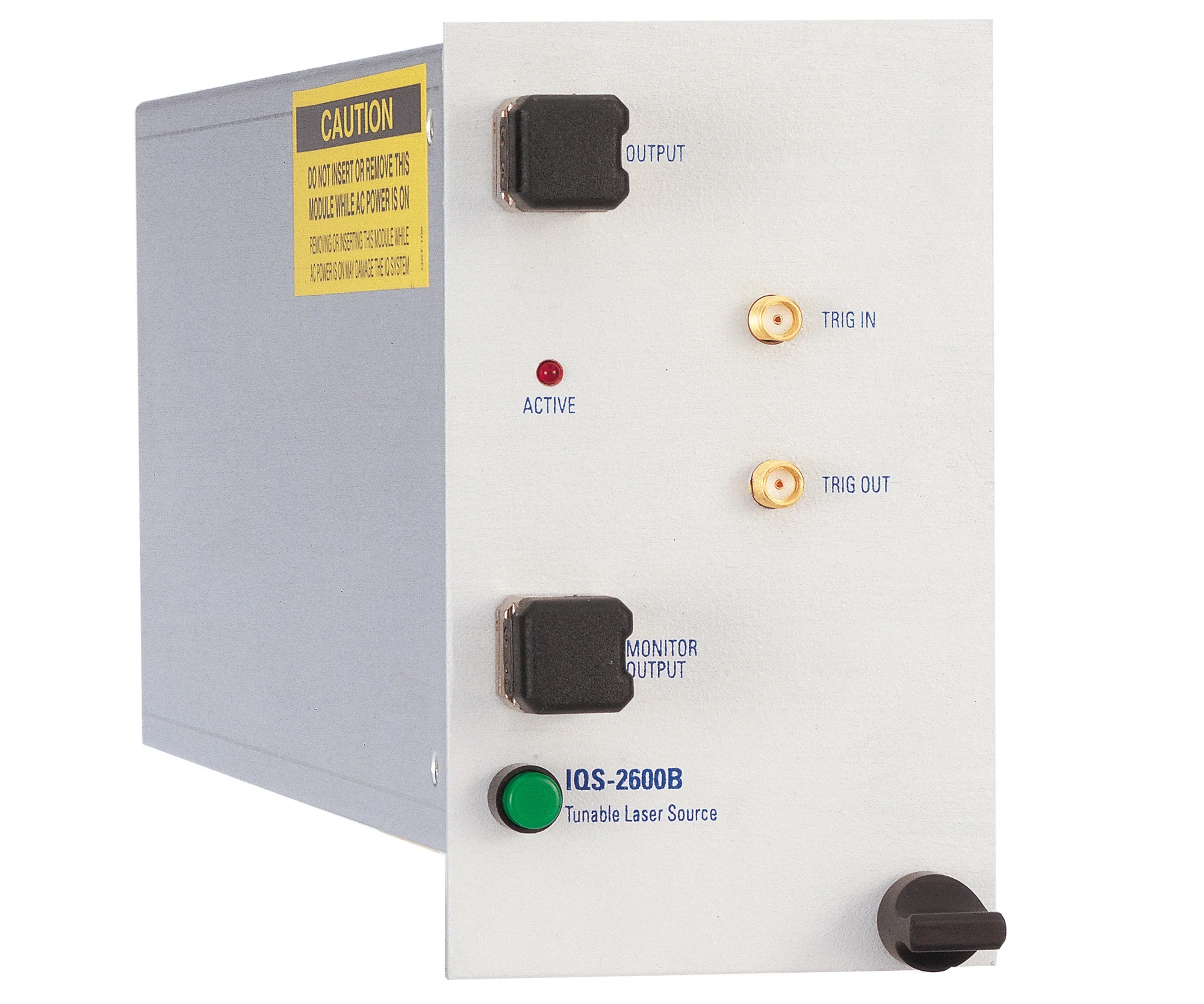
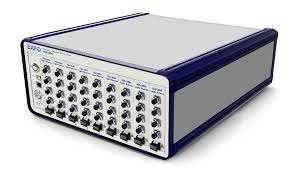
Exfo / Yenista Tunable Laser Sources (1 unit)
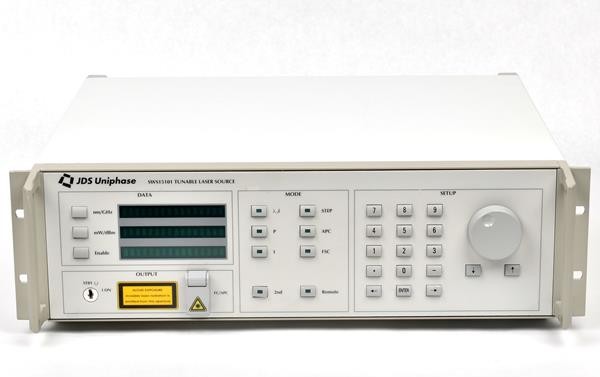
HP / Agilent Tunable Laser Sources (9 units)
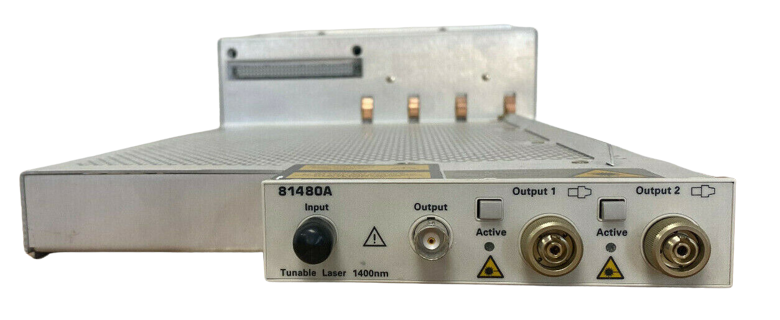
ILX Lightwave Tunable Laser Sources (1 unit)
JDSU Tunable Laser Sources (4 units)
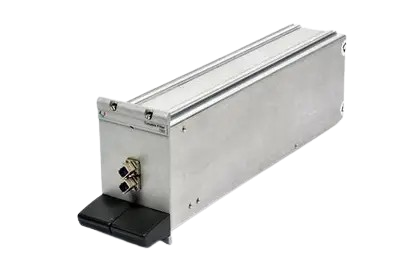
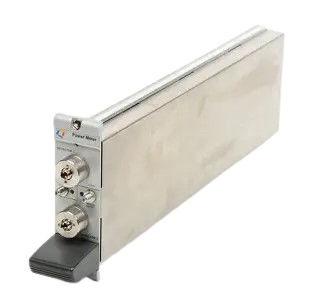
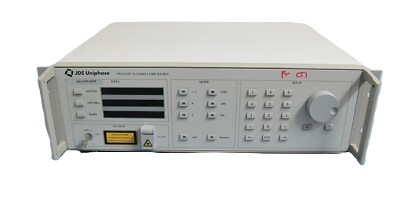
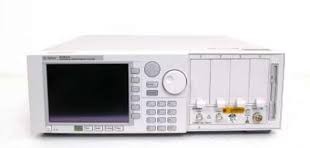
Keysight / Agilent / HP Tunable Laser Sources (1 unit)
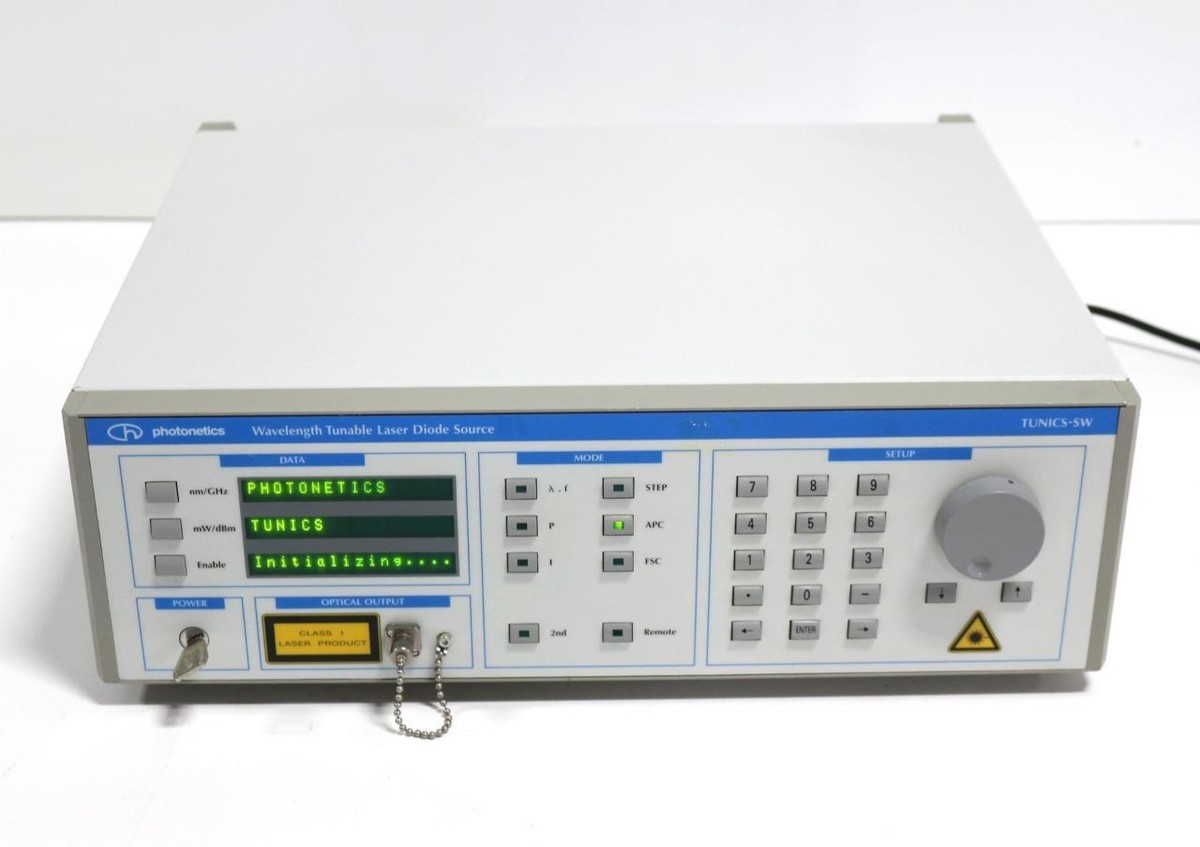
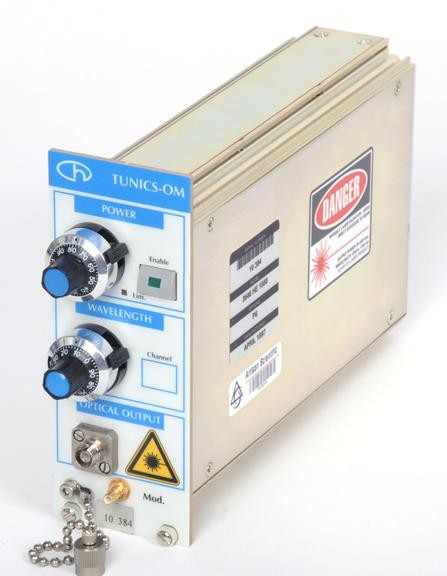
PHOTONETICS Tunable Laser Sources (2 units)
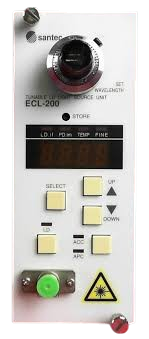
Santec Tunable Laser Sources (4 units)
Standalone TLS vs Plug-in Module - Which One to Buy
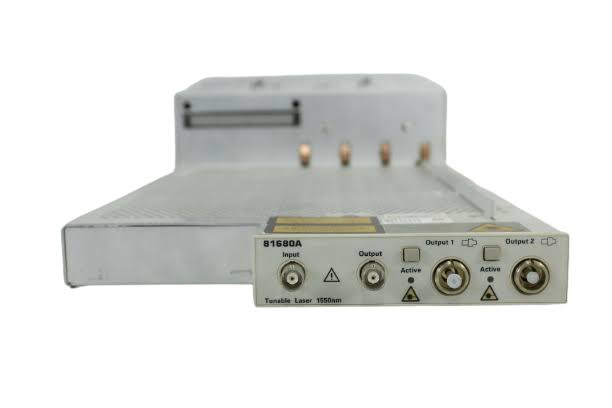
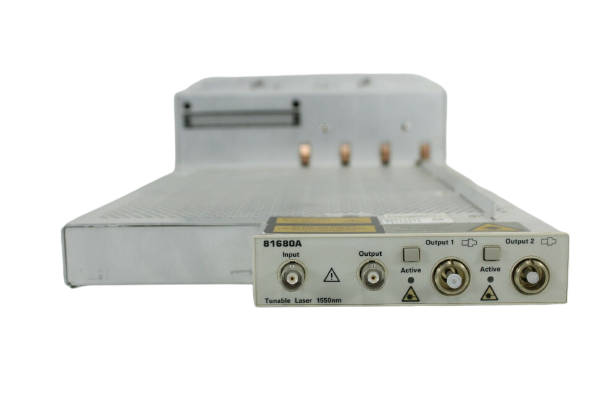
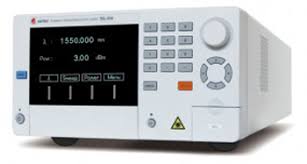
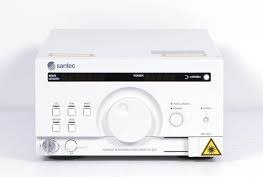
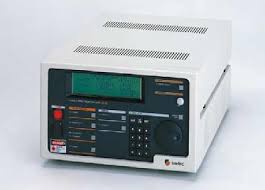
This is the first question for most buyers and the answer comes down to what you already own. If you have a Keysight 8163B or 8164B mainframe, a plug-in module like the 81680A, 81640B, or 81609A is the cost-effective path - you get a tested laser at a fraction of the standalone price and slot it into hardware you already control. If you are starting fresh or need a dedicated single-purpose instrument, a standalone unit like the Ando AQ4321D, Santec TSL-550, or Keysight 8168 series gives you a complete system with its own front panel and power supply.
The Keysight 8163B is a one-slot mainframe; the 8164B takes two modules and adds more memory and sweep control; the 8166B is a six-slot chassis for multi-channel automated setups. All three accept the same 816xx module family. Used 8164B mainframes regularly sell in the $1,500-4,000 range, making a module-plus-mainframe combination significantly cheaper than an equivalent standalone unit at the same wavelength coverage and power level.
Wavelength Coverage by Band
| Band / Application | Wavelength | Suitable Models (in stock) |
|---|---|---|
| O-band, 1310 nm single-mode | 1260-1360 nm | Santec TSL-510 (O-band version), Keysight 8168F |
| S-band, extended short | 1460-1530 nm | Keysight 81682B, Ando AQ4321A/D, Keysight 81607A |
| C-band DWDM, EDFA gain | 1525-1575 nm | Most models - universal coverage band |
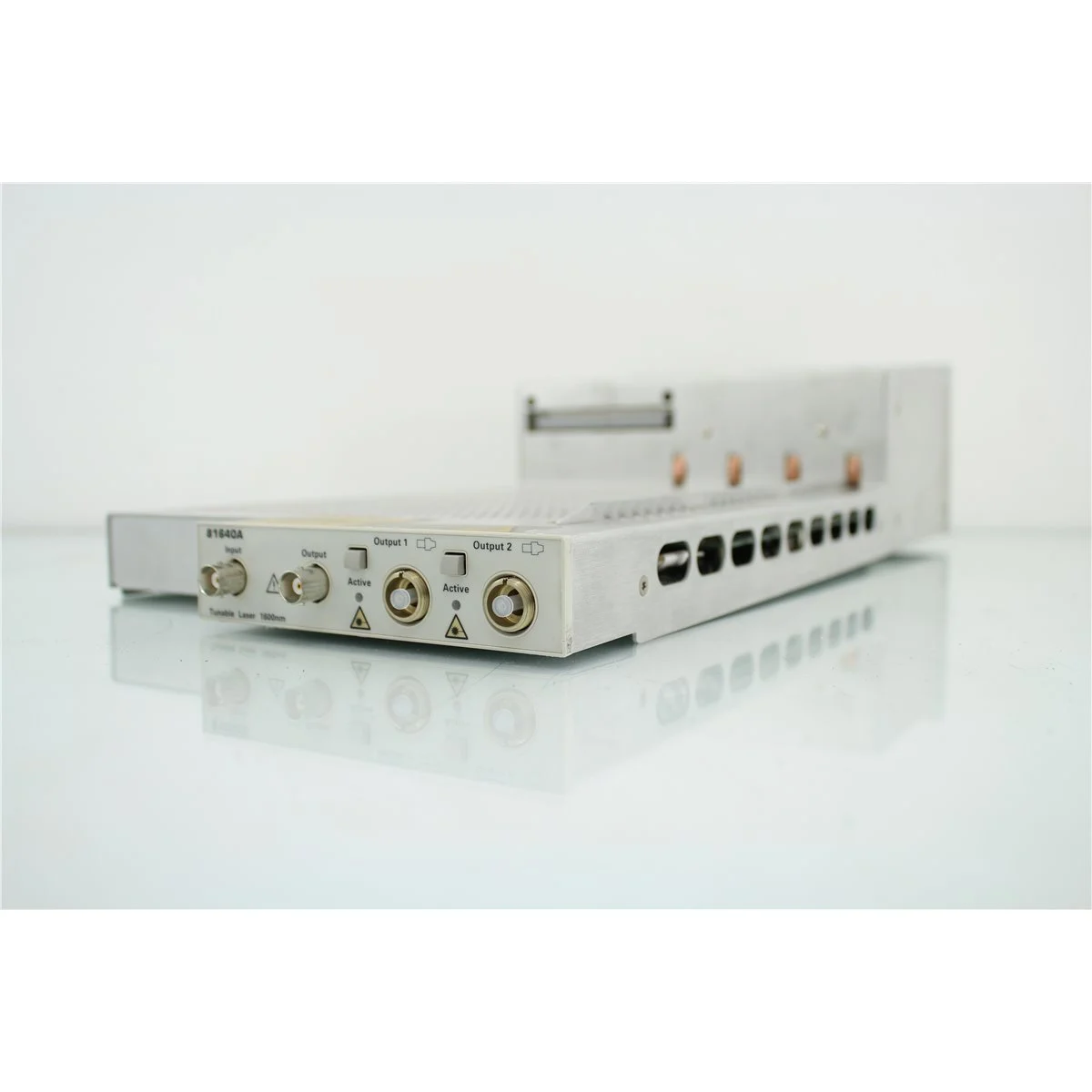
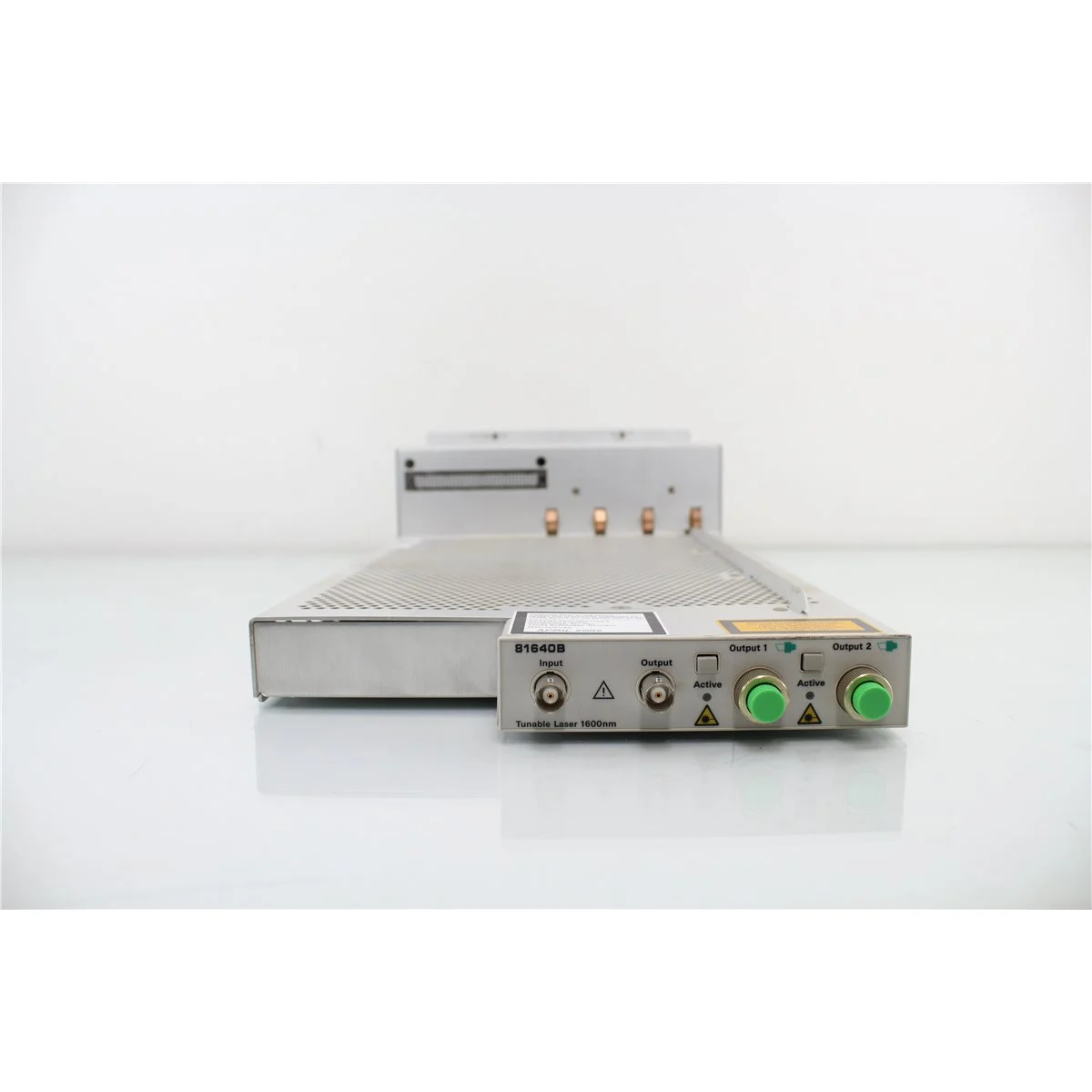
| L-band, extended DWDM | 1565-1615 nm | Keysight 81640A/B, 81607A, Ando AQ4321D, Santec TSL-550 |
| C+L combined | 1520-1620 nm | Keysight 81607A, 81608A, 81640B, Santec TSL-550 |
| Full sweep, swept-test | 1260-1640 nm | Keysight N7776C, N7778C, N7779C |
Output Power and Dynamic Range
For most passive component testing - insertion loss, return loss, PDL - output power between +6 and +10 dBm is standard. The Keysight 81680A and 81682B deliver around +6 dBm typical; the 81609A and N7711A push to +13 dBm or higher for driving amplified test setups or high-loss paths. High output matters when you are measuring a long path with multiple connectors and need 40-50 dB of dynamic range at the detector end.
The Keysight N7776C and N7778C swept-test sources are designed specifically for automated component characterization at high speed - they sweep at rates up to 100 nm/s while a synchronized power meter logs the response. This is a different use case from a step-tunable bench laser and these units carry a price premium accordingly. If your application is manual bench testing of individual components, a standard 816x module will do the job at far lower cost.
Keysight 816x Module Architecture - What the Model Numbers Mean
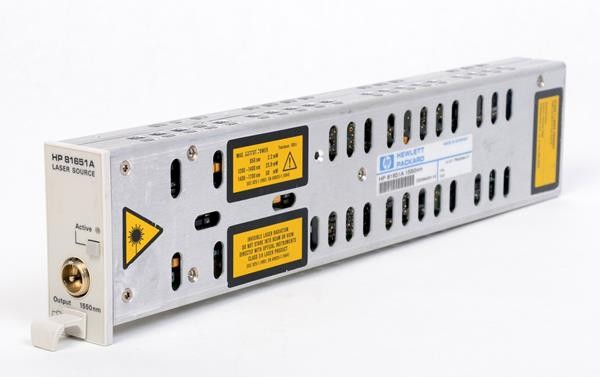
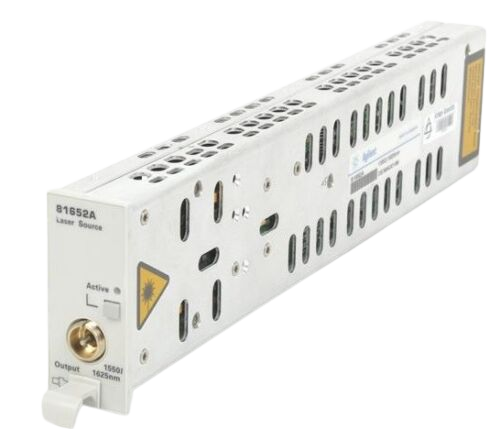
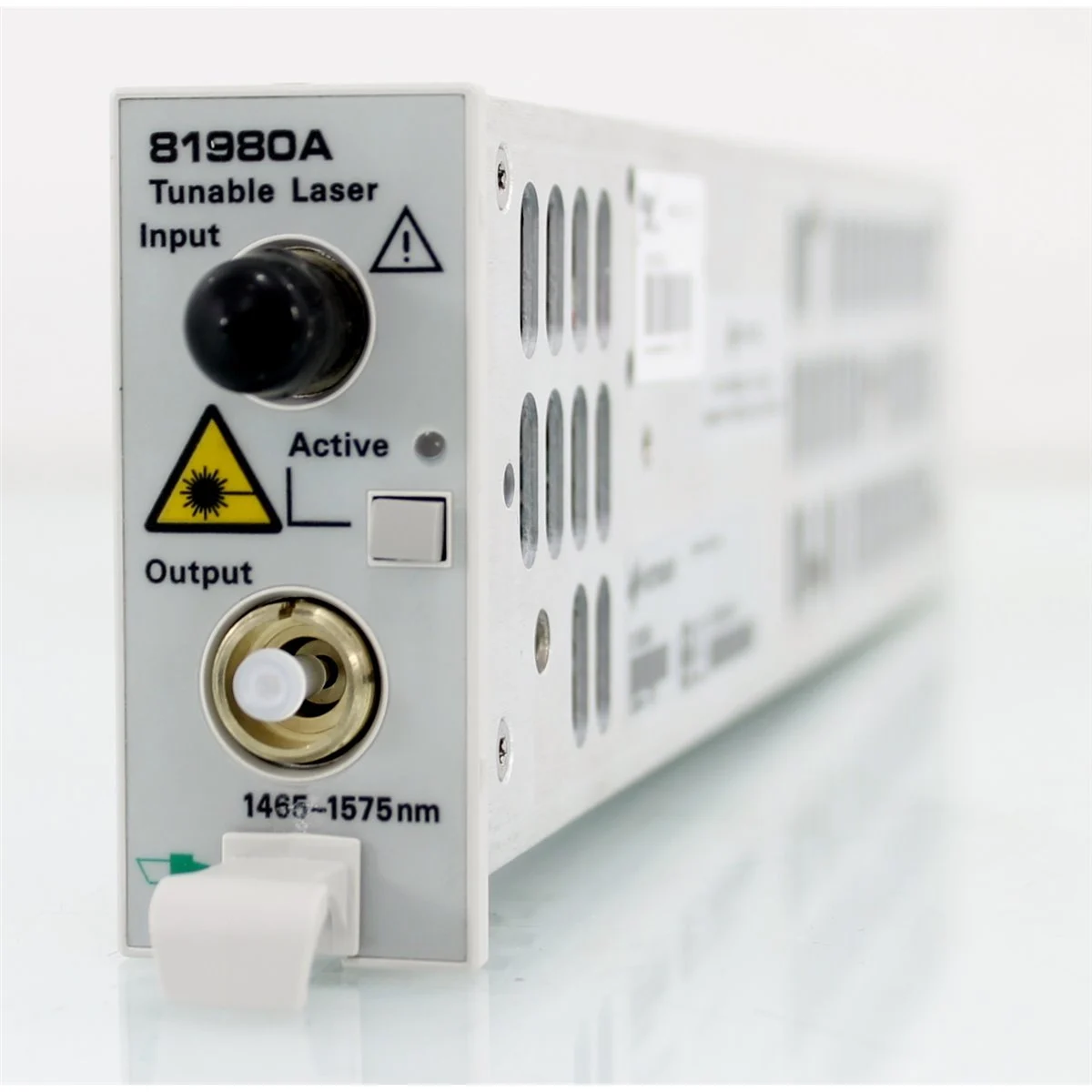
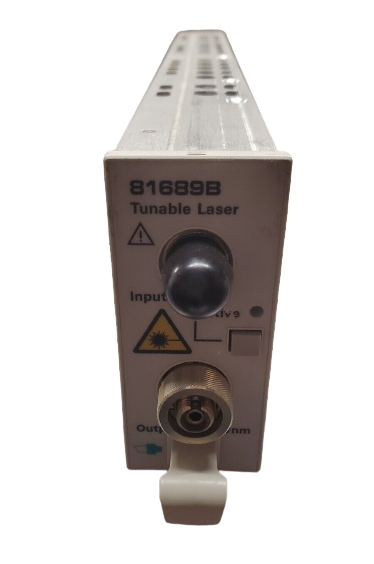
Keysight's 816xx numbering follows a pattern. The first two digits after 816 indicate the wavelength band: 80 is C-band standard, 82 is S+C-band, 40 is C+L-band, 07/08/09 are high-power variants. The letter suffix A or B denotes the generation - B versions typically add improved wavelength accuracy or output power over the A. The 81651A and 81652A are fixed-wavelength DFB modules, not tunable - they are included in this category in our inventory because they share the same module format, but confirm the datasheet before ordering if tunability is required.
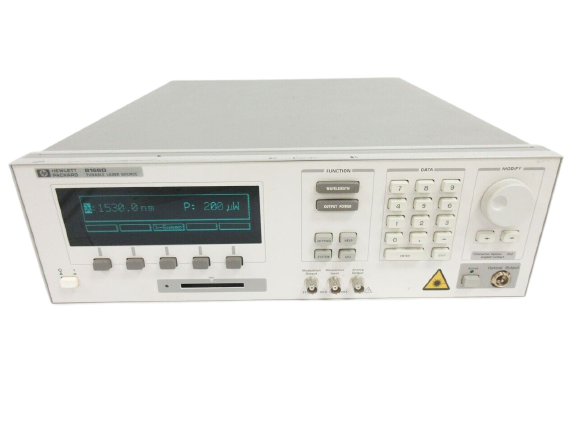
One common point of confusion: the 8168 series (8168A through 8168F) and the 8167B are standalone benchtop units, not modules. They do not require a mainframe. The 81680 through 81689 series are modules. The difference is visible in the physical form factor - modules have no front panel power button and a smaller chassis.
Tunable Laser Source Calibration and Repair at Aumictech
We provide NIST-traceable wavelength calibration for Keysight 816x series modules and standalone TLS units. Wavelength accuracy degrades over time as the etalon reference ages; a unit that read accurately at the factory may be off by 5-20 pm after several years of use. Our calibration process measures actual wavelength output against a NIST-referenced wavelength meter and adjusts internal calibration coefficients to bring the unit back to spec.
Output power below spec is the most common fault we repair. On Keysight 816x modules it usually means the SOA chip has aged - the unit still tunes and the wavelength is accurate, but maximum output drops 3-6 dB versus factory. Replacement or optical alignment correction brings the output back. We also repair controller board failures on Santec TSL series units and wavelength calibration drift on Ando AQ4320/4321 instruments.
See all calibration services → | Repair services →
Related Instruments
A tunable laser source is rarely used alone. In a standard insertion loss measurement setup, the TLS output feeds through the device under test and into an optical spectrum analyzer or optical power meter. For polarization-dependent loss (PDL) measurements, a polarization controller goes between the TLS and the DUT. For amplifier testing, the TLS drives the EDFA input and an OSA measures the output spectrum.
If you are building or expanding a fiber optics test bench, we carry the full range of instruments that pair with a TLS. Contact us with your test application and we can suggest a compatible setup from current stock.
Frequently Asked Questions
What is a tunable laser source used for in fiber optic testing? +
A tunable laser source (TLS) is used wherever you need a single-frequency, low-noise light source at a selectable wavelength. The most common applications are insertion loss and return loss characterization of optical components (filters, amplifiers, couplers, WDM mux/demux), polarization mode dispersion measurement, coherent optical testing, and EDFA gain flatness measurement. The ability to sweep wavelength while logging power from a power meter is what separates a TLS from a fixed DFB laser.
What is the difference between a standalone tunable laser and a plug-in module? +
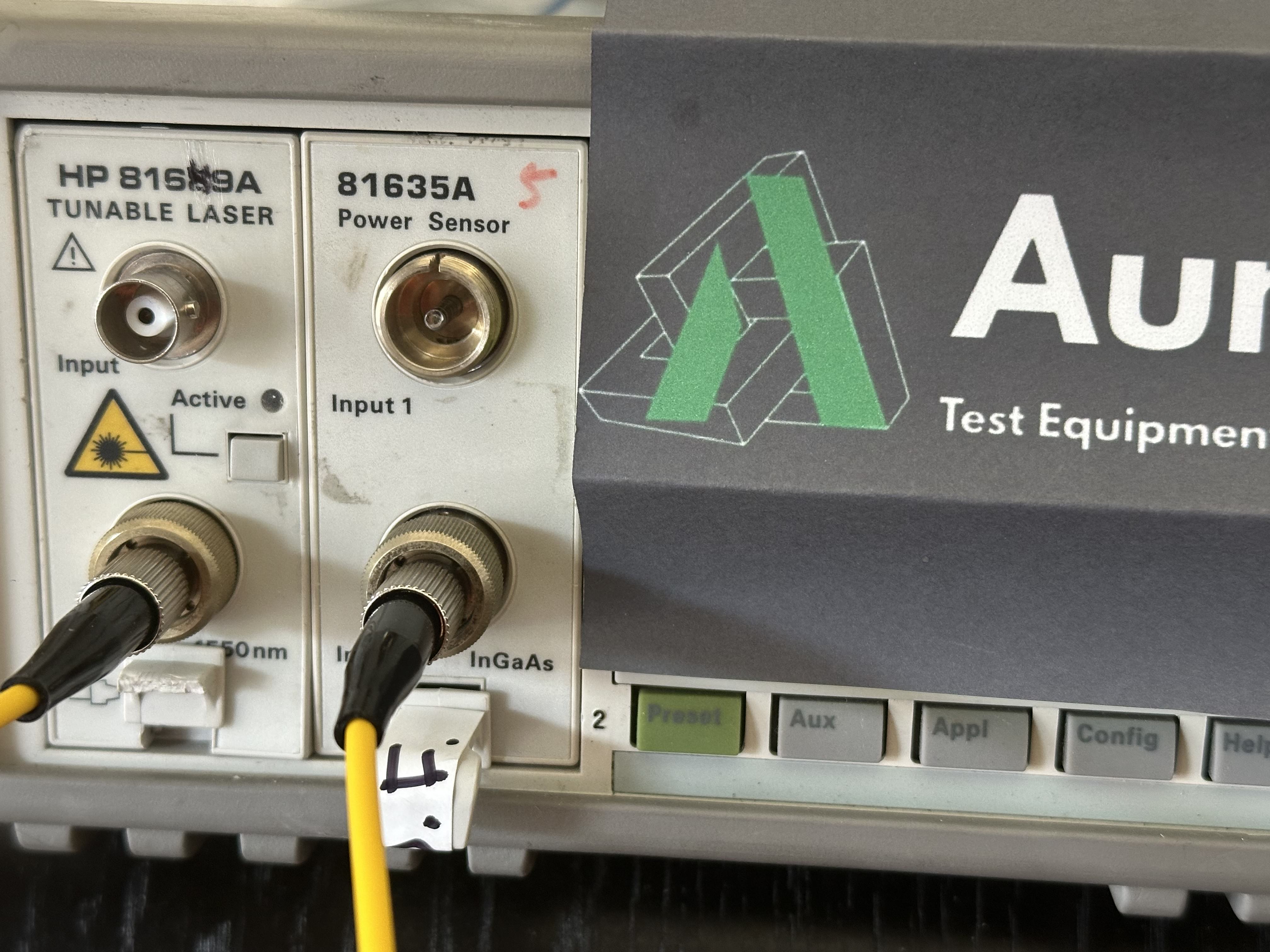
Standalone units like the Ando AQ4321, Santec TSL-550, or Keysight 8168 series are self-contained instruments with a front panel and their own power supply. Plug-in modules like the Keysight 81680A, 81640B, or 81609A require a mainframe - either the 8163B, 8164B, or 8166B - which provides power, a display, and a GPIB or USB interface. Modules are more compact and let you build a multi-channel system in one chassis, but you need to confirm the module is compatible with the mainframe firmware version.
Which tunable laser source covers C-band and L-band together? +
For combined C+L-band coverage (roughly 1525-1625 nm), the Keysight 81607A, 81608A, 81640A, and 81640B modules cover both bands in a single module. The Santec TSL-550 and the Keysight N7776C swept-laser also cover this range. The Ando AQ4321A/D covers 1460-1580 nm which gets most of C-band with some S-band extension but does not fully cover L-band. Confirm the exact tuning range on the datasheet for the serial number you are buying - some units have band-specific versions.
What output power do I need for component insertion loss testing? +
For standard passive component testing (filters, couplers, WDM mux), +6 to +10 dBm is more than sufficient paired with a sensitive power meter. Higher power (+13 dBm and above, available on models like the Keysight 81609A or N7711A) is used for driving EDFAs into saturation or for testing high-loss devices where the dynamic range of the detector limits accuracy. Most bench setups for component characterization work fine at the standard +6 dBm level.
What linewidth should I look for and why does it matter? +
For insertion loss and return loss measurements, linewidth rarely matters - even a 1 MHz linewidth laser works fine. Linewidth becomes critical for coherent optical communications testing (coherent IQ modulation, laser phase noise measurements, or Rayleigh backscatter OTDR). For those applications, look for units rated below 100 kHz linewidth. The Santec TSL series and Photonetics TUNICS instruments are built for this market. The standard Keysight 816x bench lasers run 100-300 kHz which is adequate for most coherent test scenarios.
Can I use a Keysight 816xx module without buying a new mainframe? +
Yes. The 8163B, 8164B, and 8166B mainframes are widely available used and are fully compatible with all 816xx-series modules. The 8163B is a one-slot unit; the 8164B holds two modules; the 8166B is a six-slot chassis. The main compatibility check is firmware: very early 8164A mainframes (pre-2001) may not recognize newer module firmware. In practice, any 8164B or 8163B purchased in the last 15 years will accept current 816xx modules without issue.
What are common faults in used tunable laser sources? +
The most frequent issue we see on Keysight 816x series modules is output power below spec, which usually traces to aging in the semiconductor optical amplifier (SOA) section - the laser still tunes correctly but the output drops 3-6 dB versus factory spec. Ando AQ4320/4321 units sometimes have wavelength calibration drift after years of storage. Santec TSL units occasionally have controller board issues that show up as intermittent tuning or front panel lockup. All of these are bench-repairable. We test output power across the tuning range before listing any unit.
Need a specific model or wavelength range?
We source specific TLS models on request. If you need a particular Keysight 816xx module, a Santec TSL with a specific wavelength range, or a matched TLS and power meter pair, send us a note and we will check incoming stock and procurement channels.
Get in touch