
Used Optical Spectrum Analyzers for Sale
93 units in stock - Ando, Yokogawa, Agilent/Keysight, Anritsu, Advantest, and Exfo. Every instrument has been powered on, tested for basic function, and photographed. NIST-traceable calibration is available on request. Most ship within one business day.
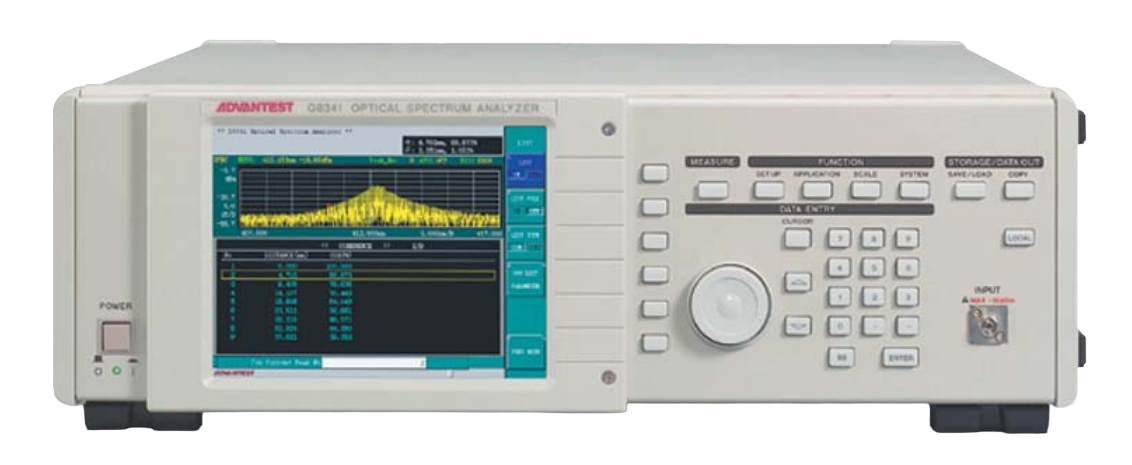
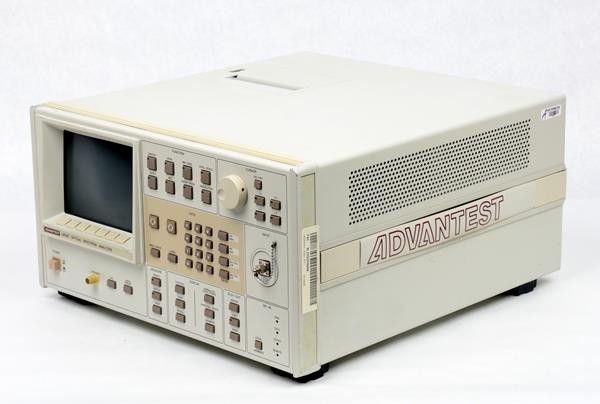
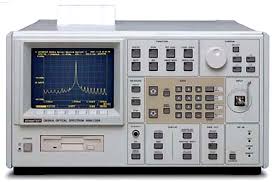
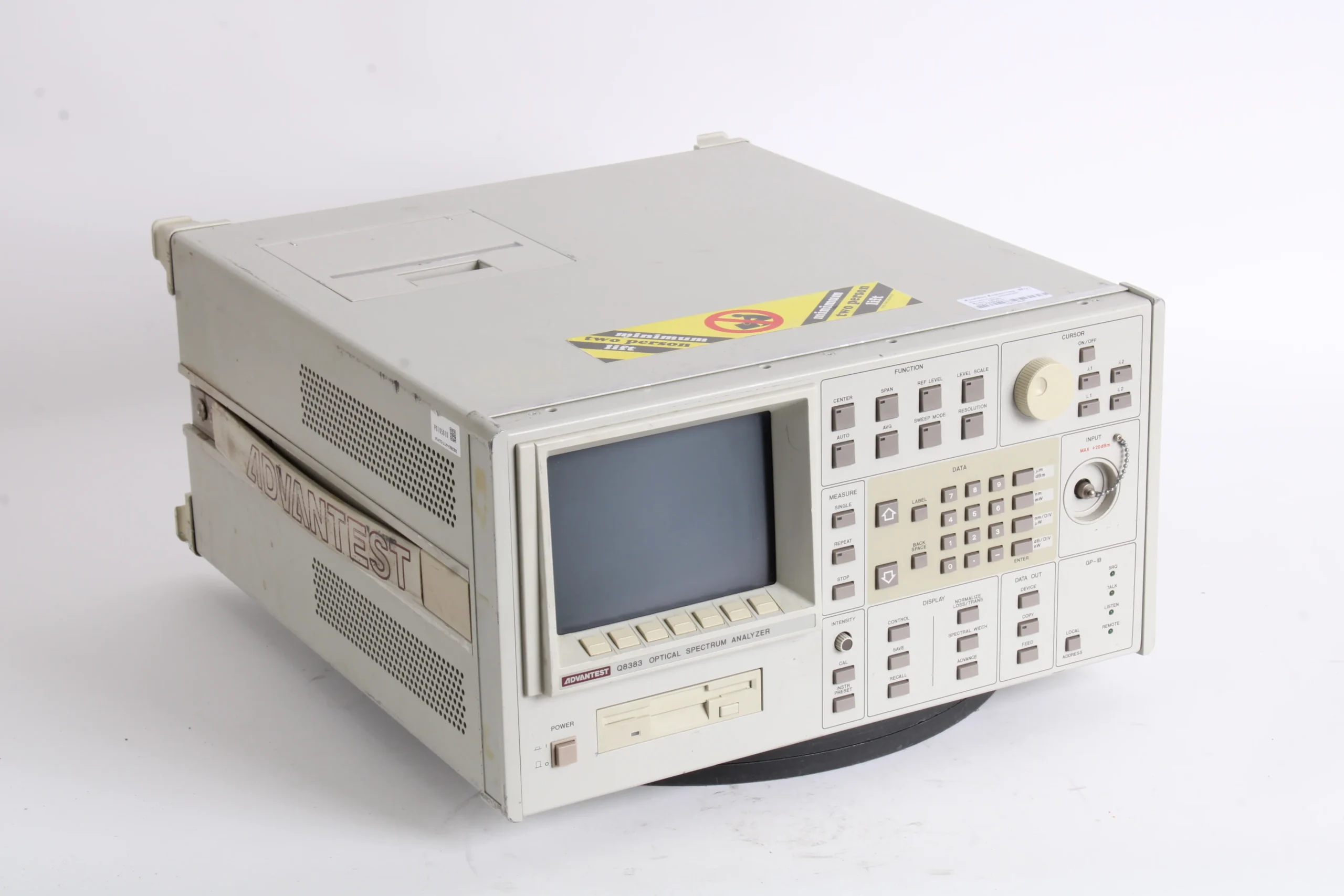
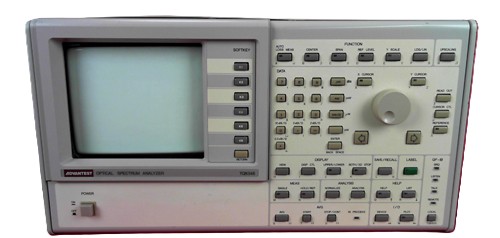
Advantest Optical Spectrum Analyzers (9 units)
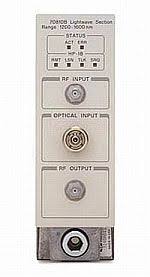
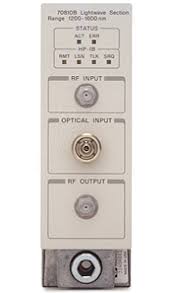
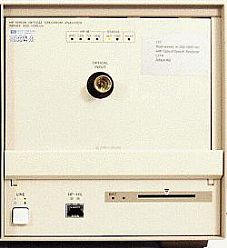
Agilent / Keysight Optical Spectrum Analyzers (22 units)
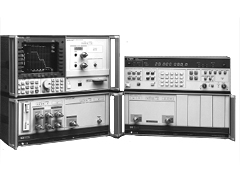
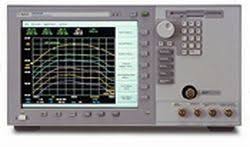
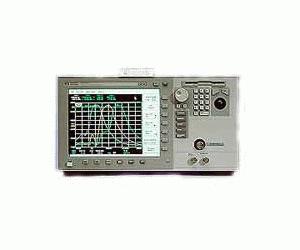
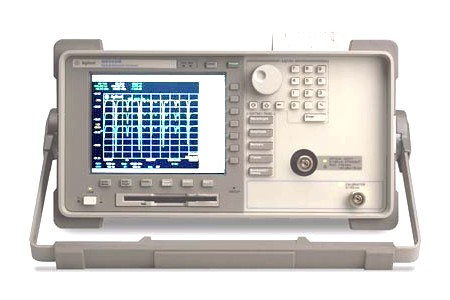
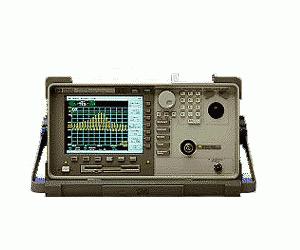
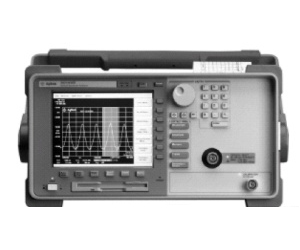
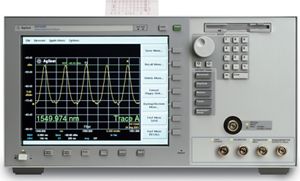
Ando Optical Spectrum Analyzers (15 units)
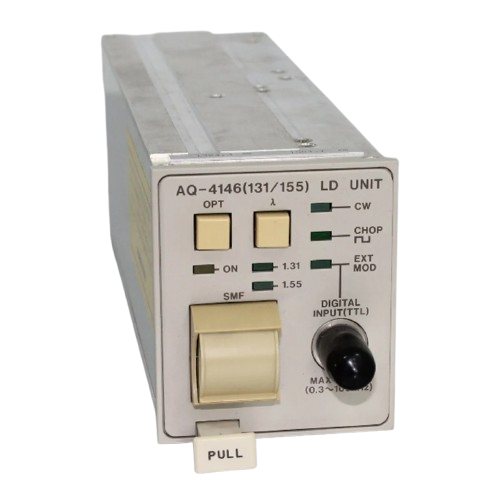
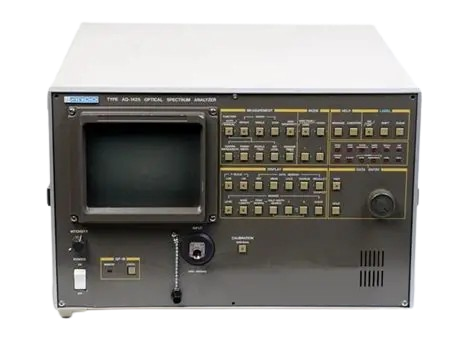
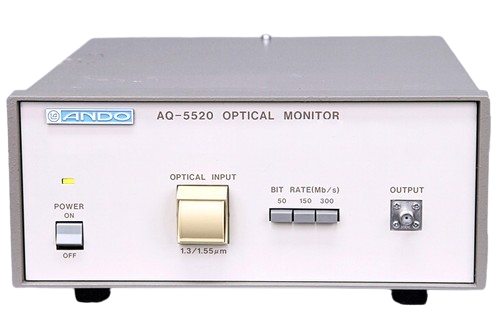
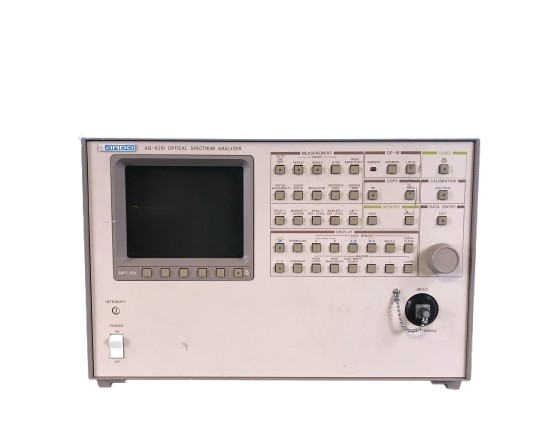
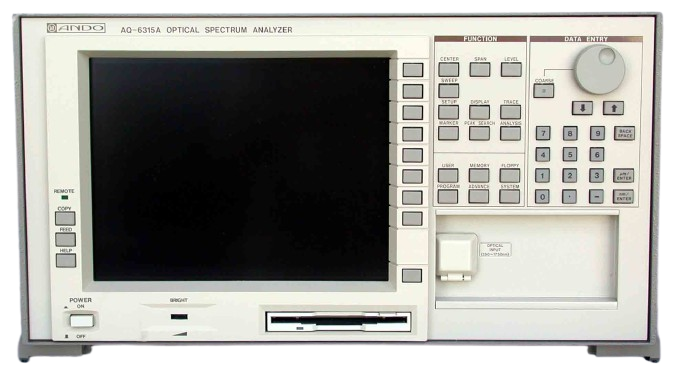
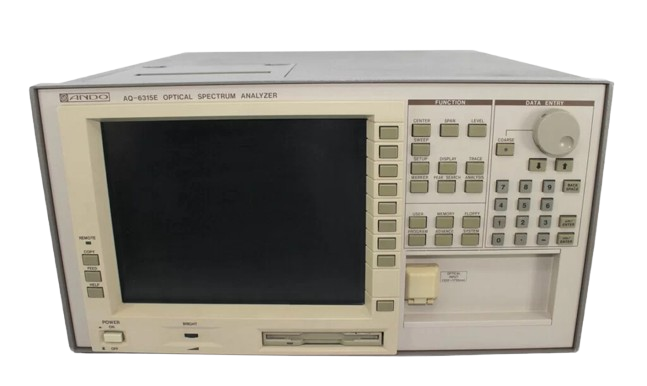
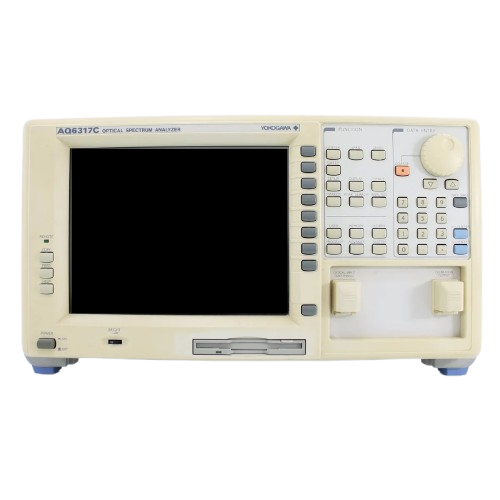
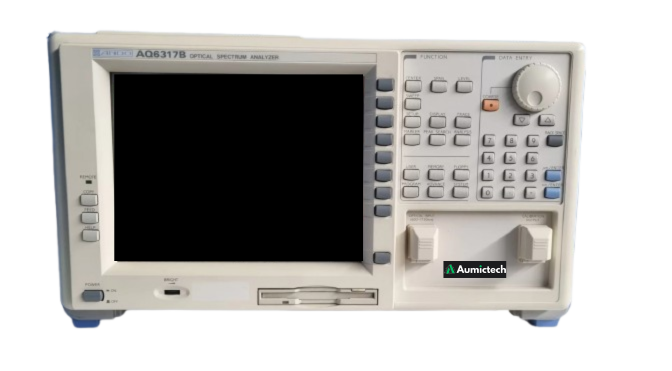
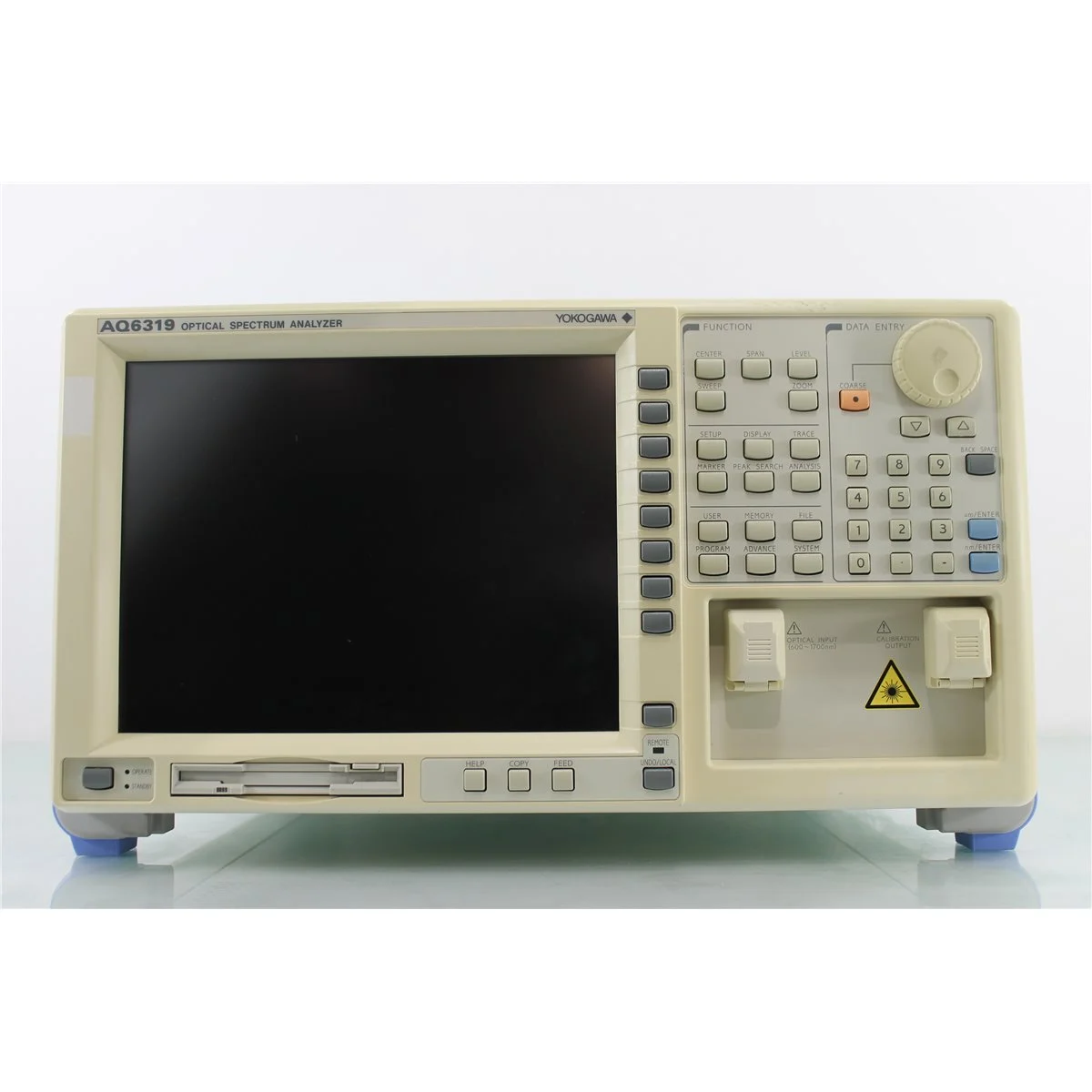
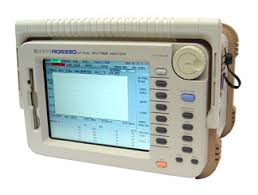
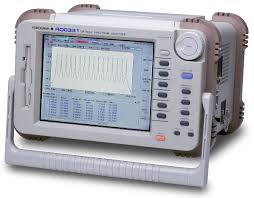
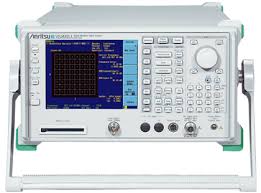
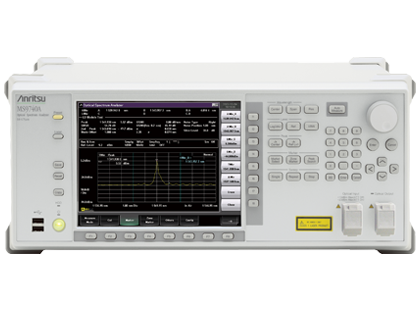
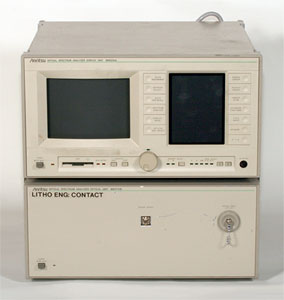
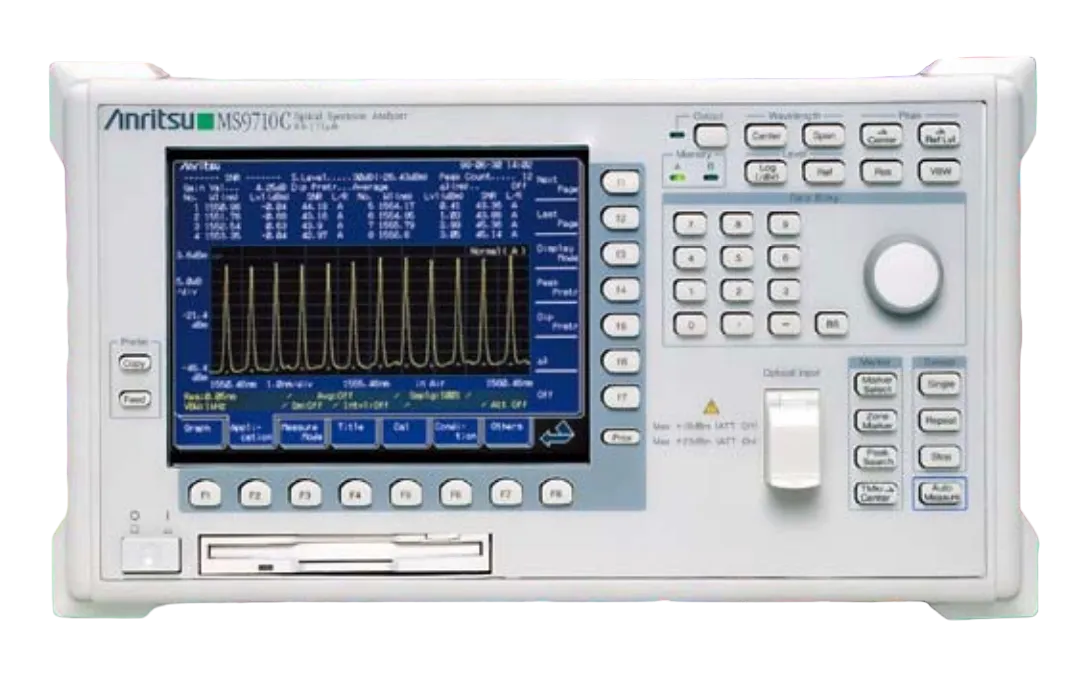
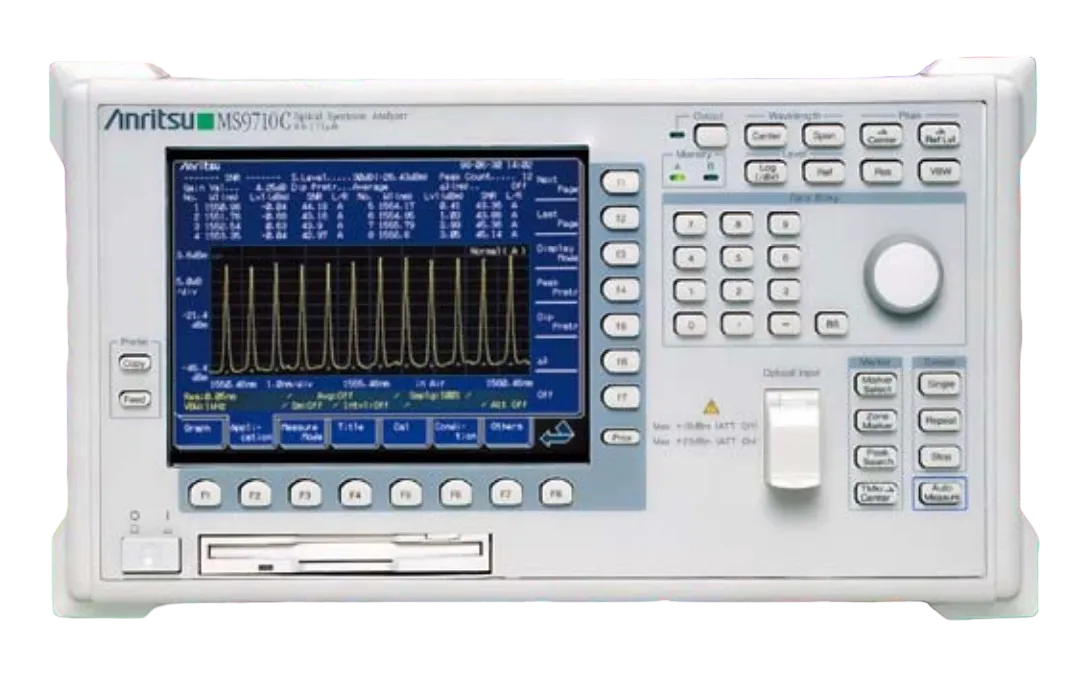
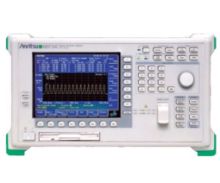
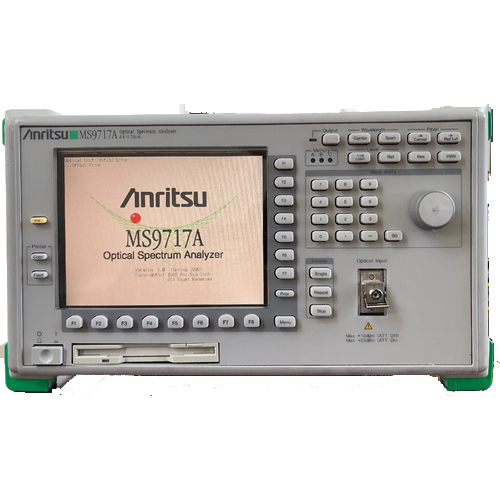
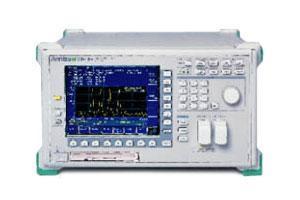
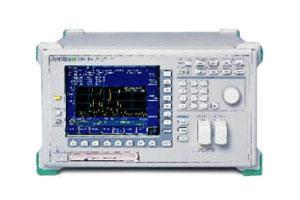
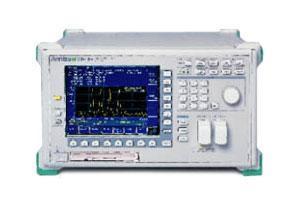
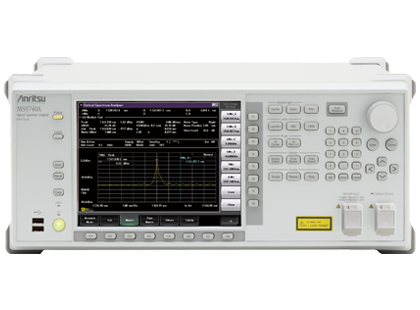
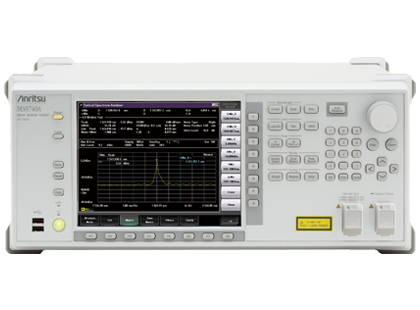
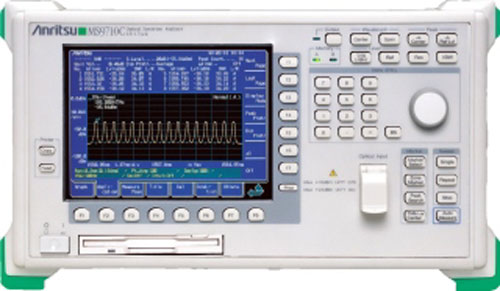
Anritsu Optical Spectrum Analyzers (23 units)
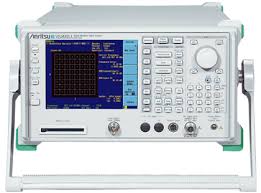
Burleigh Optical Spectrum Analyzers (1 unit)
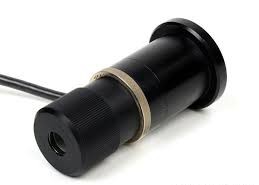
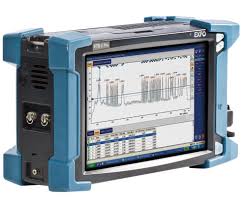
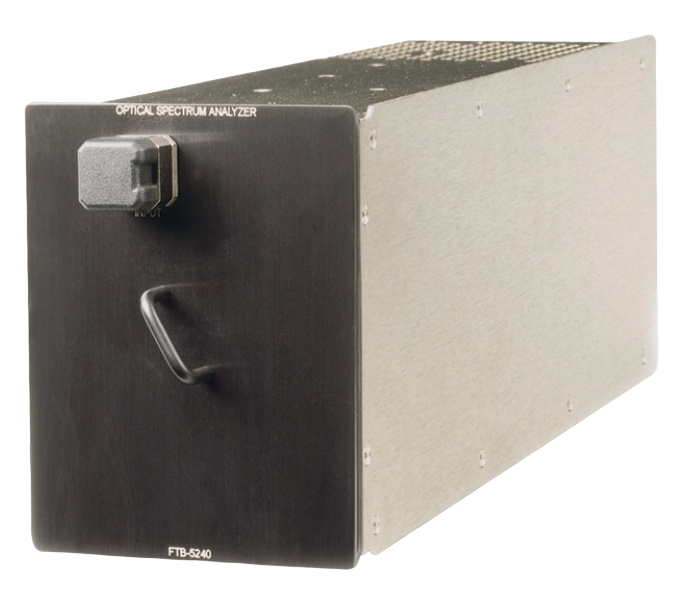
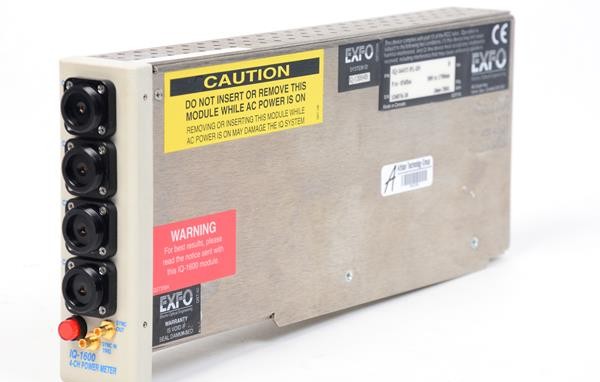
Exfo Optical Spectrum Analyzers (8 units)
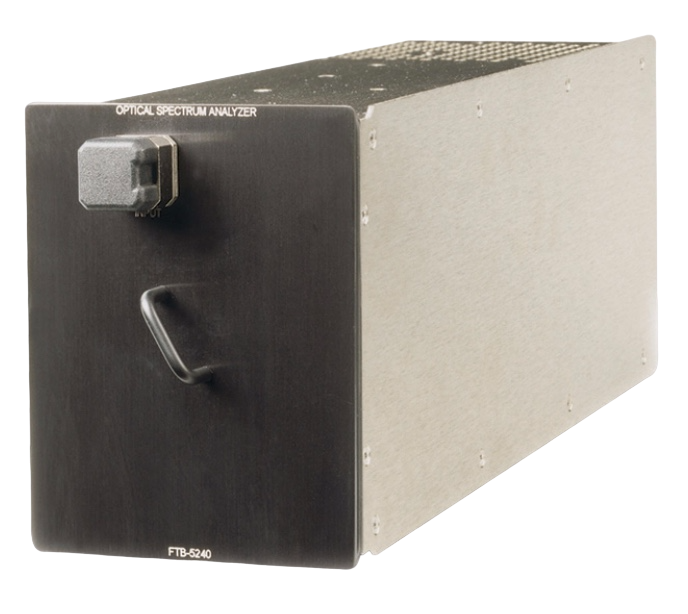
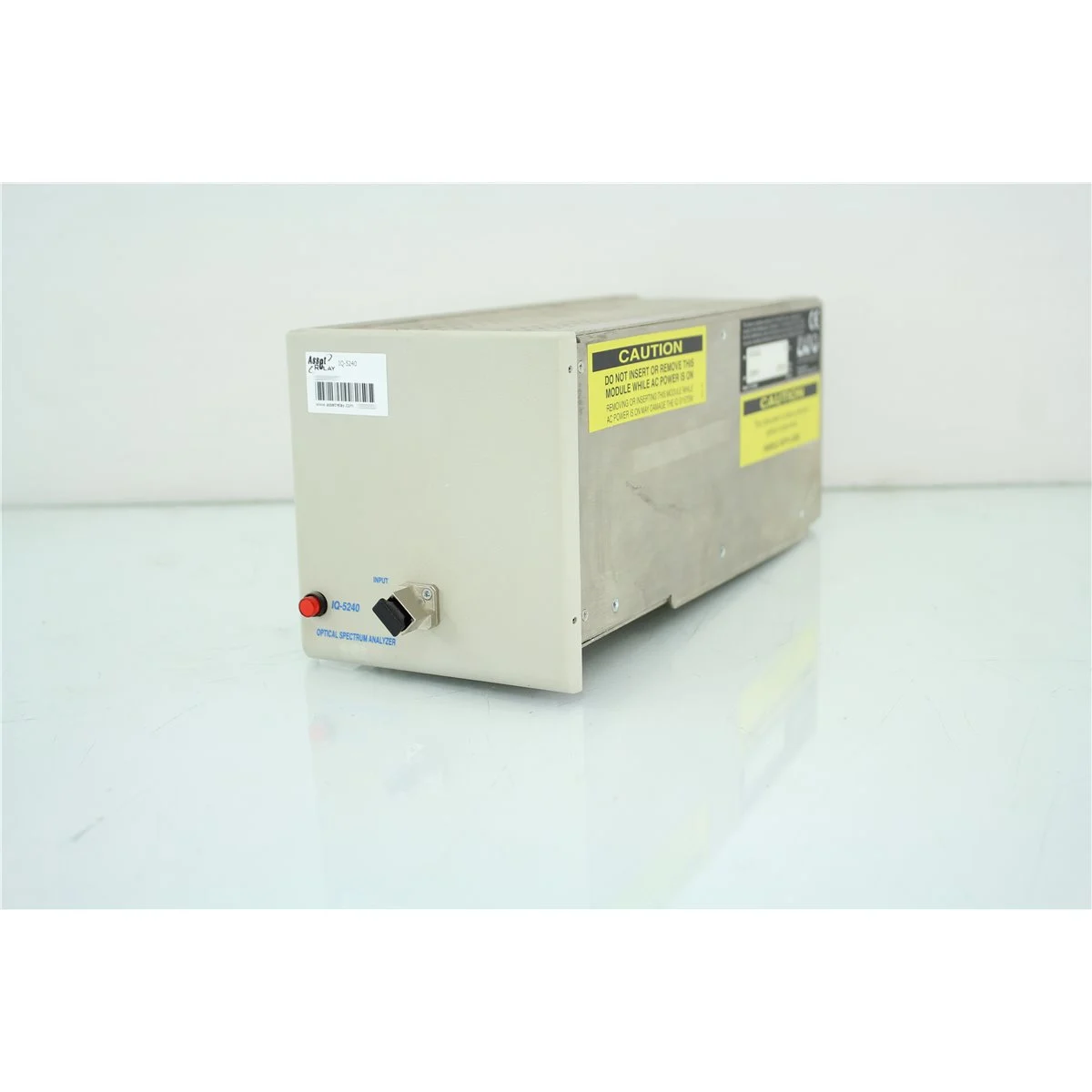
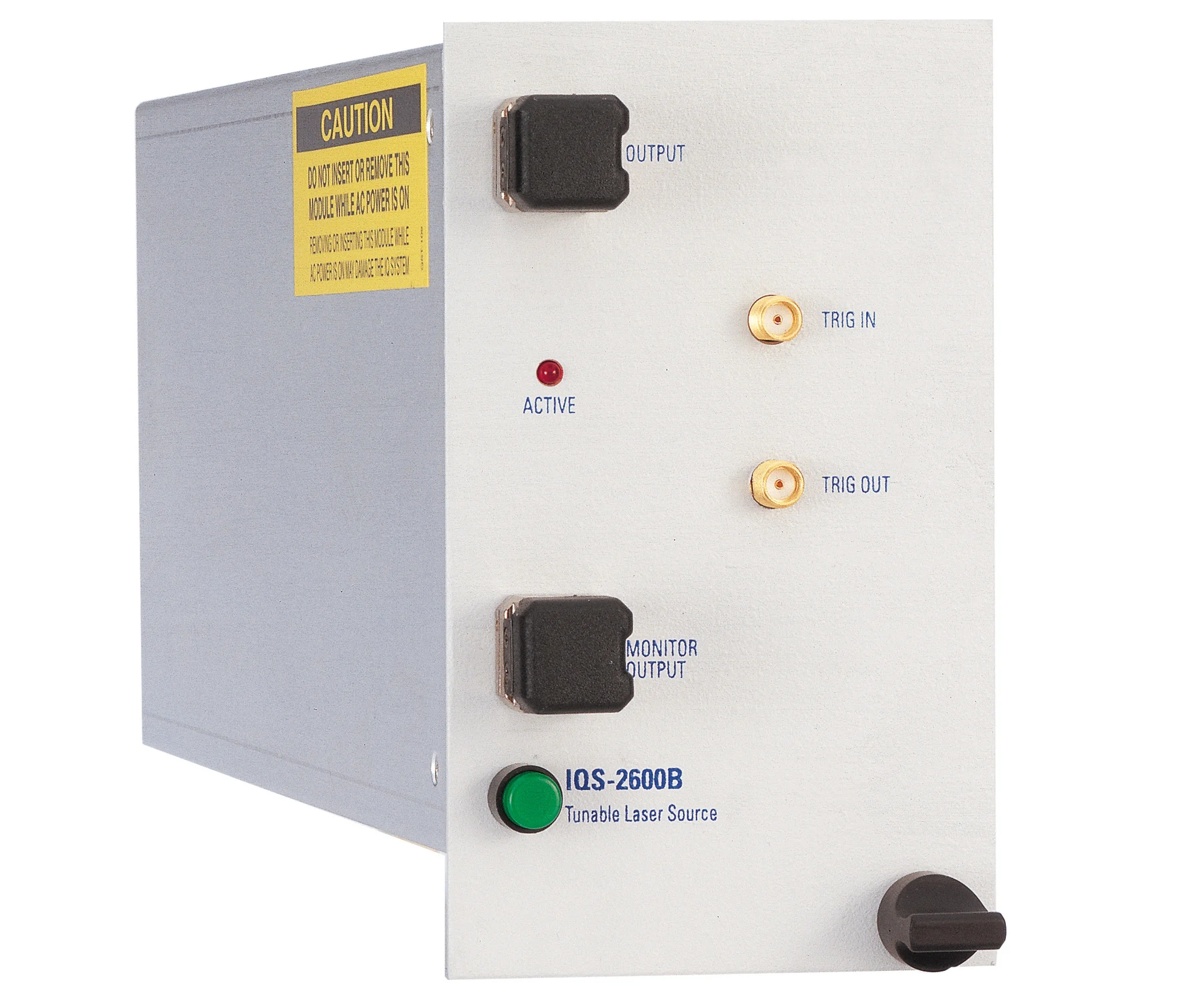
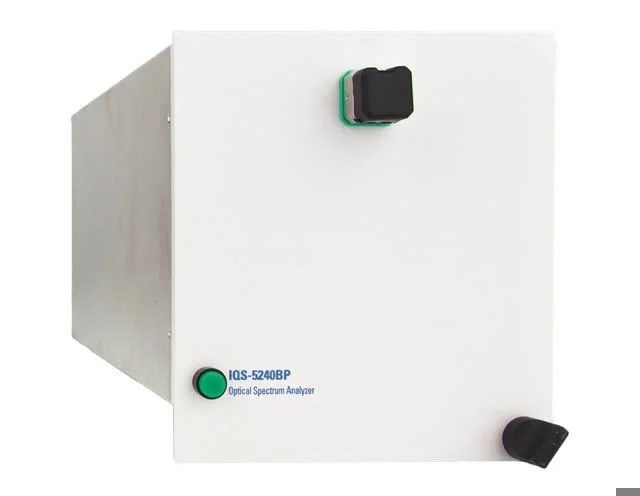
GN Nettest/Photonetics Optical Spectrum Analyzers (2 units)
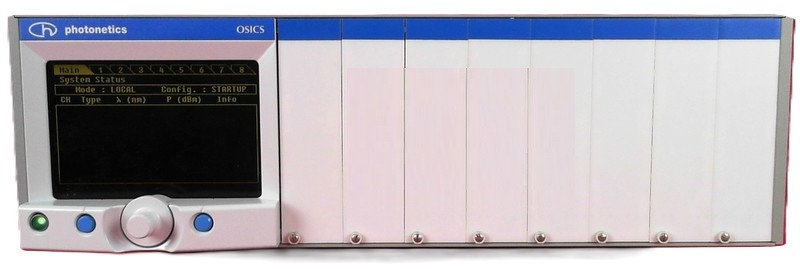
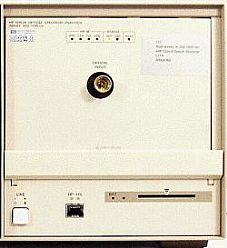
HP Optical Spectrum Analyzers (1 unit)
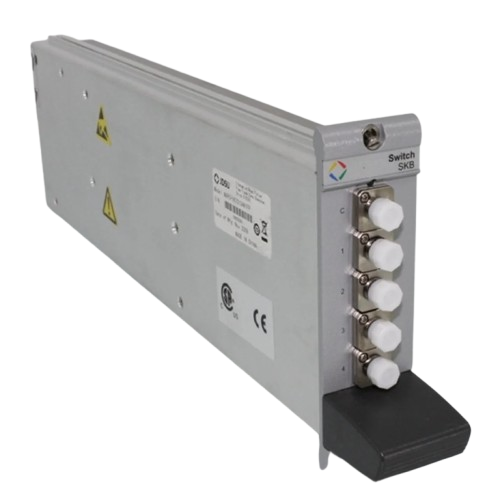
JDS Uniphase Optical Spectrum Analyzers (3 units)
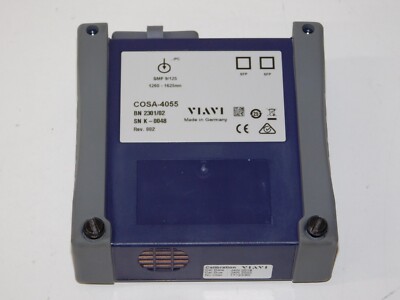
ThorLabs Optical Spectrum Analyzers (1 unit)
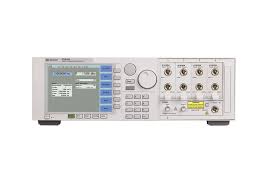
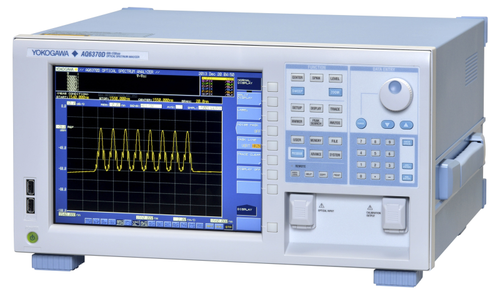
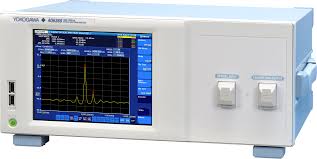
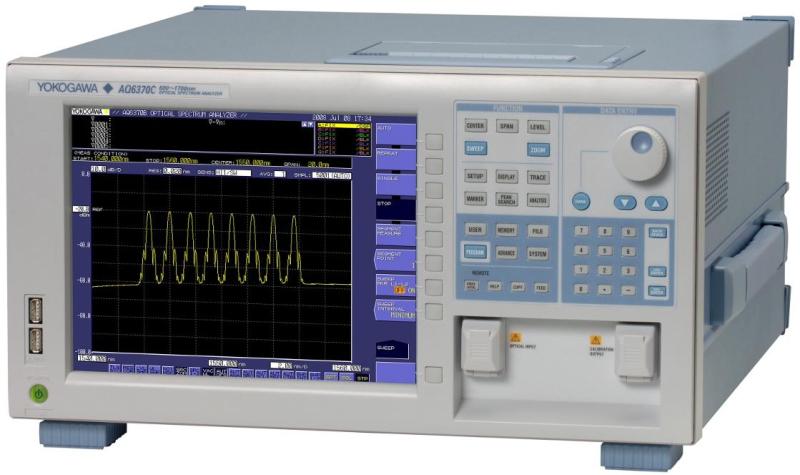
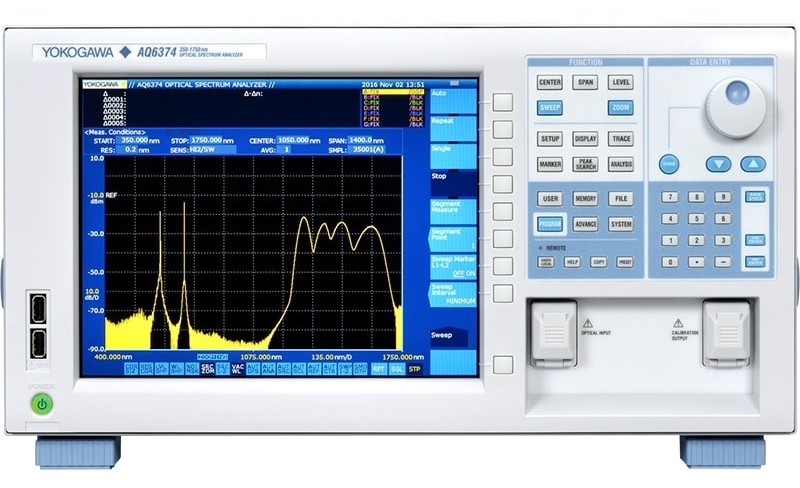
Yokogawa Optical Spectrum Analyzers (8 units)
What to Look for When Buying a Used Optical Spectrum Analyzer
OSAs are precision instruments built around a diffraction grating, a collimating lens, and a photodetector. The grating wears and its drive motor can develop backlash over time - this shows up as wavelength offset errors or inconsistent sweeps. Before buying used, confirm the instrument was tested recently. A unit that's been sitting powered-off for five years may need the grating recalibrated and the battery replaced before it boots cleanly.
The three specs that matter most for most labs: (1) wavelength range and whether it covers your band, (2) minimum resolution bandwidth, and (3) sensitivity/dynamic range for the signals you're measuring. Everything else - interface, sweep speed, display resolution - is secondary.
Wavelength Range by Application
| Band / Application | Wavelength | Suitable Models (in stock) |
|---|---|---|
| O-band CWDM, 1310 nm SMF | 1260–1360 nm | Ando AQ6317 series, Yokogawa AQ6370D, Anritsu MS9710C |
| C-band DWDM amplifiers, EDFA | 1530–1565 nm | All models - this is the universal coverage range |
| L-band DWDM (100 ch+ systems) | 1565–1625 nm | Yokogawa AQ6370D/AQ6373B, Anritsu MS9740B, Agilent 86140B |
| S-band / wideband WDM | 1460–1530 nm | Yokogawa AQ6370D, Agilent 86140B series |
| Mid-IR up to 2400 nm | 900–2400 nm | Yokogawa AQ6376E, AQ6377 |
| LED / visible-range | 600–900 nm | Ando AQ6310 series, Advantest Q8381 |
Resolution Bandwidth - What the Numbers Mean in Practice
Resolution bandwidth (RBW) determines whether you can resolve two closely spaced channels. At 100 GHz channel spacing (≈0.8 nm at 1550 nm), any OSA with an RBW below 0.3 nm works. At 50 GHz (≈0.4 nm), you want ≤0.1 nm. At 25 GHz (≈0.2 nm) or for detailed OSNR measurements, aim for ≤0.02 nm. The Ando AQ6317 achieves 0.02 nm typical; the Yokogawa AQ6370D reaches 0.02 nm typical with ±0.002 nm wavelength accuracy - which is why it's the standard in DWDM lab work.
The Anritsu MS9700 series caps out at 0.1 nm, making it suitable for CWDM testing or source characterization but not for dense WDM channel-by-channel measurements. If you're budget-constrained and working in C-band at 100 GHz spacing, an MS9703 or MS9710B at under $10,000 is a sensible buy.
OSA Repair and Calibration at Aumictech
We stock repair-capable instruments for the most common OSA families. The faults we see most often on the bench: the Ando AQ6317 step 8/8 boot stop (CMOS battery replacement + NVRAM reset, typically a half-day job), Agilent 86140 series grating motor drift (requires full wavelength calibration after adjustment), and Anritsu MS9710/MS9740 sensitivity degradation from contaminated input connectors or aged detectors. All repair work comes with a post-repair wavelength and power accuracy check.
See all OSA repair and calibration services →
Model-specific repair pages with fault descriptions and flat-rate estimates:
- Ando AQ6317 repair - step 8/8 stop, grating drift, display faults
- Ando AQ6317B repair
- Ando AQ6317C repair
- Ando AQ6315A repair
- Ando AQ6315E repair
- Agilent 86140A repair
- Agilent 86140B repair
- Agilent 86141B repair
- Agilent 86142A repair
- Agilent 86145A repair
- Agilent 86145B repair
- Agilent 86146B repair
- Yokogawa AQ6370D repair
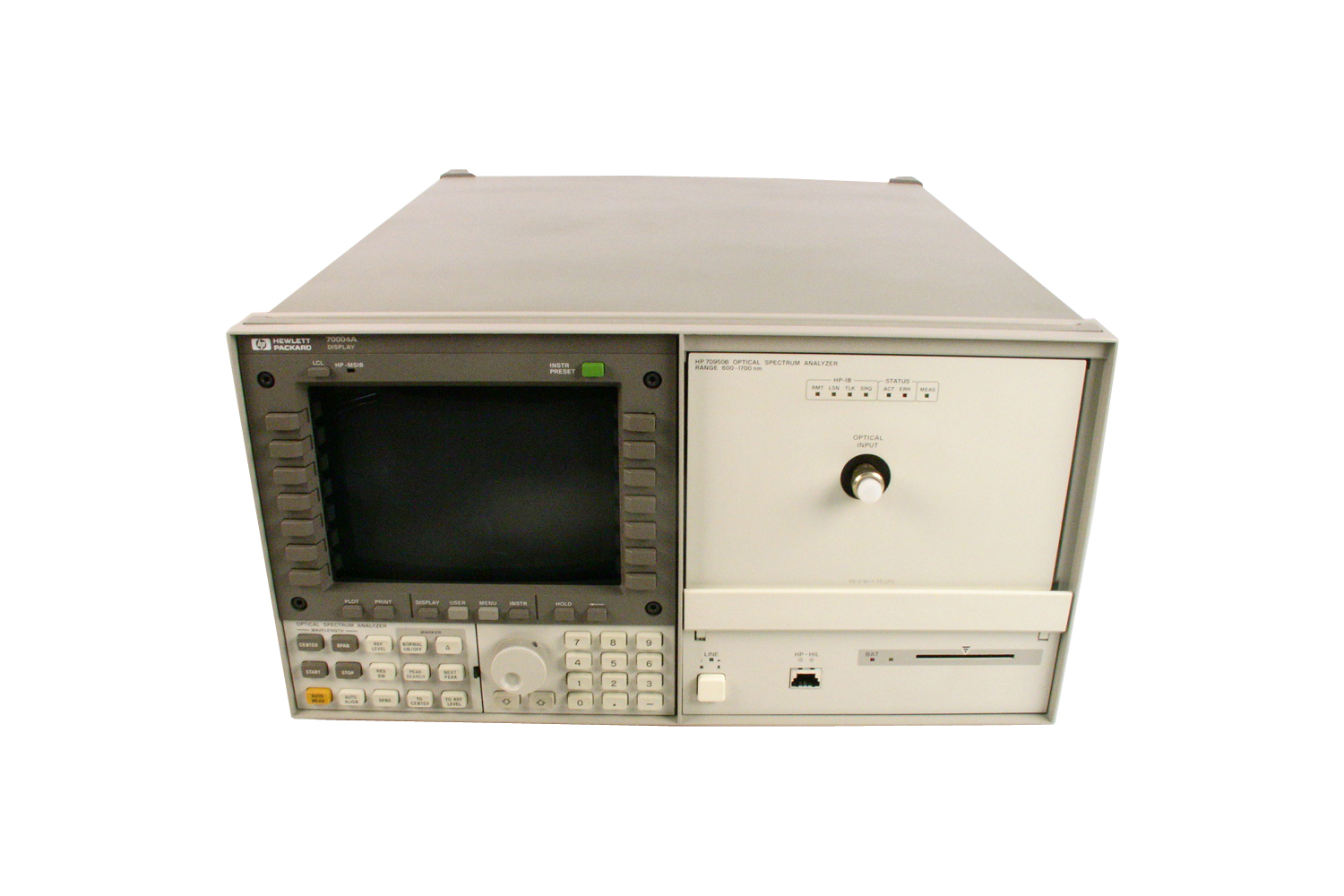
- HP 70950B repair
- HP 70951A repair
- HP 70952B repair
Frequently Asked Questions
What is the difference between an optical spectrum analyzer and an RF spectrum analyzer? +
An optical spectrum analyzer (OSA) measures power as a function of wavelength in the optical domain, typically 600–1700 nm, with sub-nanometer resolution. An RF spectrum analyzer measures electrical signals from kHz to GHz. OSAs use a diffraction grating to disperse light; RF analyzers use mixers and filters. They are different instruments for different domains and are not interchangeable.
Which OSA wavelength range do I need for DWDM testing? +
C-band DWDM (1530–1565 nm) is covered by virtually every OSA made after 1995. L-band (1565–1625 nm) requires confirmation - the Yokogawa AQ6370 series, Anritsu MS9740B, and Agilent 86140 series all cover it. S-band (1460–1530 nm) is less common. For mid-IR up to 2400 nm, the Yokogawa AQ6376E or AQ6377 are the right instruments.
What resolution bandwidth (RBW) do I need? +
Most C/L-band DWDM channel spacing is 100 GHz (0.8 nm) or 50 GHz (0.4 nm), so a 0.07 nm RBW is more than adequate. For 25 GHz spacing or detailed modal analysis, aim for ≤0.02 nm - achievable on the Ando AQ6317 series, Yokogawa AQ6370D, and Anritsu MS9740B. The Anritsu MS9700 series is limited to 0.1 nm and suits coarser CWDM work.
Is NIST-traceable calibration included with used OSAs? +
Every unit we sell is tested before listing. NIST-traceable wavelength and power calibration is available on request at an additional cost. We issue calibration certificates with measured data for instruments that pass our accuracy verification. Instruments requiring adjustment are repaired and calibrated before sale or sold as-is with that noted in the listing.
What are the most common faults in used optical spectrum analyzers? +
The Ando AQ6317 series is prone to stopping at step 8 of 8 during boot, which is a dead CMOS battery or corrupted NVRAM - a bench-reparable issue. Older Agilent 86140 series units develop grating motor drift after extended use. Anritsu MS9700 series units sometimes show degraded sensitivity from connector contamination or aging InGaAs detectors. We see and repair all of these.
What interface does the OSA use - GPIB, USB, or Ethernet? +
Most OSAs made before 2005 are GPIB-only (IEEE-488). Yokogawa AQ6370 series (2008+), Anritsu MS9740 series, and Exfo FTB-5240 series add USB and/or Ethernet. If your lab no longer has a GPIB card, confirm the interface before ordering. Many models can be operated standalone without a computer for sweep/display work.
Can I use an optical spectrum analyzer for fiber characterization? +
Yes. OSAs are used for OSNR measurement, amplifier noise figure, insertion loss vs. wavelength, and source spectral characterization. For fiber-specific measurements like ORL or OTDR, you need a different instrument. OSAs are optimized for spectral power measurements, not time-domain reflectometry.
Can't find the model you need?
We source specific models on request. If you need a Yokogawa AQ6370C, Anritsu MS9740A, or a particular Advantest unit, send us a note and we'll check our incoming stock and procurement channels.
Get in touch