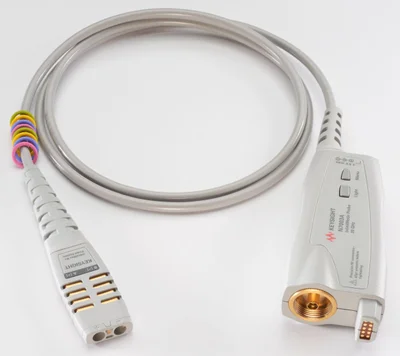
Agilent/Keysight N2798A
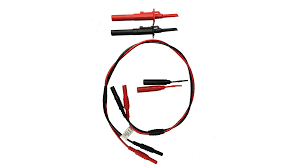
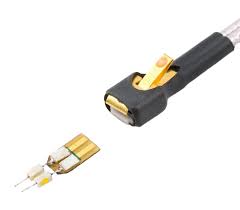
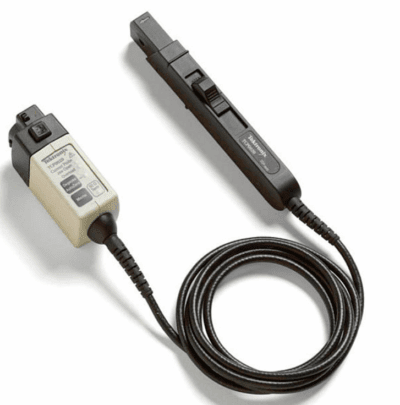
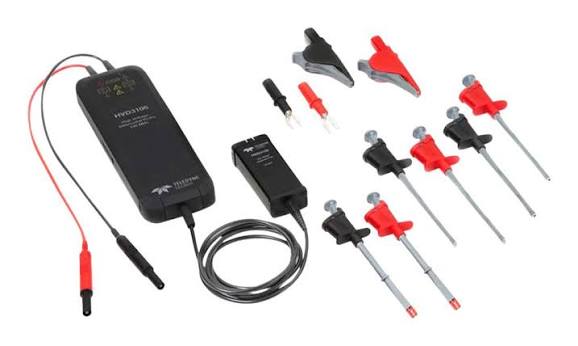
The Agilent/Keysight N2798A is a high-voltage differential probe designed for accurate measurement of high-voltage signals. It features a high bandwidth and high common-mode rejection ratio, making it suitable for demanding applications such as power electronics and automotive testing. The probe is compatible with a wide range of oscilloscopes and offers a variety of accessories for convenient use.
- Model
- Agilent / Keysight N2798A
- Calibration
- Available on request
- Price · starting from
- $2,250
- Status
- In stock
- RFQ ref
- N2798A
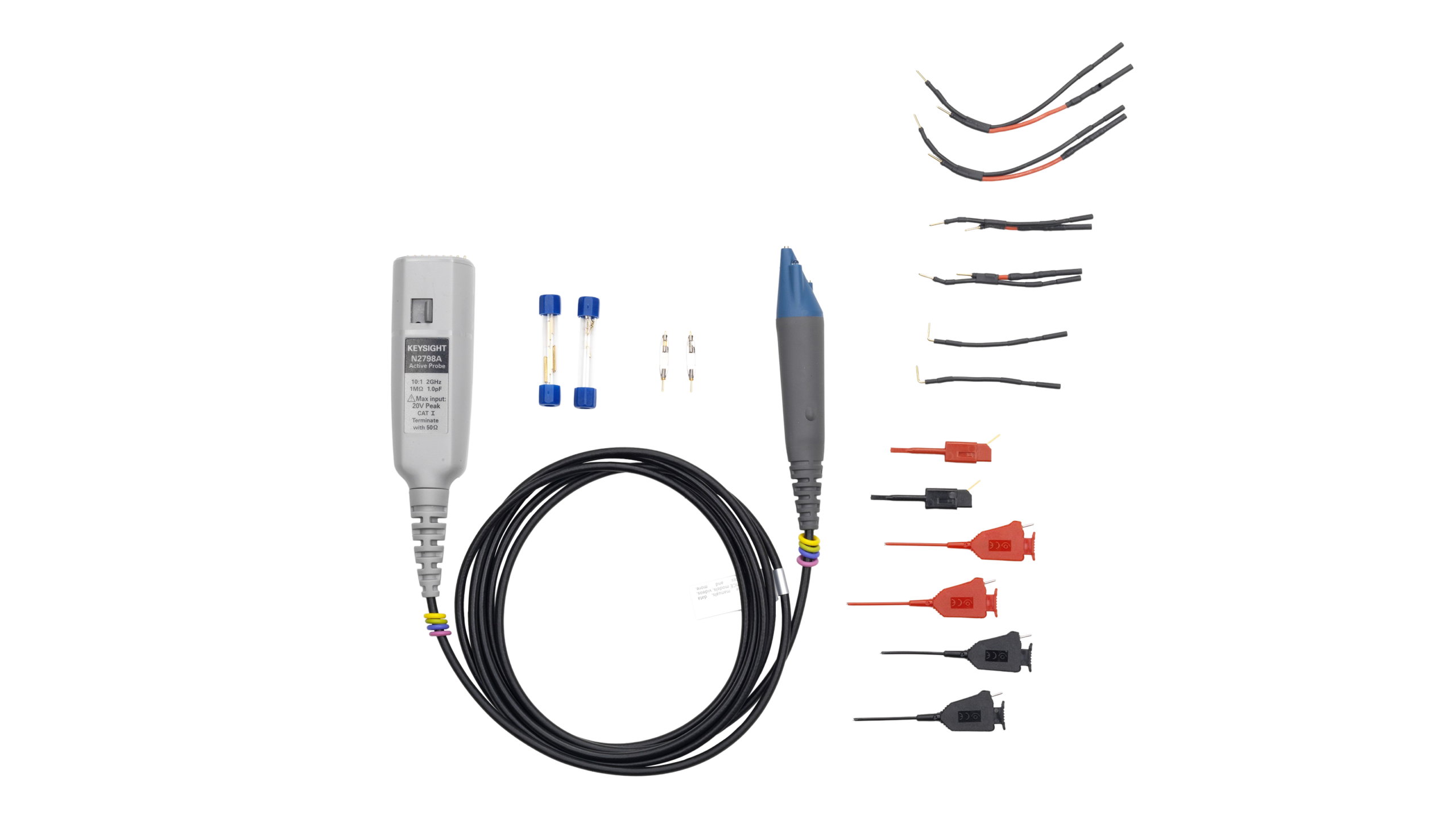
This unit
The Agilent/Keysight N2798A is a high-voltage differential probe designed for precision measurement of differential signals in power electronics, automotive testing, and industrial environments. It delivers 20 MHz differential bandwidth with selectable 100:1 or 1000:1 attenuation, supporting input voltages to 1000 V CAT III (100:1) or 2000 V CAT II (1000:1). The probe achieves superior common-mode rejection - exceeding 60 dB at 50/60 Hz - making it ideal for noisy measurement environments.
With ±2% DC accuracy and ±3% AC accuracy at 100 kHz, plus input impedance of 10 MΩ || 6 pF, the N2798A delivers reliable signal acquisition across a wide voltage range. Rise time of 17.5 ns typical and noise under 1 mV RMS ensure clean signal fidelity. The probe connects via BNC output to standard oscilloscope inputs and operates from oscilloscope power delivery (typically 5 V to 15 V), drawing less than 4.5 VA.
Technical Specifications
- Differential Bandwidth: 20 MHz
- Single-Ended Bandwidth: 100 MHz (typical)
- Attenuation Ratio: 100:1 / 1000:1 (selectable)
- DC Accuracy: ±2% of reading
- AC Accuracy: ±3% of reading (at 100 kHz)
- Common-Mode Rejection Ratio: > 60 dB at 50/60 Hz; > 40 dB at 100 kHz; > 20 dB at 20 MHz
- Input Voltage Range (Differential): 1000 V CAT III (100:1); 2000 V CAT II (1000:1)
- Maximum Common-Mode Voltage: 2000 V CAT III
- Input Impedance: 10 MΩ || 6 pF (differential and common-mode)
- Offset Voltage: ±100 V
- Offset Voltage Temperature Drift: ±0.1 mV/°C
- Propagation Delay: 50 ns (typical)
- Rise Time: 17.5 ns (typical)
- Noise: < 1 mV RMS (typical, at 100:1 attenuation, 20 MHz bandwidth)
- Output Impedance: 50 Ω
- Power Consumption: < 4.5 VA
Key Features
- Dual attenuation modes for flexible measurement ranges
- High CMRR performance across DC through 20 MHz
- Low output impedance (50 Ω) for clean oscilloscope integration
- Temperature-stable offset voltage specification
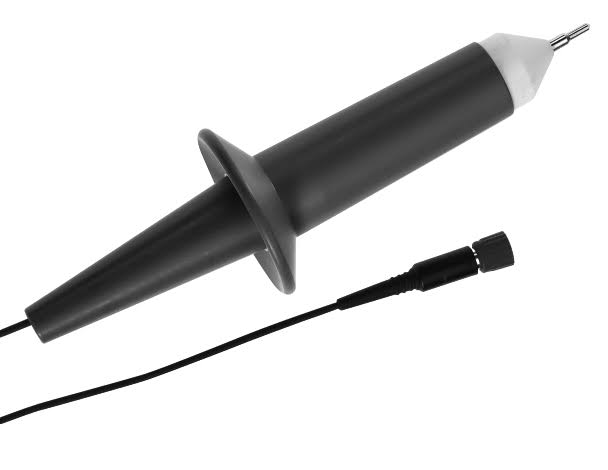
- Screw terminal inputs with safety covers
Typical Applications
- Power electronics testing and characterization
- Automotive high-voltage circuit analysis
- Industrial signal acquisition in high common-mode environments
- Gate-drive and switching node measurements
Compatibility & Integration The N2798A interfaces with oscilloscopes via standard BNC connectors and draws power directly from the instrument. It operates with Agilent/Keysight oscilloscopes and other platforms supporting equivalent BNC signal inputs and power delivery schemes.
Agilent / Keysight N2798A — Repair & Calibration Service
Aumictech offers NIST-traceable calibration and repair for the Agilent / Keysight N2798A. All calibrations are performed to NIST-traceable standards and ship with a certificate. Turnaround is typically 1–3 business days after receipt.
Agilent / Keysight N2798A price
This Agilent / Keysight N2798A is listed at $2,250. Calibration is available separately from $450. Contact us for volume pricing or if you need multiple units.
Agilent / Keysight N2798A calibration cost
NIST-traceable calibration for the Agilent / Keysight N2798A is $450 (standard — pass/fail certificate and calibration sticker) or $650 (full measured data at every test point, reference standards documented, traceability chain included). Turnaround is 1 to 3 business days after receipt. See full calibration details →