
Used Insulation Resistance Testers
18 units in stock — handheld megohmmeters, bench high-resistance meters, and dielectric-withstand (hipot) testers from Fluke, Advantest, Keithley, and Hipotronics. Ships from Pleasant Grove, UT.
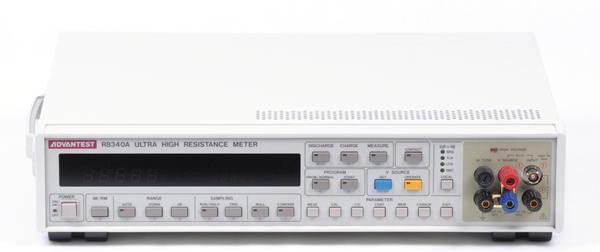
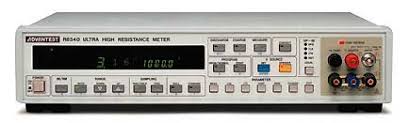
Advantest Insulation Resistance Testers (2 units)
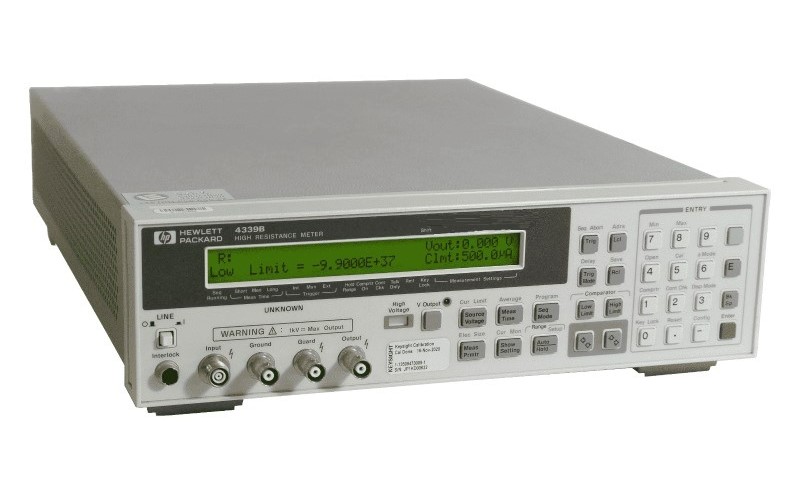
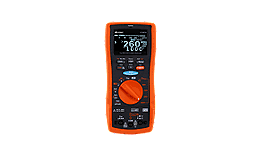
Agilent / HP / Keysight Insulation Resistance Testers (1 unit)
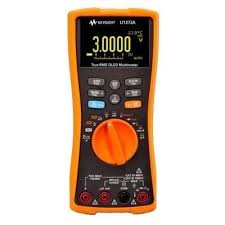
Agilent / Keysight Insulation Resistance Testers (1 unit)
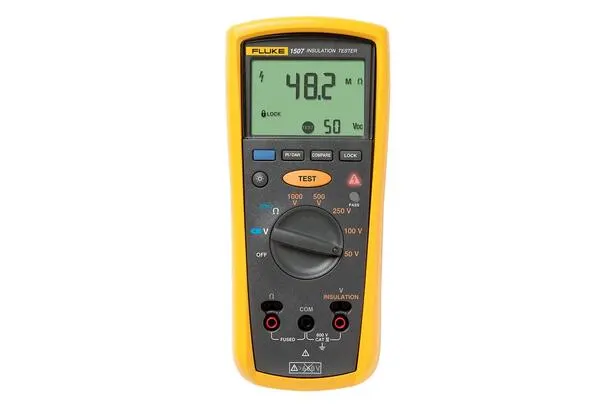
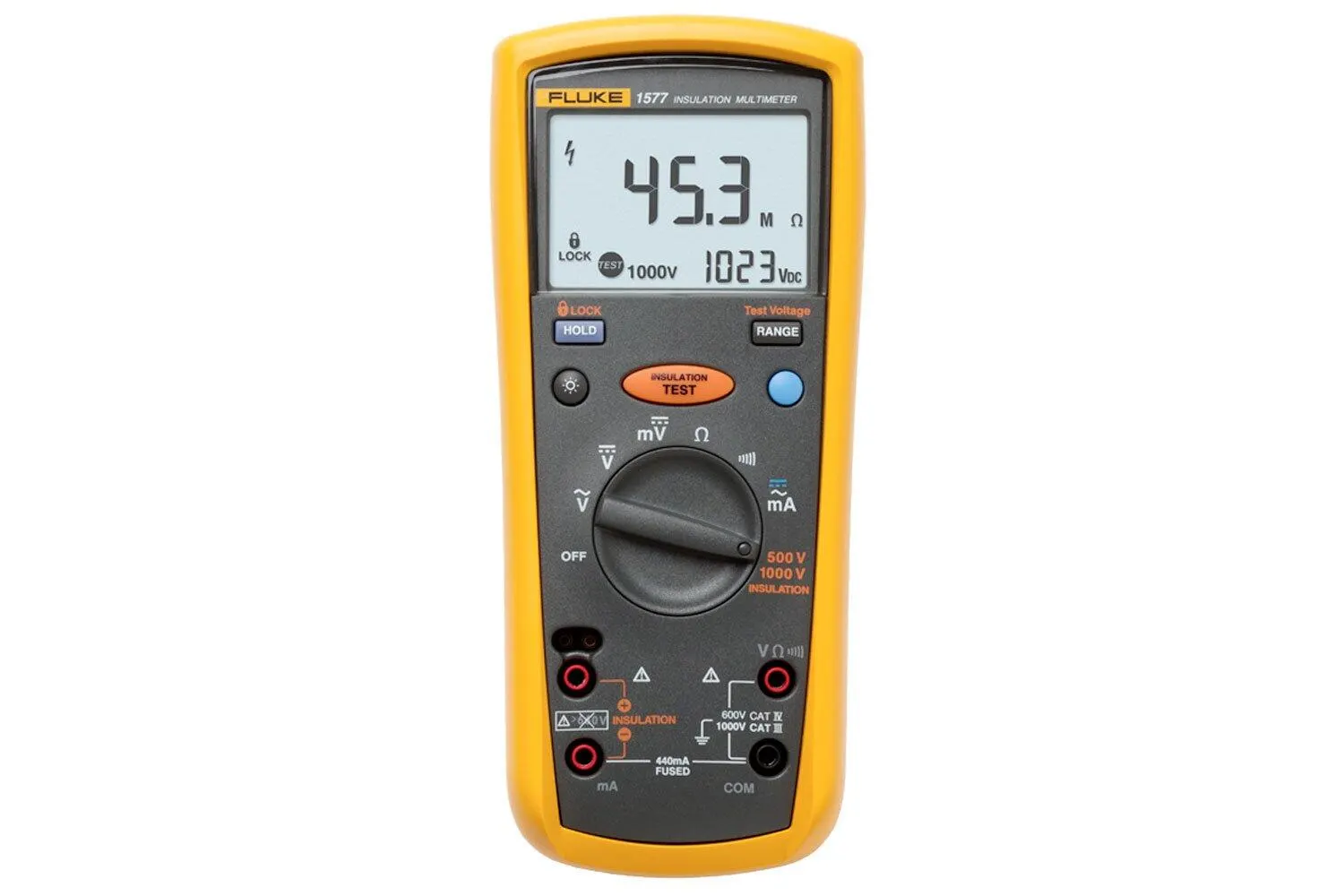
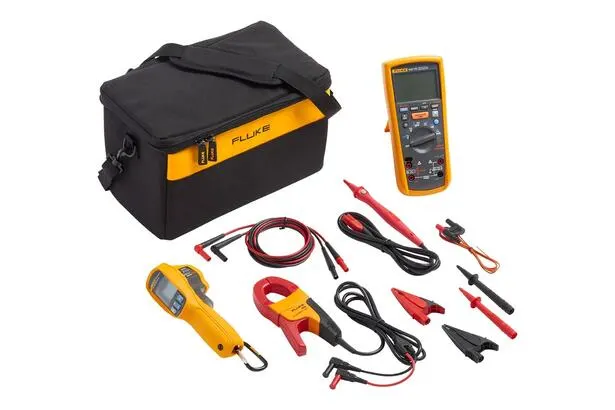
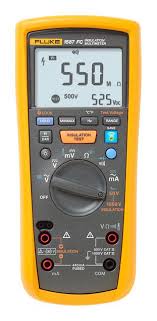
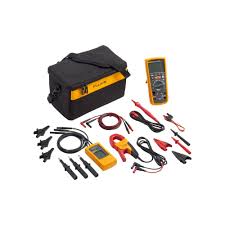
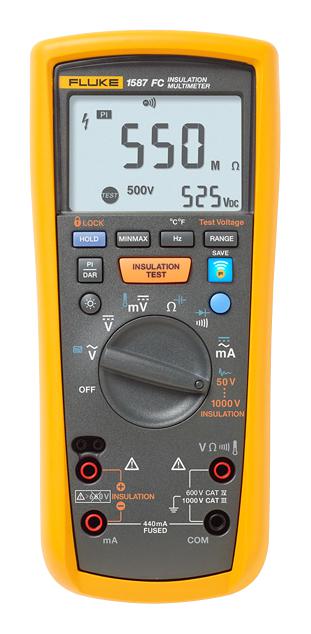
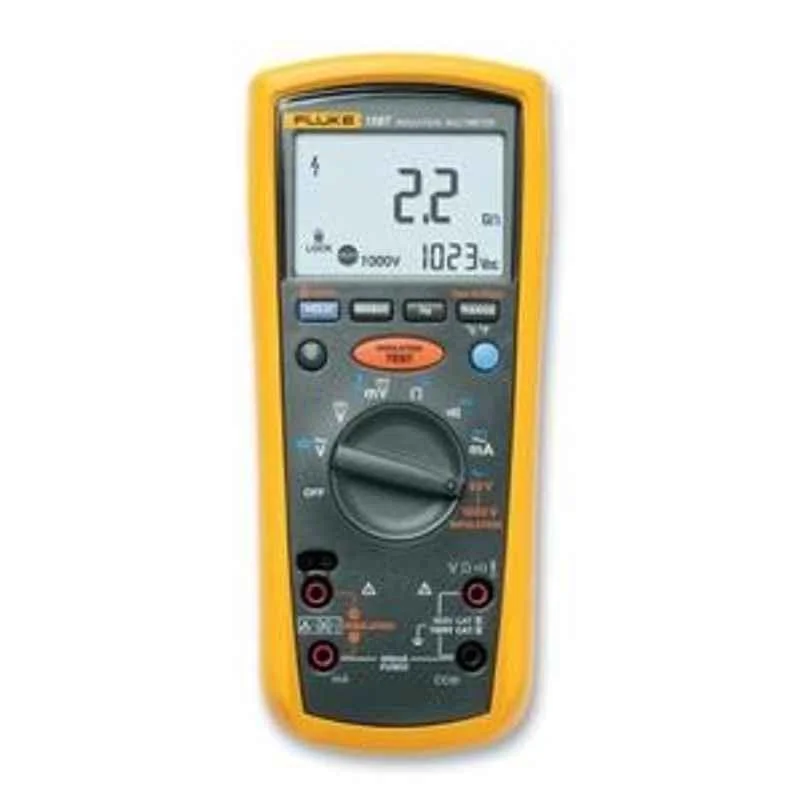
Fluke Insulation Resistance Testers (8 units)
Hipotronics Insulation Resistance Testers (1 unit)
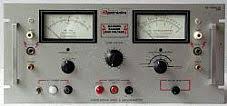
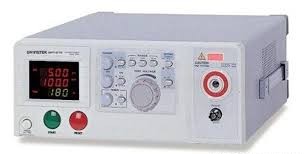
Instek Insulation Resistance Testers (1 unit)
Keithley Insulation Resistance Testers (2 units)
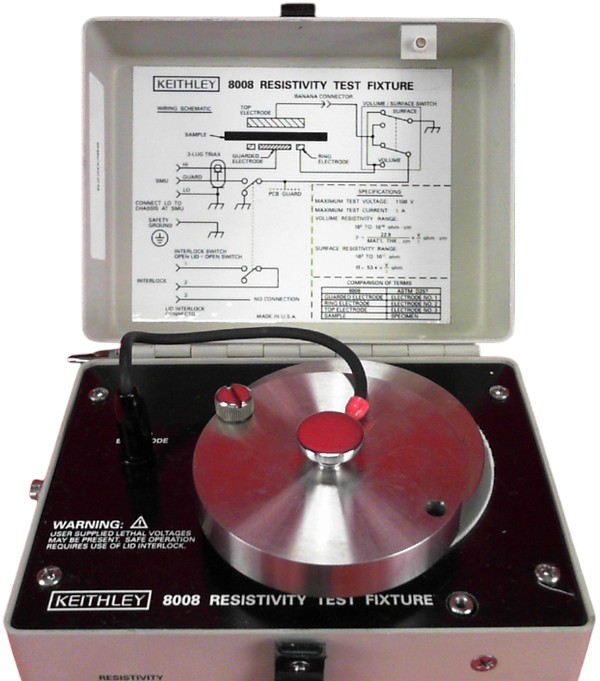
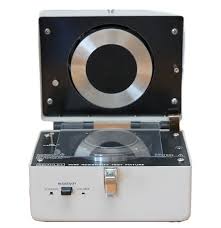
Keysight / Agilent Insulation Resistance Testers (1 unit)
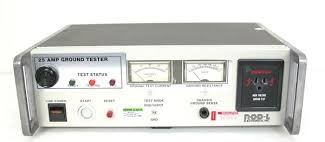
Rod-L Insulation Resistance Testers (1 unit)
Handheld Megohmmeters
The Fluke 1587-series and 1577 combine a standard digital multimeter with insulation resistance testing in one handheld unit — the tool most electricians and maintenance techs reach for to check cable, motor, or panel insulation in the field. The Fluke 1507 and 1555 are dedicated insulation testers without the DMM functions layered in, aimed at applications where a technician is doing insulation testing as the primary task rather than general electrical troubleshooting.
Bench High-Resistance Meters
The Advantest R8340 and R8340A measure very high resistance values beyond what a standard multimeter can read accurately, used for material resistivity testing and component-level insulation evaluation in a lab setting rather than field cable or motor testing. Keithley's 8008 and 8009 resistivity test fixtures serve a similar role, pairing with an electrometer to characterize the surface and volume resistivity of insulating materials.
Hipot / Dielectric-Withstand Testers
A few listings — the Hipotronics H303B and Rod-L M25 — are hipot (dielectric withstand) testers rather than strict insulation-resistance megohmmeters. Instead of measuring resistance at a moderate test voltage, a hipot tester applies a higher AC or DC voltage specifically to check whether the insulation breaks down or arcs under stress, closer to a pass/fail safety compliance test than a resistance measurement. We group these with insulation resistance testers because they test the same underlying thing — insulation integrity — but confirm which type of test your application actually calls for before ordering.
Choosing a Test Voltage
Low-voltage electronics and small assemblies are typically tested at 250V or 500V. Industrial cable, motor, and transformer insulation testing commonly uses 1000V or higher, following whatever equipment class and standard applies to what you're testing. Testing at too high a voltage for the insulation class can damage marginal insulation rather than just diagnosing it — check the rated insulation class of your equipment before selecting a test voltage.
Calibration for Insulation Resistance Testers
Calibration verifies both the applied test voltage accuracy and the resistance measurement accuracy across the instrument's range, against a traceable high-resistance reference standard. For hipot testers, calibration also covers the voltage ramp and trip-current threshold accuracy that determine whether a pass/fail result is trustworthy. See all calibration services →
Frequently Asked Questions
What does an insulation resistance tester (megohmmeter) actually measure? +
It applies a DC test voltage — typically 250V to 5kV depending on the instrument and what's being tested — across an insulation barrier (cable insulation, motor windings, transformer windings) and measures the resulting leakage current to calculate resistance, usually reported in megohms or gigohms. A healthy insulation barrier shows very high resistance; a degraded, contaminated, or moisture-compromised one shows a lower reading. The Fluke 1587-series and 1577 are the classic handheld instruments for this.
Is an insulation resistance tester the same as a hipot (dielectric withstand) tester? +
No, though they're closely related and often grouped together, as we've done here. An insulation resistance tester (megohmmeter) applies a moderate DC voltage and measures resistance — a non-destructive diagnostic test. A hipot tester (like the Hipotronics H303B or Rod-L M25) applies a higher AC or DC voltage specifically to see whether the insulation breaks down or arcs under stress — closer to a pass/fail safety compliance test than a resistance measurement, and capable of damaging marginal insulation if held too long. Check which type of test your application actually requires before choosing between the two.
What is the Advantest R8340 series used for? +
The R8340 and R8340A are high-resistance meters, used to measure very high resistance values (well beyond what a standard multimeter can read accurately) in applications like material resistivity testing and insulation evaluation on components and small assemblies, rather than field cable/motor testing the way a handheld Fluke megohmmeter is used.
What test voltage do I need for my application? +
Low-voltage electronics and small assemblies are typically tested at 250V or 500V. Industrial cable, motor, and transformer insulation testing commonly uses 1000V or higher. Check your equipment's rated insulation class and any applicable standard (such as IEEE or NETA guidelines for the equipment being tested) before selecting a test voltage — over-testing at too high a voltage can damage marginal insulation.
Need a specific test voltage or resistance range?
Tell us what you're testing, and we'll check our incoming stock.
Get in touch