
Used Wavelength Meters for Sale
31 units in stock — Agilent, Burleigh, EXFO, Yokogawa, Advantest, and Bristol. Every wavemeter has been powered on, function-tested, and photographed. NIST-traceable calibration available on request. Ships from Pleasant Grove, UT.
Wavelength Meters (1 unit)
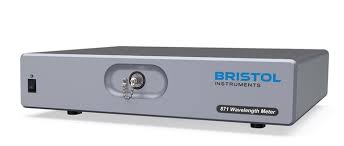
Advantest Wavelength Meters (3 units)
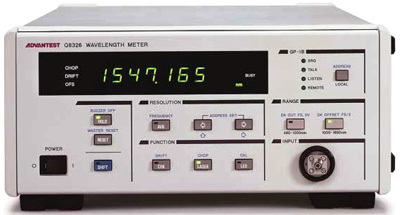
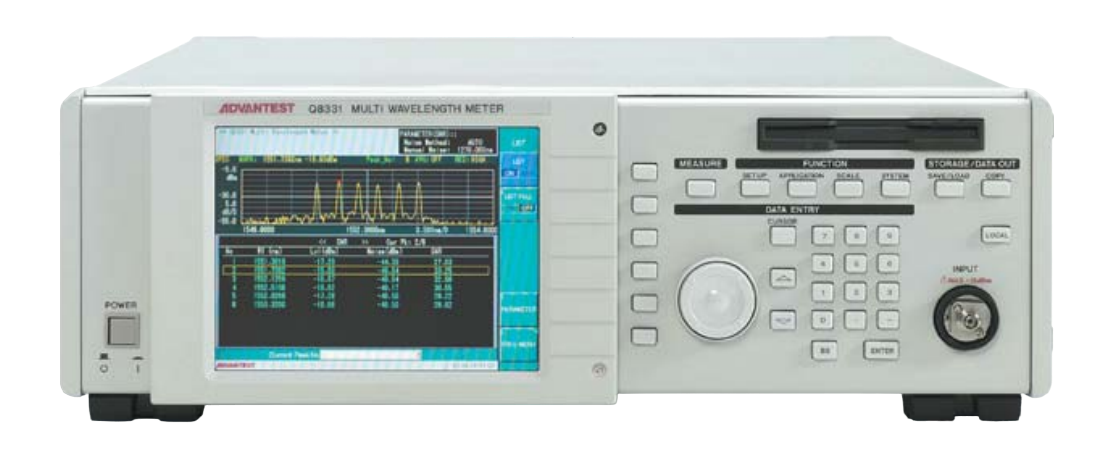
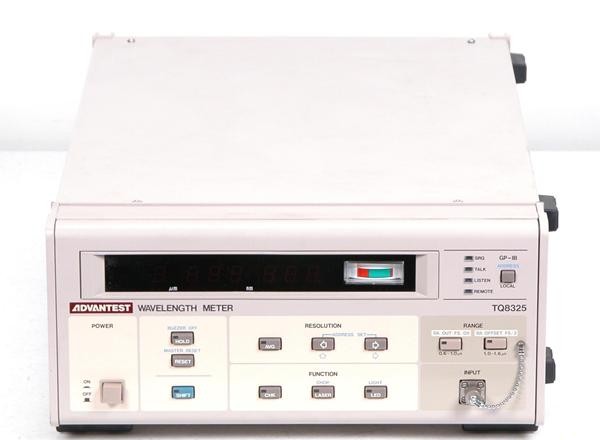
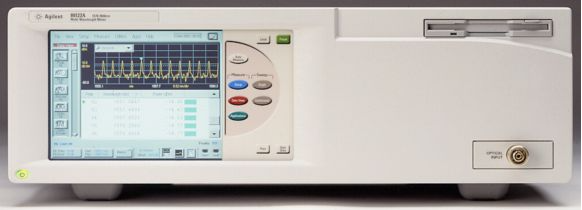
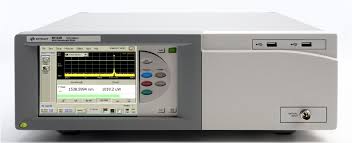
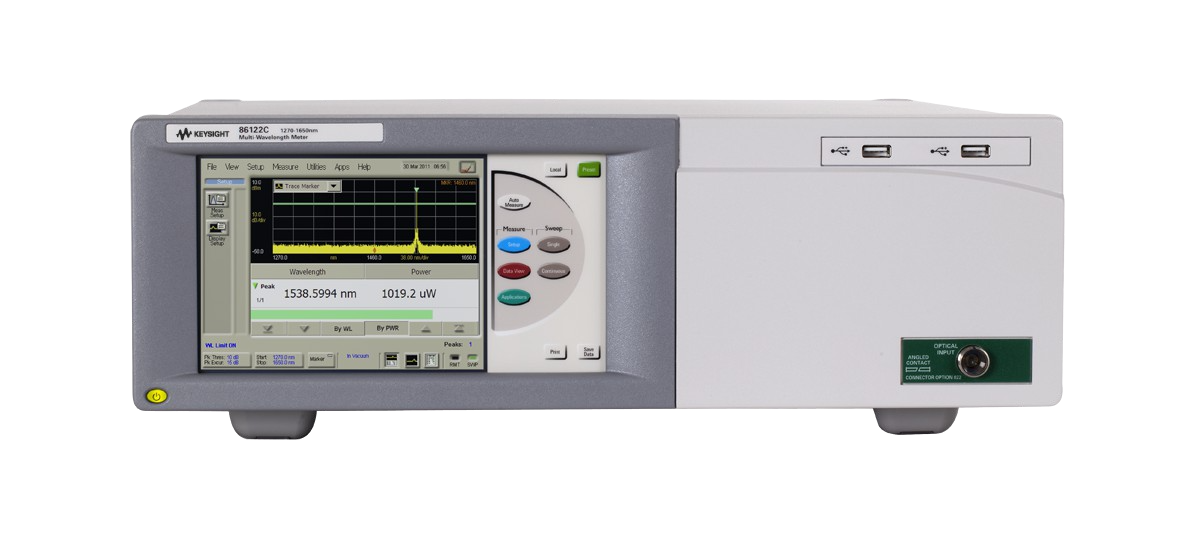
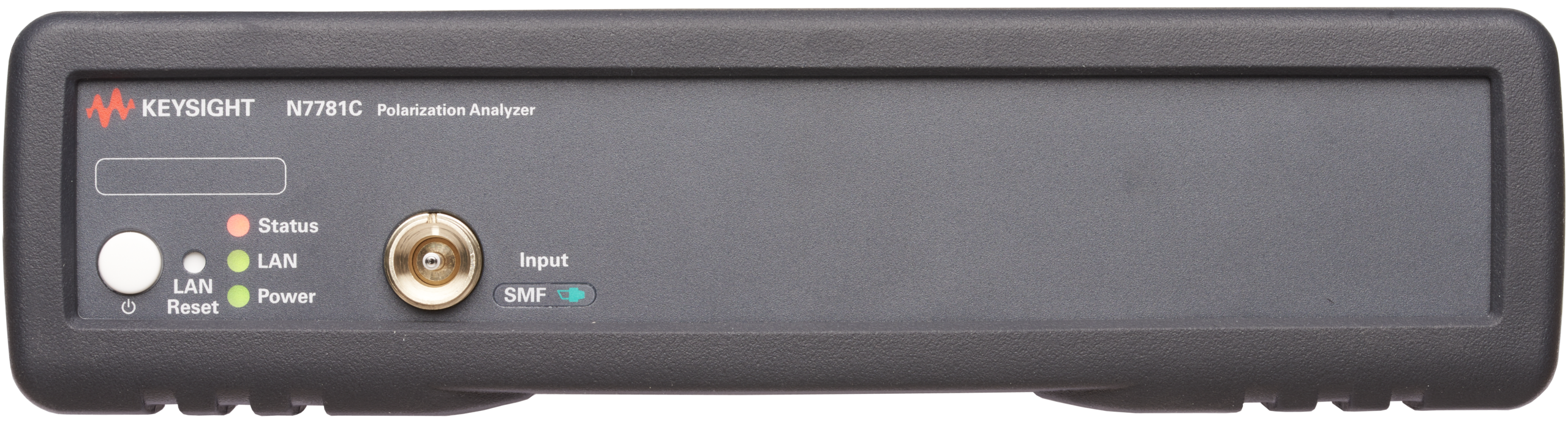
Agilent / Keysight Wavelength Meters (8 units)
Ando Wavelength Meters (1 unit)
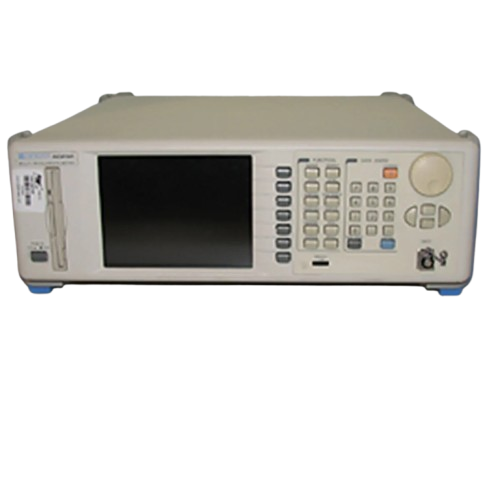
Burleigh Wavelength Meters (8 units)
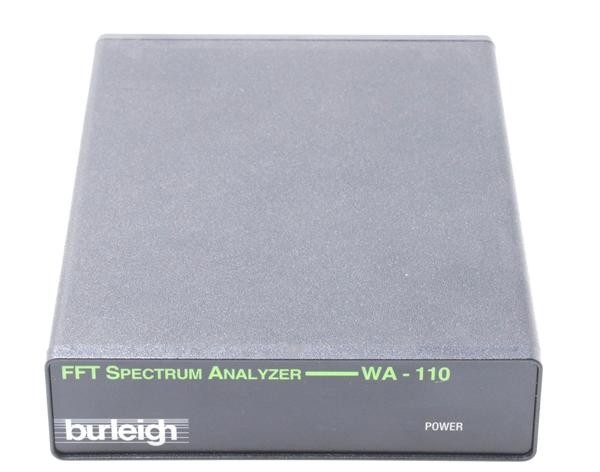
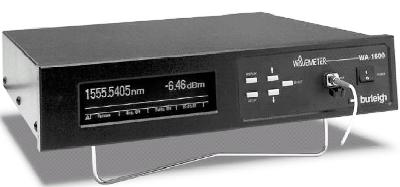
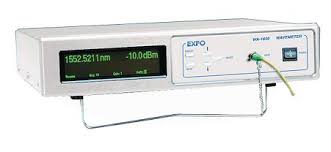
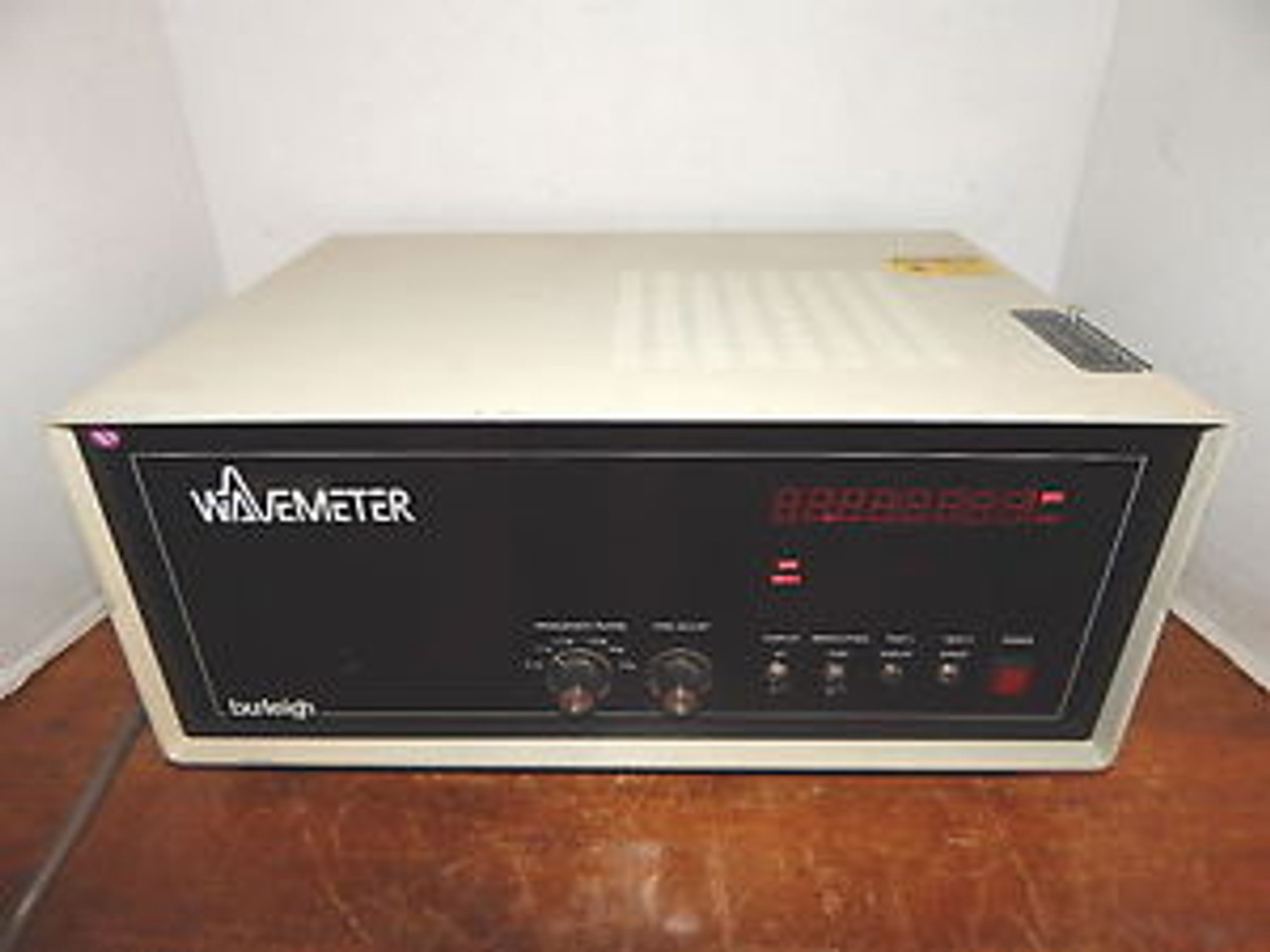
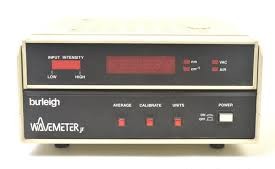
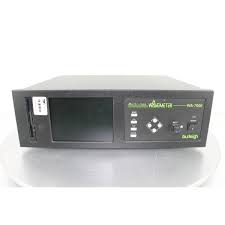
Burleigh / Exfo Wavelength Meters (3 units)
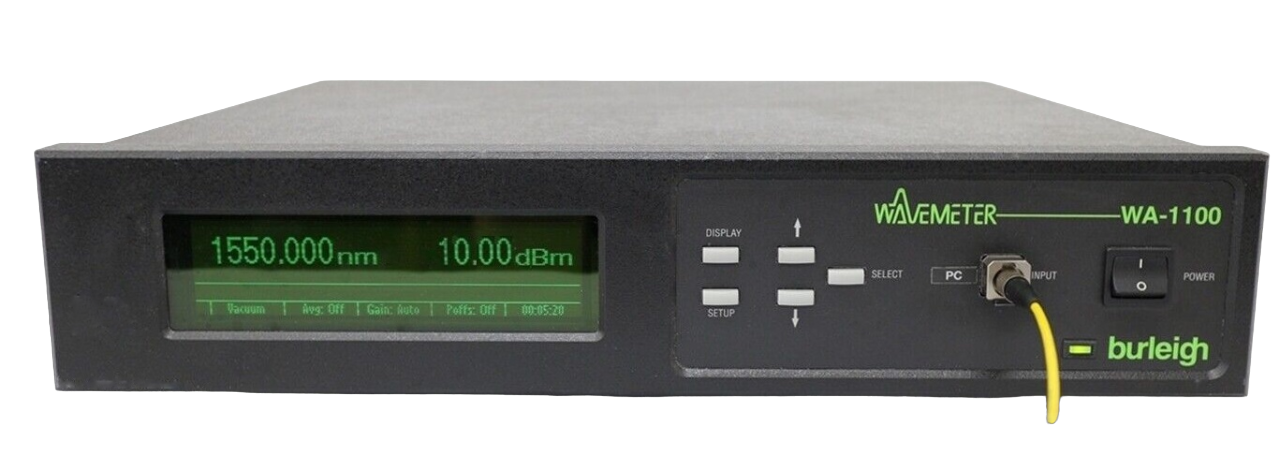
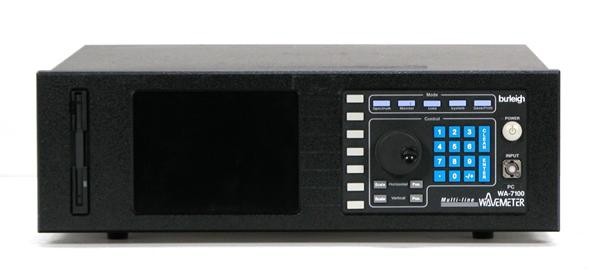
Exfo Wavelength Meters (3 units)
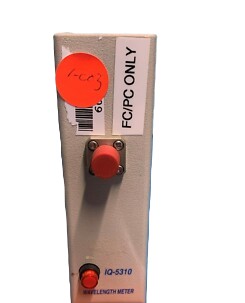
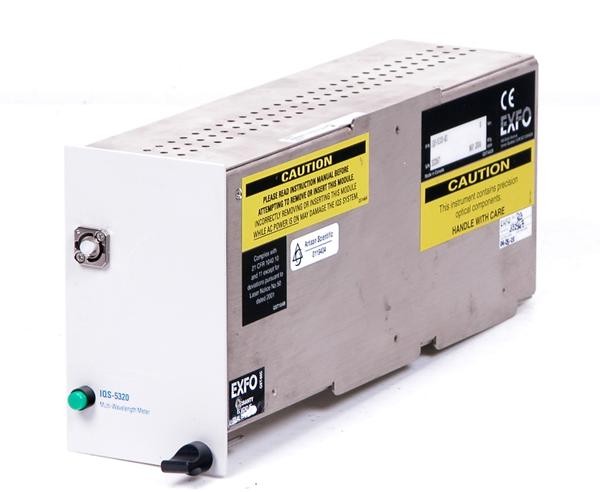
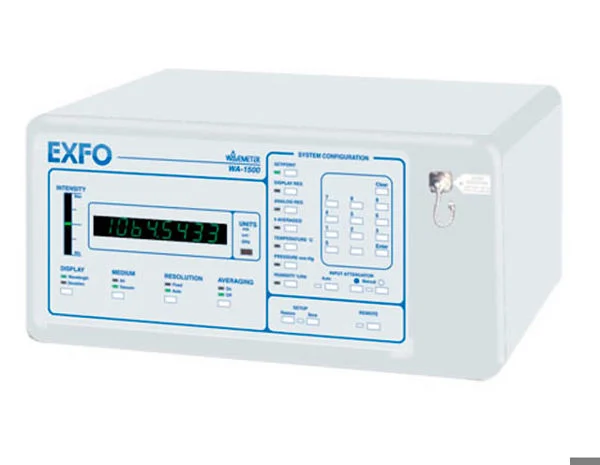
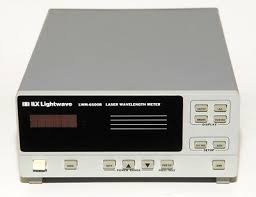
ILX Lightwave Wavelength Meters (2 units)
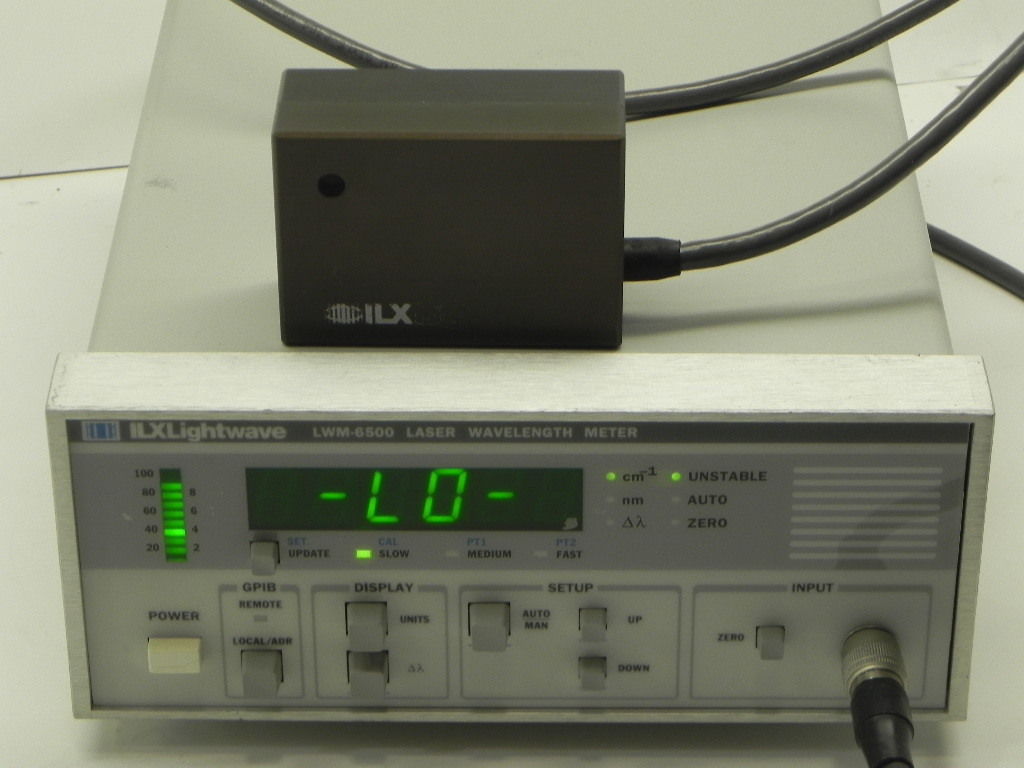
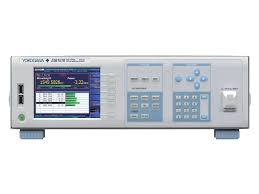
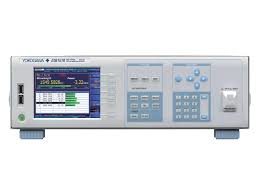
Yokogawa Wavelength Meters (2 units)
How Optical Wavelength Meters Work
The Fizeau interferometer design, used in Burleigh, EXFO, and most modern wavemeters, passes the laser beam through two partially reflective wedge-shaped plates separated by a small air gap. The reflected and transmitted beams create a fringe pattern on a linear CCD array. The fringe spacing is directly proportional to the laser wavelength. A reference internal laser provides the absolute scale. The entire measurement takes under 100 milliseconds, and the result is accurate to sub-picometer levels without any moving parts.
Michelson interferometer-based designs (older Burleigh WA-series, some Bristol instruments) use a scanning mirror to vary the optical path length. These are more susceptible to vibration and require the mirror drive mechanism to stay calibrated, but they can achieve 0.01 pm accuracy. Bristol 871-series instruments use this approach and are among the most accurate commercially available wavemeters.
Agilent / Keysight 86120 and 86122 Multi-Wavelength Meters
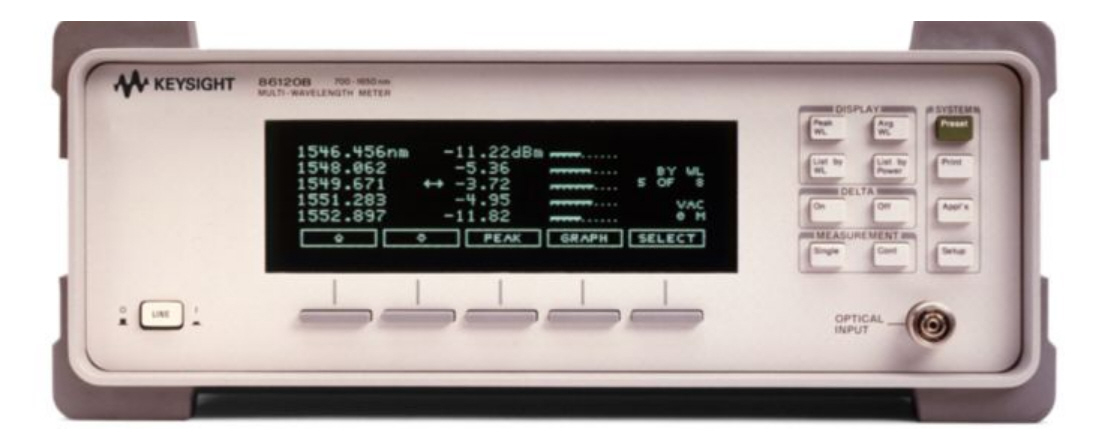
The Agilent 86120 series is the bench standard for multi-wavelength measurement in DWDM labs. The 86120A measures 700 to 1650 nm with 1 pm accuracy and resolves up to 2 simultaneous wavelengths. The 86120B and 86120C extend the simultaneous wavelength count. The 86120D adds faster measurement speeds for production testing. The 86122A and 86122B cover 1270 to 1650 nm and resolve up to 64 simultaneous wavelengths — sufficient to characterize a full C-band or L-band DWDM source. The 86122C handles up to 500 simultaneous channels at 1 pm accuracy.
Common failure points on the 86120/86122: the FC/PC input connector wears with repeated mating cycles, degrading the coupling efficiency. Internal reference laser aging reduces SNR on the interferometer, causing unstable readings on weak signals. The front-panel display ribbon cable fractures over time from repeated menu use. All of these are bench-reparable at Aumictech.
Burleigh Wavelength Meters
Burleigh made wavemeters from the 1980s through the mid-2000s before EXFO acquired the line. The WA-20, WA-110, WA-1600, WA-1650, WA-2000, and WA-2500 are single-wavelength Fizeau instruments covering 400 to 1700 nm depending on model. The WA-7000 and WA-7600 are multi-wavelength versions. Key purchase consideration: older Burleigh units with internal reference sources (fluorescent lamp or He-Ne laser) need the reference verified. He-Ne reference lamps have finite life — verify the instrument locks on the reference signal before use.
Wavelength Meter Calibration and Repair
NIST-traceable wavelength meter calibration at Aumictech covers absolute wavelength accuracy at 1310 nm, 1490 nm, 1550 nm, and 1625 nm using NIST-traceable frequency-stabilized reference lasers. The meter is warmed up for a minimum of 30 minutes before calibration measurements begin — this is critical because the Fizeau etalon expands with temperature and the zero shifts during warm-up. Calibration certificate includes measured wavelength deviation at each reference wavelength. Standard calibration is $450; full certificate with measured data is $650. Request wavelength meter calibration →
Common repairs: fiber input coupler replacement, internal reference laser replacement, CCD detector array replacement on older units with reduced sensitivity, and display/keyboard repair. Request a repair evaluation →
Frequently Asked Questions
What is an optical wavelength meter and how does it work? +
An optical wavelength meter (also called a wavemeter) measures the wavelength of a laser source with sub-picometer accuracy. Most instruments use a Fizeau interferometer — the laser signal passes through two partially reflective wedged plates, creating an interference pattern that a CCD detector reads. The fringe spacing encodes the wavelength. High-end Bristol and Burleigh units use Michelson or Fabry-Perot designs for accuracy below 0.1 pm. The instrument must warm up 15 to 30 minutes to reach thermal equilibrium before making accurate measurements.
What is the difference between a wavelength meter and an optical spectrum analyzer? +
A wavelength meter gives you the wavelength of one or a few lasers with very high accuracy — typically 0.1 to 1 pm — but gives no information about spectral shape, side-mode suppression, or broadband signals. An optical spectrum analyzer (OSA) shows you the full optical spectrum but with much coarser wavelength resolution (0.06 nm minimum on the best bench OSAs). Use a wavelength meter when you need to know exactly where a DFB laser is tuned. Use an OSA when you need to see the spectrum shape, SMSR, or multi-channel DWDM power distribution.
What accuracy do I need for telecom laser characterization? +
For verifying that a DFB laser hits its ITU-T grid channel, you need at least 5 pm absolute accuracy — the 100 GHz DWDM channel spacing is 800 pm, so even 10 pm uncertainty is adequate for channel assignment. For tunable laser characterization where you are measuring absolute wavelength accuracy across a wide tuning range, aim for 1 pm or better. For locking a laser to a narrow reference or characterizing linewidth indirectly, you need a Bristol-class instrument at 0.1 pm or better. The Agilent 86120/86122 series delivers 1 pm accuracy — adequate for most telecom work.
Can a wavelength meter measure multiple wavelengths simultaneously? +
Multi-wavelength meters — the Agilent 86120B/C/D, the EXFO IQ-5320, the Advantest Q8331, and the Burleigh WA-7000 series — can resolve 2 to 128 simultaneous wavelengths by scanning the interference pattern and running a multi-peak algorithm. Single-wavelength instruments like the Burleigh WA-1600 or Burleigh WA-20 can only measure one laser at a time. If you are measuring DWDM channel wavelengths from a multi-channel source, you need a multi-wavelength meter. The Agilent 86122C measures up to 500 simultaneously, which covers full C-band DWDM channel sets.
What fiber connectors do wavelength meters accept? +
Most bench wavelength meters accept FC/PC or FC/APC connectors as the primary input, with SC and LC adapters available as accessories. The Agilent 86120/86122 series uses a standard FC/PC input. Burleigh WA-series instruments use a direct fiber coupling with an FC connector. EXFO WA-1000 accepts FC/PC. Ensure the connector is clean before measurement — a dirty connector introduces back-reflection that creates interference artifacts and shifts the measured wavelength by 1 to 5 pm. Use a fiber scope before mating.
How often does a wavelength meter need calibration? +
Annual NIST-traceable calibration is standard for instruments used in production or quality-system environments. In practice, the Fizeau interferometer design is very stable — a well-stored Agilent 86120C should hold calibration for two or three years if it has not been mechanically shocked. Instruments that have been shipped without proper foam packaging, stored at temperature extremes, or used heavily in a production environment need calibration before critical measurements. We calibrate against NIST-traceable reference wavelength standards at 1310 nm and 1550 nm.
What are common faults in used Burleigh and Agilent wavelength meters? +
On Burleigh WA-series instruments, the most common failure is the fiber input coupler — the ferrule housing wears and the alignment drifts, causing the coupled power to drop and the measurement uncertainty to increase. Older Burleigh units use fluorescent lamp sources for the reference; these degrade over years and need replacement. On Agilent 86120/86122 instruments, the internal reference laser can age and reduce signal-to-noise on the interferometer, producing unstable readings. Display and keypad issues are common on 10 to 15 year old units from shelf storage.
How much does wavelength meter calibration cost at Aumictech? +
Wavelength meter calibration at Aumictech runs $450 for a standard pass/fail NIST-traceable certificate, or $650 for a certificate with full measured data at 1310 nm, 1490 nm, 1550 nm, and 1625 nm reference wavelengths. We include the warm-up period in our calibration procedure — the meter is powered on for 30 minutes before any measurements are taken. Turnaround is 1 to 3 business days after receipt. Free evaluation if the meter has a fault before calibration proceeds.
Need a specific wavelength range or accuracy class?
We source specific wavelength meters on request. Tell us your wavelength range, required accuracy, and whether you need single or multi-wavelength capability, and we will check incoming stock.
Get in touch