
Used Network Analyzers
301 units in stock — vector and scalar network analyzers for S-parameter and RF component testing, led by Agilent/Keysight and Anritsu, with Advantest and Rohde & Schwarz. Ships from Pleasant Grove, UT.
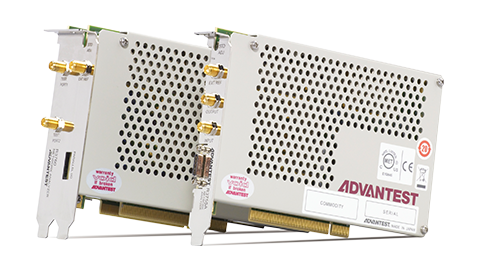
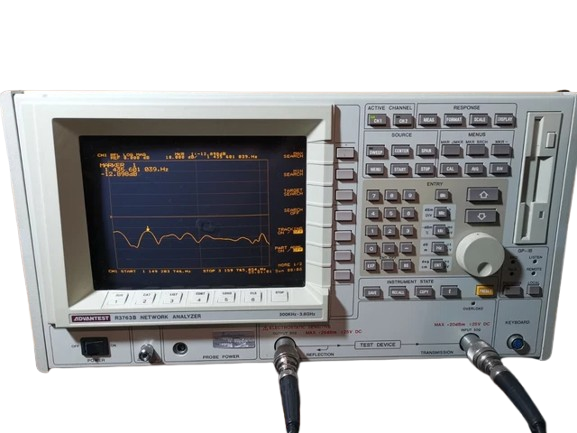
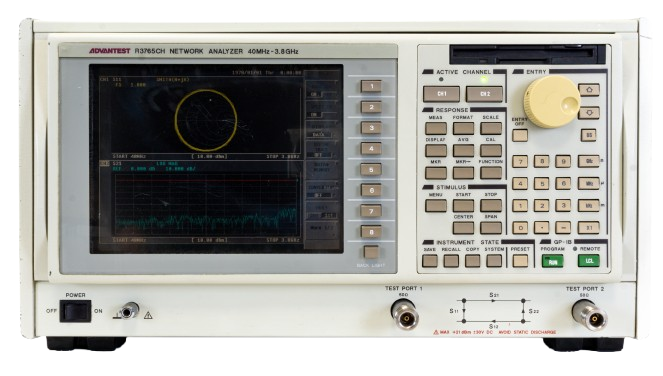
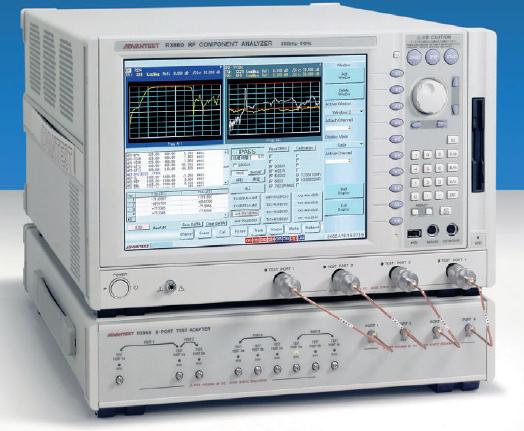
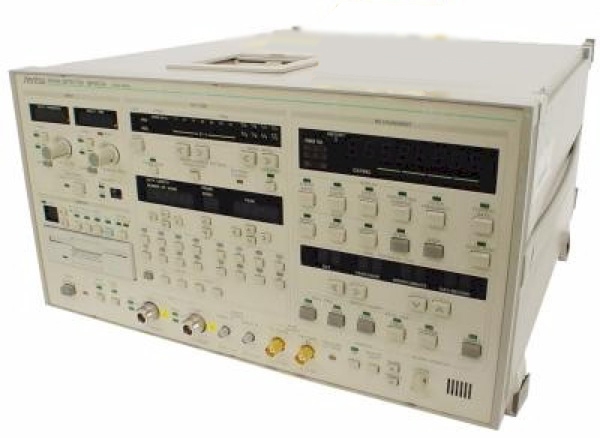
Advantest Network Analyzers (12 units)
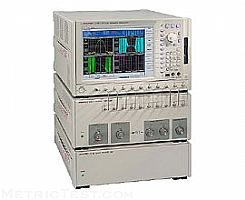
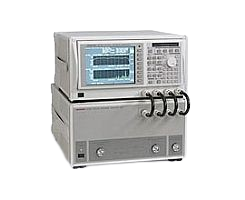
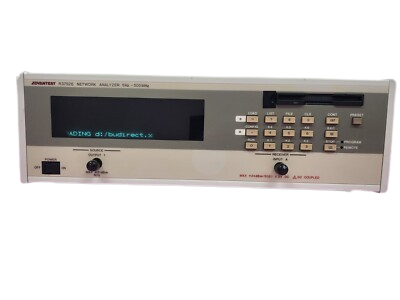
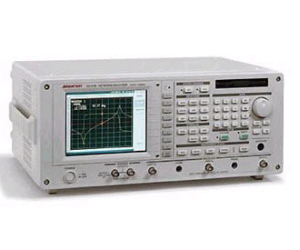
Agilent Network Analyzers (7 units)
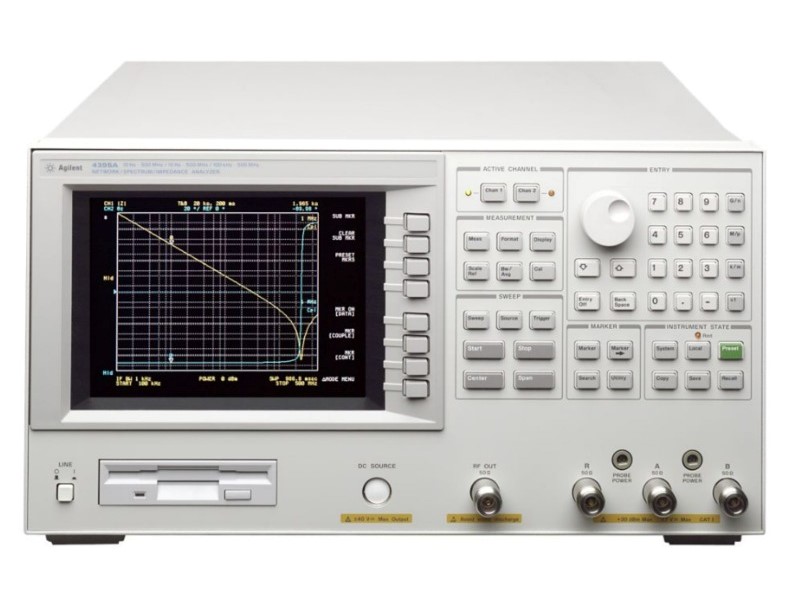
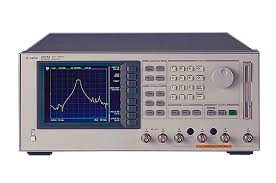
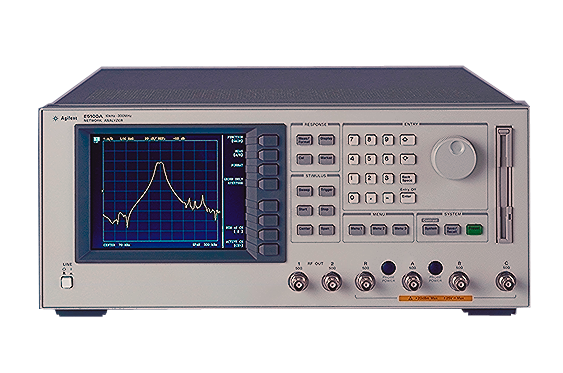
Agilent / HP Network Analyzers (1 unit)
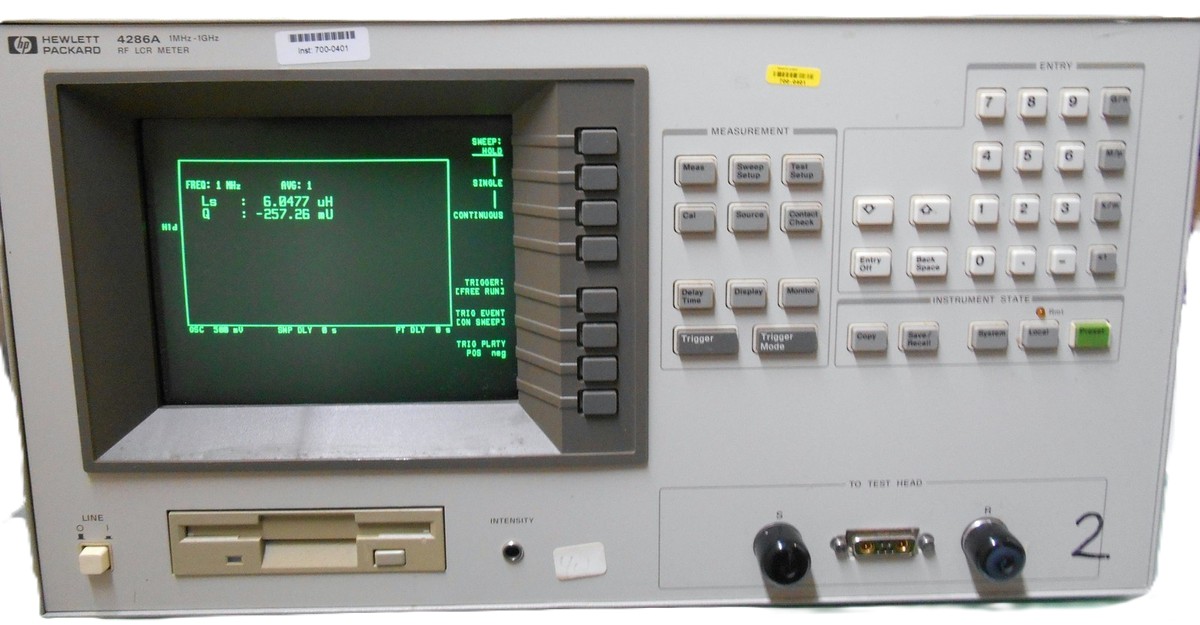
Agilent / HP / Keysight Network Analyzers (1 unit)
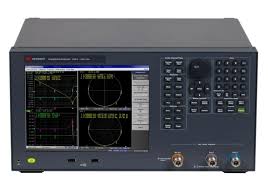
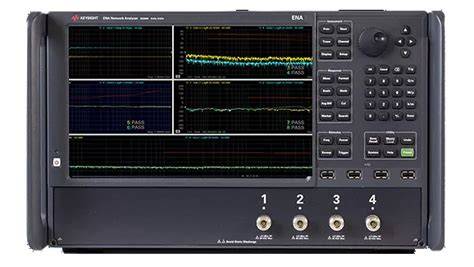
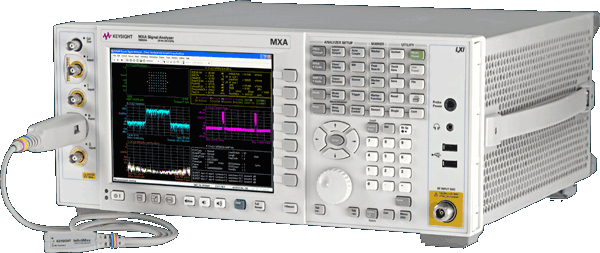
Agilent / Keysight Network Analyzers (175 units)
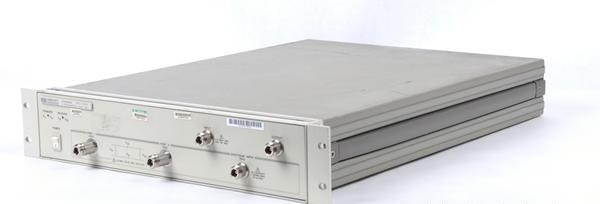
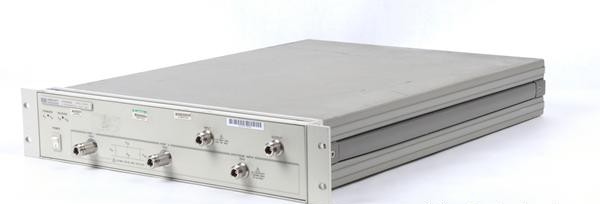
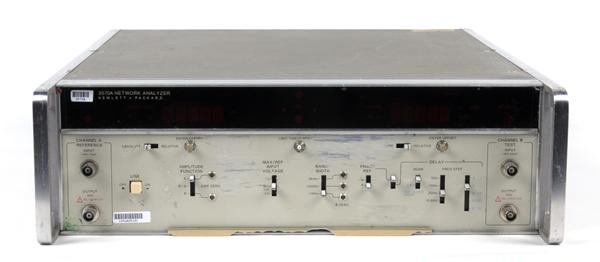
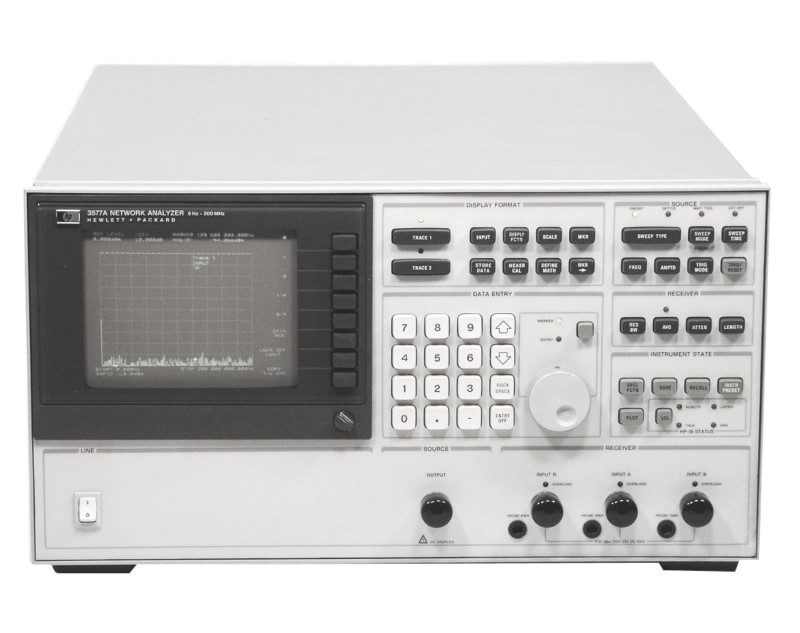
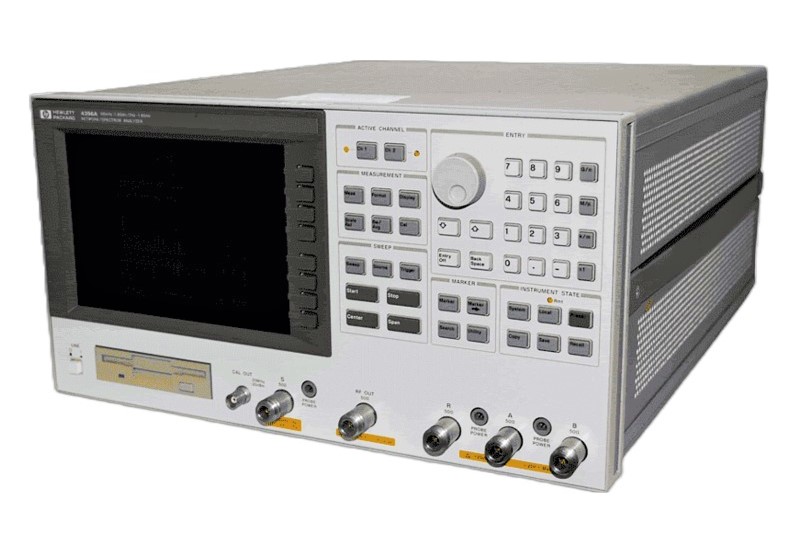
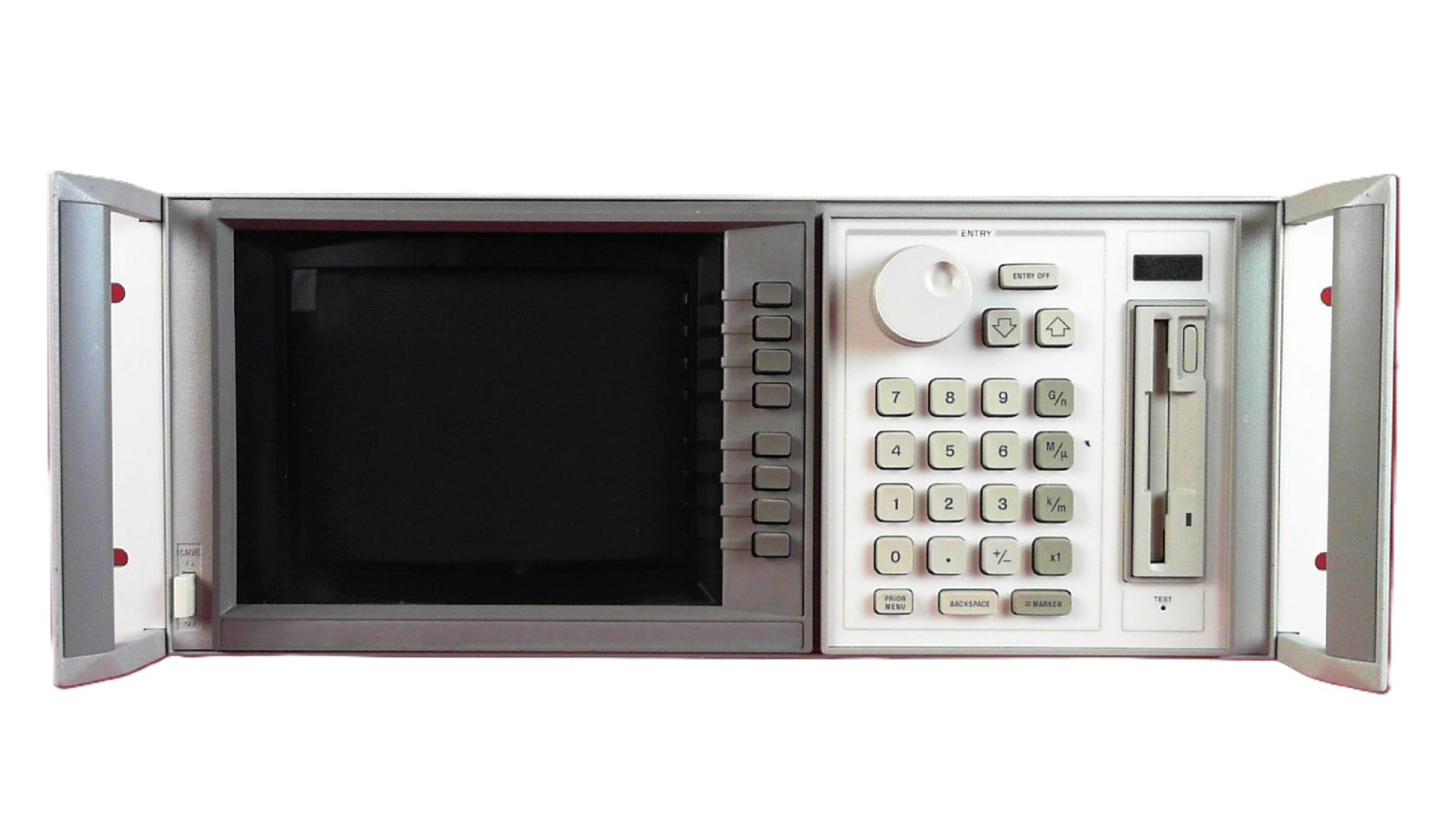
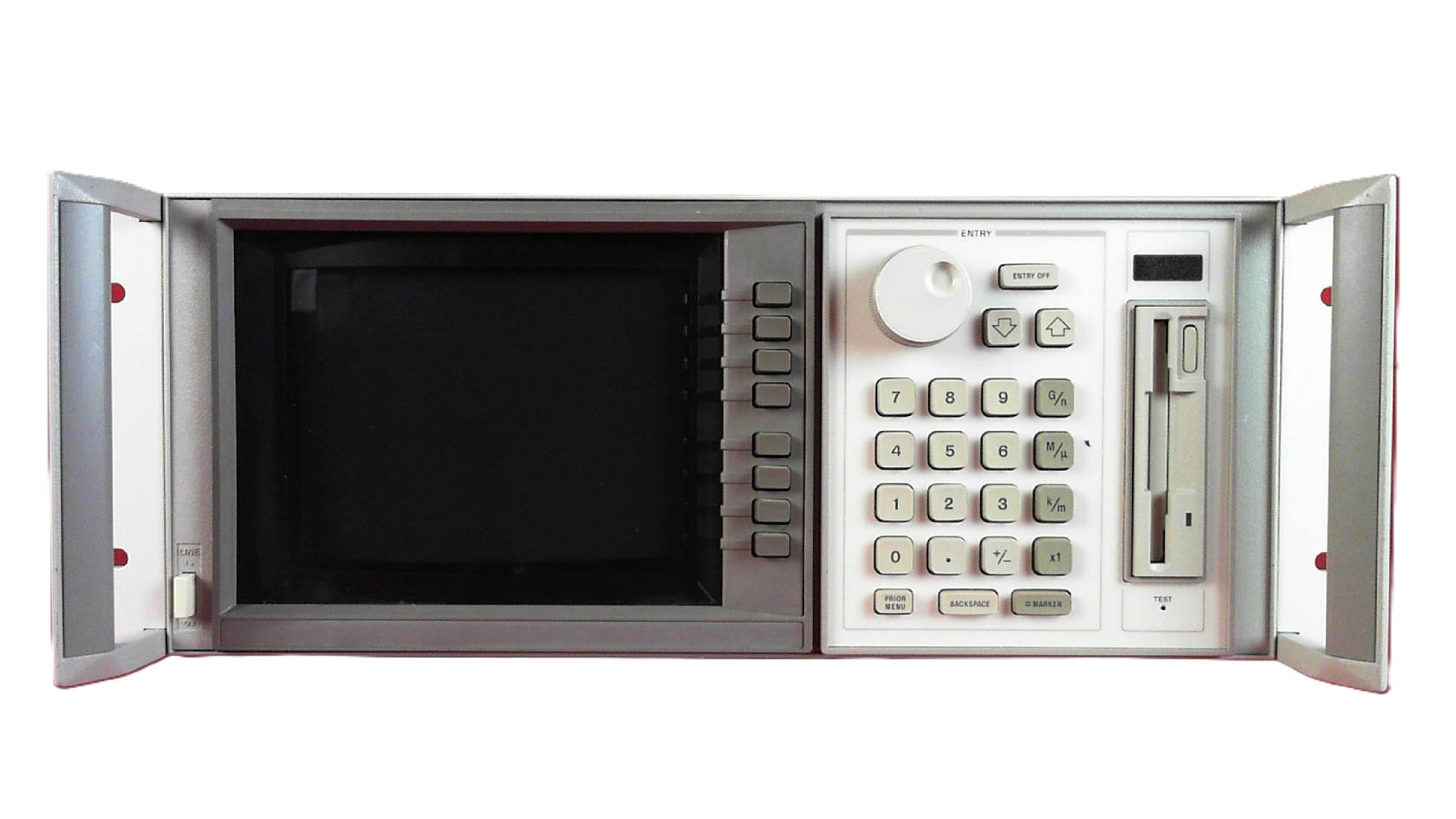
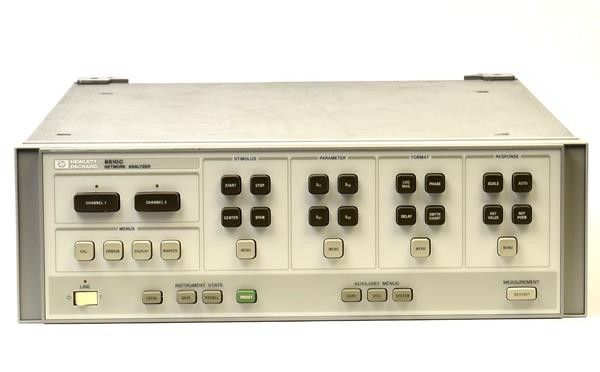
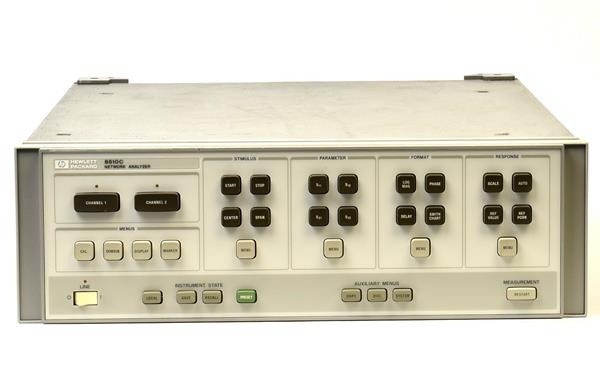
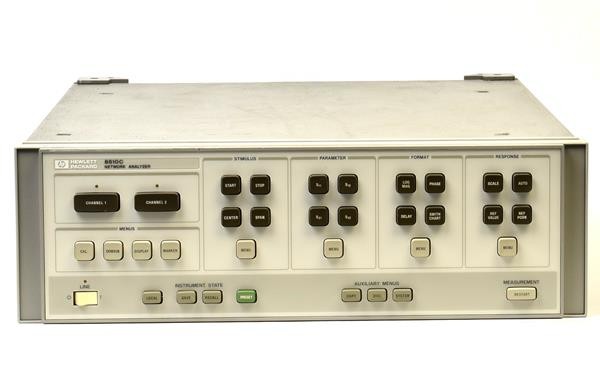
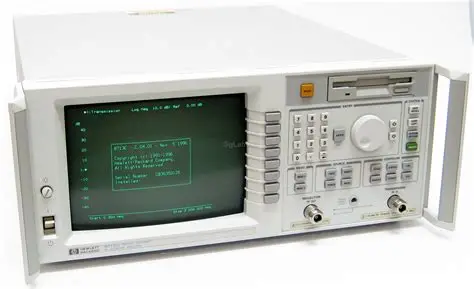
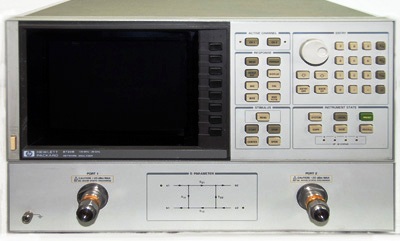
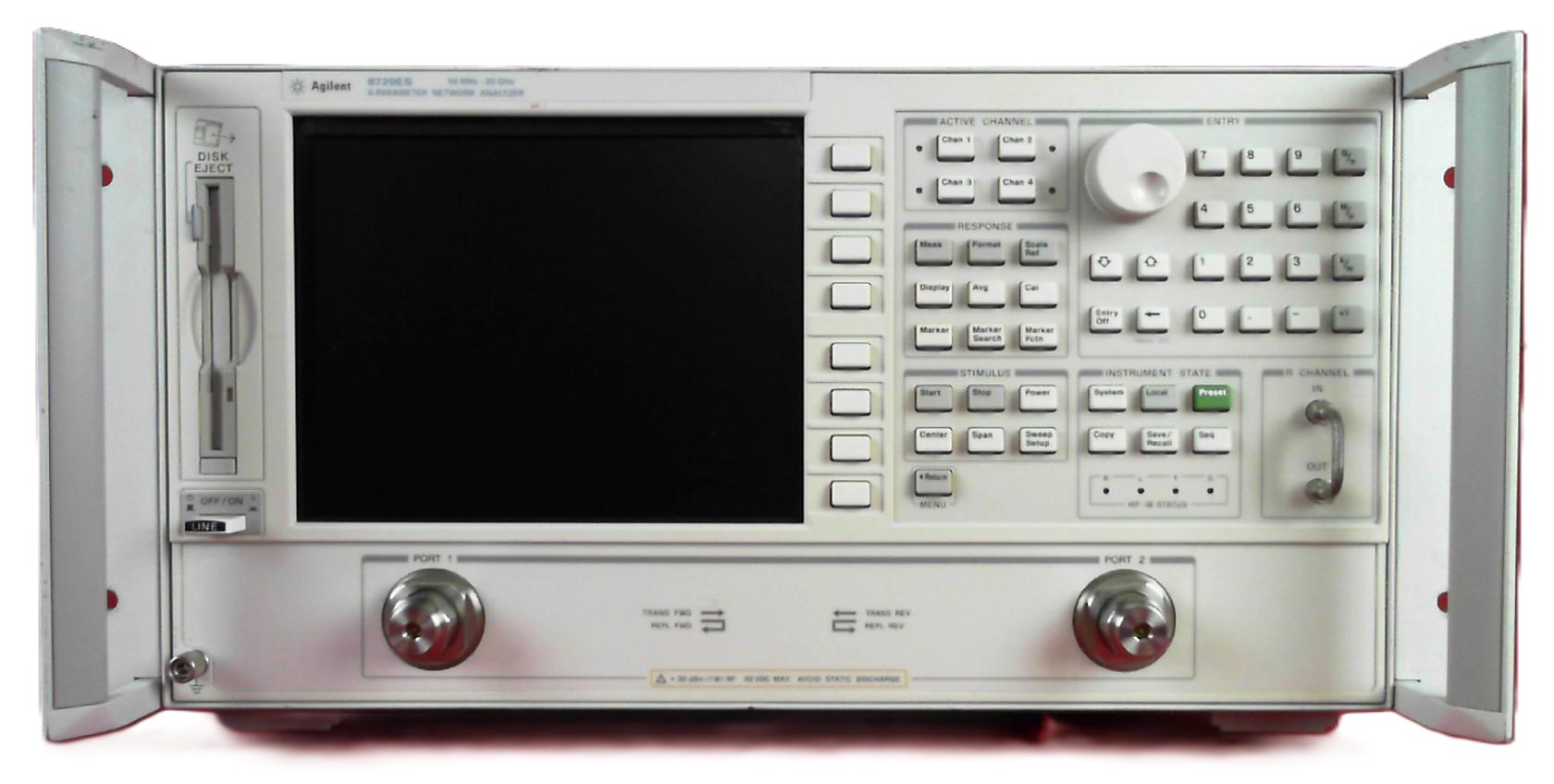
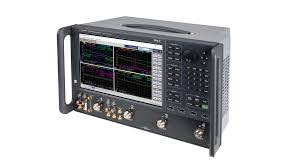
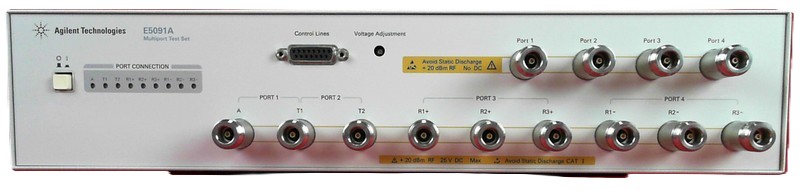
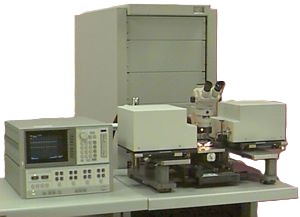
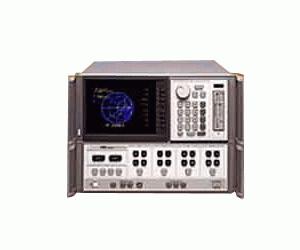
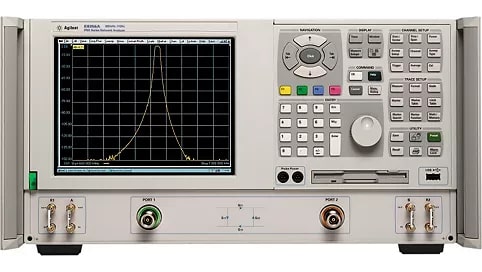
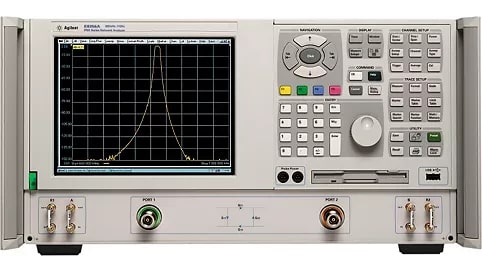
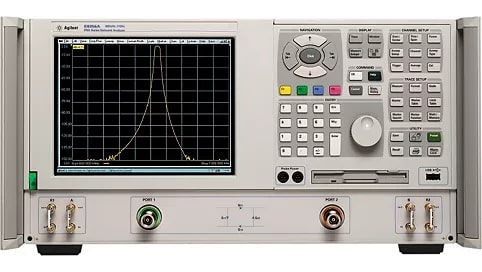
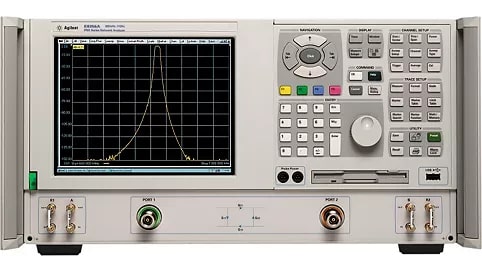
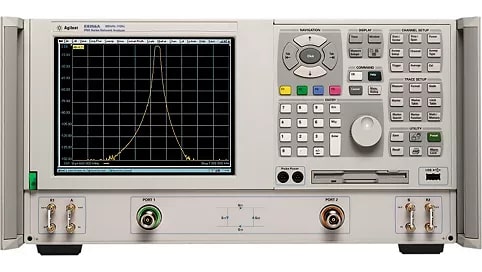
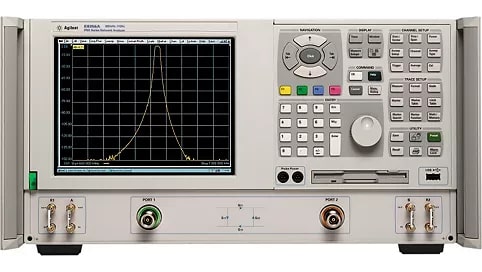
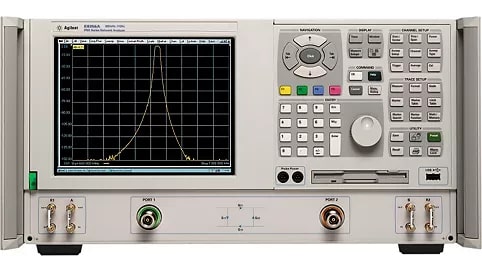
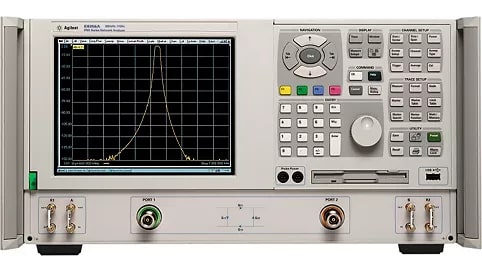
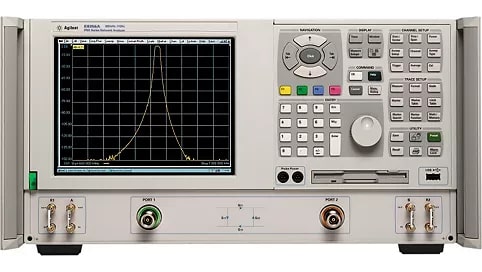
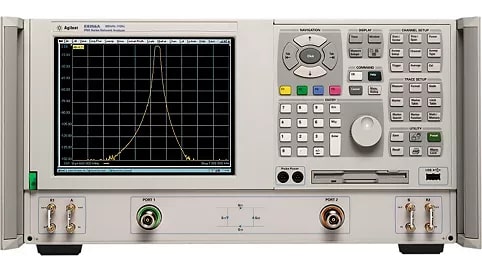
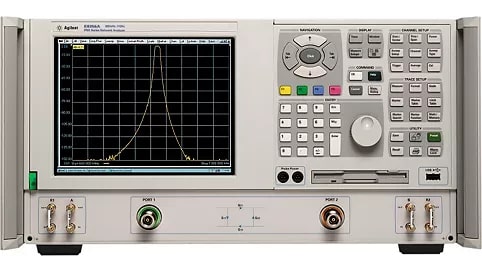
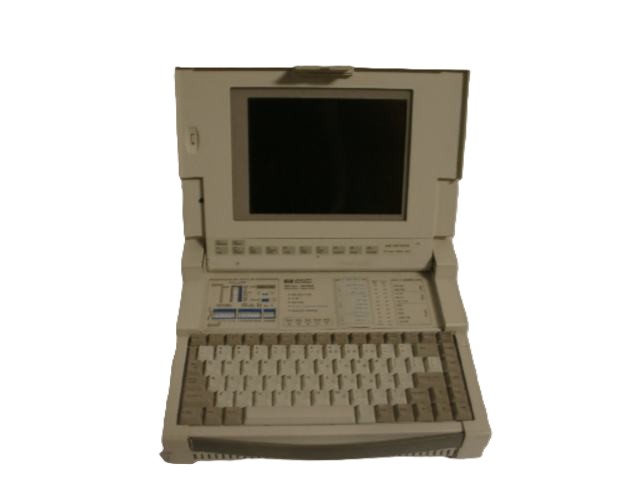
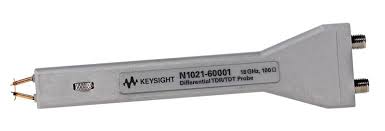
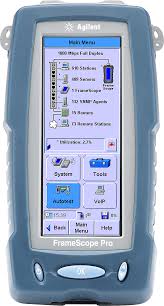
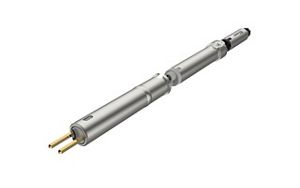
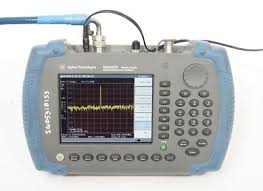
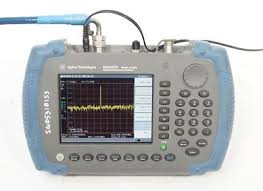
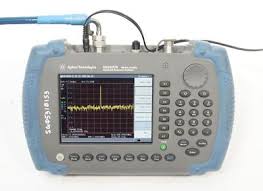
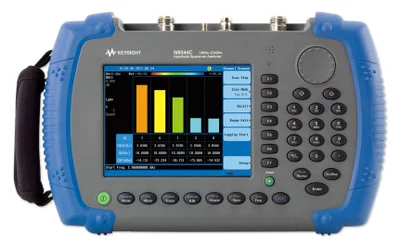
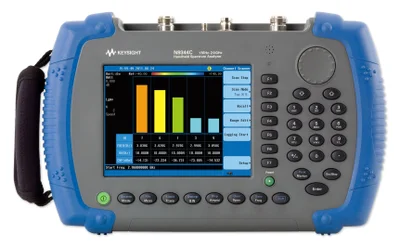
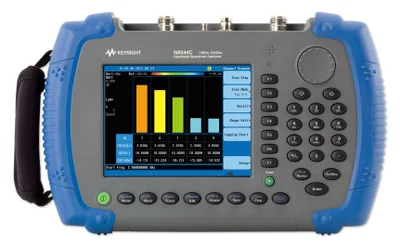
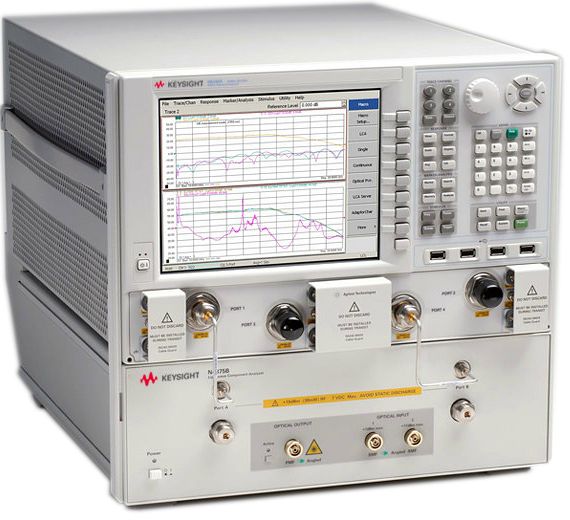
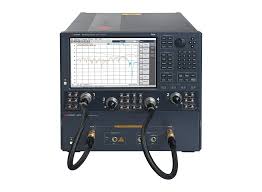
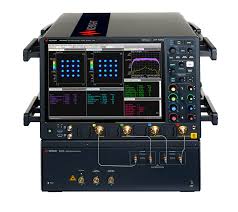
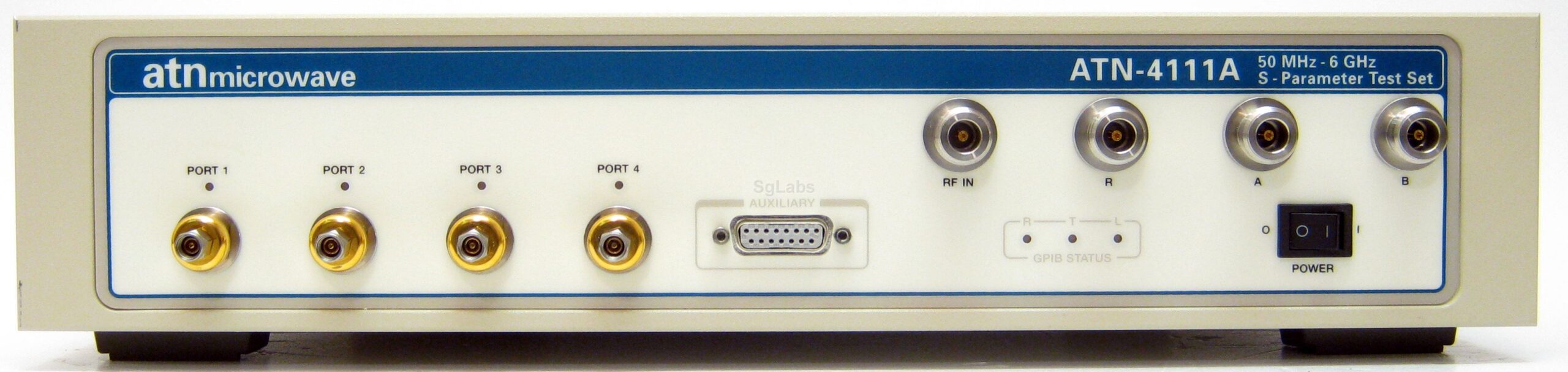
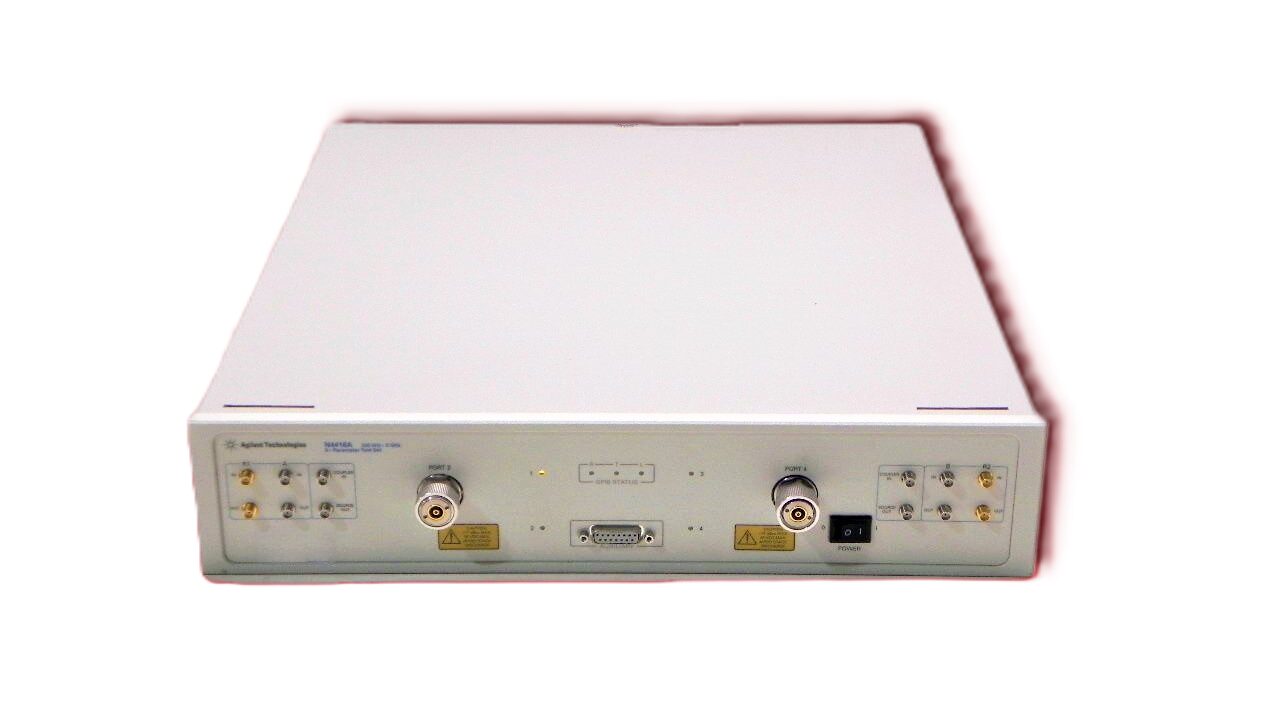
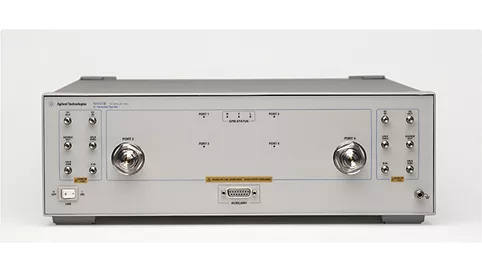
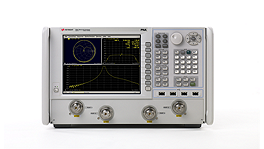
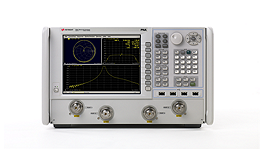
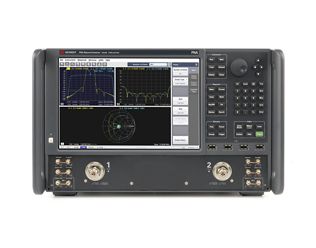
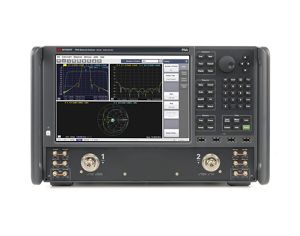
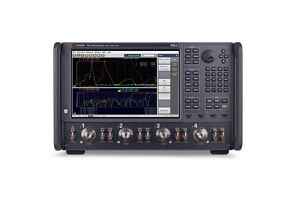
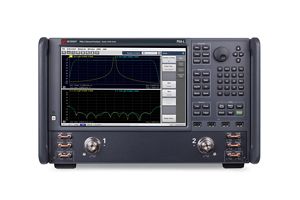
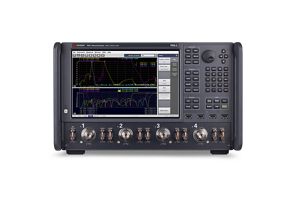
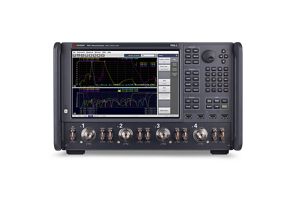
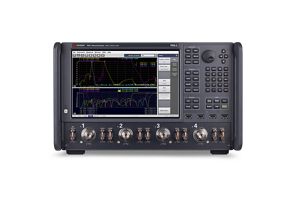
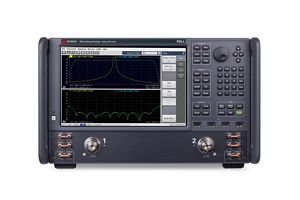
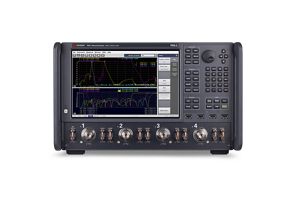
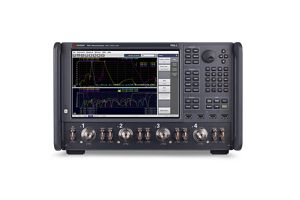
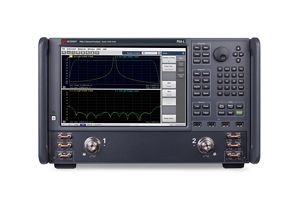
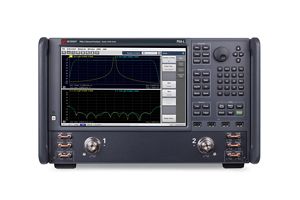
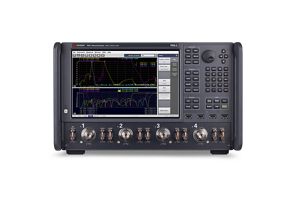
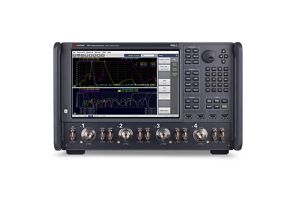
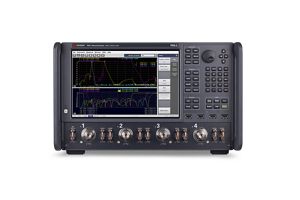
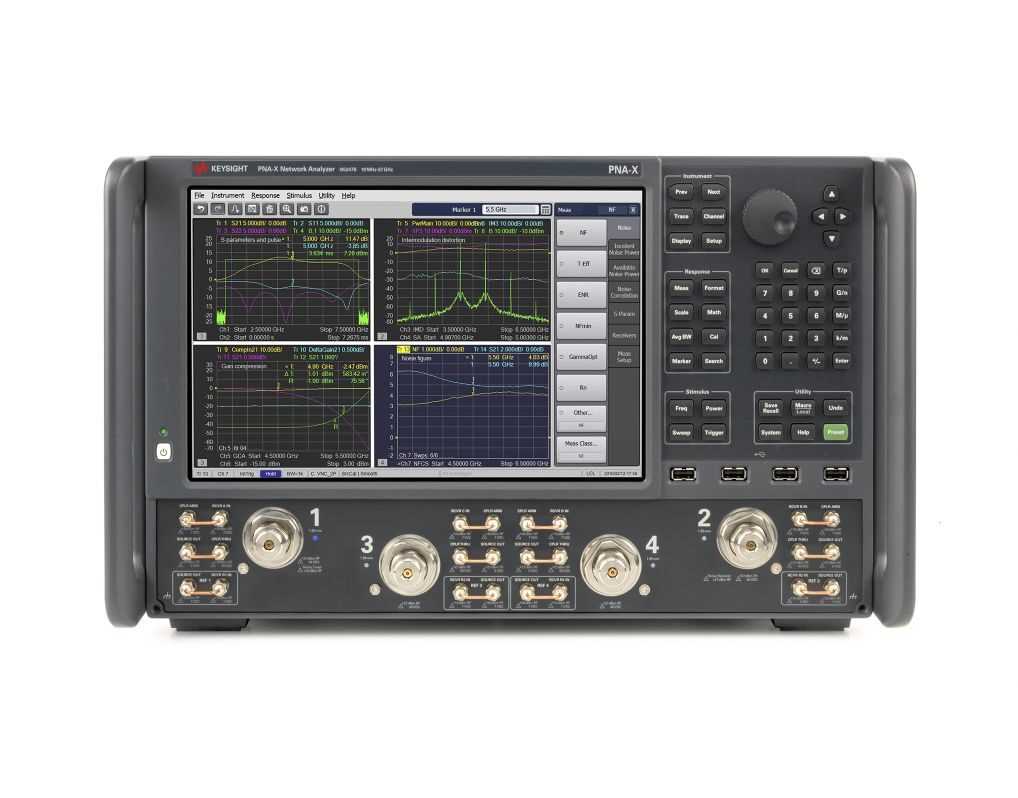
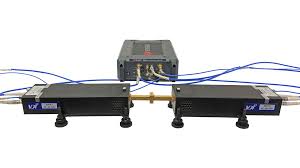
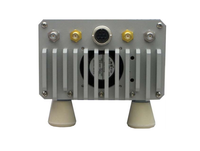
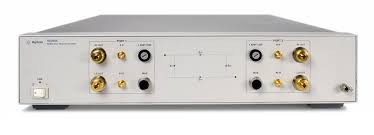
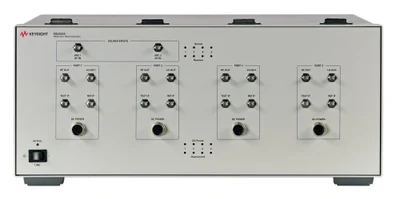
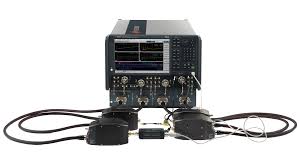
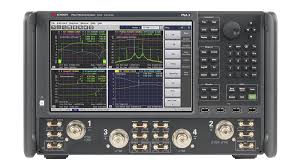
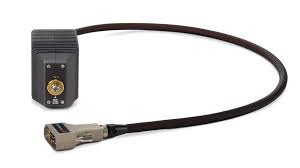
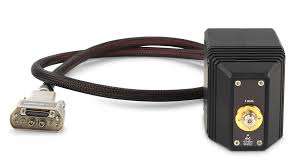
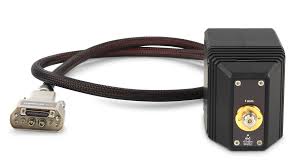
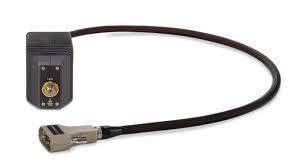
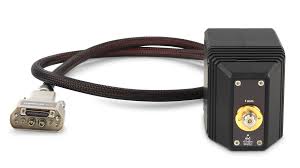
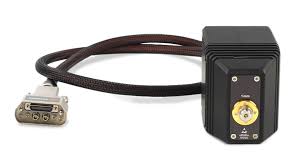
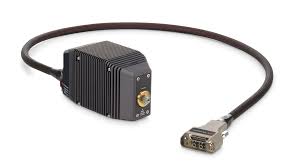
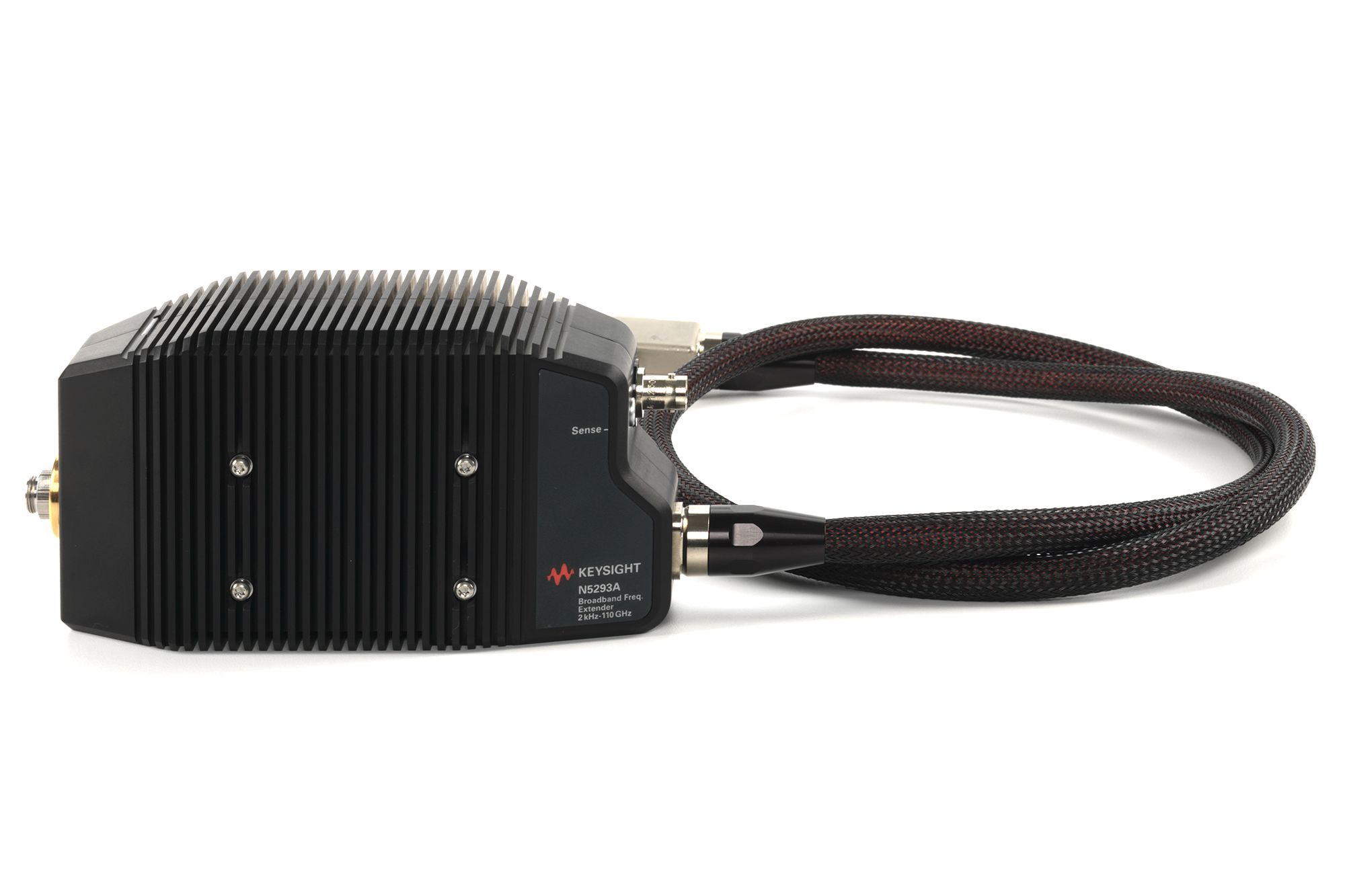
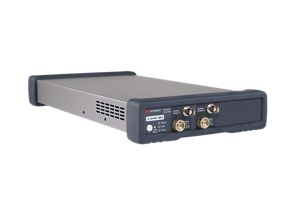
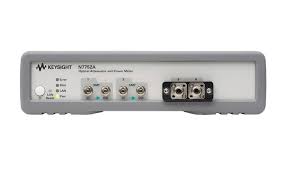
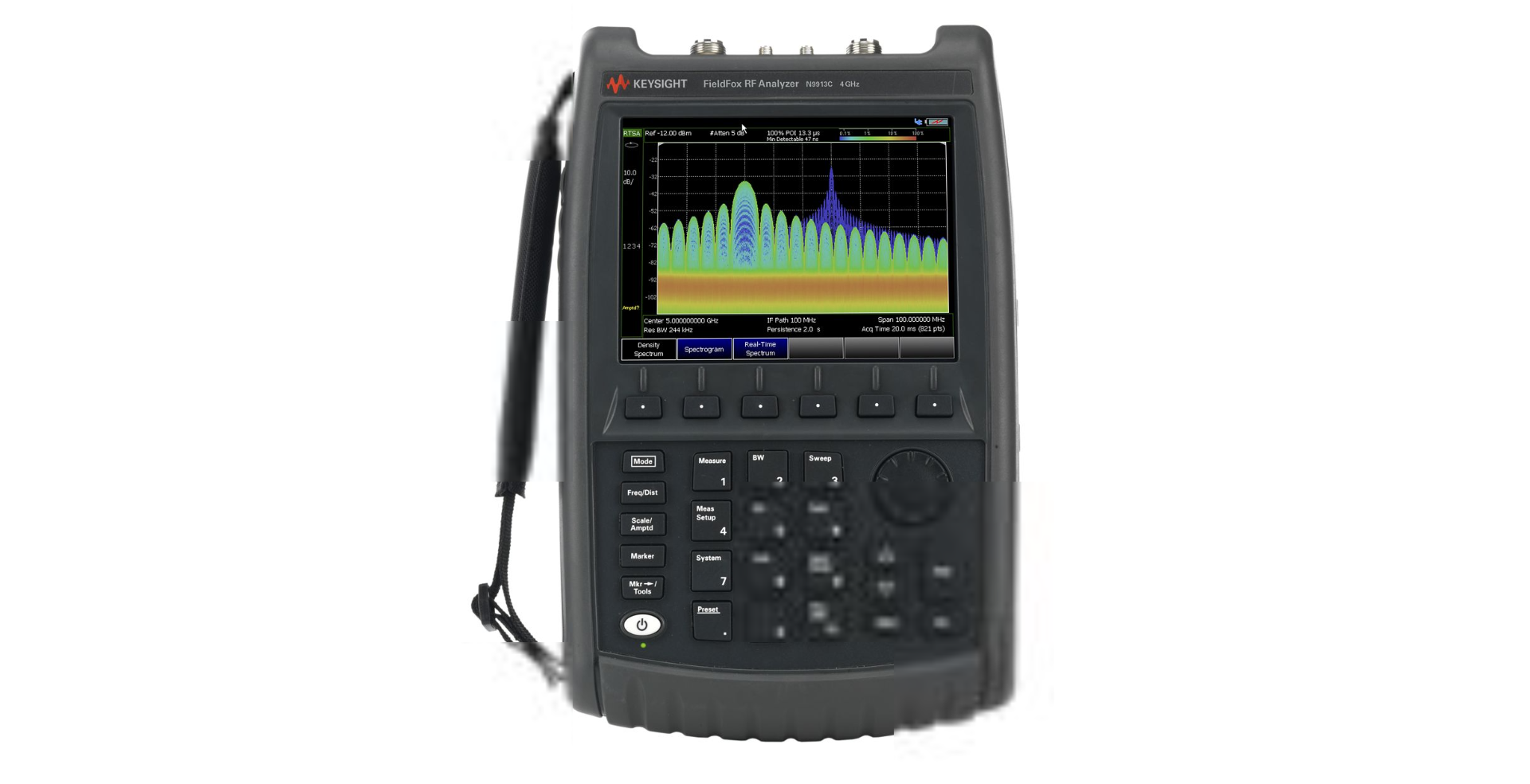
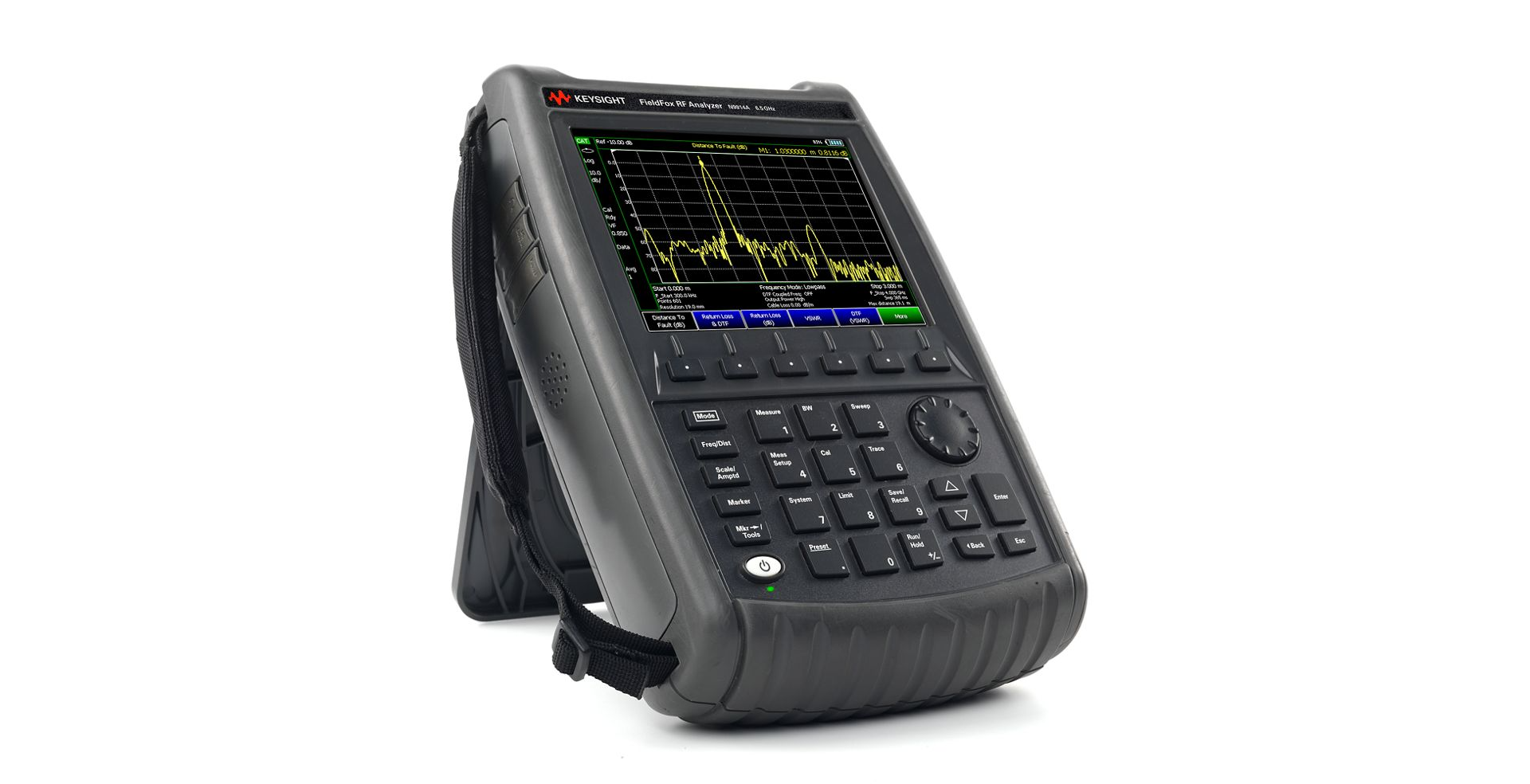
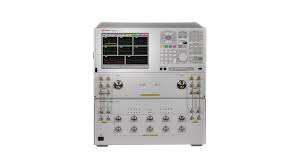
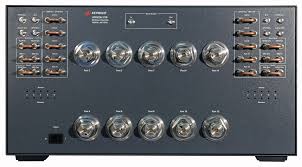
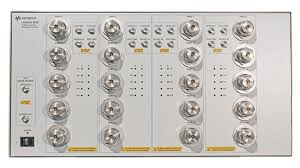
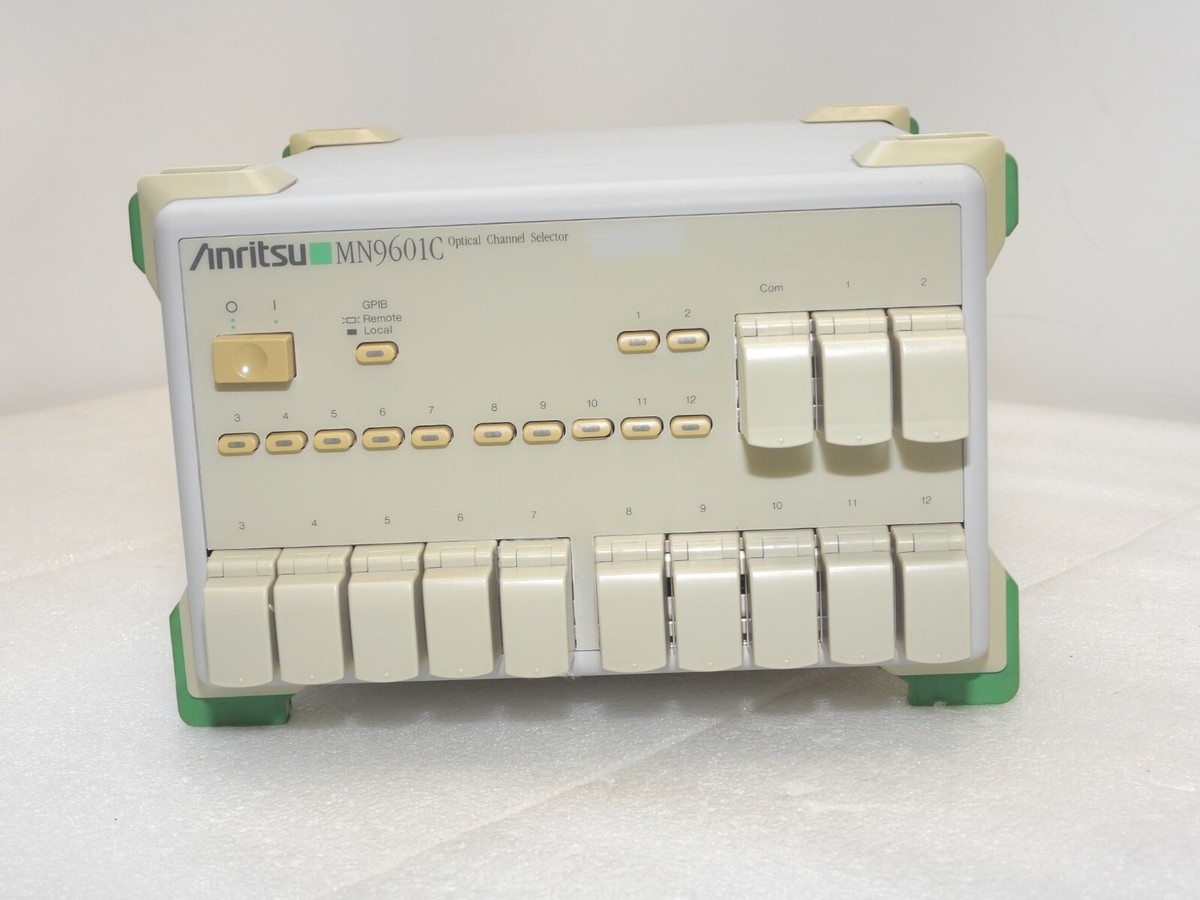
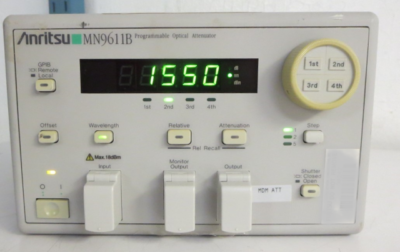
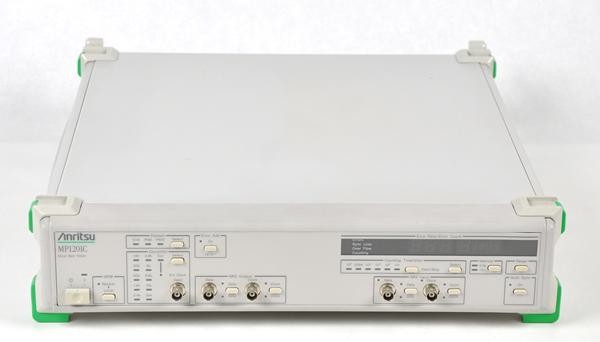
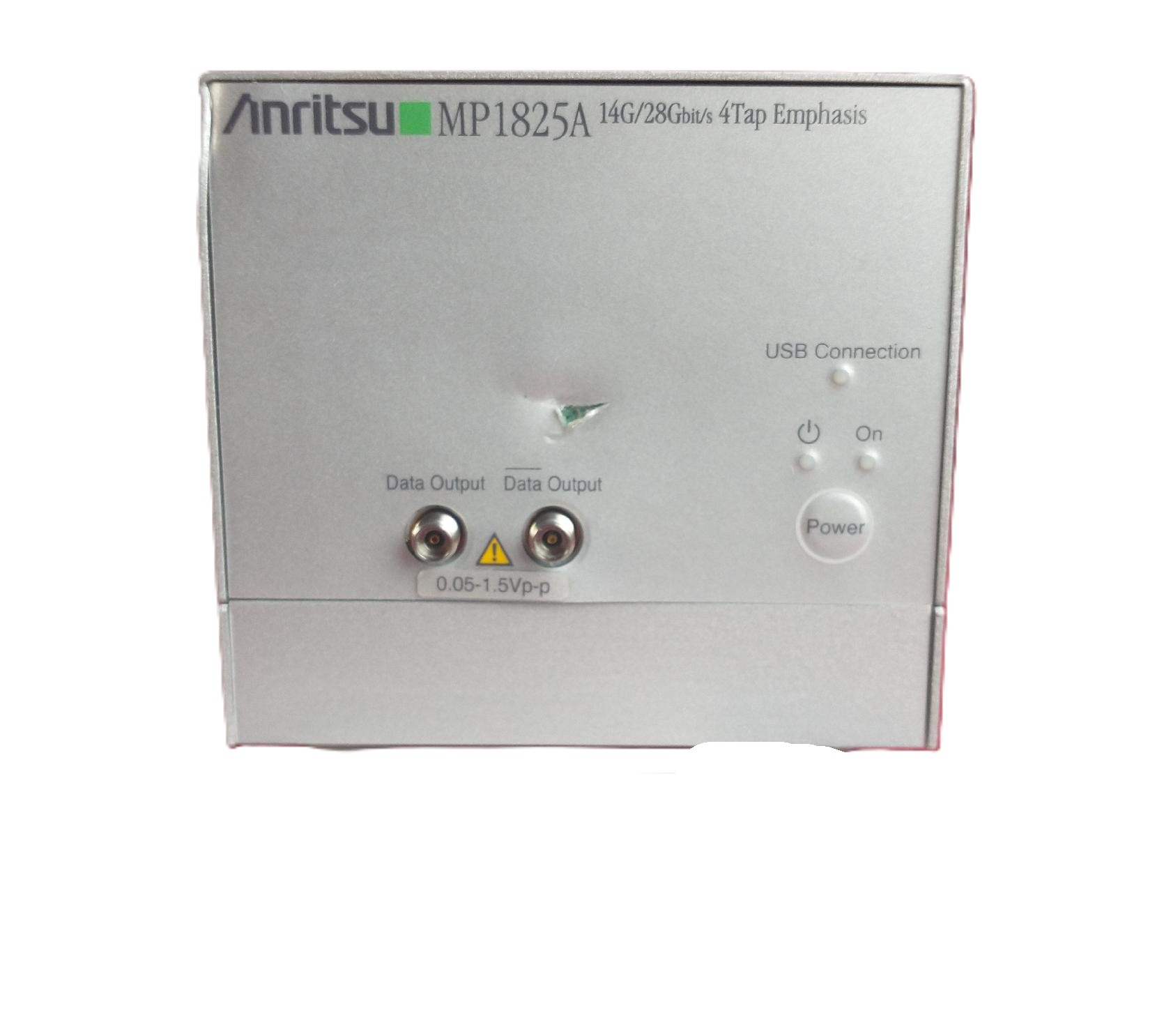
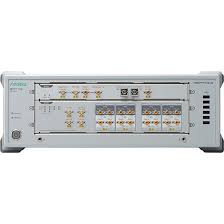
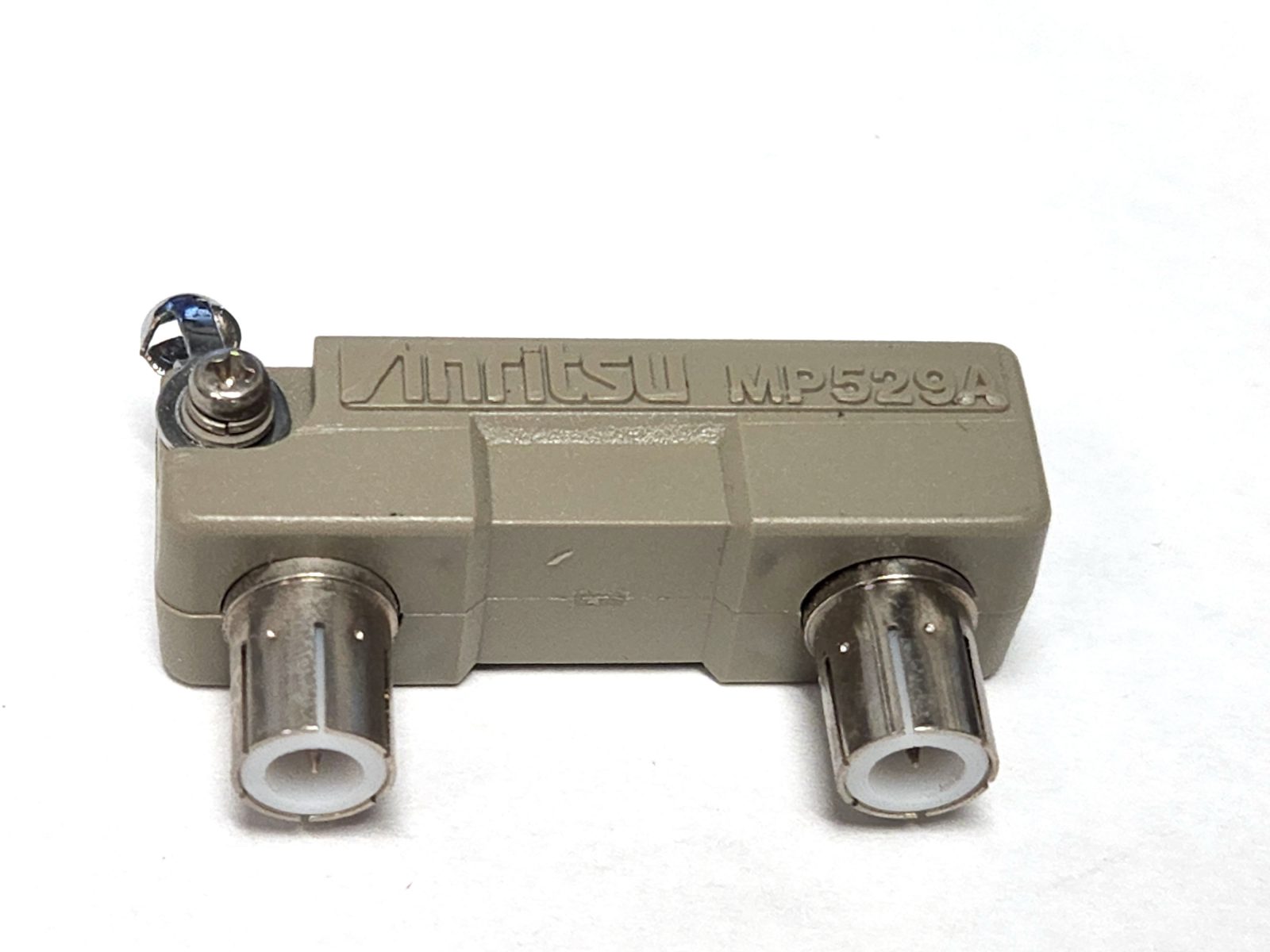
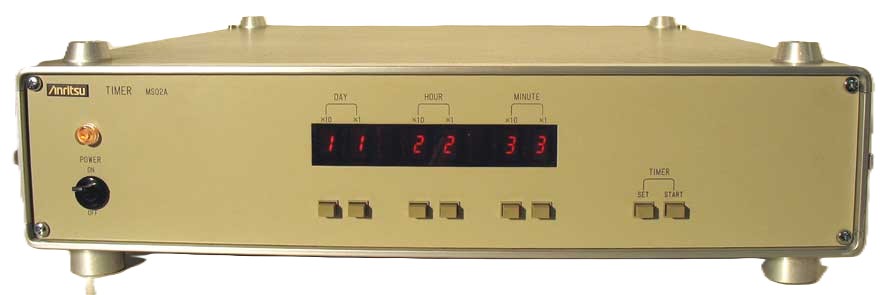
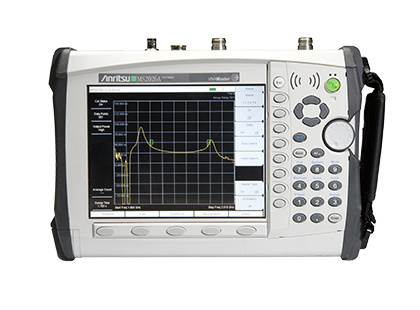
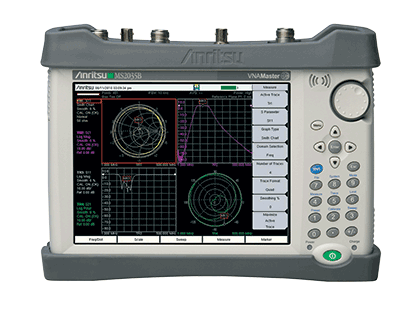
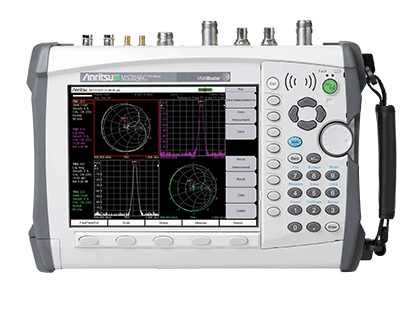
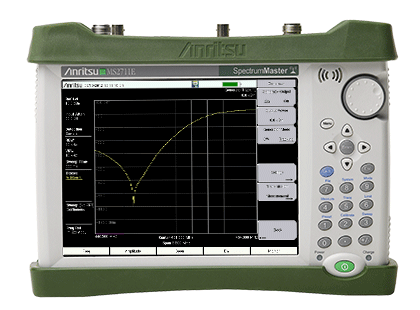
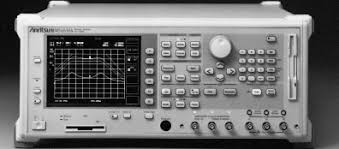
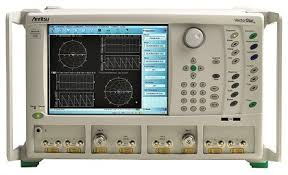
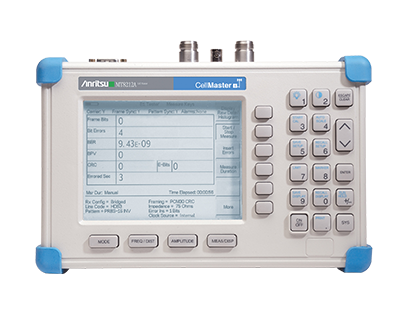
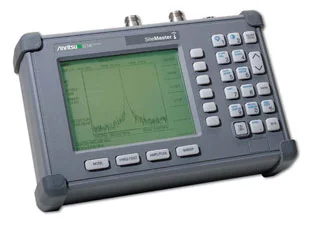
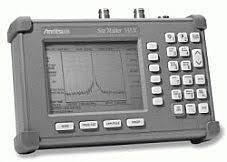
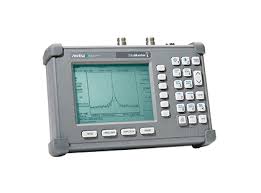
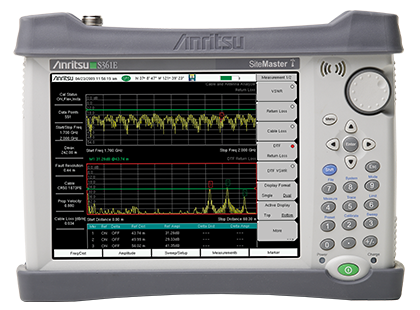
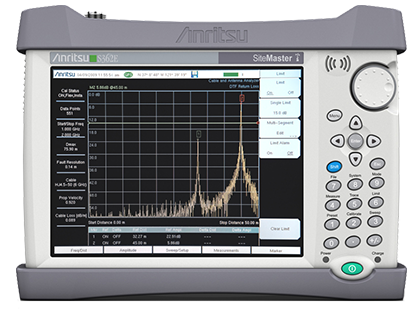
Anritsu Network Analyzers (61 units)
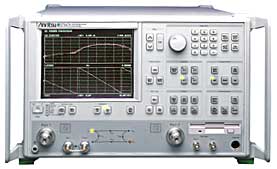
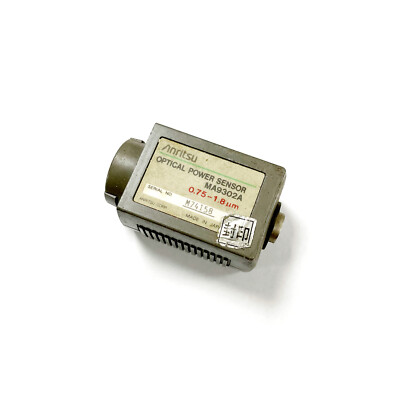
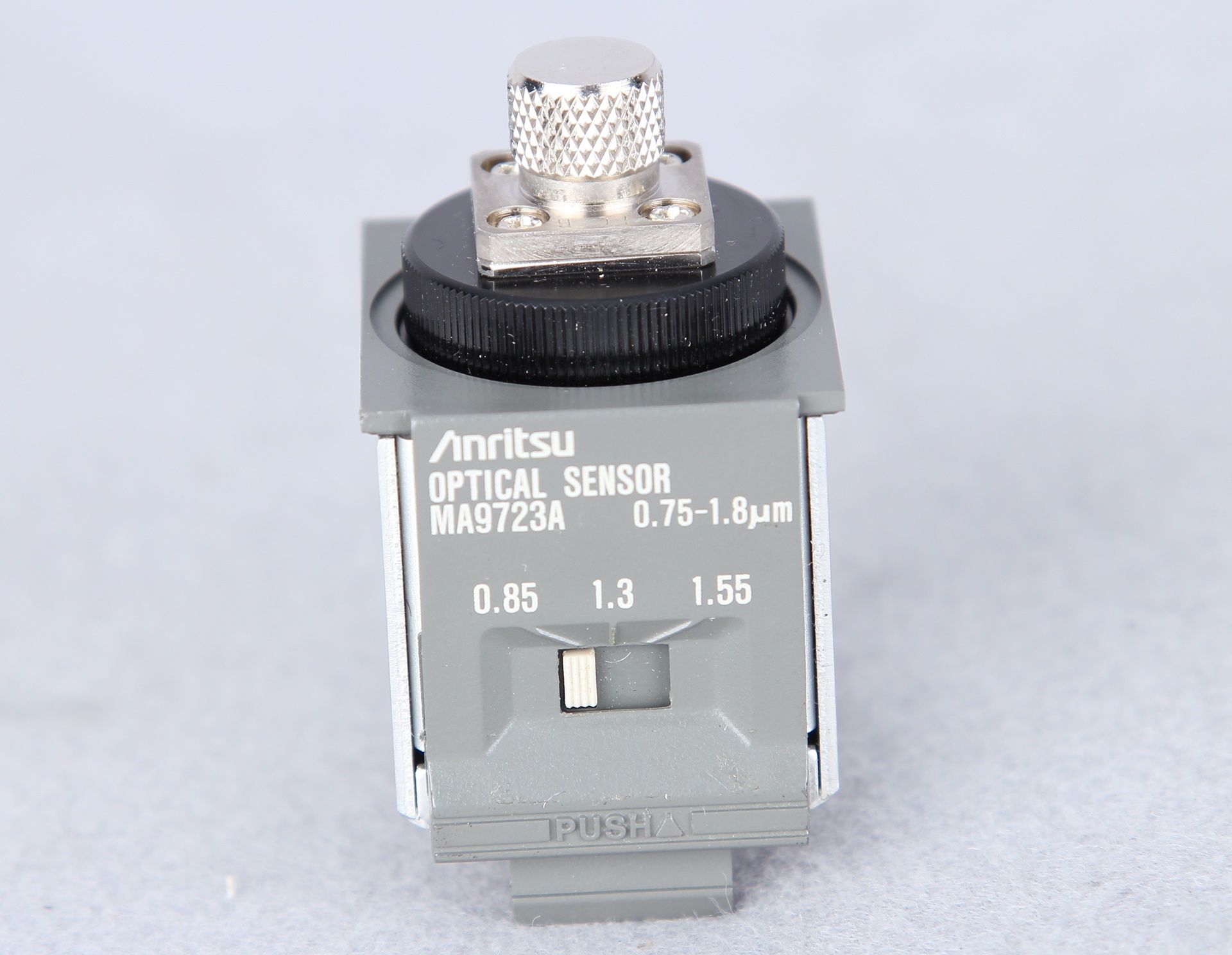
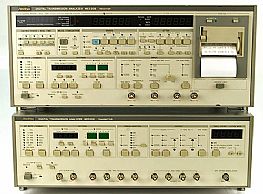
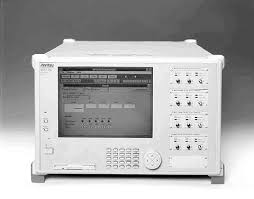
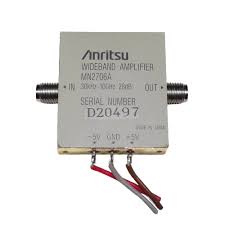
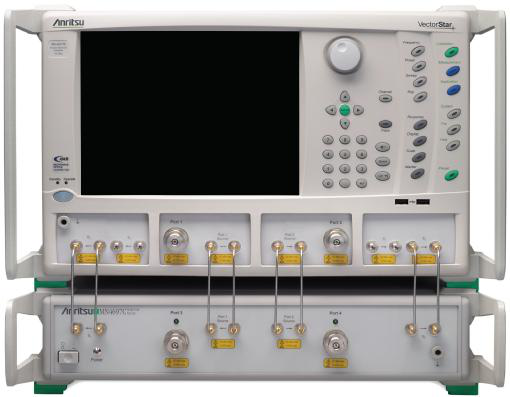
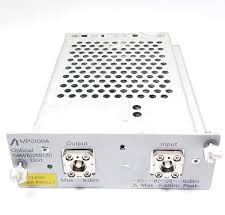
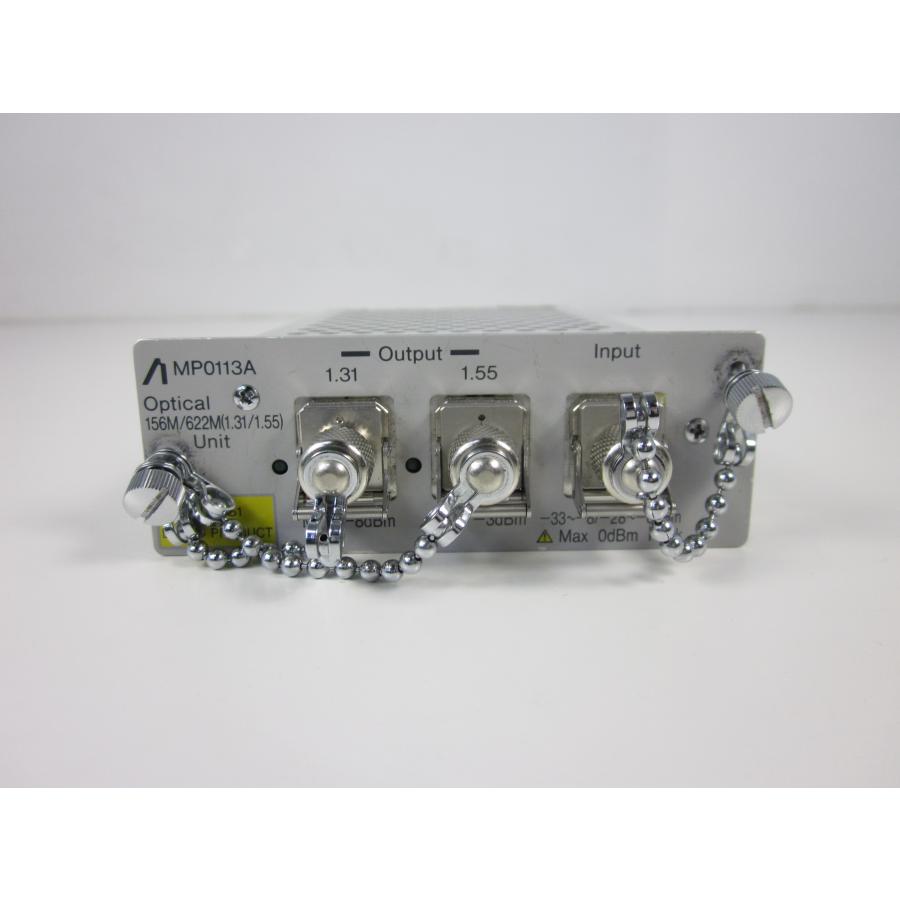
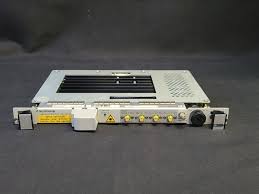
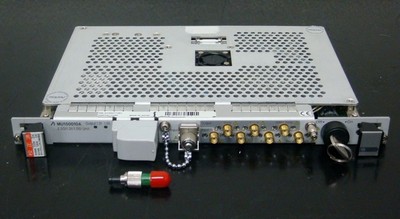
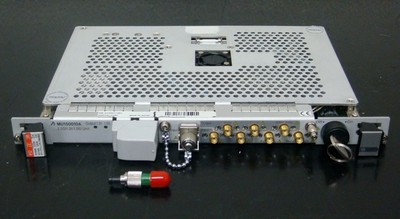
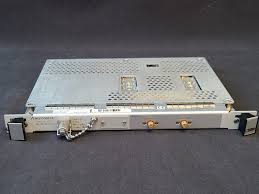
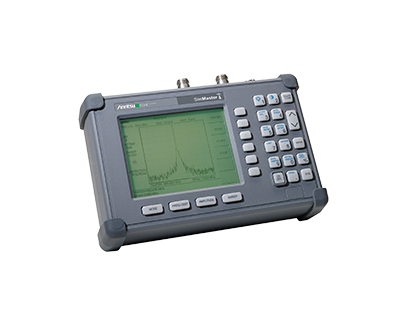
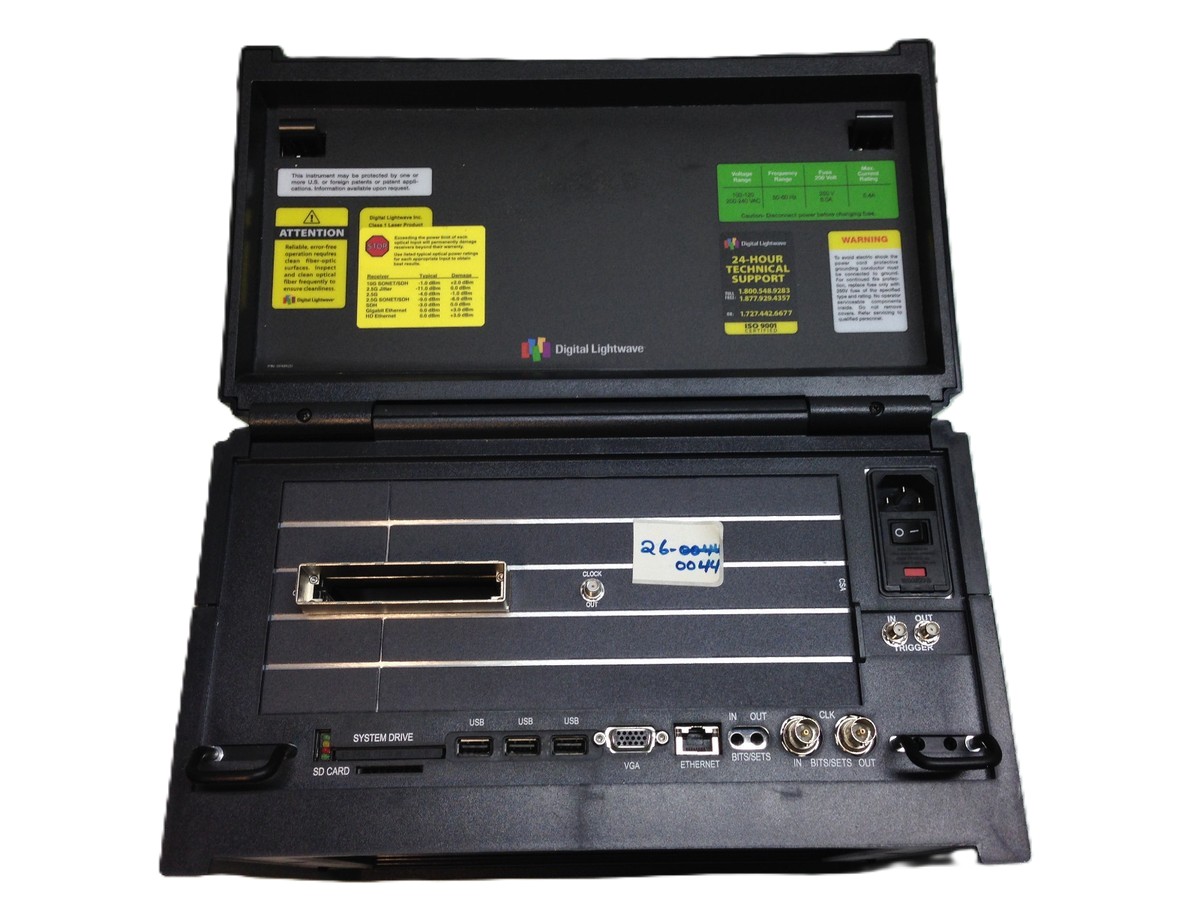
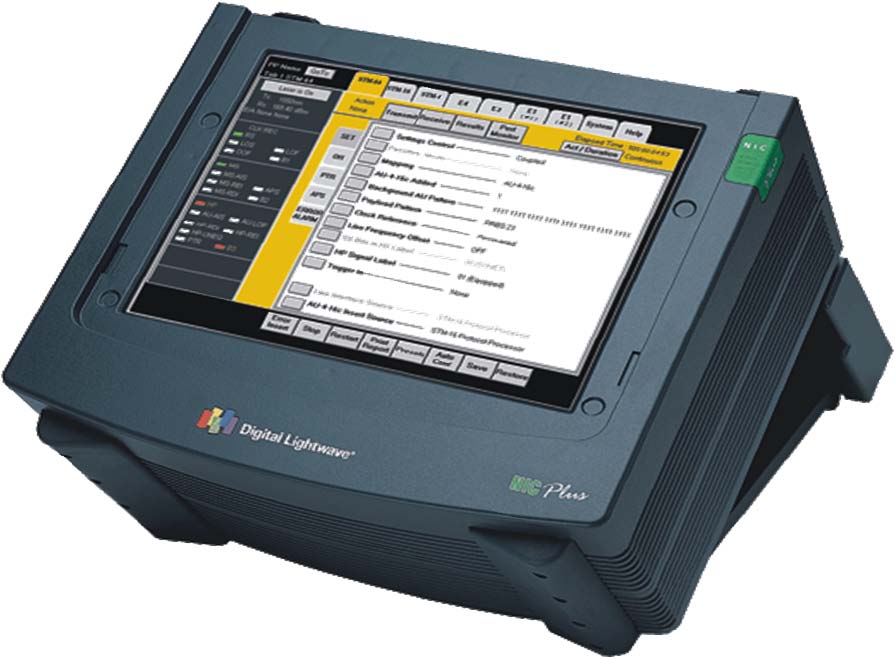
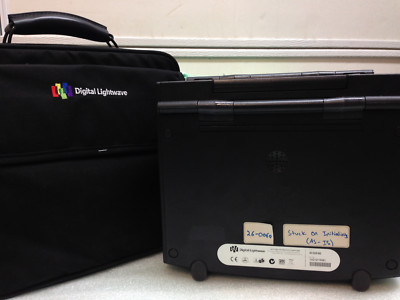
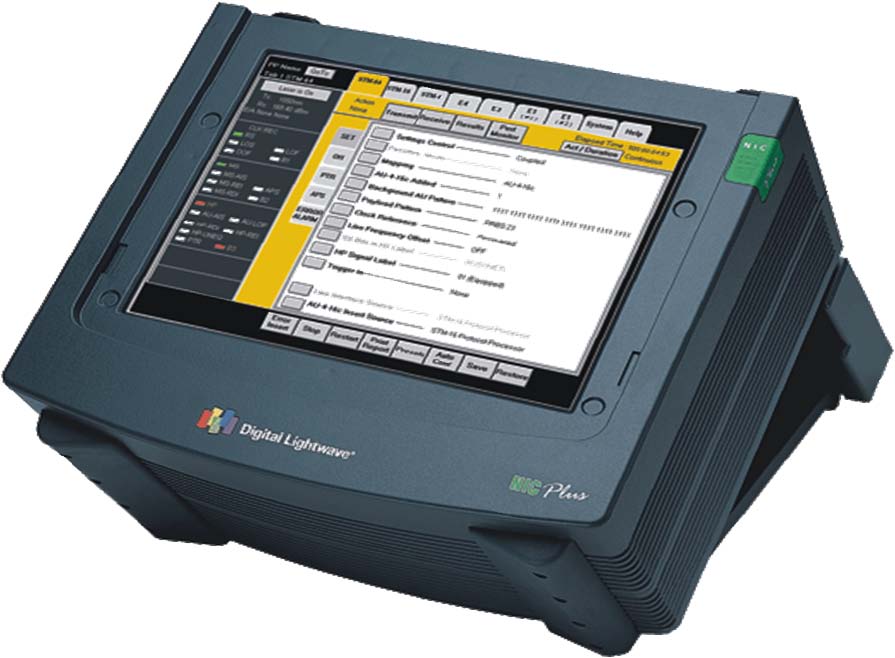
Digital Lightwave Network Analyzers (6 units)
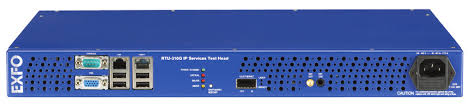
Exfo Network Analyzers (1 unit)
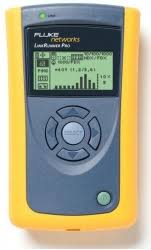
Fluke Network Analyzers (2 units)
Fluke Networks Network Analyzers (1 unit)
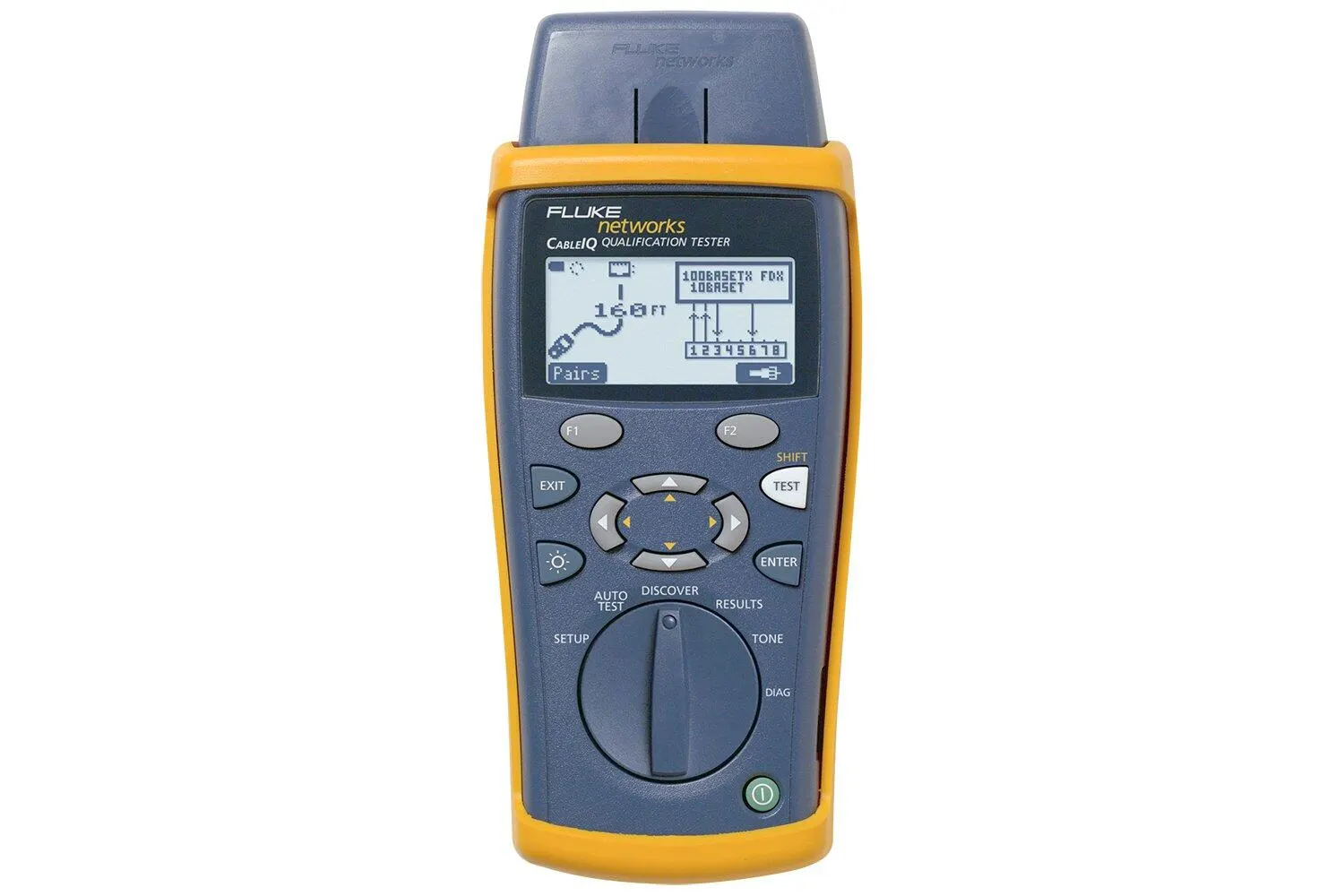
HP / Agilent Network Analyzers (7 units)
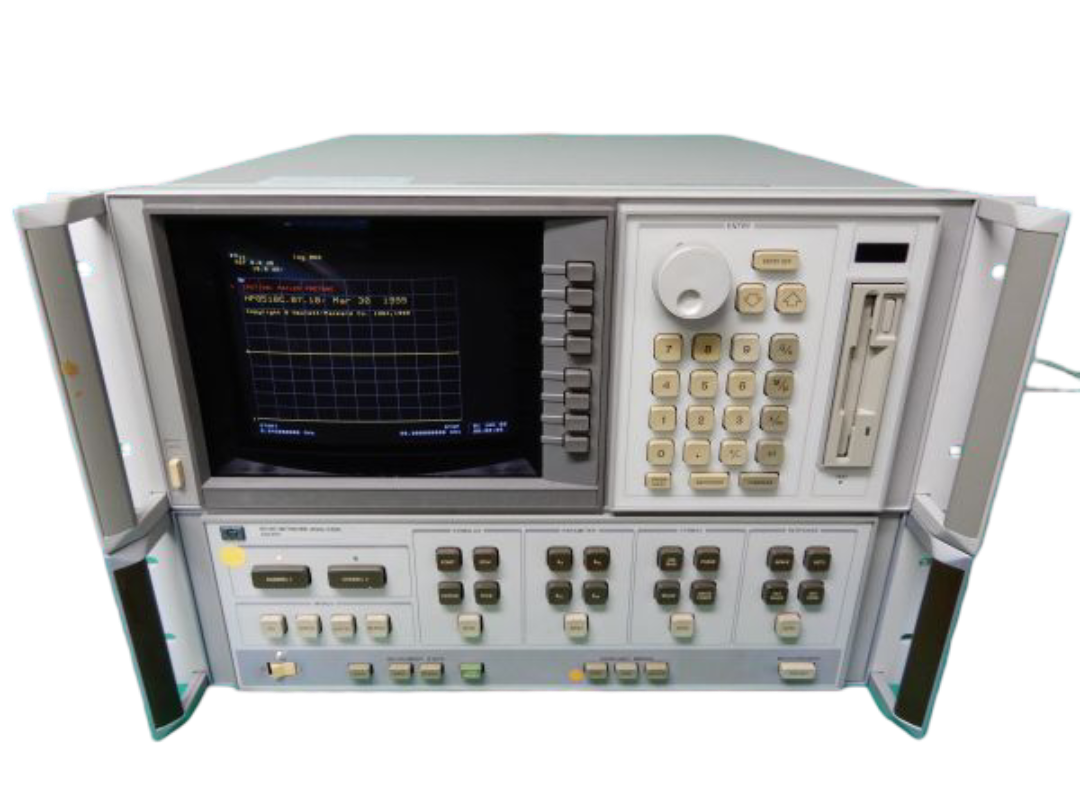
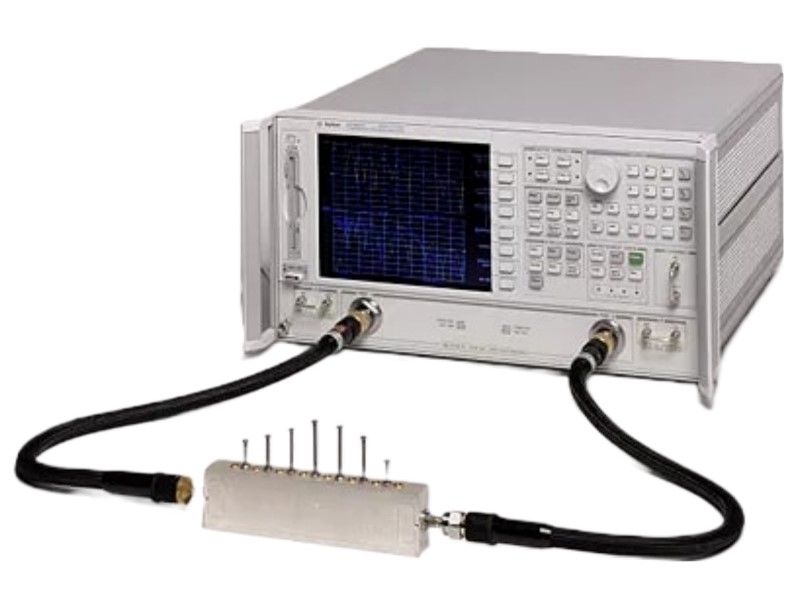
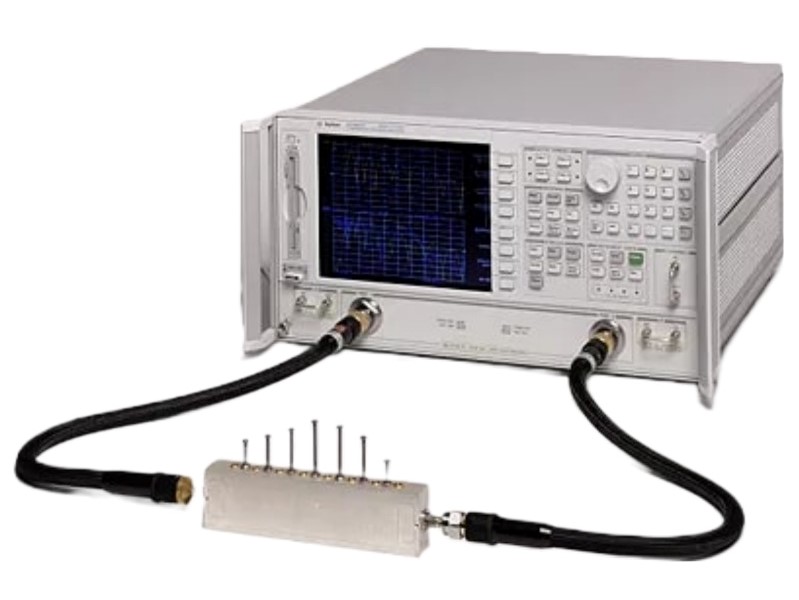
HP/Hewlett Packard Network Analyzers (1 unit)
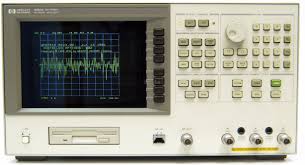
Hughes Network Analyzers (1 unit)
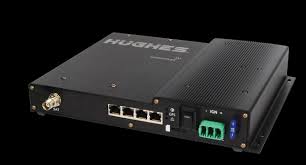
IFR/Marconi Network Analyzers (3 units)
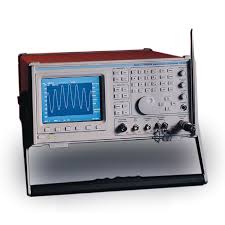
Ixia Network Analyzers (1 unit)
JDS Uniphase Network Analyzers (2 units)
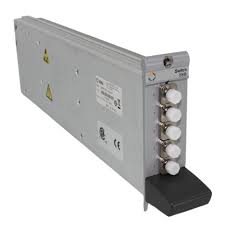
Keysight Network Analyzers (2 units)
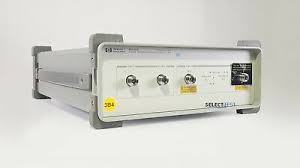
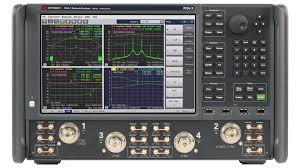
Keysight / Agilent Network Analyzers (6 units)
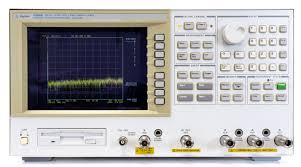
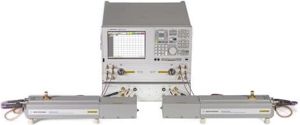
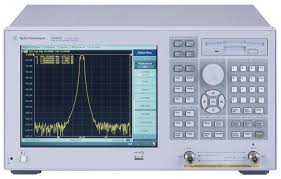
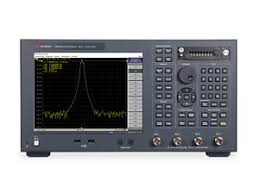
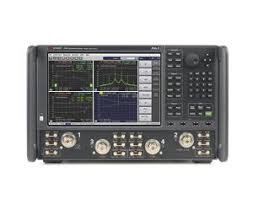
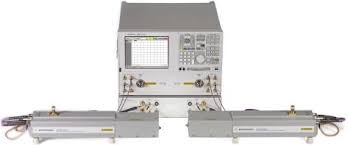
Keysight / Agilent / HP Network Analyzers (4 units)
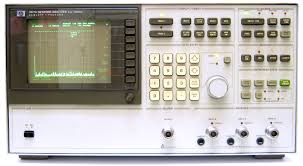
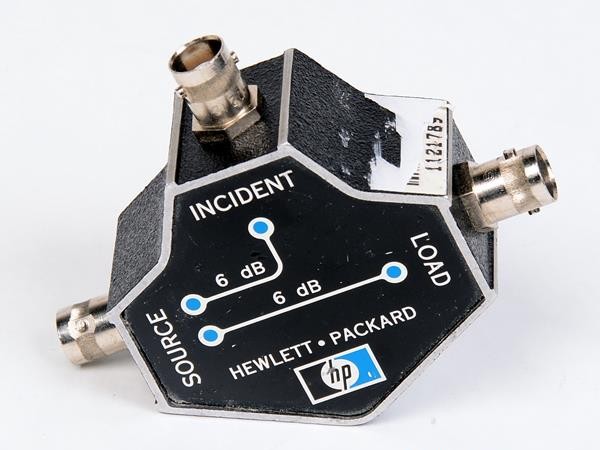
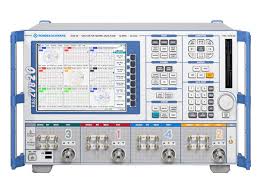
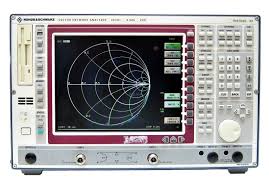
Rohde & Schwarz Network Analyzers (7 units)
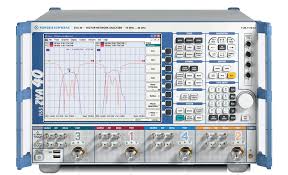
What a Network Analyzer Measures
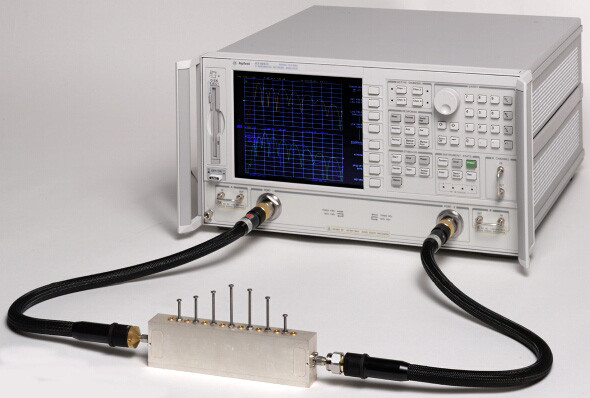
A network analyzer sweeps a signal across a frequency range and measures how the device under test responds — specifically its S-parameters, which describe how much signal is reflected back versus transmitted through at each frequency, along with the phase relationship between them. This is how filters, amplifiers, cables, antennas, and other RF and microwave components get characterized across a working frequency range rather than just at a single spot frequency.
Vector vs. Scalar Measurement
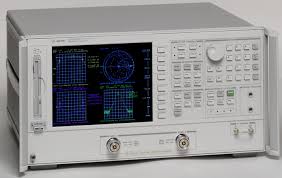
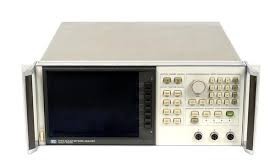
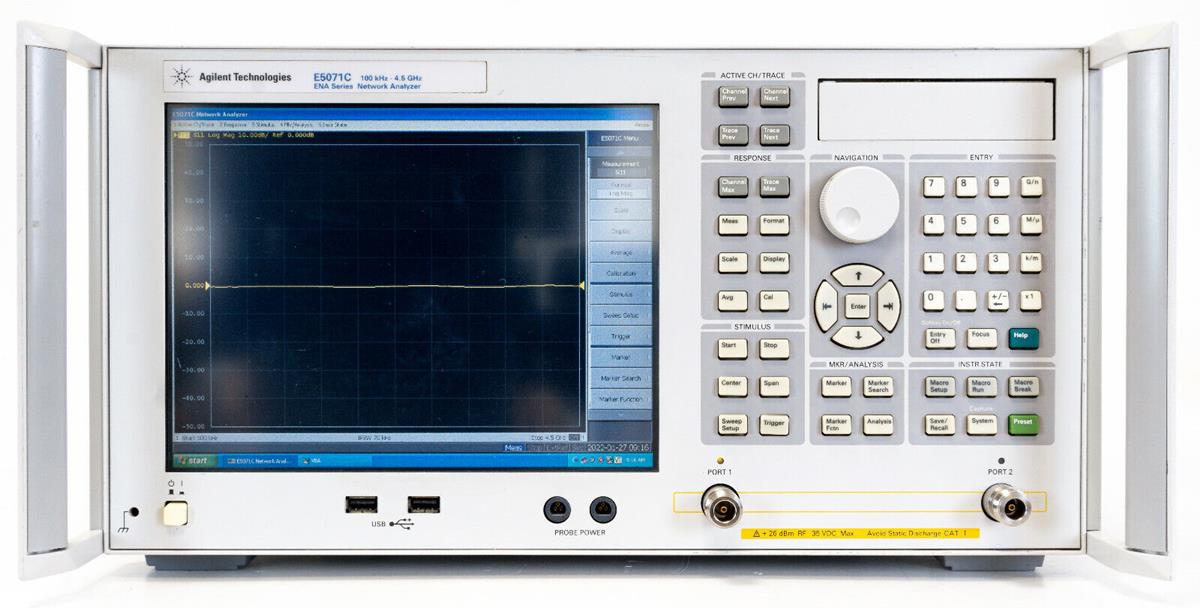
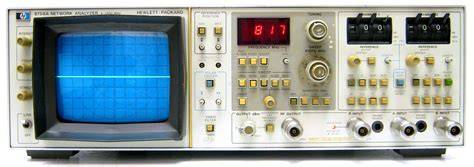
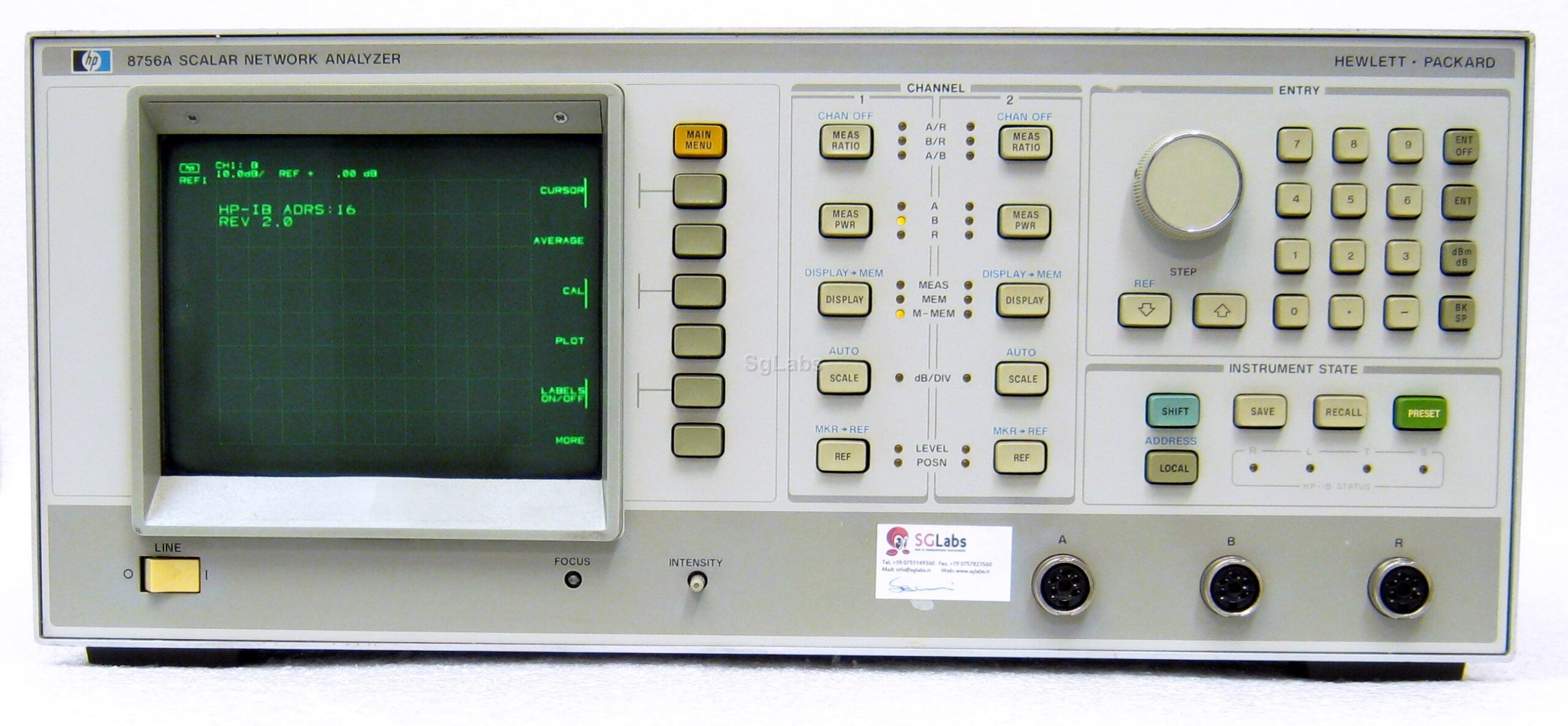
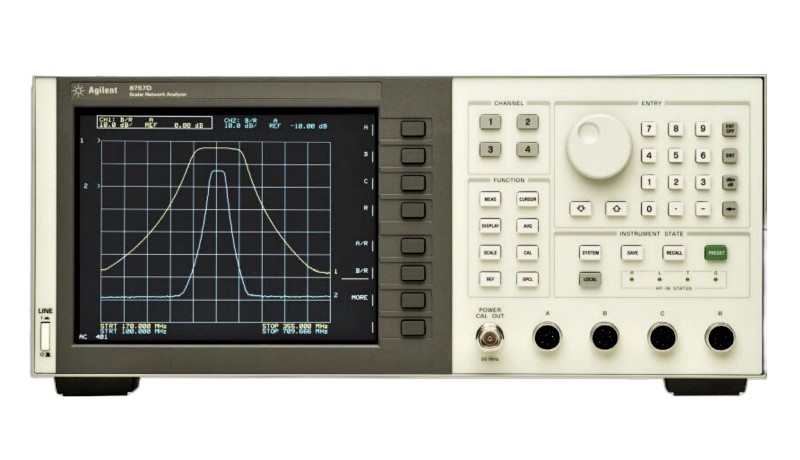
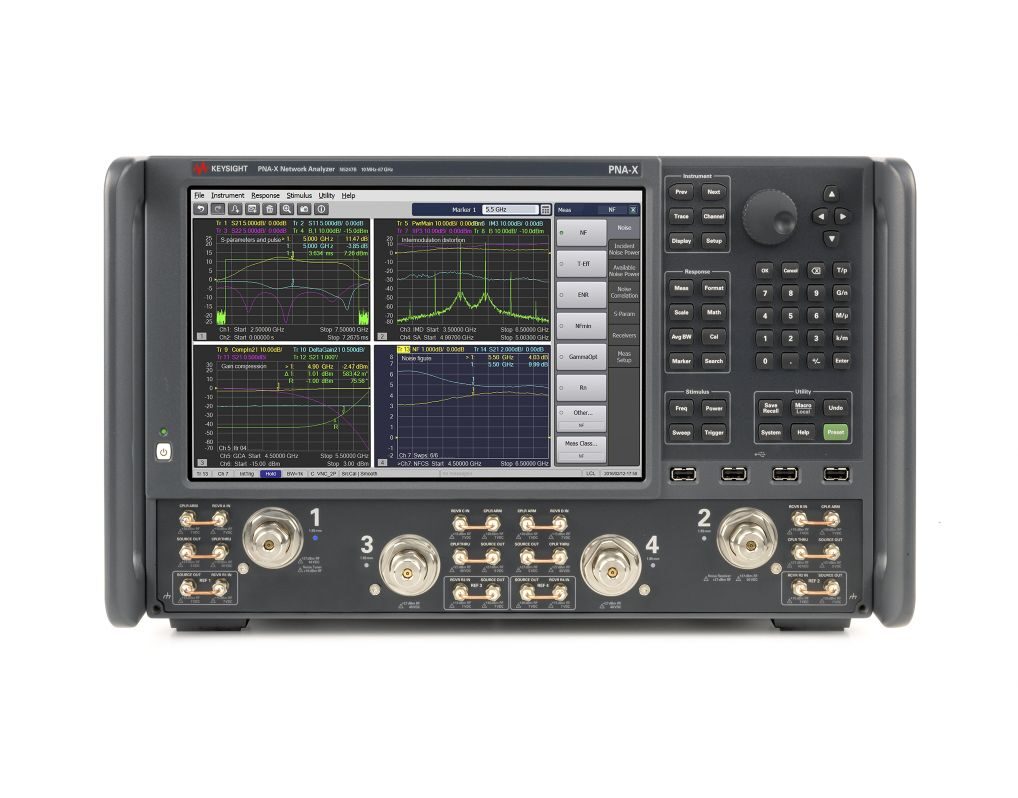
Most of this category — the Agilent/Keysight 8753 and E5071 series, the Anritsu and Advantest units — are vector network analyzers (VNAs), measuring both magnitude and phase, which full S-parameter characterization and impedance matching require. A smaller number of older units, like the Agilent 8757-series, are scalar analyzers built for magnitude-only sweep measurements — simpler, and adequate for basic insertion-loss and return-loss checks where phase data isn't needed.
Agilent, Keysight, and HP — Same Hardware, Different Names
Hewlett-Packard's test and measurement division became Agilent in 1999, and Agilent's electronic measurement business became Keysight in 2014. The same physical instrument families show up under different brand names in our listings depending on when a given unit was manufactured or how it was later rebranded — an Agilent-branded 8753ET and an HP-branded one are the same instrument. Anritsu and Advantest, the other major names here, have kept consistent branding throughout.
What Else You'll Need
A network analyzer alone doesn't give you a valid measurement — you need a calibration kit or electronic calibration (ECal) module matched to your analyzer's connector type and frequency range, applied at your actual test reference plane, before any S-parameter reading means anything. See our RF Calibration Equipment category if you need a cal kit or ECal module alongside your analyzer.
Calibration for Network Analyzers
Instrument calibration for a network analyzer verifies the analyzer's own source and receiver accuracy against a traceable reference — separate from the day-to-day measurement calibration you perform with a cal kit before each test session. Both matter: instrument calibration confirms the analyzer itself is within spec, while a fresh measurement calibration corrects for your specific cables and fixtures at the time of test. See all calibration services →
Frequently Asked Questions
What does a network analyzer actually measure? +
It measures how an RF or microwave device responds to a swept-frequency signal — specifically its S-parameters (scattering parameters), which describe how much signal is reflected back versus transmitted through the device at each frequency, and the phase relationship between them. This is how you characterize filters, amplifiers, cables, antennas, and any other RF component's actual behavior across a frequency range, rather than just at a single spot frequency.
What is the difference between a scalar and a vector network analyzer? +
A scalar network analyzer measures magnitude only — how much signal is lost or reflected, with no phase information. A vector network analyzer (VNA) measures both magnitude and phase, which is what you need for full S-parameter characterization, complex impedance matching, and time-domain reflectometry conversion. Most of the instruments in this category, including the Agilent/Keysight 8753 and E5071 series and the Anritsu and Advantest units, are vector network analyzers; a handful of older units (like the Agilent 8757 series) are scalar analyzers built for magnitude-only sweep measurements.
Why are there so many Agilent/Keysight model variants in this category? +
Hewlett-Packard's test and measurement division became Agilent in 1999, and Agilent's electronic measurement business became Keysight in 2014 — the same physical instrument families carry different brand names in our listings depending on when a given unit was manufactured or how it was rebranded. An "Agilent 8753ET" and a "Keysight 8753ET" (if one existed) would be functionally identical; the brand name just reflects the manufacturing era.
What do I need besides the analyzer itself to make a valid measurement? +
A calibration kit or electronic calibration (ECal) module matched to your analyzer's connector type and frequency range — without a fresh calibration at your test reference plane, S-parameter measurements won't be accurate. We carry calibration kits and ECal modules separately in our RF Calibration Equipment category if you need one alongside your analyzer.
Need a specific frequency range or connector type?
Tell us your measurement requirements, and we'll check our incoming stock.
Get in touch