
Used Multifunction Calibrators
15 units in stock — precision bench calibrators and portable process calibrators, led by Fluke's 700 and 5000-series. Ships from Pleasant Grove, UT.
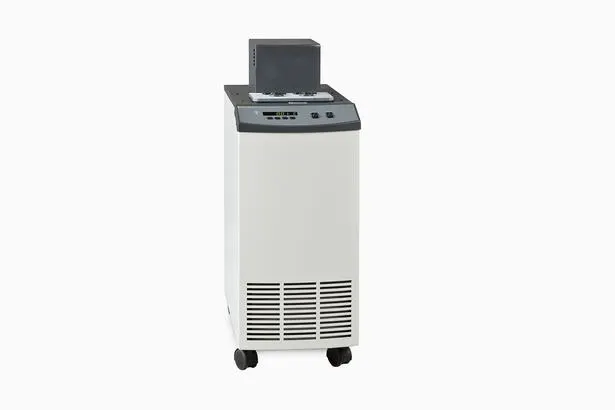
Datron Multifunction Calibrators (1 unit)
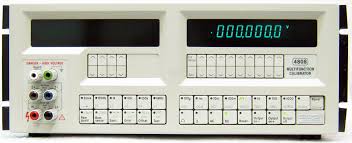
Fluke Multifunction Calibrators (12 units)
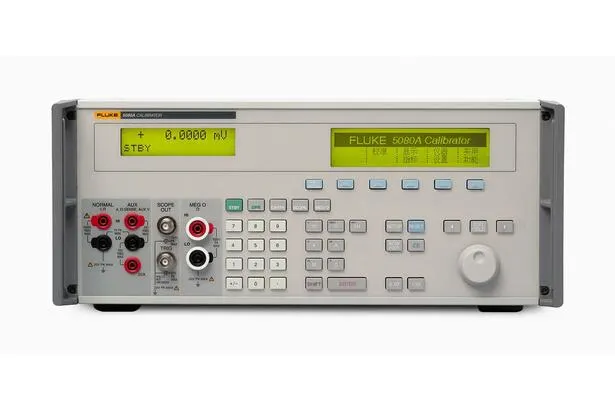
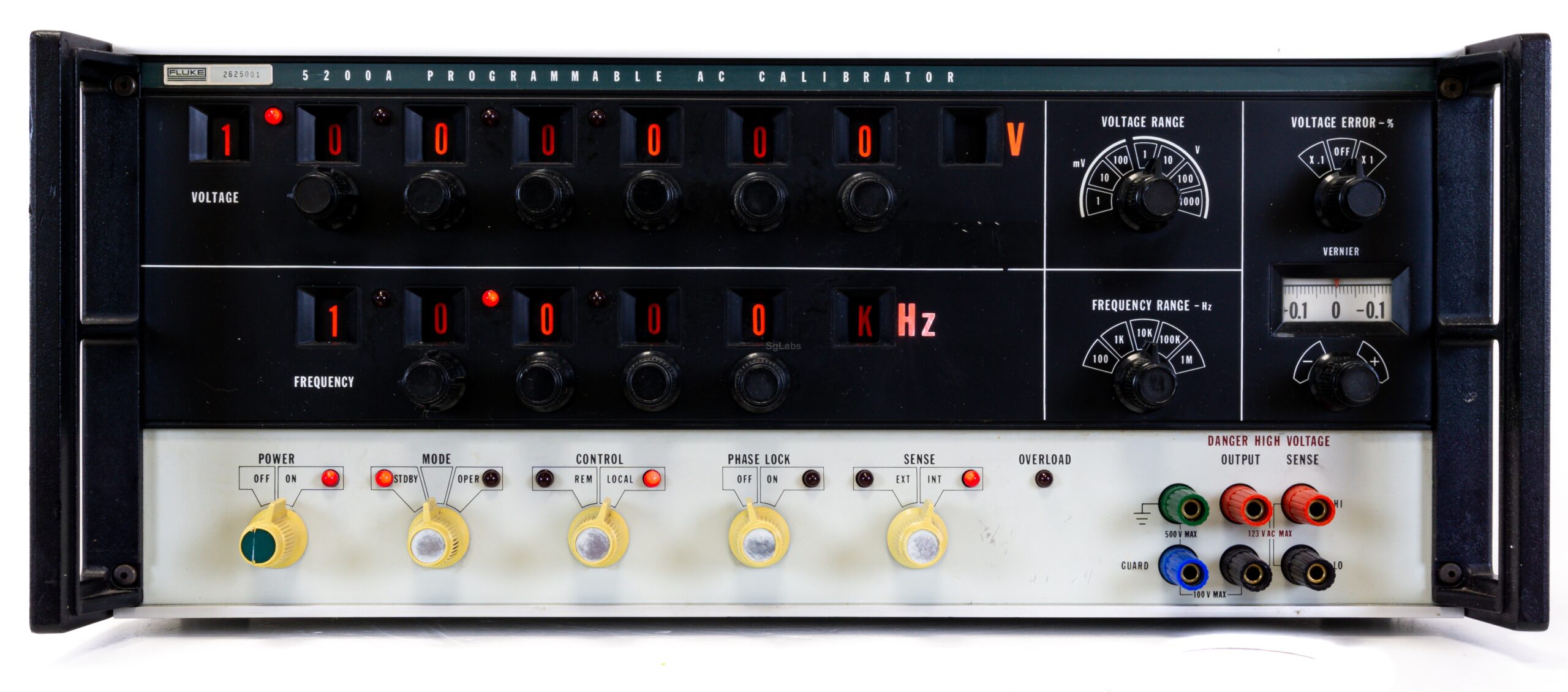
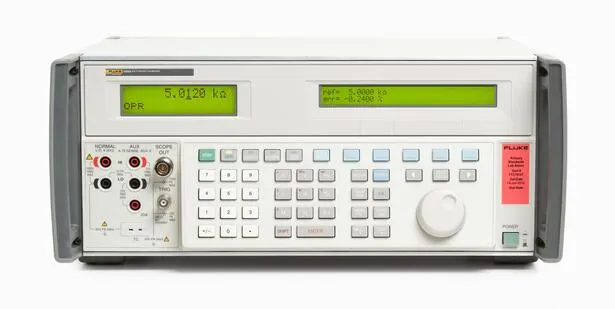
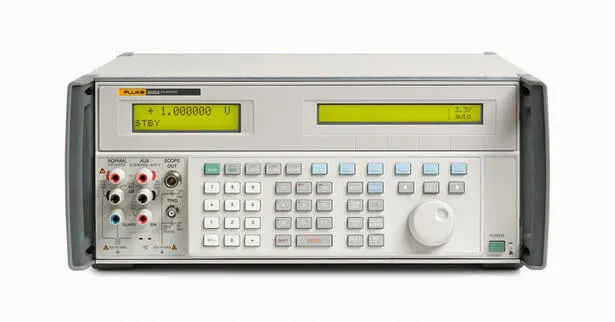
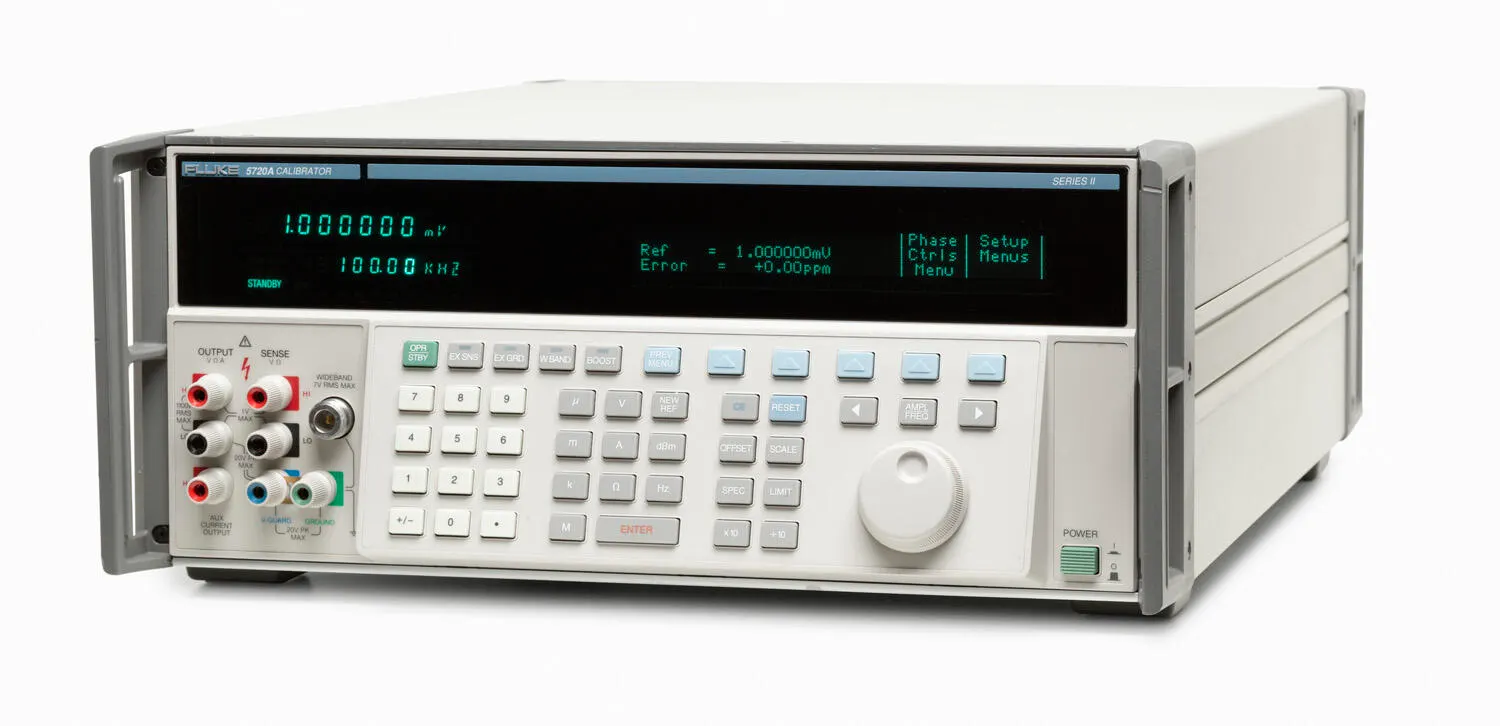
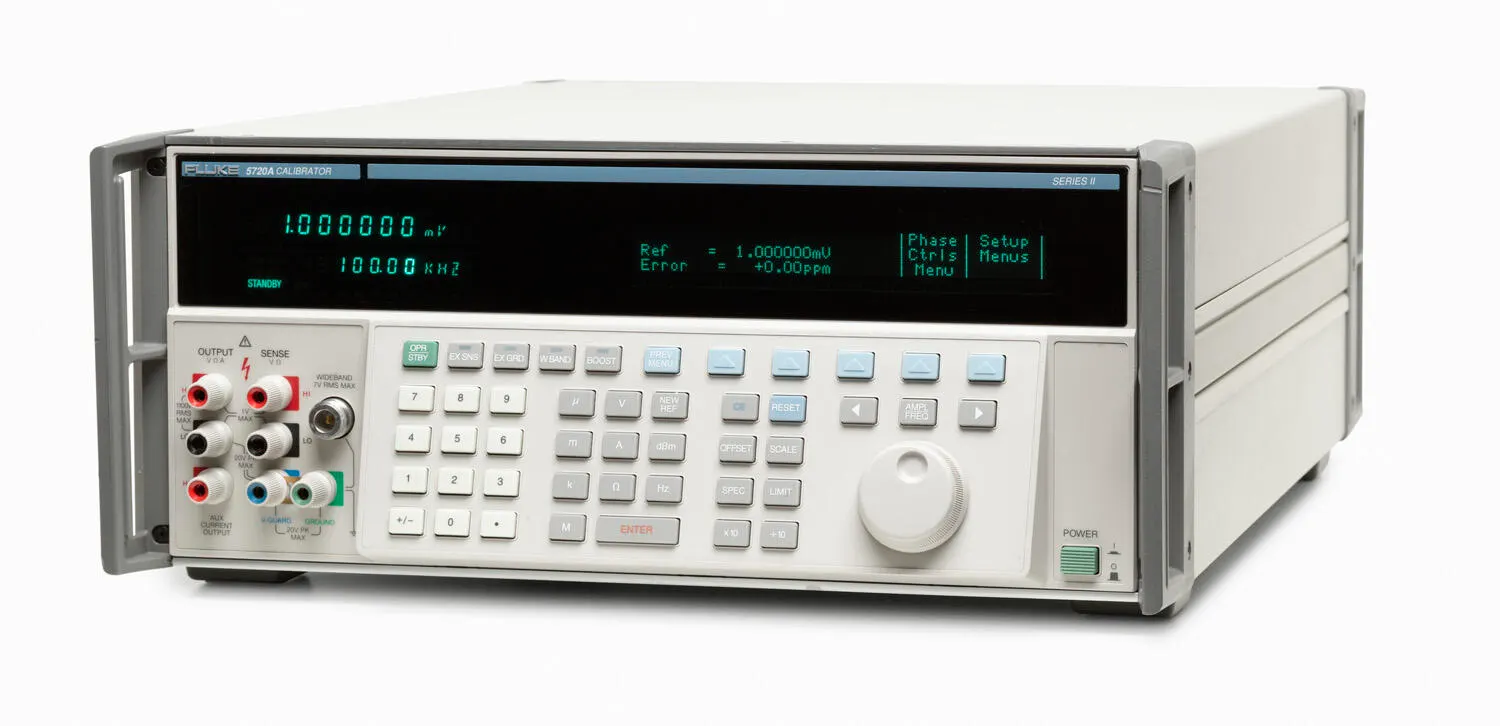
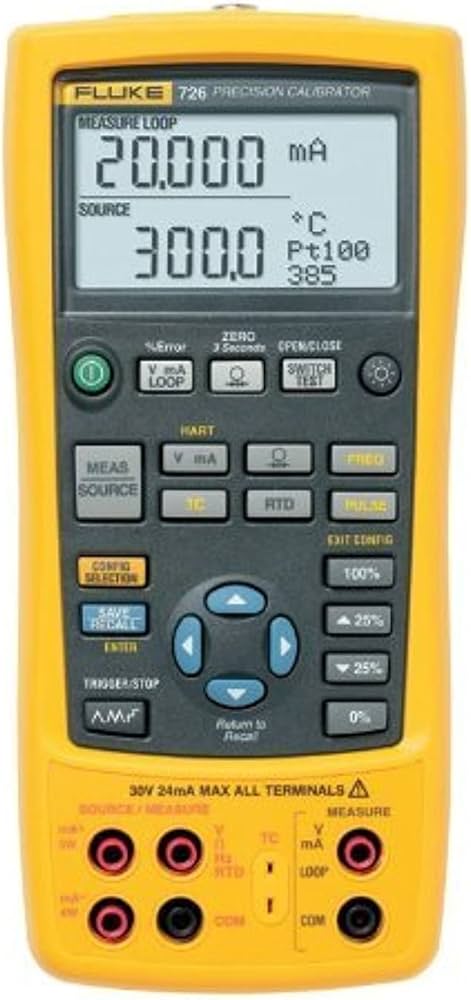
Fluke / Hart Scientific Multifunction Calibrators (1 unit)
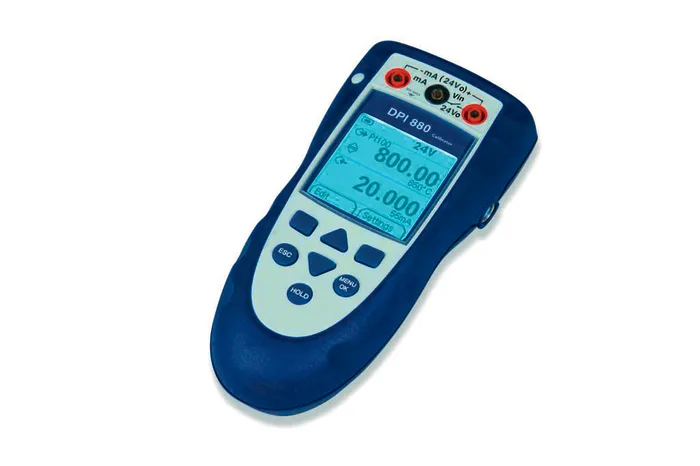
GE/Druck Multifunction Calibrators (1 unit)
What a Multifunction Calibrator Does
It sources — and on some models, measures — multiple electrical quantities from one instrument: DC and AC voltage, current, resistance, frequency, and often temperature via thermocouple or RTD simulation, all at precisely known, traceable values. This is the reference tool used to calibrate multimeters, process instruments, and other bench equipment, rather than a general-purpose measurement instrument used for its own sake.
Portable Process Calibrators
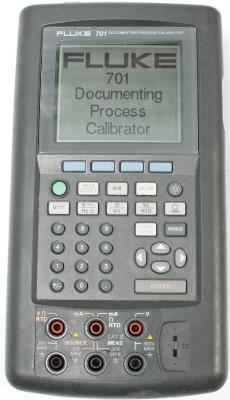
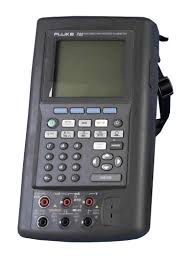
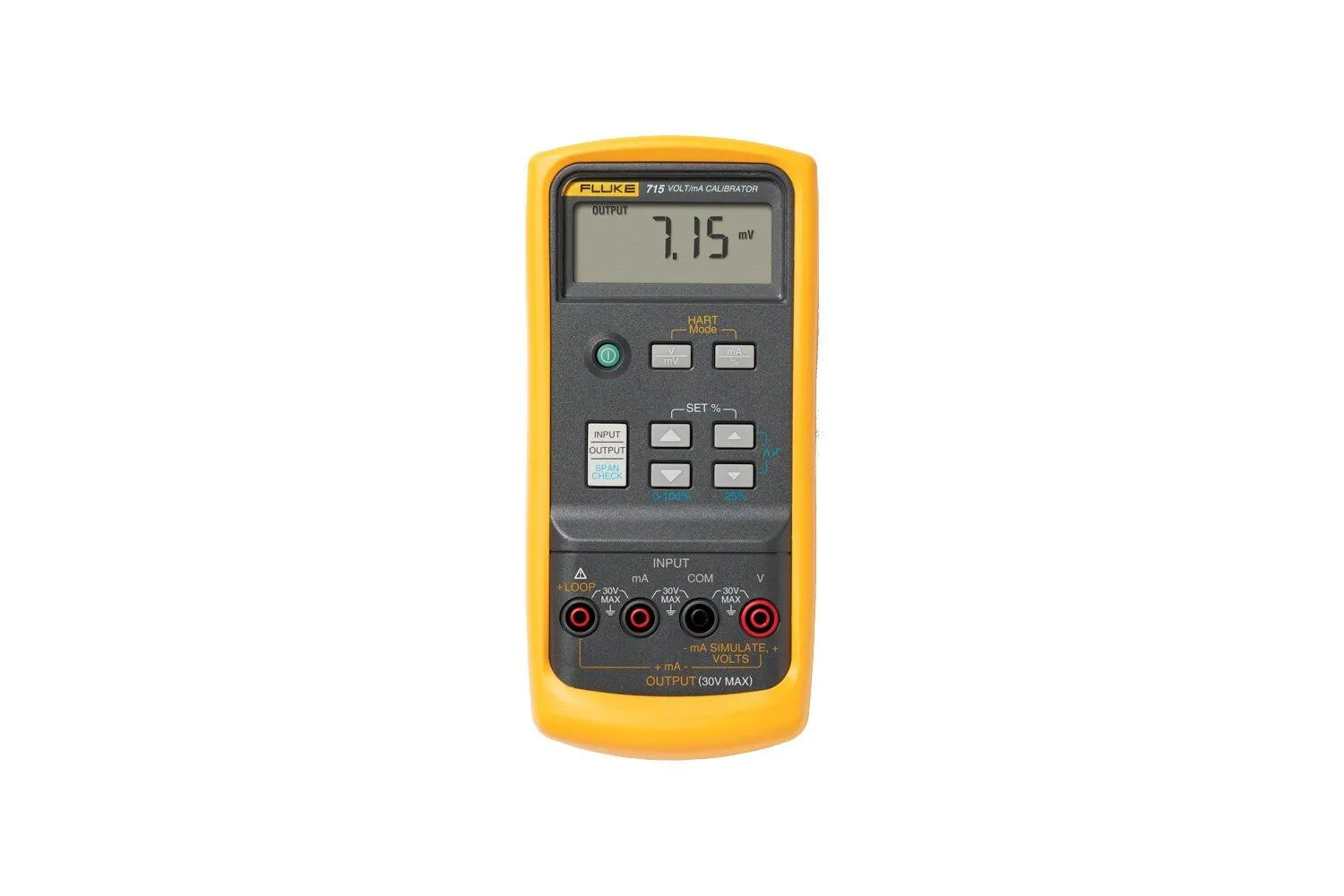
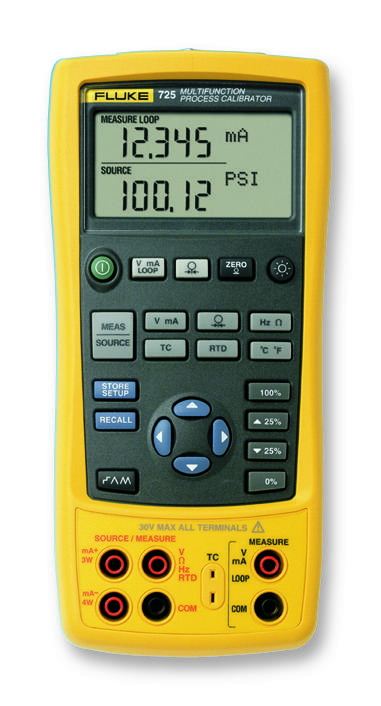
Fluke's 700-series (701, 702, 715, 725, 726) are portable process calibrators built for technicians in process industries to calibrate and troubleshoot mA loop, pressure (with add-on modules), and temperature instrumentation in the field — sized and priced for that use case rather than lab reference-standard work.
Precision Bench Calibrators
Fluke's 5500, 5700, and 5800-series are precision bench multifunction calibrators with substantially higher accuracy than the portable process line, used as primary or secondary lab standards to calibrate other calibrators and precision multimeters. Datron's 4808 and GE/Druck's DPI-880 serve a similar precision-standard role. This is a different tier of the calibration hierarchy from the portable process calibrators above, not just a bigger version of the same thing.
Choosing the Right Tier
Whether a result counts as a valid calibration depends on the calibrator's own accuracy and traceability relative to the instrument being calibrated — a calibrator generally needs at least a 4:1 accuracy ratio better than the instrument under test for the calibration to be meaningful. A portable process calibrator is appropriate for field troubleshooting and routine checks; a precision bench calibrator is what you need if you're maintaining traceability for a cal lab.
Why a Used Calibrator's Own Calibration History Matters
A calibrator is only as good as its own last calibration, and since its entire job is being a trusted reference, this matters more here than on most other instrument categories. Ask about calibration history and certificate availability before relying on a used calibrator as a lab's reference standard. See all calibration services →
Frequently Asked Questions
What does a multifunction calibrator do? +
It sources (and on some models, measures) multiple electrical quantities from one instrument — DC and AC voltage, current, resistance, frequency, and often temperature via thermocouple or RTD simulation — at precisely known, traceable values. This is the reference tool used to calibrate multimeters, process instruments, and other bench equipment, rather than a general-purpose measurement instrument itself.
What is the difference between the Fluke 700-series and the 5500/5700/5800-series? +
The 700-series (701, 702, 715, 725, 726) are portable process calibrators, built for technicians in process industries to calibrate and troubleshoot mA loop, pressure (with add-on modules), and temperature instrumentation in the field. The 5500, 5700, and 5800-series are precision bench multifunction calibrators with substantially higher accuracy, used as primary or secondary lab standards to calibrate other calibrators and precision multimeters — a different tier of the calibration hierarchy entirely.
Can I use a multifunction calibrator to calibrate any multimeter? +
You can source the right values to test a multimeter against, but whether the result counts as a valid calibration depends on the calibrator's own accuracy and traceability relative to the multimeter's specified tolerance — a calibrator needs meaningfully better accuracy than the instrument it's calibrating, generally at least a 4:1 ratio, for the calibration to be meaningful.
Does a used calibrator need its own calibration before I trust it? +
Yes — a calibrator is only as good as its own last calibration, and since its entire job is being a trusted reference, this matters more here than on most other instrument categories. Ask about calibration history and certificate availability before relying on a used calibrator as your lab's reference standard.
Need a specific accuracy tier or function set?
Tell us what you're calibrating, and we'll check our incoming stock.
Get in touch