
Used Fiber Cleavers, Strippers & Prep Tools
33 units in stock — mostly precision fiber cleavers, strippers, and polishing jigs from Fujikura, Ericsson, and DIAMOND, used to prepare fiber for splicing and connectorization. Ships from Pleasant Grove, UT.
Anritsu Fiber Prep Tools (1 unit)
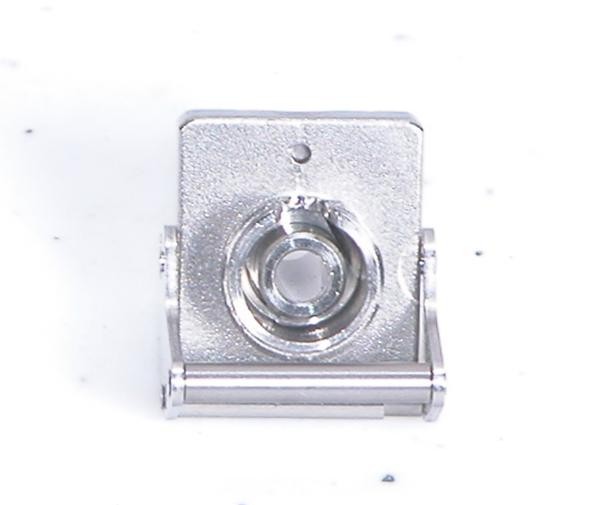
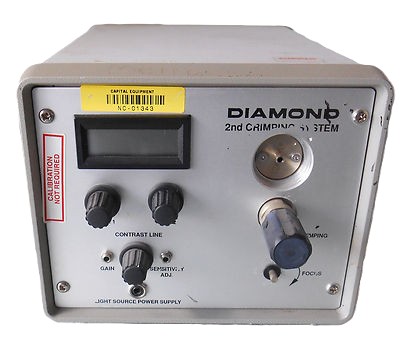
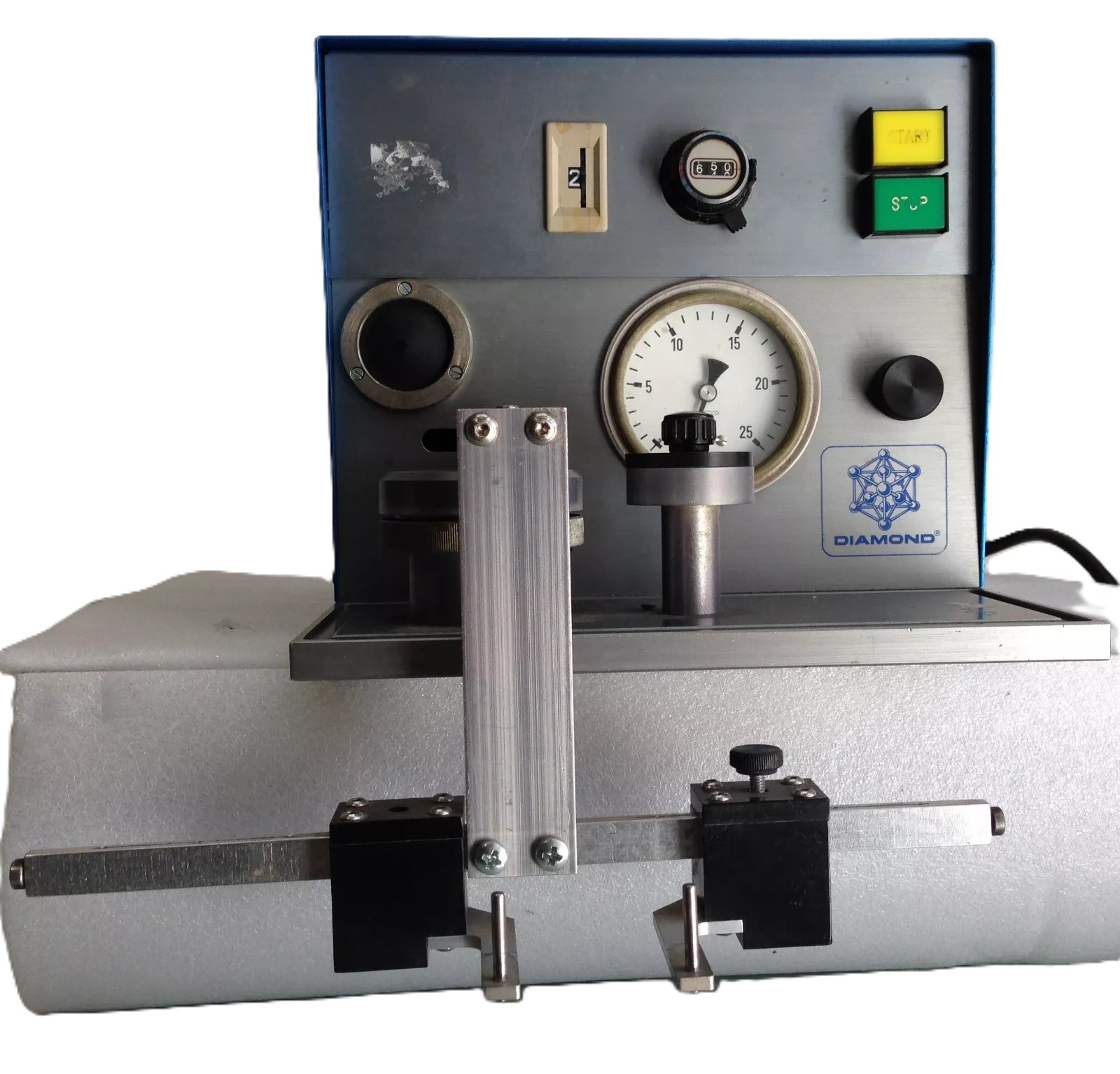
DIAMOND Fiber Prep Tools (3 units)
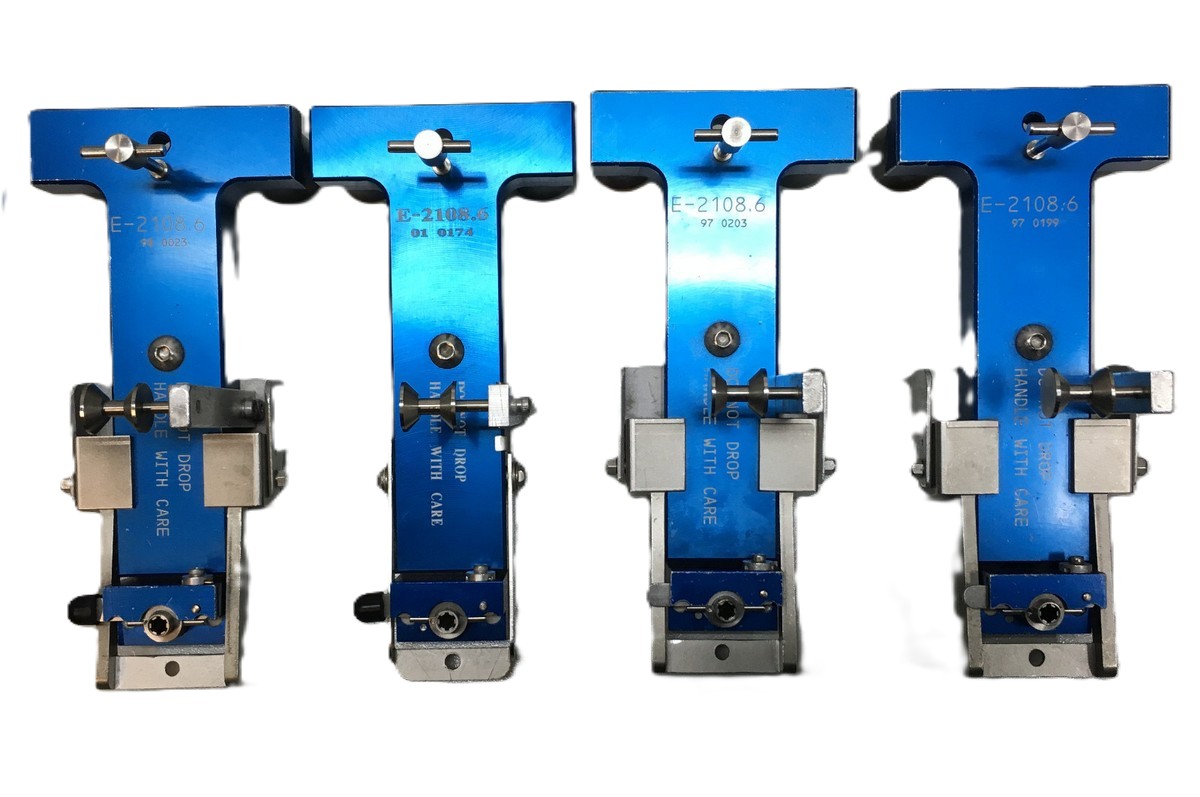
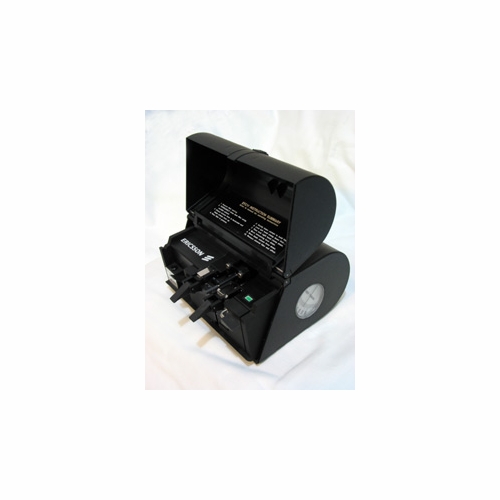
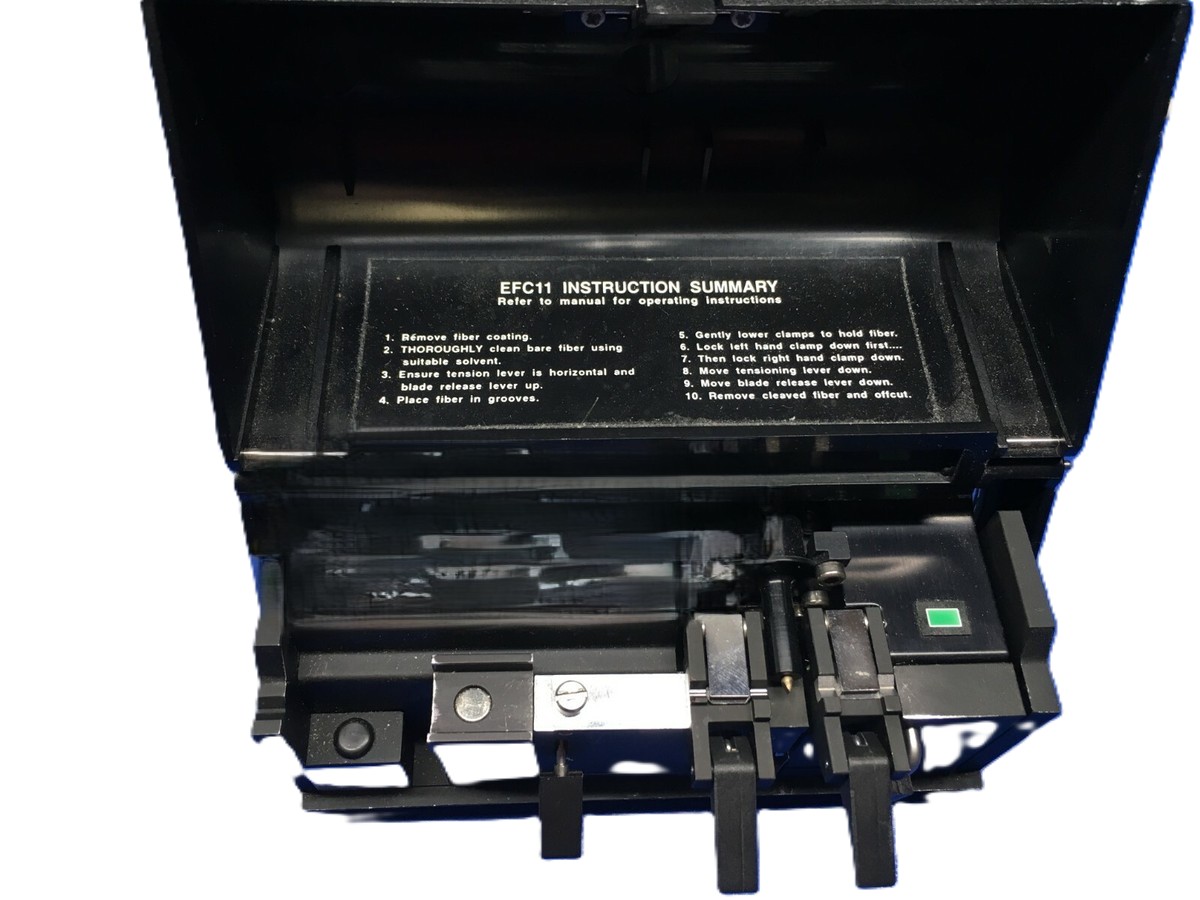
Ericsson Fiber Prep Tools (2 units)
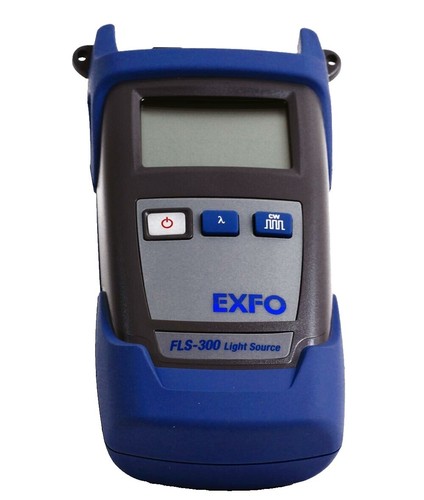
Exfo Fiber Prep Tools (2 units)
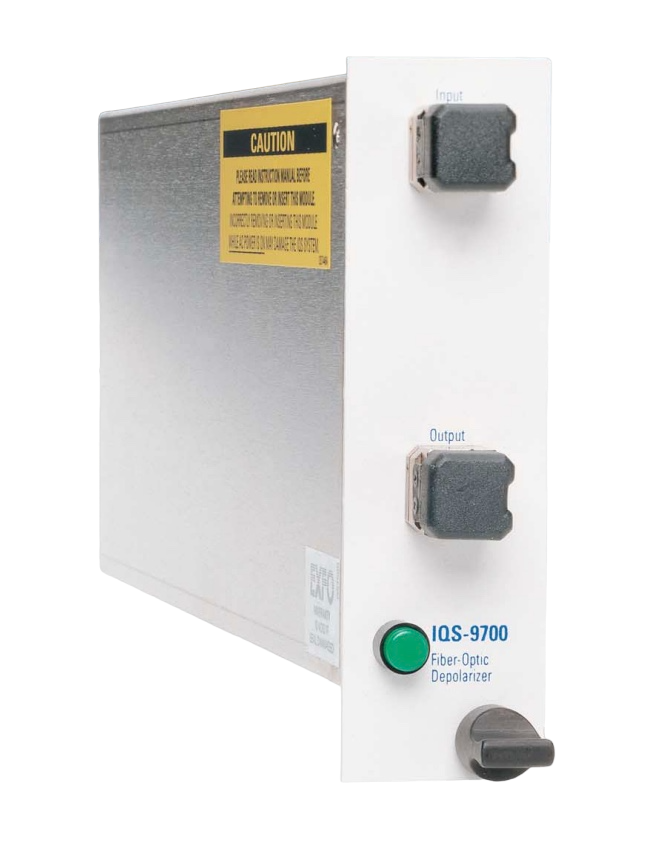
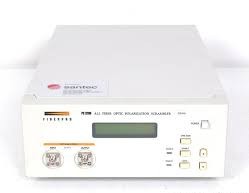
Fiberpro Fiber Prep Tools (1 unit)
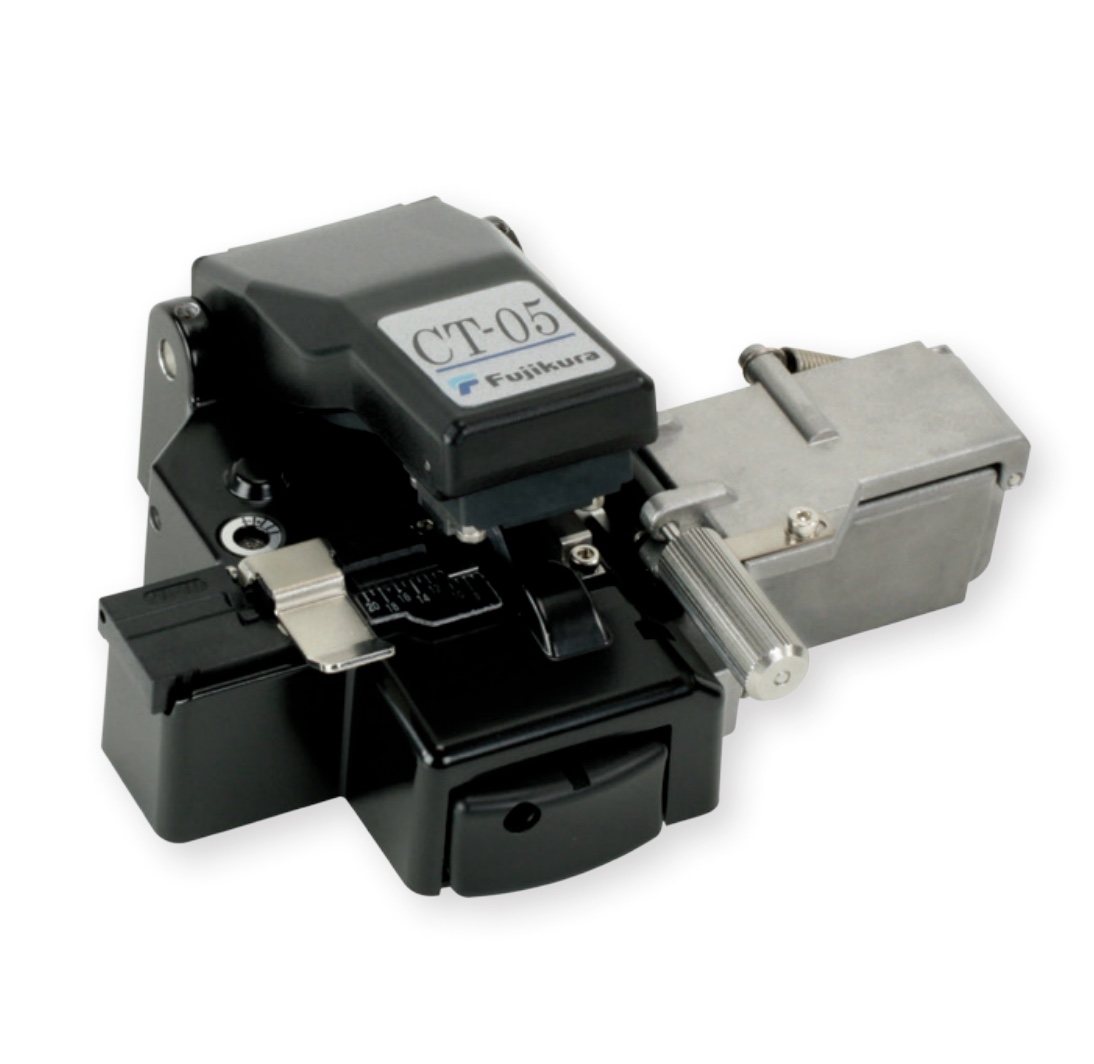
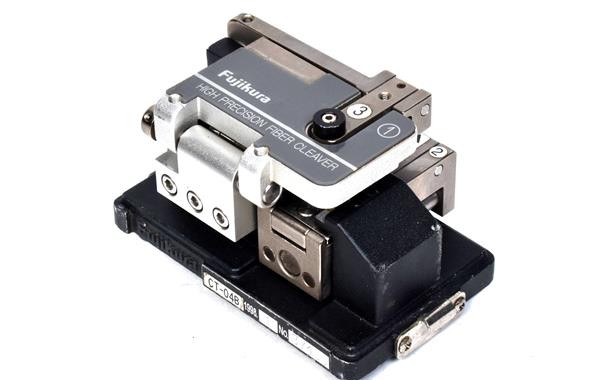
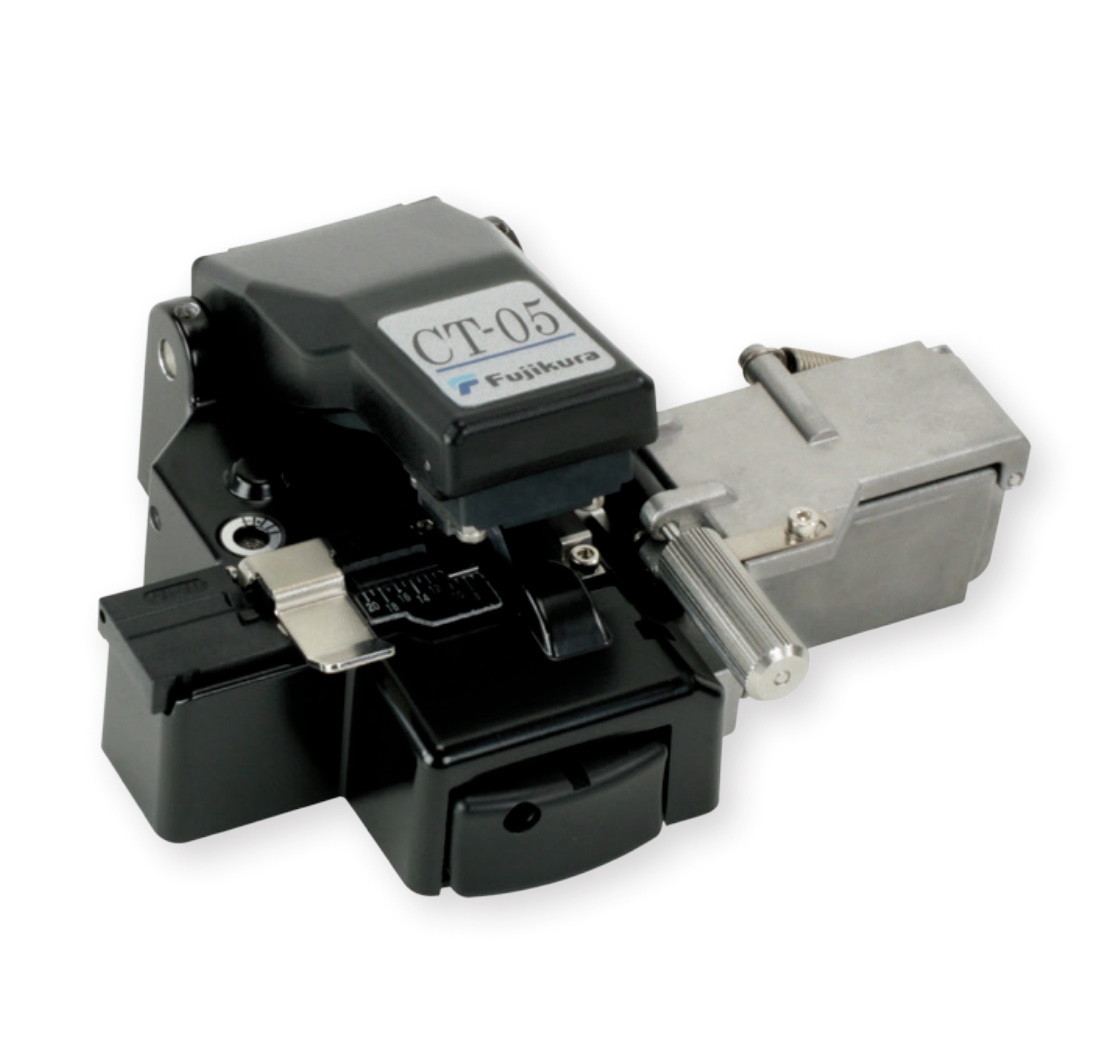
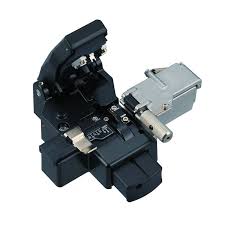
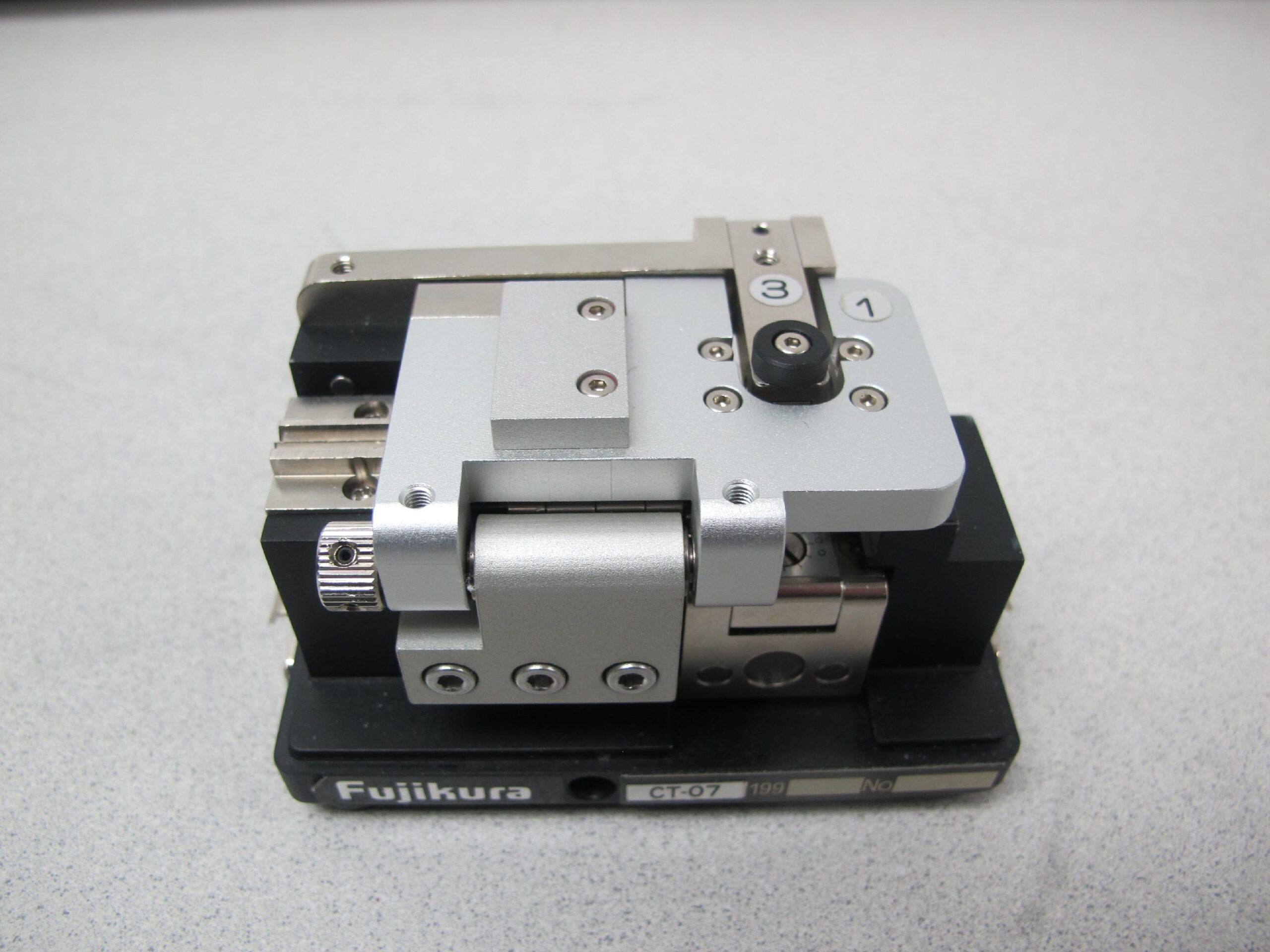
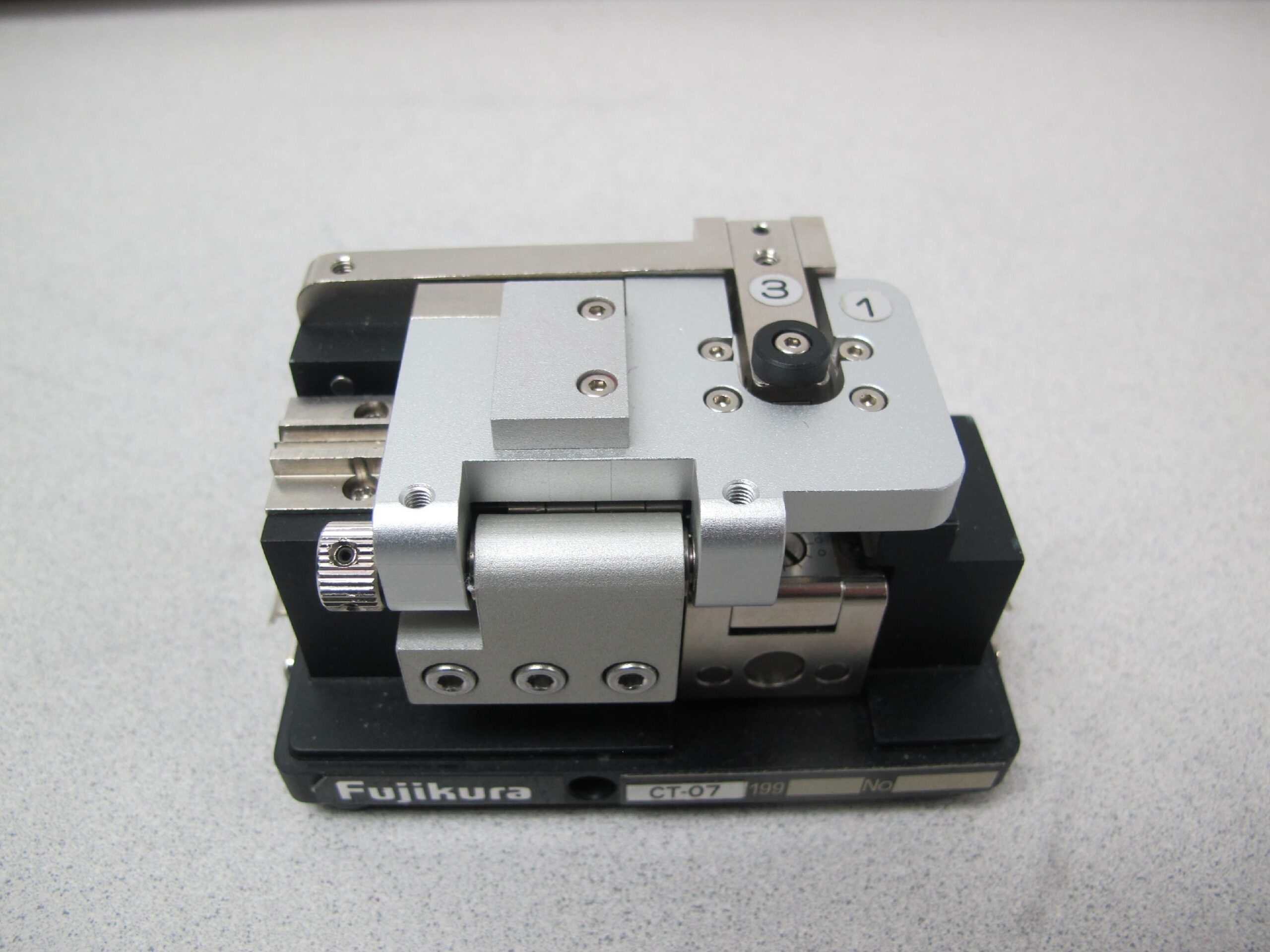
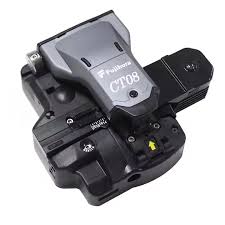
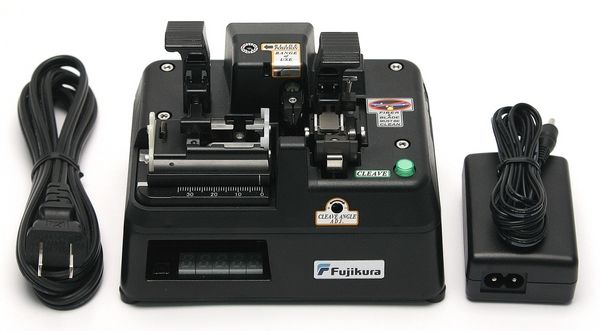
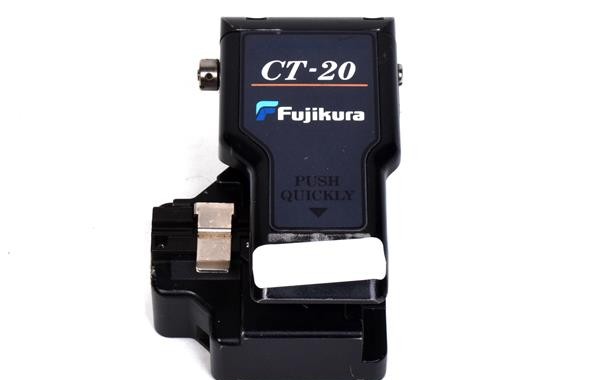
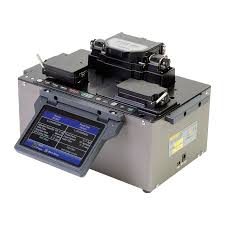
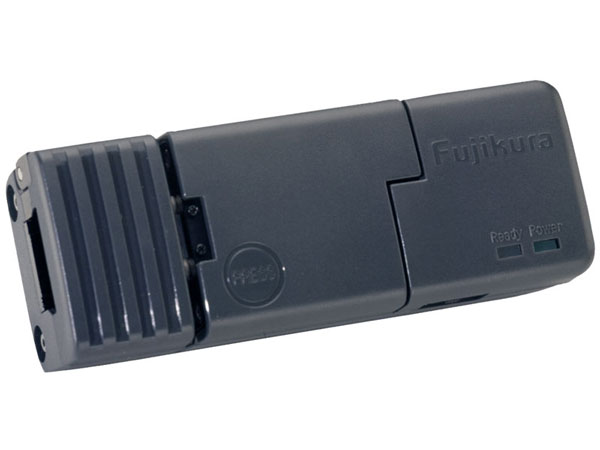
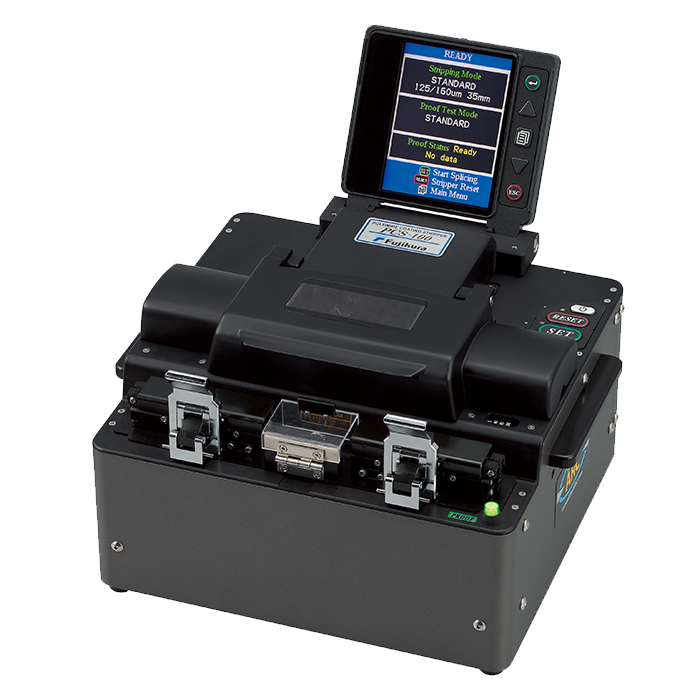
Fujikura Fiber Prep Tools (23 units)
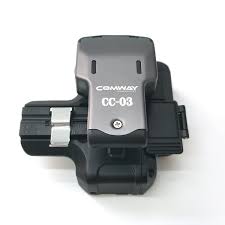
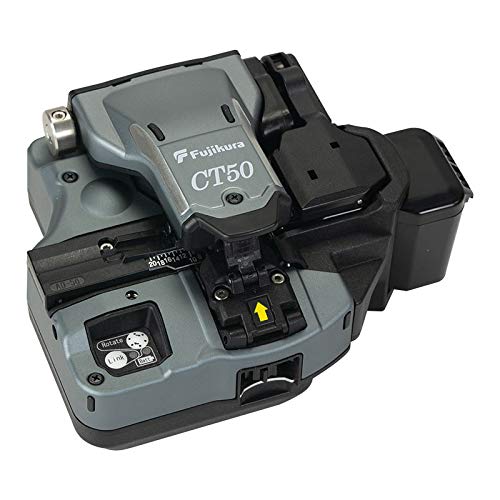
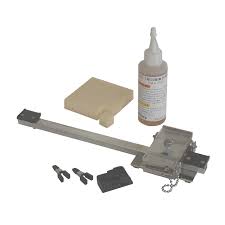
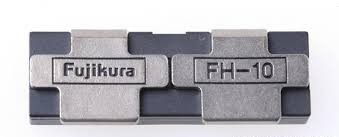
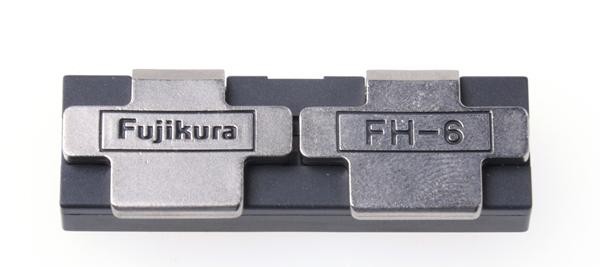
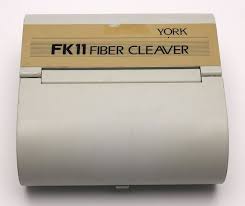
York / PK Technology Fiber Prep Tools (1 unit)
What's Actually in This Category
Despite the "cleaning equipment" name, this category is dominated by fiber preparation and termination tools — cleavers, strippers, and polishing jigs — rather than literal cleaning consumables like wipes or cleaning pens. If you landed here looking for cleaning supplies, contact us directly; if you need to prepare fiber for splicing or connectorization, read on.
Fiber Cleavers
Fujikura's CT-series makes up most of this category, from basic single-fiber cleavers (CT-03, CT-04, CT-06) up through high-precision models (CT-30A, CT-50, CT-100) built for the tightest-tolerance fusion splicers. A cleaver precision-scores and breaks a stripped fiber to produce a flat, perpendicular end-face — the starting point for a low-loss splice or a hand-polished connector. Cleave quality directly determines splice loss, which is why this is precision tooling rather than a simple cutting tool, and why blade wear is worth checking on a used unit.
Strippers
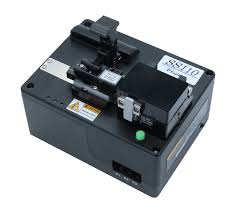
The Fujikura SS110 and similar hot-jacket strippers remove a fiber's outer coating and buffer to expose bare glass, a mechanical or thermal step that has to happen before cleaving. Ericsson's EFC11 ultrasonic cleaver combines stripping and cleaving functions in one tool for a more streamlined field-prep workflow.
Polishing Jigs and Connector Prep
DIAMOND's angle polishers and polishing jigs manually polish a connector end-face to the correct angle and finish (flat PC or angled APC) after termination — used in field termination and repair work as an alternative to factory-terminated connector assemblies.
What to Check Before Buying
A well-maintained cleaver from any reputable brand produces a good cleave for most splicers, but fusion splicer manufacturers often recommend a specific cleaver model for their machine's tightest-tolerance modes. If you're troubleshooting inconsistent splice quality on an existing setup, blade condition is one of the first things worth checking — a worn or chipped blade is a common, easy-to-miss cause of elevated splice loss.
Frequently Asked Questions
This category is called "Fiber Cleaning Equipment" but I see cleavers and strippers — what's going on? +
Fair question, and worth being upfront about: despite the category name, the inventory here is almost entirely fiber preparation and termination tools — cleavers (which precision-cut a fiber to create a clean, flat end-face), strippers (which remove the outer coating), and polishing jigs — rather than literal cleaning supplies like alcohol wipes or cleaning pens. If you're specifically looking for end-face cleaning consumables, contact us directly; if you need a cleaver, stripper, or polisher to prepare fiber for splicing or connectorization, this is the right category.
What does a fiber cleaver actually do? +
A cleaver precision-scores and breaks a stripped fiber to produce a flat, perpendicular end-face — the starting point for a low-loss fusion splice or a hand-polished connector. Fujikura's CT-series (CT-03 through CT-50, CT-100) makes up most of this category, ranging from basic single-fiber cleavers to high-precision models used with the tightest-tolerance splicers. Cleave quality directly determines splice loss, so this is precision tooling, not a simple cutting tool.
What is the difference between a cleaver and a stripper? +
A stripper (like the Fujikura SS110 or a hot jacket stripper) removes the fiber's outer coating and buffer to expose bare glass before cleaving — a mechanical or thermal step that has to happen first. The cleaver then cuts the now-bare fiber to create the end-face. Both are separate tools used in sequence during fiber preparation, not substitutes for each other.
What are the polishing jigs and pucks used for? +
DIAMOND's angle polishers and polishing jigs are used to manually polish a connector end-face to the correct angle and finish (flat PC, angled APC) after termination — an alternative or supplement to factory-terminated connectors, more common in field termination and repair work than in high-volume manufacturing.
Do I need to match the cleaver to my splicer brand? +
Not strictly — a well-maintained cleaver from any reputable brand can produce a good cleave for most splicers — but fusion splicer manufacturers often recommend a specific cleaver model for their machine's tightest-tolerance modes, and using a mismatched or worn blade is a common cause of elevated splice loss. If you're troubleshooting inconsistent splice quality, the cleaver blade condition is one of the first things to check.
Need a specific fiber prep tool?
Tell us your splicer or connector type, and we'll check our incoming stock.
Get in touch