
Used Fiber Inspection Microscopes
35 units in stock — handheld video probe scopes and bench microscopes for connector end-face inspection, led by JDSU's FBP-series. Ships from Pleasant Grove, UT.
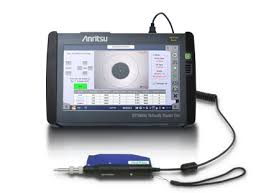
Anritsu Fiber Inspection Scopes (1 unit)
Buehler Fiber Inspection Scopes (1 unit)
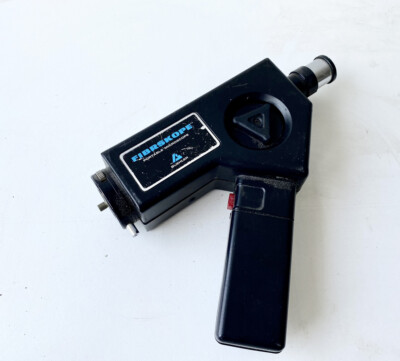
Diagnostic Instruments Fiber Inspection Scopes (1 unit)
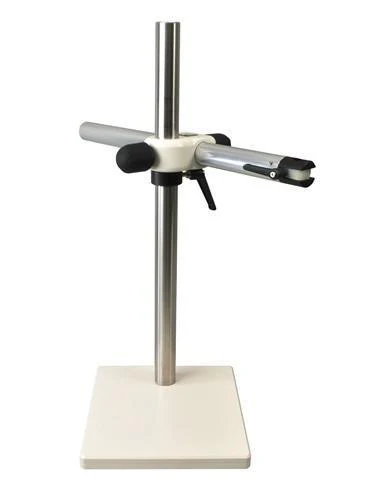
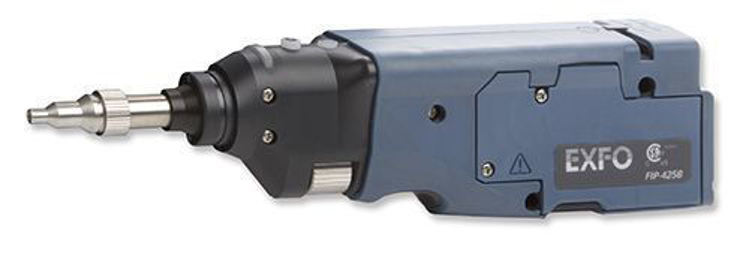
Exfo Fiber Inspection Scopes (2 units)
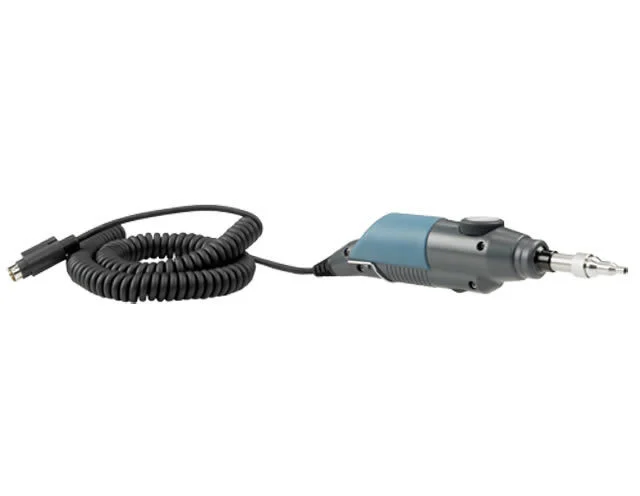
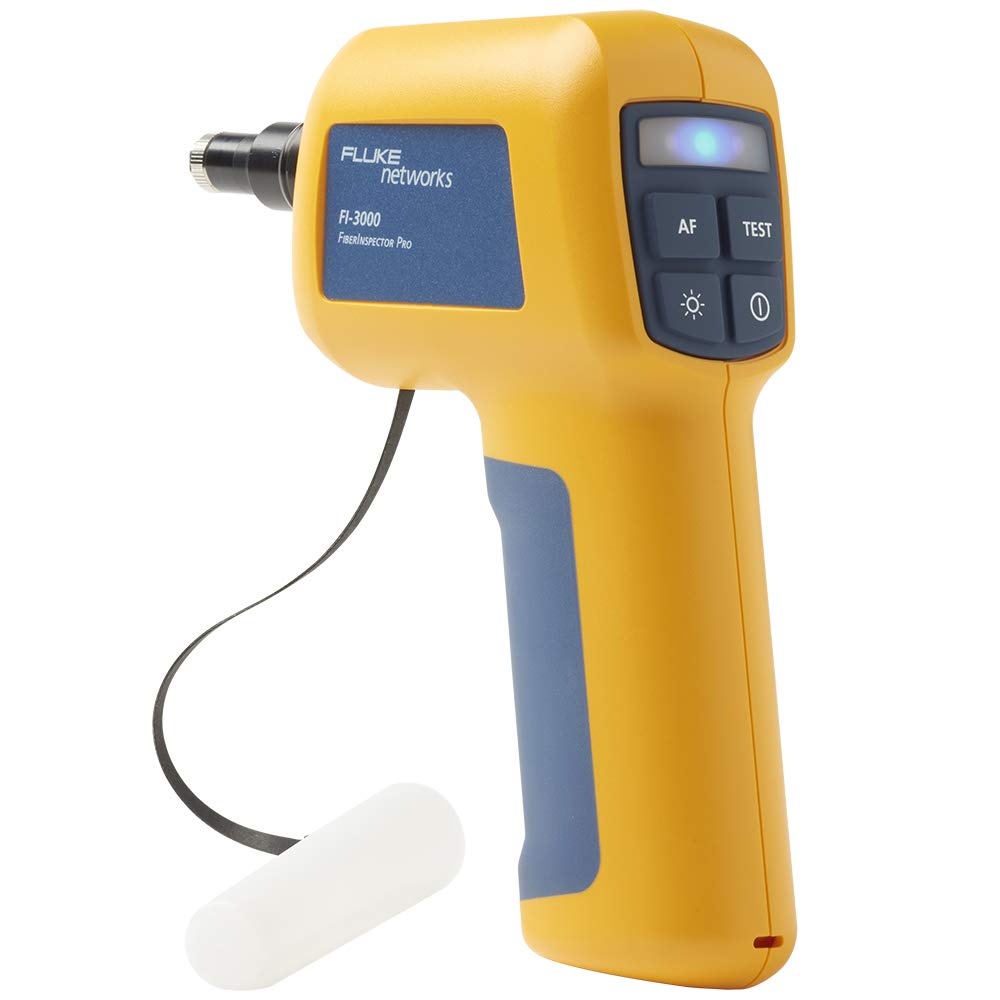
Fluke Networks Fiber Inspection Scopes (1 unit)
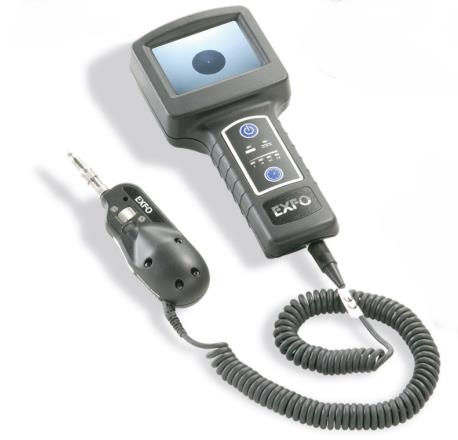
JDS Uniphase Fiber Inspection Scopes (2 units)
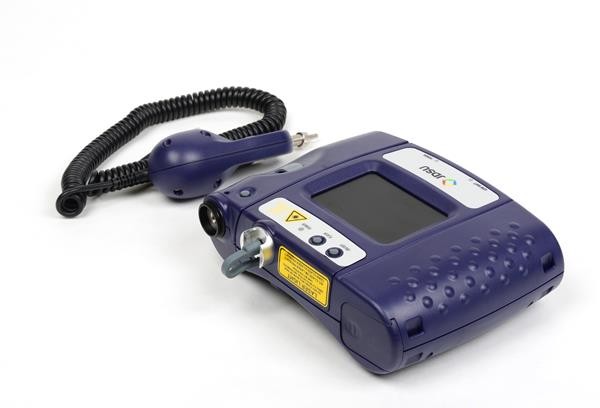
JDSU Fiber Inspection Scopes (22 units)
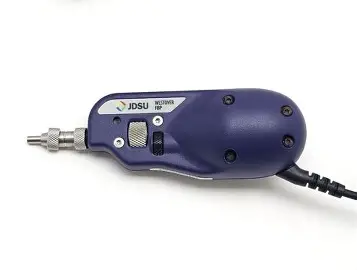
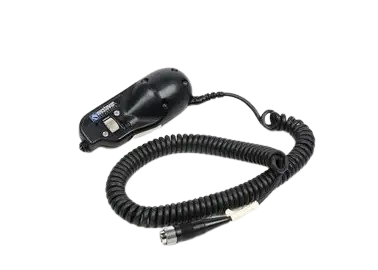
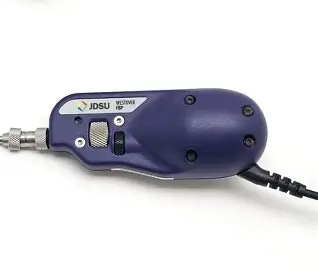
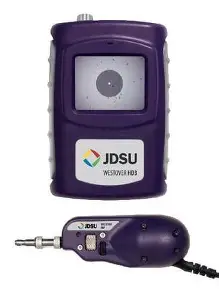
JDSU/HP Fiber Inspection Scopes (1 unit)
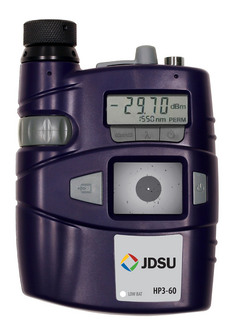
Unitron Fiber Inspection Scopes (1 unit)
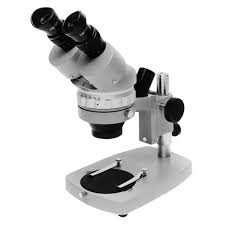
Westover Fiber Inspection Scopes (2 units)
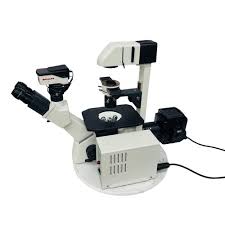
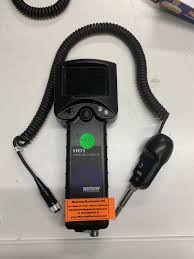
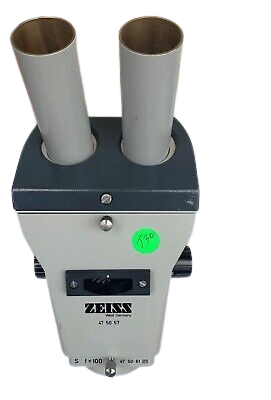
Zeiss Fiber Inspection Scopes (1 unit)
Why End-Face Inspection Matters
A scratch, pit, or speck of contamination on a connector end-face — often invisible to the naked eye — sits directly in the light path between two fibers and is one of the most common causes of high insertion loss, back-reflection, or intermittent link failures. Inspecting before every mating catches a problem before it's plugged in, which is far easier to fix than diagnosing it after the fact once the connection is already in service.
Handheld Video Probe Scopes
JDSU's FBP-series makes up most of this category — a small camera on a wand that plugs directly into a connector adapter and displays the end-face on a built-in screen, built for quick field inspection at the point of connection. This is the standard tool for technicians checking connectors during installation, turn-up, or troubleshooting, where speed and portability matter more than maximum magnification.
Bench Microscopes
Zeiss, Unitron, and Buehler bench microscopes are general-purpose optical instruments better suited to detailed lab inspection, cross-section analysis, or documentation work where higher magnification or photographic capture is needed — a different use case from the quick pass/fail field check a video probe is built for.
What You're Actually Looking For
Scratches, pits, chips at the fiber core, and contamination (dust, oil, residue) on or near the core. The industry standard is IEC 61300-3-35, which defines pass/fail zones based on defect size and location relative to the fiber core — a scratch far from the core matters much less than one crossing it.
What to Check Before Buying
These are optical inspection tools, not measurement instruments with a numeric calibration — what matters is optical clarity (a clean, unscratched lens and clear image) and, for video probes, that the connector adapter tips included are compatible with the connector types you actually work with, since adapter tips are typically connector-specific.
Frequently Asked Questions
Why does a fiber connector end-face need to be inspected before mating? +
A scratch, pit, or speck of contamination on a connector end-face — often invisible to the naked eye — sits directly in the light path between two fibers and is one of the most common causes of high insertion loss, back-reflection, or intermittent link failures. Inspecting before every mating catches a problem before it's plugged in, which is far easier to fix than diagnosing it after the fact.
What is a video probe scope, and how is it different from a bench microscope? +
JDSU's FBP-series, which makes up most of this category, is a handheld video probe — a small camera on a wand that plugs directly into a connector adapter and displays the end-face on a built-in screen, built for quick field inspection at the point of connection. Bench microscopes (Zeiss, Unitron, Buehler) are general-purpose optical microscopes better suited to detailed lab inspection, cross-section analysis, or documentation work where you need higher magnification or photographic capture rather than a quick field check.
What am I actually looking for during inspection? +
Scratches, pits, chips at the fiber core, and contamination (dust, oil, residue) on or near the core — the industry standard is IEC 61300-3-35, which defines pass/fail zones based on defect size and location relative to the fiber core. A scratch far from the core matters much less than one crossing it.
Does a used inspection scope need calibration? +
Not calibration in the traditional sense — these are optical inspection tools, not measurement instruments with a numeric output to calibrate. What matters is optical clarity (a clean, unscratched lens and clear image) and, for video probes, that the connector adapter tips are compatible with your connector types.
Need a specific connector adapter tip?
Tell us your connector types, and we'll check our incoming stock.
Get in touch