
Used Optical Power Sensor Modules for Sale
72 units in stock — Agilent/Keysight 81618A, 81619A, 81634B, 81635A, 81636B, Newport, and EXFO sensor heads. InGaAs and Ge detectors, 800–1700 nm. Every module function-tested and verified recognized in the host mainframe. NIST-traceable calibration available. Ships same day from Pleasant Grove, UT.
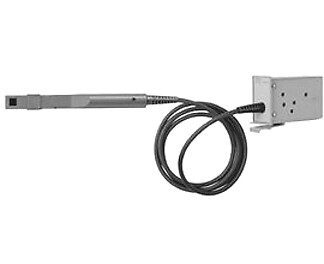
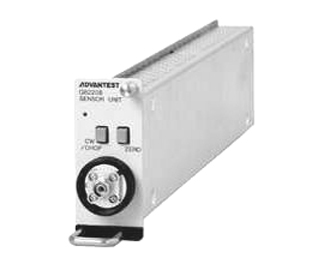
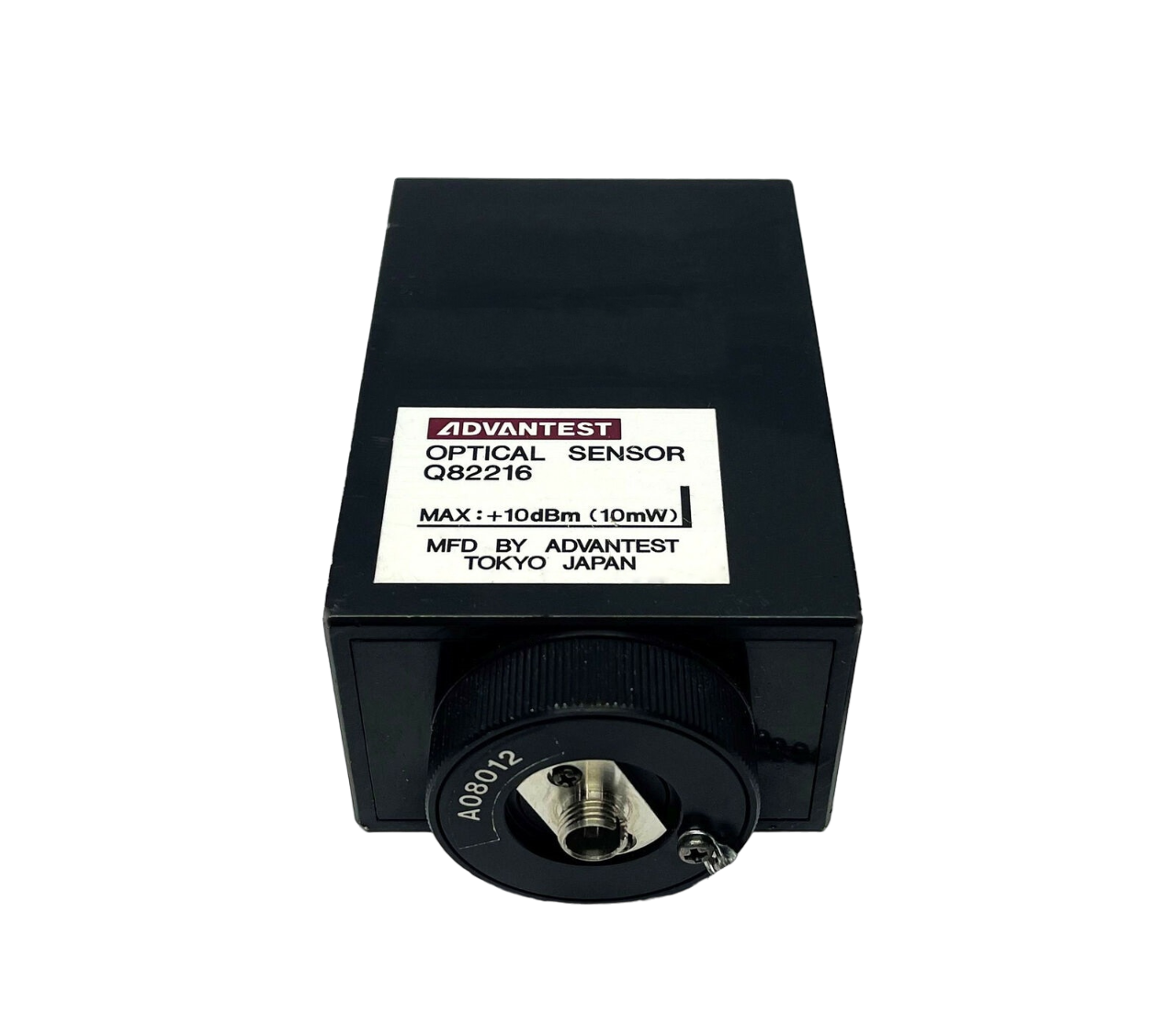
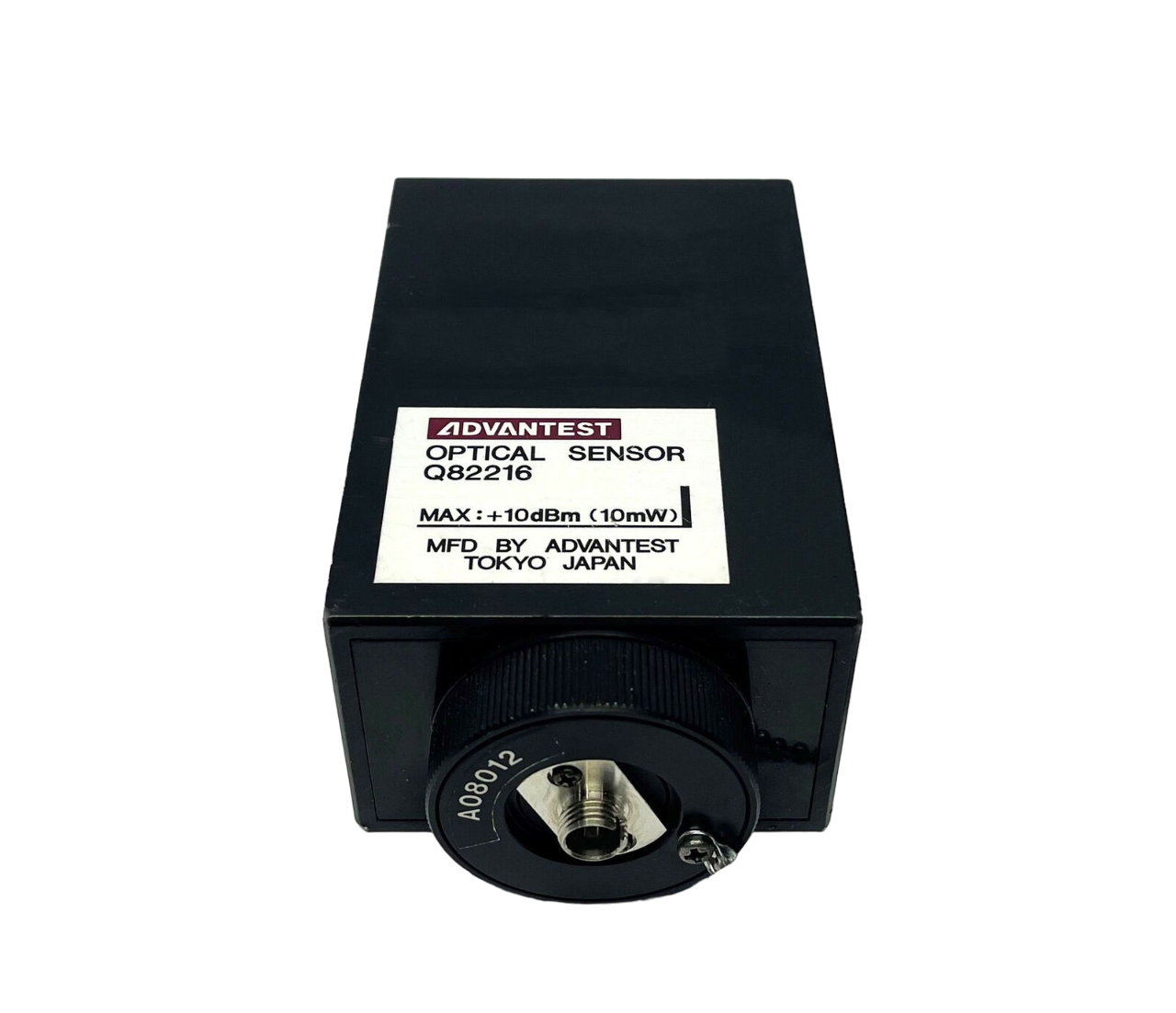
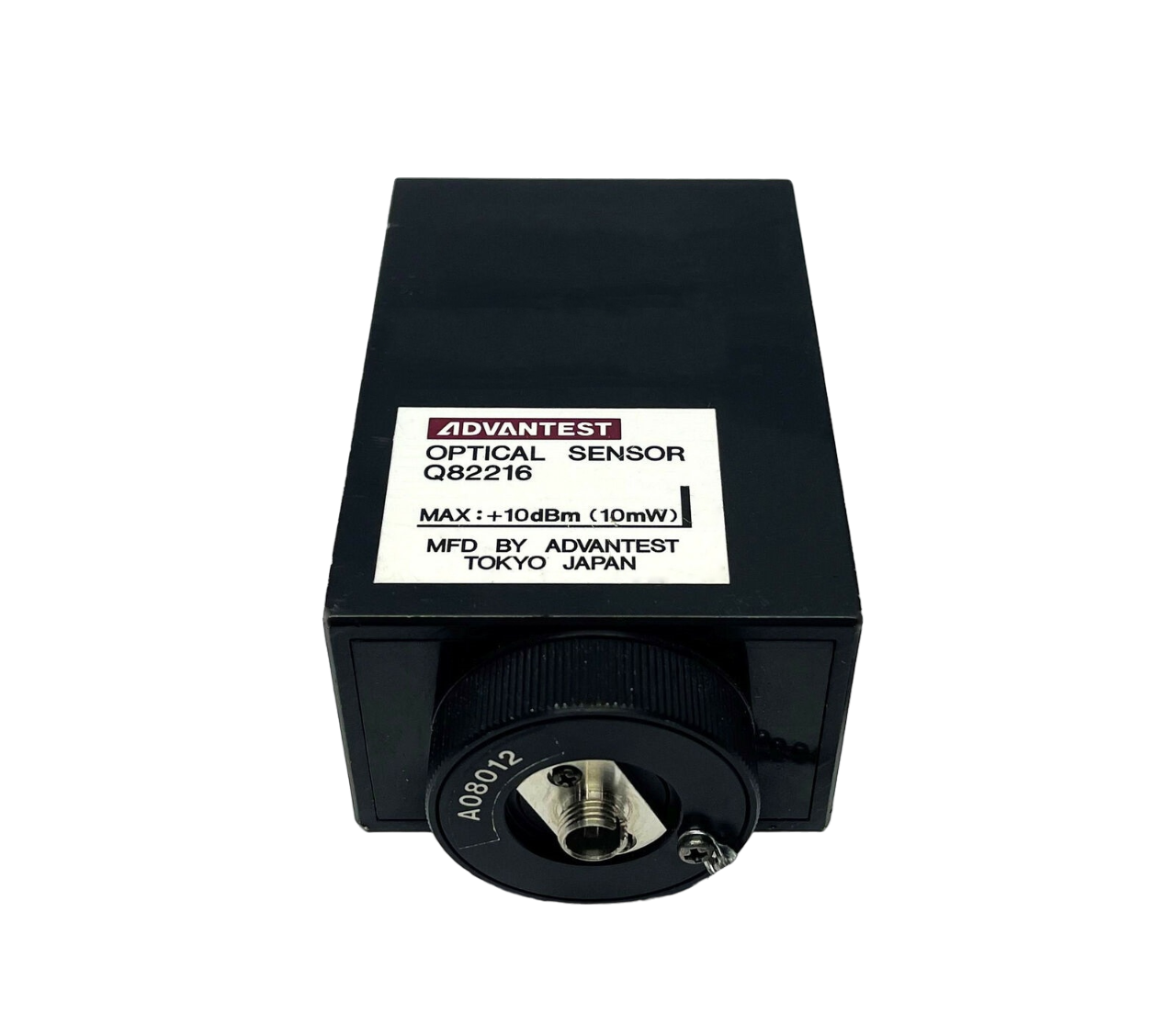
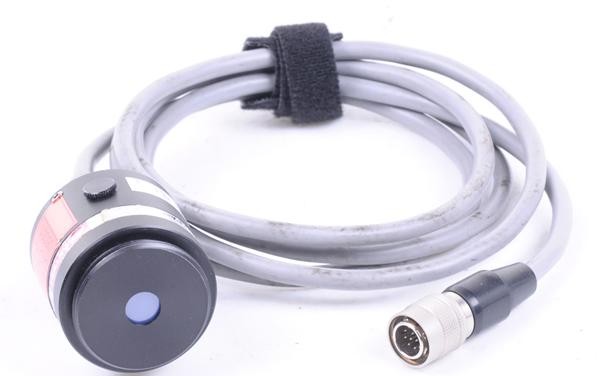
Advantest Optical Power Sensors (12 units)
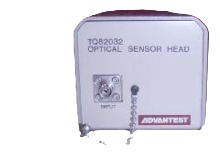
Agilent / HP Optical Power Sensors (2 units)
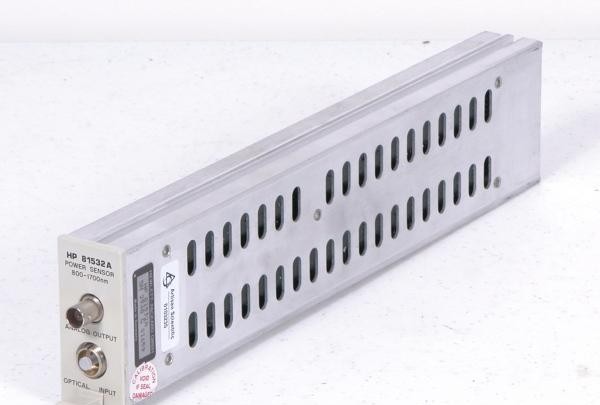
Agilent / Keysight Optical Power Sensors (30 units)
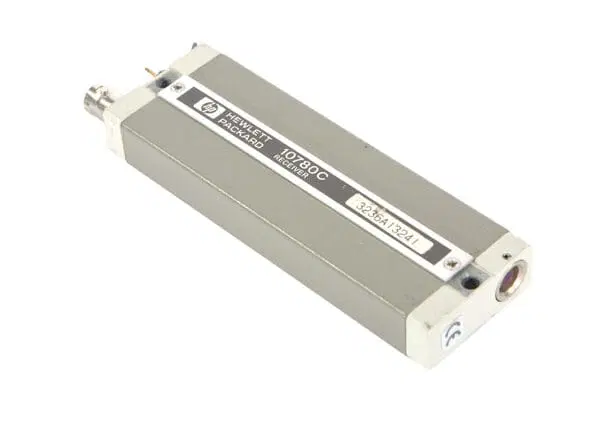
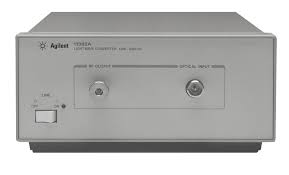
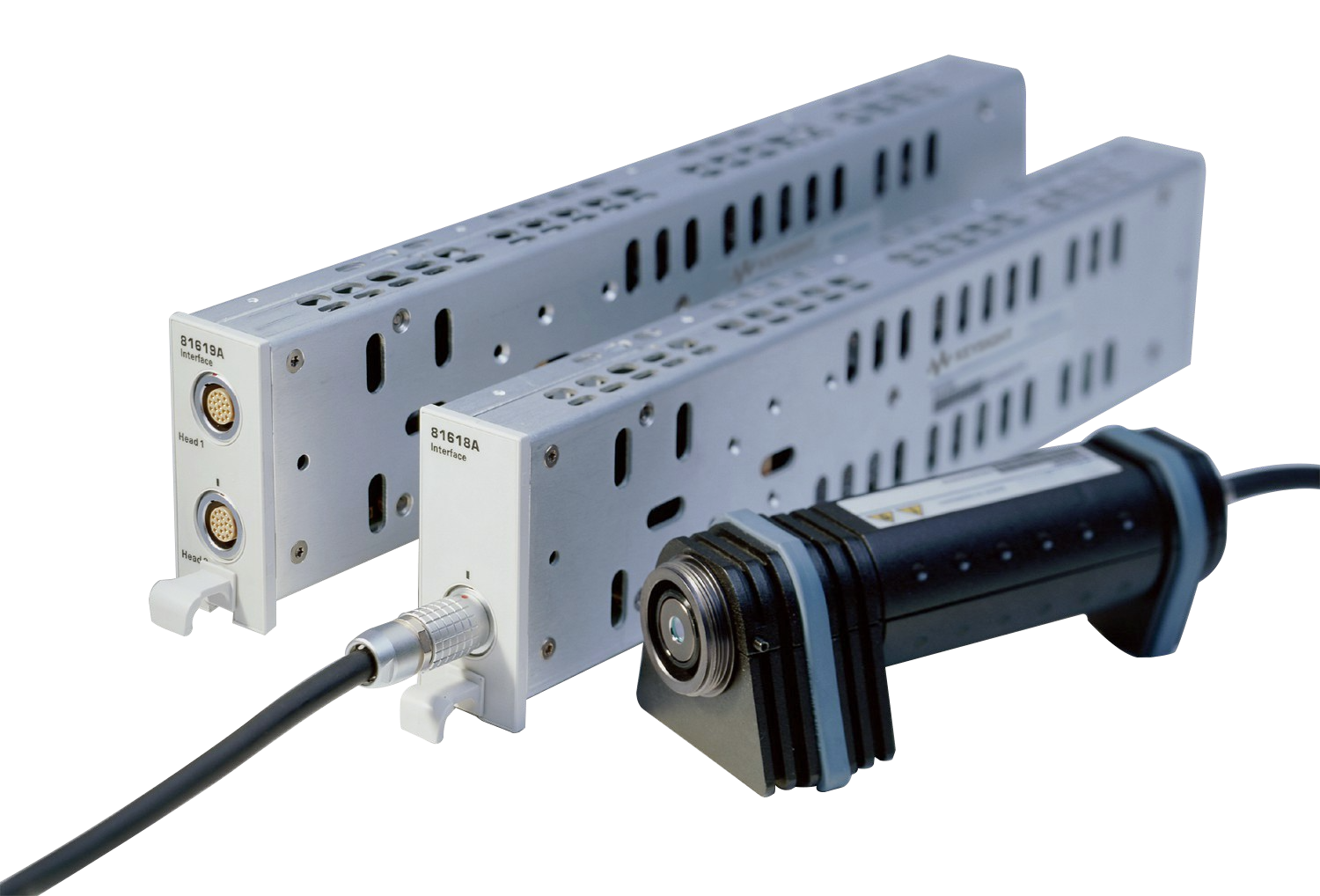
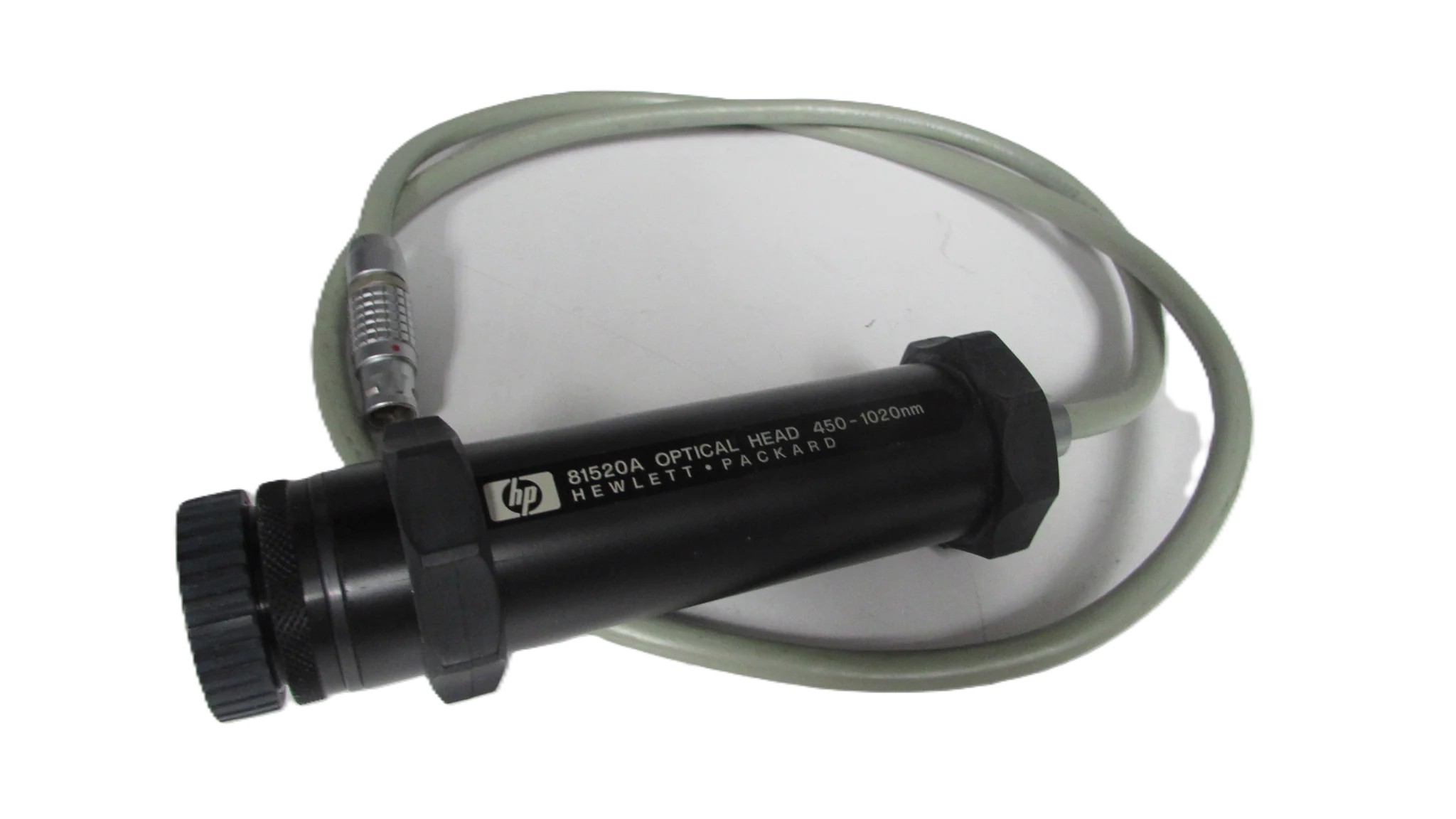
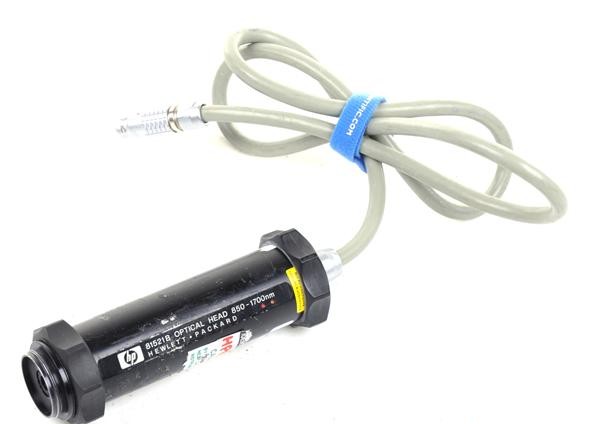
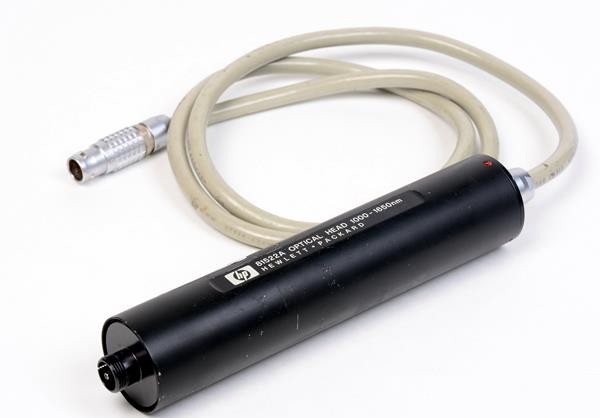
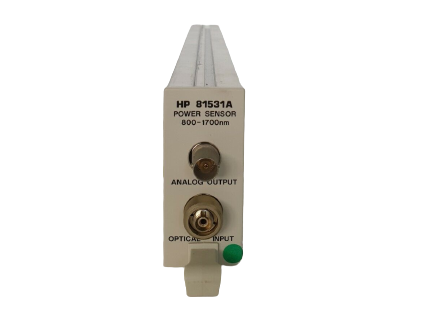
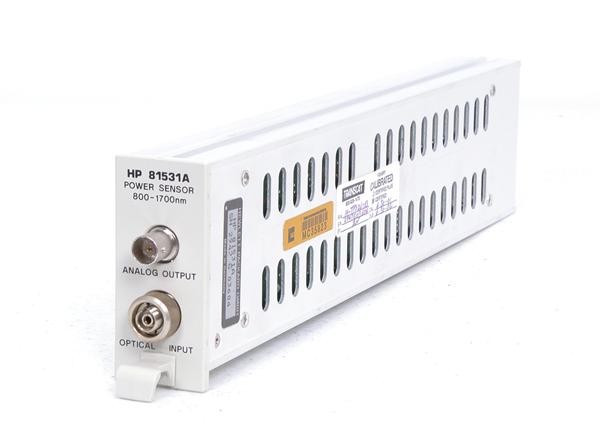
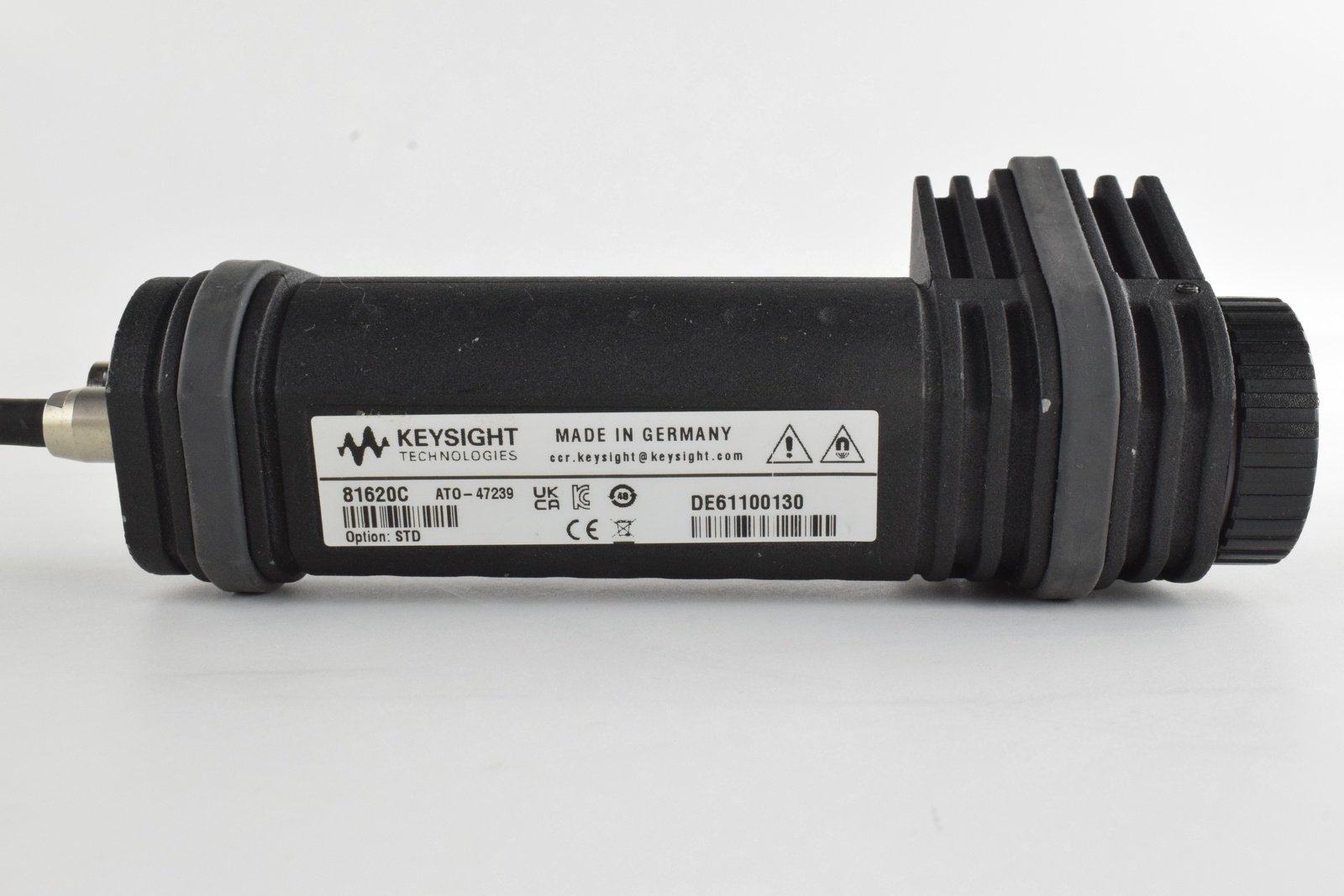
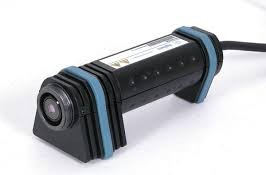
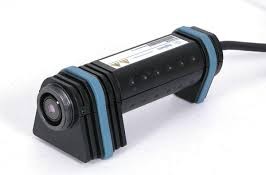
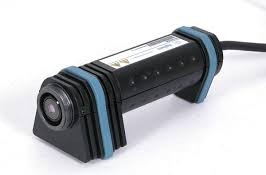
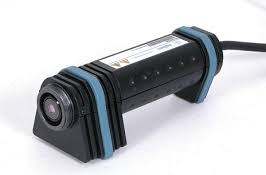
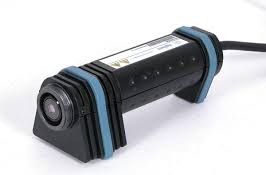
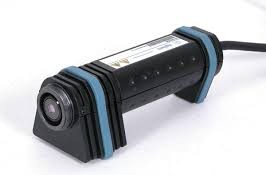
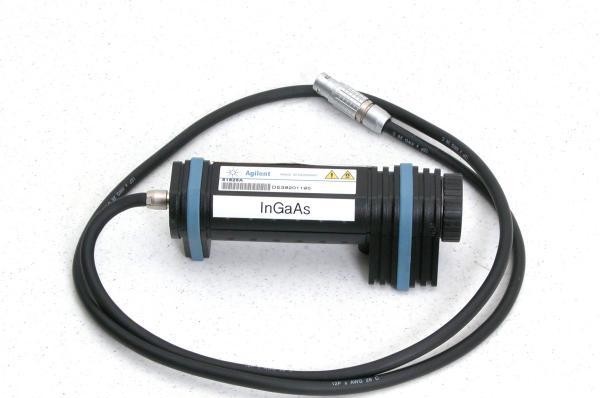
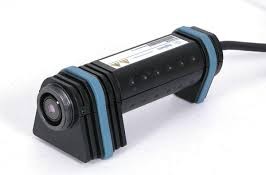
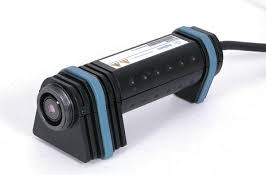
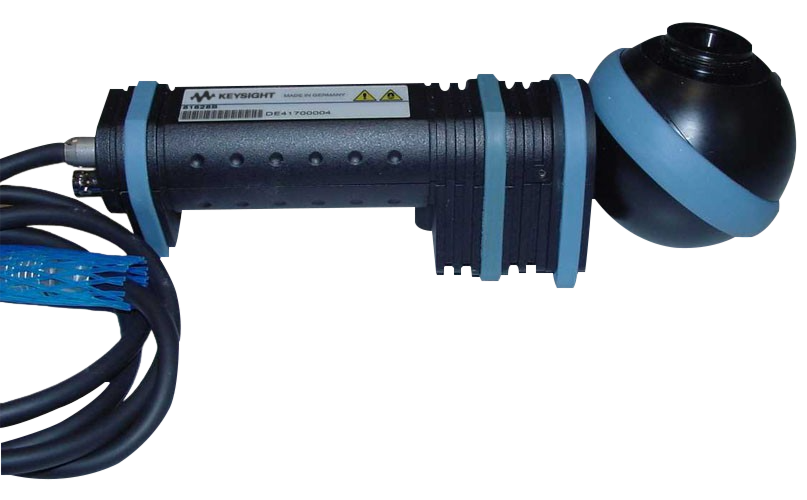
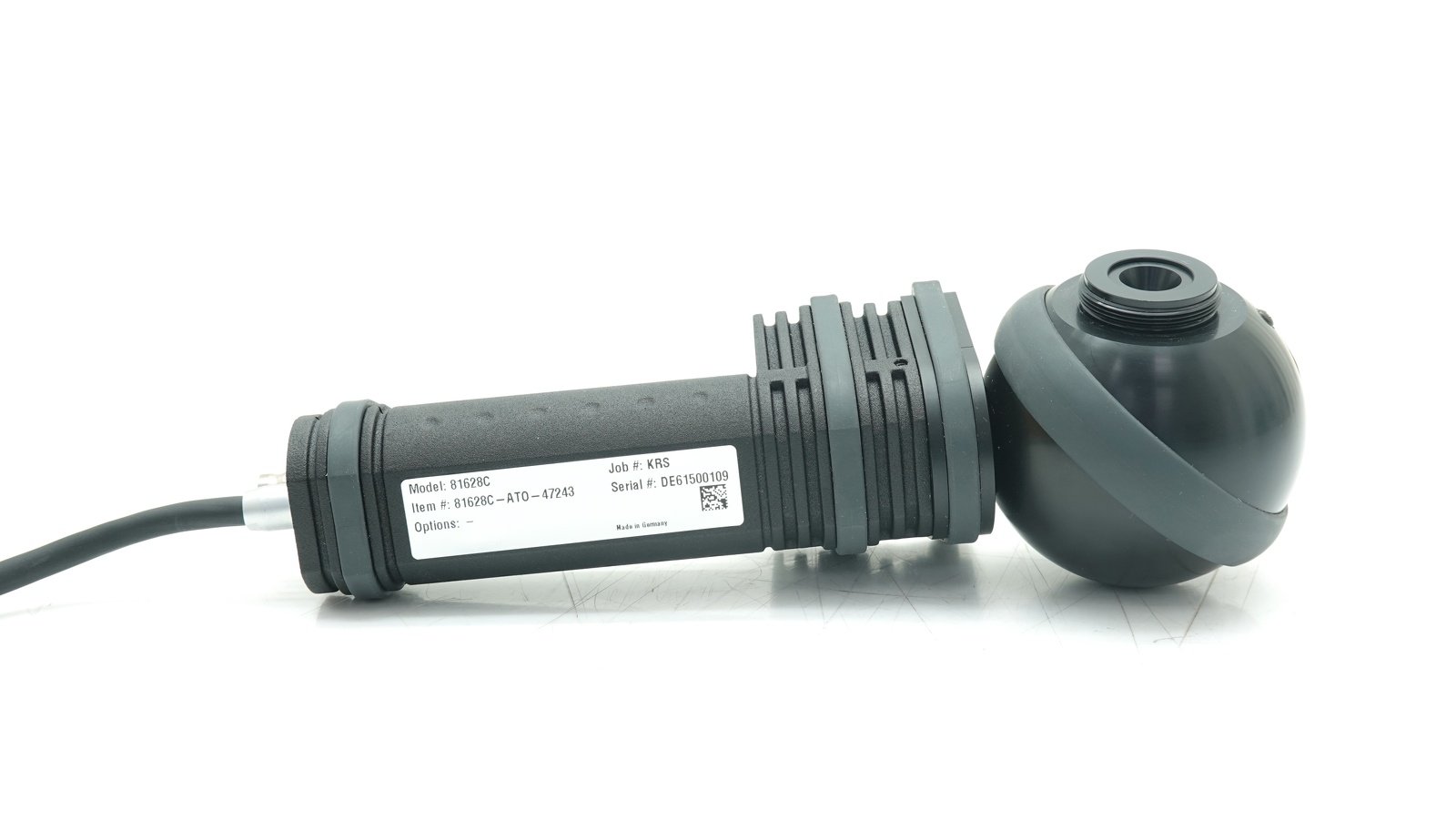
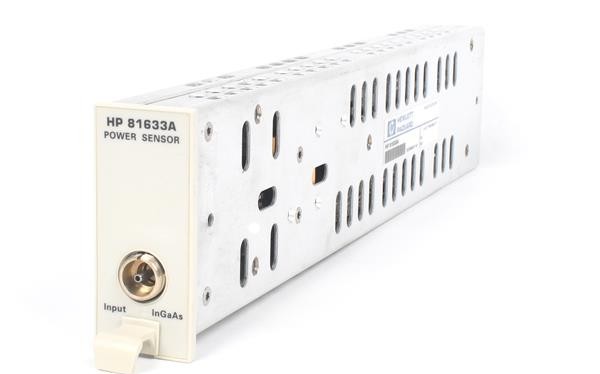
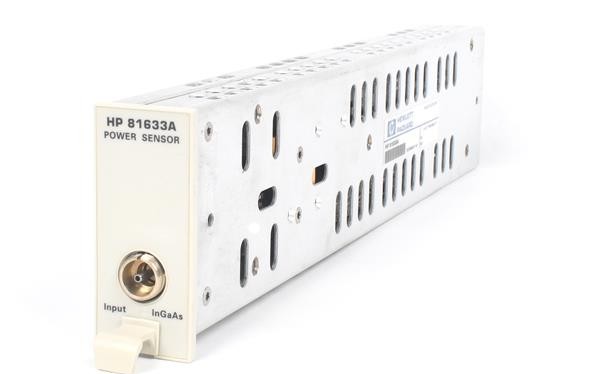
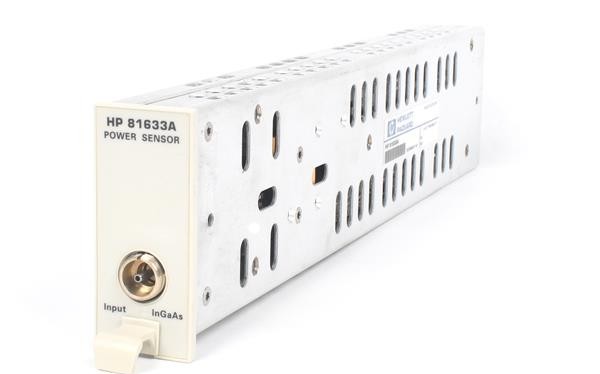
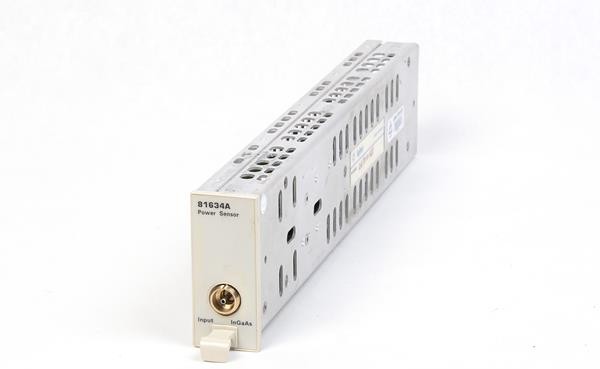
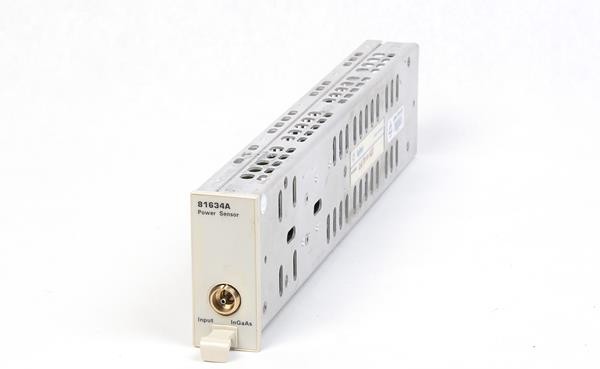
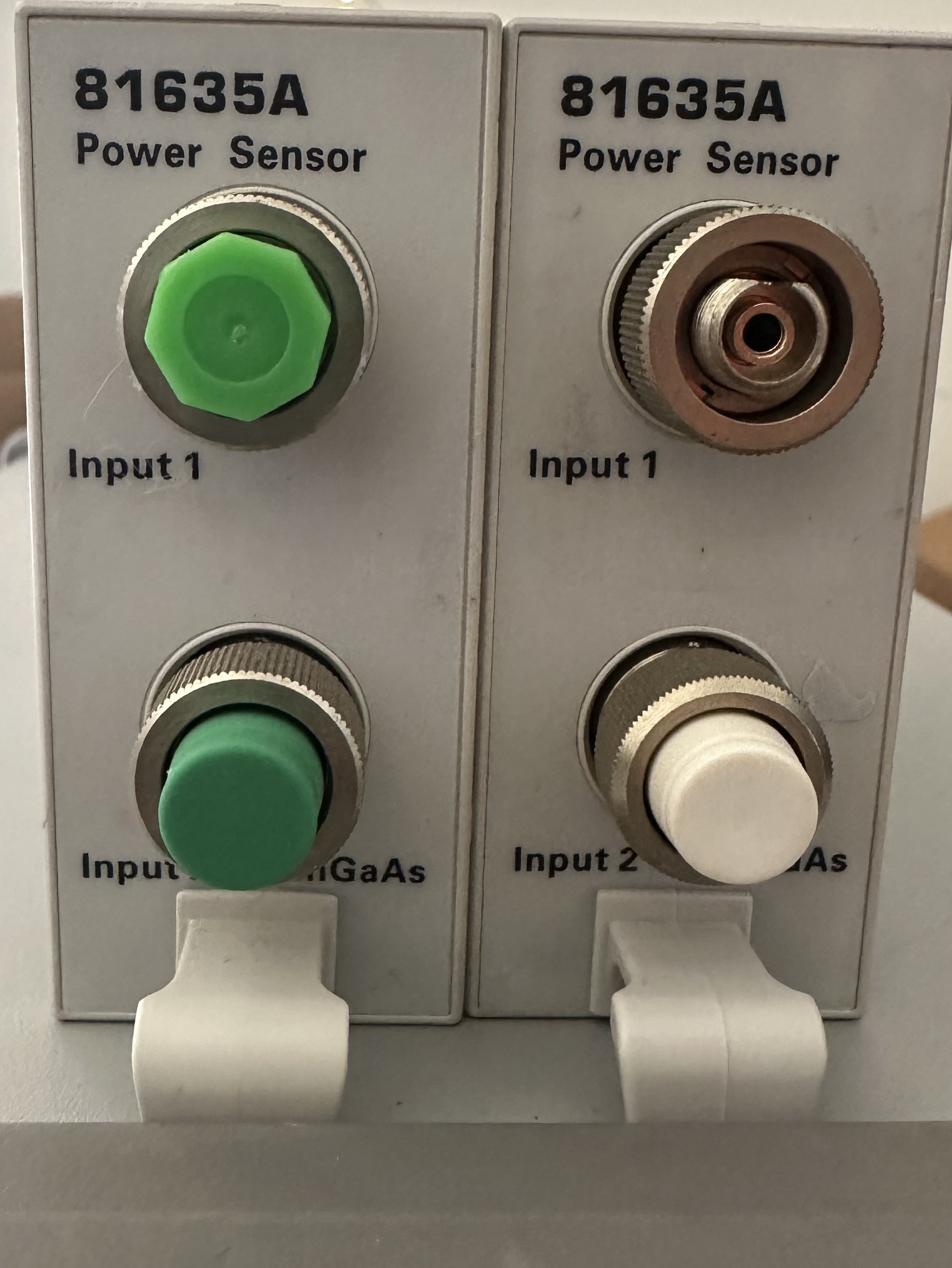
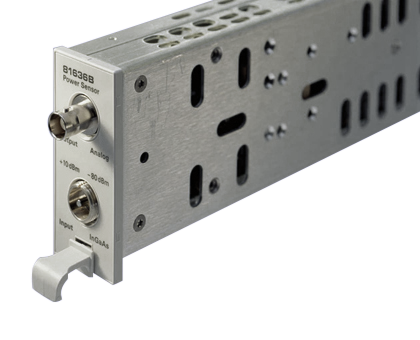
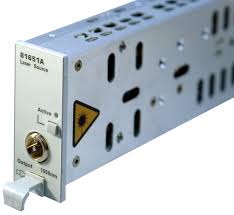
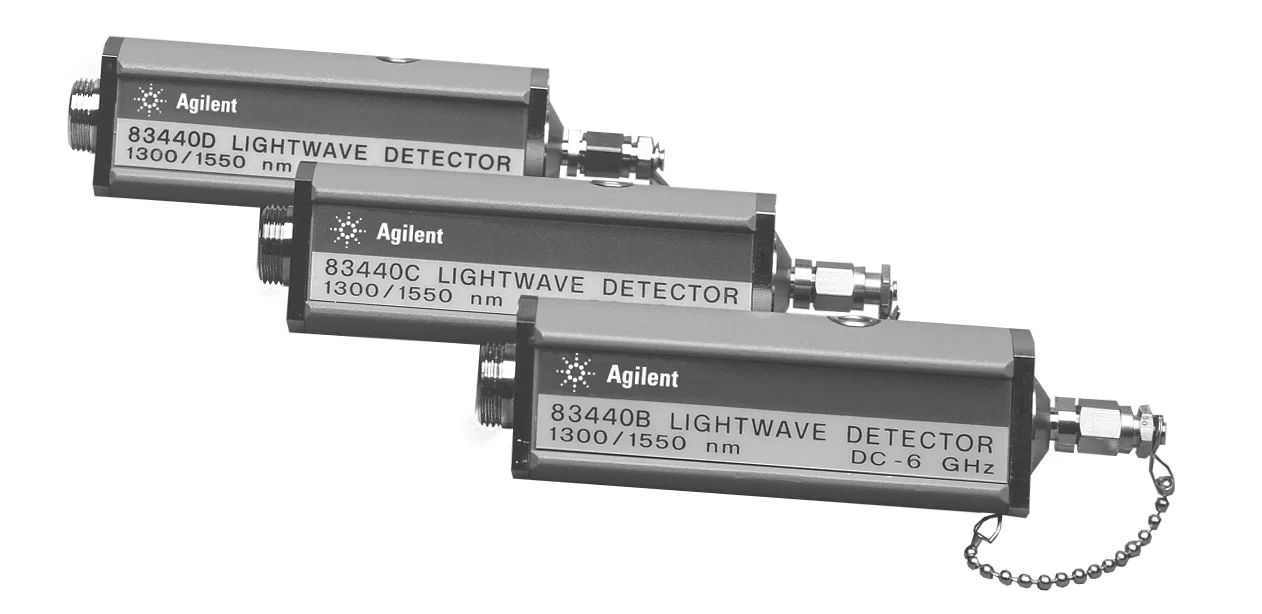
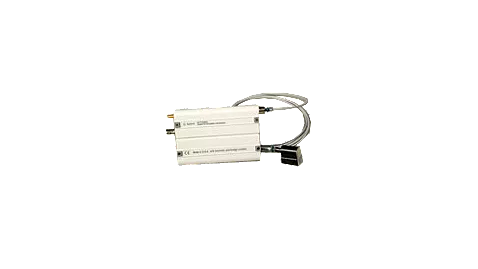
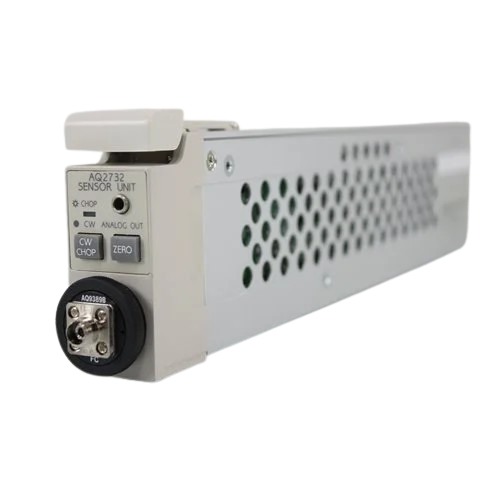
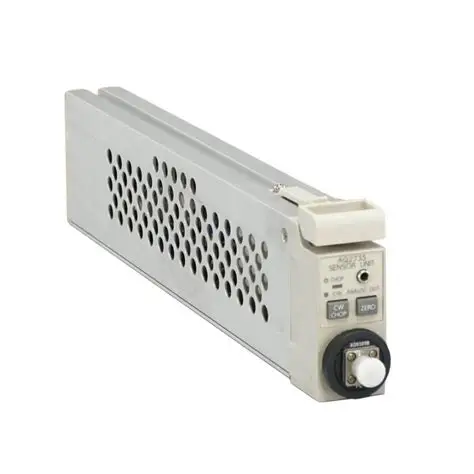
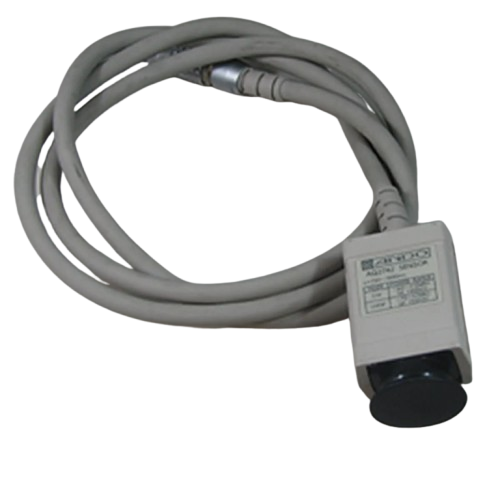
Ando Optical Power Sensors (7 units)
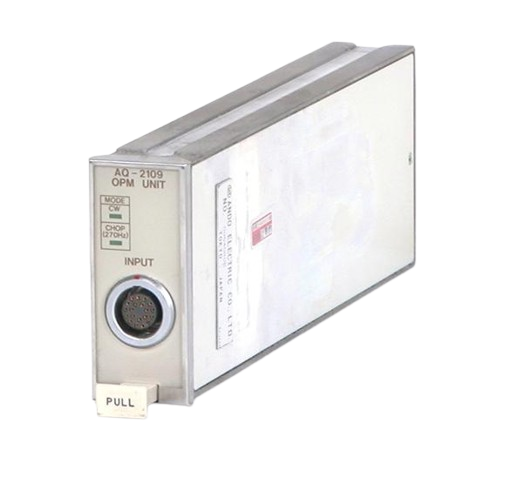
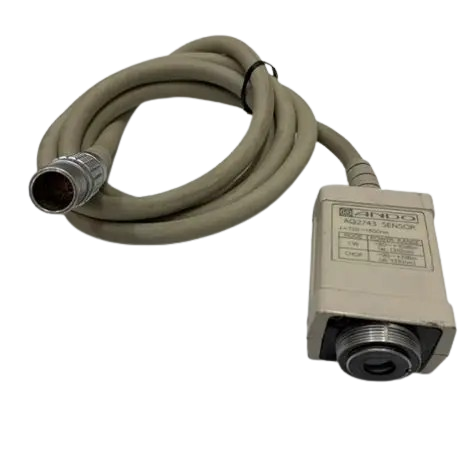
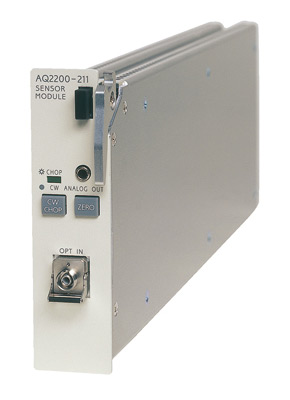
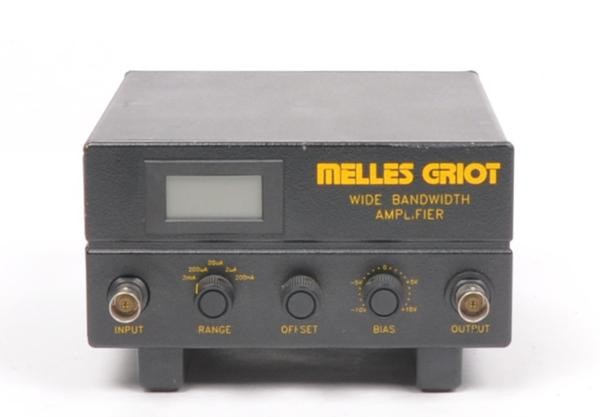
CVI Melles Griot Optical Power Sensors (1 unit)
Electro-Optics Optical Power Sensors (1 unit)
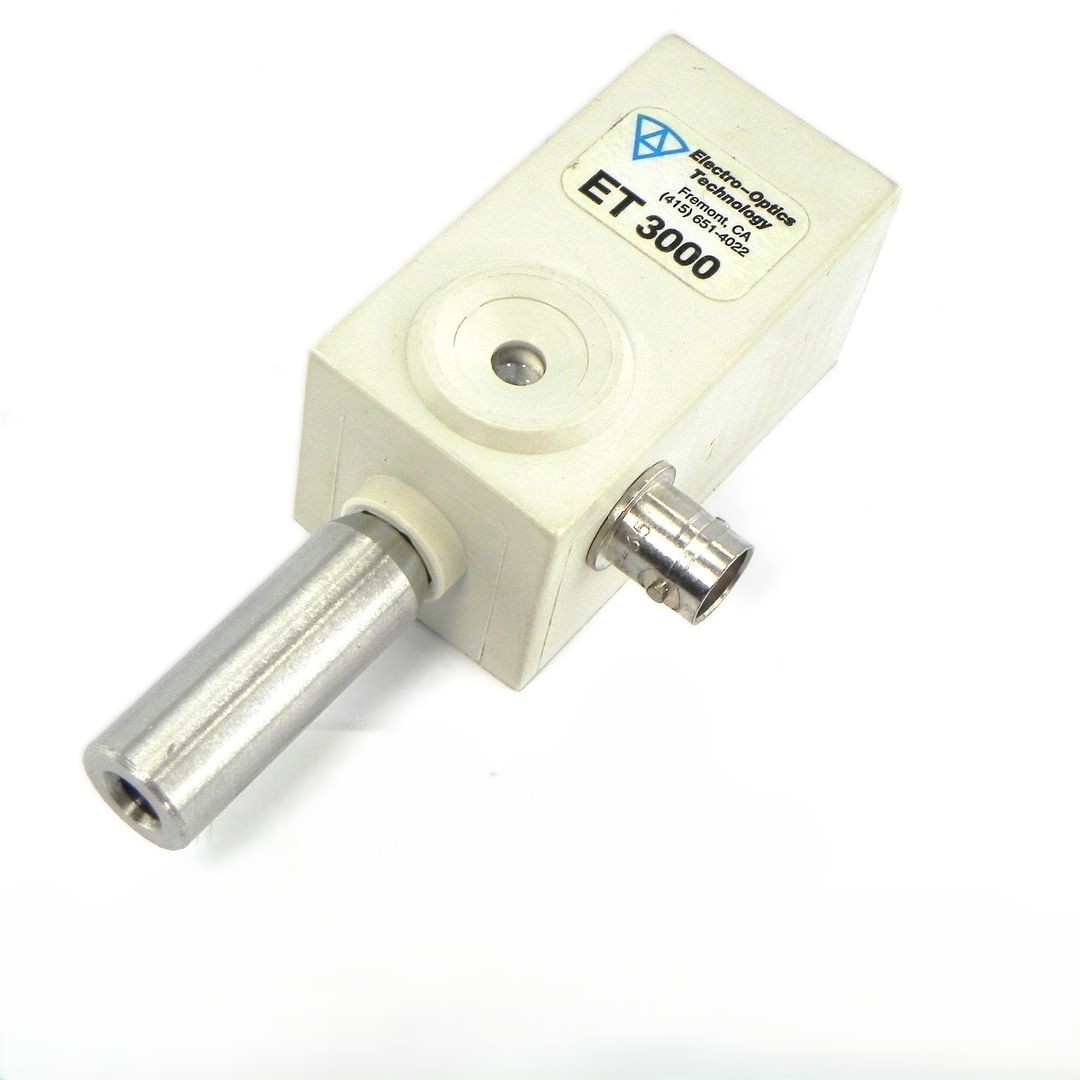
HP / Agilent Optical Power Sensors (7 units)
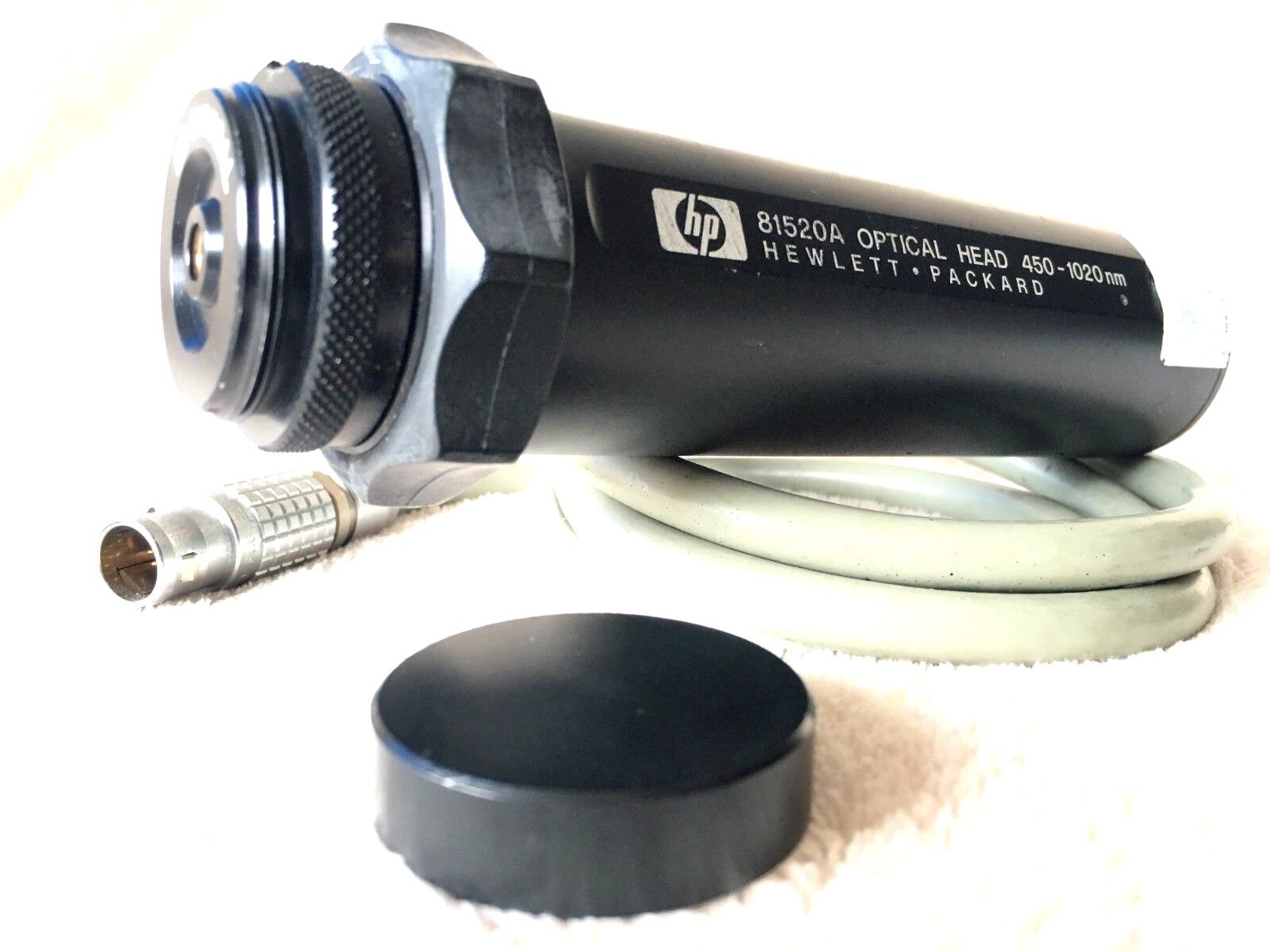
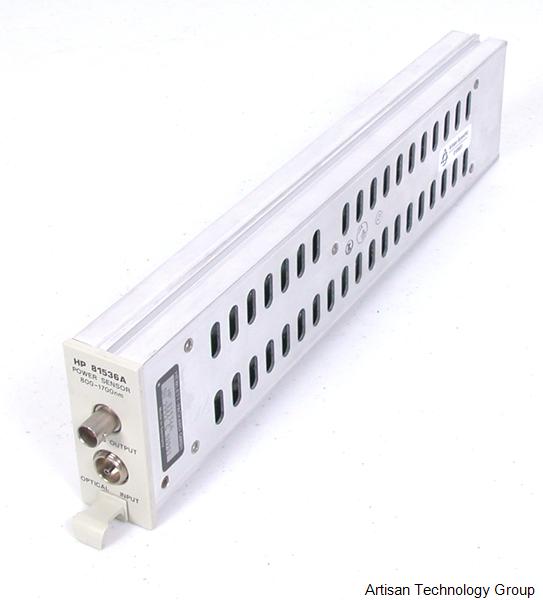
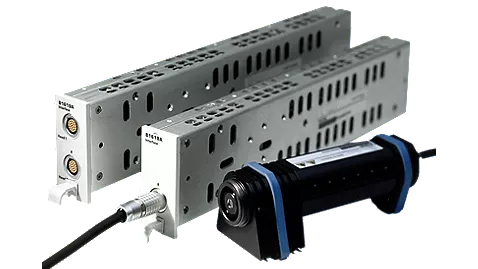
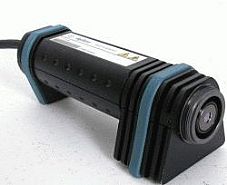
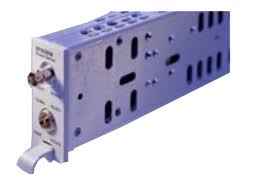
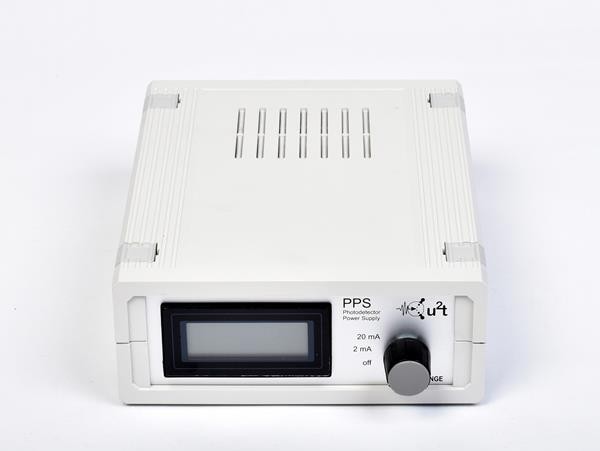
II-VI / Finisar / u2t Photonics Optical Power Sensors (1 unit)
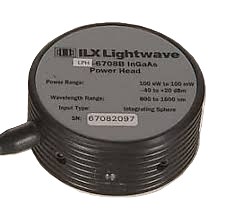
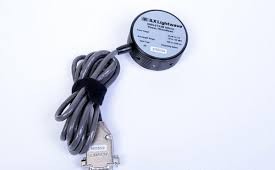
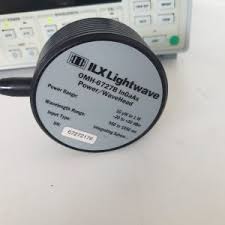
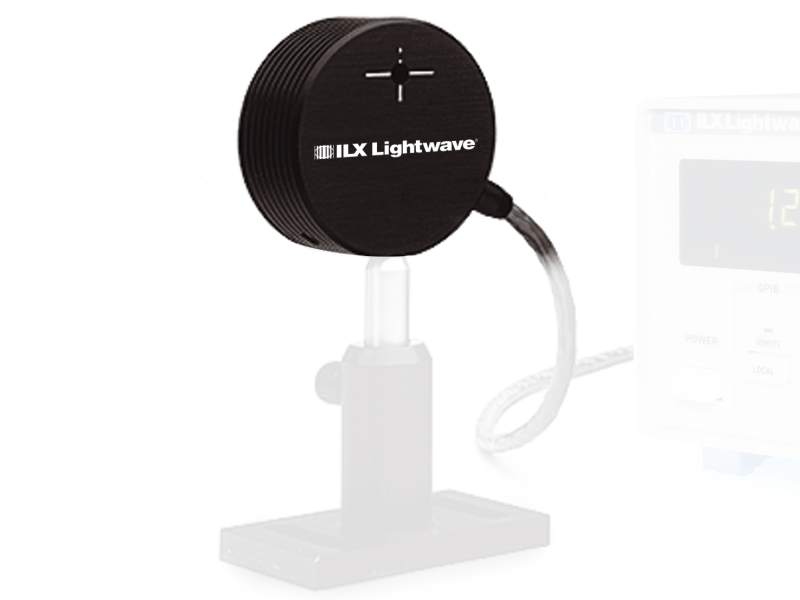
ILX Lightwave Optical Power Sensors (8 units)
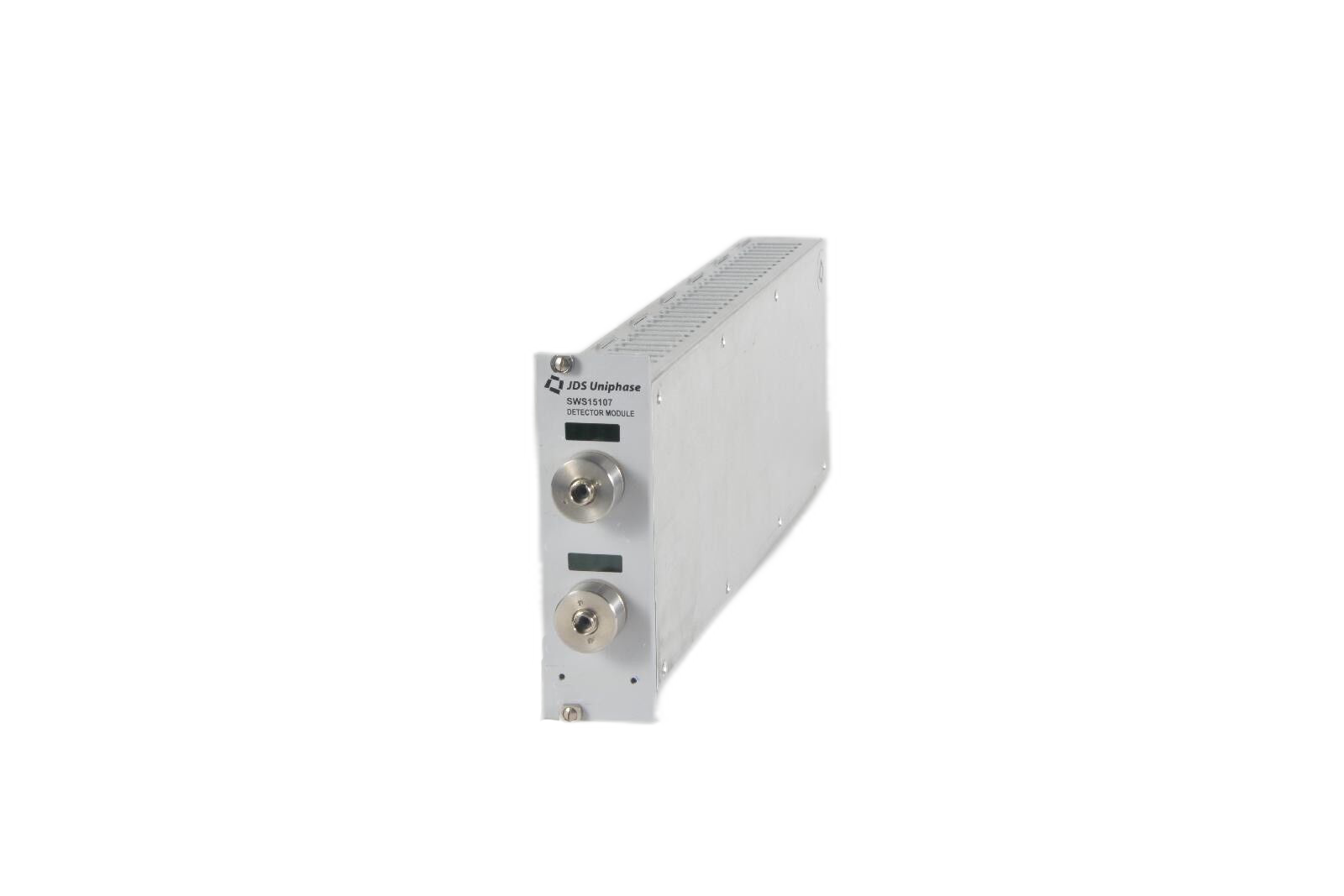
JDS Uniphase Optical Power Sensors (1 unit)
Keysight / Agilent / HP Optical Power Sensors (1 unit)
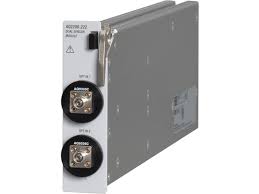
Yokogawa Optical Power Sensors (1 unit)
Agilent / Keysight Optical Power Sensor Module Reference
The Agilent 8163/8164 platform is the most widely deployed modular optical power measurement system in telecom labs. Sensor modules slot into the mainframe and are recognized automatically via an EEPROM that stores the wavelength responsivity table, serial number, and calibration data. A damaged or blank EEPROM causes the mainframe to display "Module not recognized" — this is a common failure we repair on the bench.
| Model | Channels | Power Range | Wavelength |
|---|---|---|---|
| 81618A | 1 | −75 to +10 dBm | 950–1700 nm, InGaAs |
| 81619A | 1 | −10 to +27 dBm | 950–1700 nm, high-power InGaAs |
| 81634B | 2 | −75 to +10 dBm | 950–1700 nm, InGaAs |
| 81635A | 2 | −75 to +10 dBm | 950–1650 nm, InGaAs |
| 81636B | 2 | −10 to +27 dBm | 950–1700 nm, high-power InGaAs |
| 81521B | 1 | −75 to +10 dBm | 800–1700 nm, InGaAs (older, 8153 compat) |
| 81522B | 1 | −75 to +10 dBm | 950–1700 nm, InGaAs (older) |
What to Check Before Buying a Used Optical Power Sensor
Three things to verify: (1) the detector connector — insert a clean reference fiber and confirm the module reads stable power without intermittent dropouts, which indicate a scratched detector window or damaged ferrule guide; (2) EEPROM recognition — confirm the mainframe displays the module model number and calibration date on power-on, not a "module unknown" error; (3) calibration currency — for measurement-critical work, the calibration date should be within 12 months, or plan to send it for recalibration before use.
Used sensor modules that have never been in a production environment — lab units that were rarely used — are typically in far better condition than modules from a network operations center where fiber connectors were mated hundreds of times per year. We note the operating environment in our listings where known.
Optical Power Sensor Calibration
Sensor calibration verifies the responsivity at each wavelength against a NIST-traceable transfer standard, corrects the EEPROM calibration table if needed, and issues a certificate with measured data. The certificate shows the deviation at each wavelength point — this is the number that matters for measurement uncertainty budgets, not a simple pass/fail statement. We calibrate at 850, 1310, 1490, 1550, and 1625 nm as standard; other wavelengths on request.
For multi-channel modules (81634B, 81635A, 81636B), both channels are calibrated independently and reported on a single certificate. See calibration services →
Optical Power Sensor Repair
The most common sensor module repairs we perform: (1) connector body and adapter replacement — the 2.5 mm adapter degrades over hundreds of insertions; (2) InGaAs detector replacement after an overpower event where the input exceeded the module's rated maximum; (3) EEPROM reprogram when the mainframe cannot identify the module; (4) transimpedance amplifier board repair after ESD damage. We stock common repair parts for Agilent sensor modules and accept modules from any US location for evaluation. Request a repair evaluation →
Frequently Asked Questions
What is an optical power sensor module and how does it differ from an optical power meter? +
An optical power sensor (also called a detector head or sensor module) is a pluggable unit that contains the photodetector, transimpedance amplifier, and wavelength-correction EEPROM. It slots into a mainframe instrument — like the Agilent 8163/8164 or the Newport 2832-C — which provides the display, USB interface, and measurement firmware. An optical power meter is a complete, standalone handheld or benchtop unit with the detector built in. Sensor modules are used in modular platforms where you need to swap detectors for different wavelength ranges or power levels without replacing the whole instrument.
Which Agilent / Keysight optical power sensor modules are compatible with the 8163 and 8164 mainframes? +
The 8163A, 8163B, 8164A, and 8164B mainframes all use the same sensor module interface. Compatible power sensor modules include the 81618A (single-channel InGaAs, −75 to +10 dBm, 950–1700 nm), 81619A (high-power InGaAs, −10 to +27 dBm for EDFA output), 81634B (dual-channel InGaAs), 81635A (dual-channel, 950–1650 nm), 81636B (high-power dual-channel), and older 81521B/81522B models. The 8164 is a dual-slot mainframe and accepts two modules simultaneously for simultaneous two-channel measurement.
What is the difference between InGaAs and Germanium optical power sensors? +
InGaAs (Indium Gallium Arsenide) detectors cover 900–1700 nm with low noise floor (enabling −75 dBm sensitivity on the best modules) and high linearity. They are the correct choice for all telecom wavelengths: 1310 nm, 1490 nm, 1550 nm, 1625 nm. Germanium (Ge) detectors cover 780–1800 nm with a slightly higher noise floor and less uniformity — they are adequate for high-power measurements where noise is not the limiting factor. For anything in the C or L band, choose InGaAs. Si detectors handle visible to 1100 nm — not useful for singlemode telecom.
How do I know if a used optical power sensor is still within calibration? +
The only way to know is calibration against a NIST-traceable reference standard. A sensor with a calibration certificate that shows measured data (not just a pass/fail stamp) lets you see the actual deviation at each wavelength and power level. Sensors that have been operated near their maximum power input — repeatedly measuring EDFA outputs at +10 dBm when the rated maximum is +10 dBm — degrade fastest. When buying used, request the calibration history or budget for a post-purchase recalibration before putting it in a measurement-critical application.
Can a Agilent / Keysight optical power sensor module be repaired? +
Yes, with limitations. The most common failures are connector damage (the 2.5 mm ferrule adapter scratches the detector window when a dirty fiber is inserted under force) and EEPROM corruption that makes the mainframe not recognize the module. Detector replacement is possible on some modules — the InGaAs chip is a separate component — but the replacement must be characterized and a new EEPROM table written. We evaluate and repair sensor modules before sale, and accept warranty returns on repaired modules.
What power range do optical power sensor modules measure? +
It depends on the module. Standard InGaAs modules like the Agilent 81618A measure from −75 dBm up to +10 dBm across a 85 dB dynamic range. High-power modules like the 81619A measure −10 dBm to +27 dBm — used after EDFAs and optical amplifiers where output power exceeds what a standard detector can accept. Exceeding the upper limit permanently damages the InGaAs layer; always check the module maximum before connecting an EDFA output.
Do optical power sensors work at 850 nm for multimode fiber testing? +
InGaAs sensors work at 850 nm but with degraded responsivity compared to their peak at 1550 nm. Silicon detectors are optimized for 850 nm multimode measurements and give better accuracy at that wavelength. If you are doing multimode fiber certification at 850 nm and 1300 nm on a benchtop platform, check whether the platform supports an Si sensor module or whether you need a separate 850 nm-optimized handheld meter.
Where can I get optical power sensor modules calibrated or repaired in the US? +
Aumictech Labs calibrates and repairs optical power sensor modules at our Pleasant Grove, UT facility. We issue NIST-traceable calibration certificates with measured data at each wavelength (850 nm, 1310 nm, 1490 nm, 1550 nm, 1625 nm). Common repairs: detector connector replacement, EEPROM reprogram for unrecognized modules, linearity correction after overpower events. Free evaluation. Flat-rate pricing. Instruments accepted from anywhere in the United States.
Looking for a specific sensor module or mainframe compatibility?
Tell us the mainframe model (8163A, 8163B, 8164B, Newport 2832-C, etc.), whether you need single- or dual-channel, and the wavelength and power range required. We'll check stock and procurement channels.
Get in touch