
Used Frequency Counters for Sale
81 units in stock — HP, Agilent, Advantest, Anritsu, Fluke, Keysight, and more. Bench universal counters and microwave frequency counters, tested and function-checked. NIST-traceable calibration available. Ships from Pleasant Grove, UT.
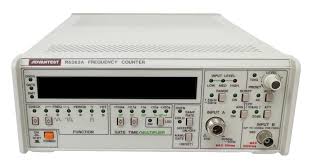
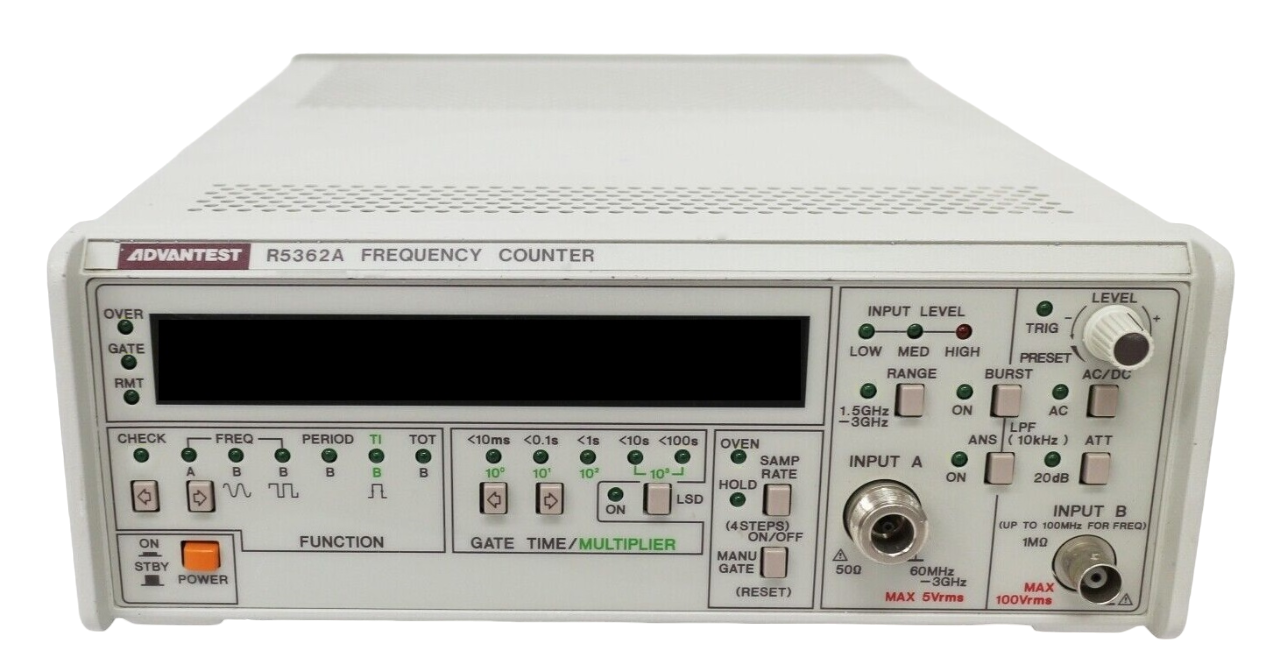
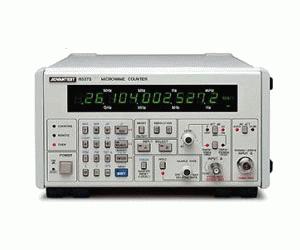
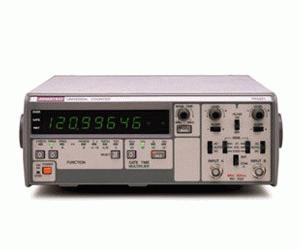
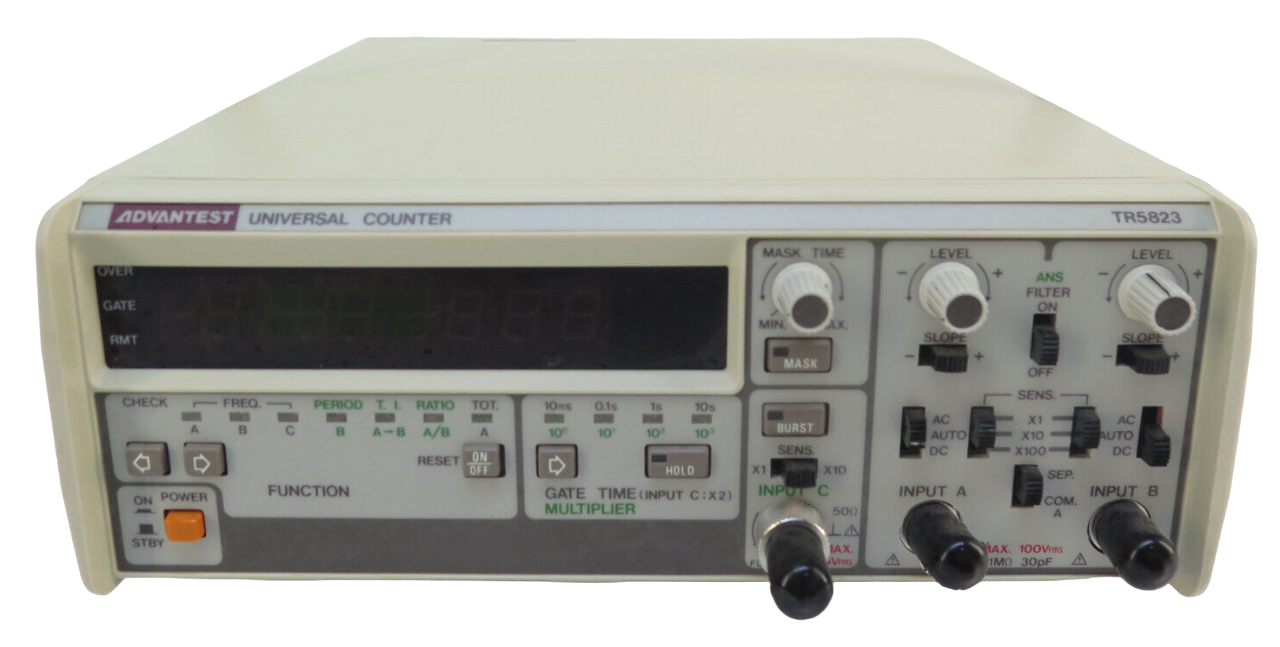
Advantest Frequency Counters (17 units)
Agilent Frequency Counters (1 unit)
Agilent / Keysight Frequency Counters (6 units)
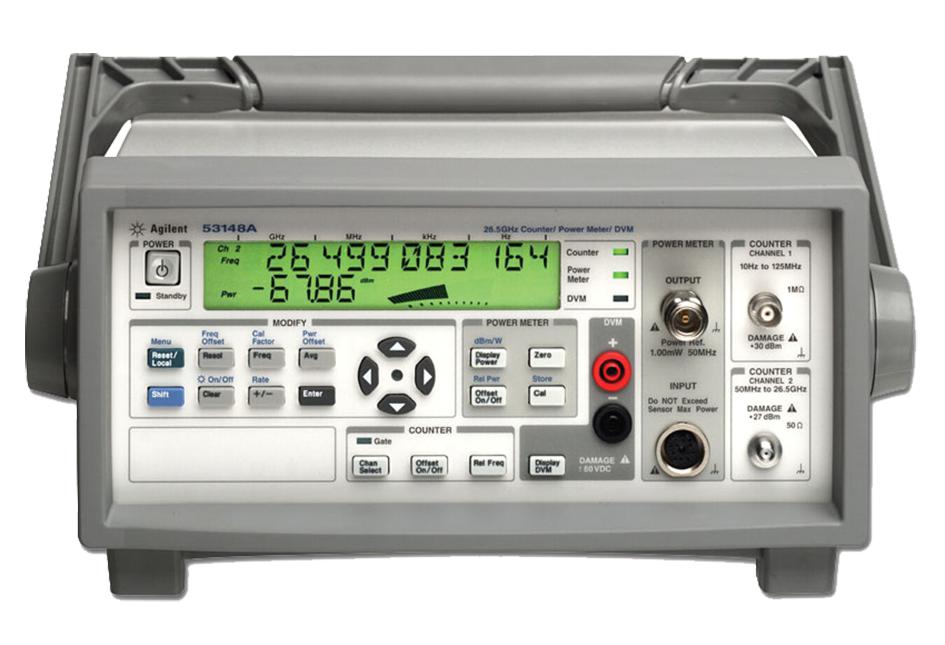
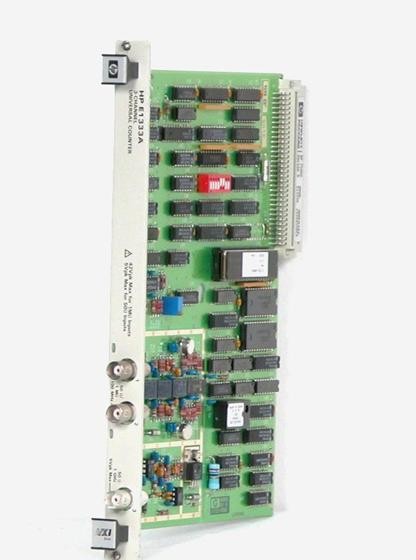
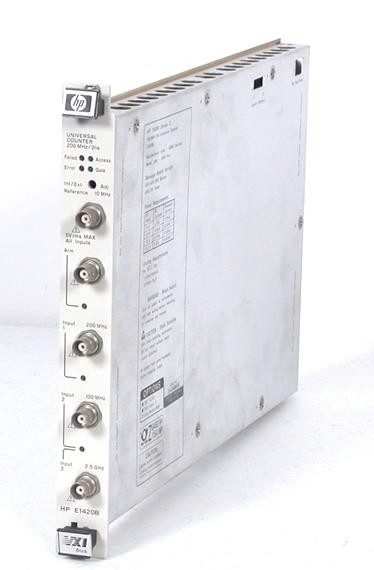
Ametek / VTI Instruments / VXI Technology Frequency Counters (1 unit)
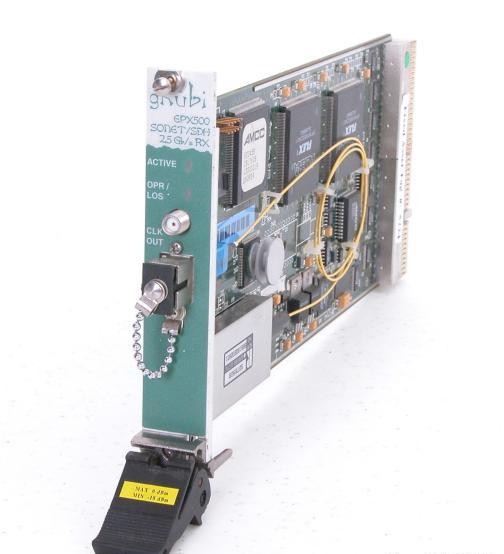
Anritsu Frequency Counters (3 units)
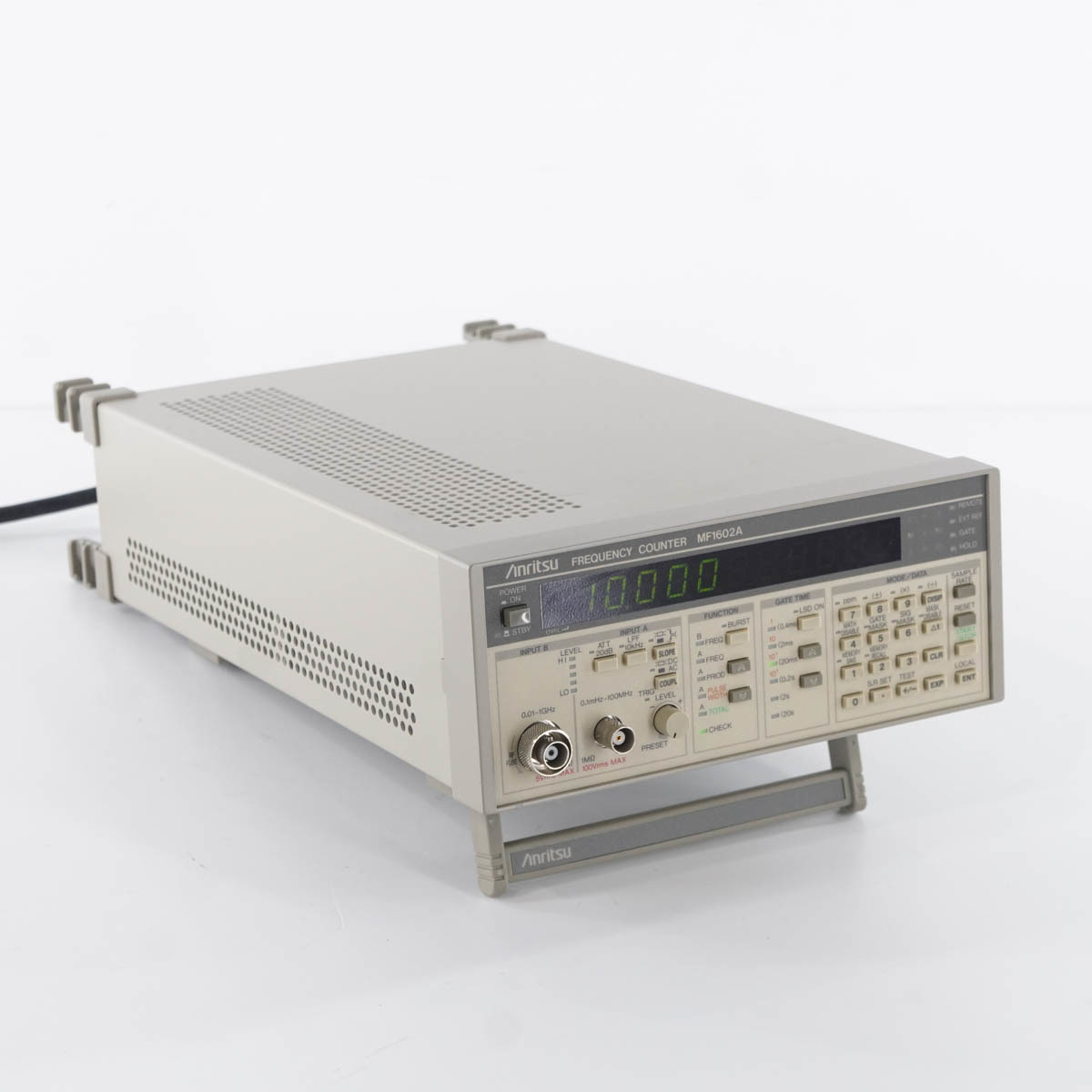
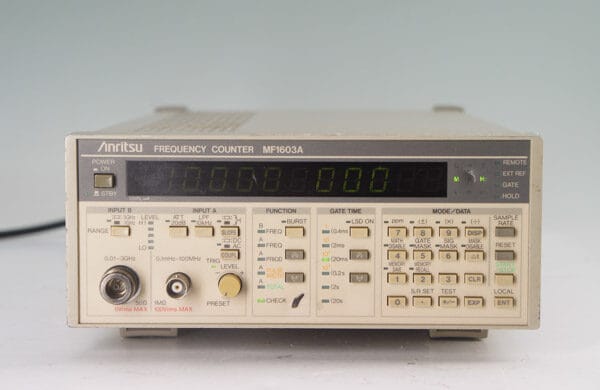
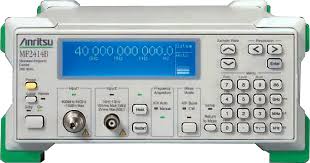
Astronics / EADS / Racal Frequency Counters (1 unit)
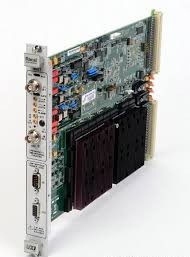
DynamicSignals / Kinetic Systems Frequency Counters (1 unit)
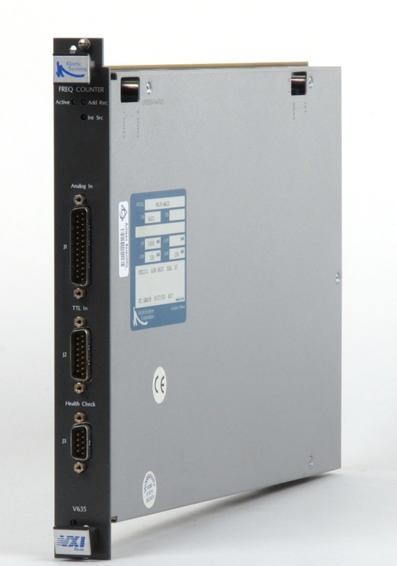
EIP Frequency Counters (1 unit)
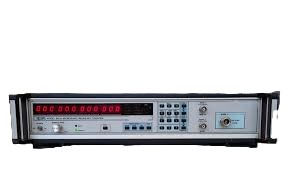
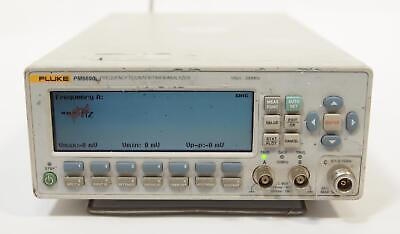
Fluke Frequency Counters (8 units)
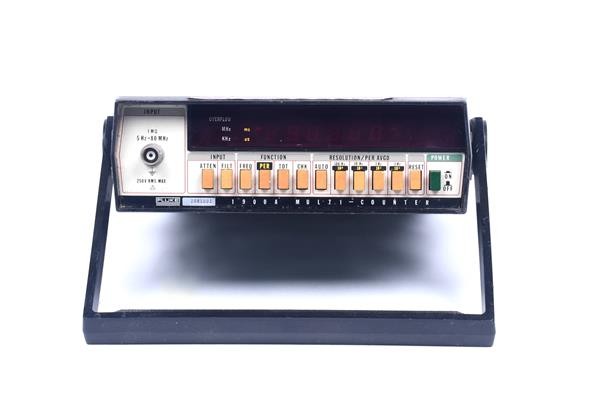
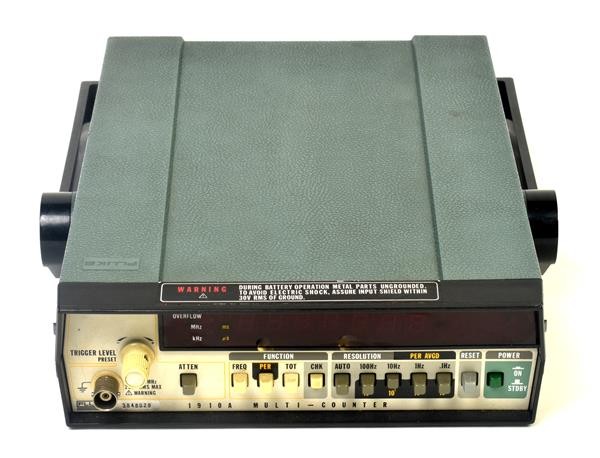
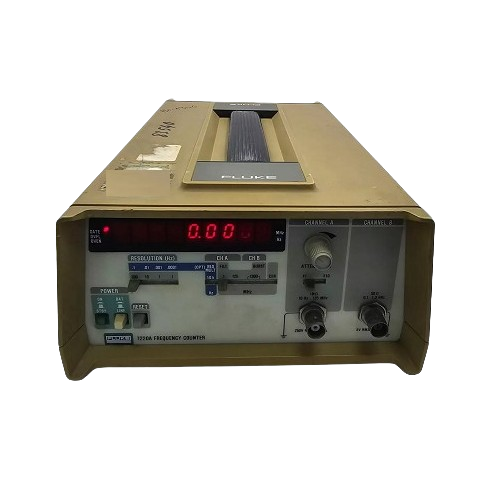
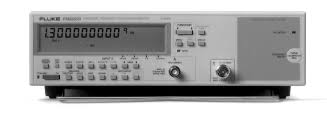
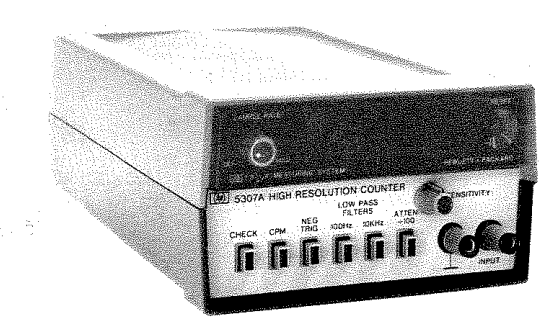
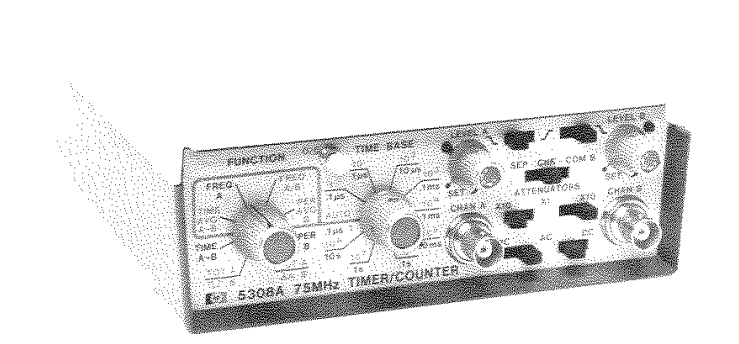
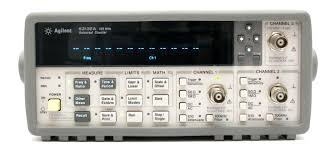
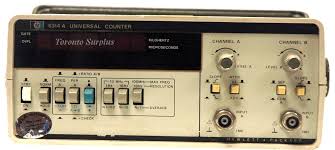
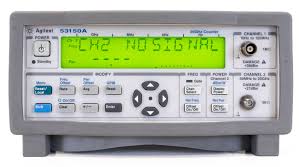
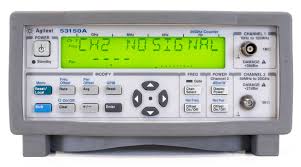
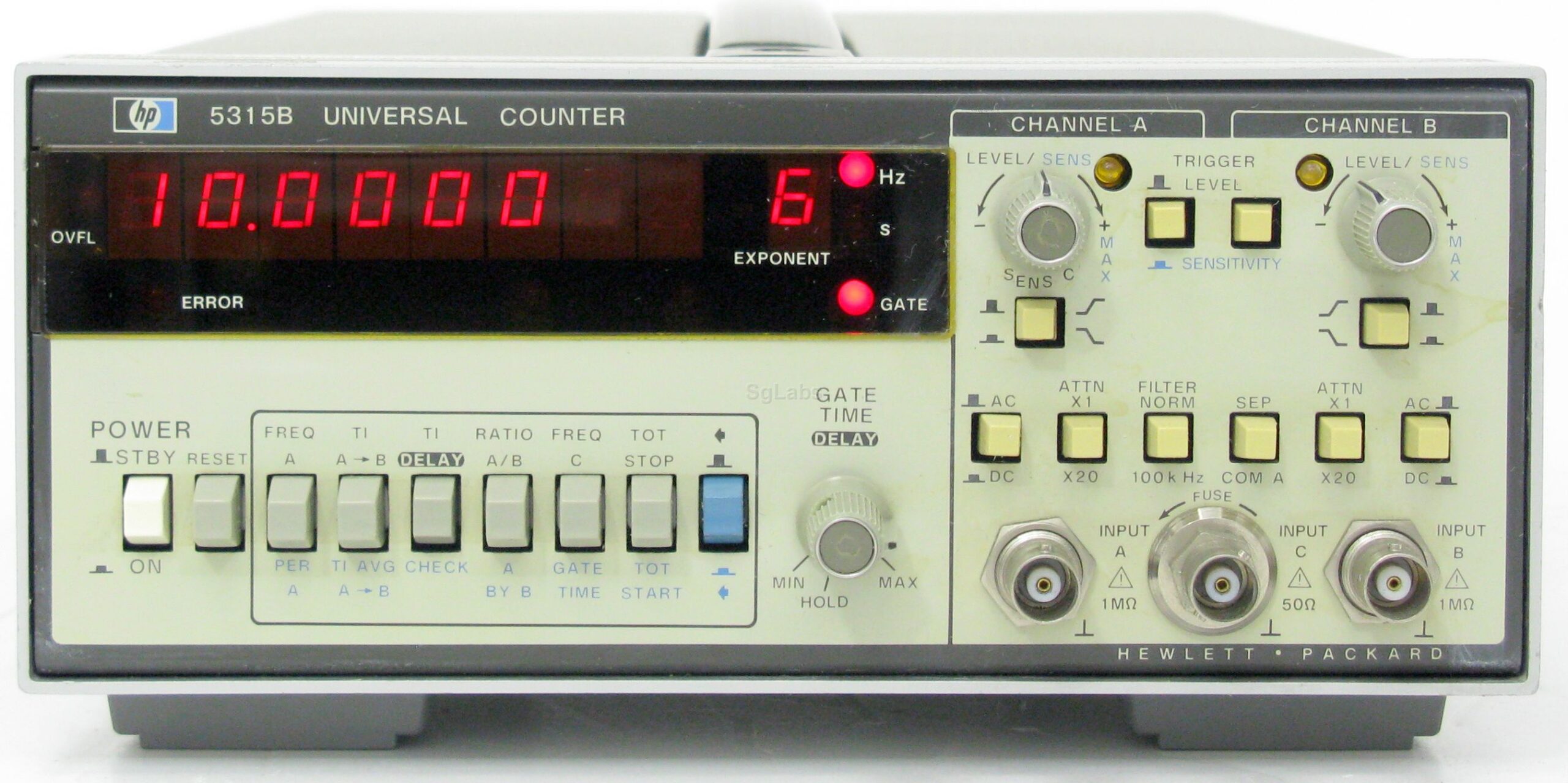
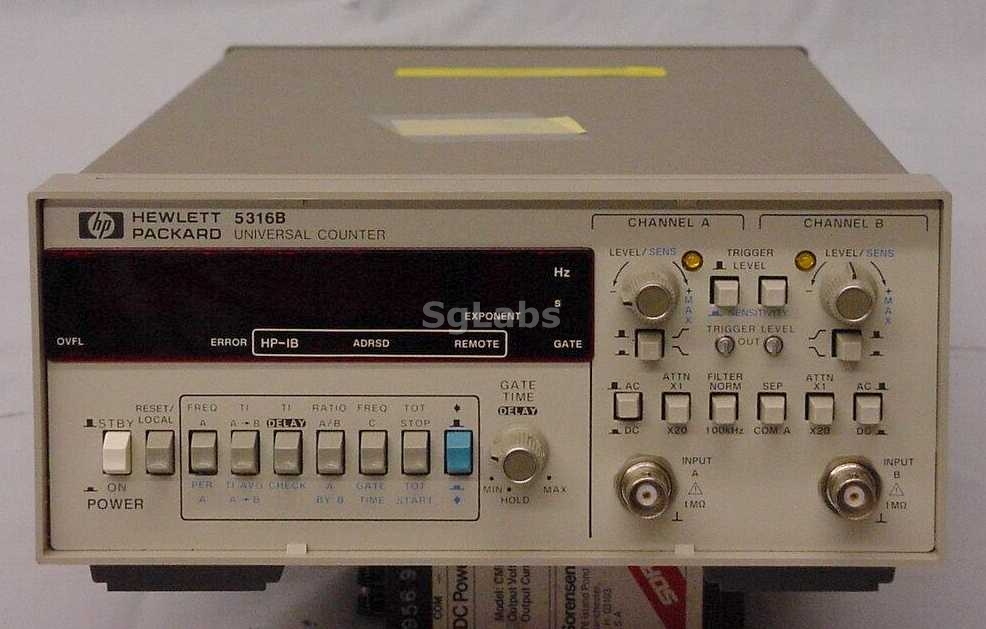
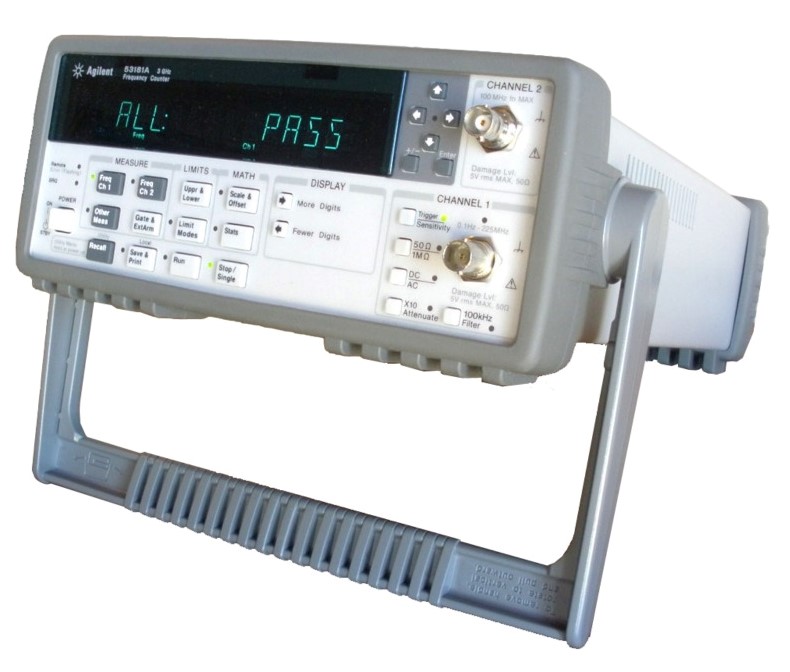
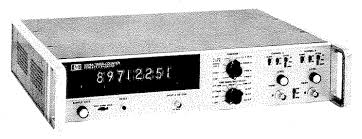
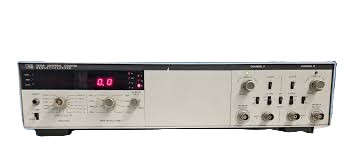
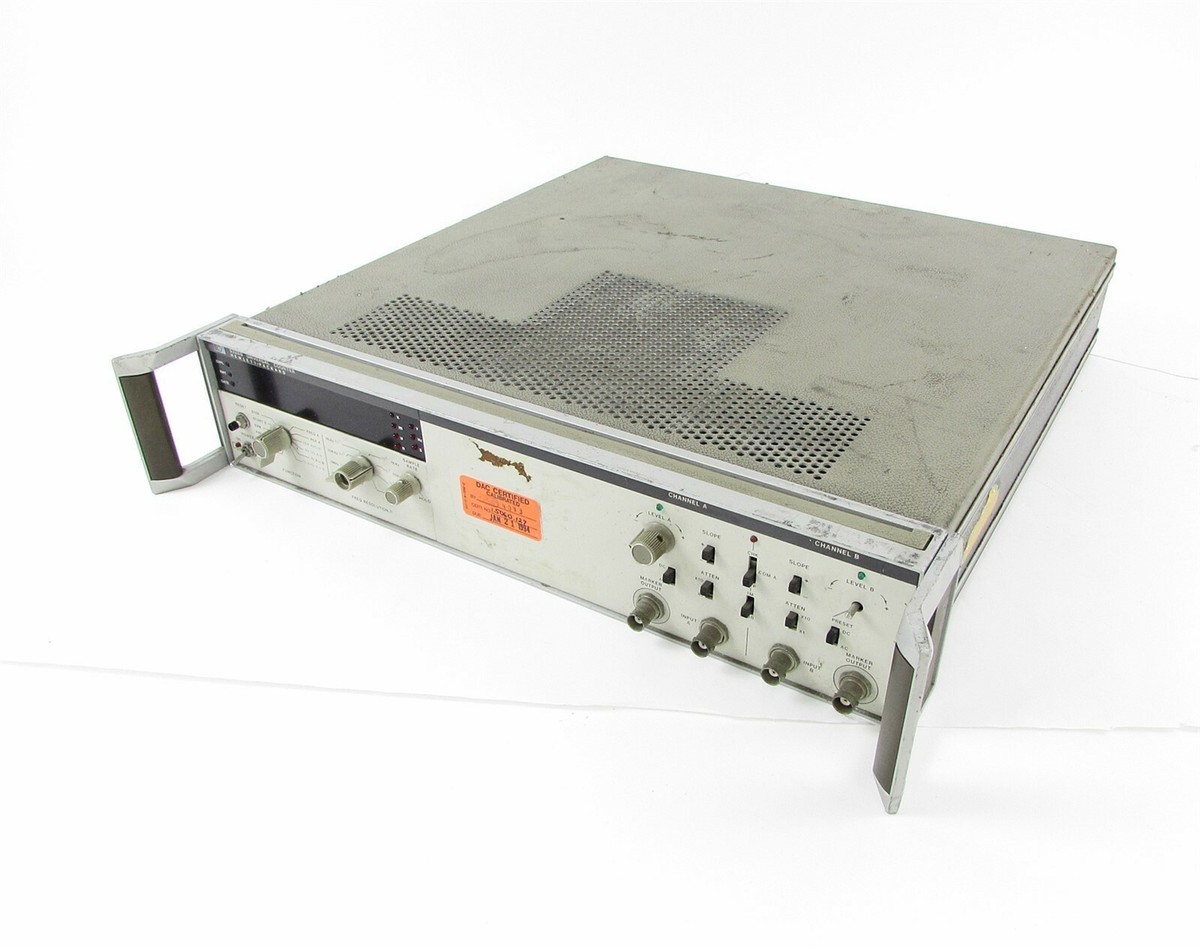
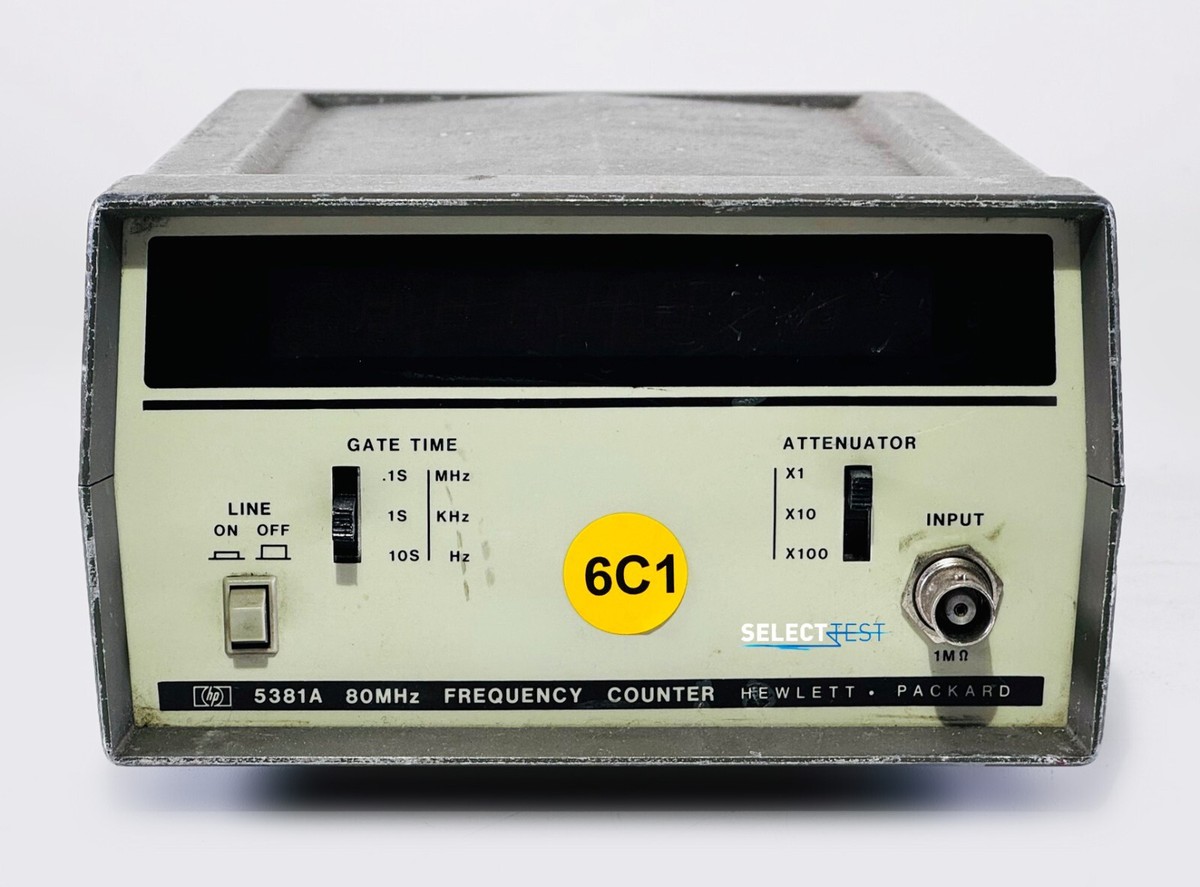
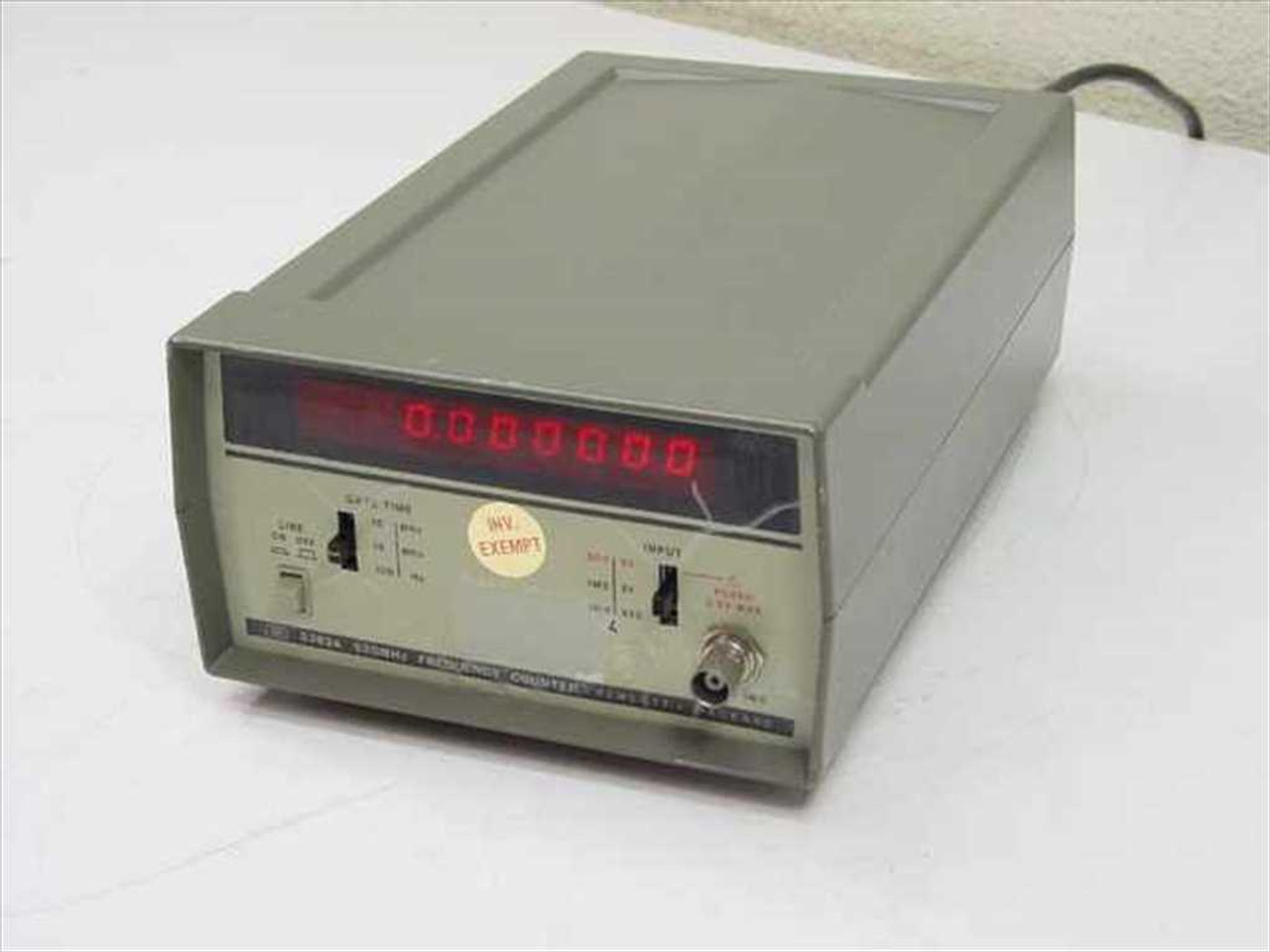
HP / Agilent Frequency Counters (33 units)
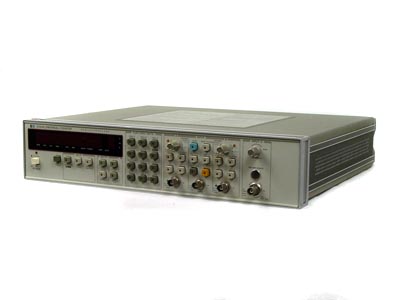
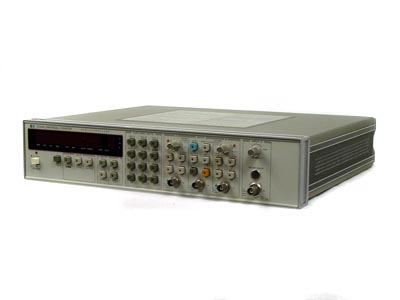
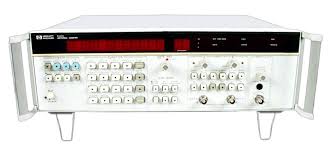
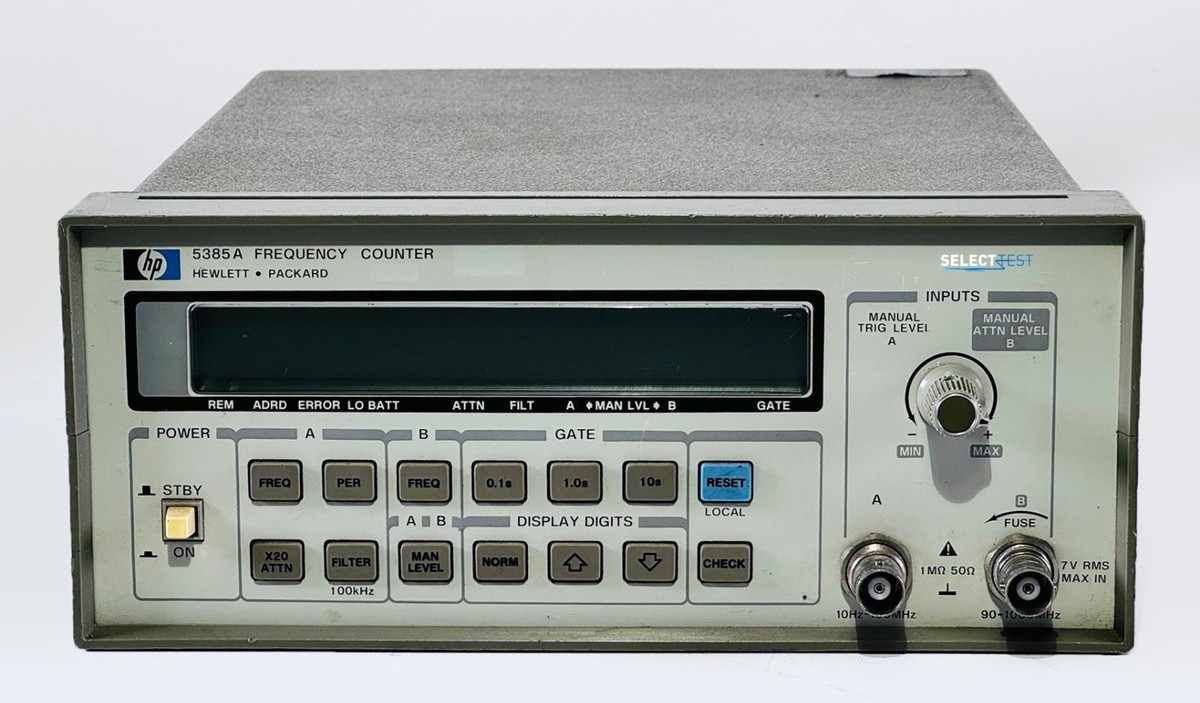
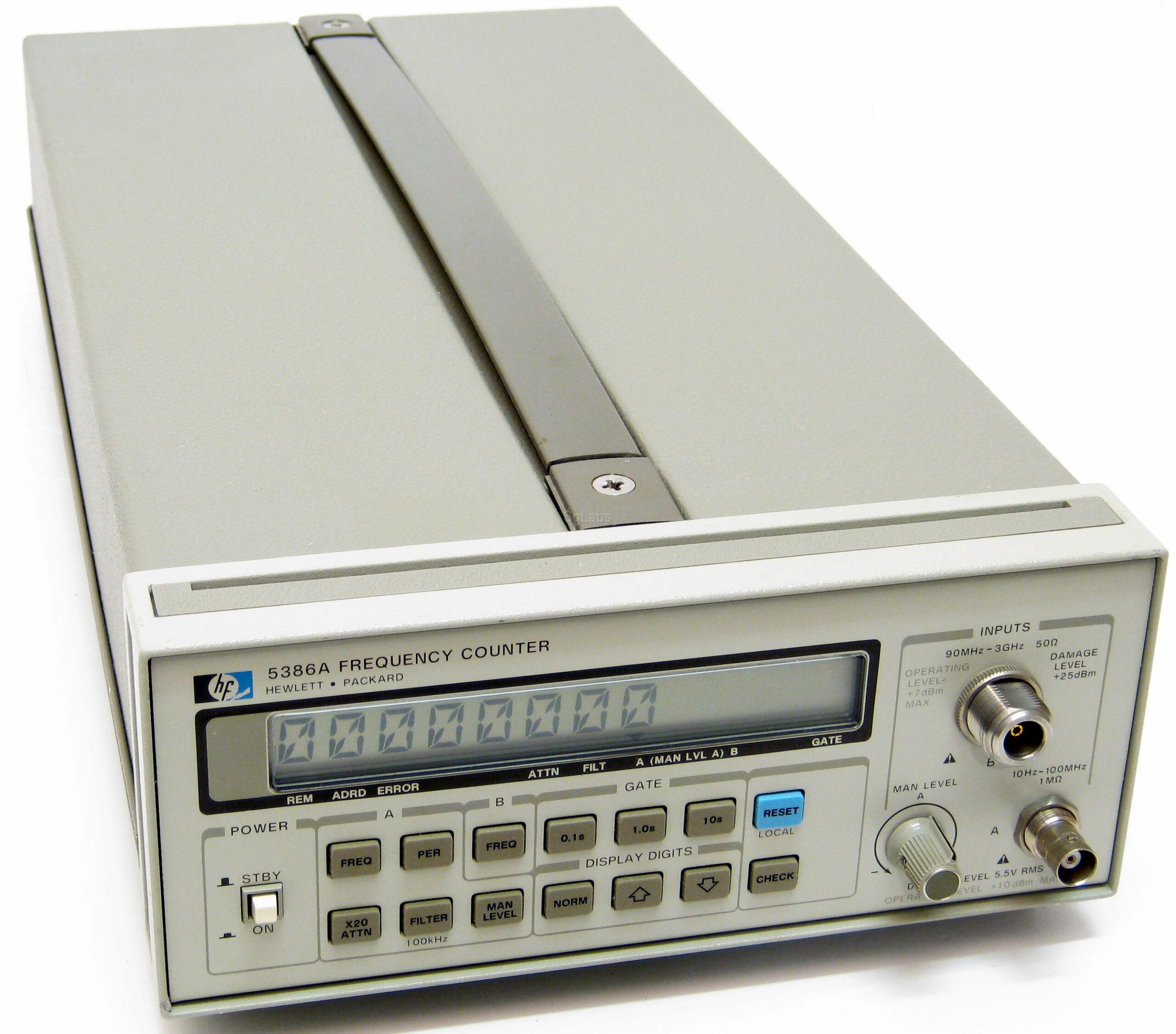
Heidenhain Frequency Counters (1 unit)
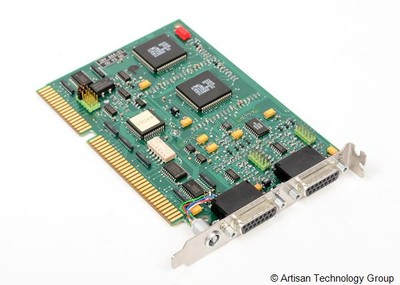
Hewlett Packard Frequency Counters (1 unit)
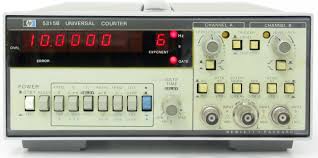
Keysight Frequency Counters (1 unit)
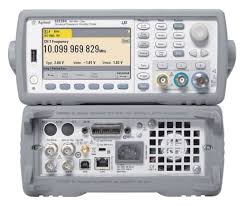
Keysight / Agilent Frequency Counters (3 units)
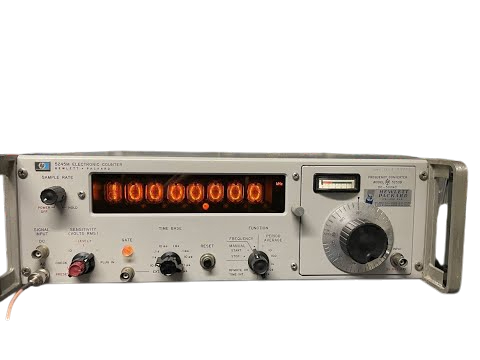
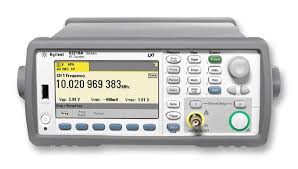
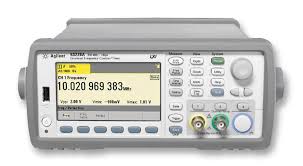
Keysight / Agilent / HP Frequency Counters (1 unit)
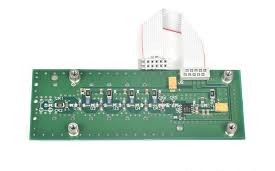
Marconi/IFR Frequency Counters (1 unit)
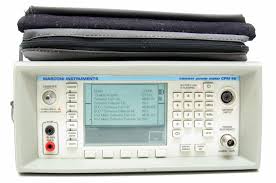
Stanford Research Systems Frequency Counters (1 unit)
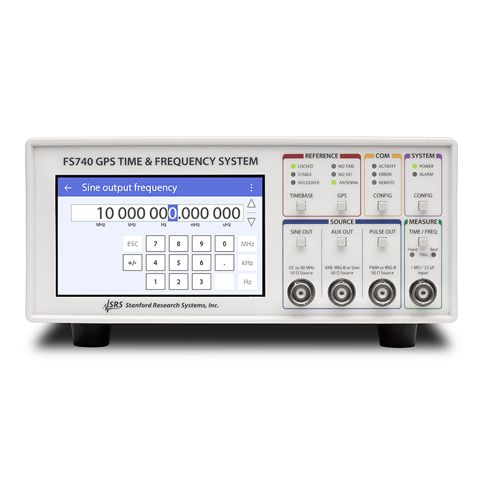
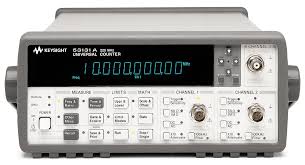
HP / Agilent 5334, 5335, and 53131/53132 Series
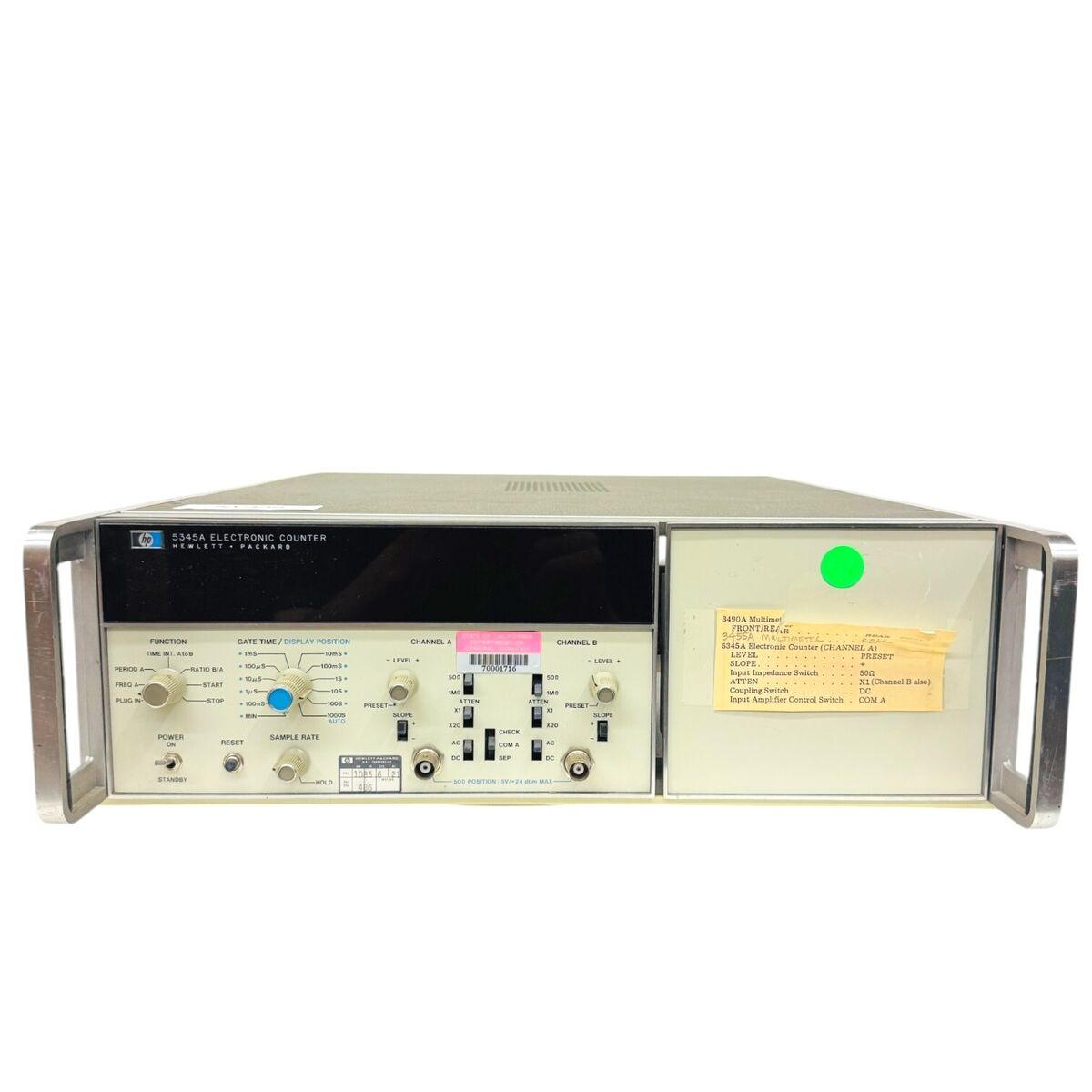
The HP 5334A/B and 5335A are 100–200 MHz universal counters that were the standard bench reference through the 1980s and 90s, and remain accurate enough for most RF work today provided the timebase has been checked. The 53131A and 53132A replaced them with reciprocal counting, GPIB/RS-232 as standard, and up to 12 digits/second resolution on the 53132A. Both accept an OCXO timebase option (opt. 010) for tighter long-term stability. These are the most common used counters on the market, so parts and service knowledge are widely available.
Microwave Frequency Counters
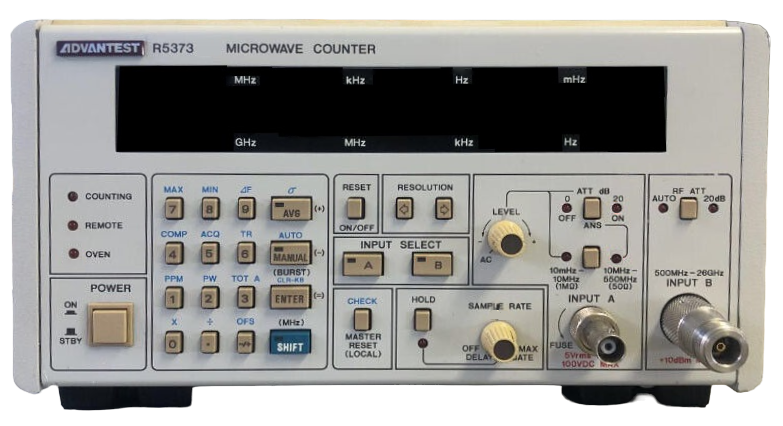
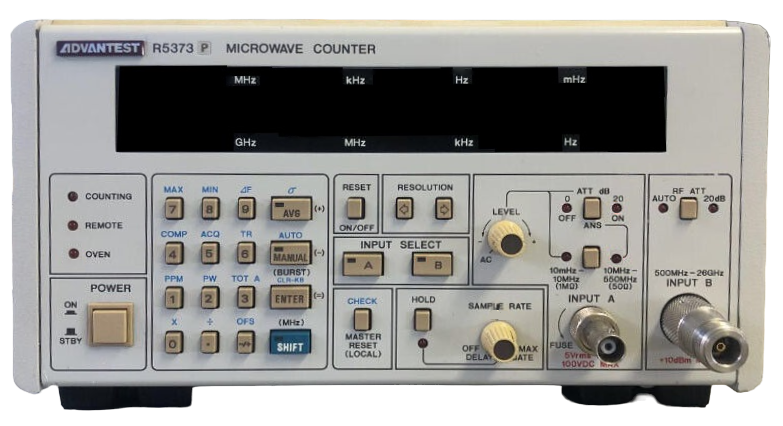
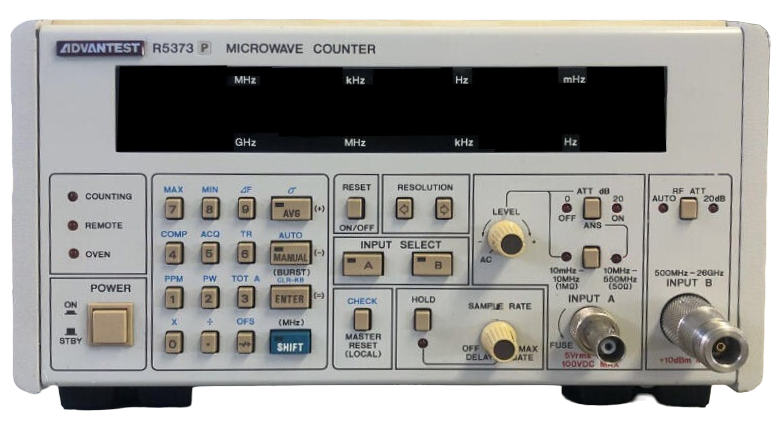
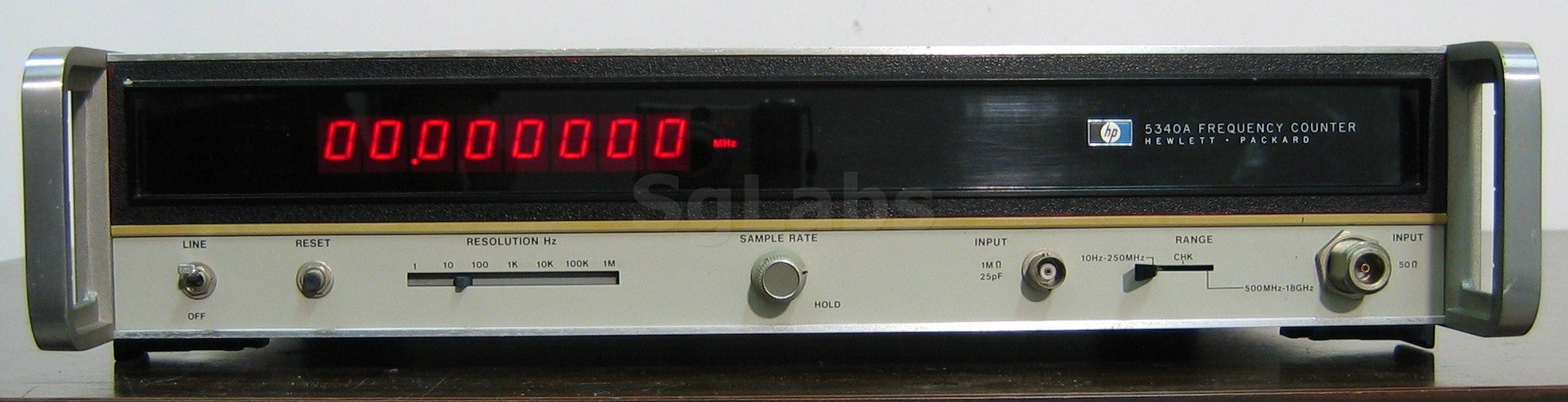
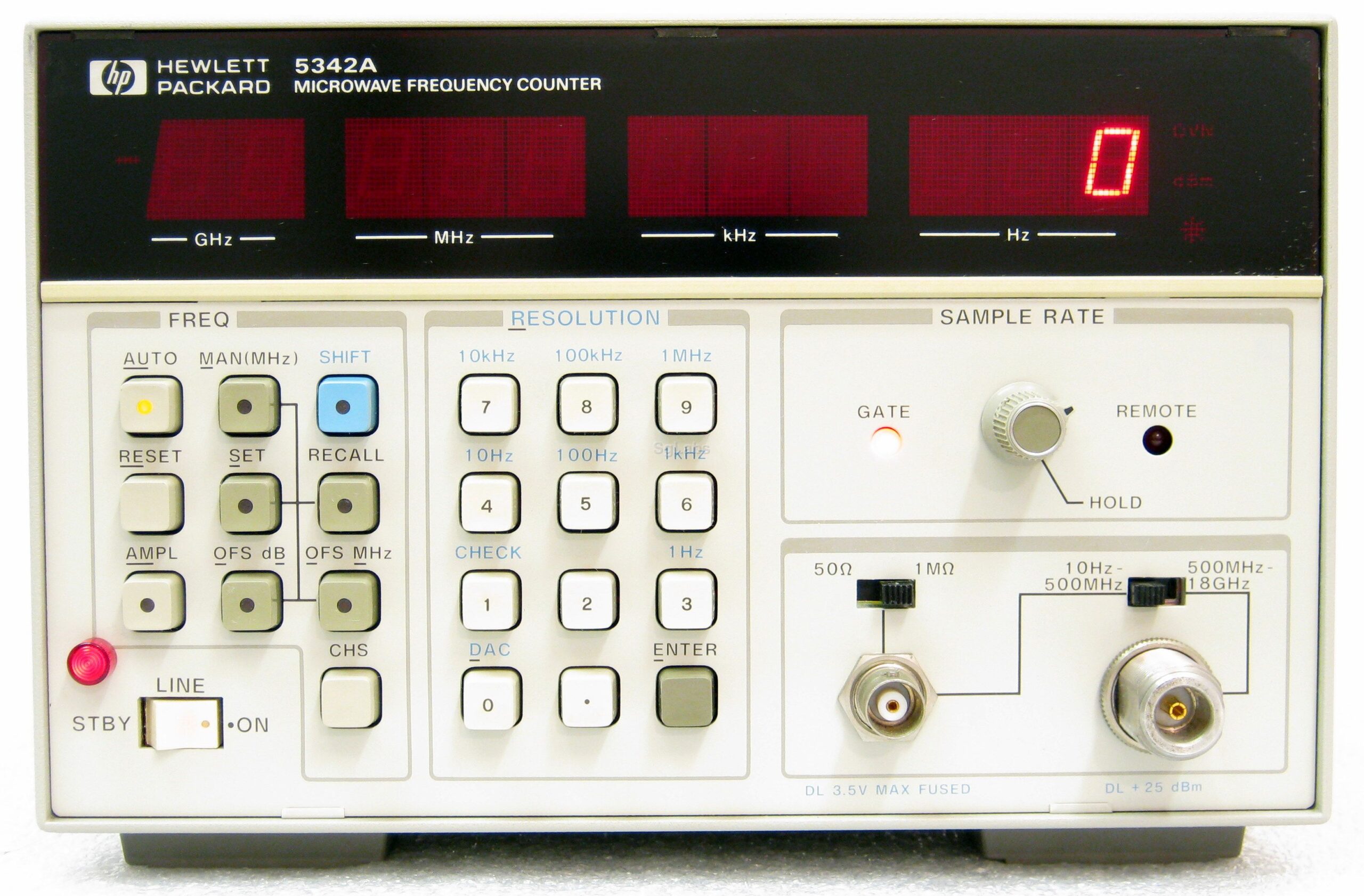
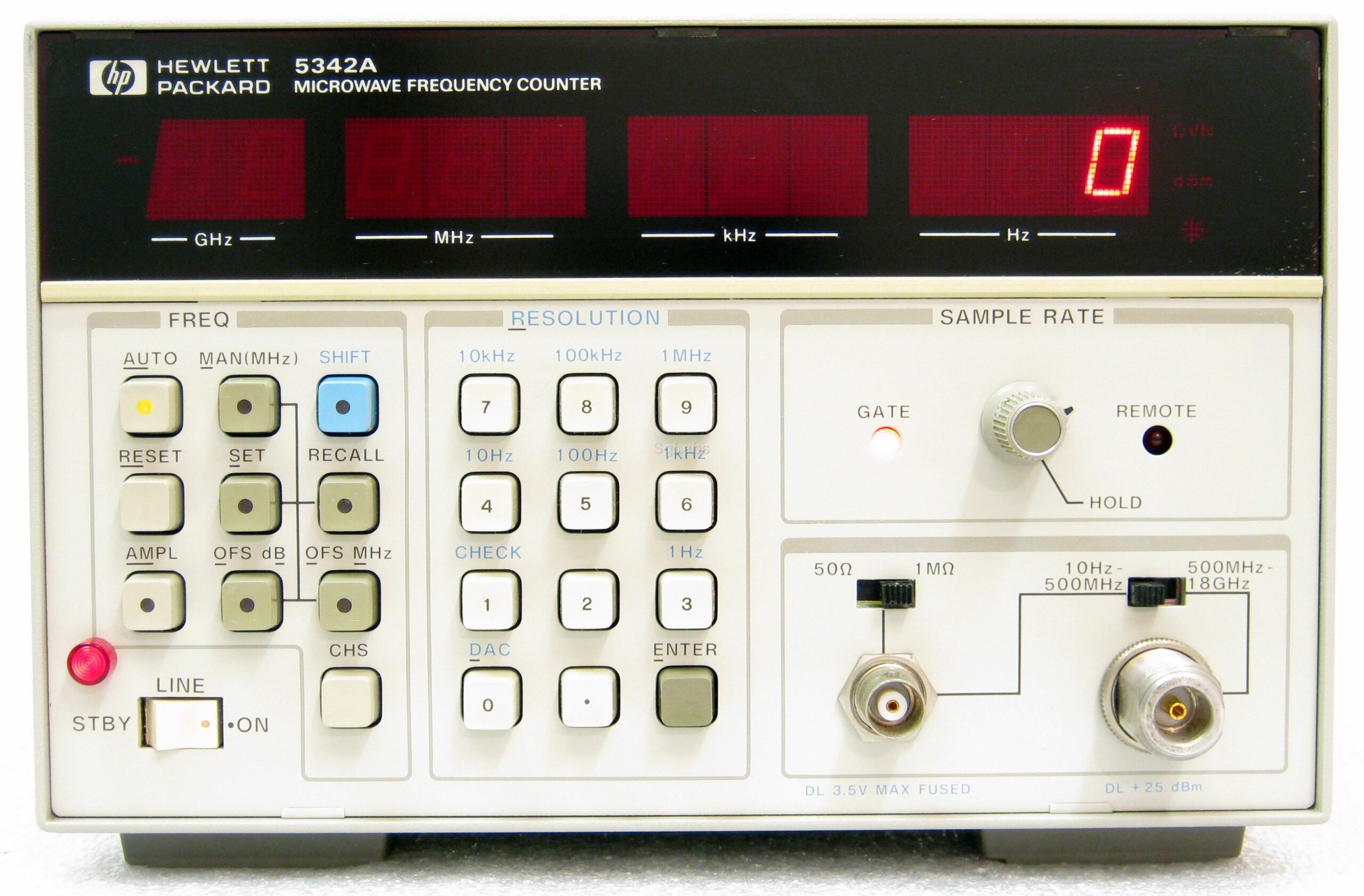
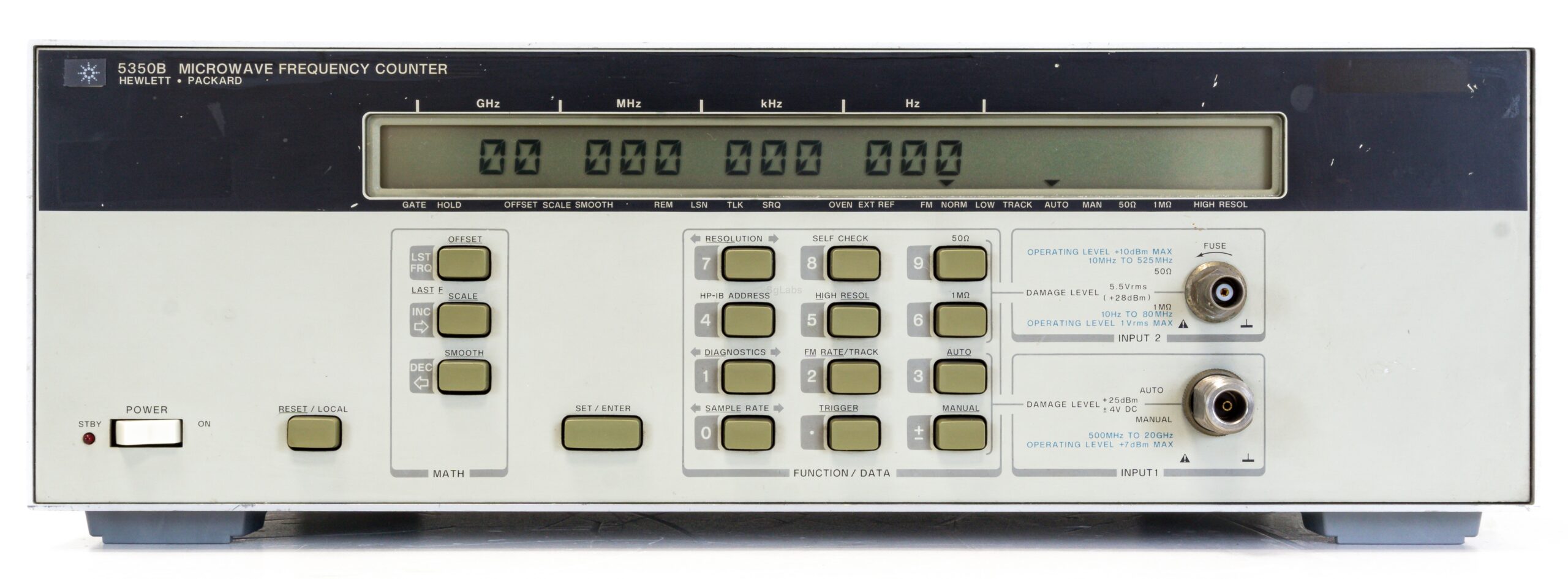
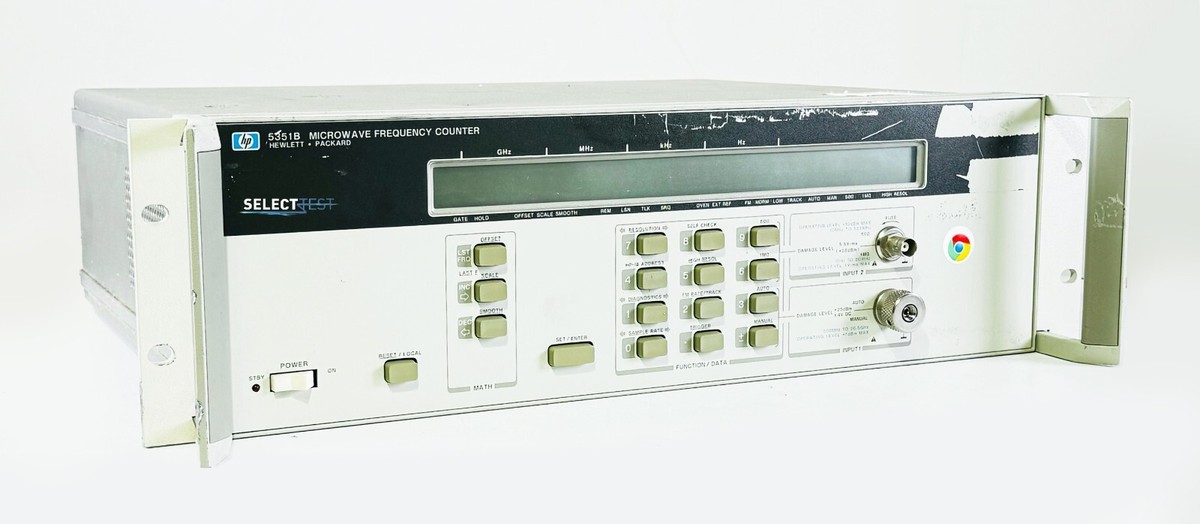
For measurements above the 100–500 MHz range of a standard bench counter, microwave counters extend coverage well into the GHz range using a harmonic down-conversion front end rather than direct digital counting. The HP 5340A, 5350B, and 5352B cover 20–40 GHz; the Advantest R5372/R5373 series and Anritsu MF2414B (to 40 GHz) are common alternatives from the same era. EIP Microwave built dedicated high-sensitivity microwave counters, including the 545A. Because these instruments rely on a phase lock to a harmonic of the input, signal level matters — a weak or noisy source can prevent lock even when the frequency is within range.
Timebase Options and Traceability
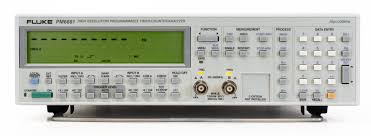
A counter is only as accurate as its timebase. Standard crystal references drift on the order of ±1 ppm; OCXO options bring that down to ±0.1 ppm or better after warm-up. For lab-reference use, Fluke's rubidium-timebase counters (PM6681R, PM6685R) hold roughly 5×10⁻¹⁰ accuracy, and the Stanford Research FS740 disciplines its output directly to GPS for UTC traceability. If a counter is going to serve as a calibration reference rather than a general-purpose measurement tool, the timebase spec — not the counting resolution — is what to check first.
Frequency Counter Calibration
NIST-traceable calibration verifies timebase accuracy against a reference standard, checks trigger sensitivity and input attenuator accuracy across the frequency range, and confirms gate-time linearity. We issue certificates with actual measured deviation, not a pass/fail stamp. See all calibration services →
Frequently Asked Questions
What is the difference between a frequency counter and a universal counter? +
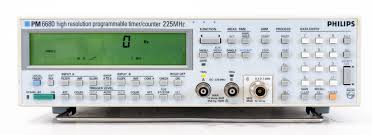
A basic frequency counter only measures frequency — it counts input cycles over a fixed gate time. A universal counter (HP 5334B, 53131A, 53132A, Fluke PM6680/PM6681) adds period, time interval, ratio, totalize, and pulse-width measurement modes, and usually offers multiple input channels so it can time the interval between an event on channel A and channel B. Almost all bench counters sold today are universal counters; a plain frequency-only counter is now mostly a legacy or specialty instrument.
How does a microwave frequency counter measure signals above its direct-count range? +
Digital counting circuits top out well below microwave frequencies, so microwave counters (HP 5340A/5350B/5352B, Advantest R5372/R5373, Anritsu MF2414B, EIP 545A) use a harmonic heterodyne down-conversion front end: an internal sweeping local oscillator locks onto a harmonic near the input signal, and the resulting low-frequency difference is counted directly and added back to the known harmonic number. This is why microwave counters have a sensitive, narrowband front end rather than a simple wideband input — signal level and harmonic spacing both matter for a clean lock.
What does reciprocal counting mean and why does it matter? +
Direct frequency counting loses resolution at low input frequencies because fewer cycles fit in the gate time. Reciprocal counting (used in the HP 5334A/5335A/53131A/53132A and most modern universal counters) instead counts both the input cycles and a fast internal reference clock over the gate period, then computes frequency as a ratio. Resolution stays constant across the entire frequency range instead of degrading at the low end — the 53132A holds 12 digits/second resolution this way.
How much does the internal timebase affect measurement accuracy? +
The timebase is the single biggest source of counter error — every frequency reading is only as accurate as the reference oscillator counting against it. A standard room-temperature crystal timebase drifts roughly ±1 ppm; an oven-controlled (OCXO) option like those fitted to the HP 5335A and 53131A option 010 improves that to the ±0.1 ppm range or better. Rubidium-referenced counters (Fluke PM6681R, PM6685R) hold roughly 5×10⁻¹⁰ accuracy, and GPS-disciplined references (Stanford Research FS740) lock to UTC directly for lab-standard traceability.
What are the most common faults in used frequency counters? +
Timebase aging and drift is the most frequent issue on older HP and Advantest units — an OCXO that has never been re-adjusted can be off by several ppm even though the counter otherwise functions normally. Input attenuator relays and trigger-level comparators on the sensitive front end are the second most common failure, especially on microwave counters that have seen overdriven inputs. On GPIB-equipped units, a dead or intermittent HP-IB interface chip is a routine bench repair. Battery-backed calibration constants can also be lost if a unit sits powered off for years.
Do I need a rubidium or GPS timebase for general lab use? +
For everyday RF verification, PLL lock checks, and general bench work, a standard OCXO-equipped universal counter (HP 53131A/53132A, Fluke PM6680) is accurate enough. A rubidium or GPS-disciplined reference matters when you are calibrating other frequency standards, verifying long-term oscillator aging, or working to a traceability chain that requires sub-ppb accuracy — situations where the counter itself needs to be the lab reference rather than just a measurement tool.
Need a specific frequency range or timebase spec?
We source specific frequency counter models on request. Tell us the frequency range, resolution, and timebase accuracy you need, and we'll check our incoming stock.
Get in touch