
Used RF Signal Generators for Sale
482 units in stock — Agilent, HP, Keysight, Rohde & Schwarz, Anritsu, and more. Every signal generator has been powered on, frequency-verified, and photographed. NIST-traceable calibration available. Ships from Pleasant Grove, UT.
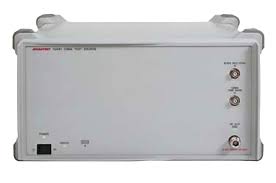
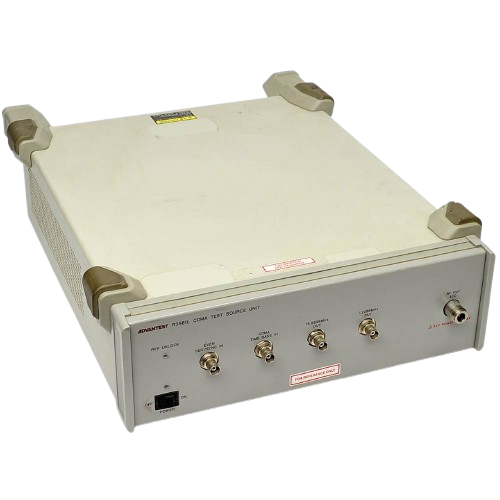
Advantest Signal Generators (4 units)
Aeroflex Signal Generators (6 units)
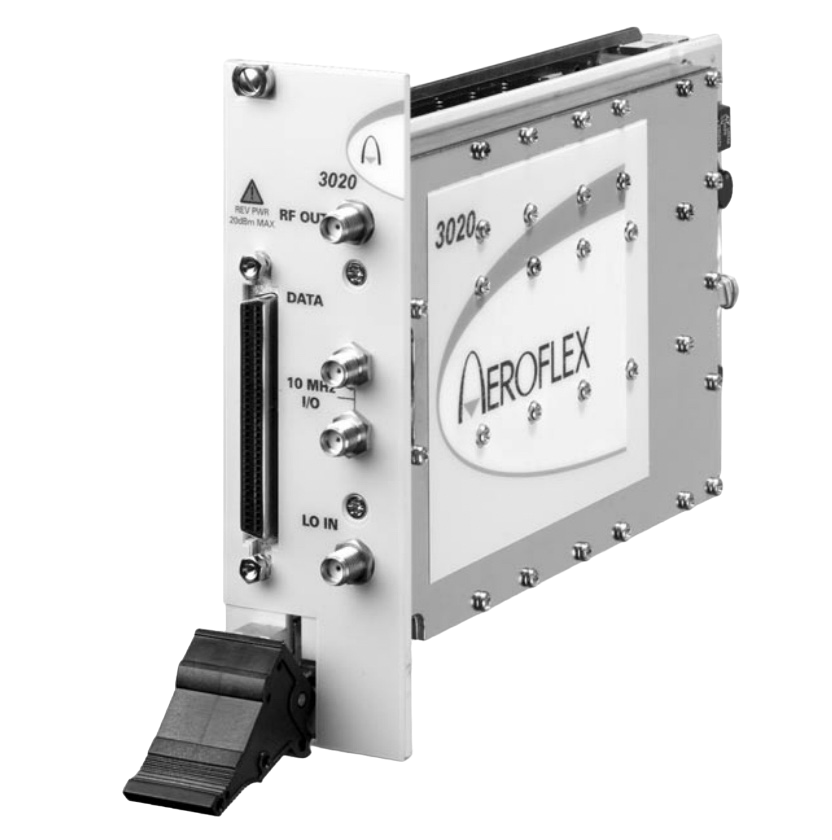
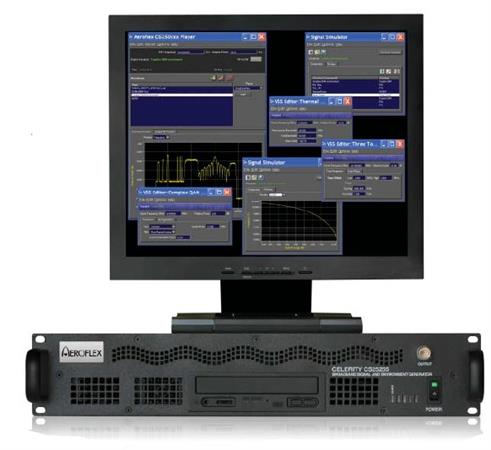
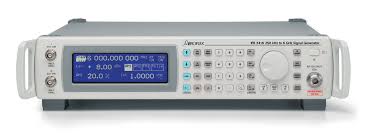
Aeroflex / IFR / Marconi Signal Generators (2 units)
Aeroflex IFR Signal Generators (1 unit)
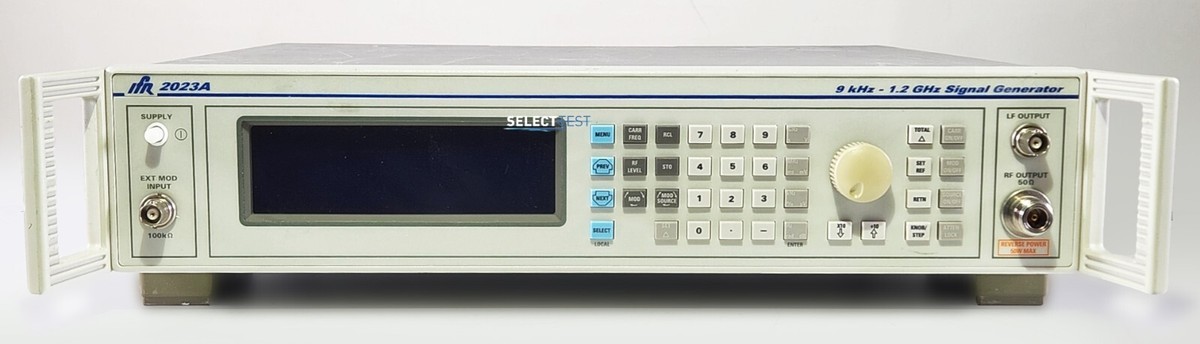
Agilent Signal Generators (3 units)
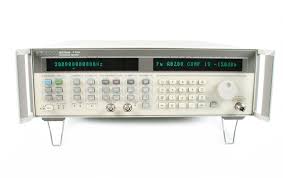
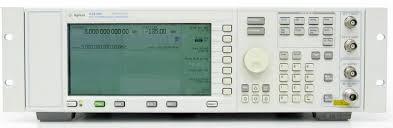
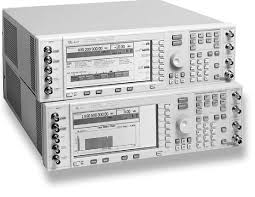
Agilent / HP Signal Generators (2 units)
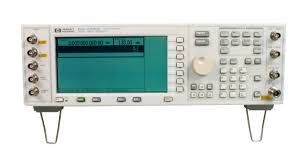
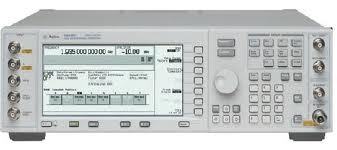
Agilent / HP / Keysight Signal Generators (1 unit)
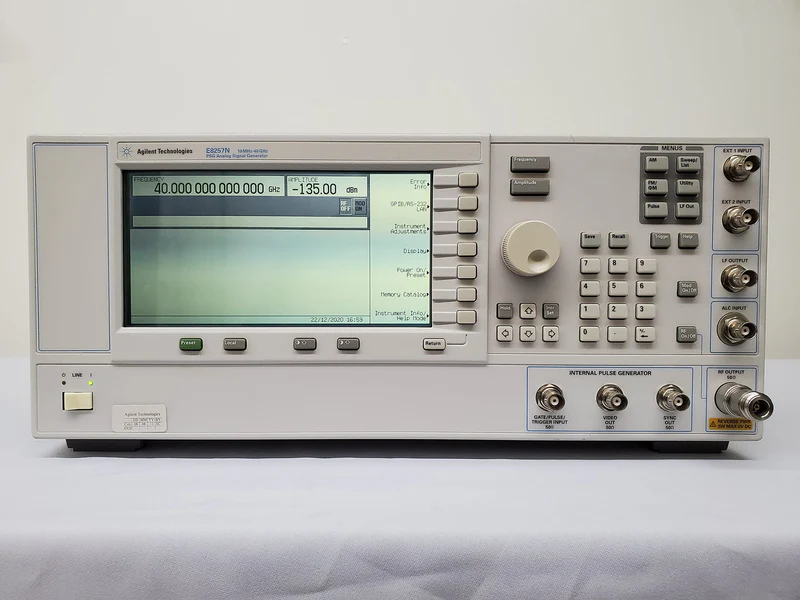
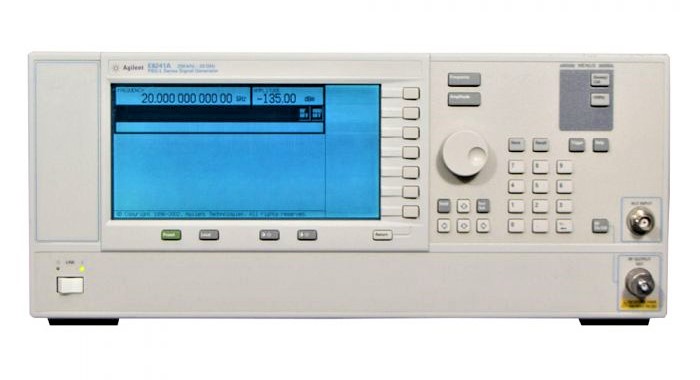
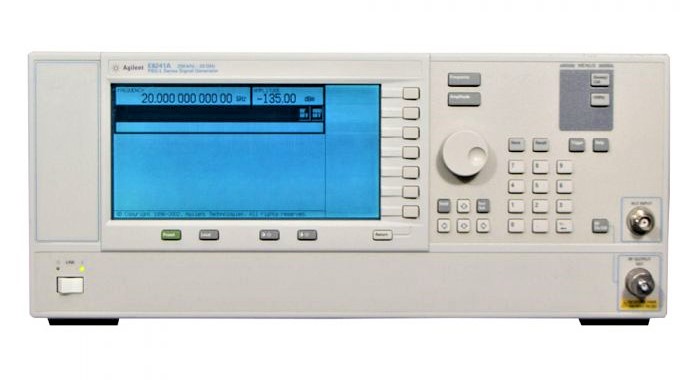
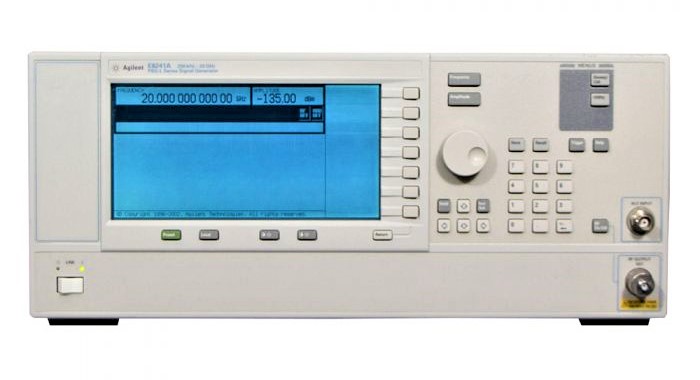
Agilent / Keysight Signal Generators (116 units)
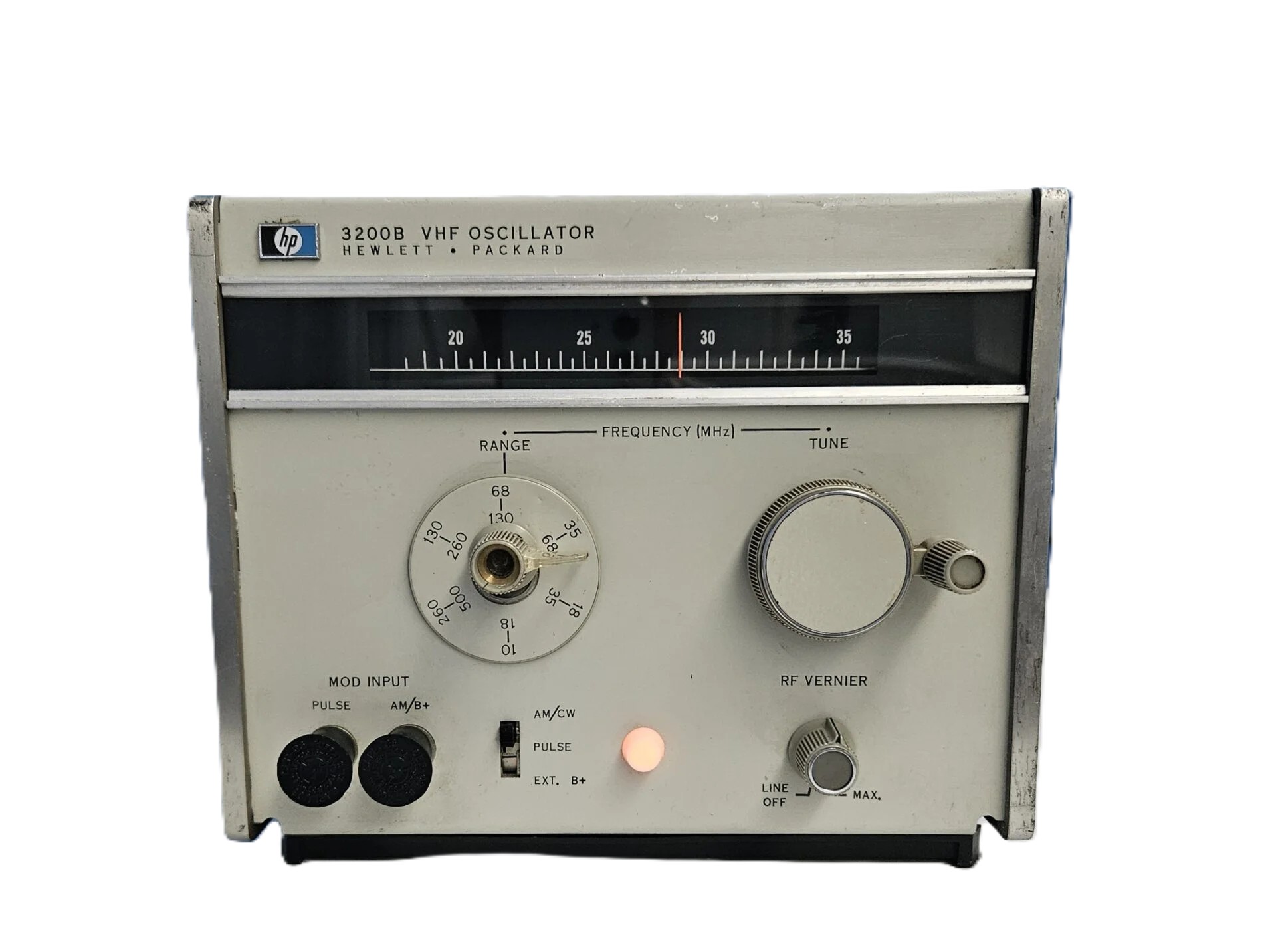
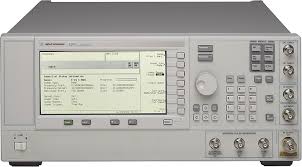
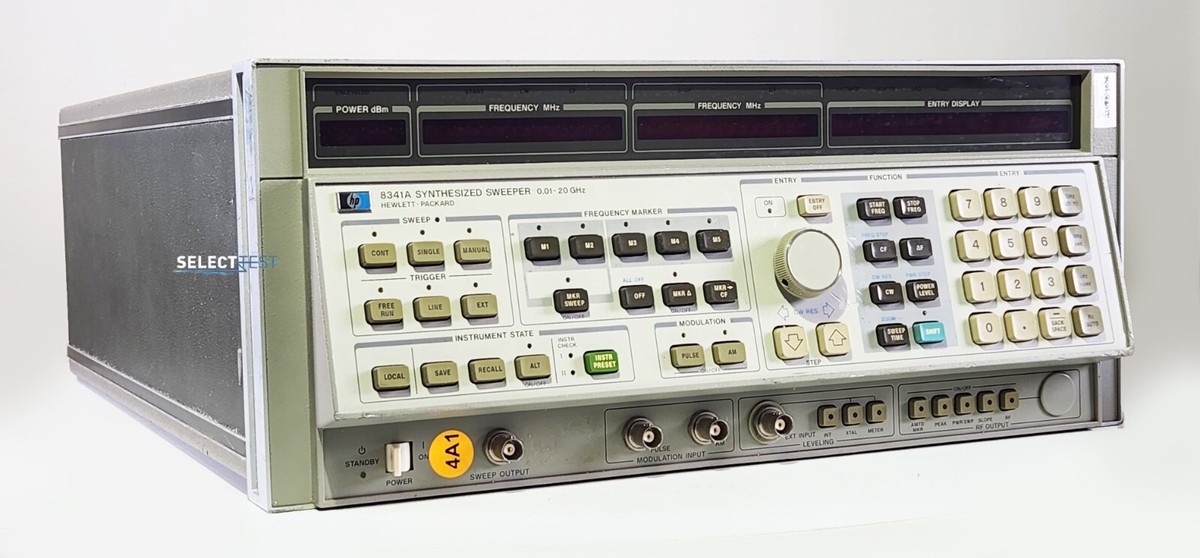
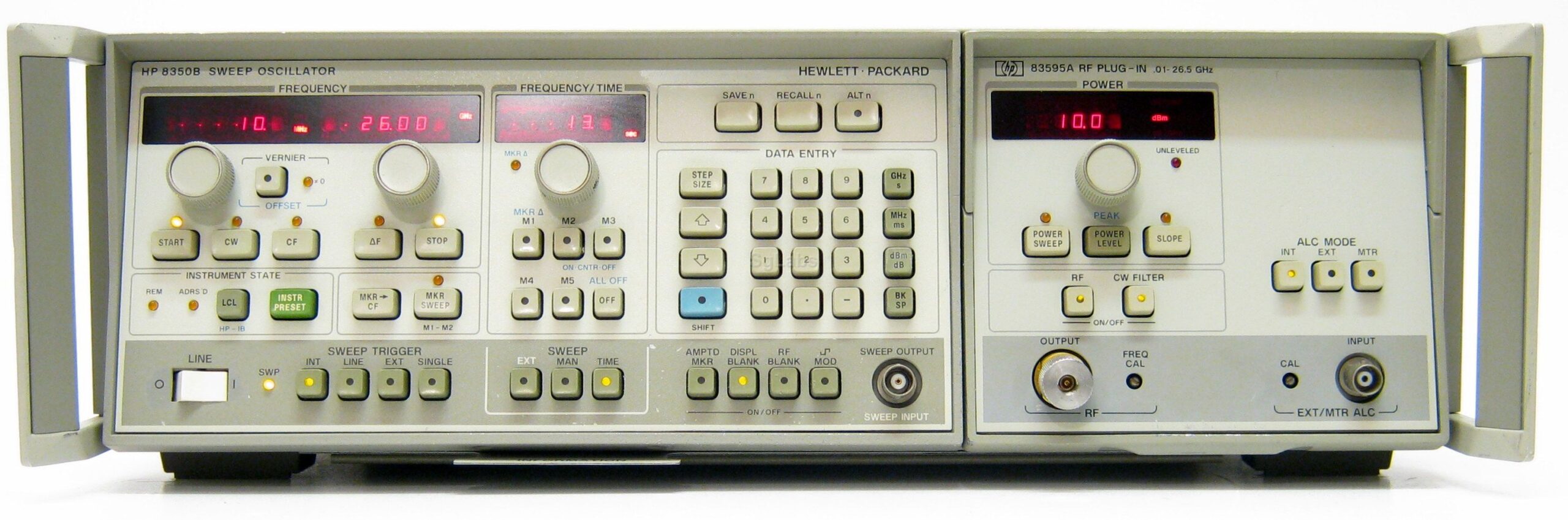
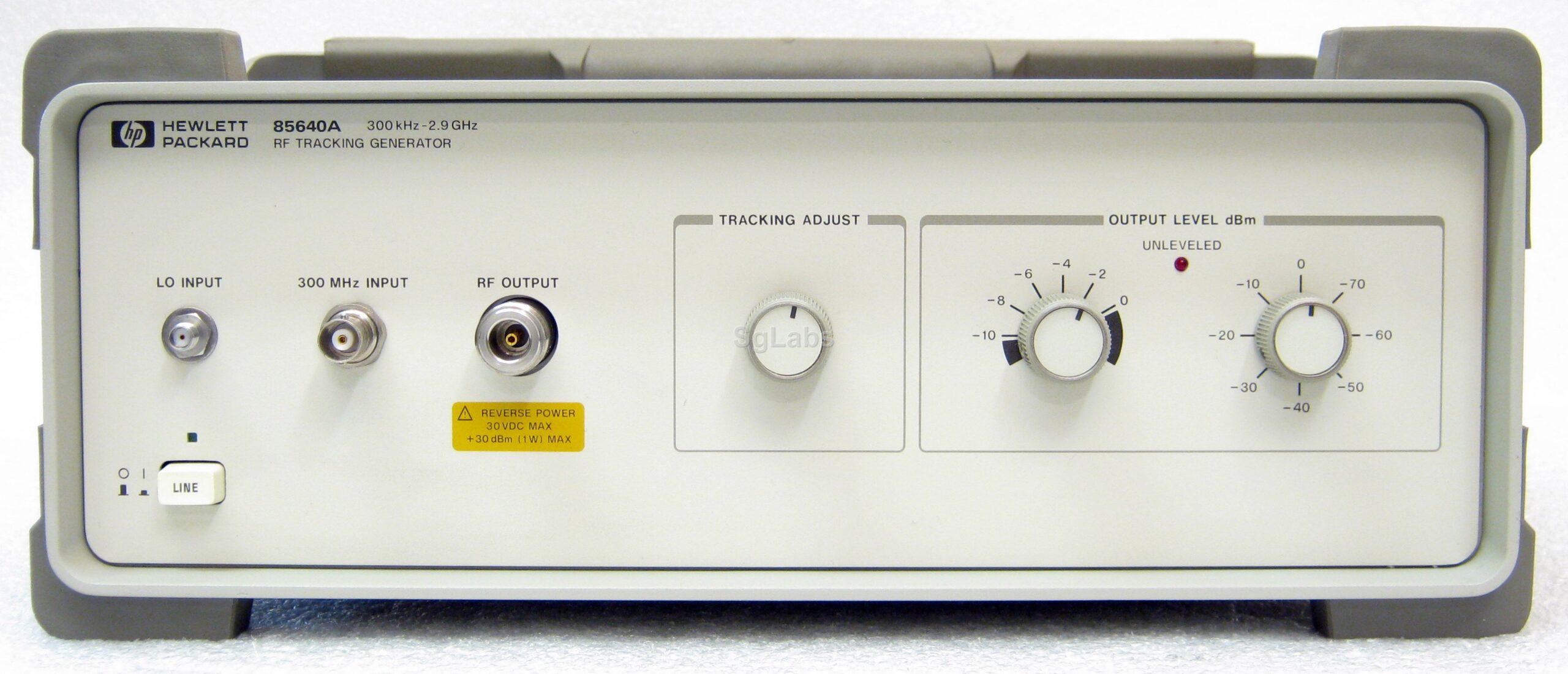
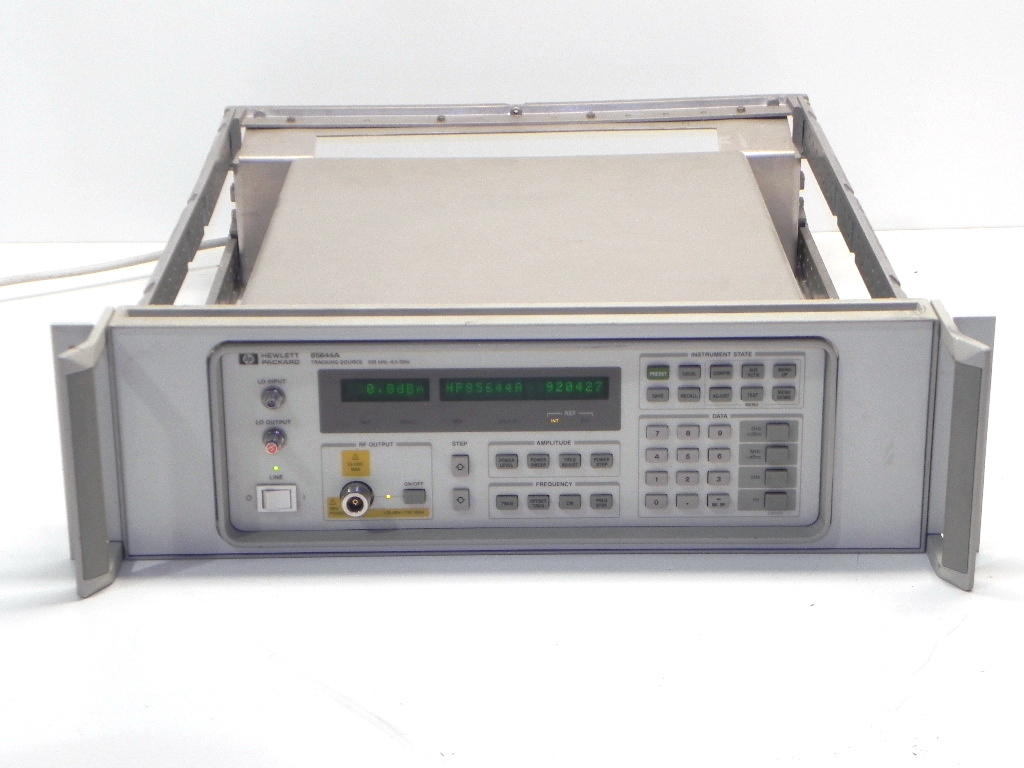
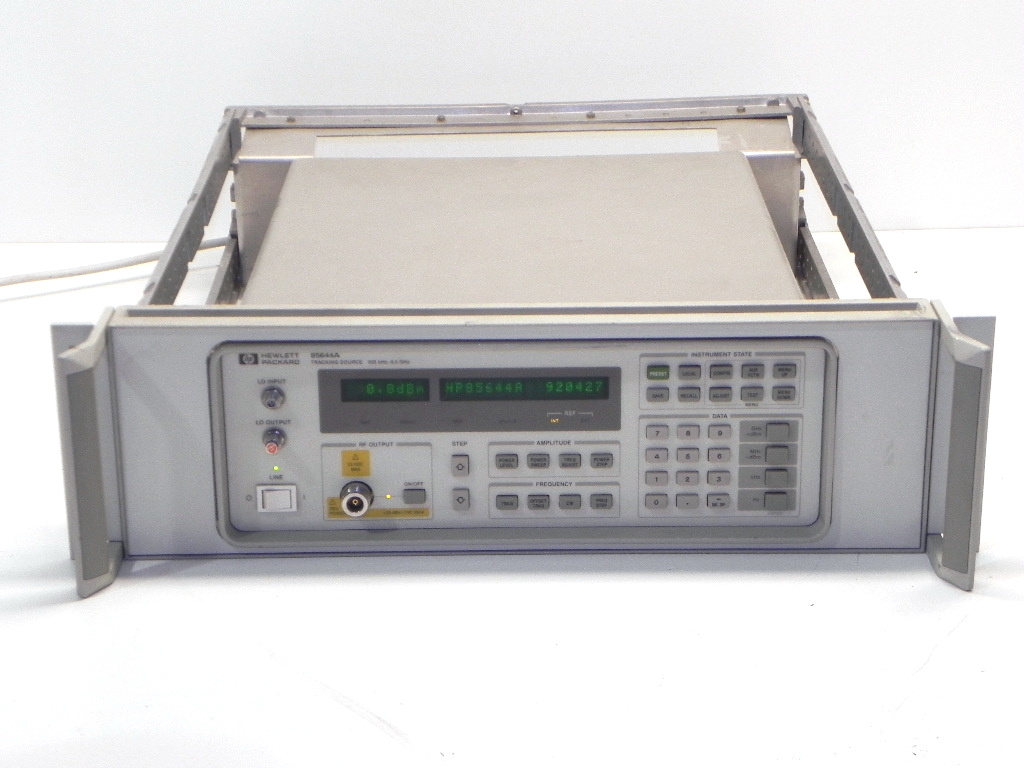
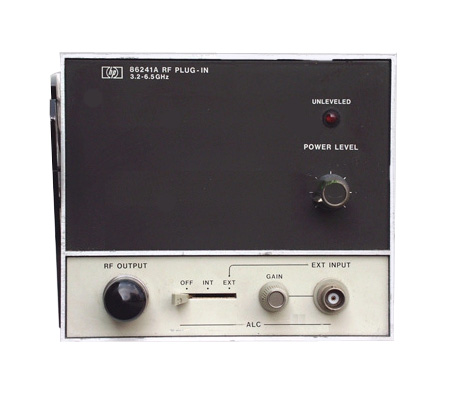
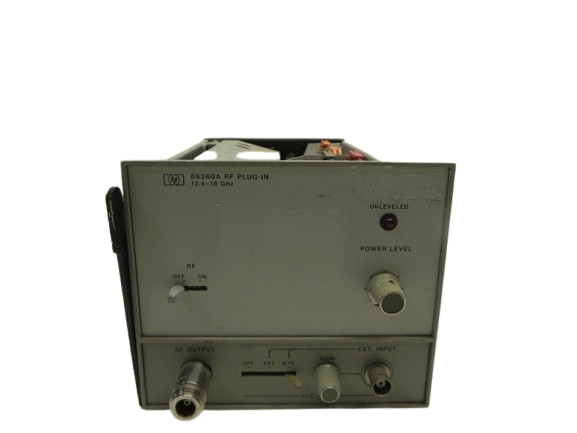
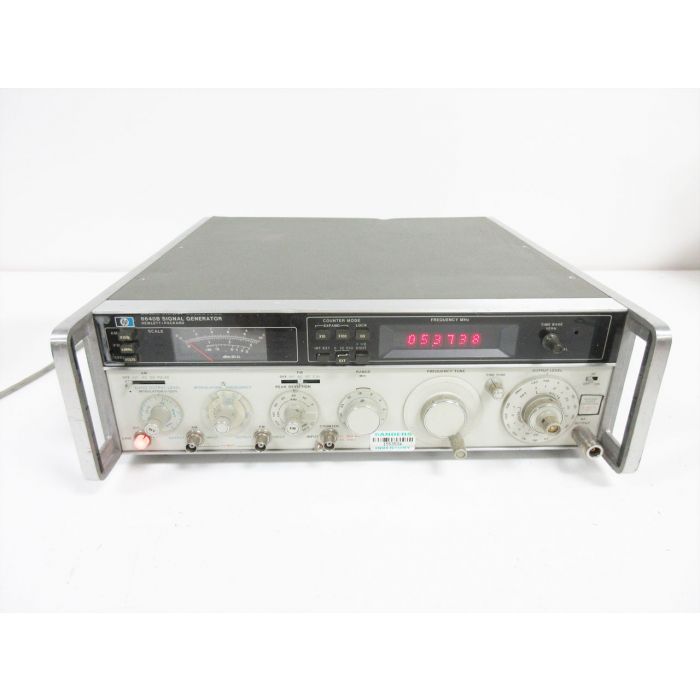
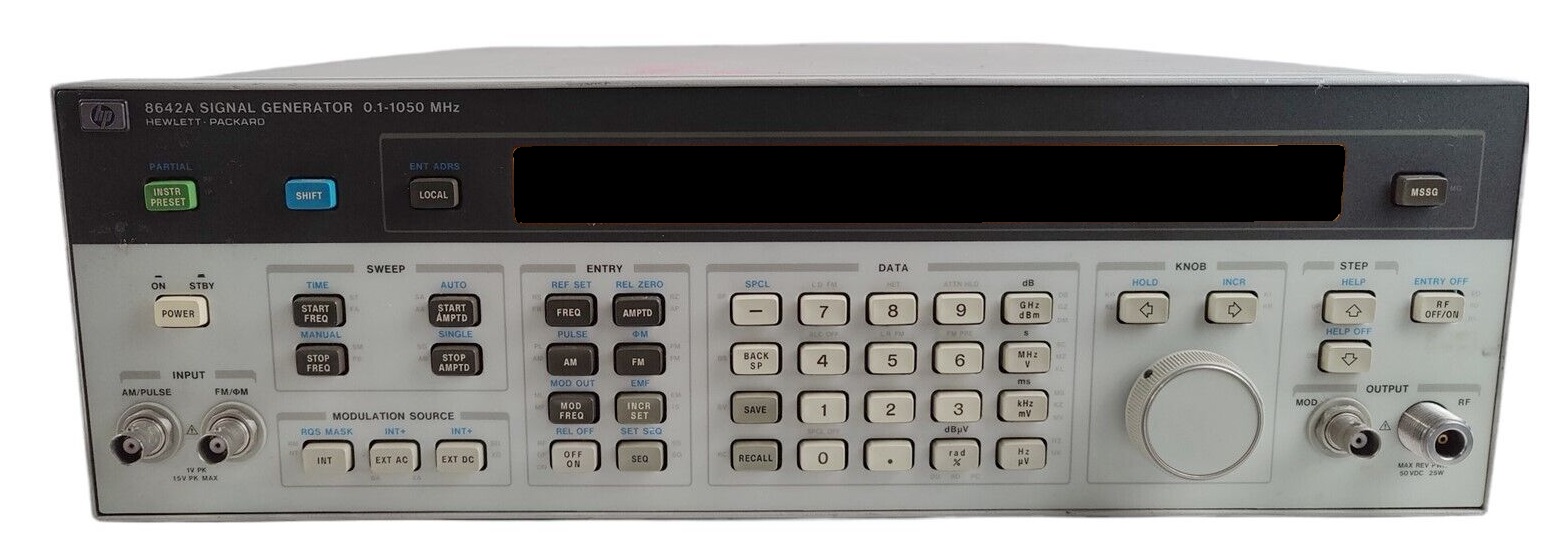
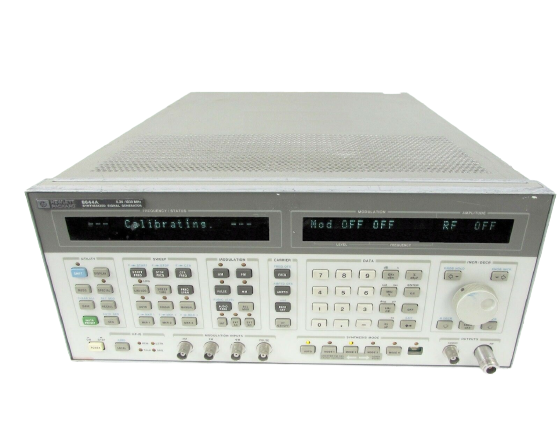
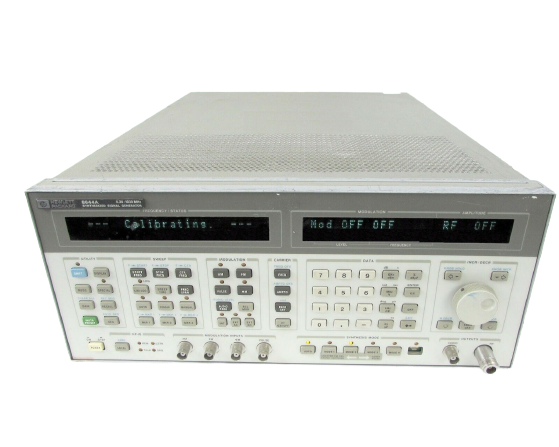
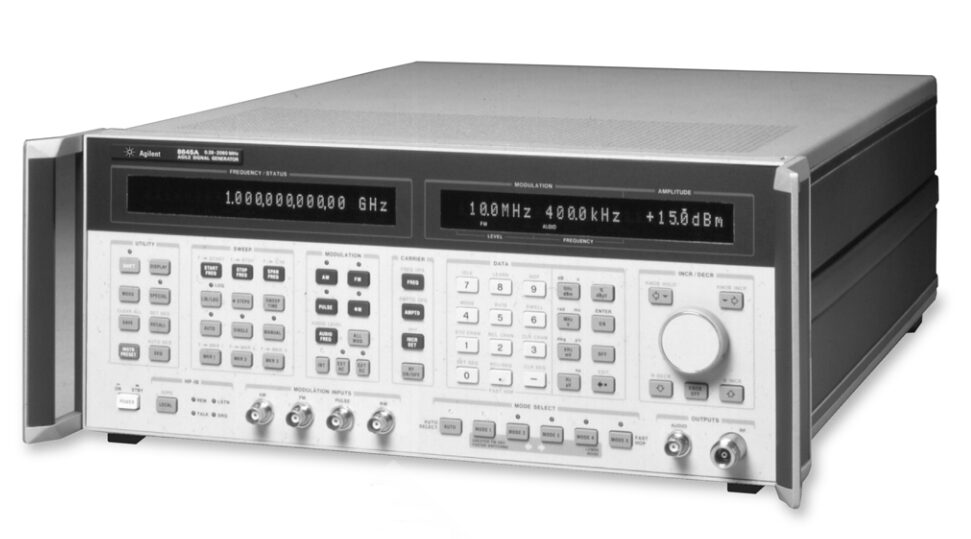
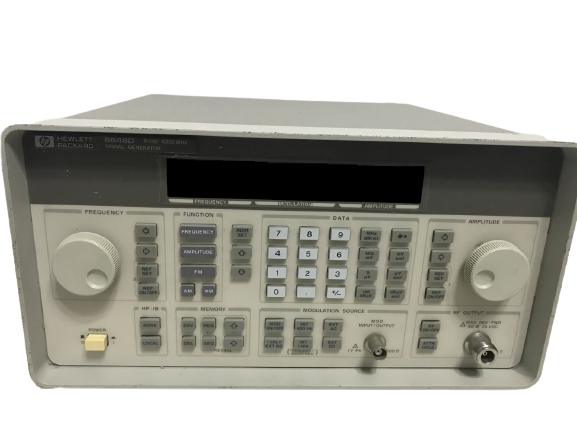
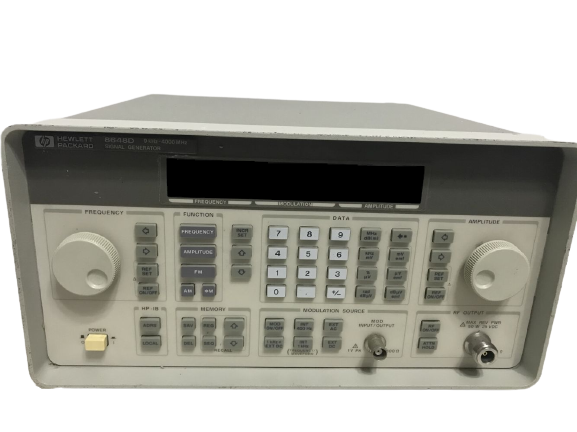
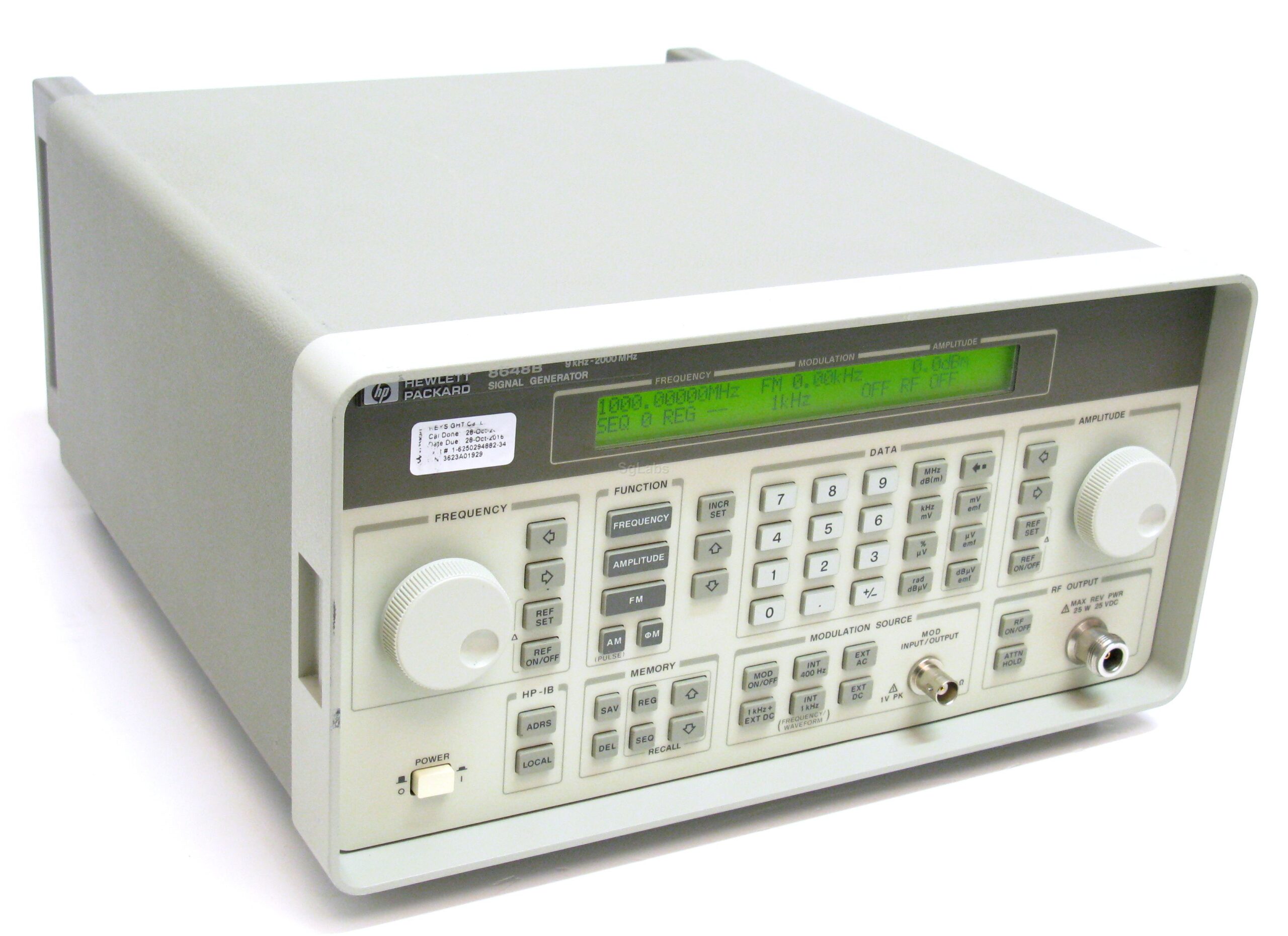
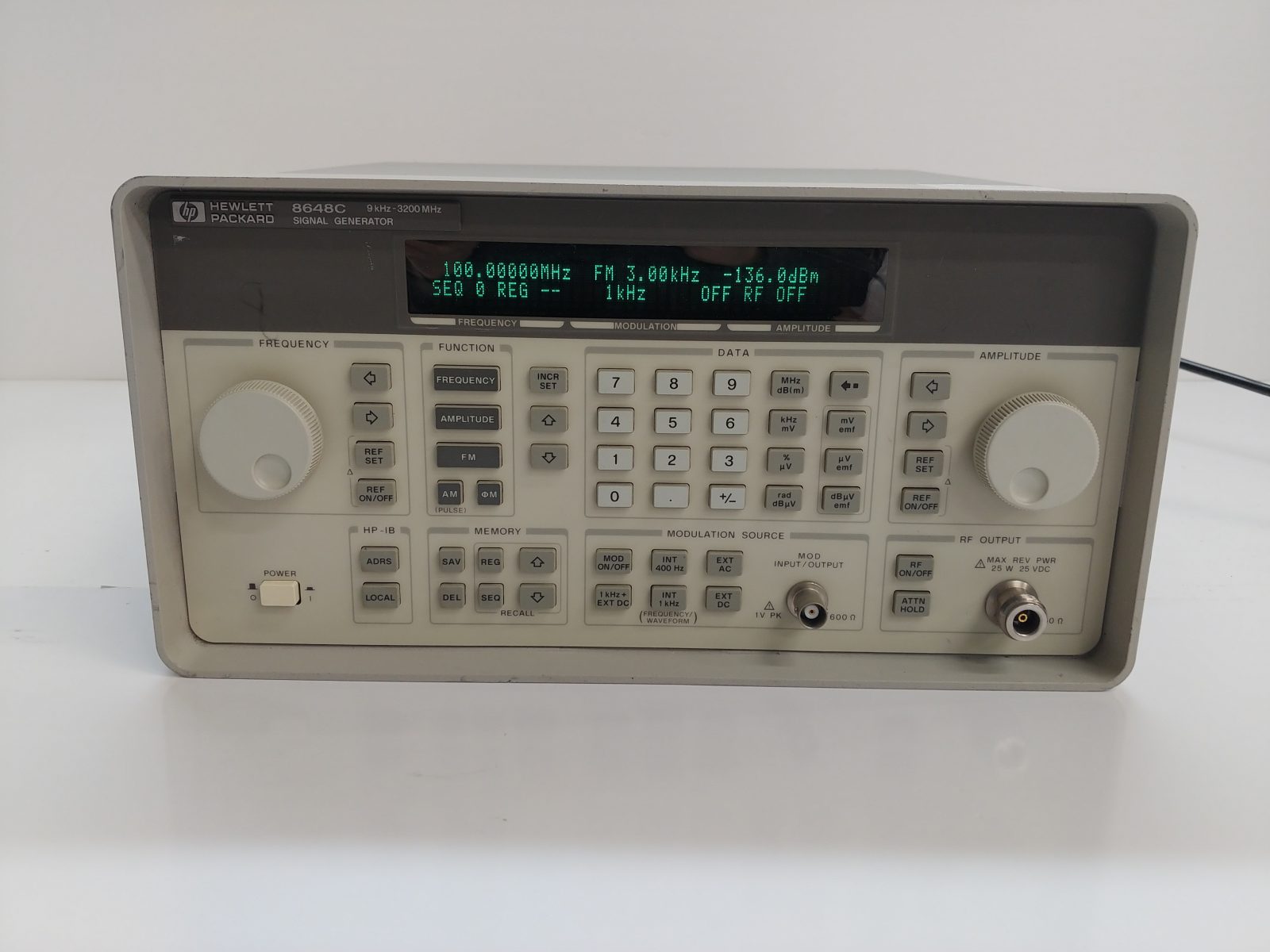
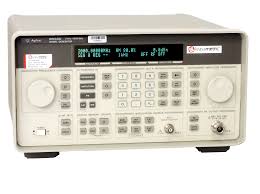
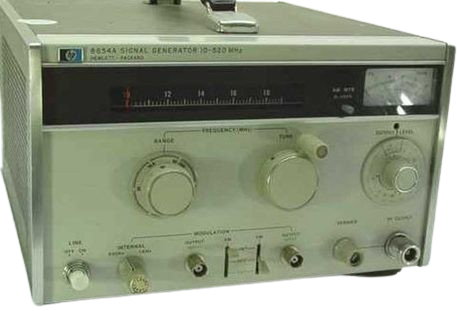
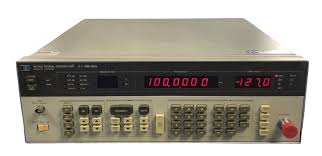
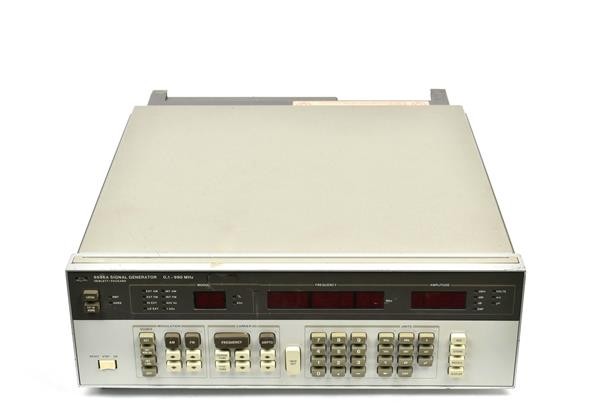
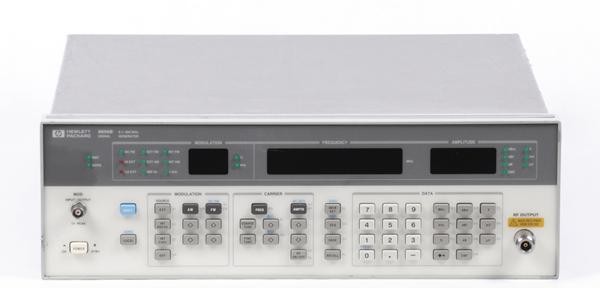
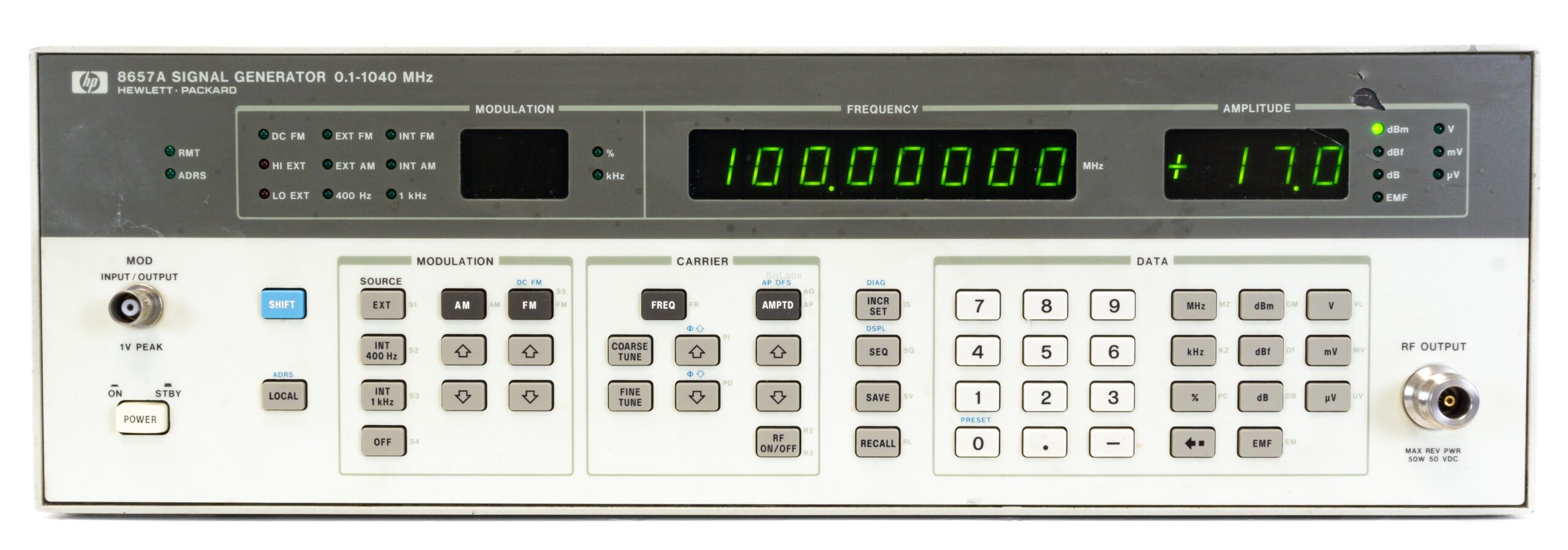
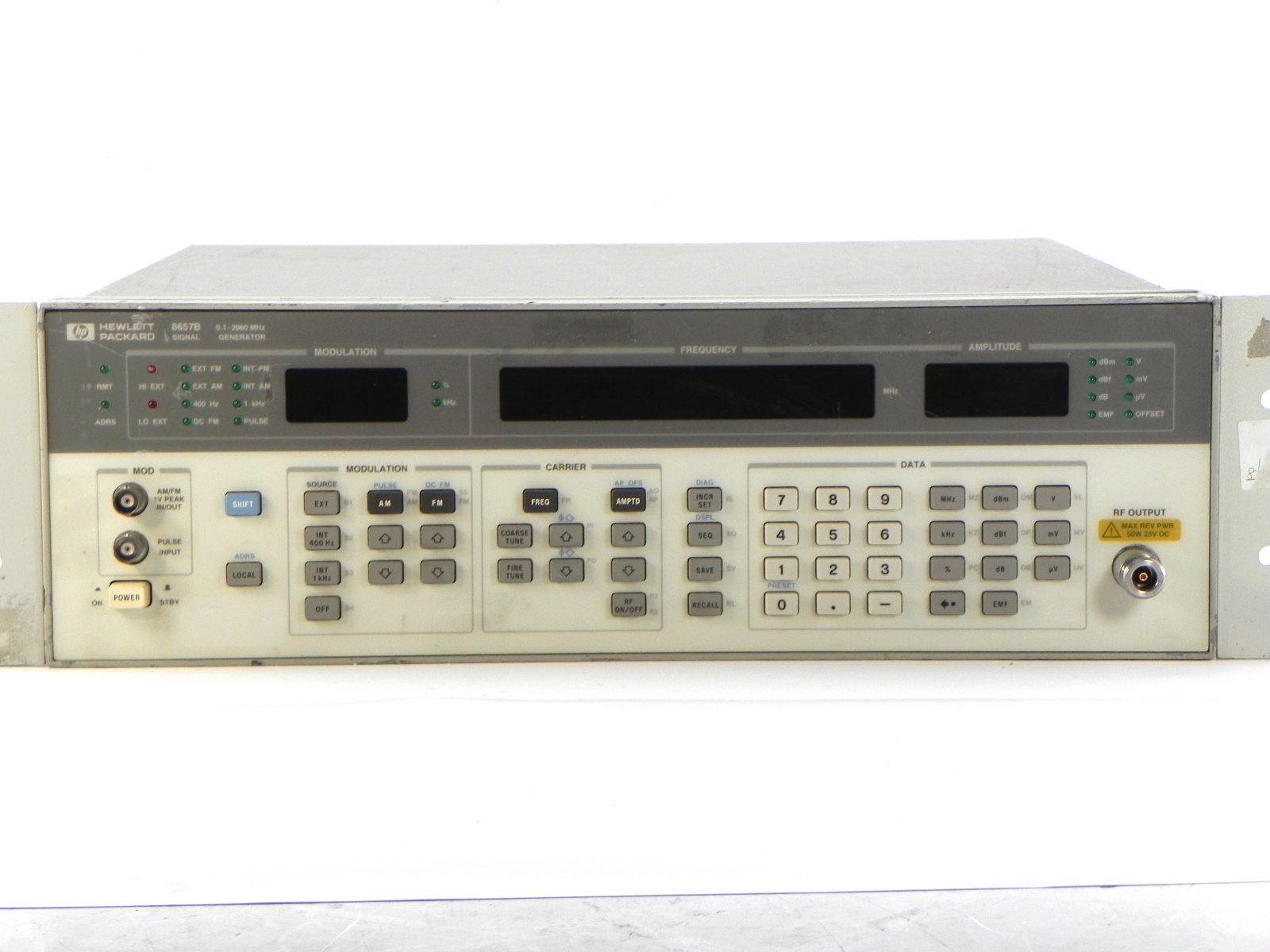
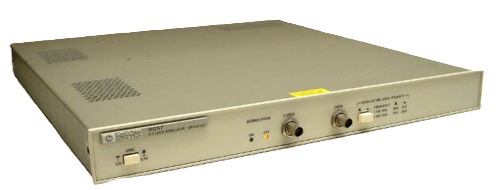
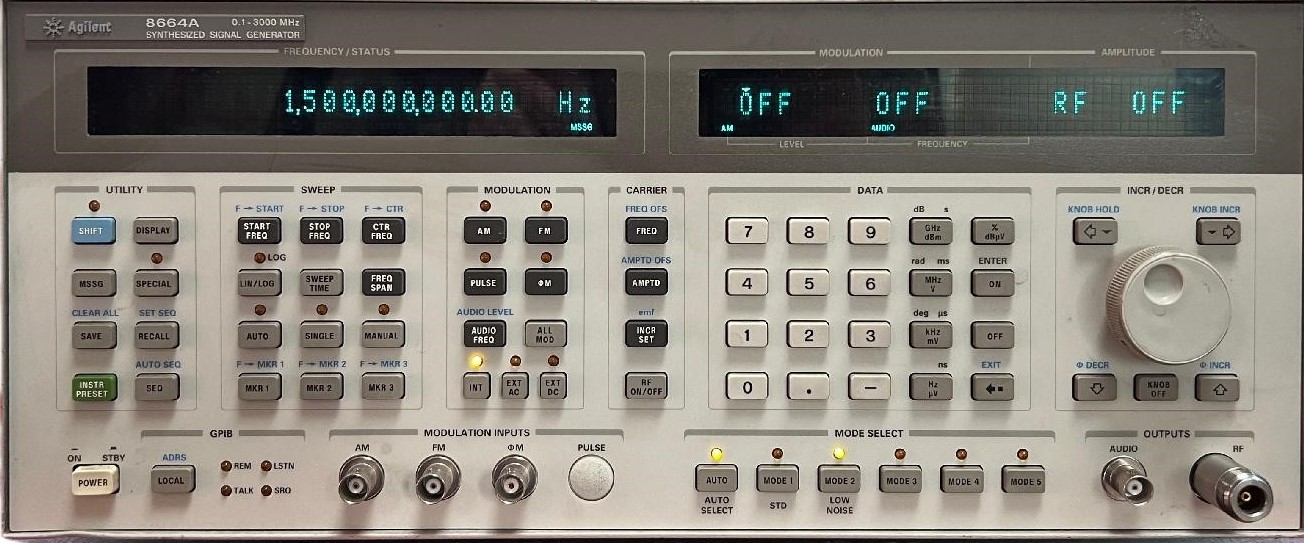
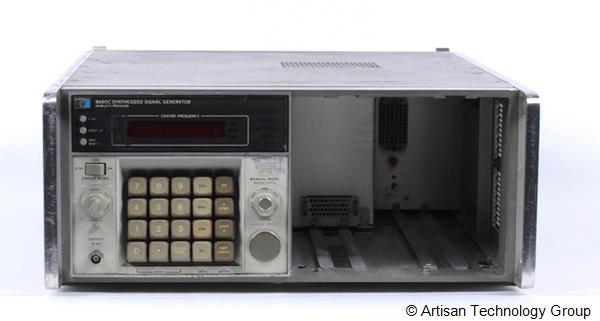
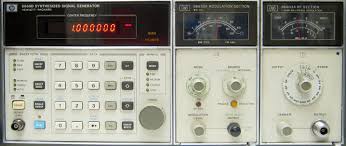
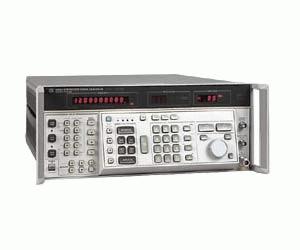
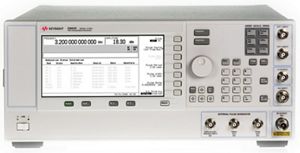
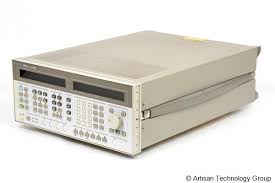
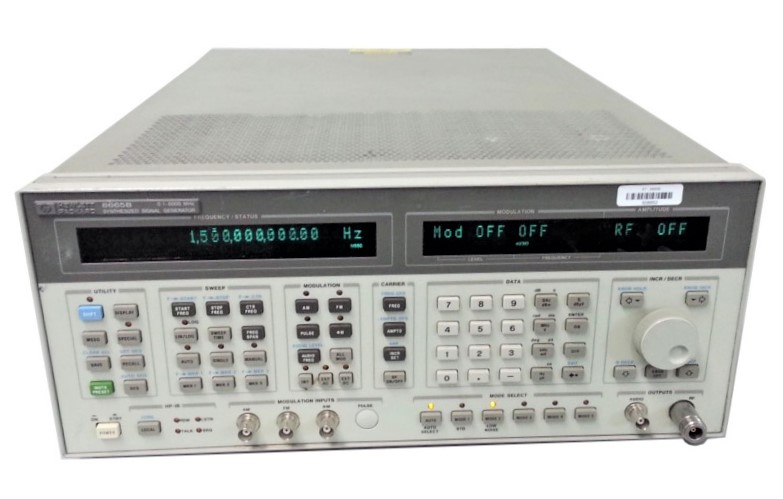
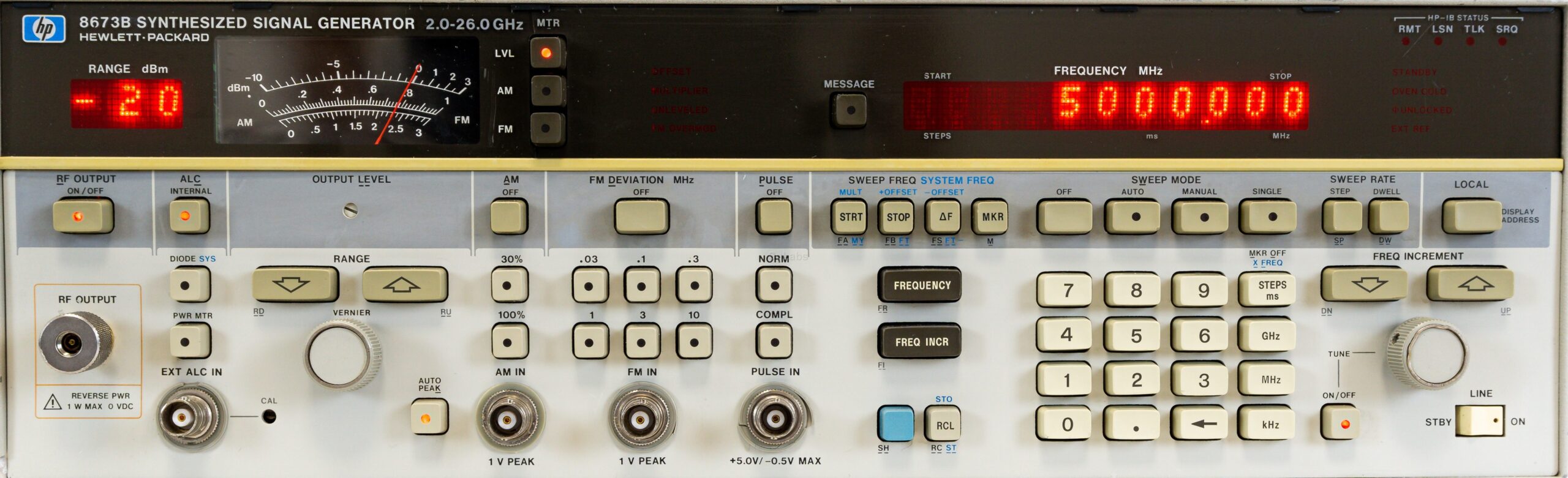
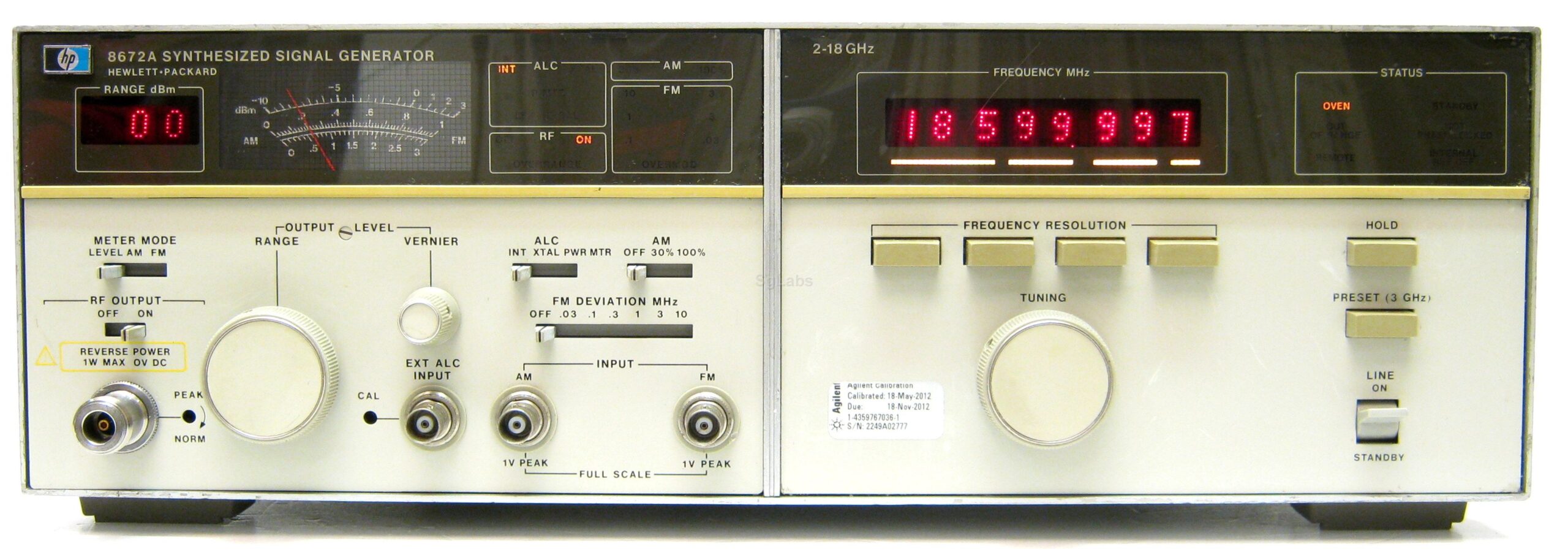
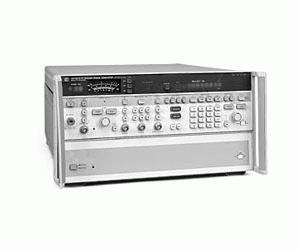
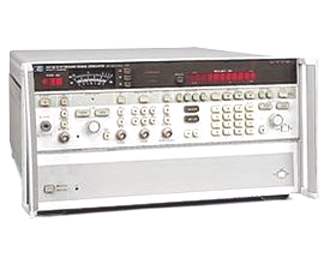
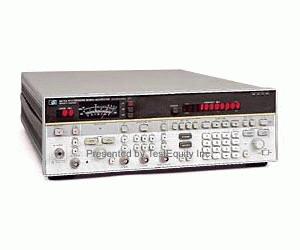
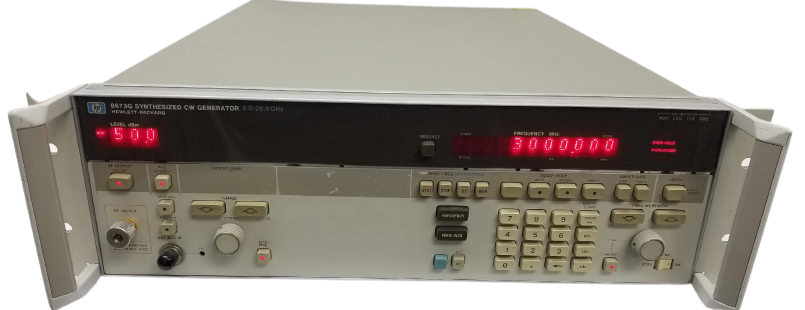
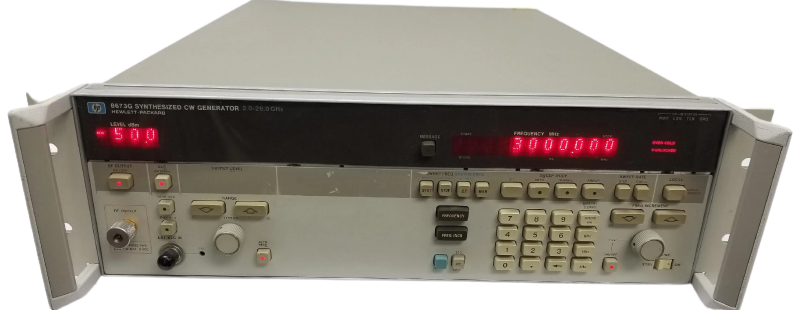
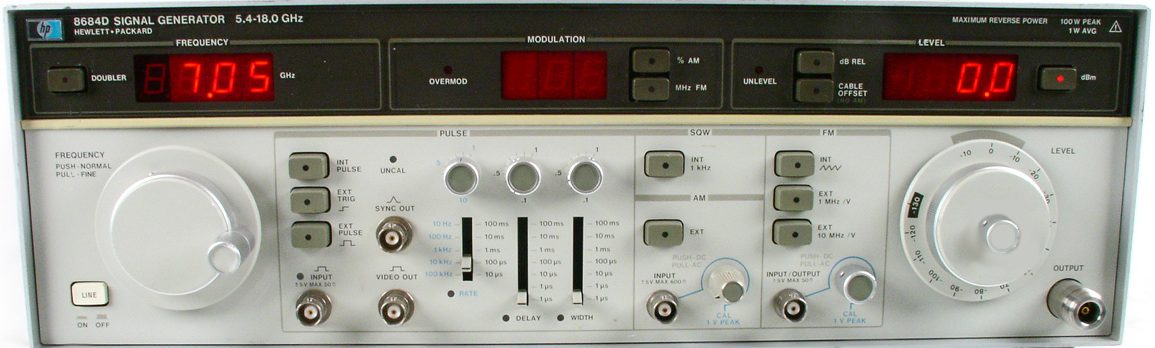
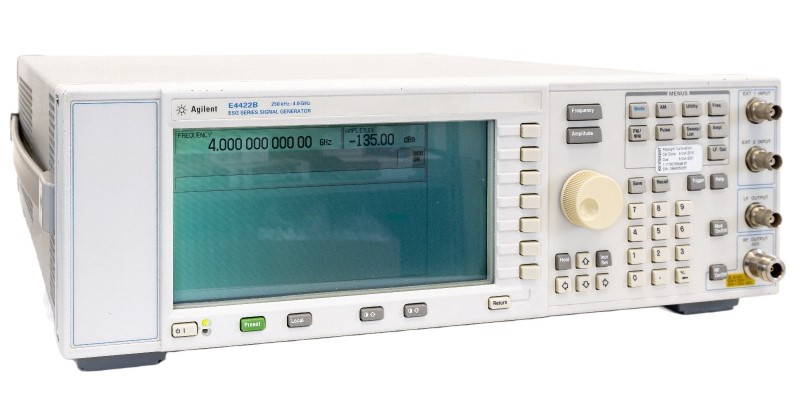
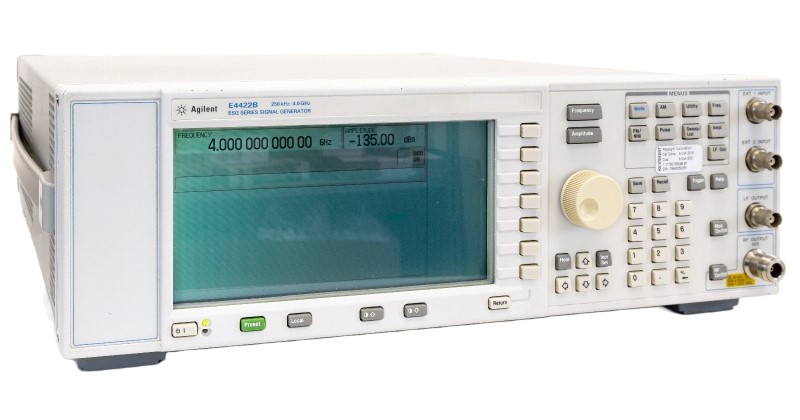
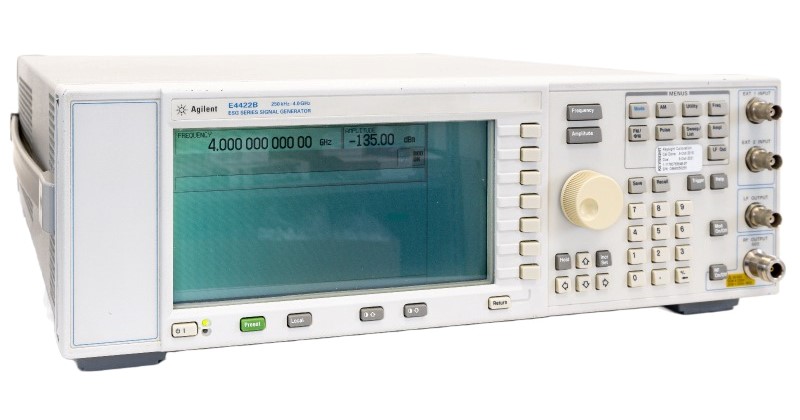
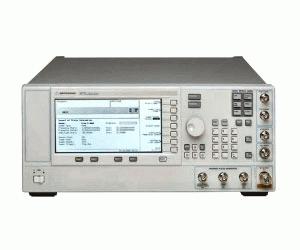
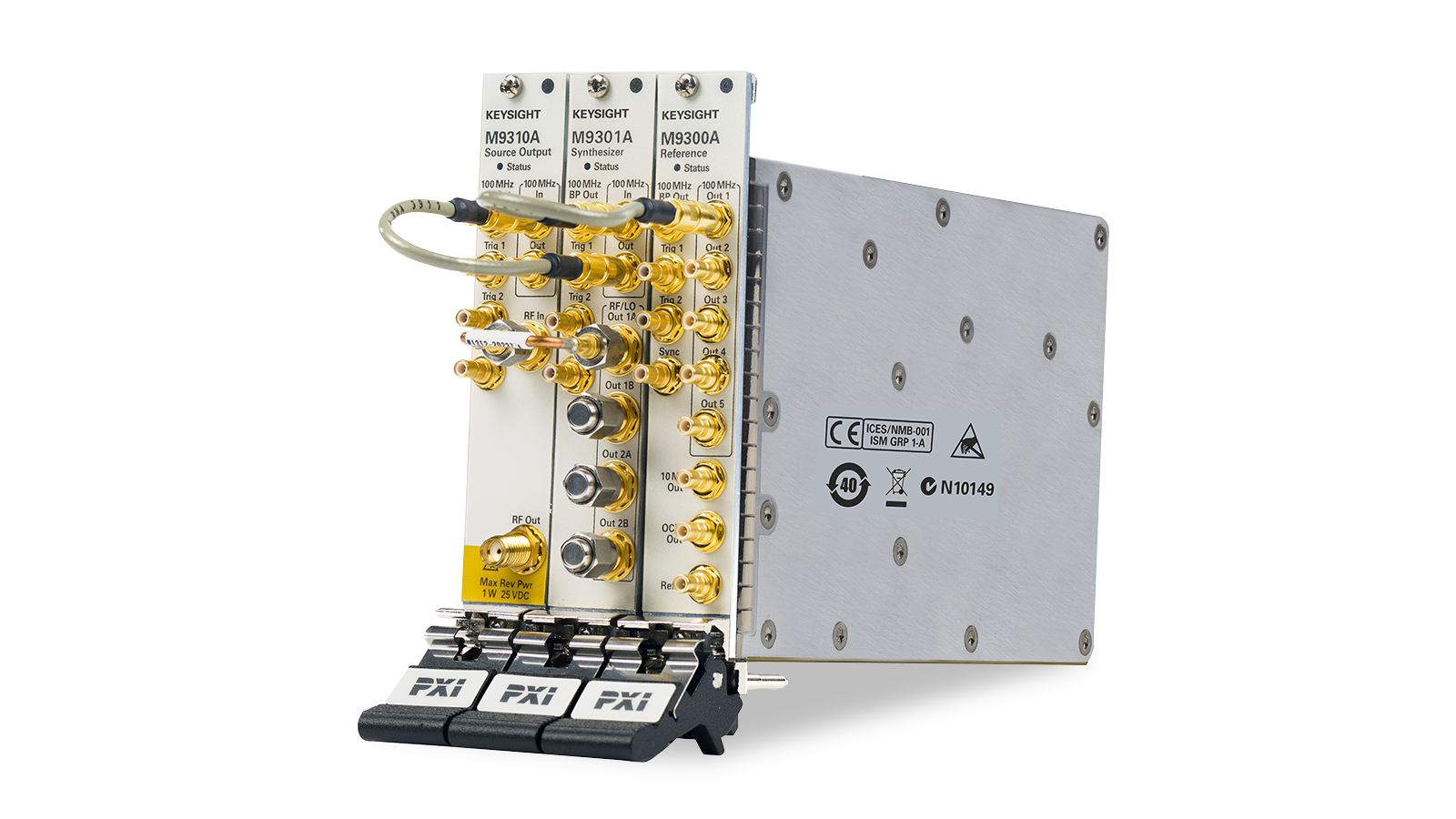
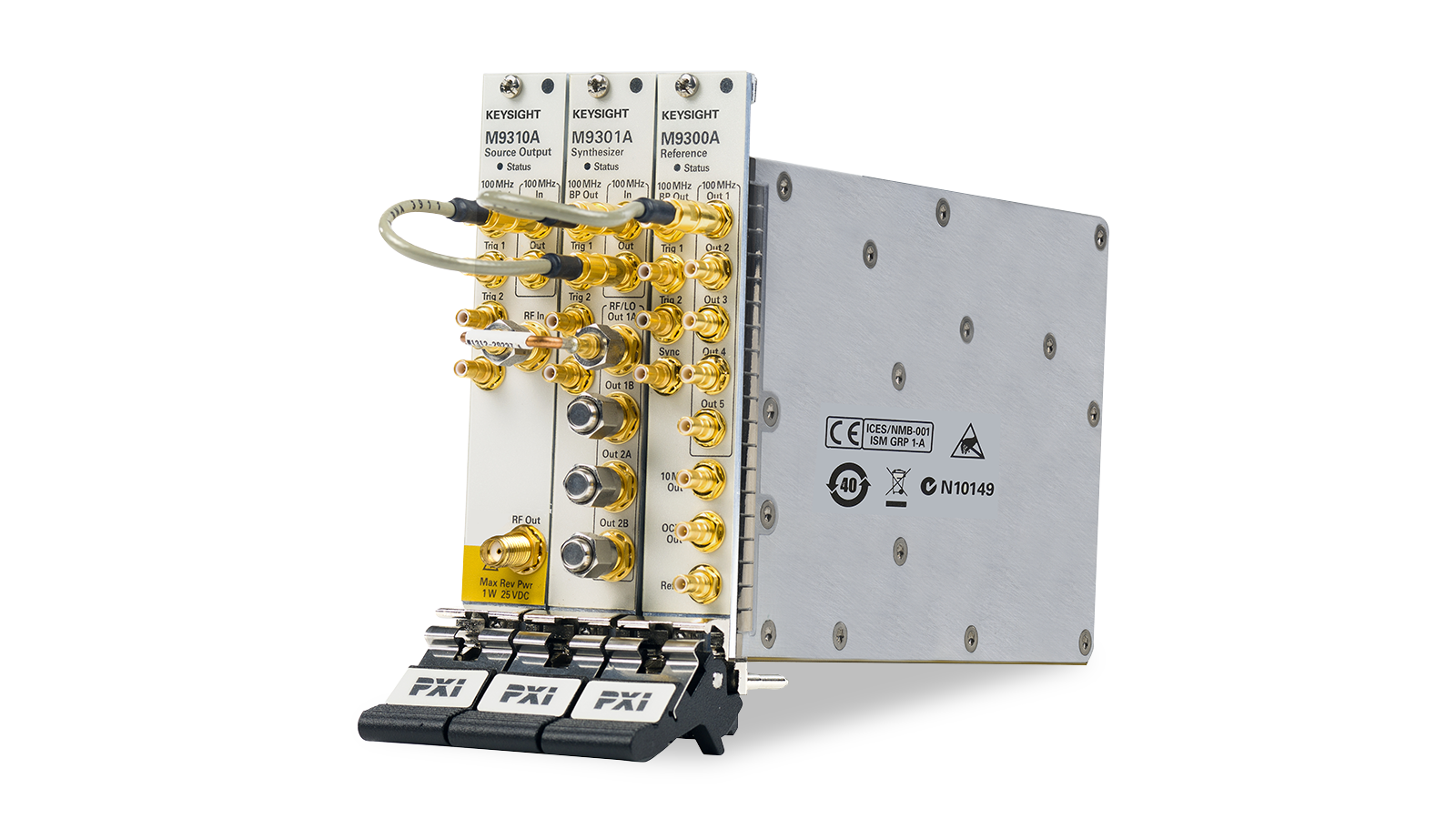
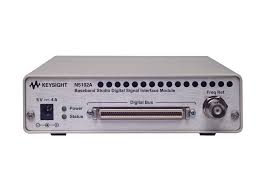
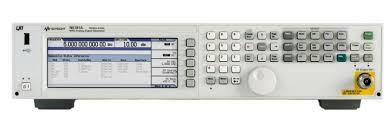
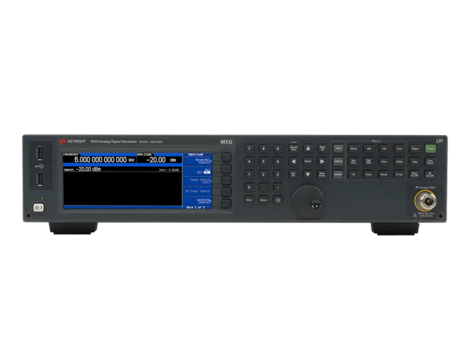
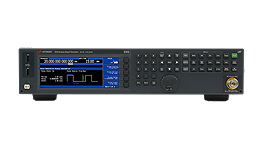
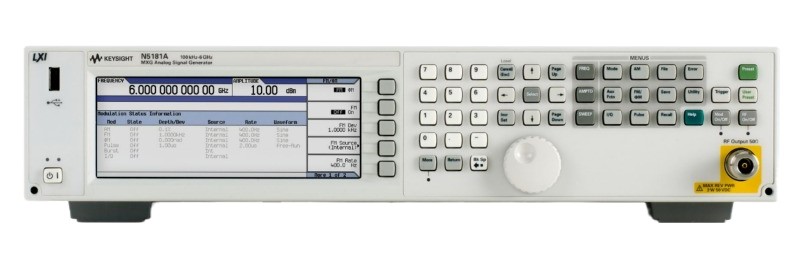
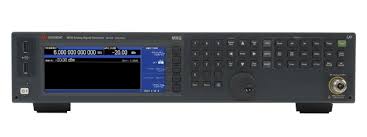
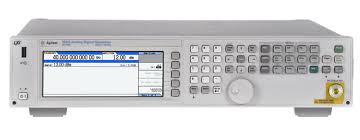
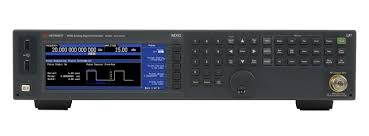
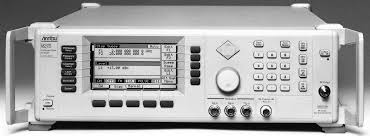
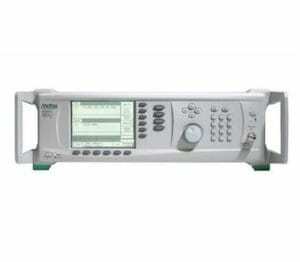
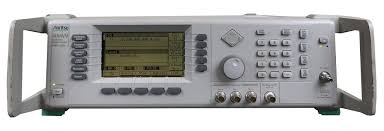
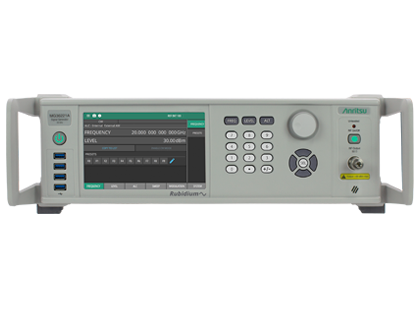
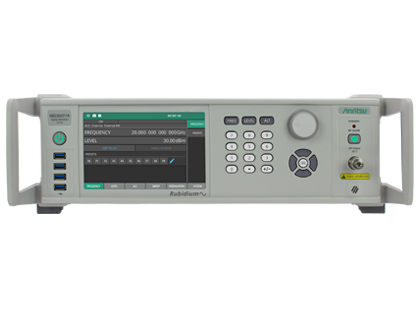
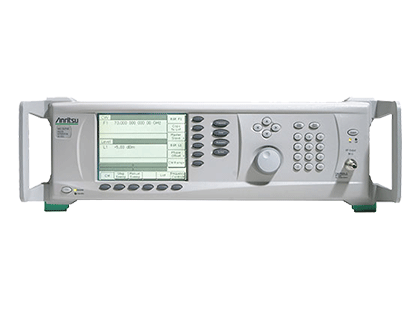
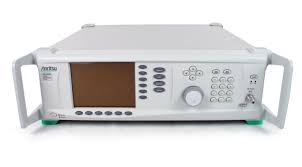
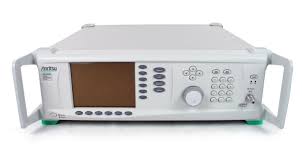
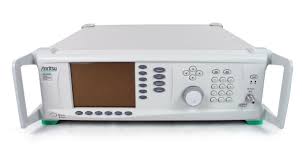
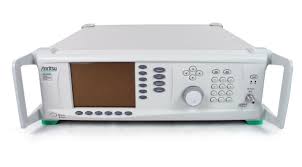
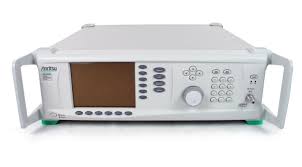
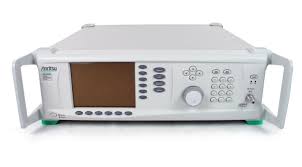
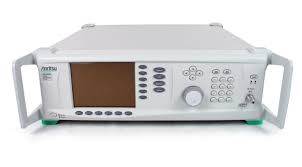
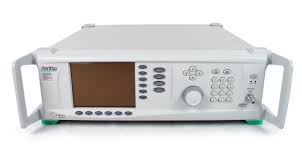
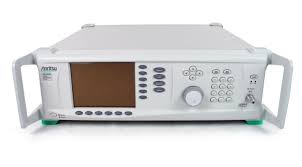
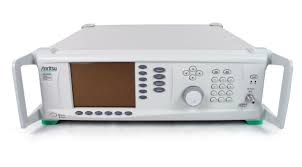
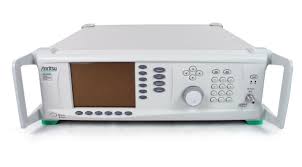
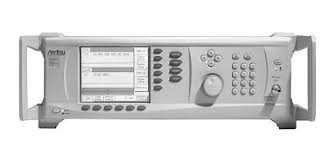
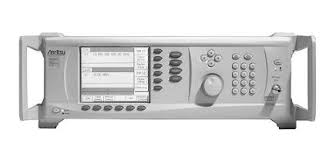
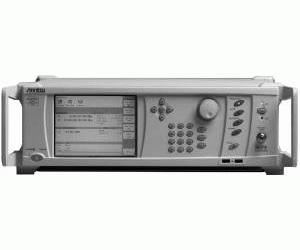
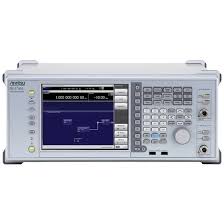
Anritsu Signal Generators (170 units)
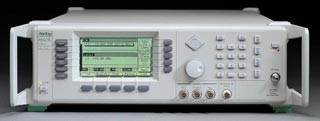
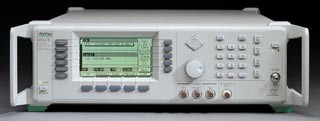
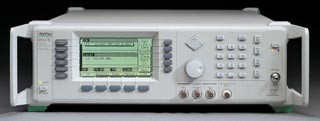
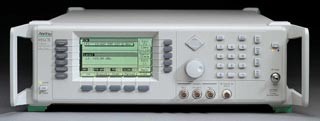
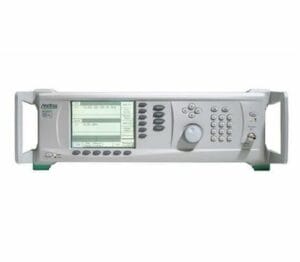
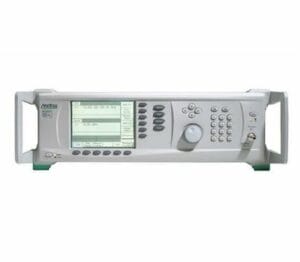
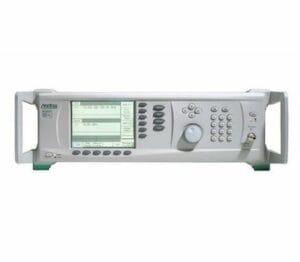
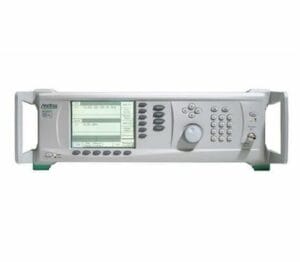
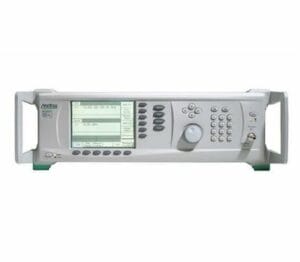
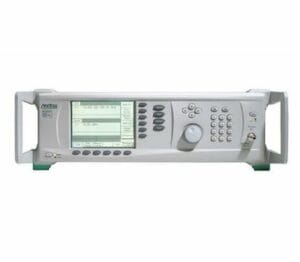
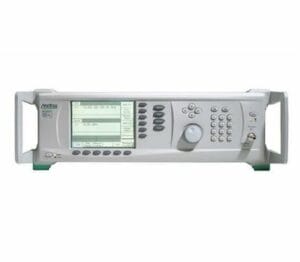
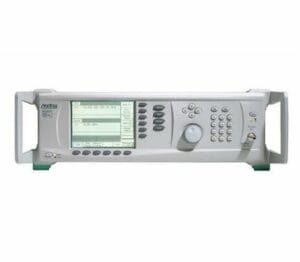
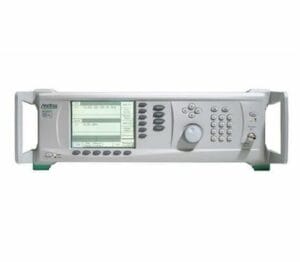
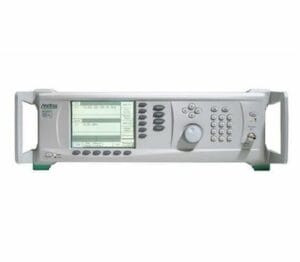
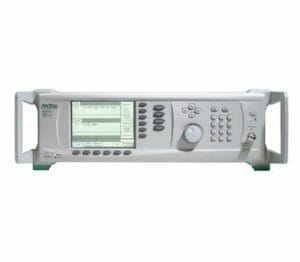
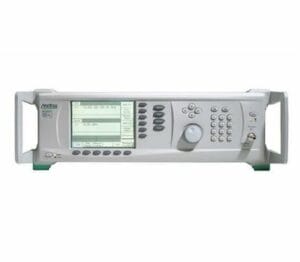
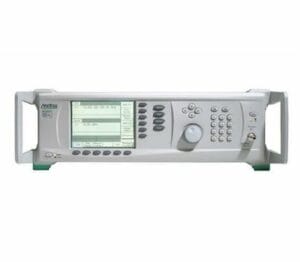
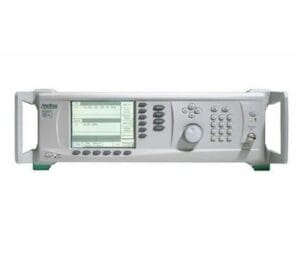
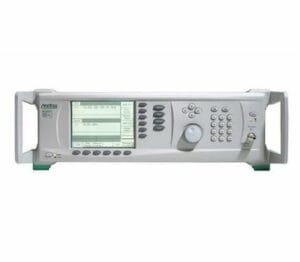
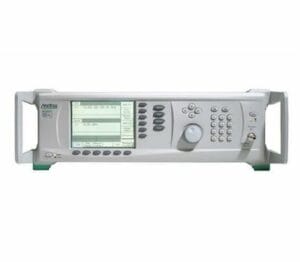
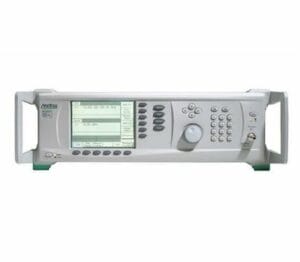
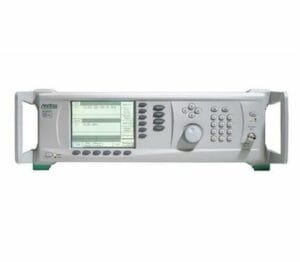
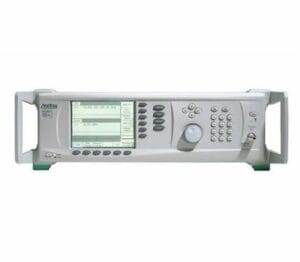
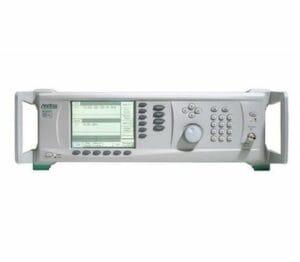
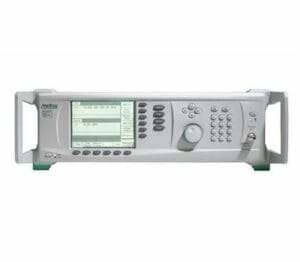
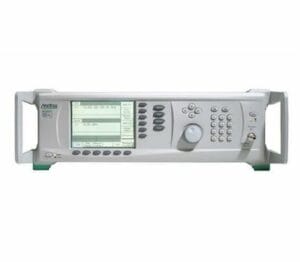
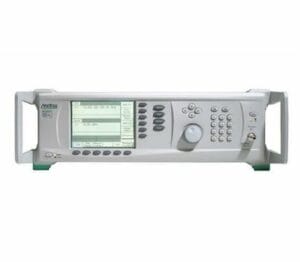
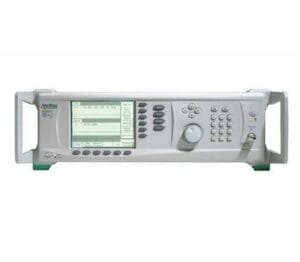
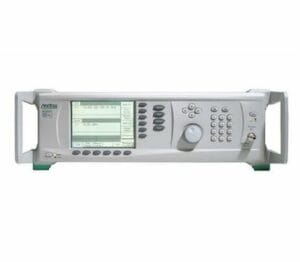
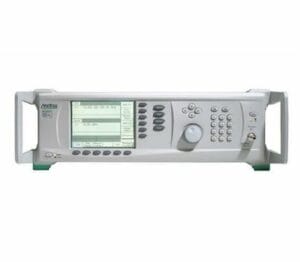
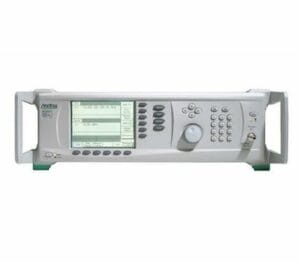
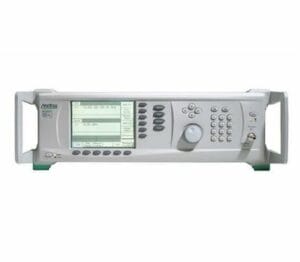
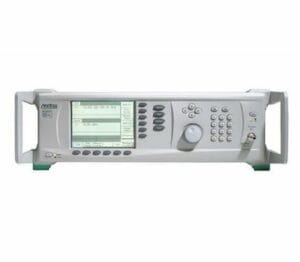
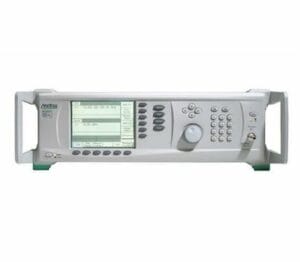
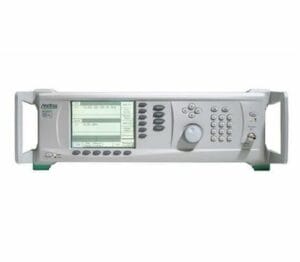
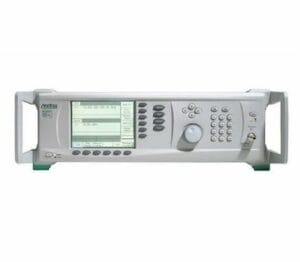
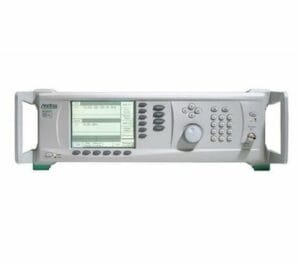
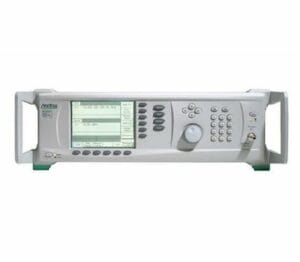
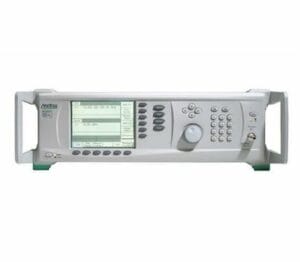
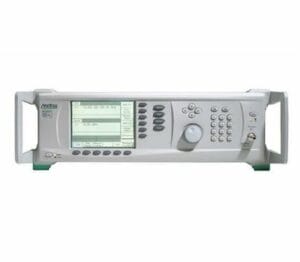
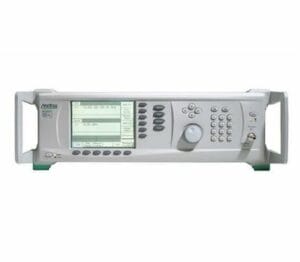
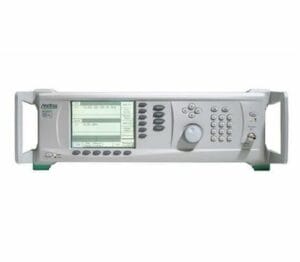
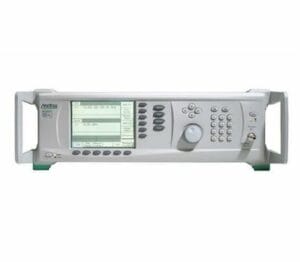
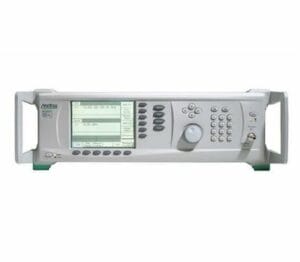
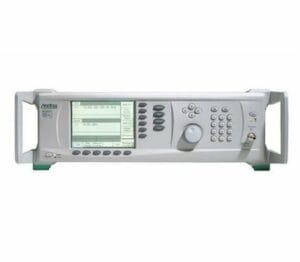
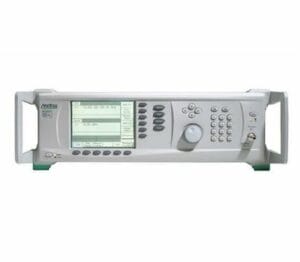
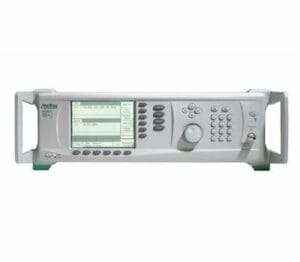
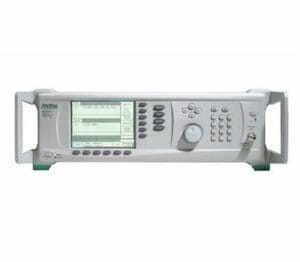
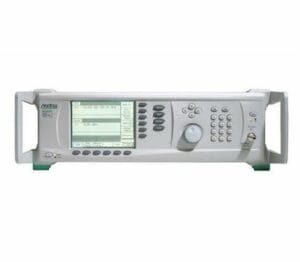
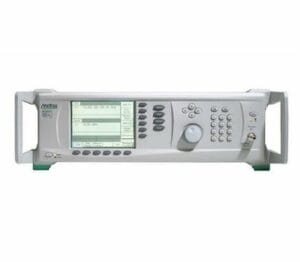
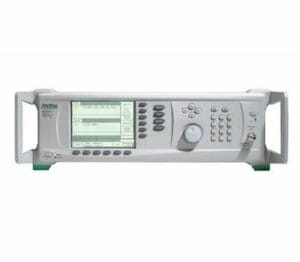
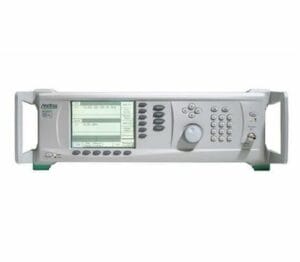
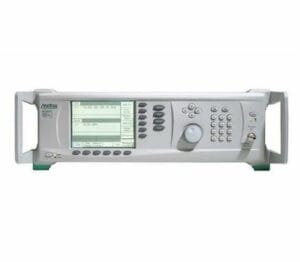
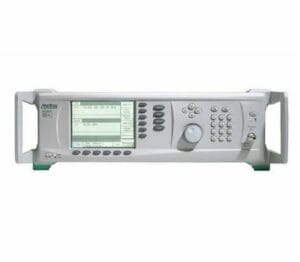
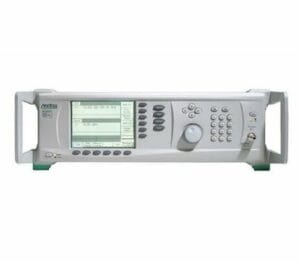
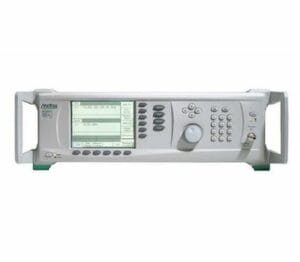
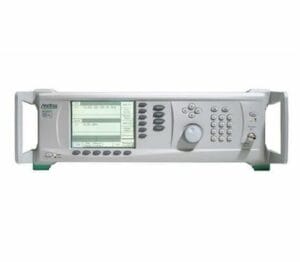
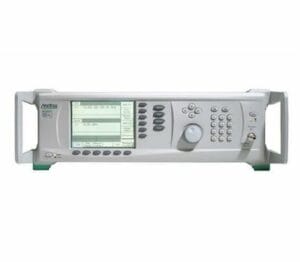
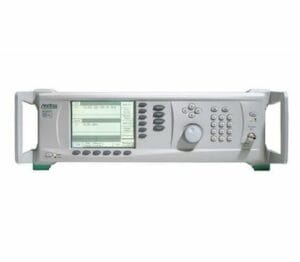
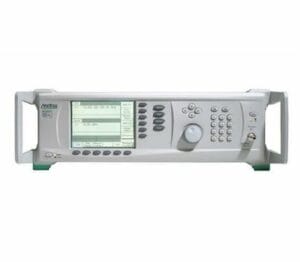
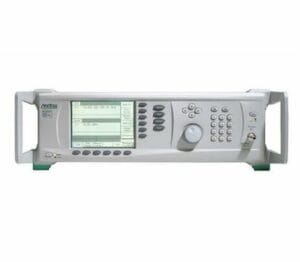
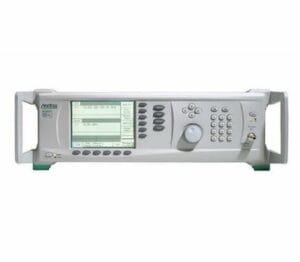
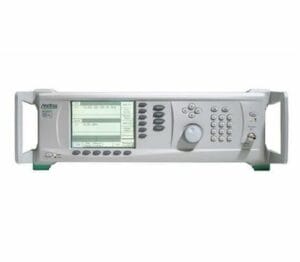
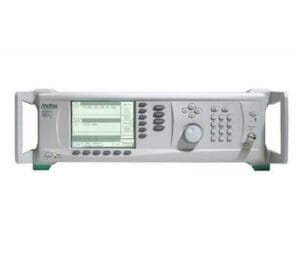
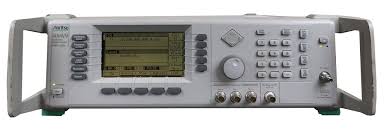
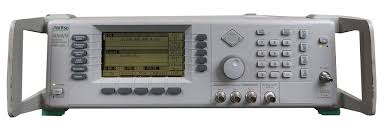
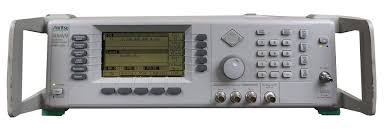
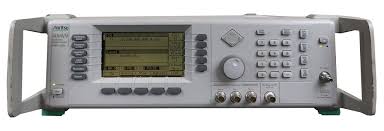
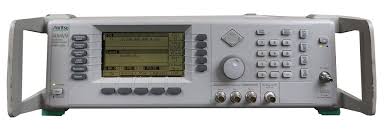
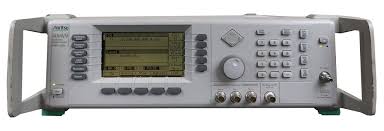
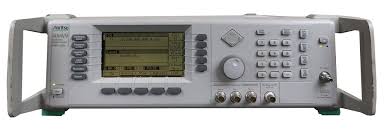
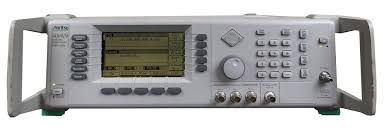
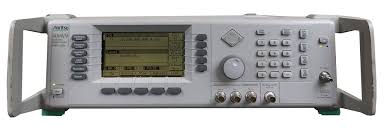
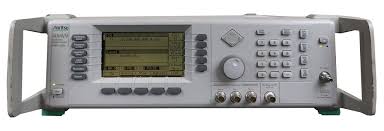
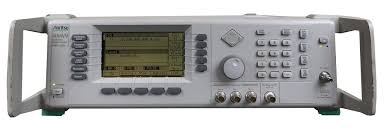
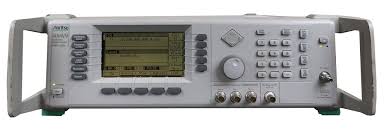
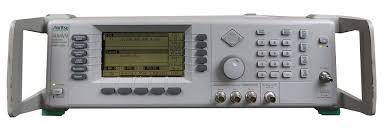
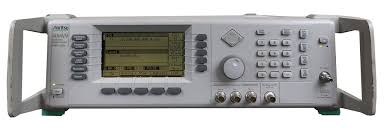
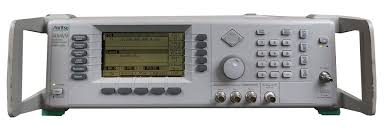
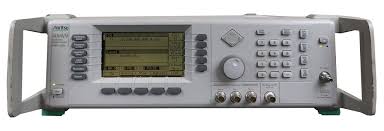
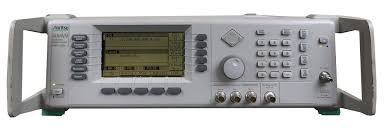
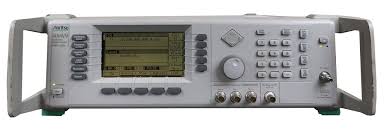
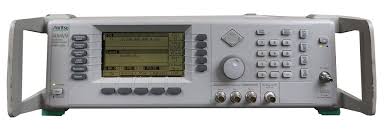
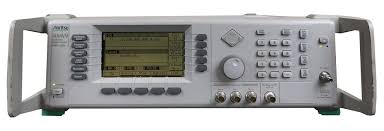
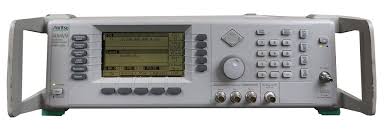
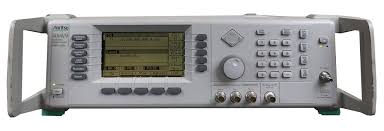
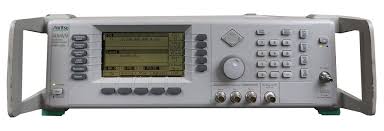
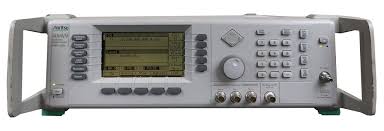
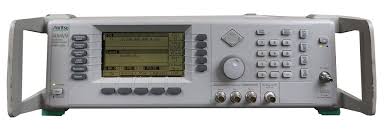
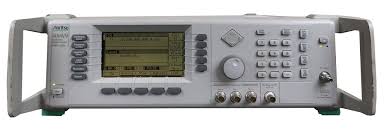
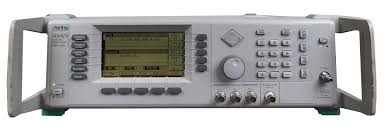
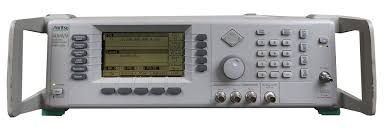
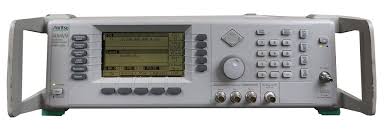
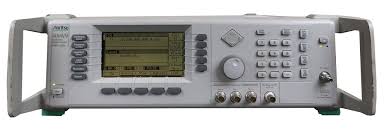
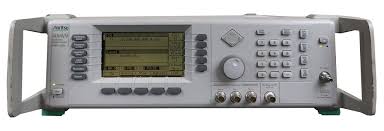
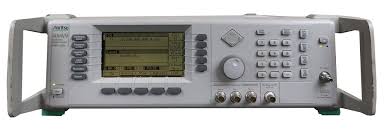
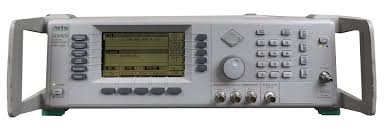
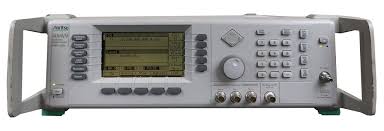
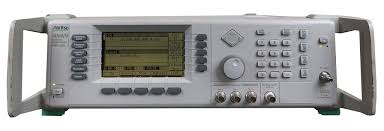
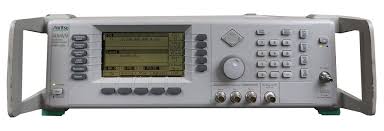
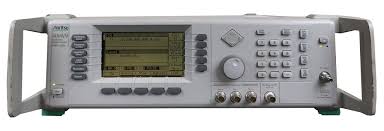
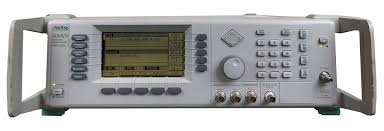
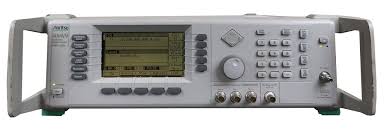
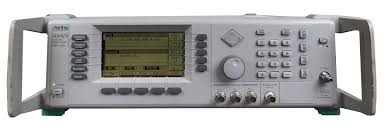
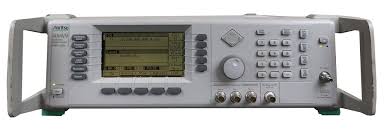
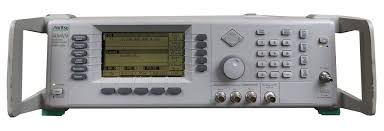
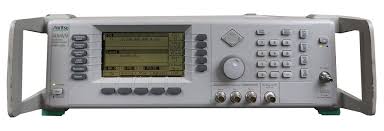
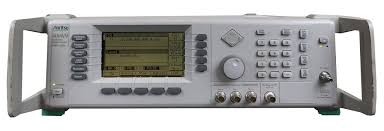
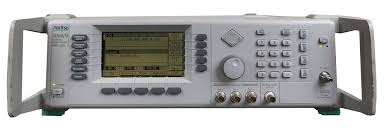
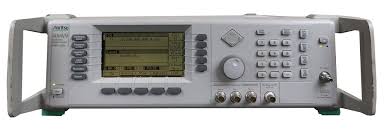
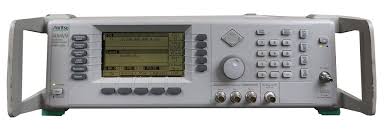
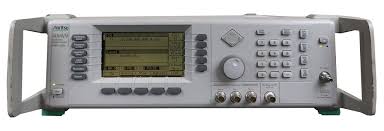
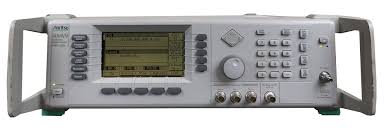
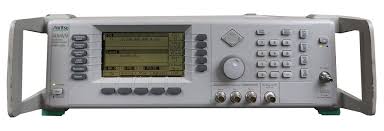
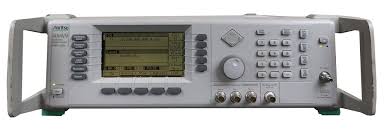
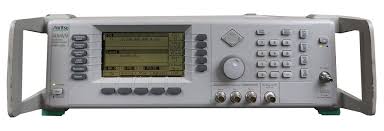
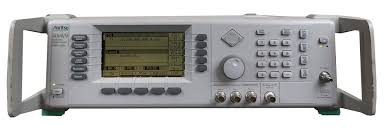
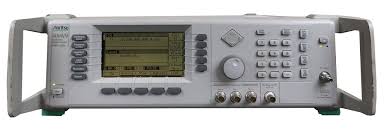
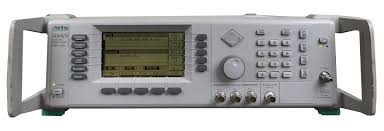
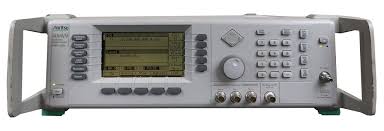
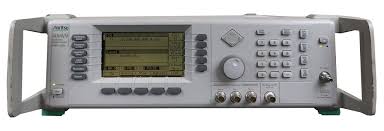
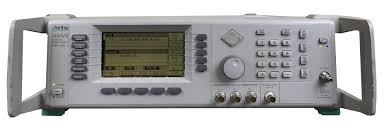
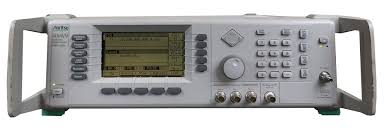
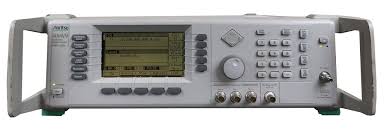
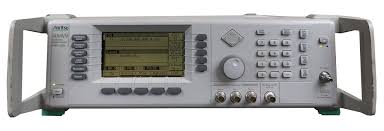
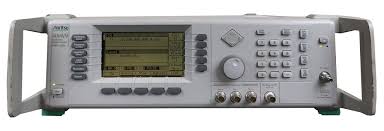
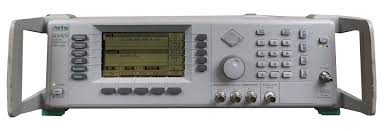
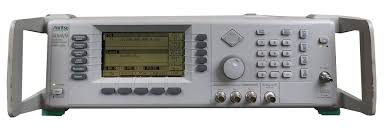
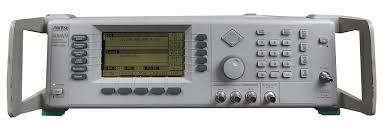
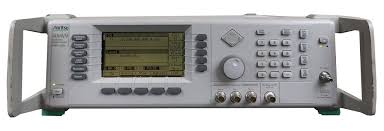
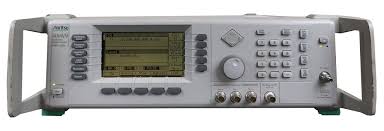
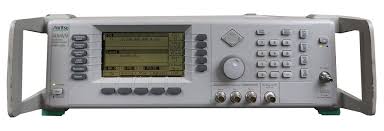
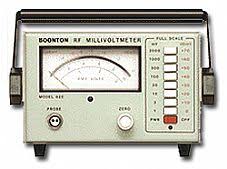
Boonton Signal Generators (1 unit)
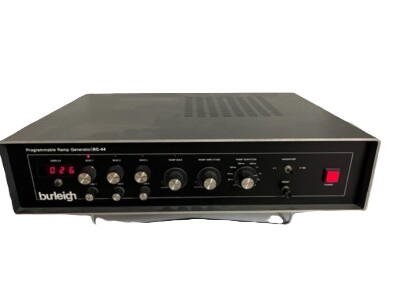
Burleigh Signal Generators (1 unit)
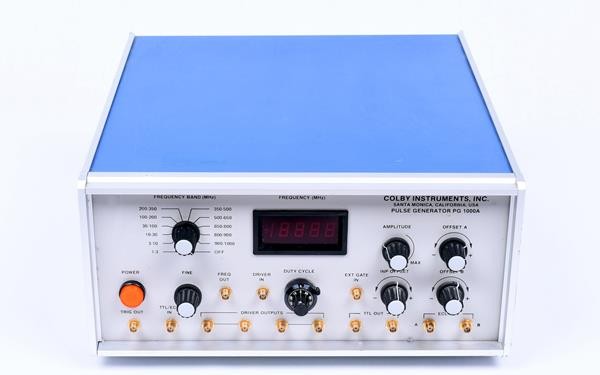
Colby Instruments Signal Generators (1 unit)
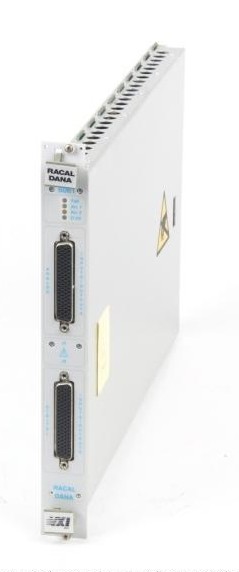
EADS / Racal / Dana Signal Generators (1 unit)
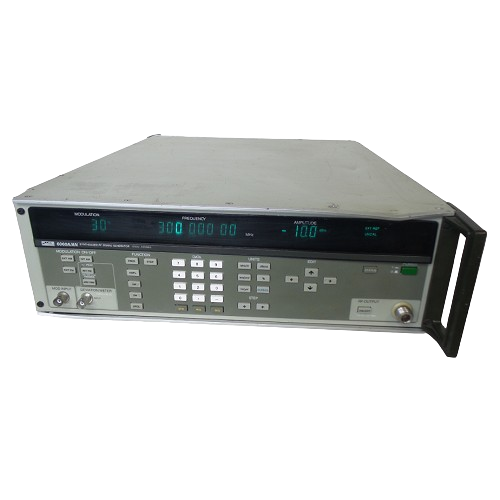
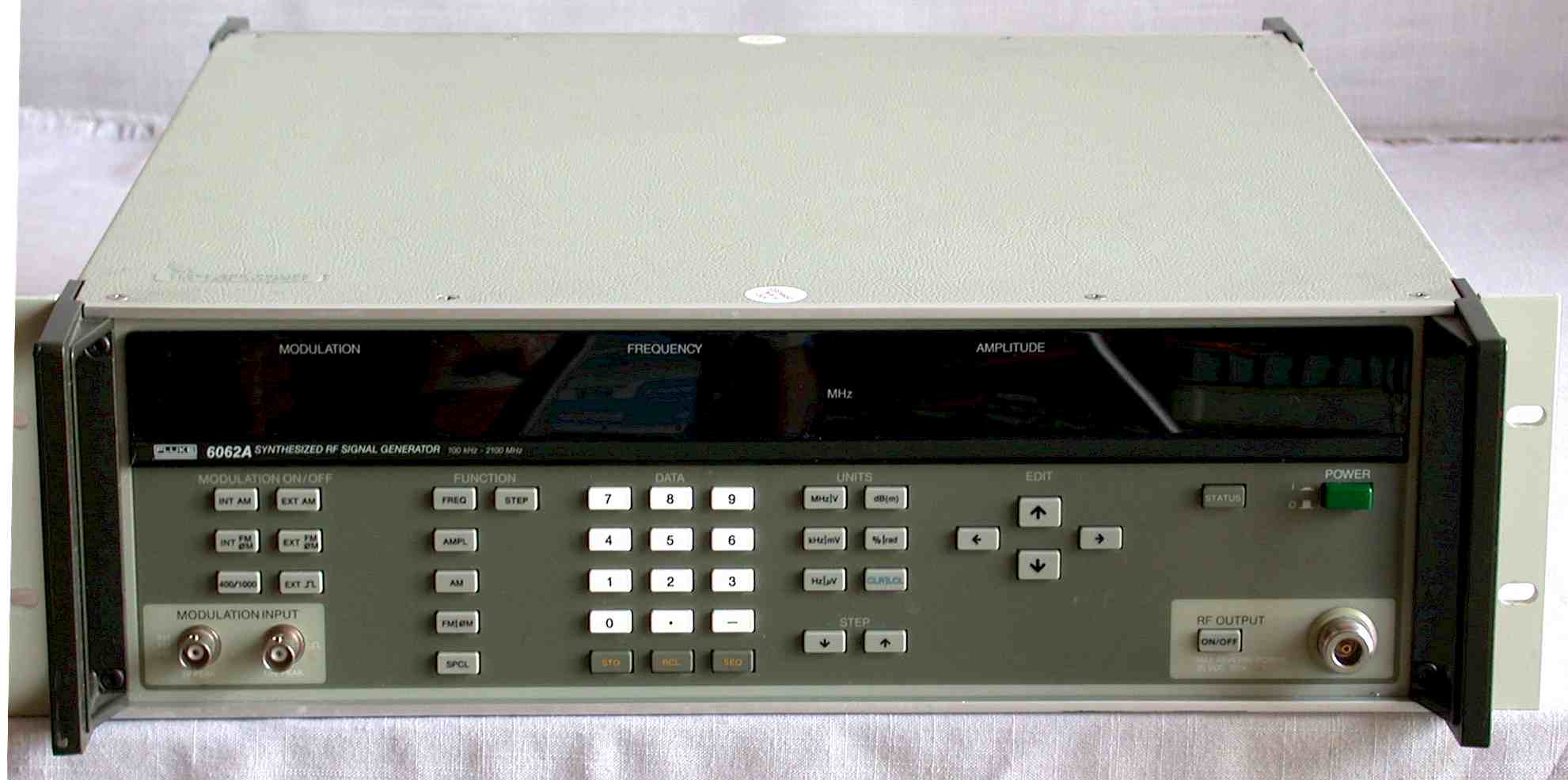
Fluke Signal Generators (5 units)
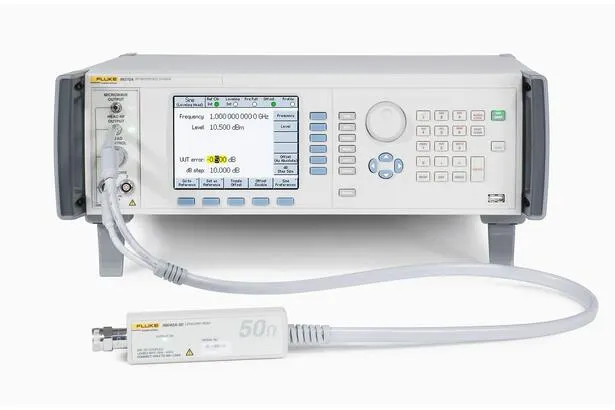
GenRad Signal Generators (1 unit)
Gigatronics Signal Generators (3 units)
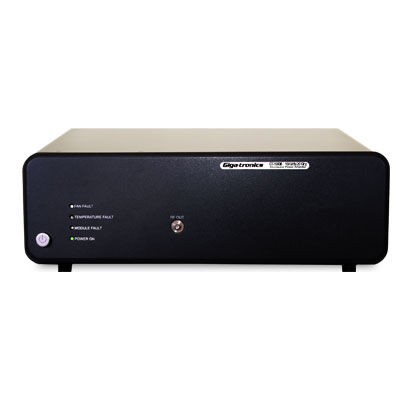
HP Signal Generators (5 units)
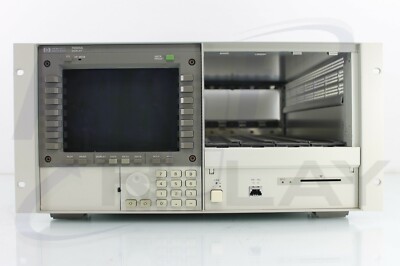
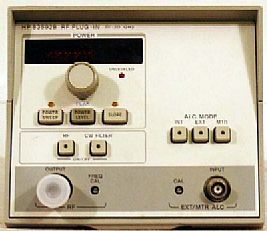
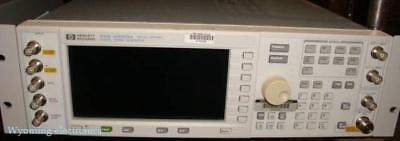
HP / Agilent Signal Generators (61 units)
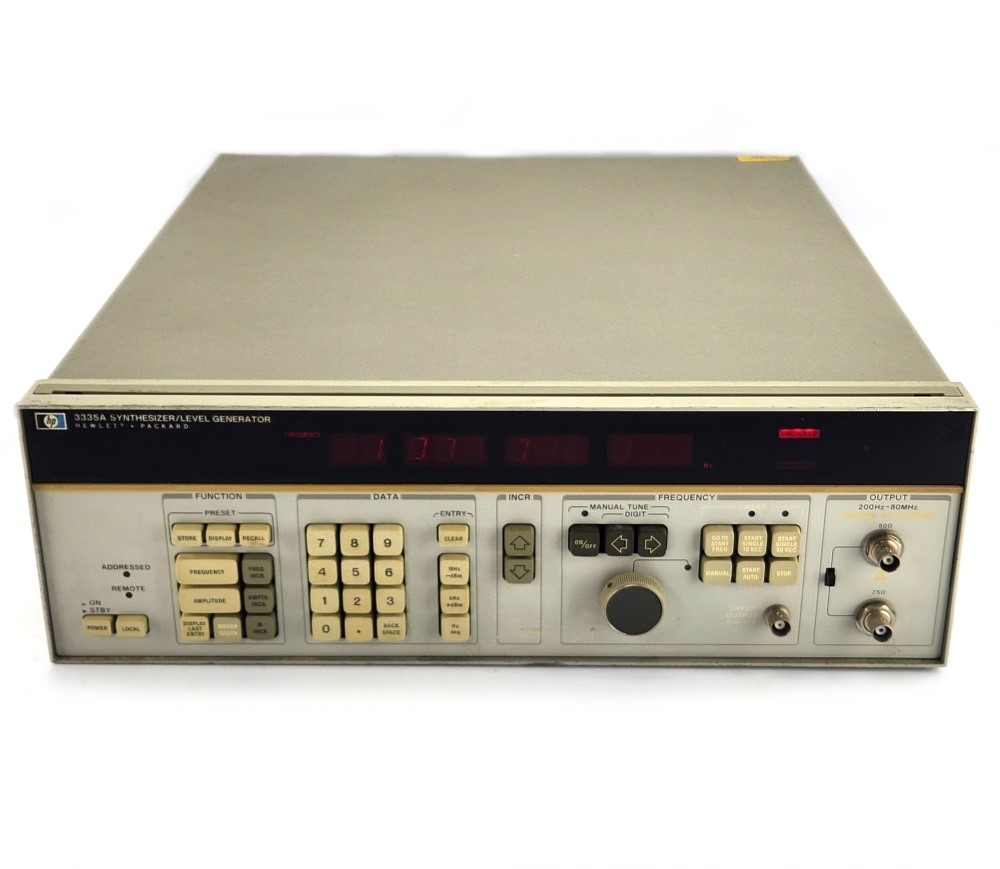
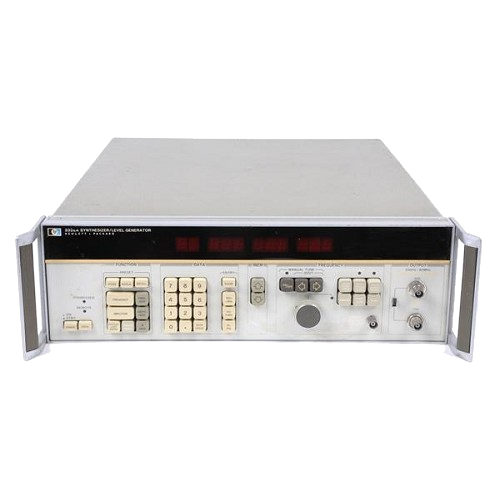
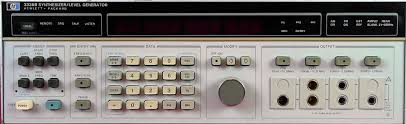
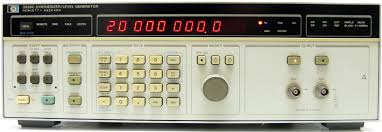
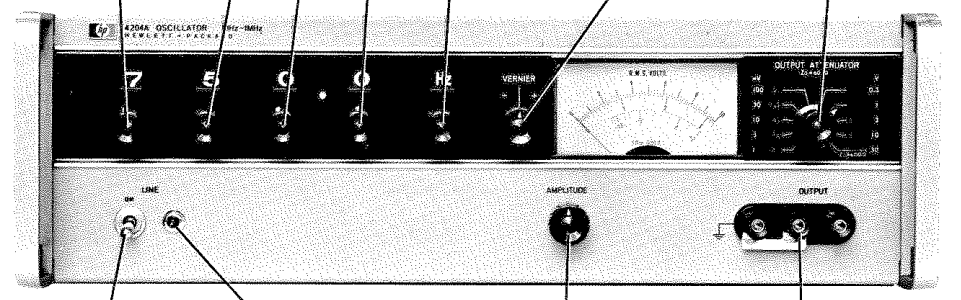
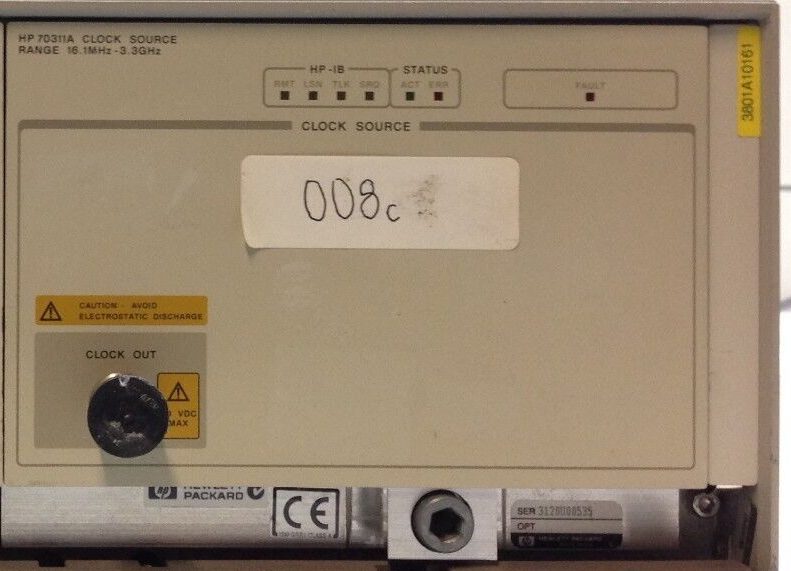
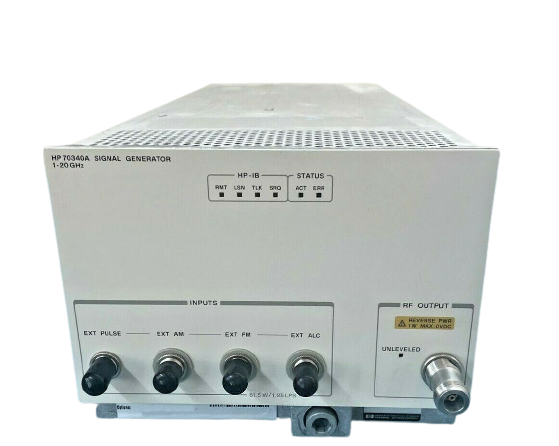
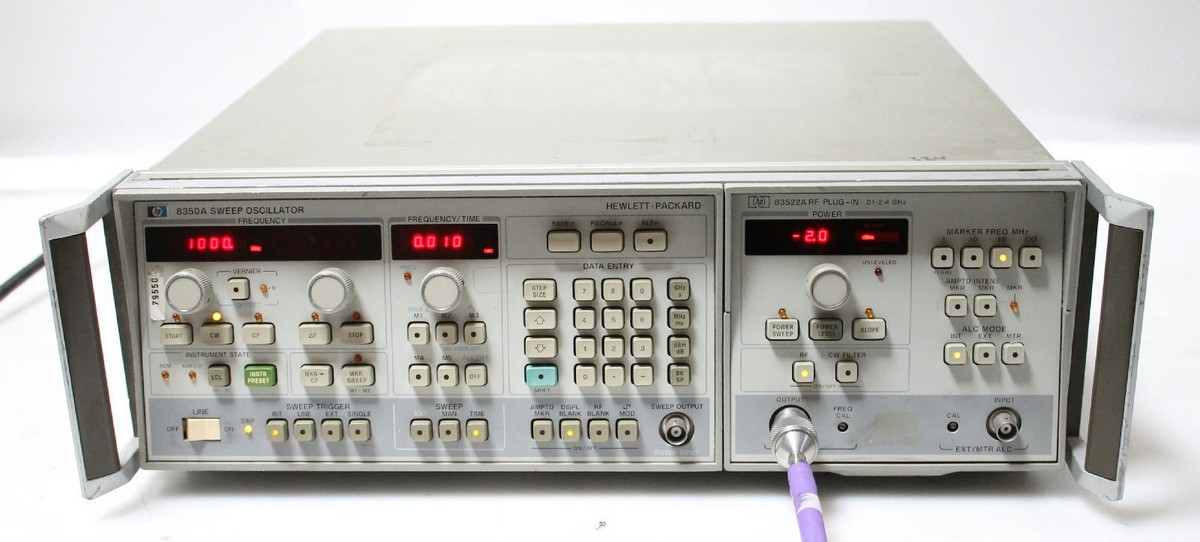
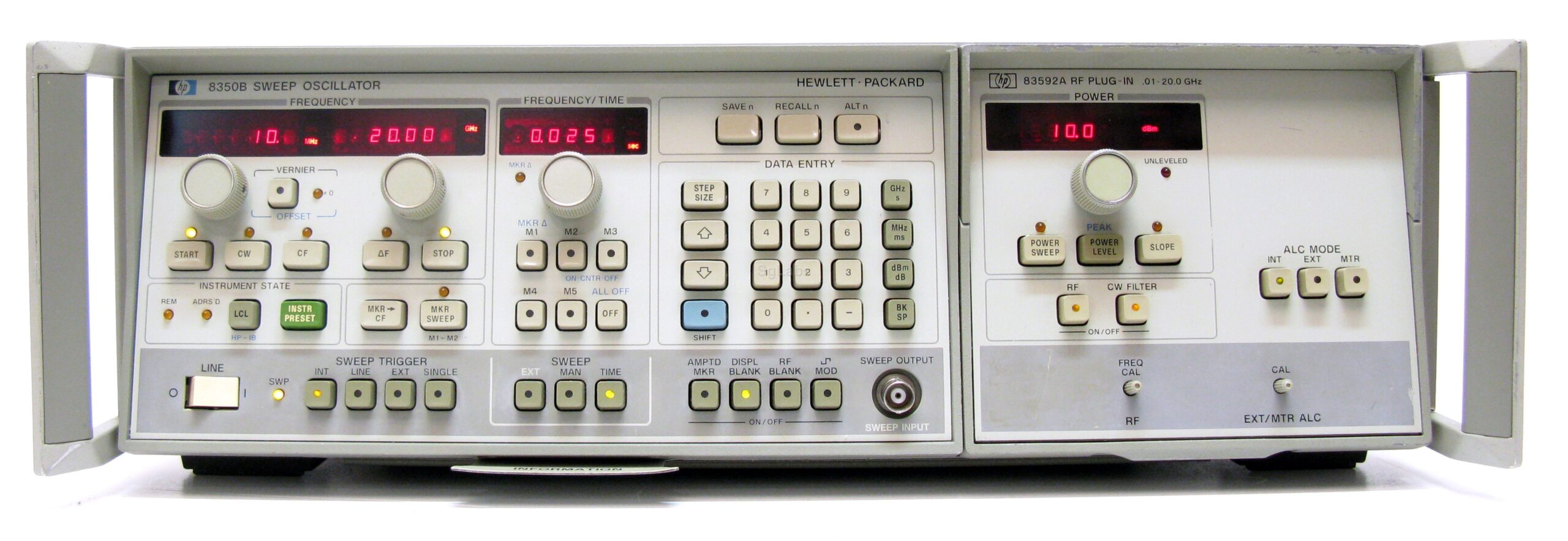
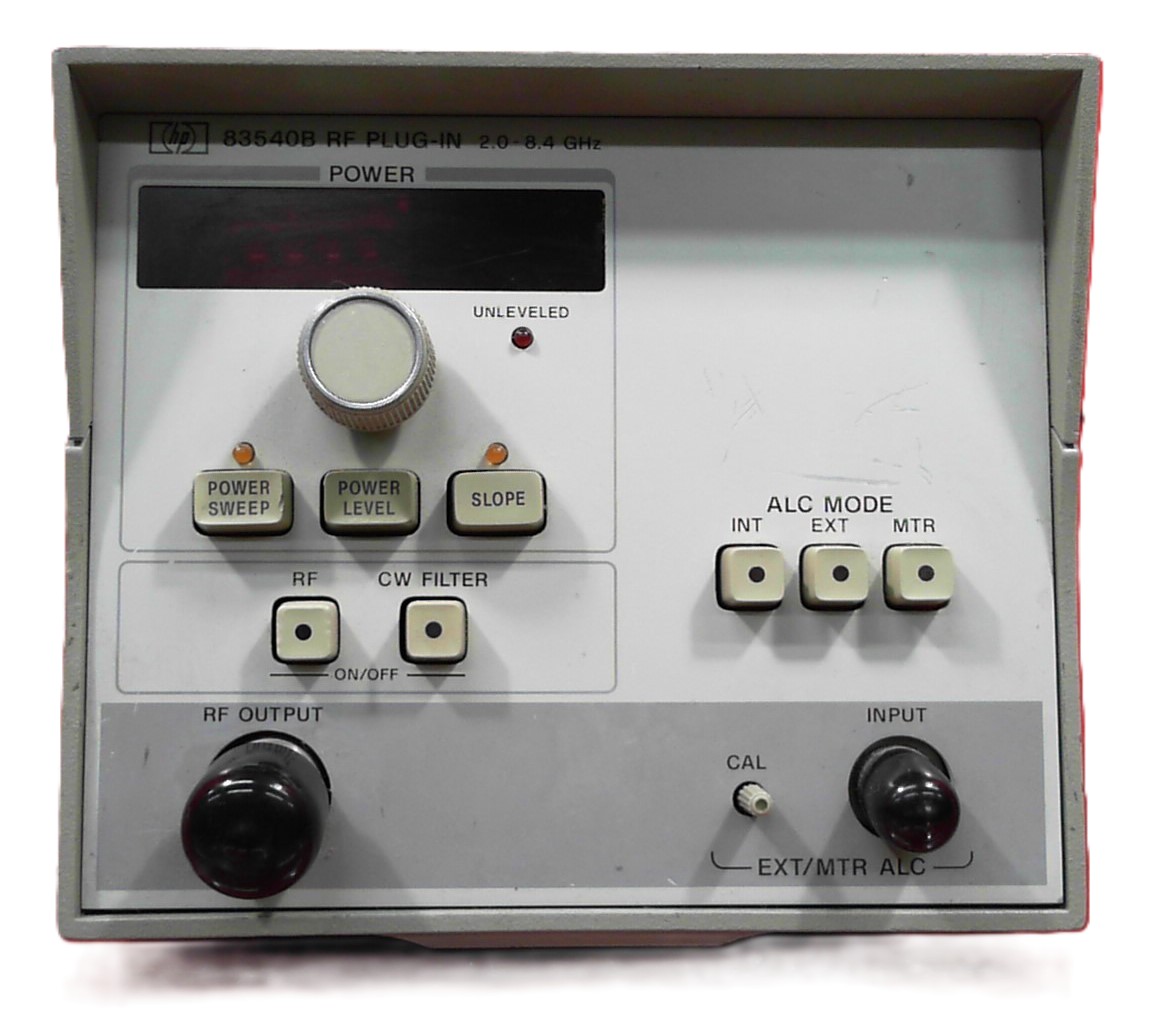
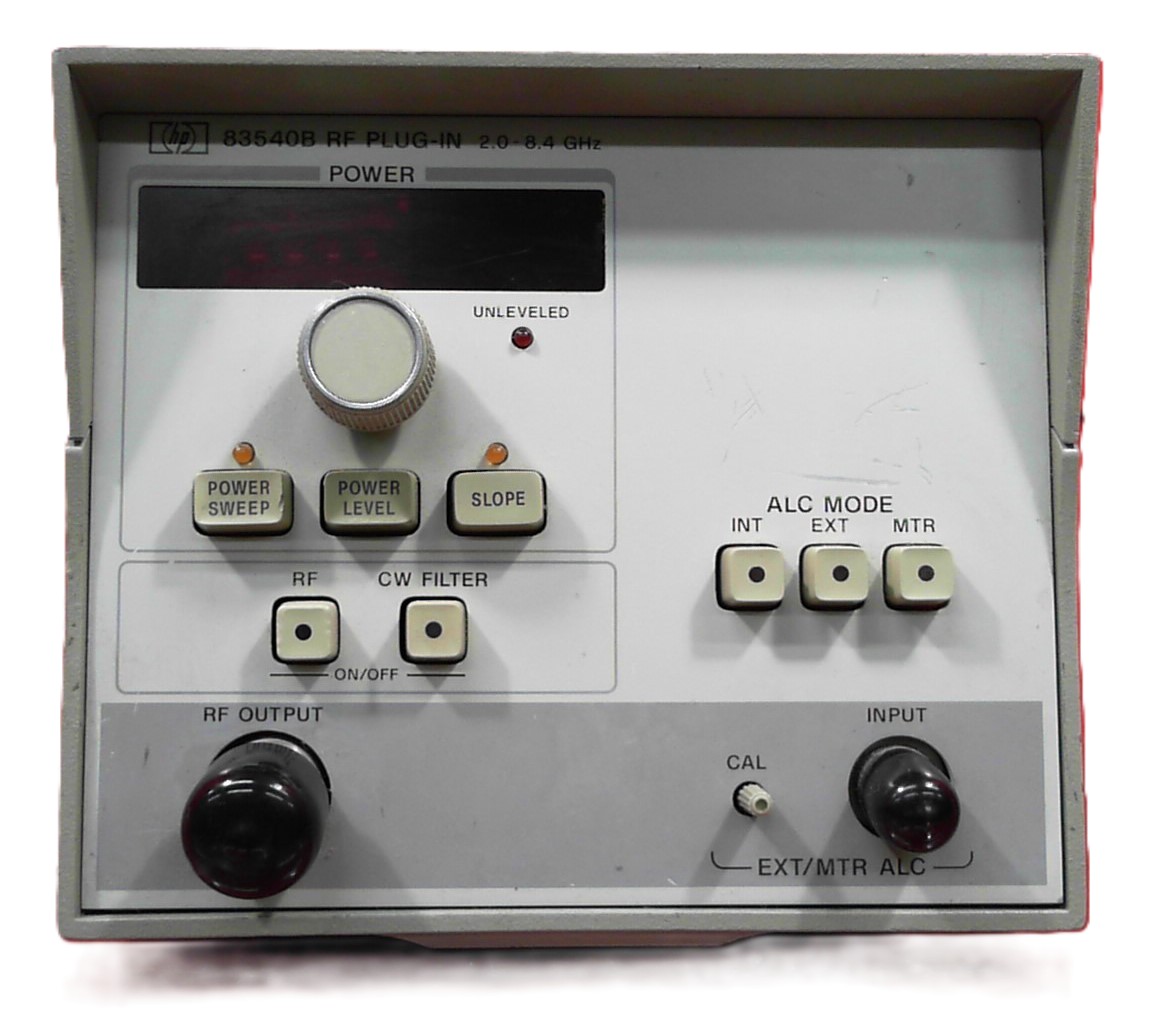
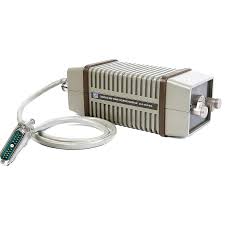
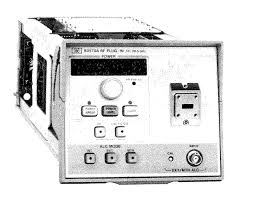
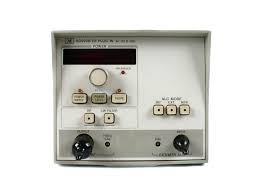
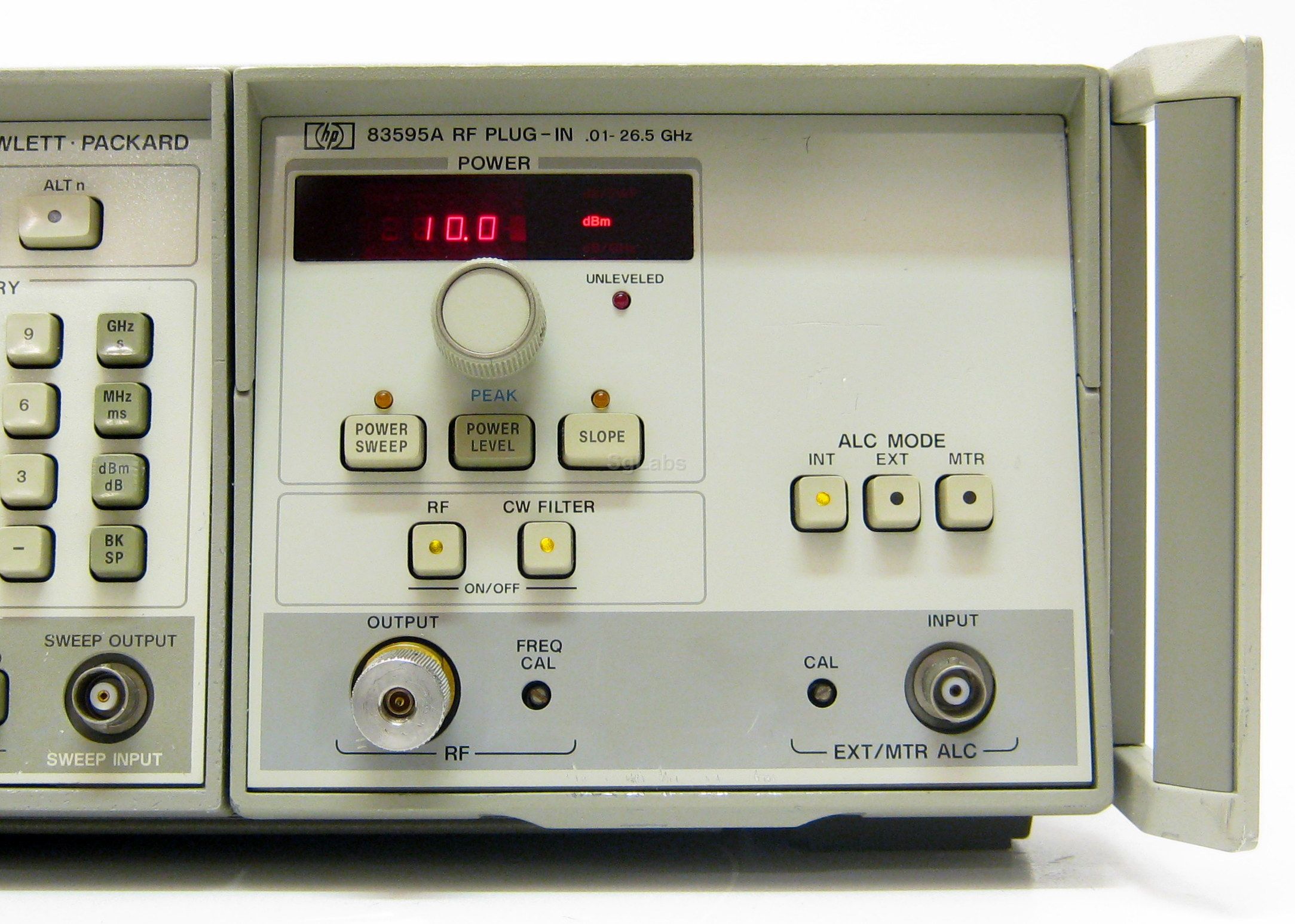
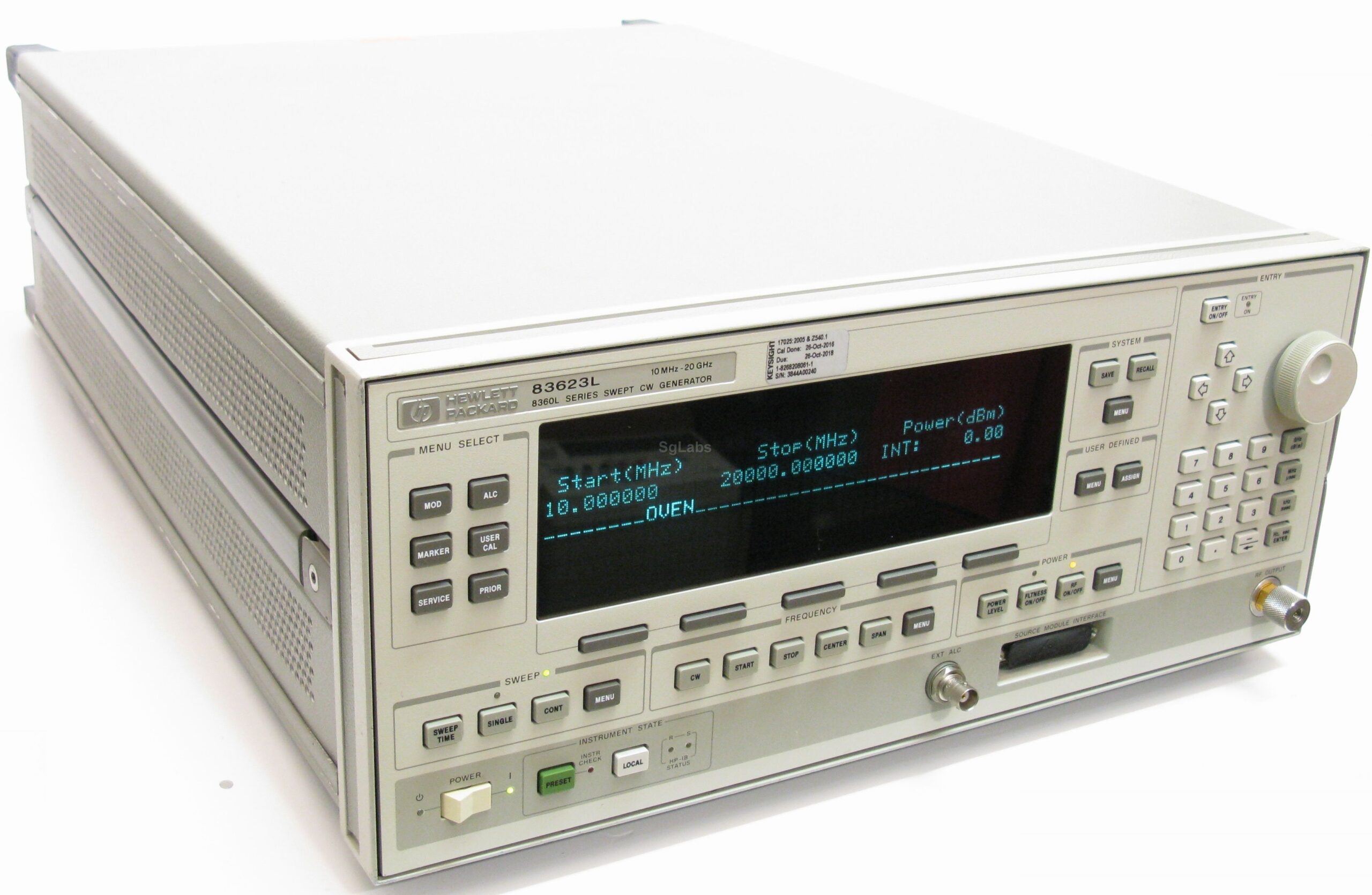
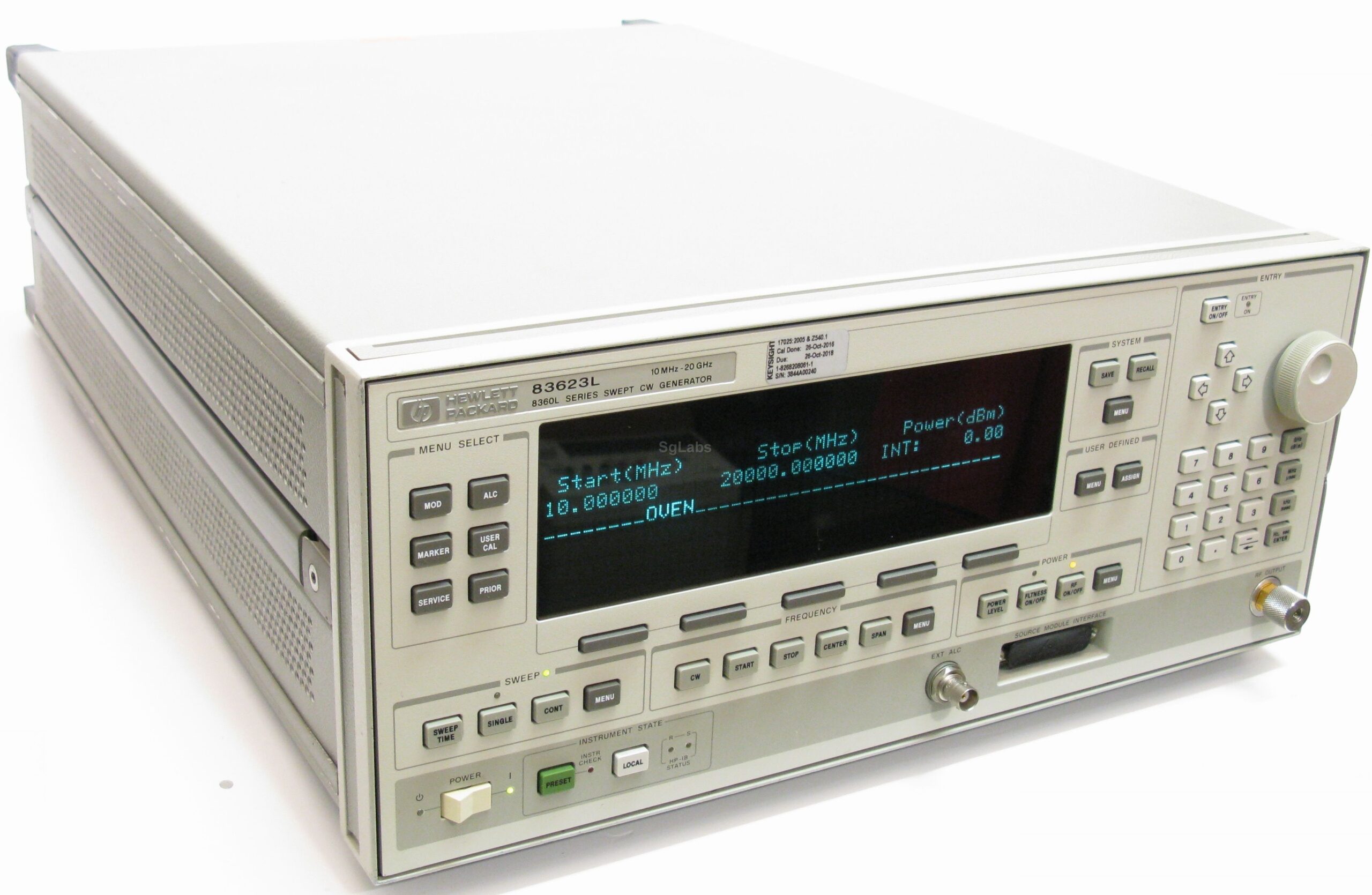
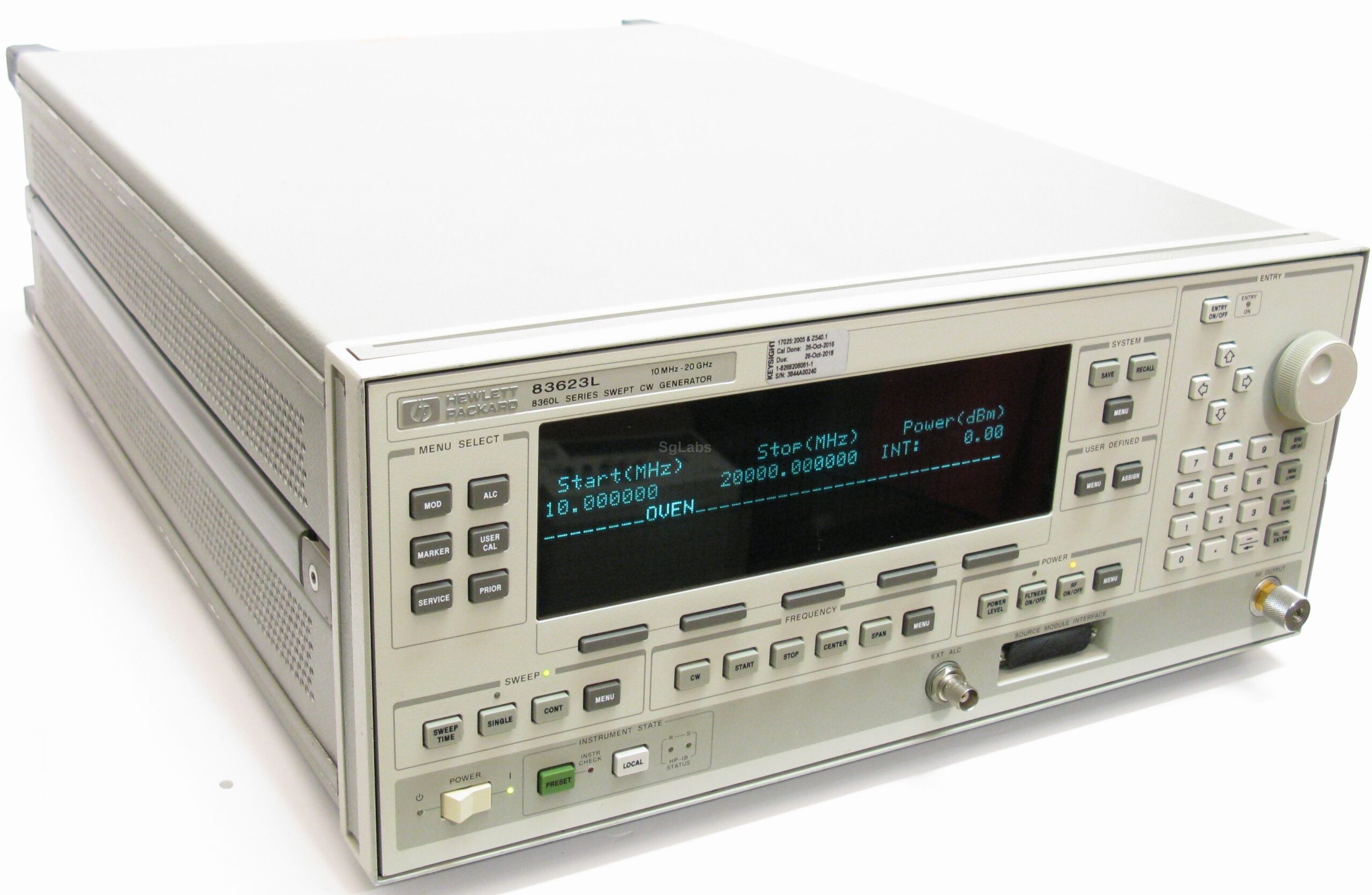
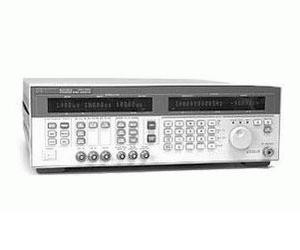
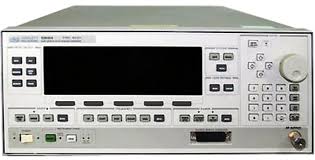
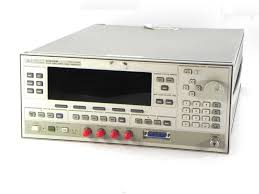
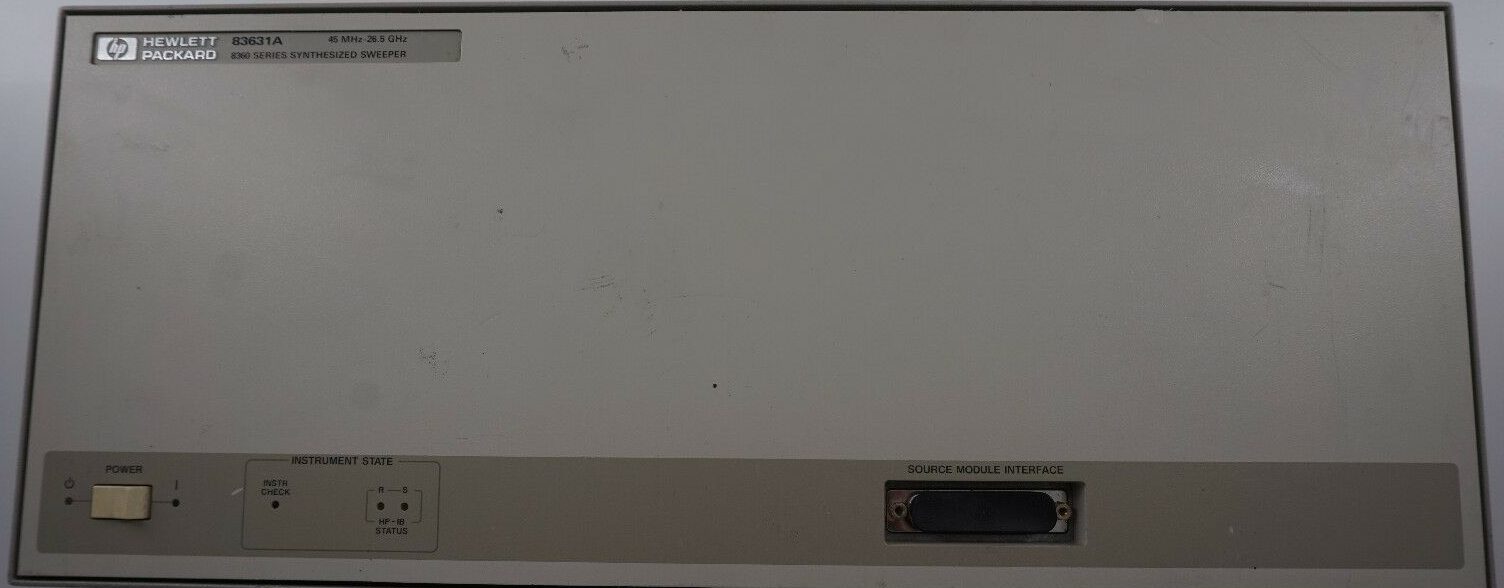
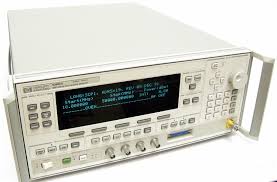
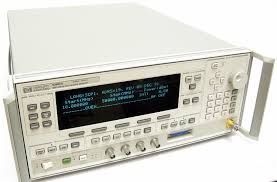
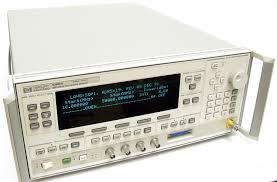
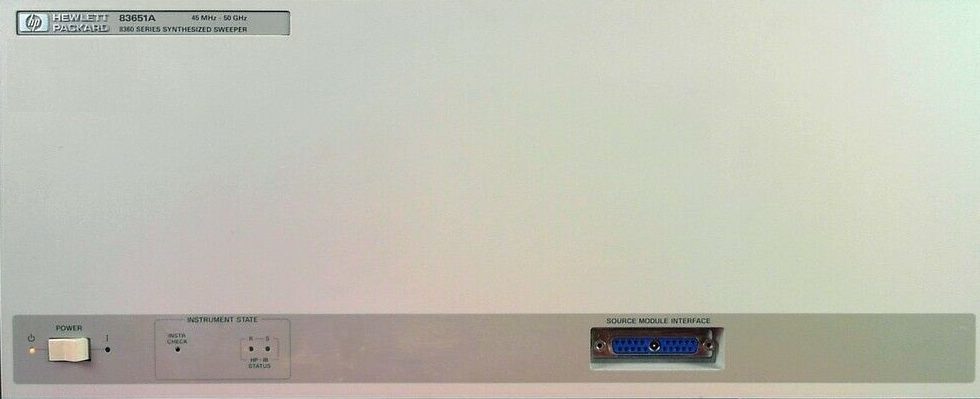
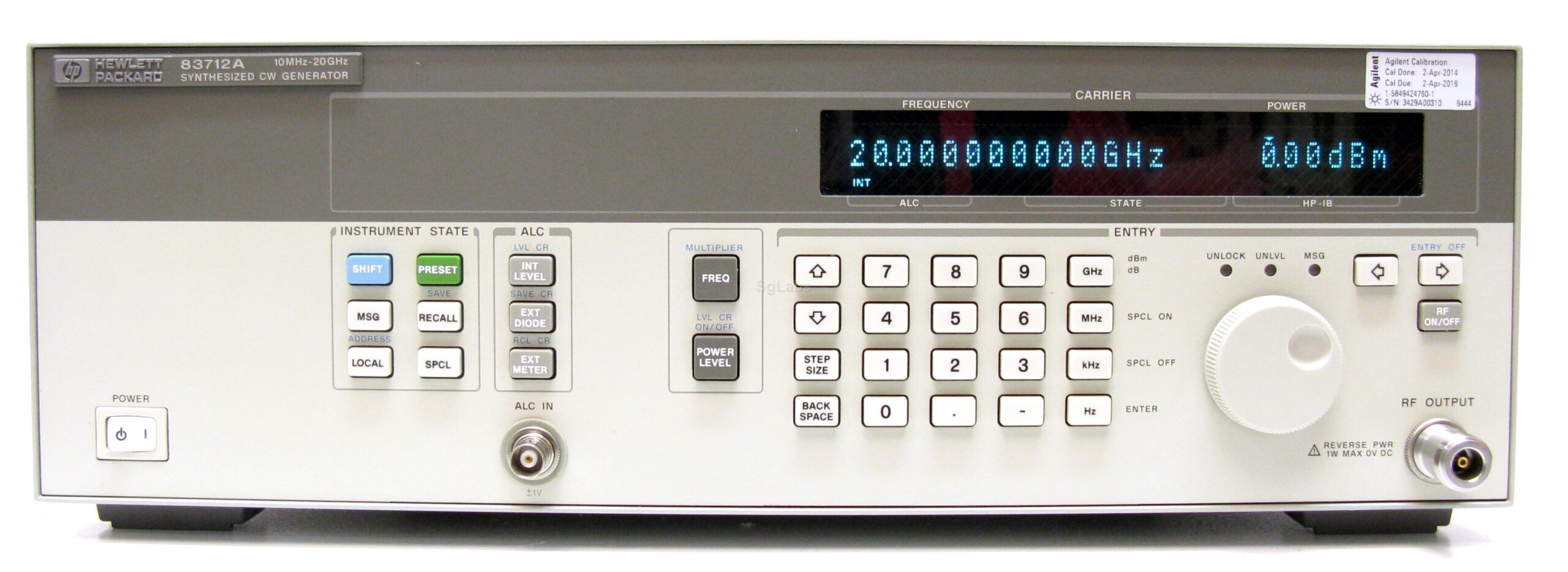
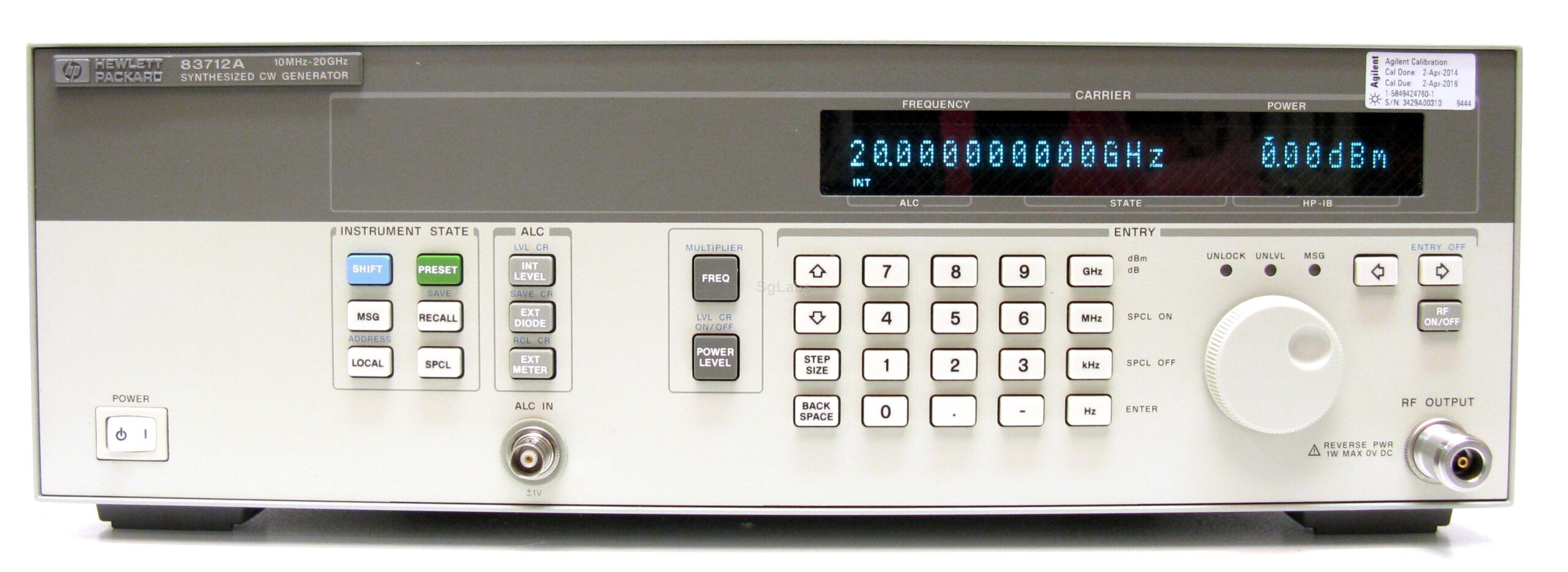
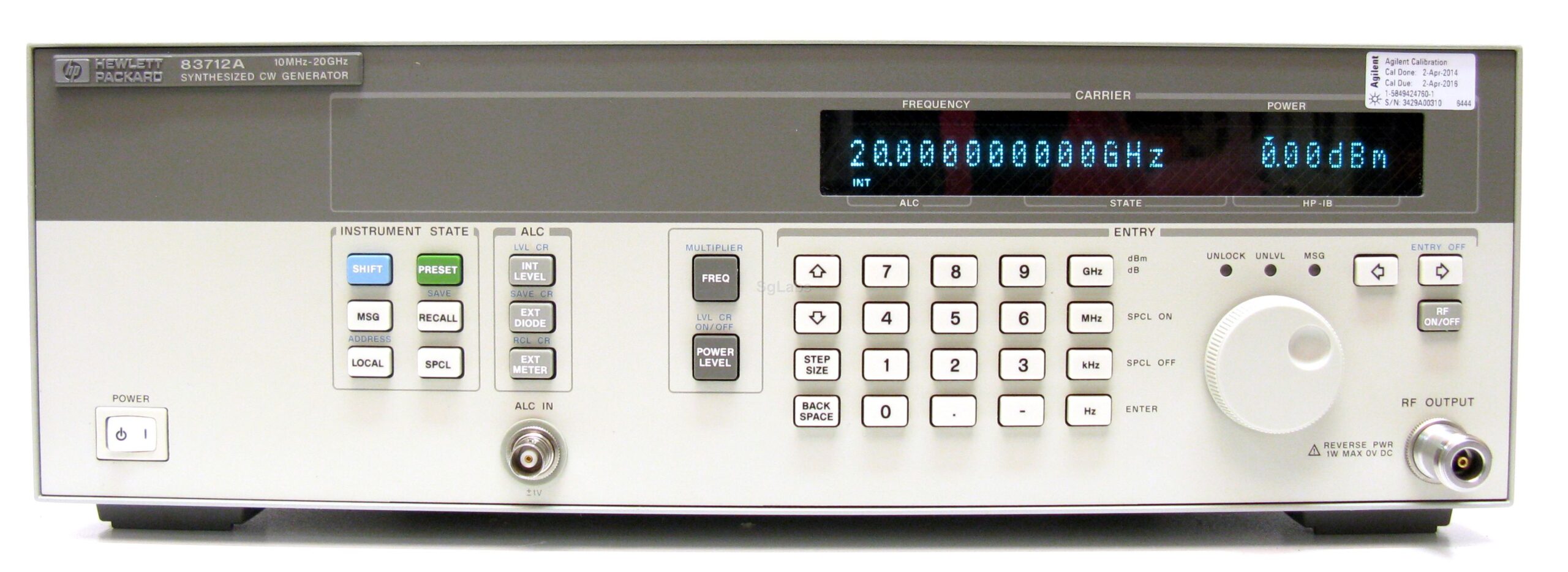
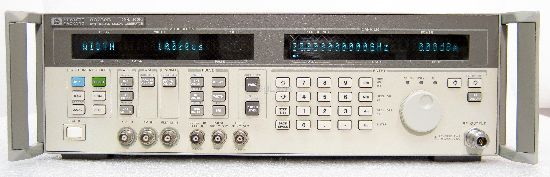
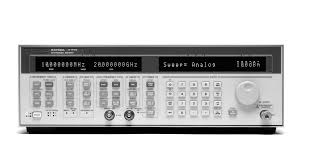
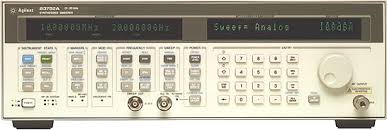
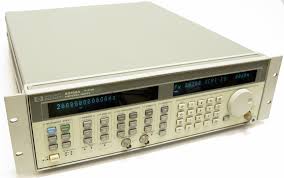
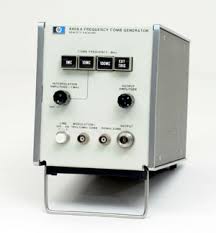
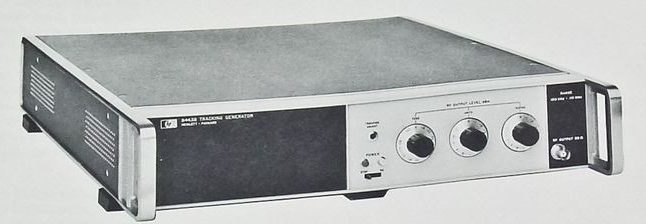
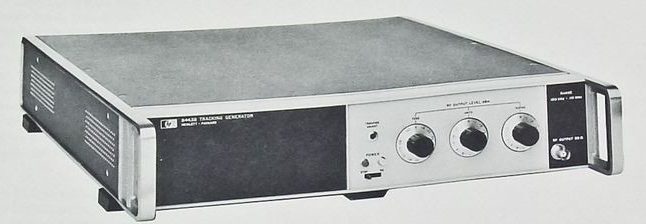
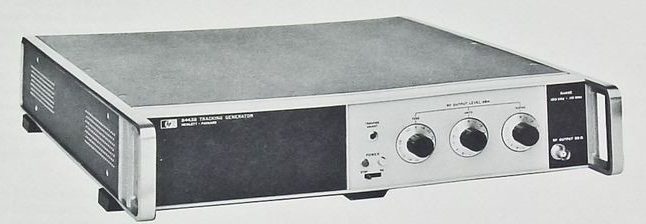
HP / Agilent / Keysight Signal Generators (3 units)
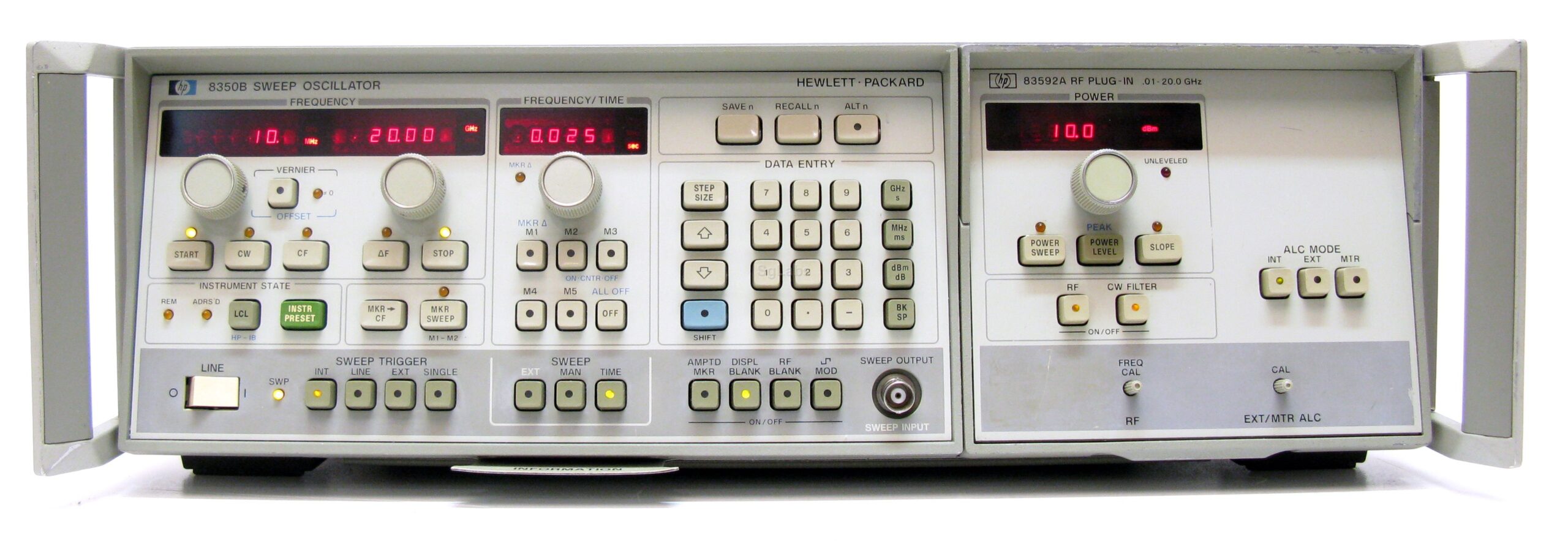
IFR Signal Generators (2 units)
IFR Aeroflex Signal Generators (1 unit)
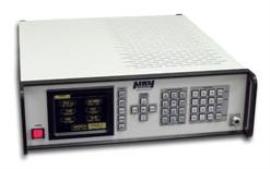
IFR/Marconi Signal Generators (6 units)
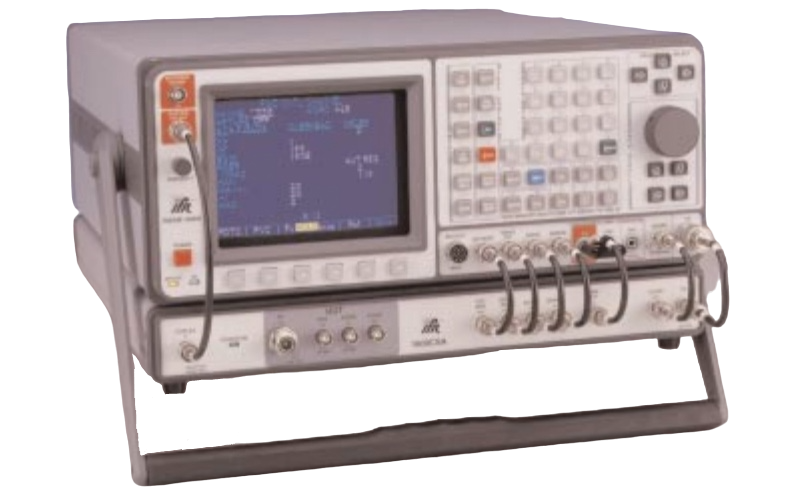
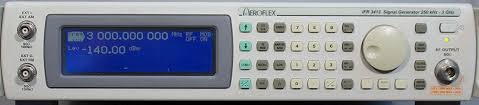
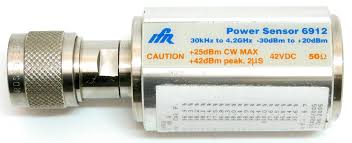
JDS Uniphase Signal Generators (1 unit)
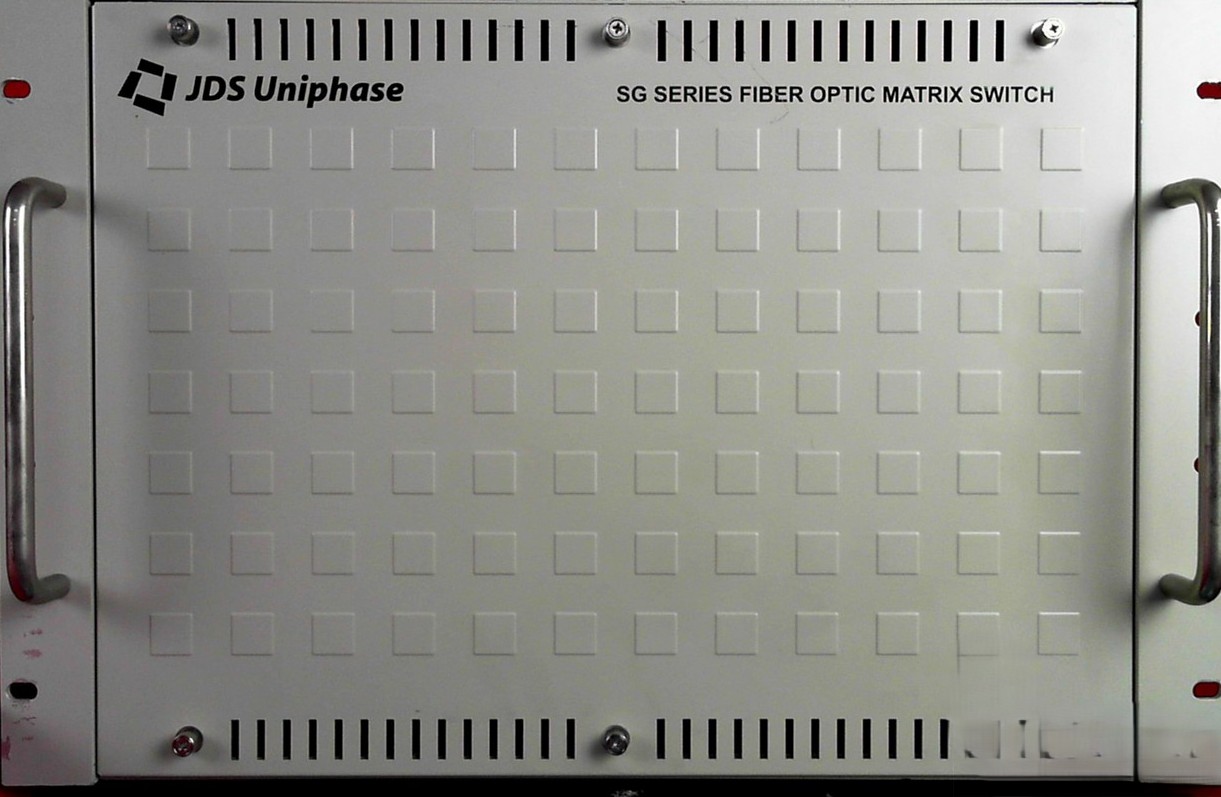
Keysight Signal Generators (3 units)
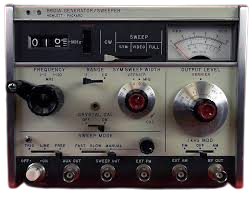
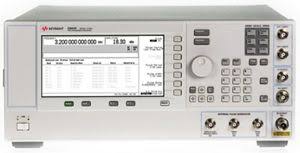
Keysight / Agilent Signal Generators (12 units)
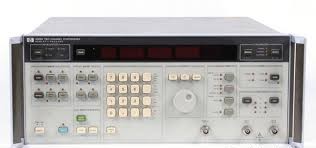
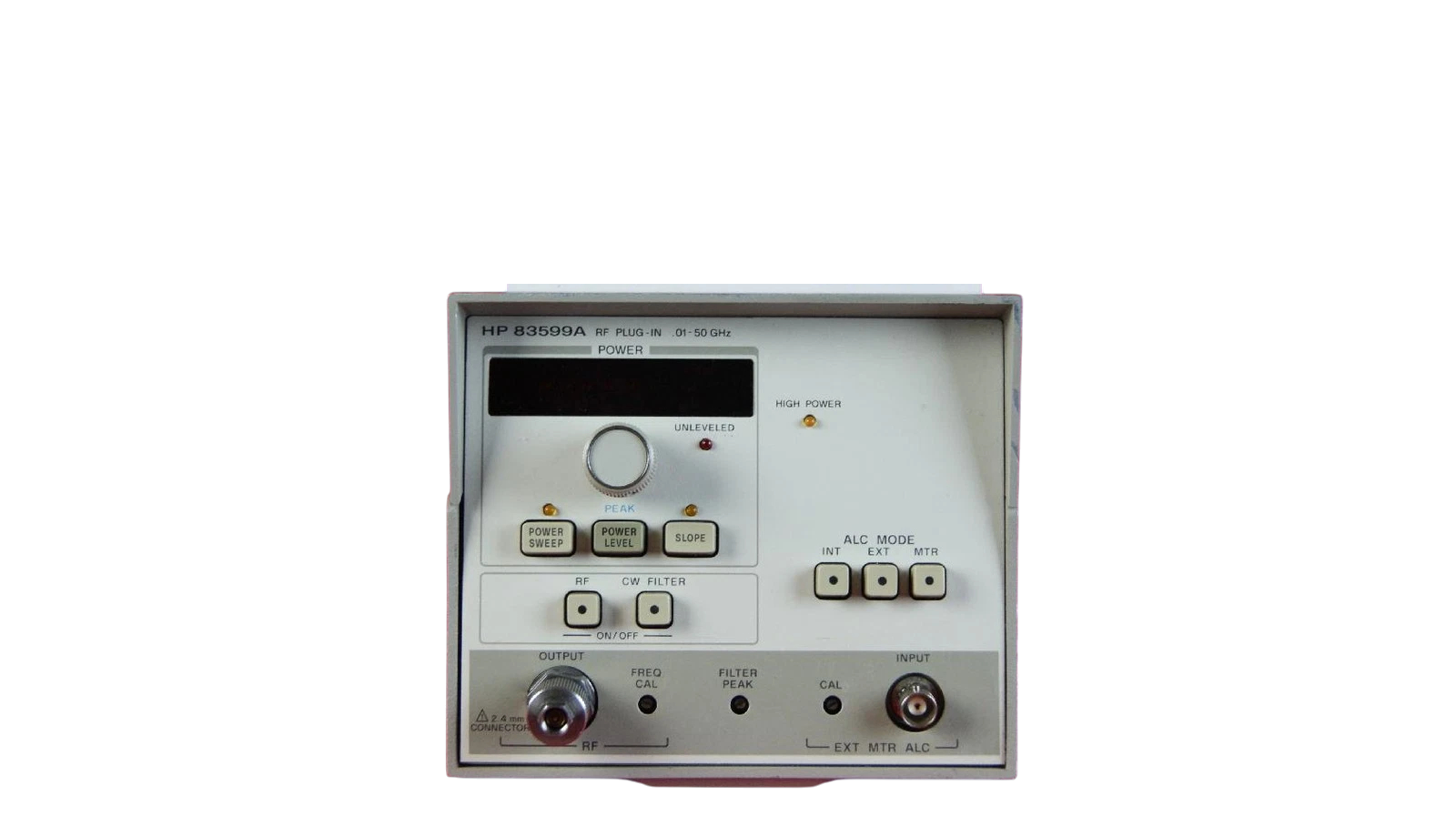
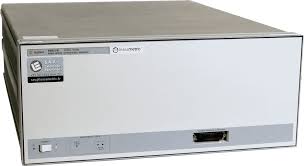
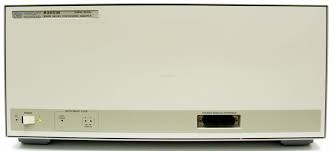
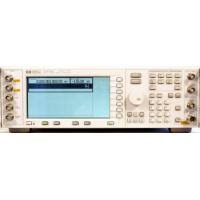
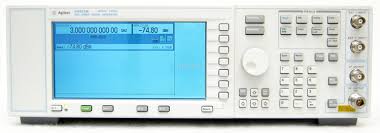
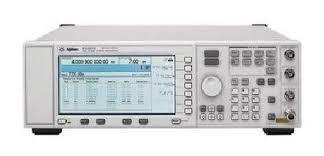
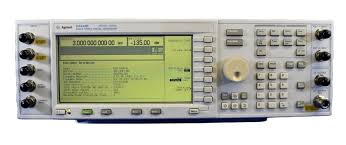
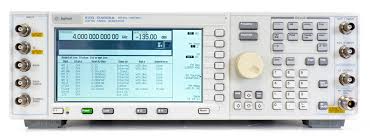
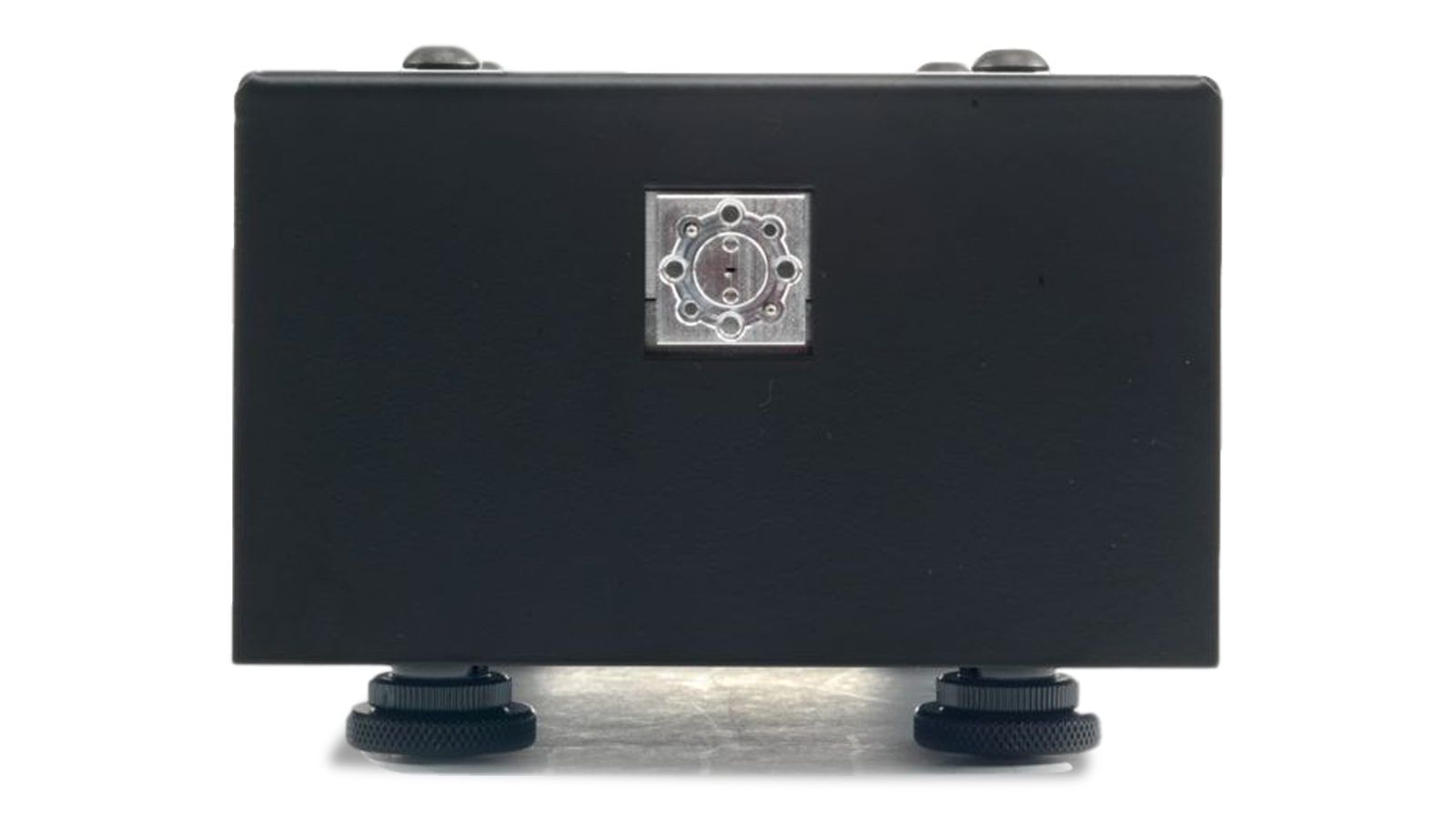
Keysight / Agilent / HP Signal Generators (6 units)
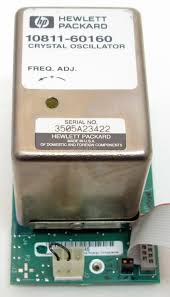
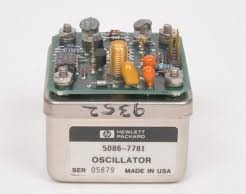
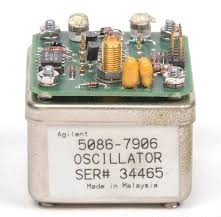
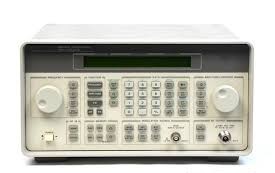
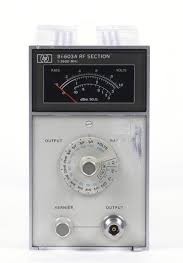
Labworks Inc. Signal Generators (1 unit)
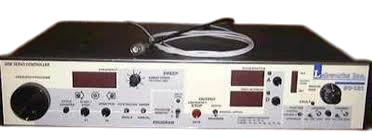
Lecroy Signal Generators (1 unit)
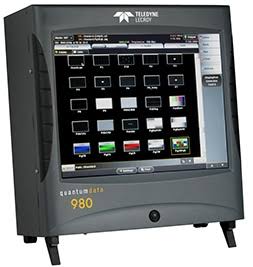
Marconi / IFR / Aeroflex Signal Generators (3 units)
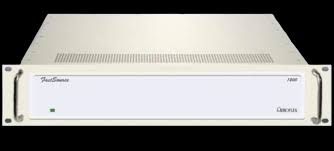
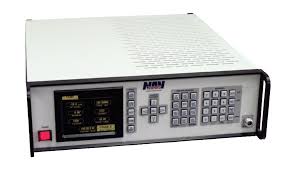
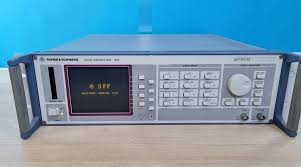
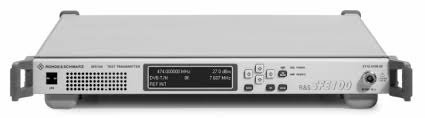
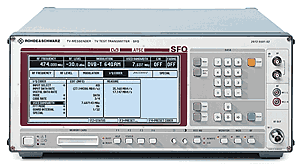
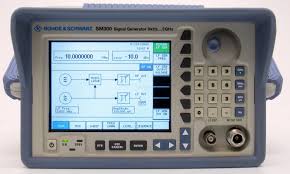
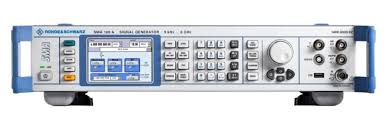
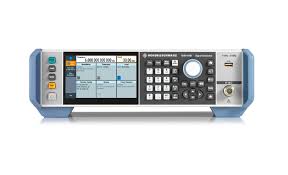
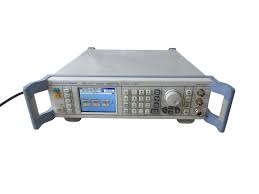
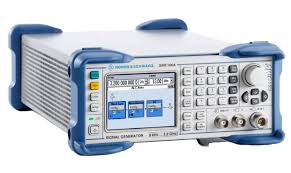
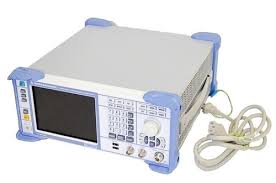
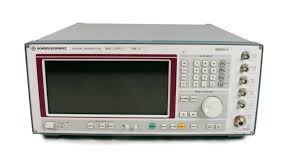
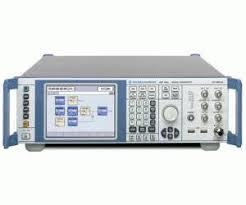
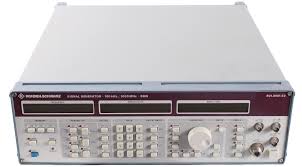
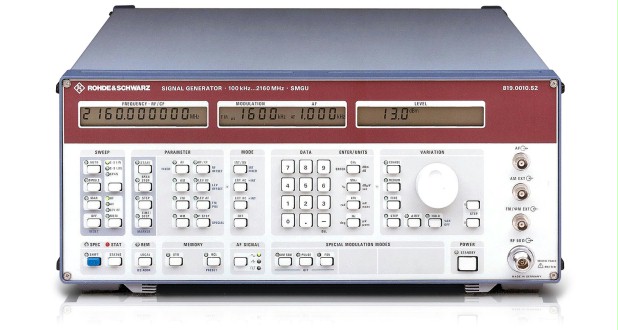
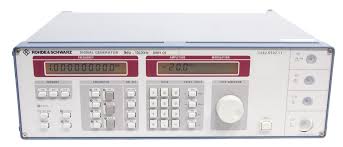
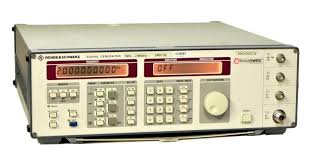
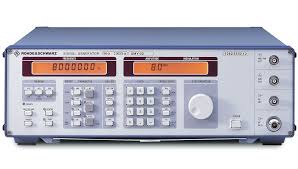
Rohde & Schwarz Signal Generators (39 units)
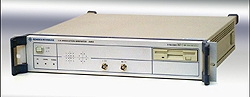
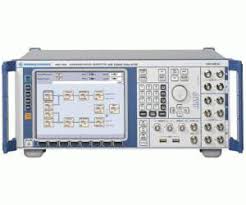
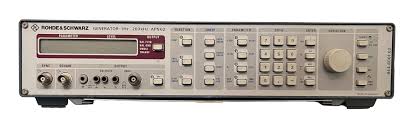
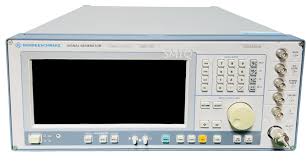
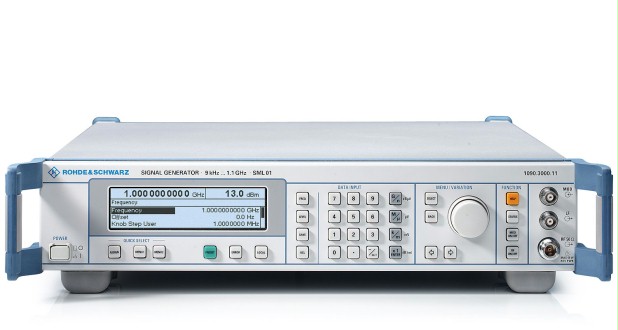
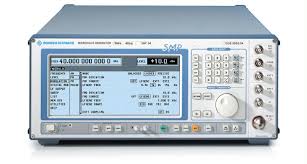
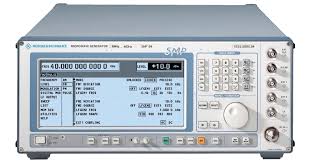
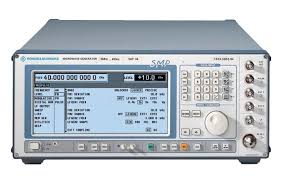
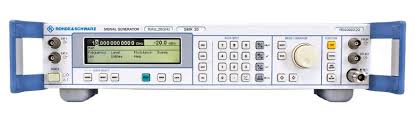
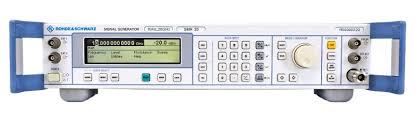
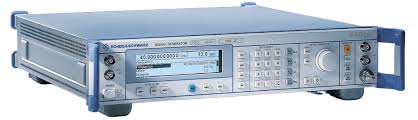
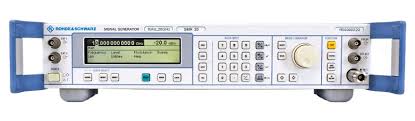
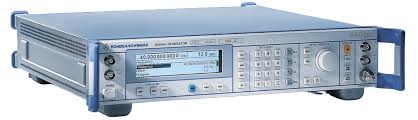
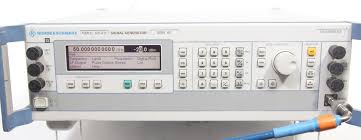
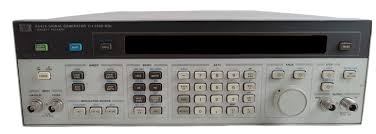
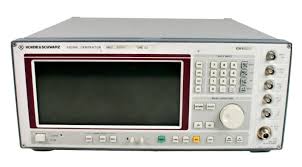
Stanford Research Signal Generators (6 units)
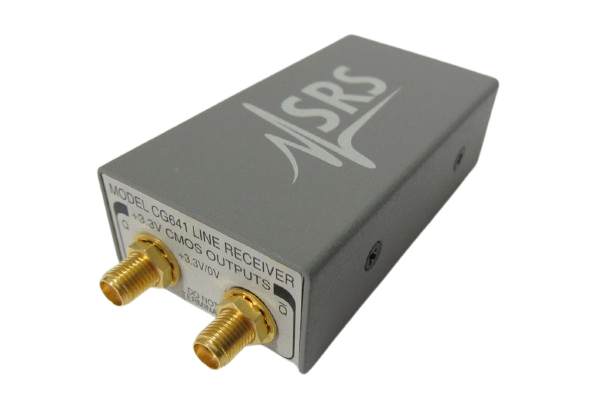
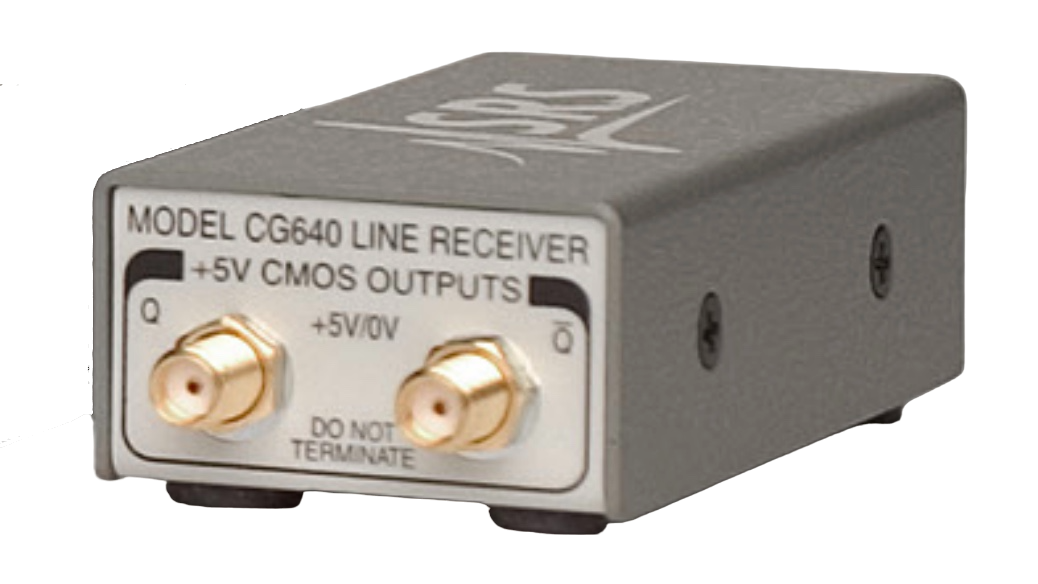
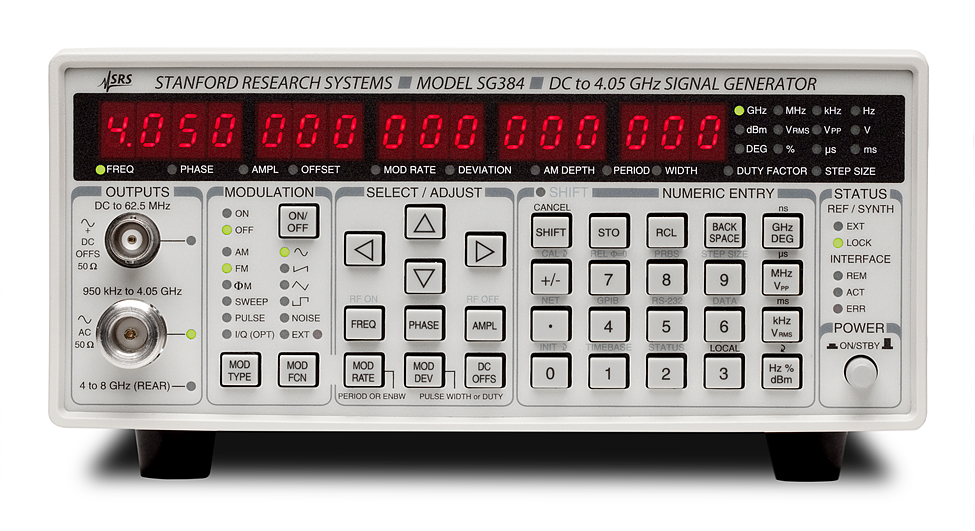
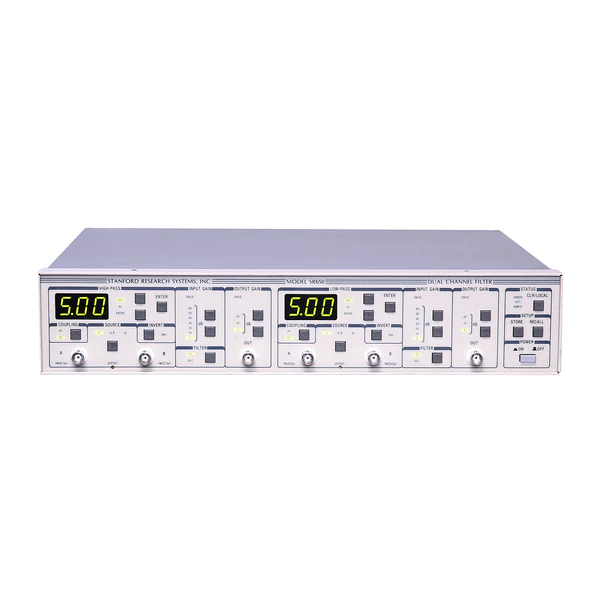
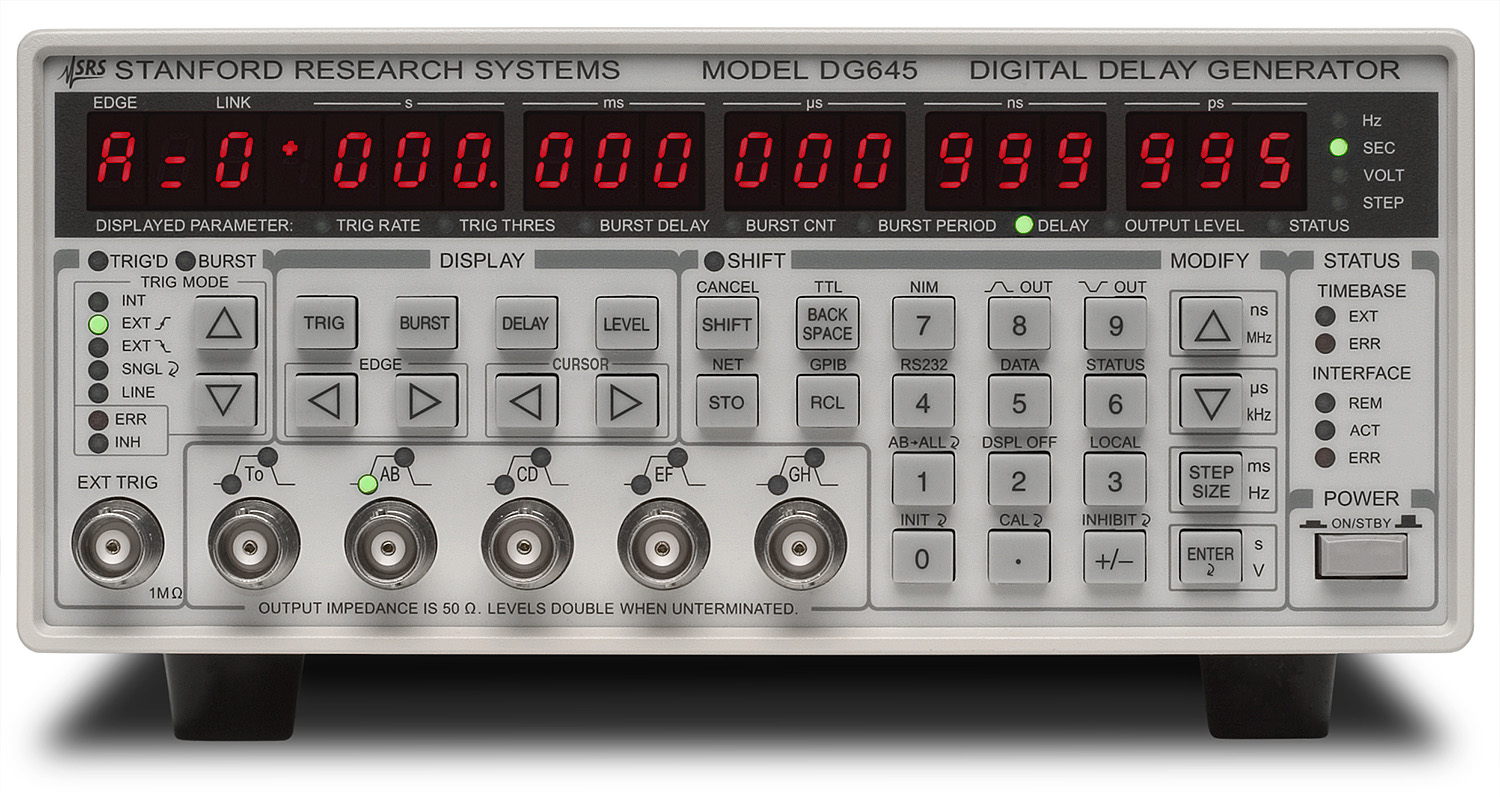
Stanford Research Systems Signal Generators (10 units)
Tektronix Signal Generators (3 units)


Wiltron Signal Generators (1 unit)
Choosing a Used RF Signal Generator
The three specifications that determine compatibility with your test application are frequency range, output power range, and modulation types supported. Frequency range must cover your highest test frequency with margin — a 3 GHz generator is inadequate for testing a 5 GHz WiFi component. Output power range must meet your receiver sensitivity floor and your highest expected input level. Modulation type determines whether you need a simple CW source or a vector signal generator with I/Q capability.
Source impedance is 50 ohms on all RF and microwave signal generators in this inventory unless otherwise noted. Verify connector type — most instruments have an N-type or SMA output; adapters are standard.
HP / Agilent 836xx Microwave Signal Generators
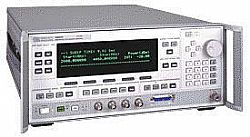
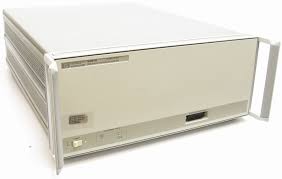
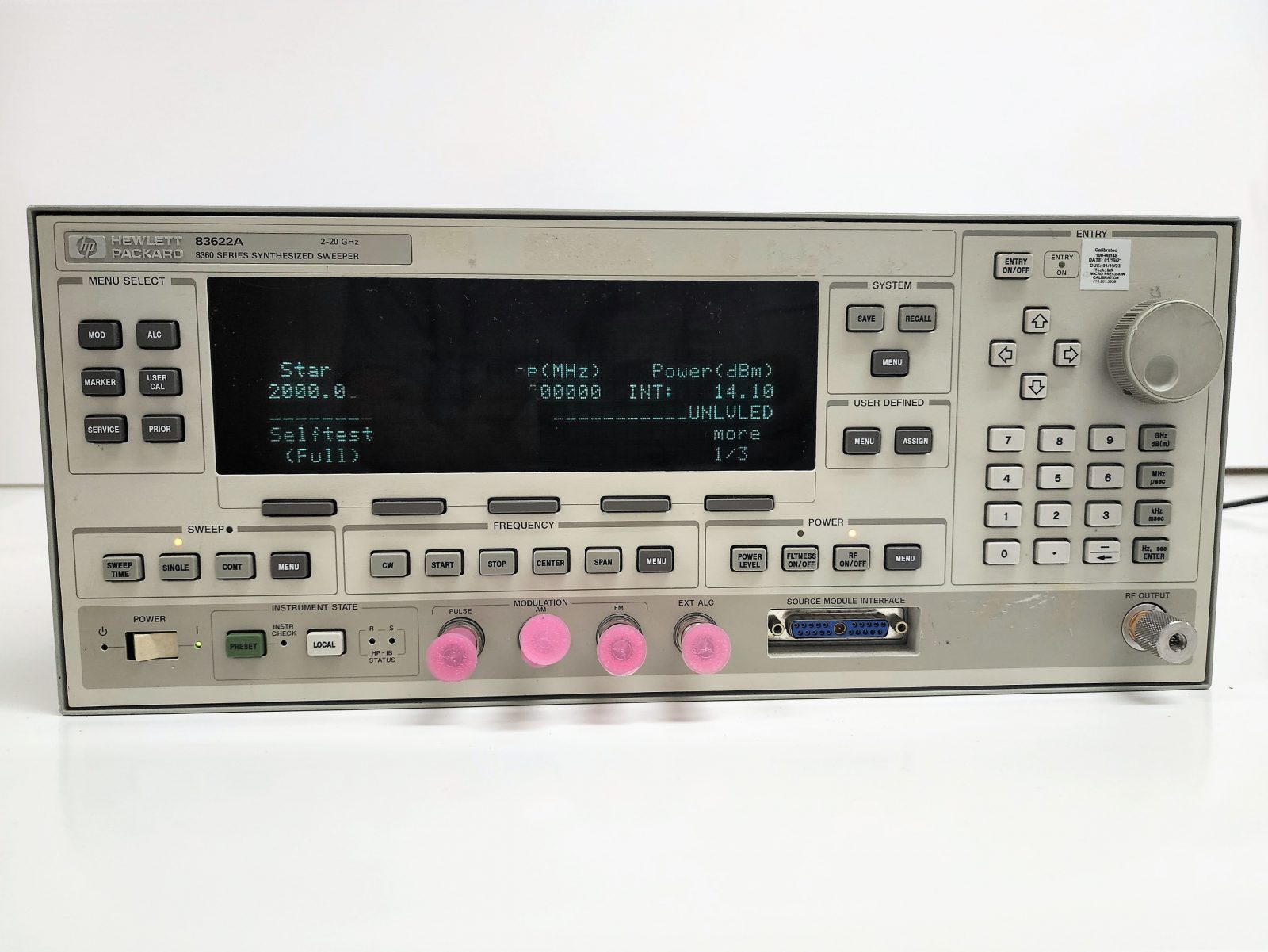
The HP 83620A, 83623A, 83630A, and 83640A are the dominant microwave signal generators in second-hand markets because HP made them in large quantities during the 1990s for telecom and defense test systems. The 83620A covers 10 MHz to 20 GHz; the 83640A extends to 40 GHz. These are analog swept-signal generators — not vector — with excellent phase noise, fast sweep speed, and an external modulation input for AM, FM, and pulse. YIG oscillator health is the first thing to verify on any used 836xx unit. Common BITE error codes: E30 through E39 indicate YIG loop failures; E50-E59 point to the reference oscillator chain.
Agilent E4428C and E4438C Signal Generators
The Agilent E4428C (250 kHz to 6 GHz, analog) and E4438C (250 kHz to 6 GHz, vector) replaced the older HP 8648 series and became the lab standard for cellular base station and handset testing. The E4428C has excellent level accuracy (typically within 0.5 dB across the full range) and low phase noise. The E4438C adds an internal I/Q modulator and, with Option 001, an internal baseband generator for producing standard cellular waveforms. Common failure: the step attenuator relay stack wears after years of continuous use, causing level steps at certain attenuation switch points. This repair requires relay replacement on the A13 assembly.
Signal Generator Calibration and Repair
NIST-traceable signal generator calibration at Aumictech covers output frequency accuracy (verified against a GPS-disciplined reference oscillator), output power level accuracy across frequency and level range, and AM/FM modulation accuracy where specified. Standard calibration is $450 with a pass/fail certificate; $650 includes full measured data at all calibration points. Repair evaluations are free. See calibration services → | Request a repair evaluation →
Frequently Asked Questions
What is the difference between an analog signal generator and a vector signal generator? +
An analog signal generator produces CW (continuous wave), AM, FM, and pulse-modulated signals using a traditional frequency synthesizer architecture. It is the right tool for receiver sensitivity tests, frequency response measurements, and anywhere you need a clean single-tone RF signal. A vector signal generator (VSG) adds an I/Q modulator that can produce QPSK, QAM, OFDM, and digitally modulated waveforms for testing wireless communications receivers. Agilent E4428C is an analog generator; the Agilent E4438C is a vector signal generator that does everything the E4428C does plus wideband digital modulation.
What does phase noise mean and why does it matter in a signal generator? +
Phase noise is the spectral purity of the signal expressed as dBc/Hz at a given offset from the carrier — for example, -110 dBc/Hz at 10 kHz offset for a 1 GHz output. A signal generator with poor phase noise introduces noise into your receiver or device under test that shows up as increased error vector magnitude (EVM) in digital modulation tests or as measurement floor increases in phase noise analyzers. For most component and system testing, -100 dBc/Hz at 10 kHz is adequate. For low-phase-noise reference sources and VCO testing, you need -120 dBc/Hz or better.
How do I choose the right frequency range for my application? +
Start from your highest required test frequency and add margin. For cellular base station testing up to LTE Band 42 (3.5 GHz), a 3 GHz generator is the minimum — a 6 GHz unit gives you harmonics clearance. For 5G NR sub-6 GHz, you need at least 6 GHz. For satellite band work (Ku-band at 12-18 GHz, Ka-band at 26.5-40 GHz), you need a 20 GHz or 40 GHz instrument. For radar and EW applications, 40 to 67 GHz generators are used. The HP 83620A covers 10 MHz to 20 GHz and is widely used for microwave component characterization.
What is a YIG oscillator and why does it matter for signal generators? +
YIG stands for Yttrium Iron Garnet — a magnetic crystal whose resonant frequency can be tuned by varying an applied magnetic field. YIG-tuned oscillators (YTOs) are used in most microwave signal generators because they offer low phase noise and wide tuning range in a single stage. The YIG sphere and its electromagnet coil are the most expensive component in a microwave generator — a YIG replacement on an HP 83620A costs $800 to $1,500 in parts alone. YIG failures show up as frequency errors, inability to lock phase-lock loops, or complete output loss above a certain frequency. This is the most common reason a used microwave signal generator needs repair.
What modulation types do RF signal generators typically support? +
Analog signal generators support AM (amplitude modulation), FM (frequency modulation), phase modulation (PM), and pulse modulation. Better instruments add pulse-width control, pulse delay, and internal LF modulation sources. Vector signal generators add I/Q input ports for applying externally generated wideband modulation, and internal baseband generators for producing standard wireless formats (GSM, WCDMA, LTE, 5G NR) without an external signal. The Agilent E4438C with Option 001 internal baseband generator produces most cellular and wireless formats internally.
How often does a signal generator need calibration? +
Annual NIST-traceable calibration is standard for most quality systems. The calibration covers output frequency accuracy at multiple test points, output power level accuracy across the full frequency and level range, and modulation accuracy where applicable. Frequency accuracy on a modern synthesizer drifts very slowly — an instrument calibrated two years ago and stored at room temperature likely still meets spec. Output power calibration drifts more, particularly at the upper and lower level limits, because the attenuator relays and step attenuator contacts change with use. We issue certificates with actual measured data.
What are the most common repair issues with HP and Agilent signal generators? +
YIG oscillator failure is the most expensive repair across all HP and Agilent microwave generators — affects HP 83620/83630 series, Agilent E4428C/E4438C, and all instruments above 3 GHz. ALC (automatic level control) circuit drift causes output power to be out of spec across frequency — often traced to the detector diode or the ALC loop amplifier on the A9 or A11 assembly. Step attenuator relay failures cause level discontinuities at certain attenuation switch points. Synthesizer unlock errors on the HP 83620A are usually in the reference oscillator or the first loop PLL. All of these are bench-reparable.
How does the HP 83620A compare to the Agilent E4428C? +
The HP 83620A is a swept-frequency synthesized signal generator covering 10 MHz to 20 GHz, optimized for fast sweep speed and microwave component characterization. It has excellent phase noise and covers the full microwave range in a single sweep. The Agilent E4428C is a 250 kHz to 6 GHz analog signal generator optimized for receiver test and general RF work — better level accuracy and modulation capability at RF frequencies, but limited to 6 GHz. If your work is microwave component and system testing (amplifiers, filters, antennas) up to 20 GHz, the HP 83620A is the better choice. For cellular receiver testing at sub-6 GHz, the E4428C is preferred.
What does signal generator calibration and repair cost at Aumictech? +
Signal generator calibration at Aumictech costs $450 for a standard pass/fail NIST-traceable certificate, or $650 for a full certificate with measured frequency accuracy, output level accuracy, and ALC flatness at multiple points. Repair evaluations are free — we bench-test the unit and quote before any work begins. Typical repair costs for a YIG replacement run $1,000 to $2,500 depending on the instrument; ALC and attenuator repairs typically run $500 to $1,200. Turnaround is 1 to 5 business days depending on parts availability.
Need a specific frequency range or modulation format?
We source specific signal generators on request. Tell us your frequency range, required phase noise floor, modulation types, and output power range, and we will check incoming stock and dealer network.
Get in touch