
Used Function Generators for Sale
32 units in stock — Agilent, HP, Keysight, Tektronix, Rigol, and more. Sine, square, triangle, pulse, and arbitrary waveform output. NIST-traceable calibration available on request. Ships from Pleasant Grove, UT.
Agilent / Keysight Function Generators (2 units)
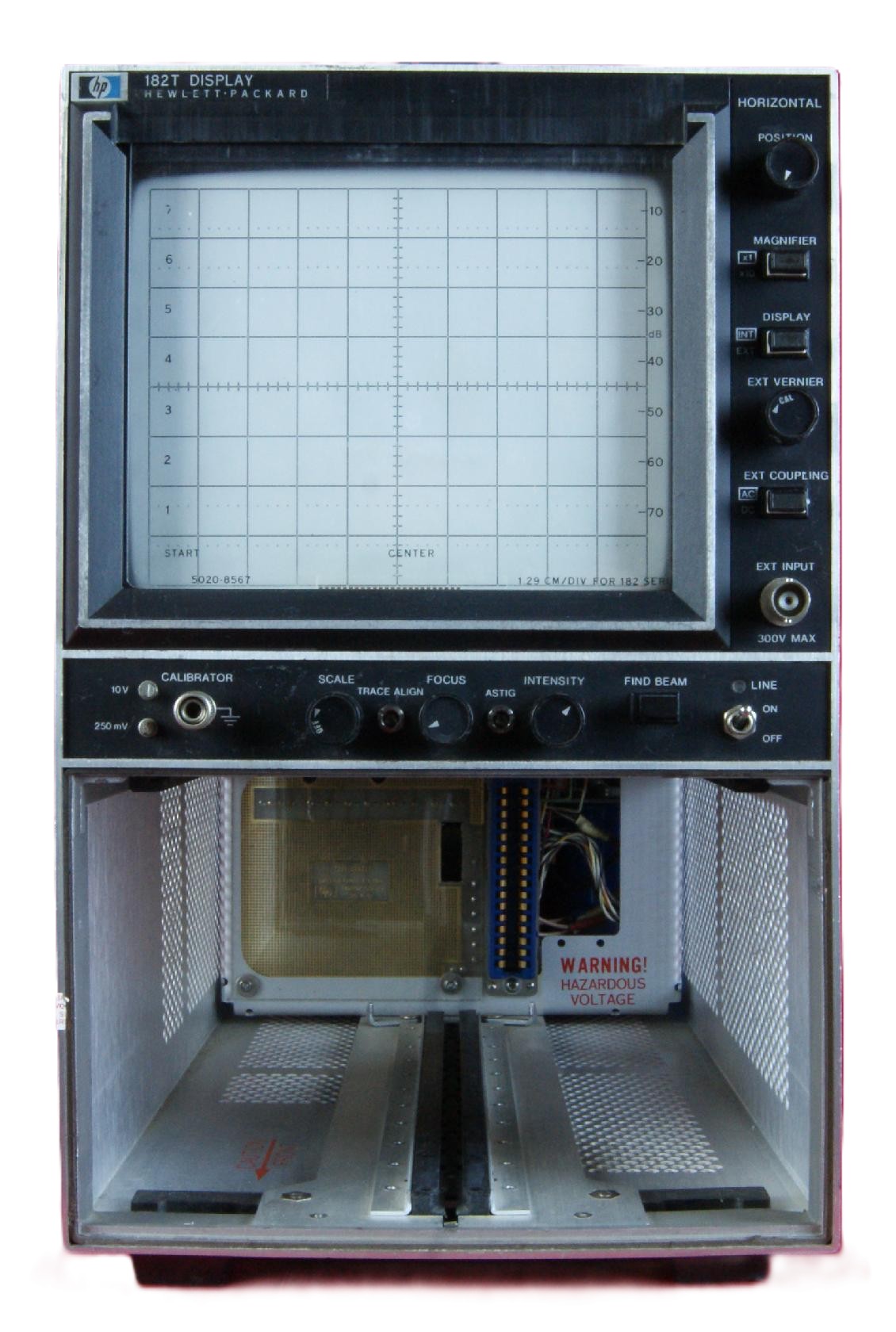
Ametek/Elgar Function Generators (1 unit)
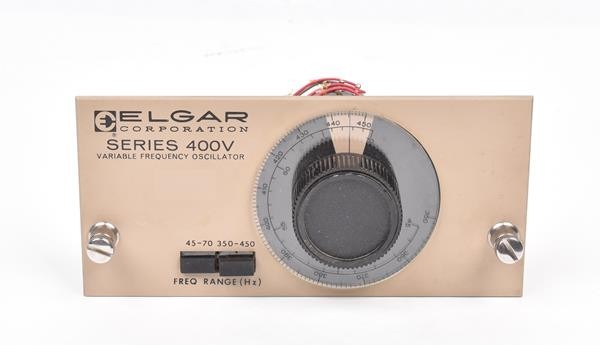
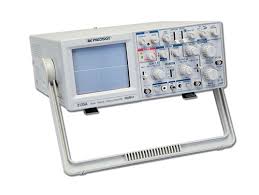
BK Precision Function Generators (3 units)
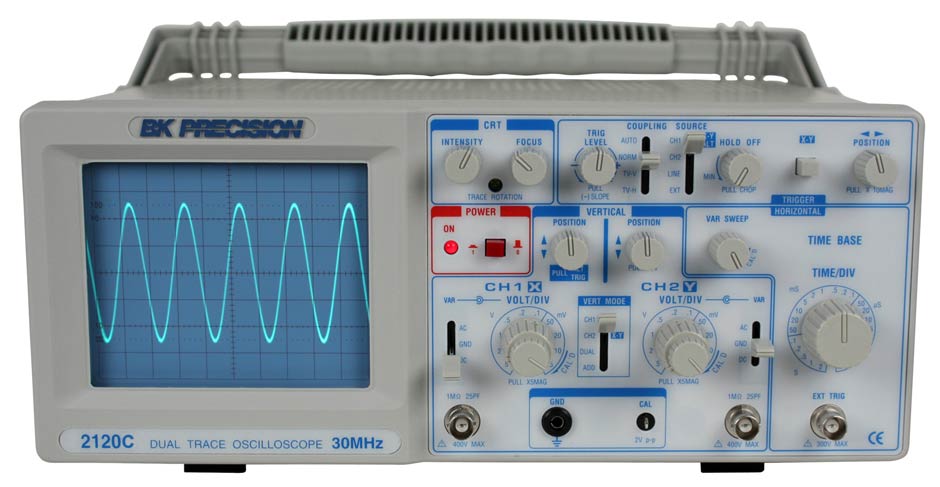
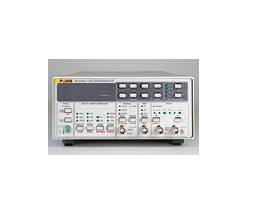
Fluke Function Generators (3 units)
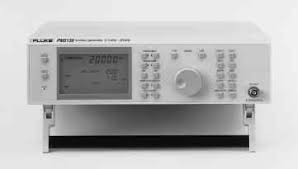
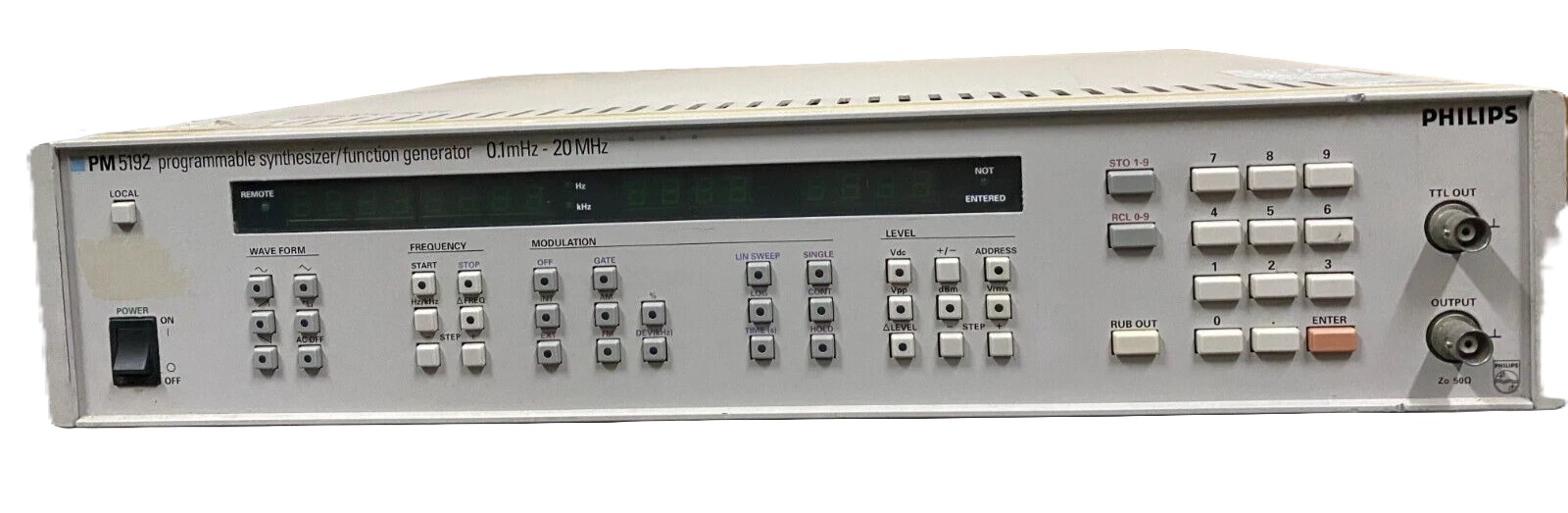
Fluke / Wavetek Function Generators (1 unit)
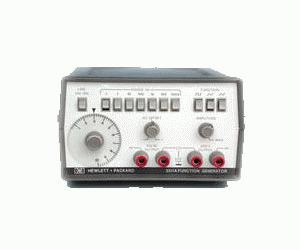
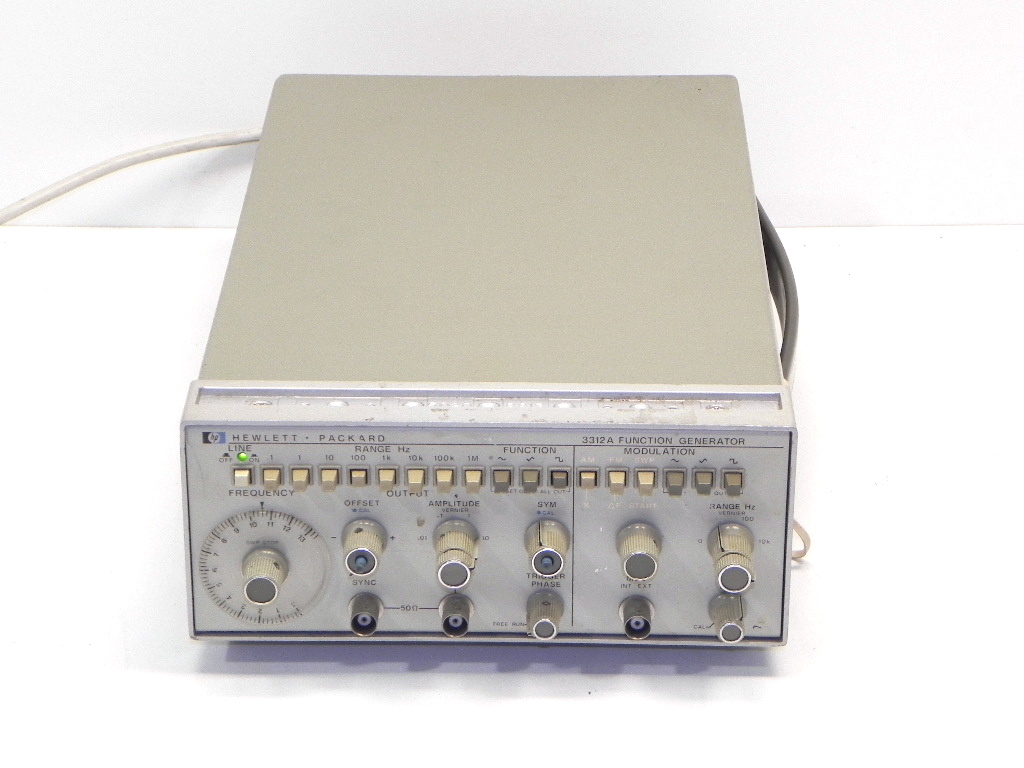
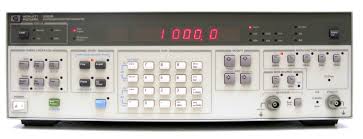
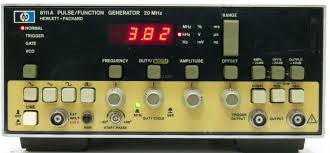
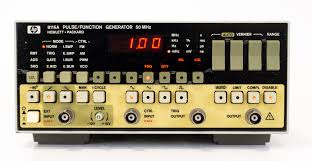
HP / Agilent Function Generators (10 units)
Highland Technology Function Generators (1 unit)
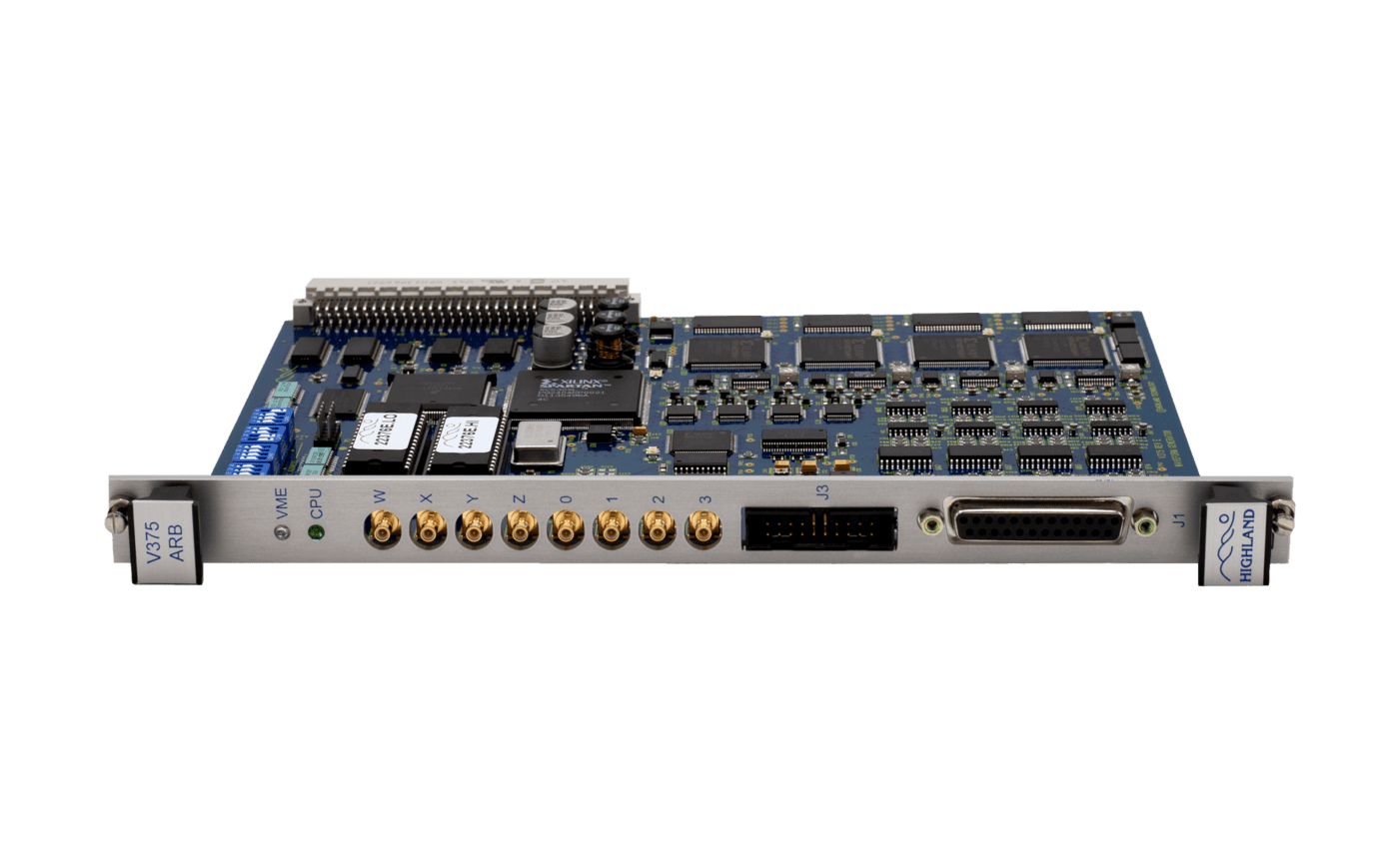
IEC Function Generators (1 unit)
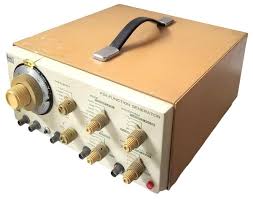
Instek Function Generators (5 units)
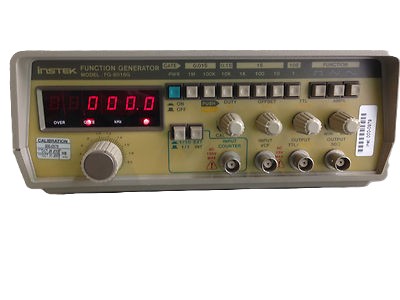
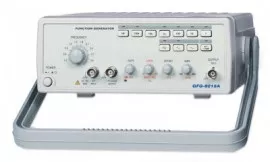
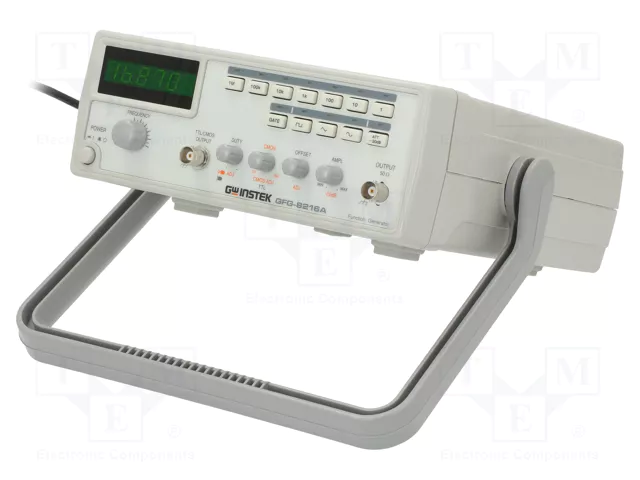
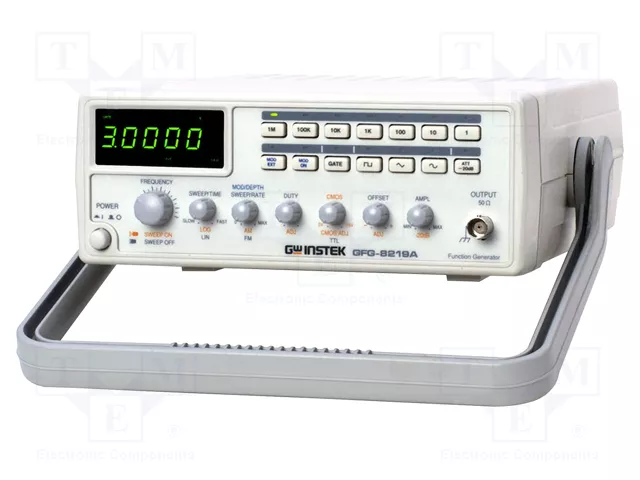
Keysight Function Generators (1 unit)
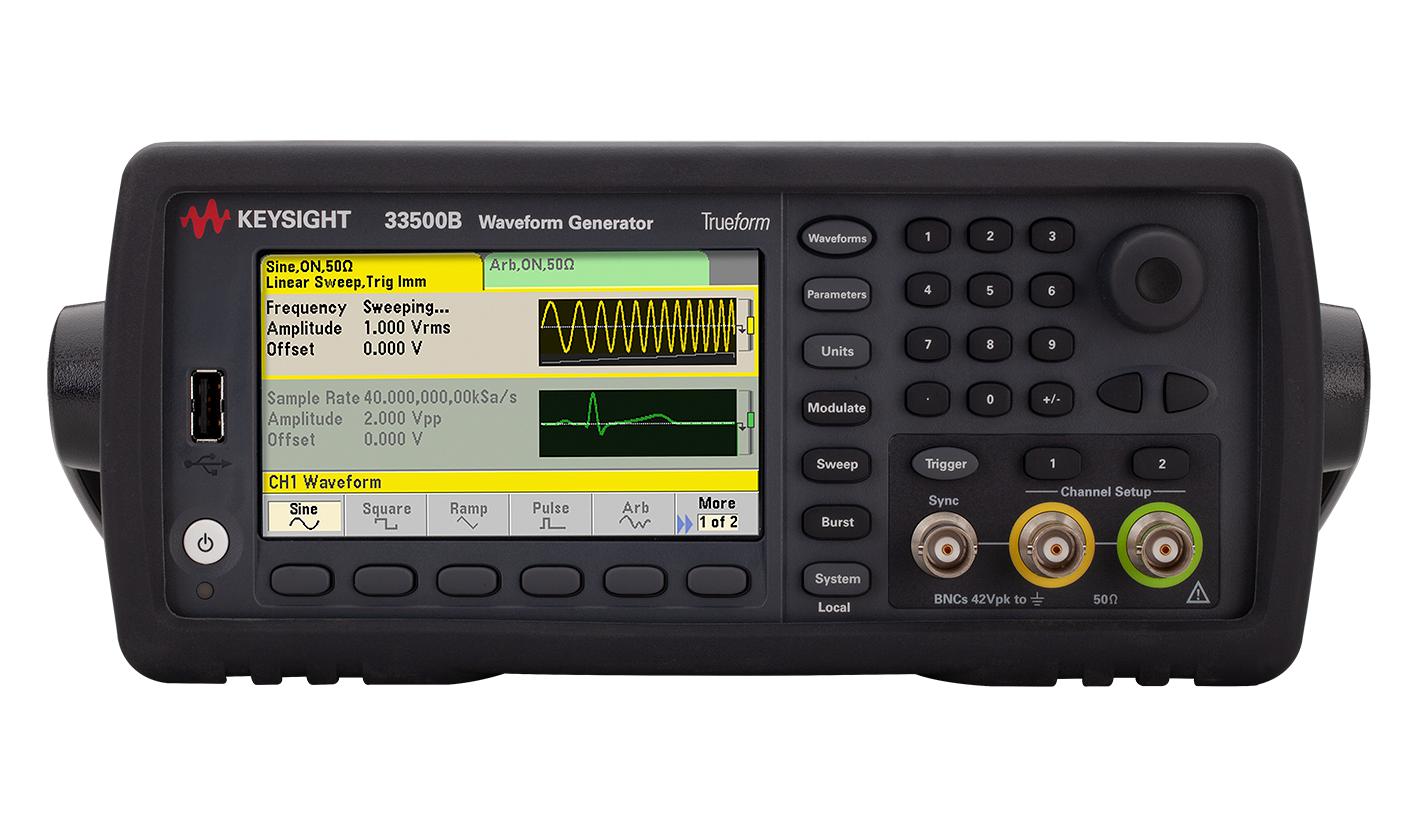
Keysight / Agilent / HP Function Generators (1 unit)
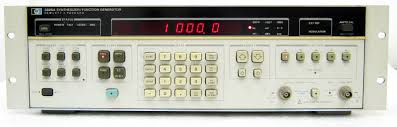
Rohde & Schwarz Function Generators (1 unit)
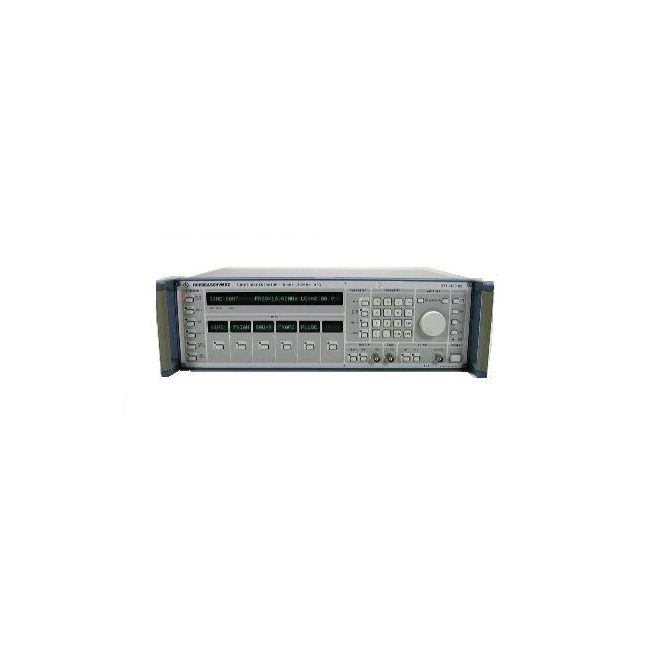
Stanford Research Systems Function Generators (2 units)
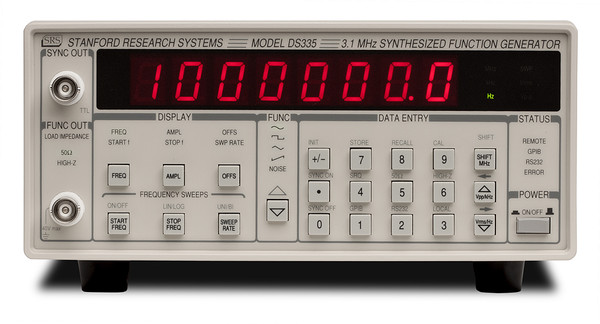
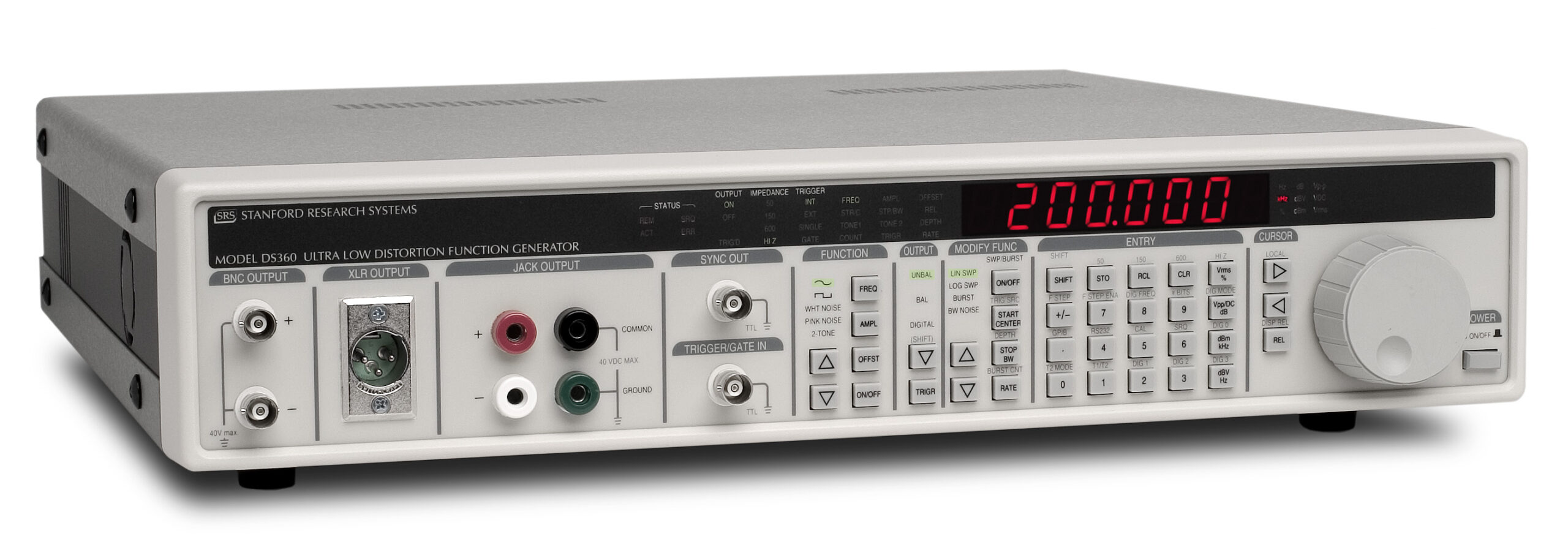
Agilent / HP 33220A and 33120A Function Generators
The HP 33120A and its successor the Agilent 33220A are the most commonly specified function generators in university and industrial labs. The HP 33120A (15 MHz, 40 MSa/s arbitrary) was introduced in the mid-1990s and is still a reliable workhorse — the main limitation is the 40 MSa/s arbitrary sample rate and 16K point memory, which limits waveform fidelity at frequencies above 1 MHz. The Agilent 33220A (20 MHz, 200 MSa/s arbitrary, 64K memory) adds modulation including AM, FM, PM, FSK, and PWM, and the arbitrary waveform mode is substantially more capable. Both instruments have a 50 ohm output with Hi-Z termination mode.
The Agilent 33250A (80 MHz, 200 MSa/s) extends the frequency range and adds faster rise times for digital circuit testing. It shares the same arbitrary waveform architecture as the 33220A but with a higher-bandwidth output amplifier. All three instruments have excellent long-term stability and are straightforward to calibrate.
Tektronix AFG Series Function Generators
The Tektronix AFG2021 and AFG3000 series offer an alternative to the Agilent 33xxx platform with a larger display, intuitive waveform preview, and deep arbitrary waveform memory (128K to 256K points on the AFG3000). The AFG3022B is a two-channel 25 MHz instrument with independent channel control. Common failure on used AFG3000 series: the USB interface board can develop intermittent faults, and the BNC output connectors wear with heavy use. The AFG3000 series is compatible with Tektronix ArbExpress software for waveform creation and download from a PC.
Function Generator Calibration and Repair
NIST-traceable function generator calibration at Aumictech covers output frequency accuracy, output amplitude accuracy at specified load impedance, DC offset accuracy, and symmetry. Standard calibration is $450 with a pass/fail NIST certificate; $650 with full measured data. Repair evaluations are free. Common repairs: BNC output connector replacement, output amplifier repair, display and keypad service. Turnaround 1 to 3 business days. See calibration pricing → | Request a repair evaluation →
Frequently Asked Questions
What is the difference between a function generator, a signal generator, and an arbitrary waveform generator? +
A function generator produces standard periodic waveforms — sine, square, triangle, ramp, and pulse — at frequencies from a few hertz to 20 or 80 MHz depending on the model. It is the right tool for driving a circuit under test with a known periodic stimulus. A signal generator (RF signal generator) produces CW and modulated signals in the RF and microwave range (typically 100 kHz to 40 GHz) and is optimized for receiver testing and RF measurements. An arbitrary waveform generator (AWG) can produce any user-defined waveform stored as a digital sequence — capturing a real signal, editing it, and replaying it through the output. Many modern function generators include AWG capability, making the distinction less sharp at the low end.
What frequency range do most bench lab applications require? +
For general-purpose lab work — circuit debugging, filter testing, sensor drive, transducer excitation — a 20 MHz function generator covers the vast majority of applications. The Agilent 33220A (20 MHz) and HP 33120A (15 MHz) are the workhorses of this class. For pulse and digital timing applications where you need fast rise times and square wave fidelity, a higher-frequency unit like the Agilent 33250A (80 MHz) is preferred because the squareness of the output improves with higher instrument bandwidth. For audio and low-frequency sensor work, even a 1 MHz instrument is sufficient.
What is arbitrary waveform output and when do I need it? +
Arbitrary waveform output lets you define a custom waveform as a sequence of voltage samples stored in the instrument memory, then output it repeatedly at a specified sample rate. You use AWG capability when you need to simulate a non-standard signal shape — a cardiac waveform for medical device testing, a distorted power line waveform for immunity testing, an amplitude-keyed pulse train, or a specific sensor output pattern. The Agilent 33220A has a 64,000-sample arbitrary waveform memory and 200 MSa/s sample rate. The HP 33120A has a 16,000-sample memory at 40 MSa/s.
Do I need single or dual channel output? +
Single channel is sufficient for most general-purpose lab work — driving a circuit input, providing a reference signal, or testing a single-port component. Dual channel output (like the Keysight 33500B or Tektronix AFG3022B) is needed when you require two phase-related signals simultaneously — I and Q drive for a quadrature modulator, differential drive for a balanced amplifier, or two synchronized signals with a controlled phase relationship for delay and phase testing. Dual-channel instruments also allow summing two waveforms at the output for AM modulation without an external mixer.
What output impedance should I select on a function generator? +
Most function generators have a 50 ohm source impedance with a switchable output termination setting. When driving a 50 ohm coaxial load (most RF and microwave applications), set the output impedance to 50 ohms — the displayed amplitude is the voltage at the 50 ohm load. When driving a high-impedance load (oscilloscope input, CMOS gate, op-amp input), set the output impedance to Hi-Z — the instrument doubles the output voltage to compensate for the unterminated transmission line, so the displayed amplitude is the open-circuit voltage. Using the wrong impedance setting causes the actual output to differ from the displayed value by a factor of 2.
How often does a function generator need calibration? +
Annual NIST-traceable calibration is standard for instruments in quality system environments. Function generator calibration covers output frequency accuracy, output amplitude accuracy across the full frequency and level range, DC offset accuracy, symmetry, and duty cycle where applicable. Frequency accuracy on a crystal-referenced synthesizer is very stable — an Agilent 33220A calibrated two years ago likely still meets the 1 ppm frequency specification if stored at room temperature. Amplitude calibration drifts more, typically 0.5 to 1% over two years. We calibrate to Agilent and HP published specifications and issue certificates with measured data.
What are common repair issues with used HP and Agilent function generators? +
The HP 33120A and Agilent 33220A have excellent reliability records. The most common failure mode is output connector wear — the BNC output connector degrades after thousands of cable insertions, causing intermittent contact. On the HP 33120A, the output amplifier can fail if the output has been sustained into a short circuit. Display and keypad failures are common on units from the early 2000s from membrane switch wear. On the Agilent 33250A, the DDS chip and high-speed DAC are the critical components — failures are rare but expensive to repair. All of these issues are bench-diagnosable with a repair estimate before committing to work.
What is burst mode on a function generator? +
Burst mode outputs a specified number of waveform cycles in response to a trigger, then stops and waits for the next trigger. It is used in applications where you want to generate a finite packet of cycles rather than a continuous waveform — pulsed ultrasound transducer drive, gated measurement windows, trigger-synchronized test stimuli for digital systems, and network impulse response testing. The Agilent 33220A supports triggered burst, gated burst, and internally triggered burst. Burst count is settable from 1 to 50,000 cycles, with phase start angle control so each burst begins at the same phase point.
Need a specific frequency range or waveform type?
We source specific function generators on request. Tell us your frequency range, whether you need arbitrary waveform capability, single or dual channel, and any modulation requirements.
Get in touch