
Used Oscilloscope Probes
126 units in stock — differential, current, and high-voltage probes from Agilent/Keysight, LeCroy, Tektronix, and Rohde & Schwarz. Ships from Pleasant Grove, UT.
Agilent / HP Oscilloscope Probes (1 unit)
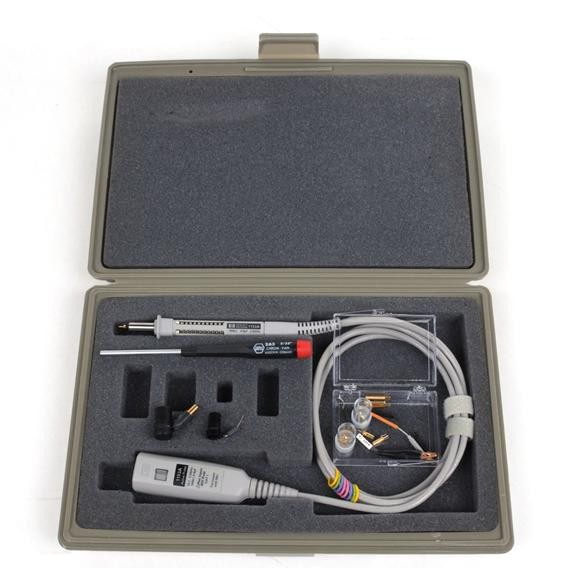
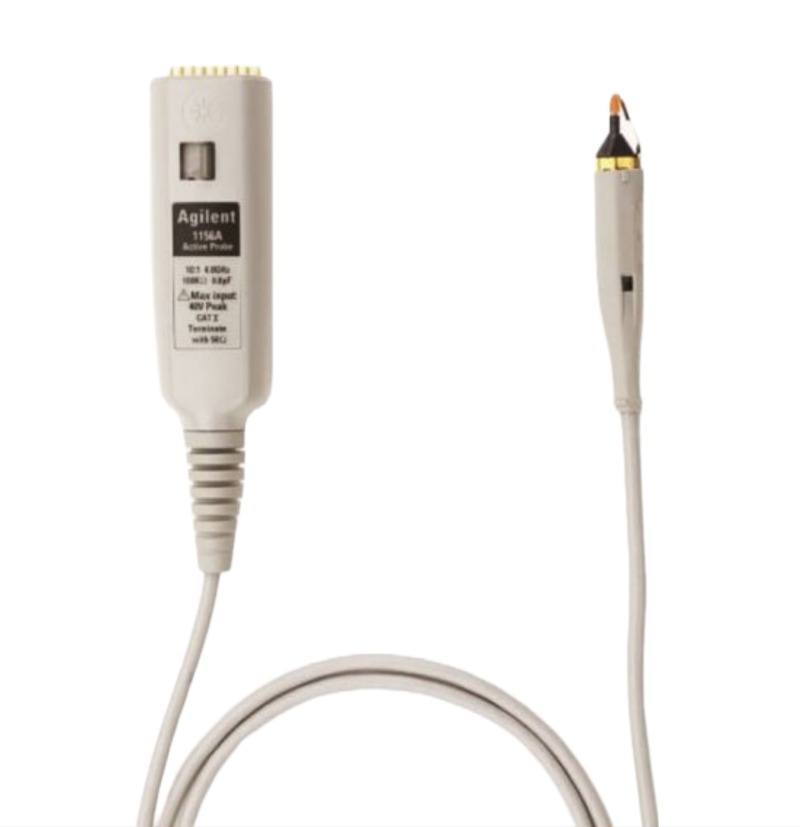
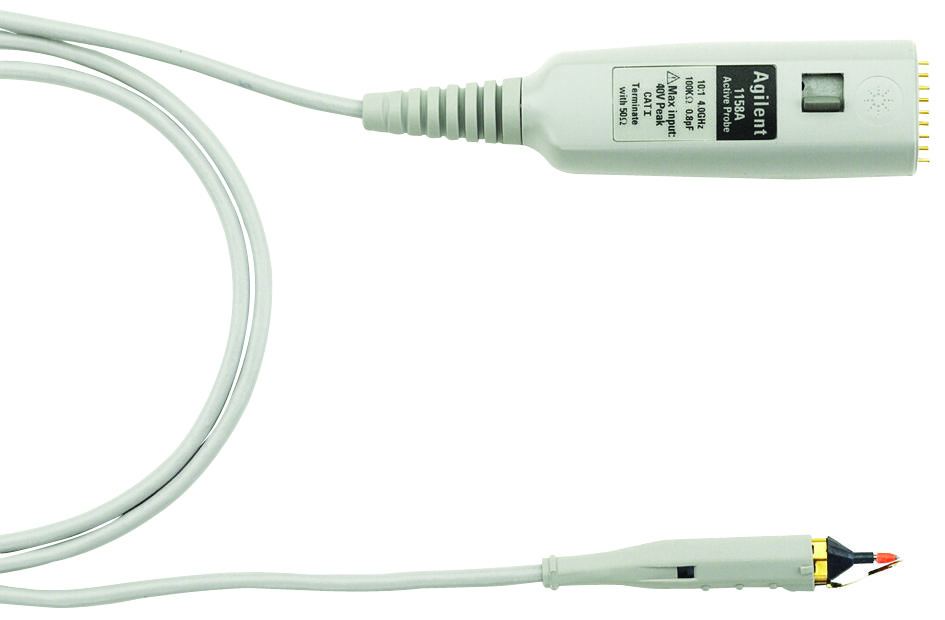
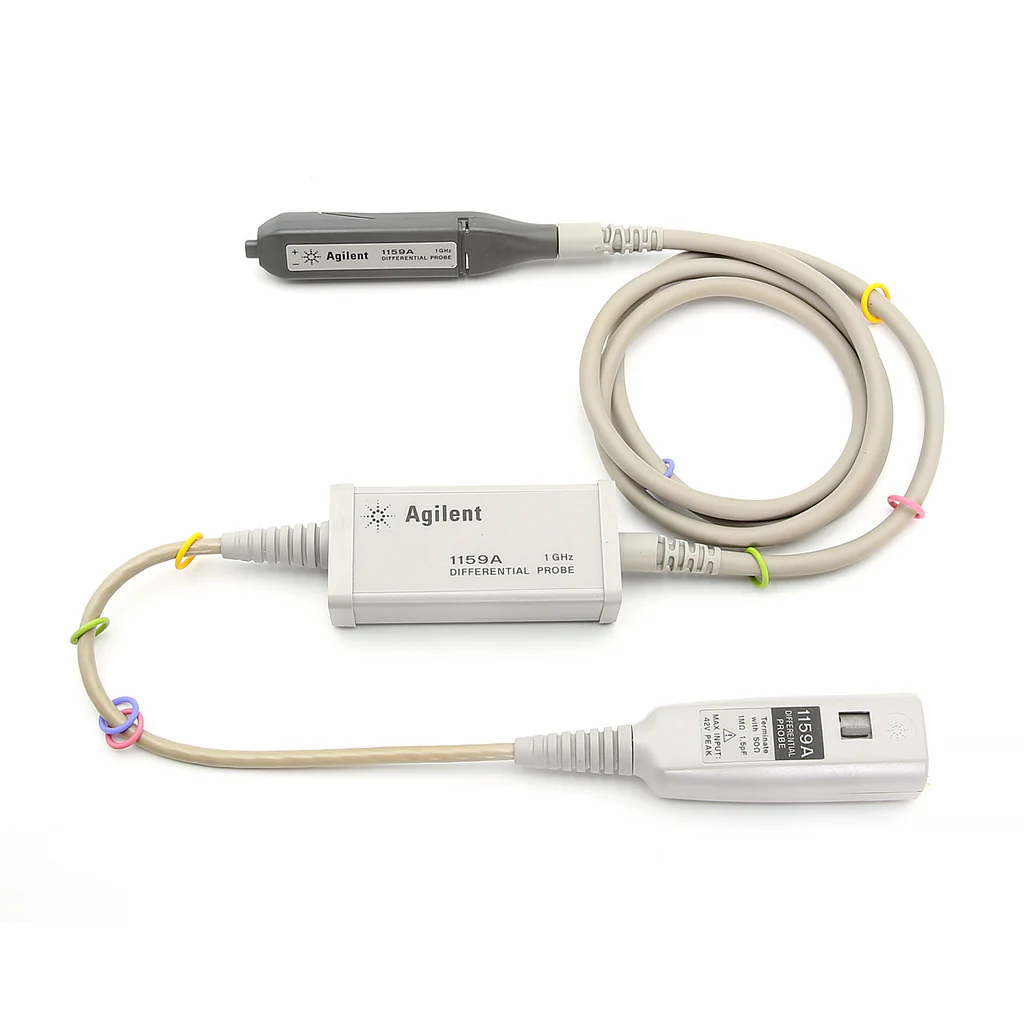
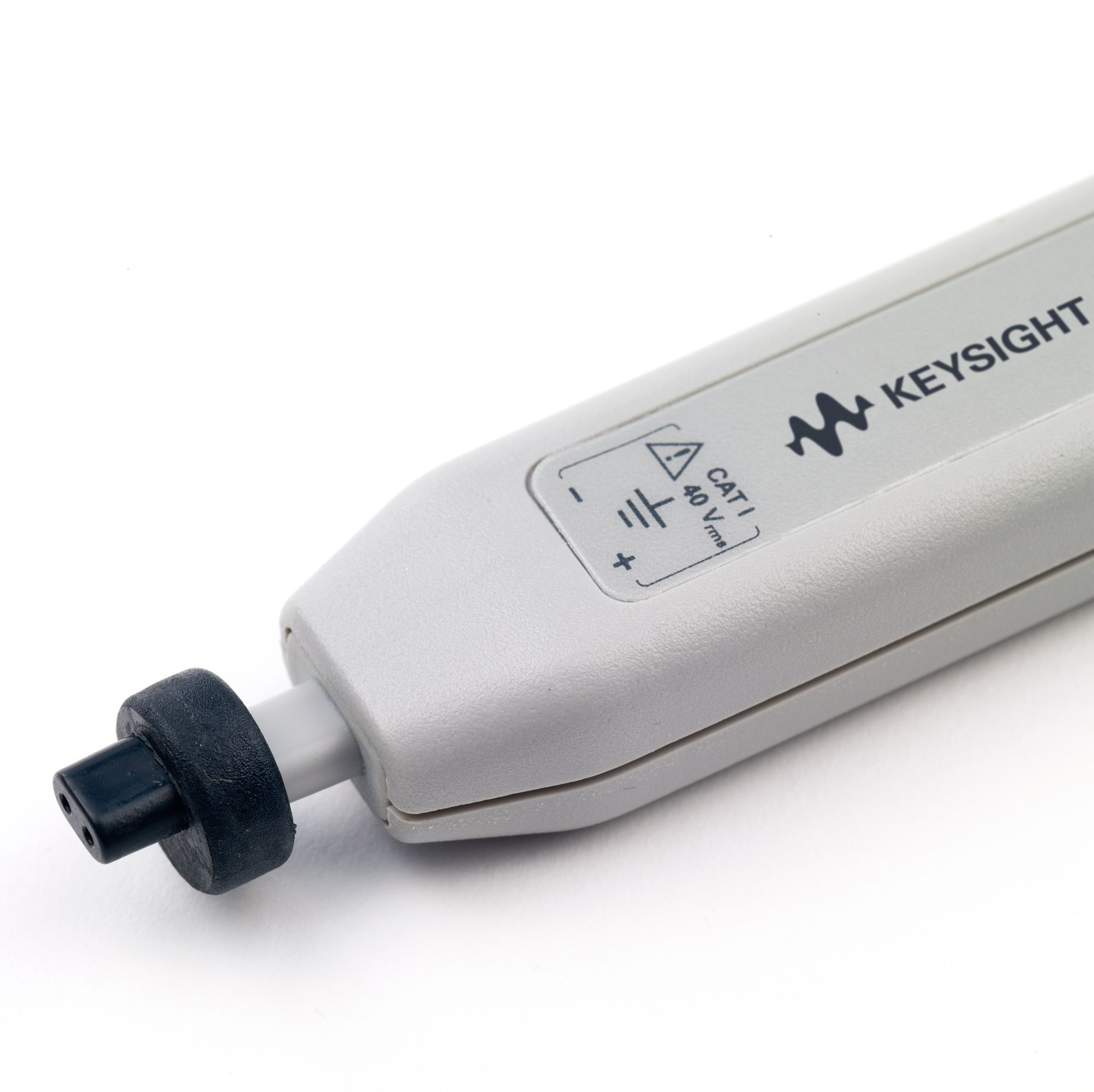
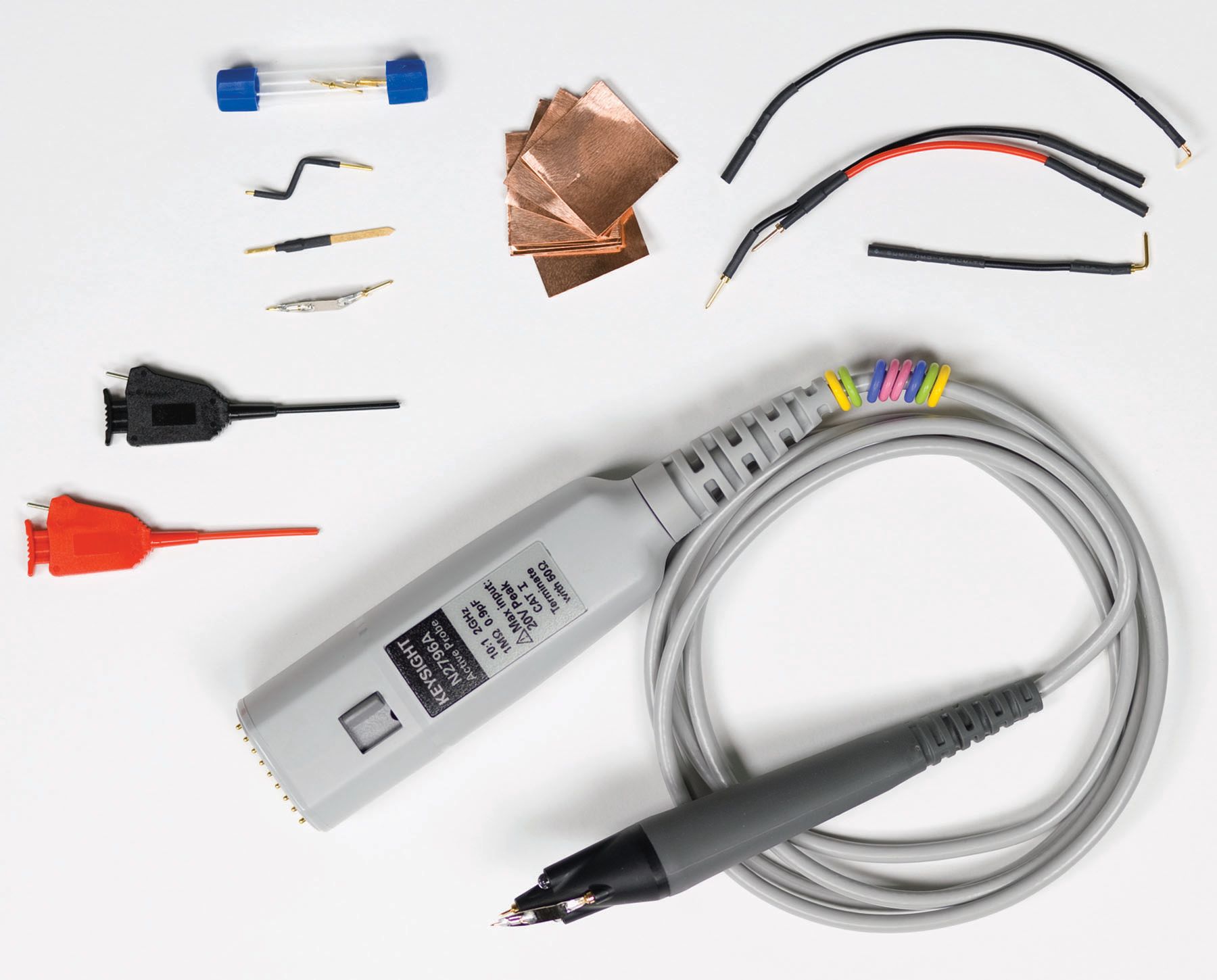
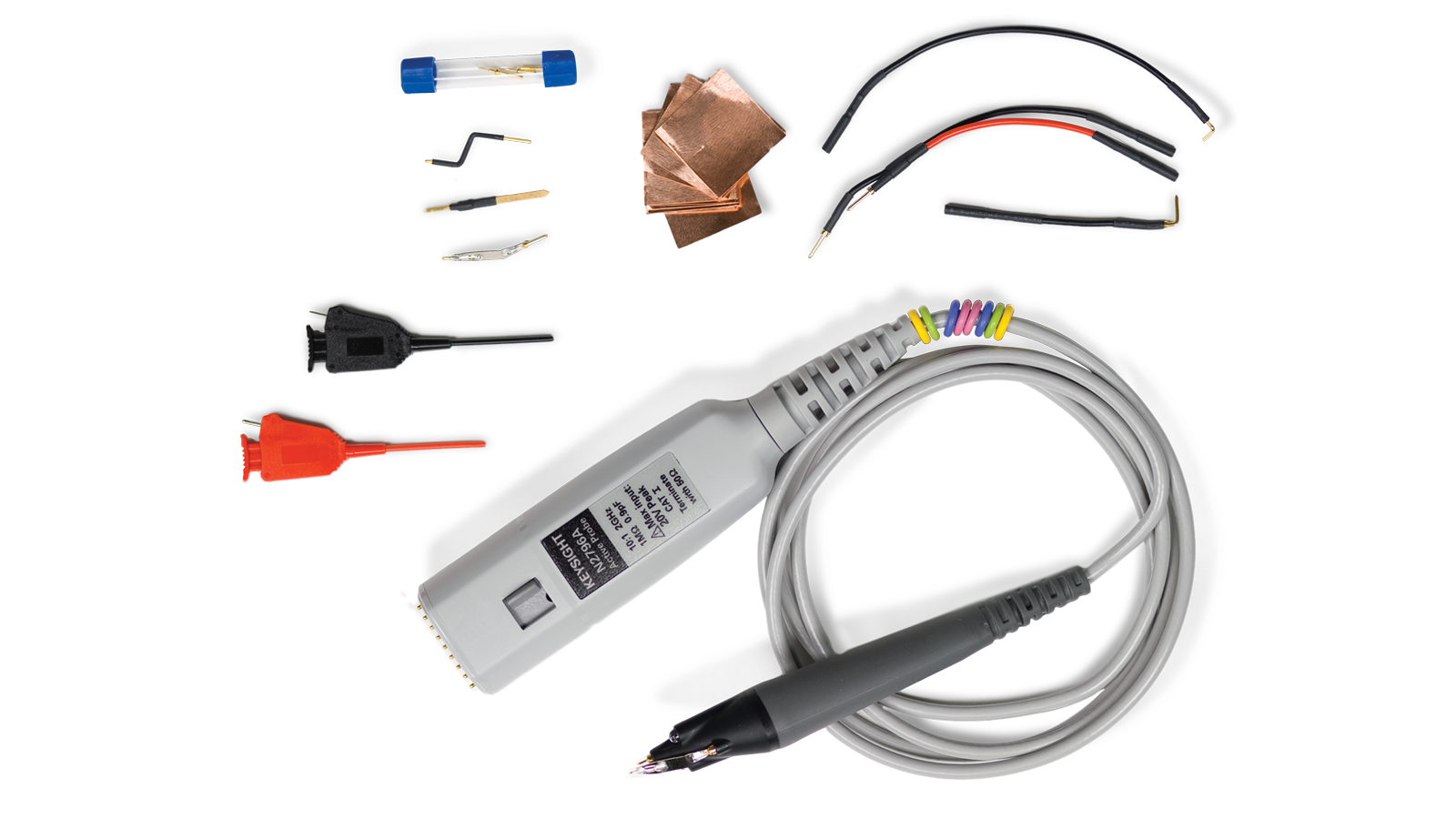
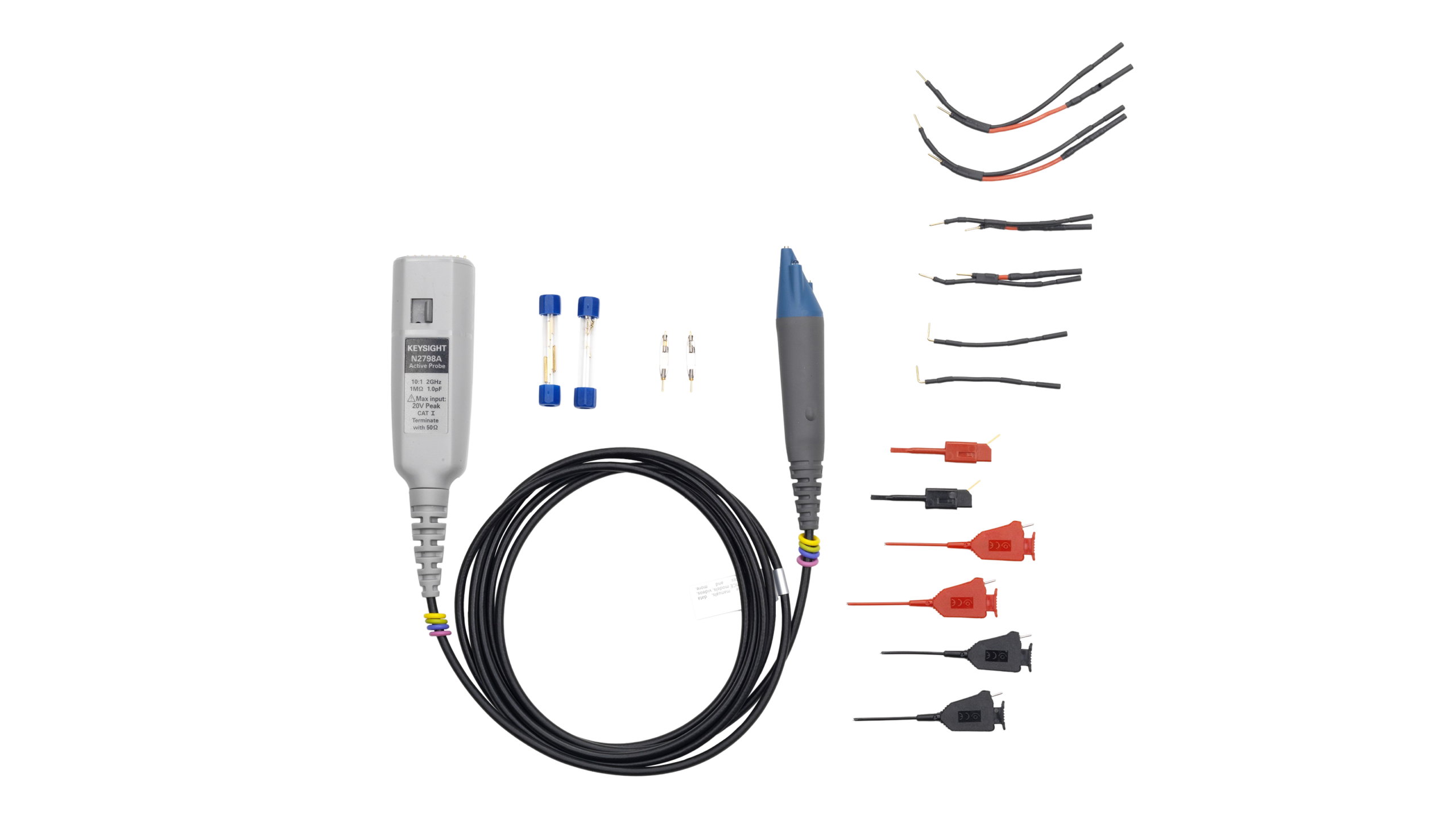
Agilent / Keysight Oscilloscope Probes (77 units)
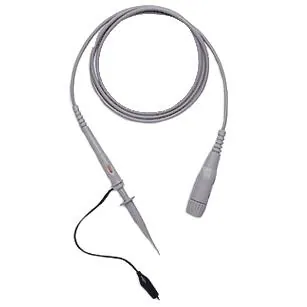
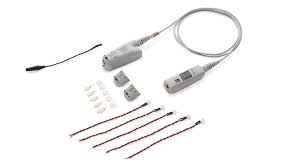
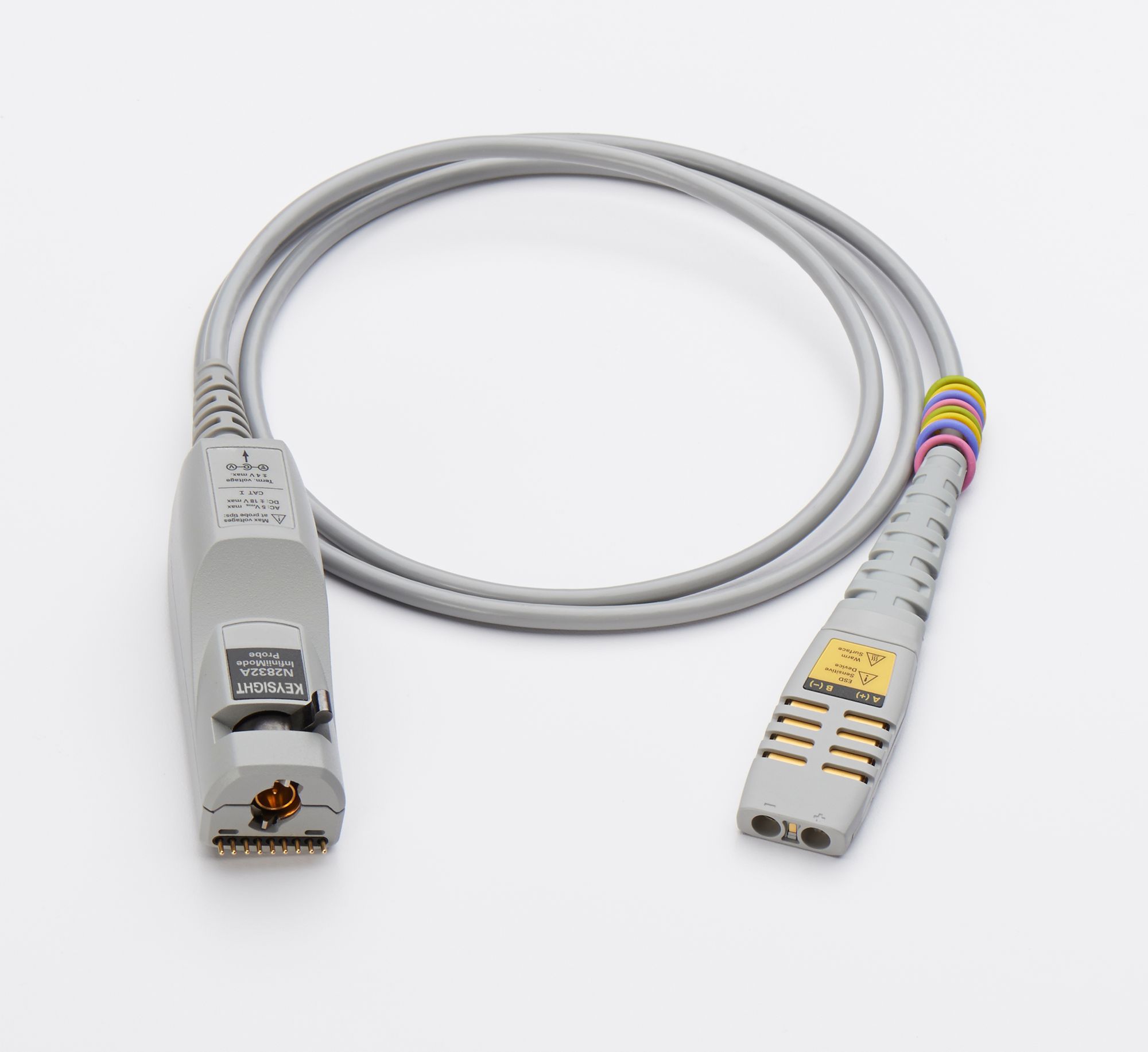
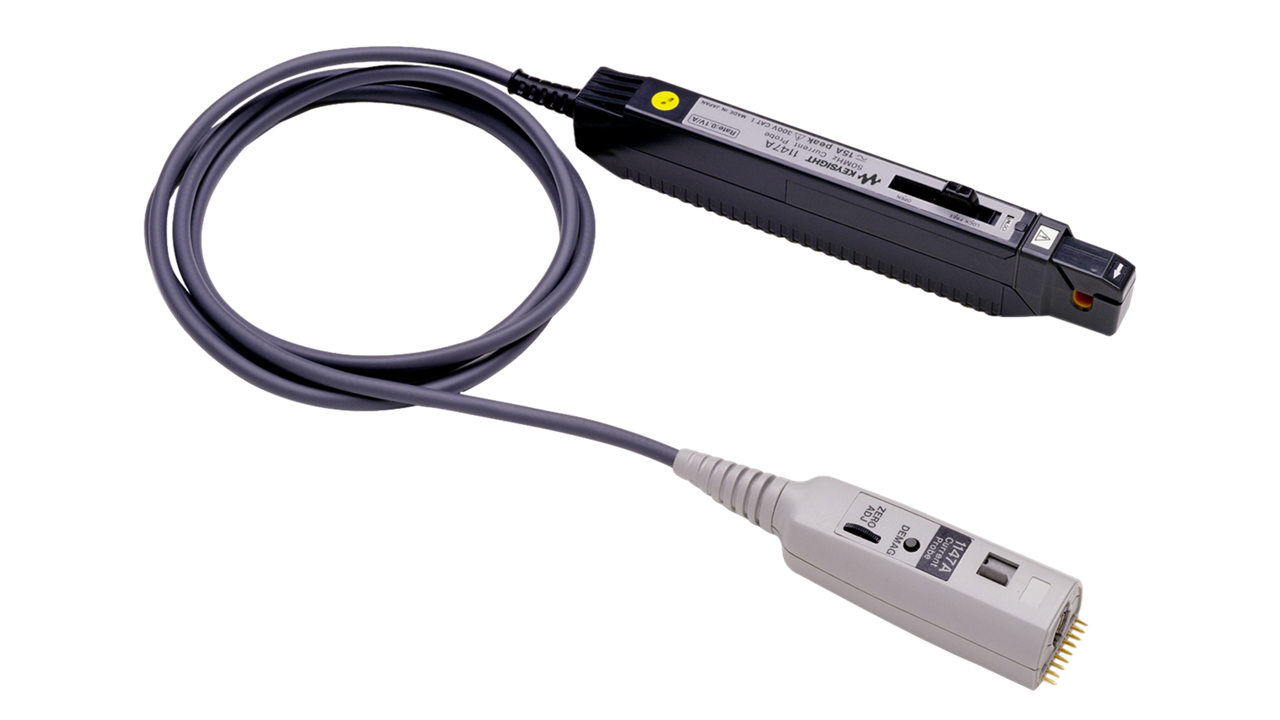
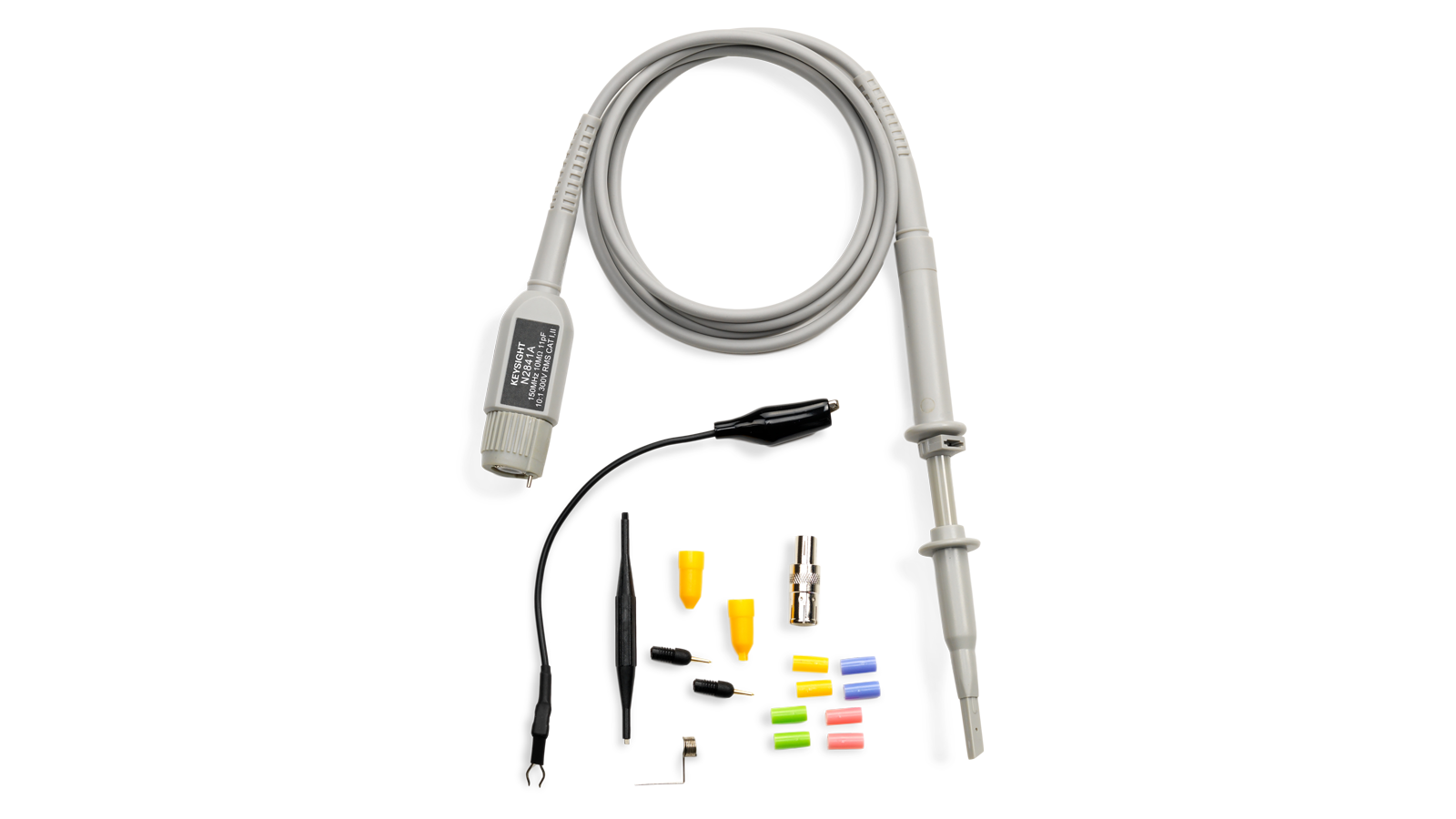
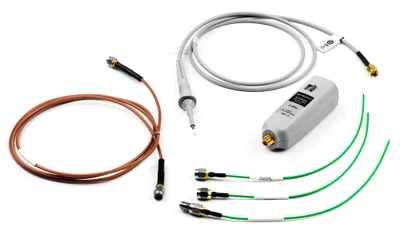
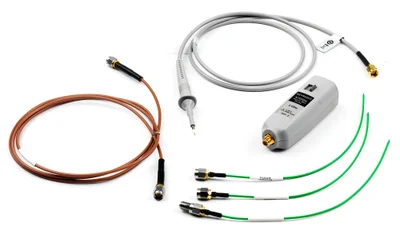
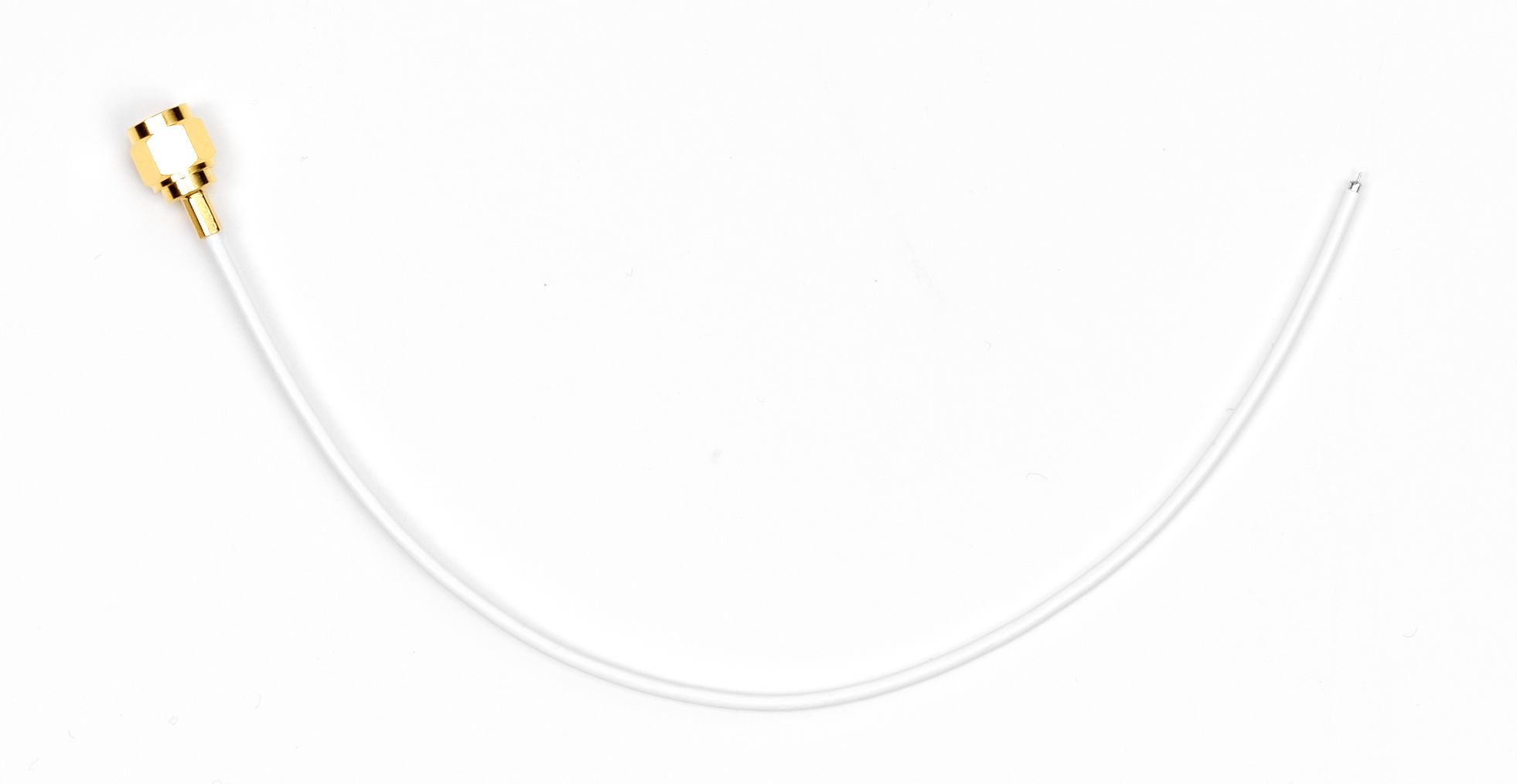
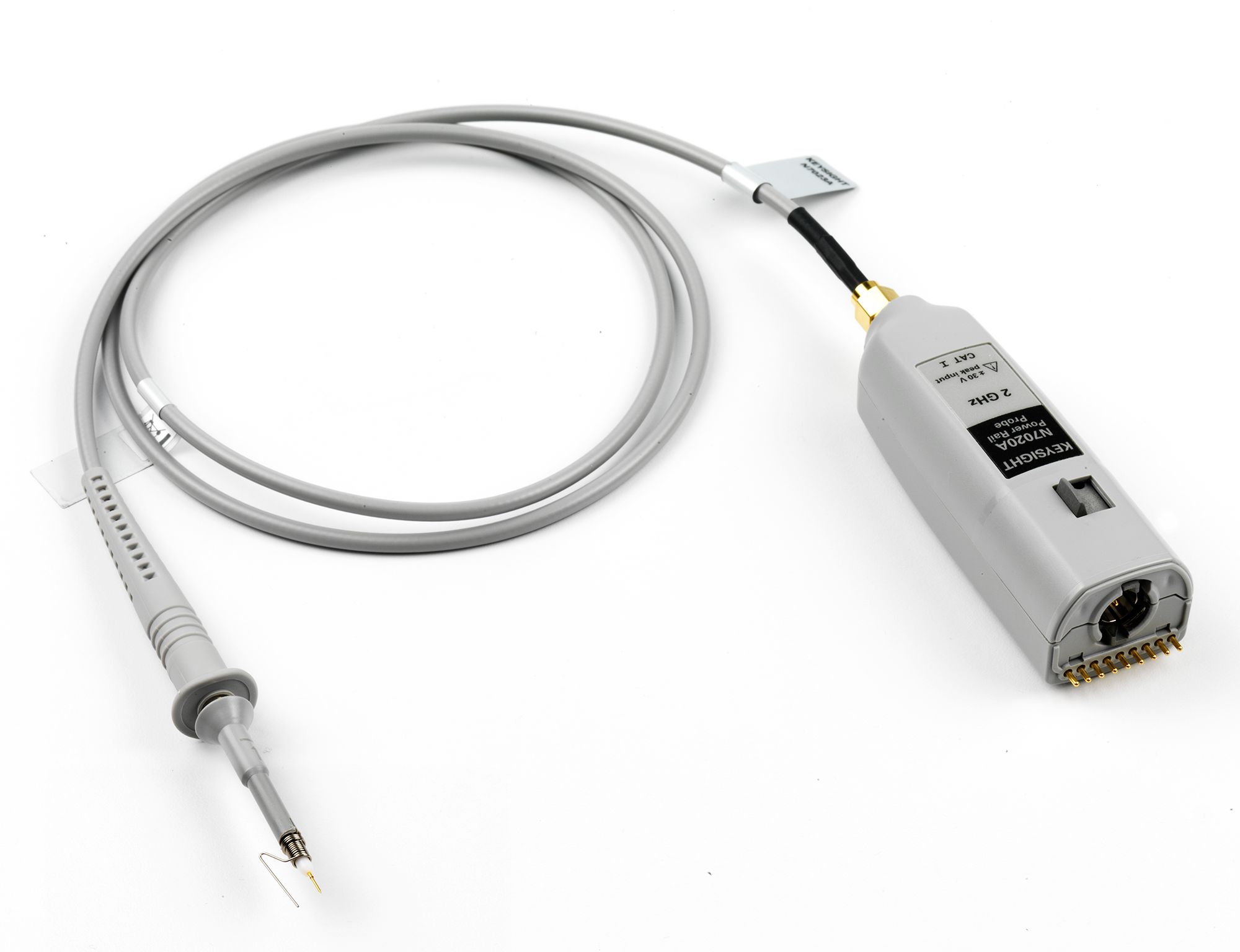
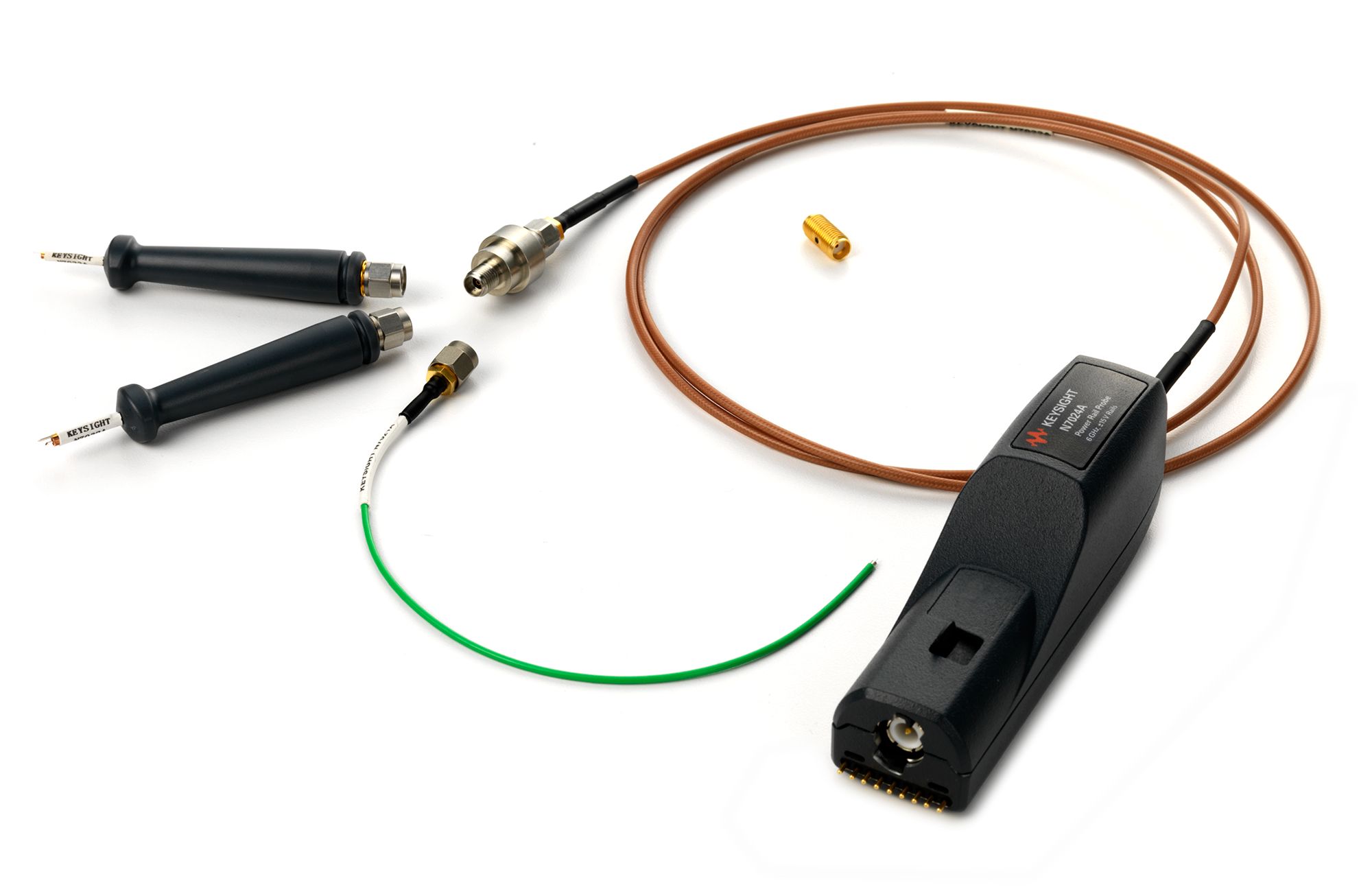
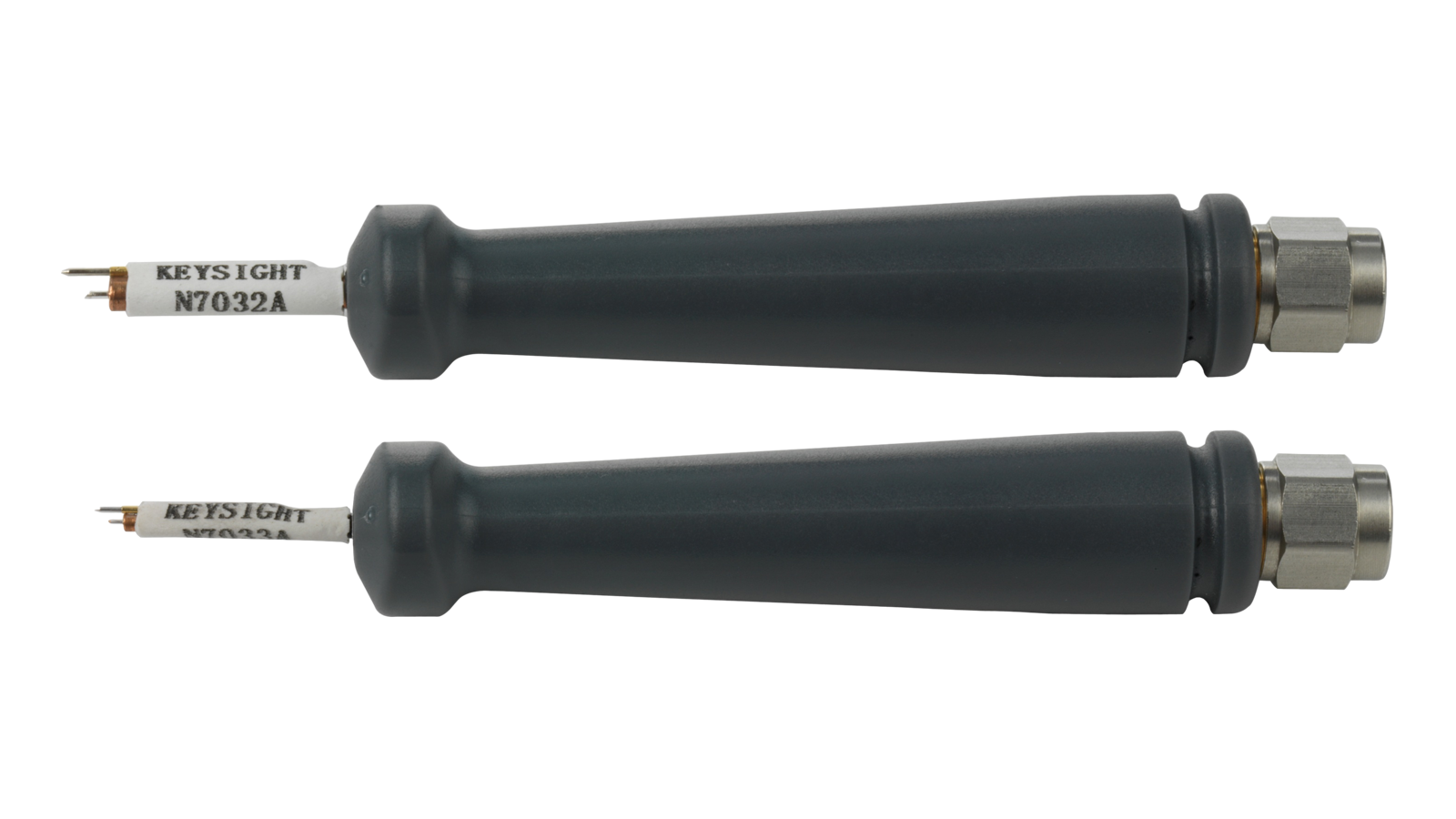
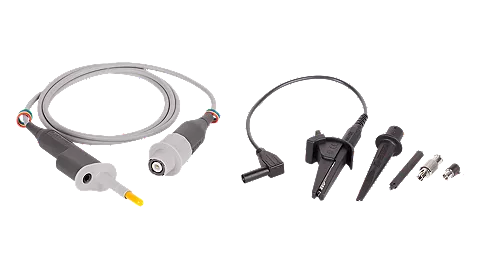
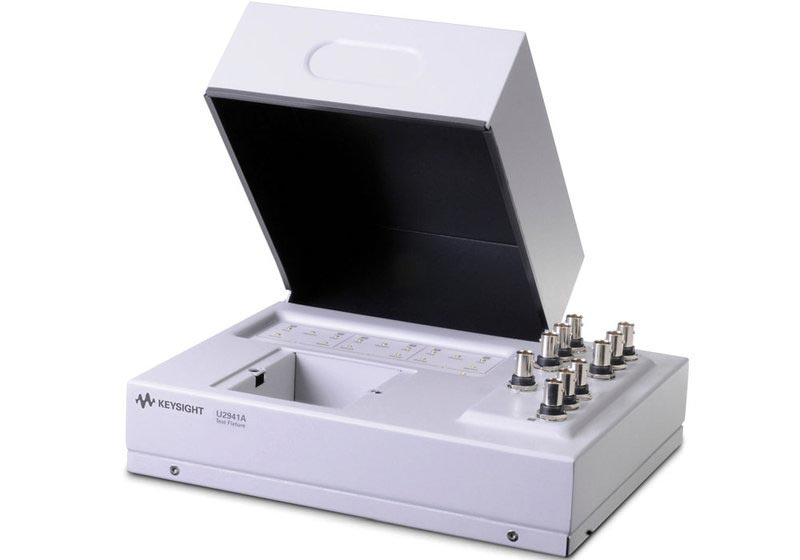
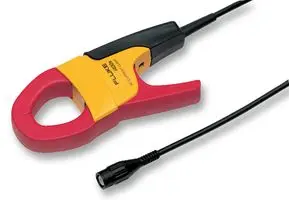
Fluke Oscilloscope Probes (4 units)
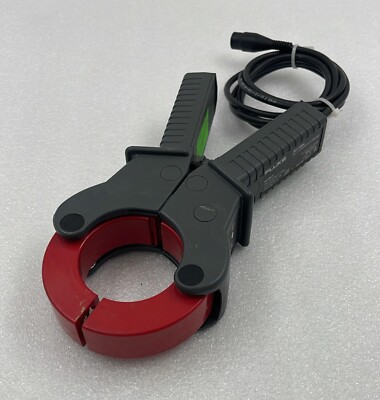
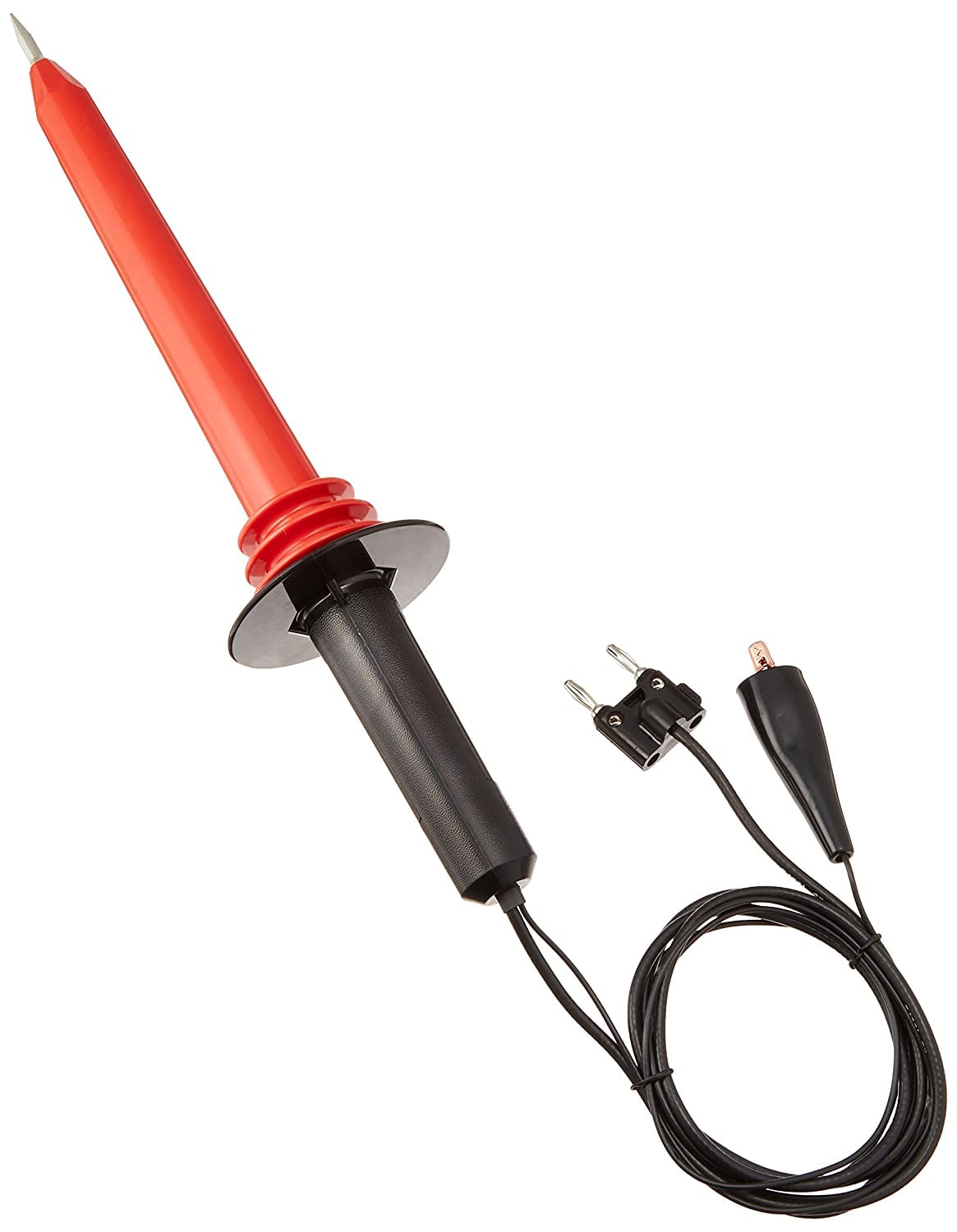
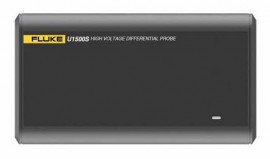
Keithley Oscilloscope Probes (1 unit)
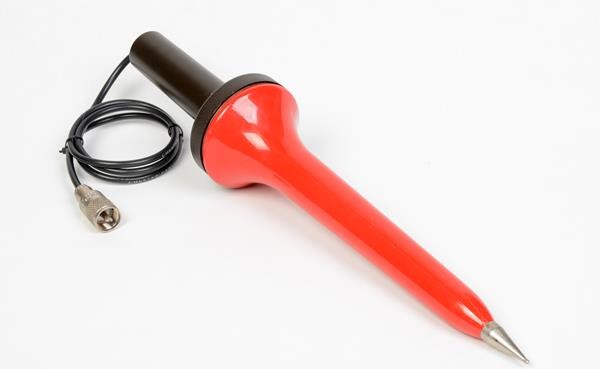
Keysight / Agilent Oscilloscope Probes (6 units)
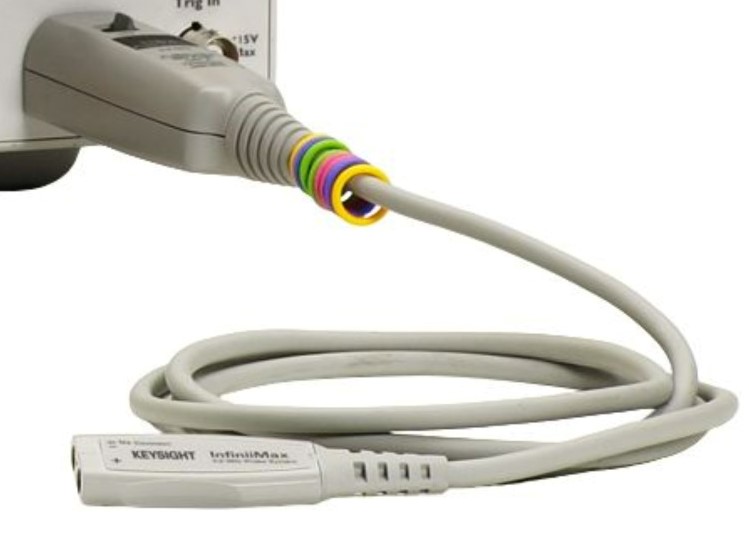
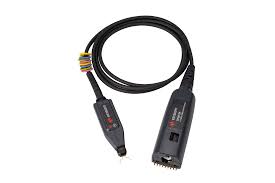
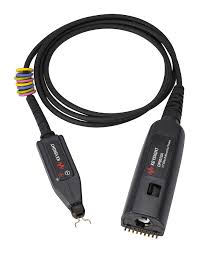
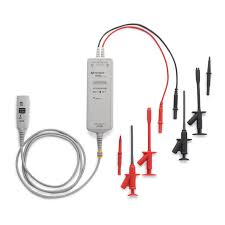
Keysight / Agilent / HP Oscilloscope Probes (1 unit)
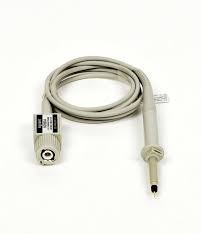
Lecroy Oscilloscope Probes (11 units)
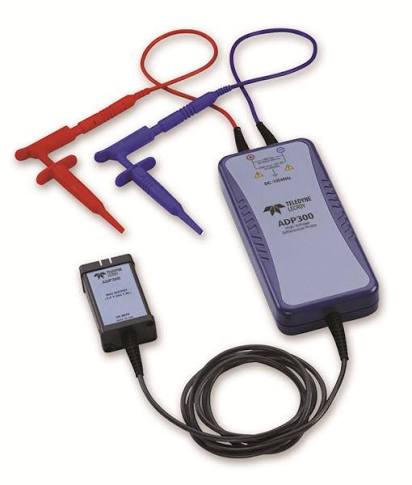
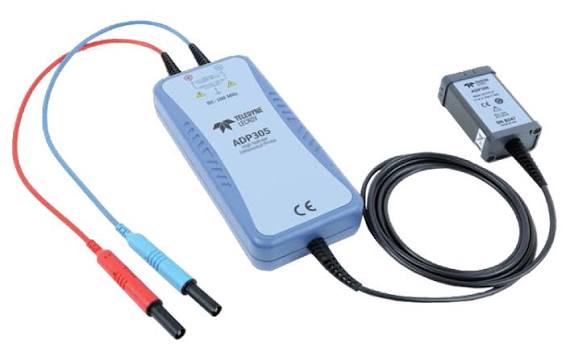
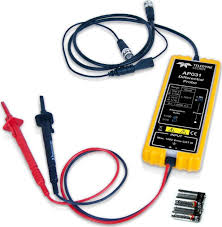
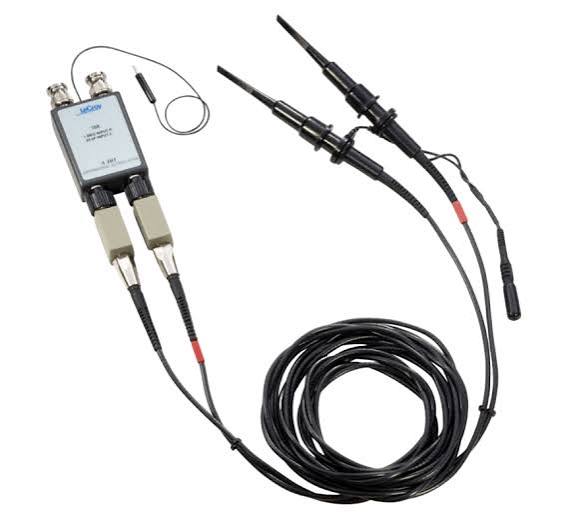
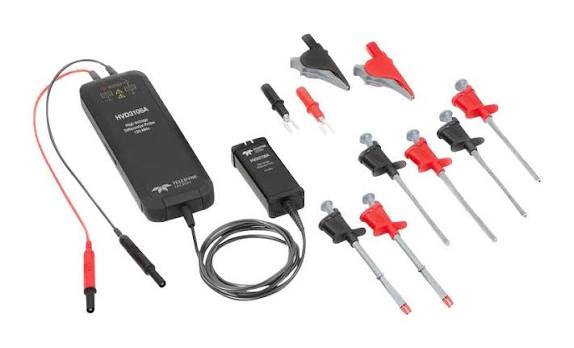
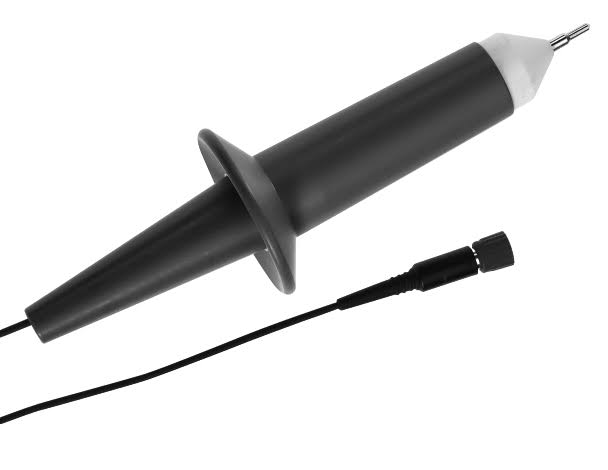
Rigol Oscilloscope Probes (3 units)
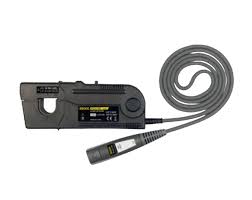
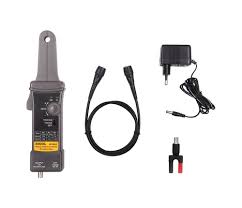
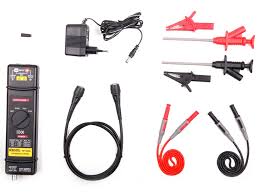
Rohde & Schwarz Oscilloscope Probes (6 units)
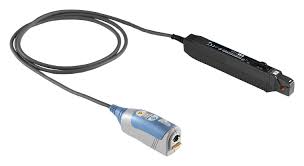
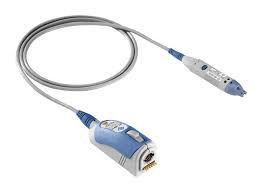
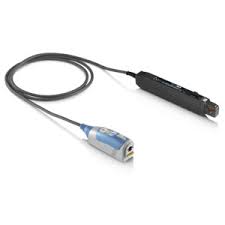
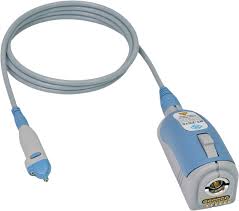
Tektronix Oscilloscope Probes (9 units)
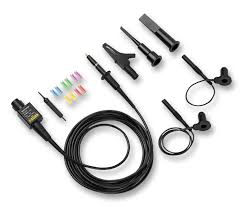
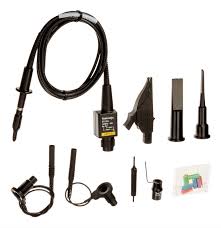
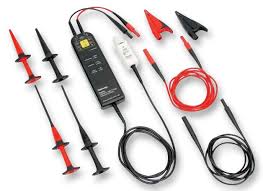
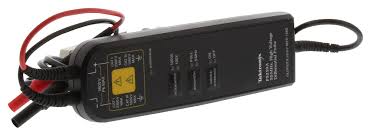
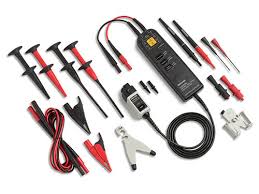
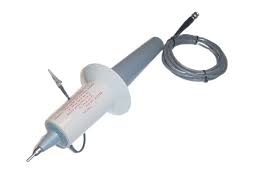
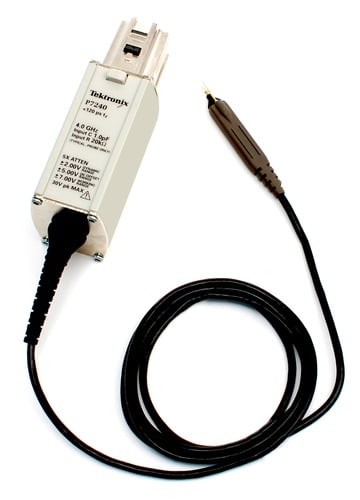
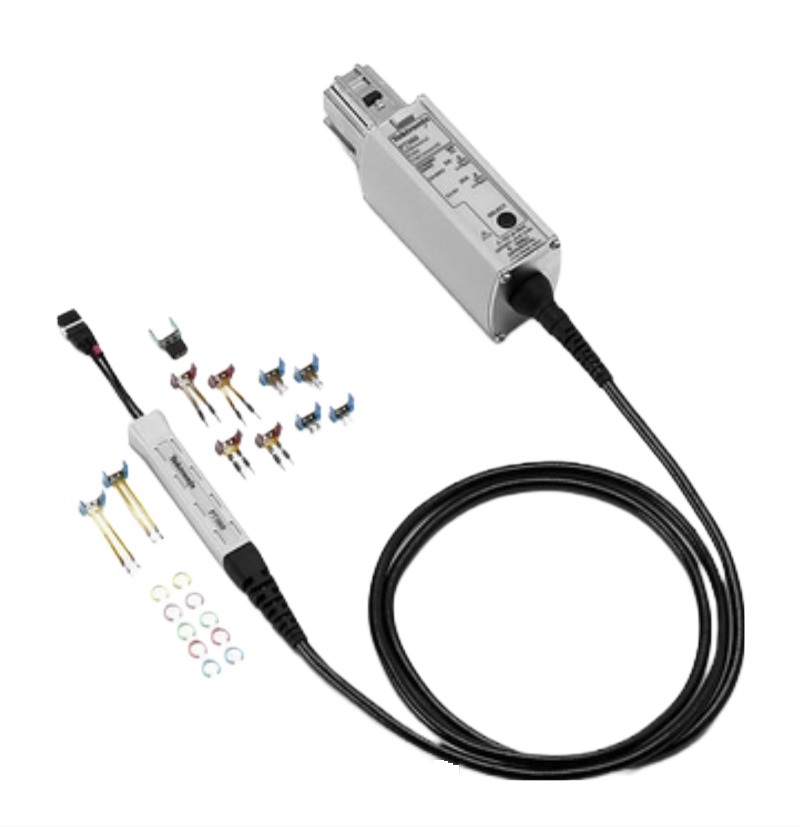

Teledyne LeCroy Oscilloscope Probes (7 units)
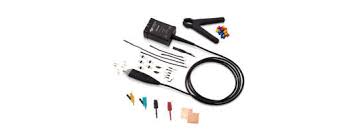
Passive vs. Active Probes
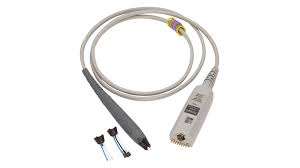
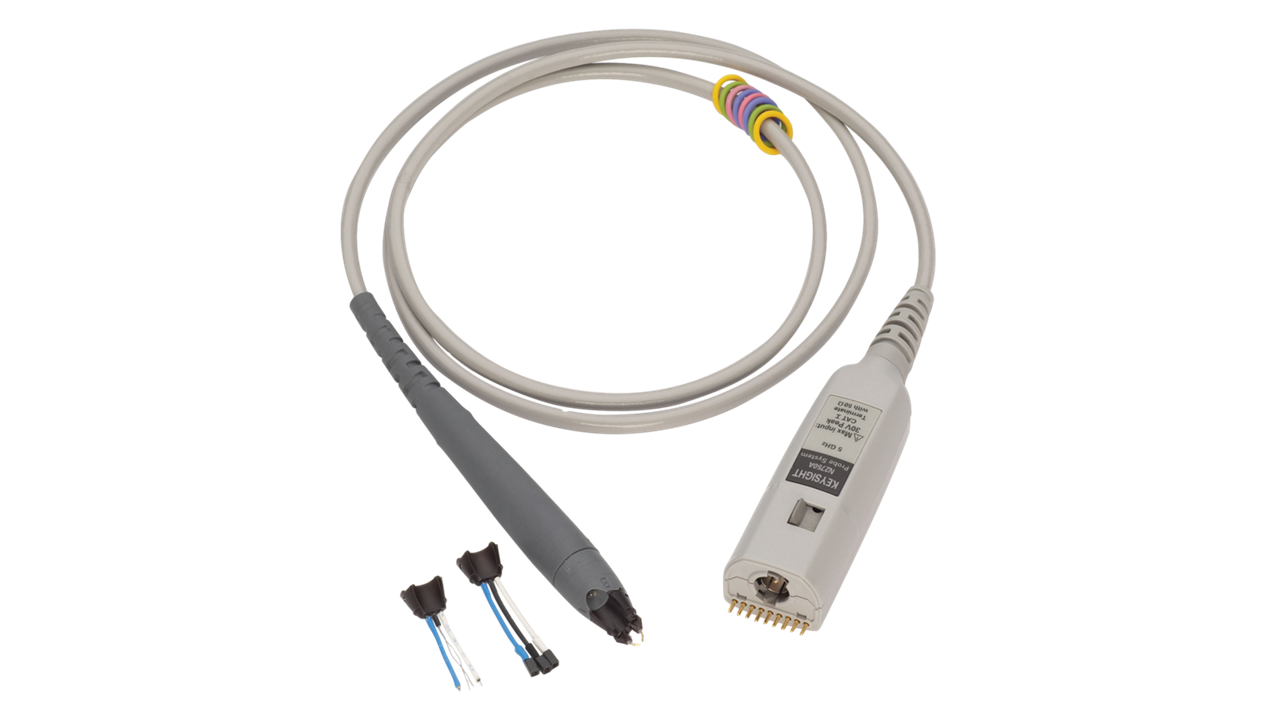
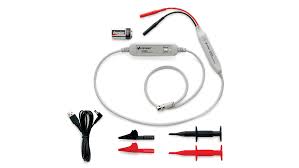
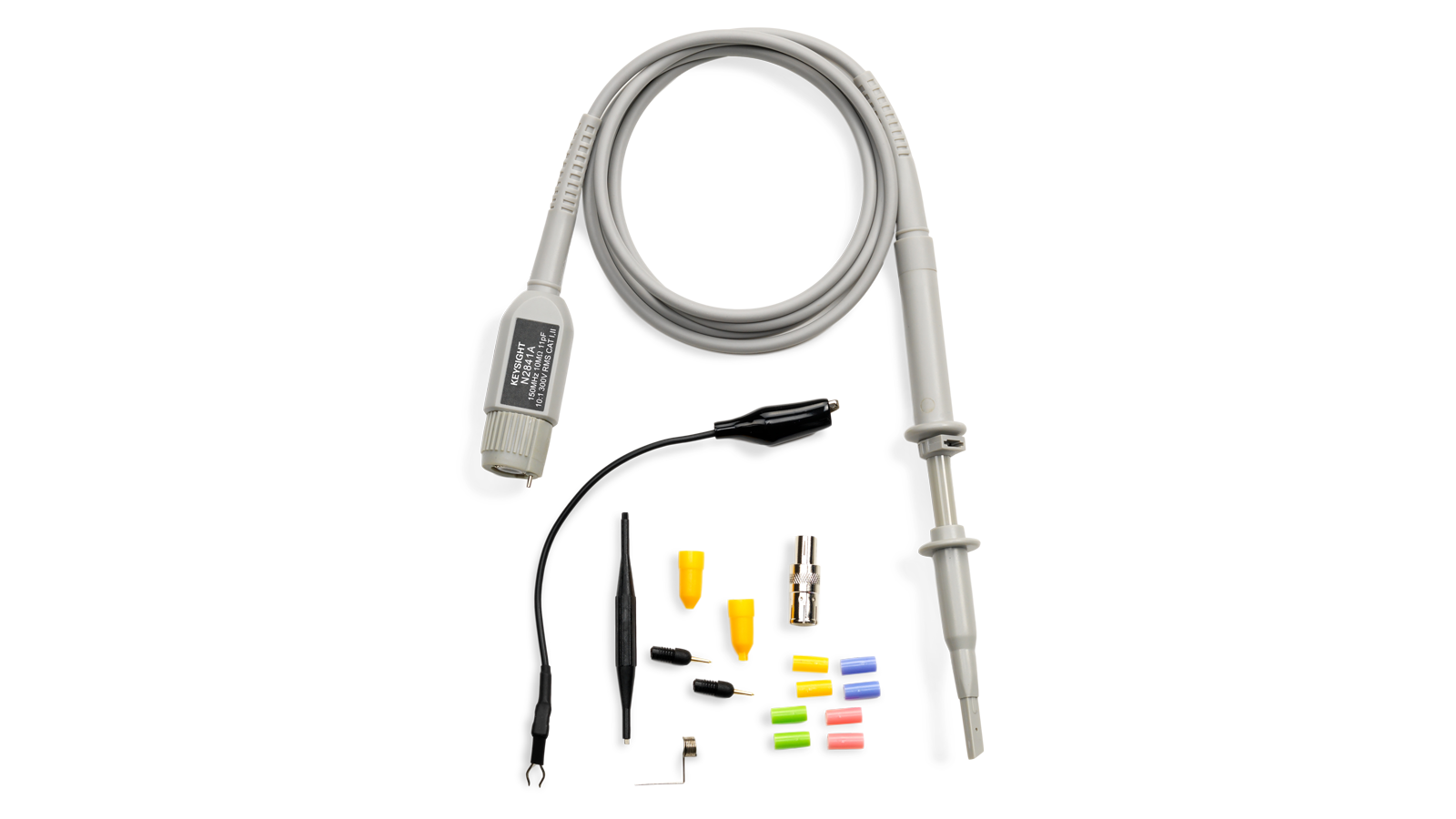
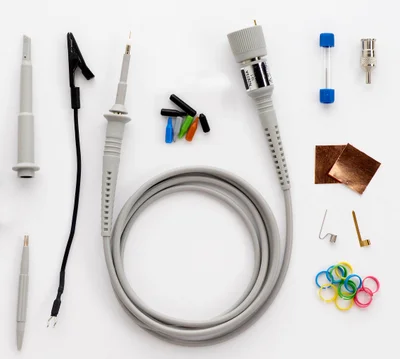
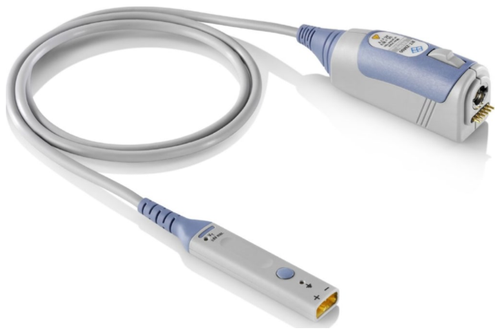
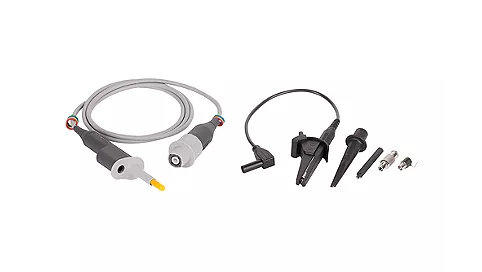
A passive probe (typically 10x attenuation) is a simple, unpowered voltage divider — rugged, inexpensive, and adequate for most general-purpose work, but it loads the circuit more and has lower bandwidth than active alternatives. An active probe contains its own amplifier near the probe tip, drawing power from the scope, giving much higher bandwidth and lower circuit loading — necessary for accurately probing fast digital or RF signals where a passive probe's loading would distort the measurement.
Differential Probes
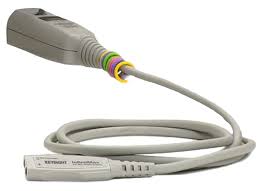
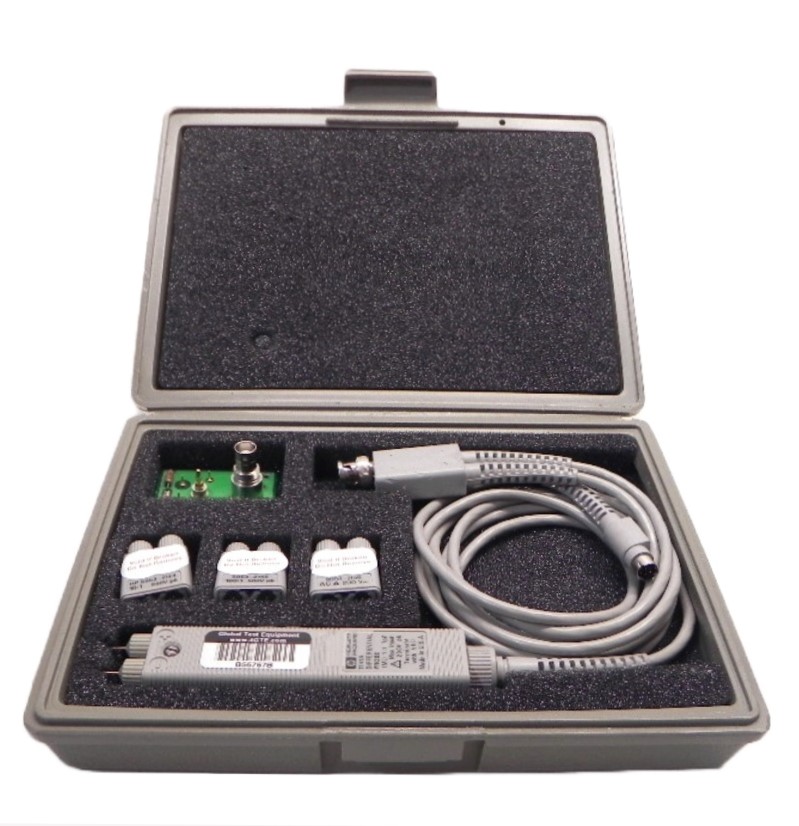
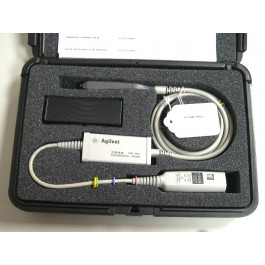
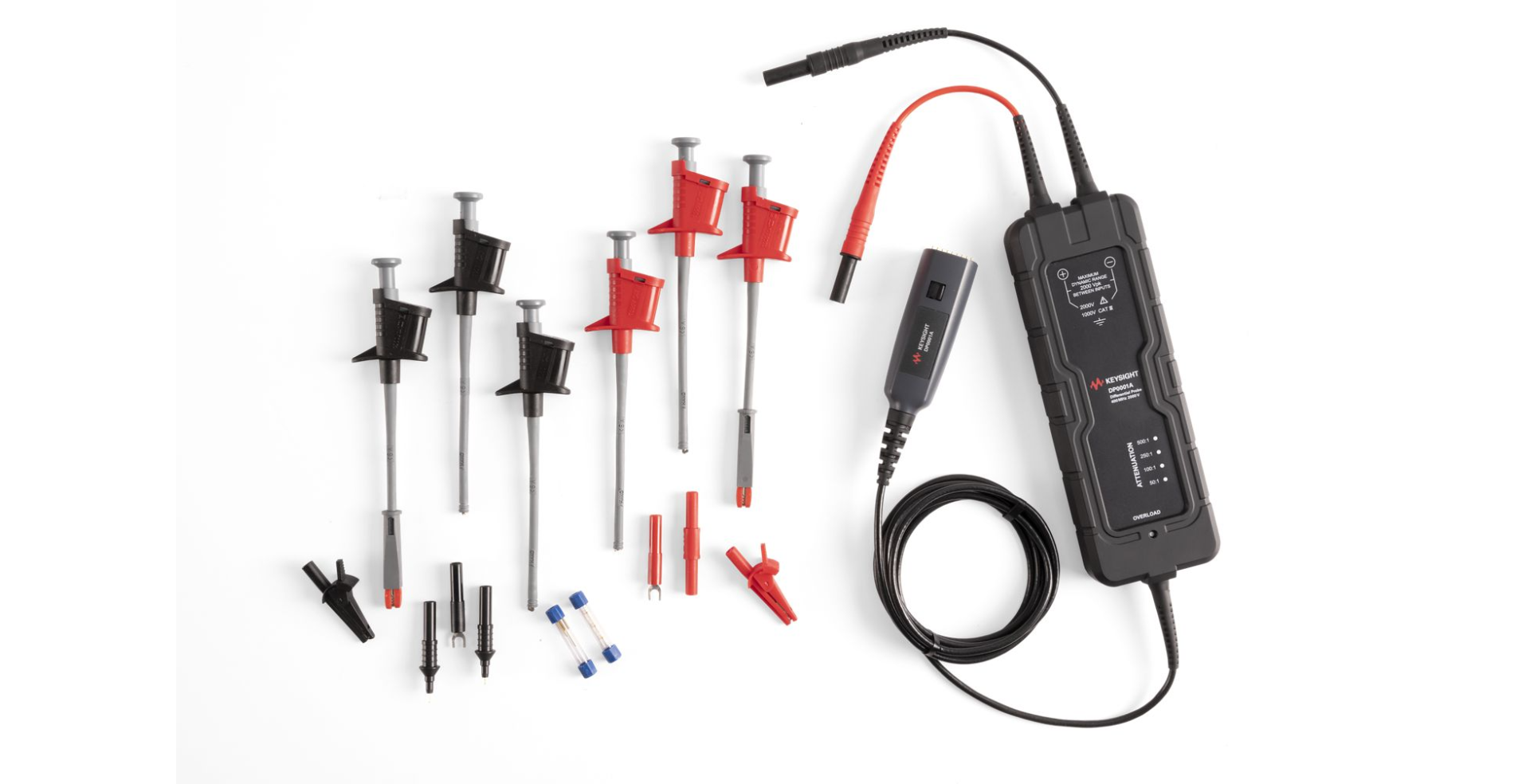
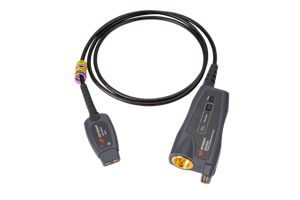
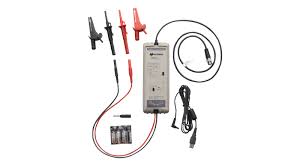
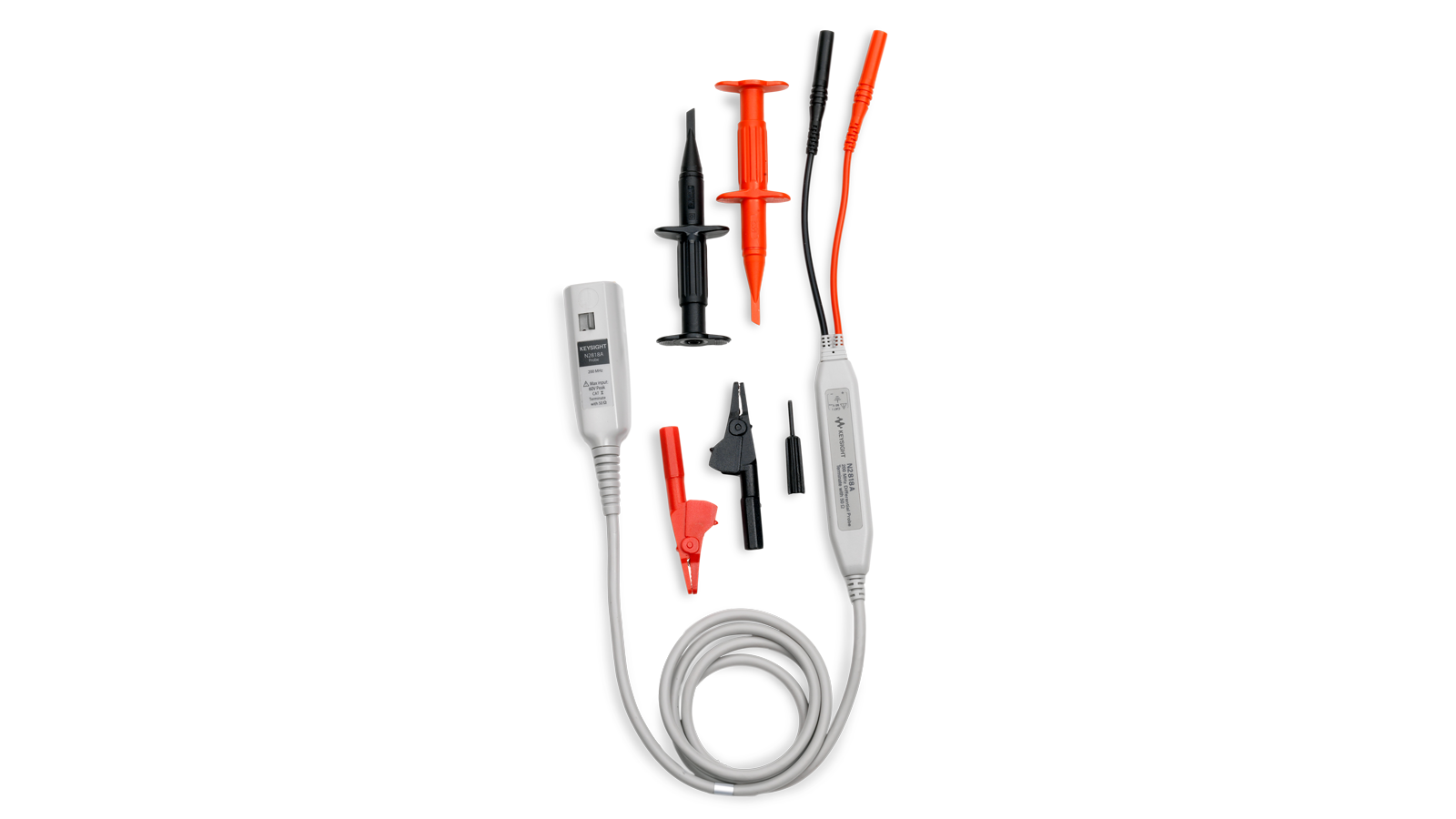
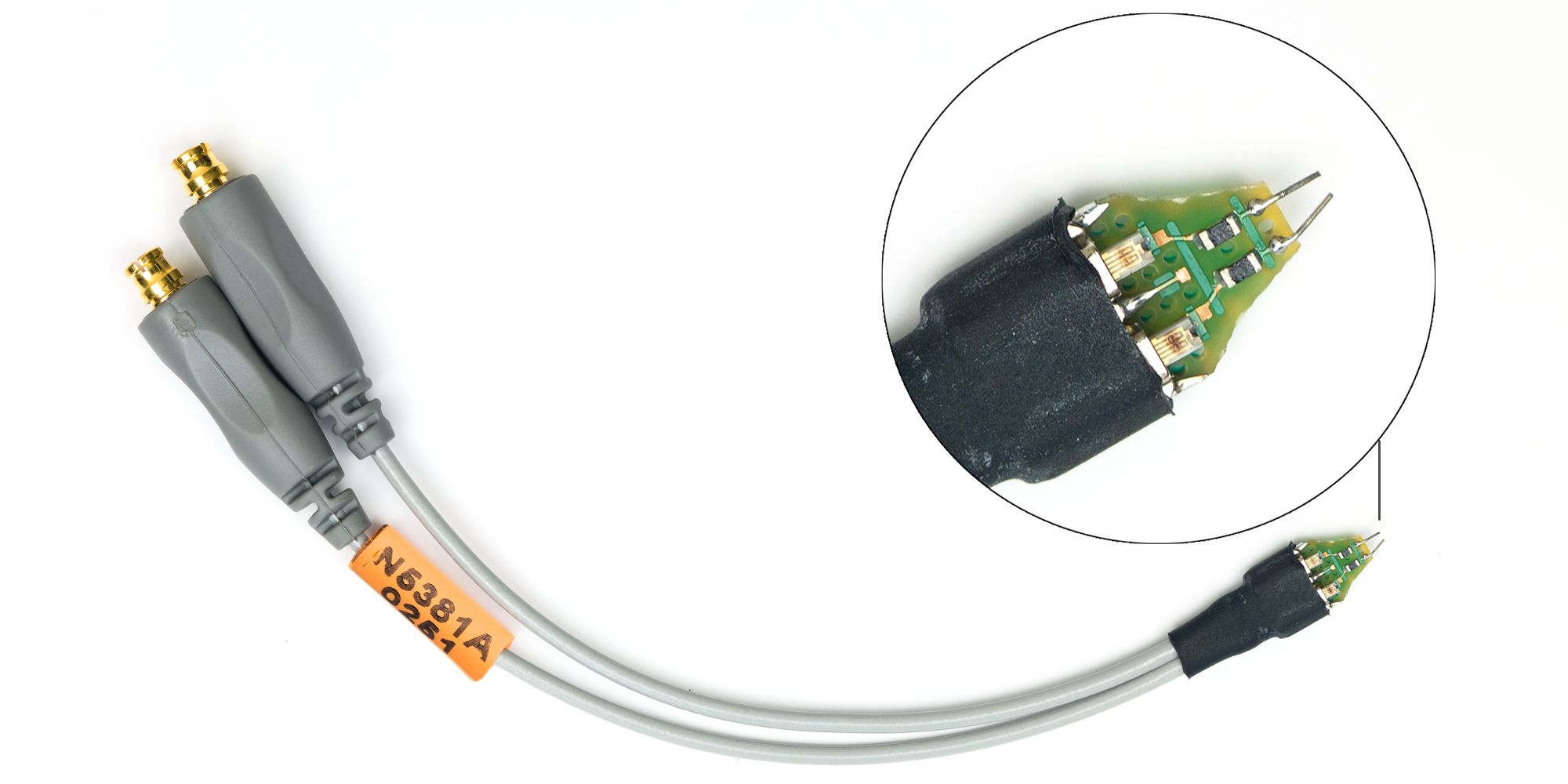
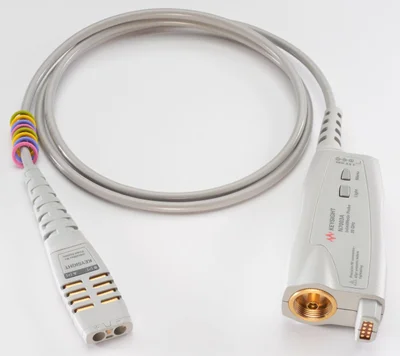
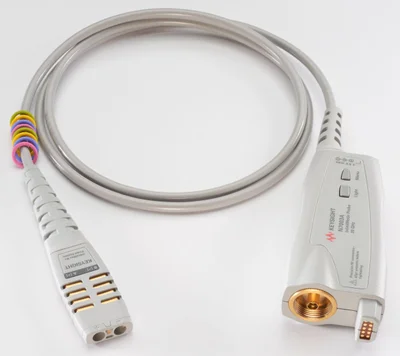
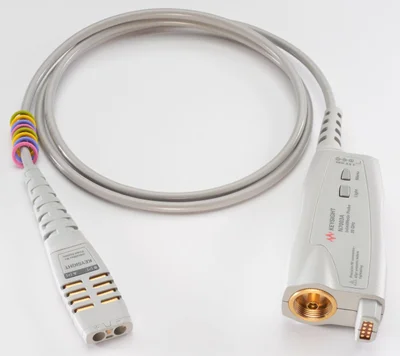
Most of the Agilent/Keysight N-series probes in this category are differential probes, measuring the voltage difference between two points that are both floating relative to ground — common in power electronics, motor drives, and switch-mode circuits — without the safety and accuracy problems of referencing a single-ended probe to a point that isn't actually at ground potential.
Current Probes
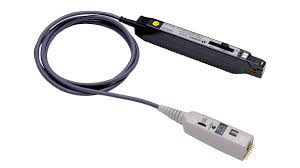
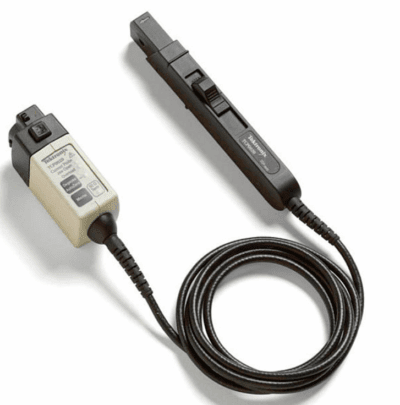
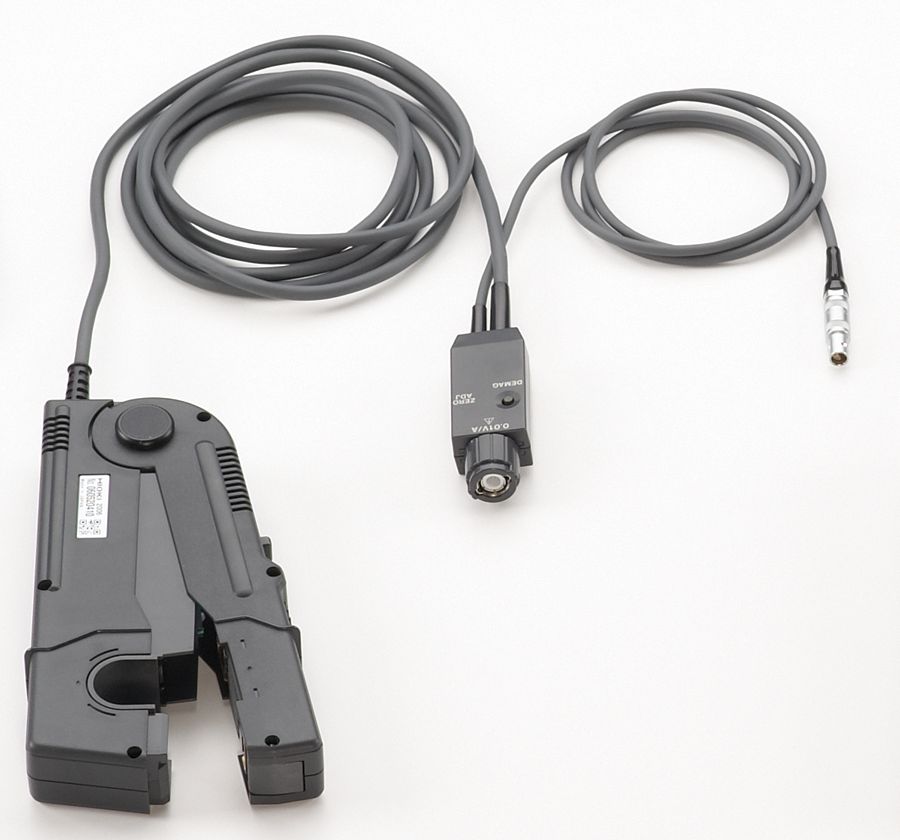
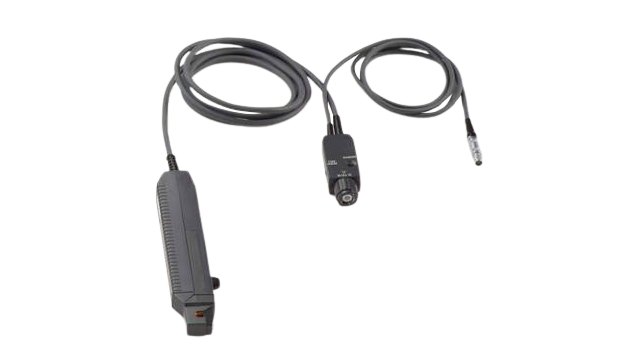
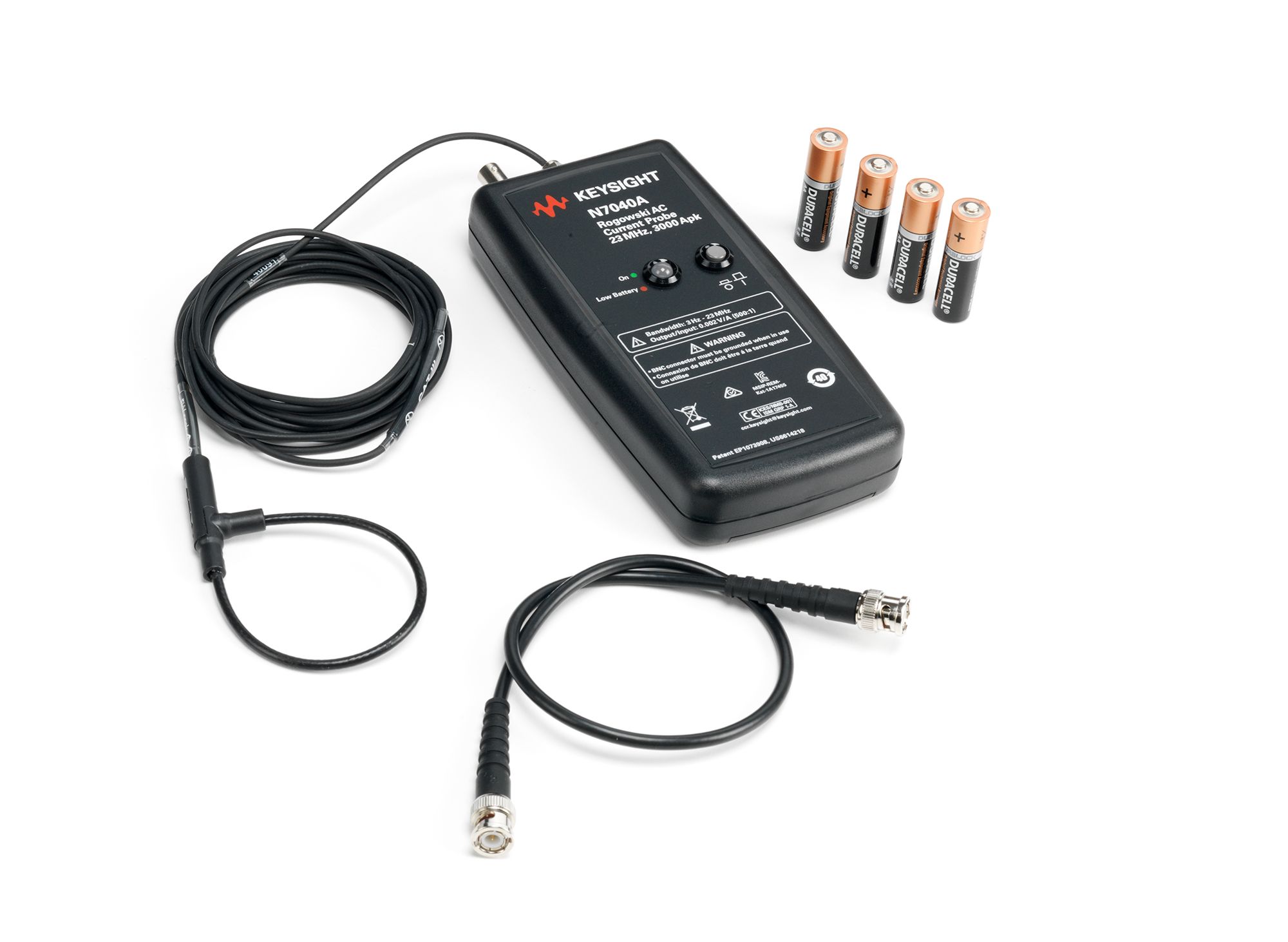
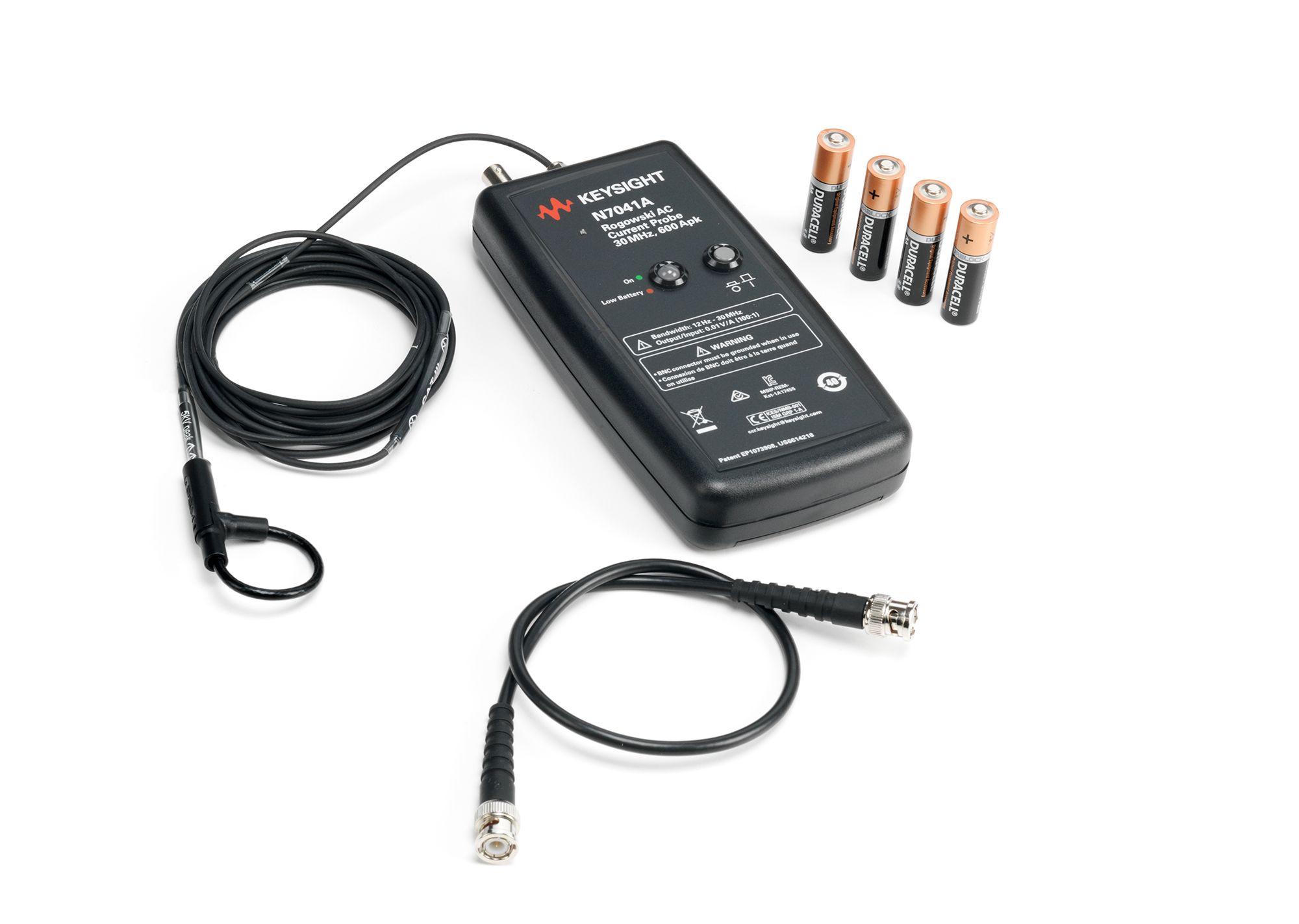
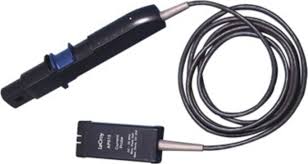
A current probe clamps around a conductor and measures the current flowing through it via the magnetic field it generates, without needing to break the circuit to insert a shunt resistor. This makes current probes the practical choice for measuring current in an already-assembled circuit, and for capturing current waveforms alongside voltage on the same scope.
High-Voltage Probes
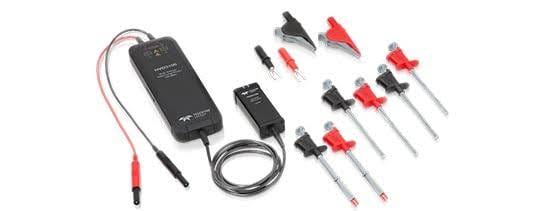
A high-voltage probe (often 100x, 1000x, or higher) divides down a dangerous voltage to a level the scope's input can safely handle, protecting both the scope and the operator. Using a standard 10x probe on a high-voltage circuit risks damaging the scope input and creates a real safety hazard — high-voltage probes are purpose-built and isolation-rated for this specifically.
The Compatibility Problem
Probe compatibility is one of the most commonly overlooked issues in used scope equipment. Active and differential probes typically need a specific power/control interface (AutoProbe, TekProbe, or a manufacturer-specific connector) to draw power and communicate scaling information to the scope, and that interface is often brand- and sometimes model-family-specific. A probe built for one manufacturer's interface generally won't connect to, or won't be recognized correctly by, a different brand's scope — confirm compatibility with your specific oscilloscope before ordering.
Calibration for Oscilloscope Probes
Active and differential probes are typically calibrated as a matched pair with a specific oscilloscope channel, verifying gain accuracy and frequency response together with the scope's input. Passive probes are generally compensated (a simple adjustment) at time of use rather than formally calibrated. See all calibration services →
Frequently Asked Questions
Will any probe work with any oscilloscope? +
No — probe compatibility is one of the most commonly overlooked issues in used scope equipment. Active and differential probes typically need a specific power/control interface (AutoProbe, TekProbe, or a manufacturer-specific connector) to draw power and communicate scaling information to the scope, and that interface is often brand- and sometimes model-family-specific. A probe built for one manufacturer's interface generally won't connect to, or won't be recognized correctly by, a different brand's scope.
What is the difference between a passive probe and an active probe? +
A passive probe (typically 10x attenuation) is a simple, unpowered voltage divider — rugged, inexpensive, and adequate for most general-purpose work, but it loads the circuit more and has lower bandwidth than active alternatives. An active probe contains its own amplifier near the probe tip, drawing power from the scope, which gives much higher bandwidth and lower circuit loading — necessary for accurately probing fast digital or RF signals where a passive probe's loading would distort the measurement.
What is a differential probe used for? +
A differential probe measures the voltage difference between two points that are both floating relative to ground — common in power electronics, motor drives, and switch-mode circuits — without the safety and accuracy problems of trying to reference a single-ended probe to a point that isn't actually at ground potential. Most of the Agilent/Keysight N-series probes in this category are differential probes built for exactly this.
What is a current probe, and how does it measure current without breaking the circuit? +
A current probe clamps around a conductor and measures the current flowing through it via the magnetic field it generates, without needing to break the circuit to insert a shunt resistor. This makes current probes the practical choice for measuring current in an already-assembled circuit, and for capturing current waveforms alongside voltage on the same scope.
Why do high-voltage probes need a much higher attenuation ratio? +
A high-voltage probe (often 100x, 1000x, or higher) divides down a dangerous voltage to a level the scope's input can safely handle, protecting both the scope and the operator. Using a standard 10x probe on a high-voltage circuit risks damaging the scope input and creates a real safety hazard — high-voltage probes are purpose-built and isolation-rated for this specifically.
Need a probe for a specific scope model?
Tell us your oscilloscope model and measurement type, and we'll check compatibility.
Get in touch