
Used OTDRs for Sale — Optical Time Domain Reflectometers
125 units in stock — EXFO, Viavi, Anritsu, Yokogawa, AFL, Fluke Networks, and more. Singlemode and multimode OTDRs, modular platforms and handheld units. NIST-traceable calibration available. Ships from Pleasant Grove, UT.
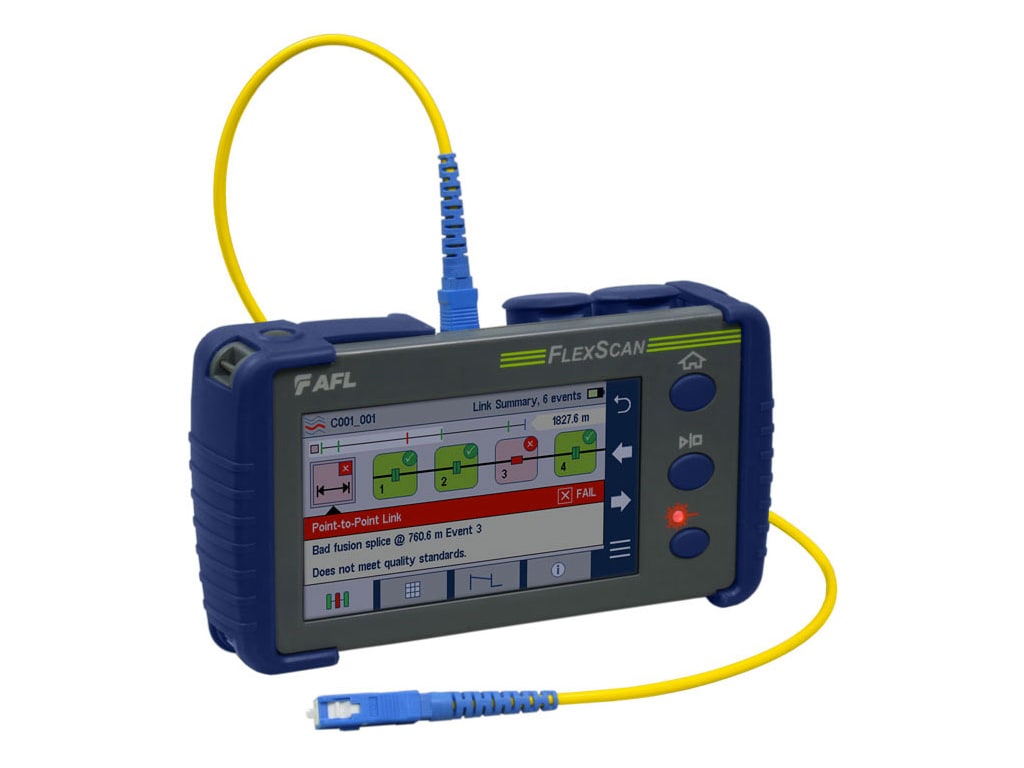
AFL OTDRs (1 unit)
Advantest OTDRs (2 units)
Agilent / HP OTDRs (1 unit)
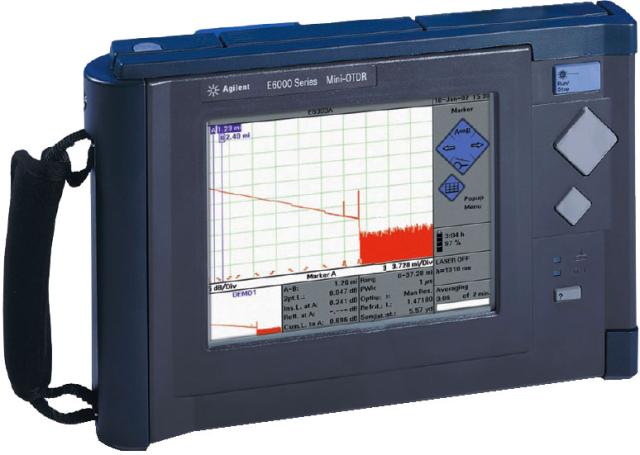
Agilent / Keysight OTDRs (3 units)
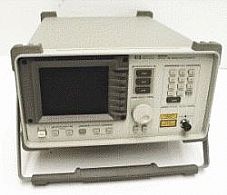
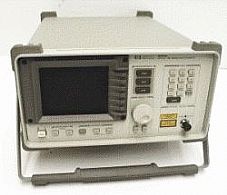
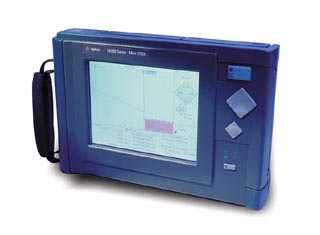
Ando OTDRs (2 units)
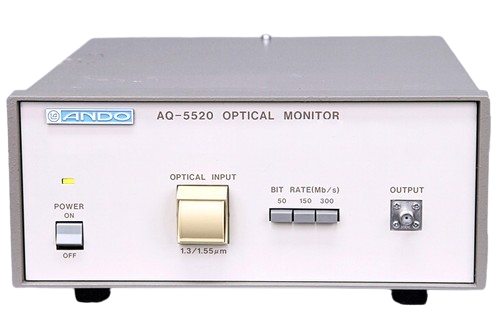
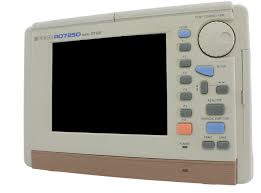
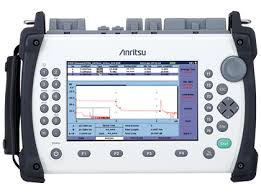
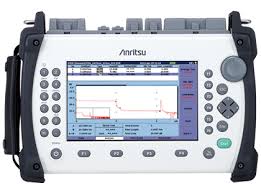
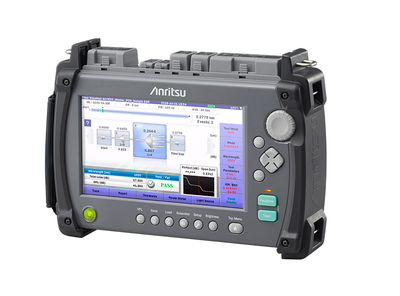
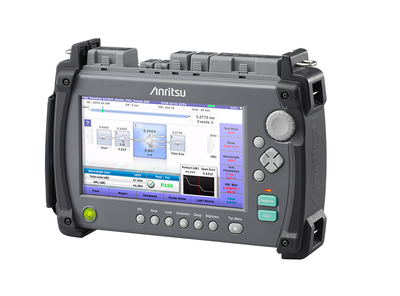
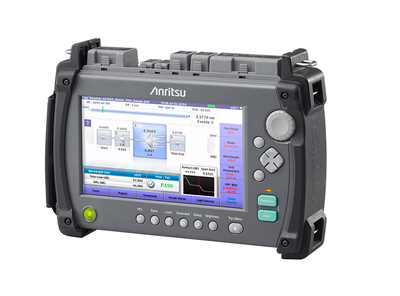
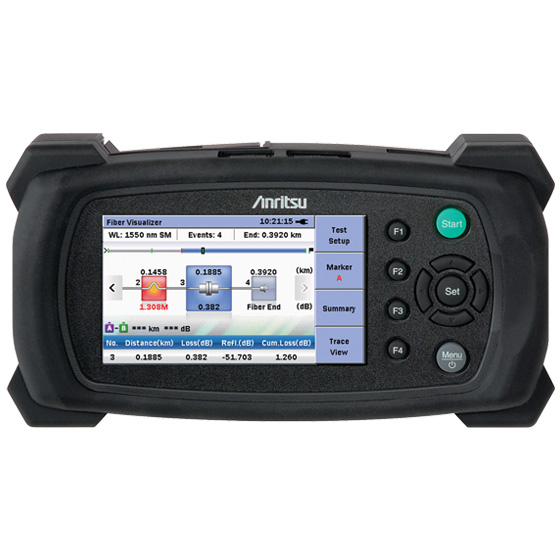
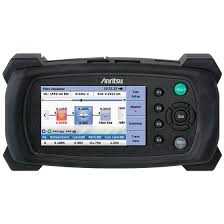
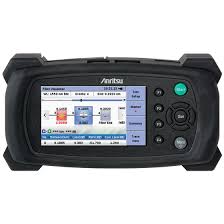
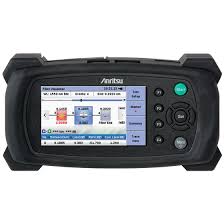
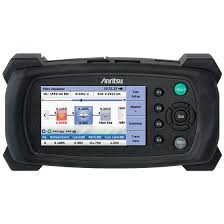
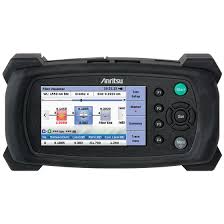
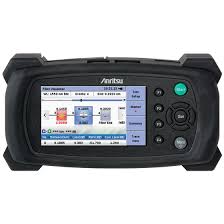
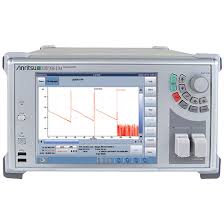
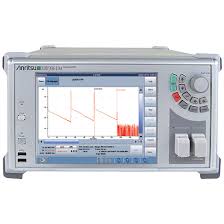
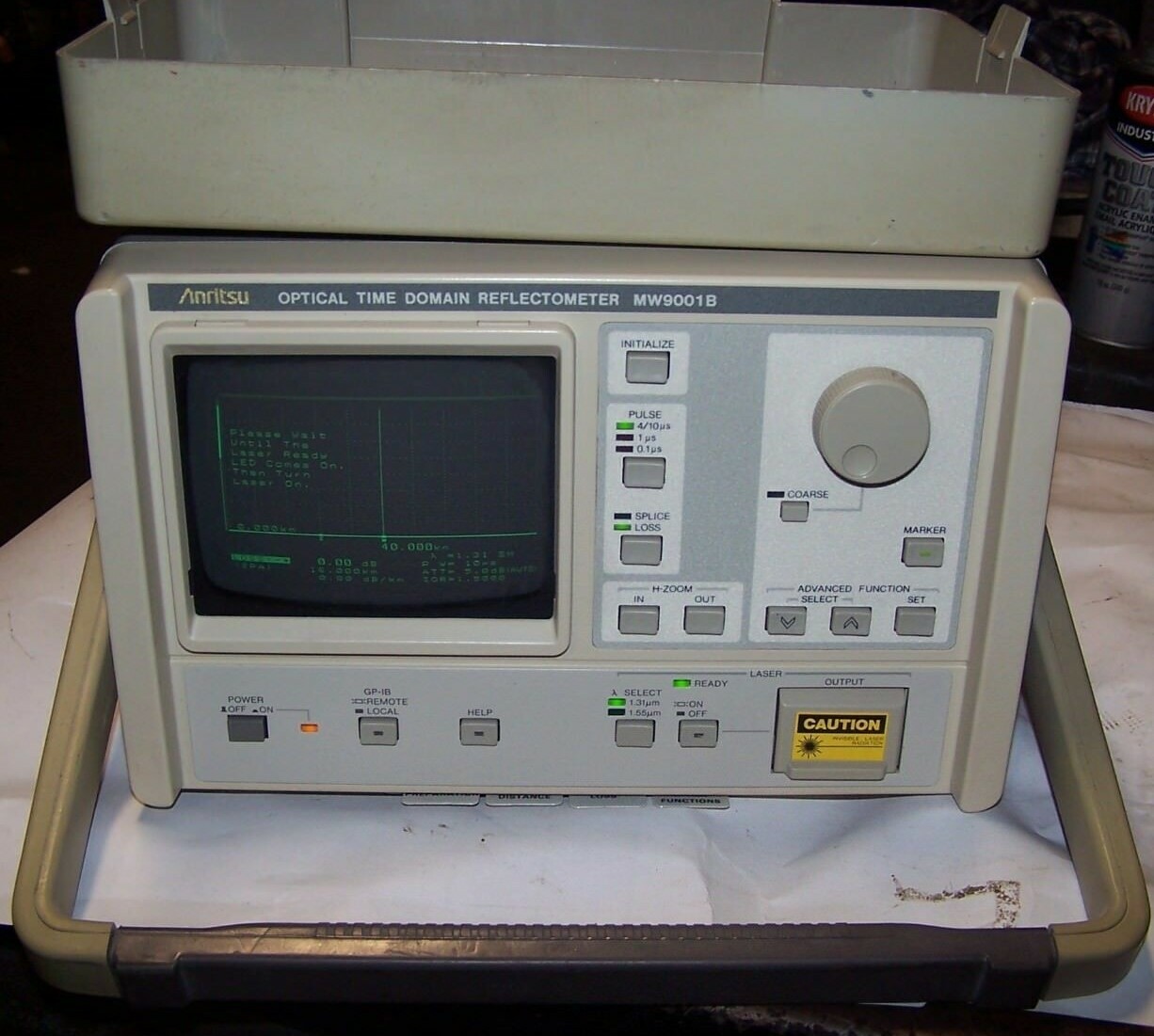
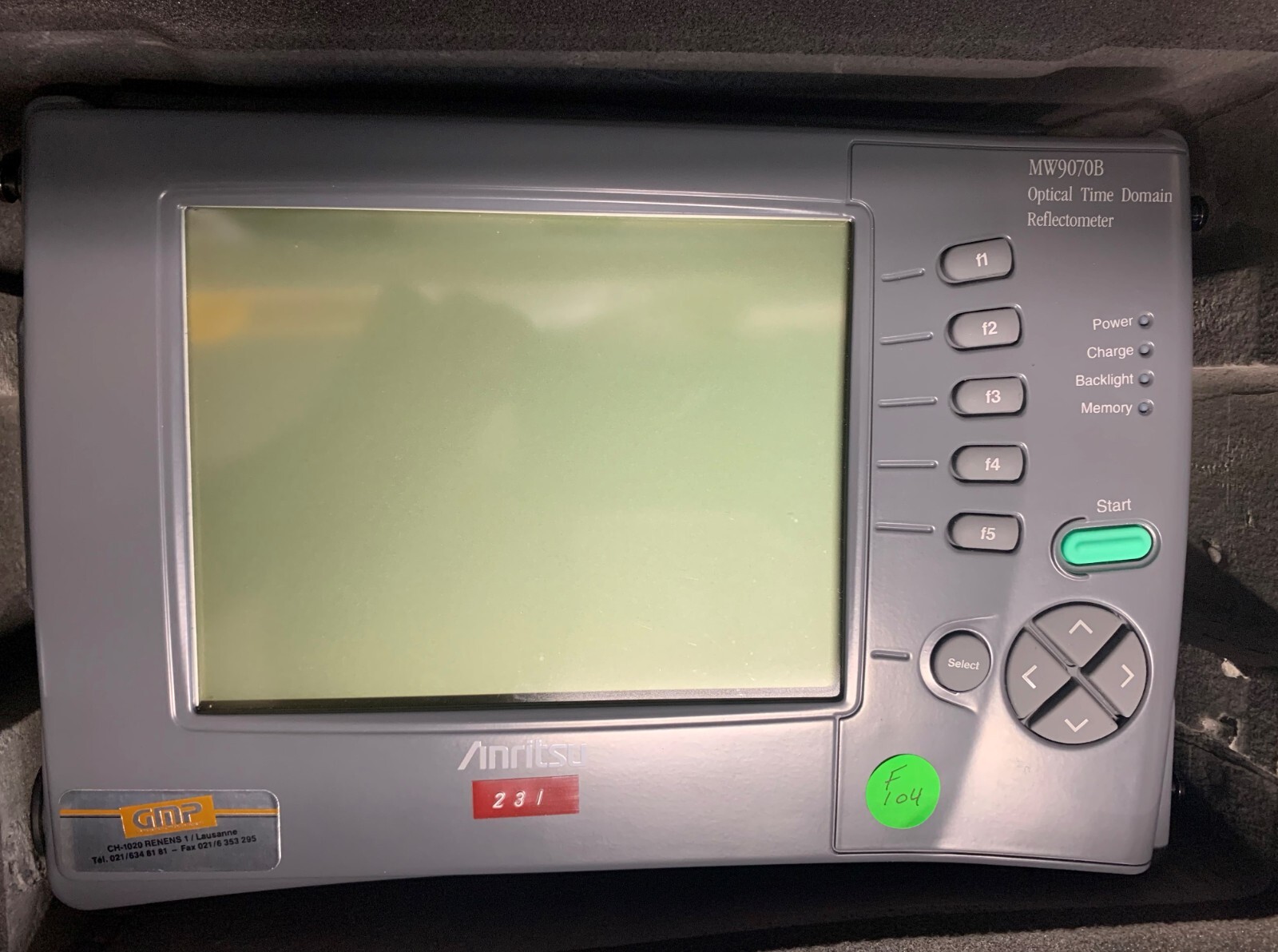
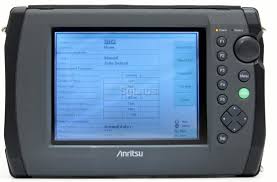
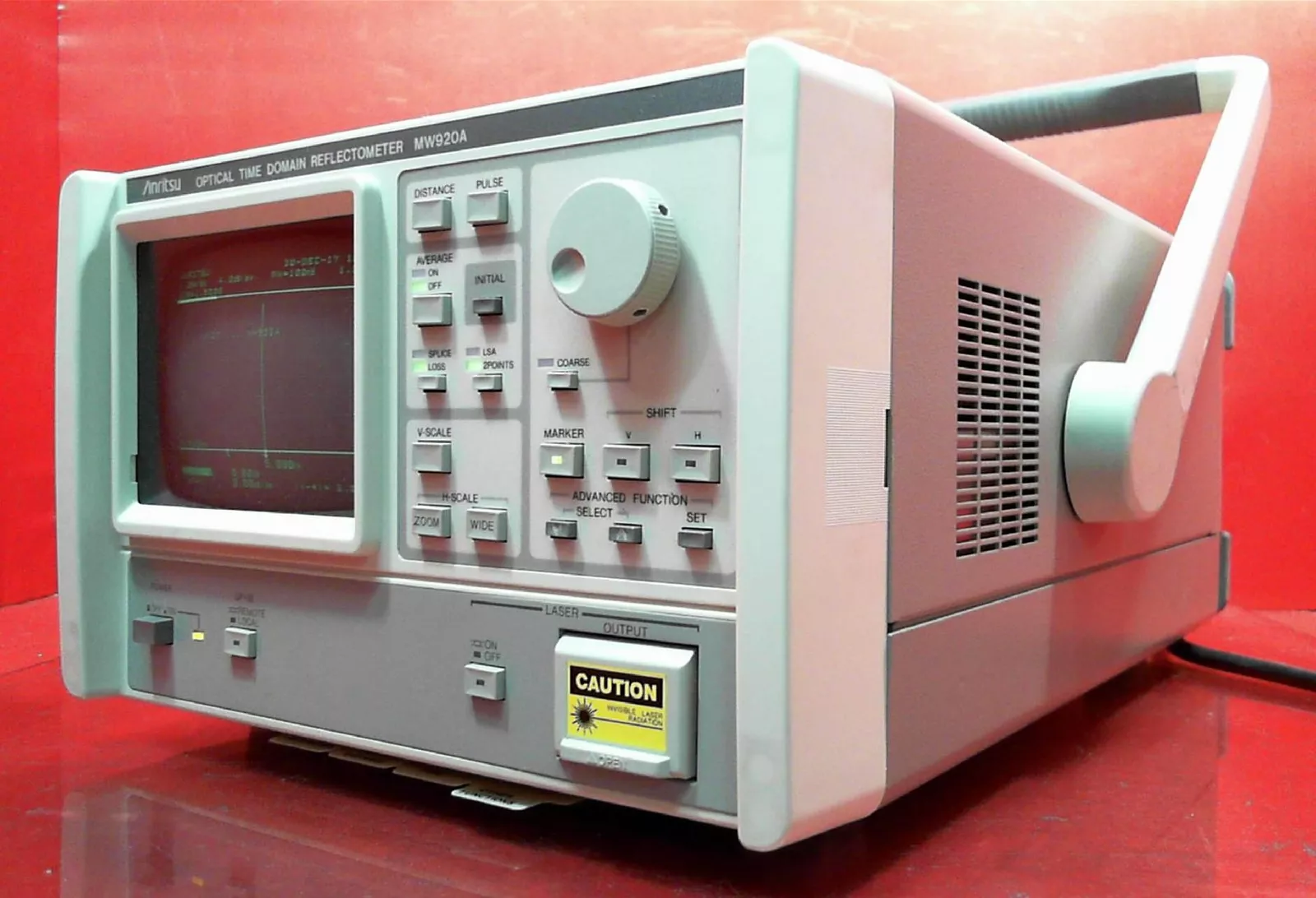
Anritsu OTDRs (34 units)
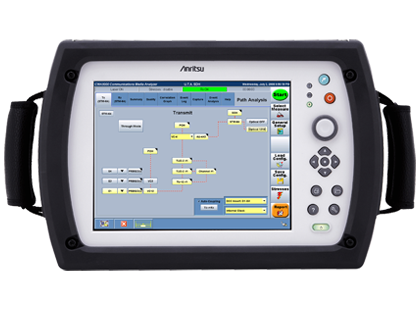
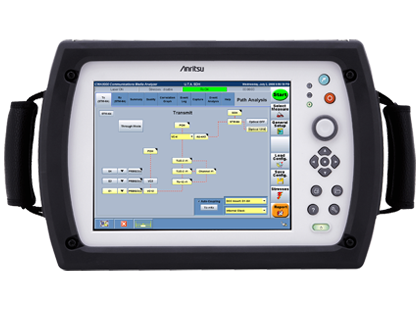
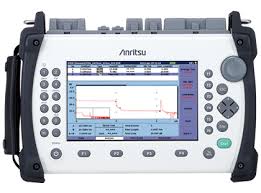
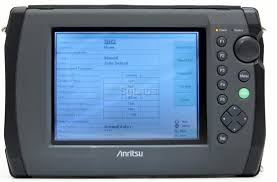
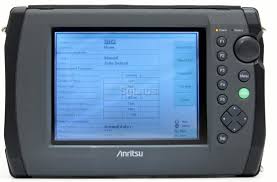
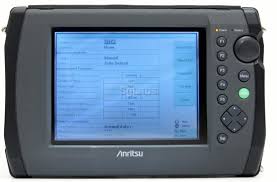
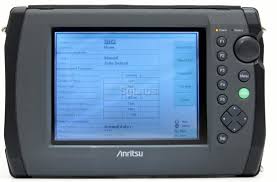
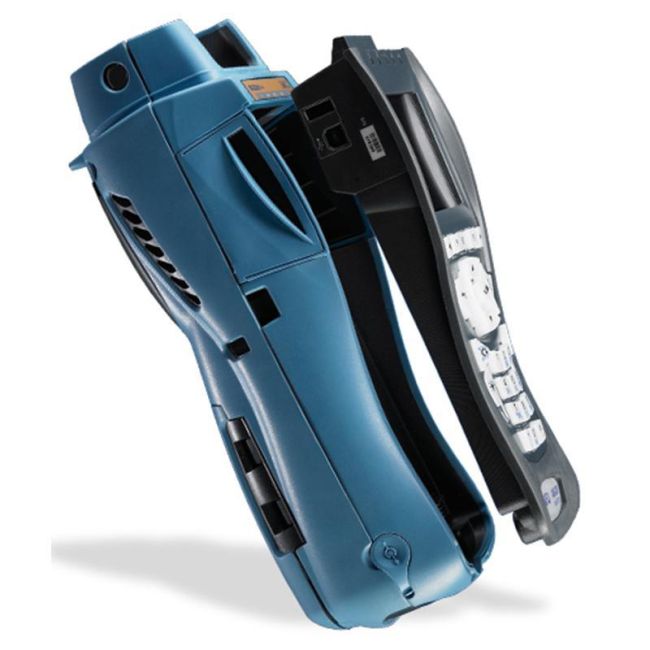
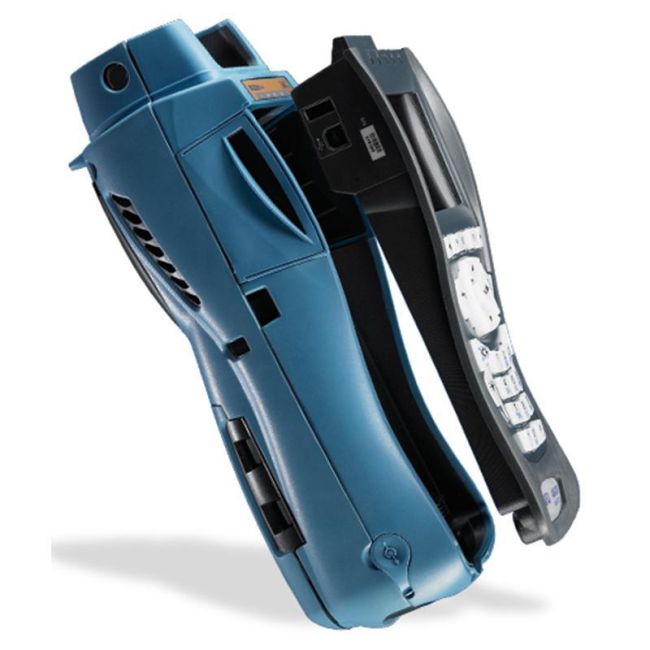
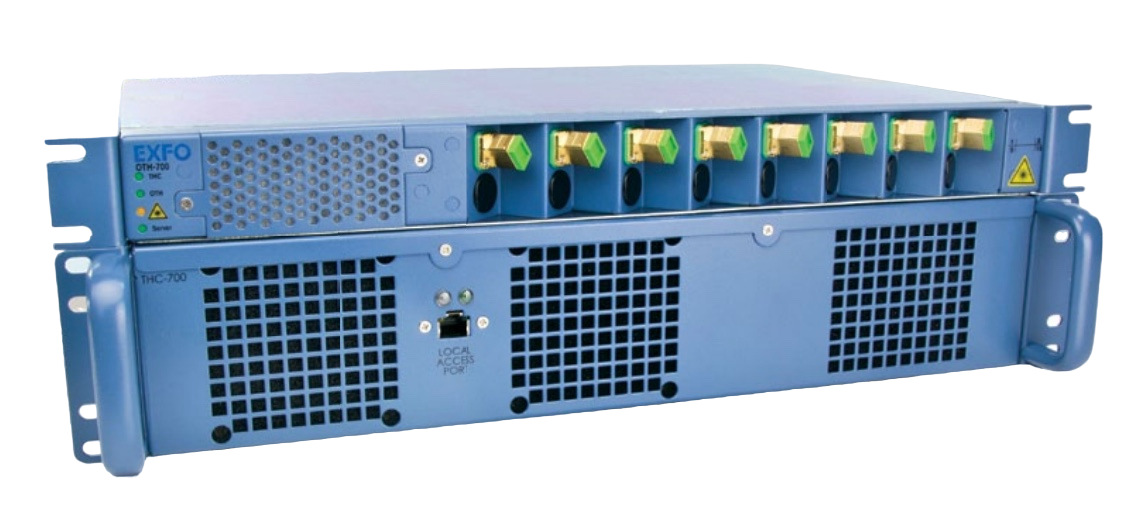
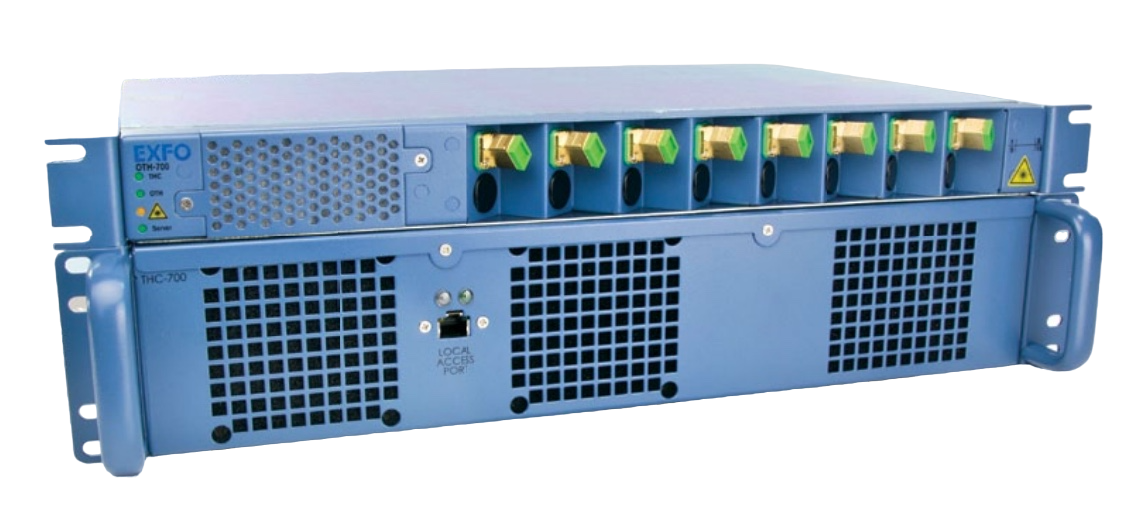
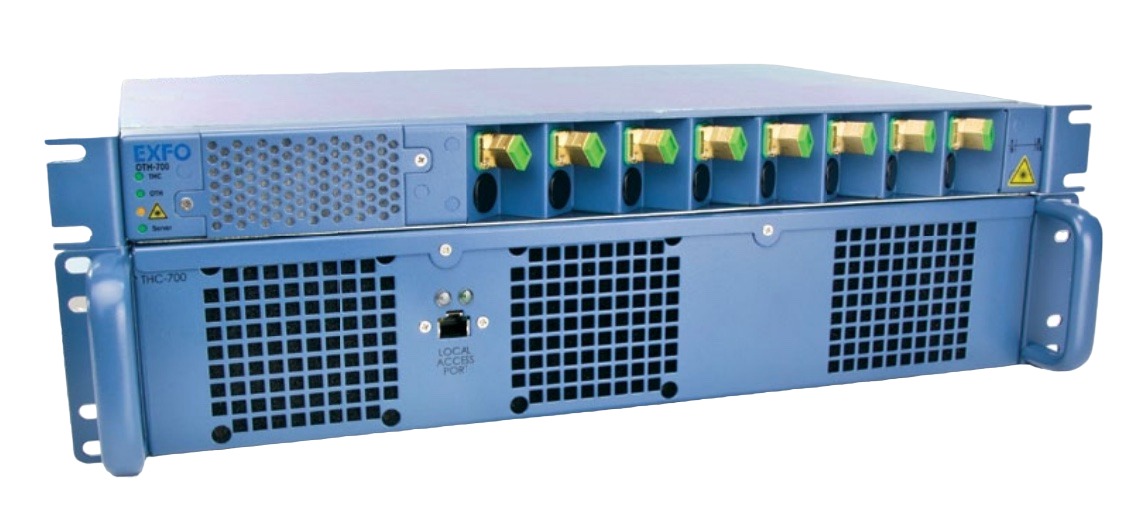
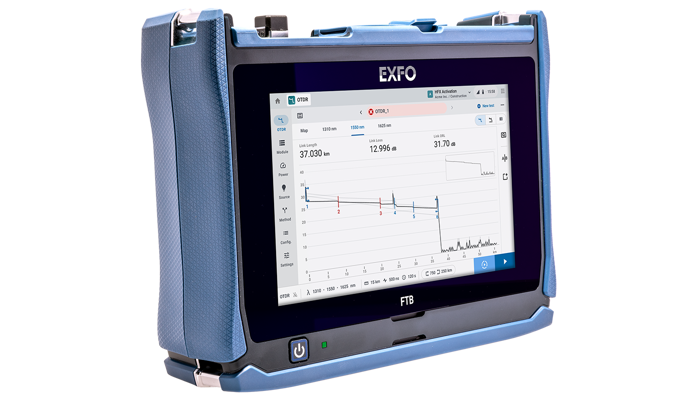
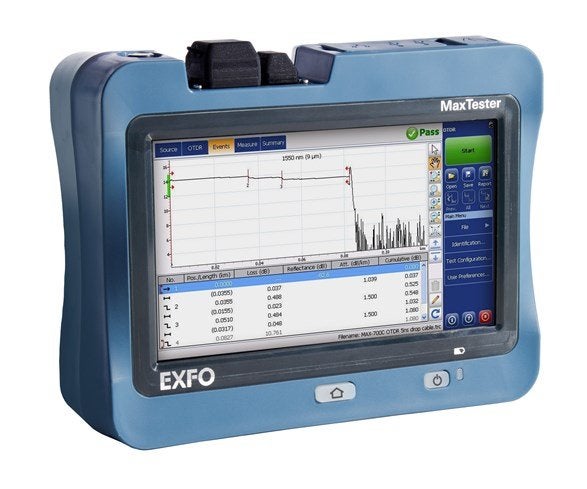
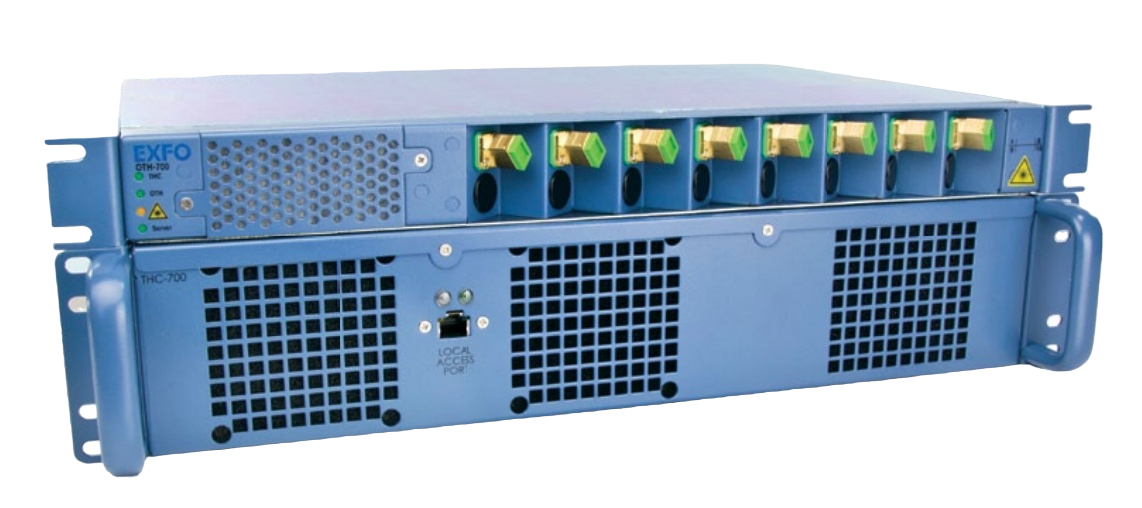
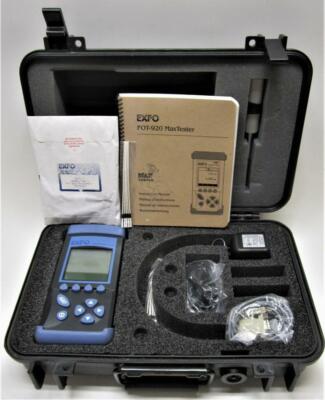
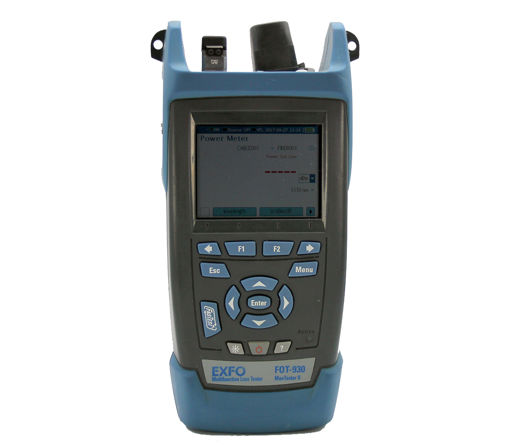
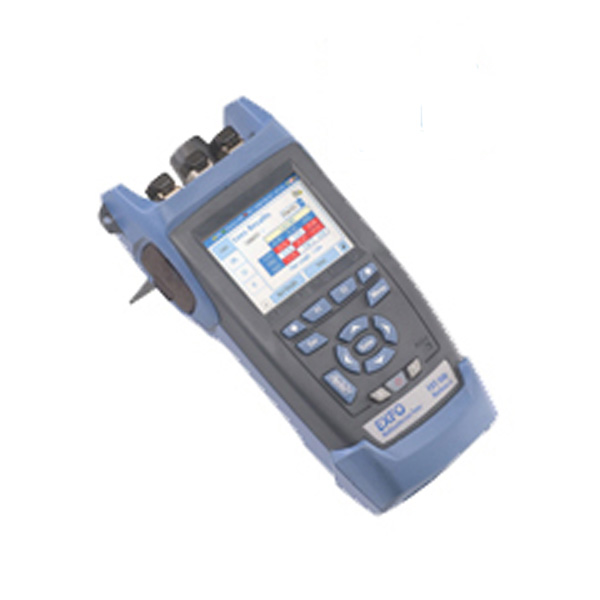
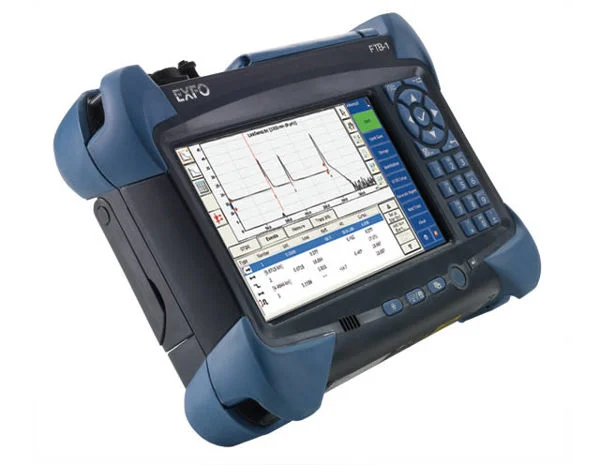
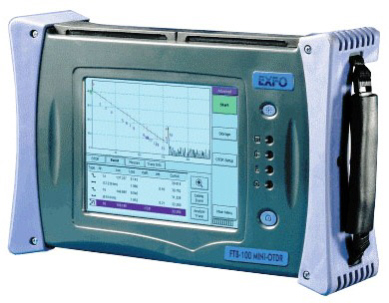
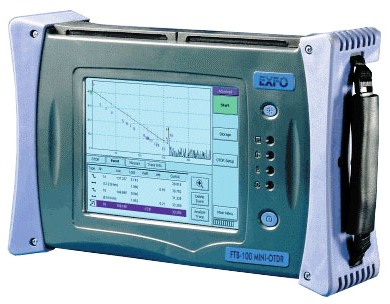
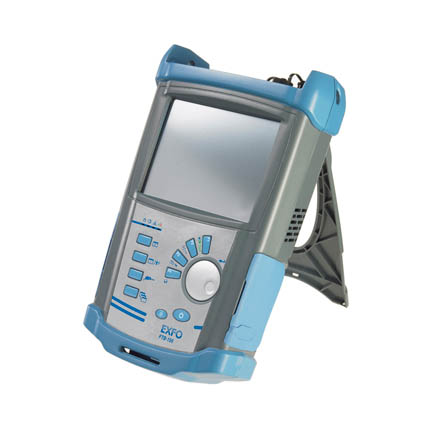
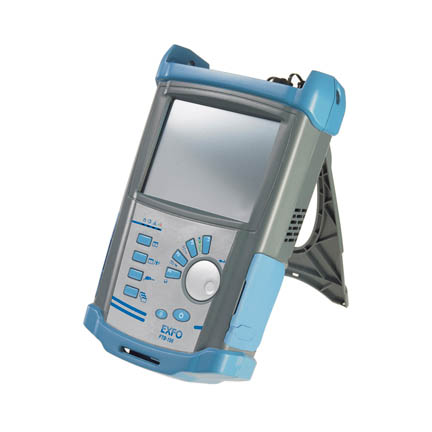
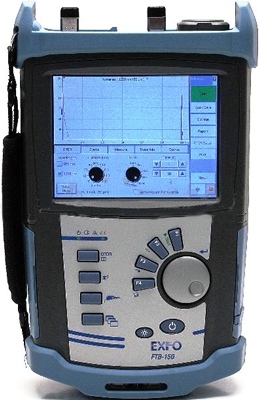
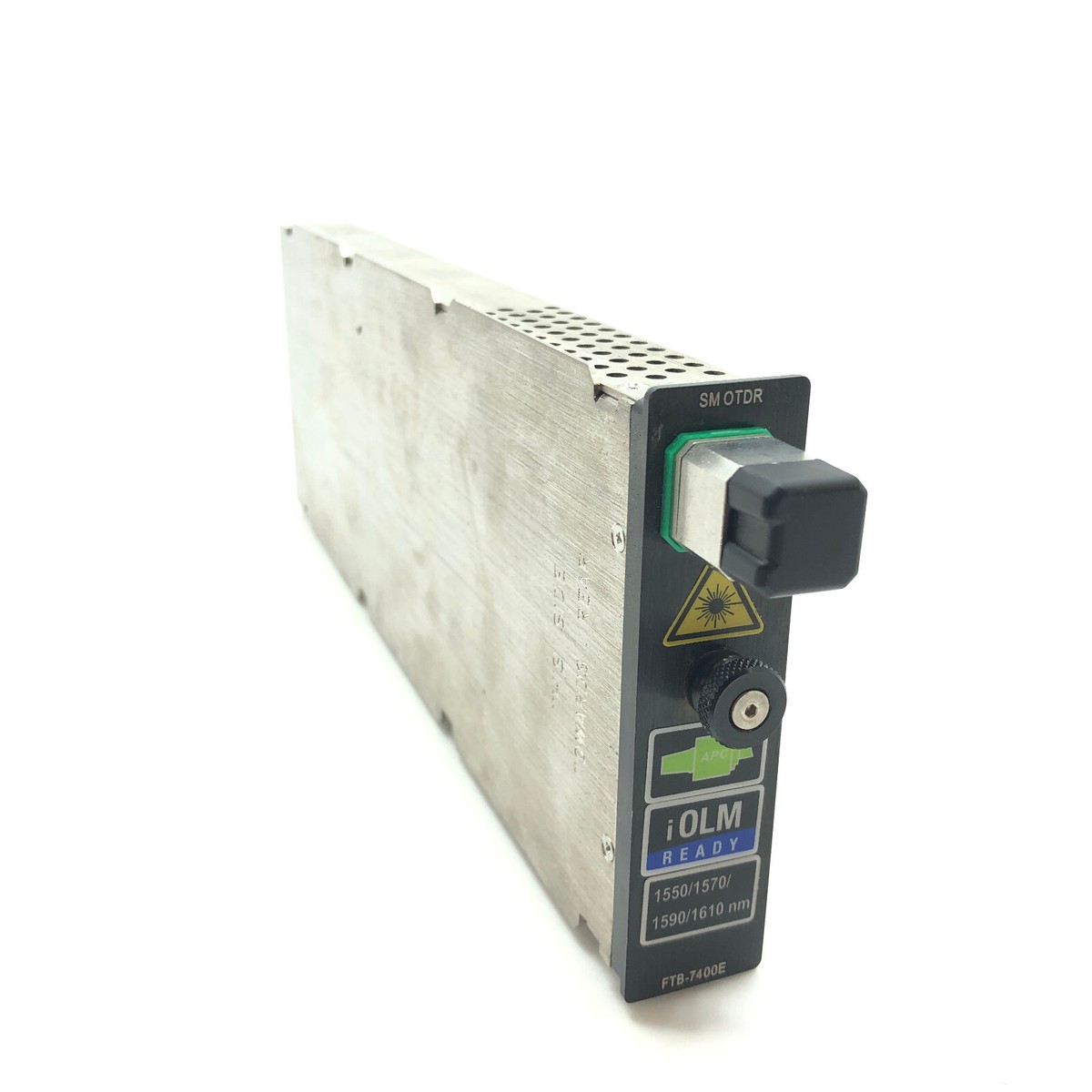
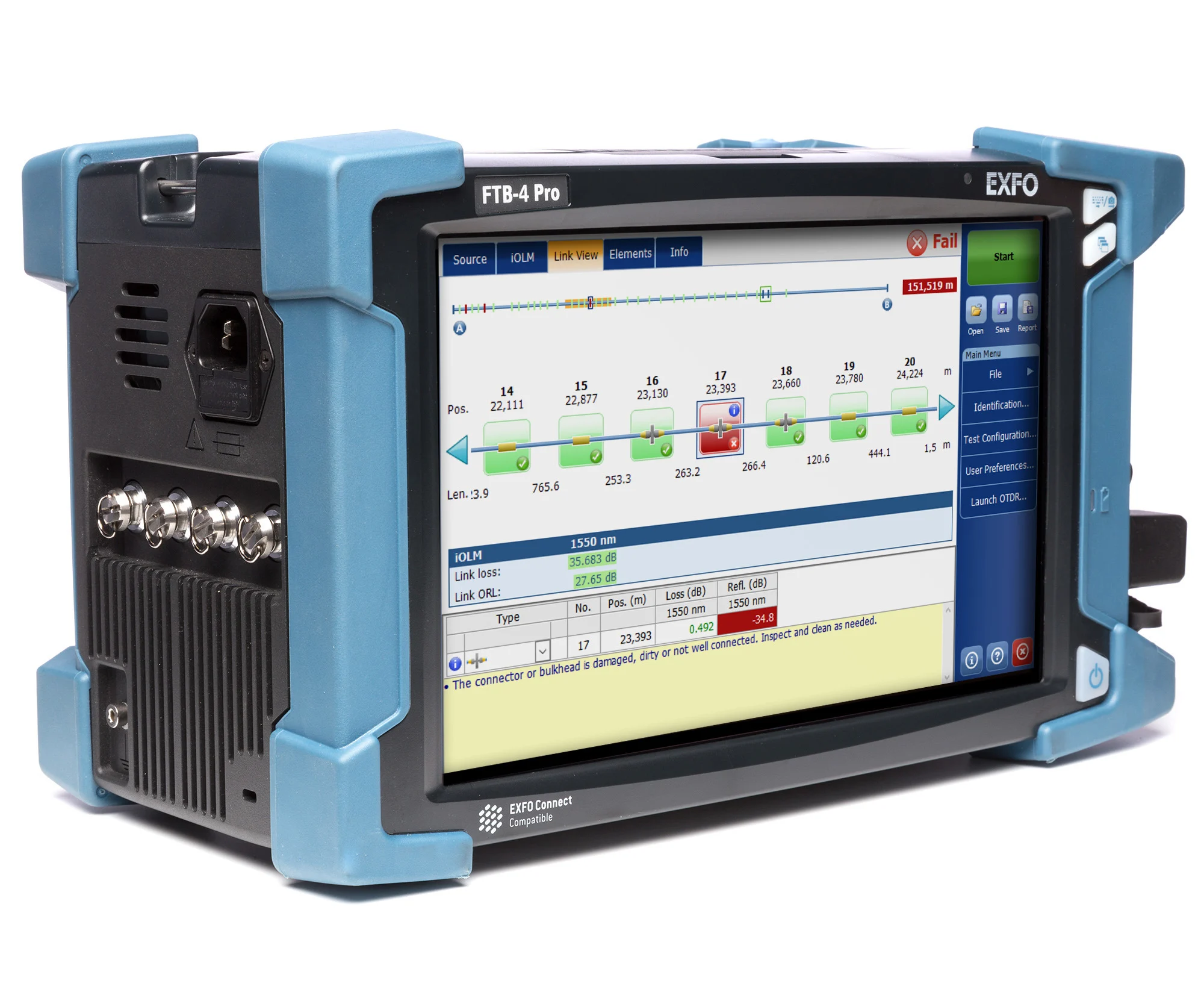
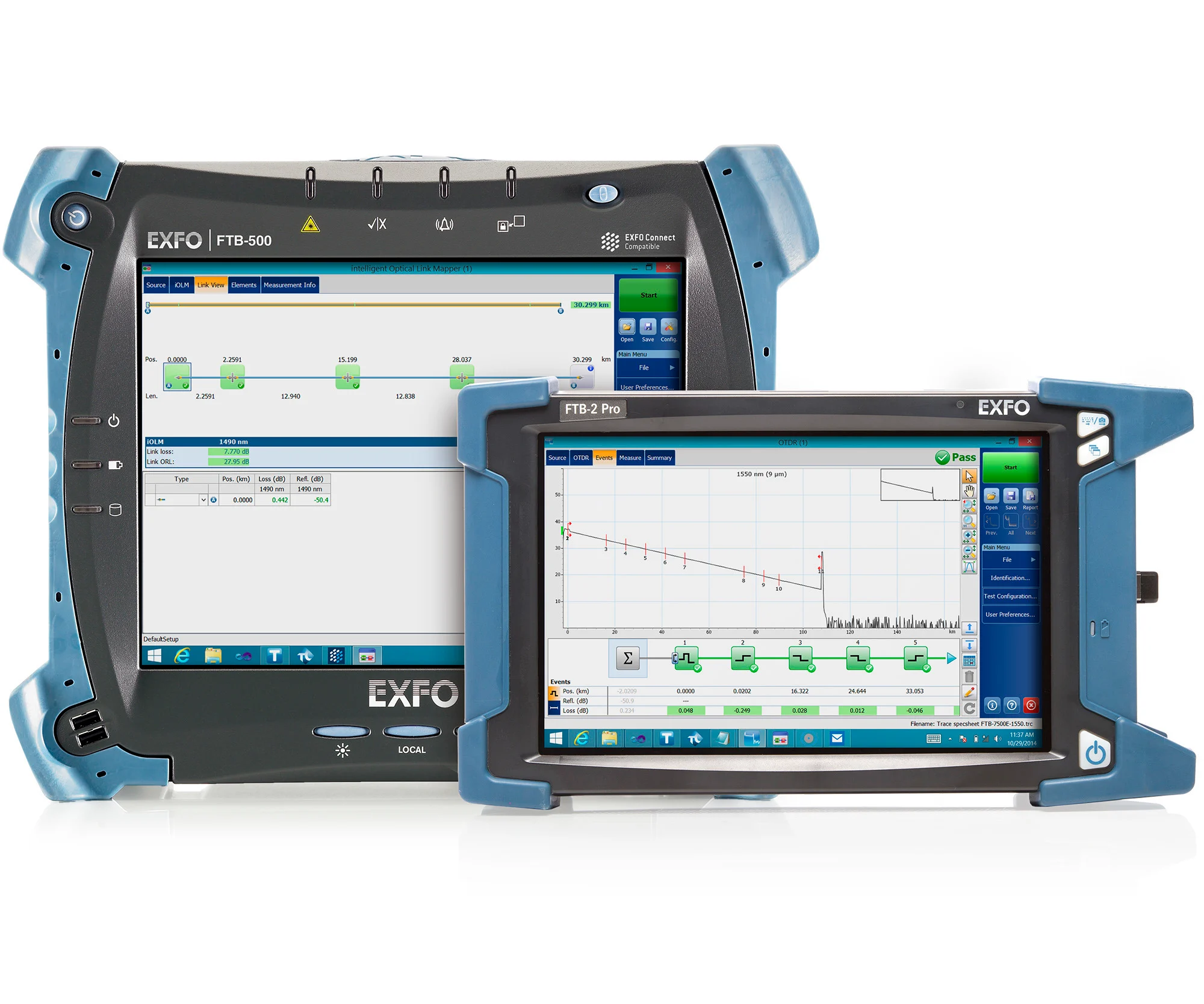
Exfo OTDRs (42 units)
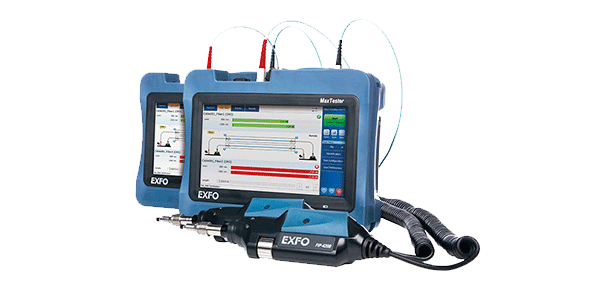
Fluke OTDRs (4 units)
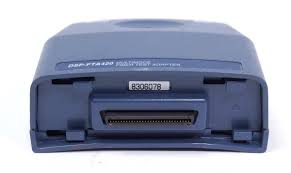
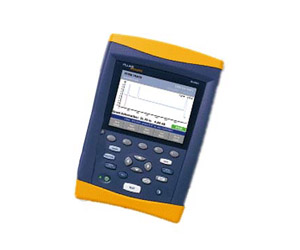
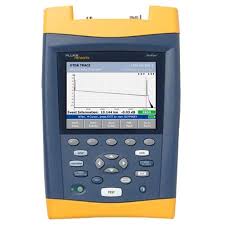
Fluke Networks OTDRs (2 units)
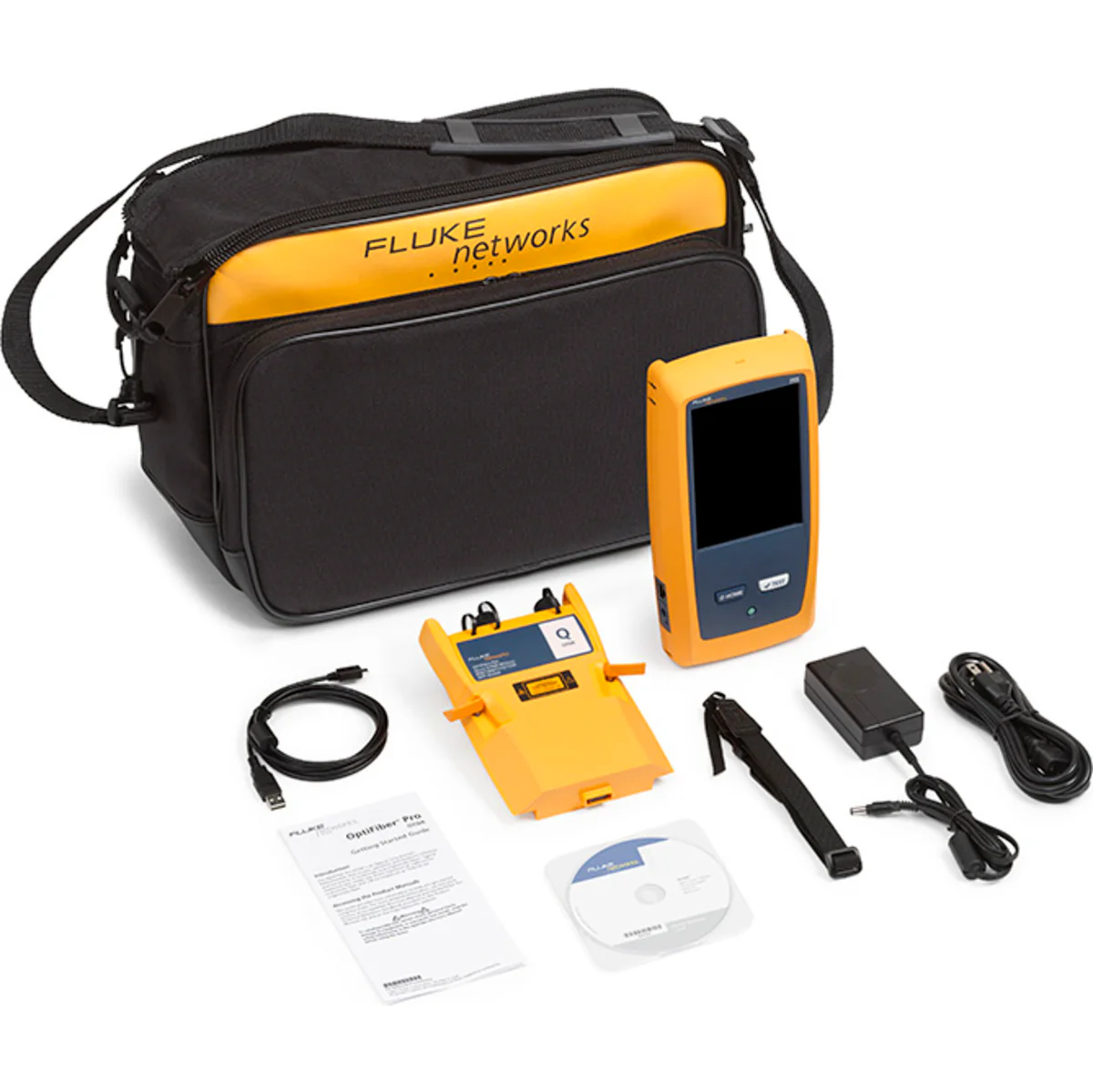
GN Nettest/Photonetics OTDRs (2 units)
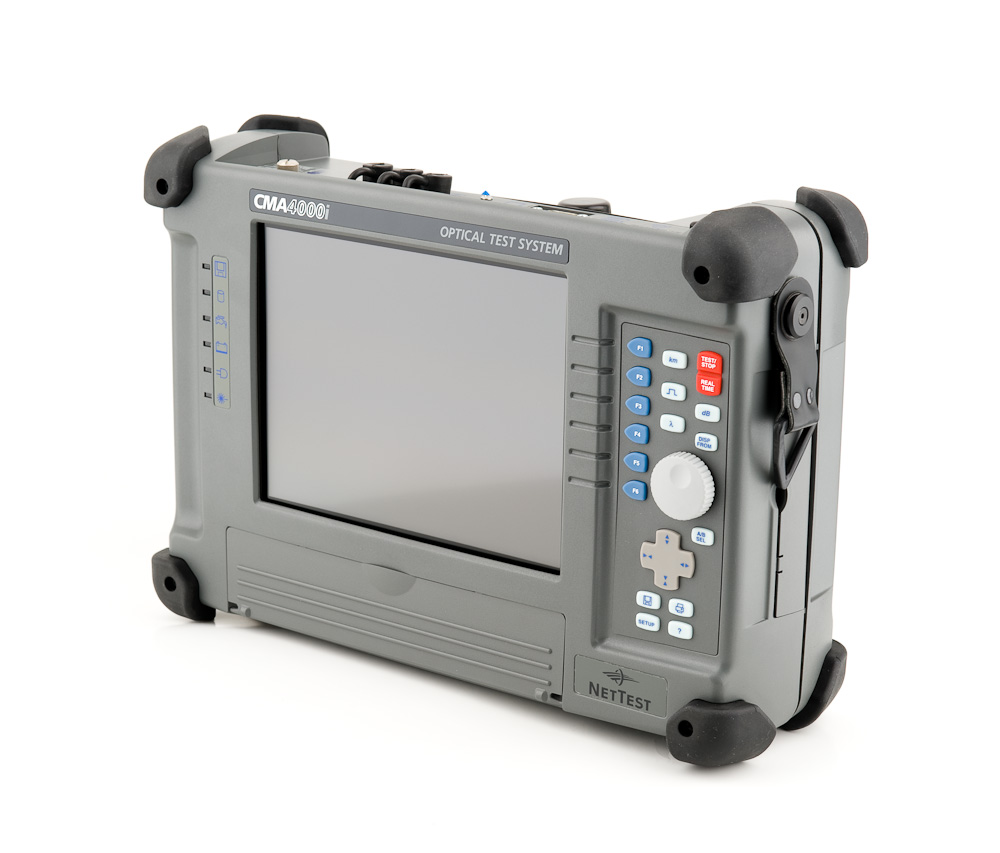
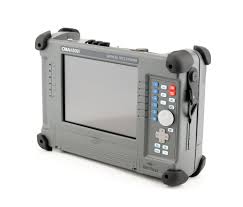
HP OTDRs (1 unit)
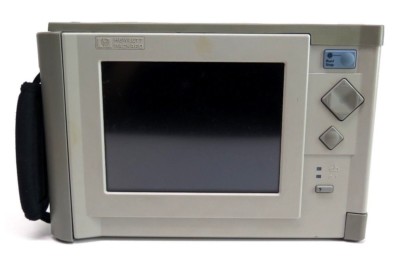
JDS Uniphase OTDRs (4 units)
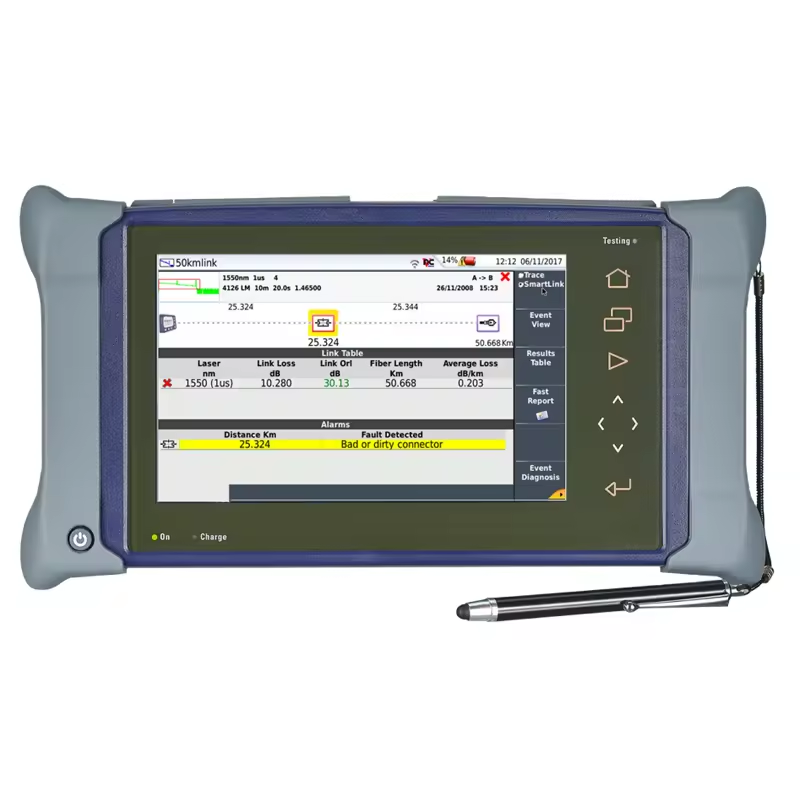
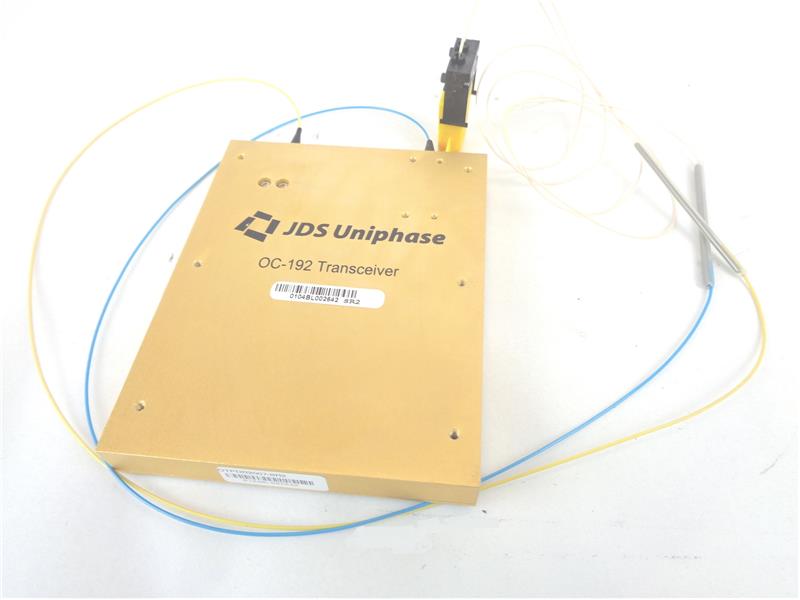
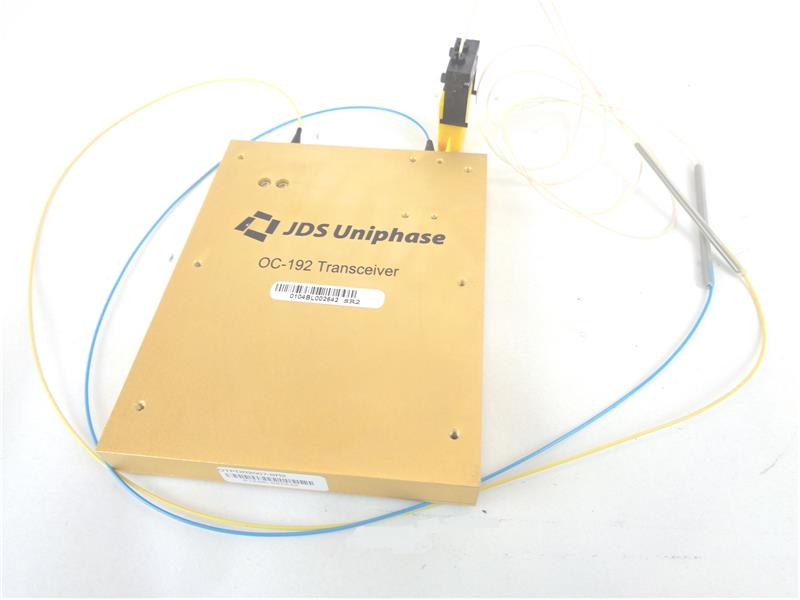
JDSU OTDRs (5 units)
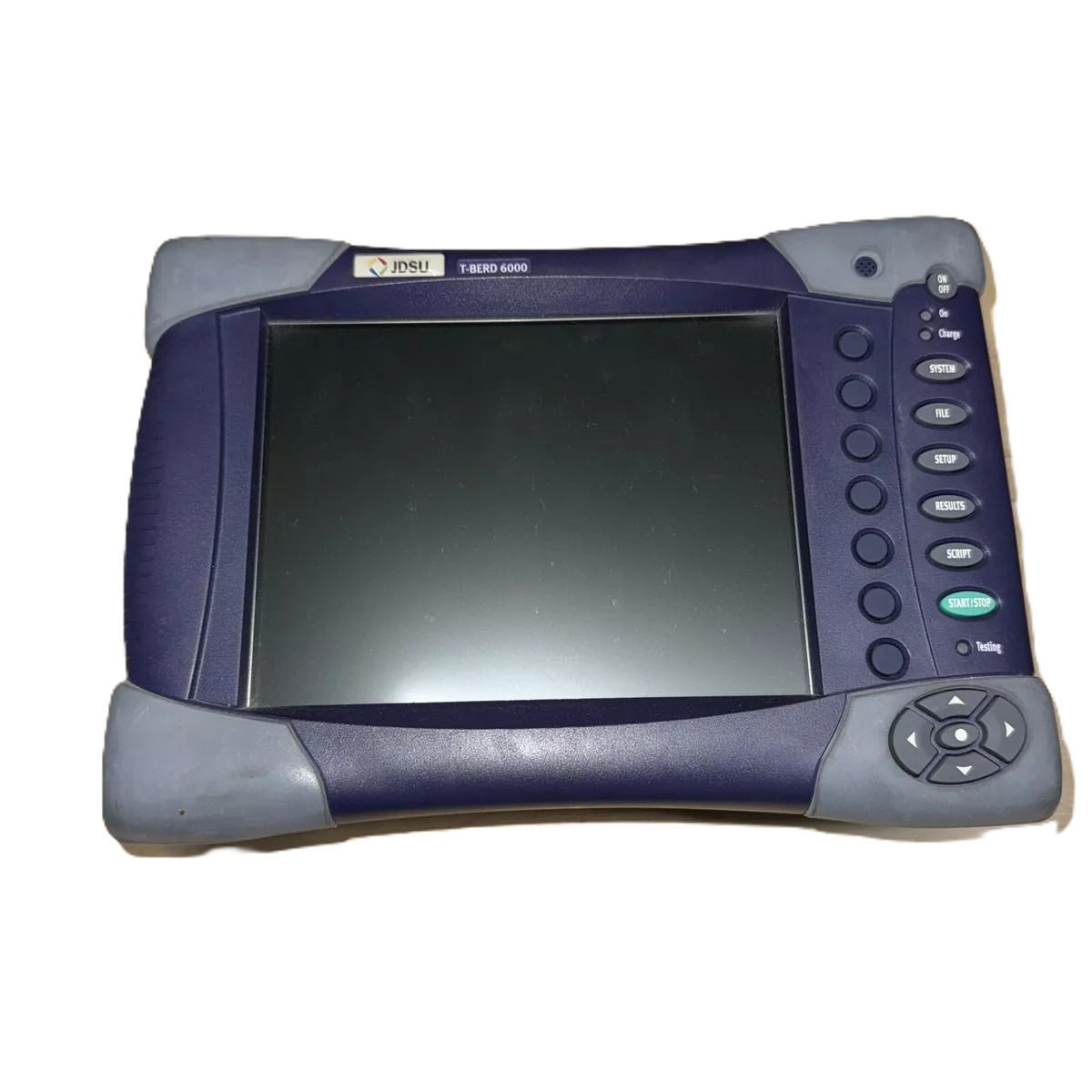
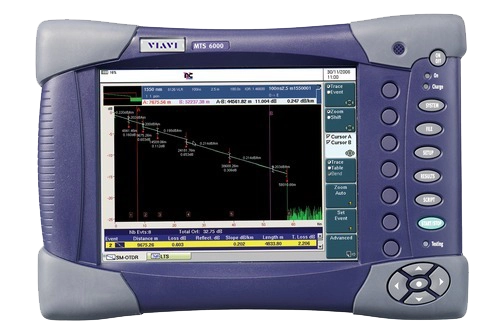
Keysight / Agilent OTDRs (1 unit)
Tektronix OTDRs (1 unit)

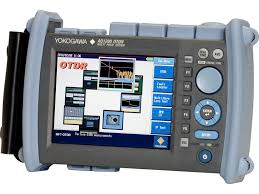
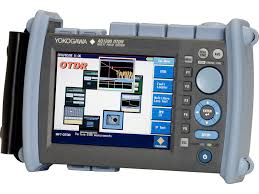
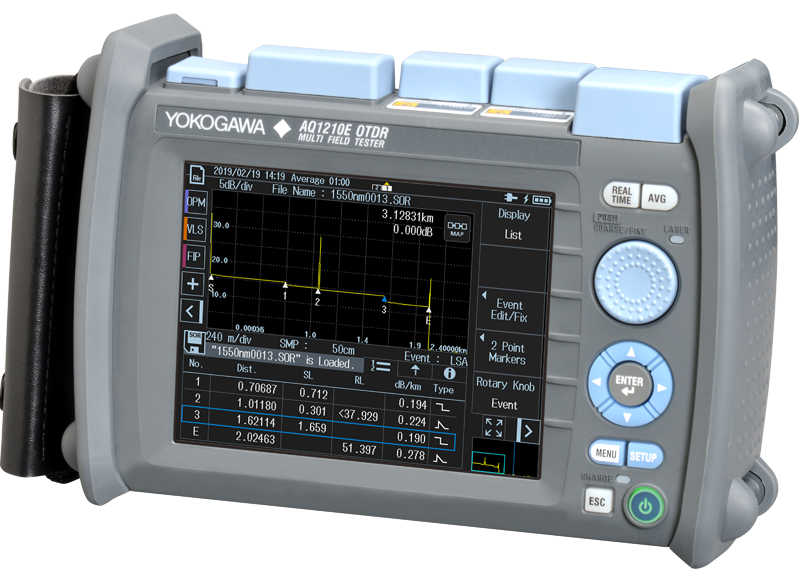
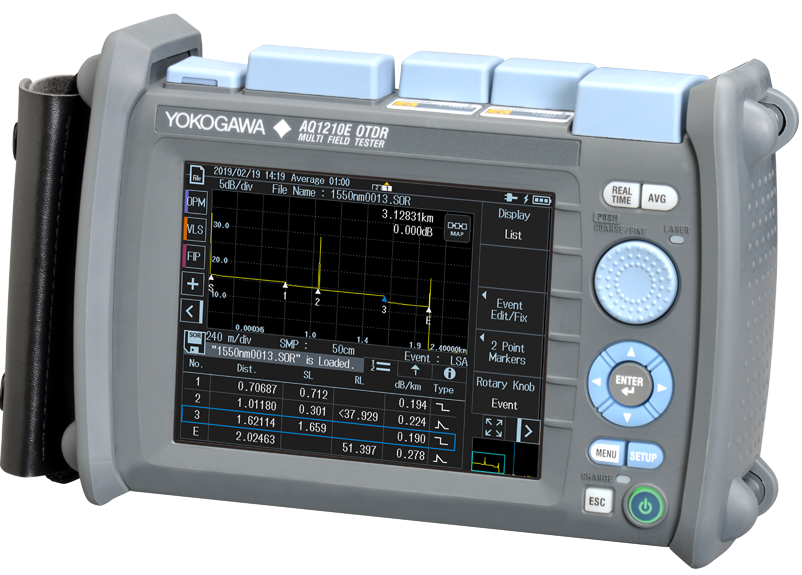
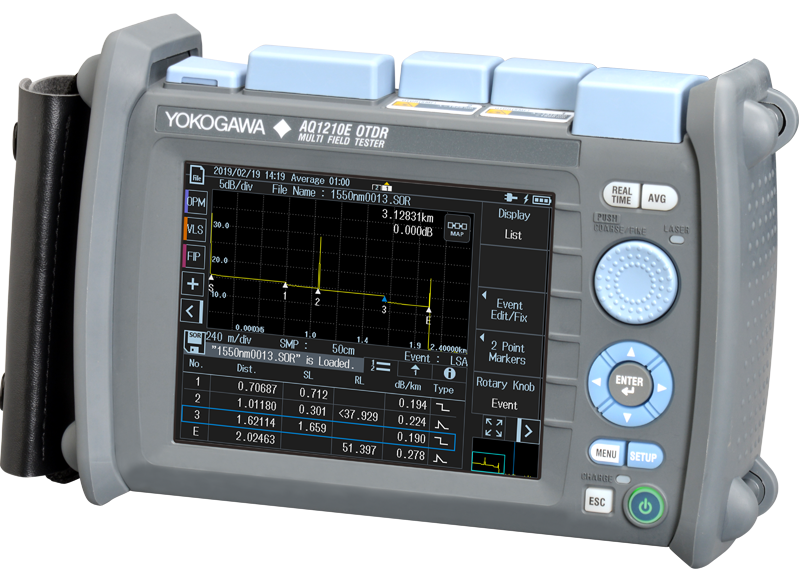
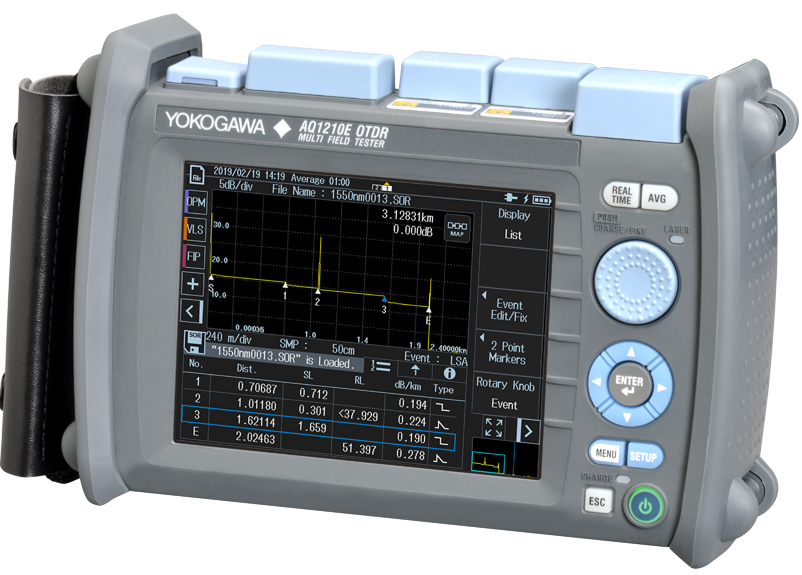
Yokogawa OTDRs (20 units)
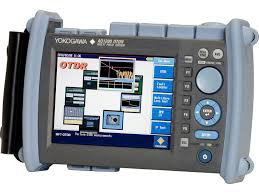
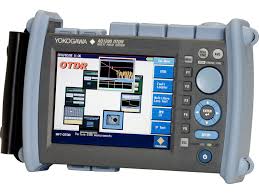
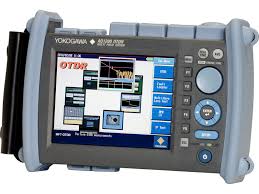
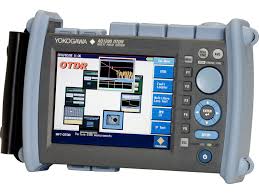
EXFO FTB and MaxTester Series OTDRs
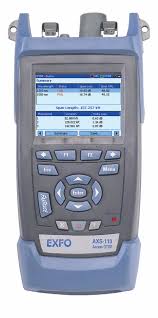
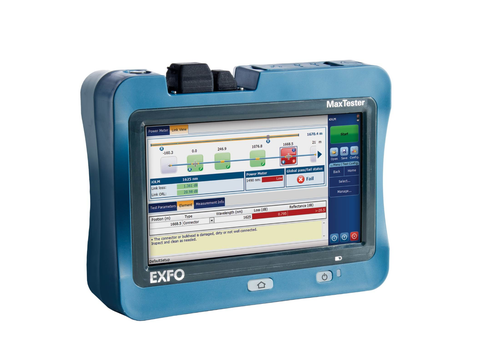
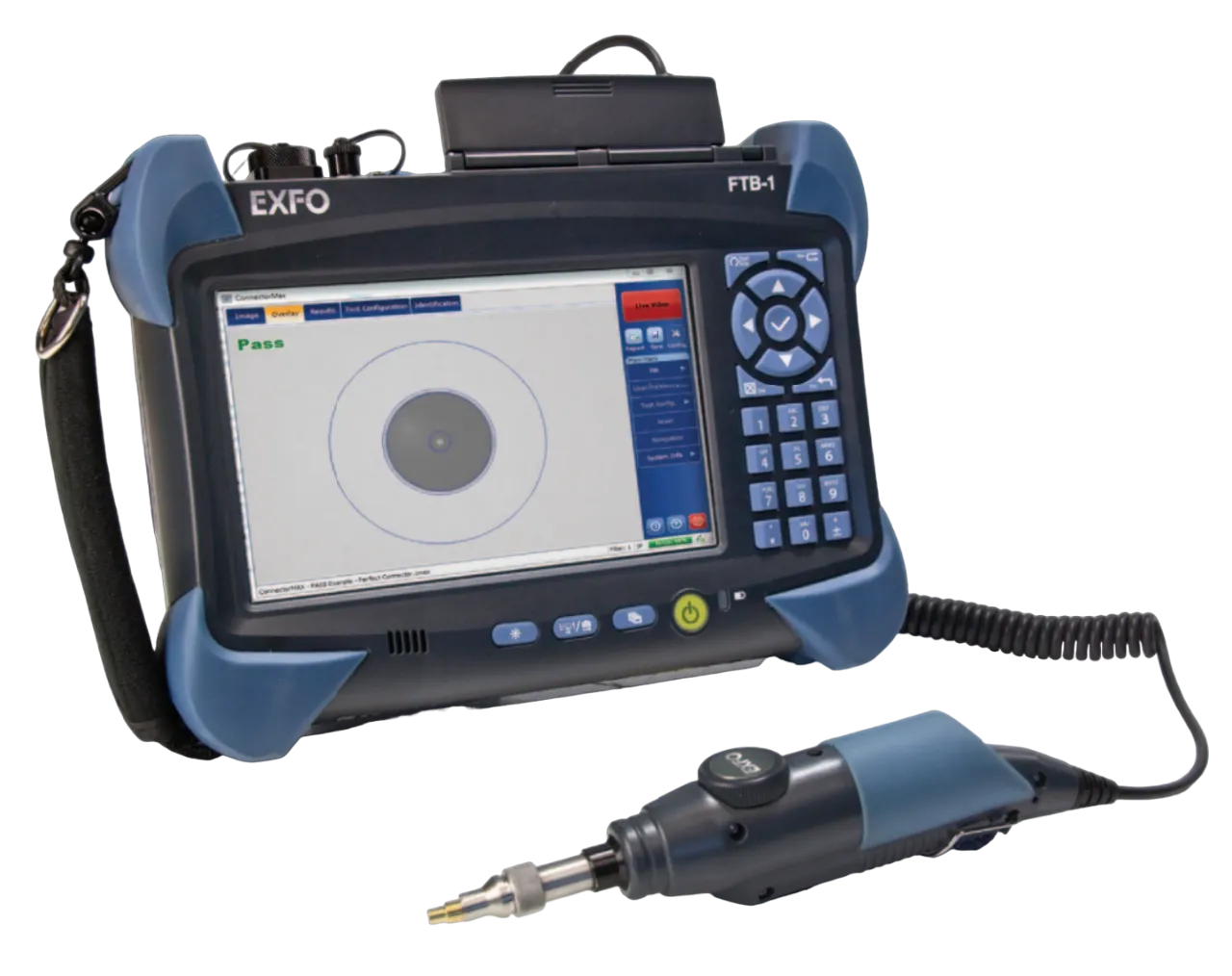
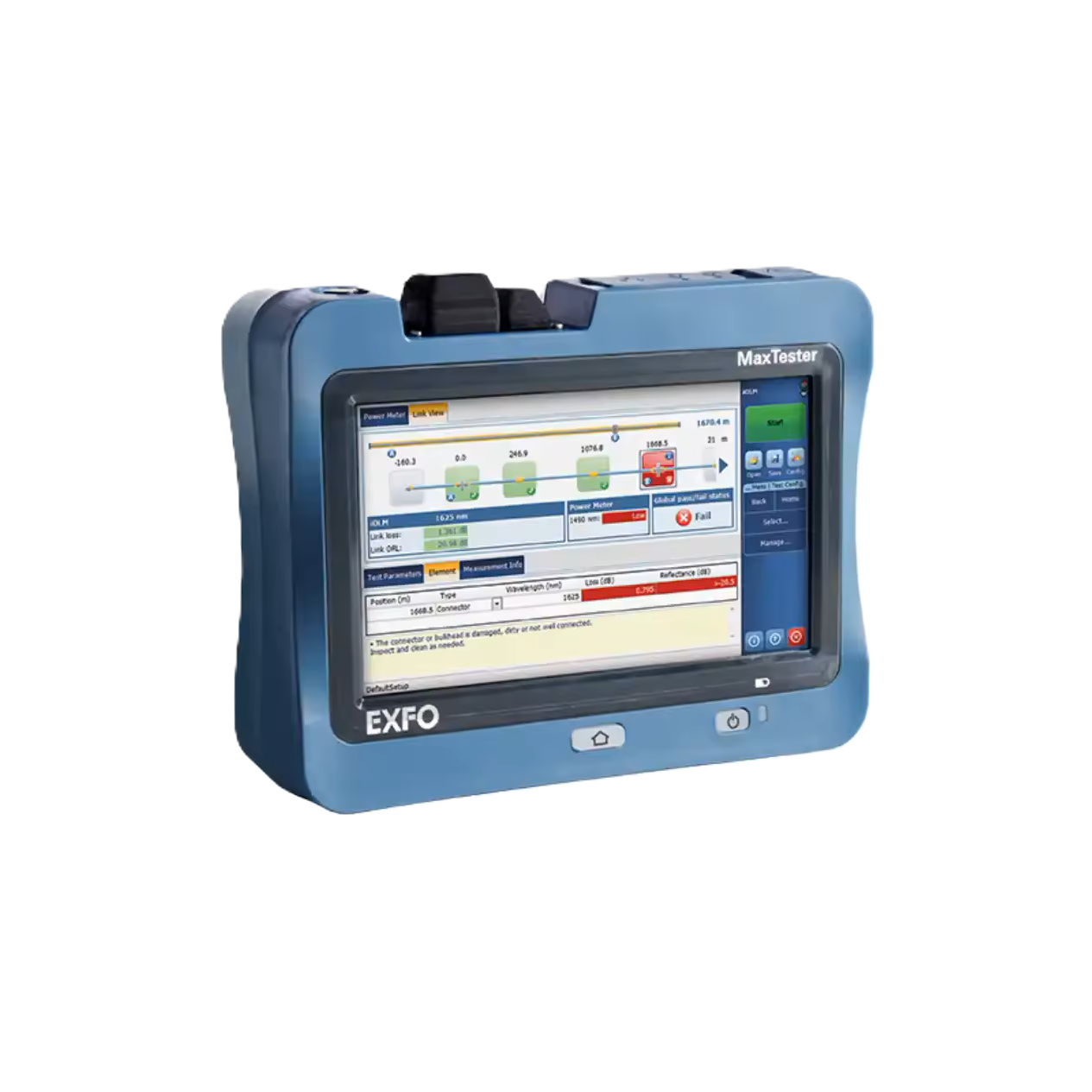
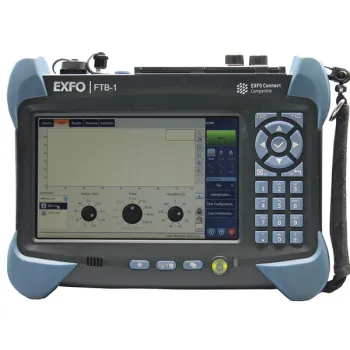
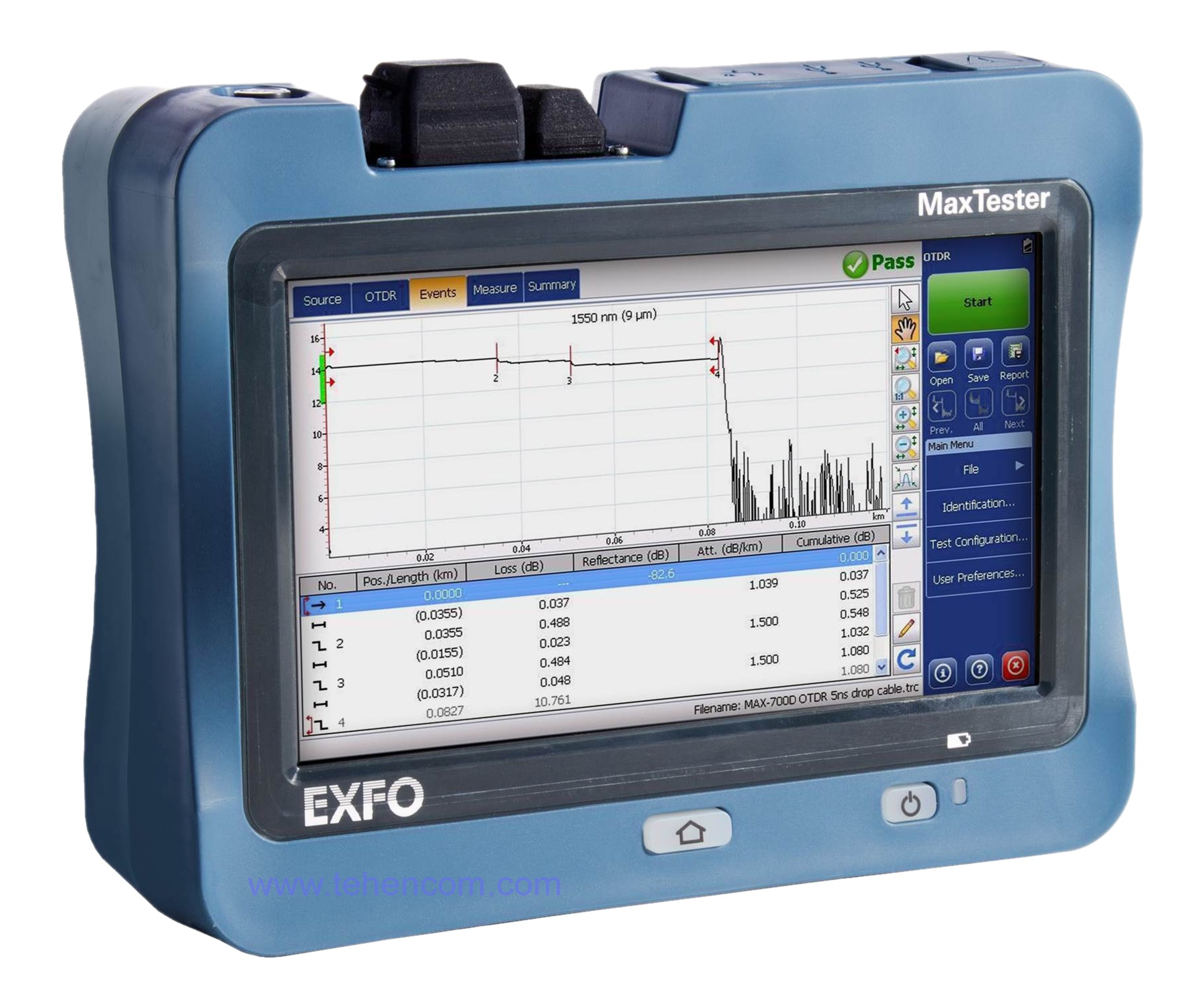
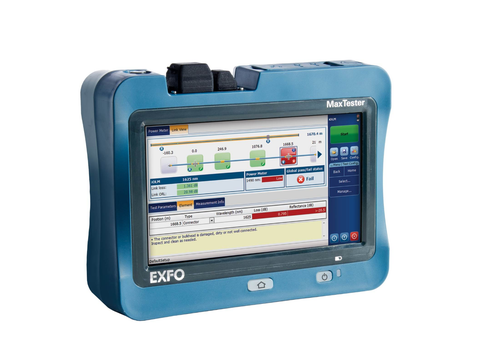
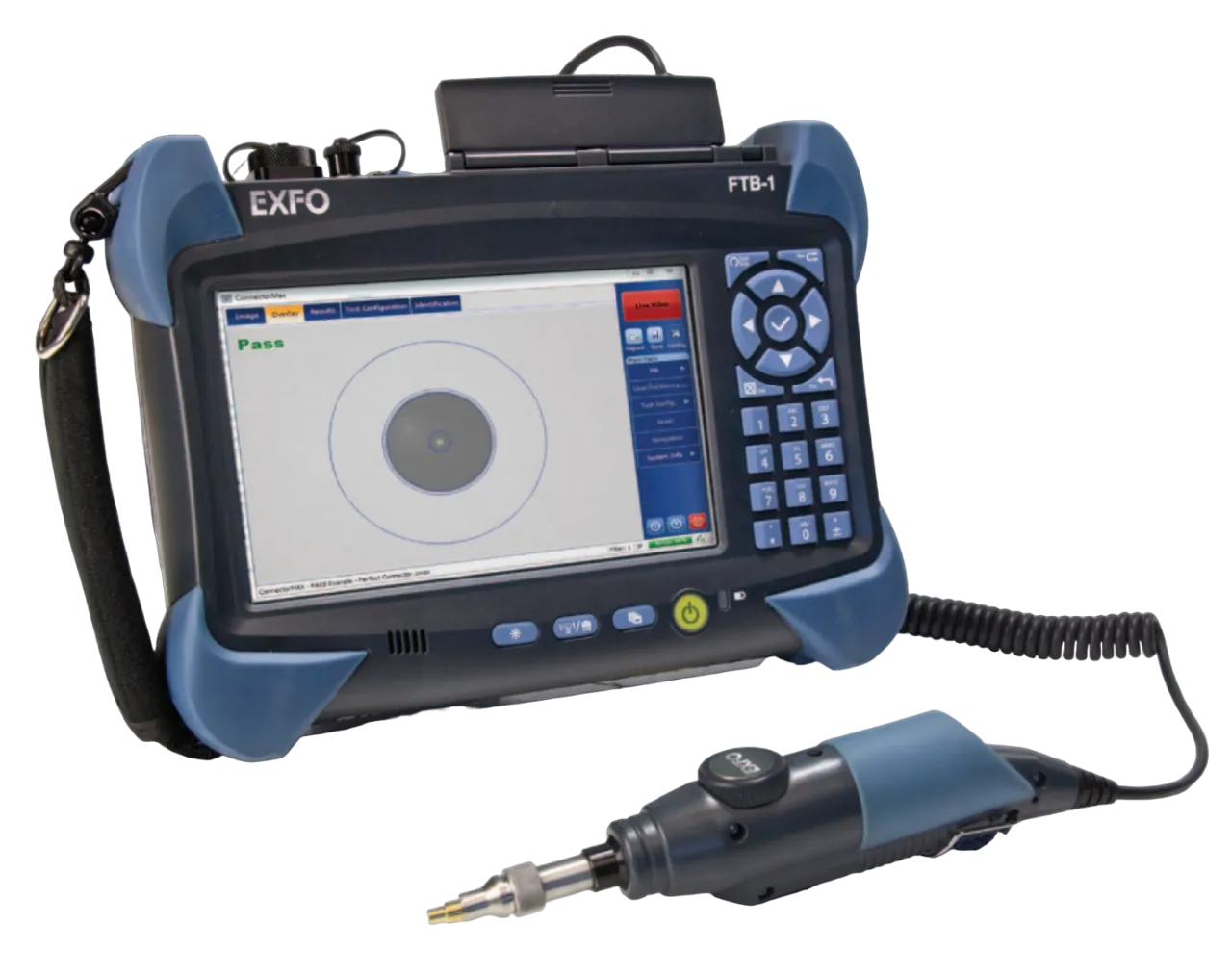
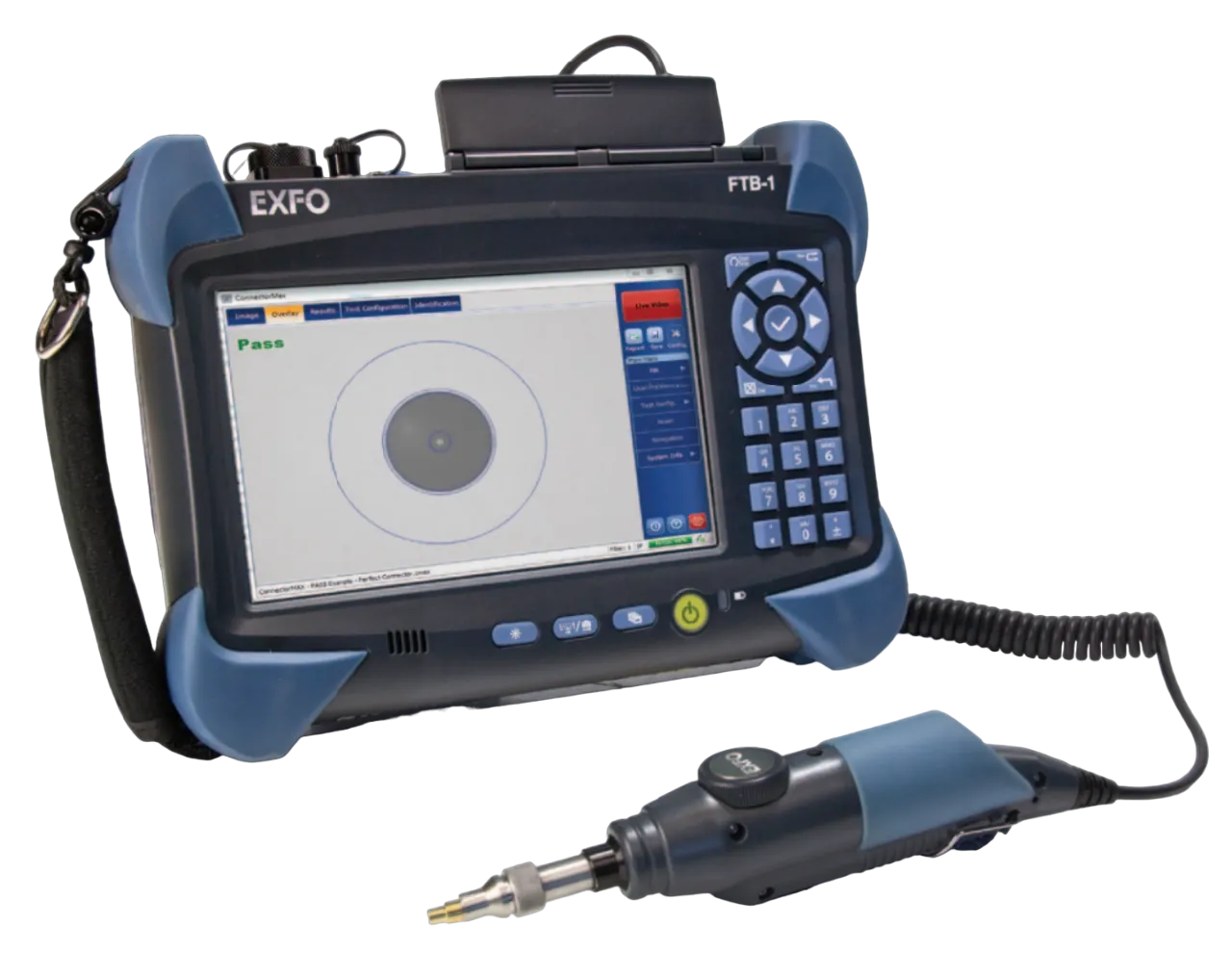
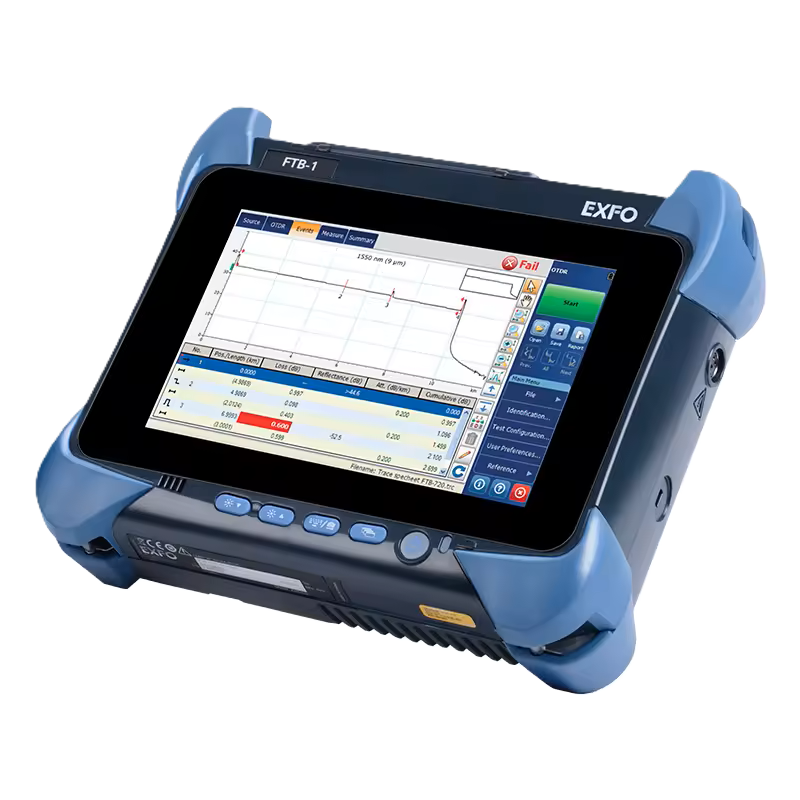
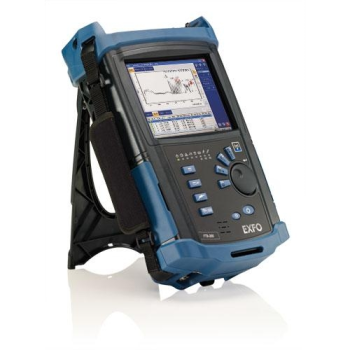
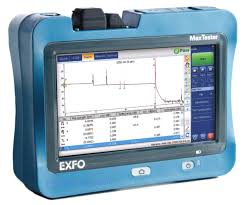
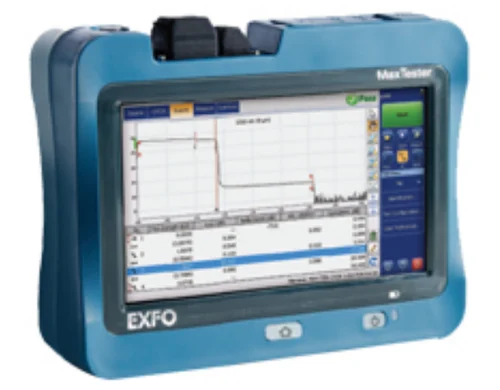
The EXFO FTB platform is the most widely deployed modular OTDR platform in North American telecom testing. The FTB-200 and FTB-1 mainframes accept interchangeable acquisition modules covering singlemode (1310/1550/1625 nm), multimode (850/1300 nm), and PON testing. The MaxTester 730C, 715B, and 945 are field-hardened handheld OTDRs used in outside plant work — battery-powered, ruggedized, and designed to survive cable plant environments. Common failure on used MaxTester units: the optical launch port connector wears and contaminates. Inspect and clean before assuming a measurement problem is instrument failure.
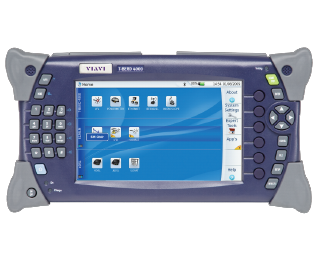
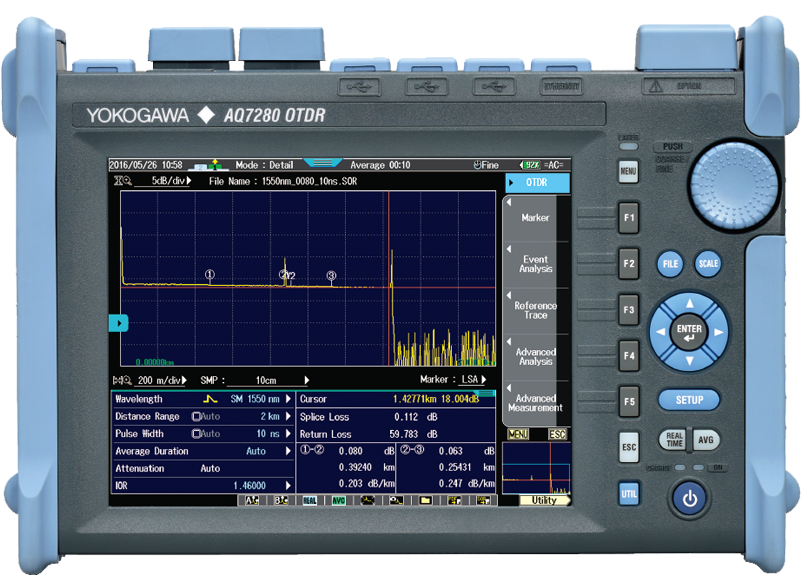
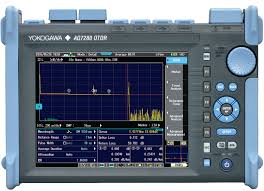
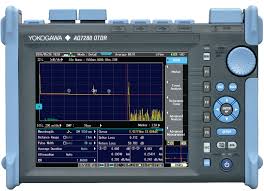
The Viavi MTS-6000 and T-BERD series are the primary alternative for carrier-grade testing. Anritsu MT9083 series has strong dynamic range specs and short dead zones. Yokogawa AQ7280 and AQ7275 are preferred in research and precision measurement contexts. AFL M310 and Fluke OptiFiber are commonly used in structured cabling and premises applications.
OTDR Calibration and Repair
NIST-traceable OTDR calibration at Aumictech covers distance accuracy verified against a calibrated fiber length reference, event loss measurement accuracy, dead zone at rated pulse width, dynamic range at 1310 nm and 1550 nm, backscatter coefficient calibration, and return loss measurement accuracy. Standard calibration is $450; full measured data certificate is $650. Repair evaluations are free — optical port cleaning, battery replacement, display service, and module-level repair on FTB and MTS platforms. Turnaround 1 to 3 business days. See calibration details → | Request repair evaluation →
Frequently Asked Questions
What is an OTDR and how does it work? +
An optical time domain reflectometer (OTDR) sends short pulses of light into a fiber and measures the light that is backscattered and reflected back toward the source. From the time delay and amplitude of the returned signal, the OTDR calculates distance to events (splices, connectors, breaks) and their loss. It produces a trace showing loss vs. distance along the entire fiber length, allowing you to locate faults, measure splice loss, and verify total link loss without accessing both ends of the fiber.
What is OTDR dead zone and why does it matter? +
Dead zone is the distance immediately after a reflective event (like a connector) during which the OTDR cannot detect another event. There are two dead zones: event dead zone (the minimum distance between two events the OTDR can resolve) and attenuation dead zone (the minimum distance at which the OTDR can accurately measure loss after a reflective event). A short dead zone is critical in high-density installations — patch panels, short jumpers, or installations with connectors close together. Dead zone is reduced by using shorter pulse widths, which also reduces dynamic range.
What is the difference between OTDR dynamic range and measurement range? +
Dynamic range is the difference between the backscatter level at the launch point and the OTDR noise floor — it determines how long a fiber you can measure. A 40 dB dynamic range covers approximately 200 km of singlemode fiber before the signal is lost in noise. Measurement range is the maximum distance displayed on the OTDR screen. Dynamic range is the physically meaningful specification; measurement range is just a display setting. An OTDR with 40 dB dynamic range and a 400 km measurement range setting will show noise from 200 km to 400 km.
How often does an OTDR need calibration? +
Annual NIST-traceable calibration is the standard interval for OTDRs in quality-managed environments. OTDR calibration verifies distance accuracy (the most critical parameter — errors here cause mislocated faults), event loss measurement accuracy, dead zone performance, and dynamic range. Distance accuracy on a well-maintained OTDR is very stable. Loss measurement accuracy drifts with detector aging and connector wear on the optical port. Annual calibration catches drift before it causes a passed splice to be rejected on paper or a real fault to go undetected.
What does OTDR calibration cost? +
NIST-traceable OTDR calibration at Aumictech is $450 (standard — pass/fail certificate and calibration sticker) or $650 (full measured data at every test point, reference standards documented, traceability chain included). Calibration covers distance accuracy, event loss measurement, dead zone at rated pulse width, and dynamic range at 1310 nm and 1550 nm. Turnaround is 1 to 3 business days. Contact us for multi-unit volume rates.
What are common repair issues with used OTDRs? +
Most field OTDRs fail due to physical damage from use in the field. The optical port connector is the highest-wear item — contamination or physical damage to the port causes excess launch loss that mimics instrument failure. Clean the port first before assuming the instrument is faulty. Battery failure is common on older units. Display damage from drops is frequent on handheld models. On modular platforms like the EXFO FTB or Viavi MTS, individual acquisition modules fail independently and can be replaced without replacing the entire mainframe.
What is the difference between singlemode and multimode OTDR modules? +
Singlemode OTDR modules operate at 1310 nm and 1550 nm (and sometimes 1625 nm for in-service testing) and are used on singlemode fiber systems — telecom outside plant, long-haul, and FTTH. Multimode OTDR modules operate at 850 nm and 1300 nm and are used for premises cabling, data center fiber, and LAN infrastructure. Some platforms offer combined modules. The two are not interchangeable — a singlemode OTDR will not correctly characterize multimode fiber loss and vice versa.
How do I choose between an EXFO, Viavi, and Anritsu OTDR? +
EXFO FTB and MaxTester series are the most common in North American telecom plant testing, with the widest range of application modules and the largest installed base for software compatibility. Viavi MTS and T-BERD series are preferred in carrier network testing where integration with OSS systems is needed. Anritsu MT9083 series has strong penetration in Asian networks and is well-regarded for its short dead zones and clean user interface. For general singlemode plant testing, the platforms are largely equivalent in performance — the choice often comes down to what your team already knows.
Need a specific OTDR for your network type?
Tell us the fiber type (SM or MM), wavelengths needed, dynamic range requirement, and whether it is for inside plant or outside plant use. We source specific models on request.
Get in touch