
Used Fusion Splicers for Sale
69 units in stock — Fujikura, Sumitomo, AFL, INNO Instrument, and Ericsson. Core and cladding alignment models for SM, MM, and PM fiber. Arc calibration and repair services available. Ships from Pleasant Grove, UT.
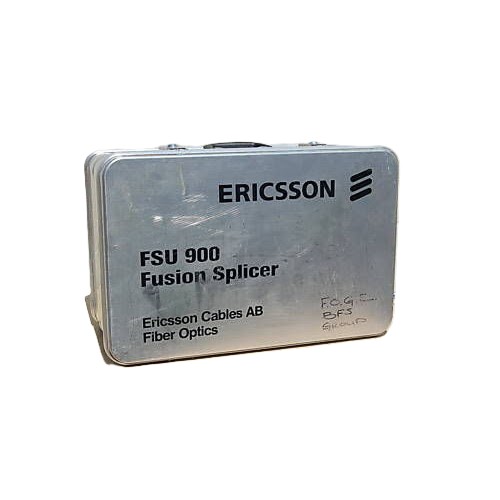
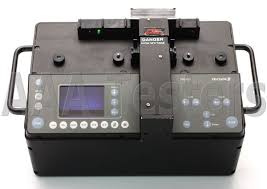
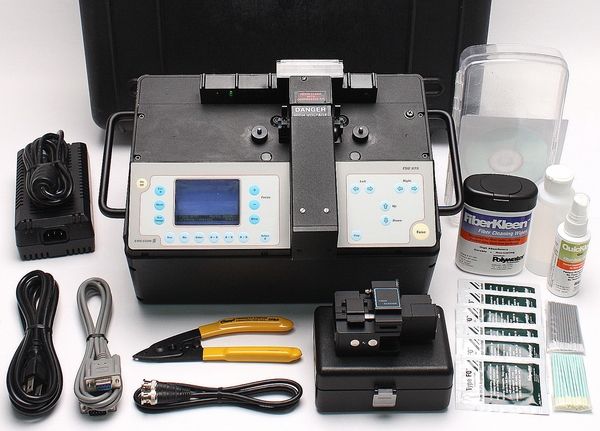
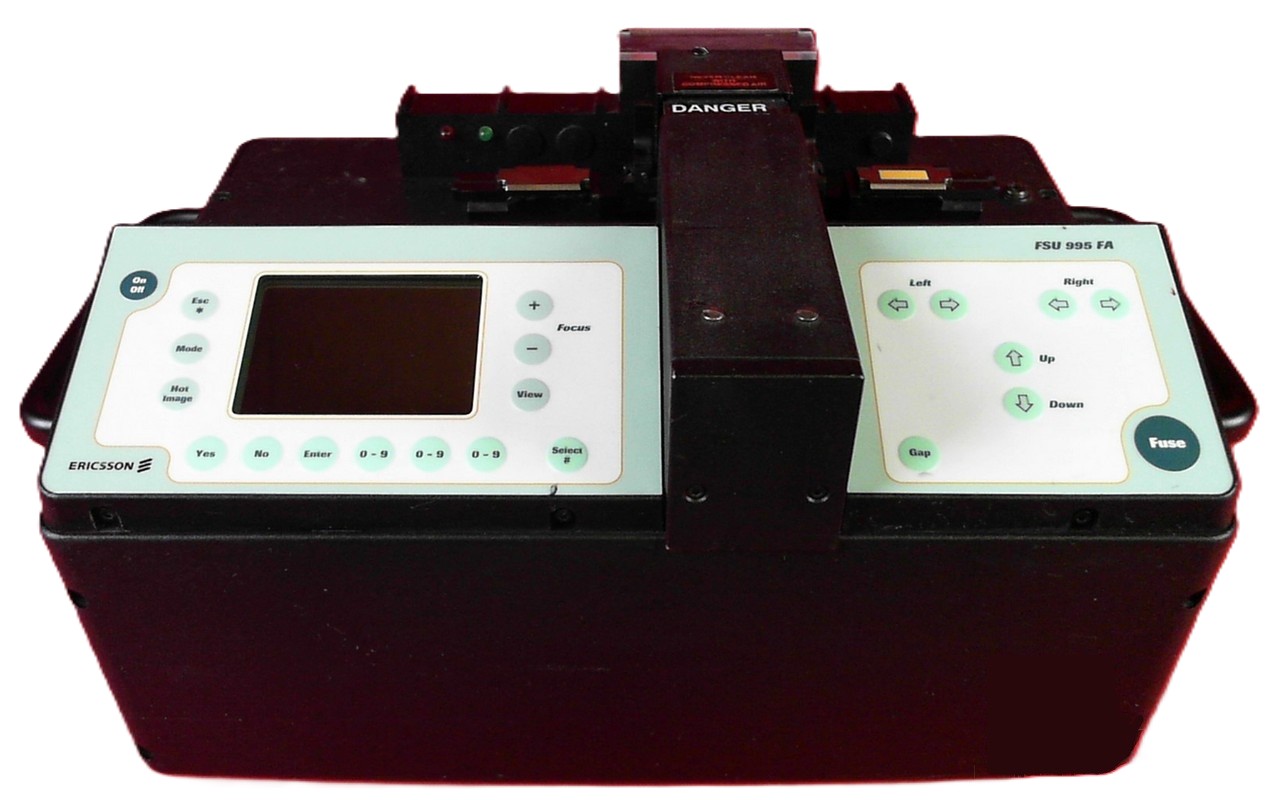
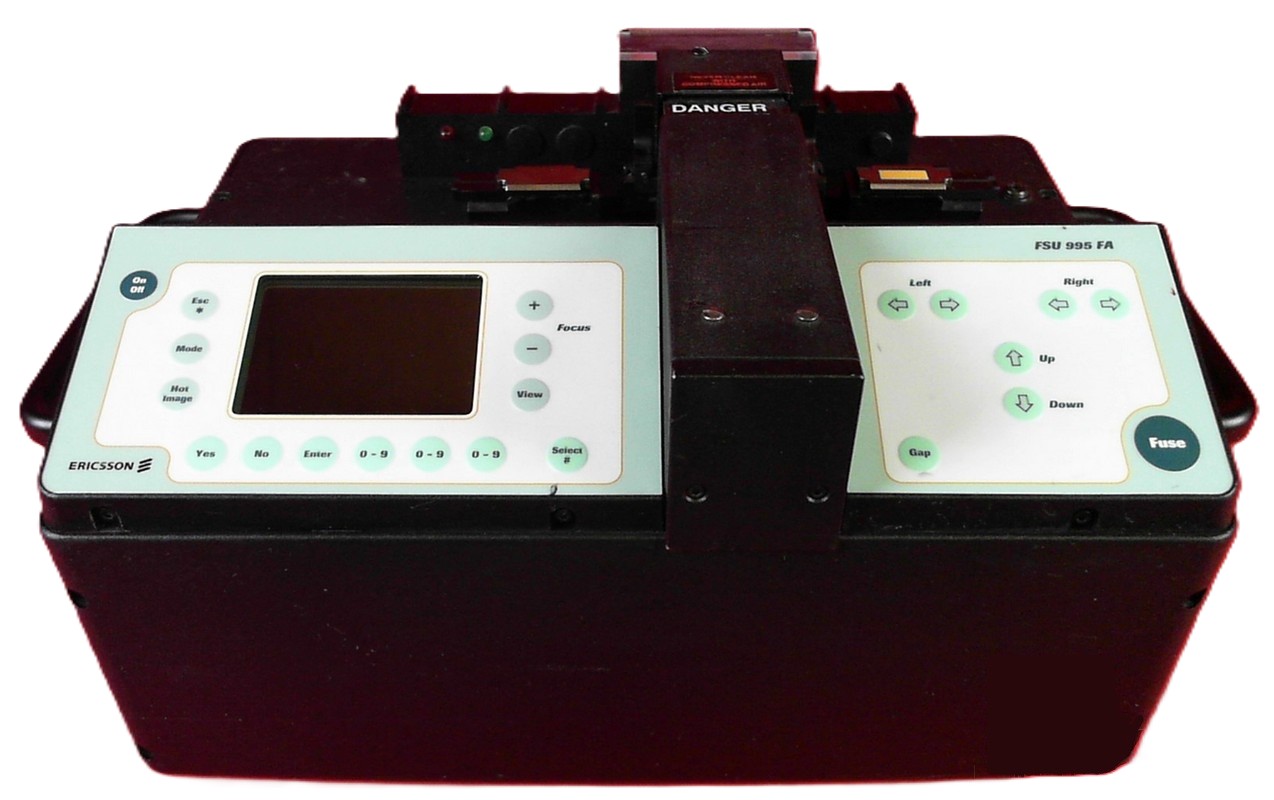
Ericsson Fusion Splicers (11 units)
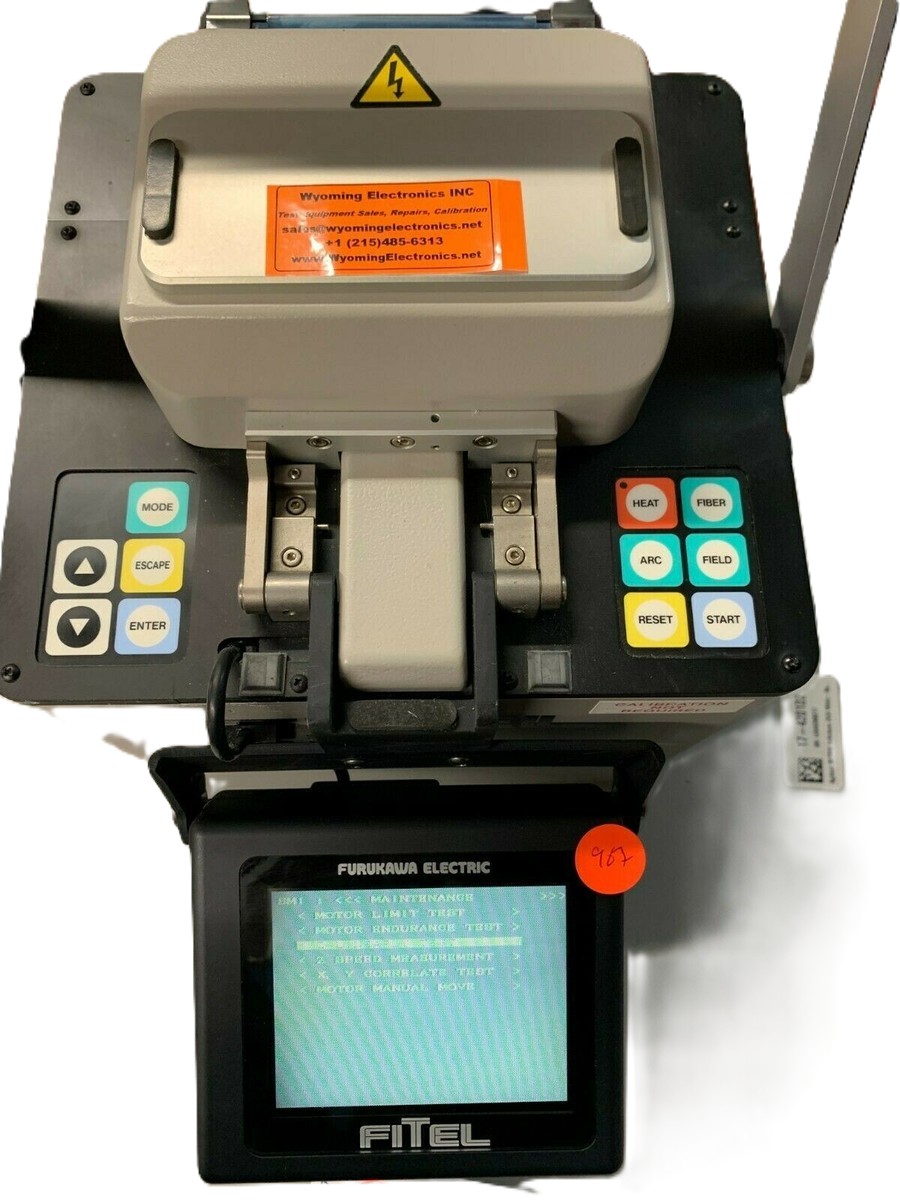
Fitel Fusion Splicers (4 units)
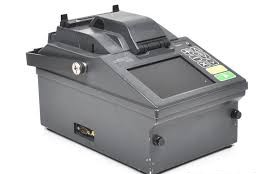
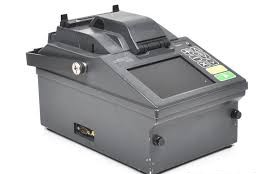
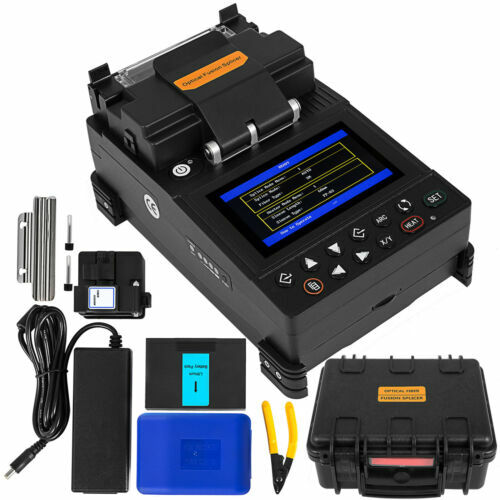
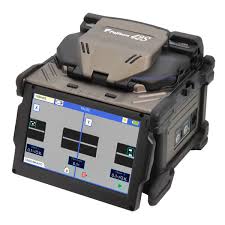
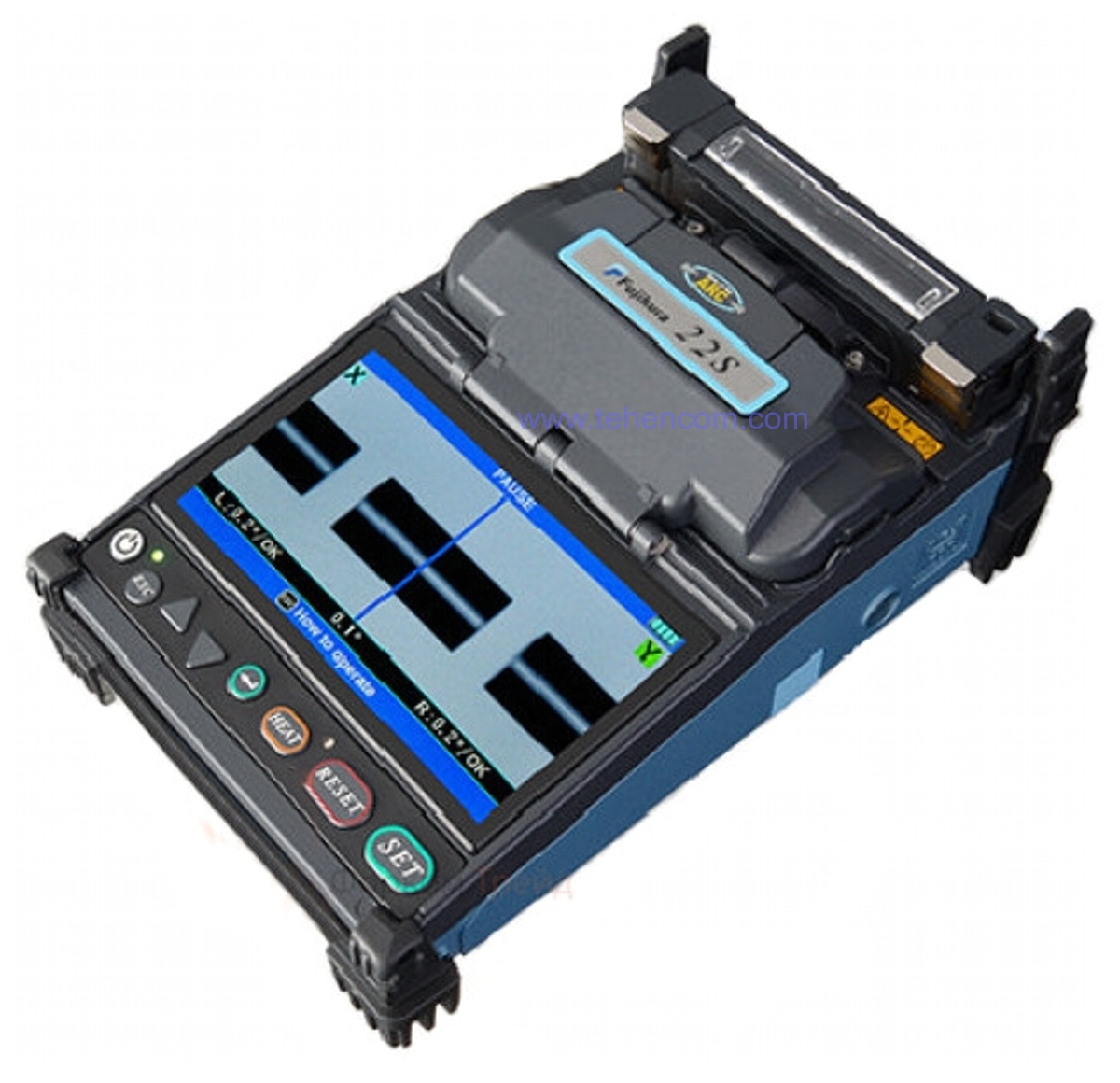
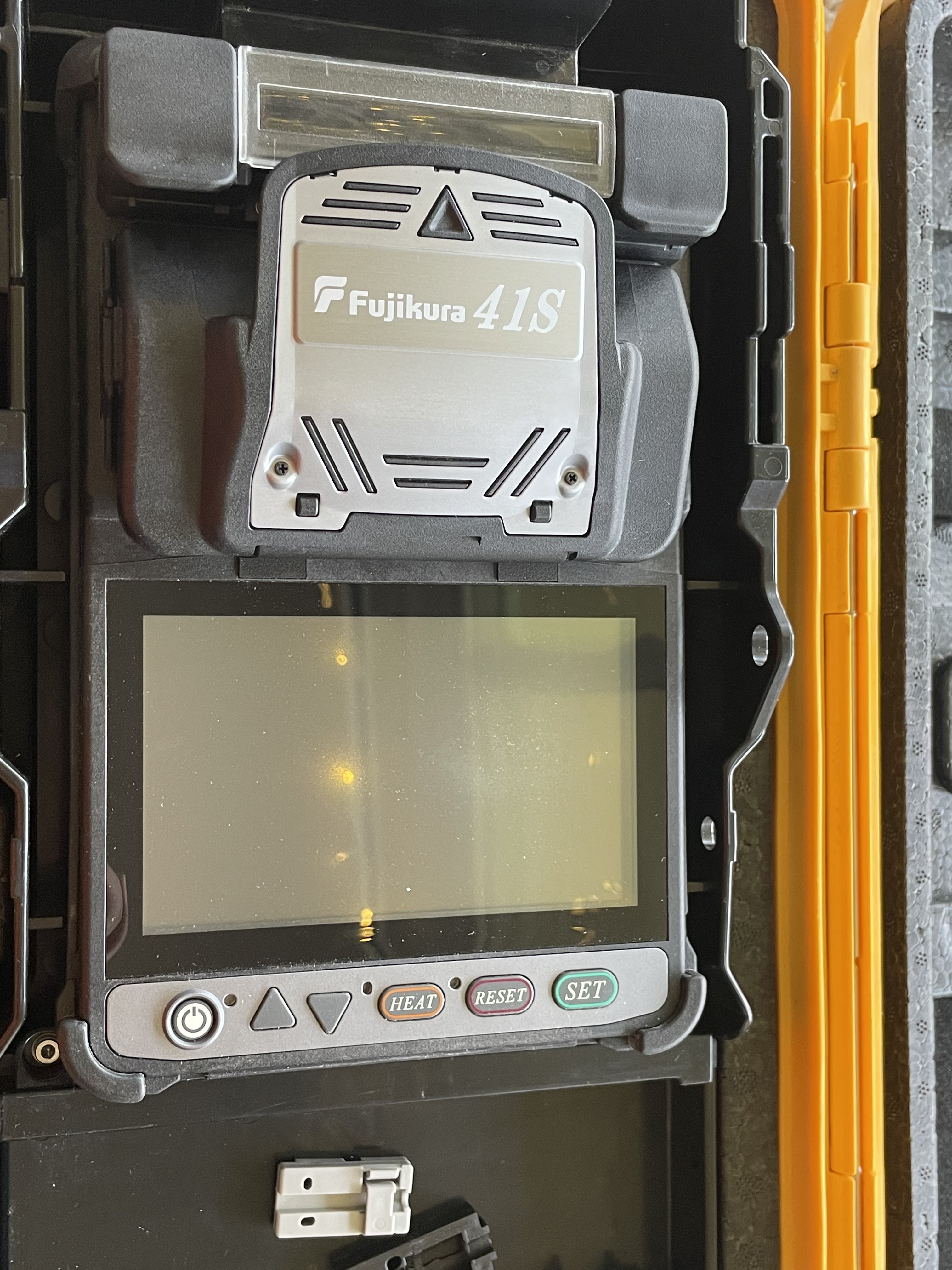
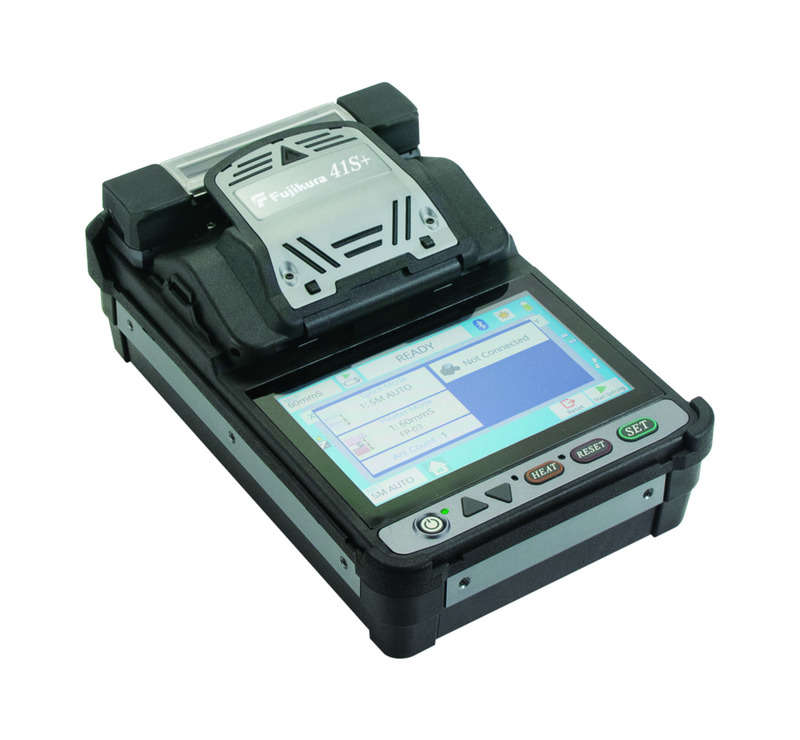
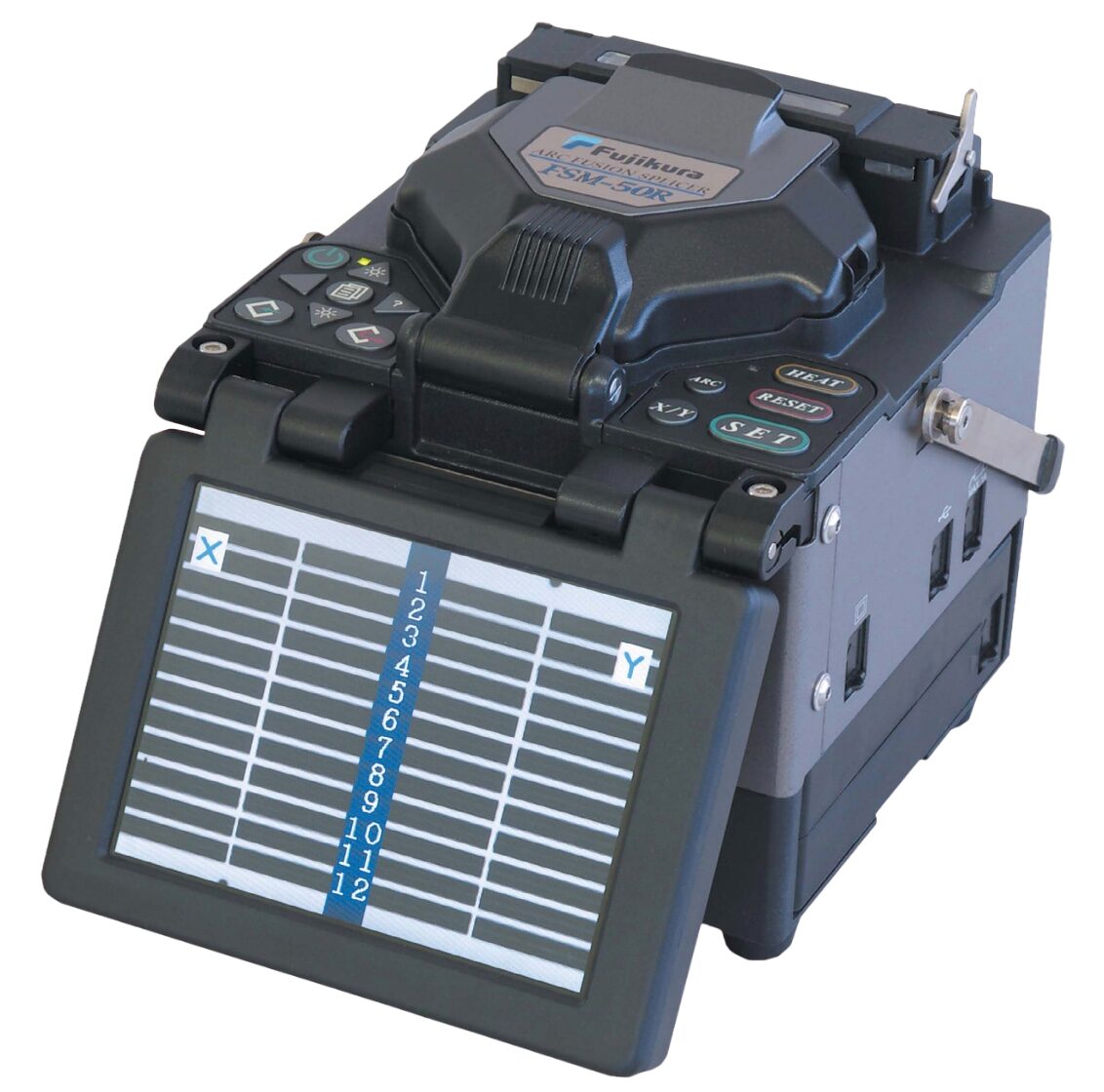
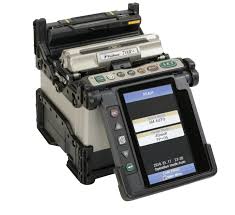
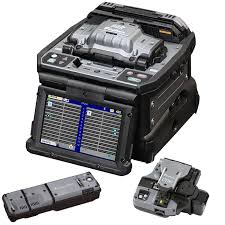
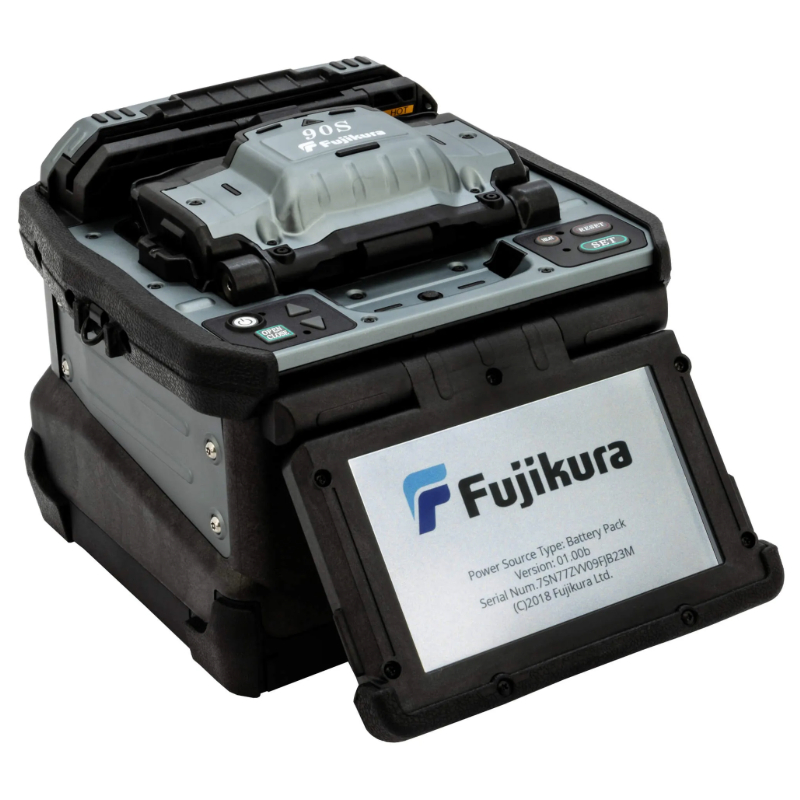
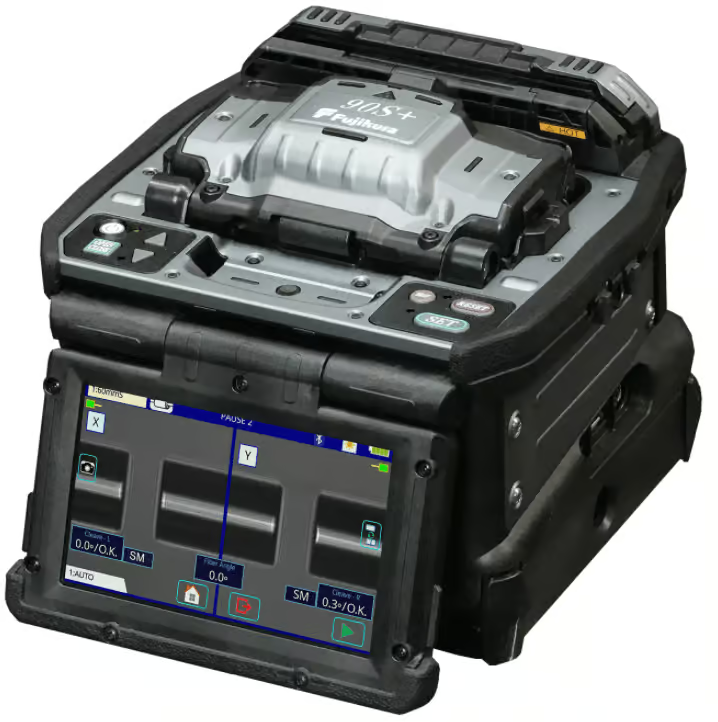
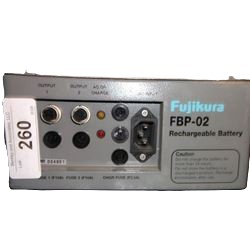
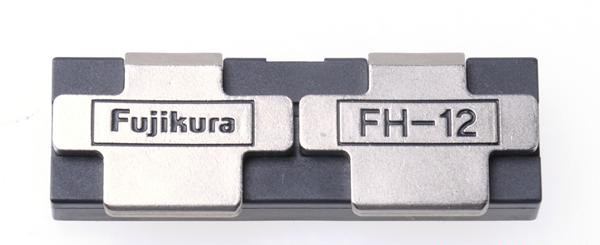
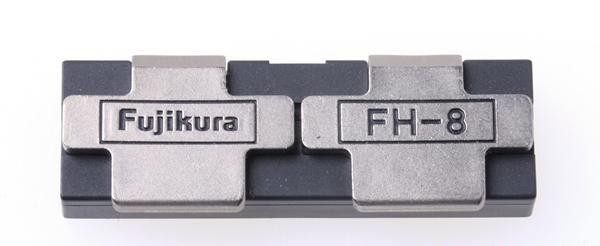
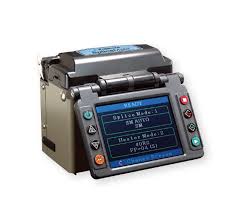
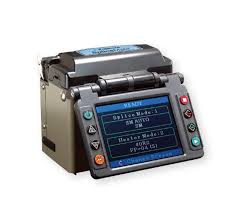
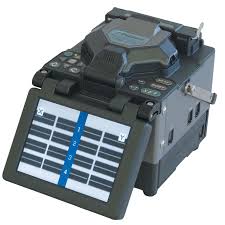
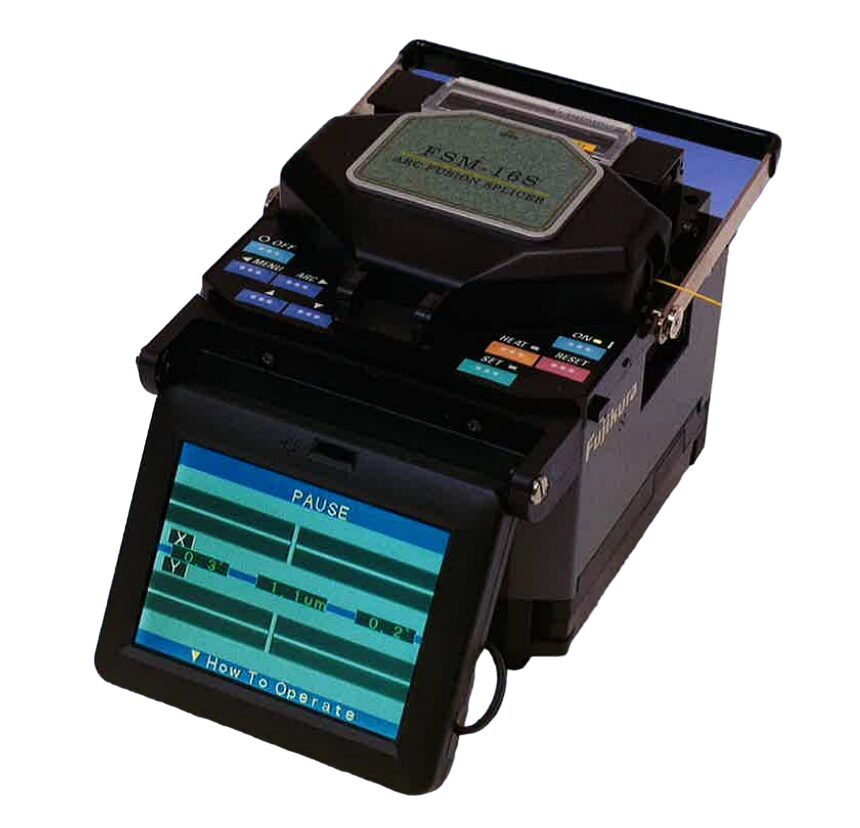
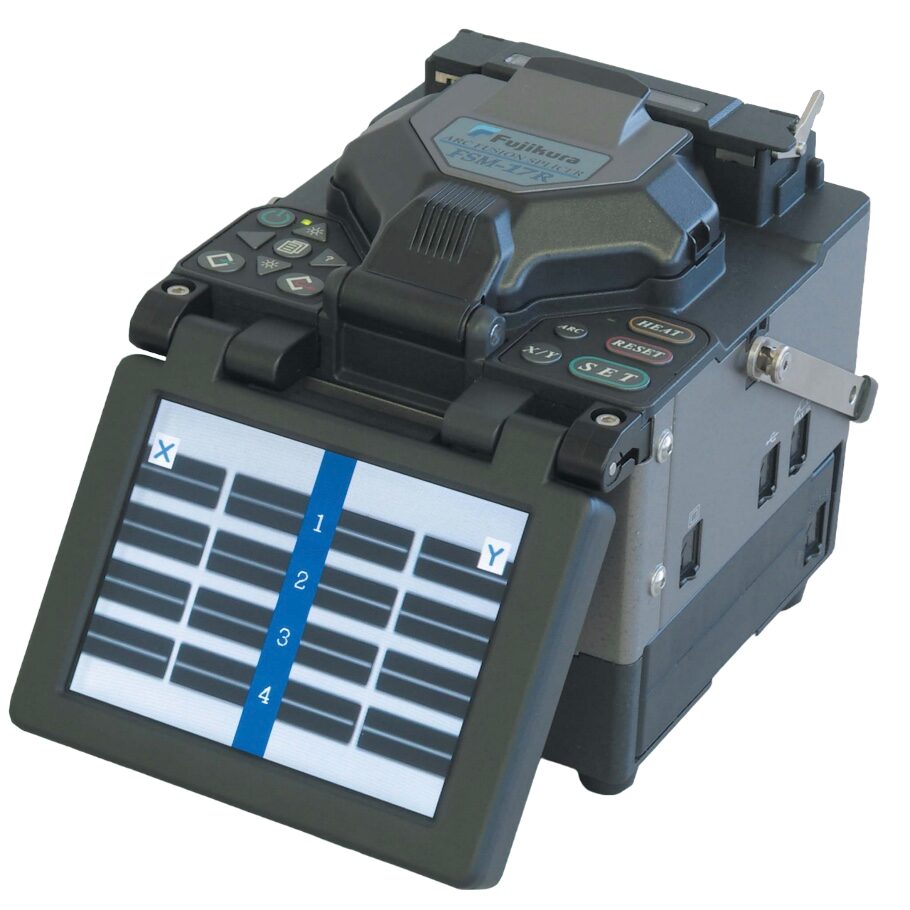
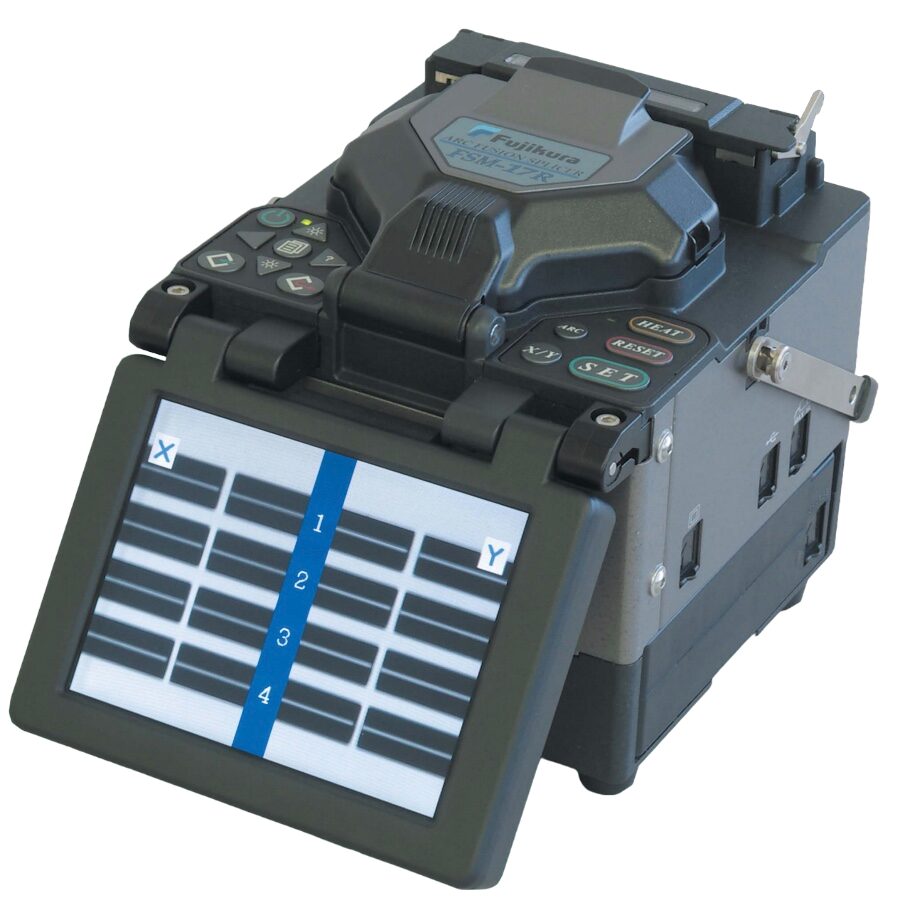
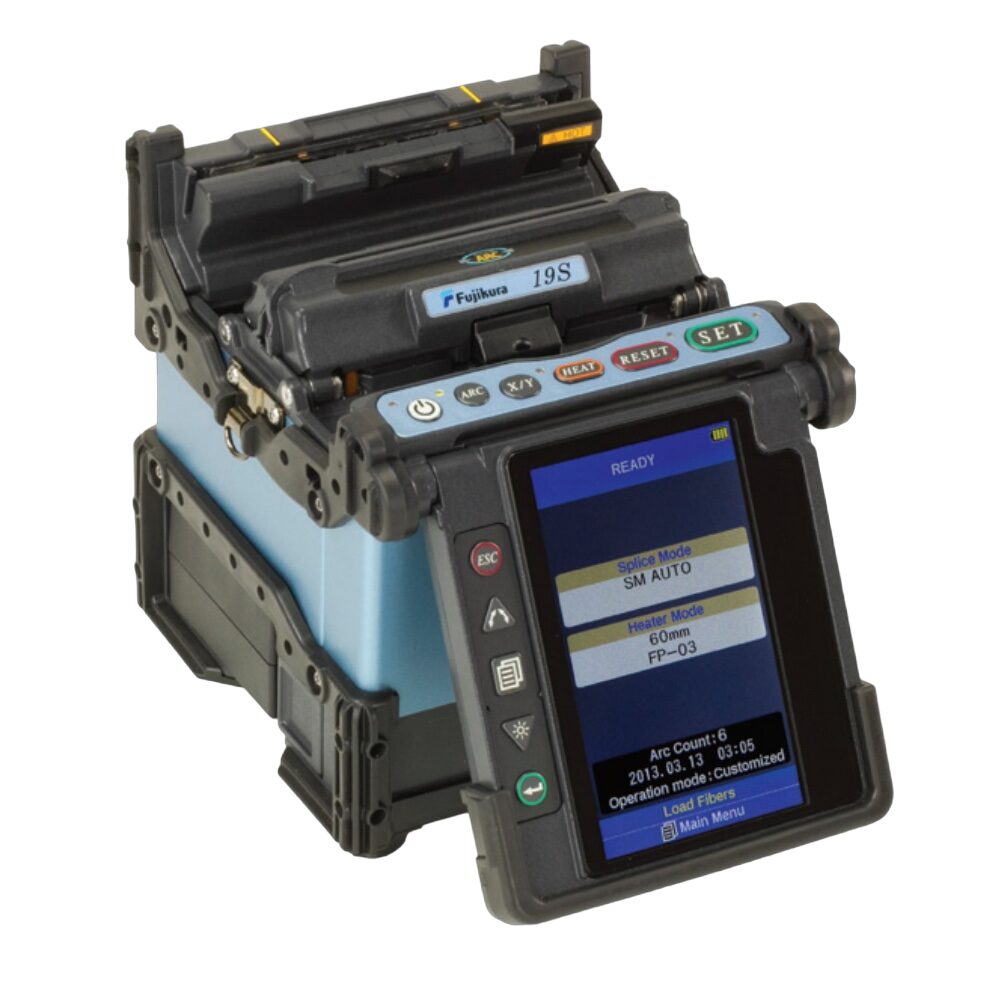
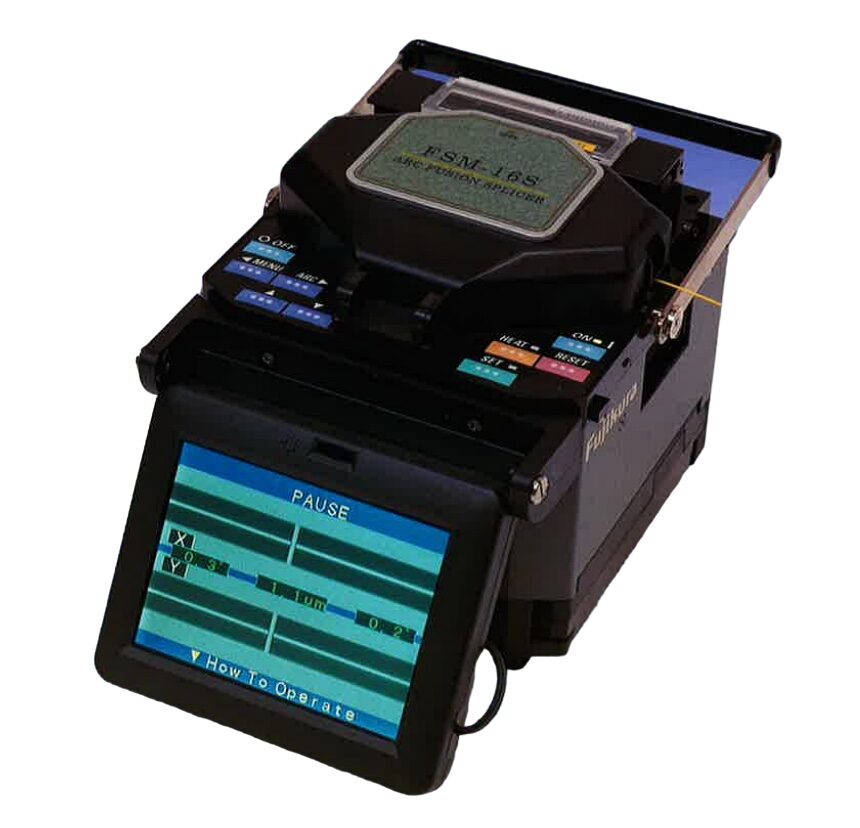
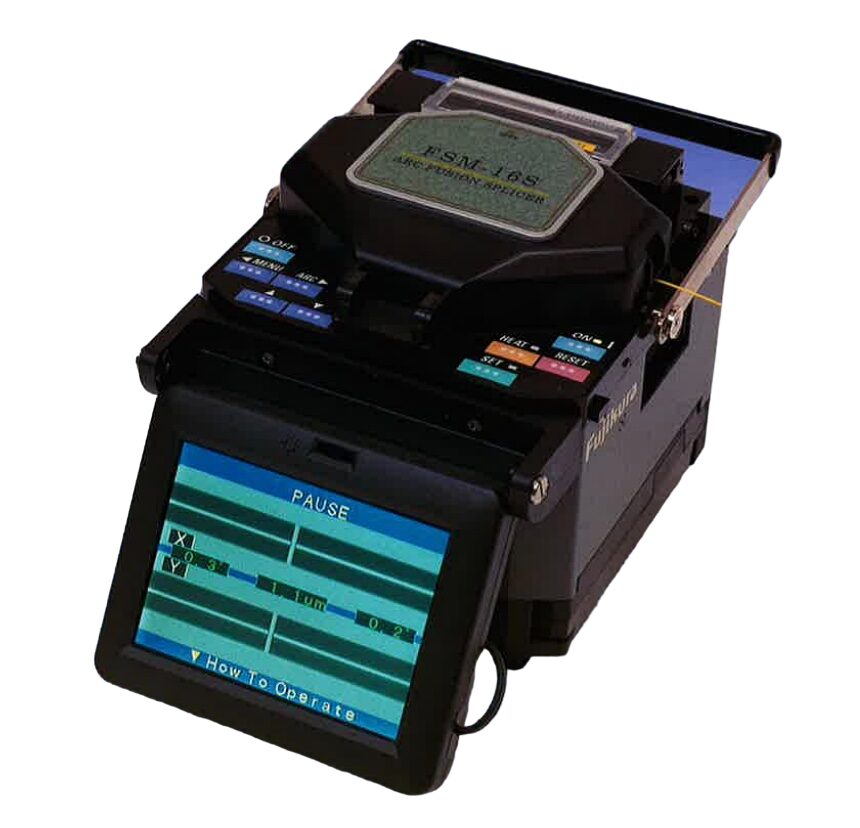
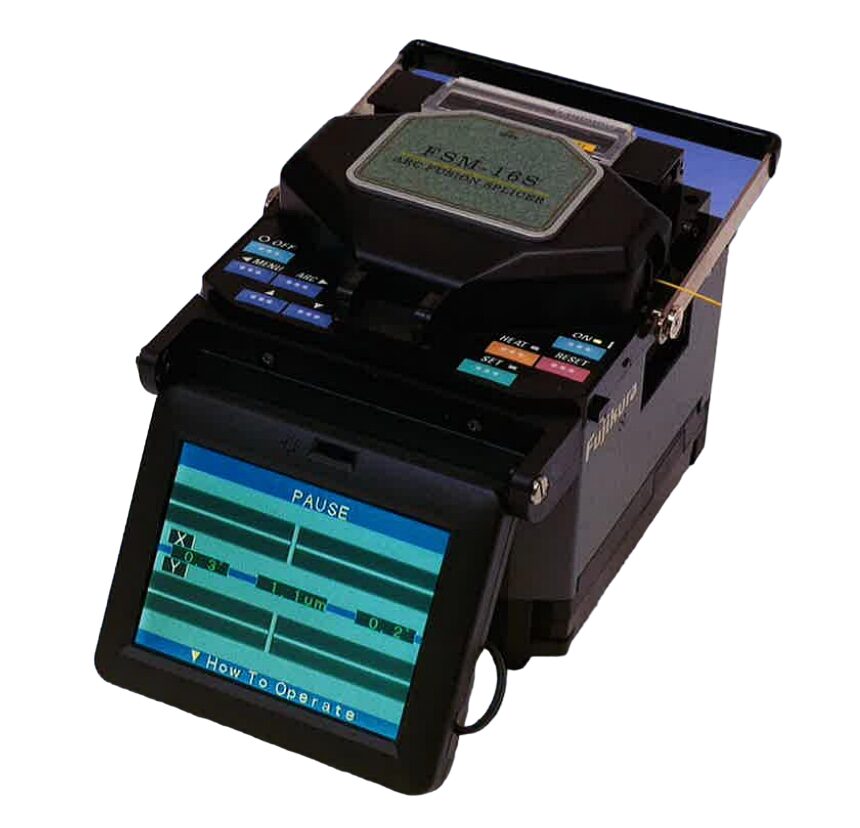
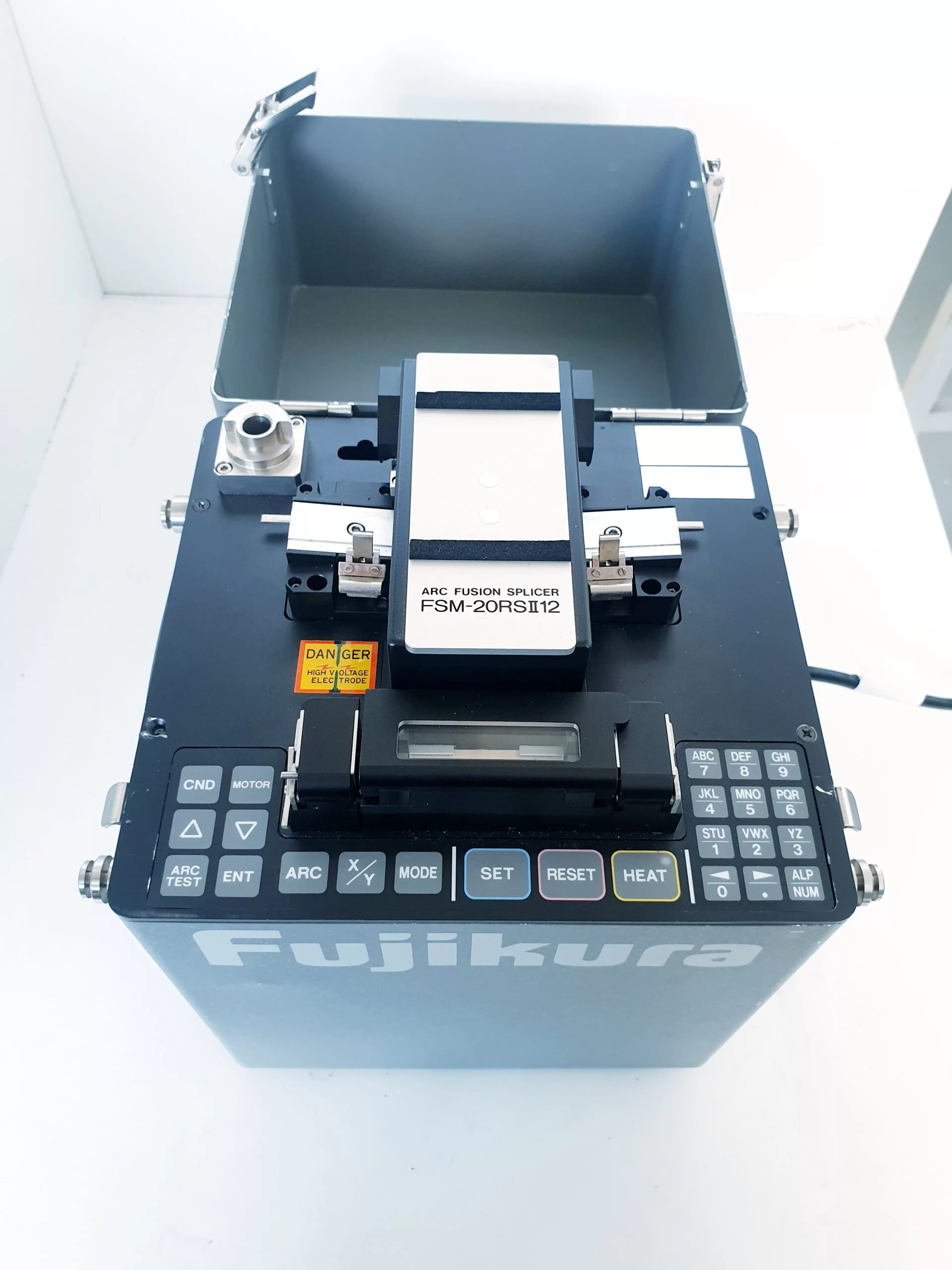
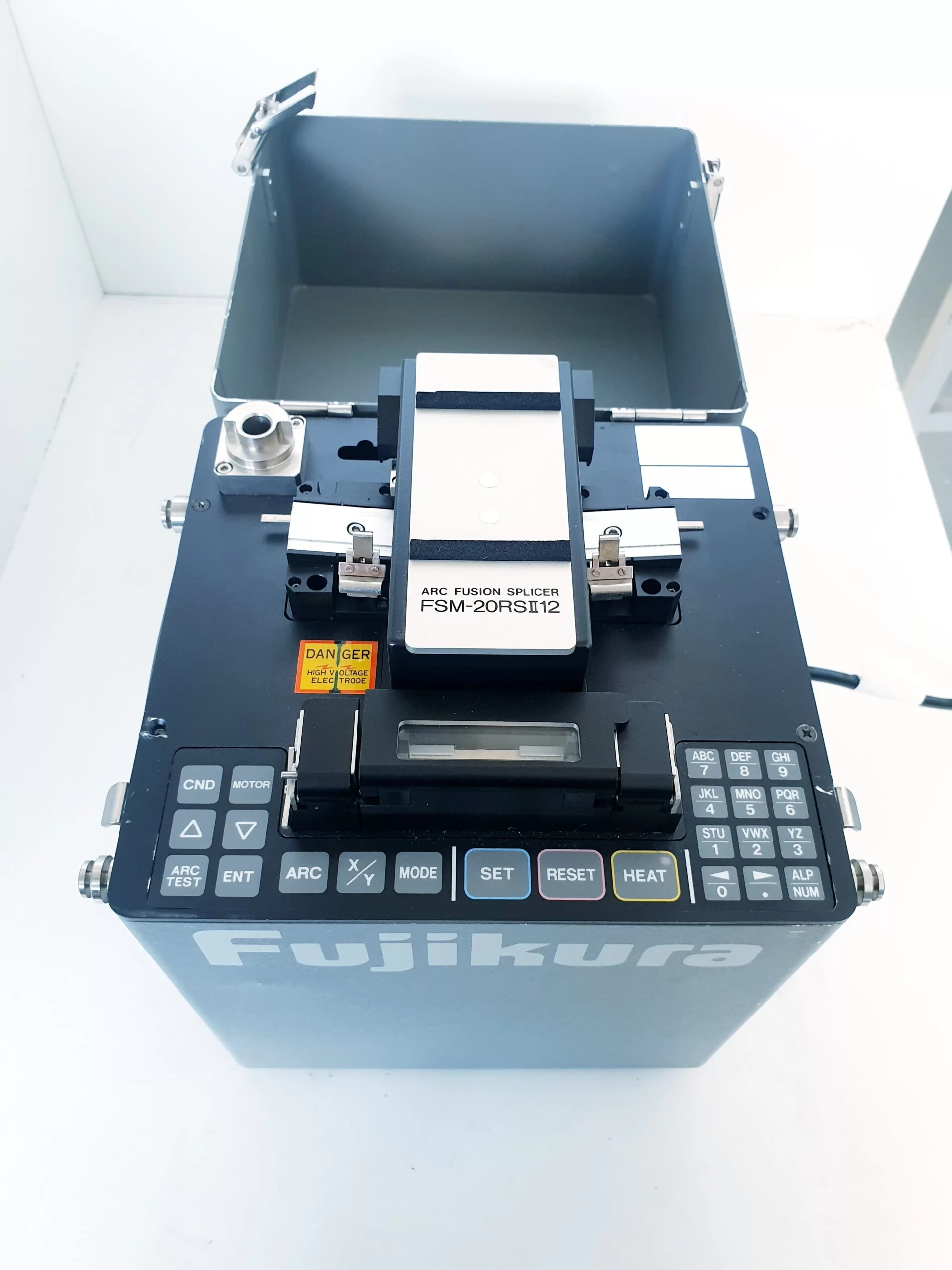
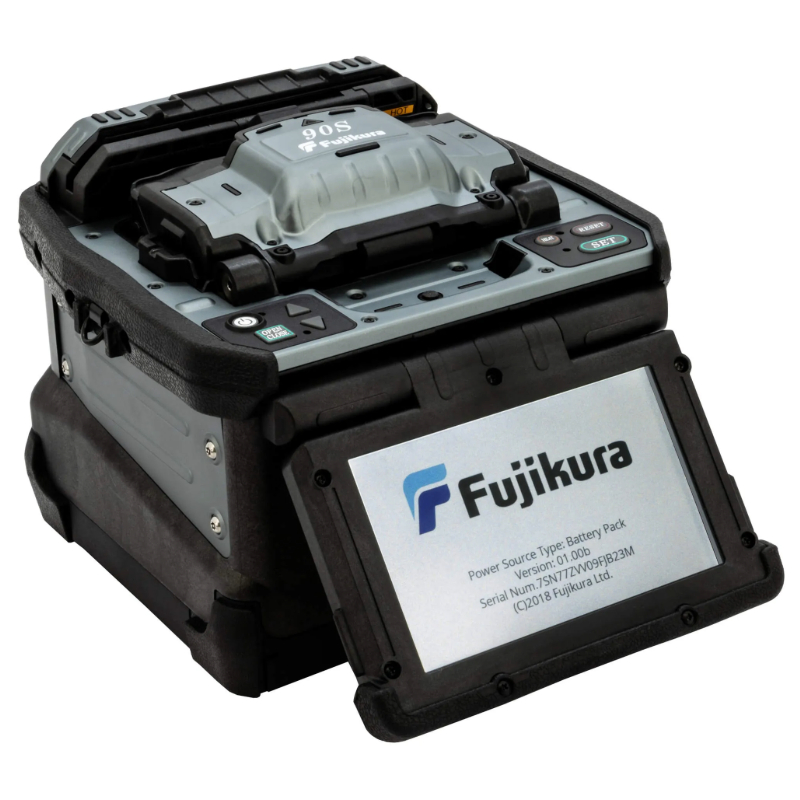
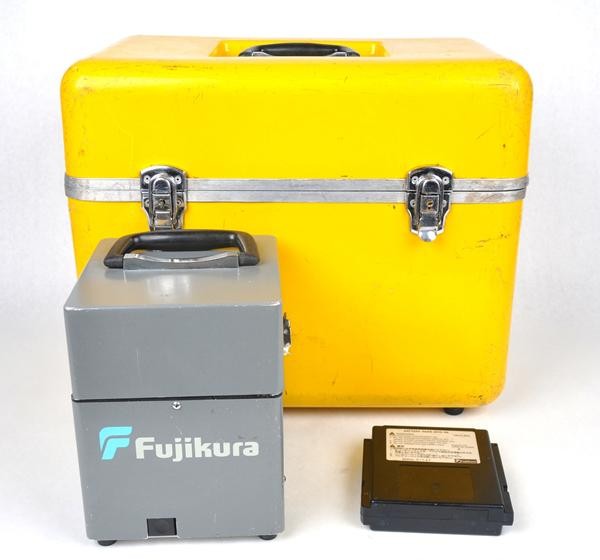
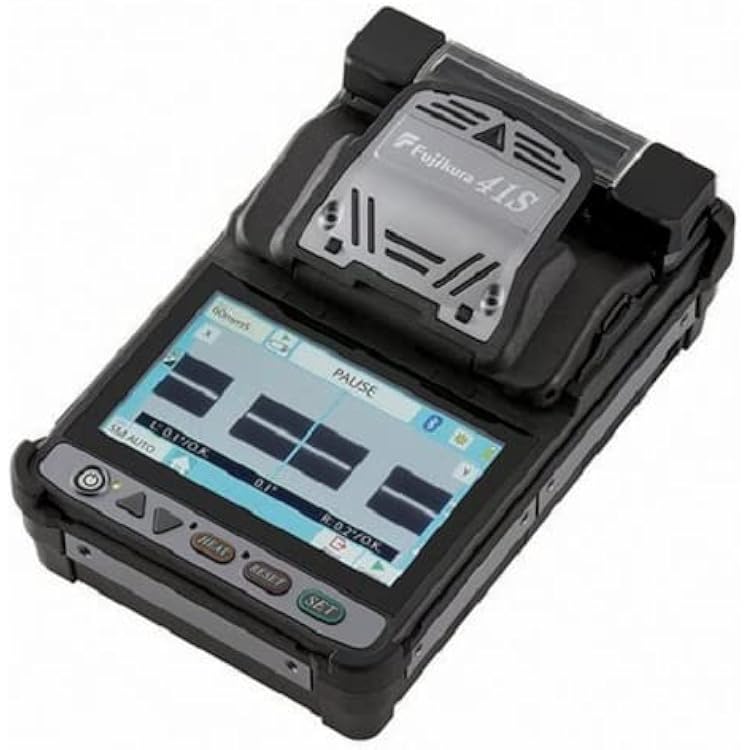
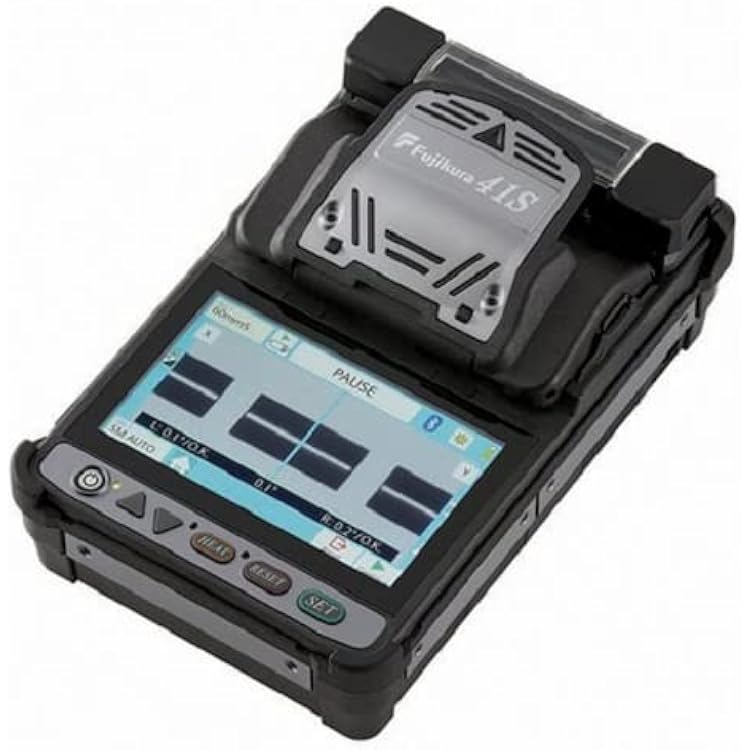
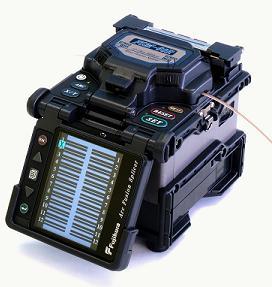
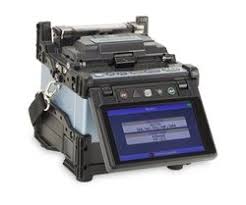
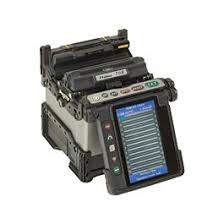
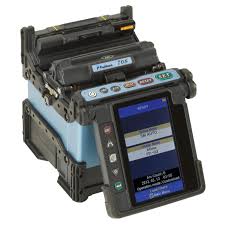
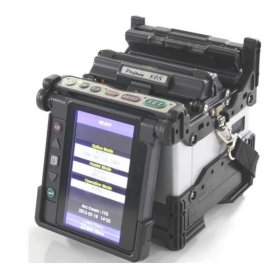
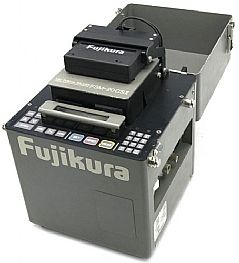
Fujikura Fusion Splicers (52 units)
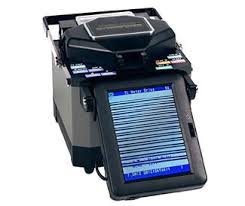
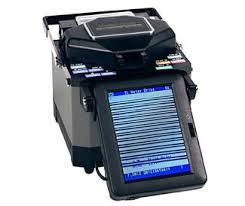
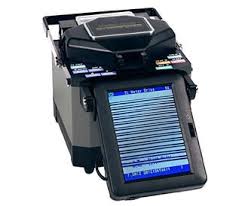
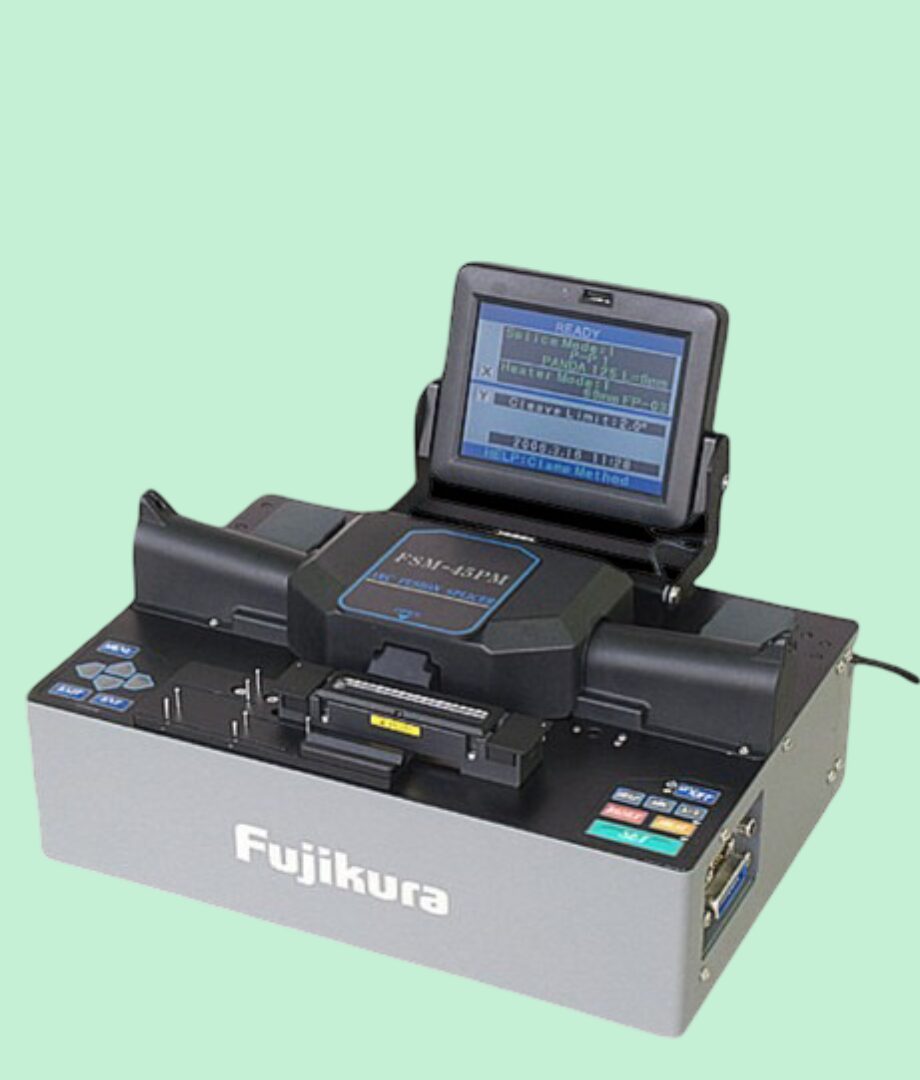
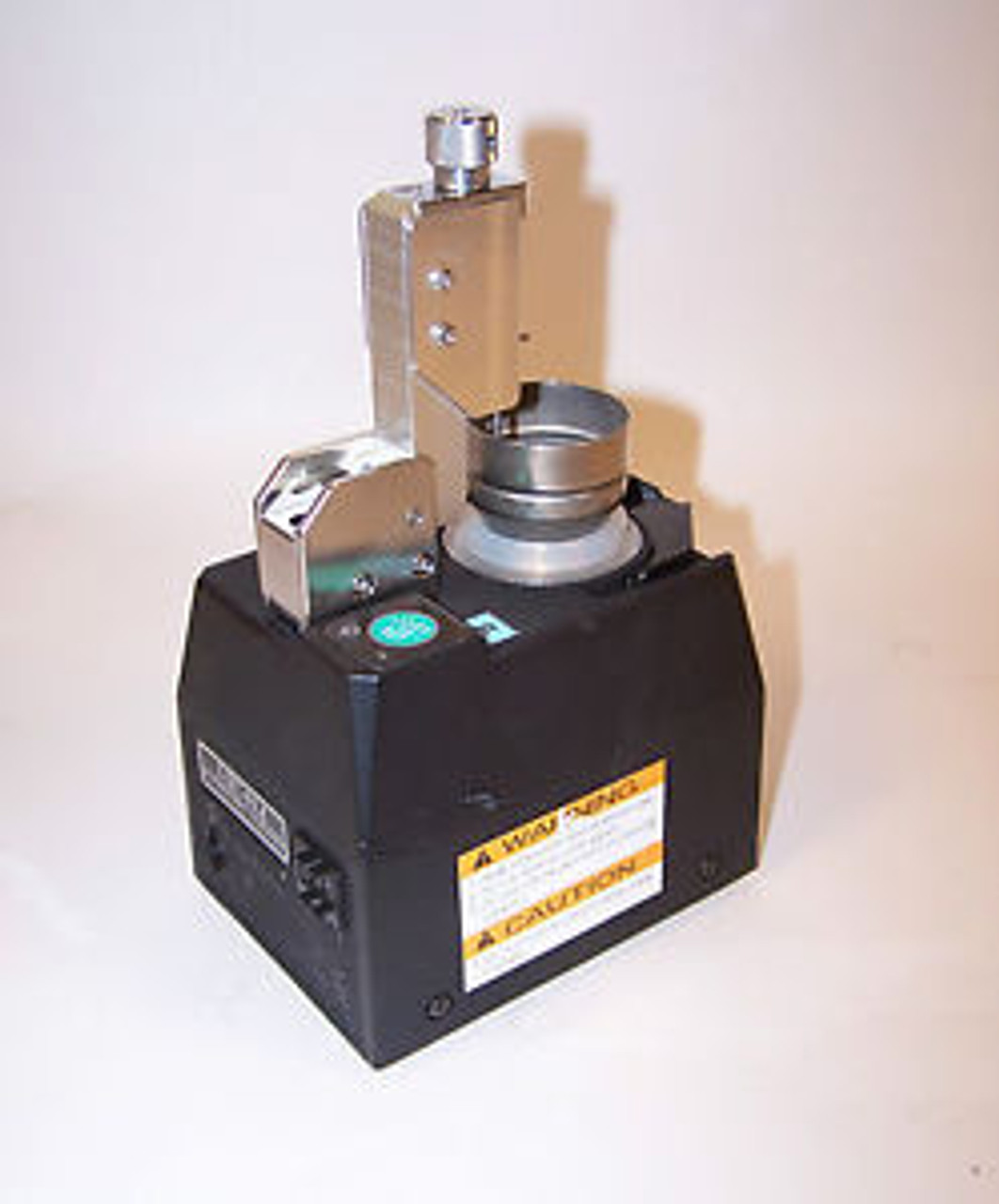
JDS Uniphase Fusion Splicers (1 unit)
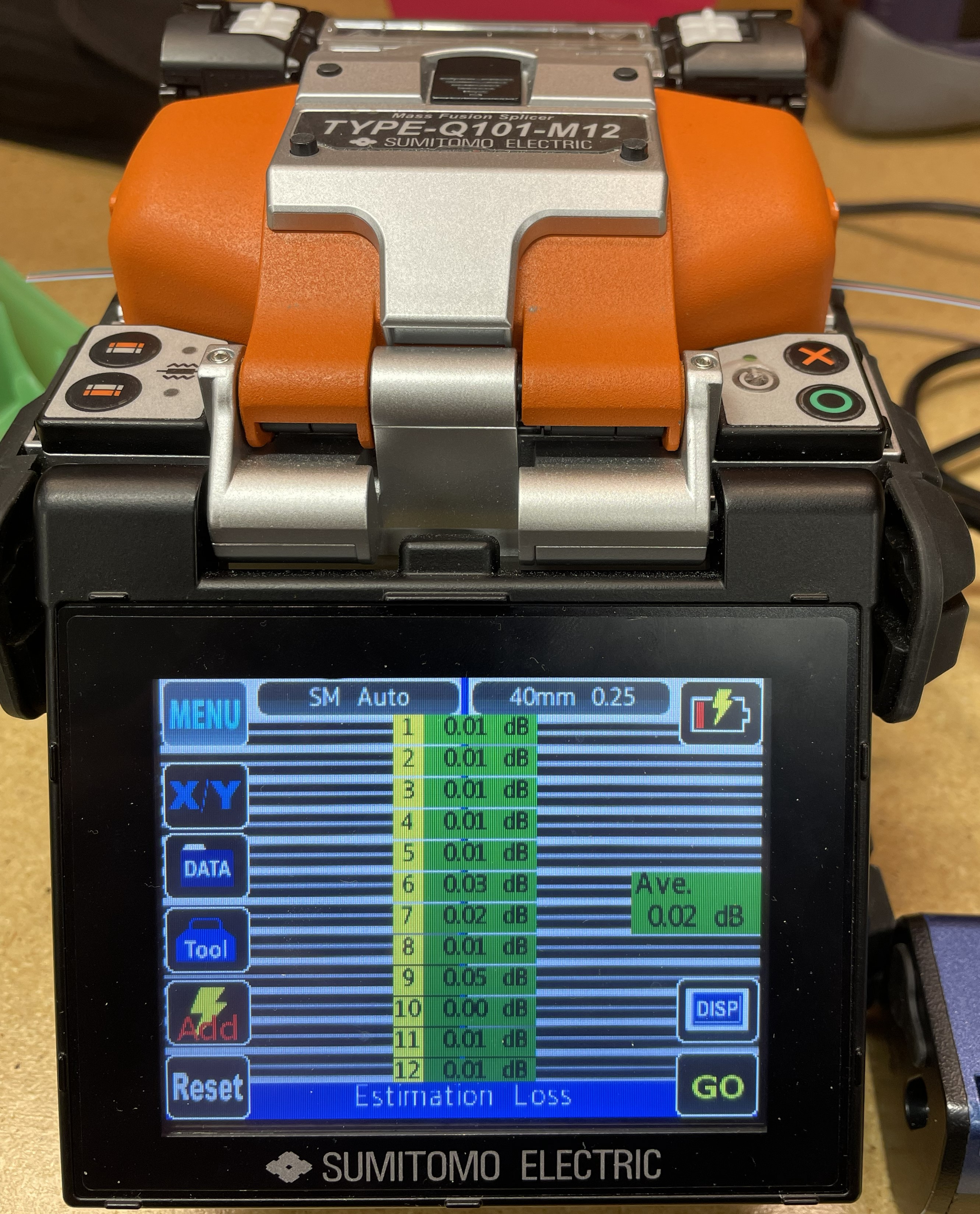
Sumitomo Fusion Splicers (1 unit)
Fujikura FSM Series Fusion Splicers
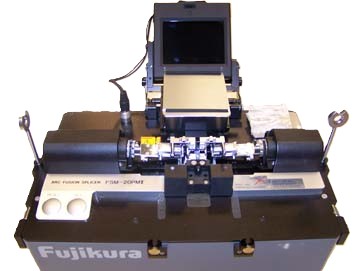
Fujikura FSM-series splicers are the most widely deployed fusion splicers in North American carrier and contractor environments. The FSM-60S and FSM-70S are rugged clamshell-design core alignment splicers built for field use — rated for operation in rain, wind, and sub-freezing temperatures. The FSM-80S adds faster splice and heat shrink cycle times. The FSM-88S introduced a touchscreen interface and cloud data logging. For polarization-maintaining fiber, the FSM-20PM through FSM-100M series includes rotational fiber alignment. All FSM units in our inventory have been arc-calibrated and function-tested before listing.
Common Fujikura FSM repair needs: electrode replacement (approximately every 2,500 arcs), V-groove contamination cleaning or chip repair, and camera or display replacement on heavily used field units. We stock Fujikura-compatible electrodes and V-groove assemblies.
Sumitomo Type-81C and Type-82C Fusion Splicers
Sumitomo Electric Lightwave makes fusion splicers known for exceptional splice quality and a straightforward user interface. The Type-81C is a single-fiber core alignment splicer covering SM, MM, and DS fiber. The Type-82C adds a ribbon fiber mode for 2 to 12 fiber ribbon splicing. The Z-1C is a compact ribbon splicer for tight-space installation work. The T-400S/M/A series are entry-level Sumitomo instruments aimed at outside-plant contractors. Electrode life on Sumitomo instruments is typically 2,000 to 3,000 arcs — similar to Fujikura. Sumitomo uses a different electrode geometry than Fujikura; the two are not interchangeable.
Fusion Splicer Repair and Arc Calibration
Aumictech repairs and calibrates Fujikura FSM-series, Sumitomo Type-7x and Type-8x series, AFL S-series, and Ericsson FSU-series fusion splicers. Free evaluation — we test the unit on arrival and provide a written diagnosis and quote before any work begins. All repairs include full arc calibration and splice performance verification before return. Repair turnaround is typically 2 to 5 business days. See calibration details and pricing → | Request a repair evaluation →
Frequently Asked Questions
What is the difference between core alignment and cladding alignment fusion splicing? +
Cladding alignment splicers align the two fiber ends using the outer cladding surface as the reference. This is fast and inexpensive, and it works well for standard G.652 single-mode fiber where the core is well-centered within the cladding. Core alignment splicers use a local injection and detection system or a profile alignment system (PAS) to directly observe and align the fiber cores, compensating for core-cladding concentricity errors. Core alignment is required for low-loss splicing of specialty fibers (PM fiber, large mode area fiber, DSF) and for splice loss below 0.02 dB in demanding applications. Most Fujikura FSM-series and all Sumitomo Type-8x series splicers use core alignment.
What splice loss is acceptable for telecom fiber networks? +
For outside plant single-mode fiber runs, individual splice loss should be below 0.1 dB per splice for standard network design, with a target of 0.05 dB or better for long-haul links. OTDR typically shows 0.02 to 0.05 dB on a well-executed splice with a quality splicer and clean cleave. Multimode splices for data center OM3/OM4 runs should be below 0.3 dB. PM fiber splices for coherent systems should be below 0.1 dB with extinction ratio maintained above 25 dB — this requires a PM-capable splicer with rotational alignment, such as the Fujikura FSM-100M or Sumitomo Type-71PMF.
How many splices can I make before replacing the electrodes on a fusion splicer? +
Electrode life depends on arc current setting and fiber type. For standard single-mode fiber at typical arc settings, plan for 2,000 to 3,000 arcs per electrode pair. High-current settings for specialty fiber (DCF, large mode area, or heavily doped fibers) consume electrodes faster. Most Fujikura and Sumitomo splicers track arc count and display a replacement warning. Worn electrodes show up as increased splice loss scatter, asymmetric arc shape in the camera view, and higher arc current needed to reach the same splicing temperature. We stock electrode pairs for Fujikura FSM-series and Sumitomo Type-8x series splicers.
What is arc calibration on a fusion splicer and when should it be done? +
Arc calibration is the splicer procedure that measures the actual arc temperature using a test fiber and adjusts the arc parameters to match the factory reference values. It compensates for electrode wear, changes in ambient temperature, altitude, and humidity. Most splicers have an automatic arc calibration routine that runs in 3 to 5 minutes. You should run arc calibration whenever you change electrodes, when the splicer has been moved to a significantly different altitude or temperature, when splice losses are higher than expected, or when the arc looks asymmetric in the camera view. At Aumictech, full arc calibration with verification is part of every fusion splicer service.
Can a single-mode fusion splicer splice multimode fiber? +
Yes. Any fusion splicer can physically splice multimode fiber — the arc fuses glass regardless of fiber type. However, the arc parameters optimized for single-mode G.652 fiber (50/125 or 62.5/125 micron core) differ from those for standard single-mode fiber (9/125 micron core). Most modern splicers have separate splice programs for SM, MM, DS, and specialty fiber. You set the program to match the fiber, and the splicer adjusts arc current and duration. For splicing MM to SM (hybrid splices), you need a core alignment splicer to minimize the modal mismatch loss.
Fujikura vs Sumitomo vs AFL — which fusion splicer is better for field work? +
Fujikura FSM-series splicers are widely regarded as the most rugged for field use. The FSM-60S and FSM-70S have weatherproofing and can operate in rain. The clamshell design is fast to load. Sumitomo Type-81C and Type-82C are strong competitors — excellent splice quality and a very intuitive user interface. AFL S178A and S179A are more affordable and perform well for routine outside-plant work, though the electrode and V-groove life tends to be shorter than Fujikura or Sumitomo. For lab use where speed and field ruggedization are less important, any of the three brands produce excellent splice quality. For high-volume field splicing, Fujikura is the most commonly specified brand by major carriers.
How much does fusion splicer repair cost at Aumictech? +
Fusion splicer repair evaluation is free — we test the unit and provide a written quote before any work begins. Typical repair costs: electrode replacement is $150 to $250 including labor and parts. V-groove cleaning or replacement is $200 to $400. Motor and actuator alignment service is $300 to $600. Camera or CCD replacement is $400 to $800. Full arc recalibration following repair is included at no extra charge. Turnaround is typically 2 to 5 business days depending on parts. We service Fujikura FSM-series, Sumitomo Type-7x and Type-8x series, AFL S-series, and Ericsson FSU-series splicers.
What accessories do I need with a used fusion splicer? +
The minimum kit for making production splices: a fiber cleaver (Fujikura CT-30, CT-50, or Sumitomo FC-6 are common), fiber stripping tool matched to your coating diameter (250 or 900 micron), isopropyl alcohol and lint-free wipes for cleaning, and spare electrodes. For field use, add a battery pack if the splicer does not have one, a carrying case, and a fiber scope for checking connector cleanliness before splicing. For PM fiber, you need a PM alignment fixture or a splicer with built-in polarization alignment — confirm this is included before purchasing a used splicer for PM work.
What is fusion splicer calibration and how often is it needed? +
Fusion splicer calibration at Aumictech covers arc calibration (arc power and duration optimization against a reference test procedure), V-groove alignment verification, cleave angle detection accuracy, and splice loss estimation accuracy check. The result is a calibration report documenting the arc parameters and measured splice performance. Annual calibration is recommended for splicers in active field use. For splicers used in lab or quality-critical environments, calibrate after any electrode change and every 6 months. Standard calibration is $450; with full measured data report, $650.
Need a specific splicer model or fiber type?
We source specific fusion splicers on request — SM, MM, ribbon, PM, and specialty fiber models. Tell us your fiber type, required splice loss spec, and field vs lab use, and we will check incoming stock.
Get in touch