
Used Optical Light Sources for Sale
129 units in stock — EXFO, Agilent, AFL, Anritsu, JDS Uniphase, and Yokogawa. LED and stabilized laser diode sources, 850 nm through 1625 nm. Every unit powered on and output-verified. NIST-traceable calibration available. Ships same day from Pleasant Grove, UT.
105-AMX Optical Light Sources (1 unit)
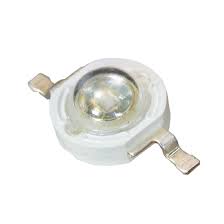
AFC Technologies Optical Light Sources (1 unit)
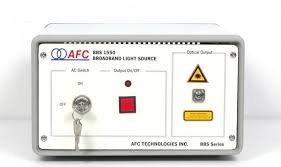
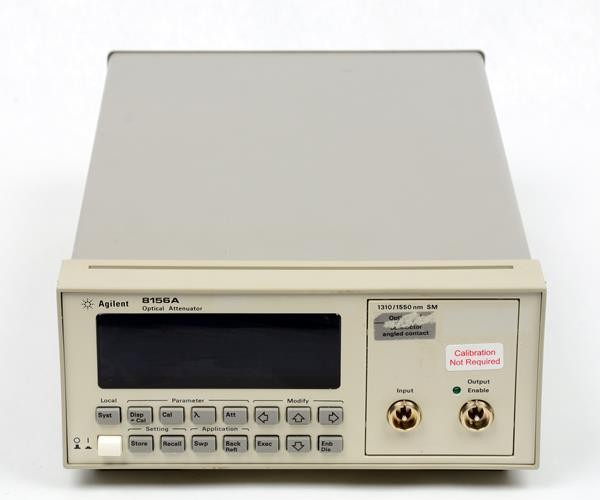
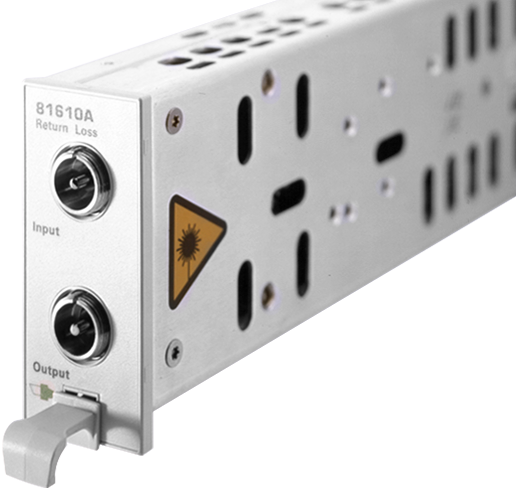
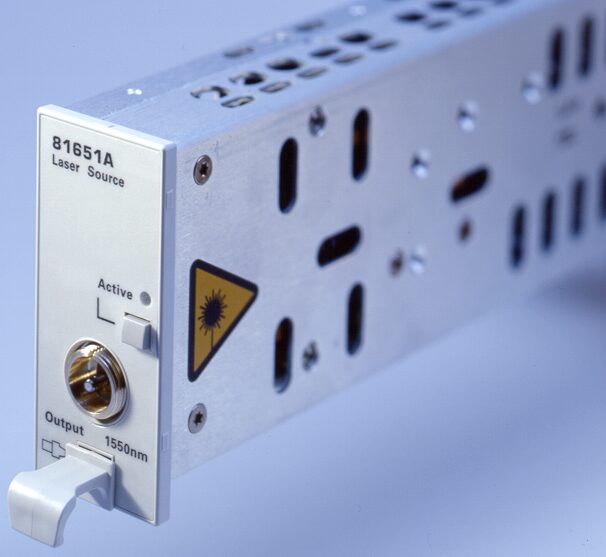
Agilent / Keysight Optical Light Sources (30 units)
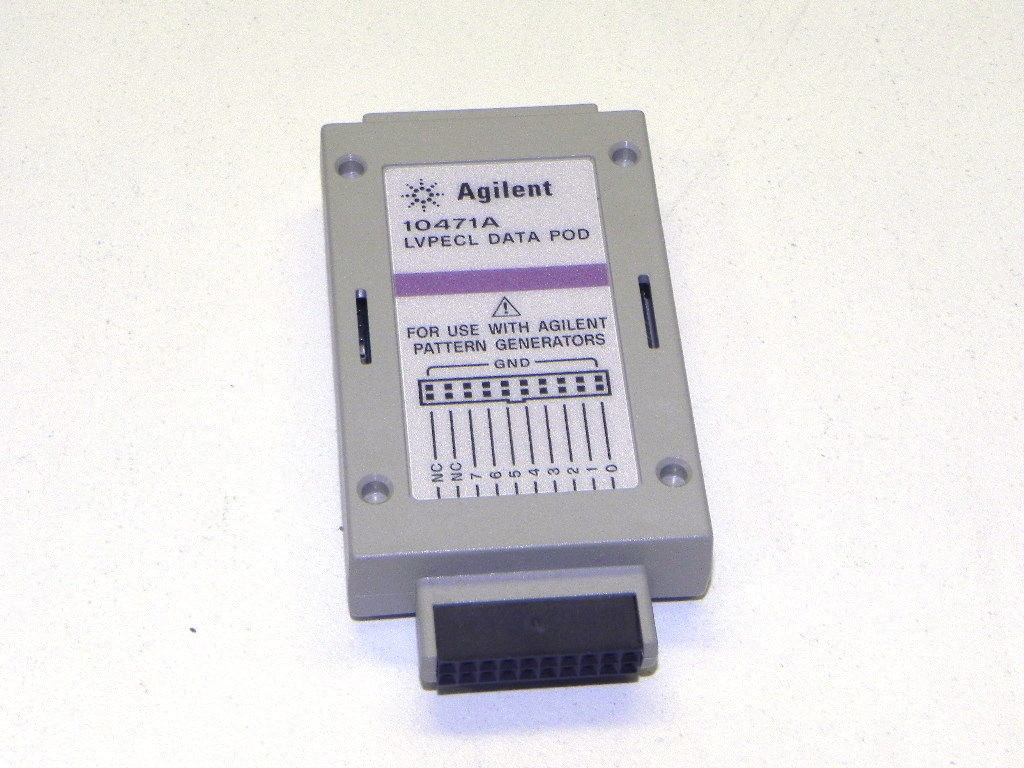
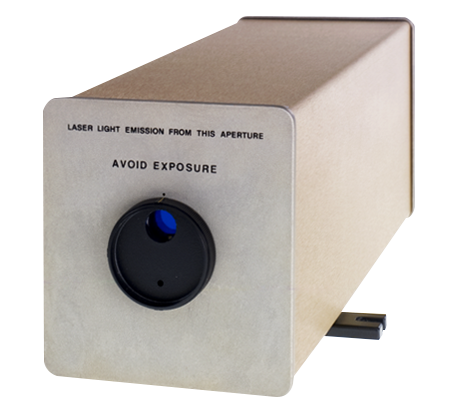
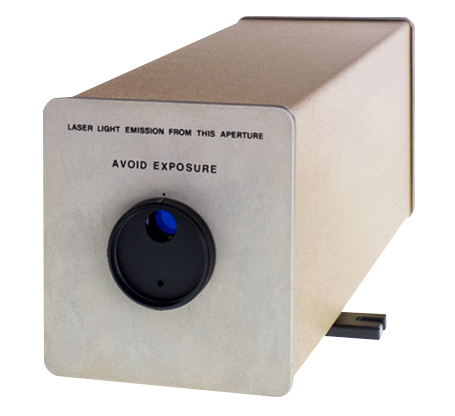
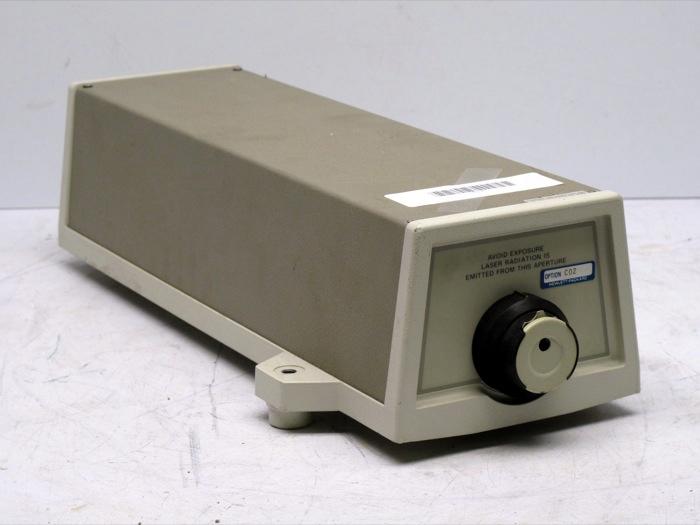
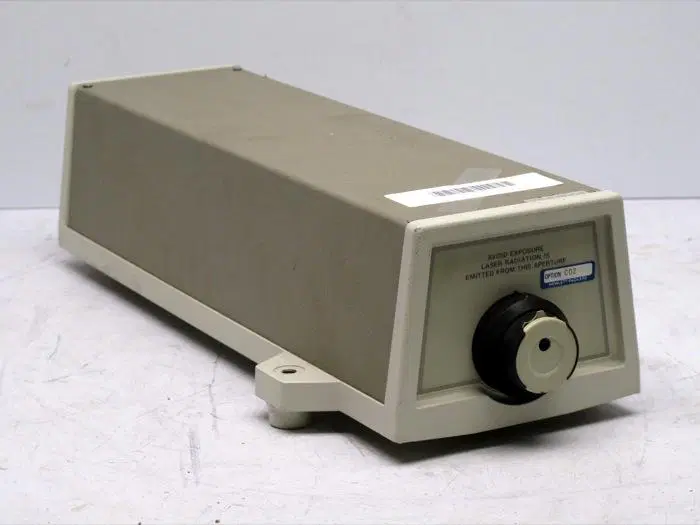
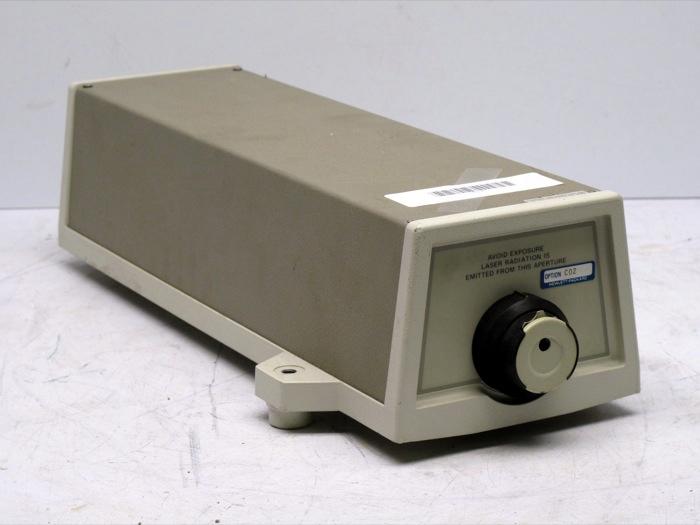
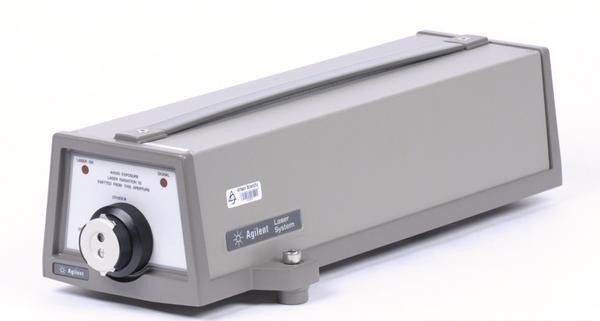
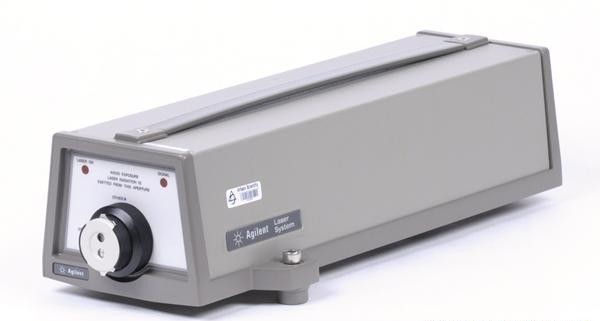
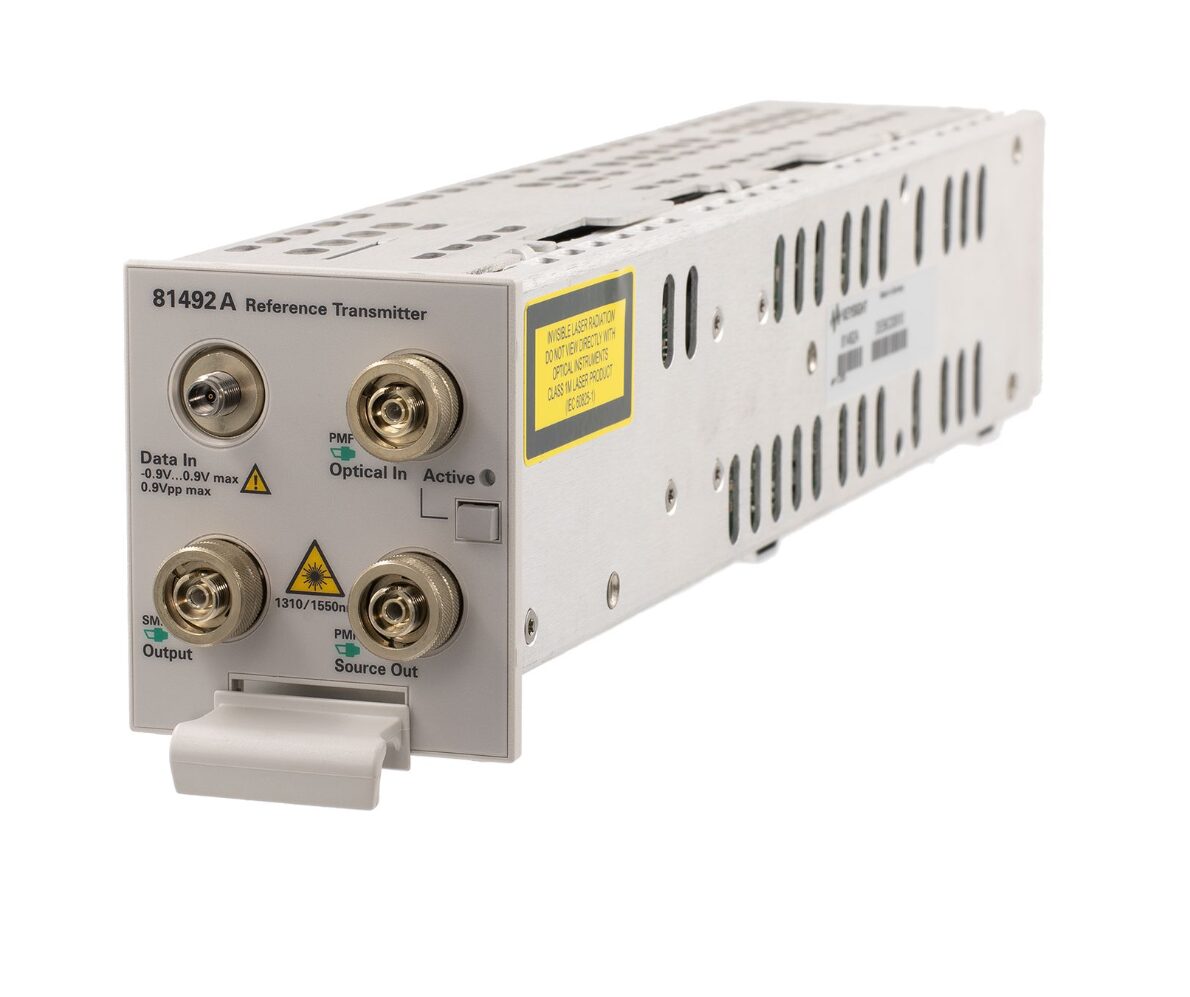
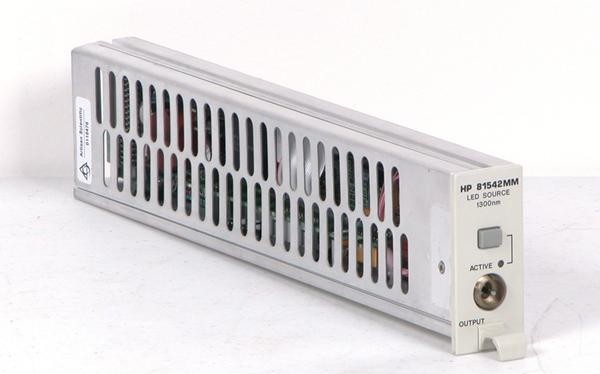
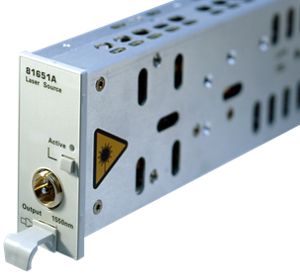
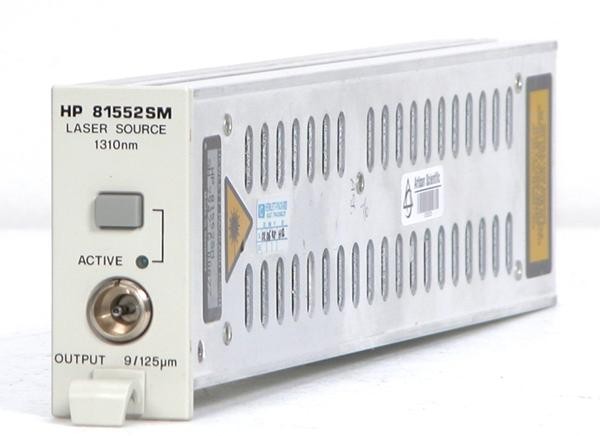
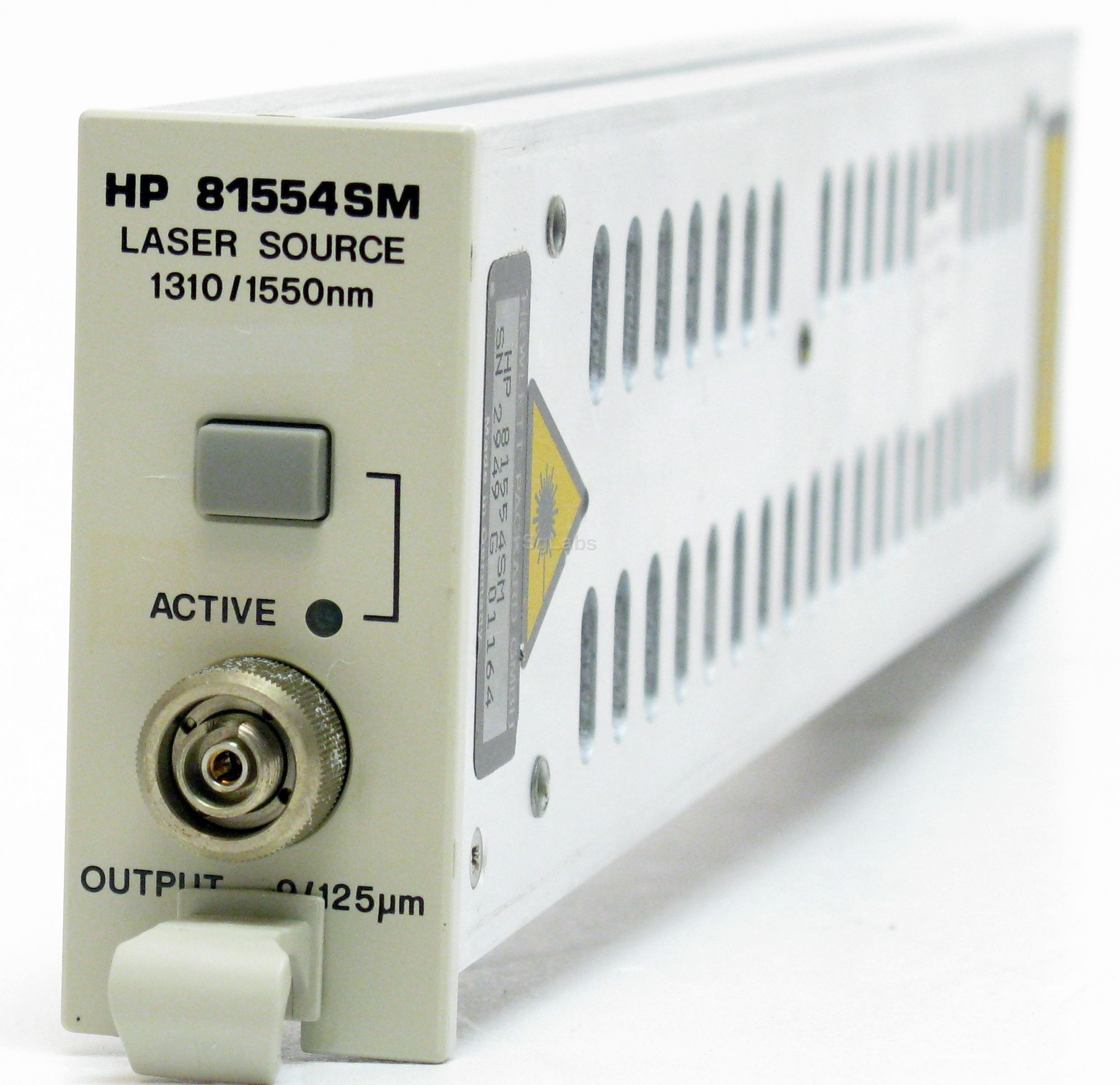
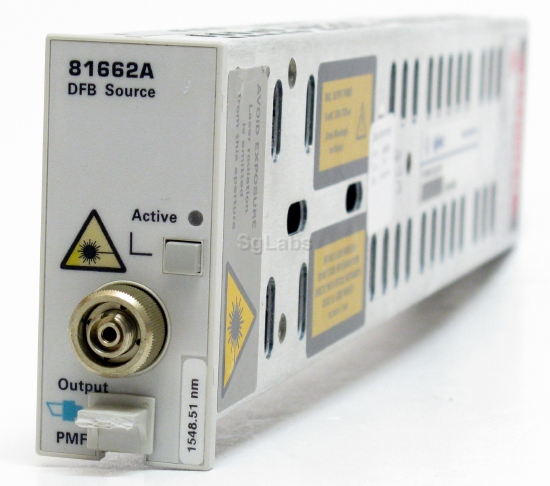
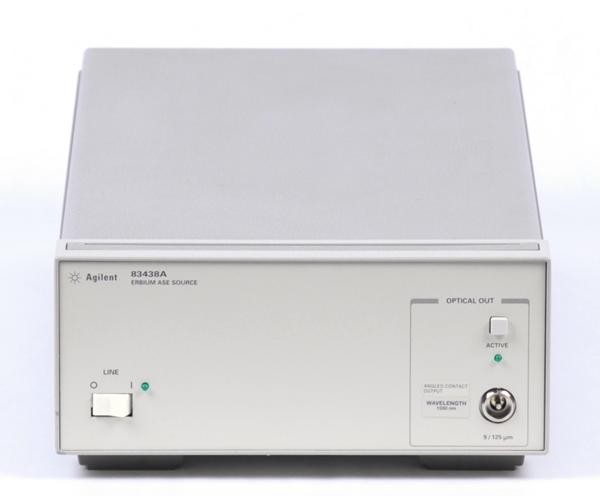
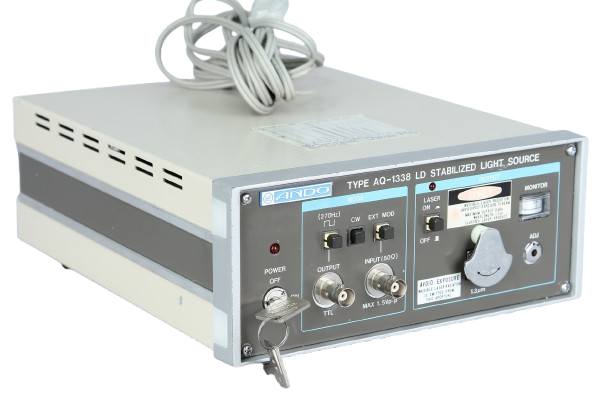
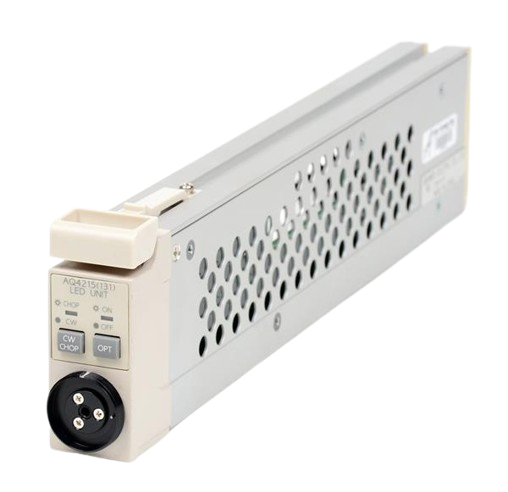
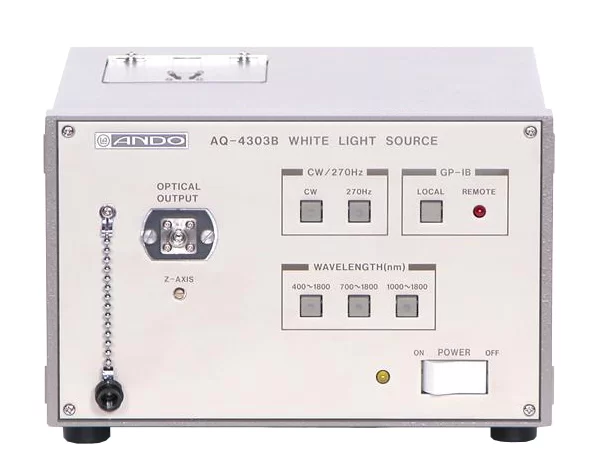
Ando Optical Light Sources (6 units)
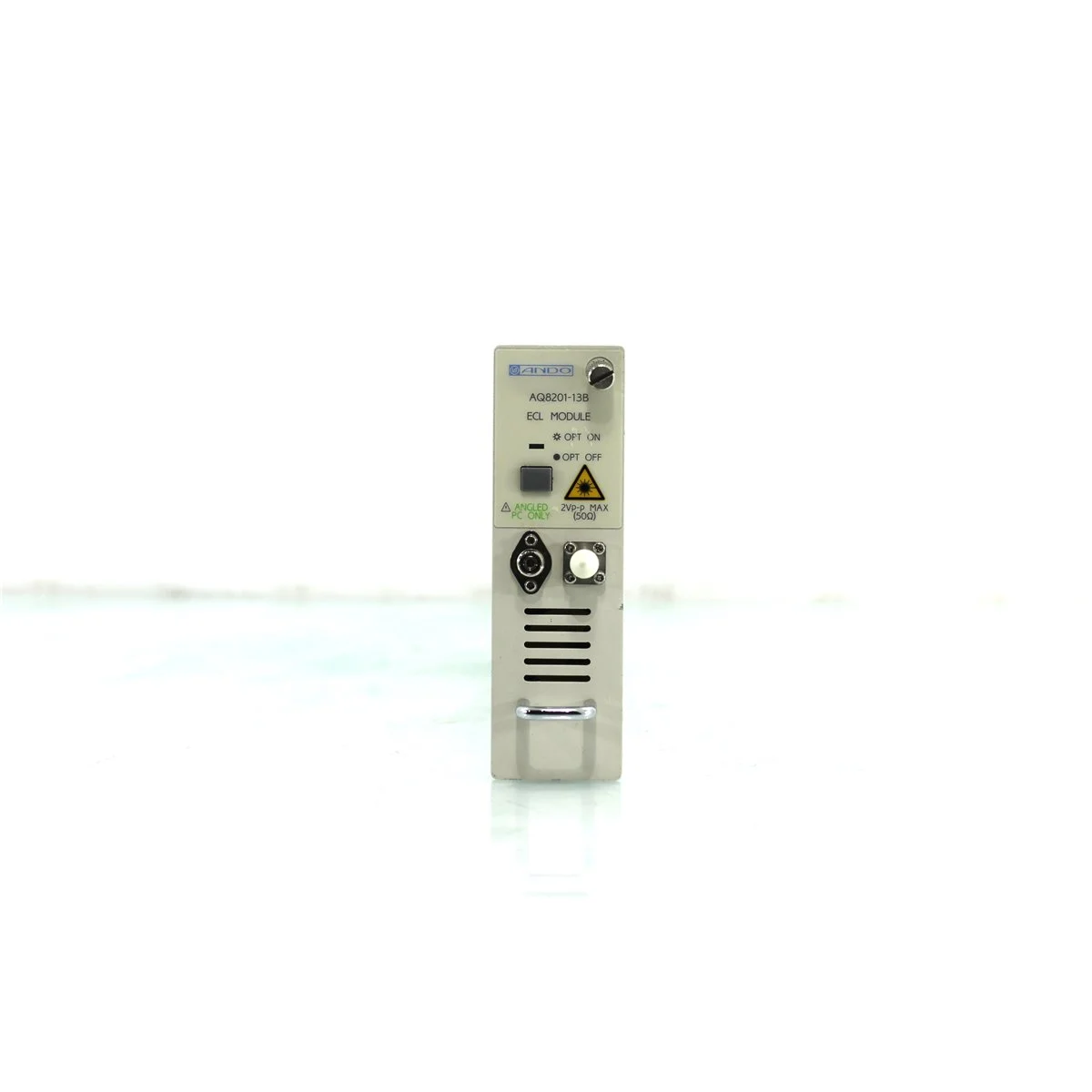
CIVCOM Optical Light Sources (1 unit)
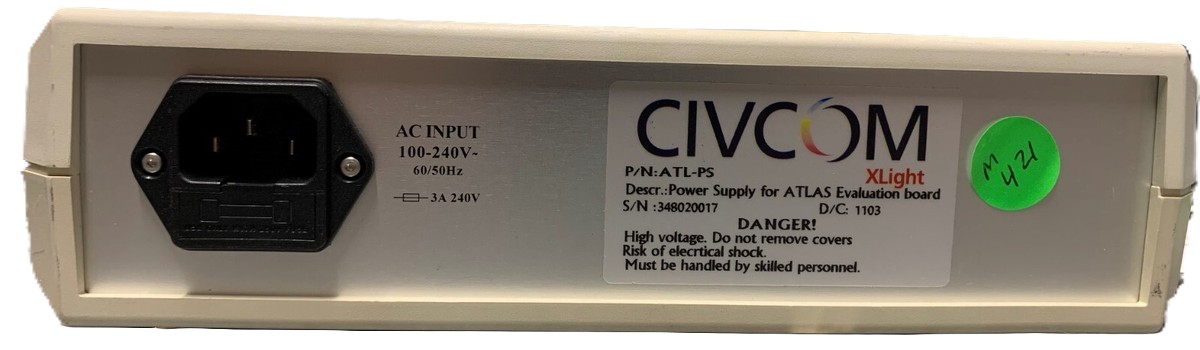
Dolan-Jenner Optical Light Sources (1 unit)
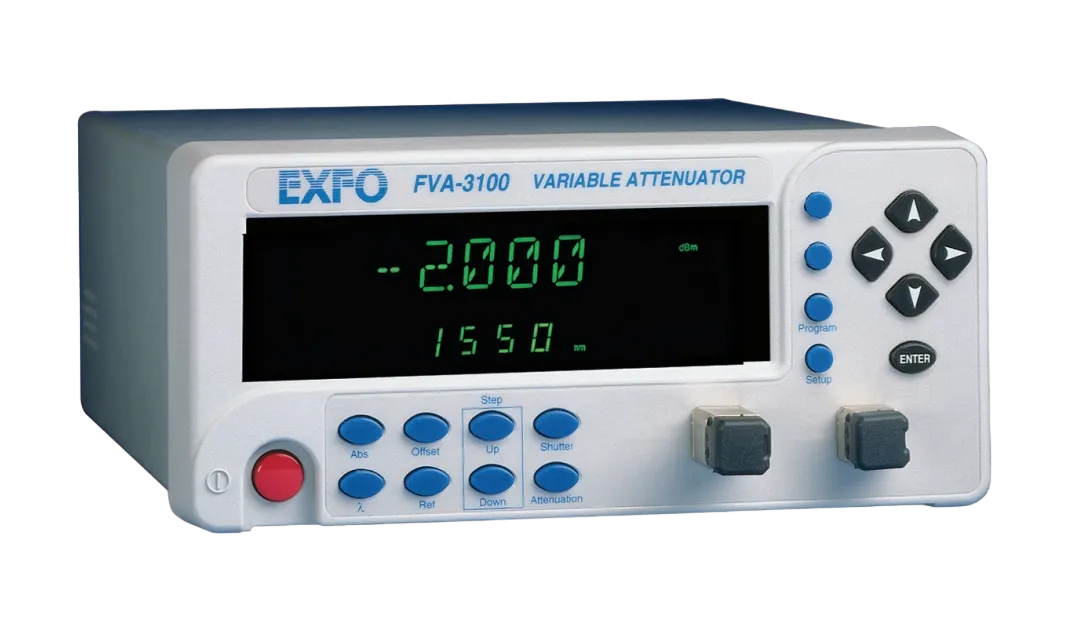
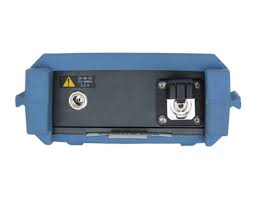
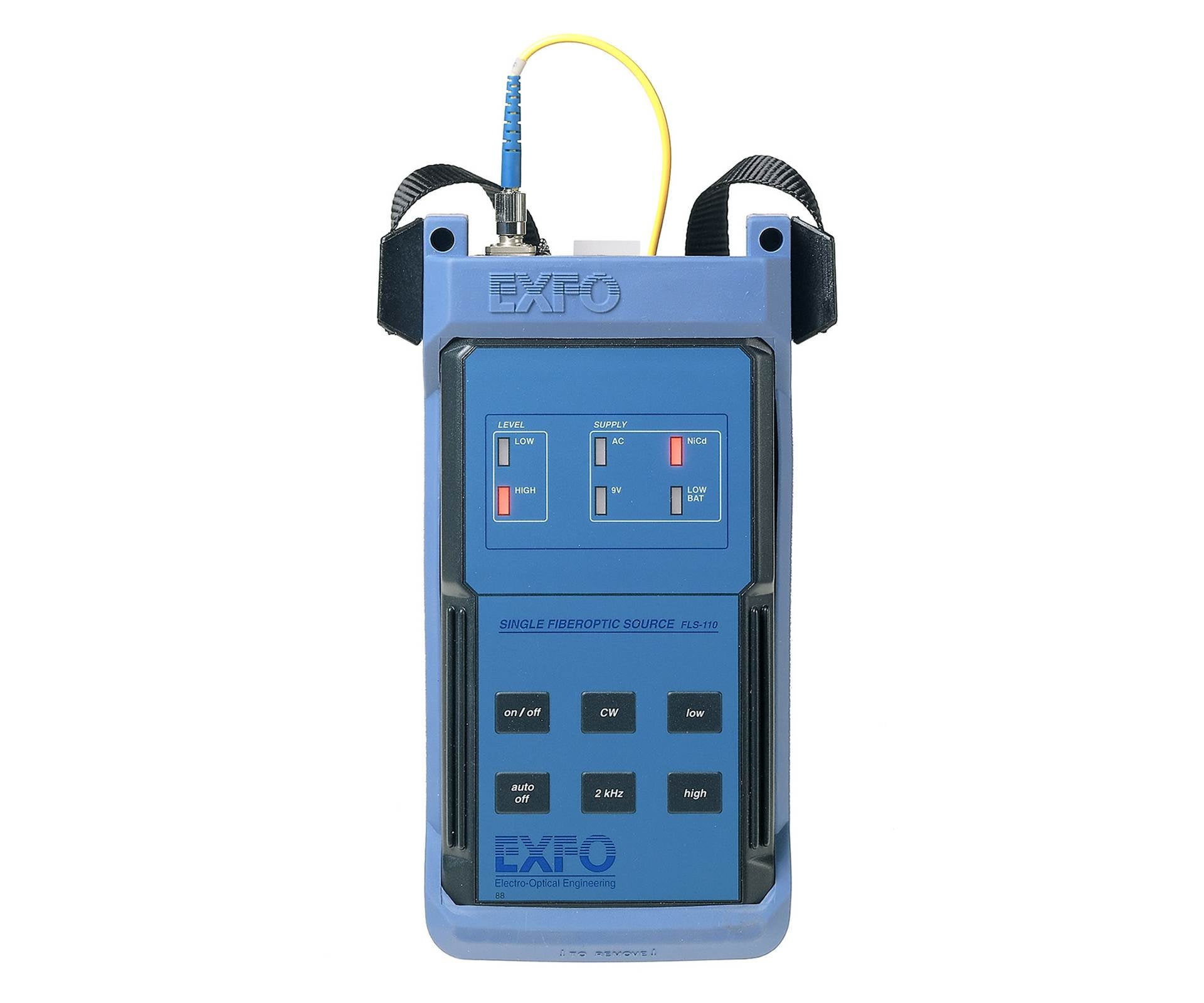
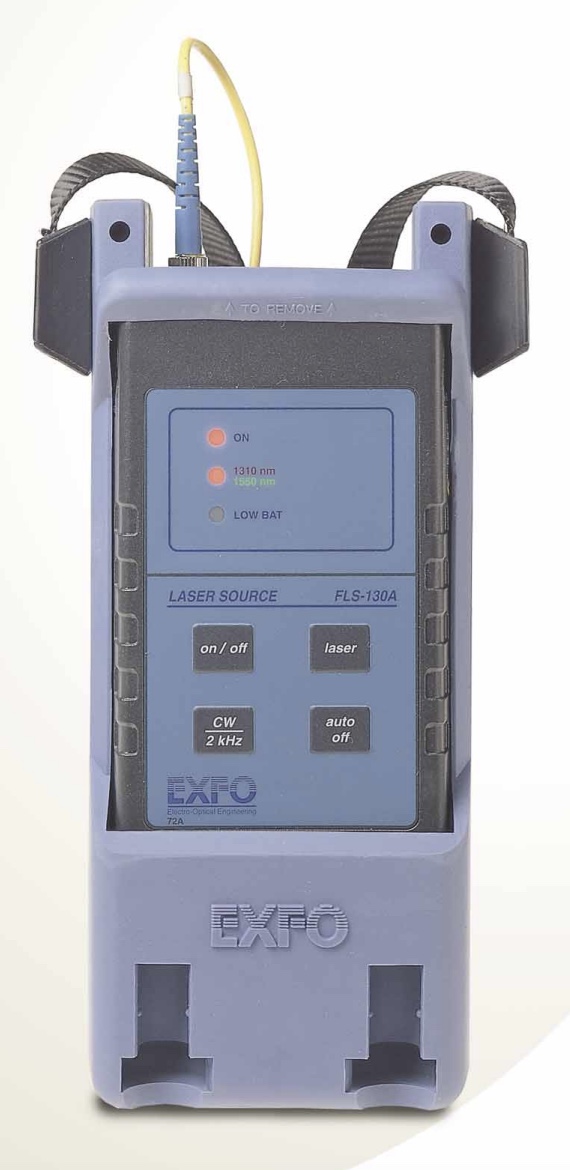
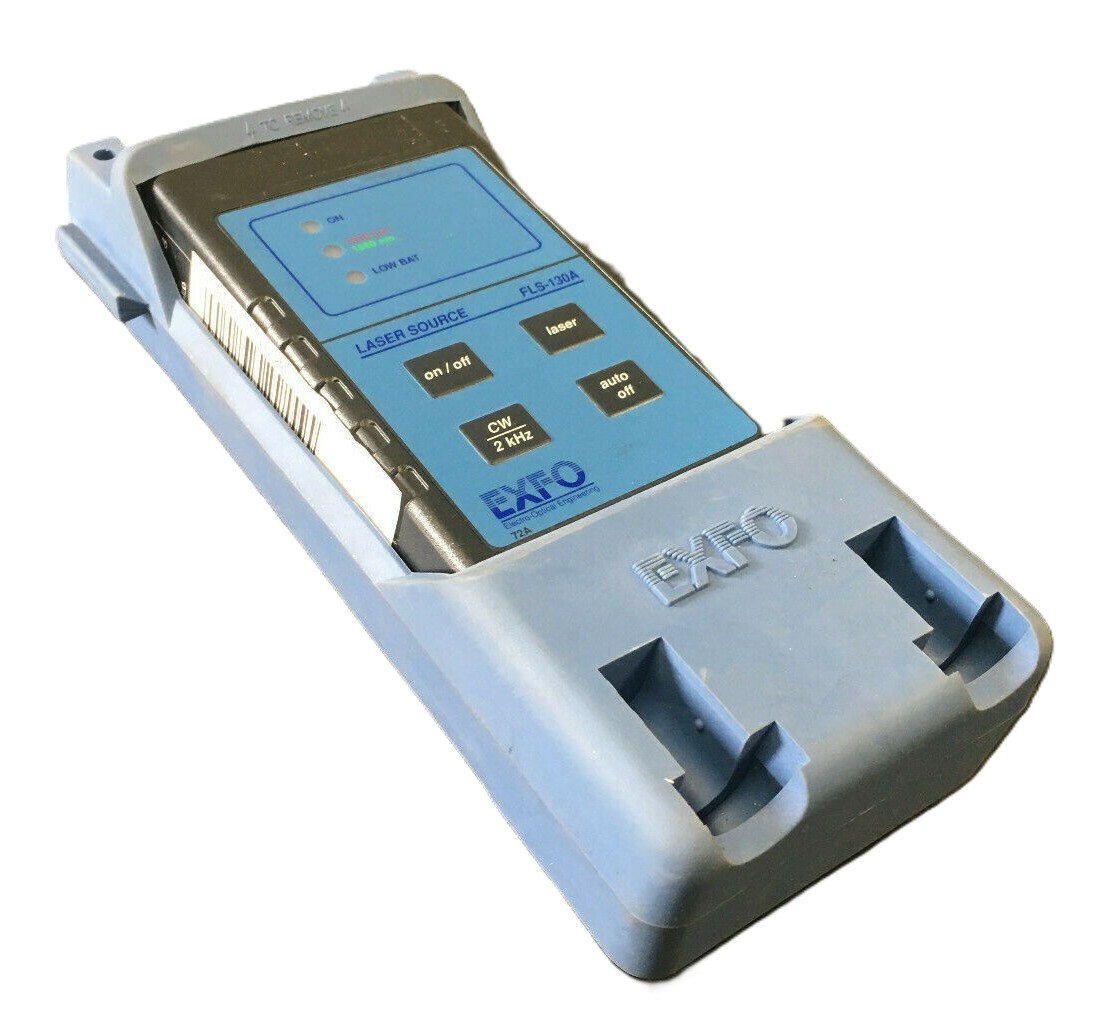
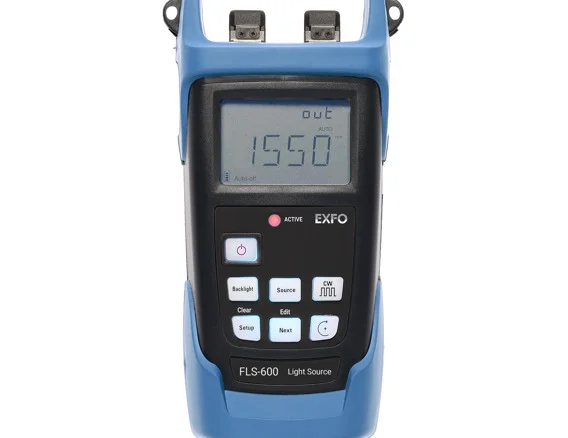
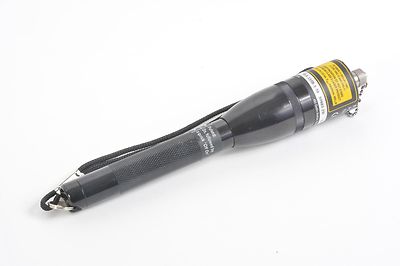
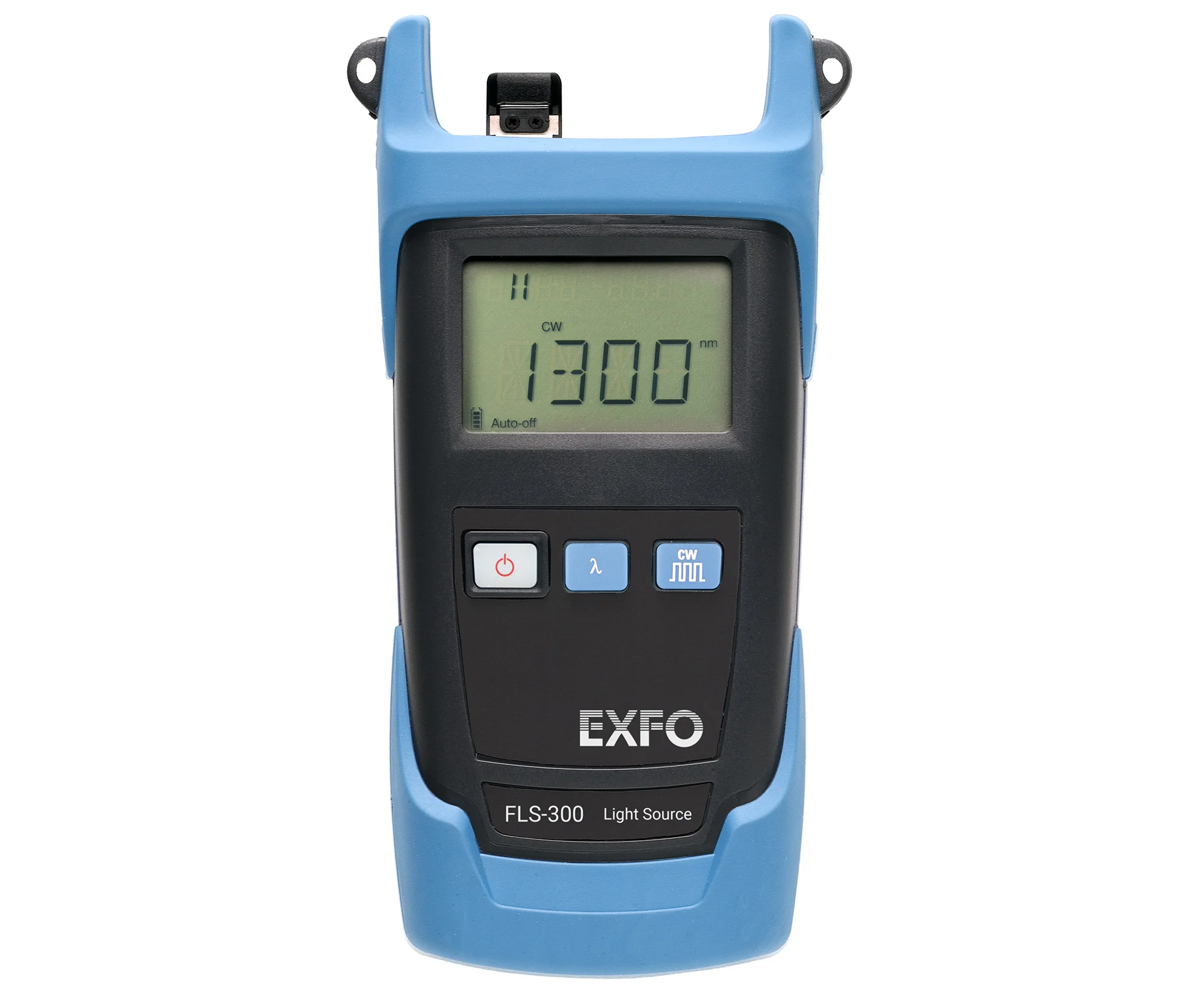
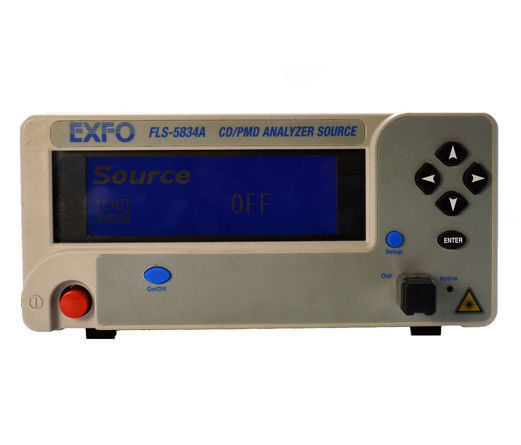
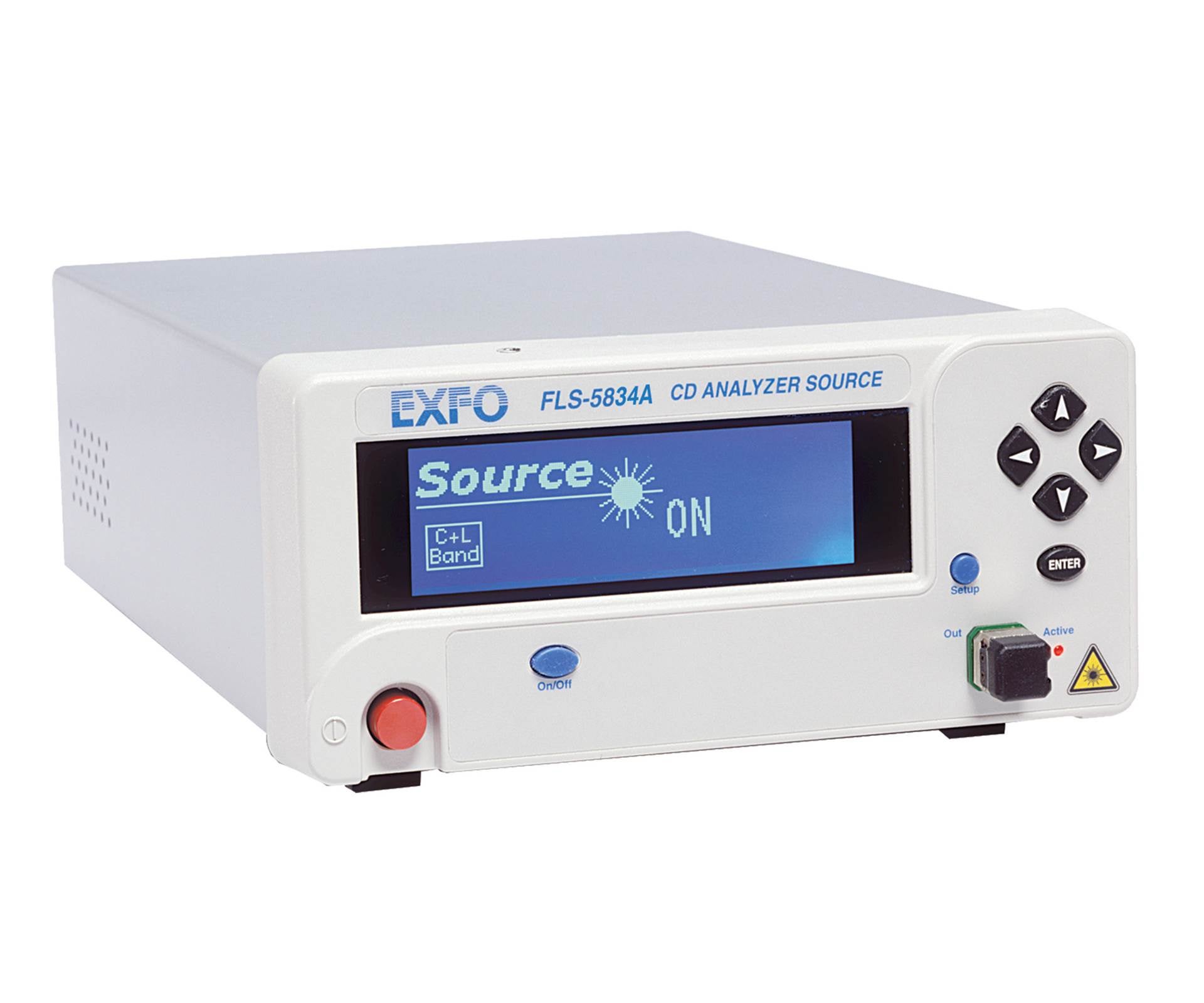
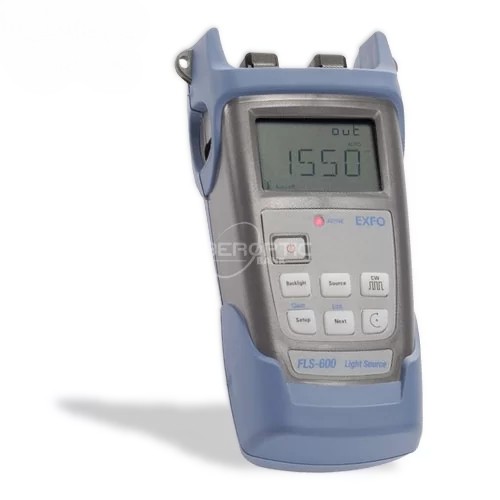
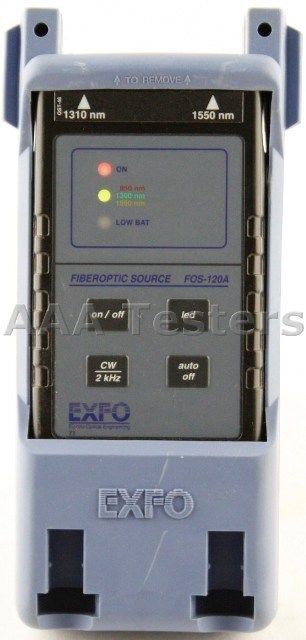
Exfo Optical Light Sources (27 units)
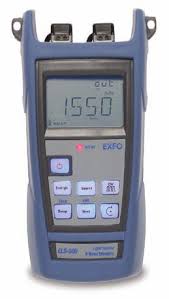
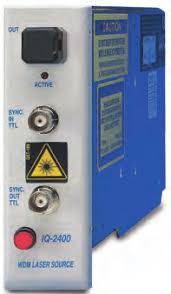
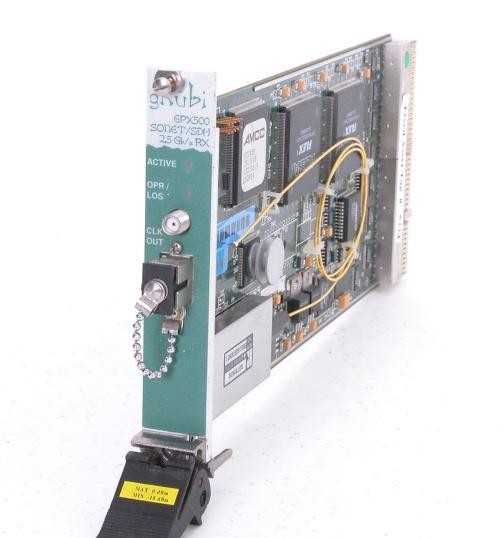
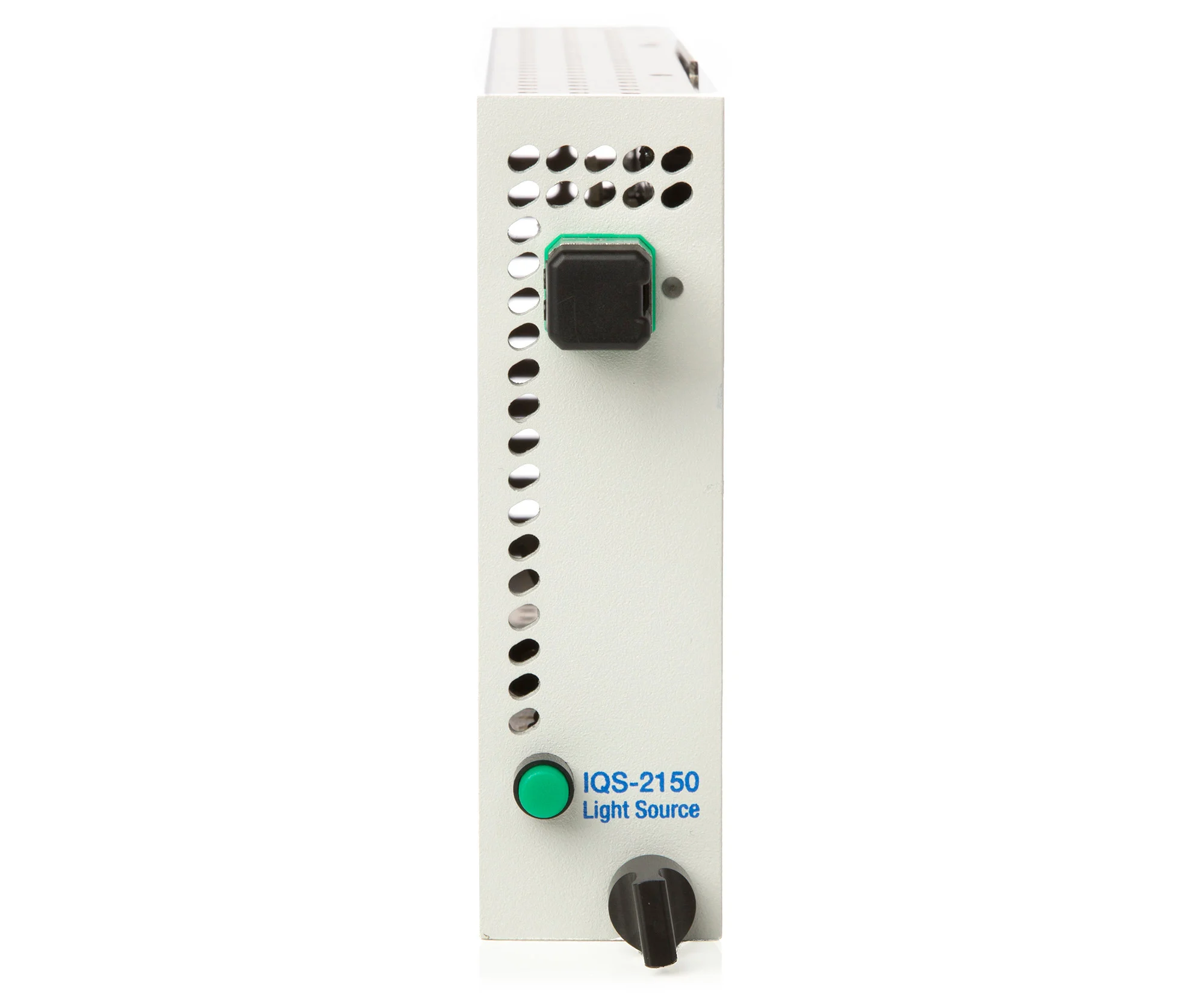
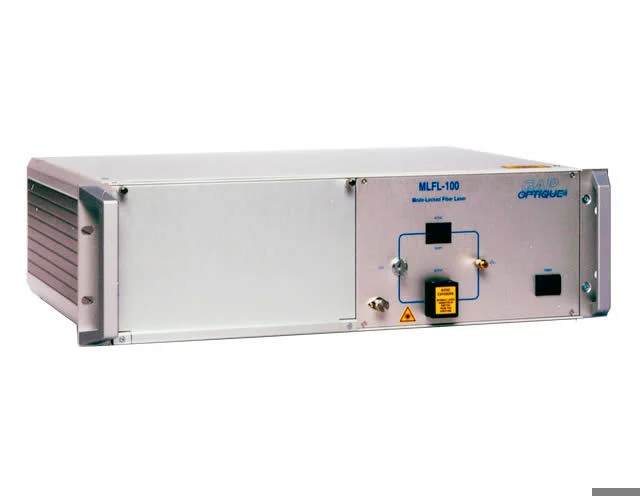
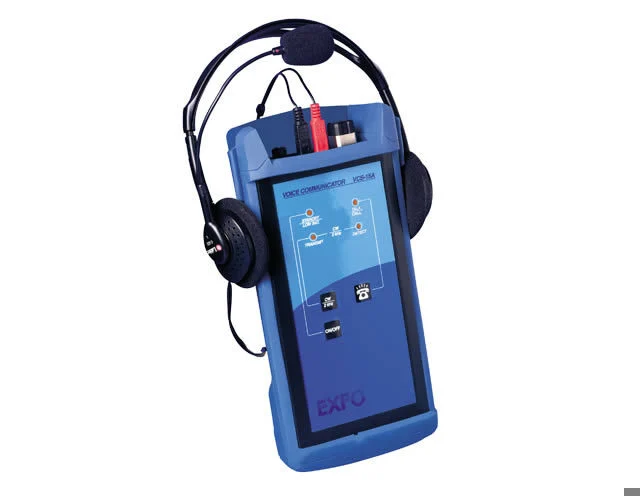
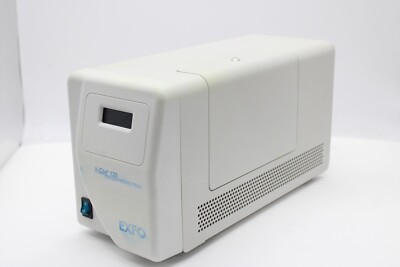
Fluke Networks Optical Light Sources (1 unit)
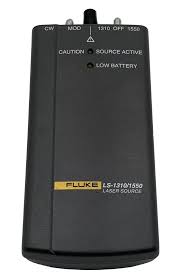
Fostec Optical Light Sources (1 unit)
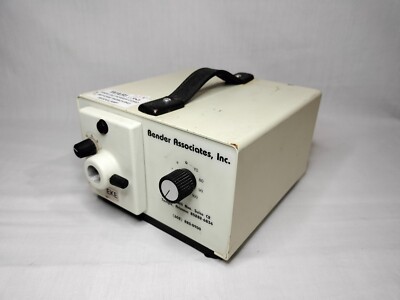
Fotec Optical Light Sources (1 unit)
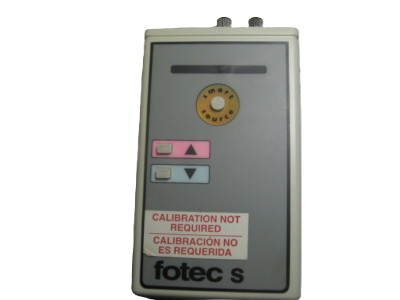
HP Optical Light Sources (1 unit)
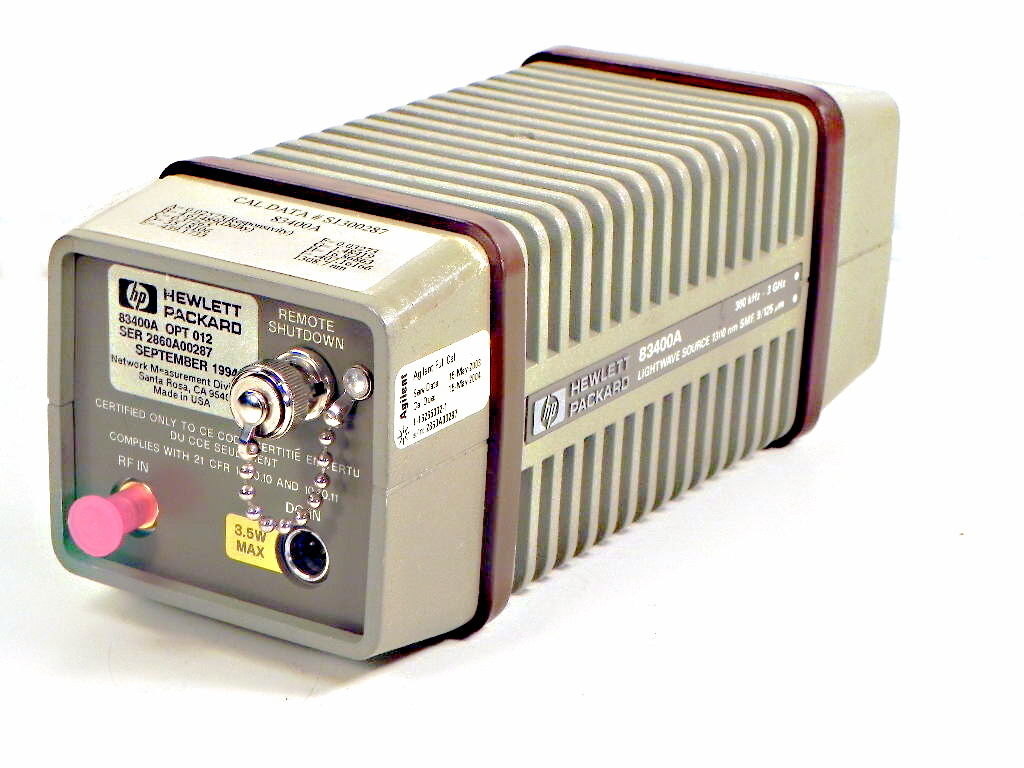
HP / Agilent Optical Light Sources (4 units)
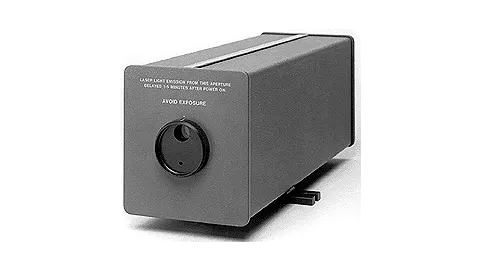
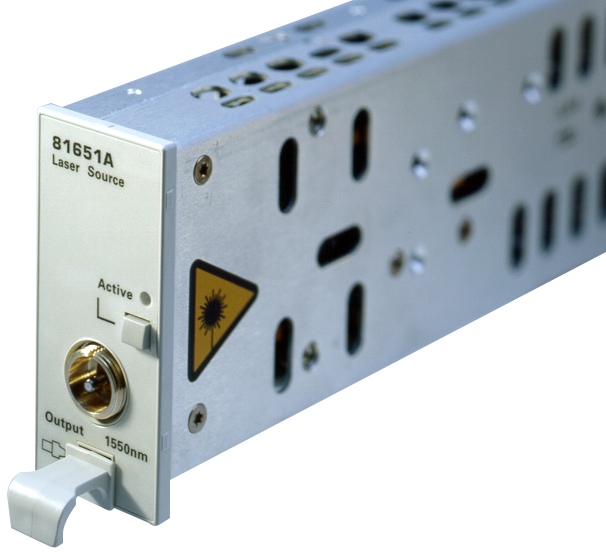
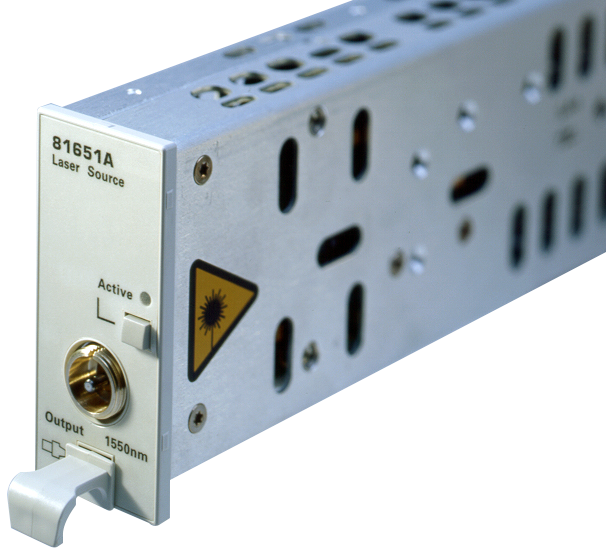
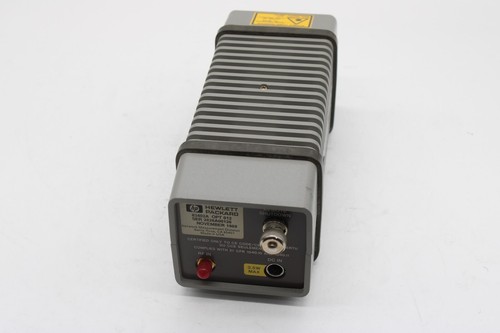
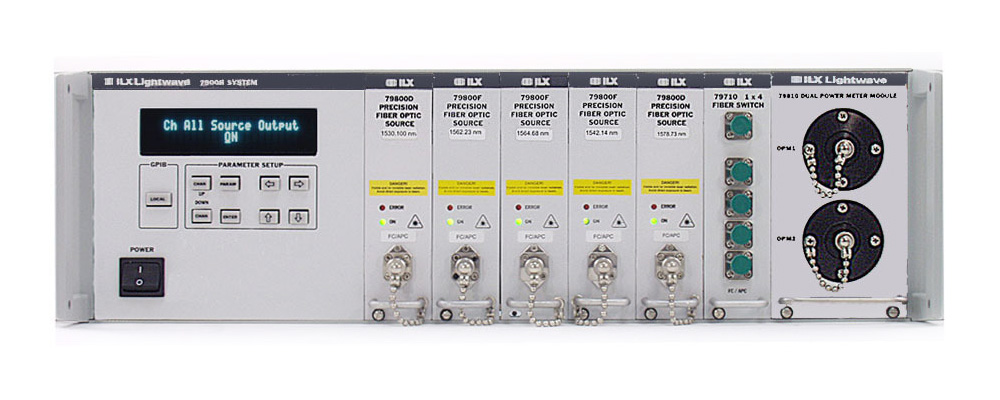
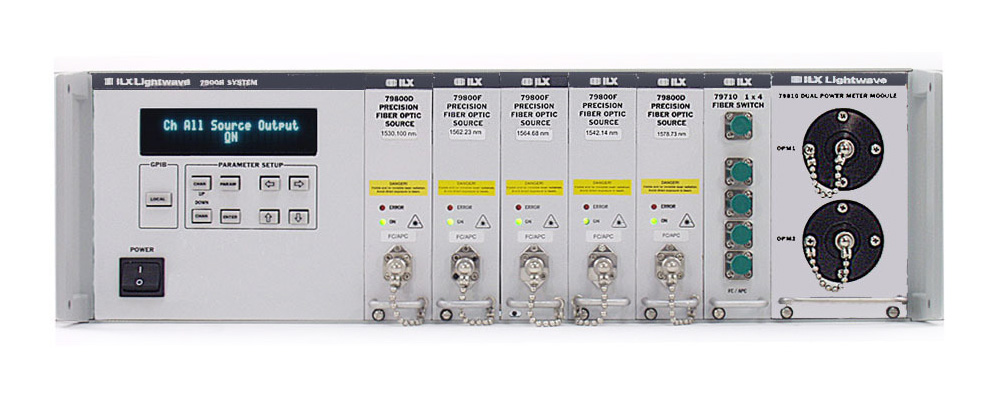
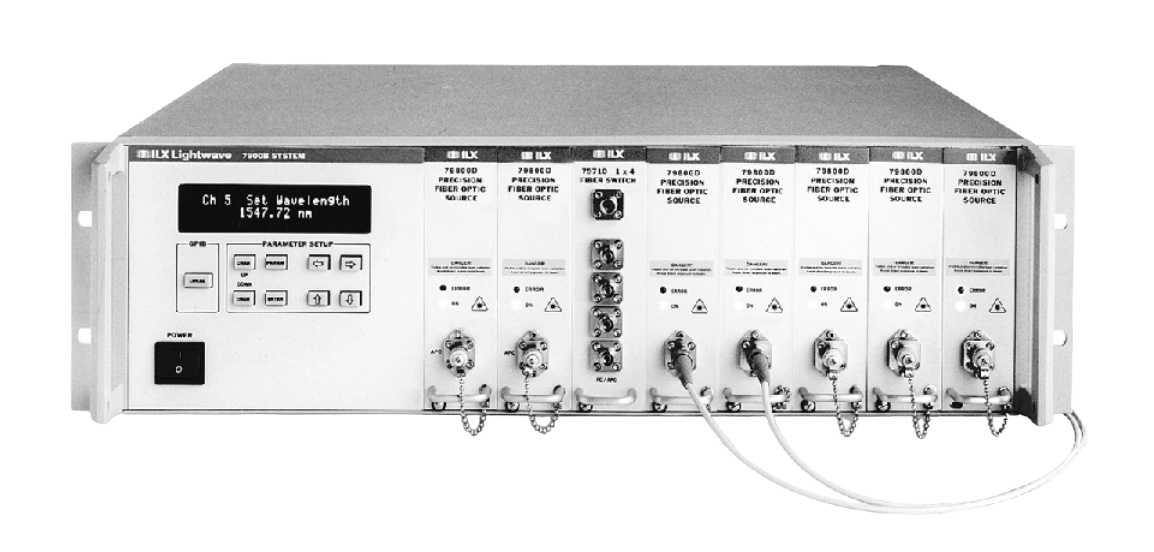
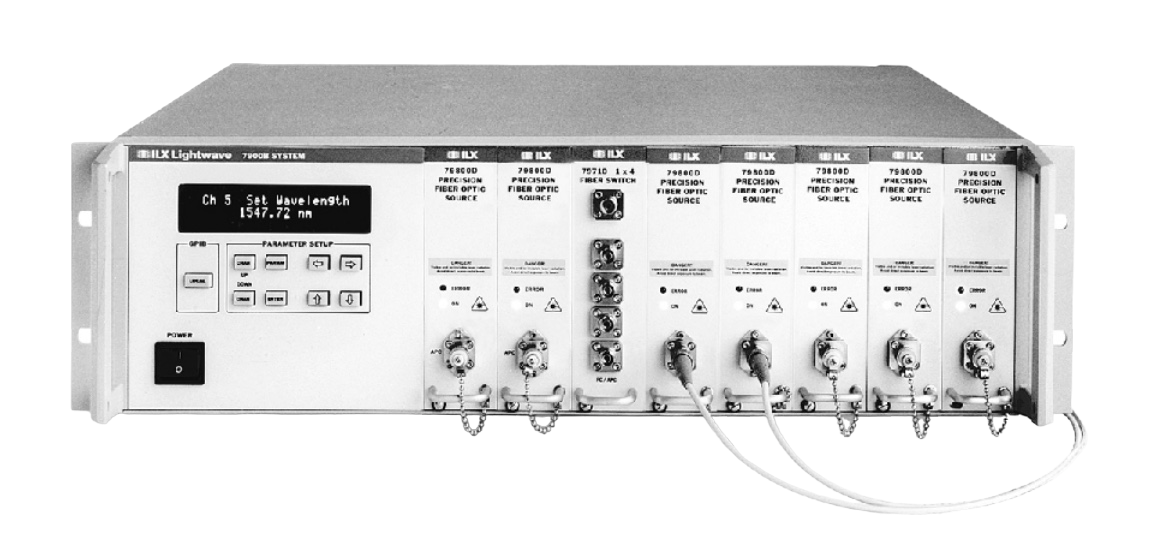
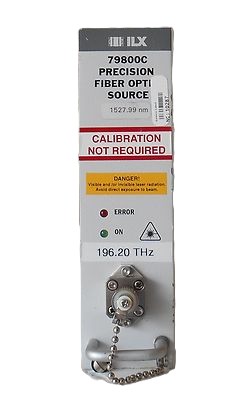
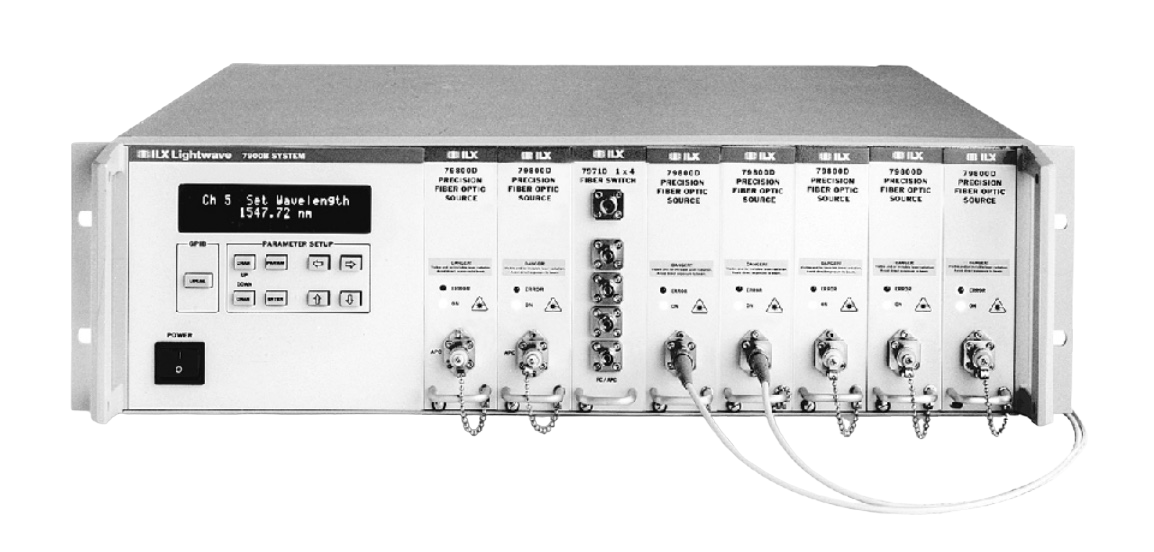
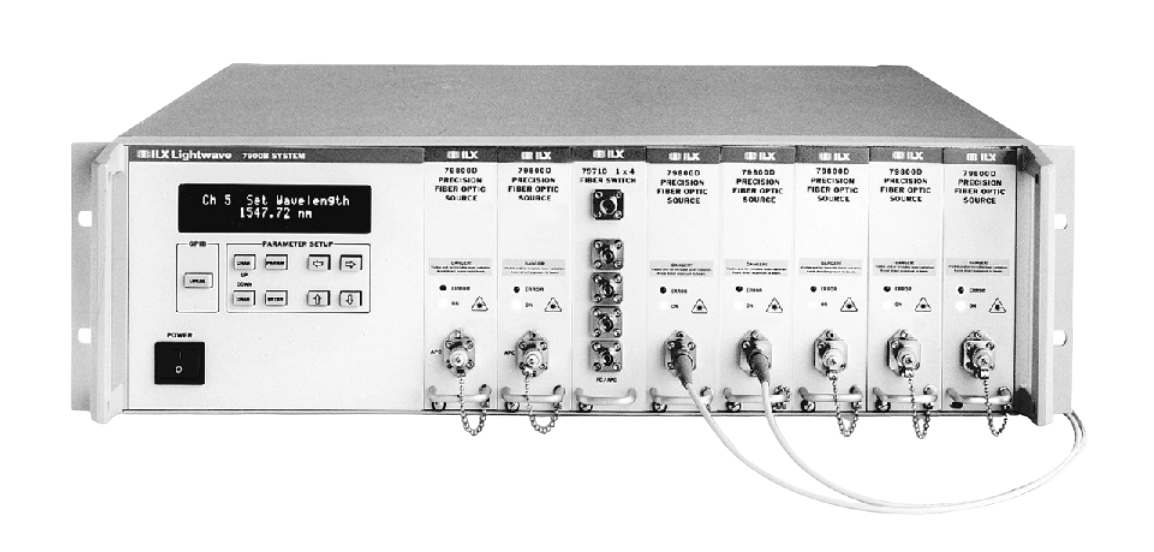
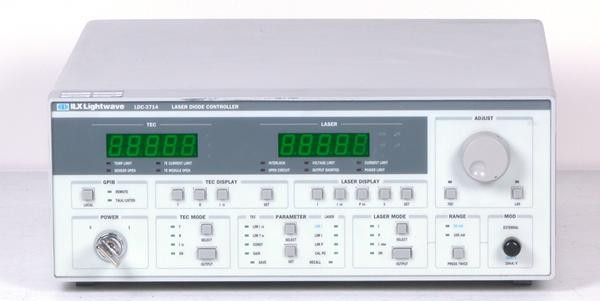
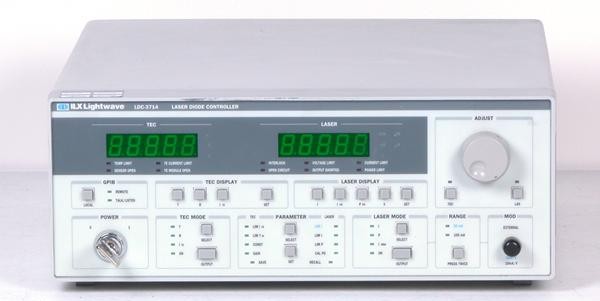
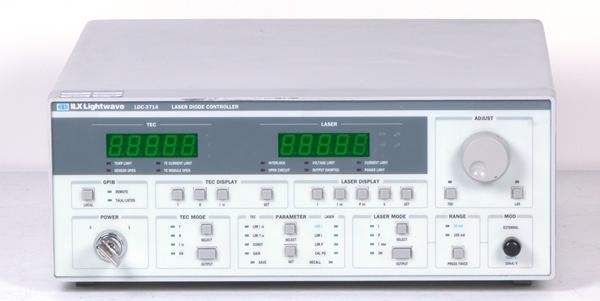
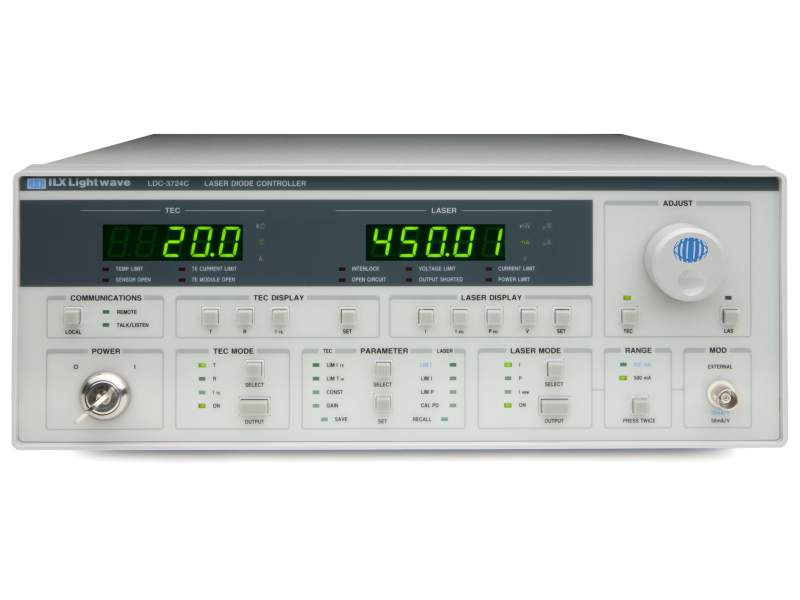
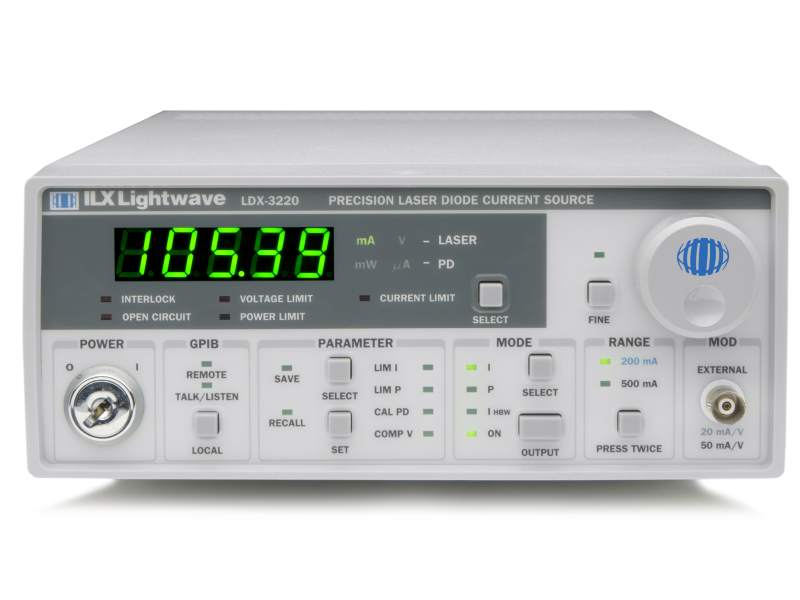
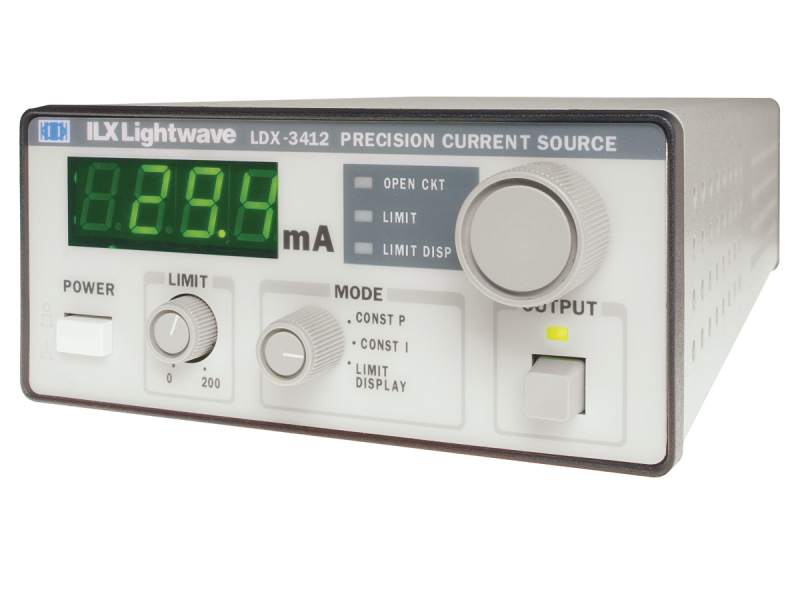
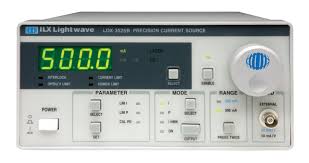
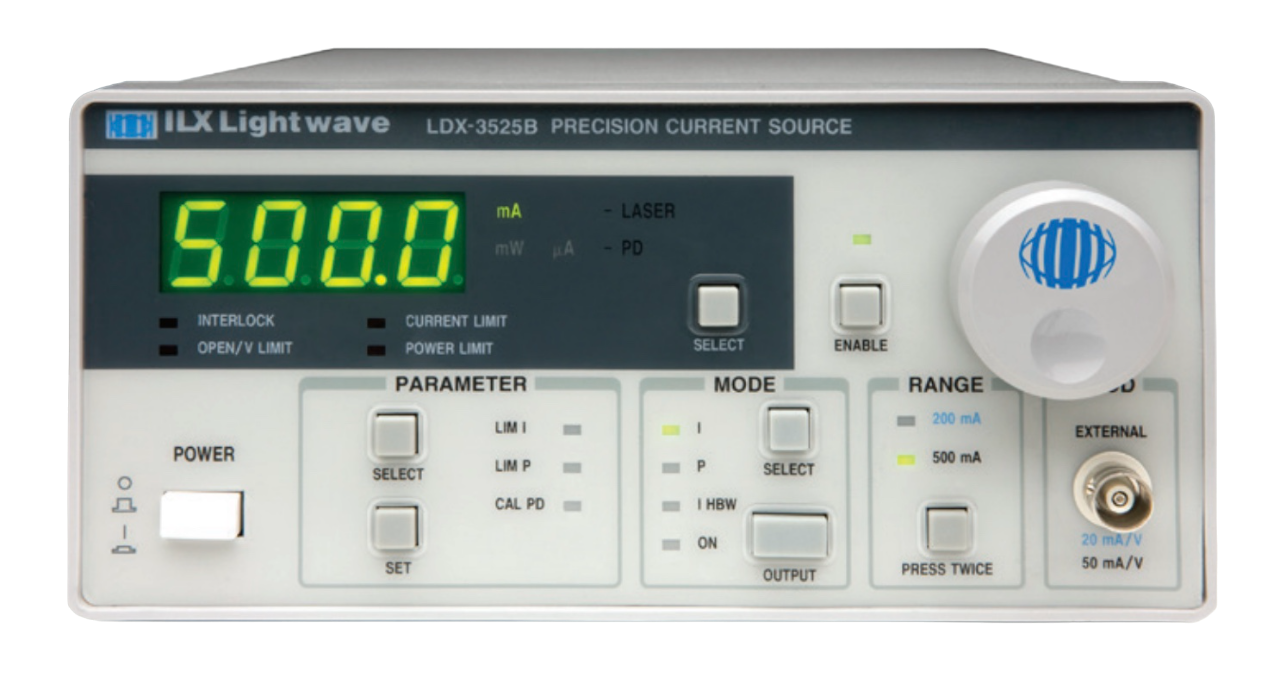
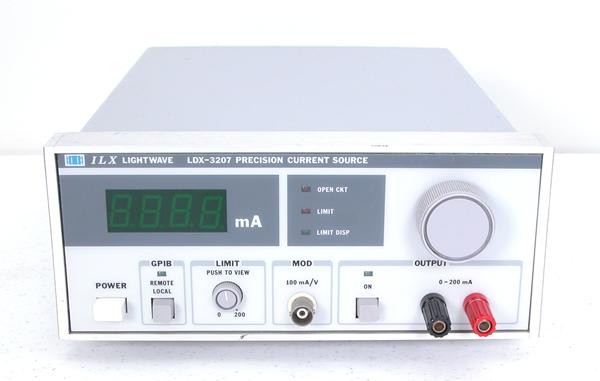
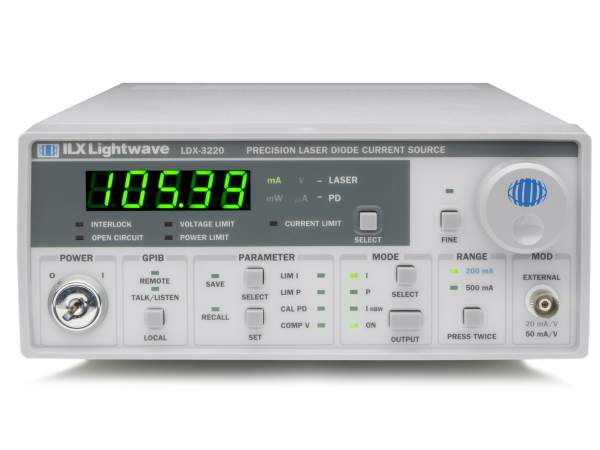
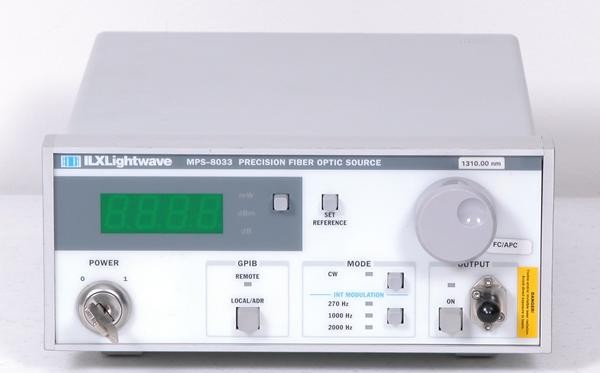
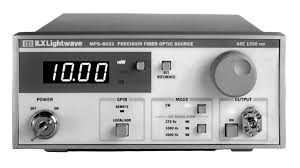
ILX Lightwave Optical Light Sources (32 units)
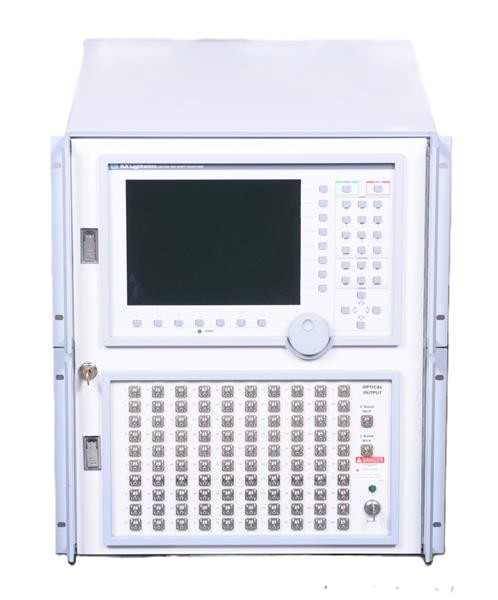
JDS Uniphase Optical Light Sources (7 units)
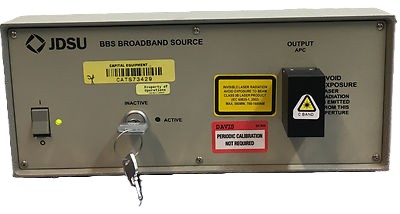
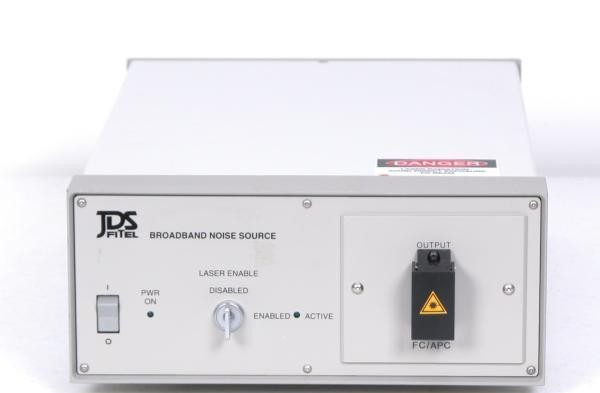
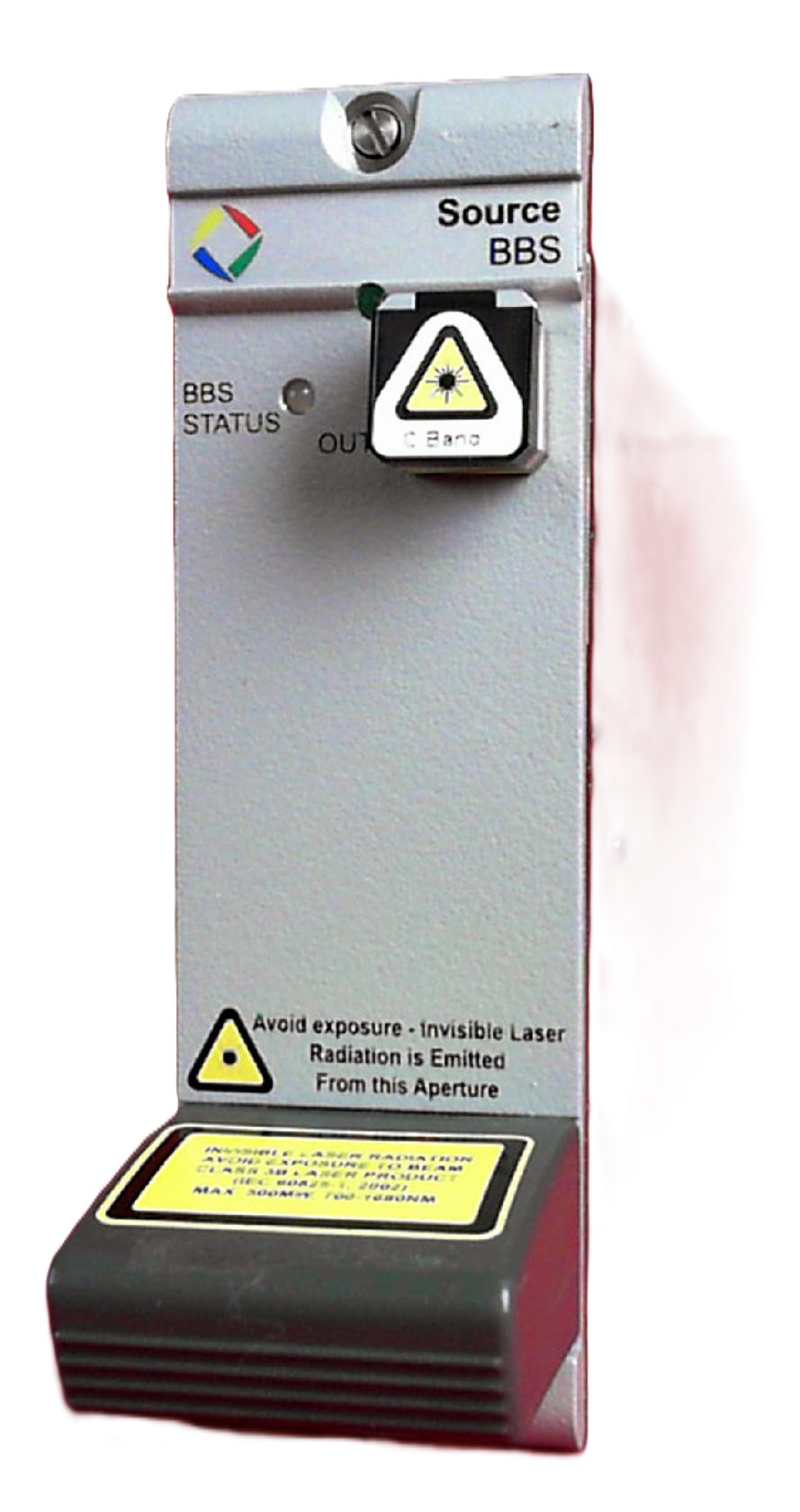
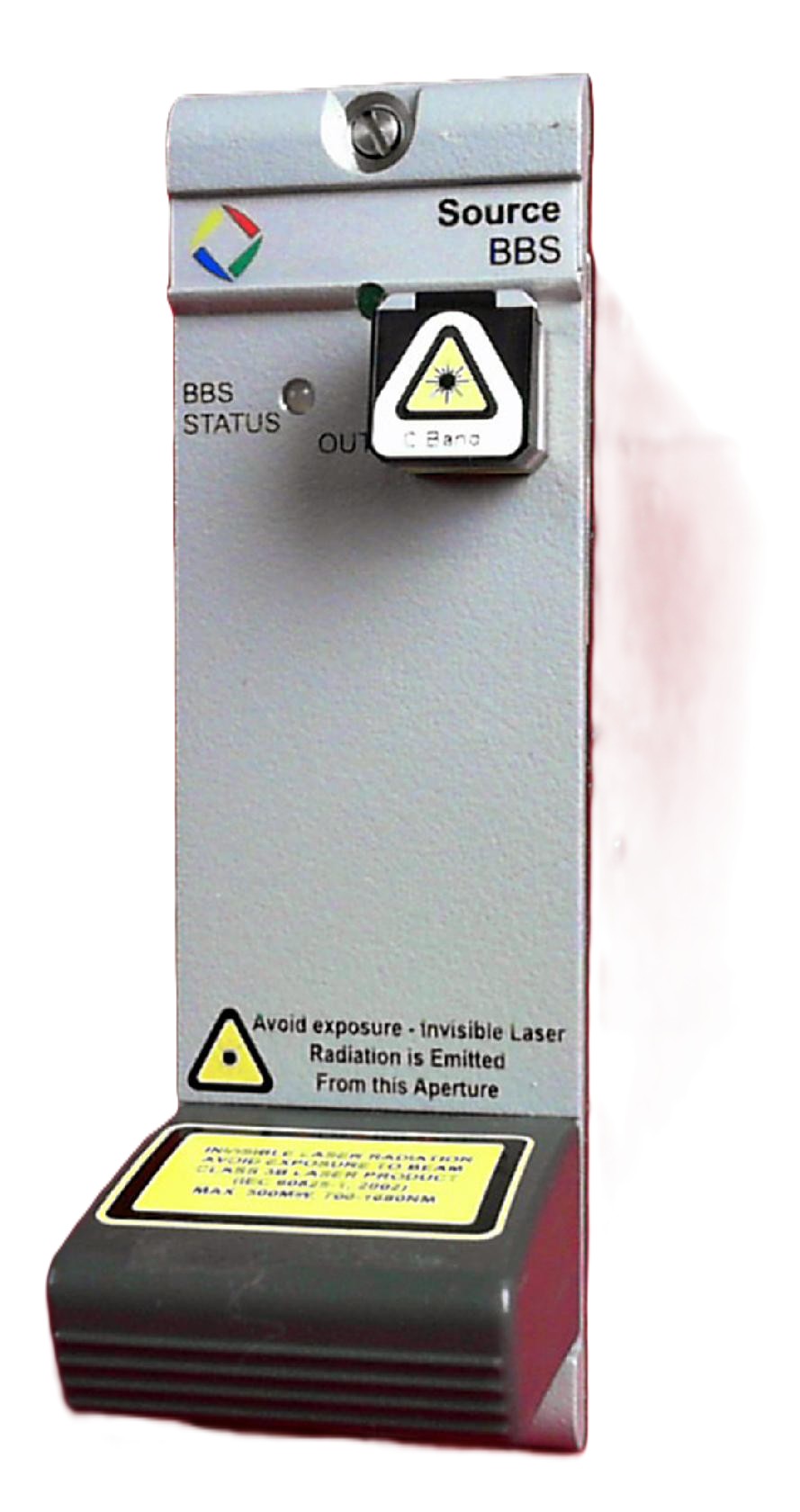
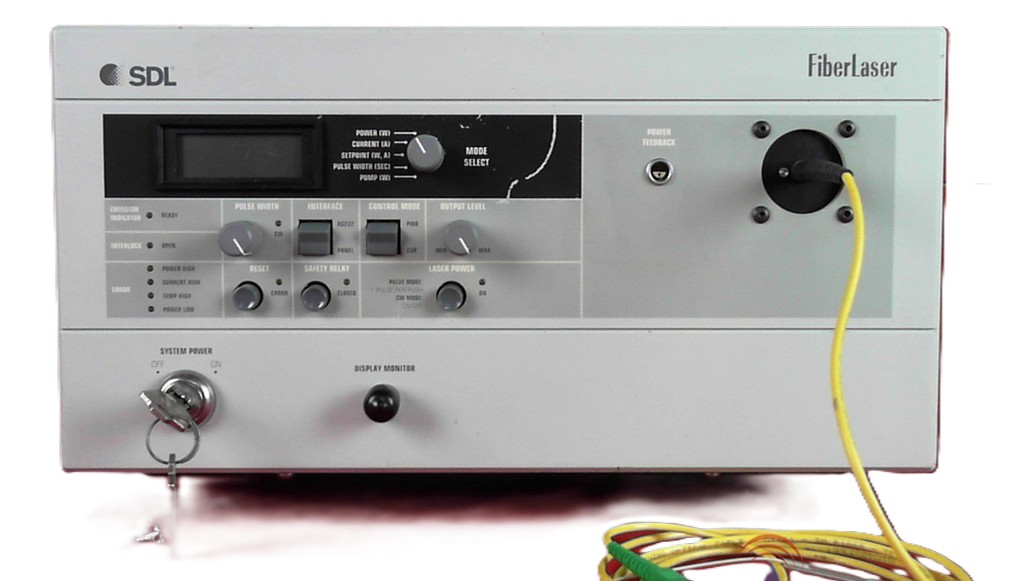
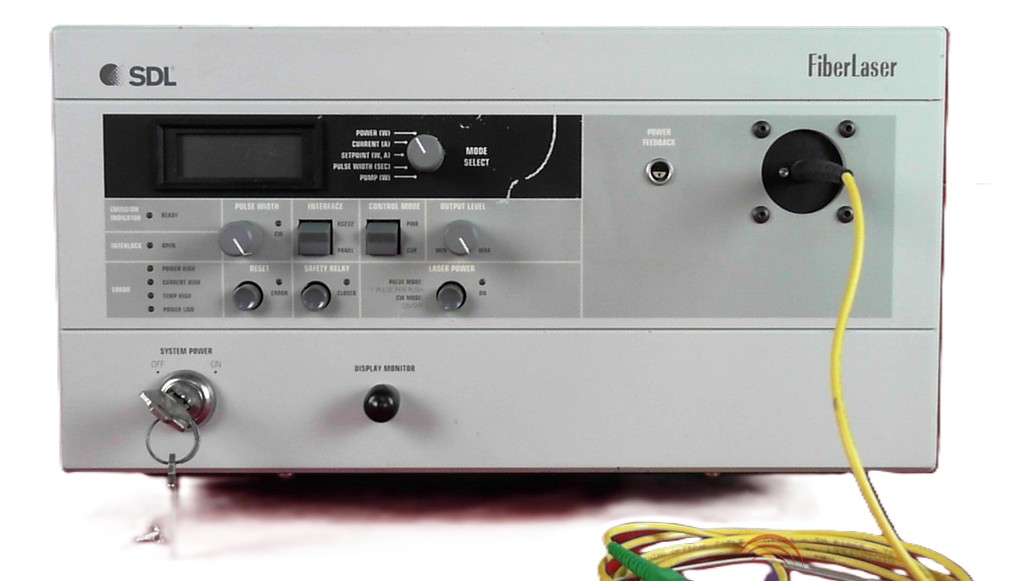
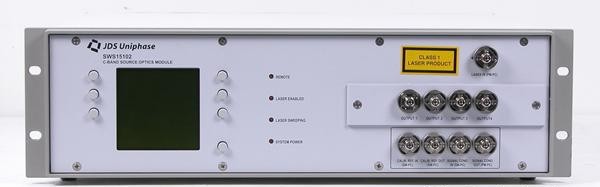
JDSU Optical Light Sources (1 unit)
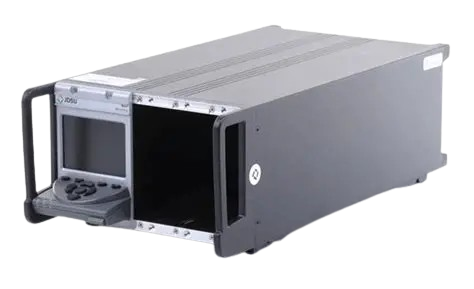
JDSU / AFC Optical Light Sources (1 unit)
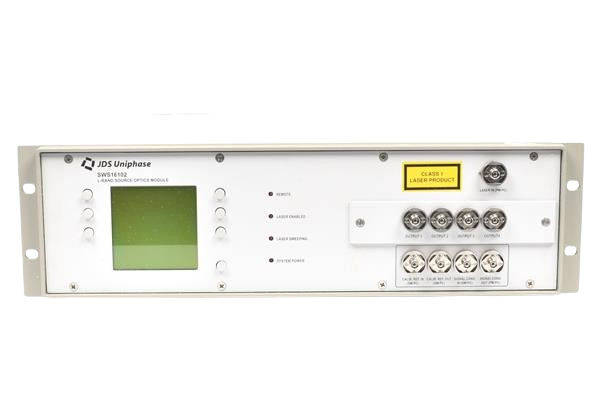
JDSU/Oprel Optical Light Sources (1 unit)
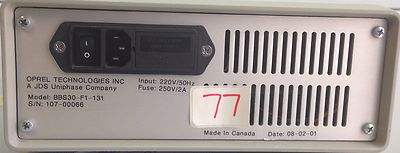
Keysight / Agilent / HP Optical Light Sources (1 unit)
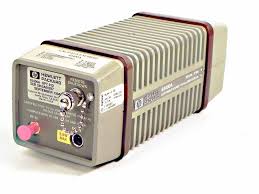
Kimmon Optical Light Sources (1 unit)
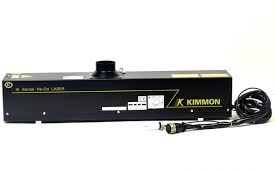
LASER Optical Light Sources (1 unit)
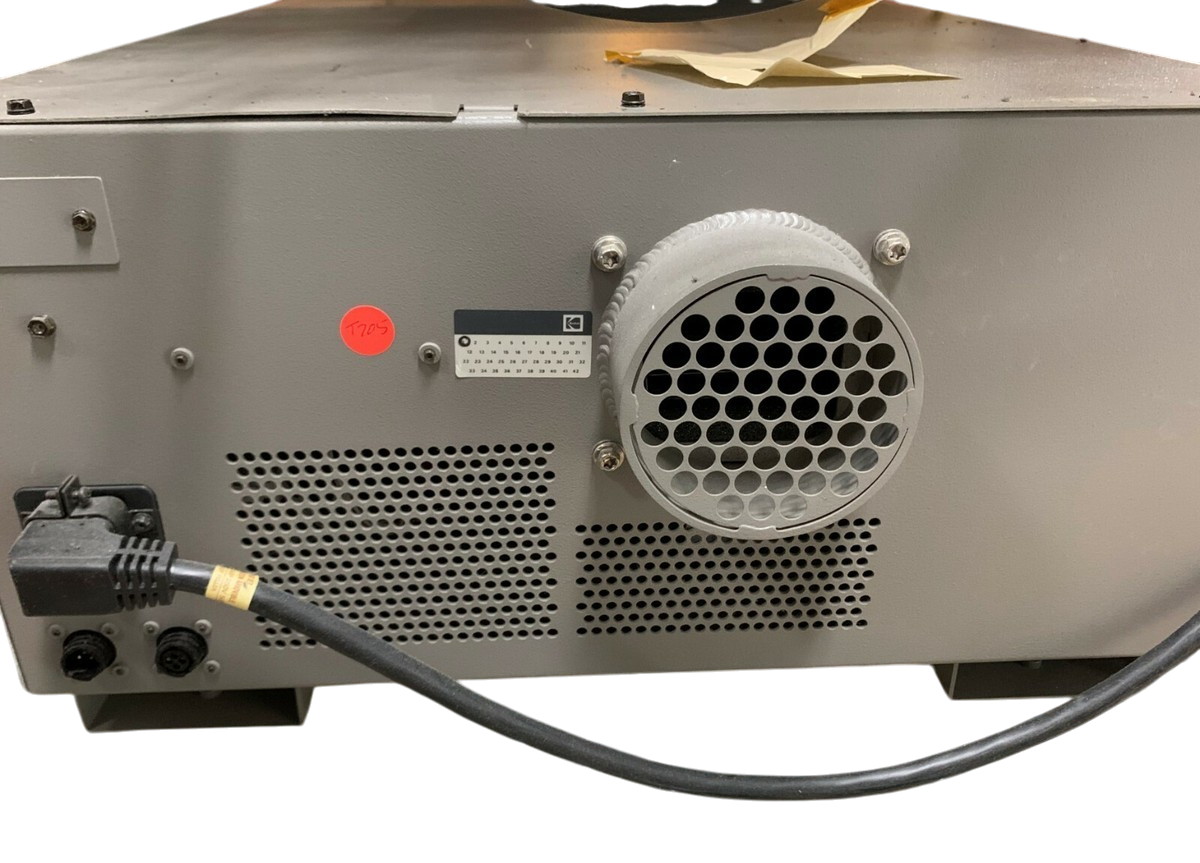
Santec Optical Light Sources (1 unit)
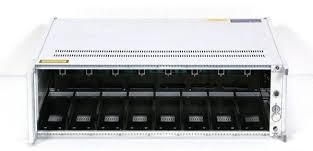
Scholly Fiberoptic Optical Light Sources (1 unit)
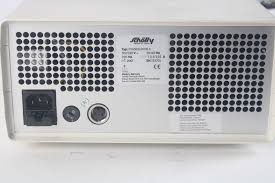
Stanford Research Systems Optical Light Sources (1 unit)
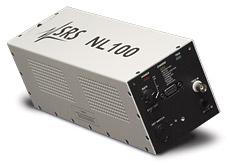
ThorLabs Optical Light Sources (5 units)
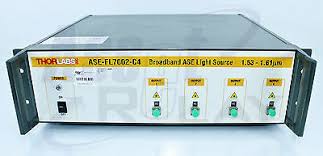
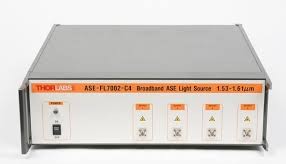
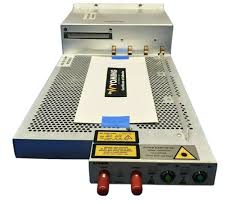
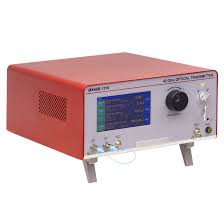

TriBrer Optical Light Sources (1 unit)
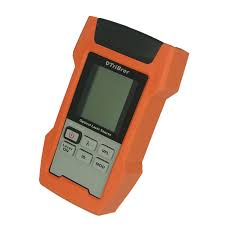
Choosing a Used Optical Light Source
Output power stability is the specification that determines measurement accuracy, not peak output power. A source that outputs −3 dBm but drifts ±0.5 dB over a test session produces worse insertion loss results than a source at −10 dBm that's stable to ±0.02 dB. When evaluating a used unit, look for a recent calibration certificate with measured output power — it tells you the source was stable enough to calibrate accurately and establishes a baseline to compare against future measurements.
The second decision is LED versus laser diode. For multimode fiber testing per TIA-568 or ISO 11801, a LED source with a launch condition filter (mandrel wrap or mode filter) is the correct choice — coherent laser sources produce modal interference effects in multimode fiber that exaggerate loss readings. For singlemode fiber, always use a stabilized laser diode source.
Loss Test Sets — Pairing Sources and Meters
A loss test set combines an optical light source with an optical power meter. The EXFO FOT-90 and FOT-930 are single-unit handheld test sets with both functions built in. For bench use, the Agilent 8164A/B mainframe accepts source and meter modules side by side — the 81650A (multi-wavelength laser source) and 81618A (InGaAs power sensor) are a common pairing. If you need standalone units, any light source and power meter with matching wavelengths and connector types works together. Reference-zero the meter with the source before measuring to cancel source output variation.
Wavelength Guide for Common Applications
| Application | Wavelengths needed | Source type |
|---|---|---|
| OM1/OM2 multimode certification (TIA-568) | 850 nm, 1300 nm | LED, mandrel-wrap launch condition |
| OM3/OM4/OM5 multimode certification | 850 nm, 953 nm (OM5) | LED, encircled flux launch |
| Singlemode outside-plant fiber | 1310 nm, 1550 nm | Stabilized laser diode |
| PON / GPON / FTTx fiber | 1310 nm, 1490 nm, 1625 nm | Stabilized laser diode, 3-wavelength |
| CWDM channel testing | 1271–1611 nm per channel | Fixed or multi-wavelength laser |
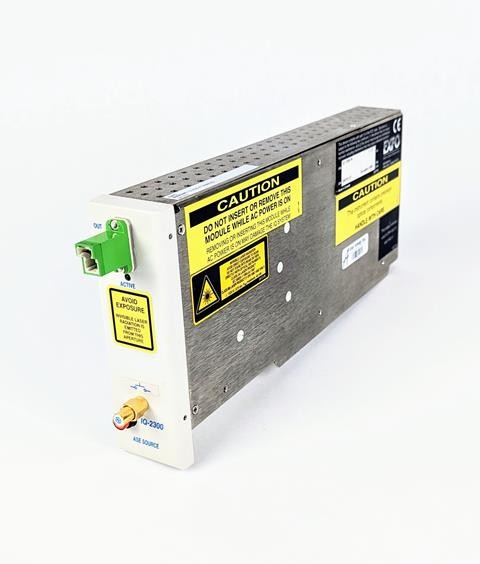
| Amplifier/EDFA characterization | 1530–1565 nm (C-band) | Broadband ASE source or tunable laser |
Optical Light Source Repair and Calibration
The most common repair on used optical light sources is output power restoration after laser diode degradation. When a 1550 nm source has lost 4–6 dB of output power, the laser diode module needs replacement — the rest of the instrument is typically fine. We carry replacement laser diode assemblies for common EXFO and Agilent modules. Fiber pigtail replacement at the output connector is the second most common repair. Calibration turnaround is 2–3 business days with NIST-traceable certificate. See calibration services →
Frequently Asked Questions
What is the difference between an optical light source and a tunable laser source? +
An optical light source (OLS) outputs fixed wavelengths — typically 850, 1310, 1490, or 1550 nm — at stable power for insertion loss testing. A tunable laser source sweeps across a continuous wavelength range (e.g., 1520–1620 nm) for component characterization, PDL measurement, and wavelength-selective testing. Tunable sources are significantly more expensive and better suited to R&D and component test.
LED vs laser light source — which do I need for insertion loss testing? +
LED sources (850/1300 nm) are standard for multimode fiber testing. They are stable, inexpensive, and Telcordia-compliant for field work. For singlemode fiber testing (1310/1550 nm), a stabilized laser diode source is required — LEDs lack the coherence and power spectral density for accurate singlemode measurements. Most EXFO FLS-300 and AFL OLS units offer both LED and laser options.
What output power should I expect from an optical light source? +
Laser diode sources at 1310/1550 nm typically output −7 to 0 dBm into a singlemode fiber. LED sources at 850/1300 nm typically output −20 to −15 dBm into a 50 µm multimode fiber and −30 to −26 dBm into 9 µm singlemode (underfilled). Output power stability matters more than absolute level — look for ±0.05 dB or better for accurate loss measurements.
How long does an optical light source warm up before the output is stable? +
LED sources are stable in under 1 minute. Laser diode sources typically need 5–15 minutes to reach thermal equilibrium and rated output stability. The Agilent 81653A laser module in the 8163/8164 platform needs about 10 minutes. For calibration-grade measurements, always allow the full warm-up before referencing the meter.
What are common faults in used optical light sources? +
Output power degradation is the most common fault — laser diode sources lose output power over tens of thousands of hours of operation. A 1550 nm source that measured −3 dBm new may be at −8 dBm after heavy use, making it unusable for low-loss path measurements. Fiber pigtail damage at the output connector is also common. On EXFO FLS units, the power supply board occasionally develops regulator faults.
Can I use any optical light source with any optical power meter? +
Yes, with caveats. The source and meter must share a connector type (FC, SC, LC, ST) or use compatible adapters. The source wavelength must be within the meter detector range. For loss budget measurements, use a source with known, stable output power and reference-zero the meter before measurement. EXFO FLS-300 sources use SC output by default; adapt to your meter connector.
What wavelengths do I need for singlemode vs multimode fiber testing? +
For multimode fiber: 850 nm (OM1–OM4 primary test wavelength) and 1300 nm (secondary). For singlemode fiber: 1310 nm (O-band) and 1550 nm (C-band) are the standard pair. For PON/FTTx links: add 1490 nm (downstream data) and 1625 nm (out-of-service monitoring). TIA-568 and ISO 11801 test standards define the required wavelengths for structured cabling certification.
Do optical light sources need NIST-traceable calibration? +
For fiber certification, structured cabling qualification, and ISO 9001 audit compliance, yes. The calibration verifies output power at each wavelength and confirms stability. We issue NIST-traceable certificates with measured output power levels. For field testing where you zero the meter before each test and only care about relative loss, a current calibration certificate is less critical but still recommended.
Need a specific wavelength or connector configuration?
Tell us the wavelengths you need, the fiber type (singlemode or multimode), and your connector standard (FC, SC, LC, ST). We'll check incoming stock and procurement channels.
Get in touch