
Used Optical Power Meters for Sale
129 units in stock — Agilent, EXFO, Anritsu, Newport, AFL, and Yokogawa. Every meter has been powered on, function-tested, and photographed. NIST-traceable calibration available on request. Most ship within one business day from Pleasant Grove, UT.
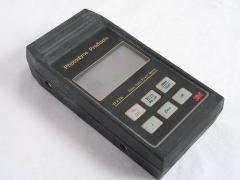
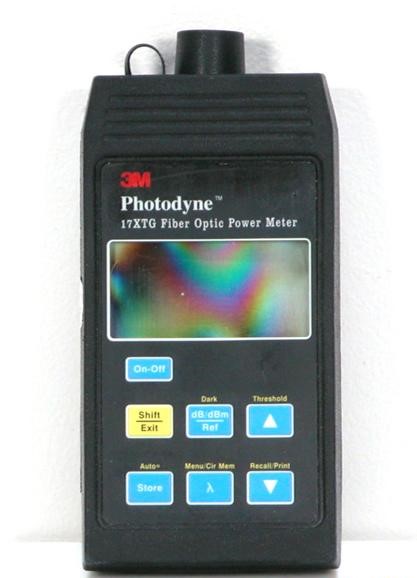
3M Photodyne Optical Power Meters (2 units)
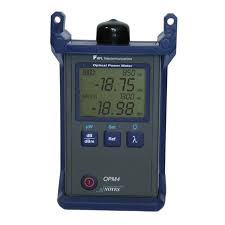
AFL/Noyes Optical Power Meters (1 unit)
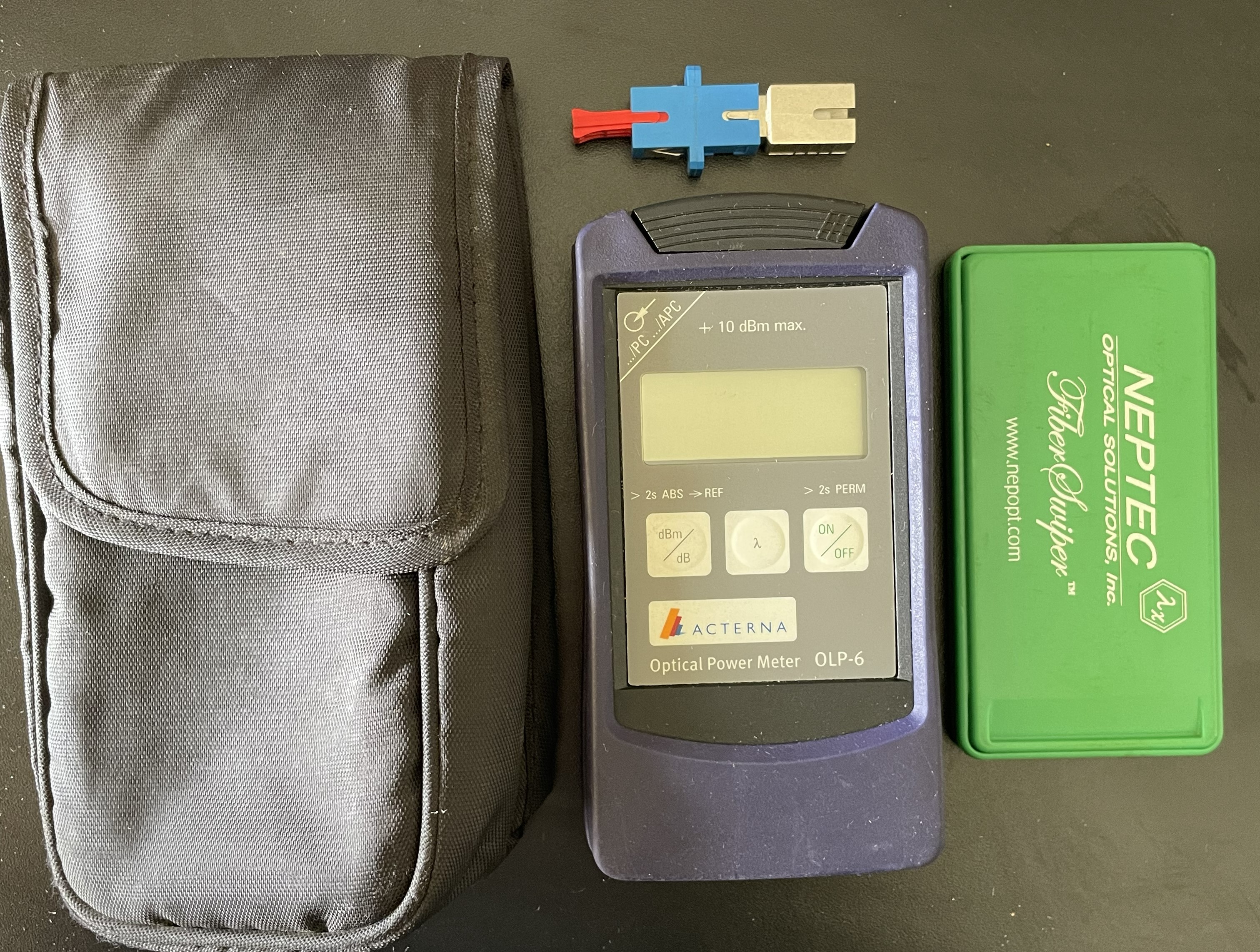
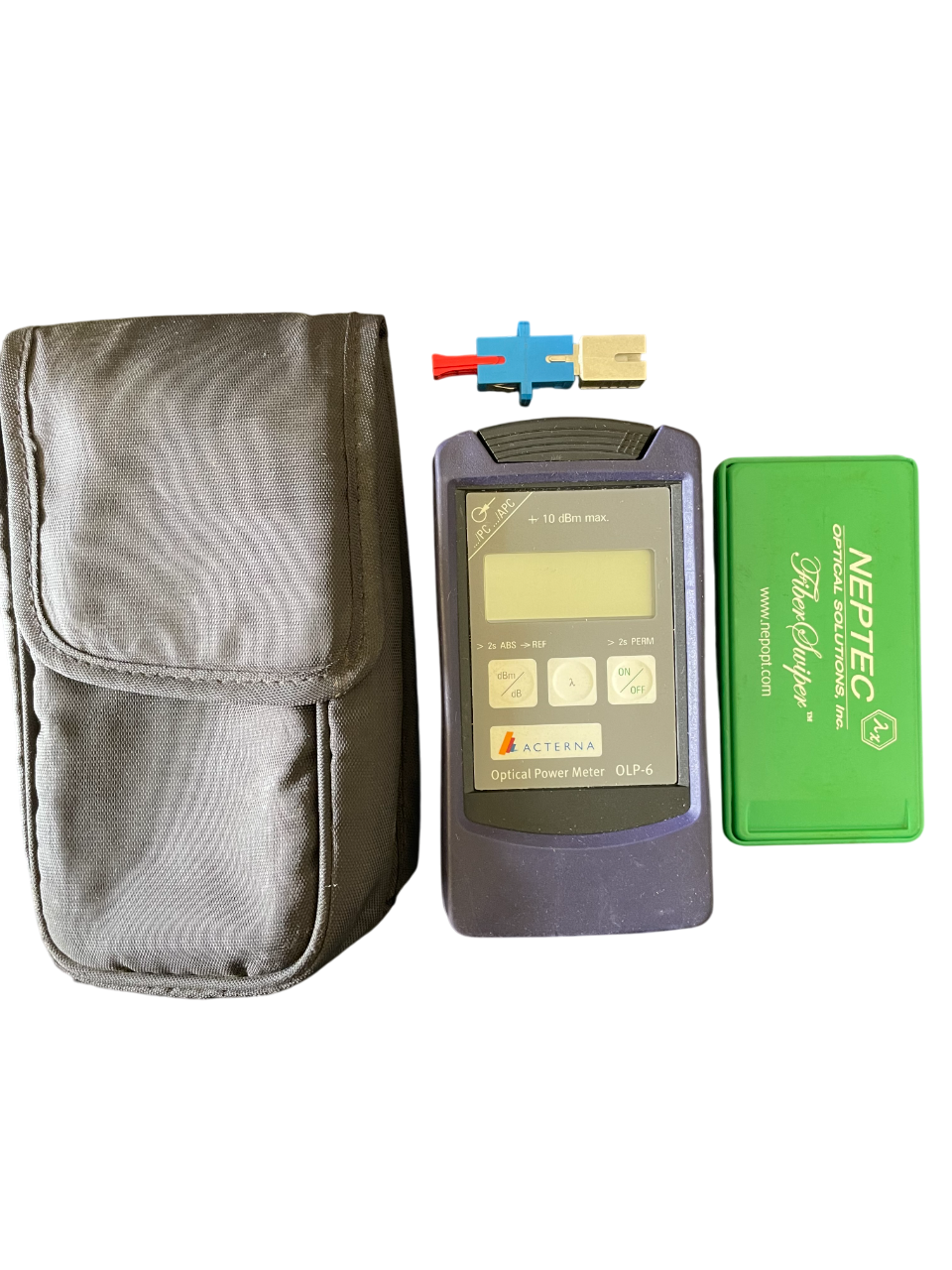
Acterna Optical Power Meters (1 unit)
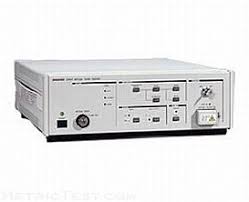
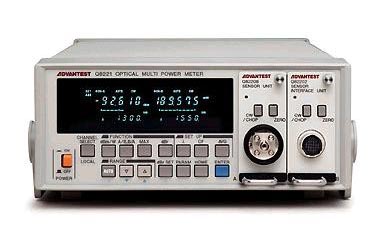
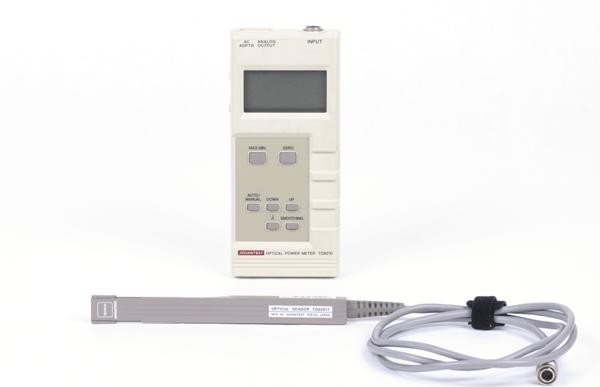
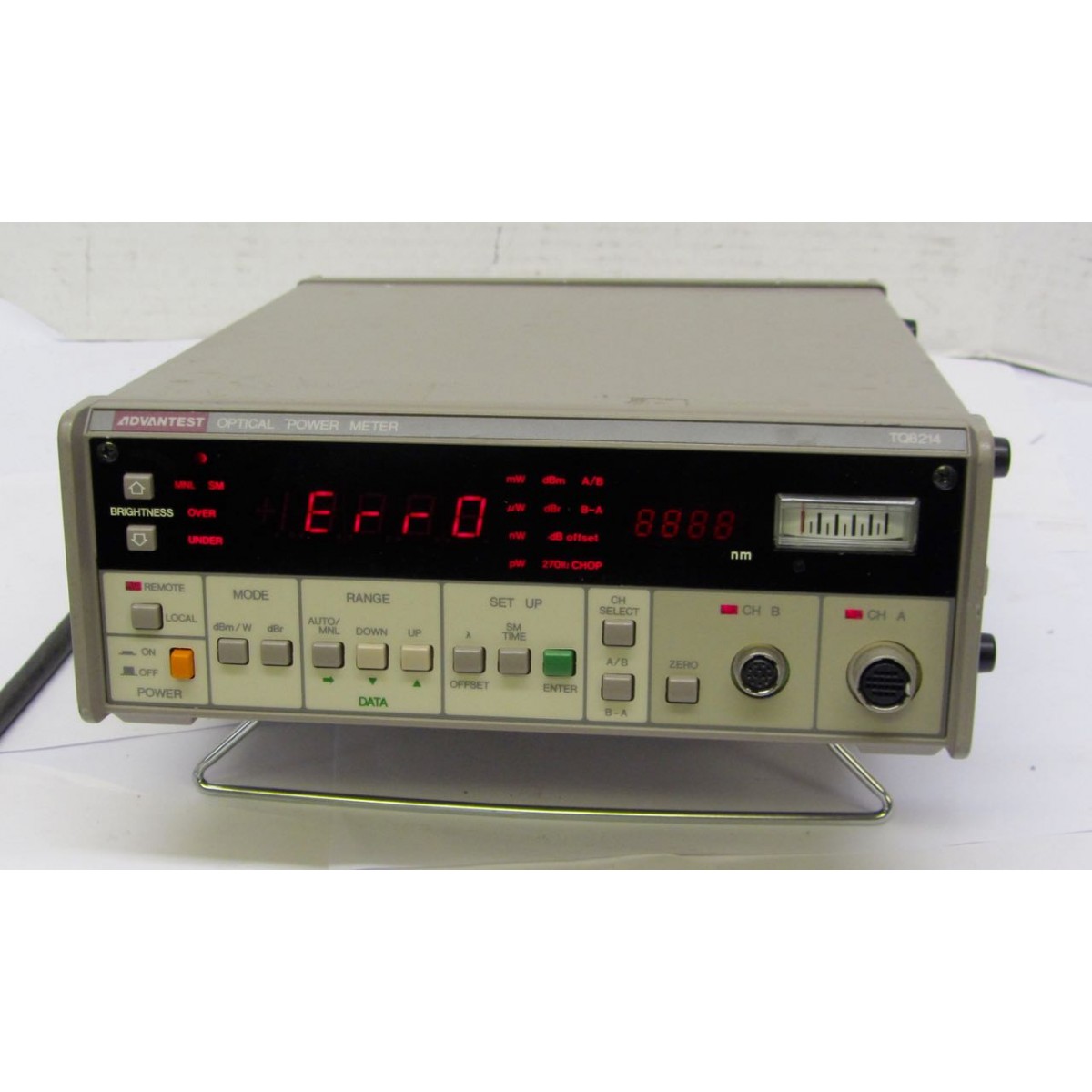
Advantest Optical Power Meters (5 units)
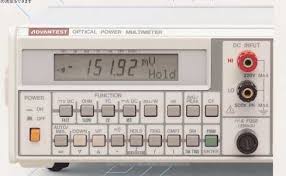
Agilent / HP Optical Power Meters (1 unit)
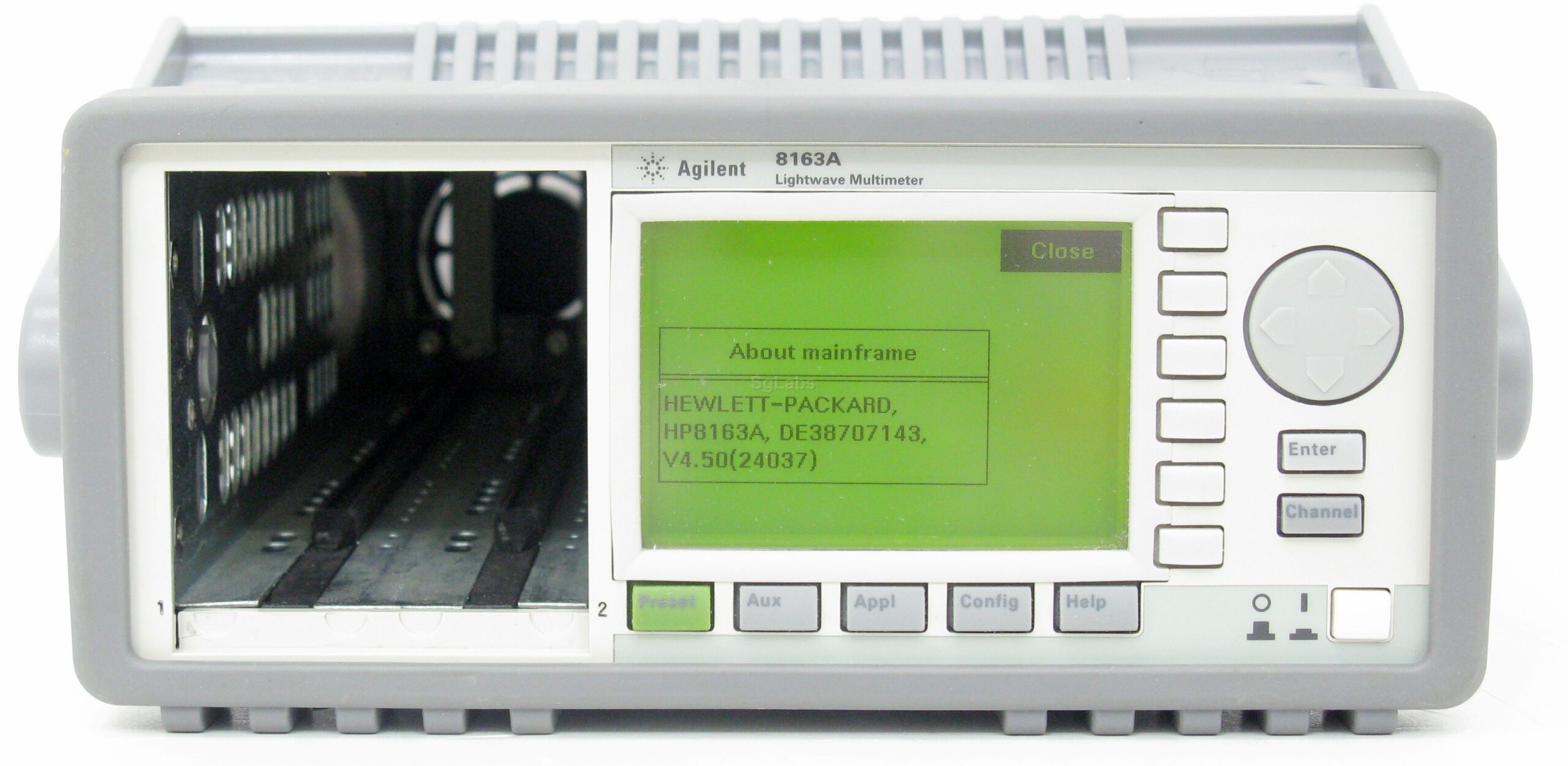
Agilent / Keysight Optical Power Meters (11 units)
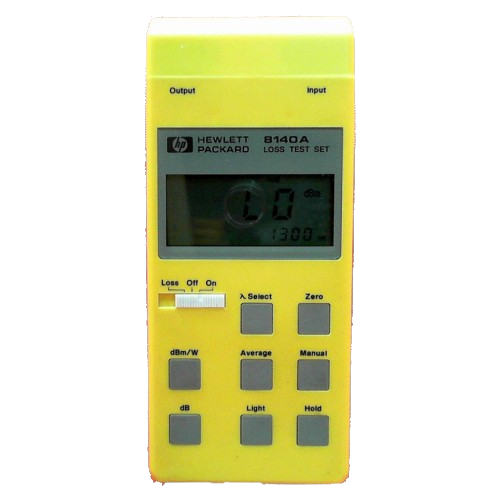
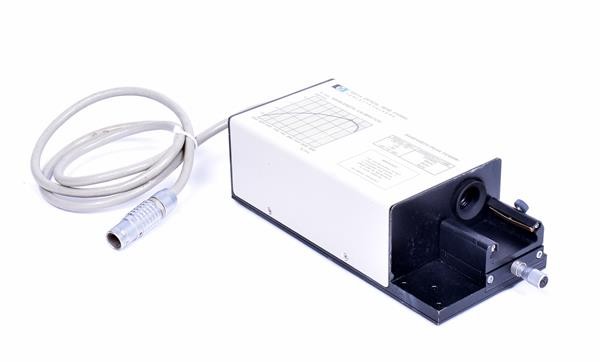
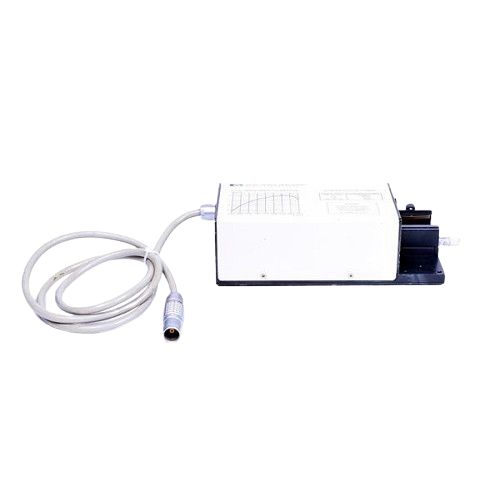
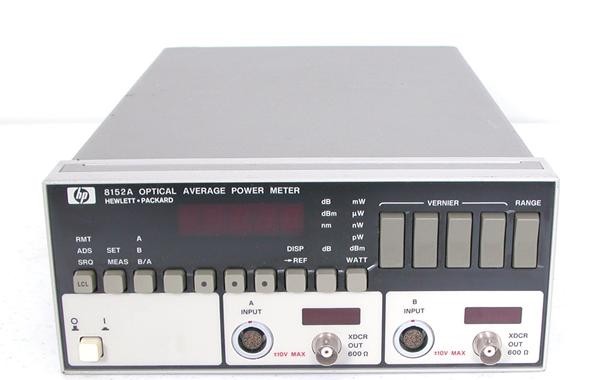
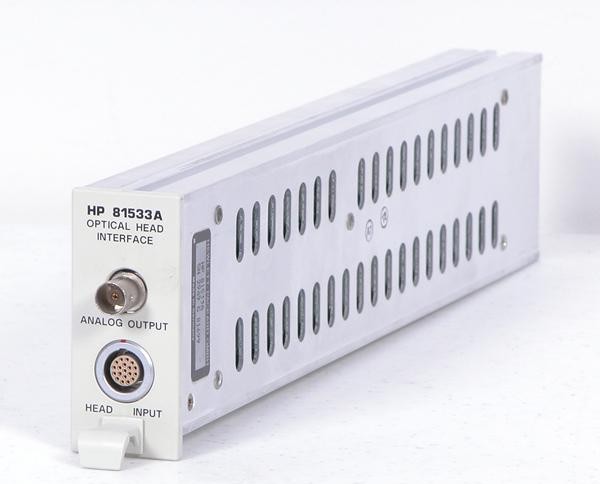
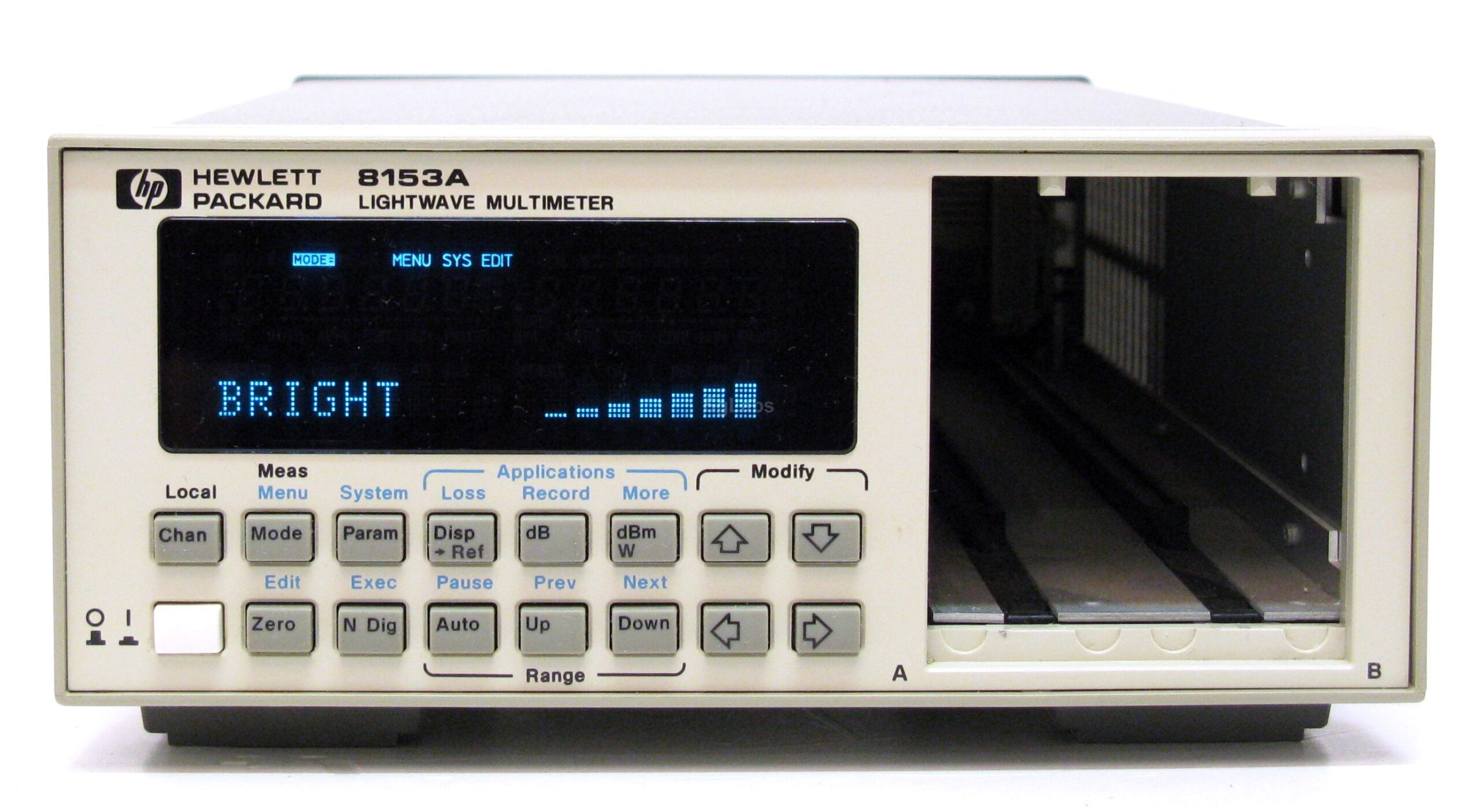
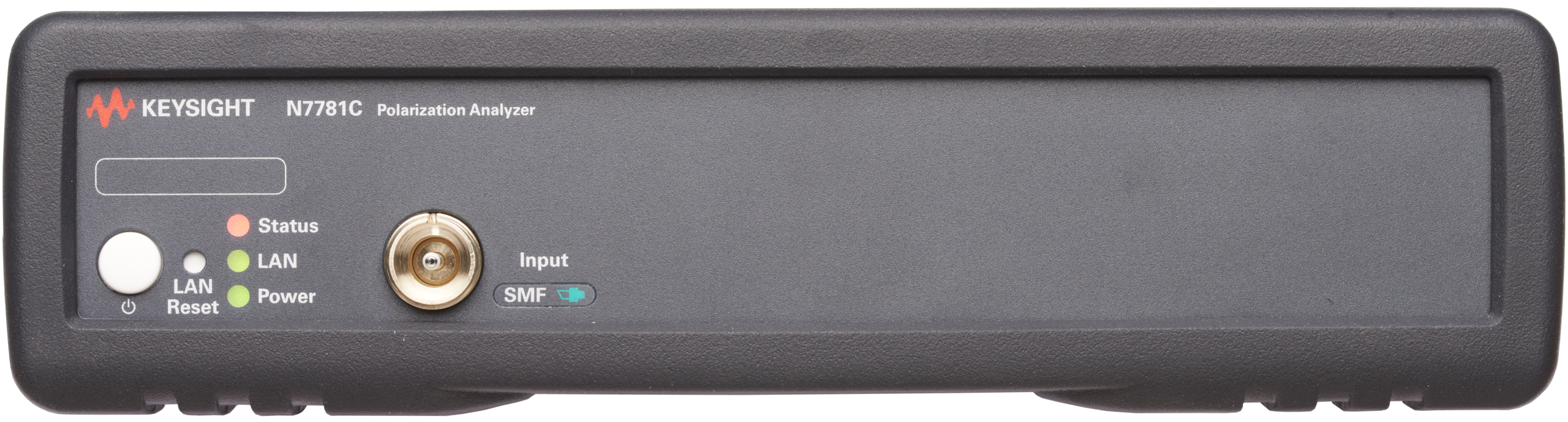
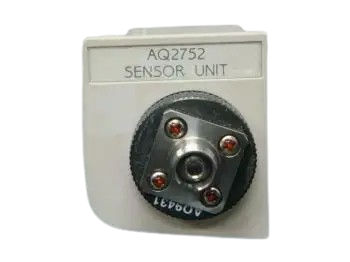
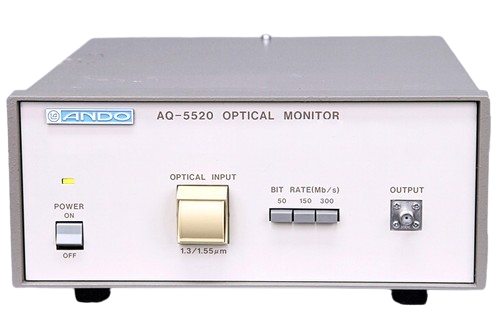
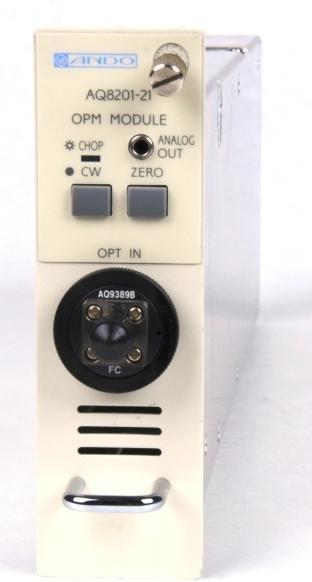
Ando Optical Power Meters (11 units)
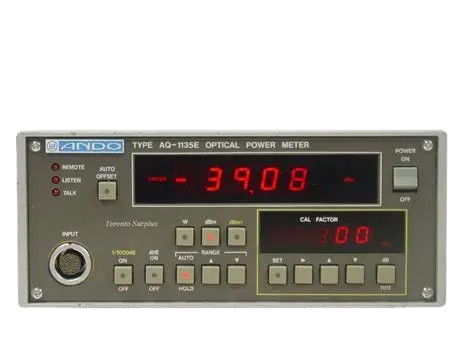
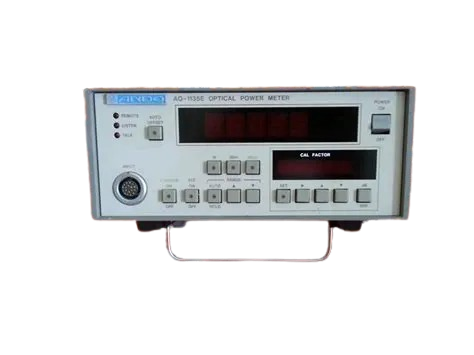
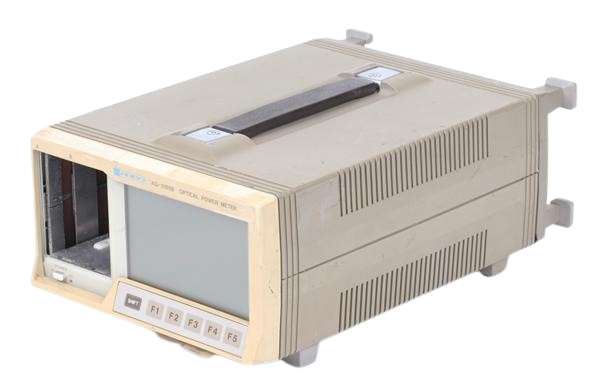
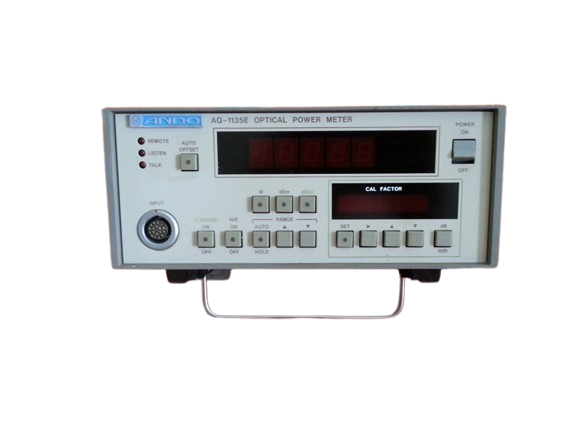
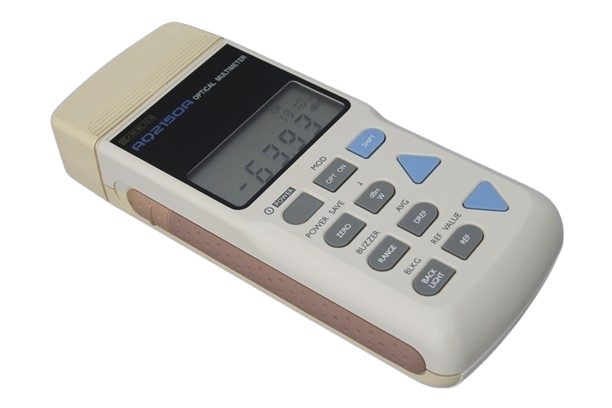
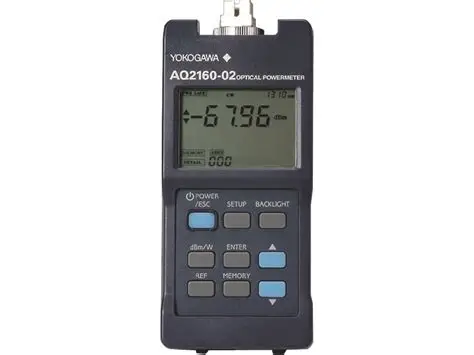
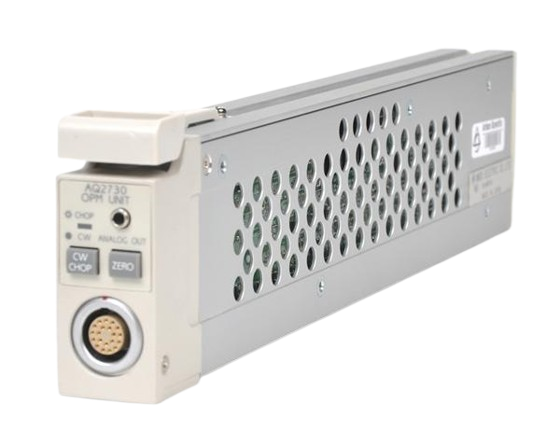
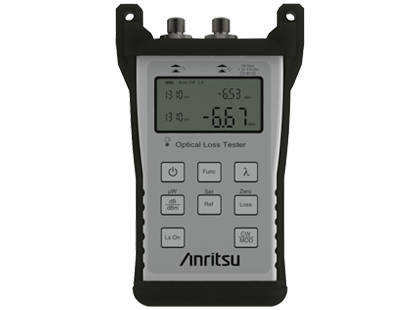
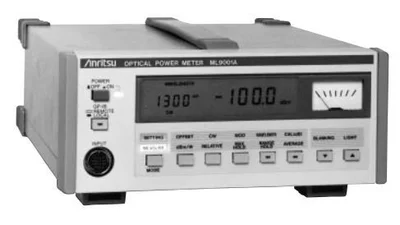
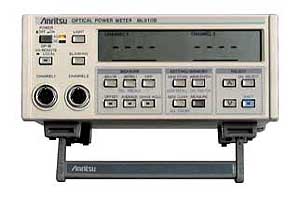
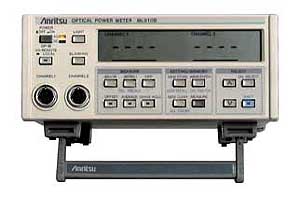
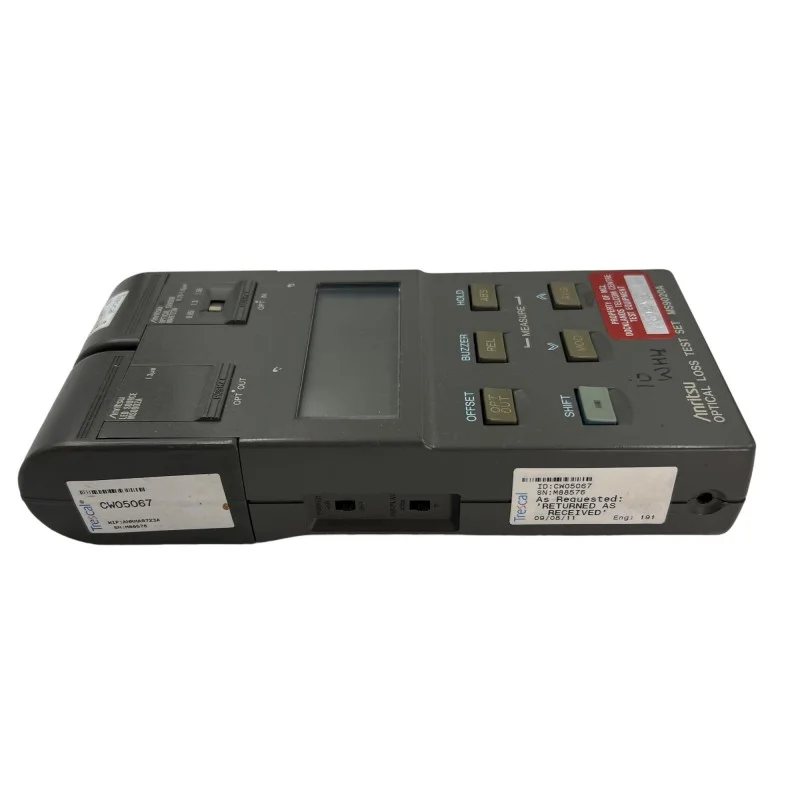
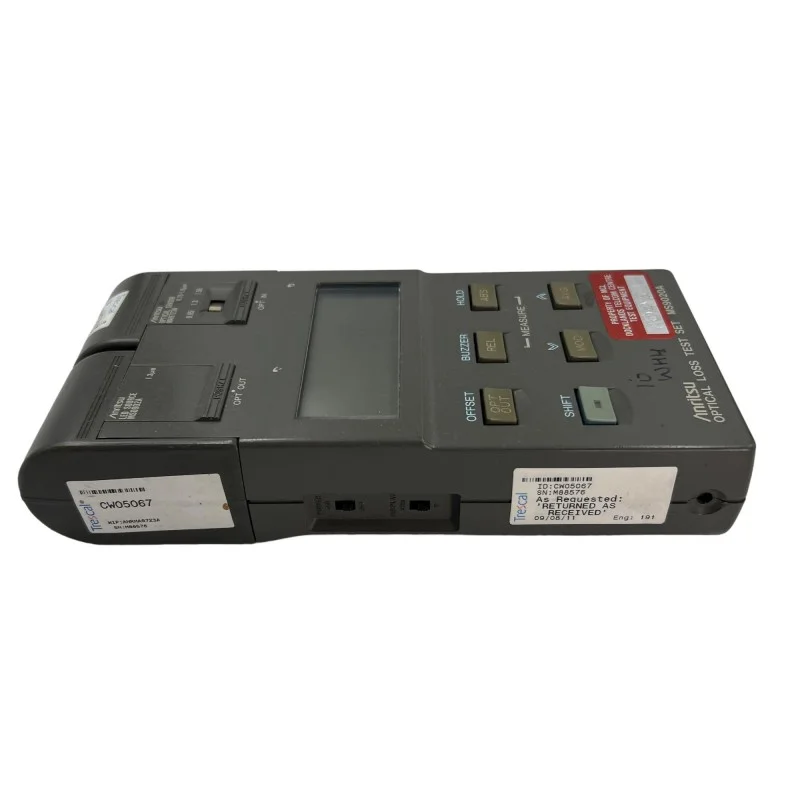
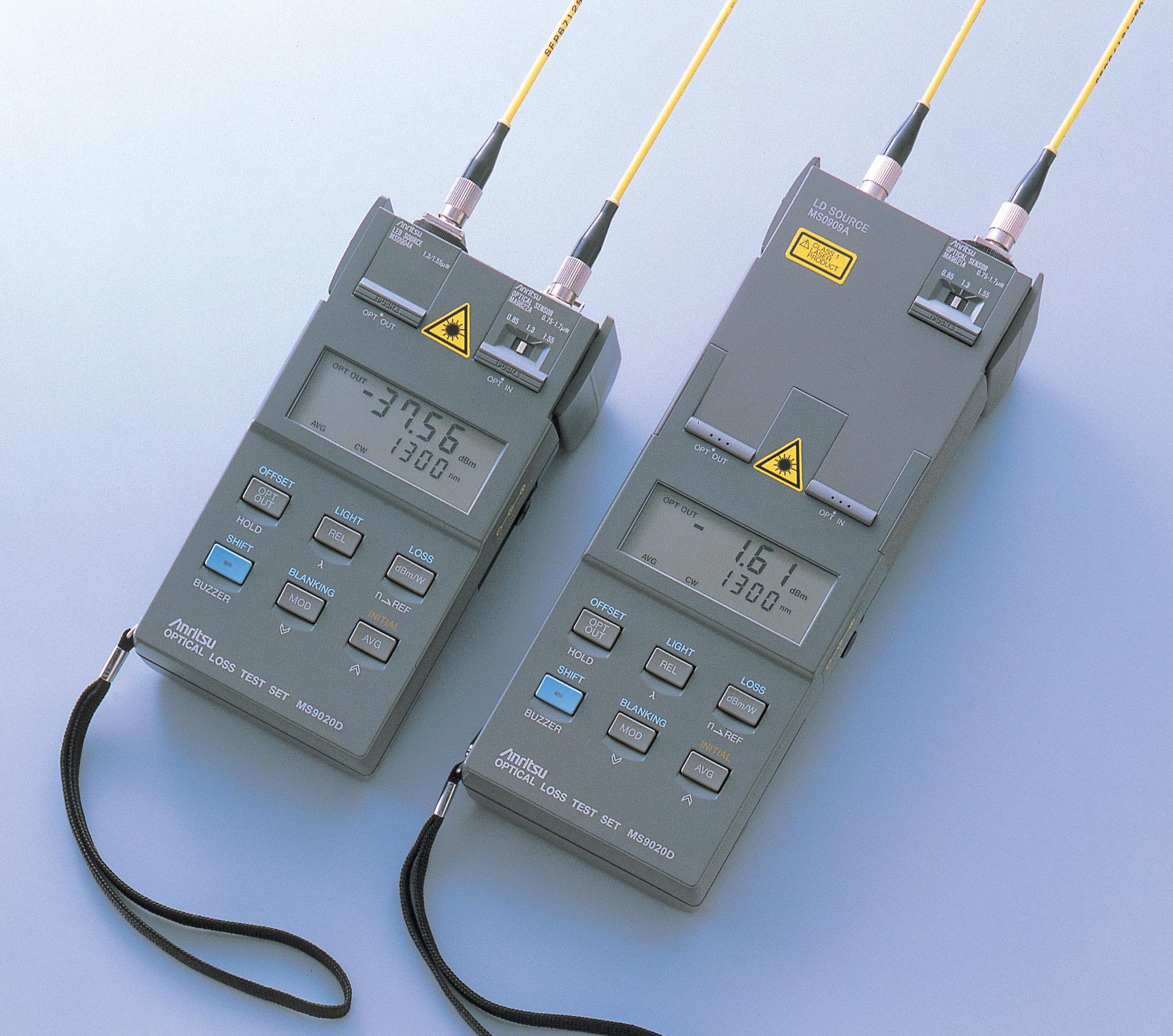
Anritsu Optical Power Meters (11 units)
Corning Optical Power Meters (1 unit)
EIT Optical Power Meters (1 unit)
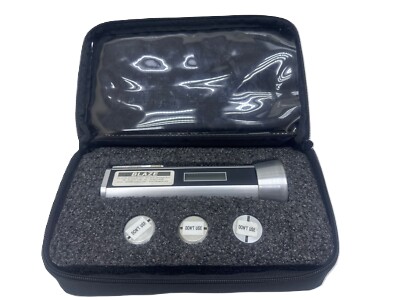
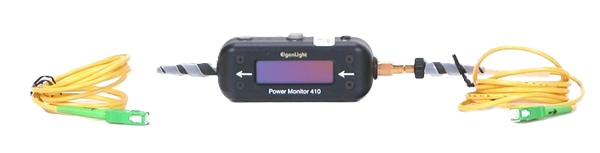
EigenLight Optical Power Meters (1 unit)
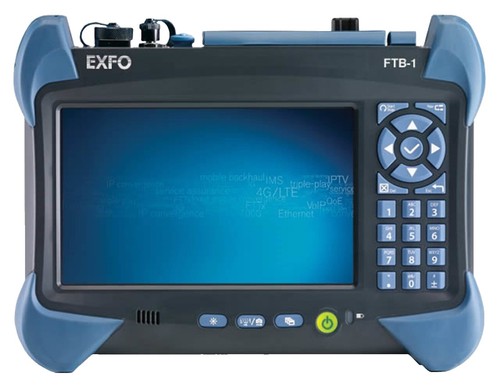
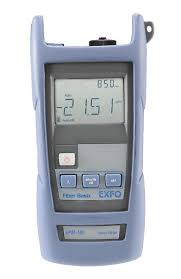
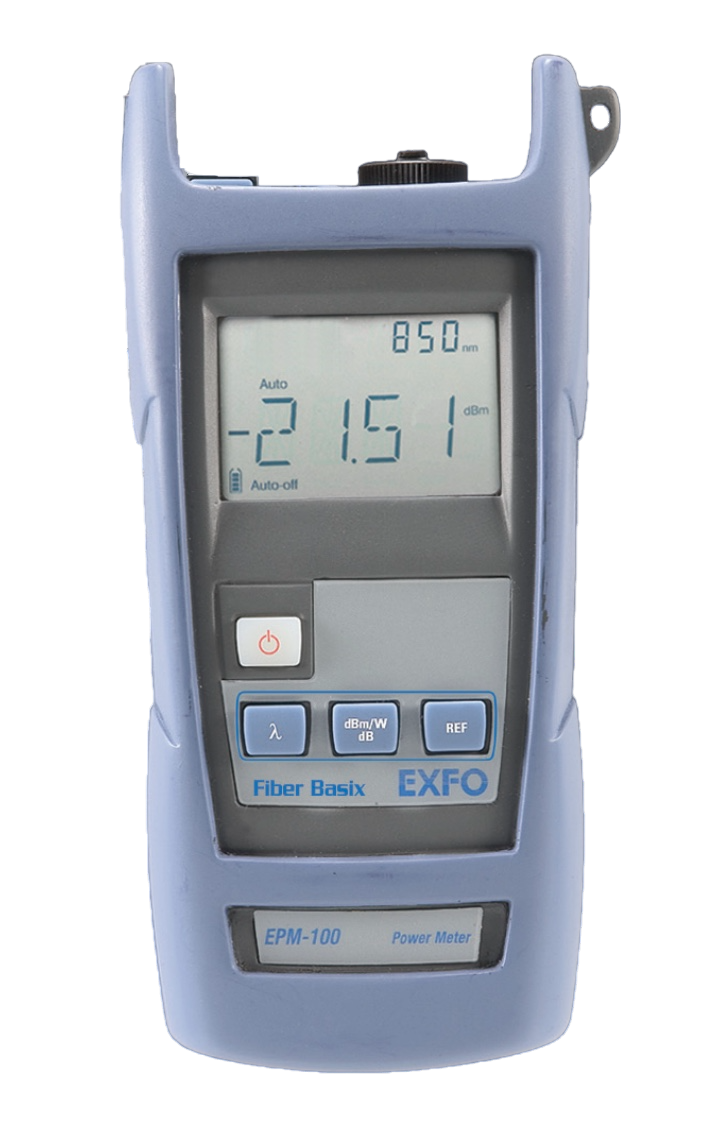
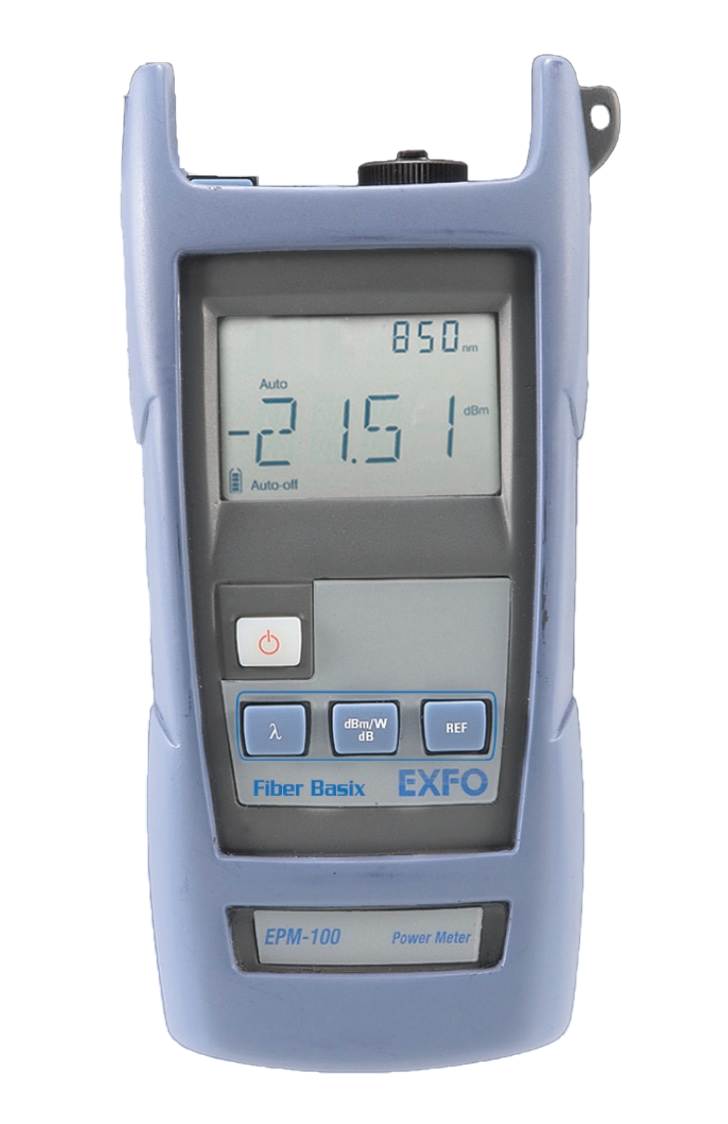
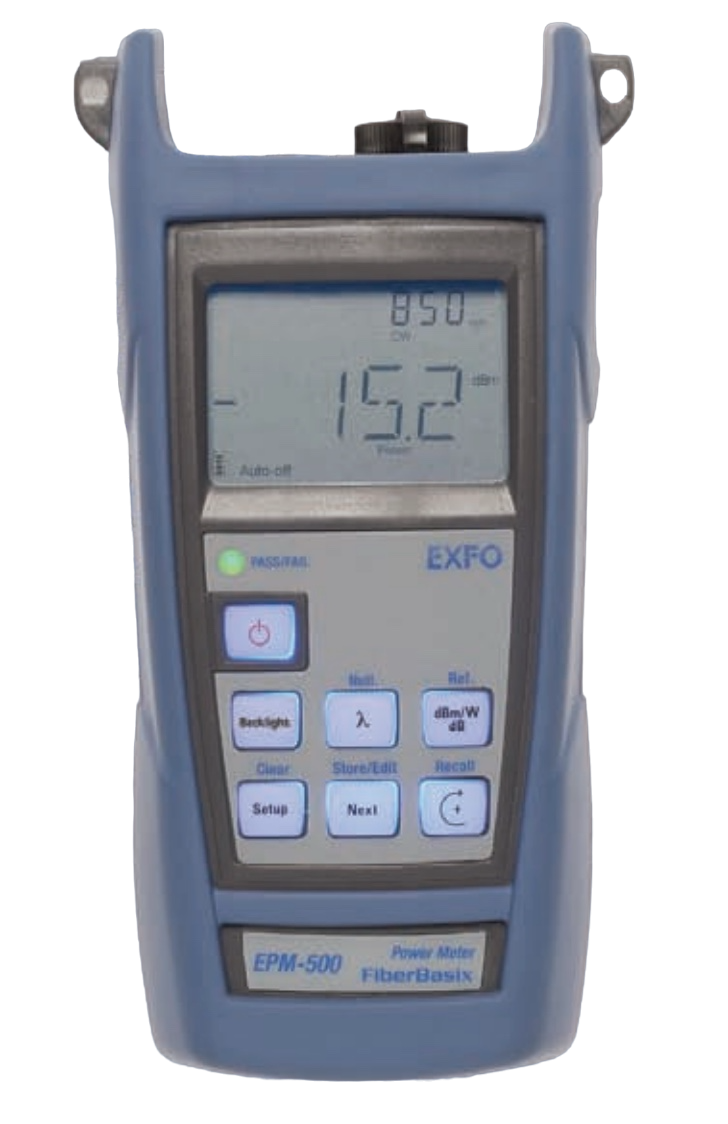
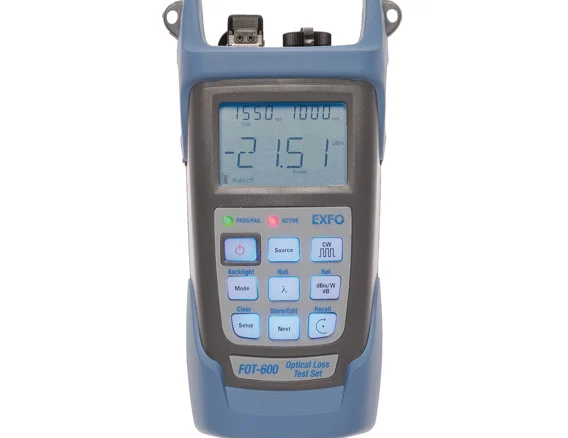
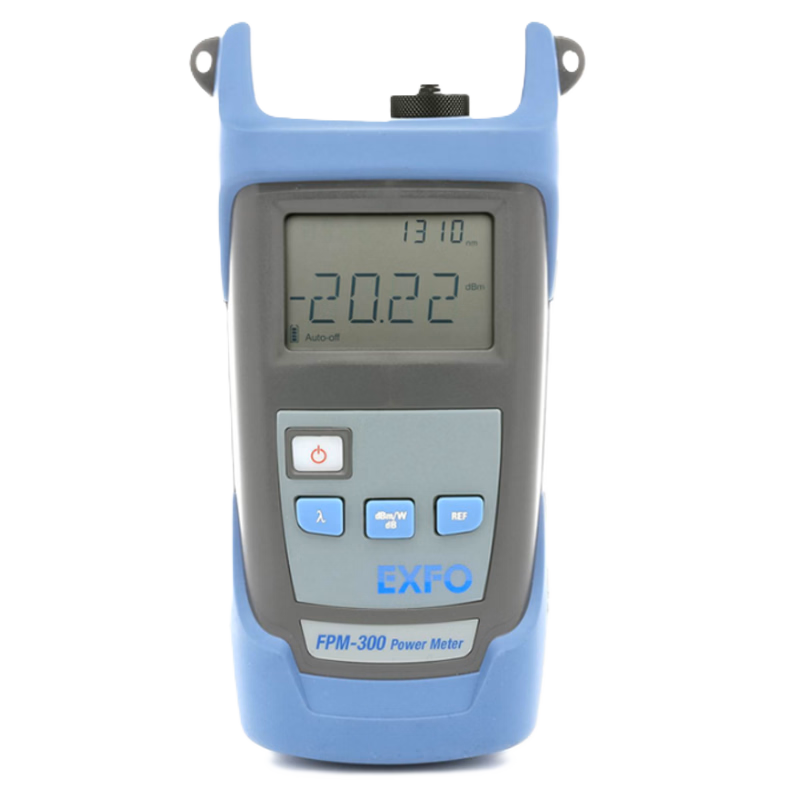
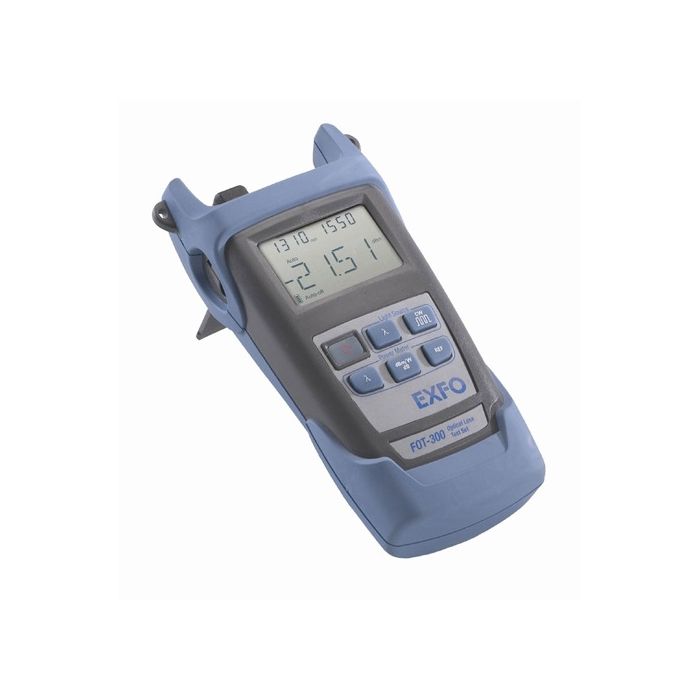
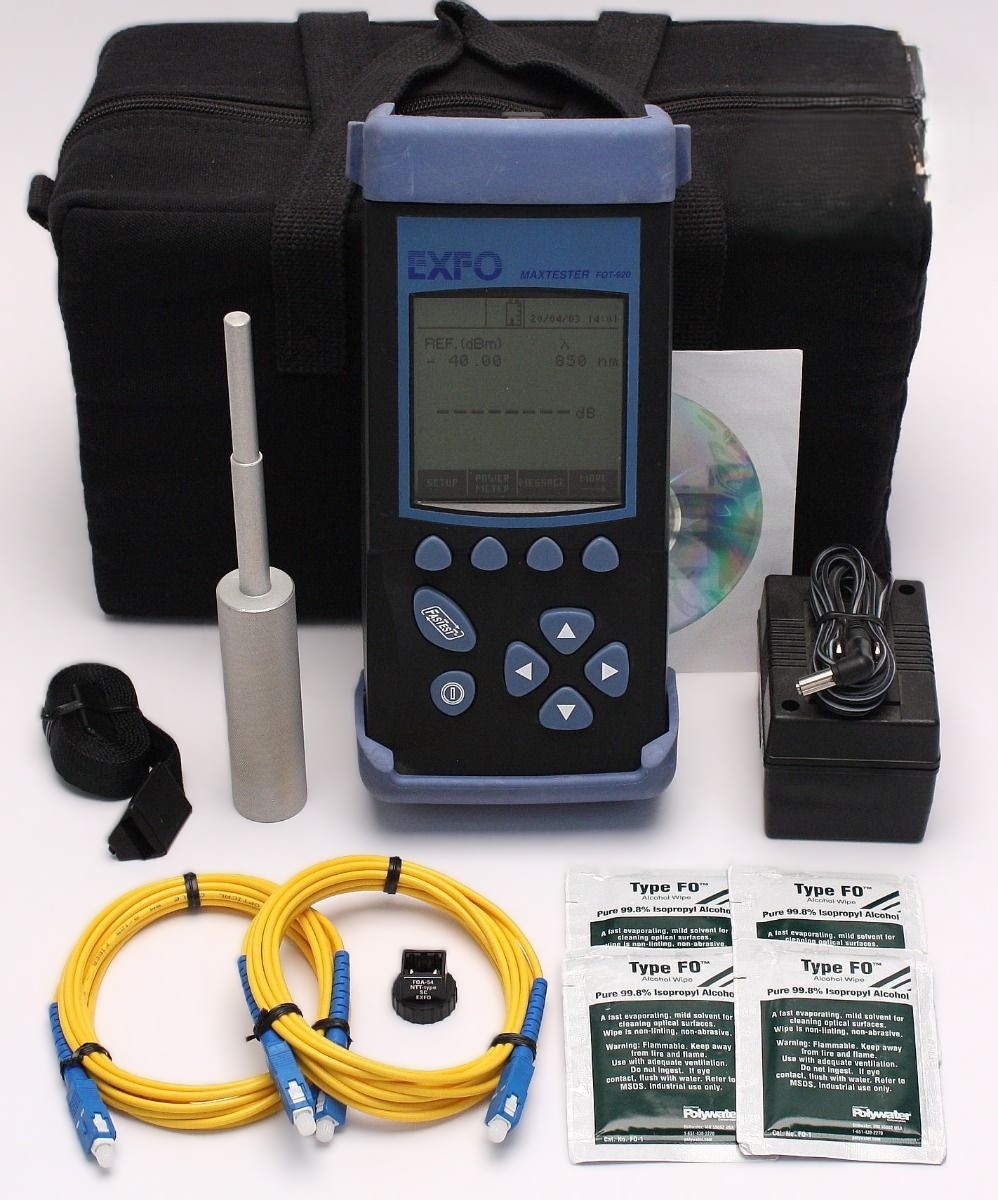
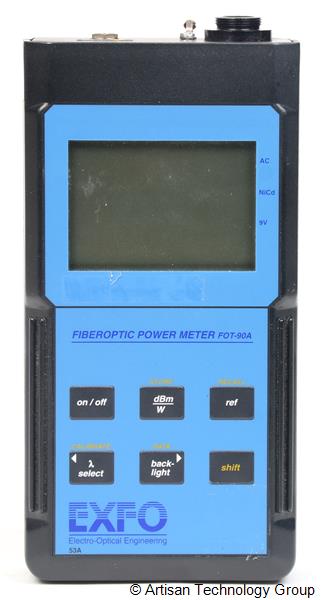
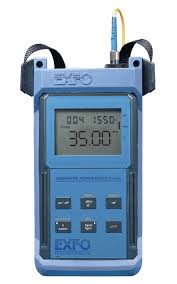
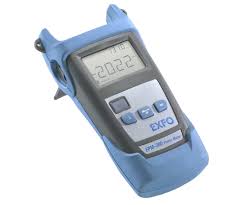
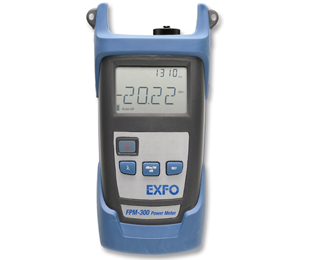
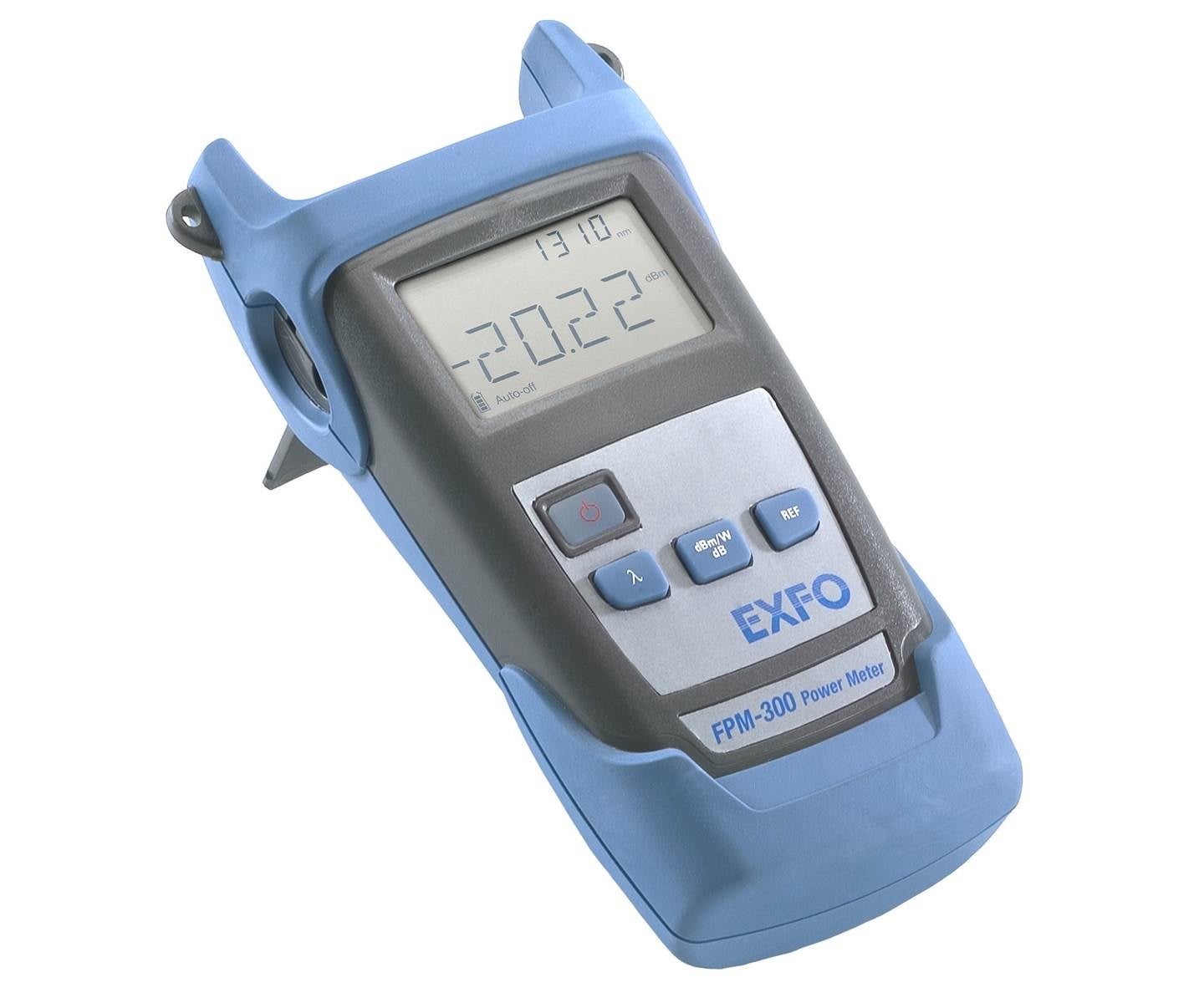
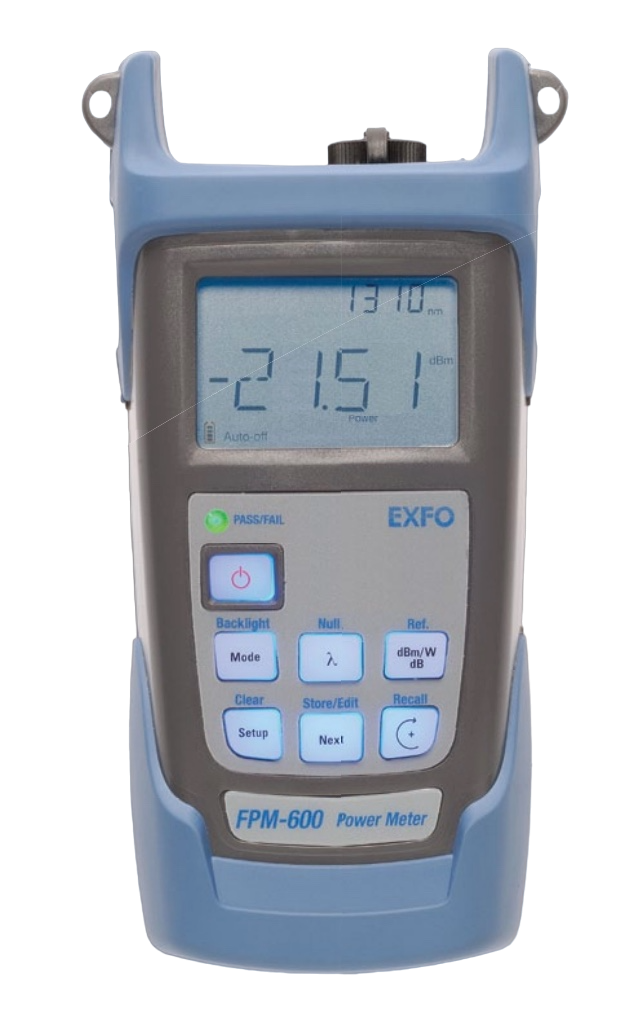
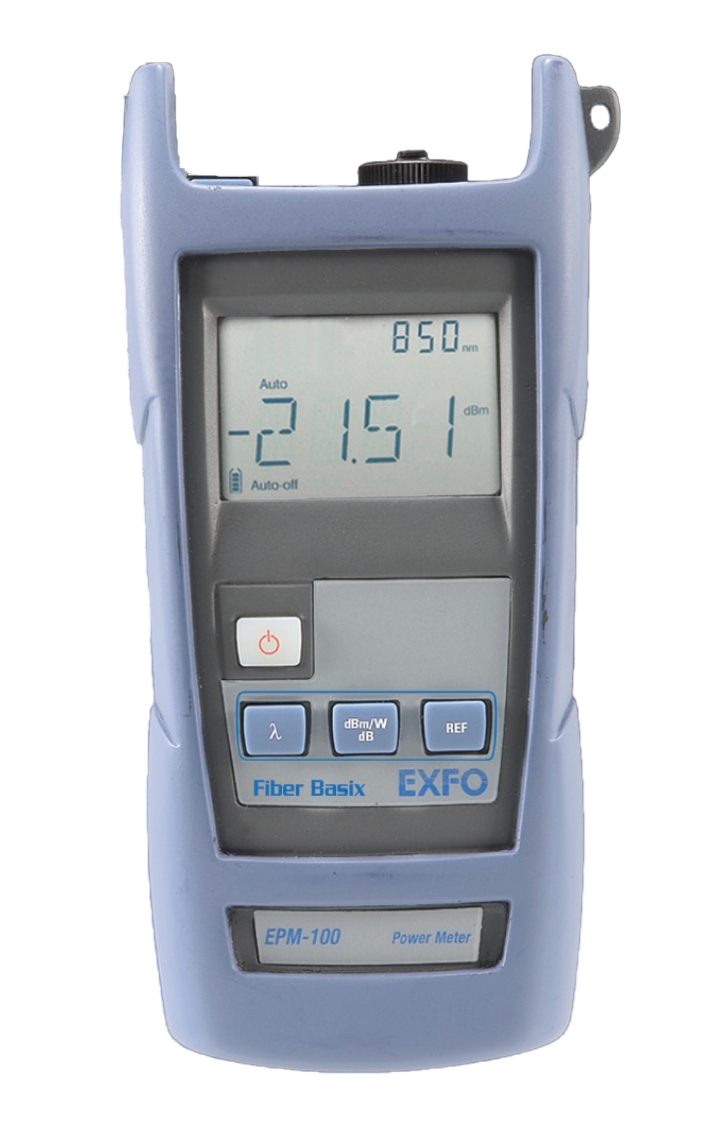
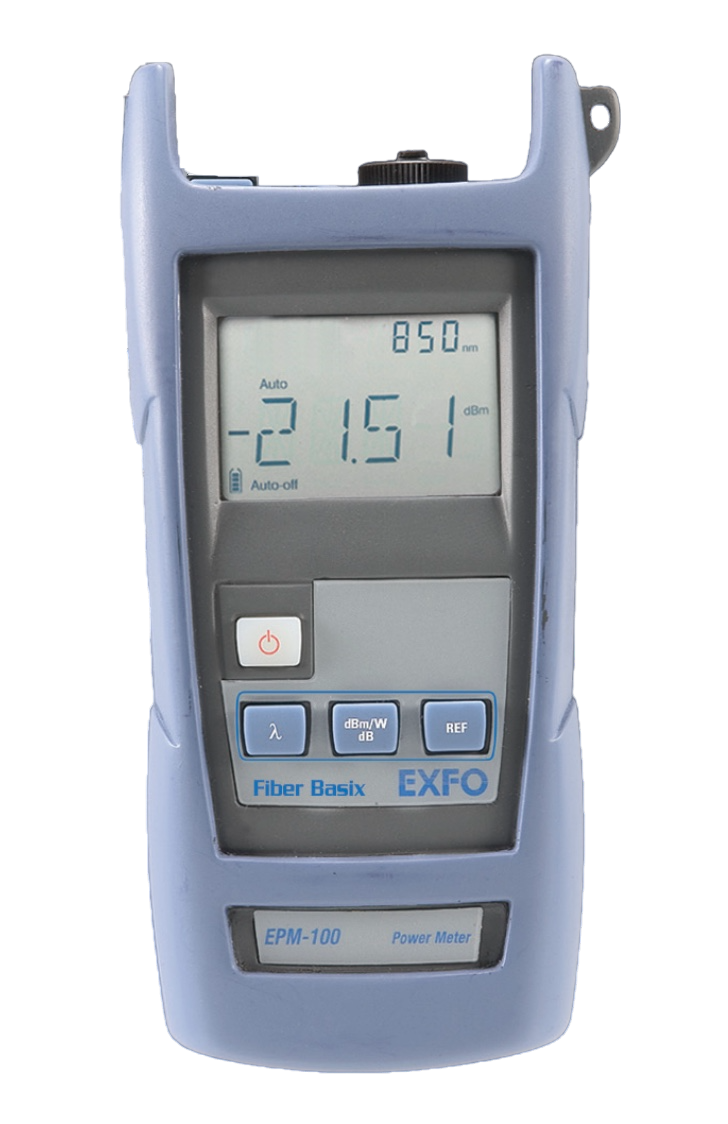
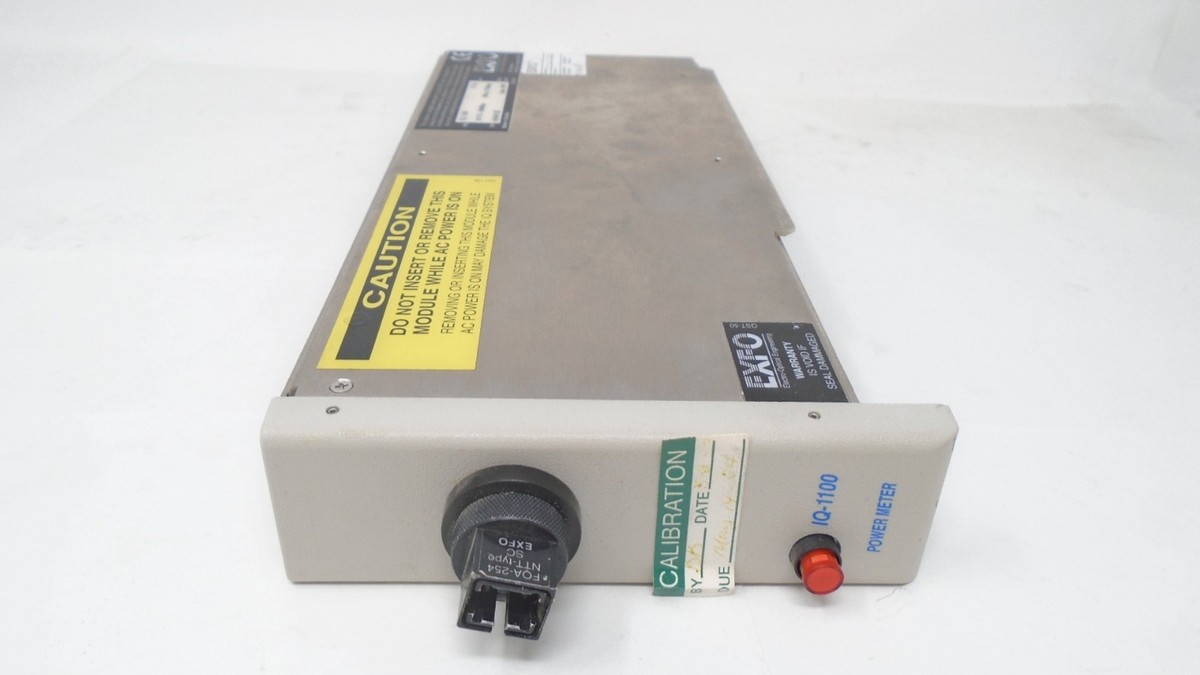
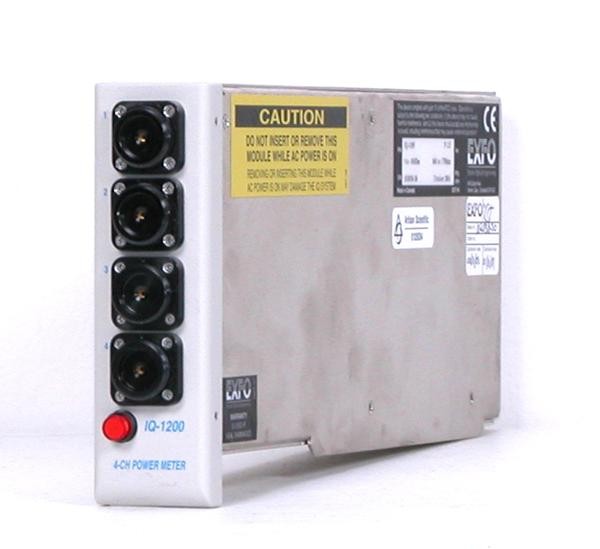
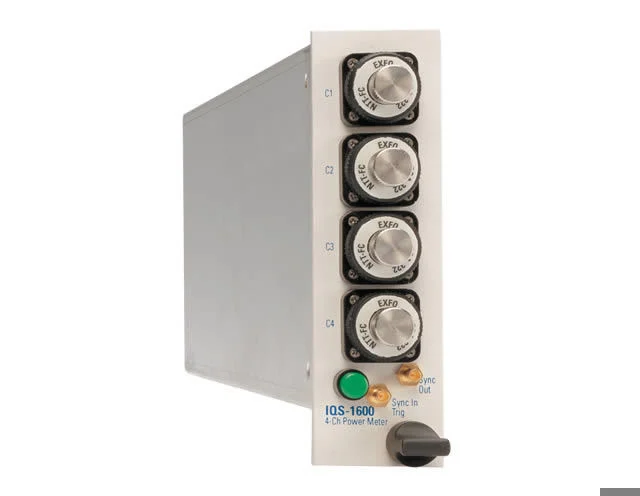
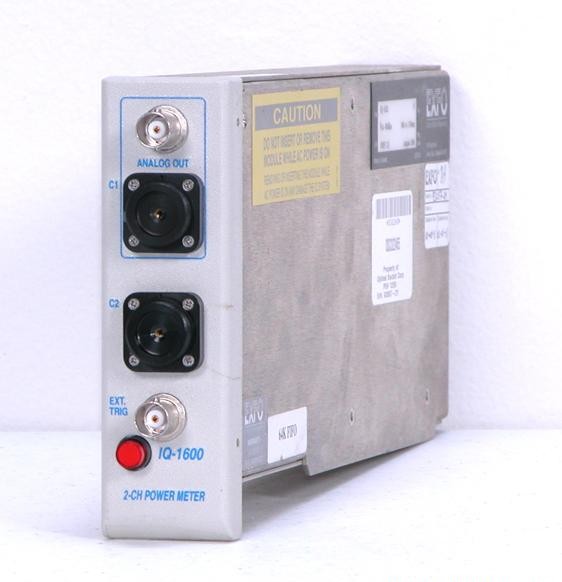
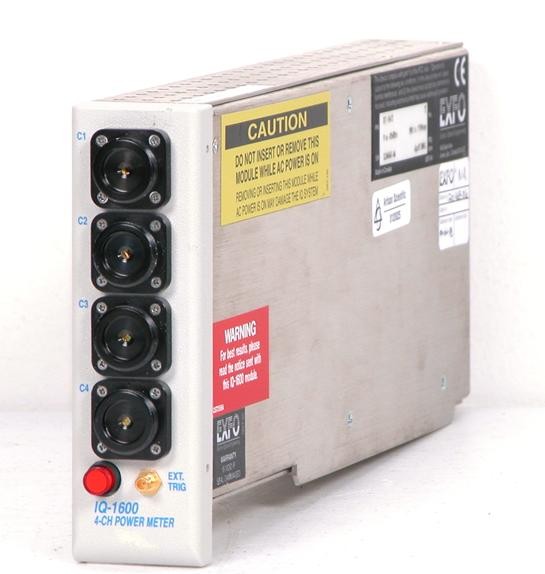
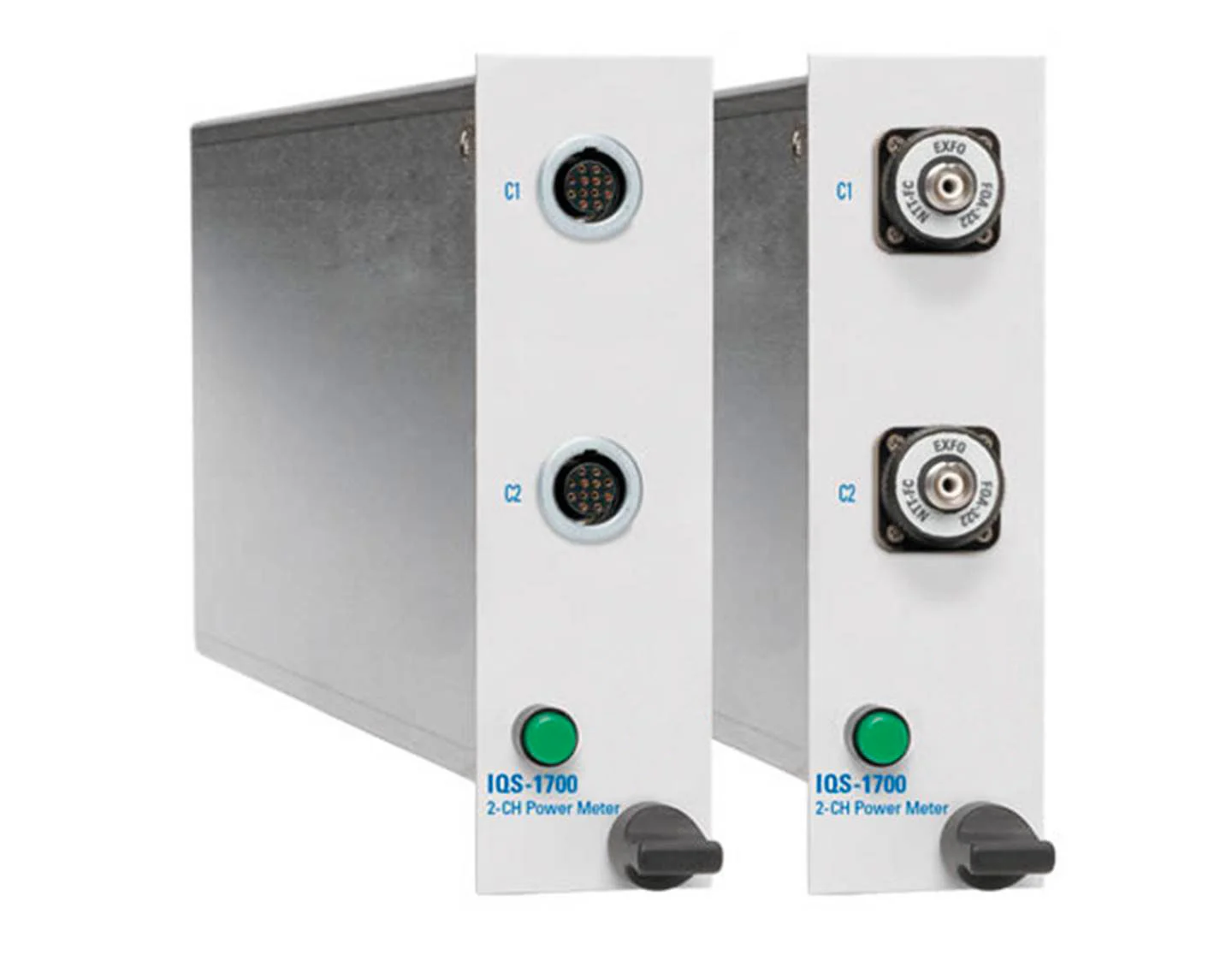
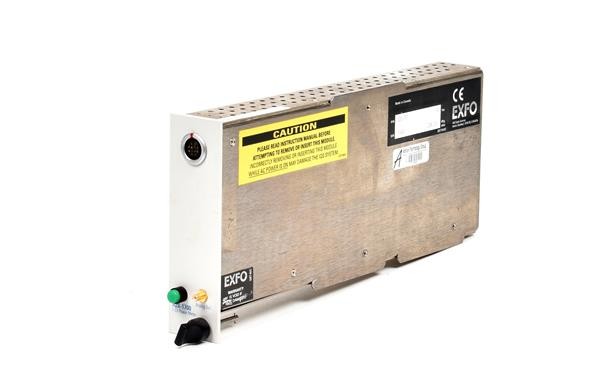
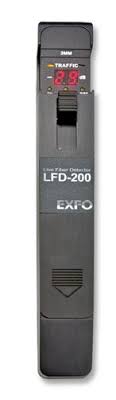
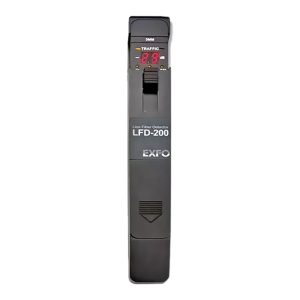
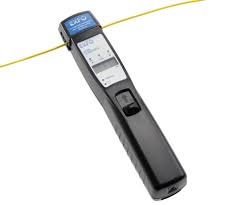
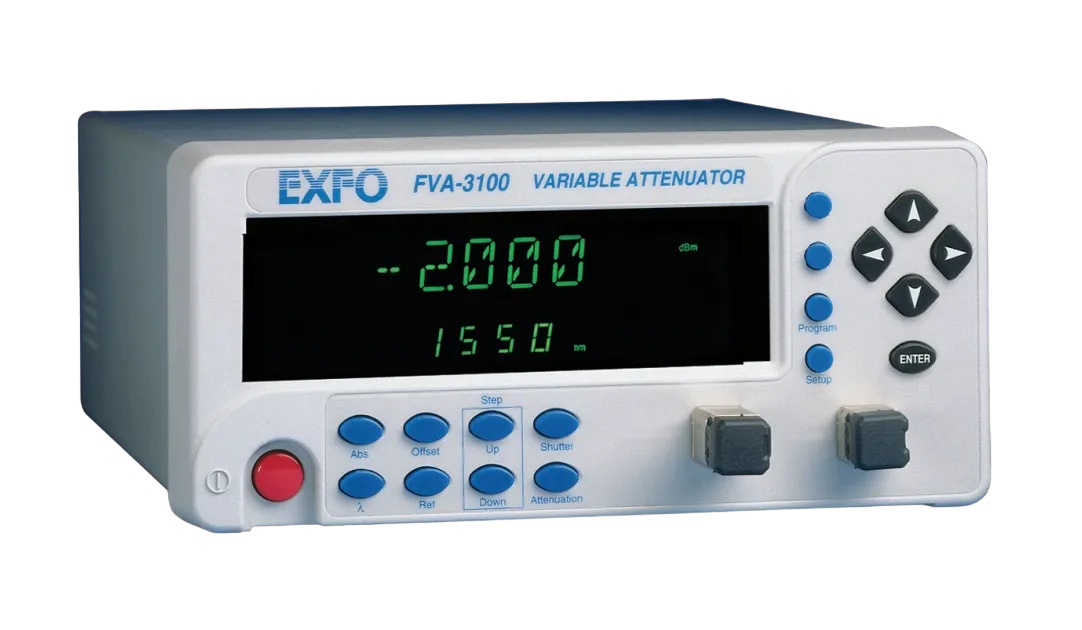
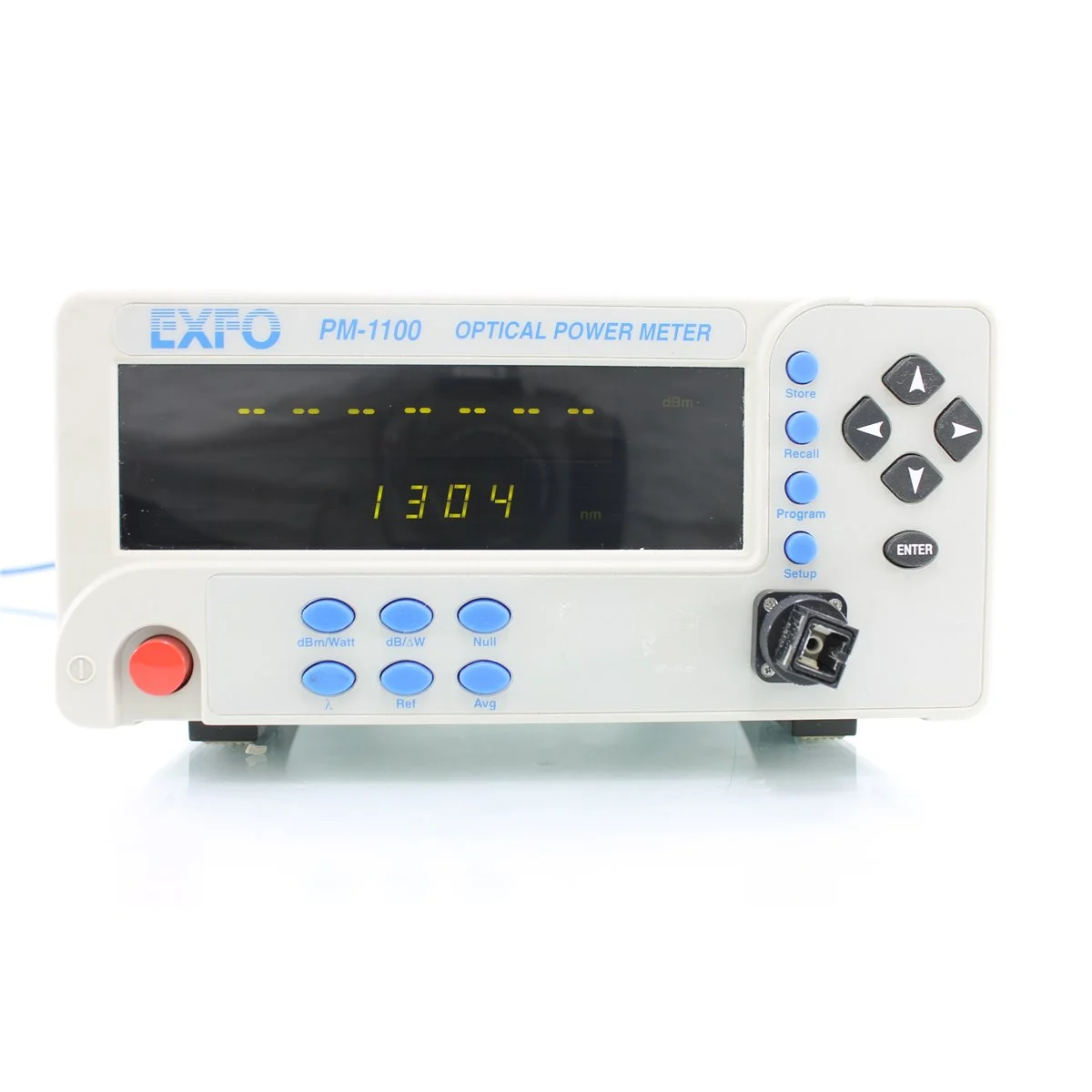
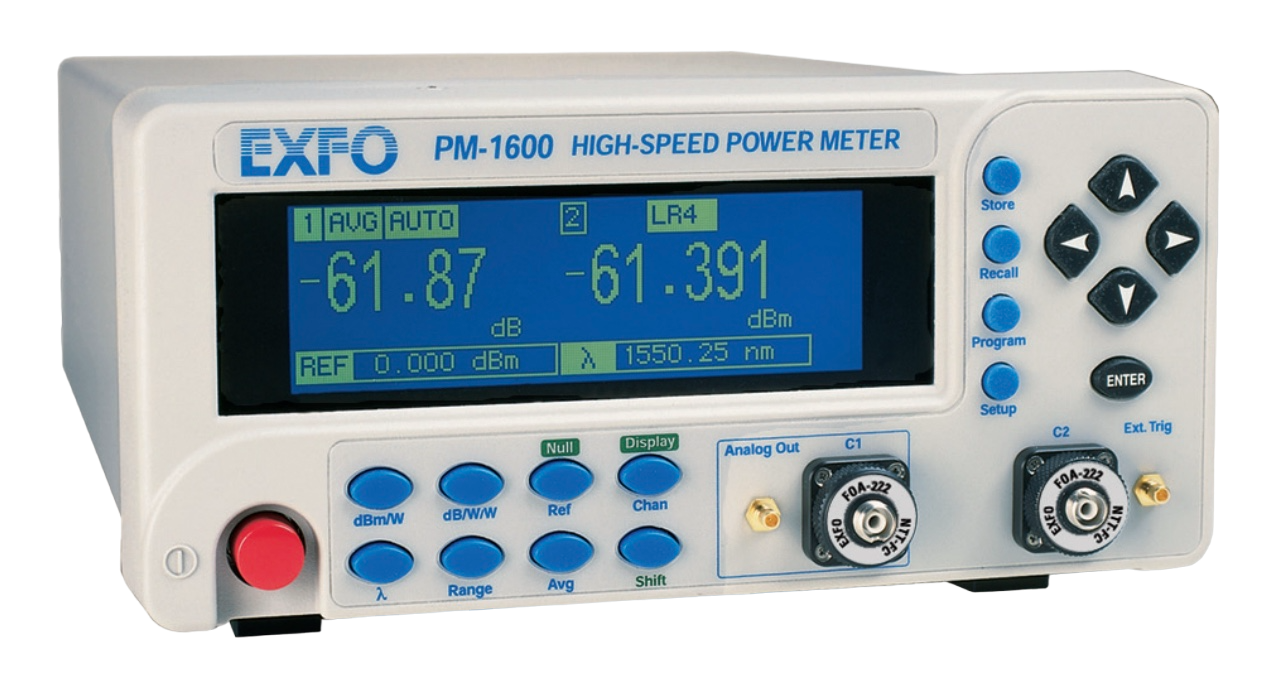
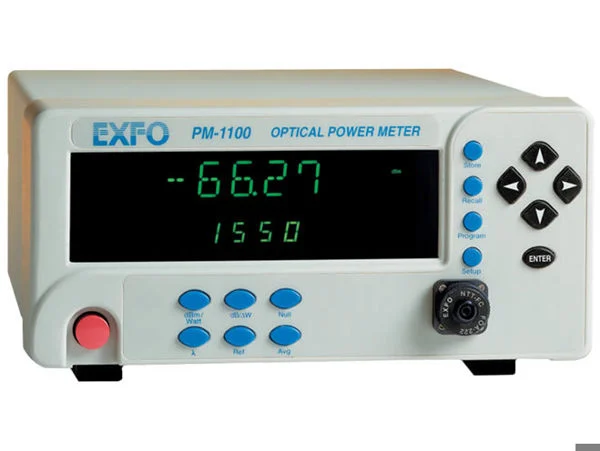
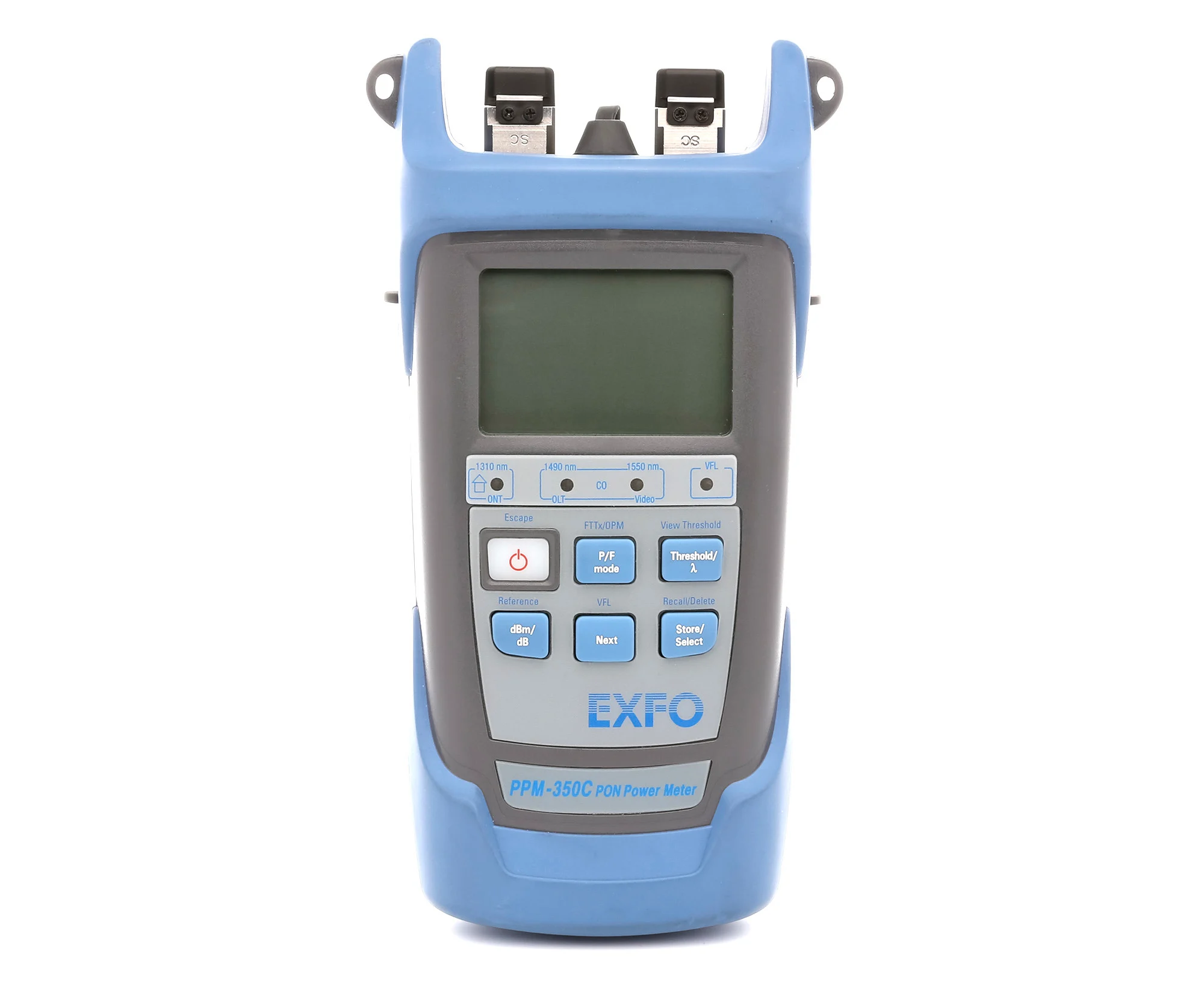
Exfo Optical Power Meters (48 units)
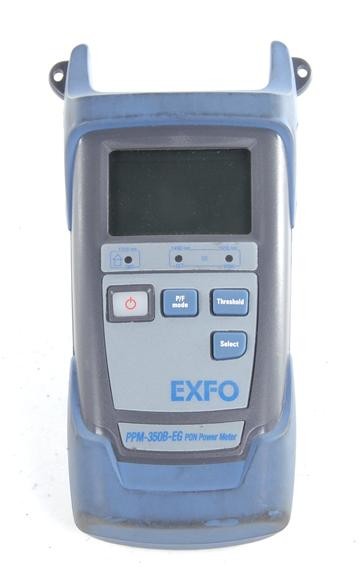
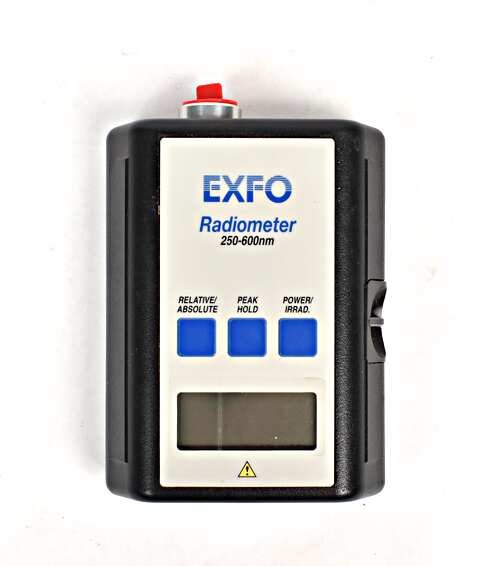
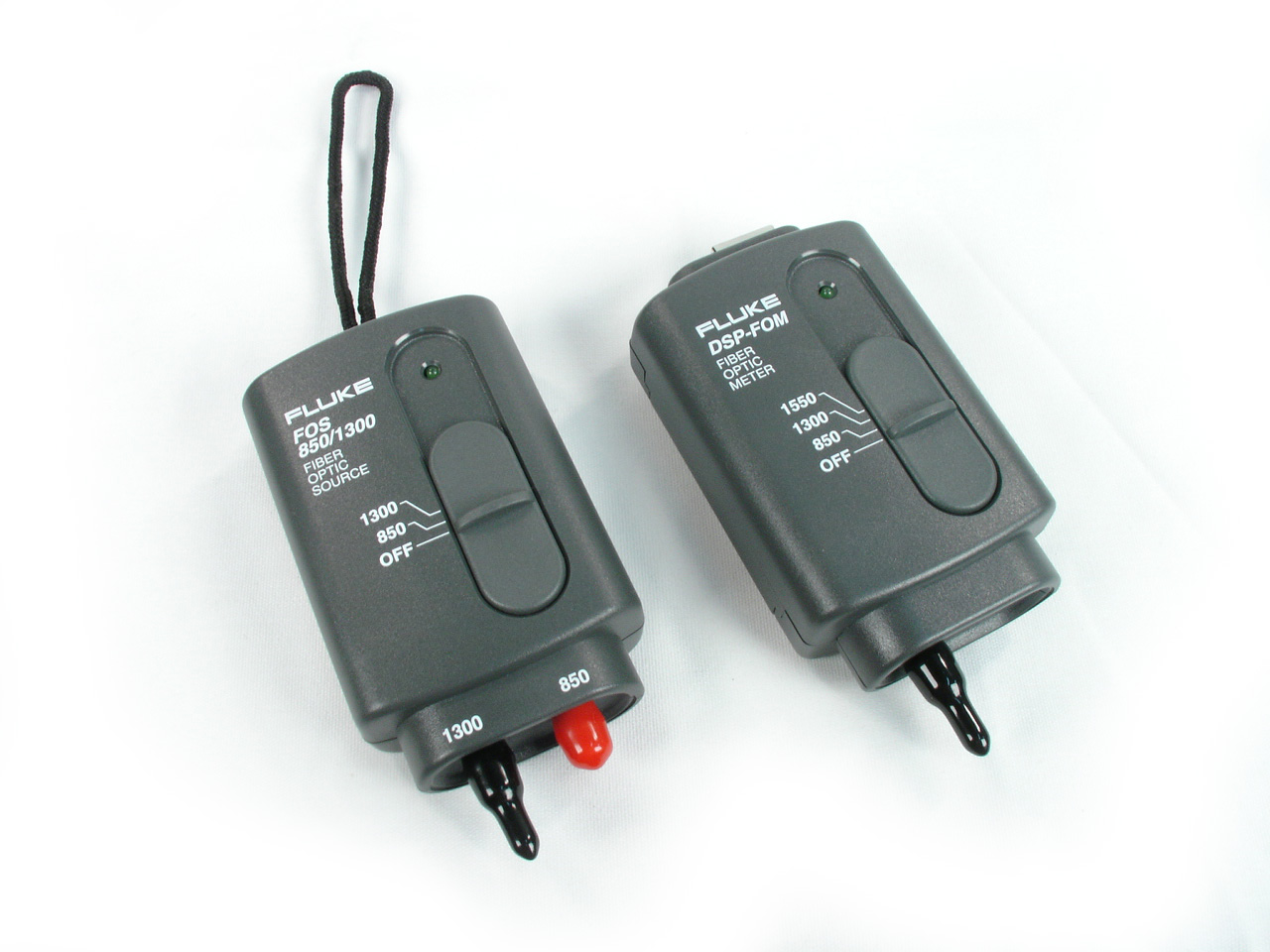
Fluke Optical Power Meters (1 unit)
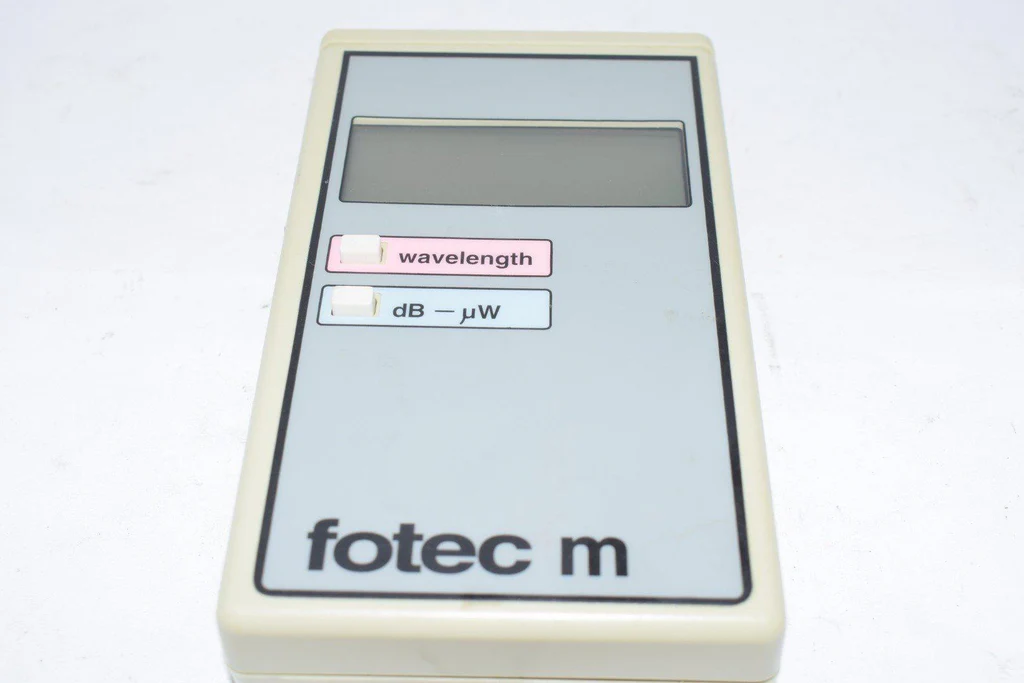
Fotec Optical Power Meters (1 unit)
Gamma Scientific / UDT Instruments Optical Power Meters (1 unit)
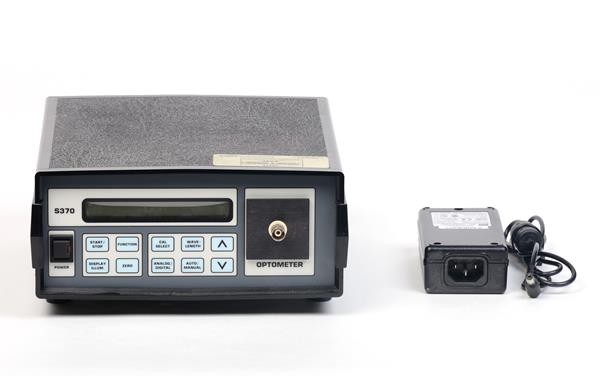
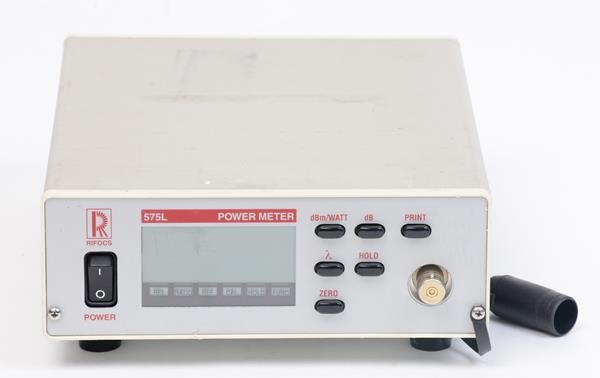
Greenlee / Tempo / RIFOCS Optical Power Meters (1 unit)
HP / Agilent Optical Power Meters (2 units)
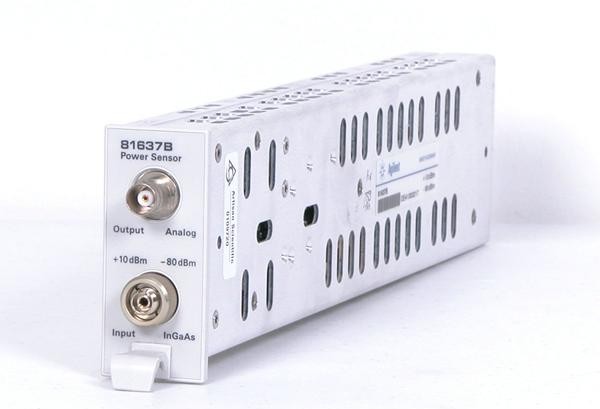
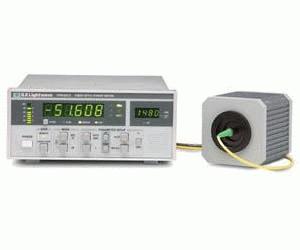
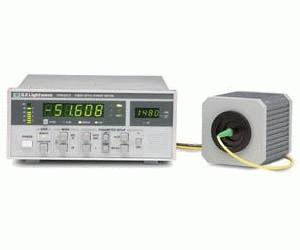
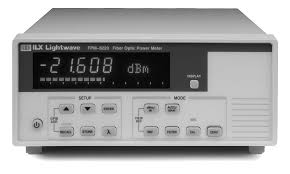
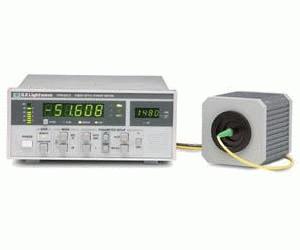
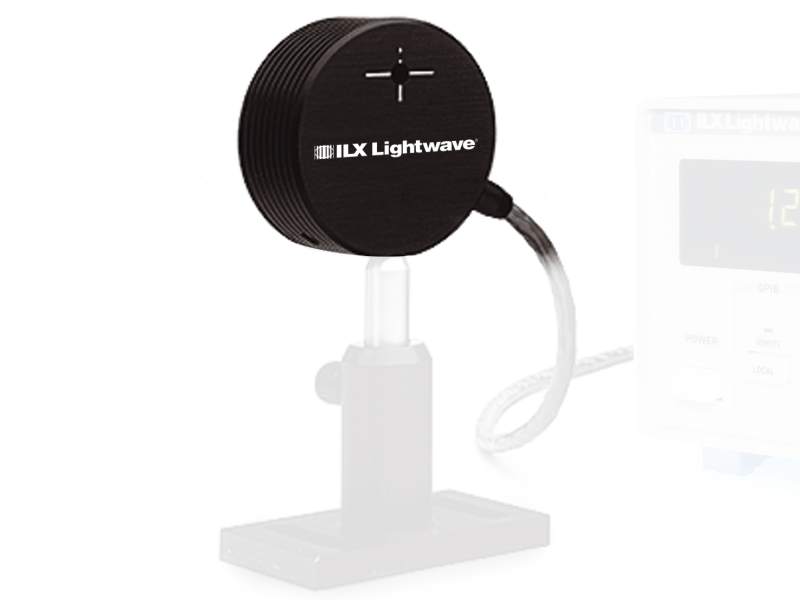
ILX Lightwave Optical Power Meters (9 units)
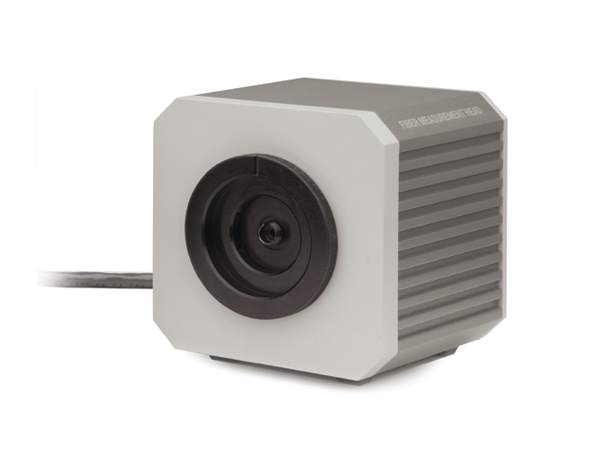
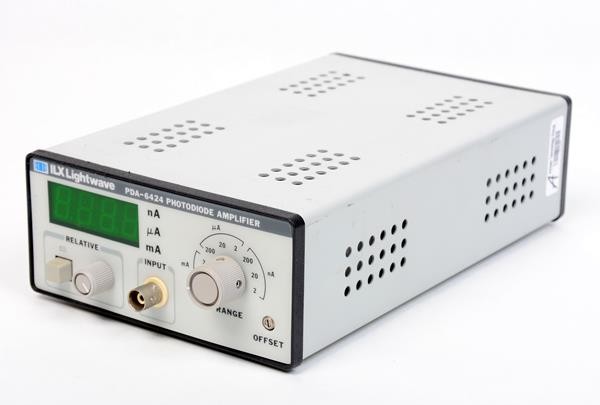
JDS Uniphase Optical Power Meters (12 units)
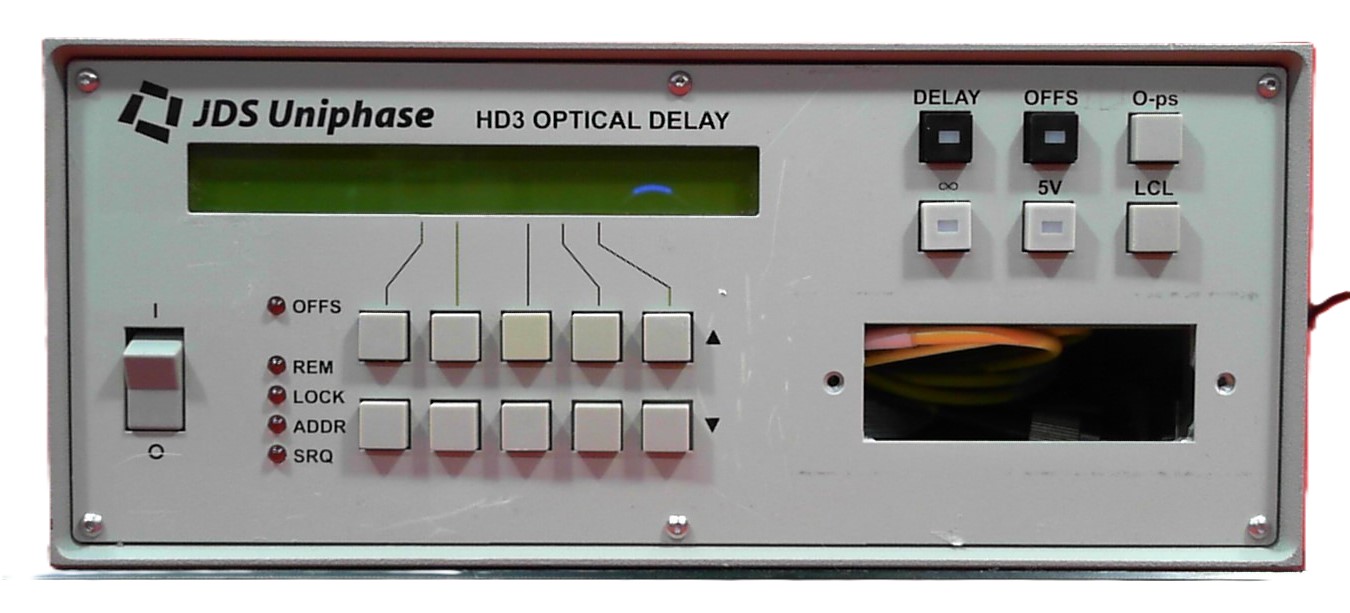
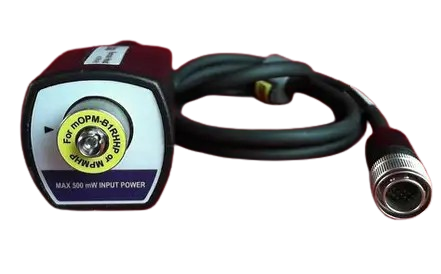
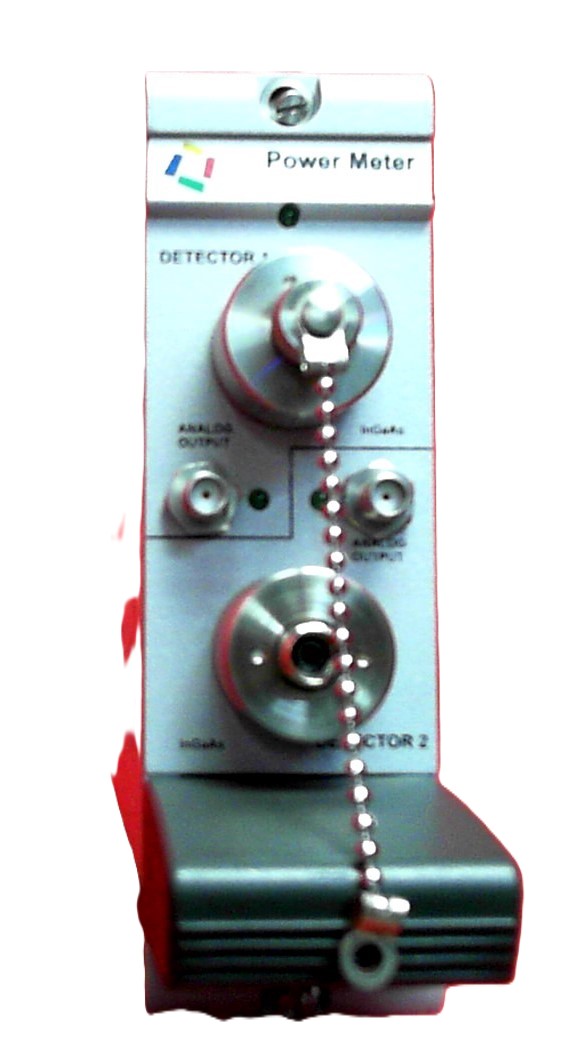
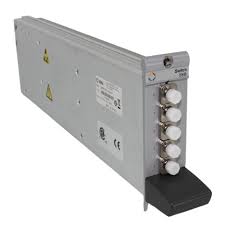
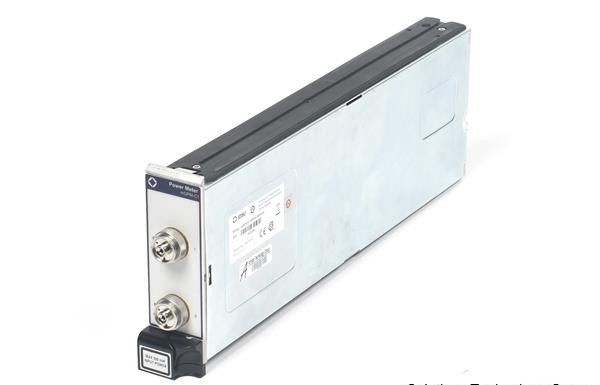
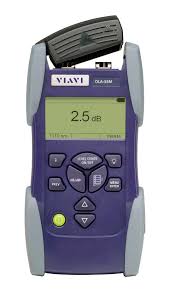
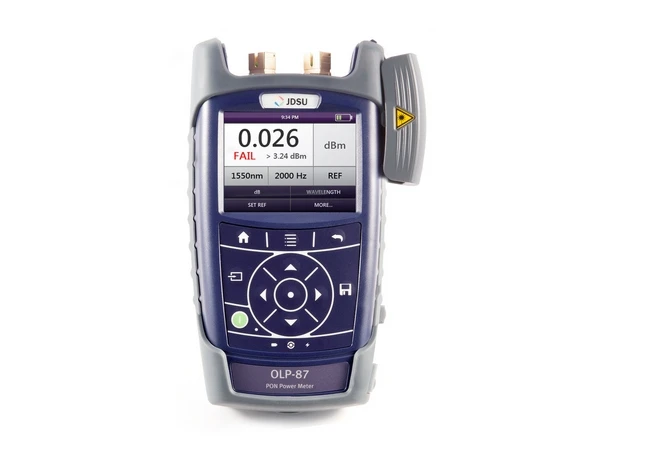
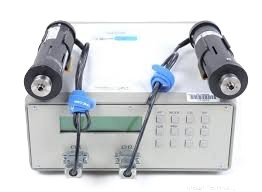
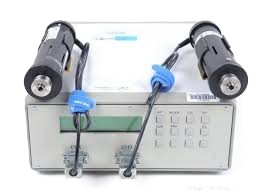
JDSU Optical Power Meters (2 units)
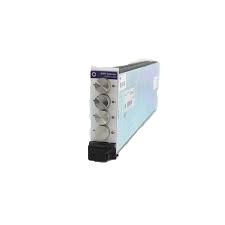
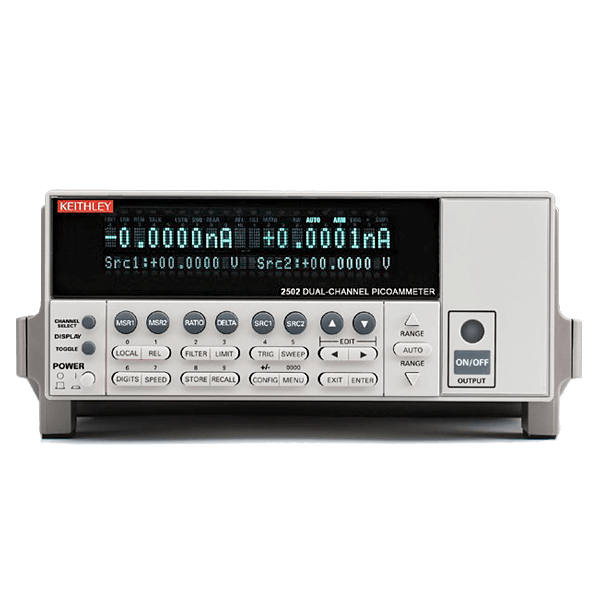
Keithley Optical Power Meters (1 unit)
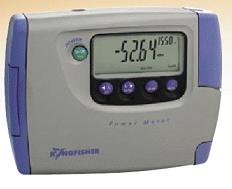
Kingfisher Optical Power Meters (1 unit)
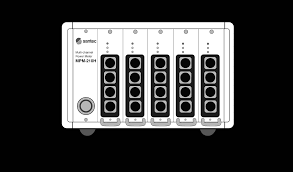
Santec Optical Power Meters (2 units)
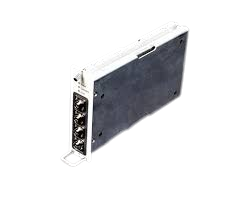
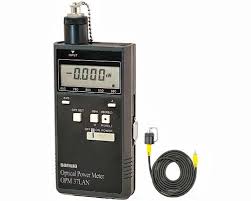
Sanwa Optical Power Meters (1 unit)
Tektronix Optical Power Meters (1 unit)

What to Look for When Buying a Used Optical Power Meter
The detector is the most critical component. InGaAs detectors degrade slowly over years of use, particularly if they have seen sustained high-power inputs above +5 dBm. A used meter from a production test environment — where it measured live signals daily — has a very different detector history than one used occasionally in a lab. Ask for calibration records or request a post-sale calibration before committing to accuracy-sensitive work.
The three specs that matter most: wavelength range (confirm it covers your wavelengths — 1310 nm, 1550 nm, 1625 nm, or 850 nm), power range (lower limit for low-loss measurements, upper limit to protect the detector), and measurement uncertainty (±0.2 dB is adequate for most loss budgets; ±0.1 dB for tight-margin DWDM work).
Agilent / Keysight 8163 and 8164 Platform
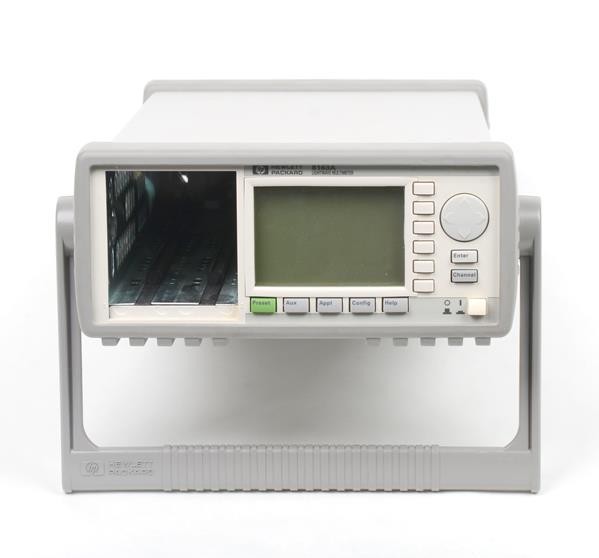
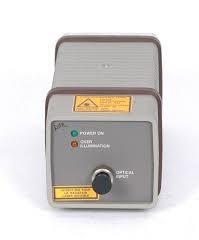
The Agilent 8163A/B and 8164A/B are modular mainframes that take interchangeable power sensor modules, tunable laser modules, and light source modules. The 8163 is a single-slot mainframe; the 8164 takes two modules. Common power sensor modules: the 81618A (InGaAs, −75 to +10 dBm, 950–1700 nm), the 81634B (dual-channel InGaAs), and the 81636B (high-power, −10 to +27 dBm for EDFA output measurement). The mainframe itself rarely fails; the failure points are the module connectors and detector windows on the sensor modules.
See optical power sensor modules → for individual 8163/8164-compatible detector heads.
EXFO Optical Power Meters
The EXFO FPM-302 and FPM-600 series are workhorses in outside-plant fiber testing. The FPM-302 measures 800–1700 nm with InGaAs, down to −70 dBm. The FOT-90 series integrates a power meter and light source in one handheld unit. Common issues on used EXFO meters: cracked adapter caps (replace with the matching EXFO cap for the correct wavelength), aging batteries in older units, and display contrast degradation on early FPM-300 models.
Optical Power Meter Calibration
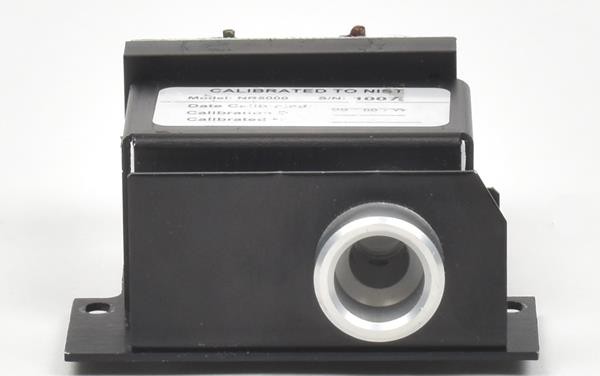
NIST-traceable calibration includes power accuracy verification at the relevant wavelengths (typically 850, 1310, 1490, 1550, and 1625 nm), zero offset verification, and linearity check across the full power range. The calibration certificate records measured deviation at each wavelength — not a pass/fail stamp. We issue certificates with actual measured data, which is what ISO 9001 audits and NIST-traceable traceability chains require. Turnaround is typically 2–3 business days. See all calibration services →
Common Optical Power Meter Repair Issues
The most common bench repairs: (1) contaminated or cracked FC/SC adapter body — the adapter rotates and the detector surface gets scratched when a dirty connector is mated under pressure; (2) detector sensitivity loss from sustained overload — if the unit was regularly used at +10 dBm with a detector rated to +7 dBm, the InGaAs layer degrades permanently; (3) keypad unresponsiveness on older handheld units from membrane switch wear; (4) battery replacement in meters that have sat on a shelf for years. All of these are bench-reparable. Request a repair evaluation →
Frequently Asked Questions
What is an optical power meter used for? +
An optical power meter measures the optical power level in a fiber optic link, typically in dBm or milliwatts. It is used for insertion loss testing, end-to-end link verification, amplifier output measurement, and optical source characterization. Pair it with an optical light source to make a two-ended loss test set.
What detector type do I need — InGaAs, Germanium, or Silicon? +
InGaAs detectors cover 900–1700 nm and are the right choice for virtually all telecom work at 1310 nm, 1550 nm, and 1625 nm. Germanium detectors cover 780–1800 nm with higher noise floor — suited for coarser measurements. Silicon detectors cover 400–1100 nm and are used for visible-wavelength and 850 nm multimode measurements only.
What power range does an optical power meter measure? +
Most telecom-grade meters measure from about +10 dBm down to −70 or −75 dBm. The Agilent 8163/8164 platform with InGaAs sensor modules reaches −75 dBm. The EXFO FPM-302 measures to −70 dBm. For high-power applications above +10 dBm, check the upper limit carefully — exceeding it permanently damages the detector.
How often does an optical power meter need calibration? +
Annual NIST-traceable calibration is standard for quality system compliance and ISO 9001 audits. In practice, if the meter has been dropped, the connector is dirty, or the detector is aging, recalibrate before use. The Agilent 8163 platform is stable — units calibrated two years ago typically verify within 0.1 dB. Older EXFO FPM units drift more on the high end of their range.
What are the most common faults in used optical power meters? +
Connector contamination is the most common issue — an oily or scratched adapter body throws readings off by 1–3 dB. Detector aging causes sensitivity loss, especially in meters that have seen years of high-power inputs. On the Agilent 8163/8164 platform, module connector wear and cracked detector windows are the bench failures we see most. Dead batteries are routine on handheld units.
What connector interface does an optical power meter use? +
Most meters ship with a universal adapter body (2.5 mm ferrule) and accept LC, SC, FC, ST, and MU adapters. The Agilent 8163/8164 uses a proprietary module with its own adapter sleeve. Handheld meters like the EXFO FPM-302 and AFL OPM-4 accept interchangeable adapter caps. Confirm the adapter type before ordering if your lab uses non-standard connectors.
Can I use an optical power meter without a light source? +
Yes, for measuring live network power levels, amplifier outputs, or source output characterization. For insertion loss testing of passive components and fiber runs, you need a stable optical light source at the far end. Measuring insertion loss with a live signal is possible but error-prone because DWDM channels carry variable power — use a dedicated light source for accurate loss measurements.
Where can I get optical power meter calibration and repair in the US? +
Aumictech Labs calibrates and repairs optical power meters at our Pleasant Grove, UT facility. We accept units from anywhere in the United States. NIST-traceable calibration certificates issued with measured data. Common repairs: detector replacement, connector body replacement, keypad and display repair. Free evaluation before any work. Flat-rate pricing.
Need a specific model or wavelength range?
We source specific optical power meters on request. Tell us the wavelength range, connector type, and whether you need a calibration certificate, and we'll check our incoming stock.
Get in touch