
Used Clock & Timing Analyzers
37 units in stock — jitter/timing analysis modules and precision frequency references from Agilent/Keysight, Stanford Research Systems, and Brandywine Communications. Ships from Pleasant Grove, UT.
Agilent / Keysight Clock & Timing Analyzers (17 units)
Anritsu Clock & Timing Analyzers (1 unit)
Brandywine Communications Clock & Timing Analyzers (1 unit)
E-MU Clock & Timing Analyzers (1 unit)
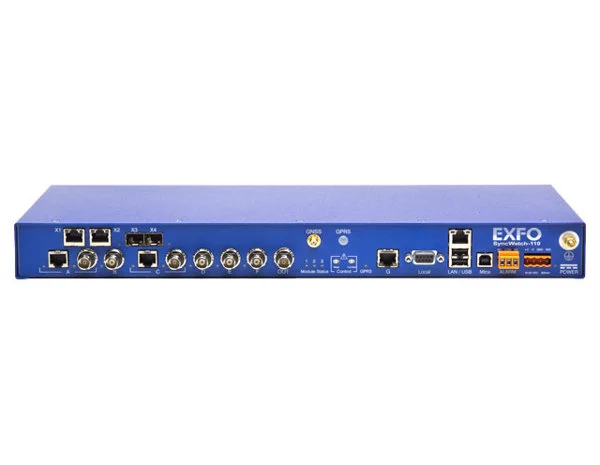
Exfo Clock & Timing Analyzers (1 unit)
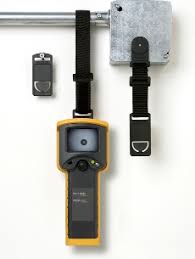
Fluke Clock & Timing Analyzers (1 unit)
Galleon Clock & Timing Analyzers (1 unit)
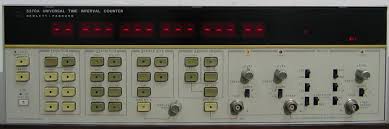
HP / Agilent Clock & Timing Analyzers (6 units)
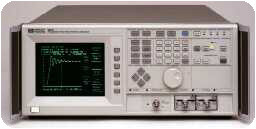
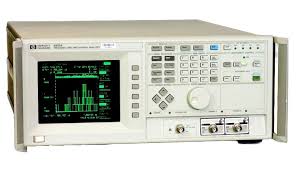
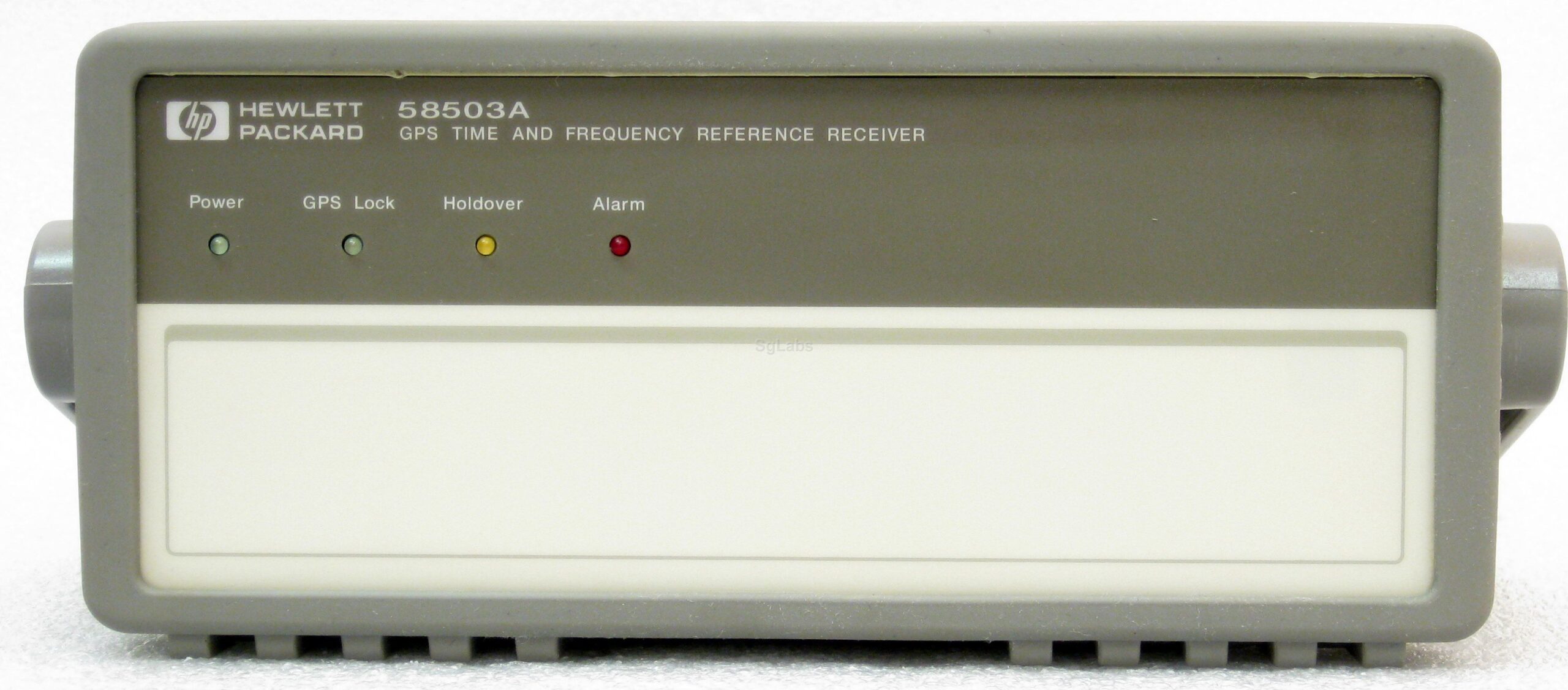
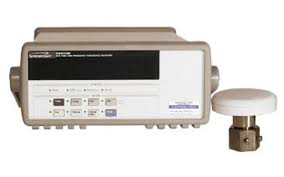
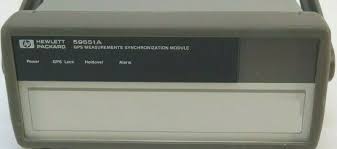
Keysight / Agilent Clock & Timing Analyzers (1 unit)
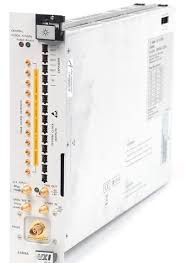
LARUS Clock & Timing Analyzers (1 unit)
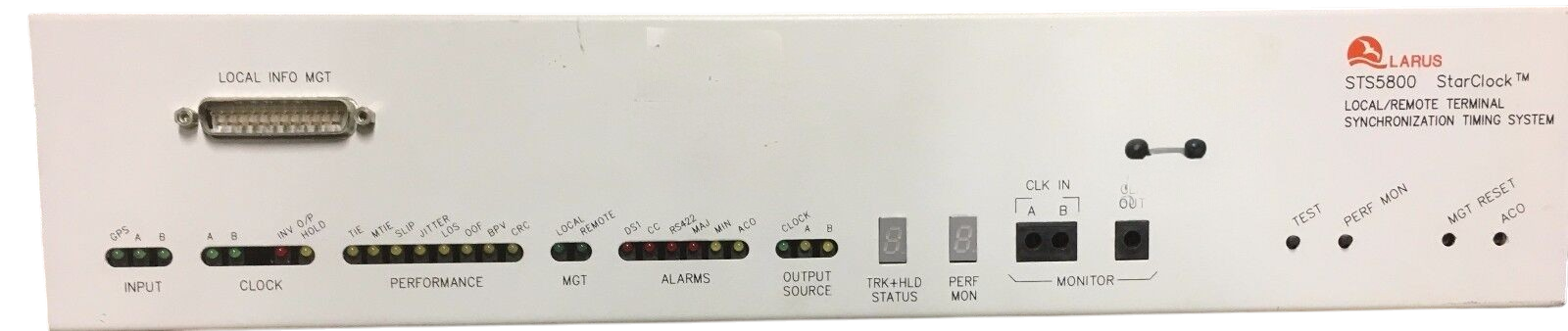
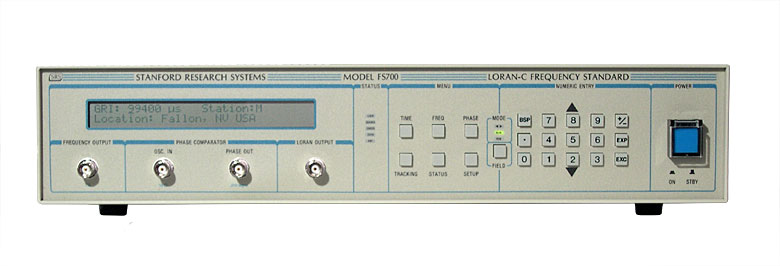
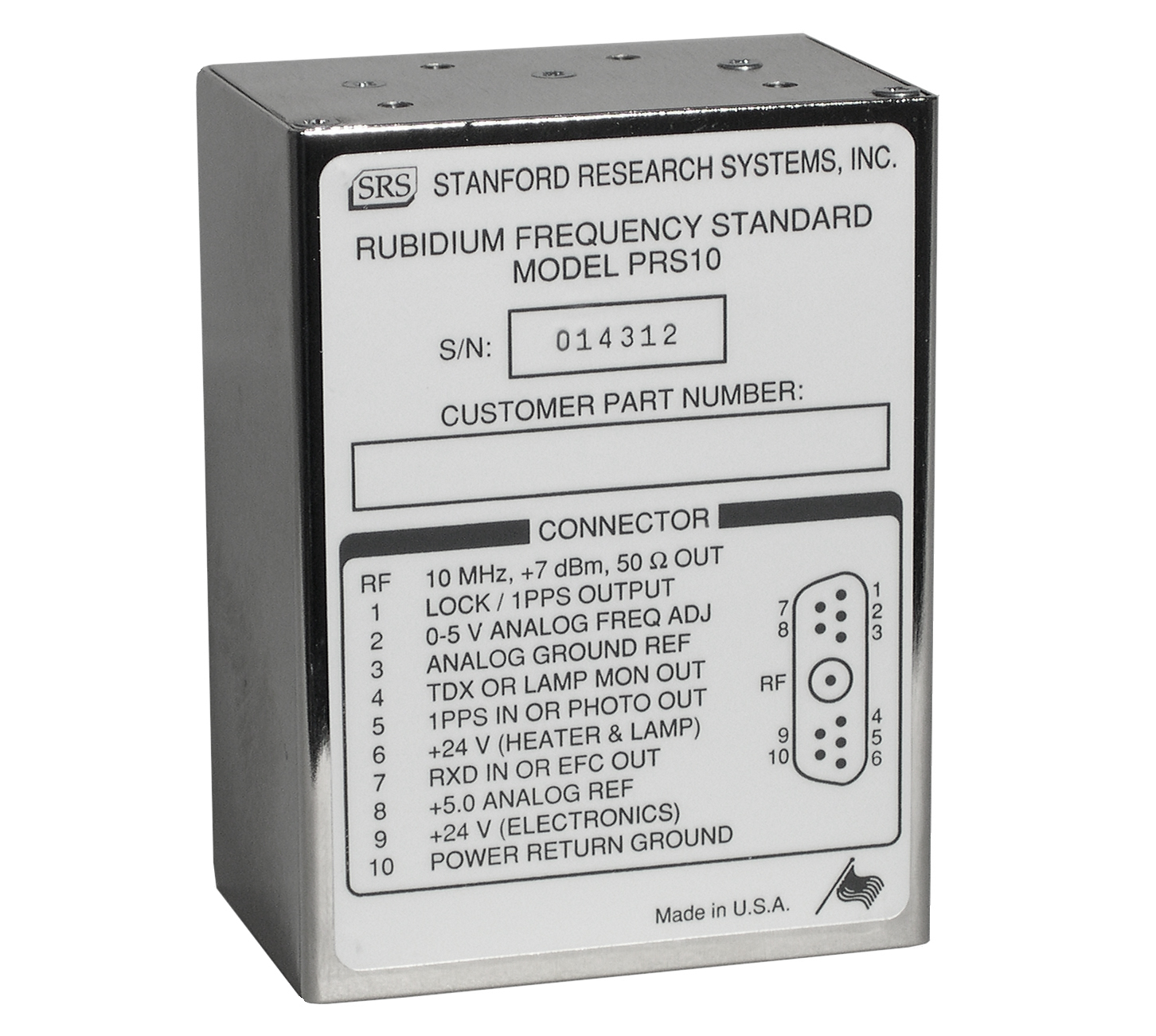
Stanford Research Systems Clock & Timing Analyzers (4 units)
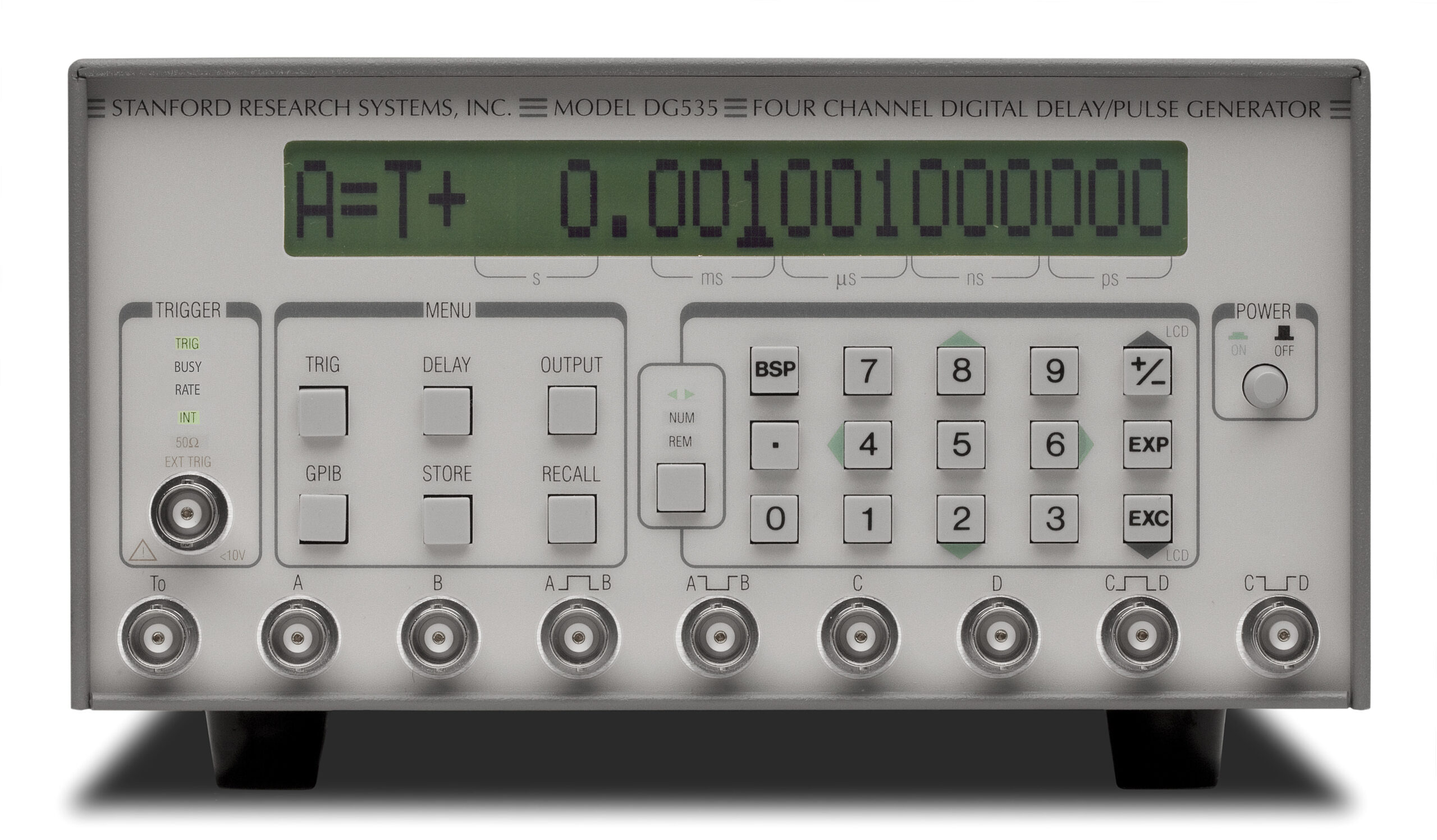

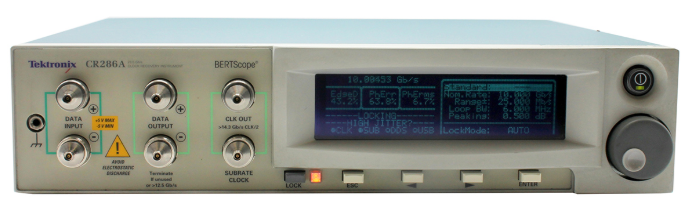
Tektronix Clock & Timing Analyzers (1 unit)
Wandel & Goltermann Clock & Timing Analyzers (1 unit)
What Clock and Timing Analysis Measures
These instruments characterize how accurately and how cleanly a clock signal keeps time — jitter (short-term cycle-to-cycle timing variation), wander (longer-term drift), phase noise, and basic frequency accuracy. This matters most in telecom and data networks, where every node in a synchronized system needs to agree on timing closely enough for the network to run without bit errors creeping in.
Precision Frequency References and Standards
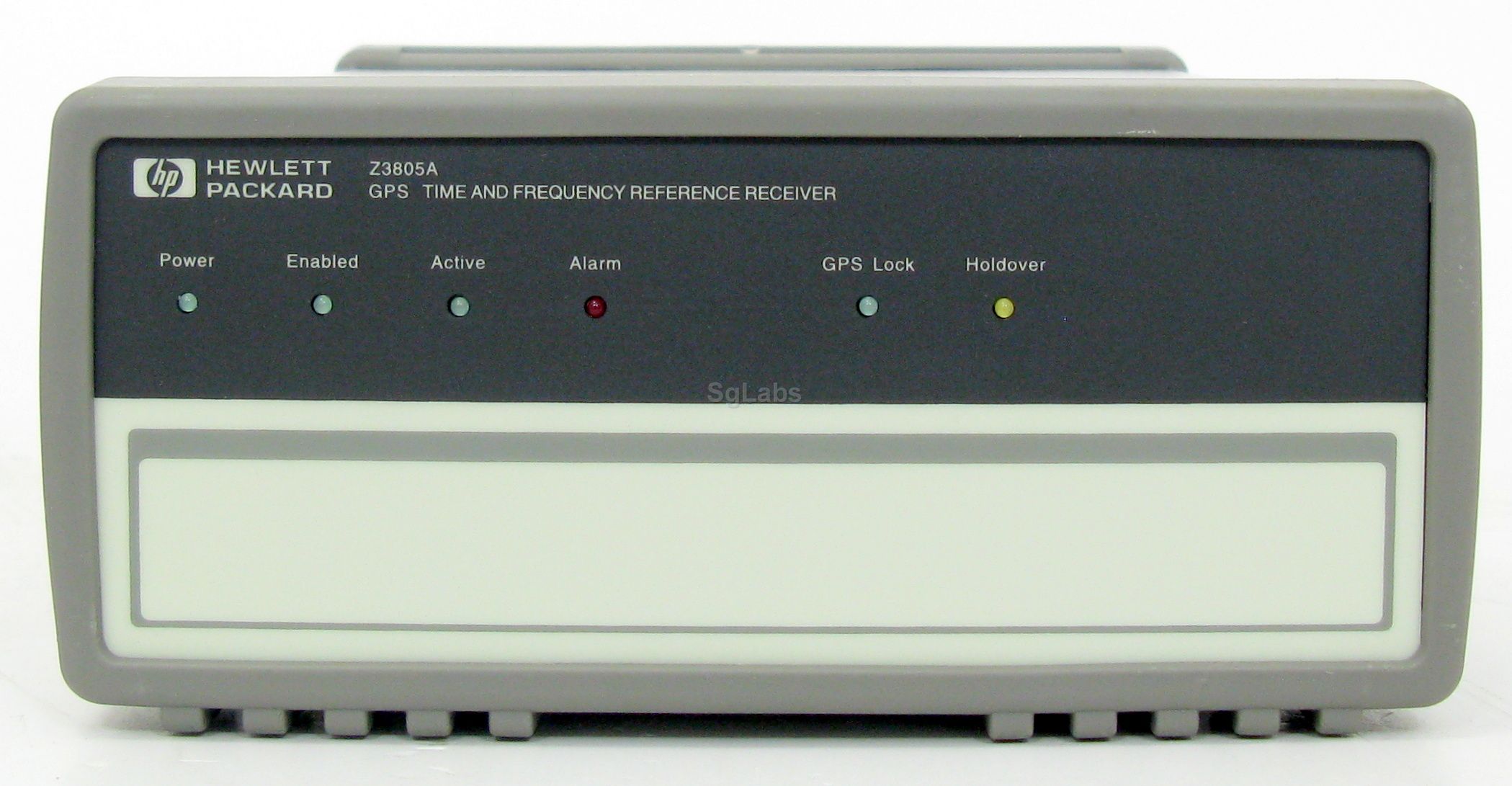
Stanford Research Systems and Brandywine Communications build standalone frequency standards and precision timing references — the source of truth other equipment gets synchronized against, rather than an analyzer measuring someone else's signal. The Agilent Z3805A is a GPS-disciplined frequency standard, locking its internal oscillator to GPS satellite timing to deliver a highly stable, traceable reference without needing an atomic or rubidium clock of your own — commonly used as a lab's master timing reference.
Jitter and Timing Analysis Modules
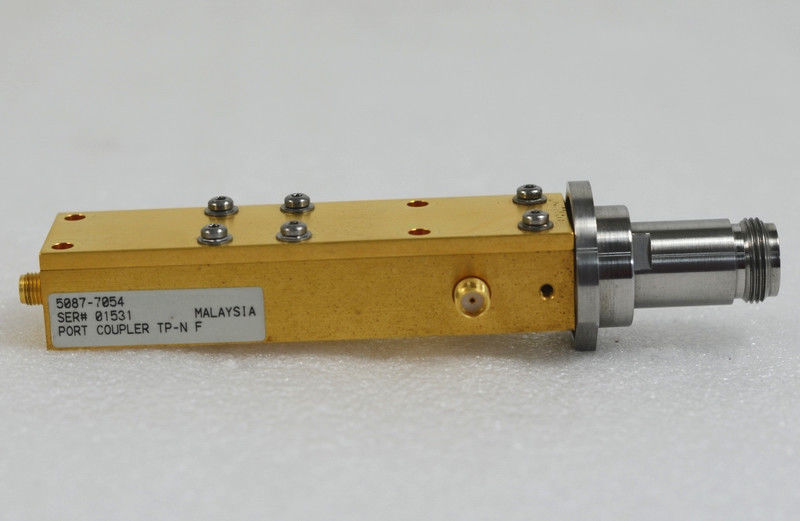
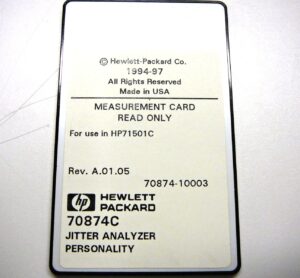
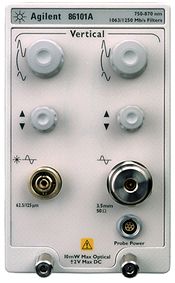
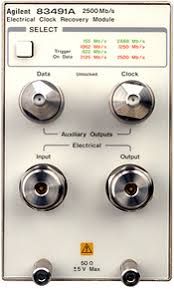
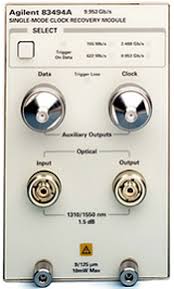
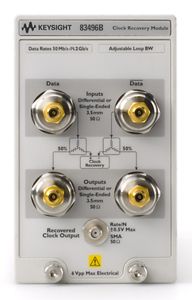
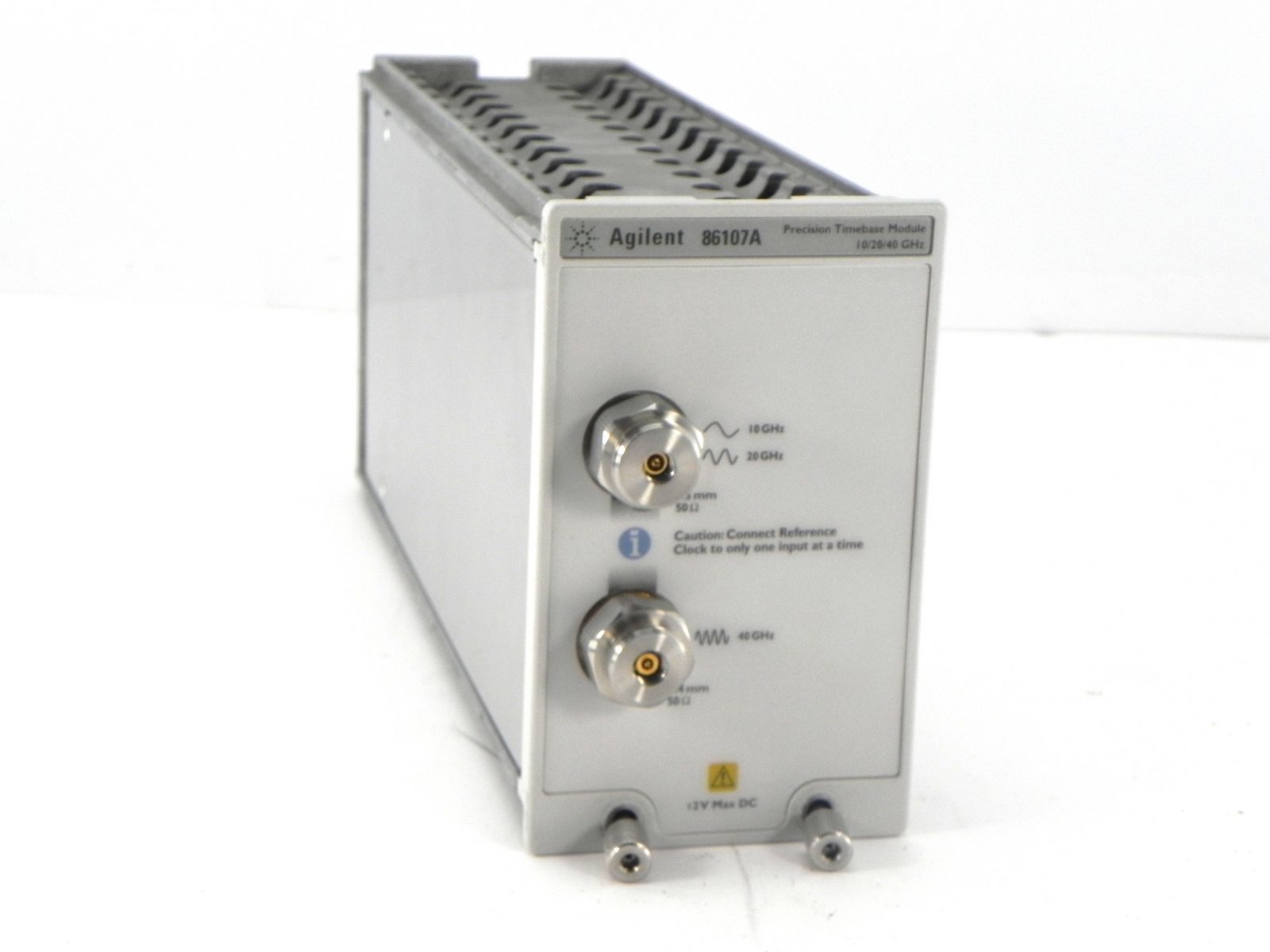
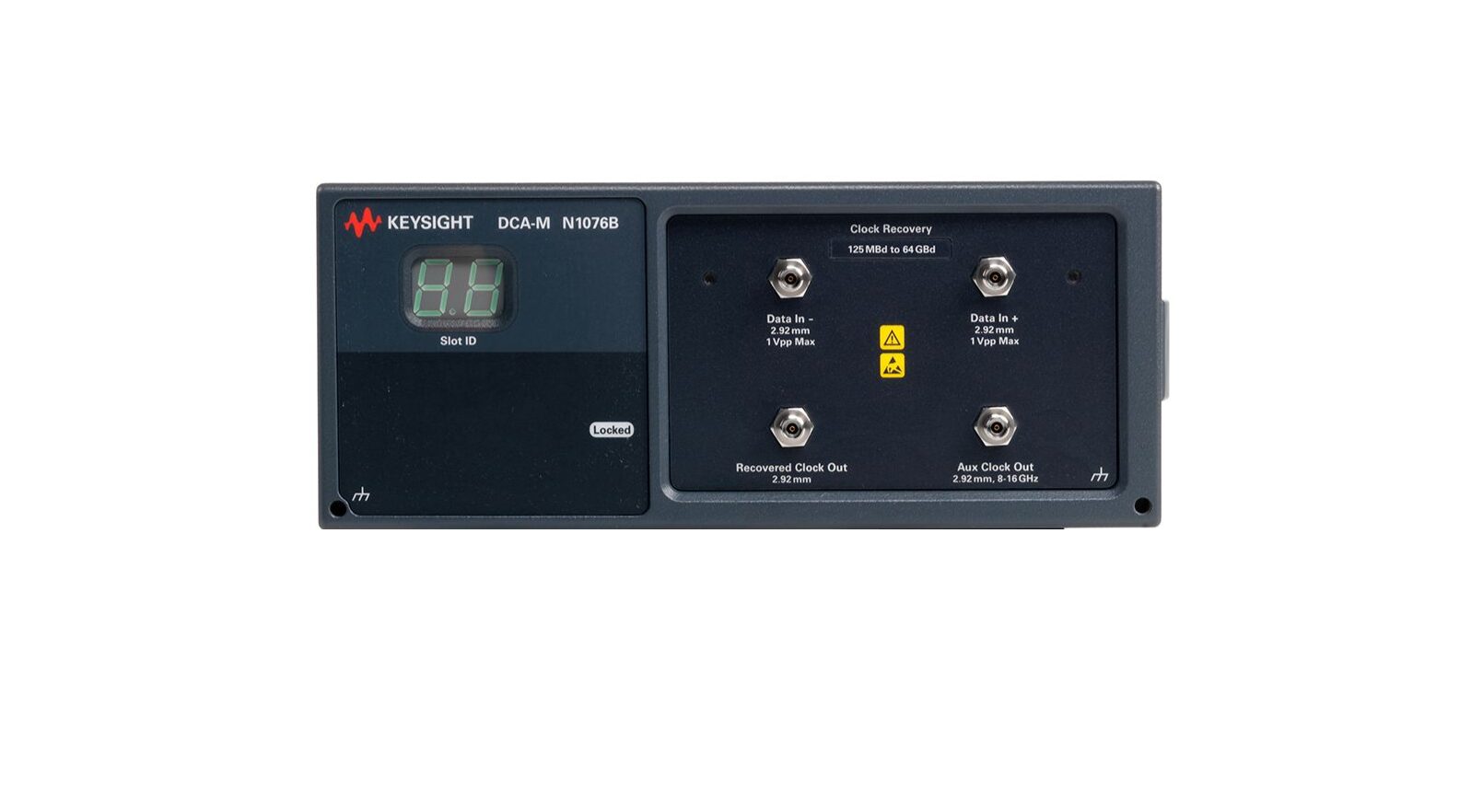
Most of the Agilent/Keysight listings here — the 834xx and 107x-series parts — are jitter and timing analysis modules rather than standalone instruments. They install into a compatible lightwave signal analyzer or communications signal analyzer mainframe and have no display or control interface of their own. Confirm mainframe compatibility before ordering one of these modules on its own; a module without a host mainframe can't do anything.
What to Check Before Buying
For module-format products, confirm you have (or are sourcing) a compatible host mainframe. For standalone references and standards, confirm the frequency and stability specification actually meets what your downstream calibration or synchronization requirement calls for — a GPS-disciplined standard and a basic crystal reference serve very different accuracy tiers.
Calibration for Clock and Timing Equipment
Calibration on a frequency standard or reference verifies long-term frequency accuracy and stability against a traceable source, typically the most important spec on this class of instrument since it's often serving as the reference other equipment gets checked against. Jitter/timing modules are generally calibrated as part of their host mainframe system. See all calibration services →
Frequently Asked Questions
What does a clock/timing analyzer actually measure? +
It characterizes how accurately and how cleanly a clock signal keeps time — jitter (short-term timing variation cycle-to-cycle), wander (longer-term drift), and phase noise, along with basic frequency accuracy. This matters most in telecom and data networks, where every node in a synchronized system needs to agree closely enough on timing for the network to function without bit errors.
What is the difference between a standalone timing reference and a jitter/timing analysis module? +
Standalone units like Stanford Research Systems' frequency standards, Brandywine Communications' precision references, and Agilent's Z3805A (a GPS-disciplined frequency standard) generate or discipline a timing reference signal — they're the source of truth other equipment gets synchronized against. Jitter and timing analysis modules, which make up most of the Agilent/Keysight listings here, instead measure an existing clock signal's quality and typically install into a lightwave or communications signal analyzer mainframe rather than working standalone.
What is a GPS-disciplined frequency standard used for? +
A unit like the Agilent Z3805A locks its internal oscillator to GPS satellite timing signals, giving you a highly stable, traceable frequency and time reference without needing your own atomic clock or rubidium standard. These are commonly used as a lab's master reference for calibrating other frequency-sensitive equipment.
Do I need the host mainframe to use a timing analysis module? +
Yes, for the module-format products in this category — the Agilent 834xx and 107x-series parts are designed to plug into a compatible lightwave signal analyzer or communications signal analyzer mainframe and have no standalone display or control of their own. Confirm mainframe compatibility before ordering a module on its own.
Need a specific accuracy or stability spec?
Tell us your reference or measurement requirements, and we'll check our incoming stock.
Get in touch