
Used Optical Attenuators for Sale — Fixed & Variable VOA
141 units in stock — Agilent, Keysight, HP, EXFO, Viavi, JDS Uniphase, Santec, and more. Fixed attenuators, variable optical attenuators (VOA), and benchtop programmable models. NIST-traceable calibration available. Ships from Pleasant Grove, UT.
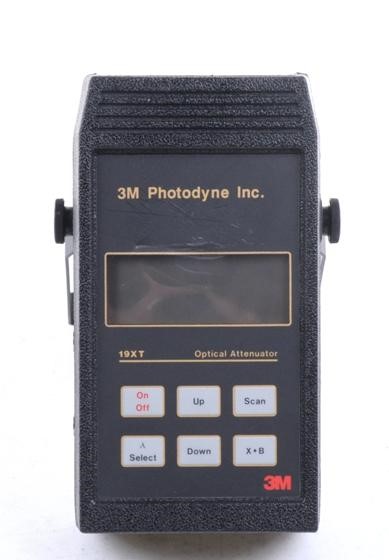
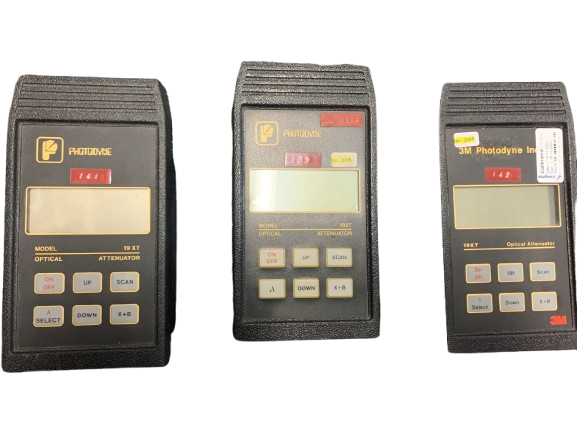
3M Photodyne Optical Attenuators (2 units)
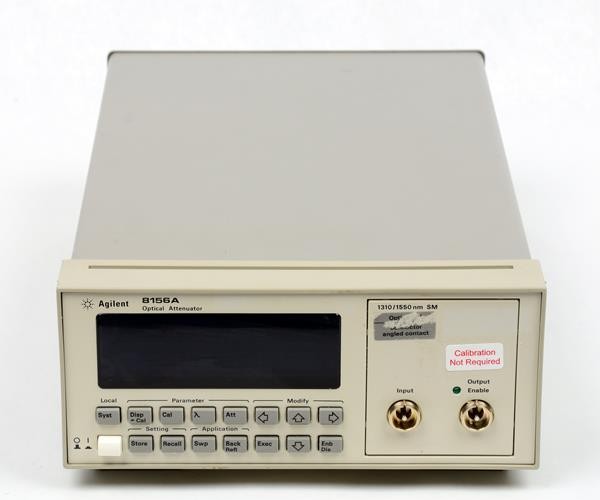
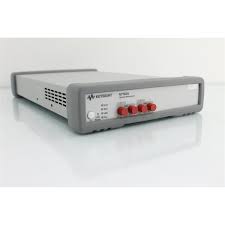
Agilent / Keysight Optical Attenuators (12 units)
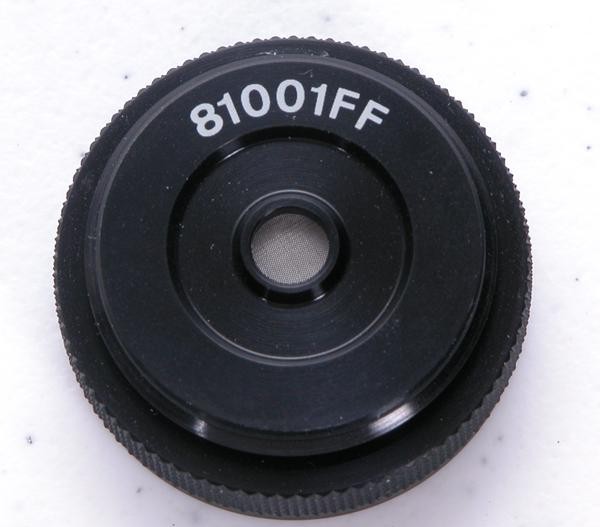
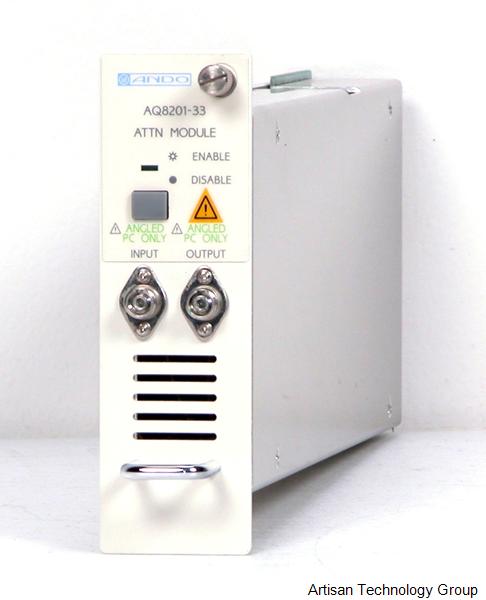
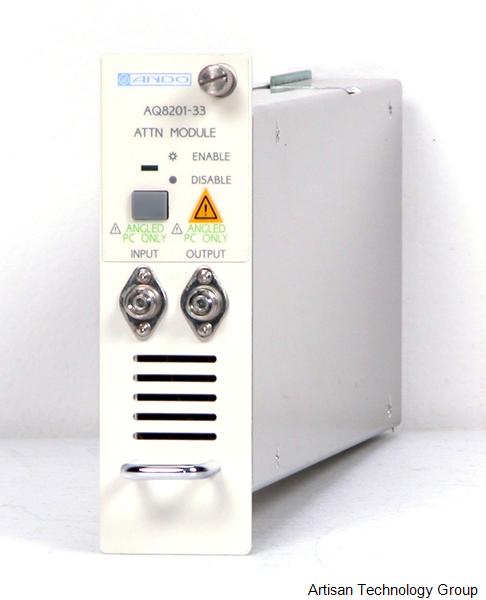
Ando Optical Attenuators (8 units)
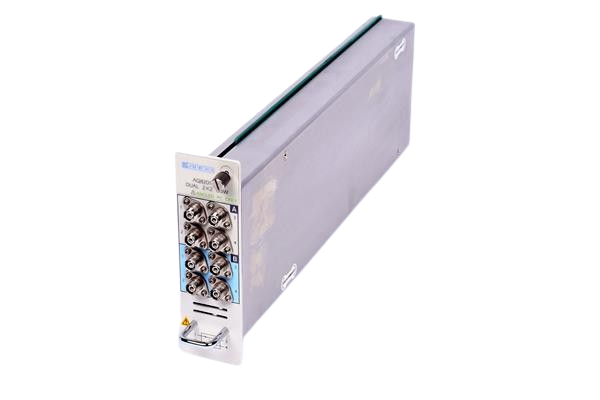
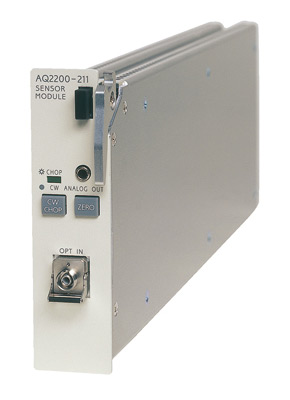
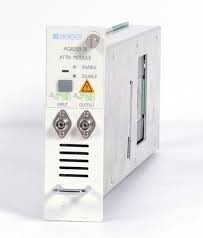
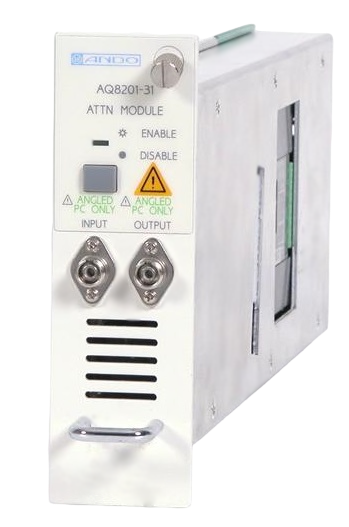
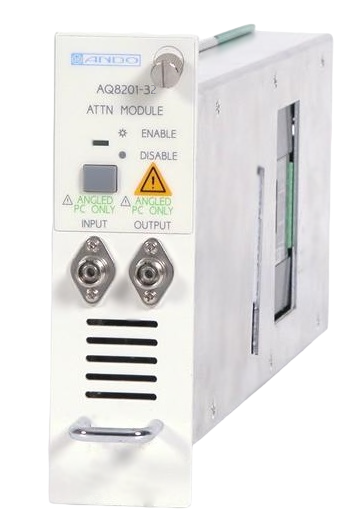
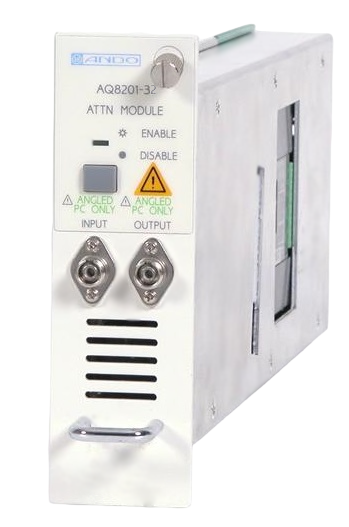
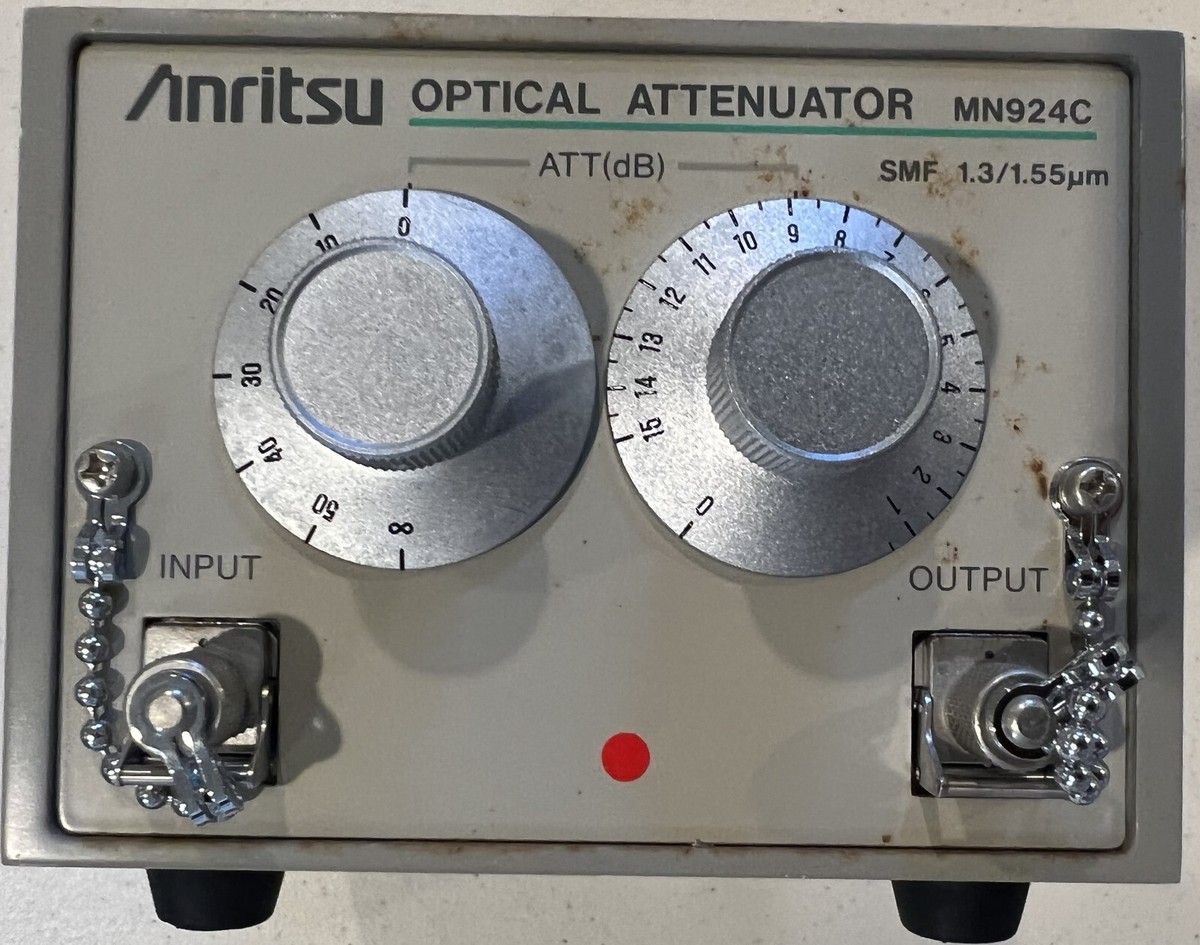
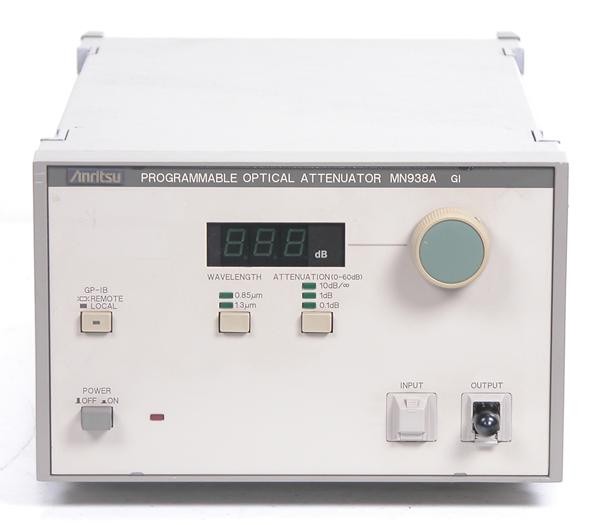
Anritsu Optical Attenuators (3 units)
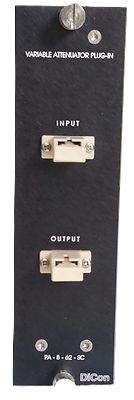
DiCon Optical Attenuators (2 units)
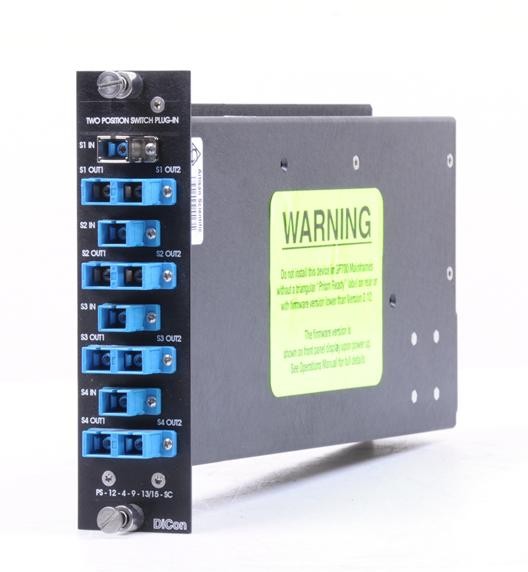
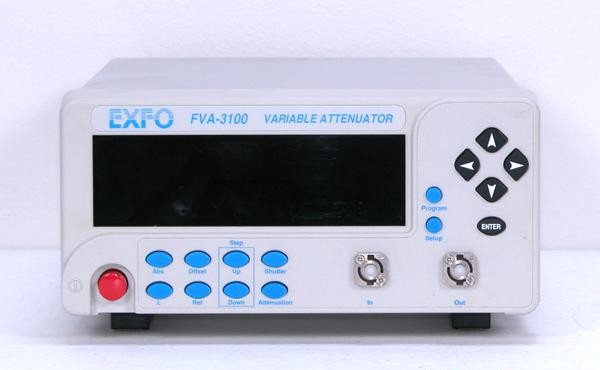
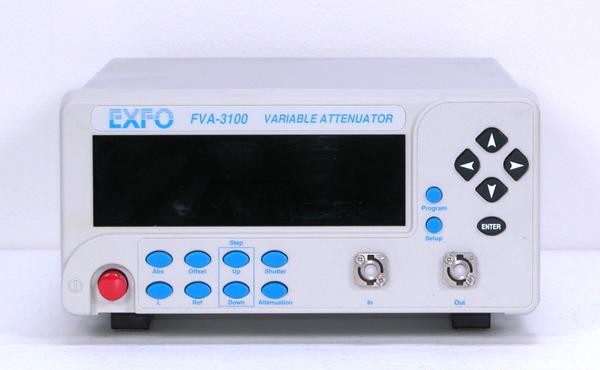
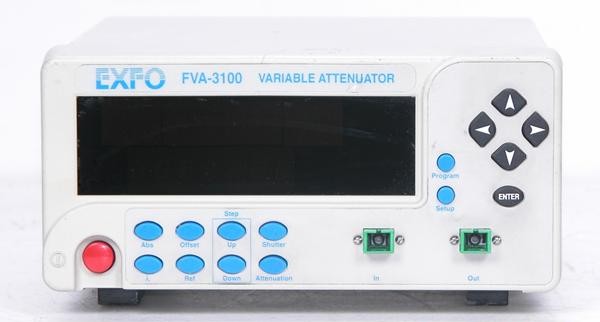
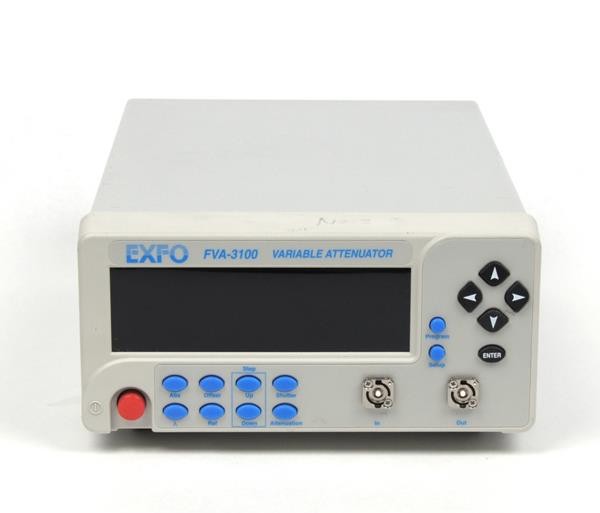
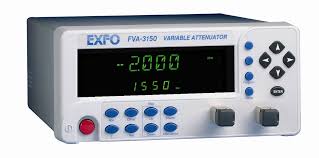
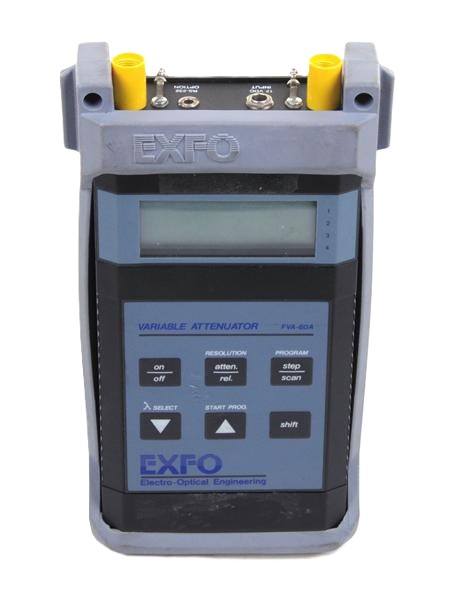
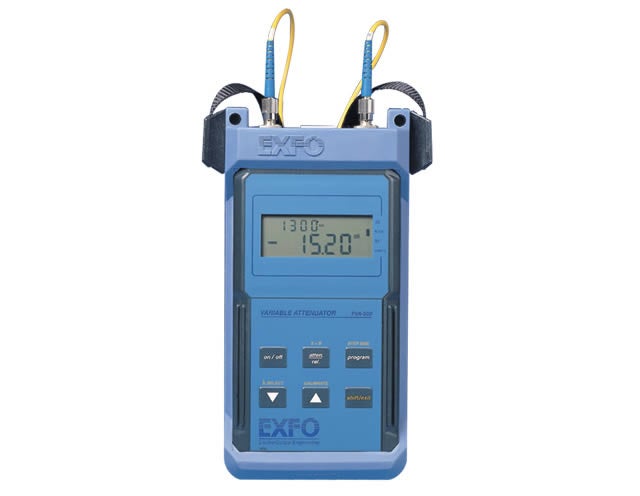
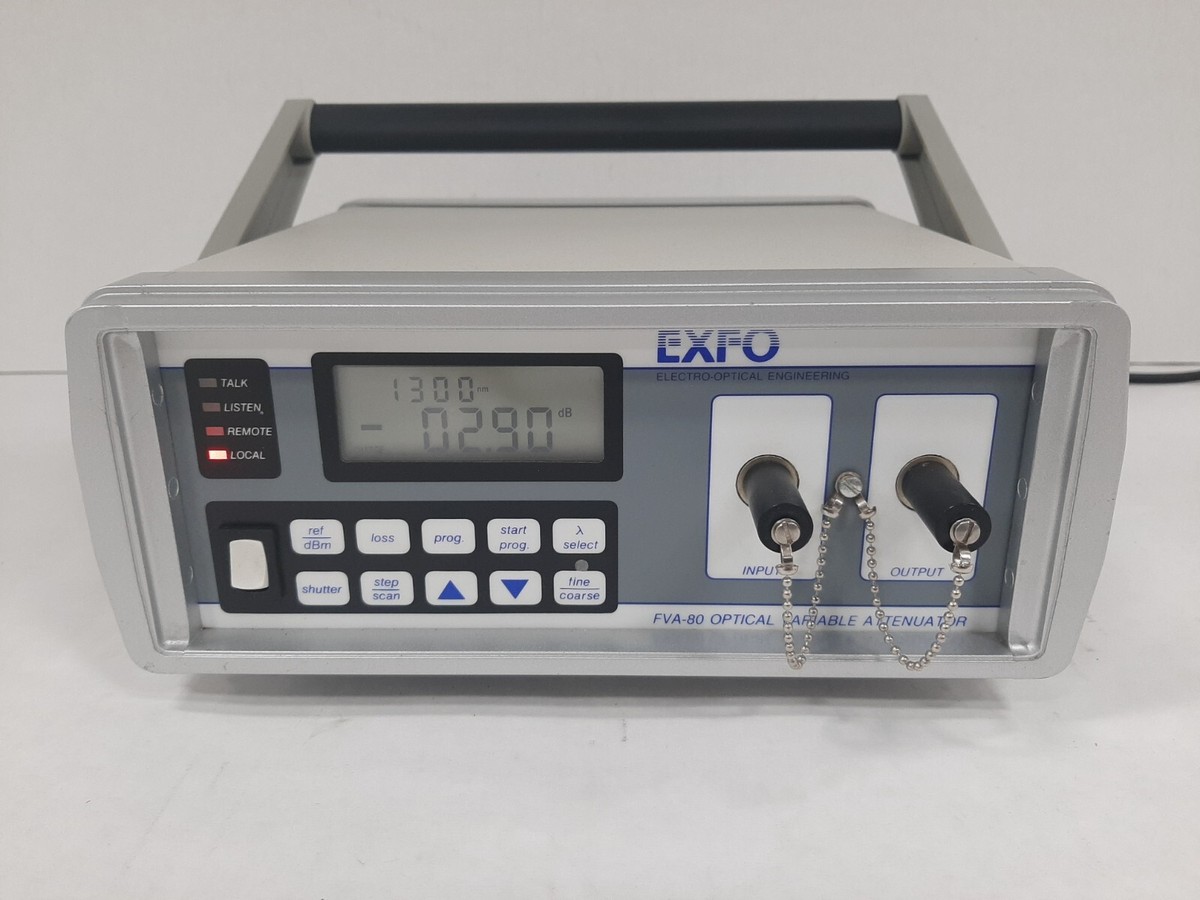
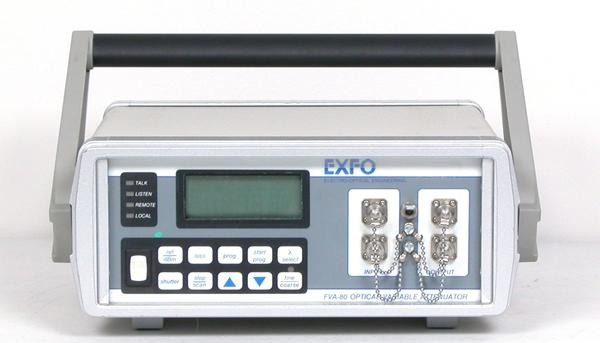
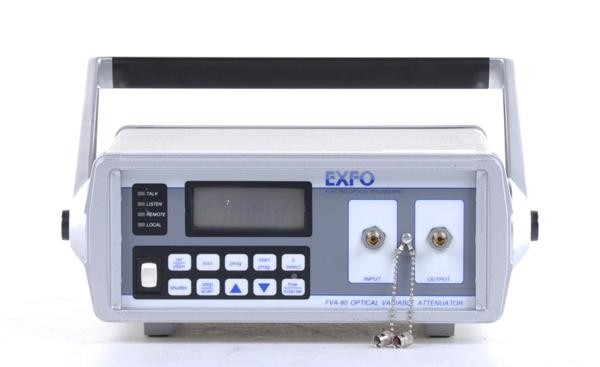
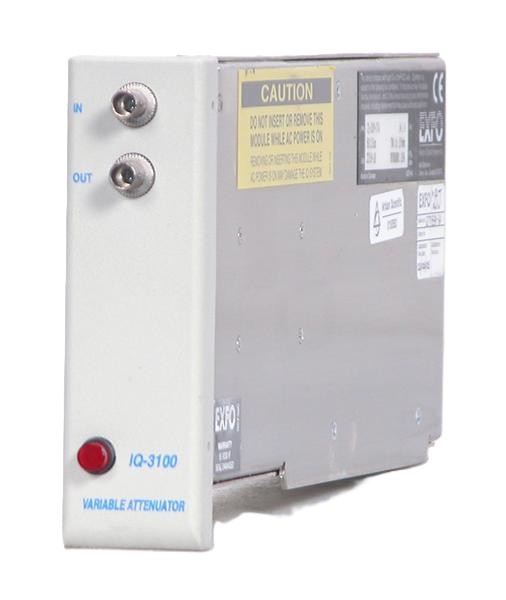
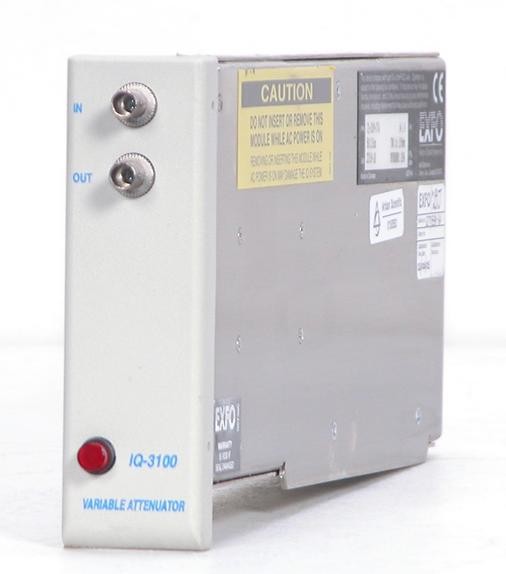
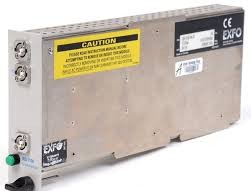
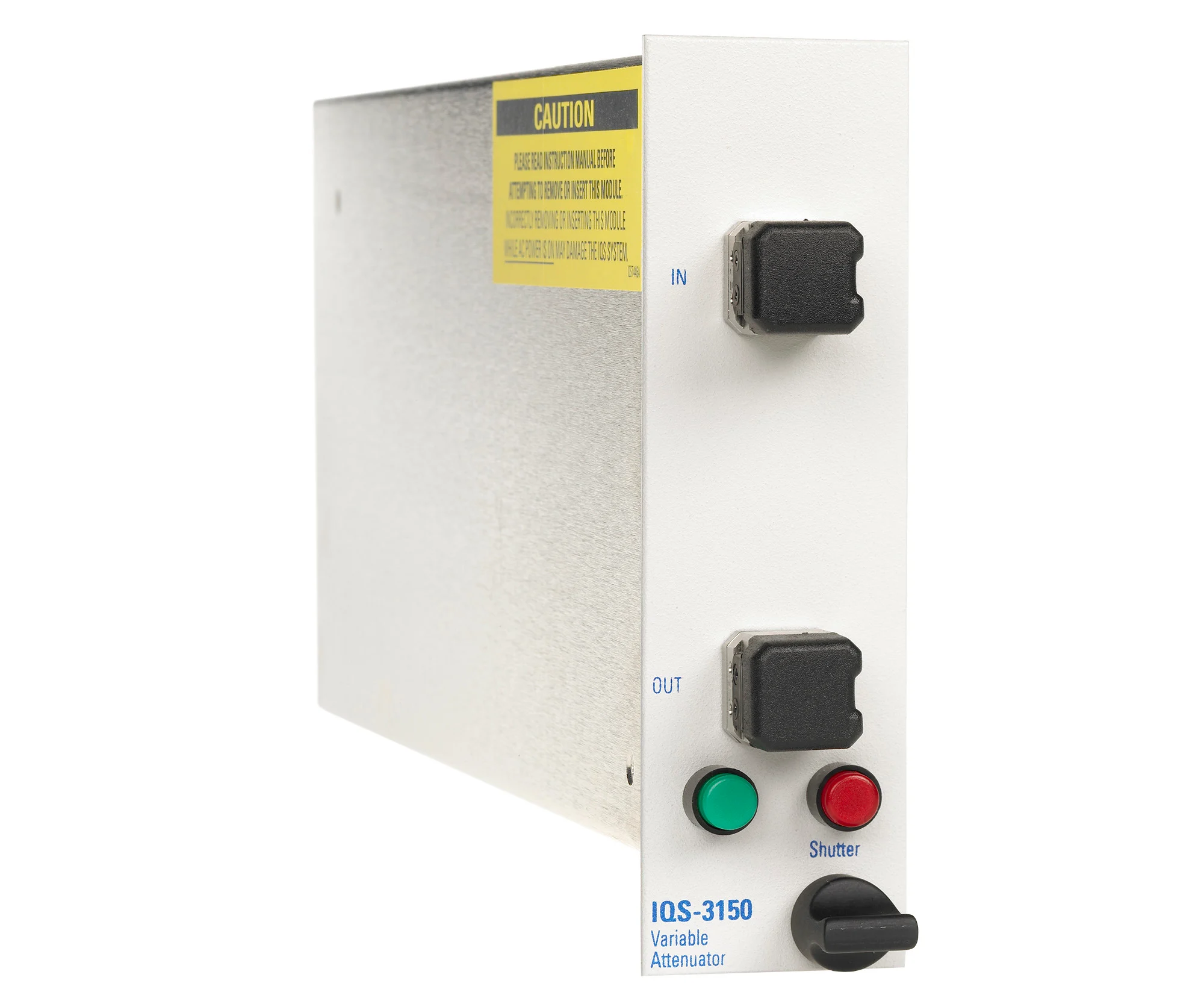
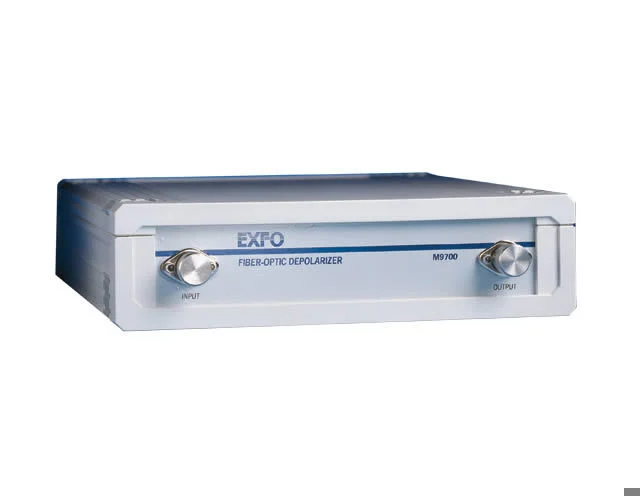
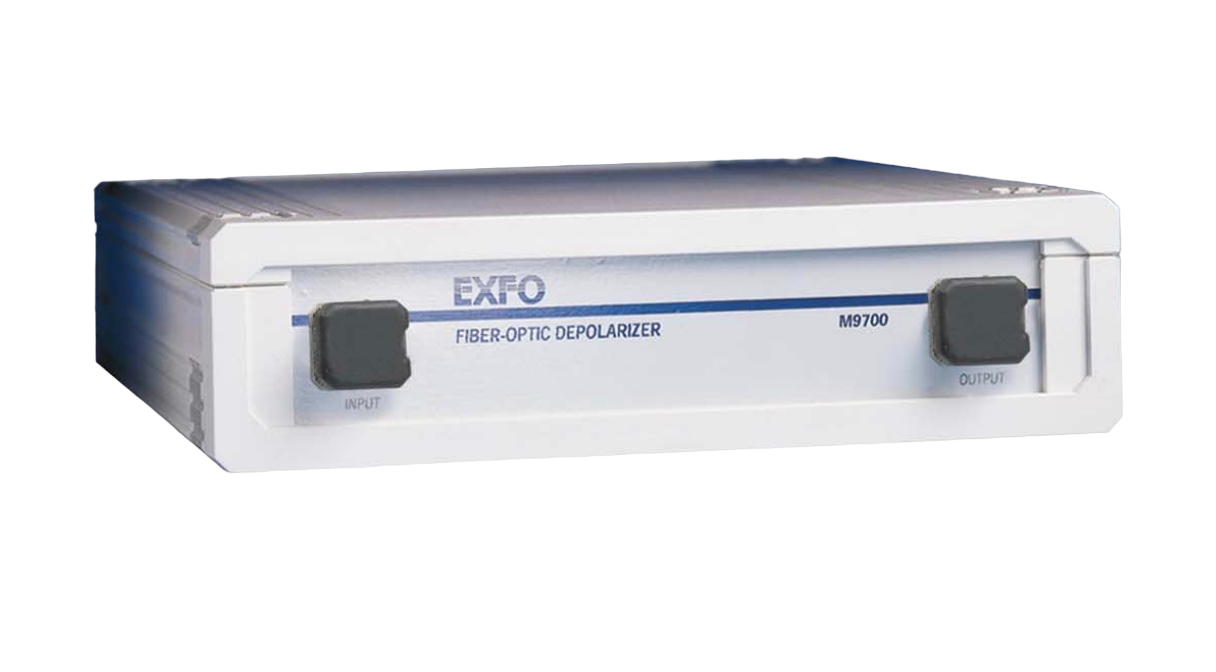
Exfo Optical Attenuators (17 units)
Fitel Optical Attenuators (1 unit)
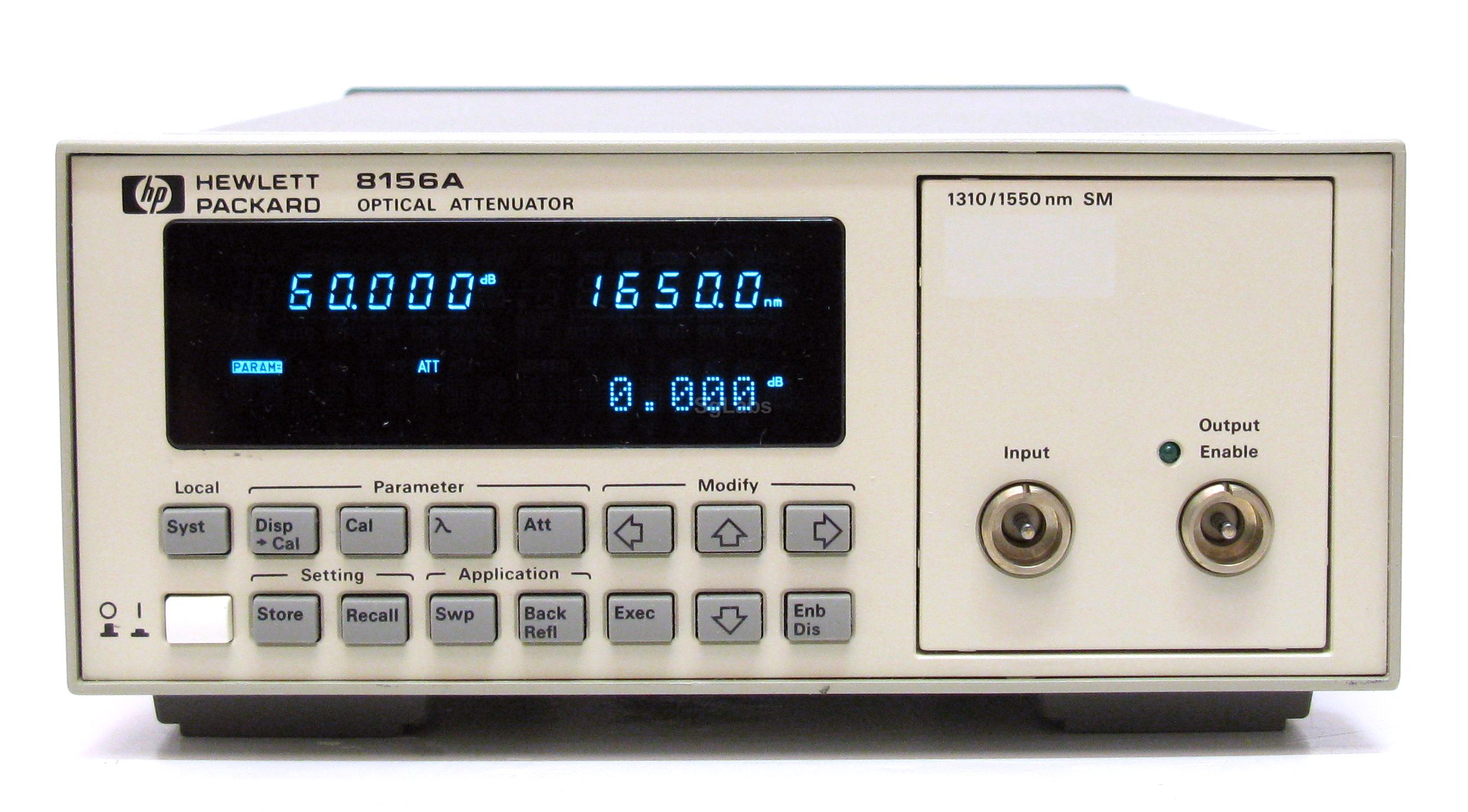
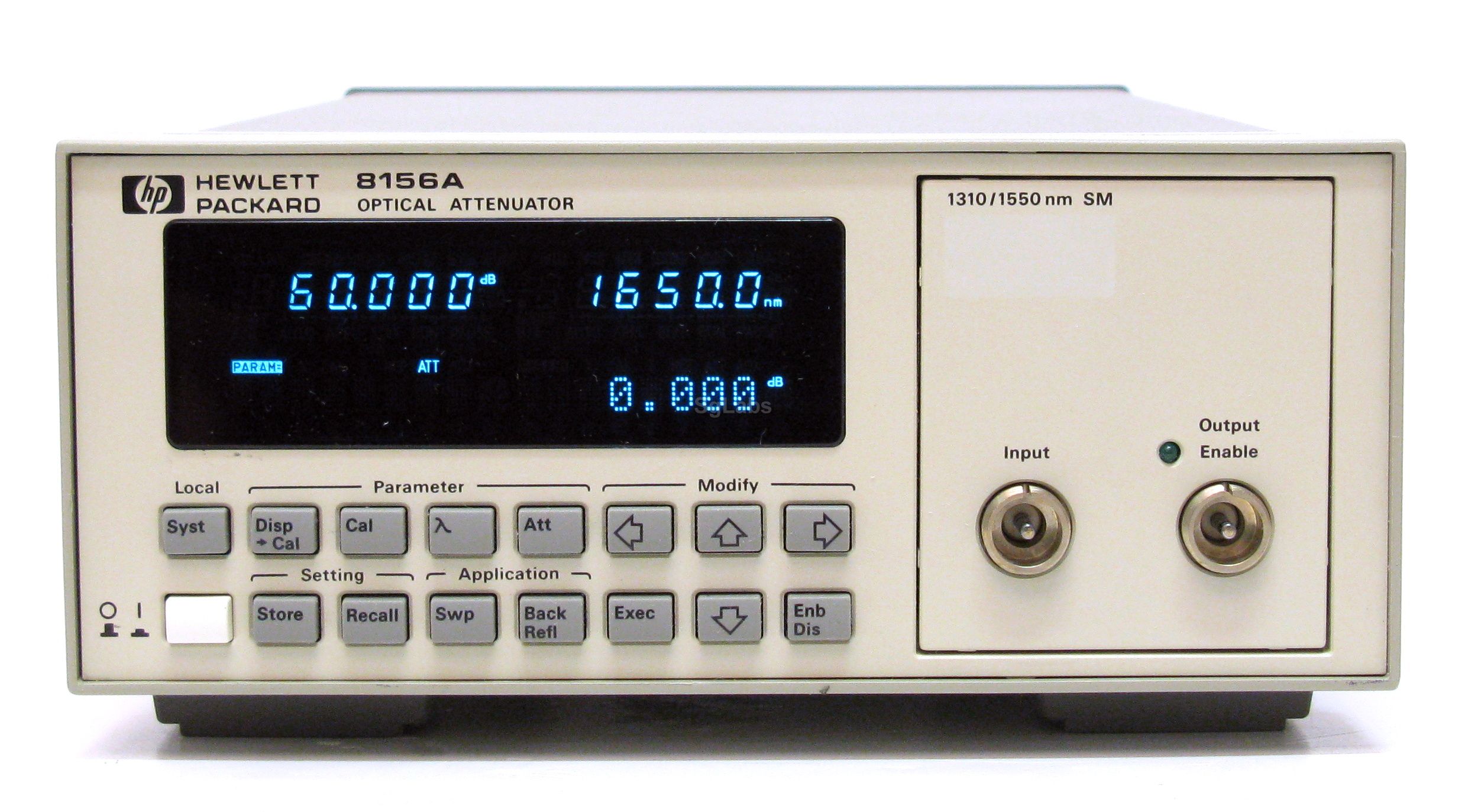
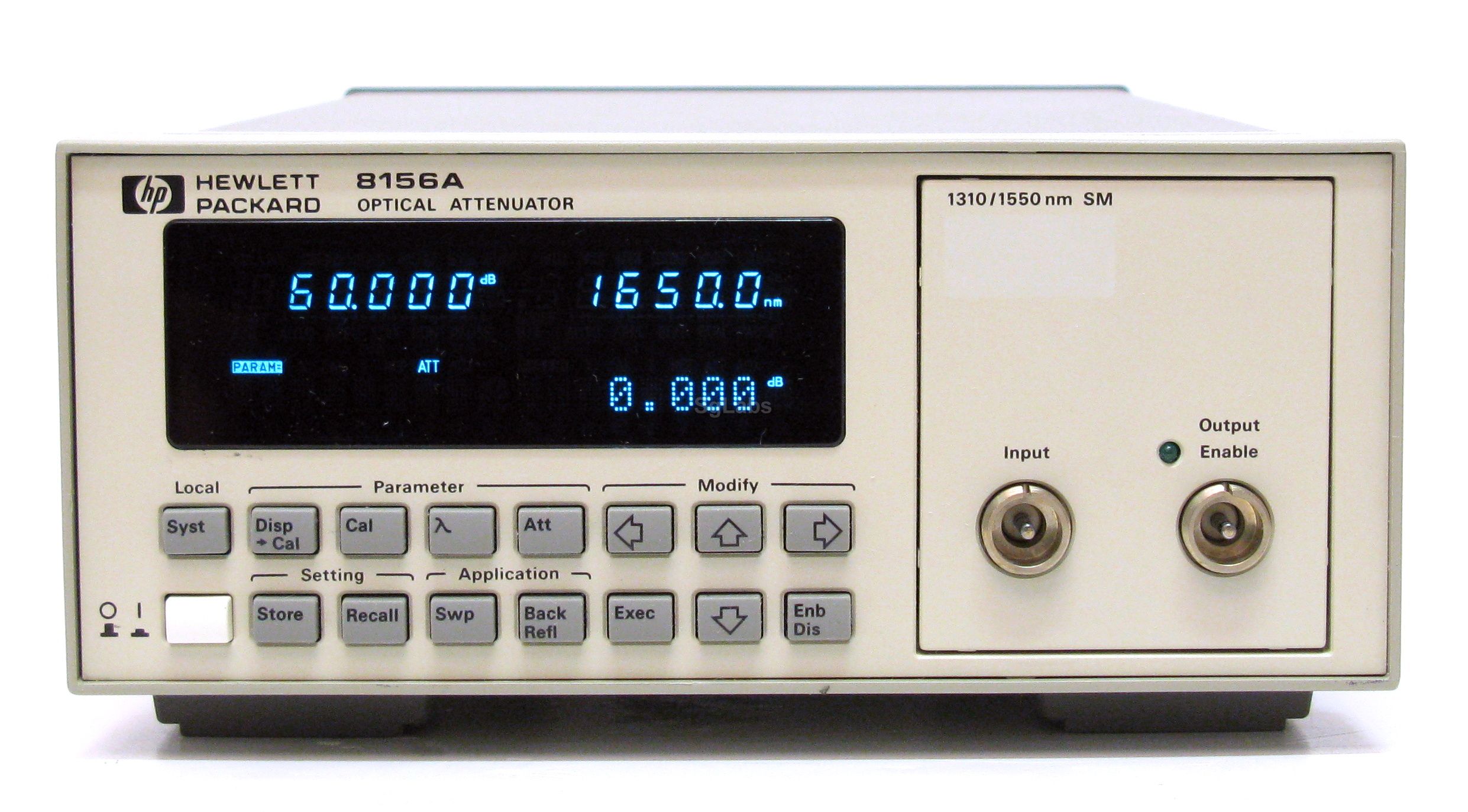
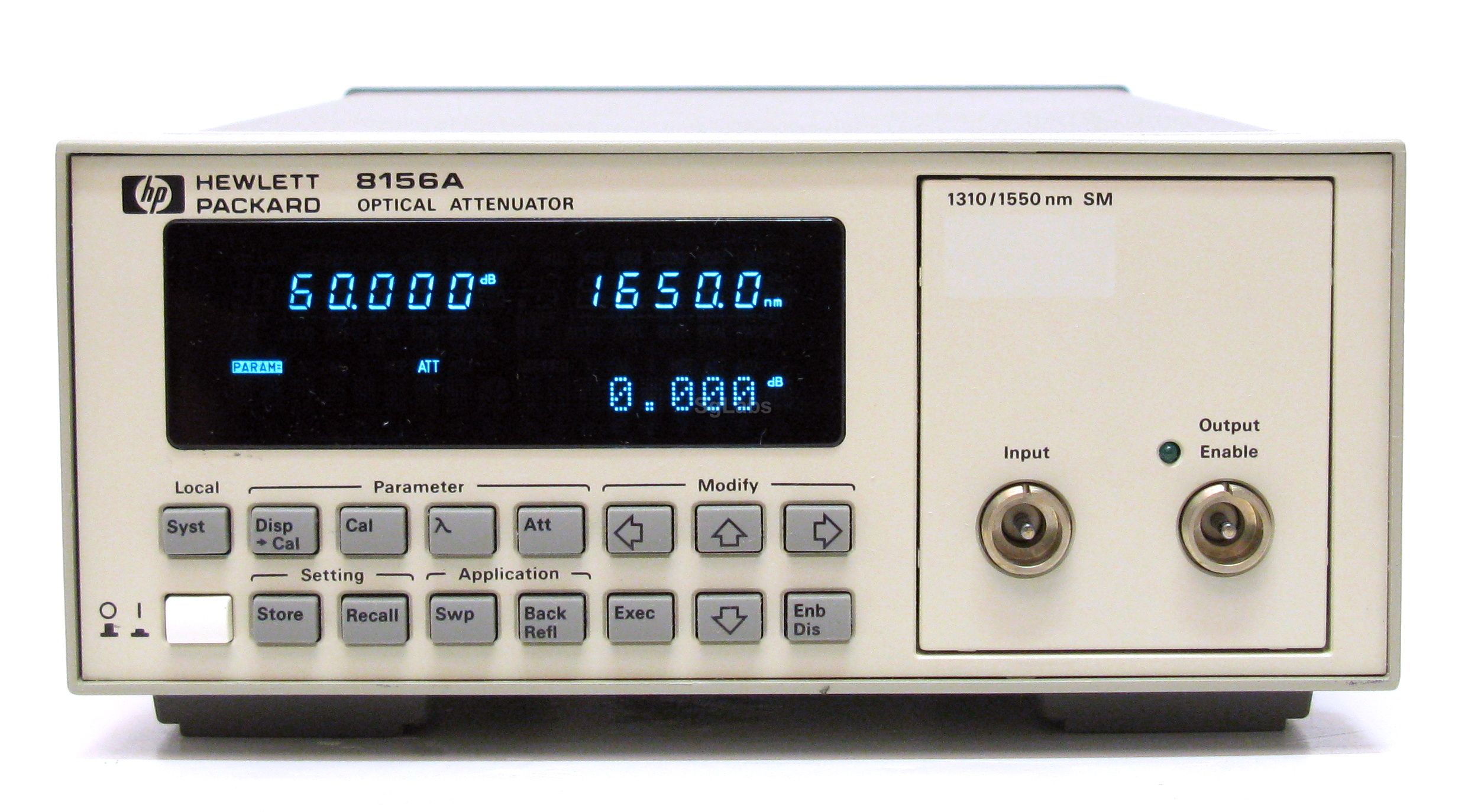
HP / Agilent Optical Attenuators (9 units)
ILX Lightwave Optical Attenuators (1 unit)
Infinera/Corning Optical Attenuators (1 unit)
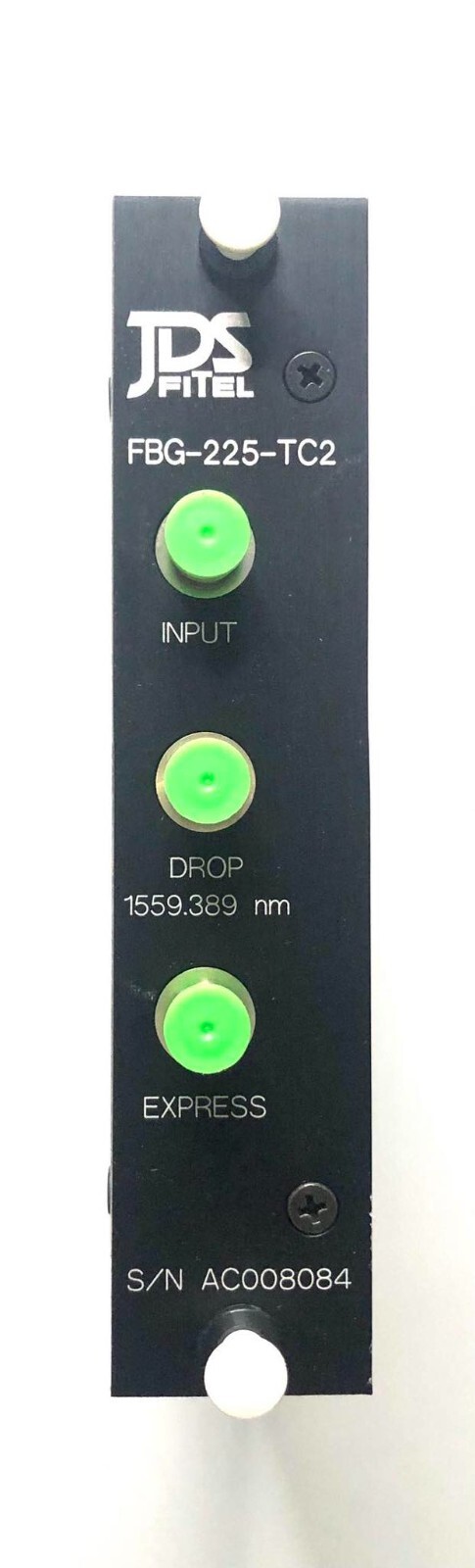
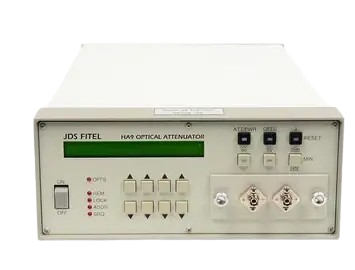
JDS Fitel Optical Attenuators (1 unit)
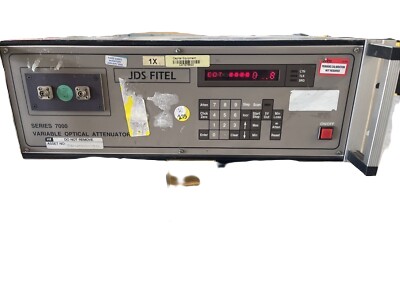
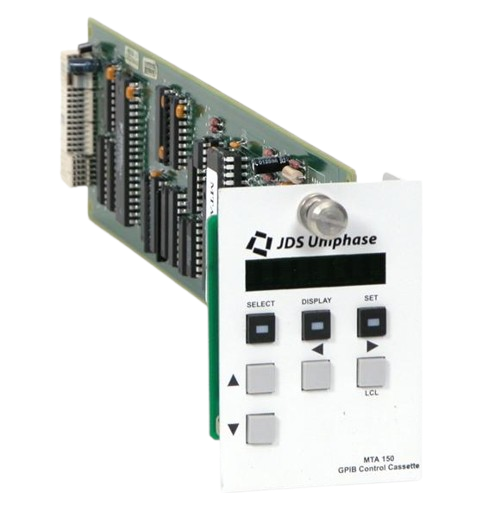
JDS Uniphase Optical Attenuators (41 units)
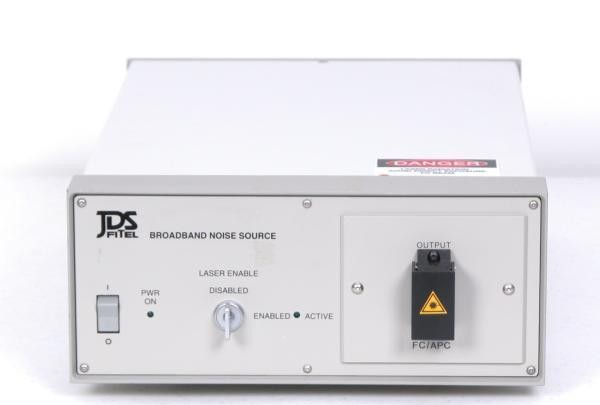
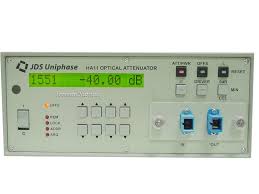
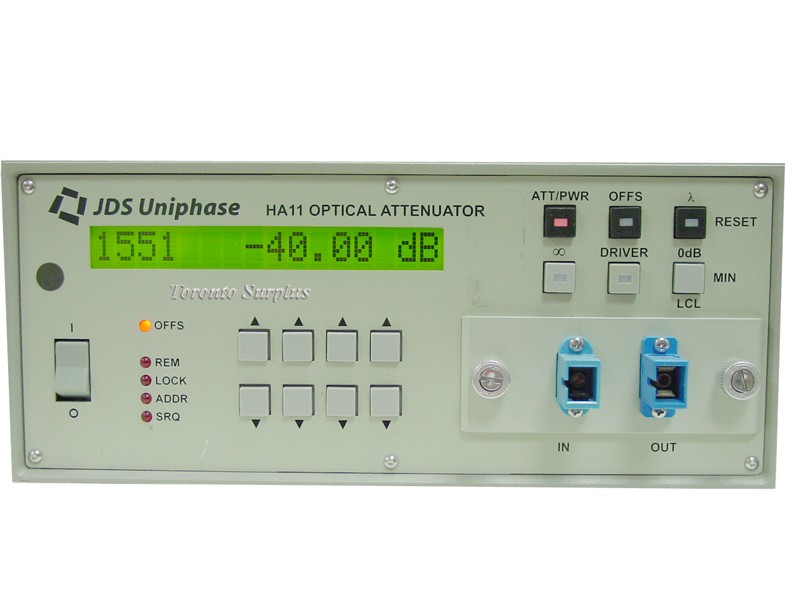
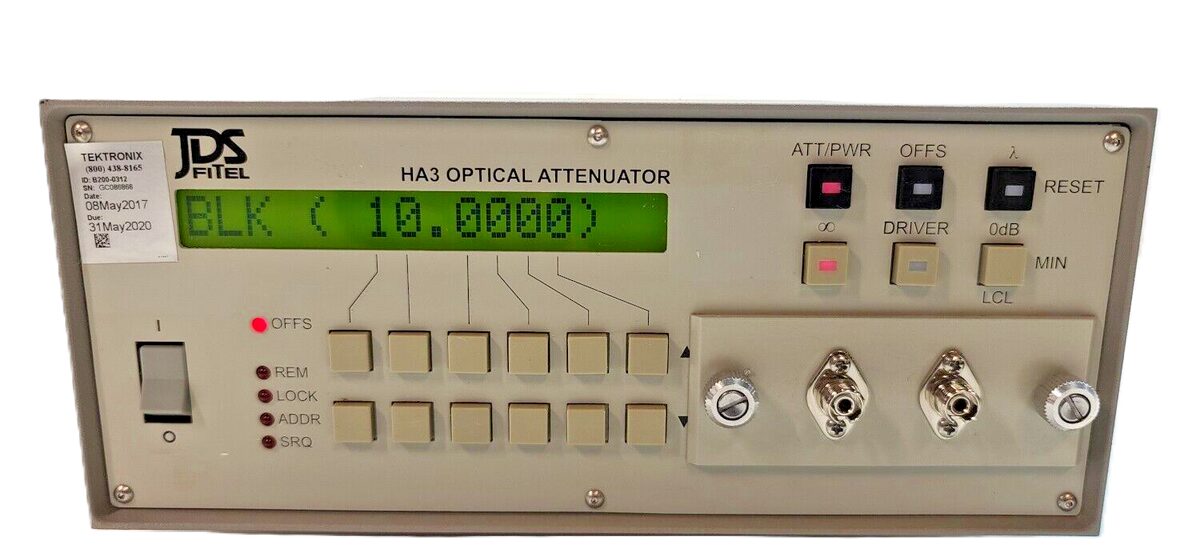
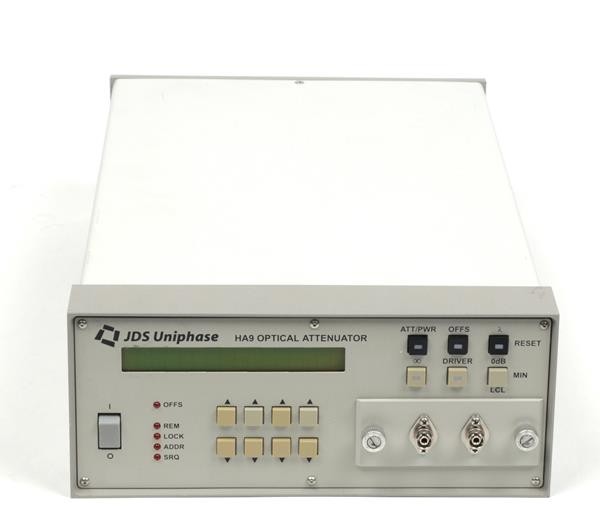
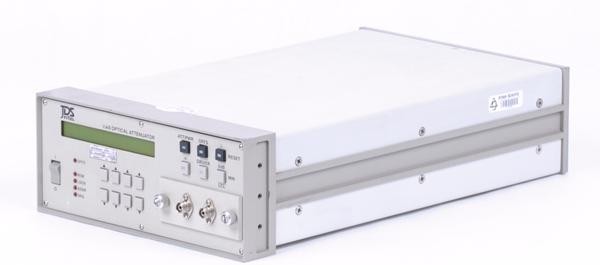
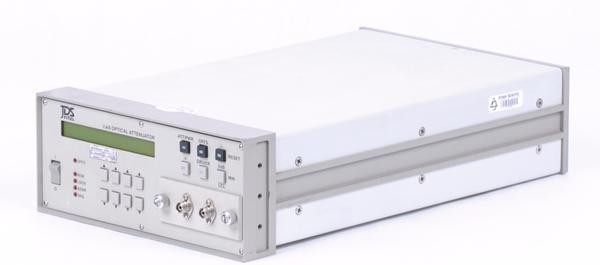
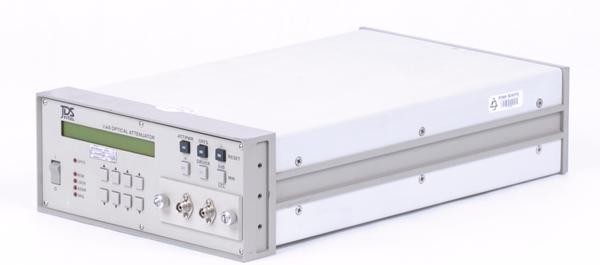
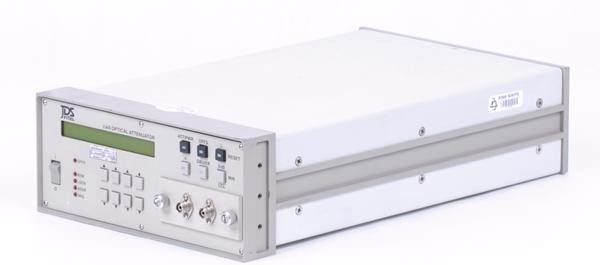
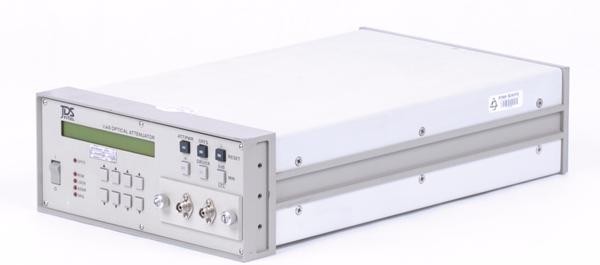
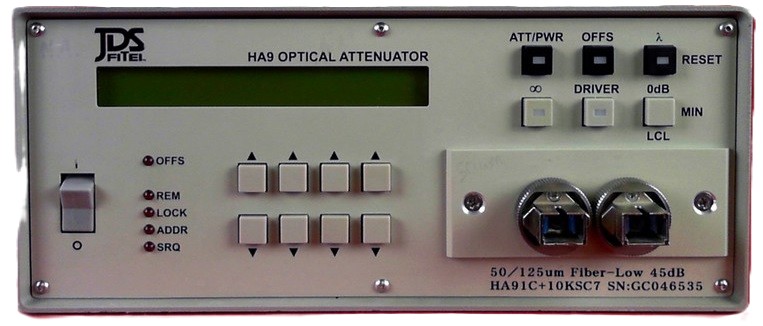
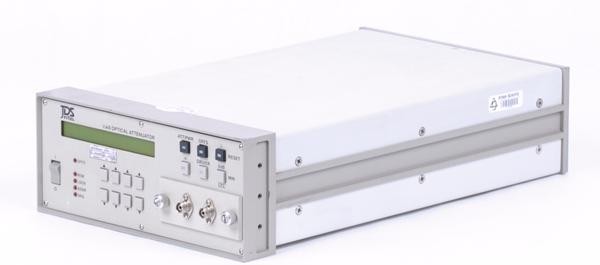
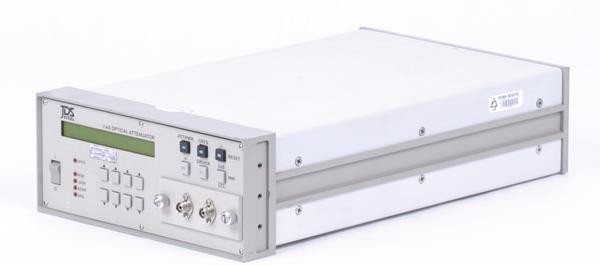
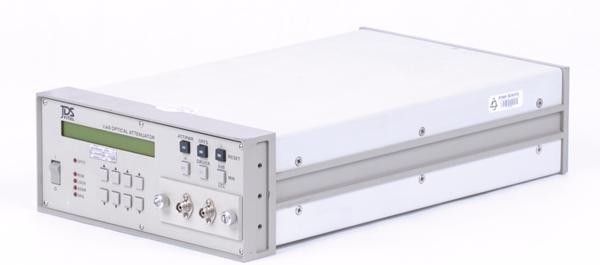
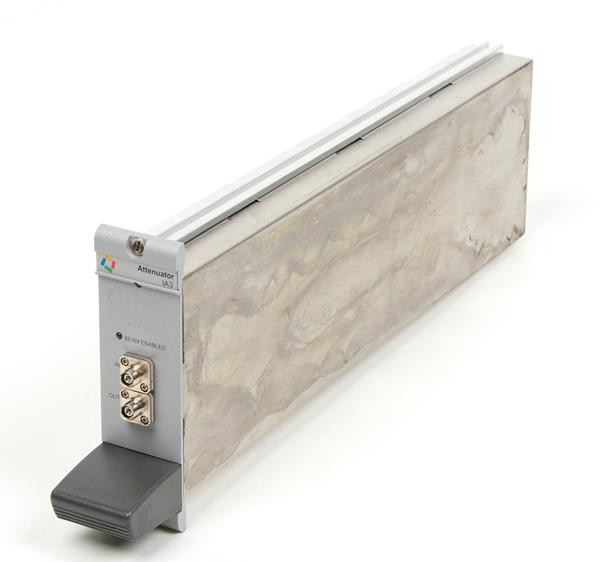
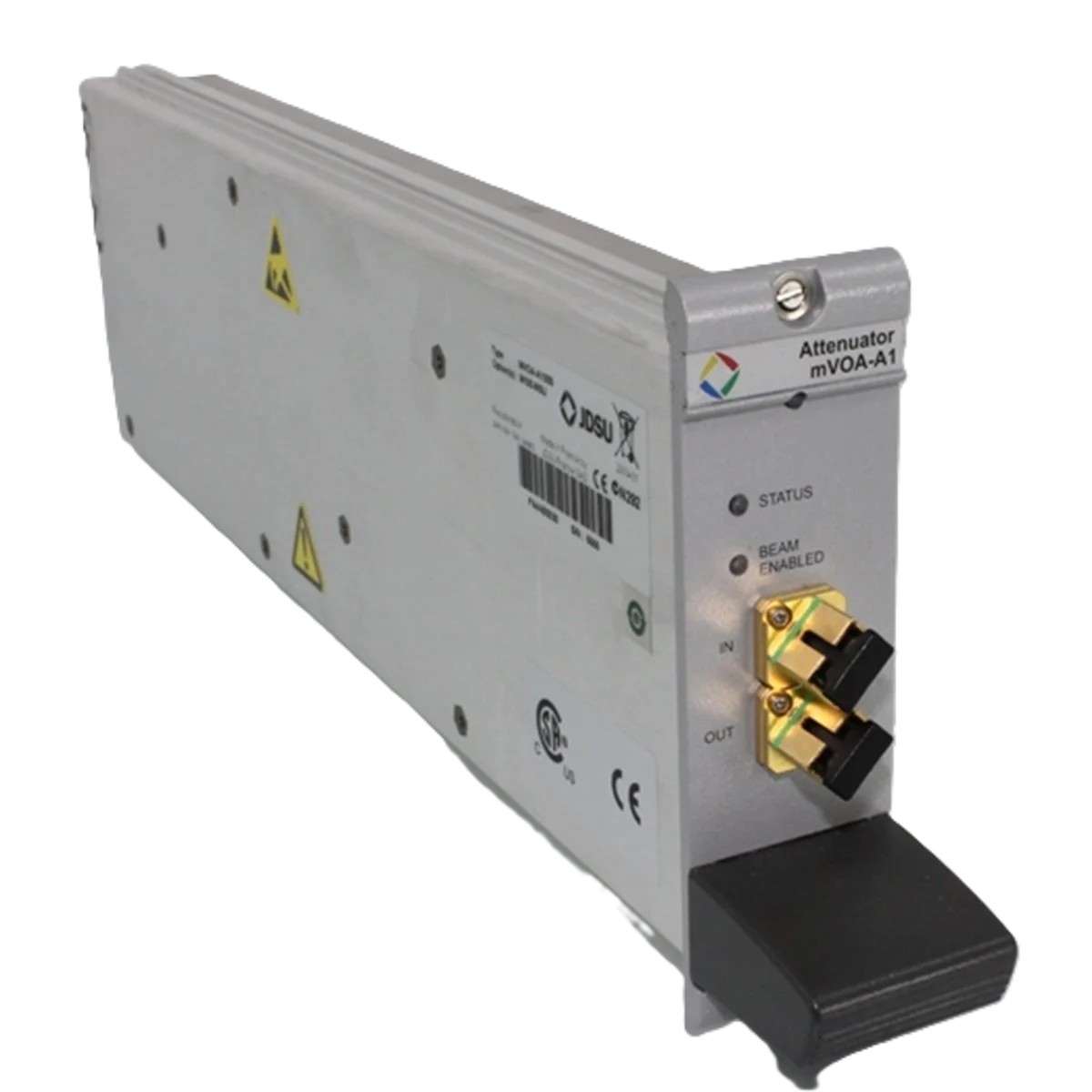
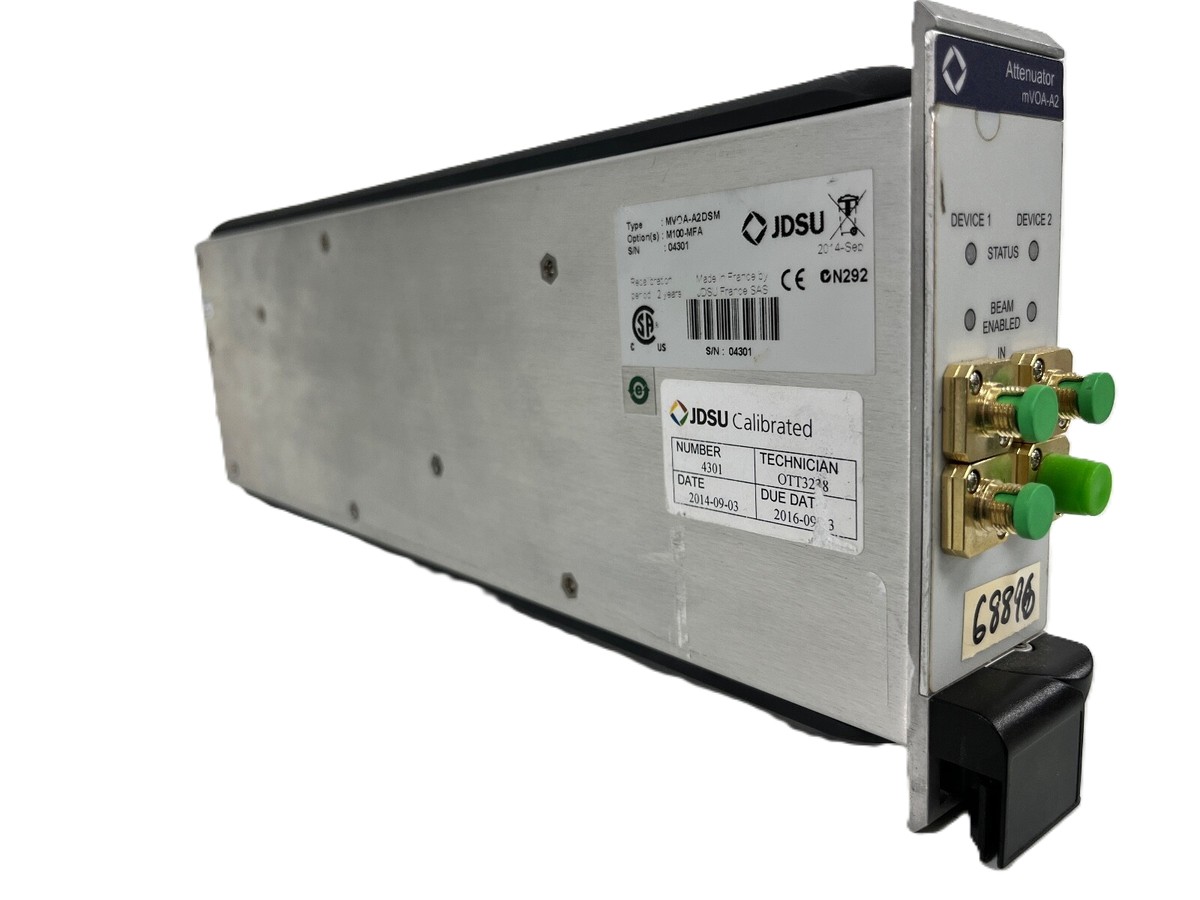
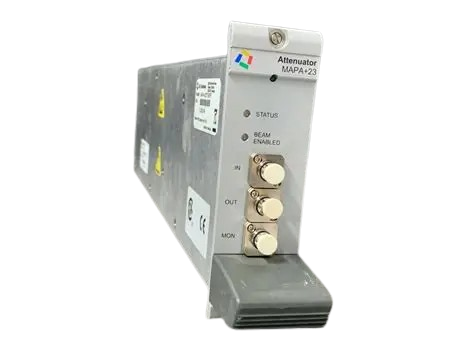
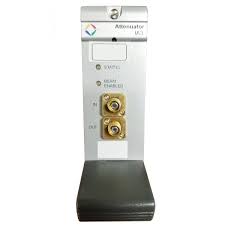
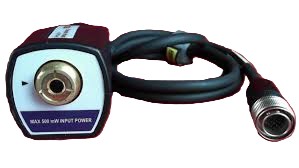
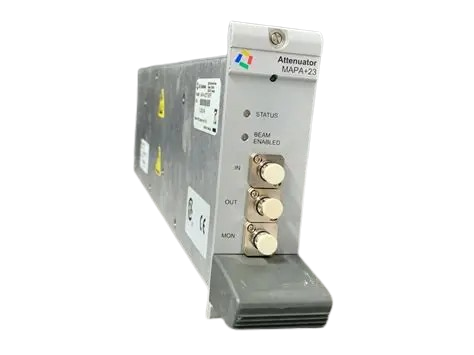
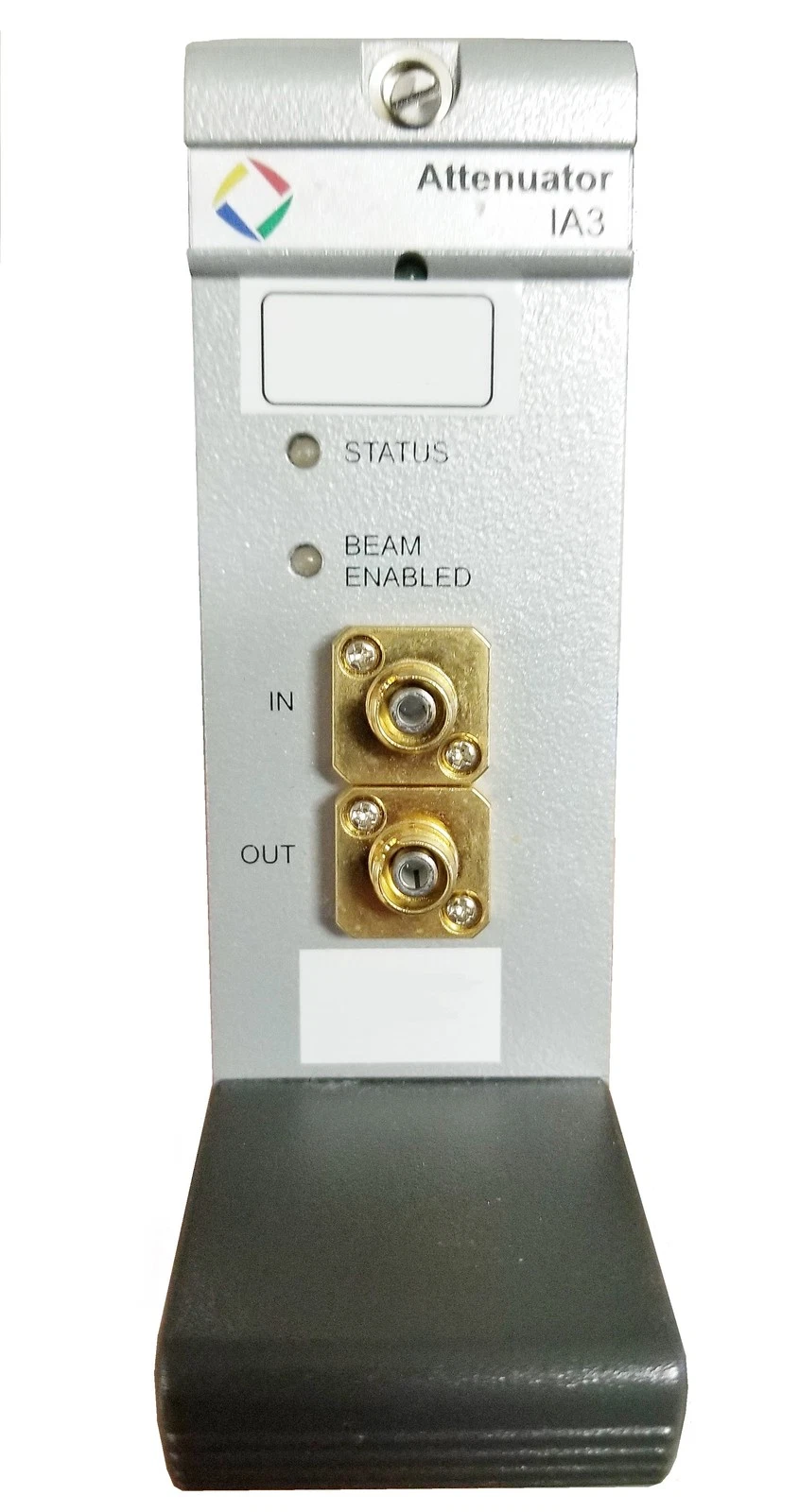
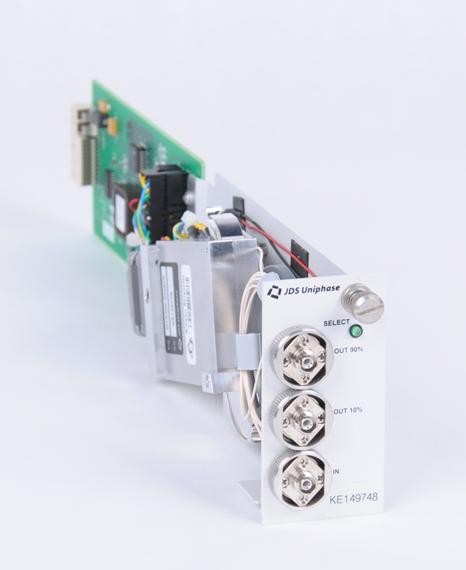
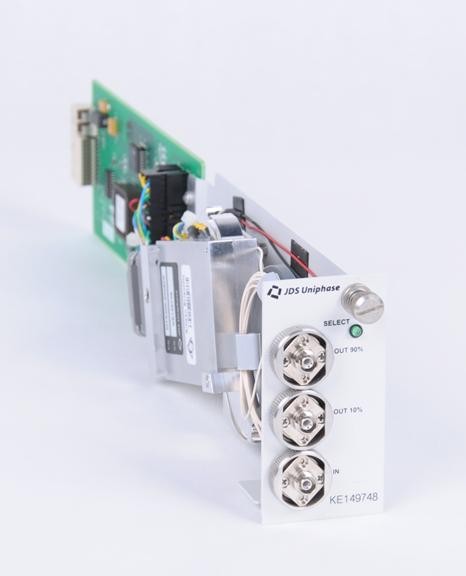
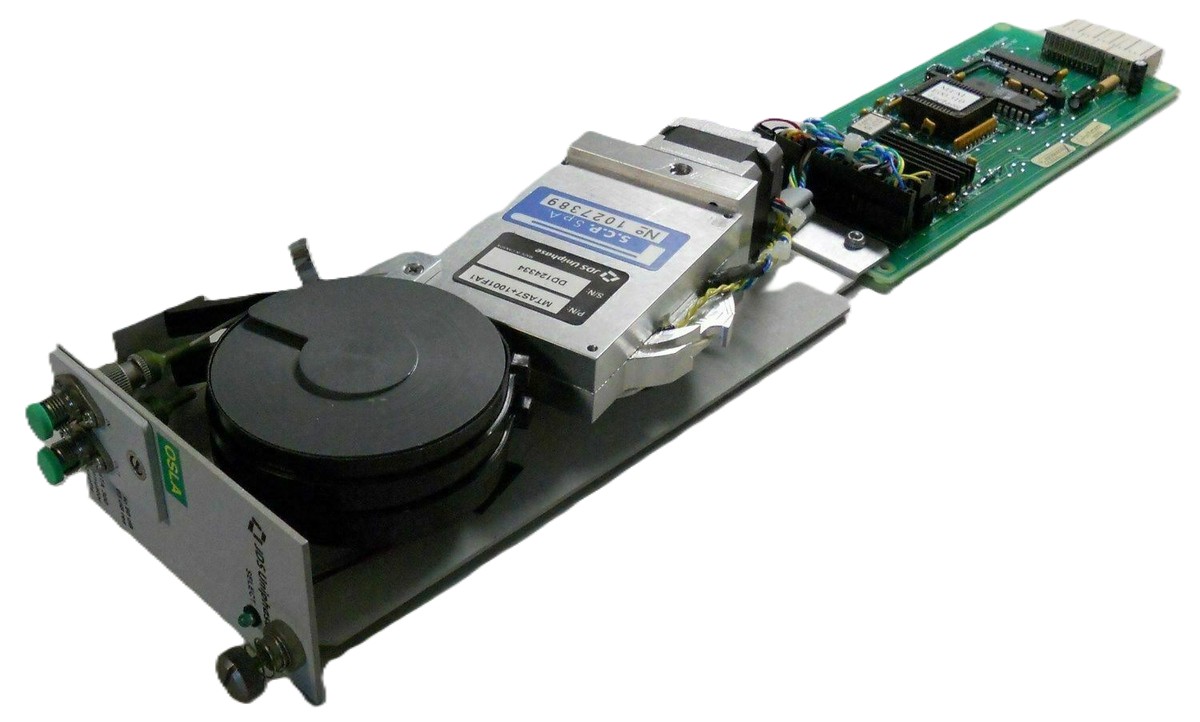
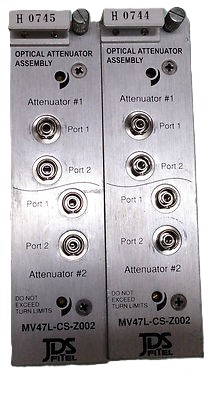
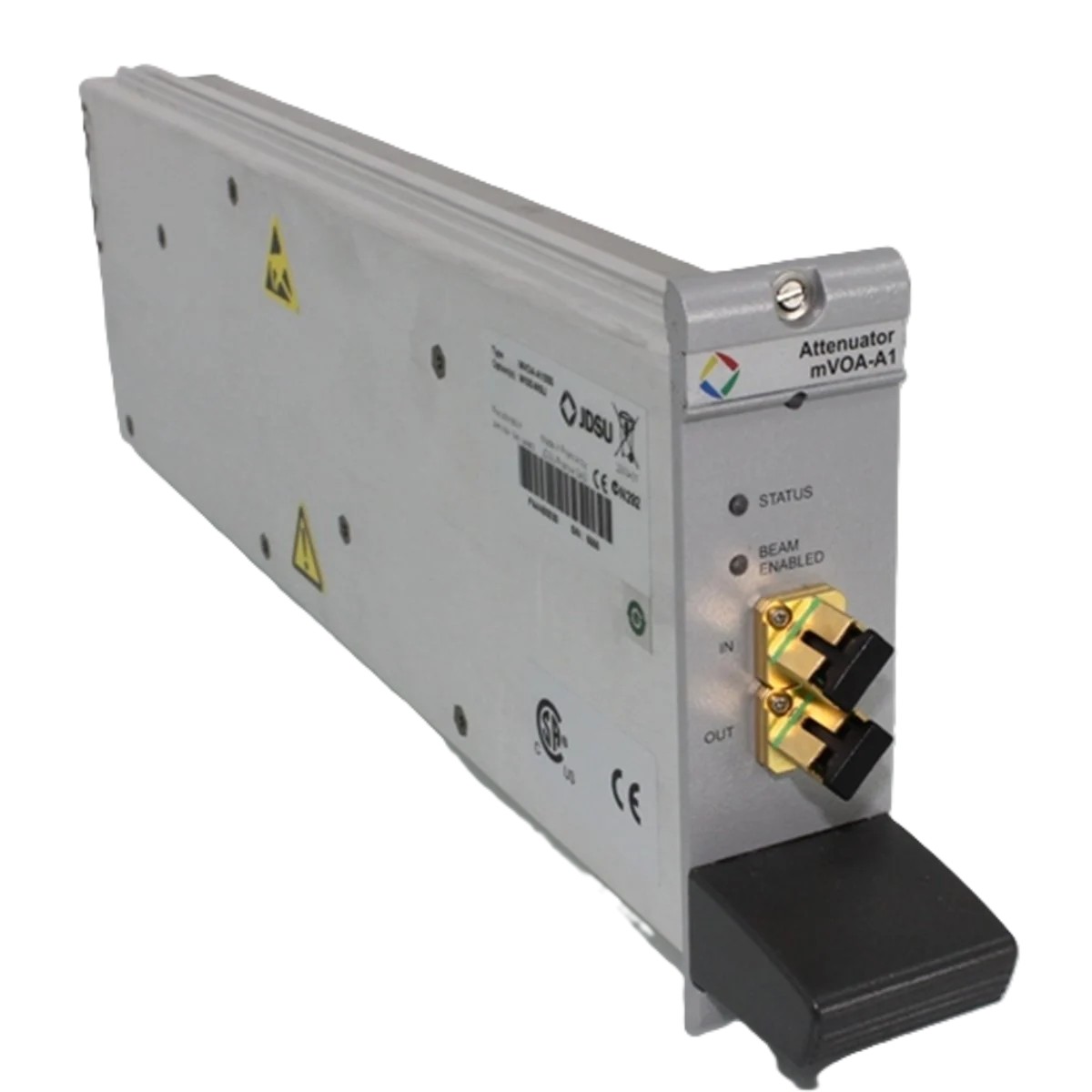
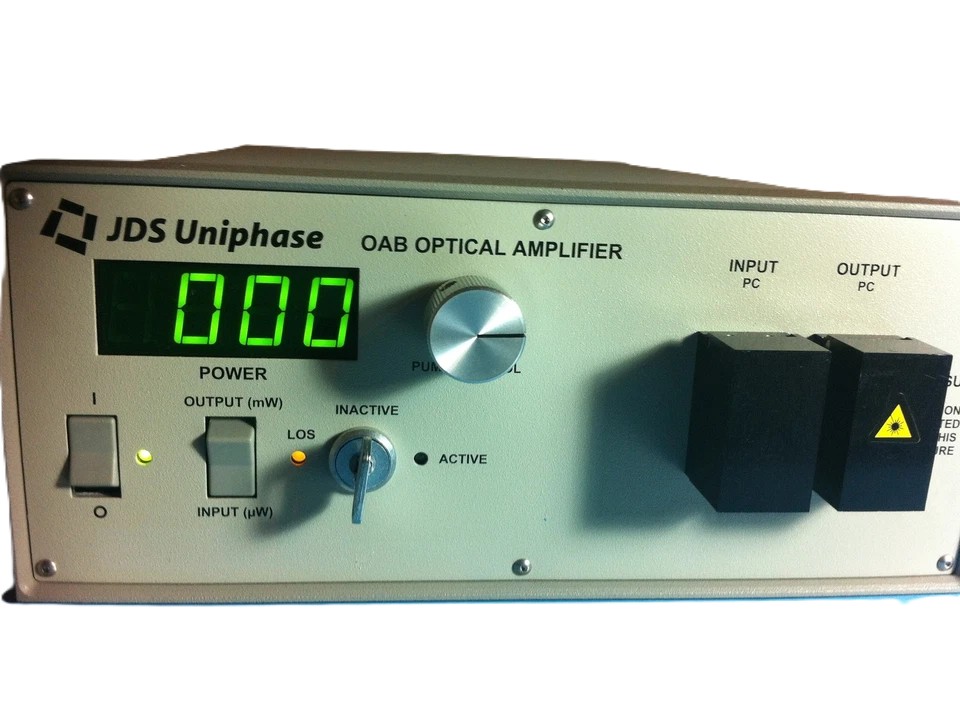
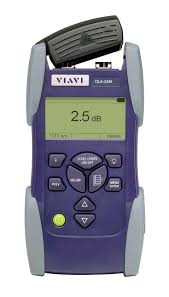
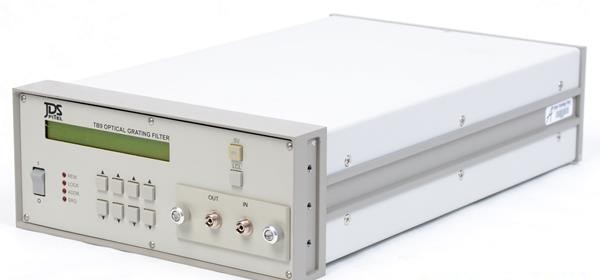
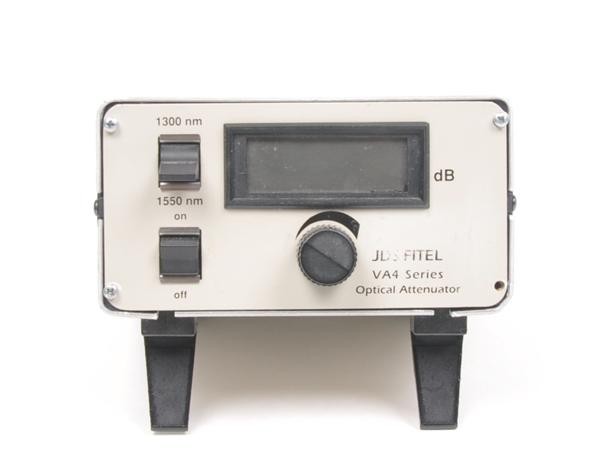
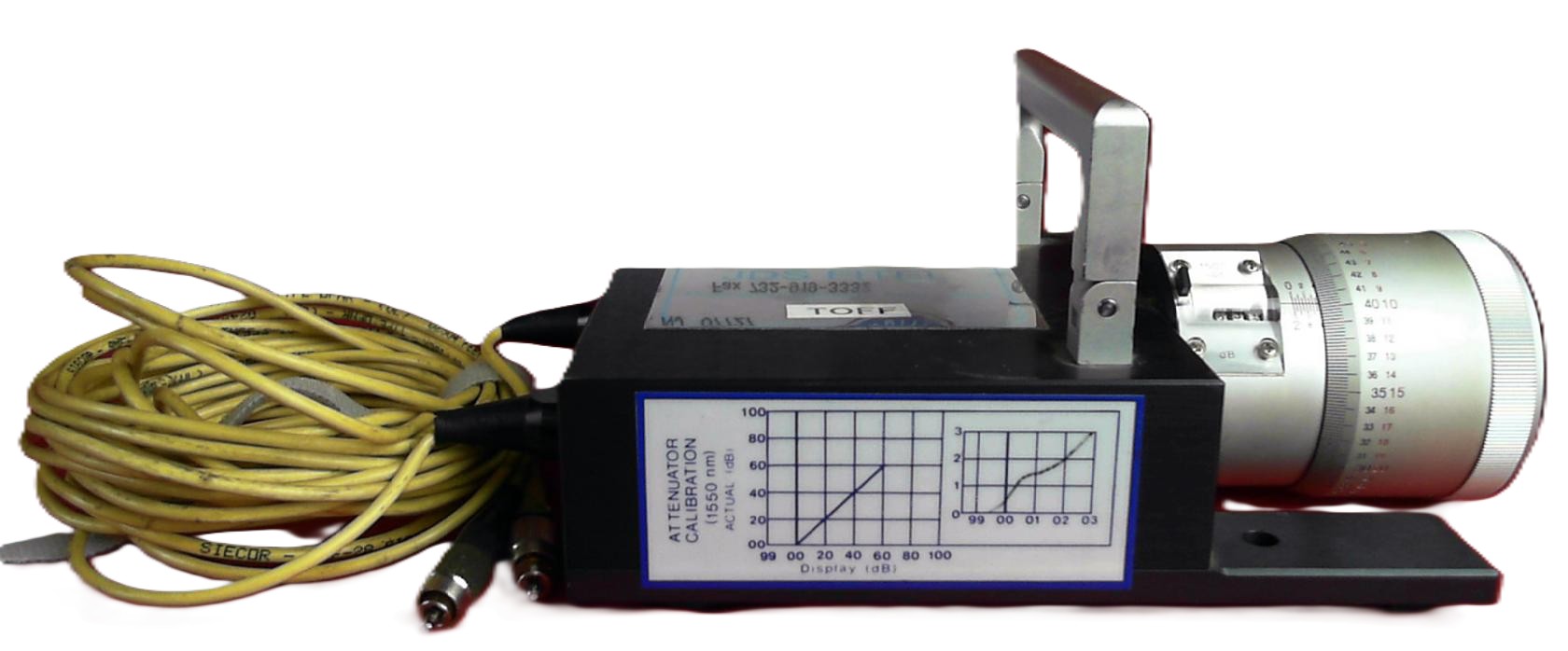
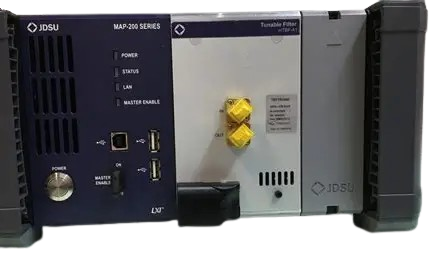
JDS Uniphase/JDSU Optical Attenuators (19 units)
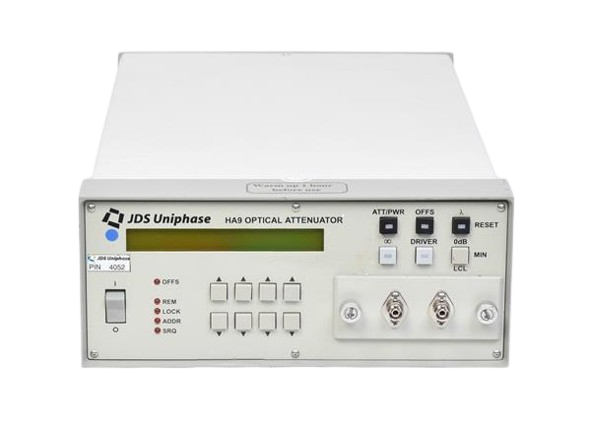
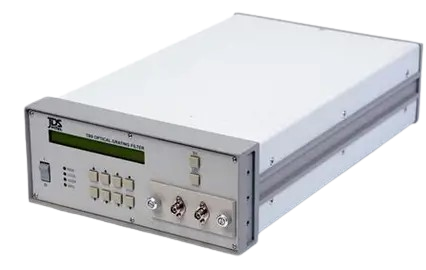
JDSU Optical Attenuators (7 units)
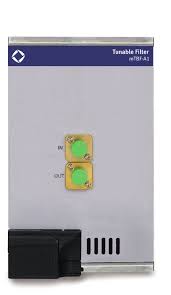
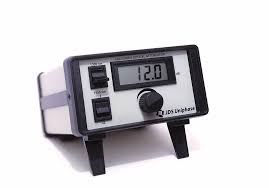
Kotura Optical Attenuators (1 unit)
Santac Optical Attenuators (1 unit)
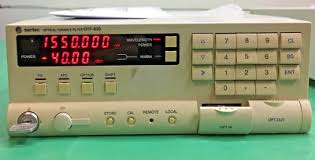
Santec Optical Attenuators (4 units)
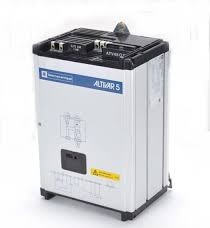
Schneider Electric / Telemecanique Optical Attenuators (1 unit)
Siemens Optical Attenuators (9 units)
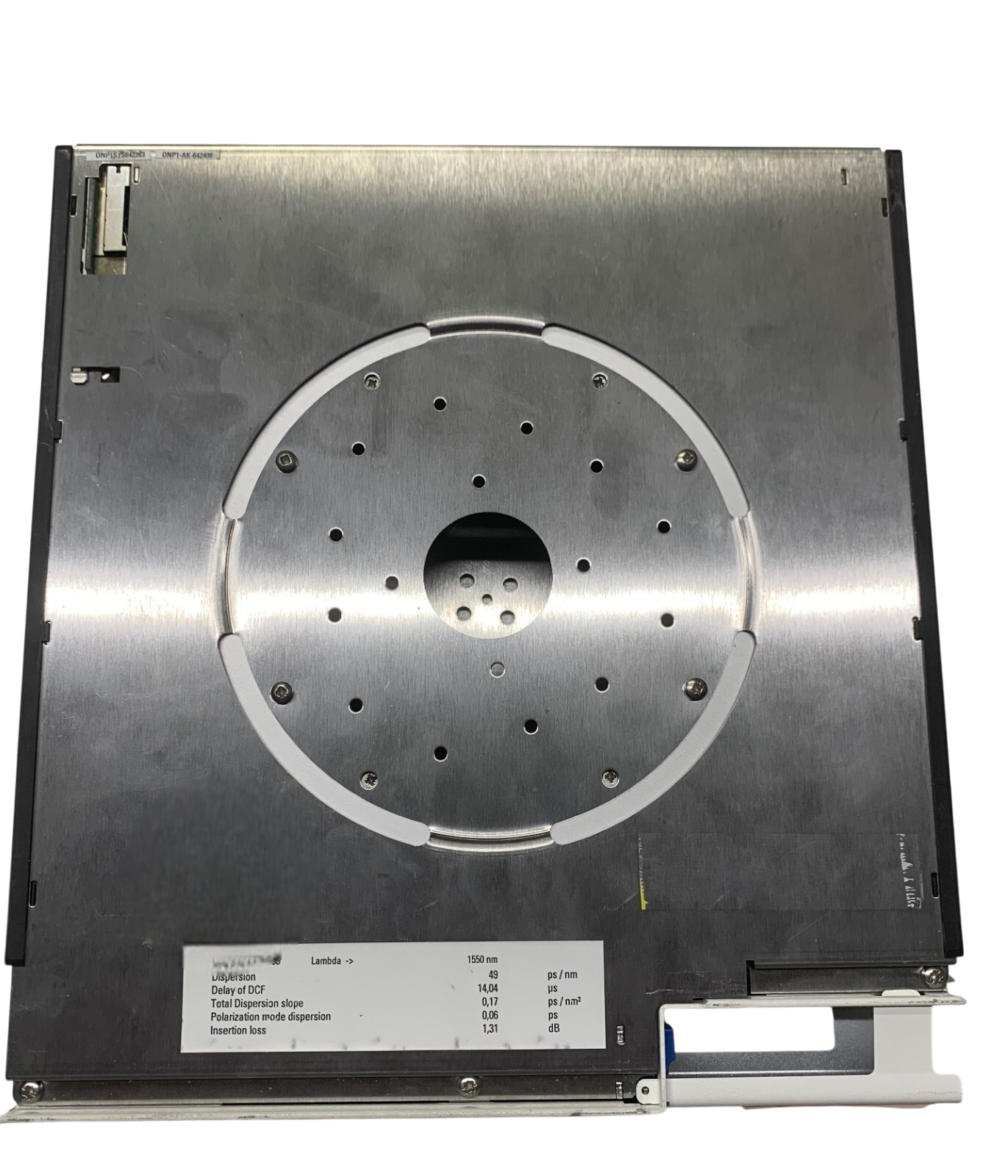
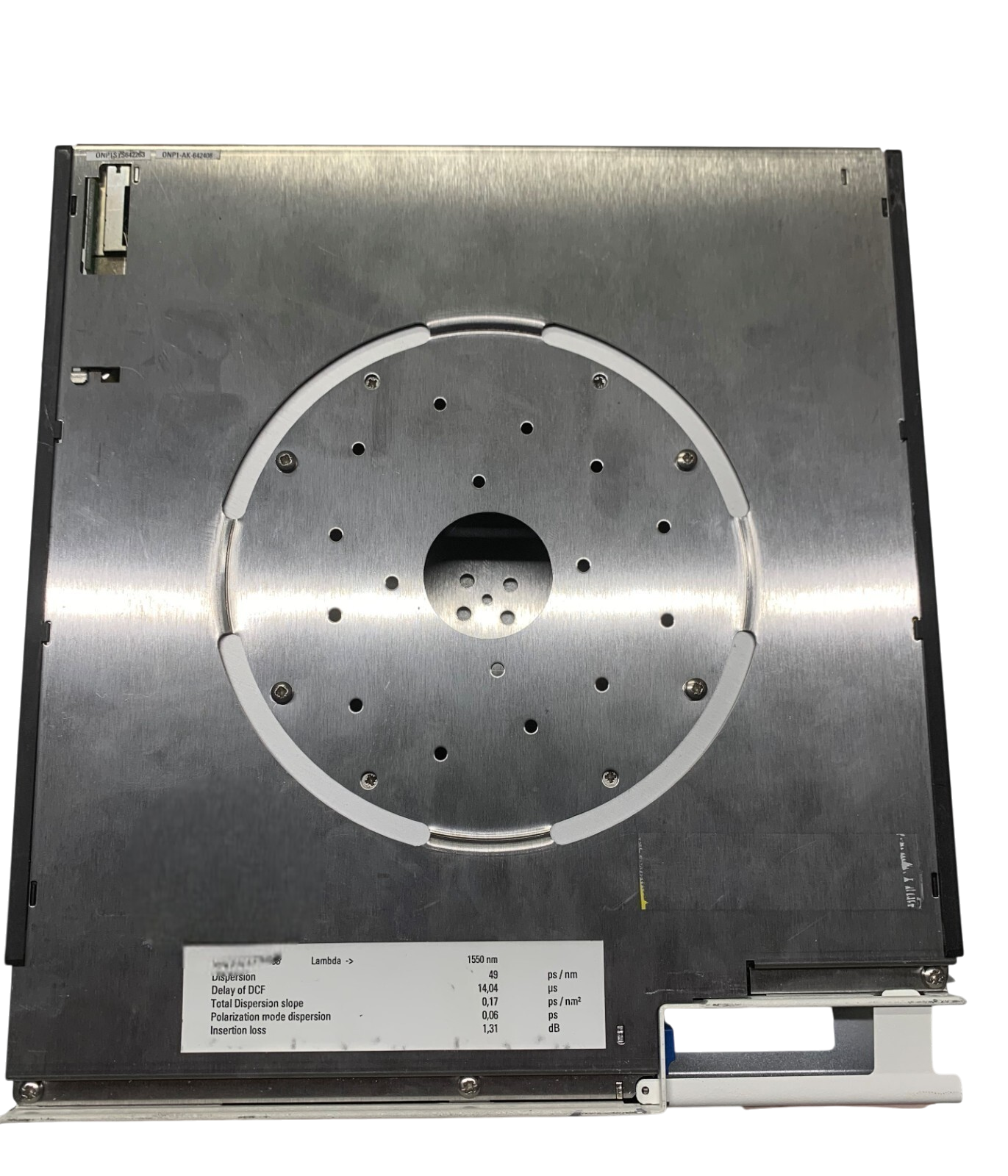
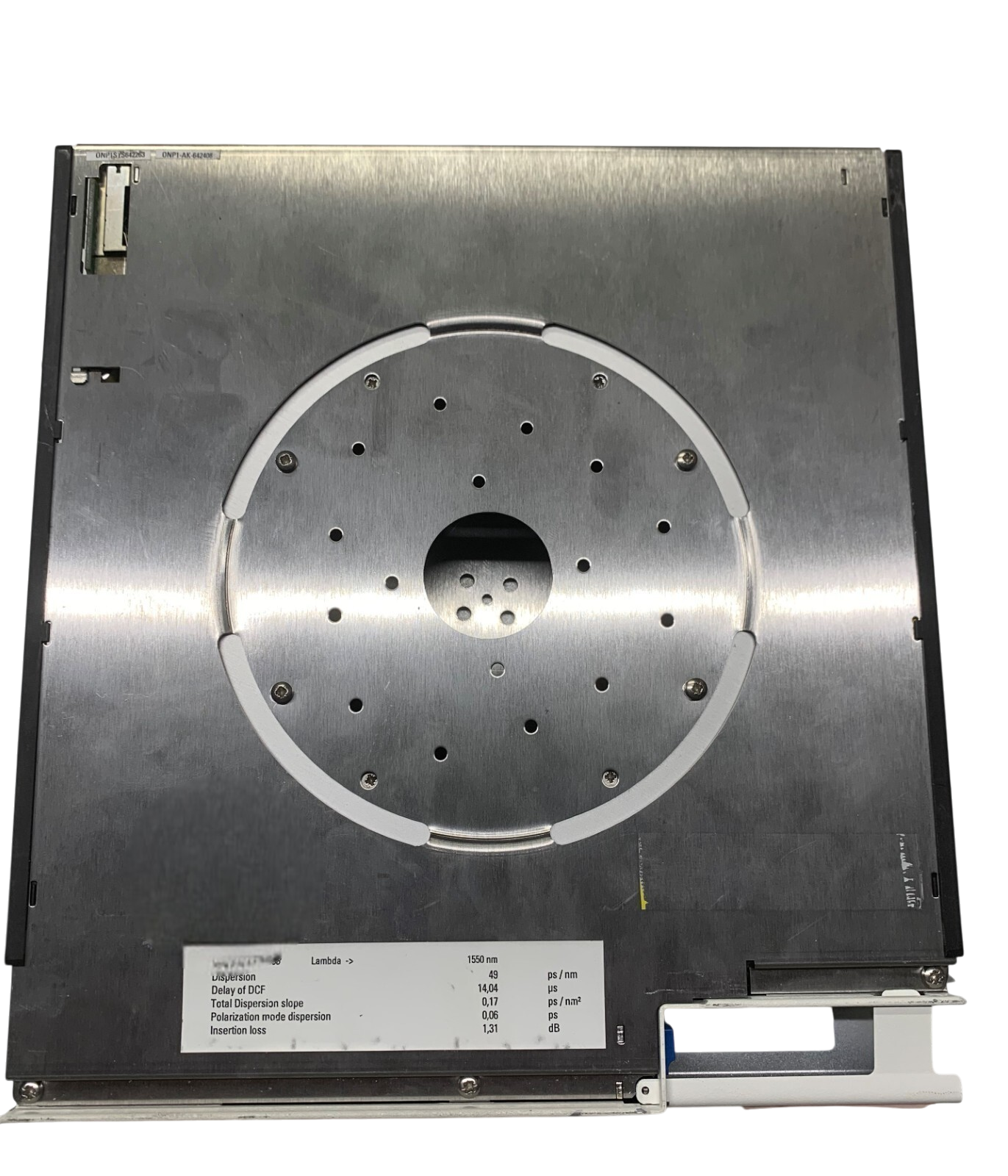
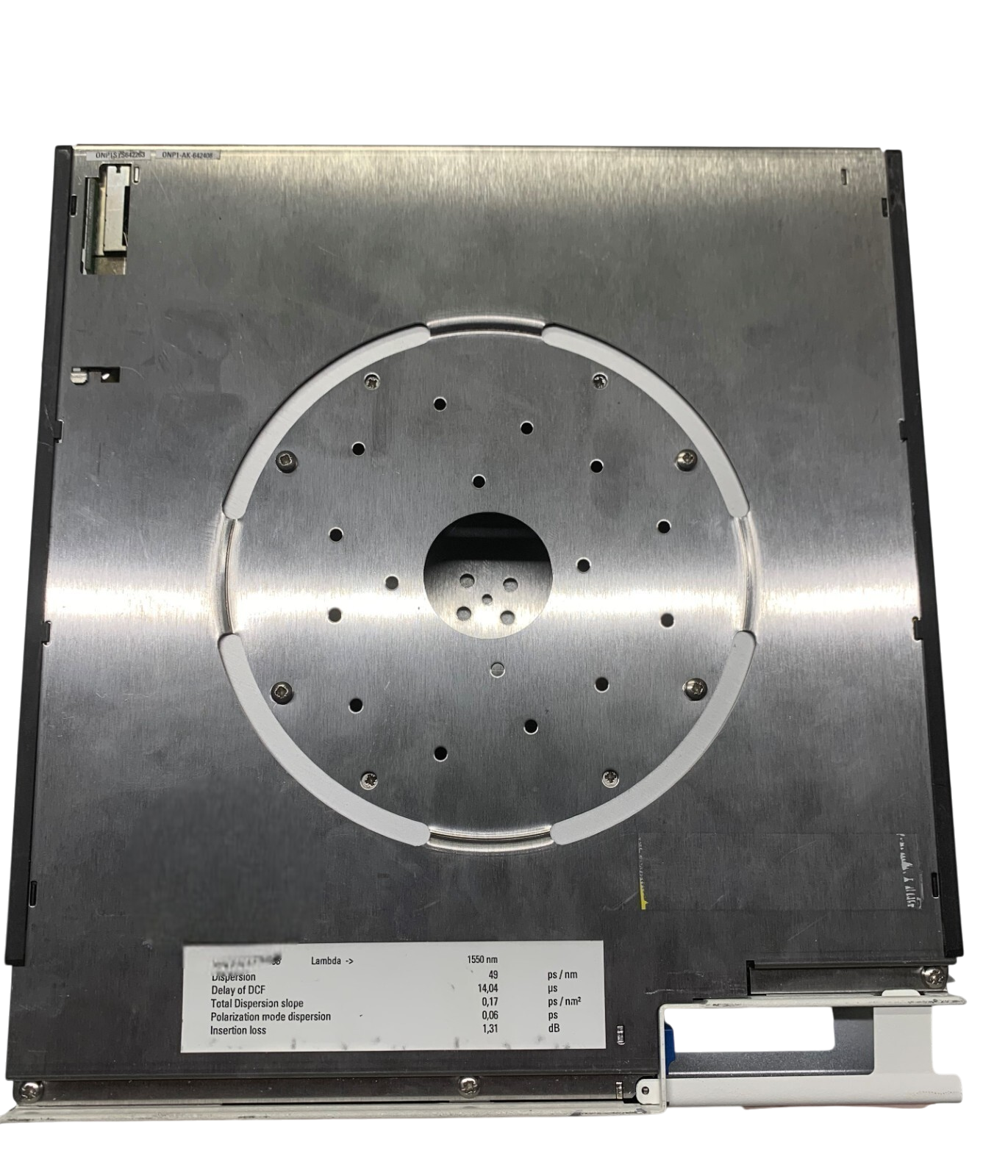
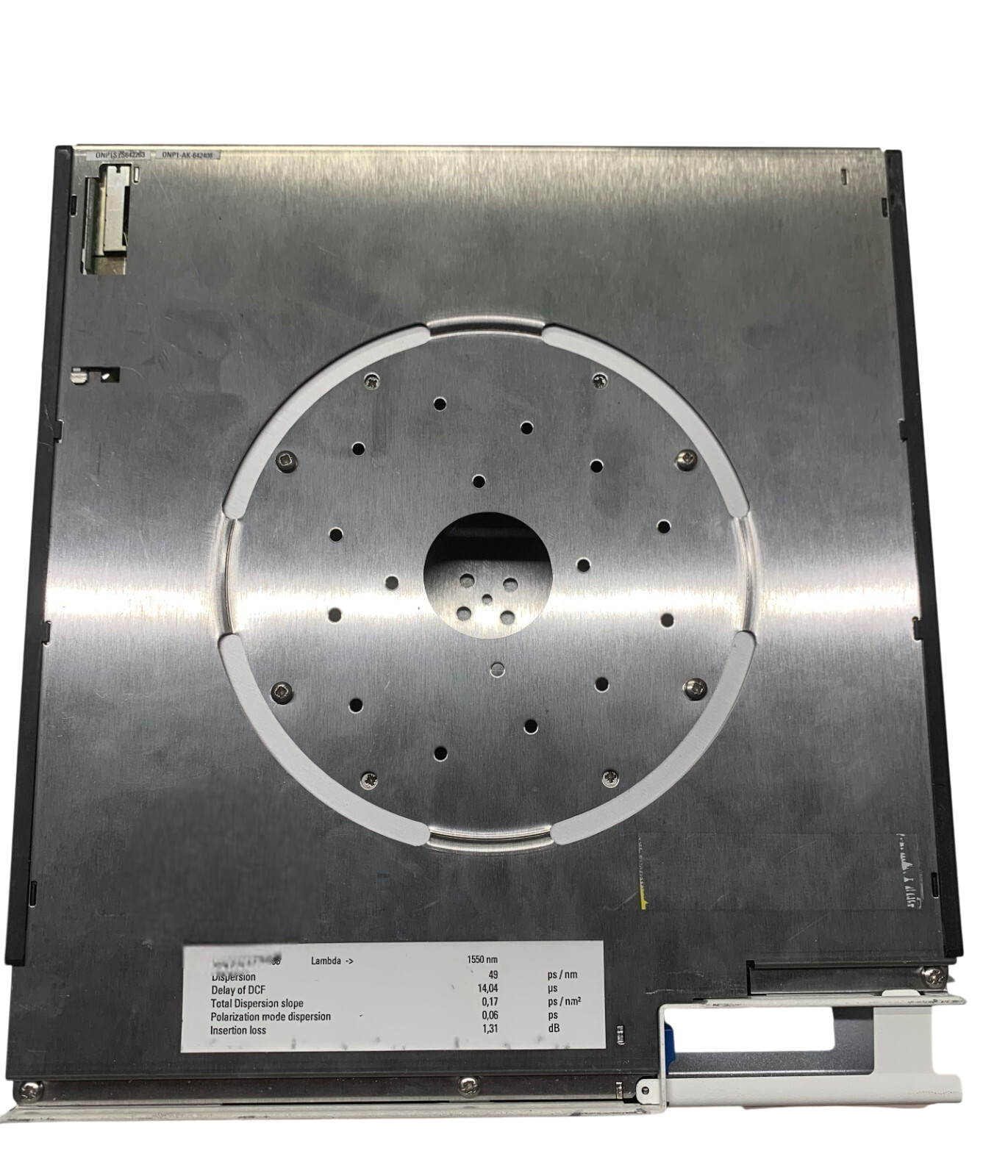
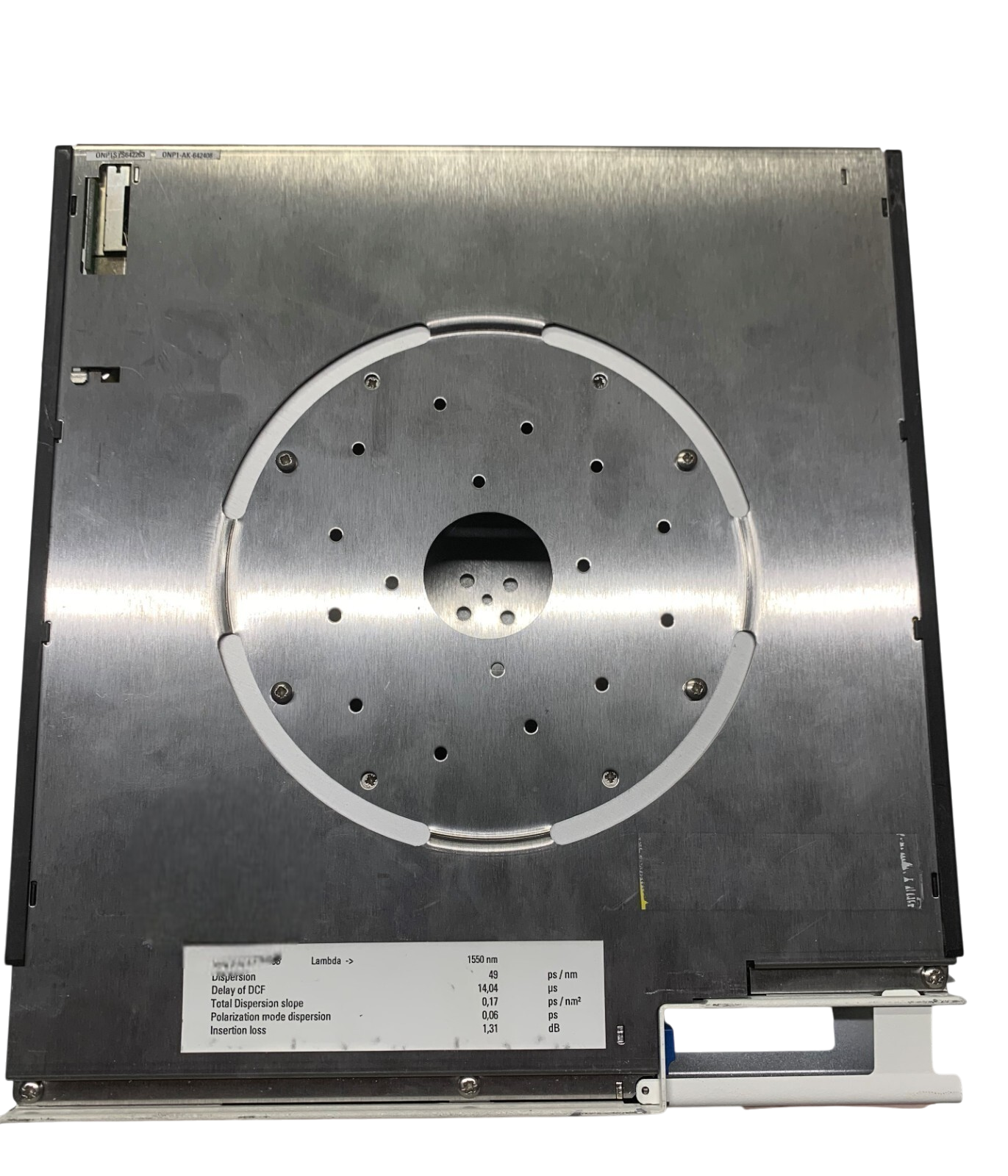
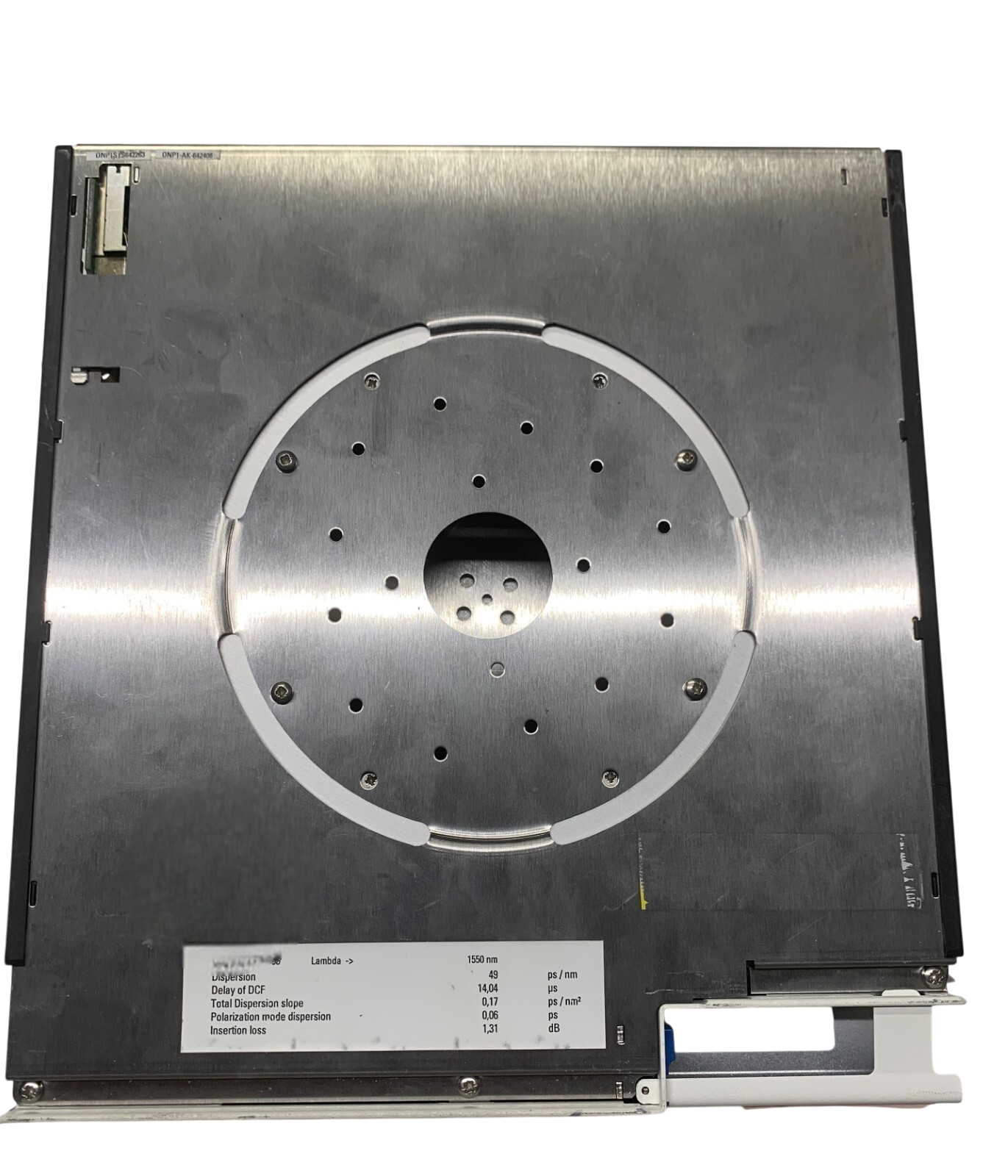
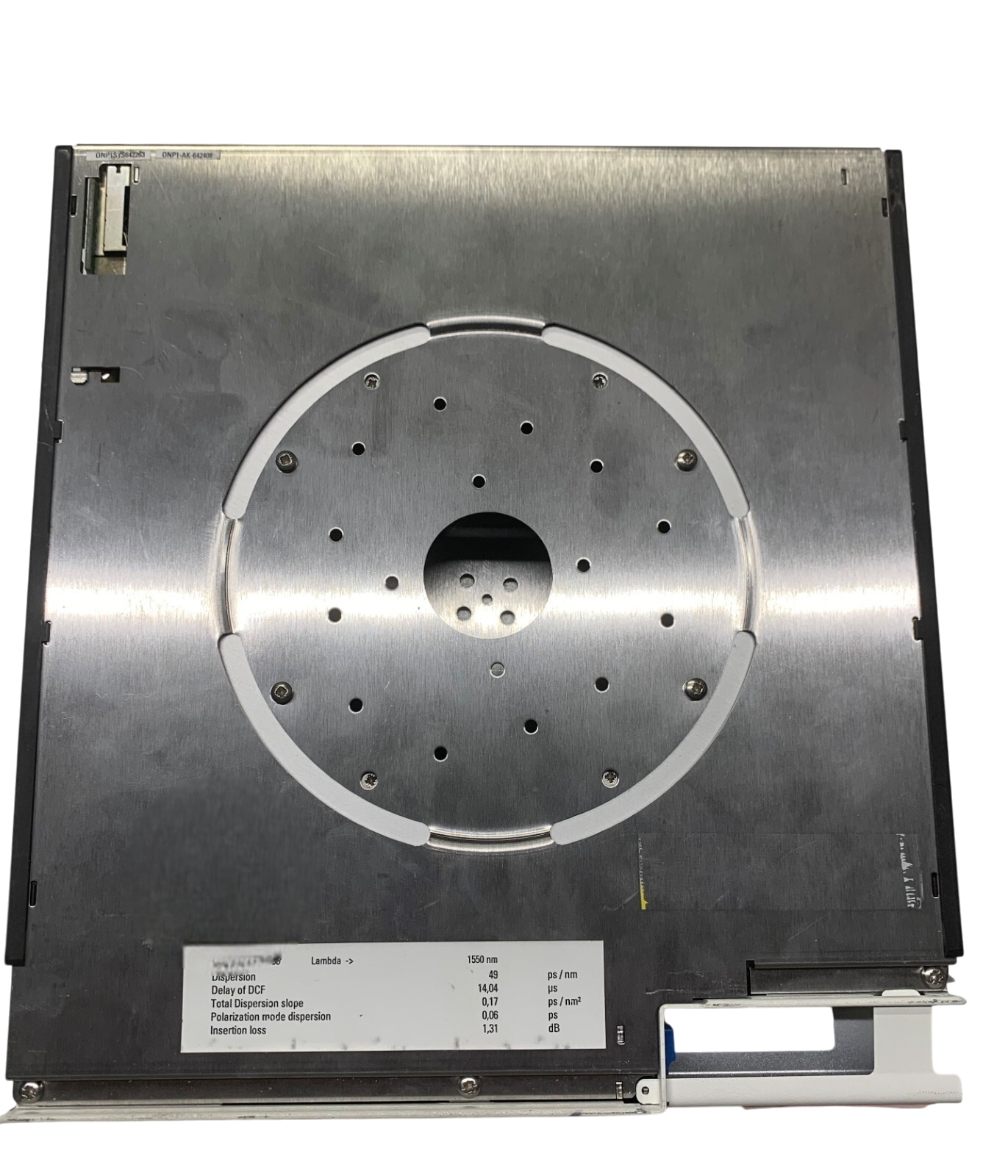
Yokogawa Optical Attenuators (1 unit)
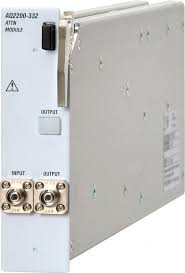
Agilent / Keysight 815xx Series Variable Optical Attenuators
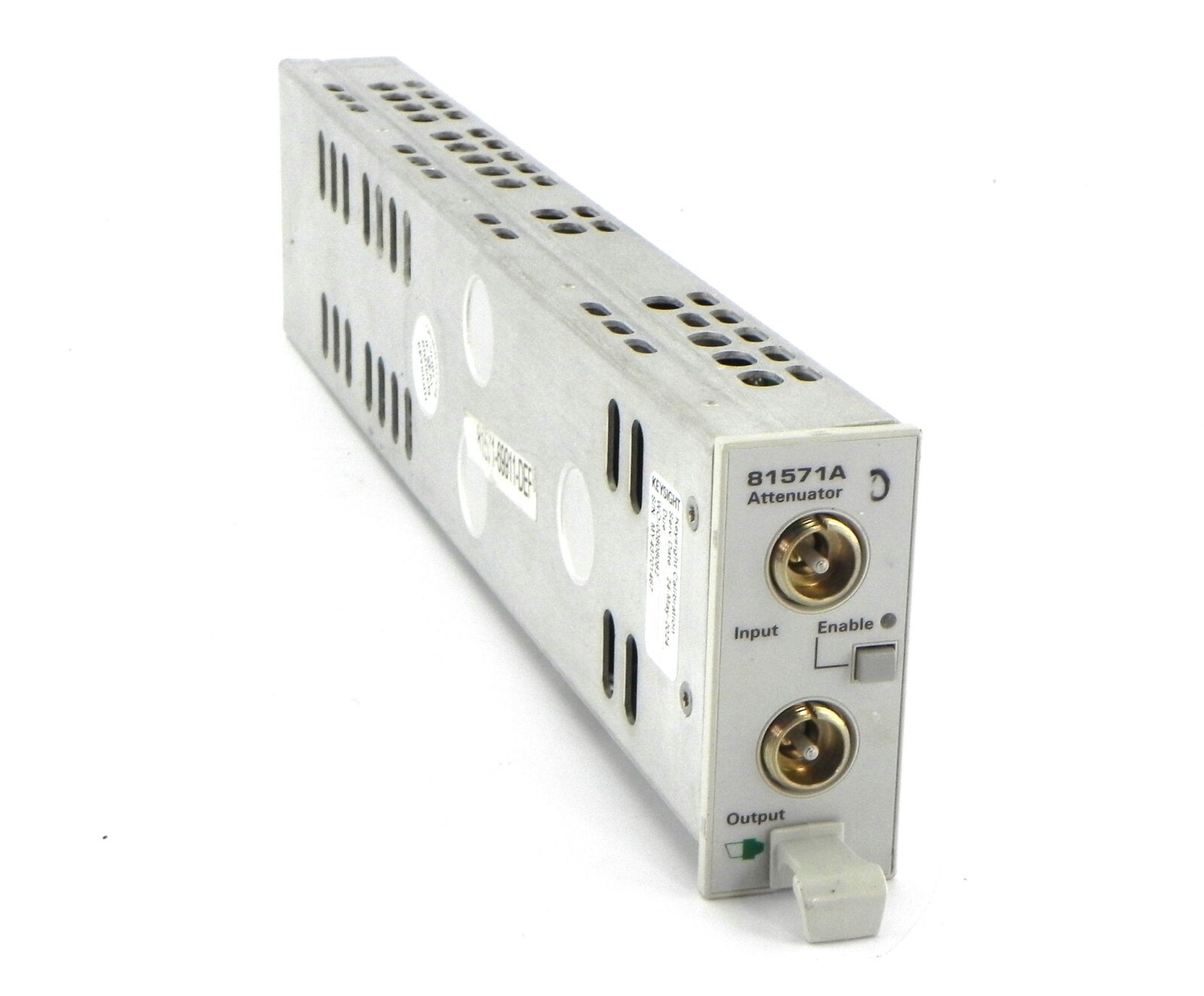
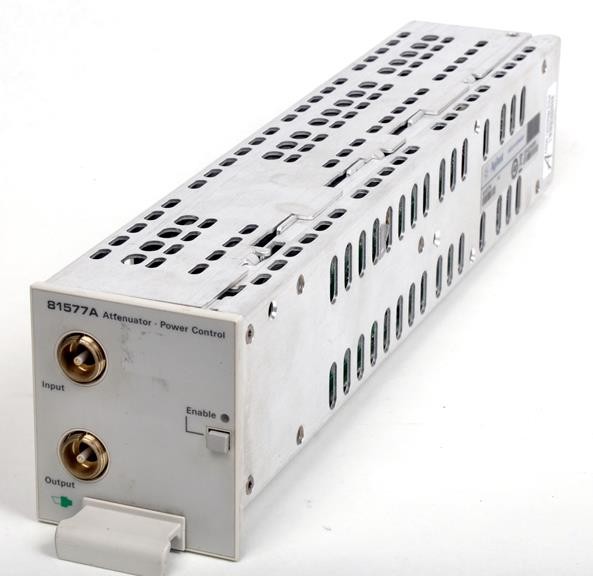
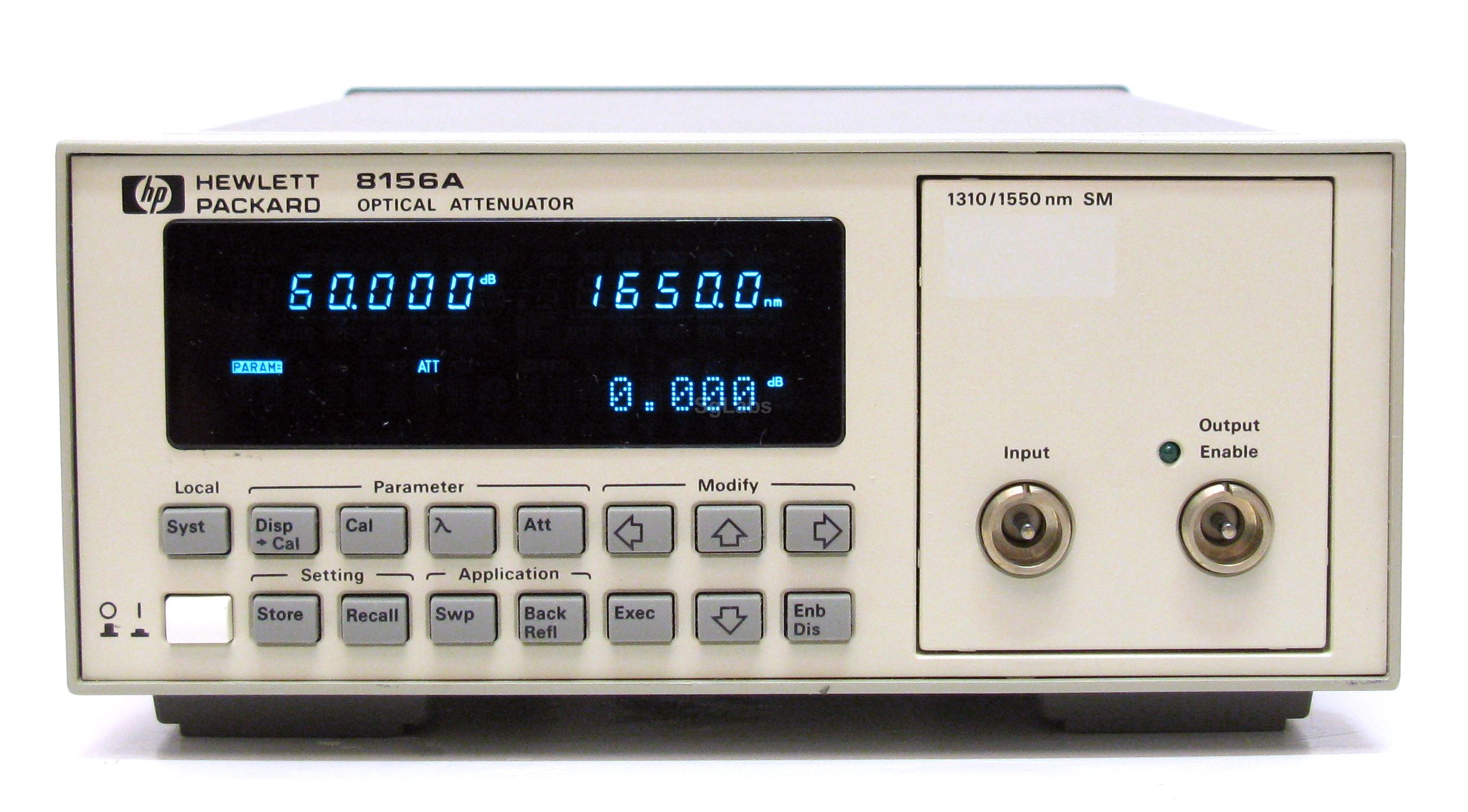
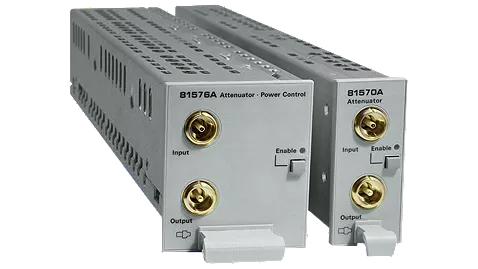
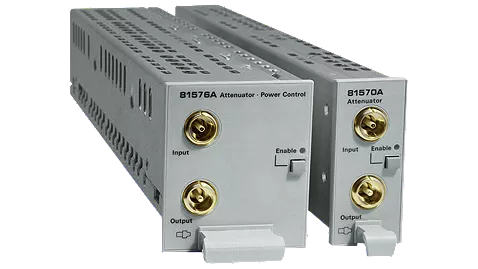
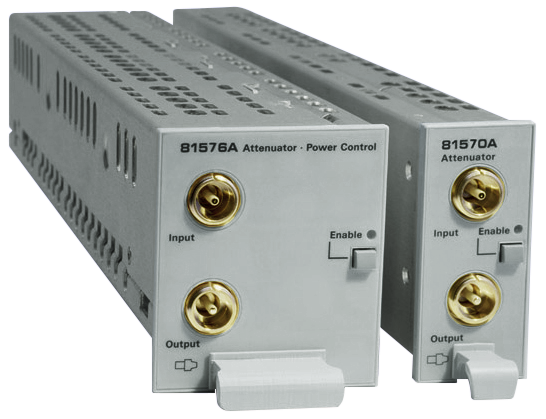
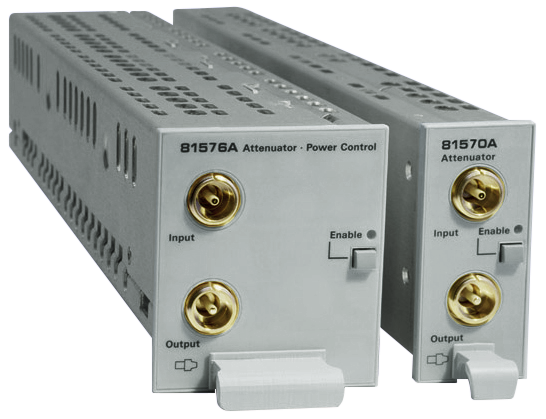
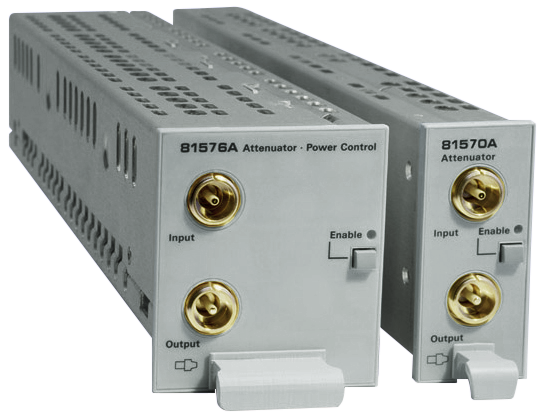
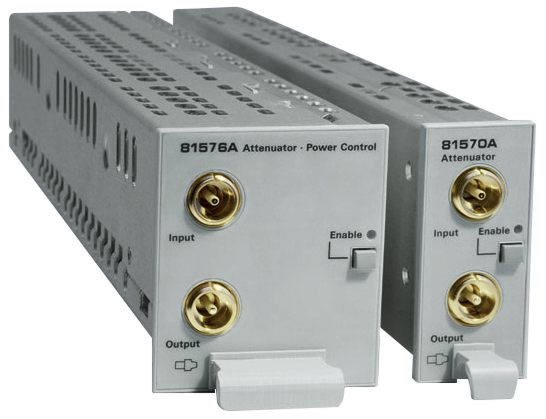
The Agilent 81570A and 81571A are the most commonly specified VOAs in optical test labs. Both offer 0 to 60 dB attenuation range with PDL under 0.05 dB, and both operate as standalone instruments or as plug-in modules in the 8163A/B or 8164A/B mainframes. The 81570A covers 1200 to 1700 nm; the 81571A adds a built-in power monitor that lets you verify the output level without a separate power meter — useful when you need hands-free level control in a production sweep setup. The HP 81560A is the older predecessor, still in wide use and fully calibratable.
The EXFO FVA-620 and JDS Uniphase HA9 series are the common alternatives. The FVA-620 covers 0 to 65 dB with a motorized neutral density wheel and GPIB control. The JDS HA9 uses a Faraday rotator mechanism that gives lower PDL than neutral density filter designs at high attenuation settings. For applications sensitive to PDL above 20 dB attenuation, the Faraday rotator design is the better choice.
Fixed Optical Attenuators
Fixed inline attenuators are passive components used to drop signal level by a fixed amount — typically 1, 3, 5, 10, 15, or 20 dB — at a specific wavelength or wavelength range. They are used at receiver inputs to prevent saturation, in link simulation to model splice and connector loss, and in calibration setups to put a reference source within the calibrated range of a power meter. Fixed attenuators require calibration to verify the actual insertion loss at the wavelengths of use — the rated value is nominal, and real units vary by 0.5 to 1 dB from the label depending on manufacturing tolerance and connector wear.
Optical Attenuator Calibration and Repair
NIST-traceable calibration for optical attenuators at Aumictech covers attenuation accuracy at 5 or more set points across the full range, linearity, wavelength-dependent attenuation at 1310 nm and 1550 nm (and 1490 nm and 1625 nm on request), insertion loss at 0 dB, and PDL on request. Standard calibration is $450 with a NIST certificate; $650 with full measured data at every test point. Repair evaluations are free. Common repairs: motor mechanism service, neutral density filter cleaning or replacement, optical port connector replacement, EEPROM recalibration after firmware update. Turnaround 1 to 3 business days. See calibration pricing → | Request a repair evaluation →
Frequently Asked Questions
What is the difference between a fixed optical attenuator and a variable optical attenuator (VOA)? +
A fixed optical attenuator inserts a precise, unchanging amount of loss — typically 1, 3, 5, 10, or 20 dB — into a fiber link. It is used to bring a signal within the dynamic range of a receiver or power meter. A variable optical attenuator (VOA) lets you adjust the attenuation continuously across a range, typically 0 to 60 dB or more. VOAs are used in test setups where you need to sweep the signal level, in receiver sensitivity testing, and in optical switch and ROADM characterization where the attenuation needs to change programmatically.
What connector types are available on optical attenuators? +
Most benchtop VOAs use FC/PC or FC/APC connectors on the input and output. Keysight and Agilent 815xx series use proprietary push-pull FC-style connectors compatible with their lightwave system platform. Inline fixed attenuators are available with FC, SC, LC, and ST connectors in both PC and APC polish. When buying used, confirm the connector type and polish before ordering — an FC/PC attenuator on an APC system introduces significant back-reflection.
What does optical attenuator calibration include and what does it cost? +
NIST-traceable calibration for an optical attenuator at Aumictech covers attenuation accuracy at 5 or more set values across the full range, attenuation linearity, wavelength-dependent attenuation at 1310 nm, 1490 nm, and 1550 nm, insertion loss at the 0 dB position, and PDL on request. Standard calibration is $450 with a pass/fail certificate. Calibration with full measured data is $650. Turnaround 1 to 3 business days.
What is polarization-dependent loss (PDL) and why does it matter on an attenuator? +
PDL is the difference in insertion loss between the polarization state that experiences maximum loss and the one that experiences minimum loss. On a VOA in a test setup, PDL in the attenuator adds polarization-dependent measurement error to every level-dependent measurement — receiver sensitivity, gain tilt, power calibration. High-quality benchtop VOAs like the Agilent 81570A specify PDL under 0.05 dB. On a VOA with 0.3 dB PDL, your level uncertainty is at least 0.3 dB regardless of how well calibrated the power meter is.
What dynamic range can I achieve with a variable optical attenuator? +
The Agilent 81570A and 81571A offer up to 60 dB of attenuation range. The EXFO FVA-620 covers 0 to 65 dB. JDS HA9 series attenuators cover up to 60 dB. Dynamic range beyond 60 dB typically requires two attenuators in series — Agilent offers a dual-stage configuration for this. In practice, measurement uncertainty increases at high attenuation settings, and the usable dynamic range is limited by the noise floor of the power meter receiving the attenuated signal.
What are the most common failure modes on variable optical attenuators? +
The most common failure on motor-driven VOAs is wear in the attenuation mechanism — the attenuator becomes non-monotonic, develops steps, or loses smooth control. On the Agilent 81570A and 81571A, gear wear in the neutral density filter drive mechanism is the most frequently seen issue. Optical port contamination is the second most common problem, causing excess insertion loss that appears as attenuator failure. Cleaning the ports with proper fiber optic cleaning tools resolves many apparent faults before any mechanical repair is needed.
What is the difference between a benchtop VOA and an inline VOA module? +
A benchtop VOA is a standalone instrument with its own power supply, display, and GPIB or USB control interface. It is the right choice for characterization work where you need programmable level control in a test setup. An inline VOA module (such as Agilent 81570A in an 8163B or 8164B mainframe) eliminates a separate power supply and allows the attenuator to be triggered and synchronized with the mainframe sweep. The module format is preferred in production and swept-wavelength measurement setups. Both calibrate the same way.
Can I use a variable optical attenuator with single-mode and multimode fiber? +
Most benchtop VOAs are designed and calibrated for singlemode fiber operation at telecom wavelengths (1250 to 1650 nm). Using them with multimode fiber changes the coupling efficiency and makes the attenuator reading unreliable — you will not get the labeled attenuation. For multimode work at 850 nm or 1300 nm, use an attenuator specified for multimode operation with the appropriate connector and wavelength range.
Need a specific attenuation range or connector type?
We source specific optical attenuators on request. Tell us the wavelength range, attenuation range, connector type (FC/PC, FC/APC, LC), and whether you need GPIB or USB control.
Get in touch