
Used Power Analyzers
48 units in stock — precision power analyzers and power meters from Yokogawa, Keysight, Fluke, and Tektronix, covering standby power through multi-element inverter and motor efficiency testing. Ships from Pleasant Grove, UT.
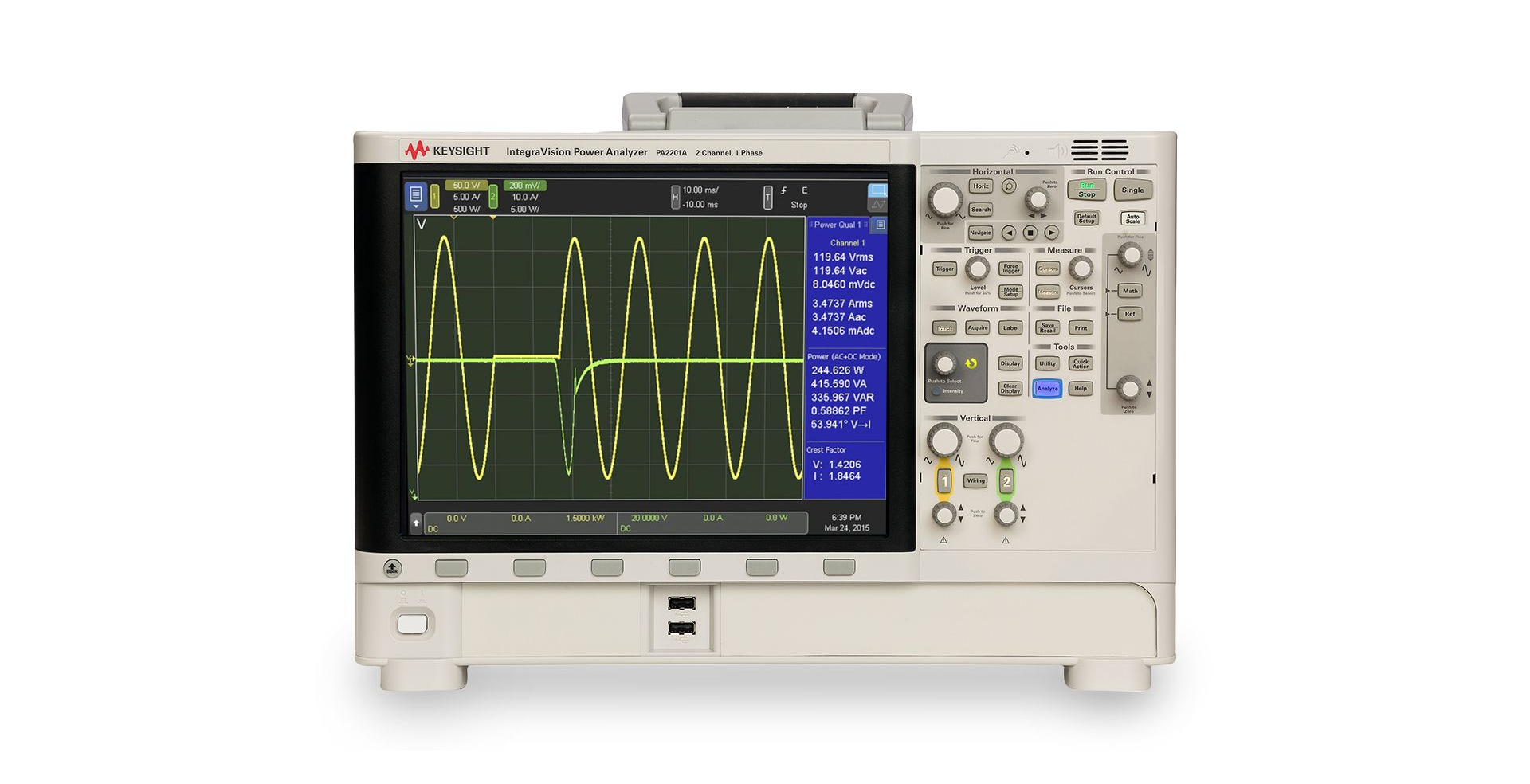
Agilent / Keysight Power Analyzers (6 units)
Clarke-Hess Power Analyzers (1 unit)
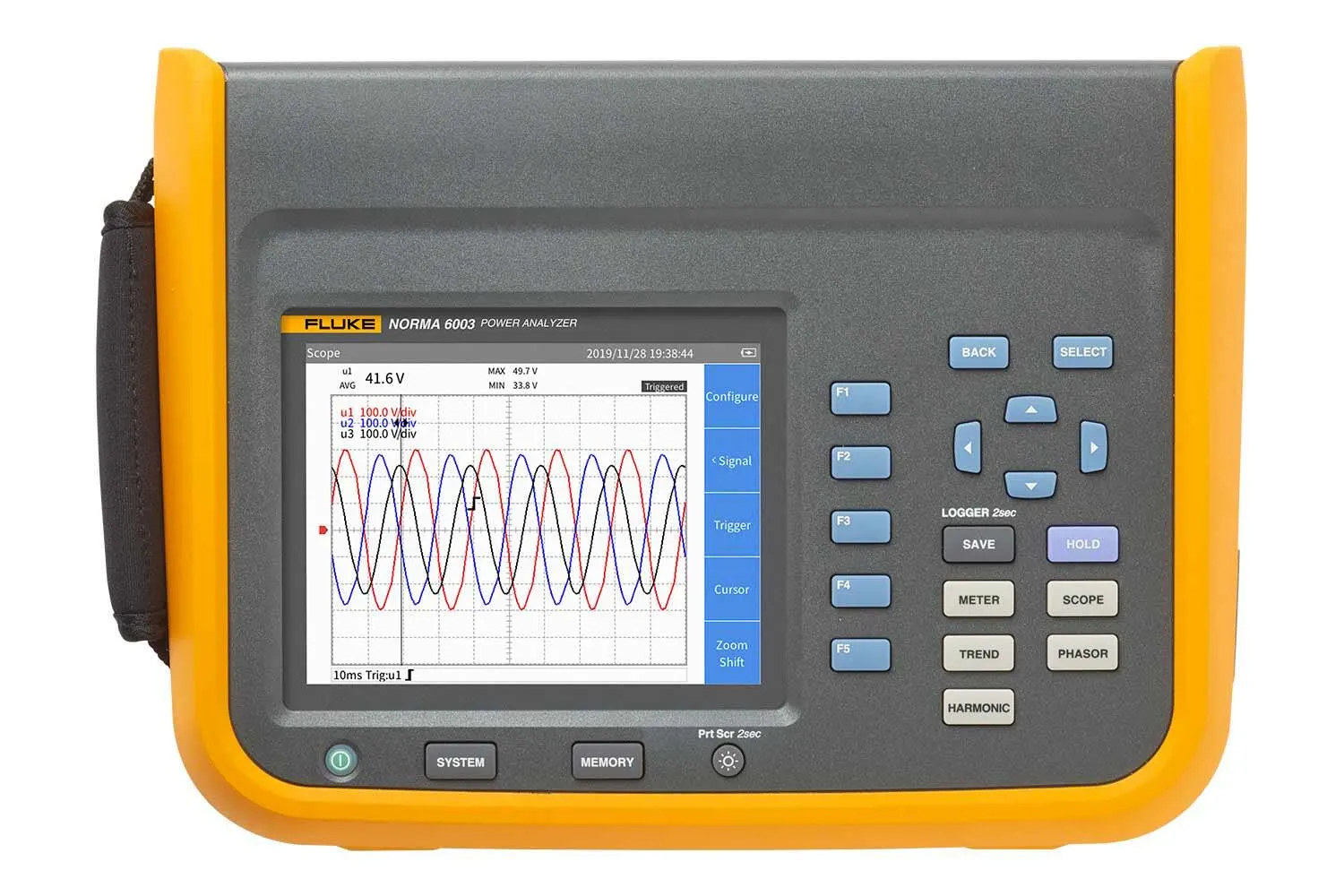
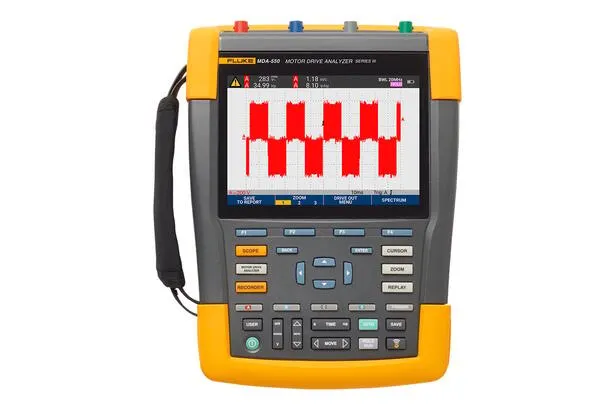
Fluke Power Analyzers (2 units)
Keysight / Agilent Power Analyzers (3 units)
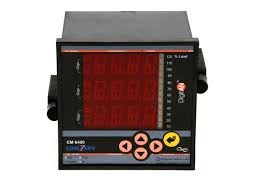
Schneider Electric / Conzerv Power Analyzers (1 unit)
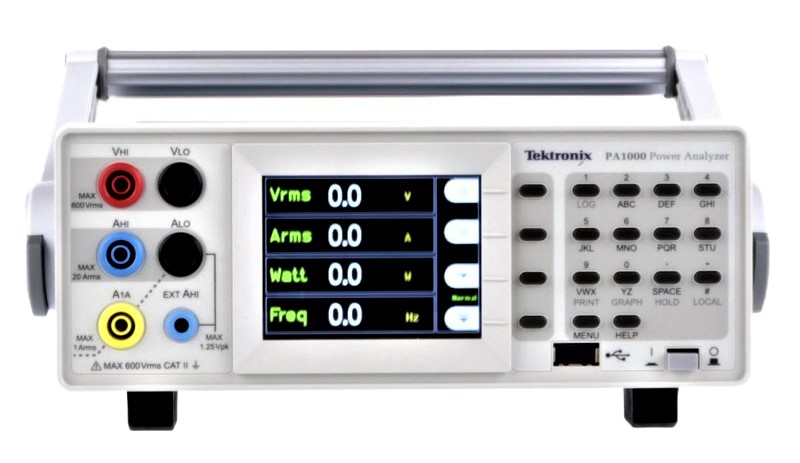
Tektronix Power Analyzers (1 unit)
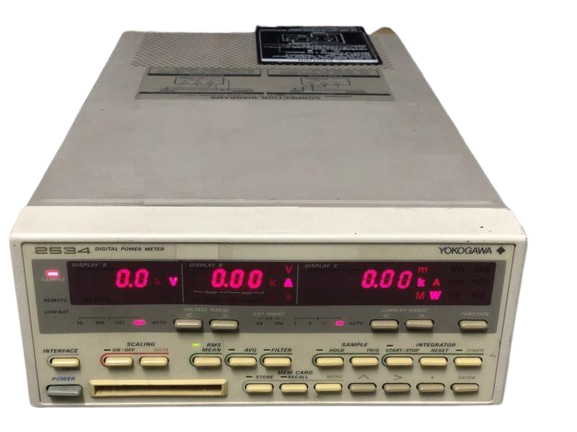
Yokogawa Power Analyzers (34 units)


What a Power Analyzer Measures
A power analyzer samples voltage and current together on each phase and derives the power quantities from them: real power in watts, apparent power in VA, reactive power, power factor, and harmonic content, all against a stated accuracy specification. That specification is the whole reason the instrument exists. A multimeter measures one quantity at a time and knows nothing about phase relationship. A scope shows you the waveform but will not certify a power figure. When you have to publish an efficiency number or prove a product meets a standby power limit, you need the accuracy claim behind the measurement.
The Yokogawa WT Families
Yokogawa makes up most of this inventory, and the WT line splits fairly cleanly by accuracy and channel count.
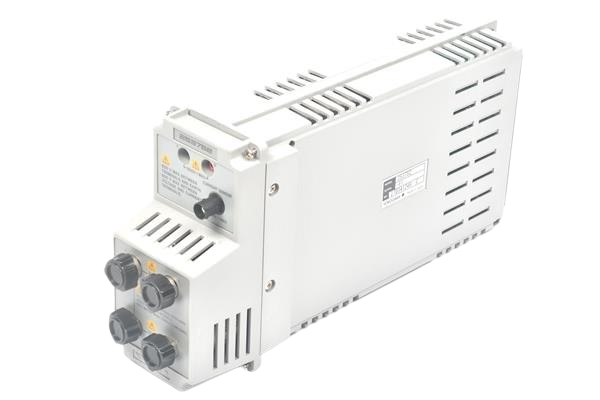
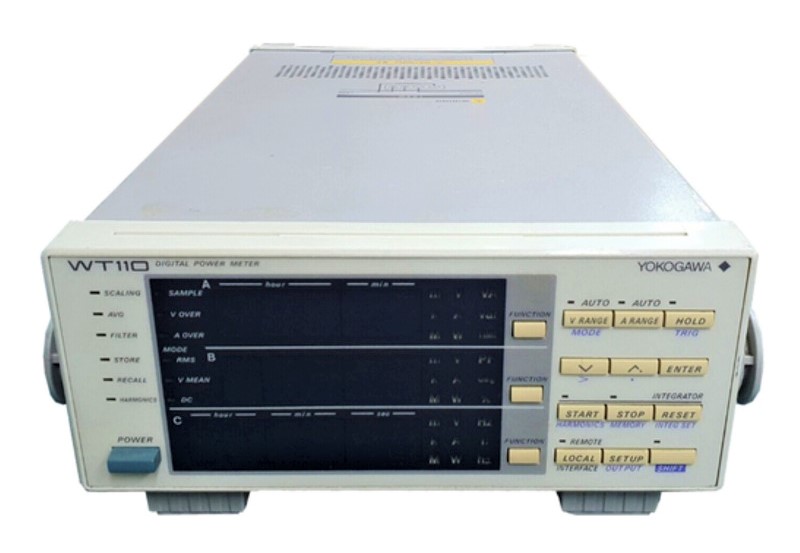
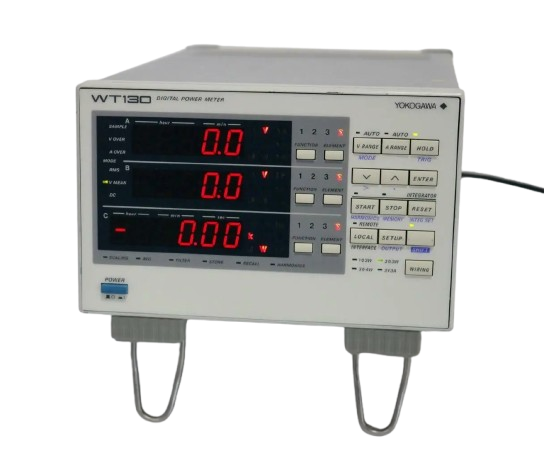
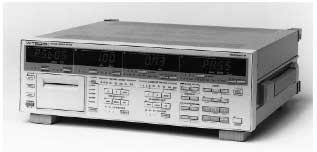
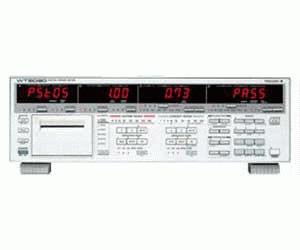
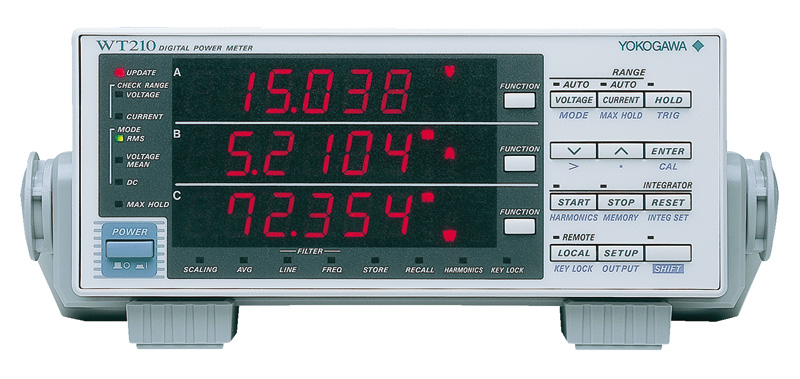
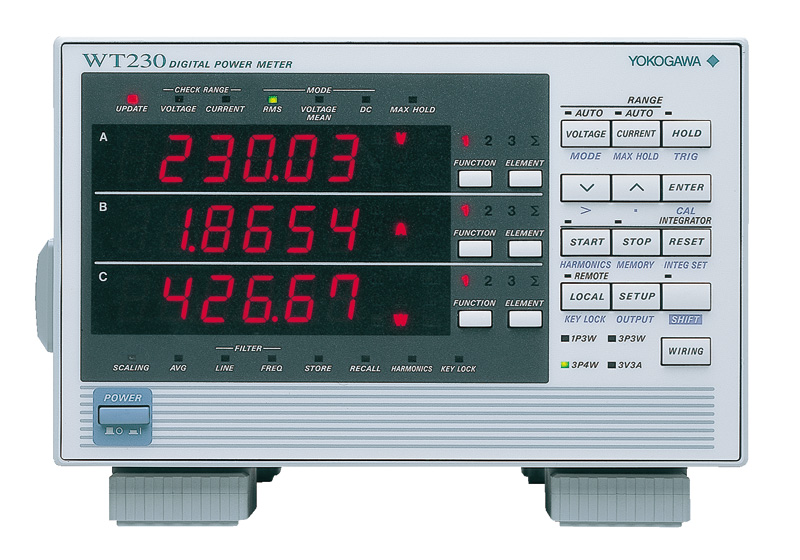
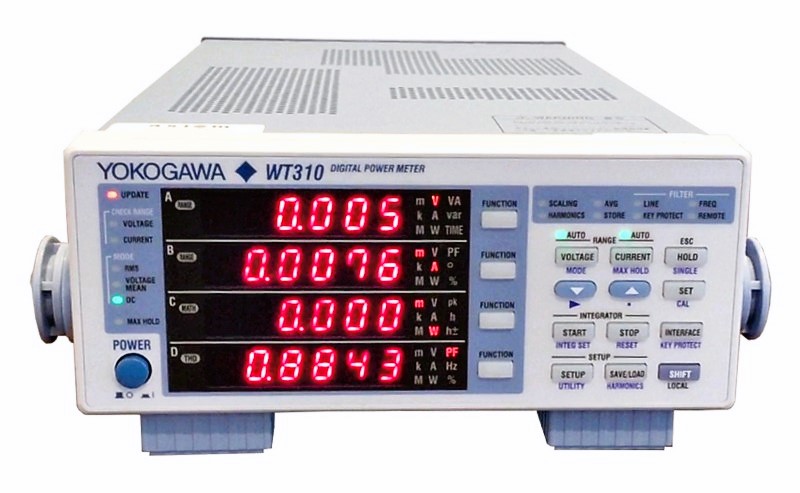
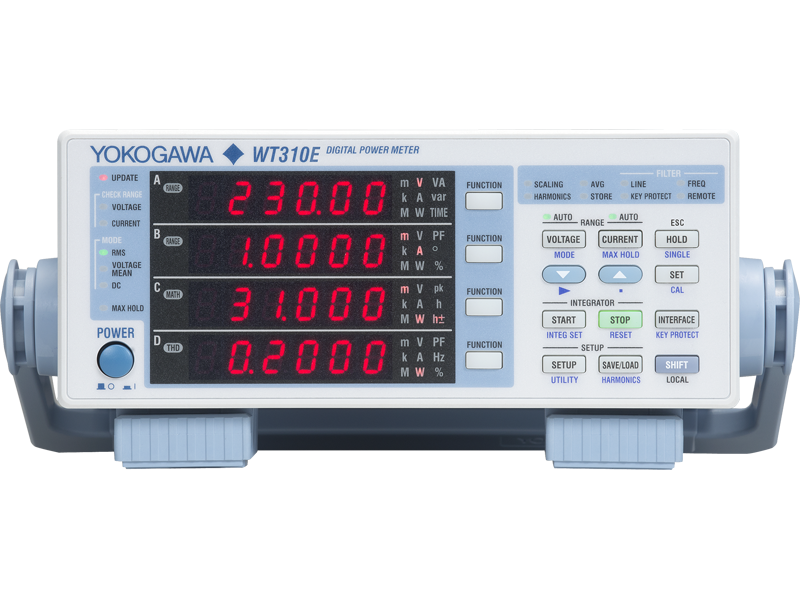
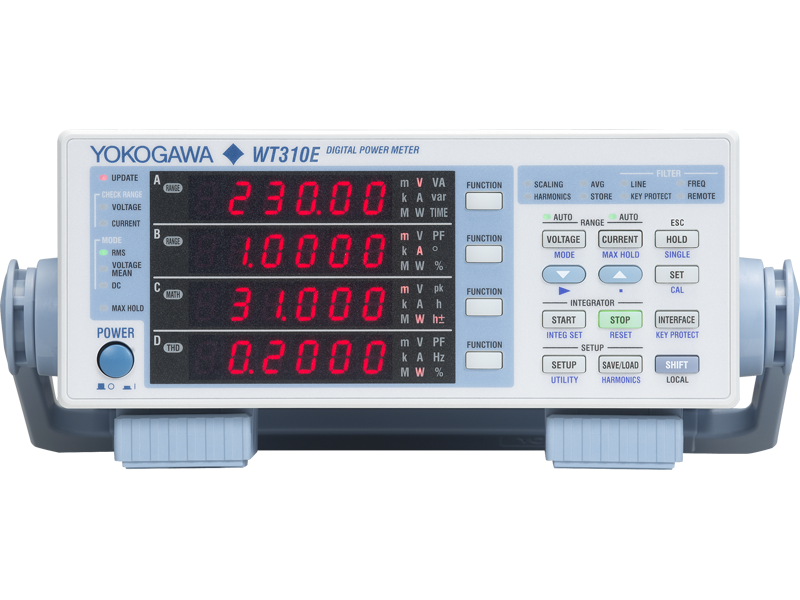
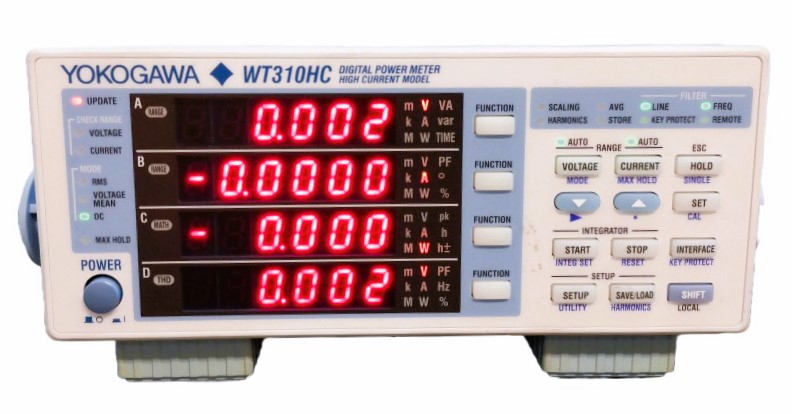
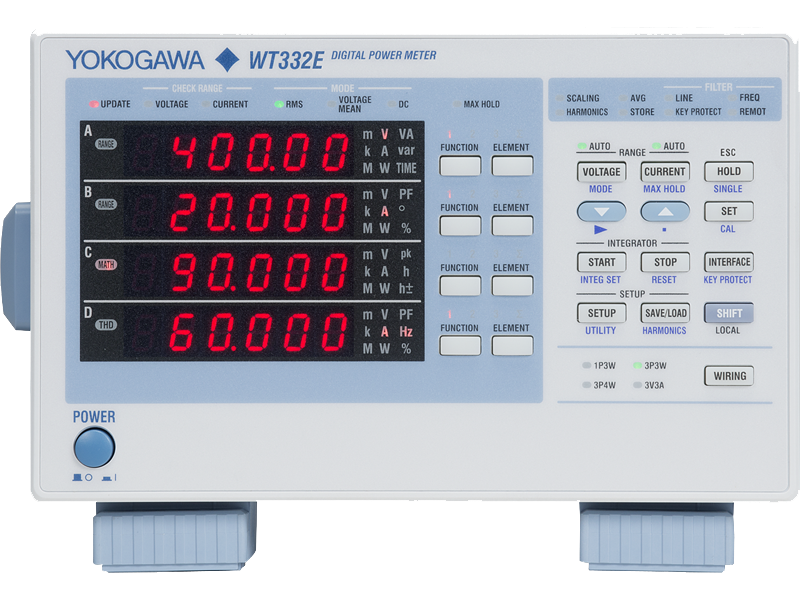
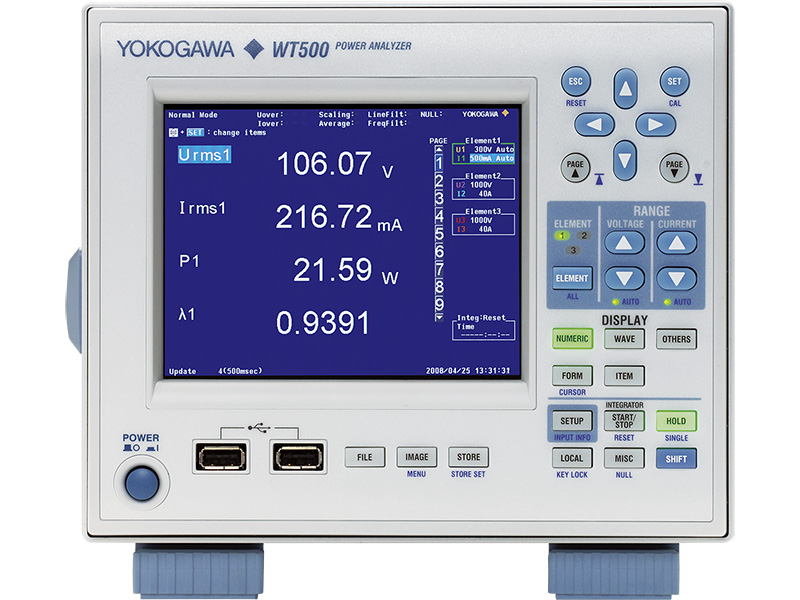
The WT300 series, WT310 and WT332E among them, is the compact end. Standby power measurement, single-unit energy efficiency work, bench testing of appliances and power supplies. The WT500 sits in the middle and is the common pick for motor drive work where you need a few channels without paying for reference-grade accuracy.
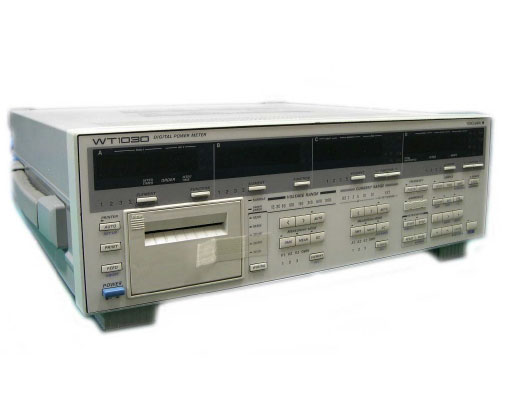
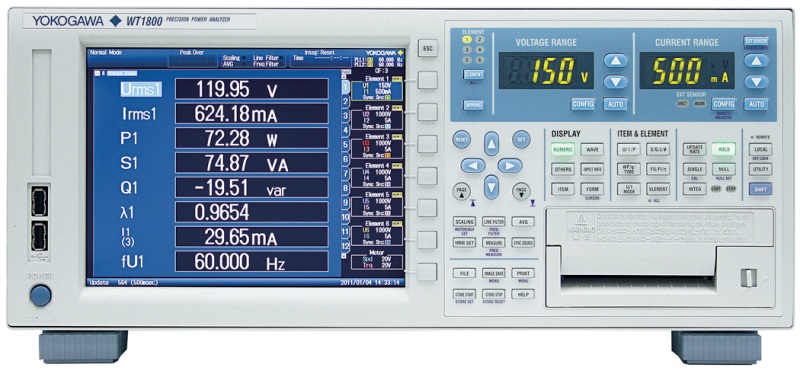
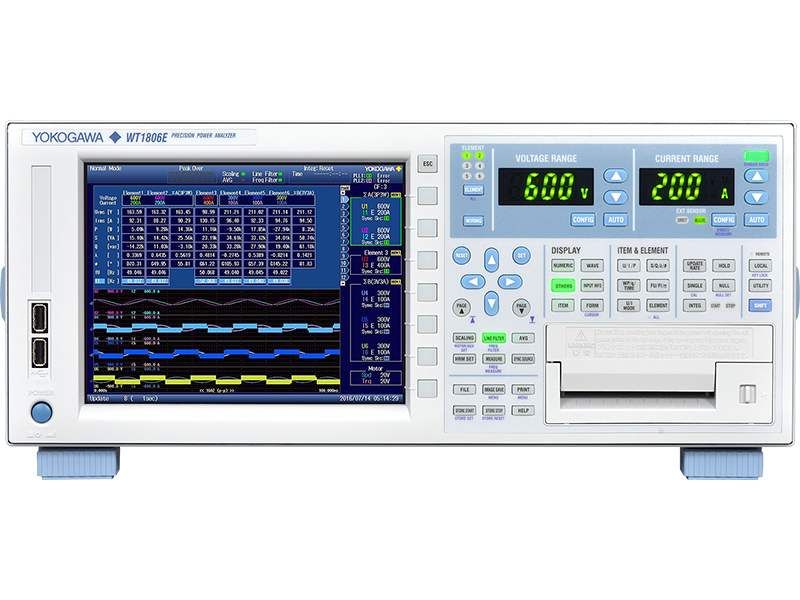
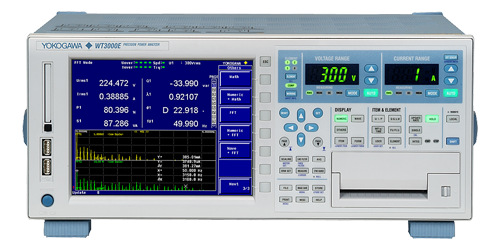
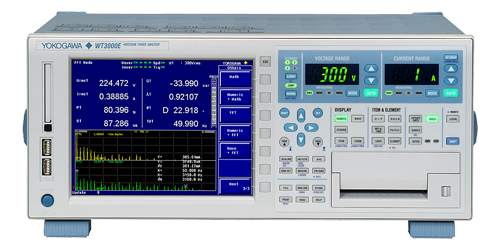
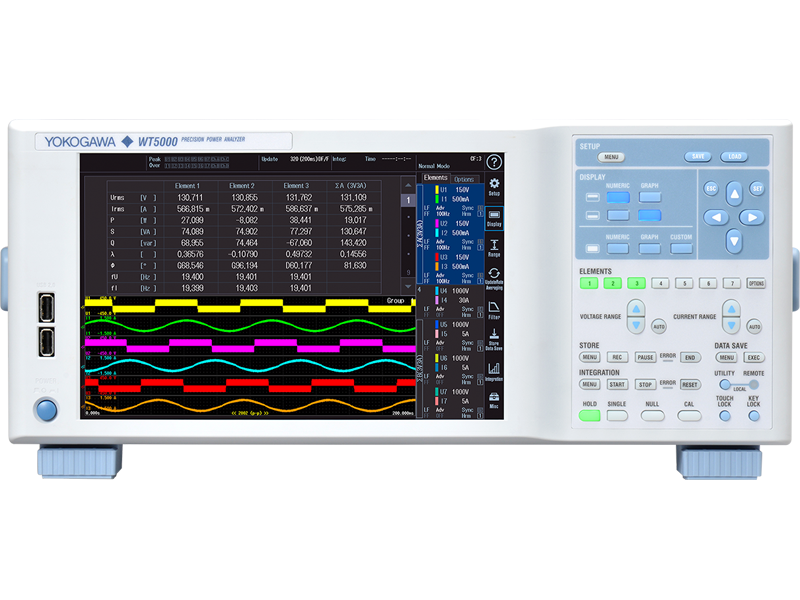
The WT1800 family, including the WT1801E and WT1804E, is the multi-element workhorse. This is what you use when you need to measure an inverter input and output at the same time, or characterize a three-phase motor under load, with enough channels to see both sides of a conversion at once. The WT3000 and WT3002E are the top of the range, with accuracy tight enough that labs use them as the in-house reference other power meters get verified against.
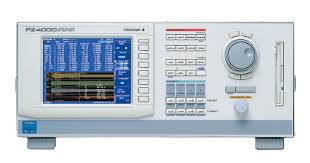
Two outliers worth knowing: the PZ4000 targets transient and higher-frequency power measurement, and the PX8000 is a precision power scope, essentially a ScopeCorder built for power waveform capture rather than steady-state readings.
Element Count Is the Spec People Miss
An element is one voltage and current channel pair. On the WT1800 family the unit ships with one to six elements and the count is fixed in hardware, not something you unlock in software later.
What you need follows from the wiring. Single-phase takes one element. Three-phase three-wire takes two. Three-phase four-wire takes three. Measuring both sides of an inverter can take six. A used WT1801E at a good price is no bargain at all if it has two elements and your test needs three, so confirm the count before you commit. This is the most common reason a used power analyzer gets returned.
Direct Current Input or External Sensor
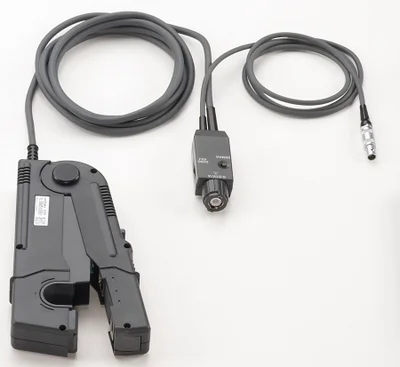
Most WT-series units have direct current inputs, typically rated to 5 A or as high as 40 A depending on model and options, and you wire the load through the instrument. Past those ratings, or anywhere you cannot break into the circuit, you measure through an external current sensor or clamp and feed its output to the analyzer's sensor input.
That external sensor input is an ordering option on many units rather than standard equipment. If clamp-based measurement is your plan, check the option is actually fitted on the specific unit you are buying.
Precision Power Analyzers and Power Quality Analyzers
These overlap in name and diverge in purpose. A precision analyzer like the WT3000 is a bench instrument built to measure a device under test accurately. A power quality analyzer such as the Fluke 6004 is built to go out to an installation and log supply-side behaviour over time, catching sags, swells, harmonics, flicker and imbalance. The Fluke MDA-550 sits in its own niche again as a motor drive analyzer. Buy for the job in front of you rather than the broadest sounding name.
The RF Outliers
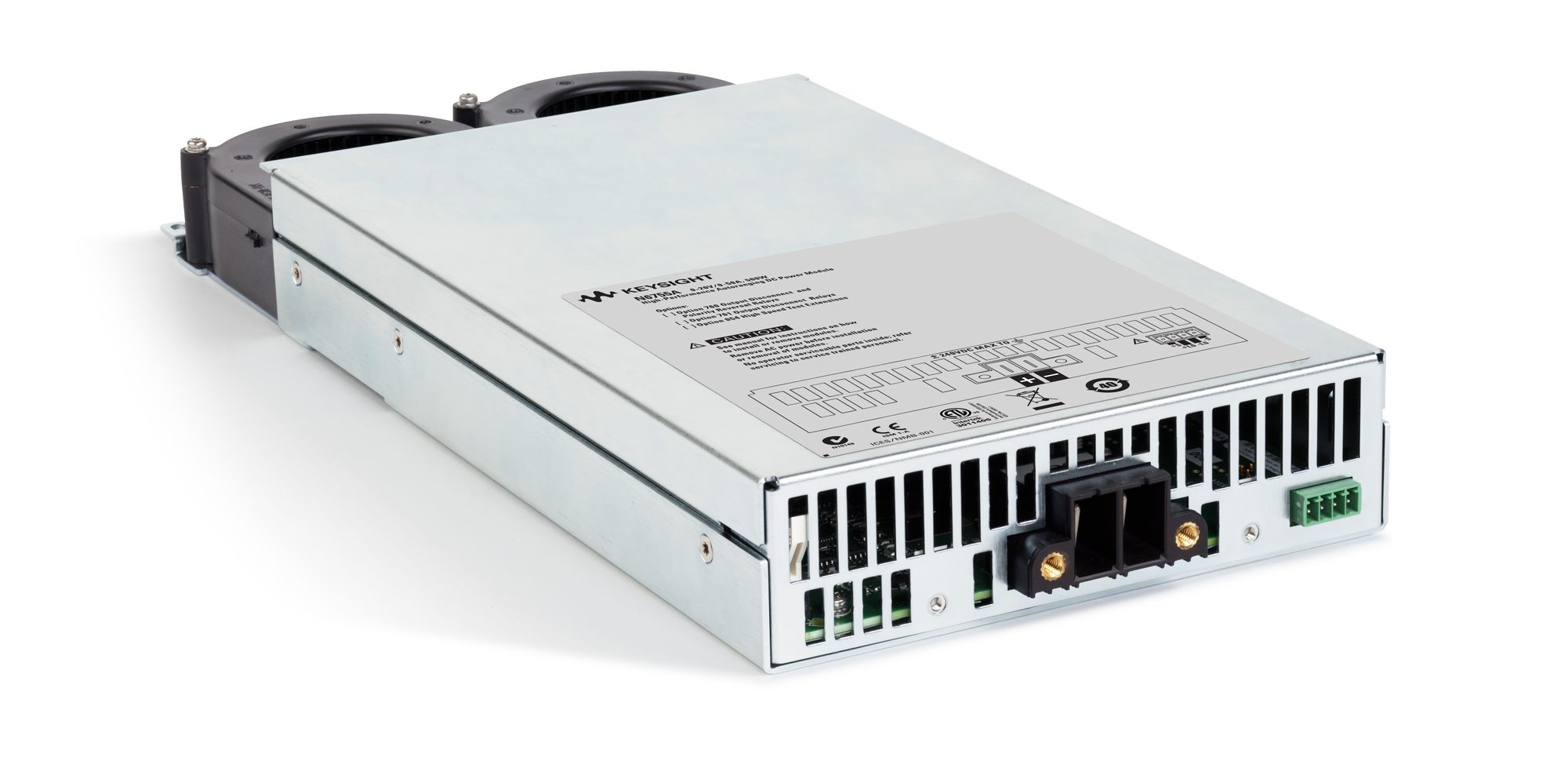
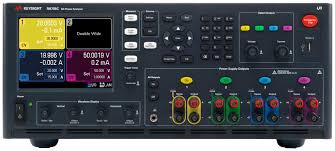
The Keysight 8990B and 8992A are peak power analyzers, and they belong to the RF world rather than the mains world. They measure pulse and envelope power on modulated carriers, which is radar and pulsed RF work. They share a category name with the Yokogawa units and essentially nothing else. If those are what you are after, our RF power sensors are what pairs with them. The Keysight N6705A and N6705C are a third thing again, DC power analyzers that combine sourcing and measurement for battery and device current profiling.
What to Check Before Buying
Element count first on any multi-element unit. Then the current input rating and whether external sensor inputs are fitted. Then the communication interface, since GPIB, Ethernet and USB were not all standard across every model year and your test software may expect one specifically. And ask for the calibration status, because an out-of-cal precision analyzer cannot do the one job it was bought for.
Calibration for Power Analyzers
Accuracy is the entire product here, so calibration is not routine maintenance on this class of instrument, it is what makes the reading worth anything. We verify voltage, current and power accuracy across range against traceable standards and put the measured data on the certificate rather than a pass sticker. See all calibration services →
Frequently Asked Questions
What does a power analyzer do that a multimeter or oscilloscope cannot? +
It measures voltage and current simultaneously on each phase and computes the power quantities from them: real power, apparent power, reactive power, power factor, and harmonic content, all with a defined accuracy specification. A multimeter gives you one quantity at a time with no phase relationship, and a scope shows you waveforms without certified power accuracy. When you need to state an efficiency figure or prove compliance, the accuracy spec on a power analyzer is the reason you use one.
Which Yokogawa WT model do I need? +
It depends on accuracy and channel count. The WT300 series, including the WT310 and WT332E, is the compact choice for standby power and energy-efficiency work on single units. The WT500 sits in the middle and handles motor drives. The WT1800 family, WT1801E and WT1804E among them, gives you multiple elements for inverter and motor efficiency across several phases at once. The WT3000 and WT3002E are the highest accuracy units, typically used for transformer and inverter testing or as an in-house reference other meters get checked against.
What does element count mean on a WT1800 and why does it matter? +
An element is one voltage and current measuring channel pair. The WT1800 family ships configured with anywhere from one to six elements, and the count is fixed at build rather than something you add later in software. A single-phase measurement needs one element, three-phase three-wire needs two, and three-phase four-wire needs three. Testing an inverter input and output at the same time can need six. Always confirm the element count on a used unit, because a two-element analyzer will not do the job you bought it for if that job needs three.
Can I measure current directly or do I need external sensors? +
Both approaches appear in this inventory. Most WT-series units have direct current inputs, commonly rated to 5 A or up to 40 A depending on the model and options, and you wire the load through them. Above those ratings, or where you cannot break the circuit, you use an external current sensor or clamp and feed its output into the analyzer sensor input. Check whether the external sensor input option is fitted if that is how you plan to measure, since it is an ordering option rather than standard on every unit.
Is a power analyzer the same thing as a power quality analyzer? +
Not quite, though they overlap. A precision power analyzer like the WT3000 is built for accurate measurement of power and efficiency on a device under test, usually on a bench. A power quality analyzer such as the Fluke 6004 is built to go out to an installation and log supply-side problems: sags, swells, harmonics, flicker and imbalance over time. Buy for the job. Bench efficiency work wants the precision analyzer, site troubleshooting wants the power quality unit.
Why are there RF peak power analyzers in this category? +
The Keysight 8990B and 8992A are peak power analyzers for the RF domain, measuring pulse and envelope power on modulated carriers rather than mains power. They share the name and almost nothing else with an AC power analyzer. If you are doing radar or pulsed RF work they are the right tool, and if you are measuring a motor drive they are not. Our RF power sensor listings pair with those instruments.
Can used power analyzers be calibrated? +
Yes, and on this class of instrument it matters more than most. The entire value of a precision power analyzer is its accuracy specification, so an uncalibrated unit is just an expensive display. Calibration verifies voltage, current and power accuracy across range against traceable standards, with the measured data on the certificate.
Tell us what you are measuring.
Phase configuration, current level, and the accuracy you need to claim. We will work backward to the right model and element count before you order.
Get in touch