
Used Data Loggers
48 units in stock — paperless recorders, logging multimeters, and environmental data loggers from Yokogawa, Fluke, Honeywell, and Dickson. Ships from Pleasant Grove, UT.
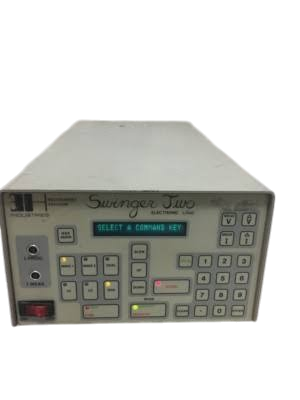
3G Tech / HBS Equipment Data Loggers (1 unit)
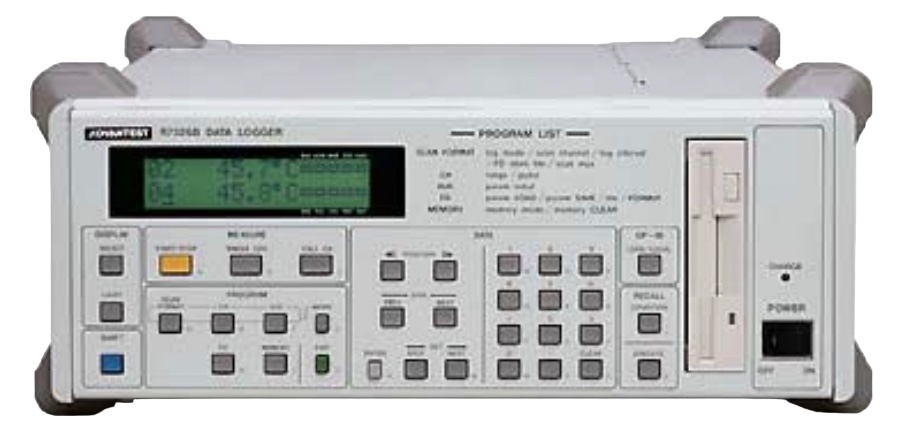
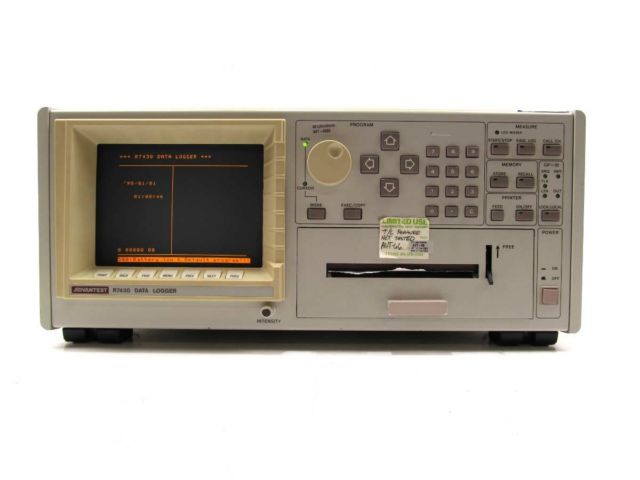
Advantest Data Loggers (3 units)
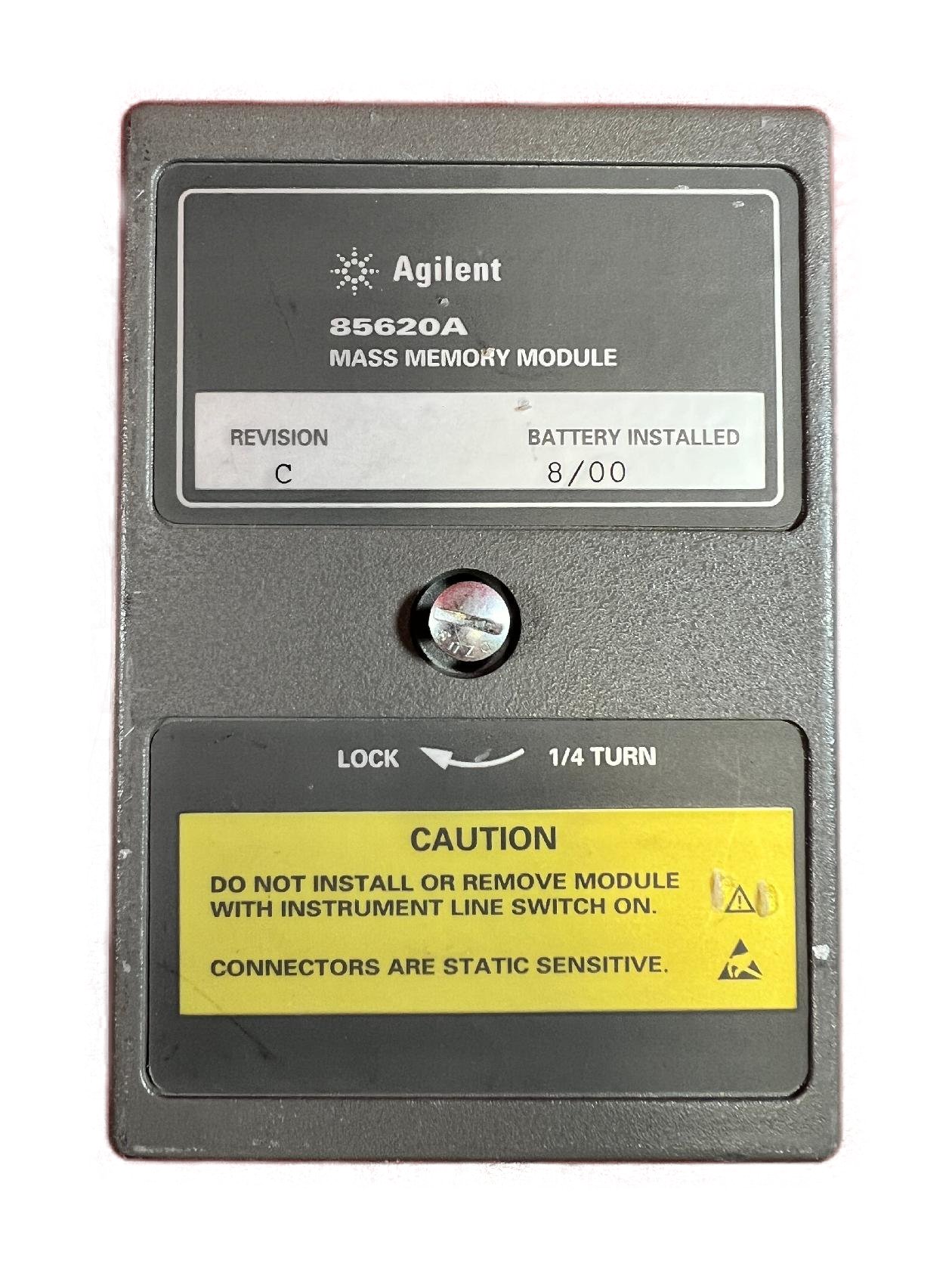
Agilent / Keysight Data Loggers (3 units)
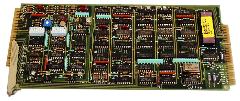
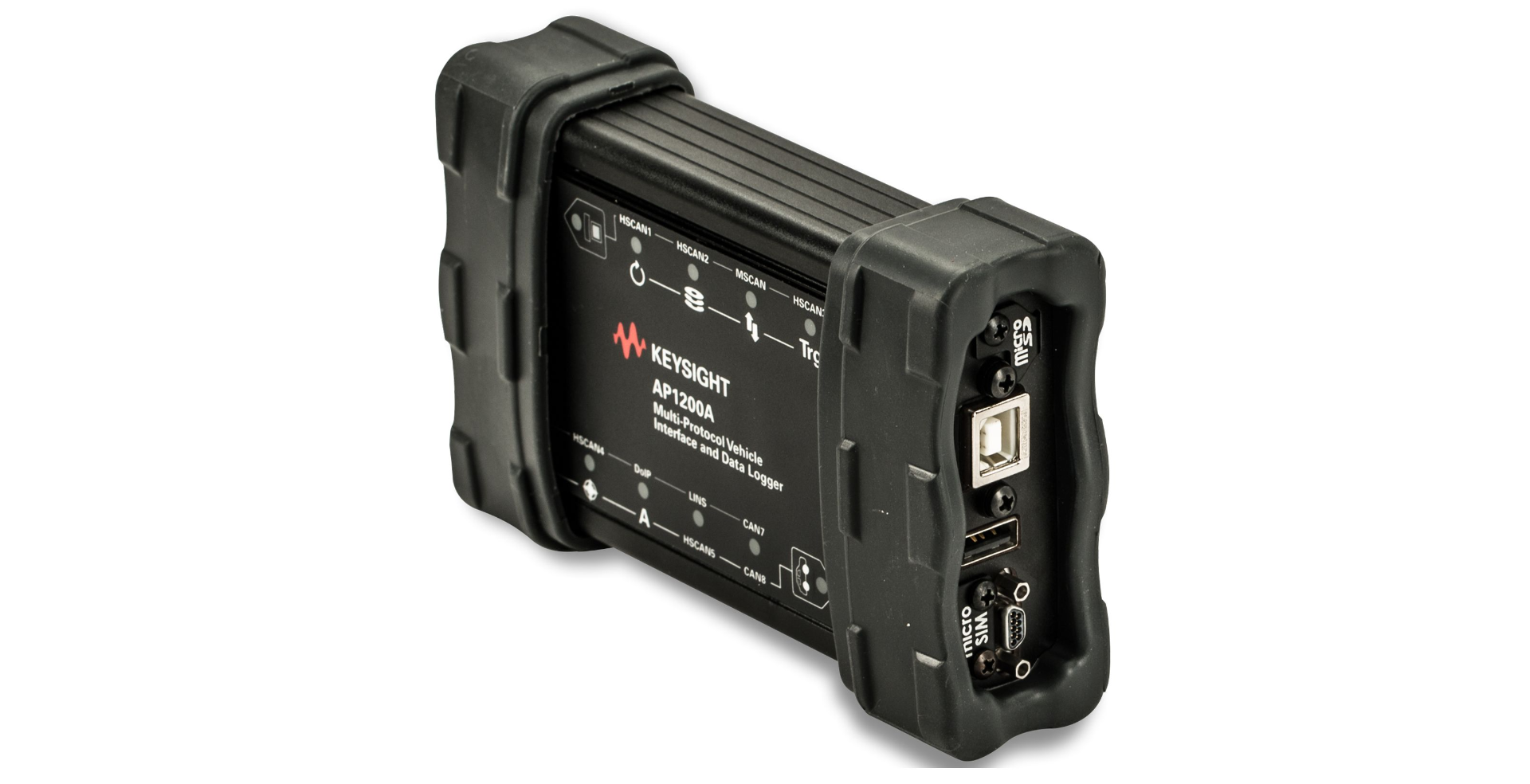
Astronics / EADS / Trig-Tek Data Loggers (1 unit)
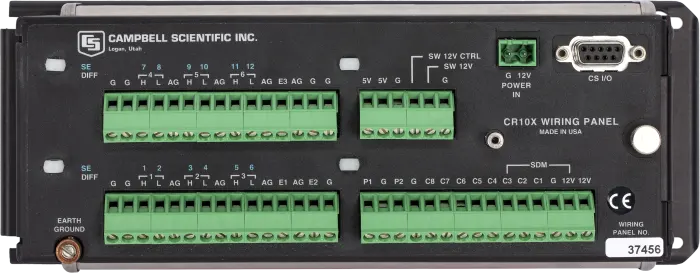
Campbell Scientific Data Loggers (1 unit)
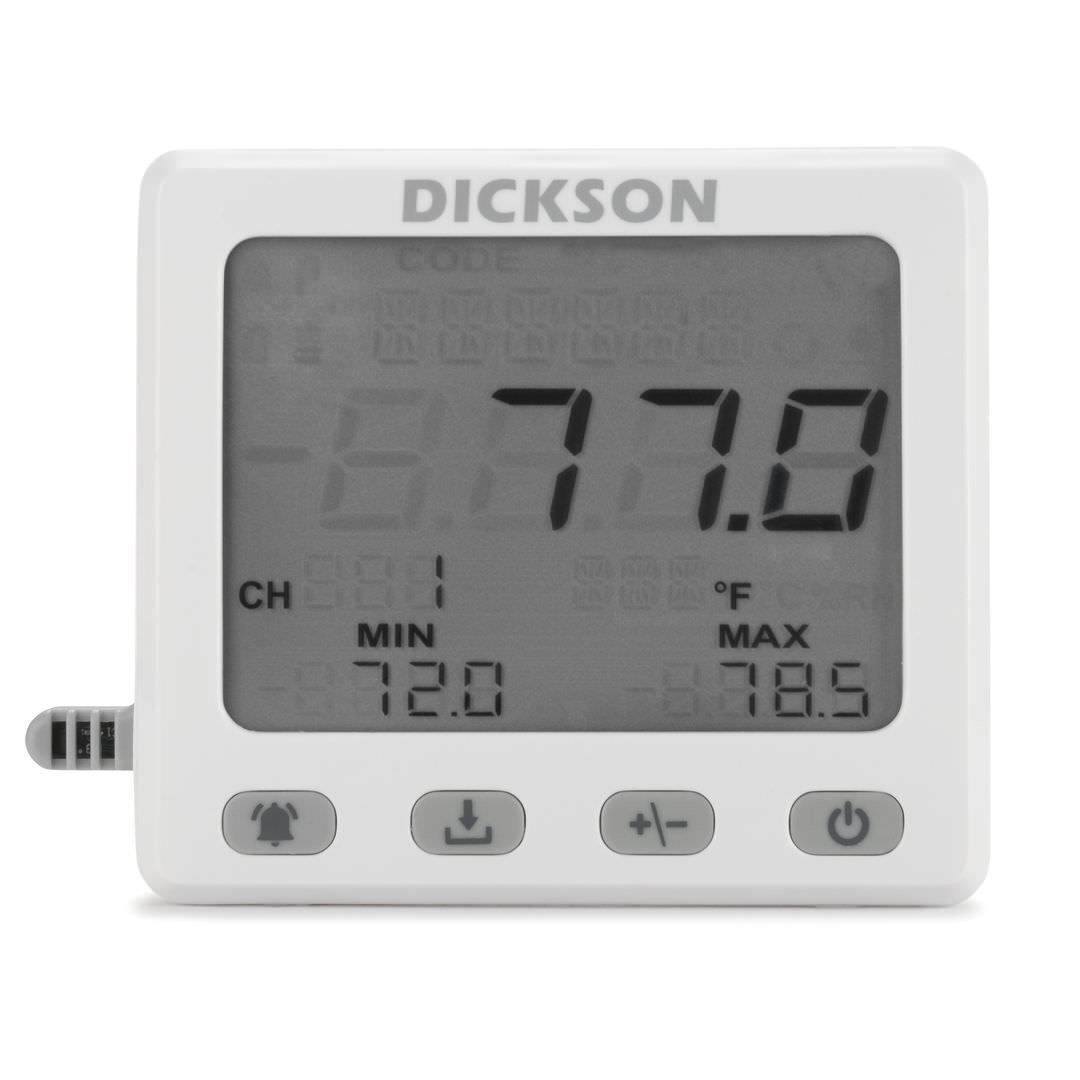
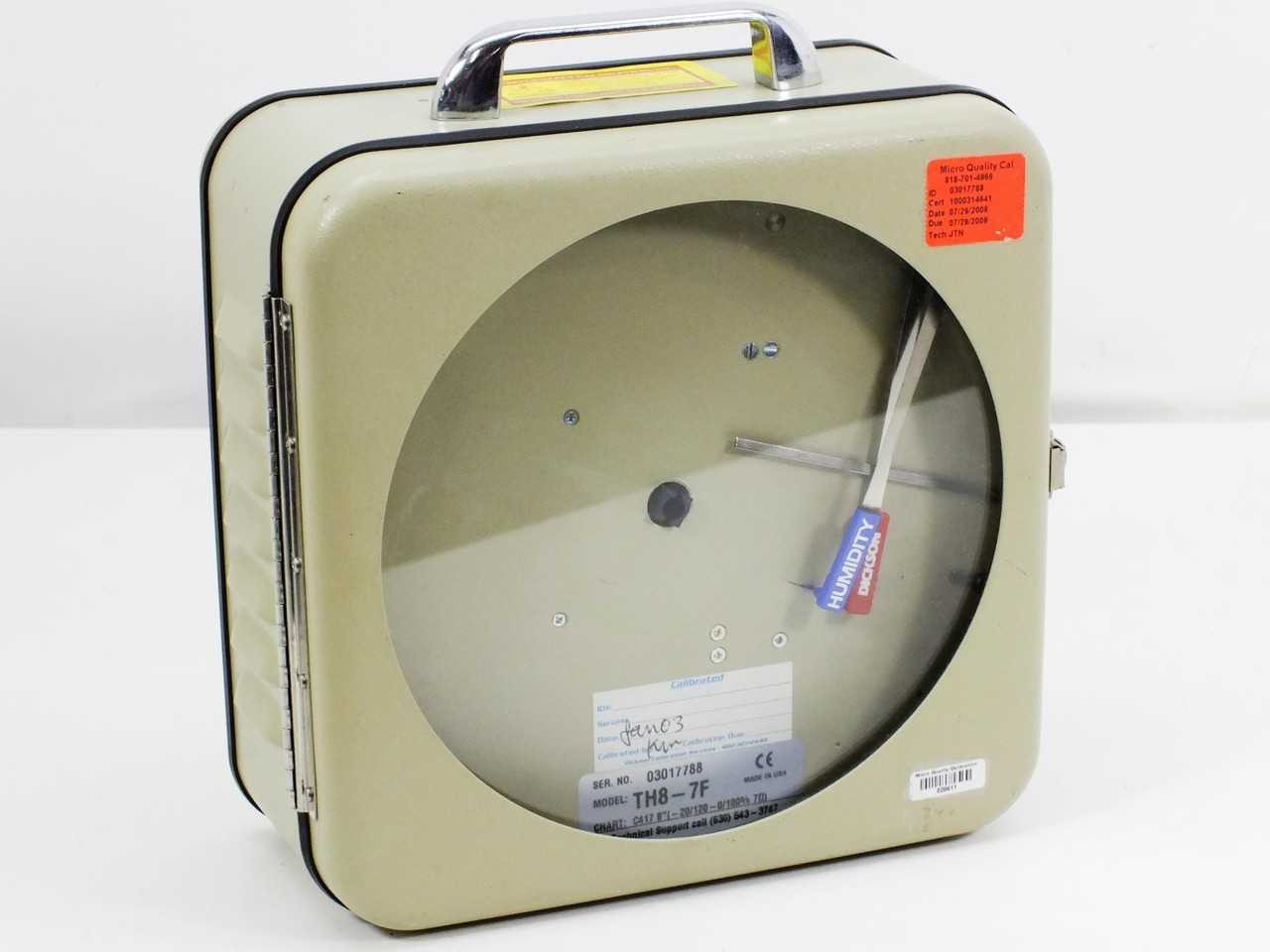
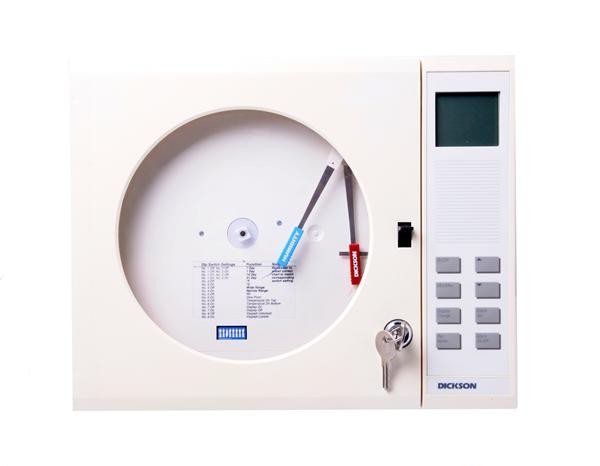
Dickson Data Loggers (5 units)
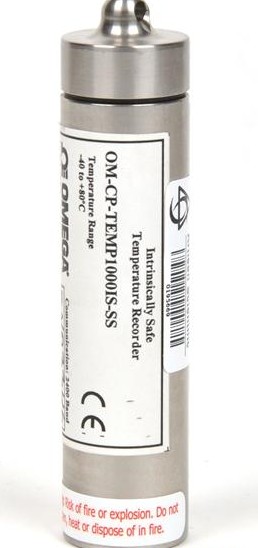
Dwyer/Omega Data Loggers (3 units)
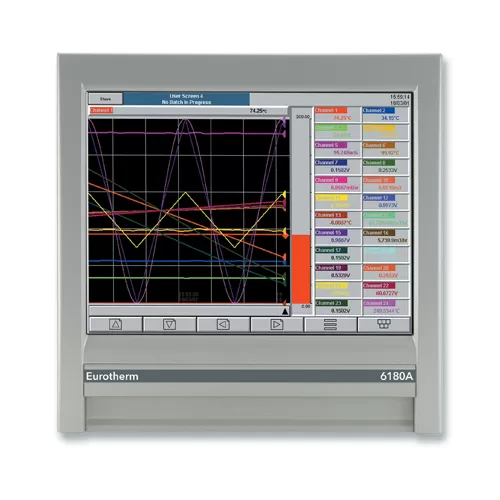
Eurotherm/Invensys Data Loggers (1 unit)
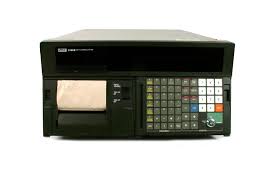
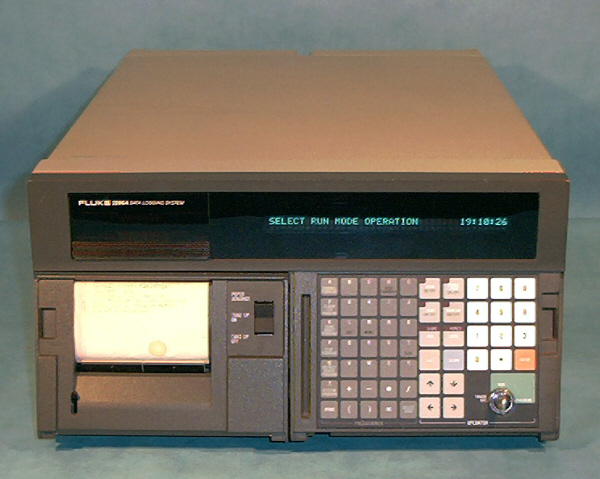
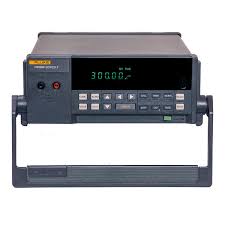
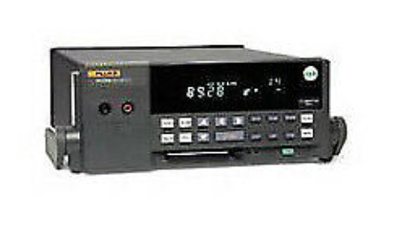
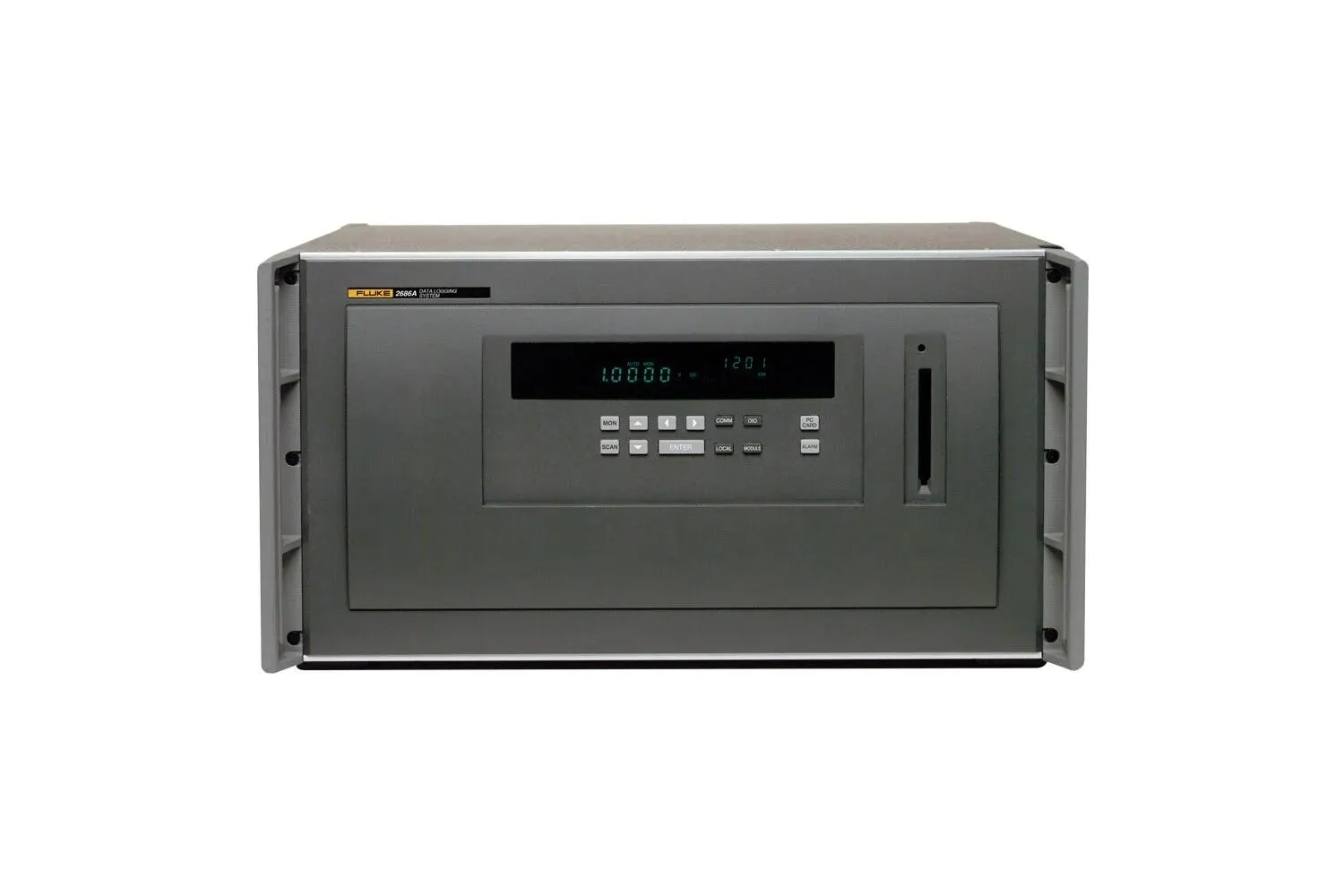
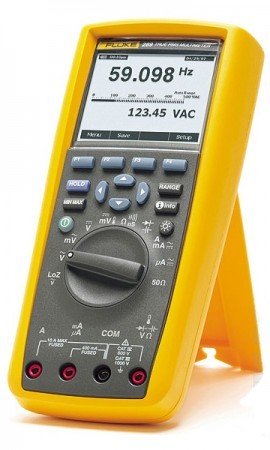
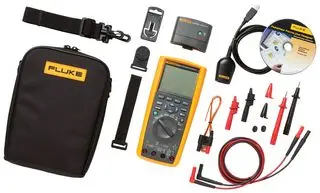
Fluke Data Loggers (8 units)
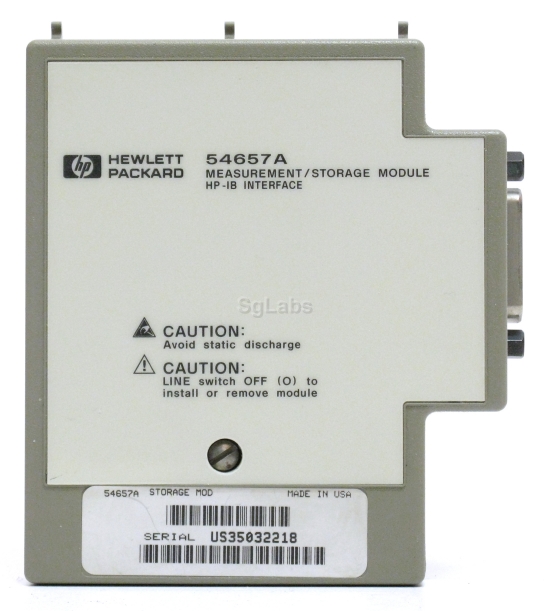
HP / Agilent Data Loggers (1 unit)
Helmut-Fischer Data Loggers (1 unit)
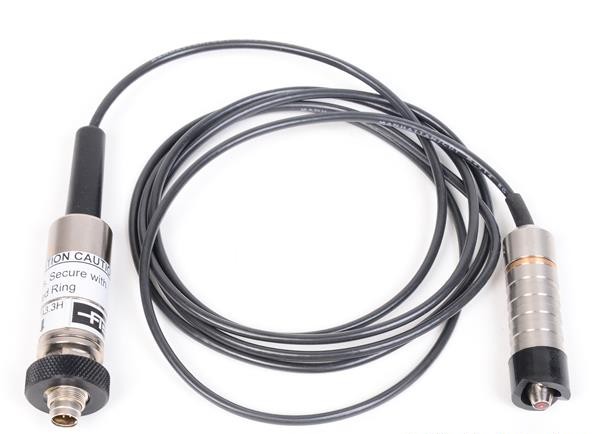
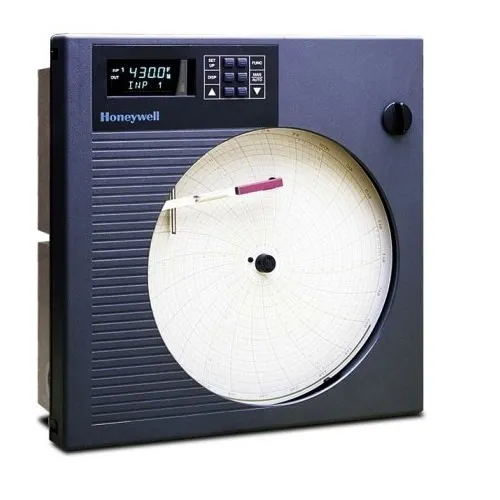
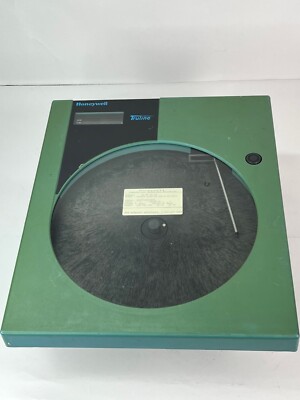
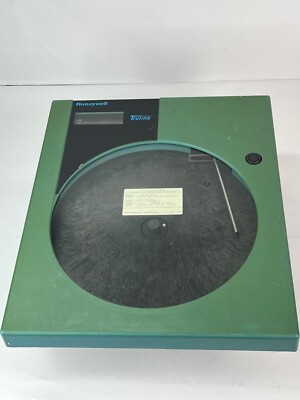
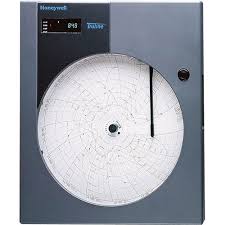
Honeywell Data Loggers (5 units)
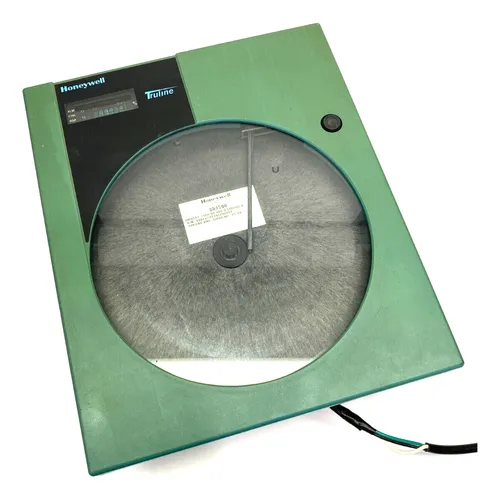
Keithley Data Loggers (2 units)
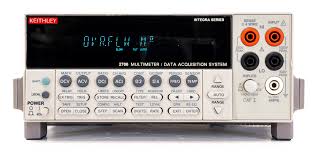
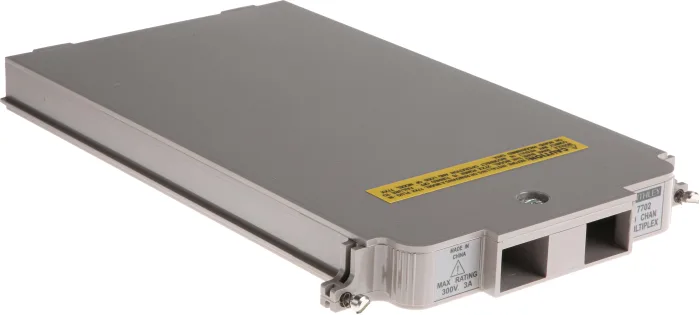
Konica Minolta Data Loggers (1 unit)
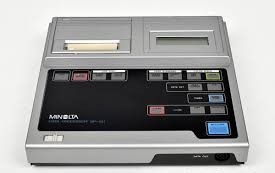
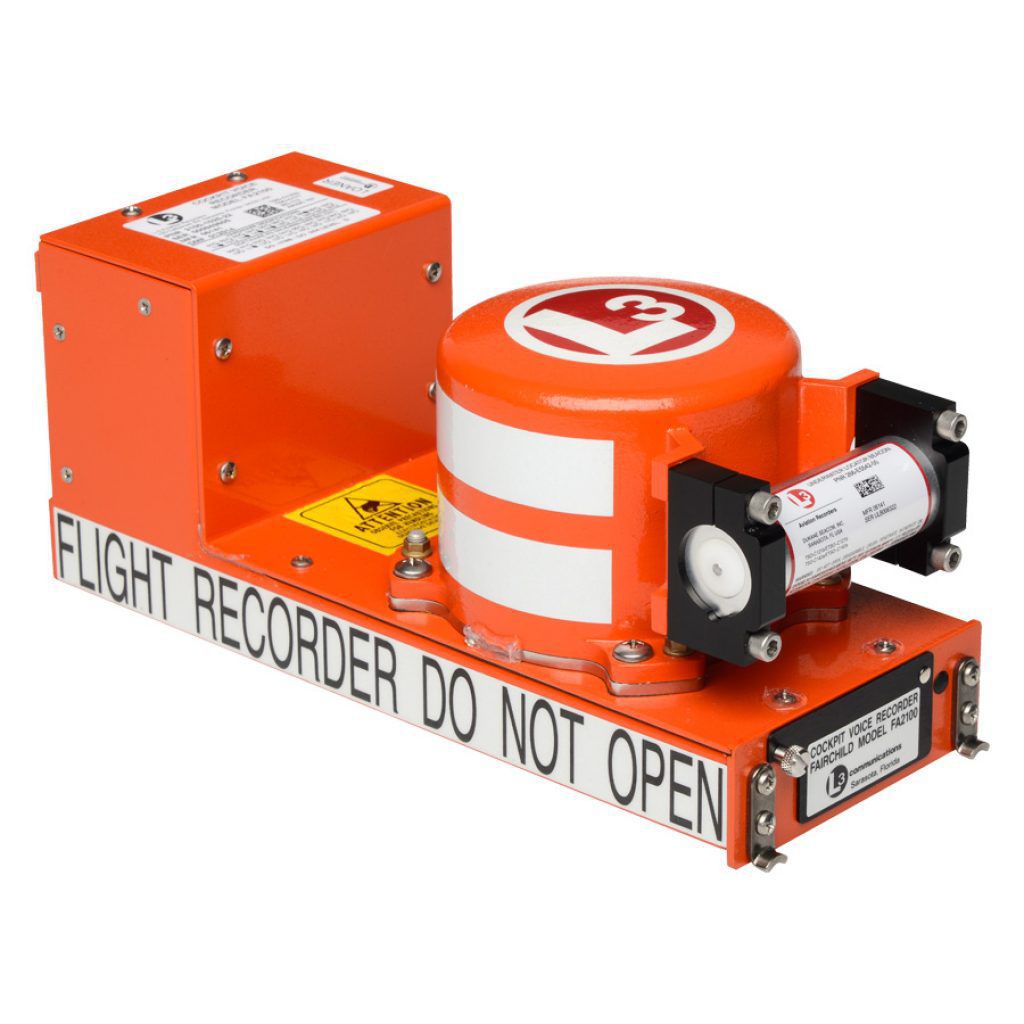
L3 Communications Data Loggers (1 unit)
Yokogawa Data Loggers (11 units)
Paperless Recorders
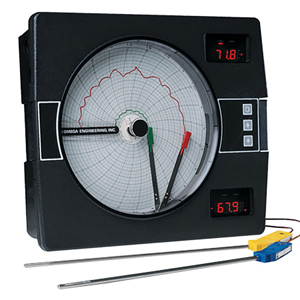
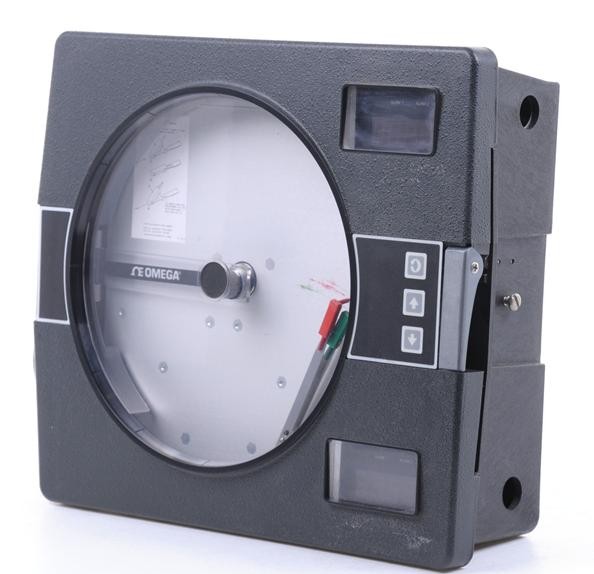
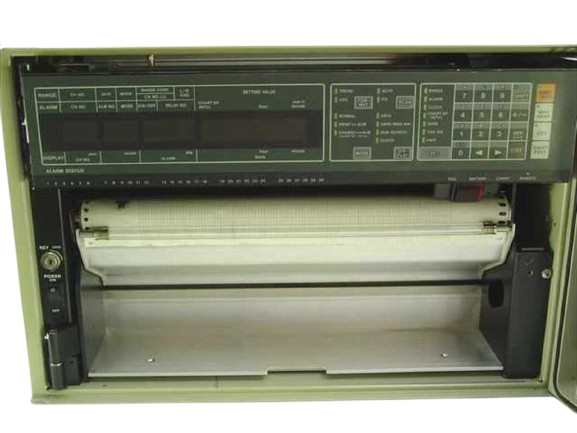
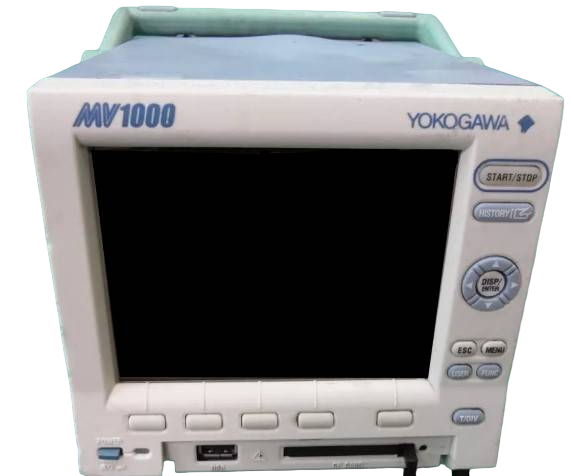
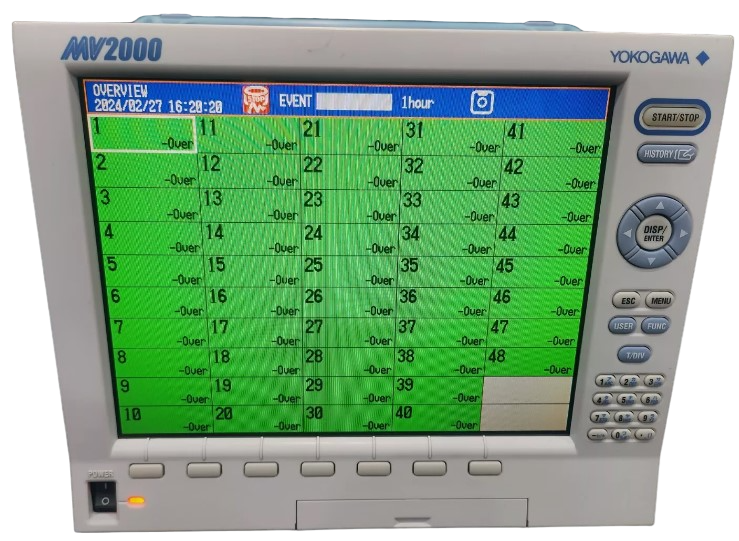
Yokogawa's MV1000 and MV2000 series replaced the pen-and-paper strip chart recorder with a digital scrolling trend display, storing readings internally rather than on ink and paper. They're still used the same way process and utility recorders always have been — continuous multi-channel trending of temperature, pressure, flow, or voltage on a plant floor — just without the mechanical wear of a pen and paper feed mechanism. Honeywell's DR4500 and DR45 circular-chart-style recorders serve the same role in older installations still running that format.
Logging Multimeters
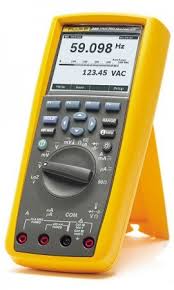
Fluke's 289-series and 2680/2686 "Data Bucket" instruments add trend-capture memory to a standard multimeter, letting you leave a meter connected to a suspect circuit and come back later to see exactly when a voltage sagged or a current spiked. This is the tool for chasing an intermittent electrical fault that doesn't show up when you're standing there watching it — the fault has to actually happen while the meter is logging, but you don't have to be present when it does.
Environmental and Compliance Loggers
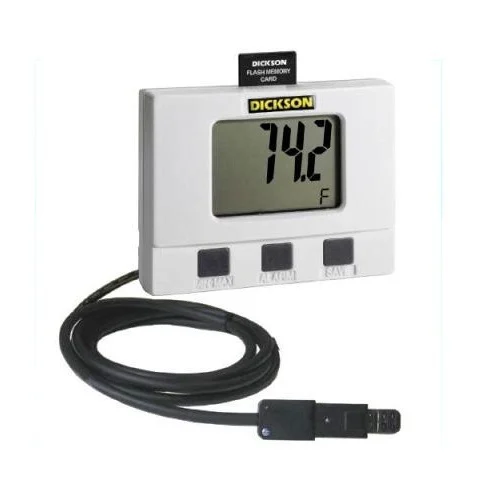
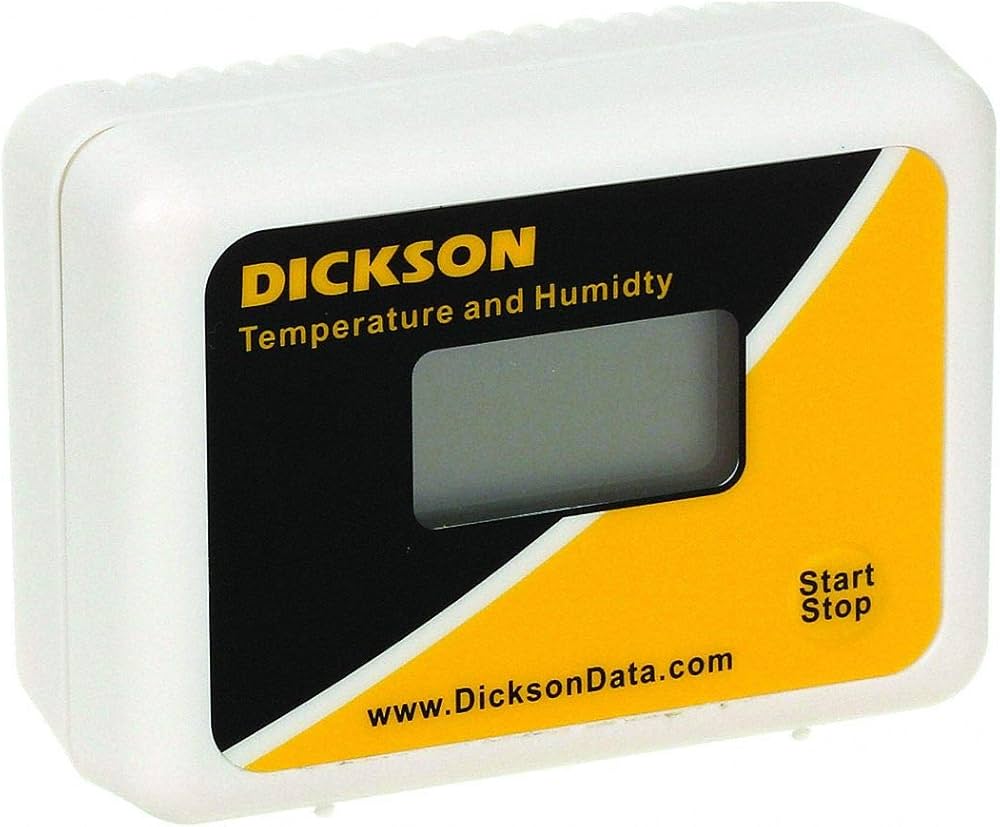
Dickson's temperature and humidity loggers are widely used for cold-chain and pharmaceutical storage monitoring, where you need a defensible, time-stamped record that a refrigerated shipment or storage unit stayed within range the entire time — not just a spot check. For this kind of compliance use, the underlying sensor accuracy matters as much as the logging function itself, so confirm calibration status separately from whether the unit powers on and logs correctly.
What to Check Before Buying
Two things are easy to overlook on a used logger. First, the internal battery backing up the real-time clock (and on some models, retaining data through a power loss) — a dead backup battery can corrupt time-stamps or wipe volatile memory on the next power interruption. Second, whether the original interface cable or software is included; several of these instruments, particularly older Yokogawa and HP/Agilent logging systems, need a specific proprietary connection to actually pull data off the device, and without it the logger can record fine but leave you with no practical way to retrieve what it captured.
Calibration for Data Loggers
Calibration on a data logger verifies the accuracy of its measurement input channels — temperature, humidity, voltage, or current — against a traceable reference, separately from the logging/storage function itself. For compliance-driven monitoring (cold-chain, pharma, regulated process recording), this certificate is usually the whole point of the purchase. See all calibration services →
Frequently Asked Questions
What is the difference between a data logger and a regular measurement instrument? +
A regular instrument like a bench multimeter or oscilloscope gives you a live reading for someone to watch in real time. A data logger is built to run unattended — it samples one or more inputs on a set interval and stores every reading to internal memory over hours, days, or weeks, so you can retrieve the full history later. Yokogawa's MV-series paperless recorders and Dickson temperature/humidity loggers are purpose-built for this; Fluke's 289-series logging multimeter adds the same capability to a handheld meter for troubleshooting an intermittent fault over time.
What is a "paperless recorder" and how is it different from an old chart recorder? +
Older process recorders (and Honeywell's DR4500/DR45 series) used a pen physically tracing a line on a moving paper chart. A paperless recorder like the Yokogawa MV1000/MV2000 replaces the paper with a digital scrolling trend display and stores the same data internally as digital files, retrievable over USB, Ethernet, or a memory card — same job, no paper, no ink, no drift in the paper feed mechanism.
Do I need the original software or cable to use a used data logger? +
Often yes. Many of these instruments — Yokogawa MV-series, older HP/Agilent logging systems, Advantest loggers — use a proprietary interface cable or a vendor-specific software package to pull data off the logger. If that piece isn't included, the logger may power on and record fine but leave you with no practical way to retrieve what it captured. Check the listing for included accessories, or ask us before ordering if data retrieval is important for your use.
What should I check on a used data logger before relying on it for compliance monitoring? +
Two things matter separately: the logging function (memory, real-time clock, battery backup) and the underlying measurement accuracy of the input channels themselves. A logger can have a perfectly healthy memory and clock while its temperature or voltage input has drifted out of tolerance — for cold-chain, pharma, or other compliance-driven monitoring, you want the input channels calibrated and certified, not just a working logger.
Why does a logger's internal battery matter if it's plugged into power? +
The battery backs up the real-time clock and, on some models, retains logged data through a power interruption. If that battery has failed, a power blip can corrupt the time-stamping on your data or wipe what's stored in volatile memory — which defeats the point of unattended logging. It's worth asking about battery condition on any older logger before buying it for a monitoring application you can't afford to lose data from.
Need a specific channel count or logging interval?
Tell us what you're monitoring and for how long, and we'll check our incoming stock.
Get in touch