
Used Optical Amplifiers & EDFAs for Sale
37 units in stock — Agilent, Keysight, JDSU, Viavi, Keopsys, Pritel, IPG Photonics, and more. C-band, L-band, and S-band EDFAs, booster and pre-amplifier configurations, SOAs. NIST-traceable calibration available. Ships from Pleasant Grove, UT.
AFC Technologies Optical Amplifiers (1 unit)

Agilent / Keysight Optical Amplifiers (1 unit)
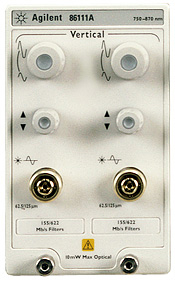
Exfo Optical Amplifiers (1 unit)
Exfo / NetTest / Photonetics Optical Amplifiers (1 unit)
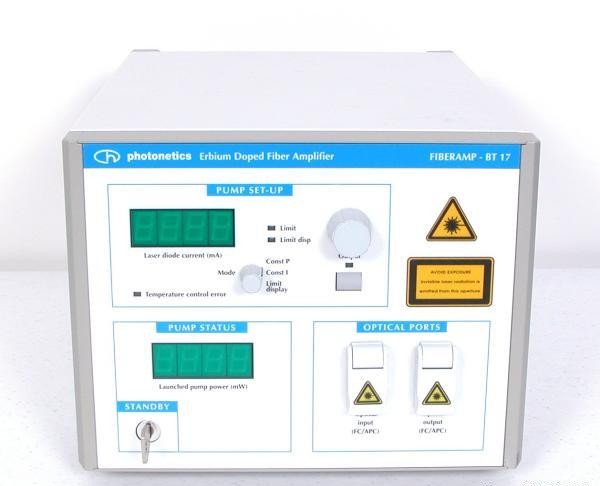
FiberLabs Optical Amplifiers (1 unit)
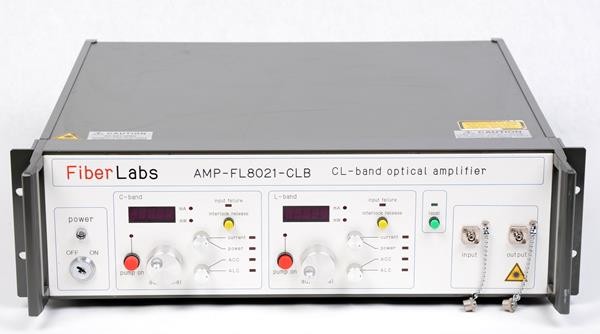
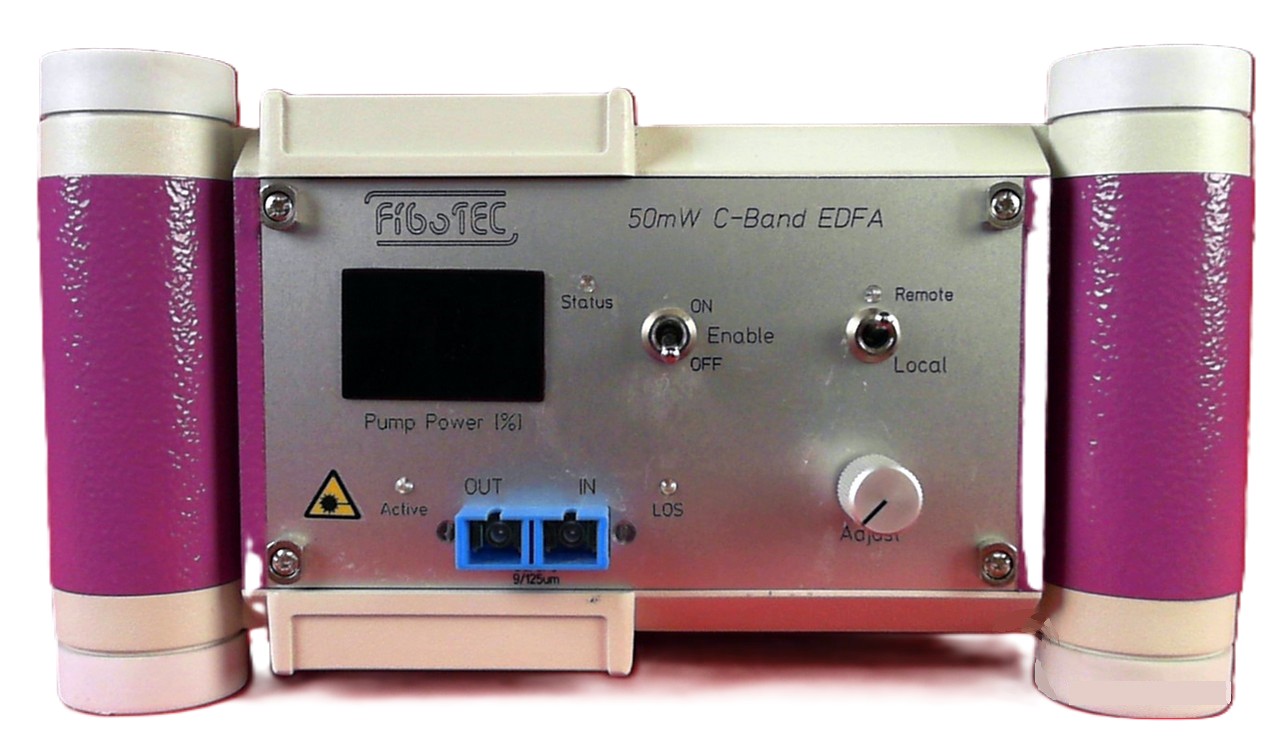
Fibotec Optical Amplifiers (1 unit)
GN Nettest/Photonetics Optical Amplifiers (1 unit)
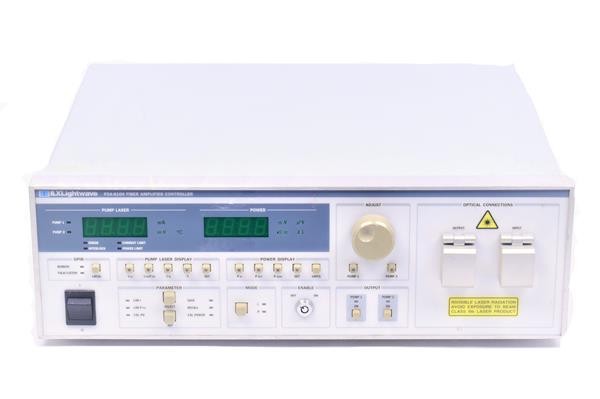
ILX Lightwave Optical Amplifiers (1 unit)
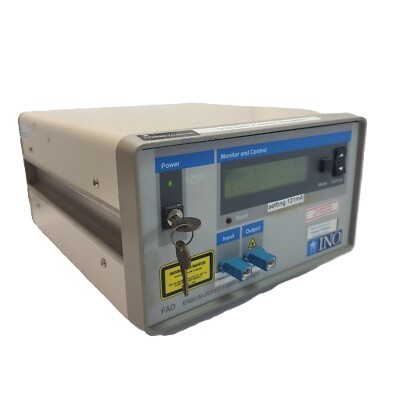
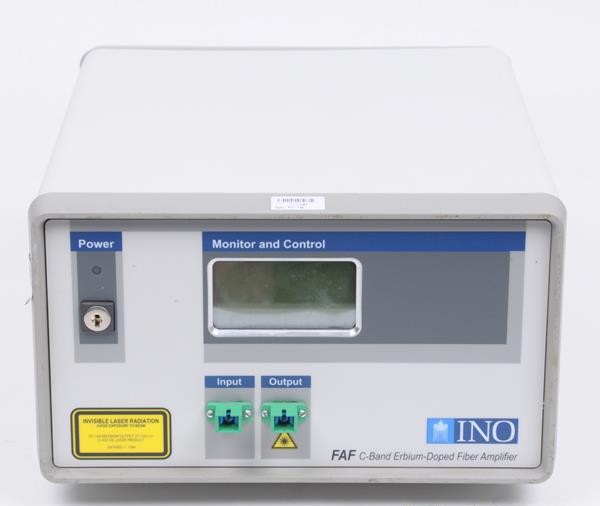
INO Optical Amplifiers (2 units)
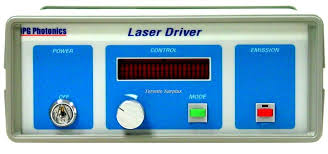
IPG Photonics Optical Amplifiers (3 units)

JDS Fitel Optical Amplifiers (1 unit)
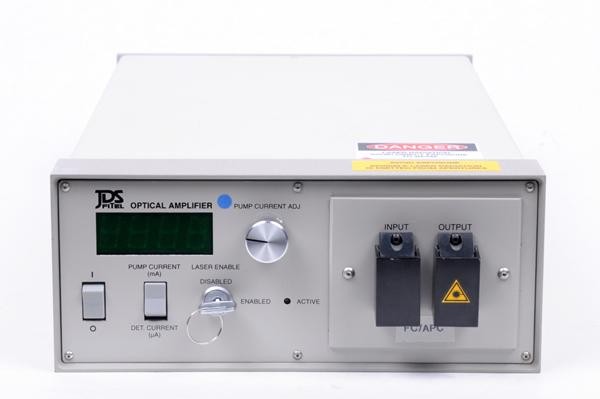
JDS Uniphase Optical Amplifiers (16 units)
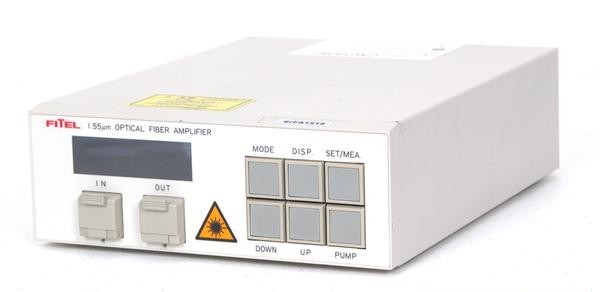
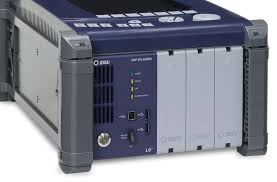
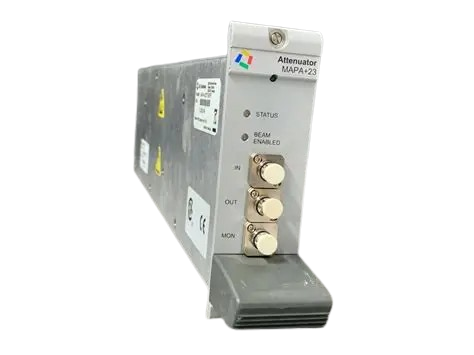
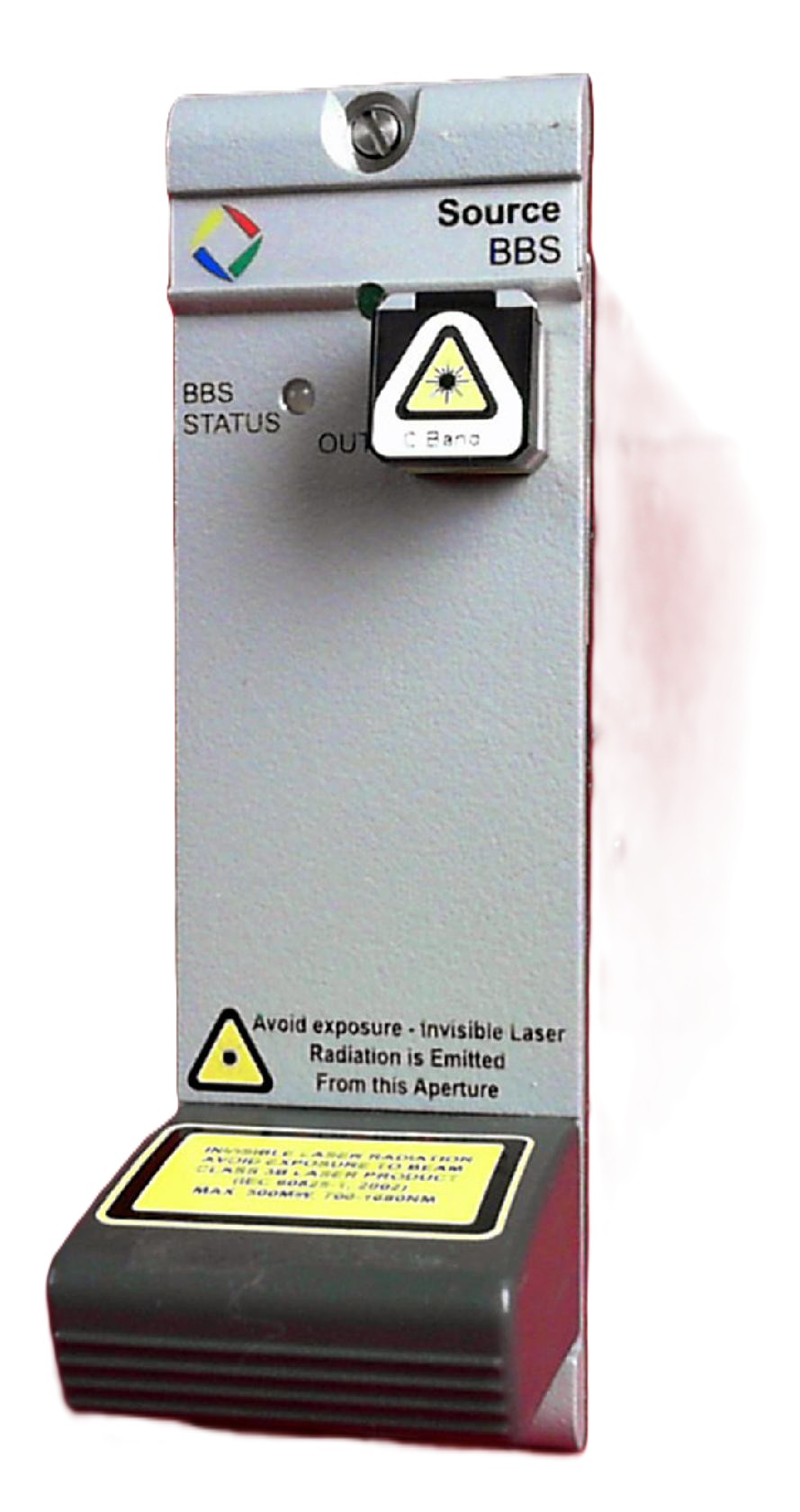
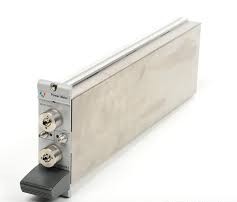
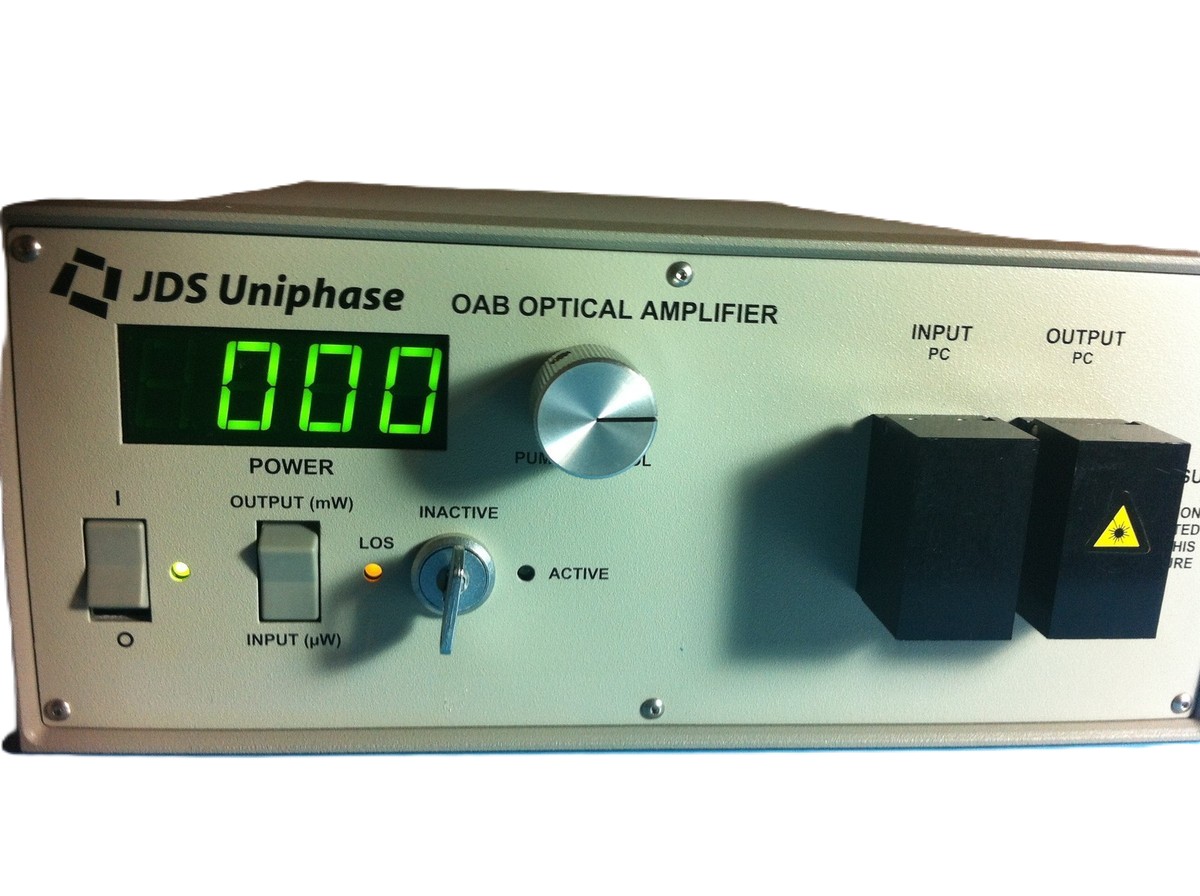
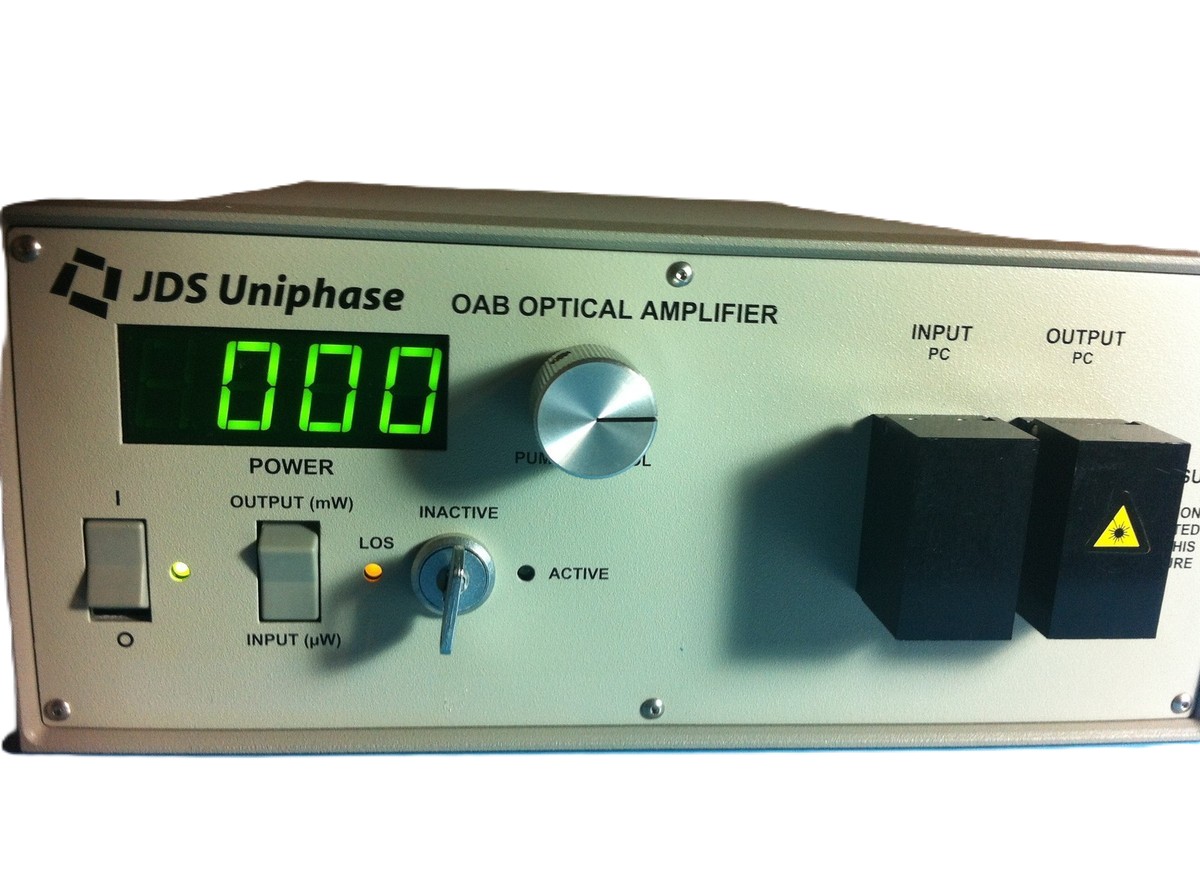
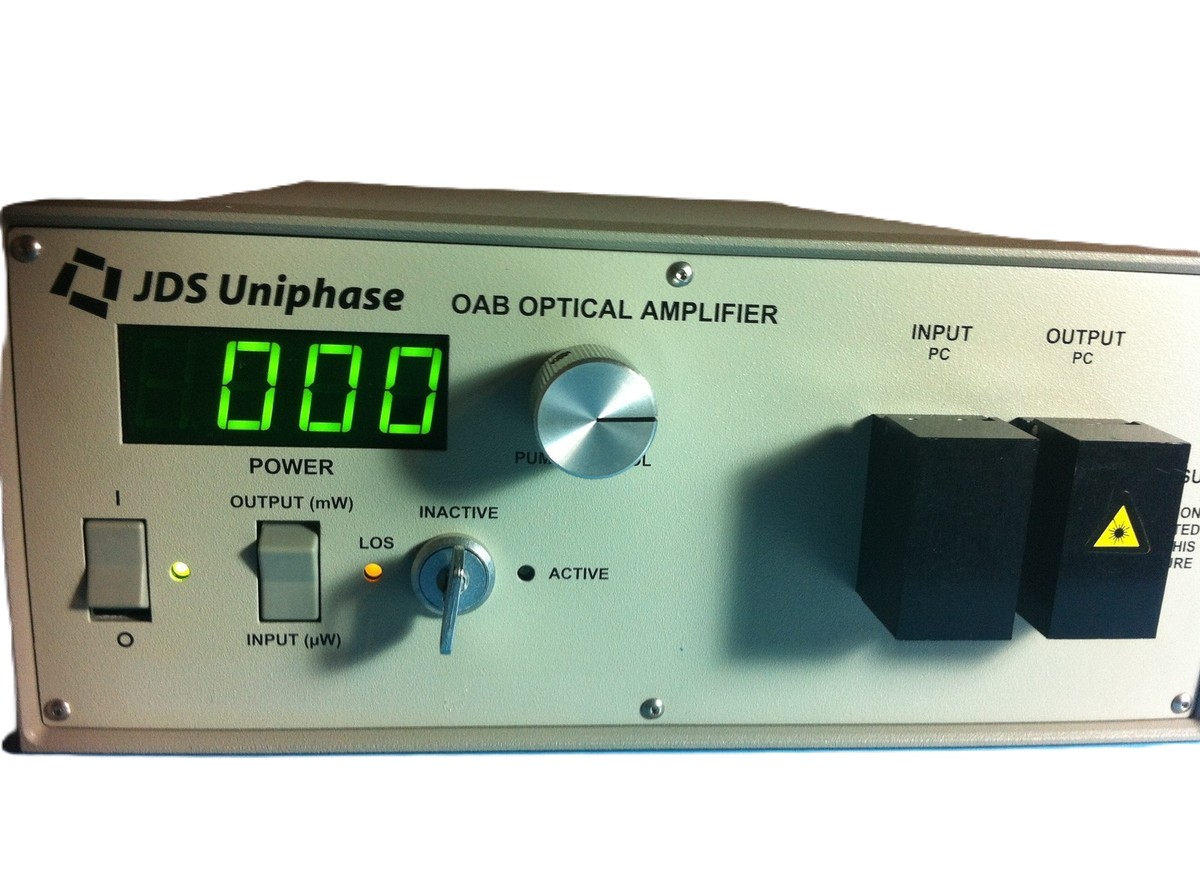
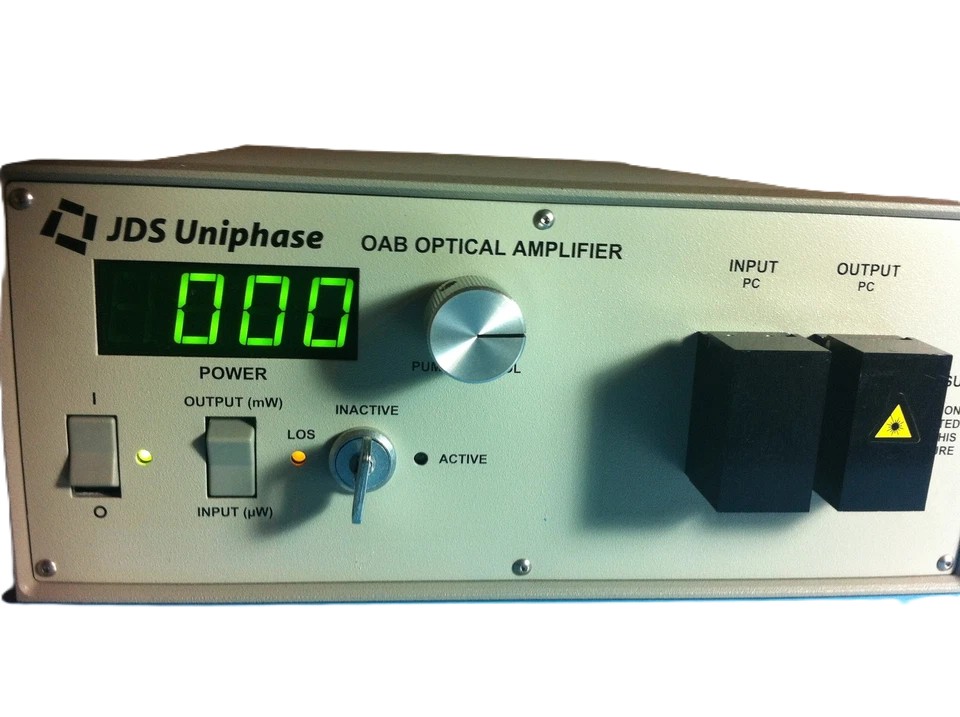
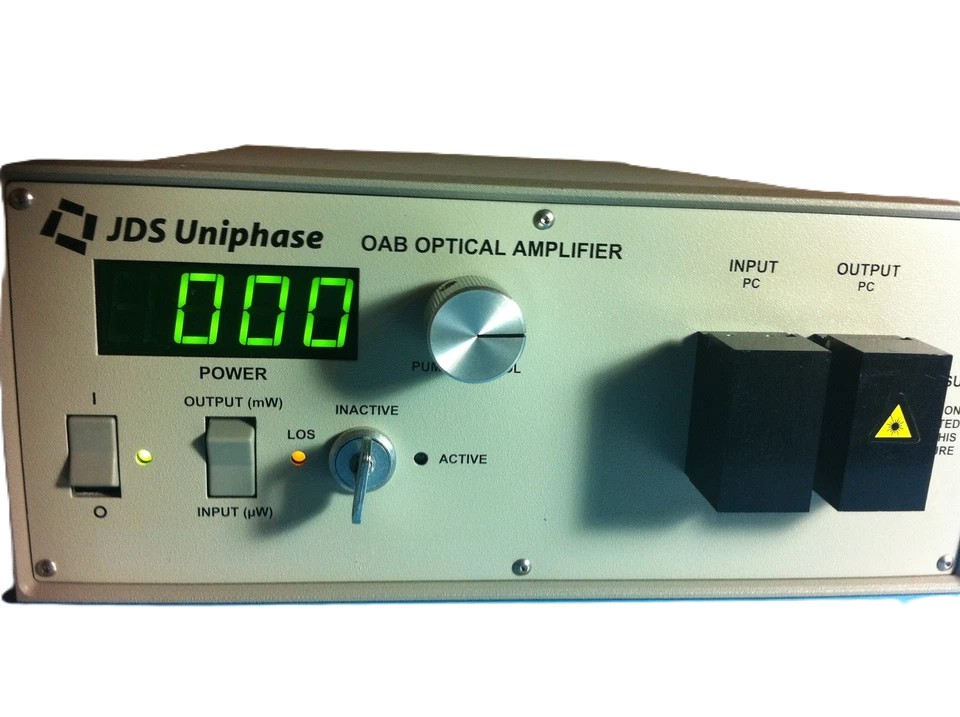
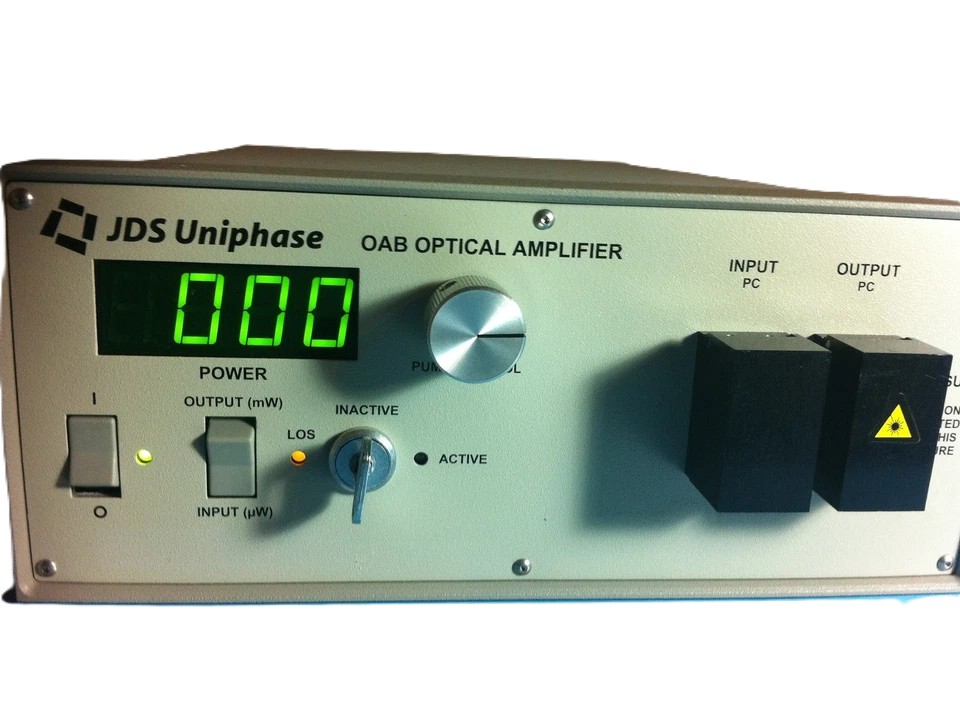
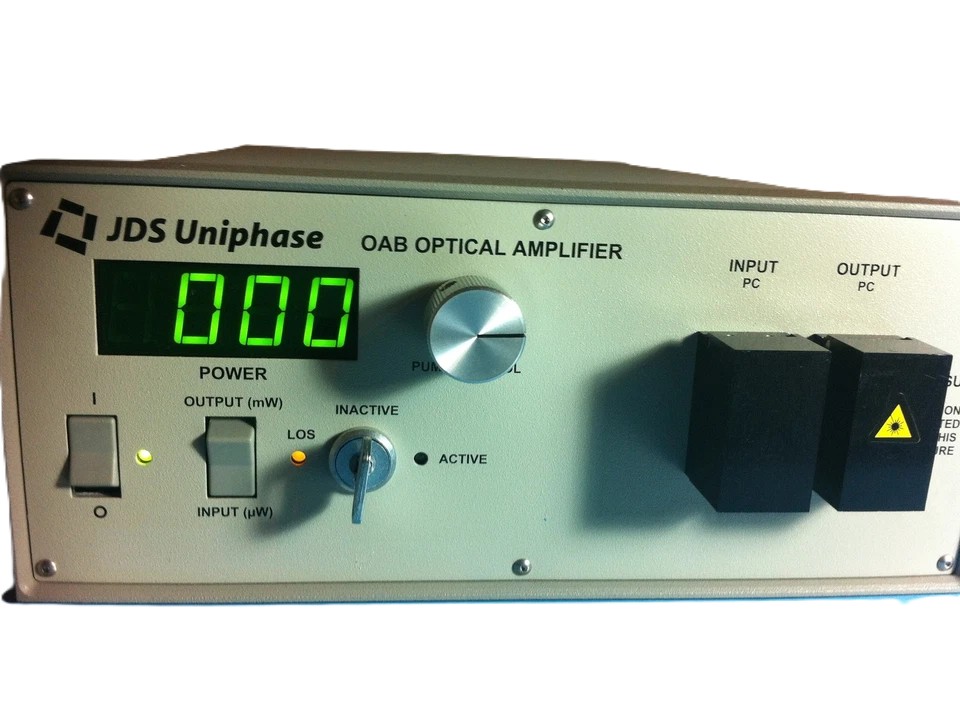
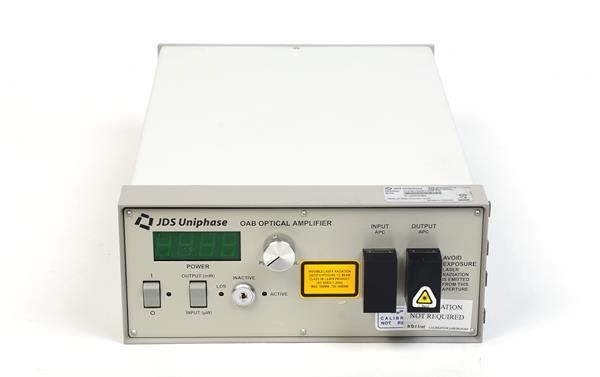
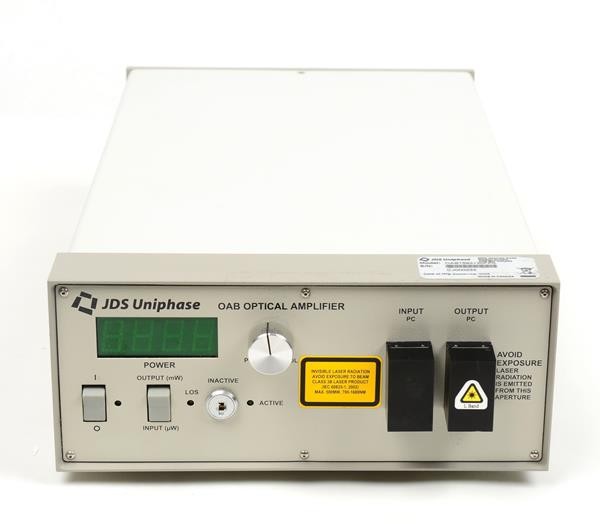
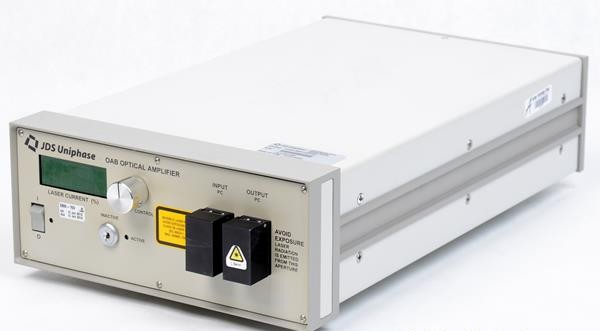
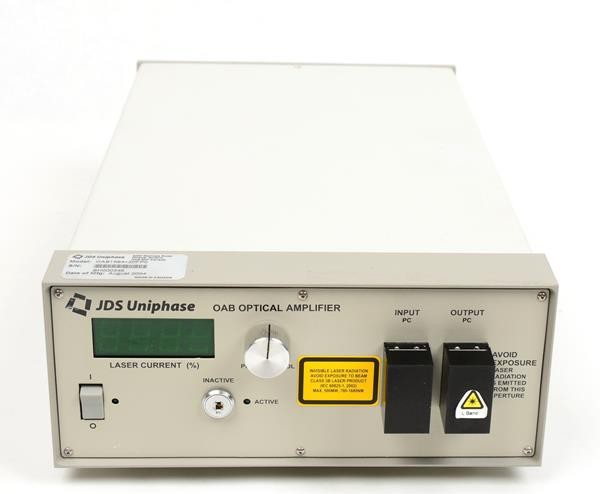
JDSU Optical Amplifiers (1 unit)
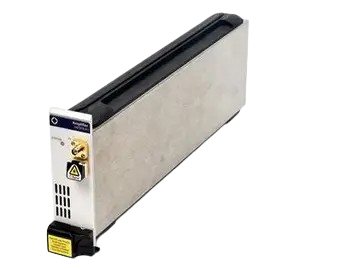
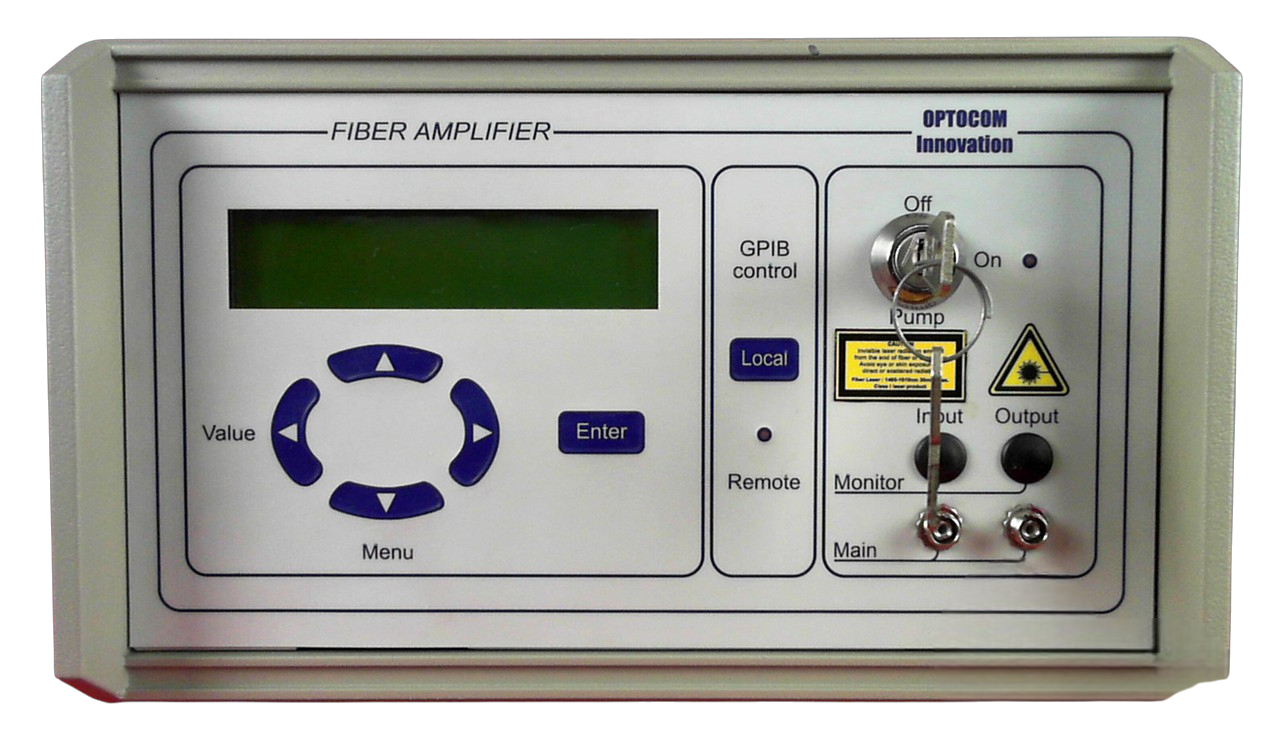
Keopsys/Optocom Innovation Optical Amplifiers (4 units)
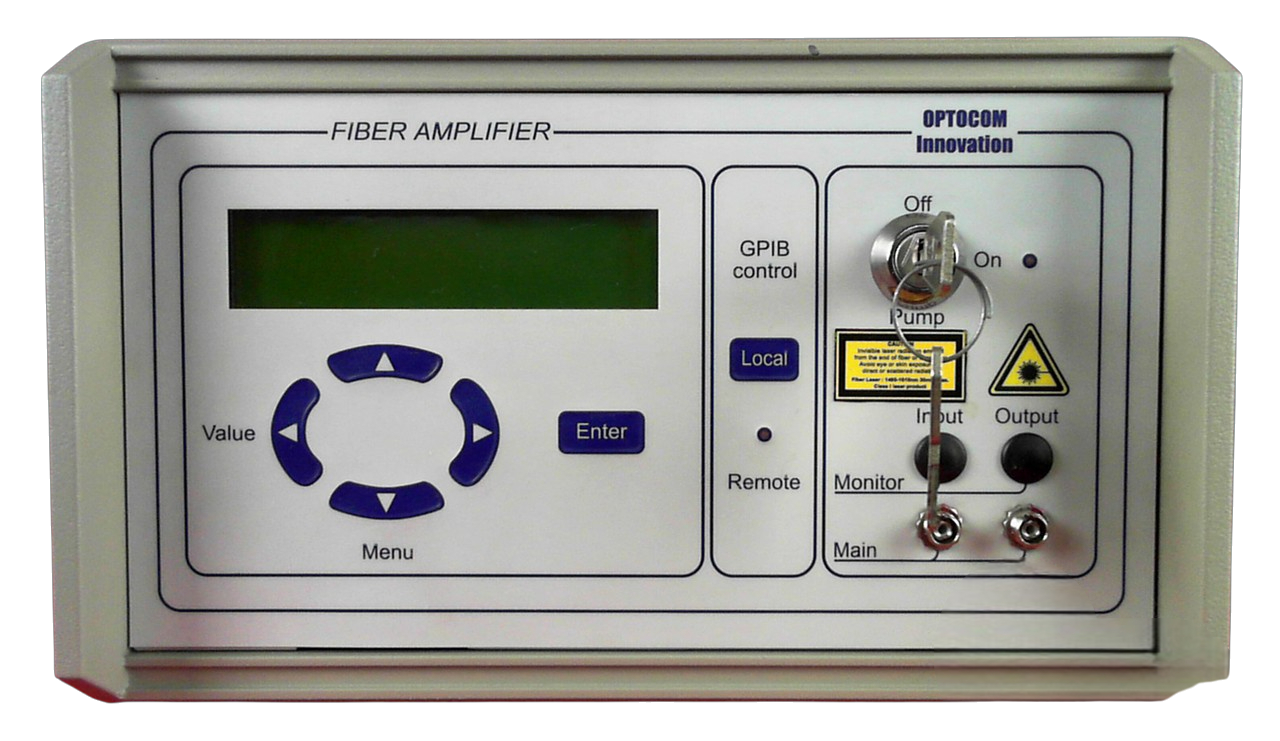
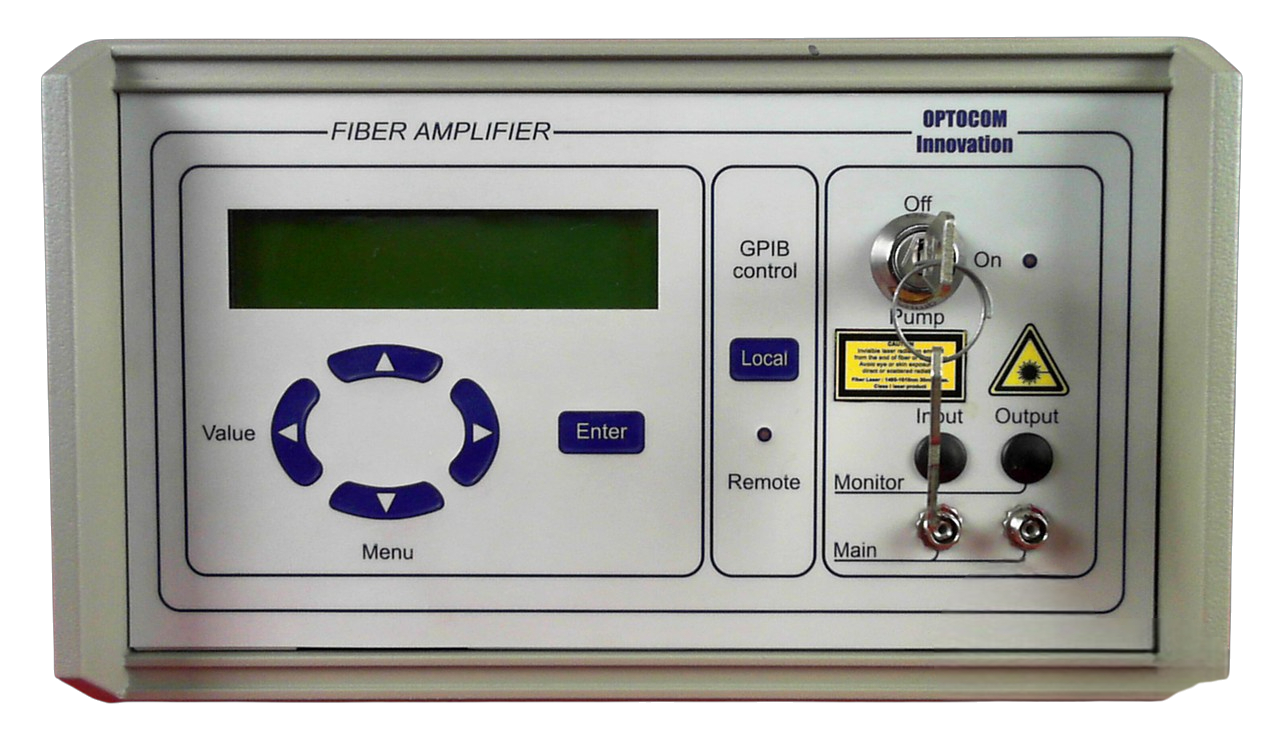
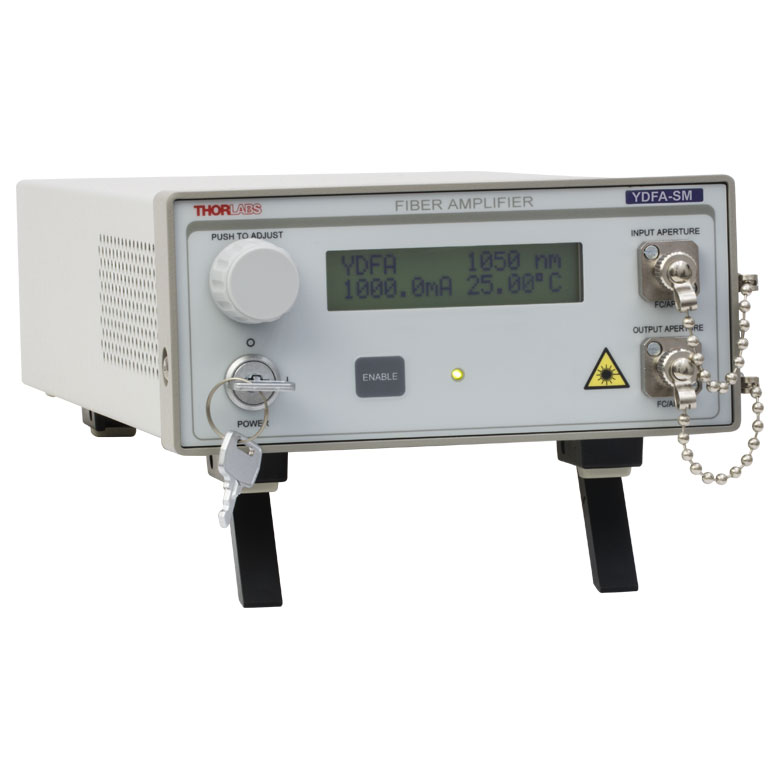
ThorLabs Optical Amplifiers (2 units)
Agilent and Keysight EDFAs for Lab and Production Use
Agilent and Keysight produced several EDFA lines for optical component characterization and system test — the 8167A, 8168A, and the N7714A series. These instruments are designed for integration with the 8163B and 8164B lightwave measurement platforms and the photonic application suite for swept-wavelength gain and noise figure measurements. Gain is adjustable from low-gain (characterizing passive components) to high-gain (system link simulation) in the same instrument. For C-band component test, the Agilent EDFA plus an optical spectrum analyzer is the standard gain and noise figure measurement setup.
JDSU and Viavi EDFAs — including the EDFA-28, EDFA-30, and MAP-200 platform modules — are widely used in telecom lab and carrier R&D environments. Keopsys and Pritel instruments are found in research environments requiring very high output power or ultra-low noise figure. IPG Photonics amplifiers are common in industrial fiber laser applications where high power and reliability are the primary requirements.
Optical Amplifier Calibration and Repair
NIST-traceable calibration for optical amplifiers at Aumictech covers gain at rated input power, noise figure at rated gain setting, output power accuracy, and gain flatness across the specified wavelength range. Calibration requires an optical spectrum analyzer for noise figure measurement. Standard calibration is $450; full measured data certificate is $650. Repair evaluations are free. The most common repair is pump laser diode replacement — gain drops as the pump ages, and replacement restores full rated gain. TEC failure, isolator degradation, and power supply faults are also common. Turnaround 1 to 3 business days. See calibration details → | Request a repair evaluation →
Frequently Asked Questions
What is an EDFA and what wavelength band does it amplify? +
An erbium-doped fiber amplifier (EDFA) amplifies optical signals by passing them through a length of erbium-doped fiber pumped by a 980 nm or 1480 nm laser diode. The erbium ions absorb pump energy and release it as stimulated emission when a signal photon passes through. EDFAs amplify the C-band (1530 to 1565 nm) and L-band (1565 to 1625 nm) with high gain and low noise figure, making them the standard amplifier for DWDM telecom systems. S-band EDFAs (1460 to 1530 nm) exist but are less common.
What is noise figure in an optical amplifier and why does it matter? +
Noise figure (NF) is the amount of optical noise (amplified spontaneous emission, or ASE) the amplifier adds to the signal, expressed in dB. A lower noise figure means a cleaner amplified signal. The theoretical minimum noise figure for a linear optical amplifier is 3 dB (the quantum limit). High-performance EDFAs achieve 4 to 5 dB NF. In a cascade of amplifiers, each stage adds ASE noise, and the accumulated noise determines the Q-factor and BER of the link. For long-haul systems, NF is the critical amplifier specification.
What is the difference between a booster, inline, and pre-amplifier EDFA? +
A booster amplifier is placed immediately after the transmitter to increase launch power into the fiber. It operates at high input power and is optimized for high output power (17 to 23 dBm typical) rather than low noise figure. An inline amplifier sits mid-span and compensates for fiber loss over each span. A pre-amplifier is placed just before the receiver and is optimized for low noise figure to maximize receiver sensitivity — it operates at low input power and must add as little ASE as possible. Many lab EDFAs are configurable in any of these roles.
How do I know if my EDFA pump laser is degrading? +
Pump laser degradation shows up as reduced gain at constant input power and drive current. The pump diode slowly loses efficiency with operating hours — output power falls, which means less inversion of the erbium ions, which means lower gain. On instruments with pump current monitoring, you see the automatic gain control driving current higher to maintain gain setpoint until it hits the compliance limit. If your EDFA is showing reduced output power or gain while pump current is at or near its maximum, the pump laser needs service or replacement.
Can an optical amplifier be calibrated and what does that include? +
Yes. NIST-traceable optical amplifier calibration covers gain at rated input power, noise figure at rated gain setting, output power accuracy, gain flatness across the specified wavelength range (typically the full C-band for telecom EDFAs), and saturated output power. Calibration is $450 standard or $650 with full measured data. Noise figure measurement requires a calibrated optical spectrum analyzer in the test setup. Turnaround is 1 to 3 business days.
What causes gain variation across the C-band in an EDFA? +
The erbium gain spectrum is not flat across the C-band — it peaks around 1530 nm and rolls off toward 1565 nm by 3 to 6 dB depending on erbium concentration and fiber length. Telecom-grade EDFAs use gain-flattening filters (GFF) to equalize the gain across the band. GFF degradation, fiber bend losses near the erbium-doped section, and pump wavelength drift all cause gain tilt that was not present when the amplifier was new. On an OSA, gain tilt appears as a slope in the ASE spectrum even with no signal applied.
What are the most common repair issues with used EDFAs? +
Pump laser diode degradation is the most common failure on any EDFA — gain drops as the pump ages and output power falls below specification. Pump replacement restores full performance. Thermoelectric cooler (TEC) failure is the second most common fault — the pump laser overheats, wavelength shifts, and gain and noise figure deteriorate. Optical isolator degradation causes back-reflection sensitivity and increased noise. Power supply failures are common on older lab EDFAs. All of these are bench-diagnosable with a free evaluation before committing to repair.
What is a semiconductor optical amplifier (SOA) and how does it differ from an EDFA? +
A semiconductor optical amplifier (SOA) uses a semiconductor gain medium — similar to a laser diode, but operated below lasing threshold — to amplify optical signals. SOAs have a much wider gain bandwidth than EDFAs (covering O, S, C, and L bands in a single device), faster gain dynamics (nanoseconds vs. milliseconds for EDFA), and can be modulated at high speed. The trade-off is higher noise figure (7 to 12 dB typical vs. 4 to 5 dB for EDFA) and polarization-dependent gain. SOAs are used in optical switching, wavelength conversion, and signal processing applications where EDFA speed and bandwidth are insufficient.
Need a specific EDFA or optical amplifier?
Tell us the band (C, L, S), gain range, output power, and noise figure requirement. We source specific amplifier models on request and can advise on which platform best fits your application.
Get in touch