
Used EMI / EMC Test Receivers
62 units in stock — dedicated compliance receivers, EMC analyzers, LISNs, and antennas from Rohde & Schwarz and Agilent/Keysight for CISPR/FCC/MIL-STD-461 testing. Ships from Pleasant Grove, UT.
Agilent EMI/EMC Test Receivers (1 unit)
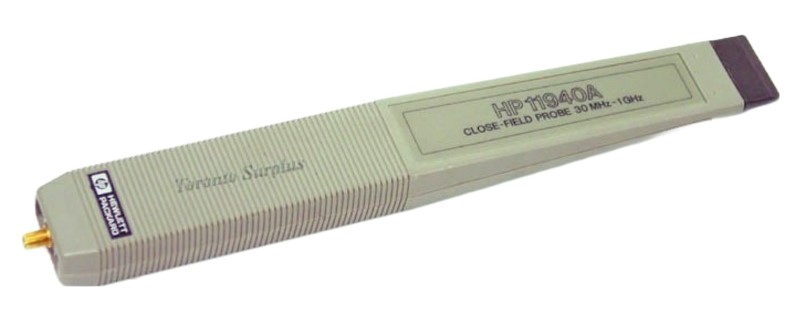
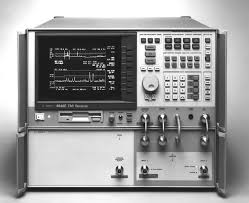
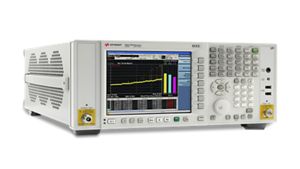
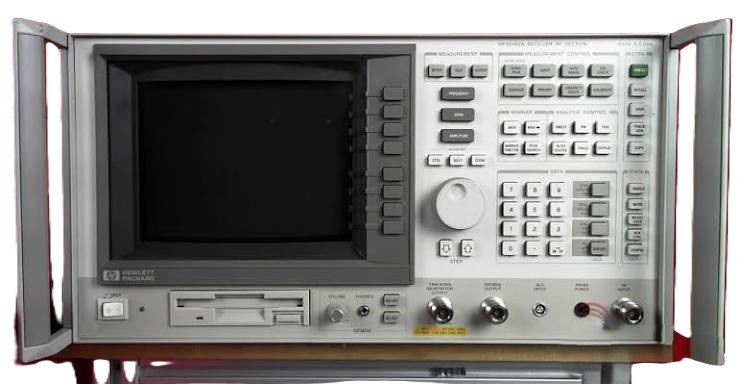
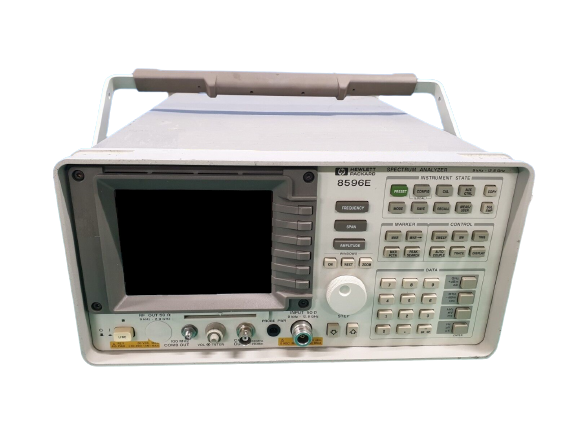
Agilent / Keysight EMI/EMC Test Receivers (18 units)
Ametek EMI/EMC Test Receivers (1 unit)
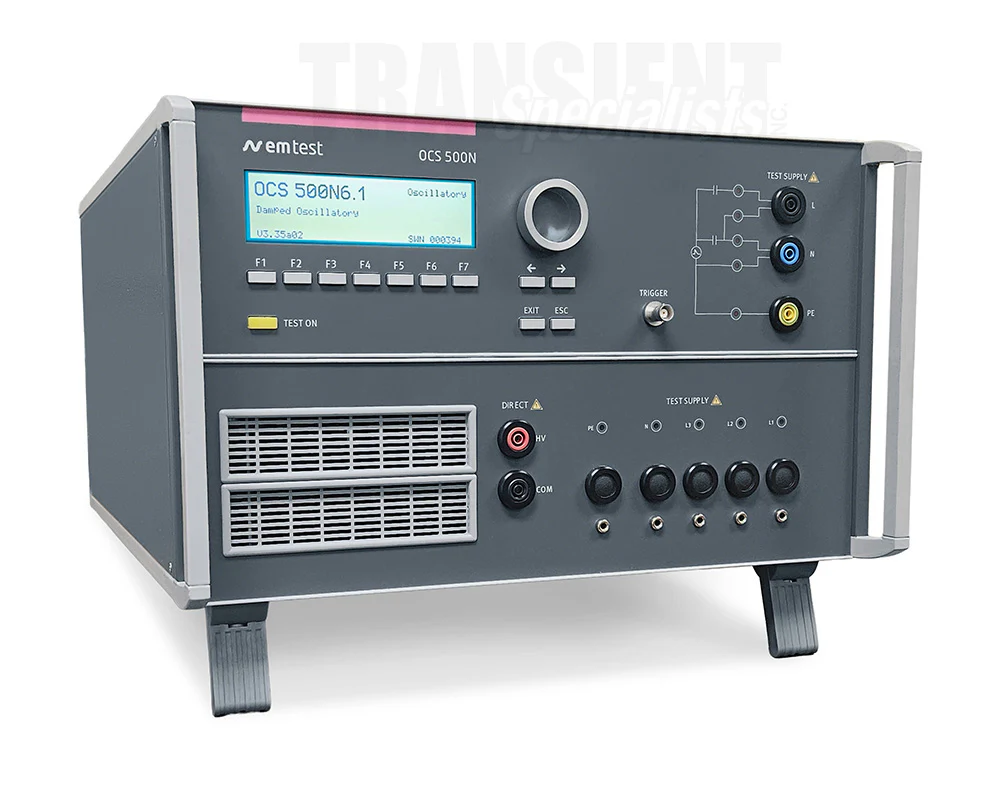
Ametek OCS EMI/EMC Test Receivers (1 unit)
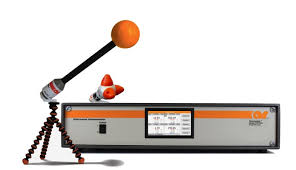
Amplifier Research EMI/EMC Test Receivers (1 unit)
Anritsu EMI/EMC Test Receivers (1 unit)
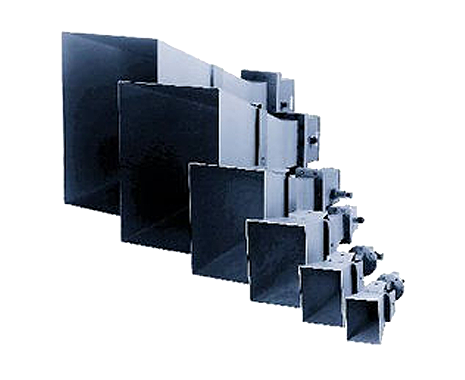
ETS-Lindgren EMI/EMC Test Receivers (1 unit)
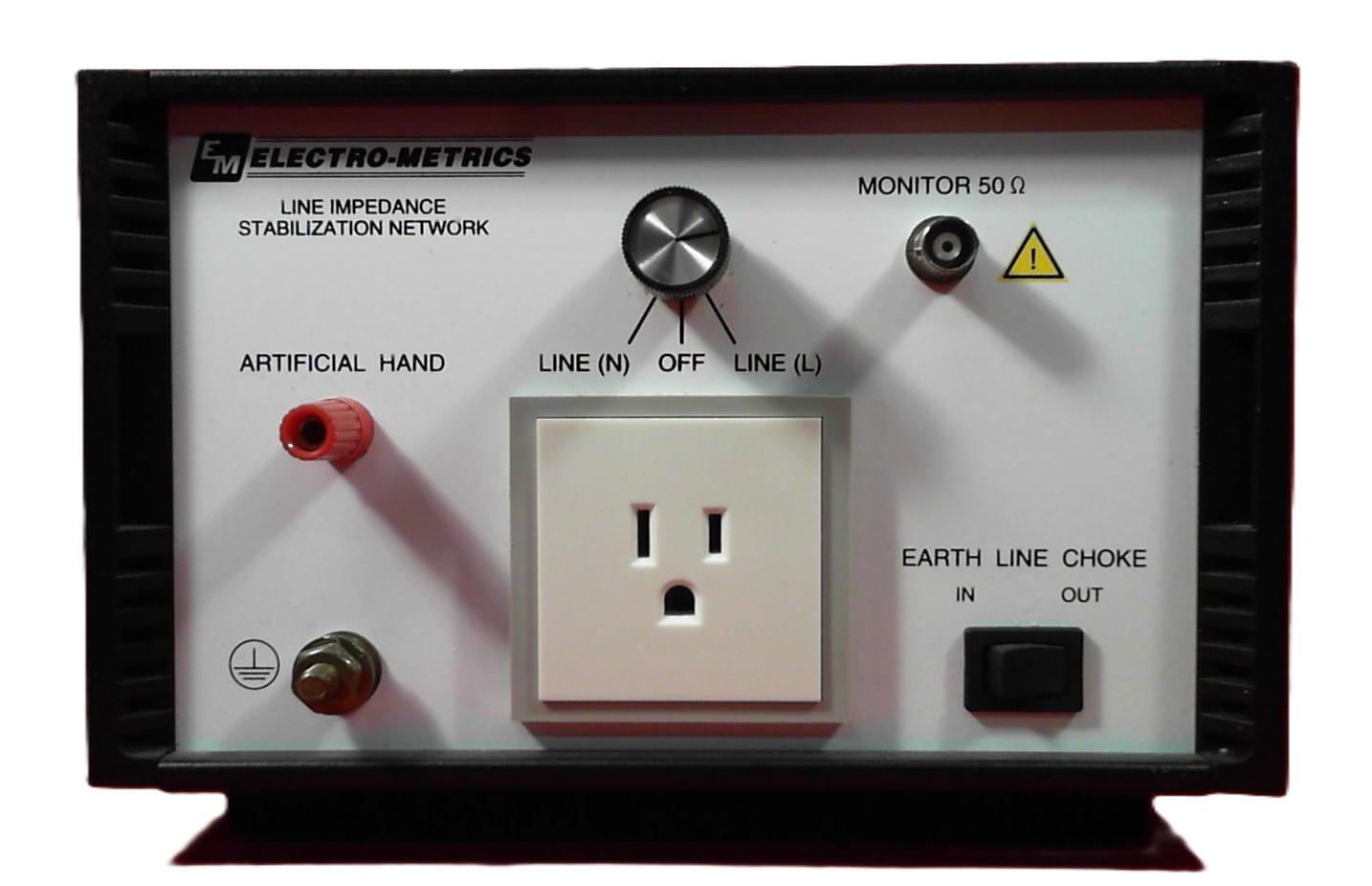
Electro-Metrics EMI/EMC Test Receivers (1 unit)
HP / Agilent EMI/EMC Test Receivers (1 unit)
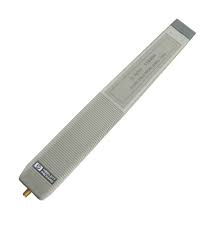
Keysight / Agilent / HP EMI/EMC Test Receivers (1 unit)
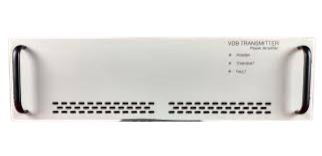
L3Harris EMI/EMC Test Receivers (1 unit)
Rohde & Schwarz EMI/EMC Test Receivers (34 units)
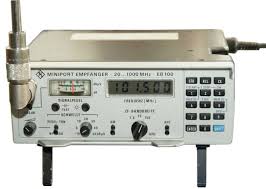
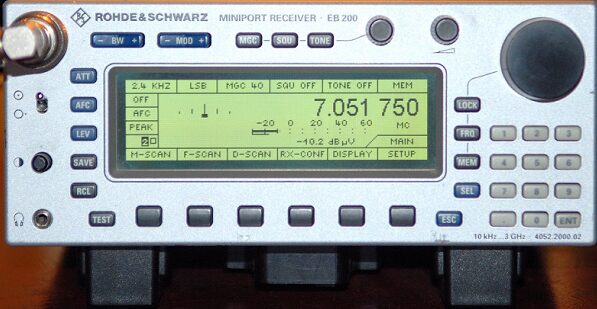
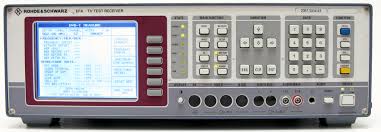
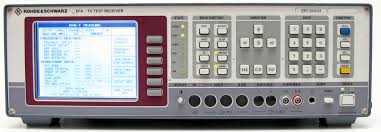
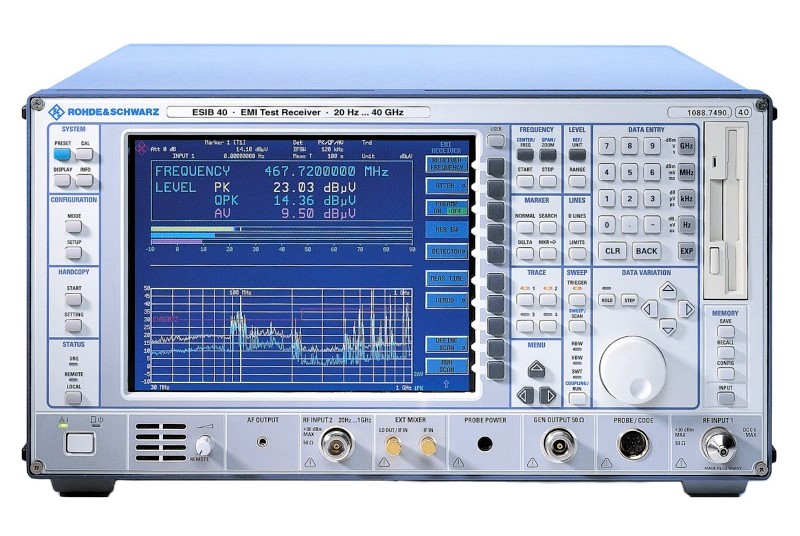
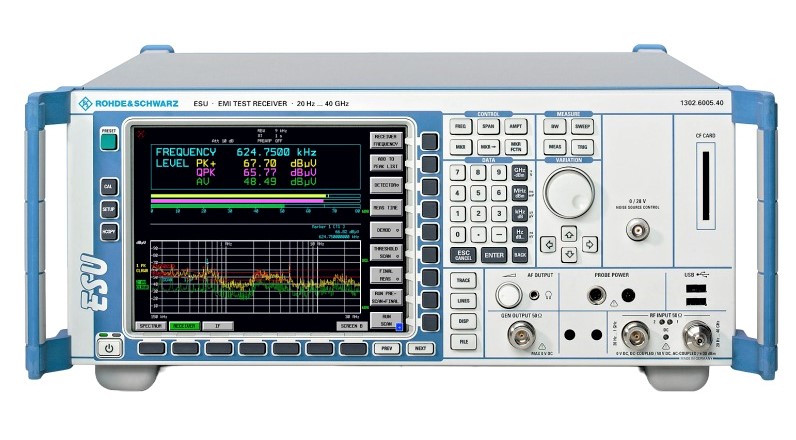
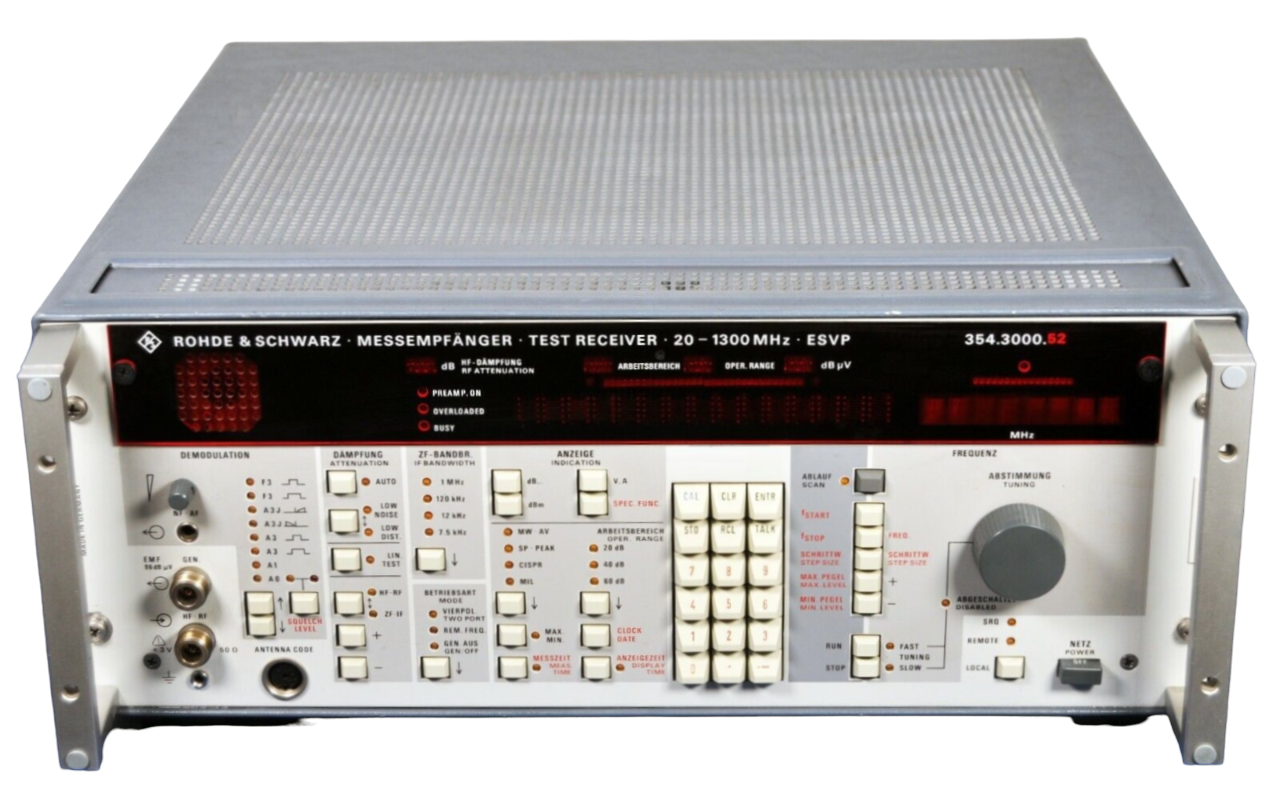
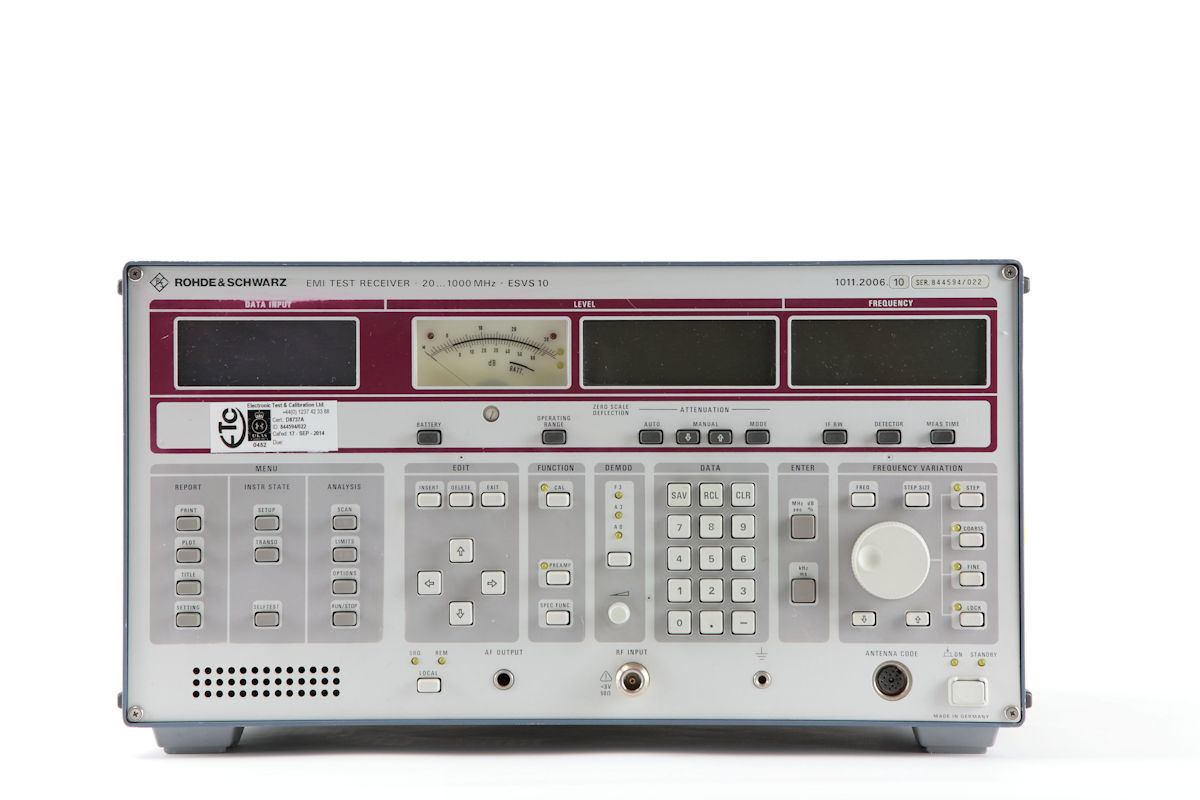
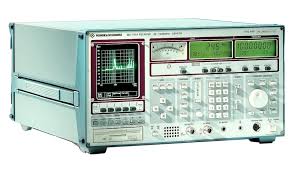
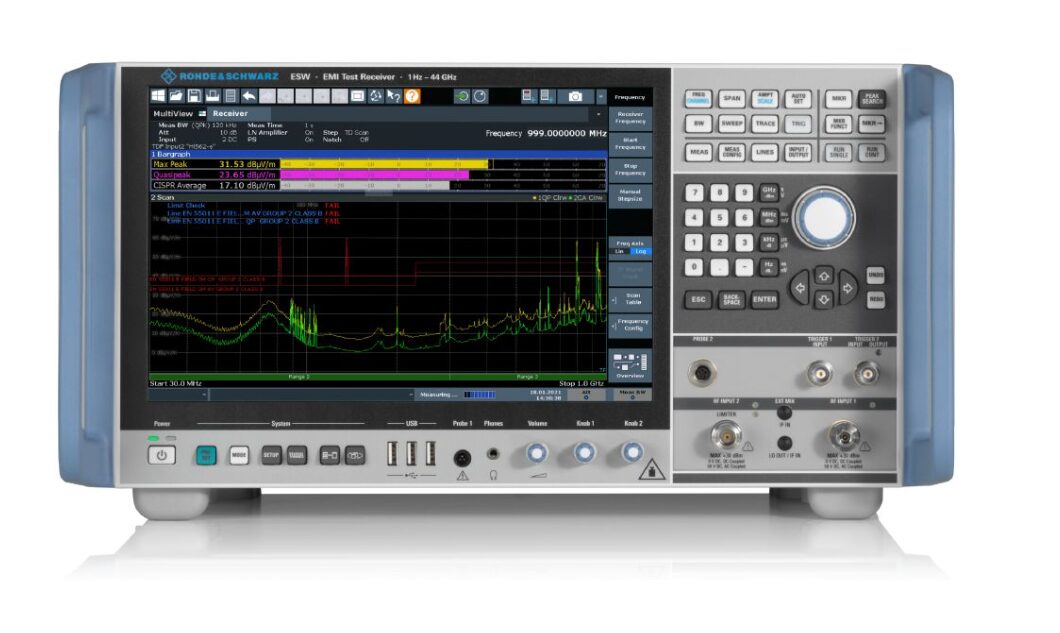
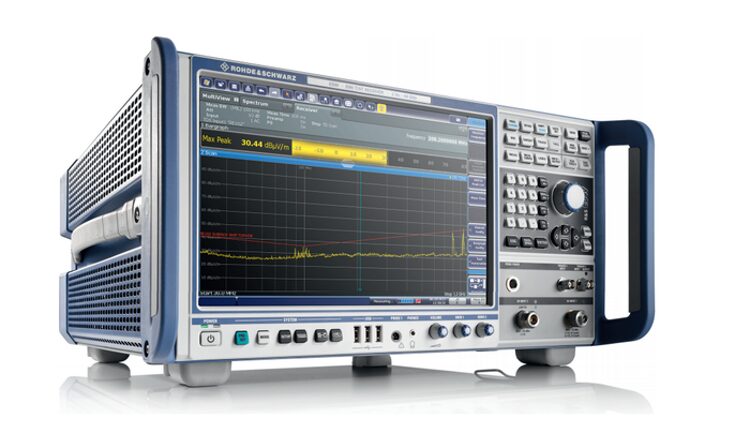
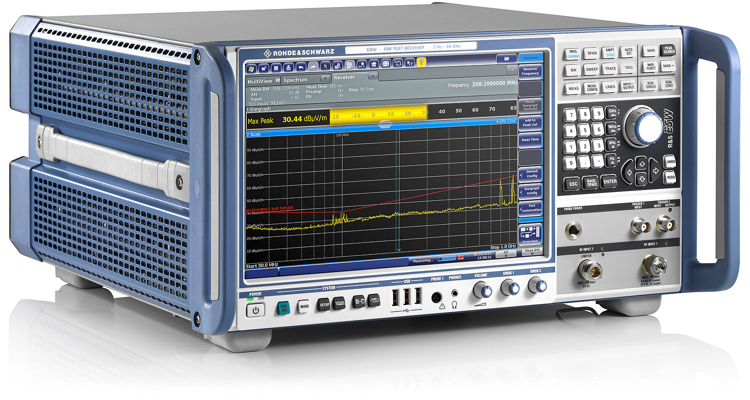
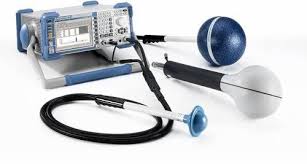
Dedicated EMI/EMC Compliance Receivers
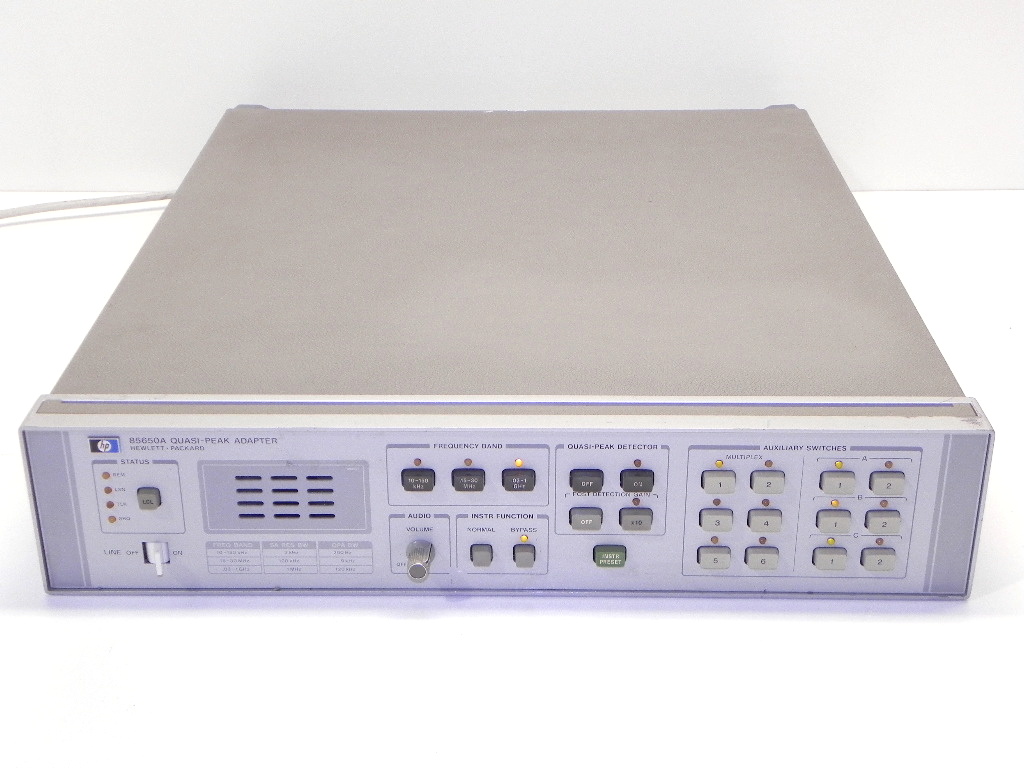
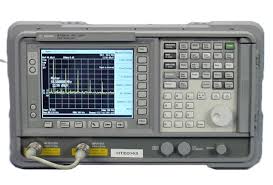
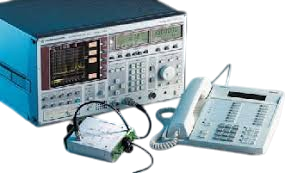
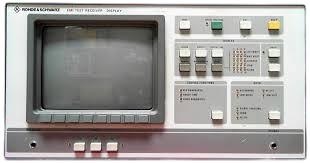
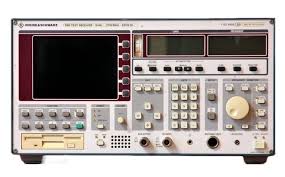
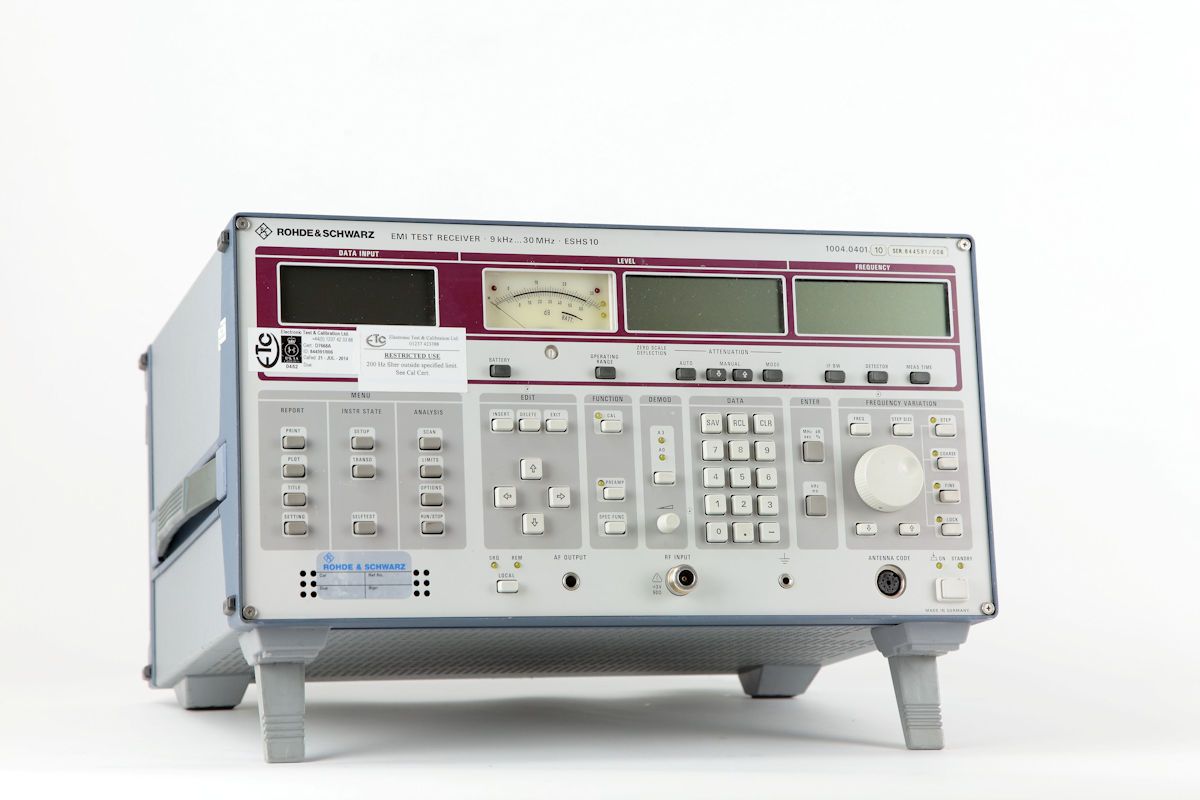
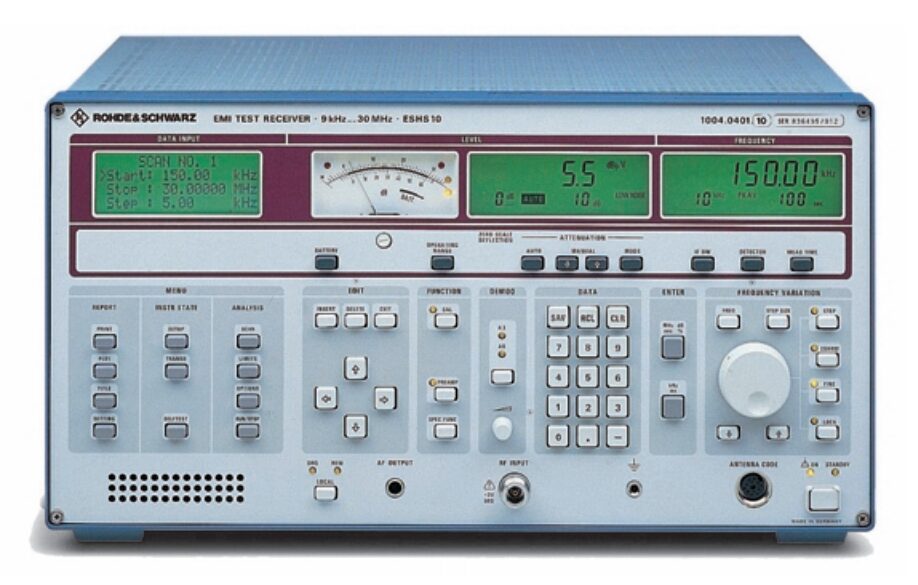
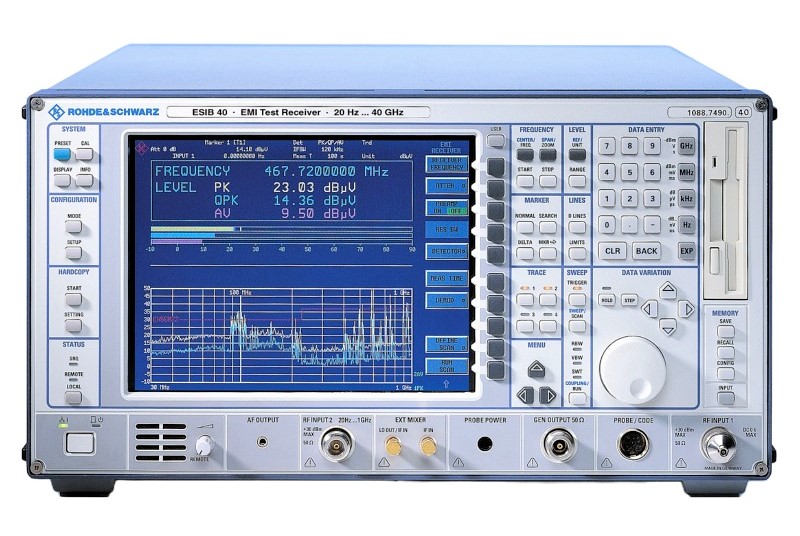
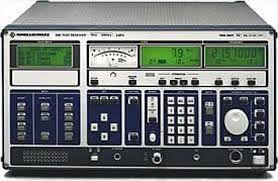
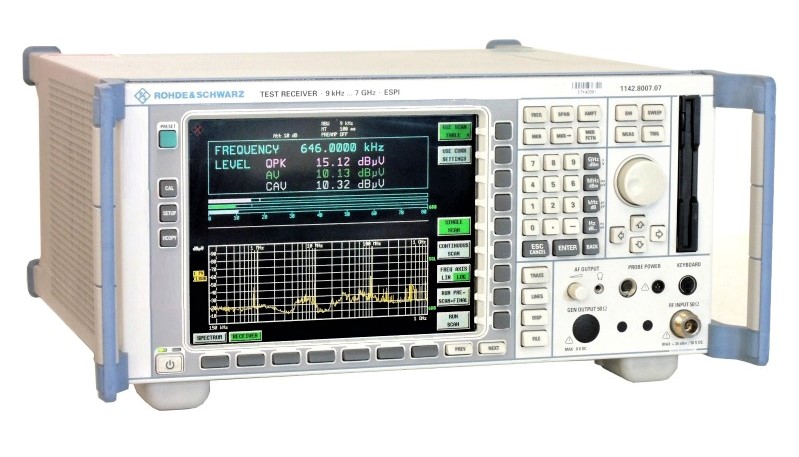
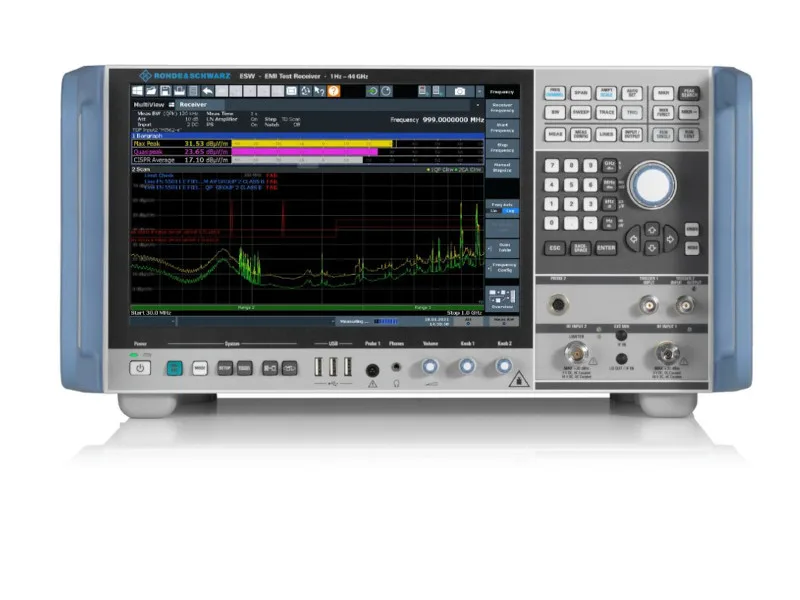
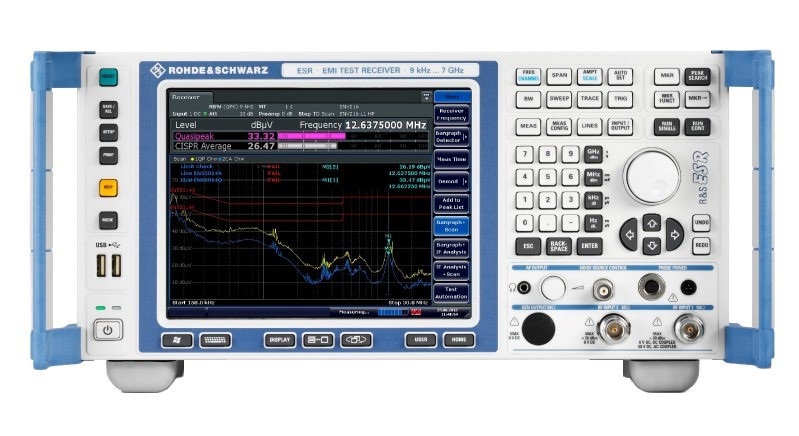
Rohde & Schwarz has long been the dominant name in dedicated EMI receivers — the ESL, ESIB, ESPI, ESU, ESW, and ESR series all implement the full set of CISPR 16-1-1 detector types (peak, quasi-peak, average) with the precisely defined bandwidths and response times the standard requires. Keysight/Agilent's competing line spans the E7401A/E7402A/E7403A/E7404A "EMC Analyzer" series, the 8542E/8546E dedicated receivers, and the current-generation N9038B MXE. These are purpose-built for compliance measurement, not general-purpose spectrum analysis with an EMC label attached.
Spectrum Analyzers with EMC Measurement Options
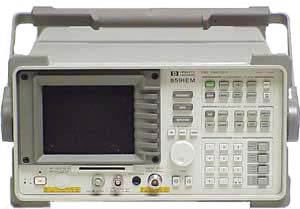
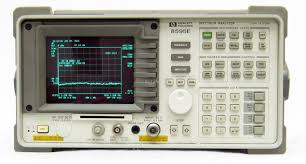
Some listings in this category are general-purpose spectrum analyzers — the Agilent 8595EM and 8596EM, for instance — with an added EMC measurement personality or firmware option that implements quasi-peak detection. These can do compliance-grade measurement, but only if that specific option is present and licensed on the unit; the base spectrum analyzer platform without it will not produce a valid quasi-peak reading no matter how the sweep is configured.
LISNs, Antennas, and Preselectors
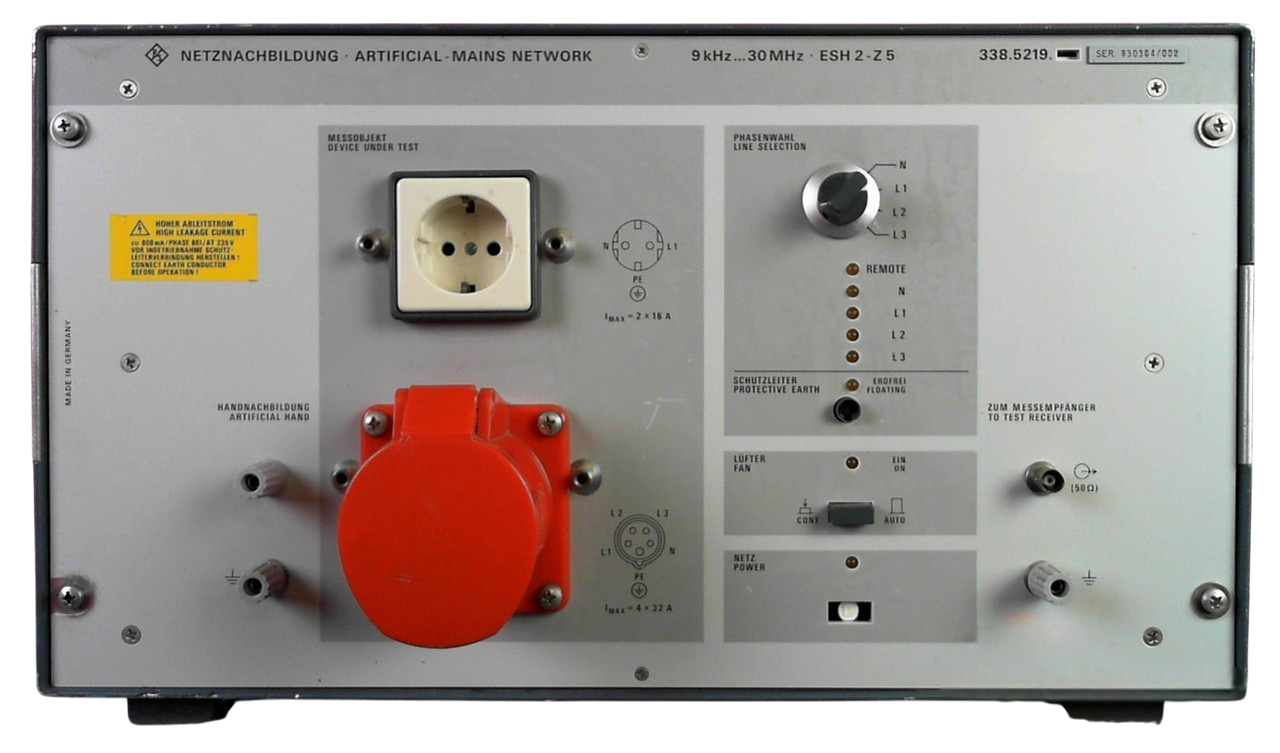
A compliance test setup needs more than the receiver itself. LISNs (Line Impedance Stabilization Networks) isolate the device under test's power-line noise from the facility's own mains noise for conducted-emissions testing. Biconical and horn antennas convert the radiated E-field into a measurable voltage for radiated-emissions testing above 30 MHz. Preselectors filter out-of-band signals before they reach the receiver's front end, preventing a strong out-of-band signal from overloading the input during a broadband sweep. We carry these alongside the receivers themselves, since a receiver without the matching accessories for your specific test type isn't a complete setup.
What to Check Before Buying
Confirm the frequency range covers what your standard requires — conducted emissions is typically 150 kHz to 30 MHz, radiated emissions typically 30 MHz and up depending on the standard. Confirm which CISPR detector types are actually implemented and licensed on the specific unit, since peak-only and full peak/quasi-peak/average capability are genuinely different products even within the same model family. And check whether the LISN, antenna, or preselector your test setup needs is included or needs to be sourced separately.
Calibration for EMI/EMC Receivers
Calibration on an EMI receiver covers absolute amplitude accuracy across the frequency range, the same as any spectrum-analyzer-class instrument — but a full verification also checks the quasi-peak and average detector response timing against the time constants CISPR 16-1-1 specifies. A receiver can have accurate amplitude readings while its detector timing has drifted, which would still produce an inaccurate quasi-peak measurement for compliance purposes. See all calibration services →
Frequently Asked Questions
Why can't I just use a regular spectrum analyzer for EMC compliance testing? +
CISPR 16-1-1 (the standard underlying most FCC and CE emissions limits) specifies exact detector types — peak, quasi-peak, and average — with precisely defined bandwidths and response times. A quasi-peak detector weights repetitive impulsive noise the way it actually affects radio reception, which is the whole regulatory point of the limits. A plain peak-detected reading on a general-purpose spectrum analyzer will not match a compliance-grade quasi-peak measurement, so a dedicated EMI receiver — or a spectrum analyzer with a licensed EMI/quasi-peak measurement option — is required for real compliance testing, not just a substitute.
What is a LISN and why do I need one? +
A Line Impedance Stabilization Network (LISN) sits between the AC mains and your device under test during conducted-emissions testing. It presents a standardized, known impedance to the DUT's power line and isolates mains-borne noise from your own facility's power, so the receiver measures only the noise your device is actually generating rather than noise already present on the incoming mains. It's a required piece of the test setup, not optional accessory.
What frequency range do I need for conducted vs. radiated emissions testing? +
Conducted emissions testing typically covers 150 kHz to 30 MHz — measured through a LISN on the power line. Radiated emissions testing typically starts at 30 MHz and runs to 1 GHz or higher depending on the specific standard and product type, measured through an antenna. Confirm which frequency range and test type your standard requires before choosing a receiver, since some older instruments cover only one range well.
Do I need a preselector with an EMI receiver? +
A preselector filters out out-of-band signals before they reach the receiver's front end, preventing a strong signal outside your measurement band from overloading the receiver and producing false or distorted readings during a broadband sweep — particularly relevant in electrically noisy environments with strong nearby broadcast or cellular signals. Several of our listings are receivers with a preselector option or module already fitted; check the listing for confirmation if this matters for your test environment.
What should I confirm before buying a used EMI/EMC receiver? +
Confirm the frequency range covers your standard's requirements, and confirm which CISPR detector types — peak, quasi-peak, average — are actually implemented or licensed on that specific unit, since not every receiver or spectrum-analyzer-with-EMC-option combination includes all three. Also check whether the accessories your test setup needs (LISN, antenna, preselector) are included or will need to be sourced separately, and ask about calibration status — both amplitude accuracy and quasi-peak detector timing degrade over time and both matter for a compliant measurement.
Need a specific frequency range or detector configuration?
Tell us which standard you're testing to, and we'll check our incoming stock.
Get in touch