
Used RF Power Sensors
271 units in stock — thermocouple, diode, and USB power sensors from Keysight, Anritsu, Rohde & Schwarz, Tektronix, and Gigatronics, in coaxial and waveguide. Ships from Pleasant Grove, UT.
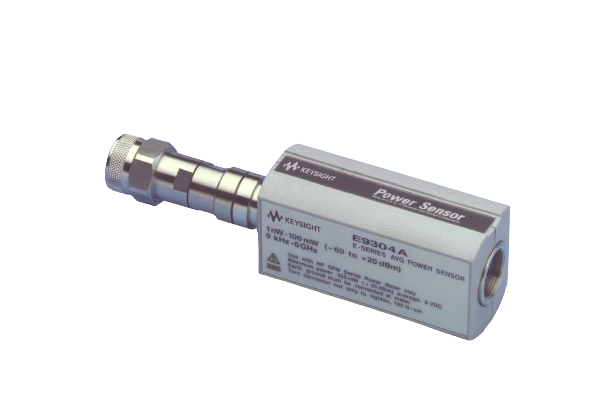
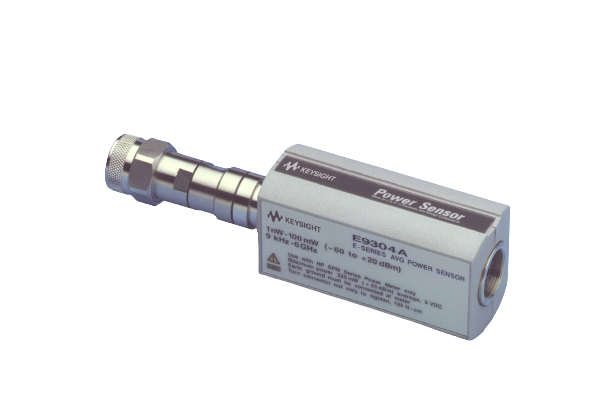
Agilent / Keysight RF Power Sensors (147 units)
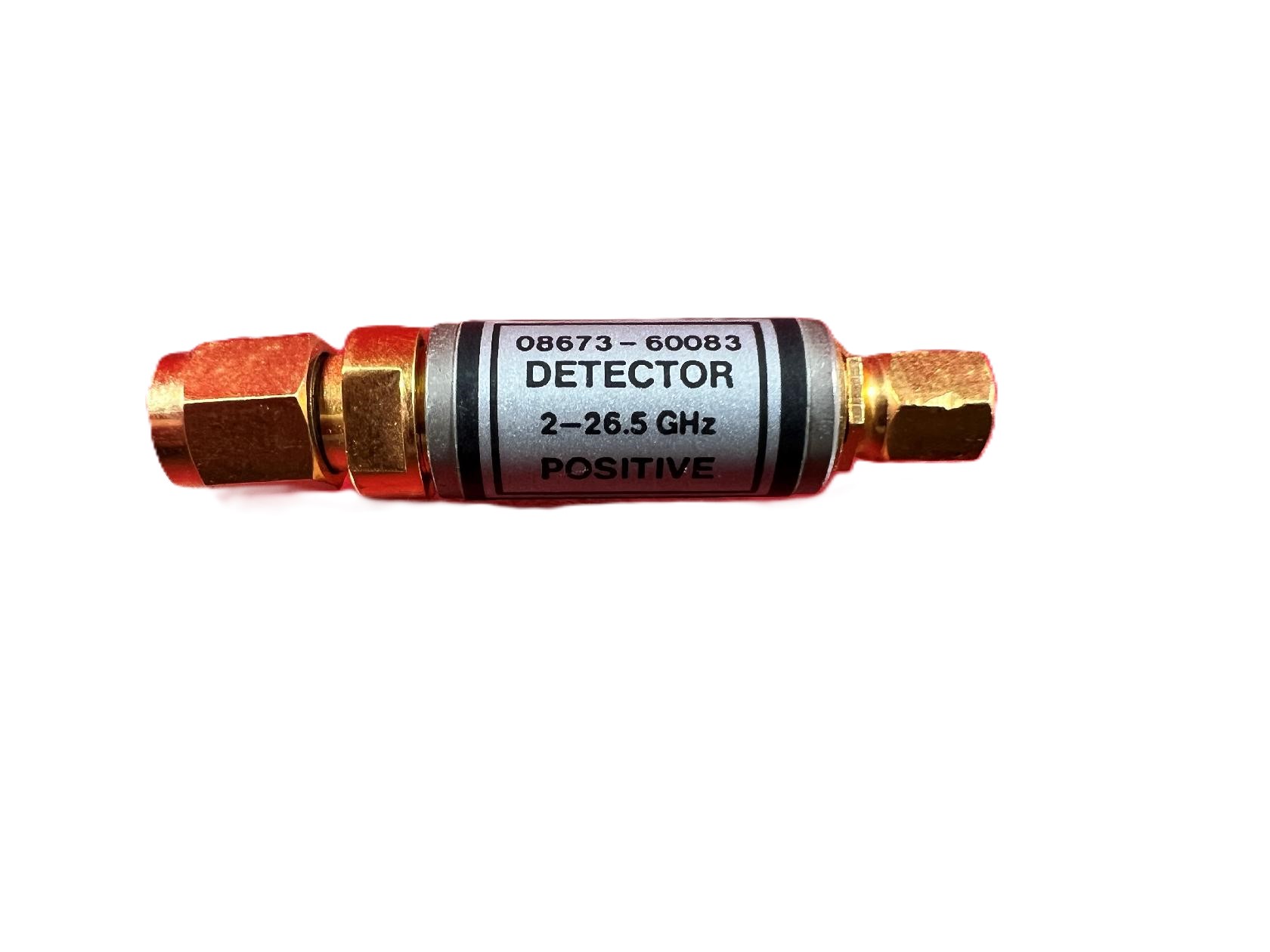
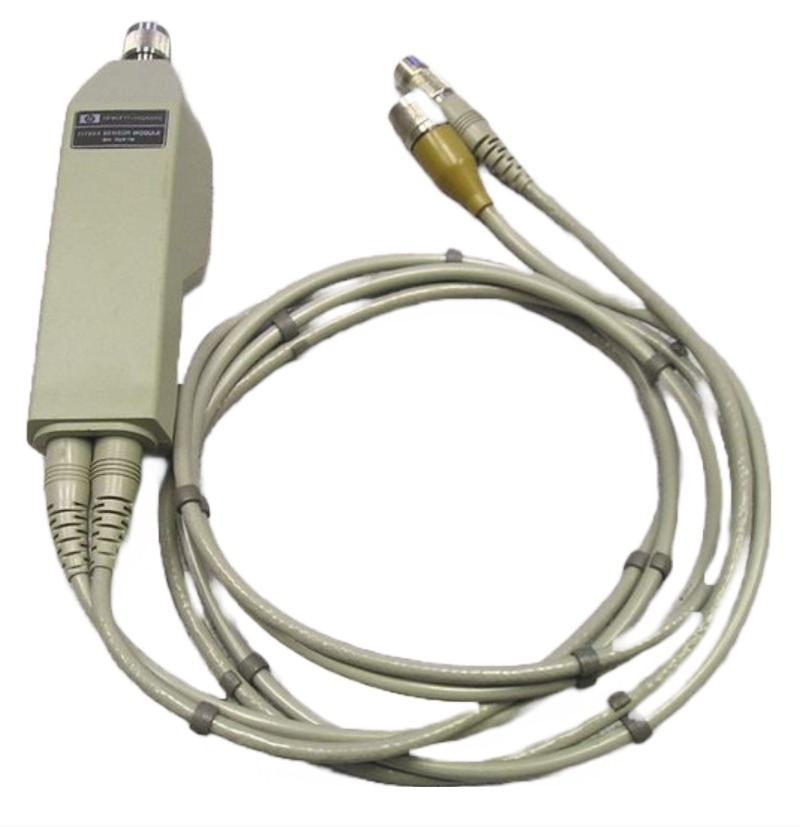
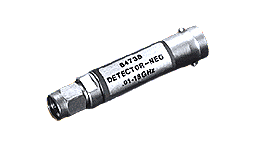
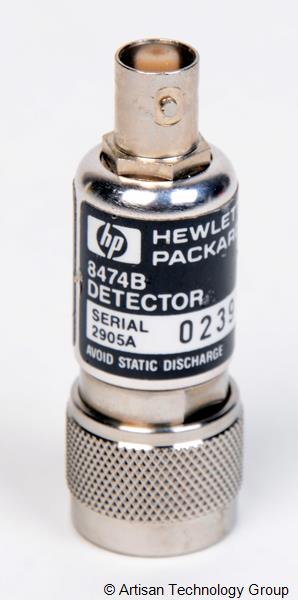
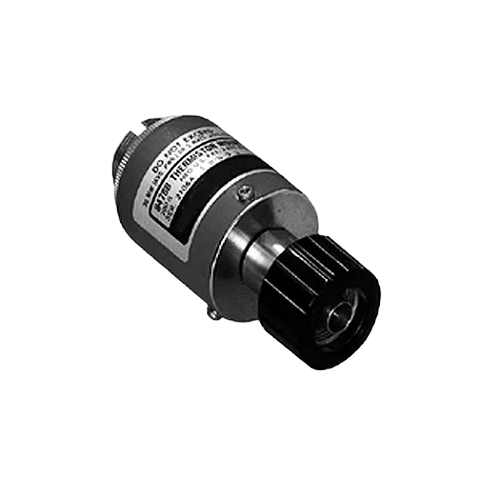
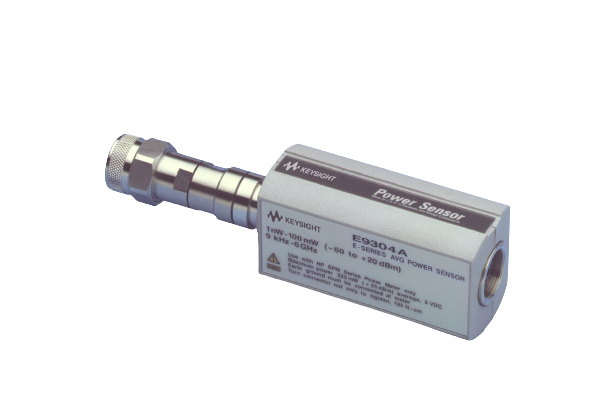
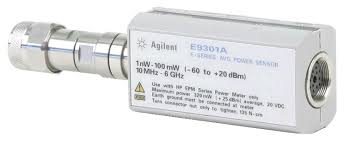
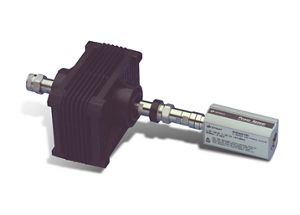
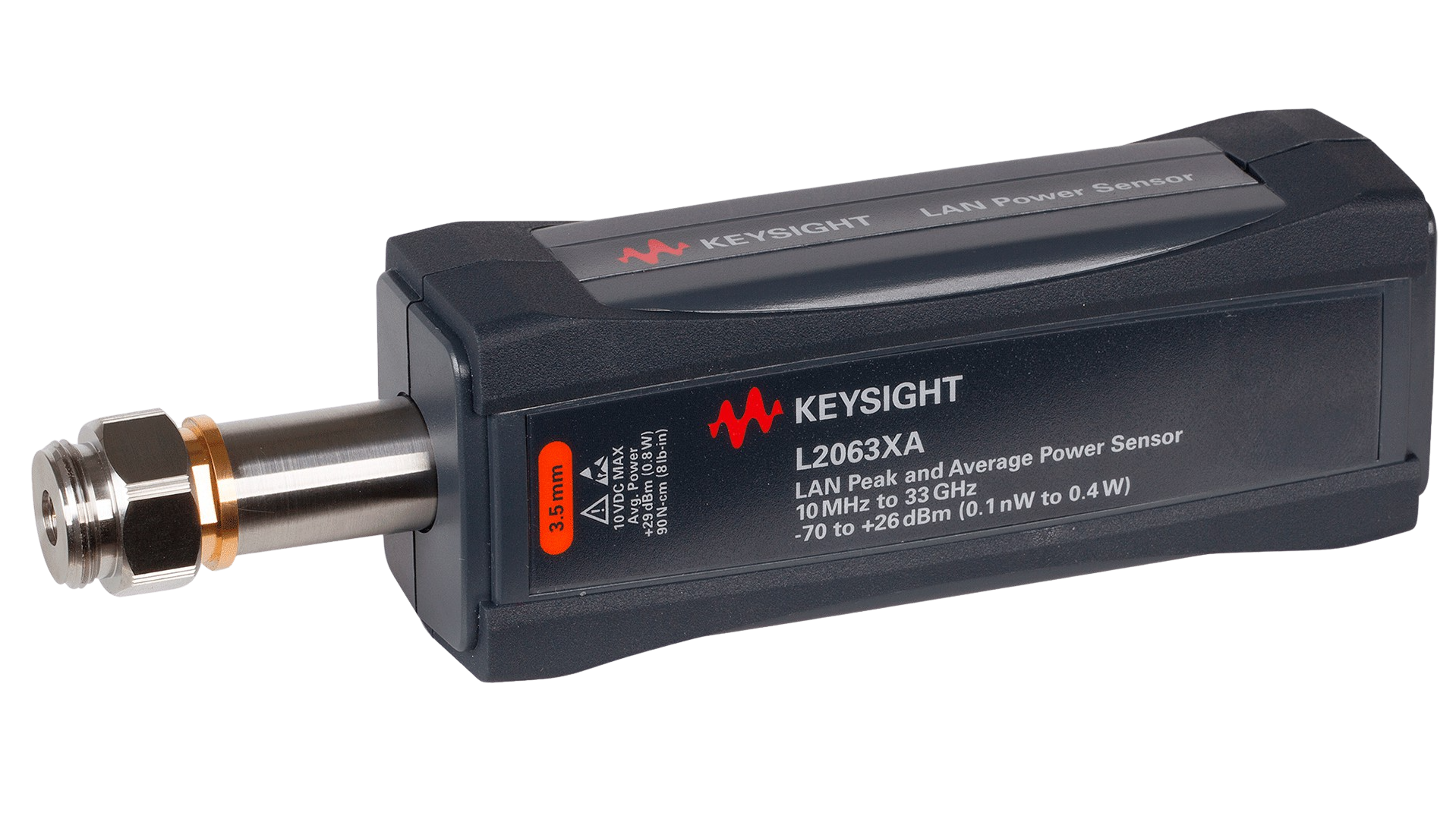
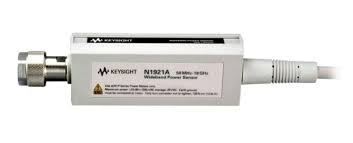
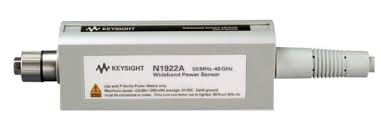
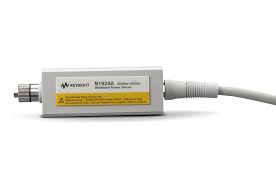
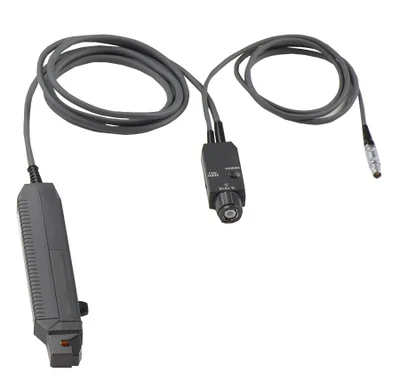
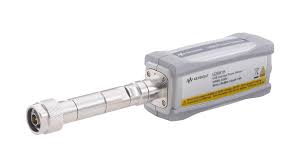
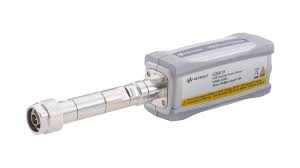
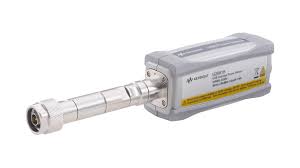
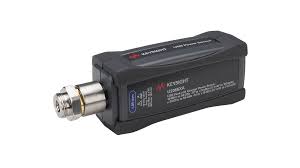
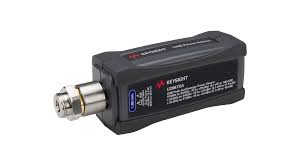
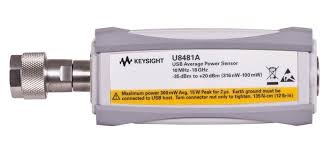
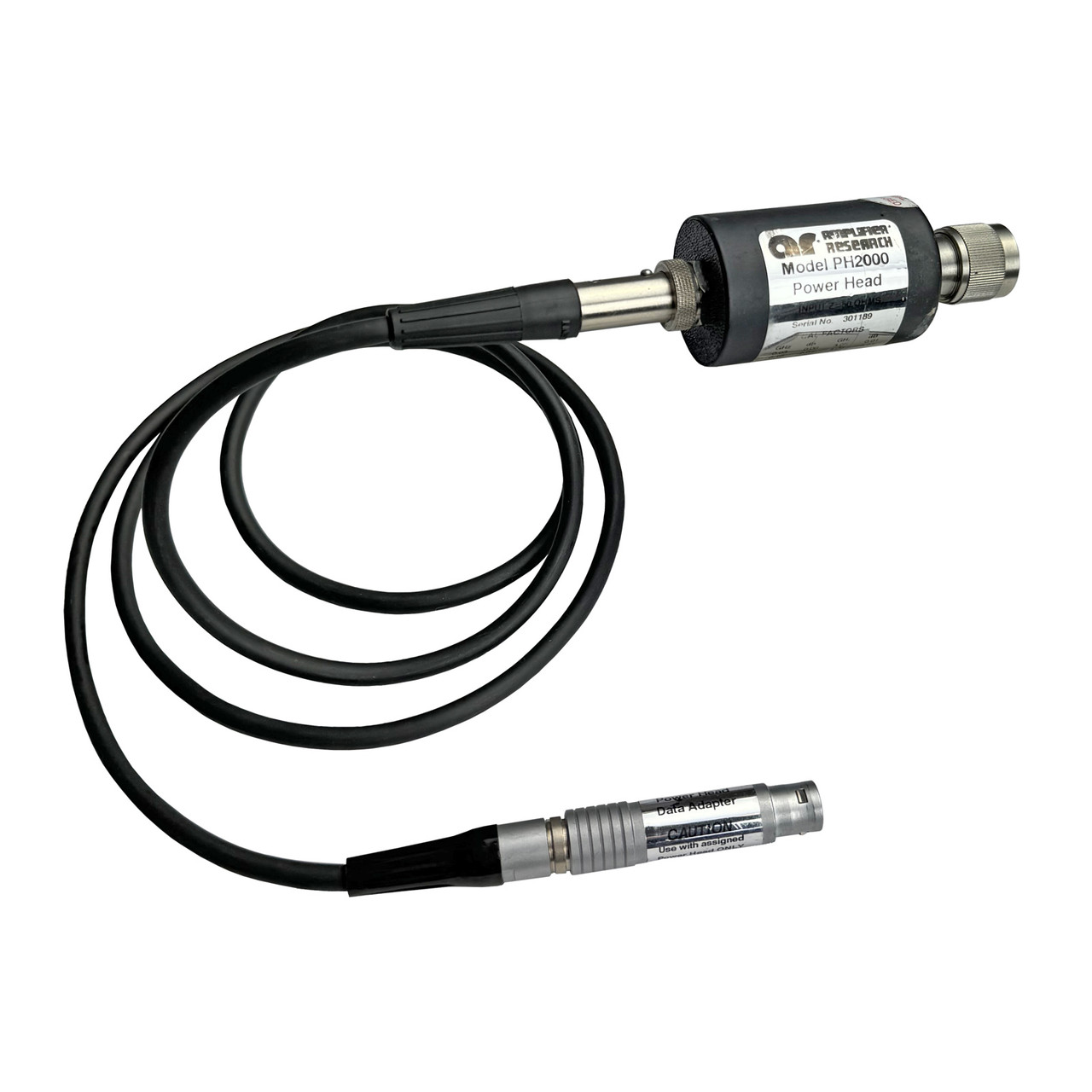
Amplifier Research RF Power Sensors (2 units)
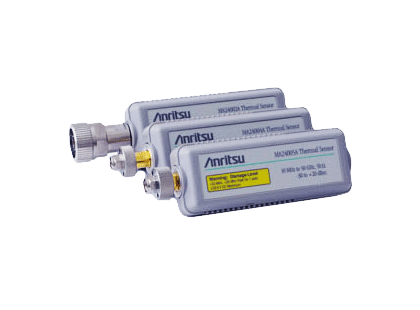
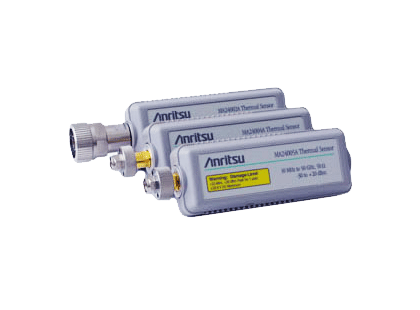
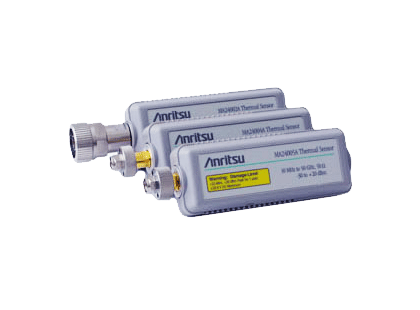
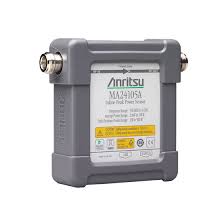
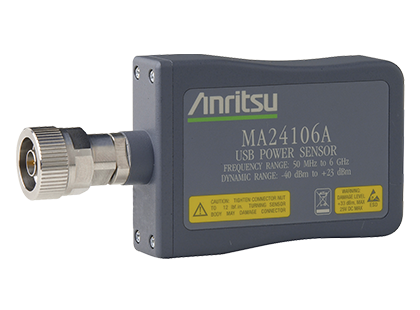
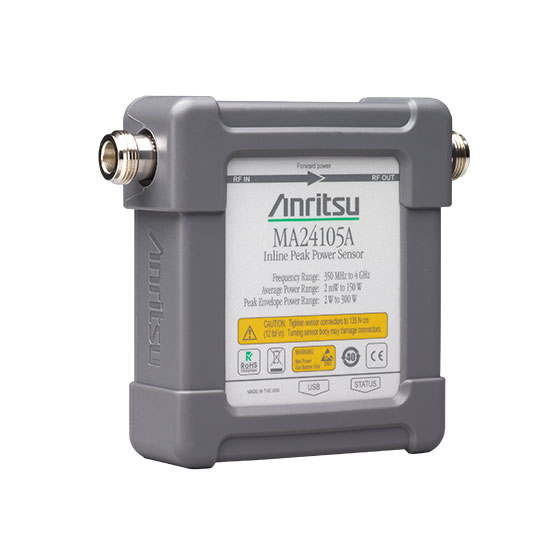
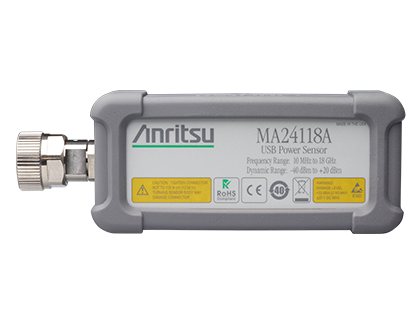
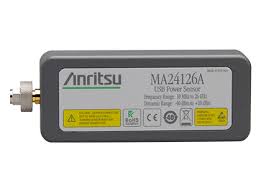
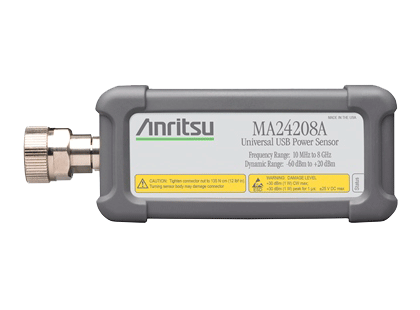
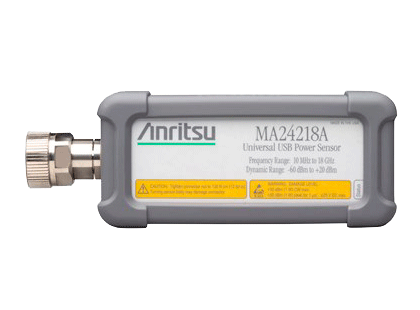
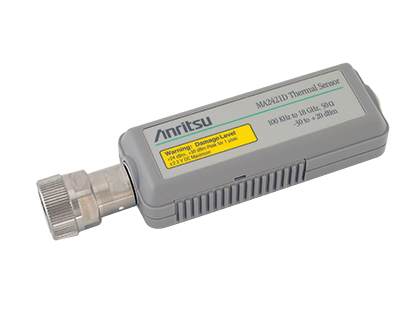
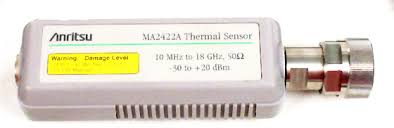
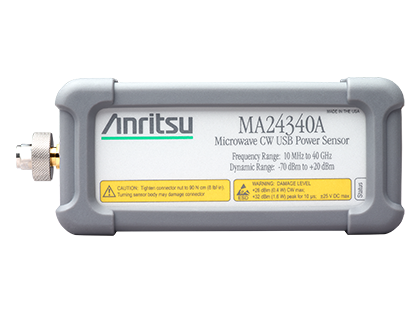
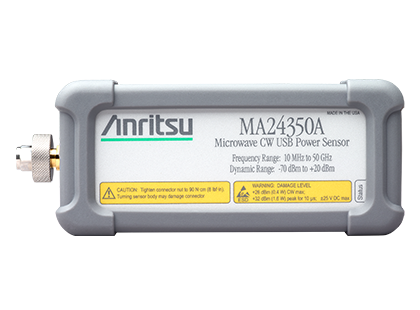
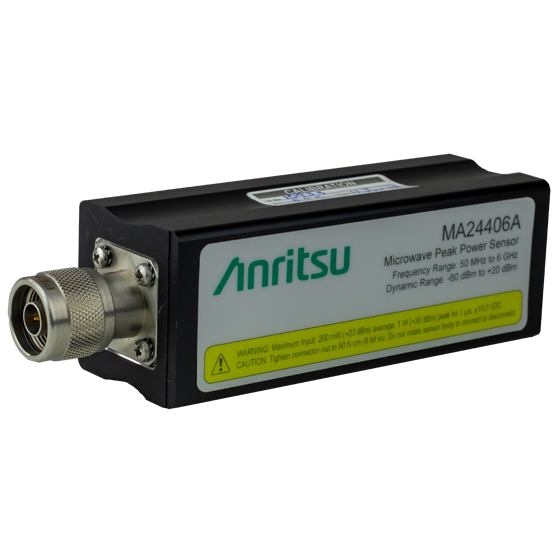
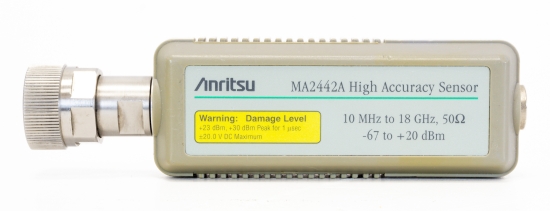
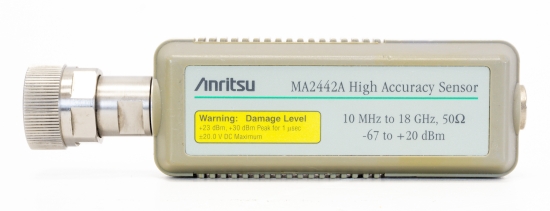
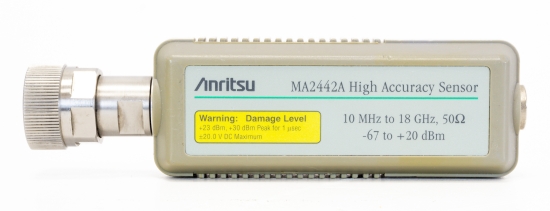
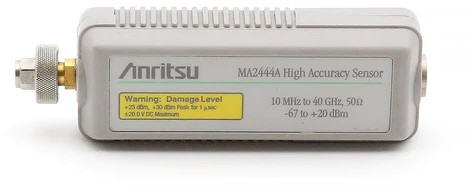
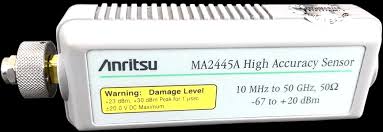
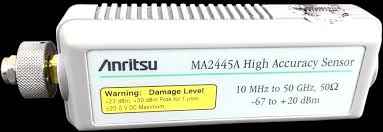
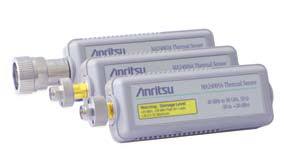
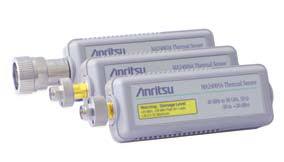
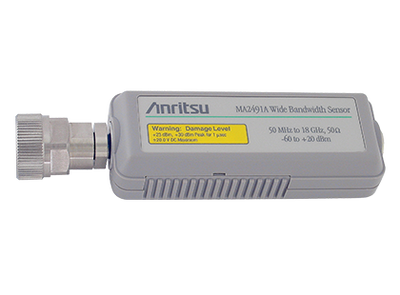
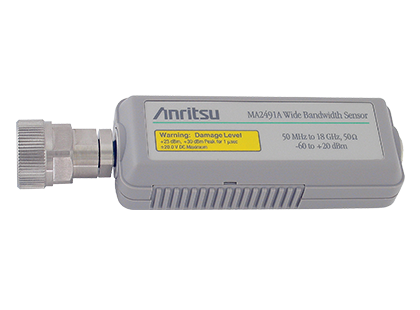
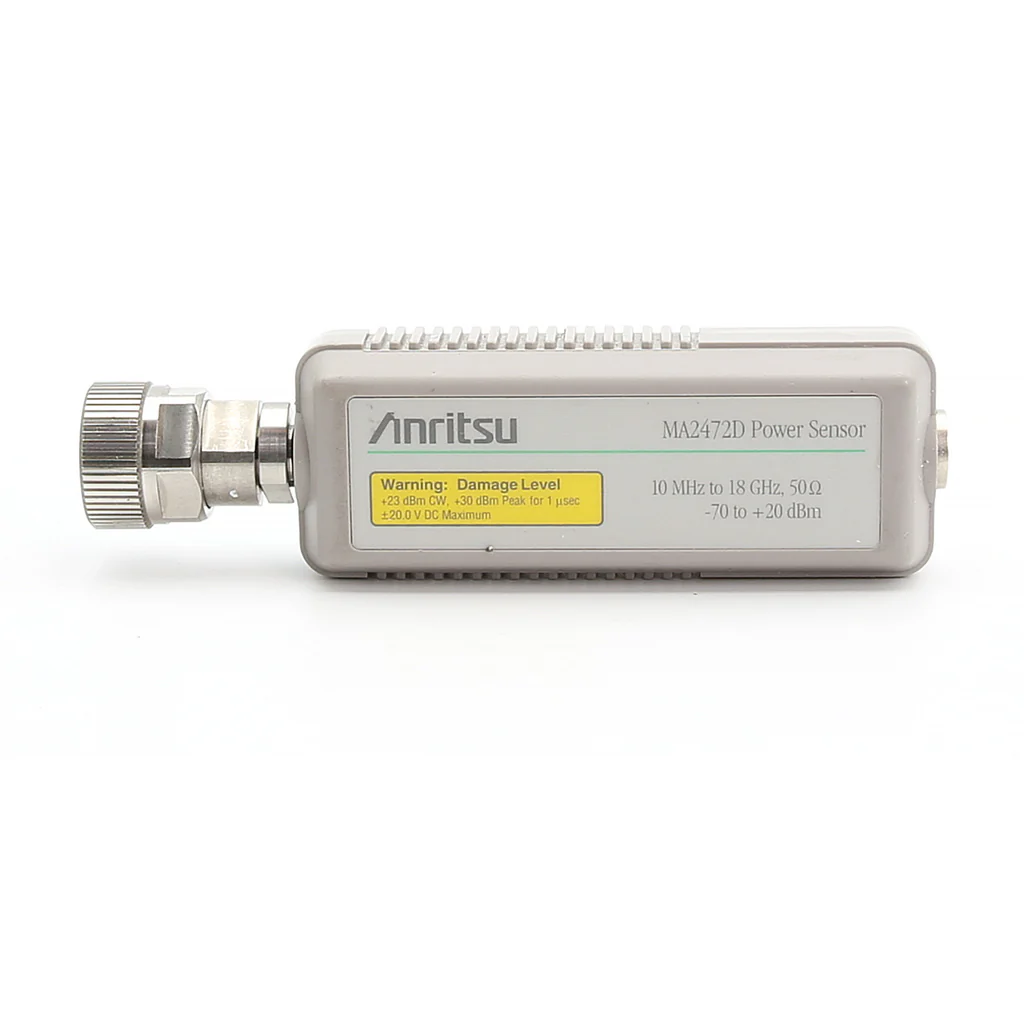
Anritsu RF Power Sensors (58 units)
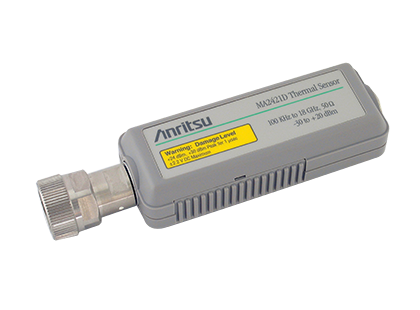
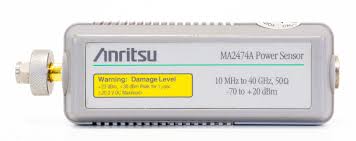
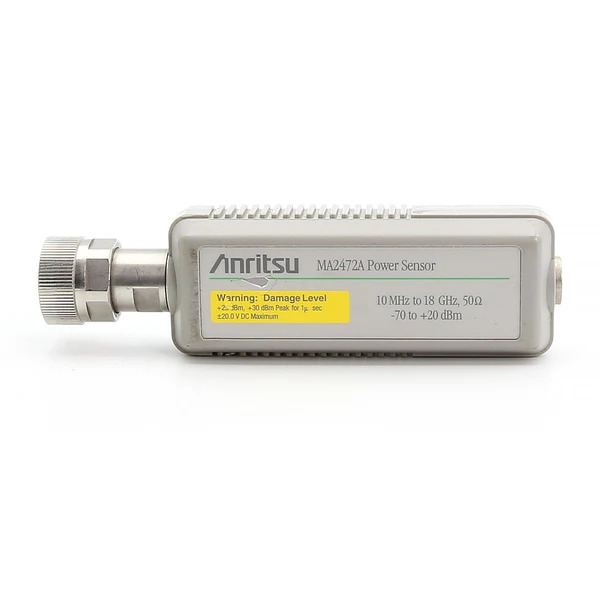
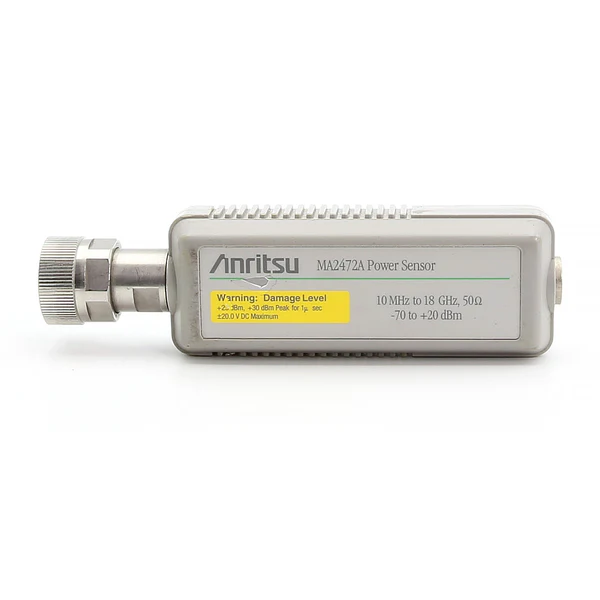
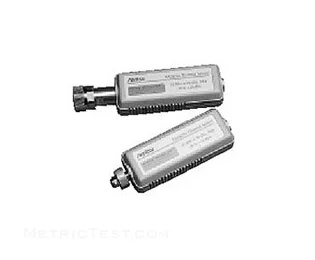
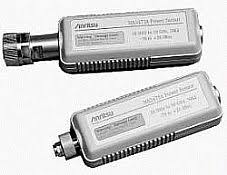
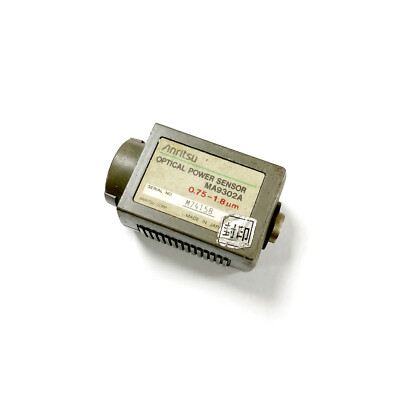
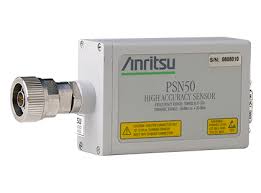
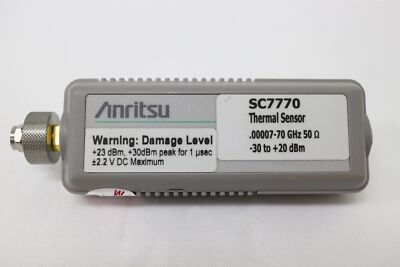
Boonton RF Power Sensors (1 unit)
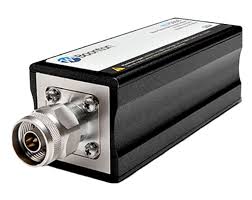
Gigatronics RF Power Sensors (5 units)
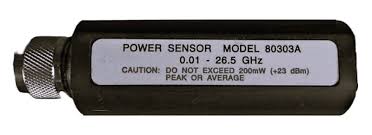
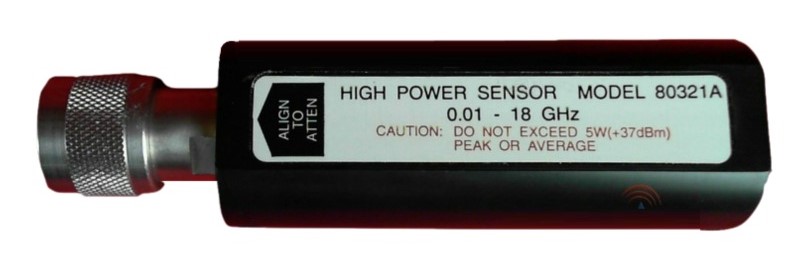
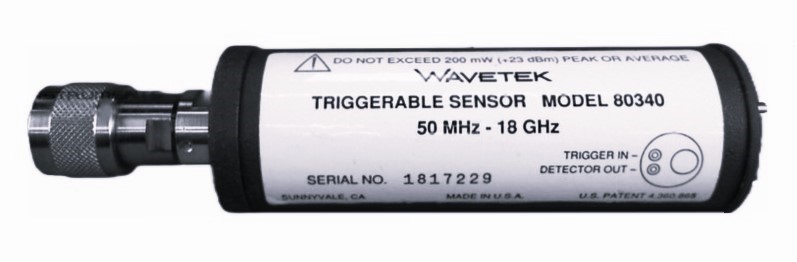
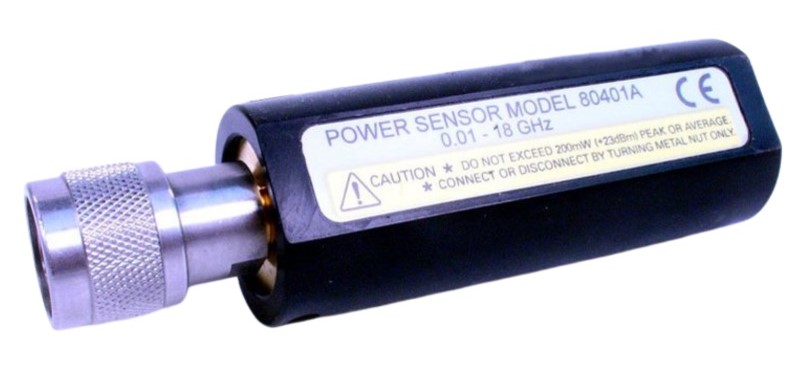
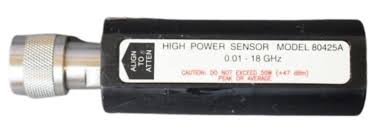
HP / Agilent RF Power Sensors (3 units)
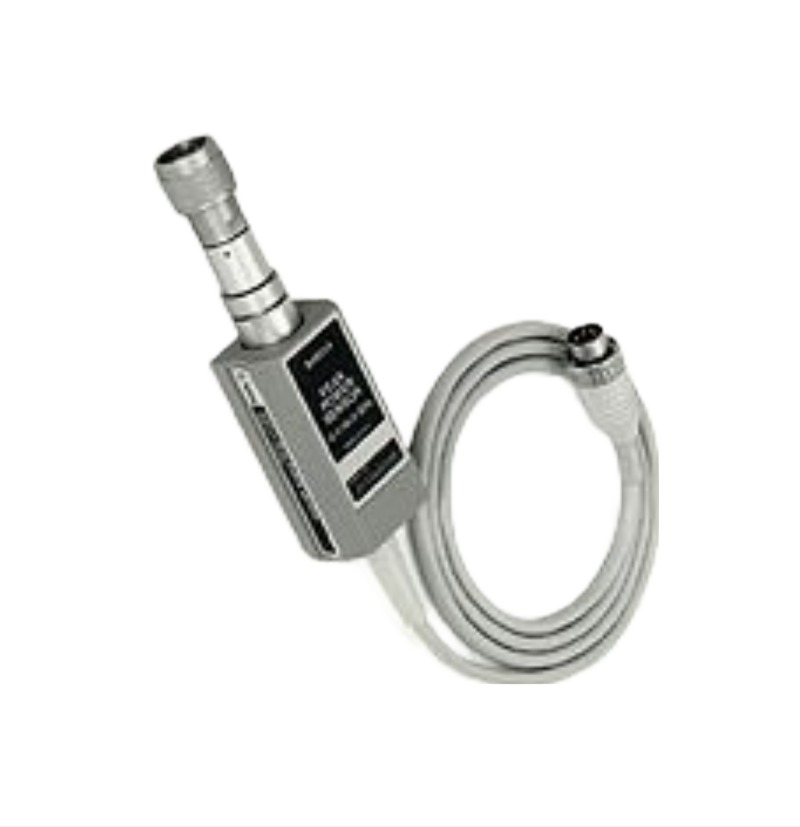
Hewlett Packard RF Power Sensors (1 unit)
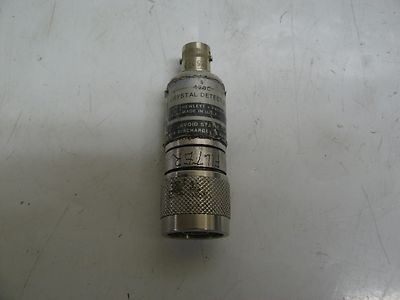
Keysight RF Power Sensors (1 unit)
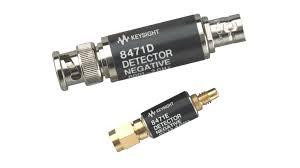
Keysight / Agilent RF Power Sensors (9 units)
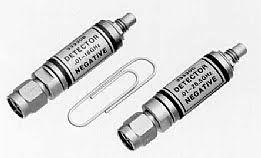
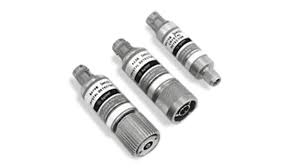
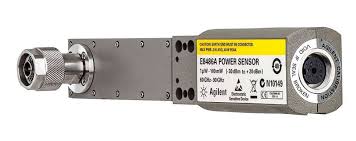
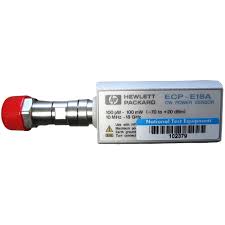
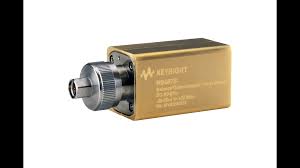
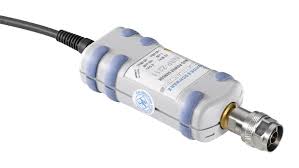
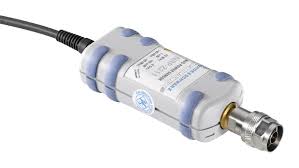
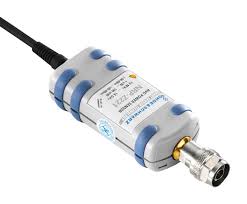
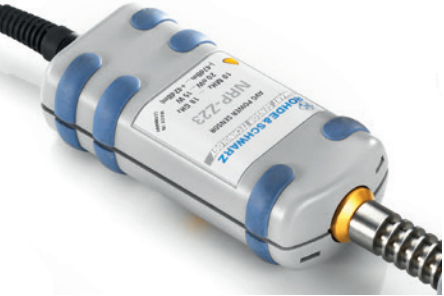
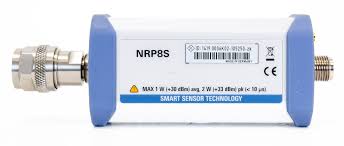
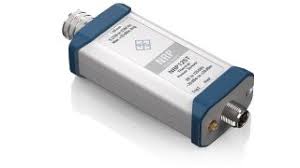
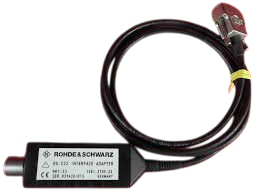
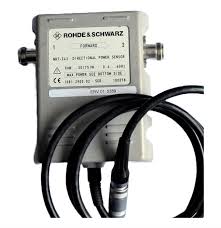
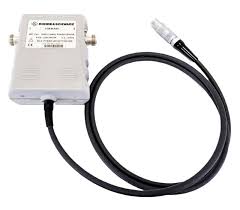
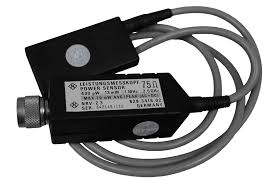
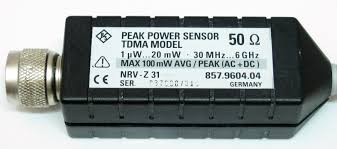
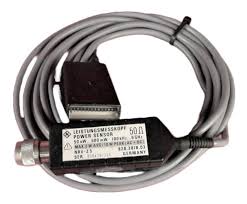
Rohde & Schwarz RF Power Sensors (36 units)
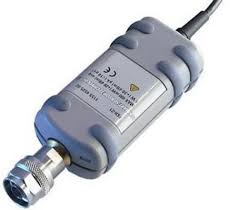
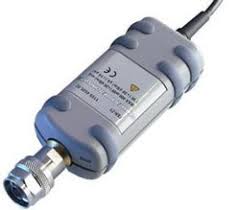
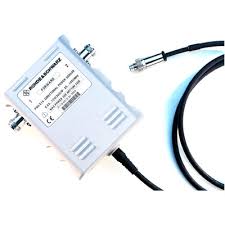
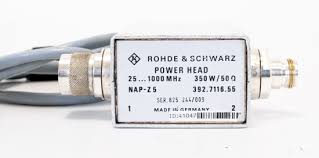
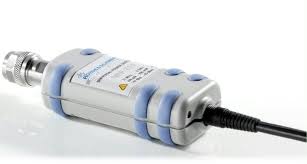

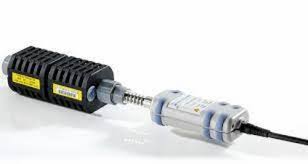
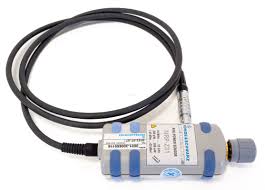

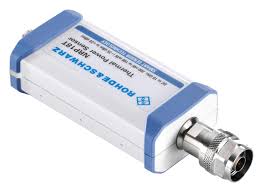


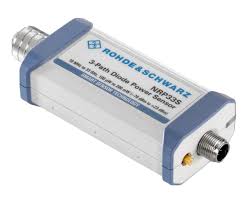
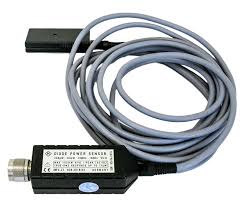
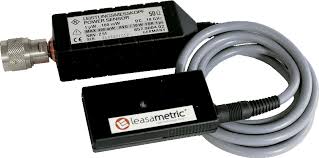
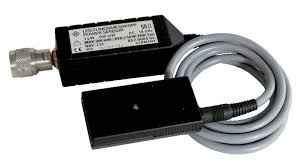
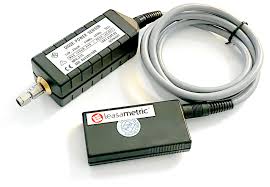
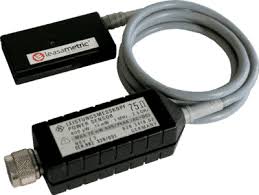
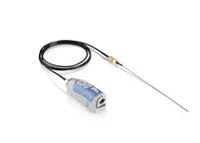
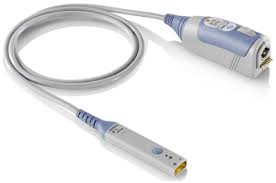
Tektronix RF Power Sensors (8 units)
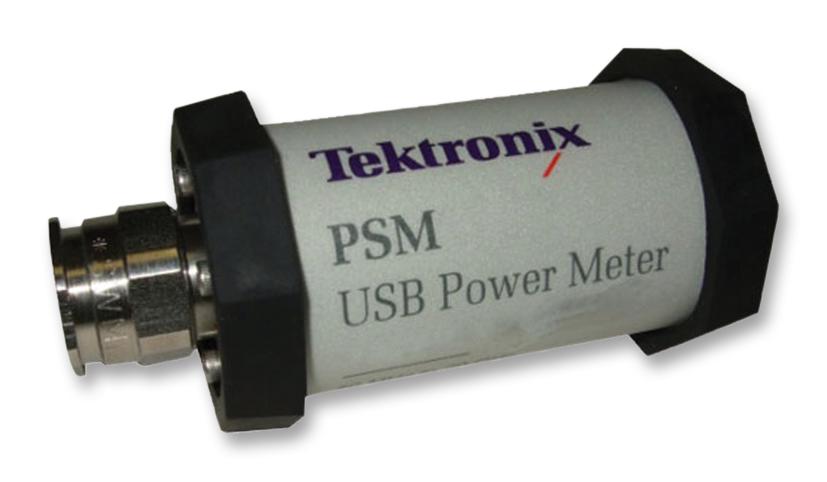
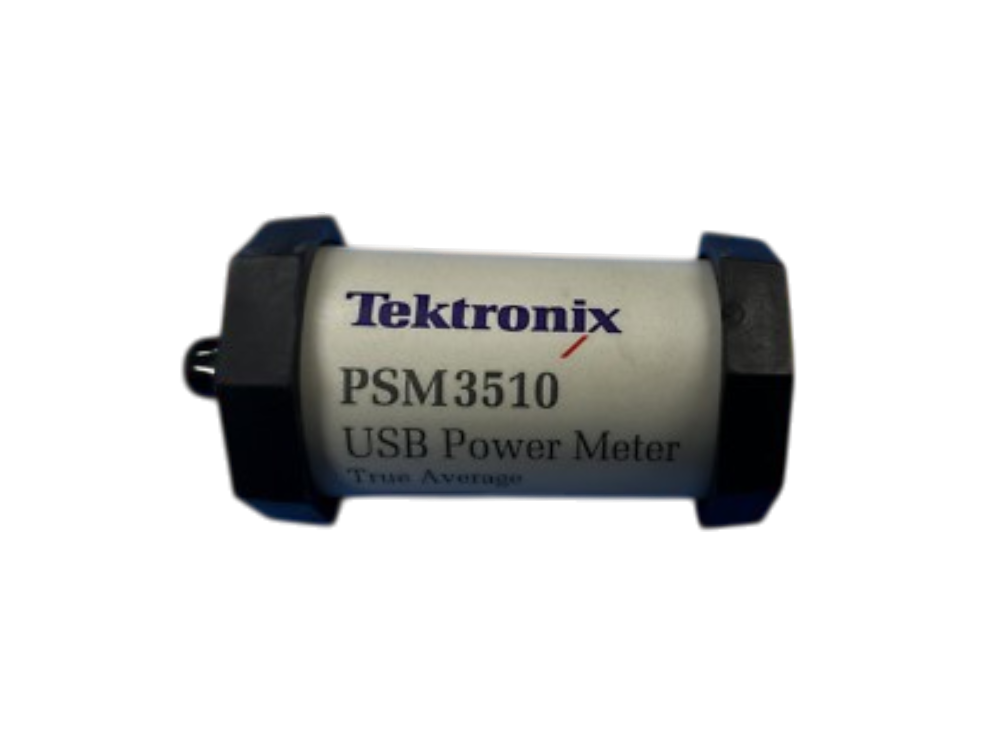
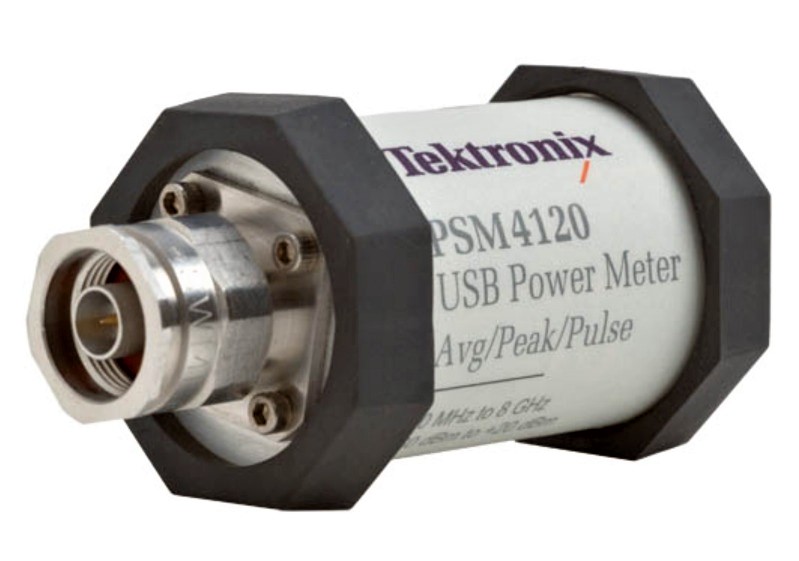
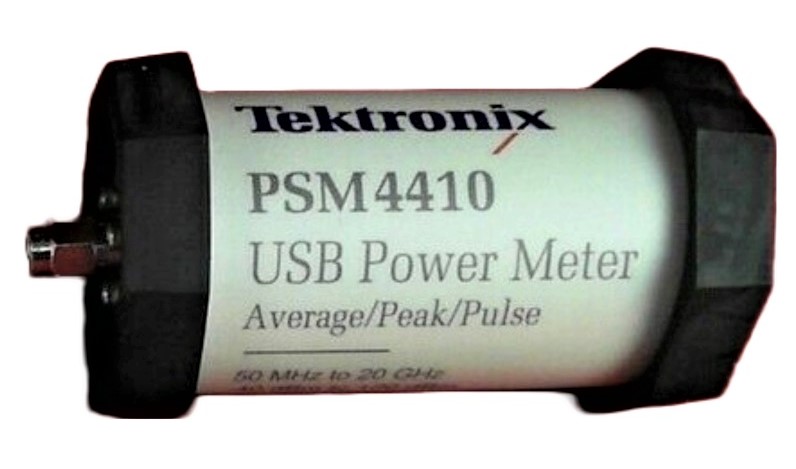
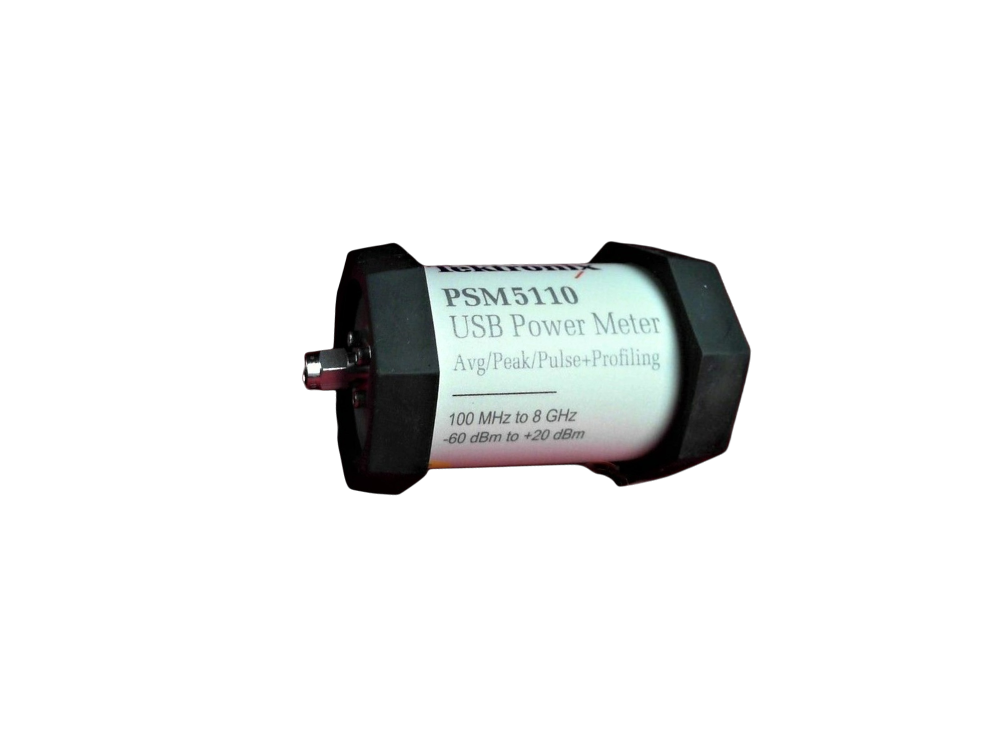
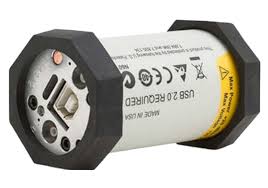
A Sensor Is Not a Power Meter
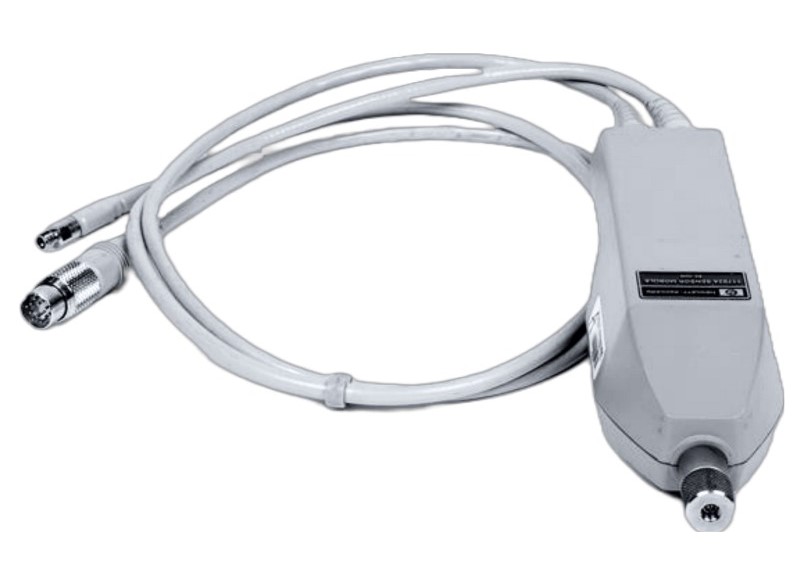
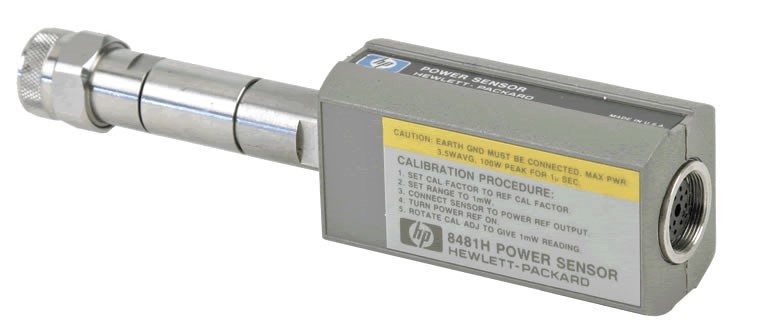
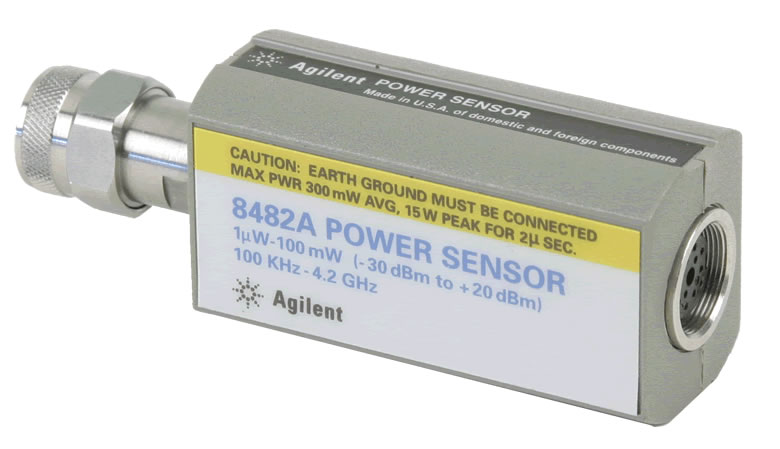
This is the thing to settle before you buy anything on this page. A power sensor is the detector head. It converts RF power into something a meter can read, and on its own it has no display, no processing, and no way to give you a number. The meter is a separate instrument. Buy a bare 8485D expecting to plug it into a laptop and you will be stuck.
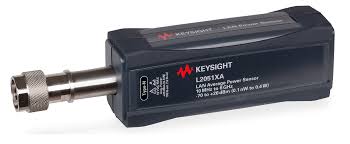
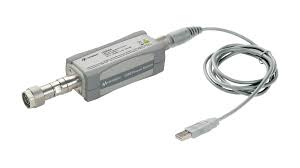
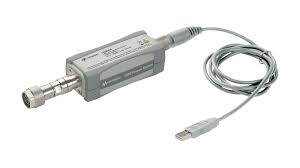
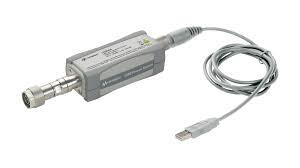
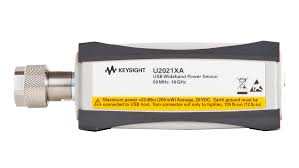
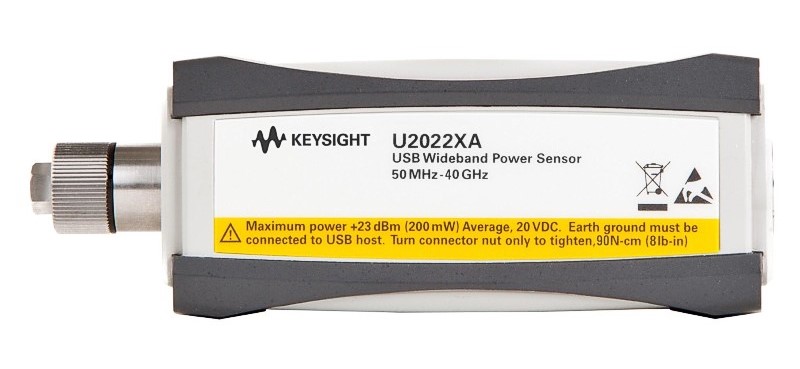
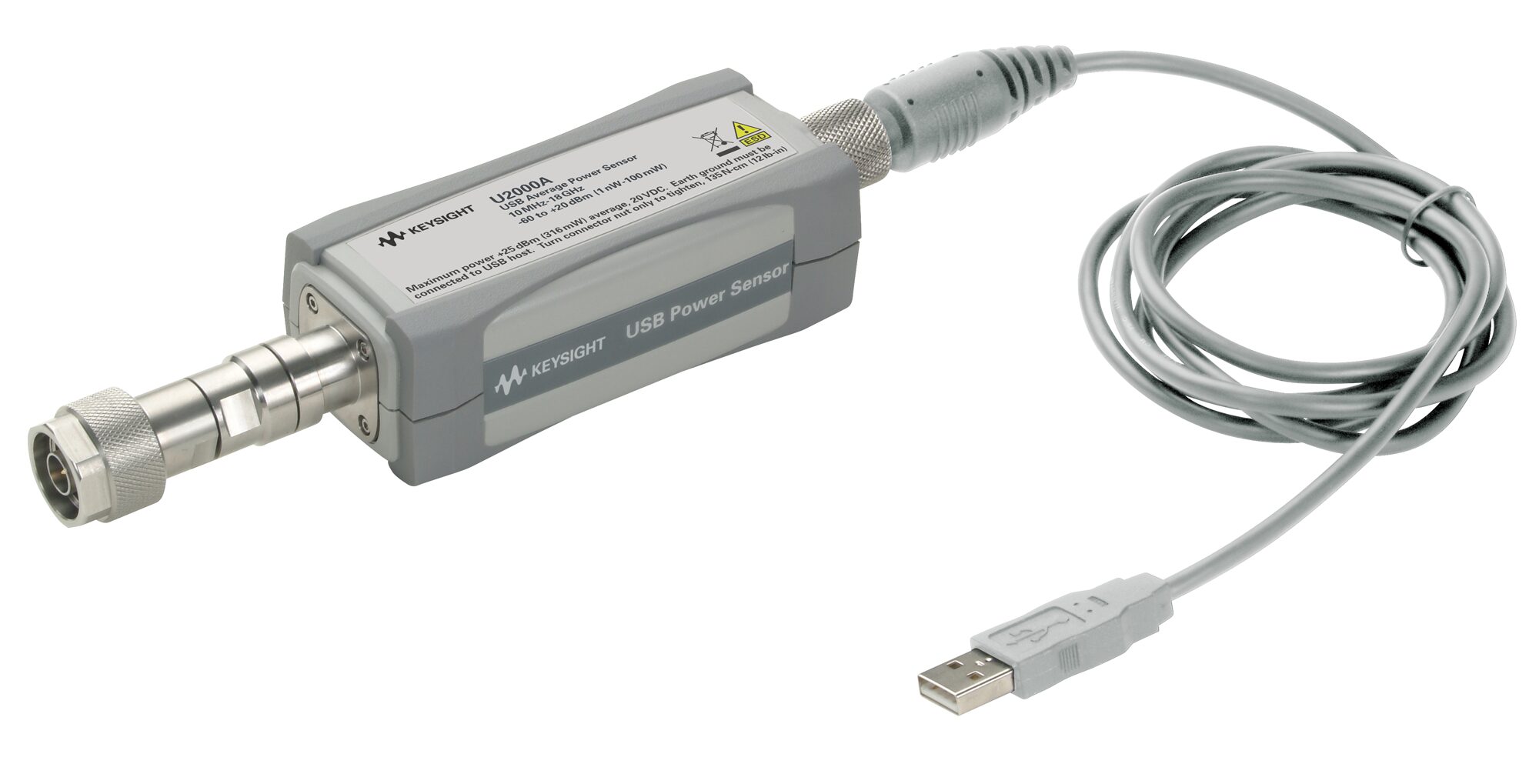
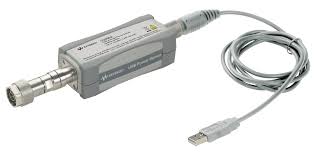
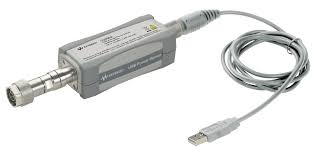
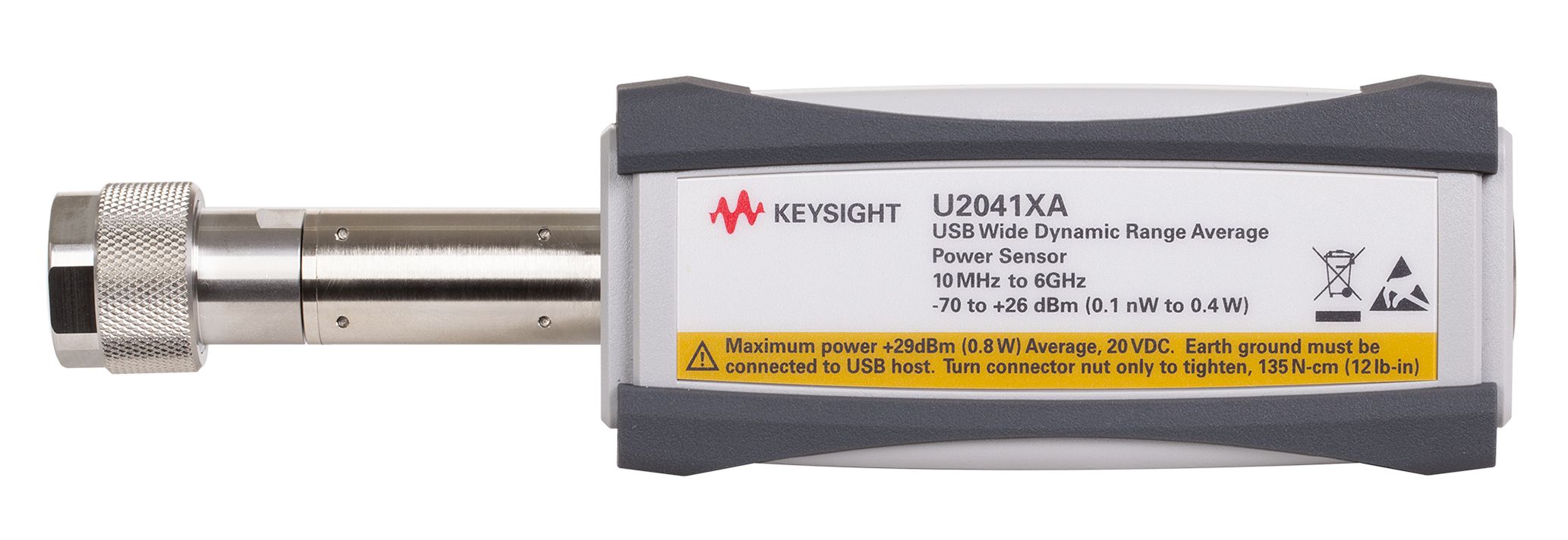
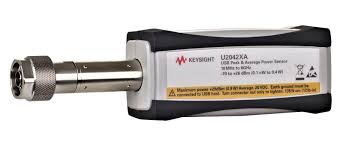
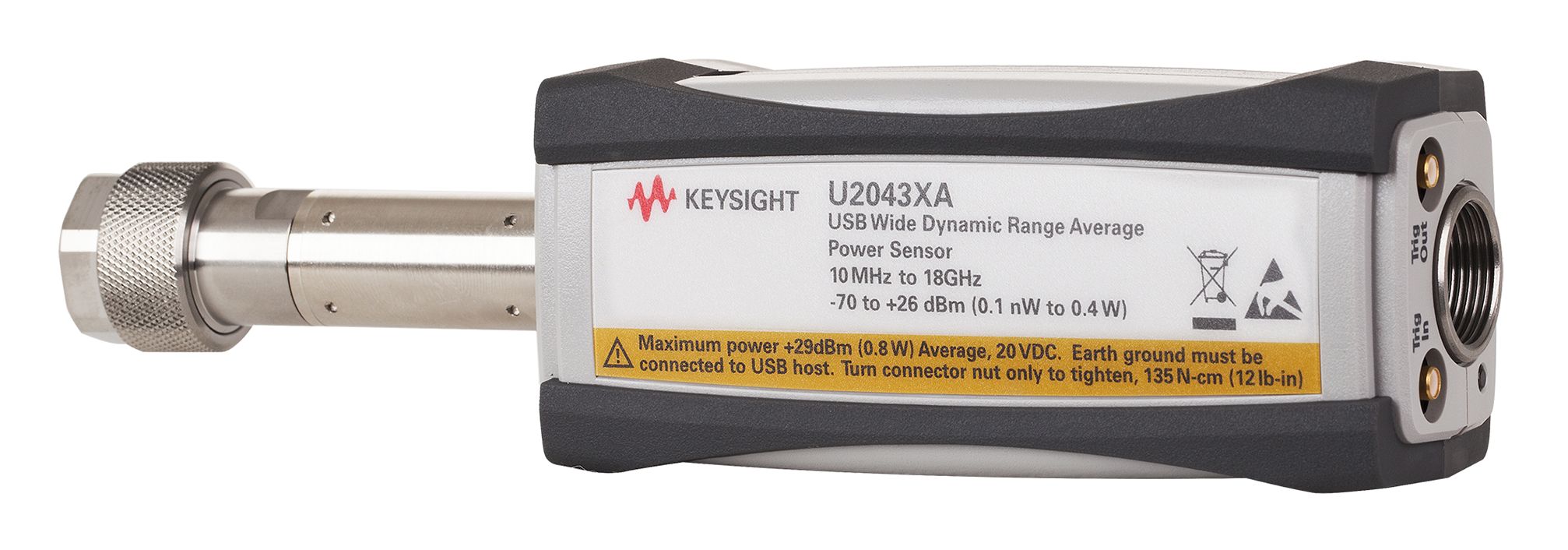
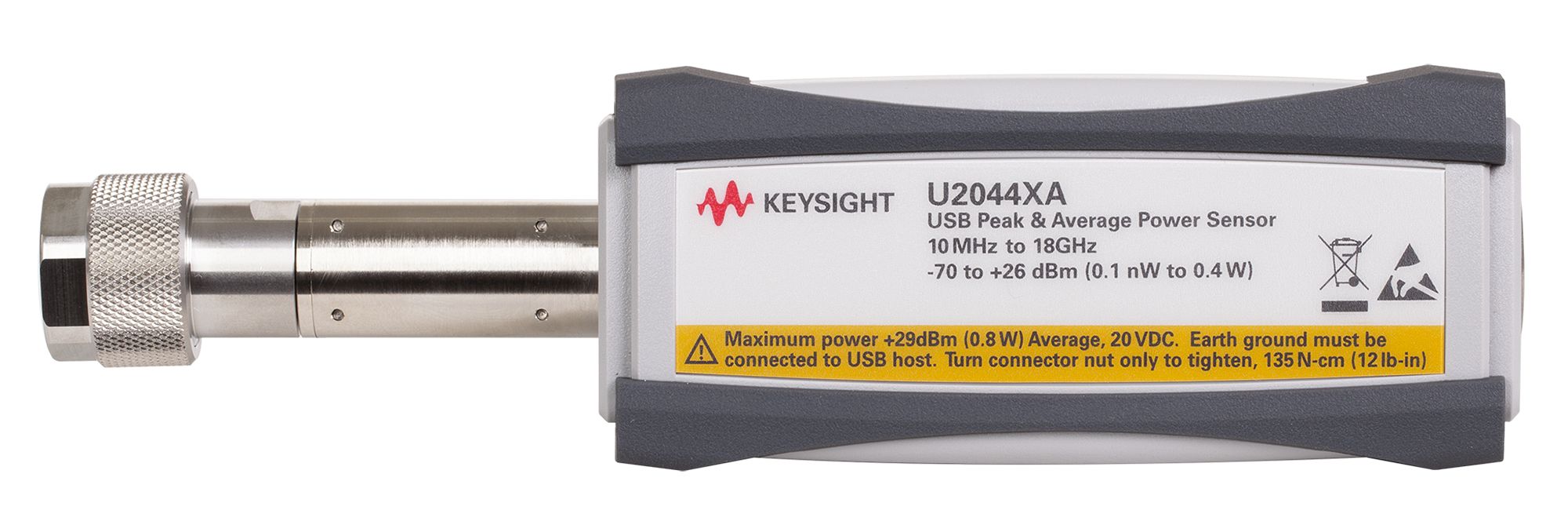
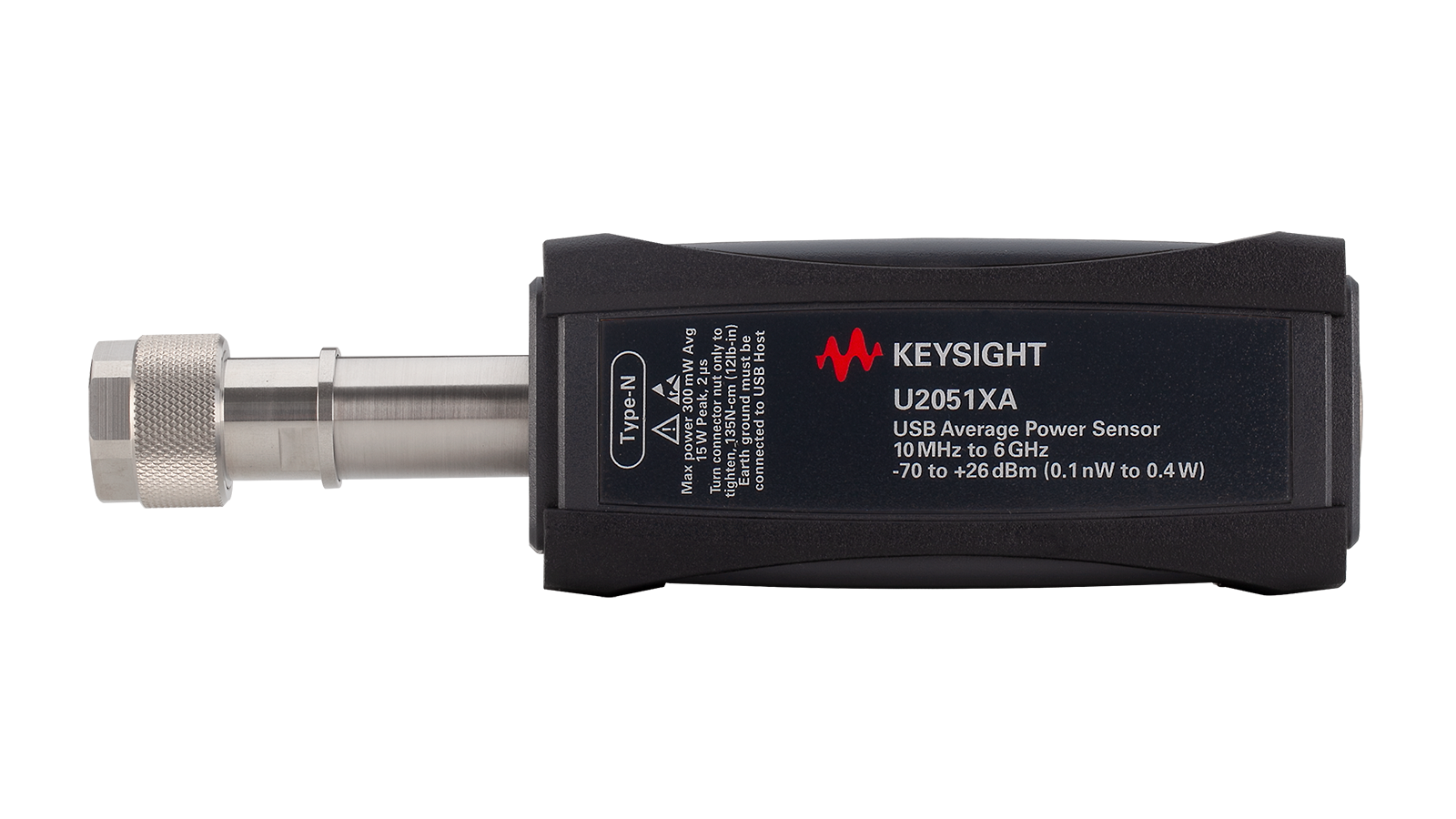
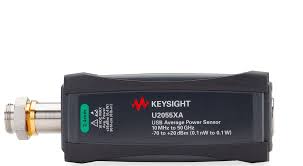
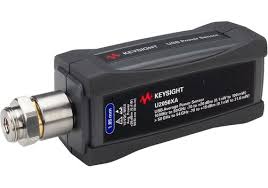
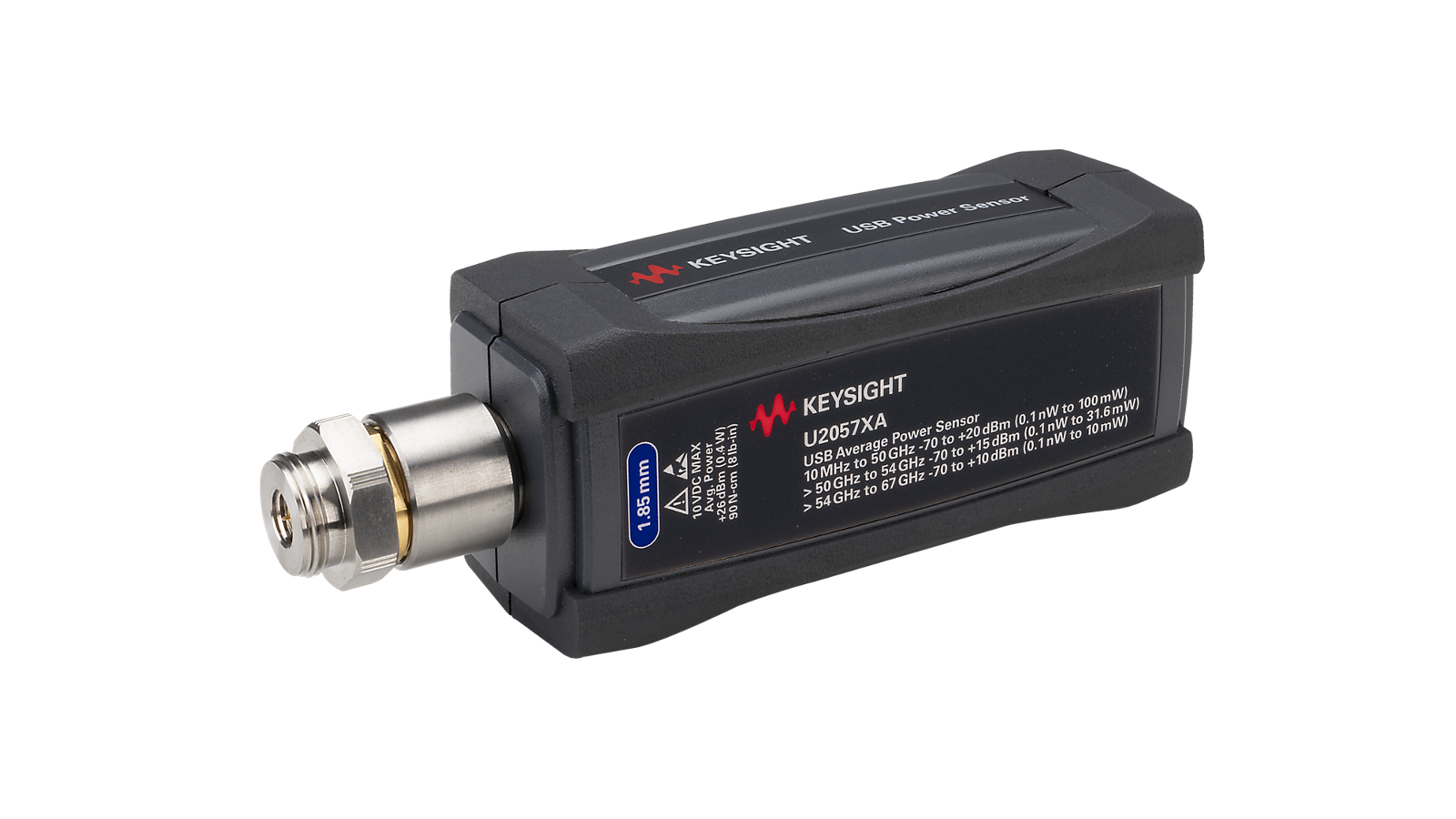
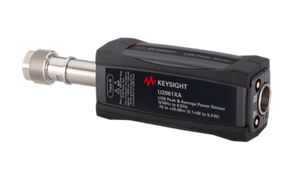
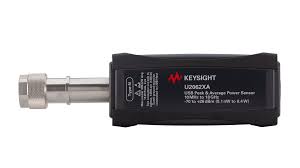
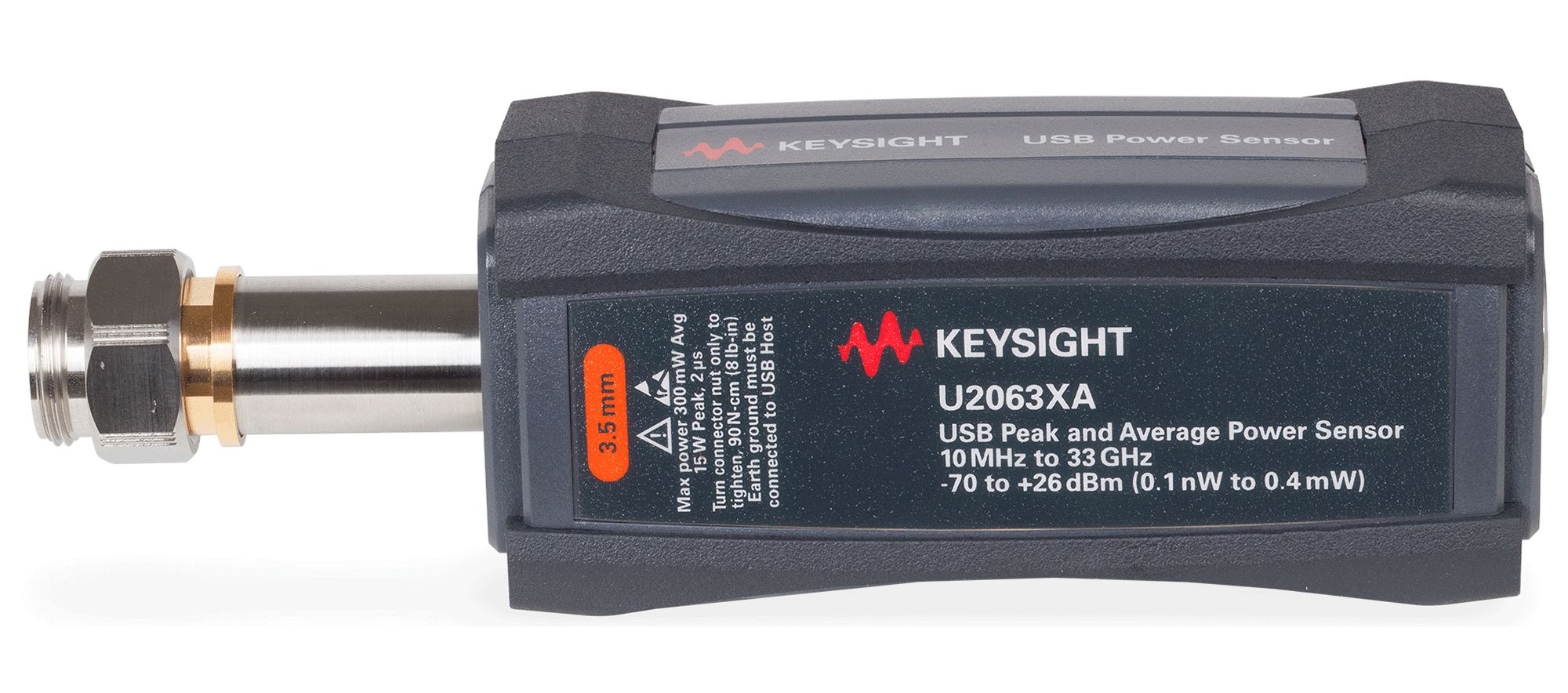
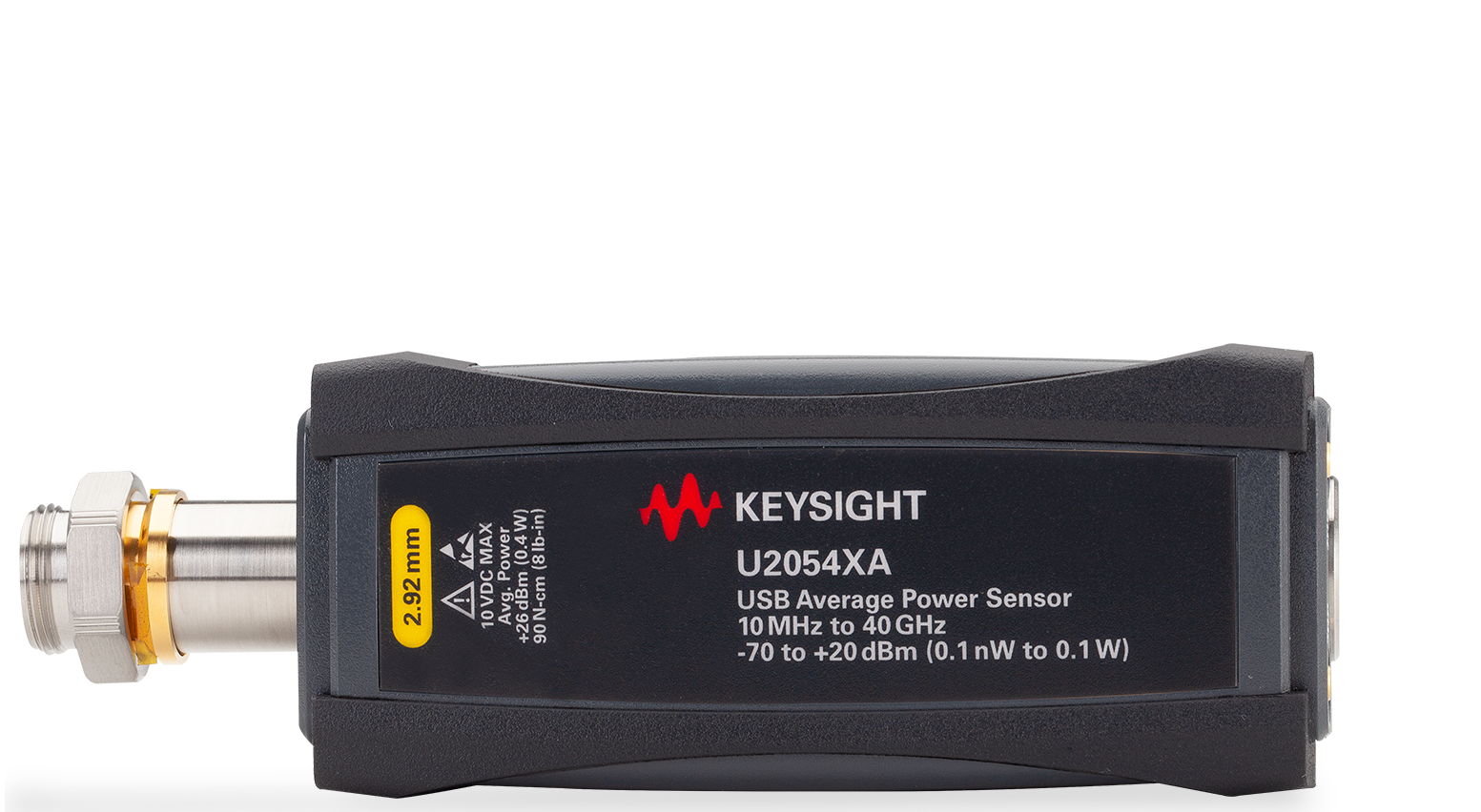
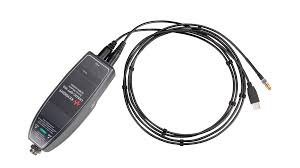
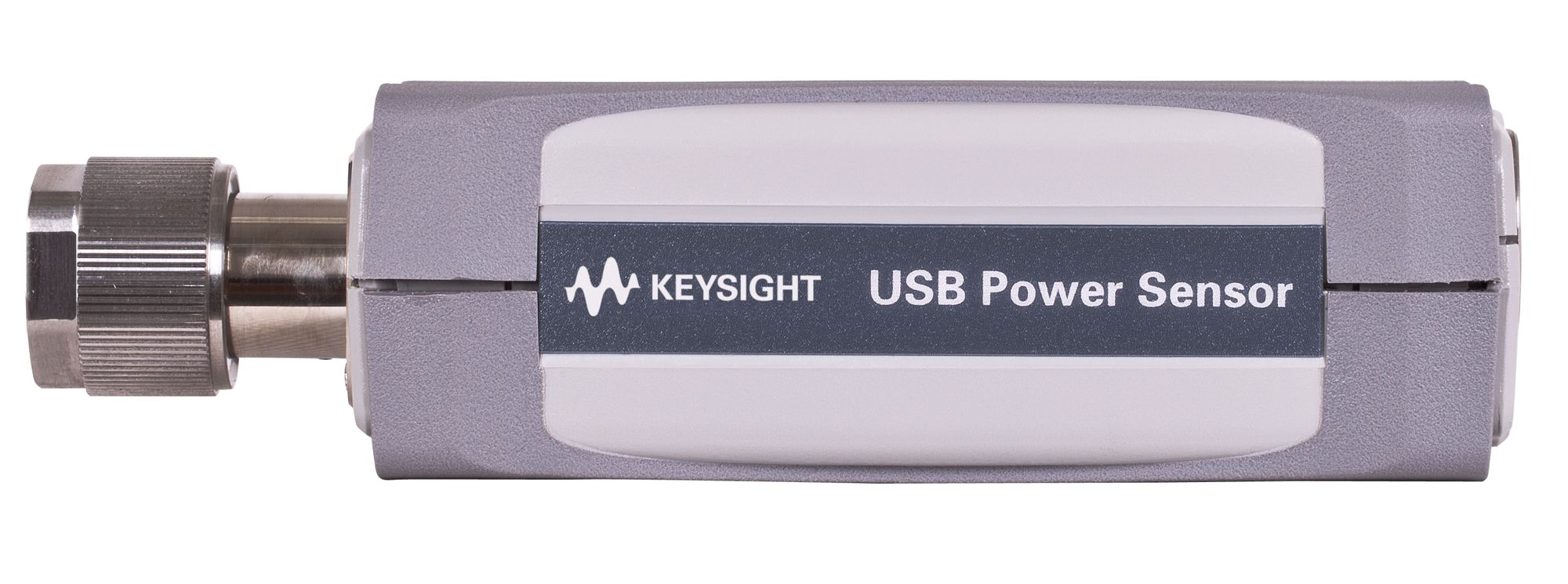
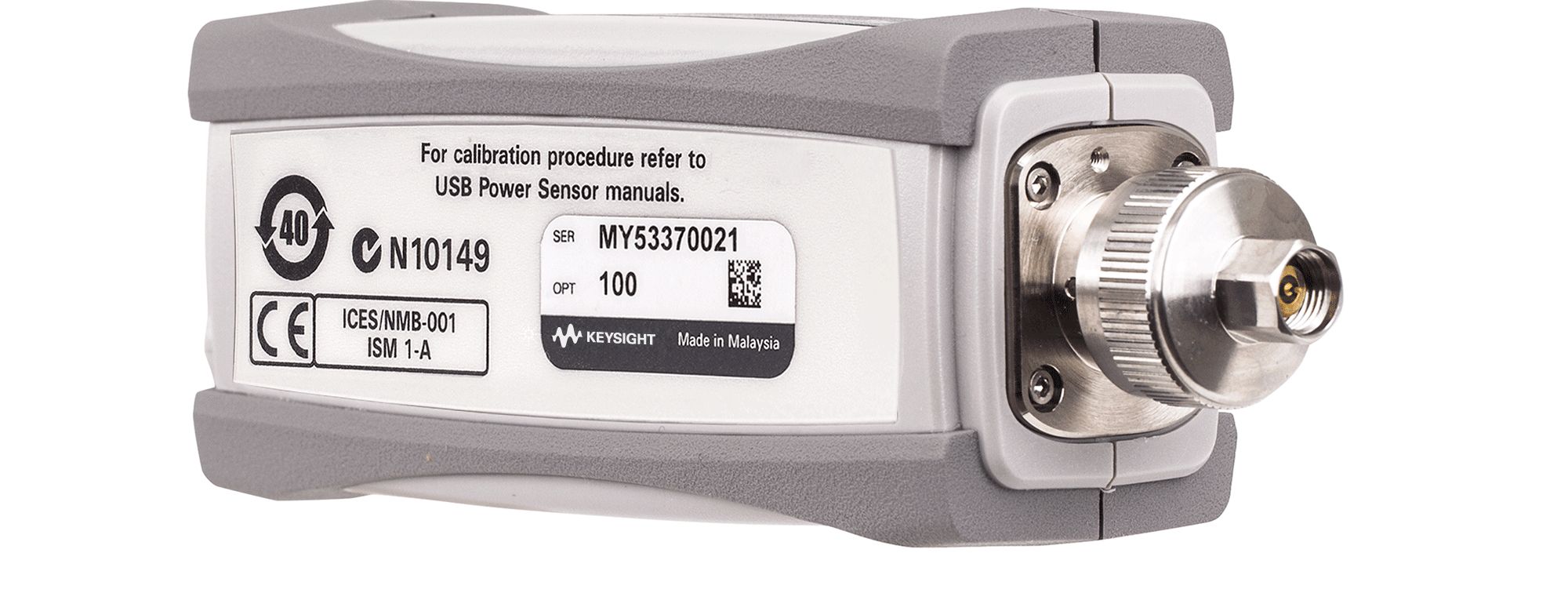
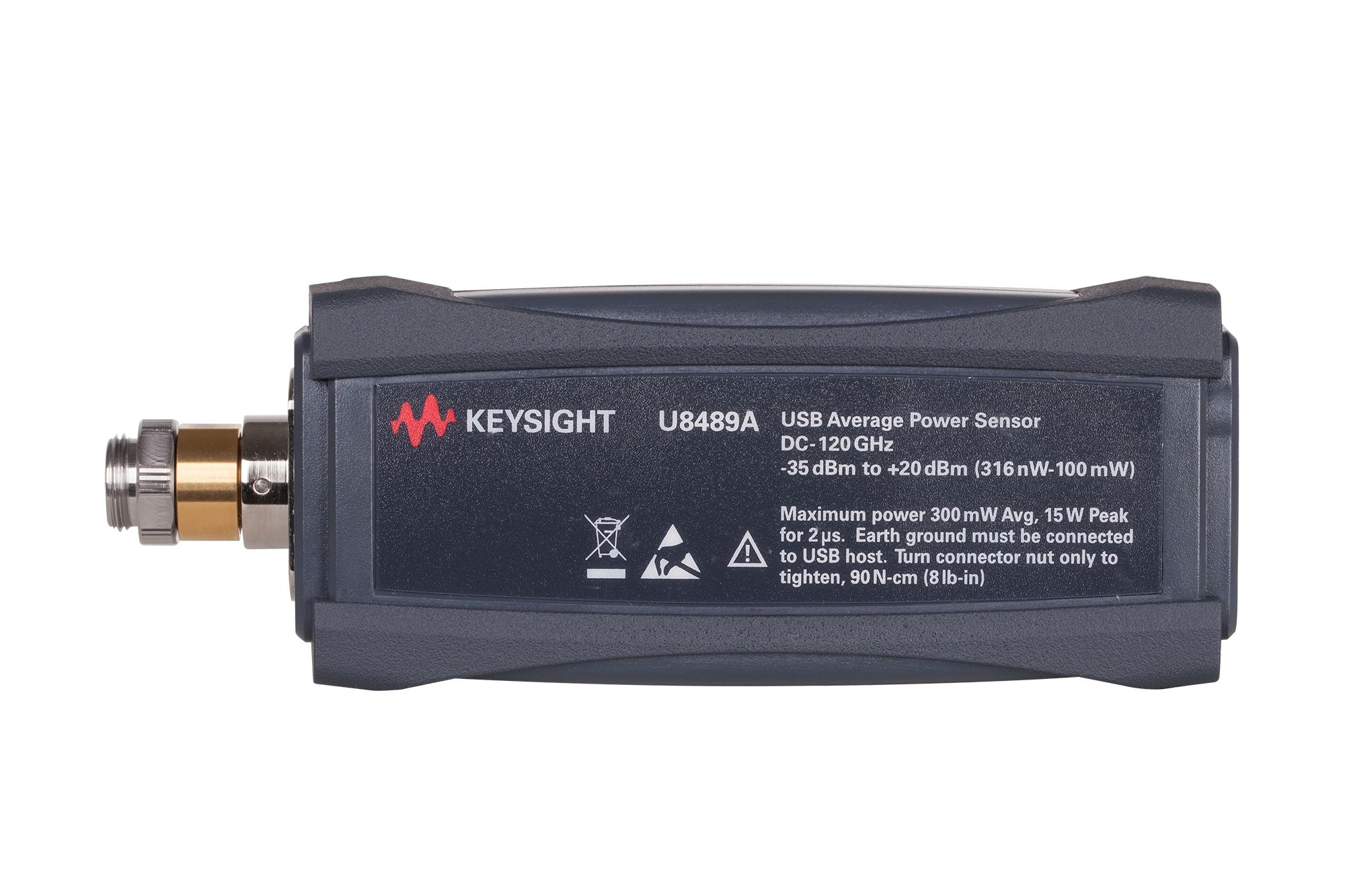
The exception is the USB family. Keysight's U2000-series, Anritsu's MA24106A, and the Rohde & Schwarz NRP-Z heads fold the meter electronics into the sensor body and connect straight to a PC. No meter, no mainframe. For field work and for anyone who would rather not carry a second box, those are worth the premium they carry on the used market.
Thermocouple, Diode, and Thermistor
Three detection technologies show up in this inventory, and they are not interchangeable.
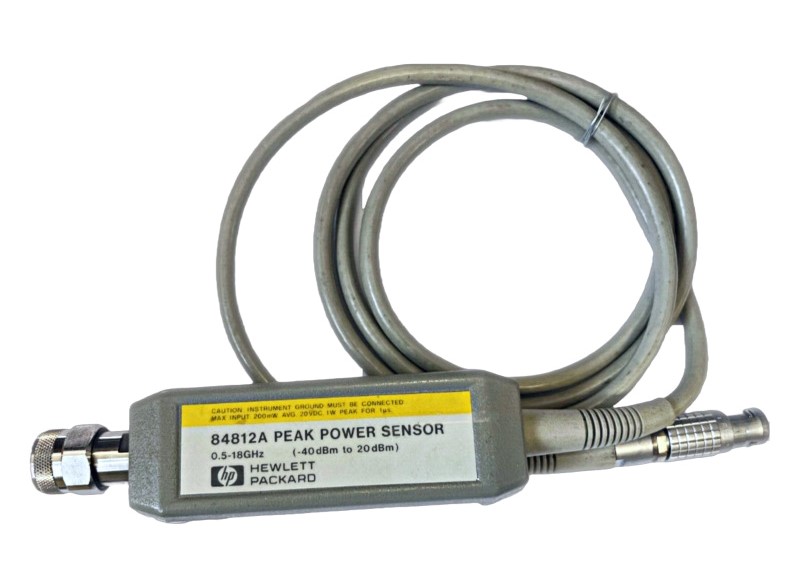
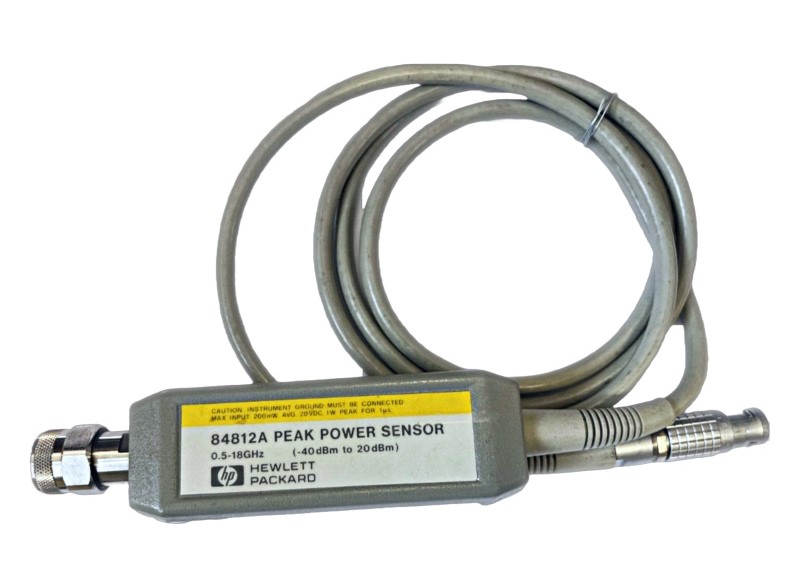
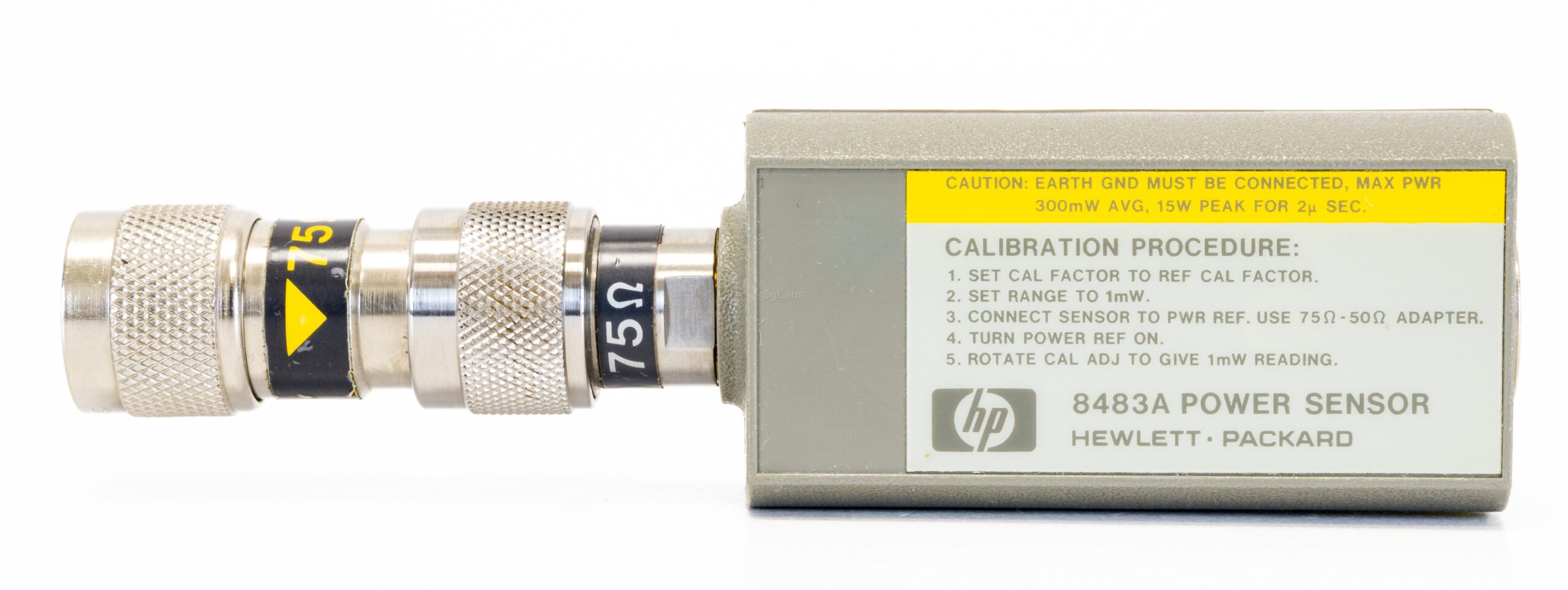
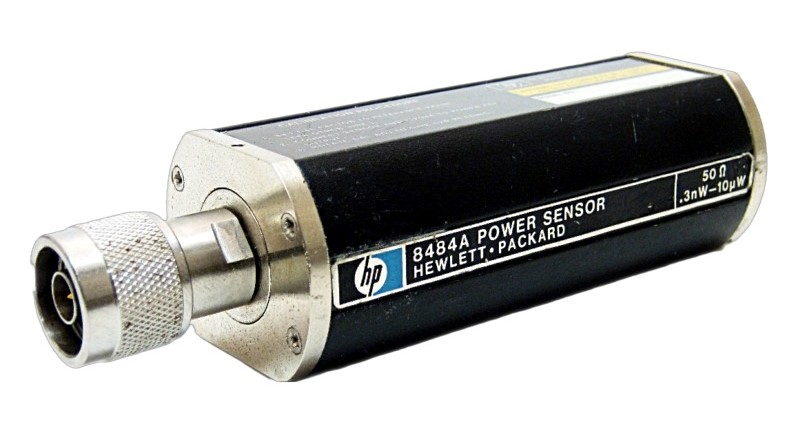
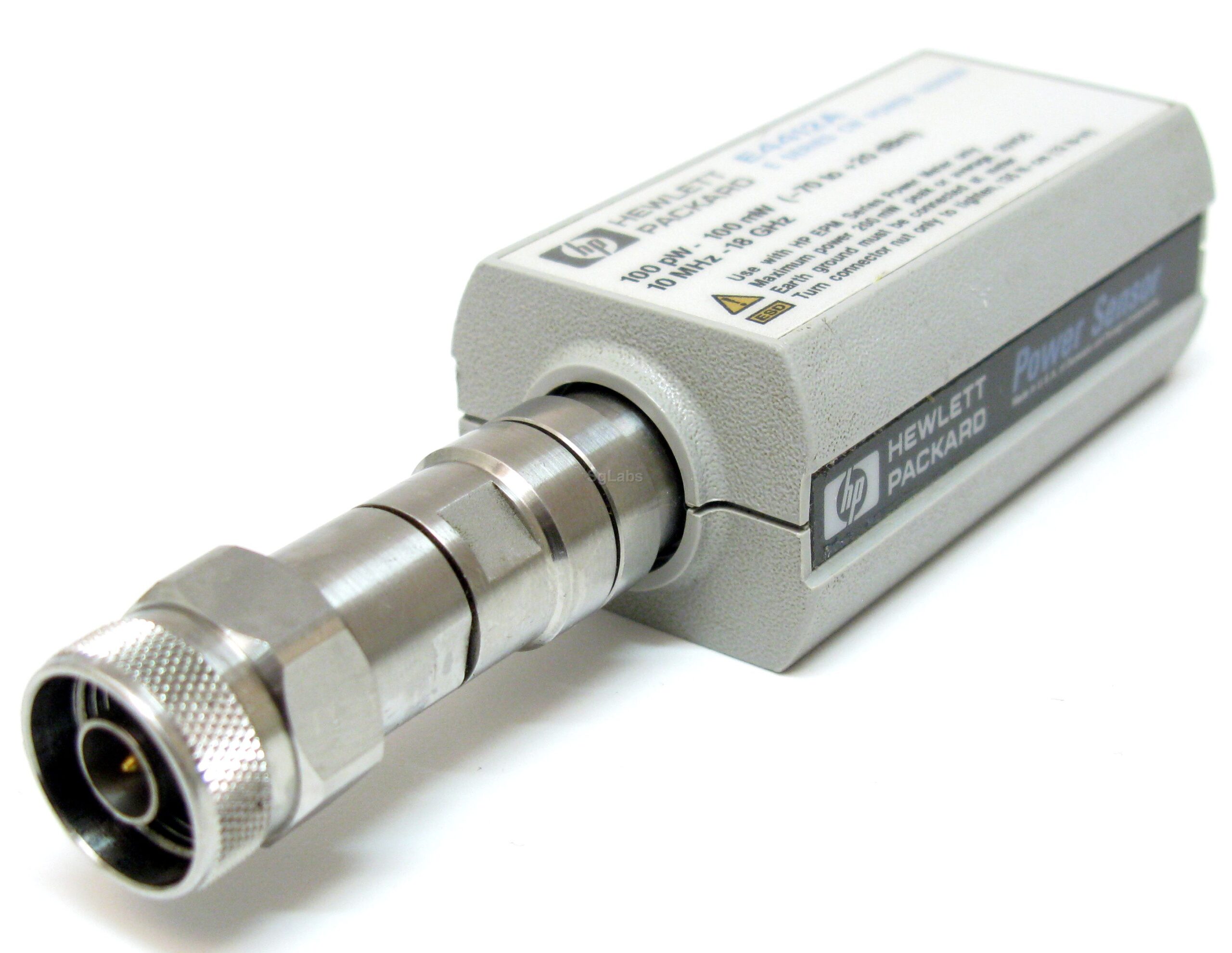
Thermocouple sensors, the Keysight 8480-series and the N8480-series that replaced it, measure true average power no matter what the signal looks like. Modulated, multi-tone, noisy, it does not matter. That immunity to signal shape is why they stayed the default for accurate average-power work for decades.
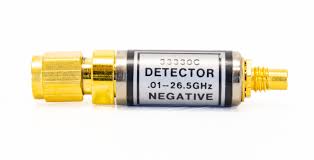
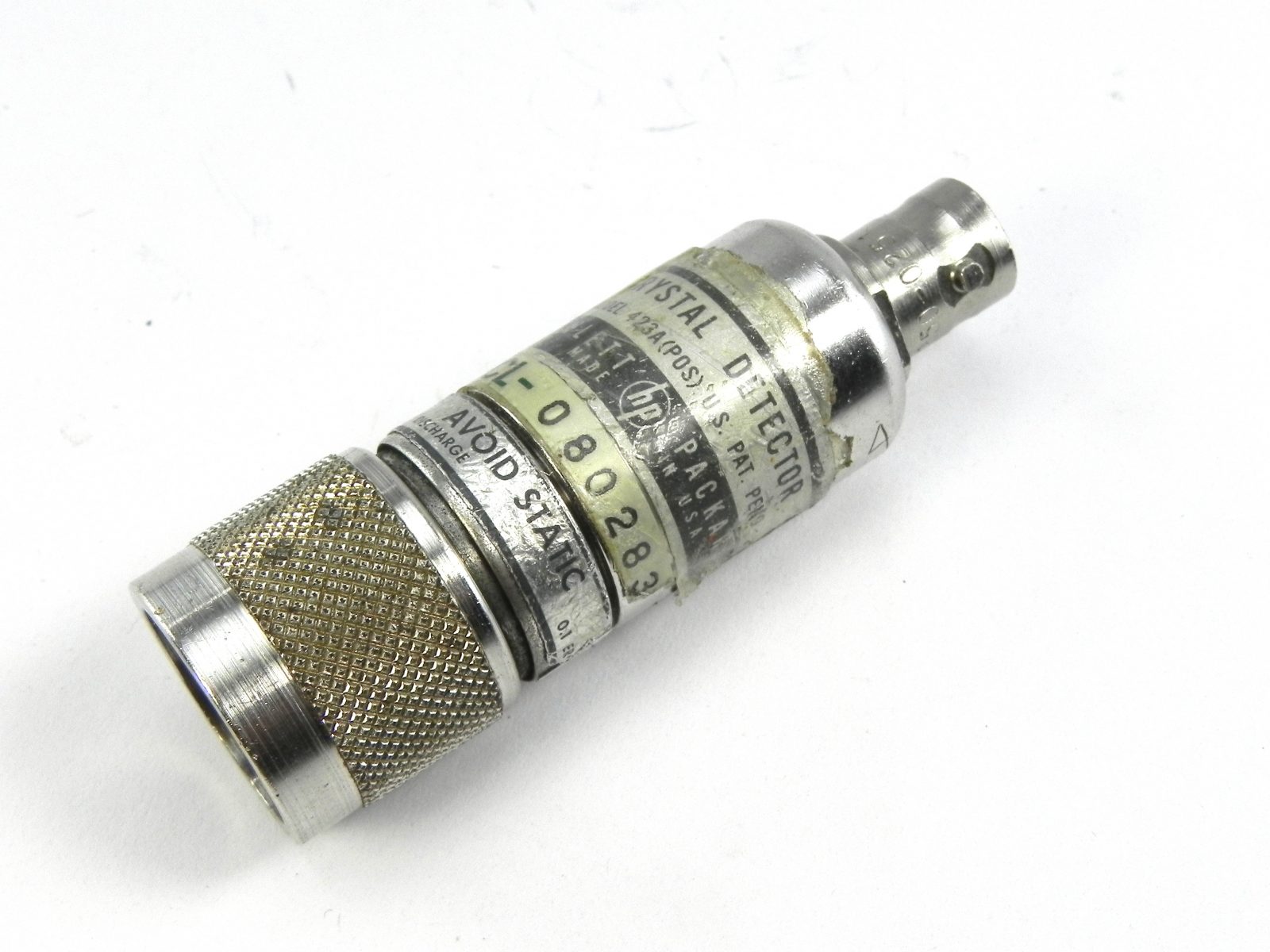
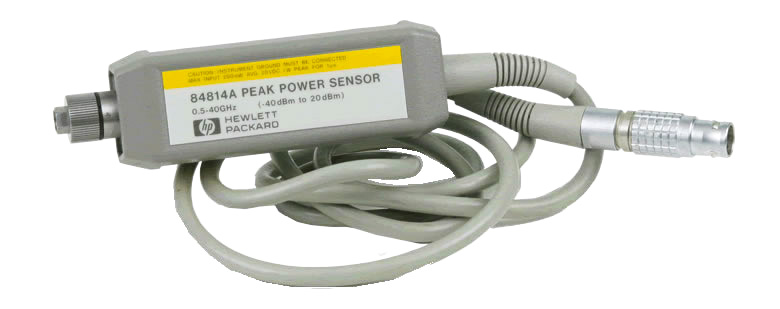
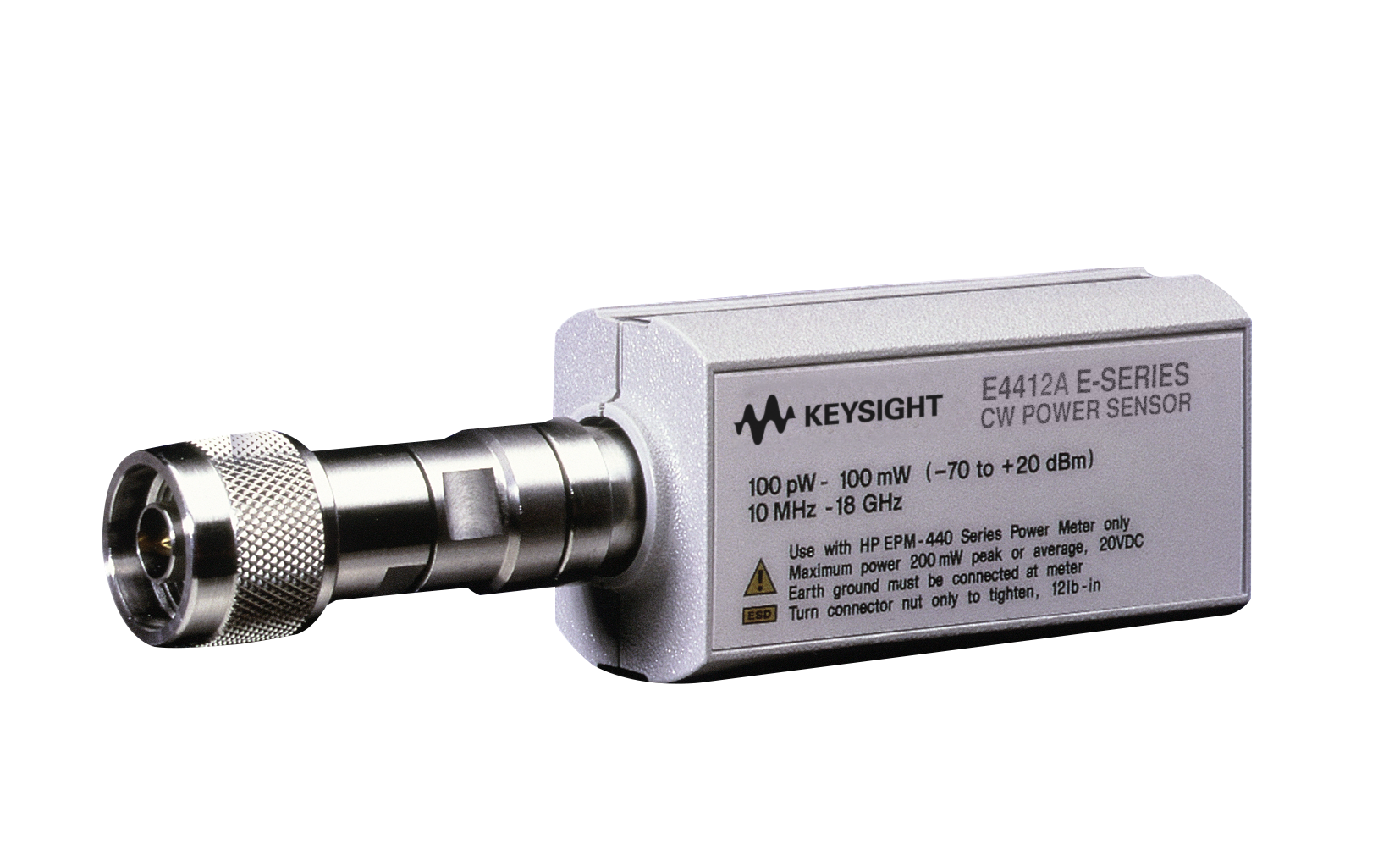
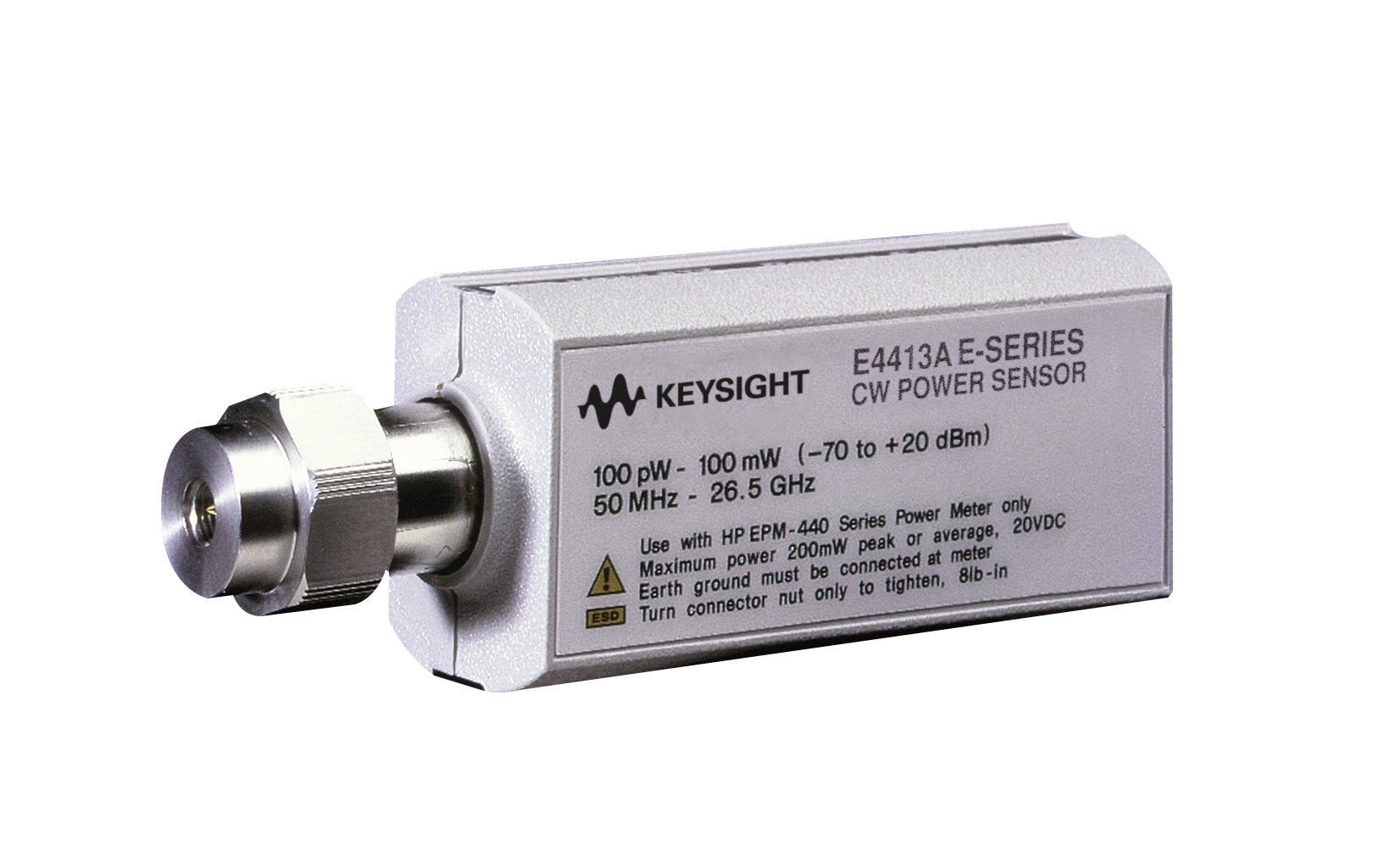
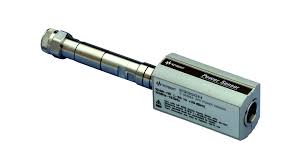
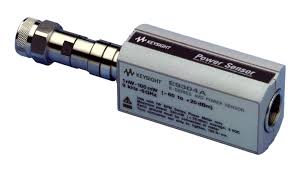
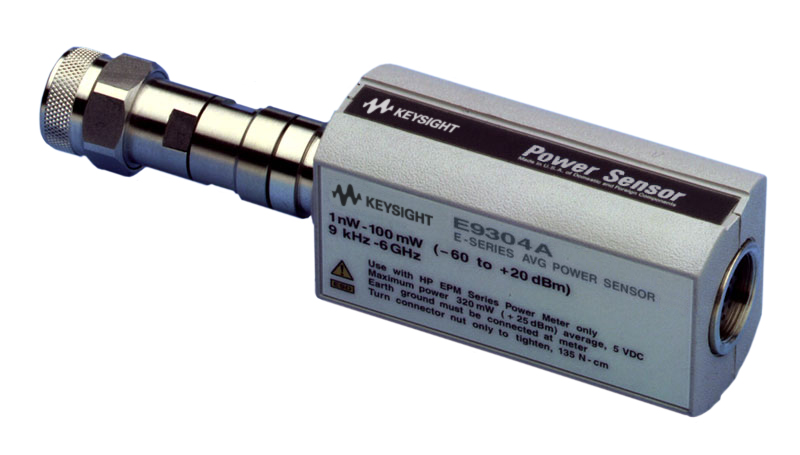
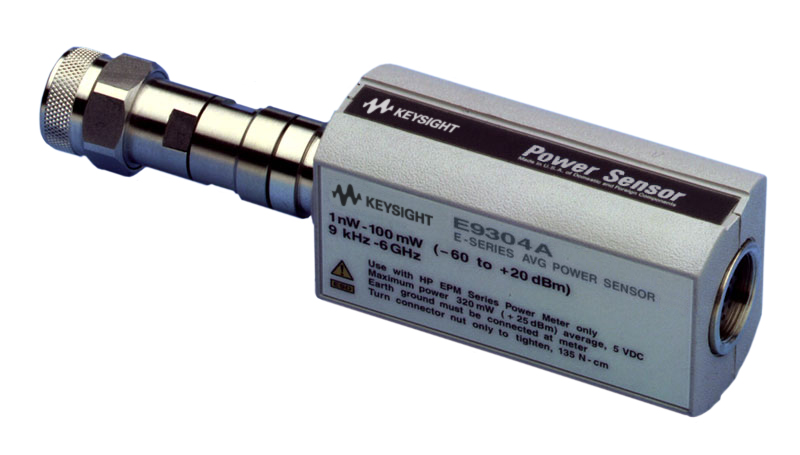
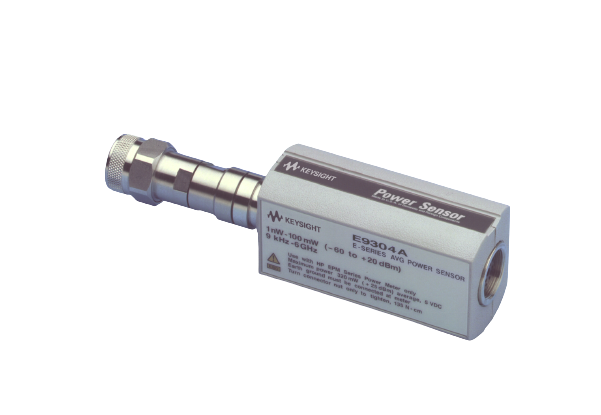
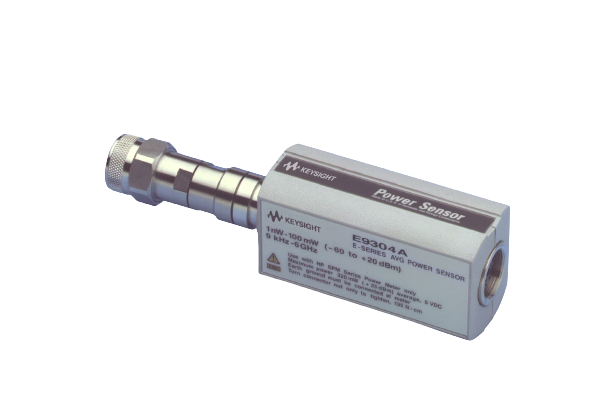
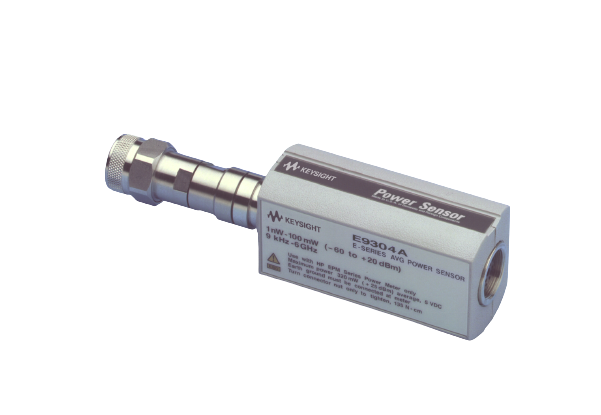
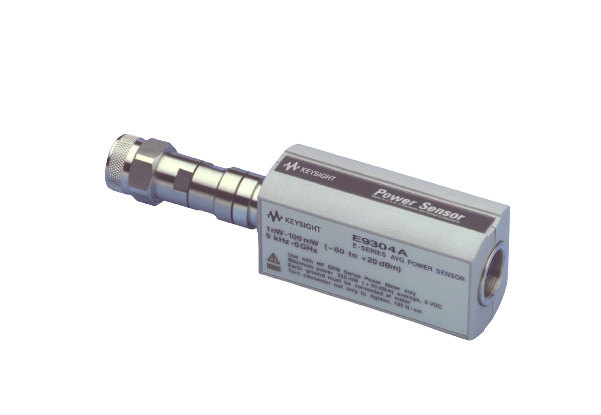
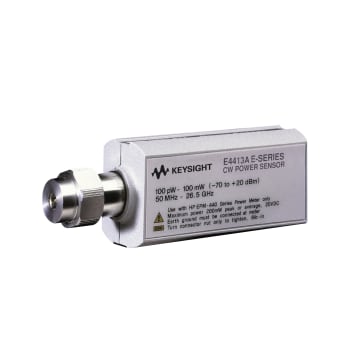
Diode sensors, the E-series among them, are more sensitive at the low end and respond faster. That buys you a wider dynamic range and the ability to do peak and time-gated measurements that a thermocouple head cannot. The tradeoff is that a diode sensor operating above its square-law region needs correction to stay accurate on complex signals, which is what the E-series correction tables handle.
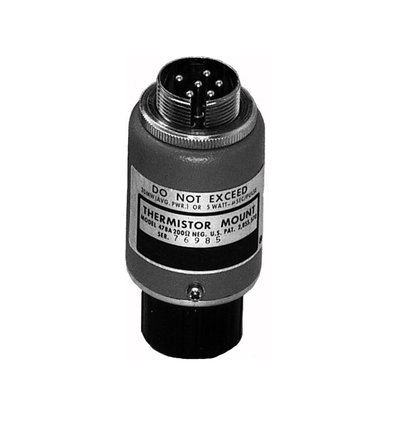
Thermistor mounts are the oldest of the three. The HP 478A and 8478B still turn up, and they are mostly used now as transfer standards, the reference a calibration lab measures other sensors against, rather than as everyday instruments.
Sensor and Meter Pairing
Compatibility is where used power sensor purchases go wrong most often. The older 435, 436, 437 and 438 meters were built around the 8480-series and cannot read an E-series head at all. E-series sensors need an EPM or EPM-P meter, typically an E4418B single channel or E4419B dual channel. Anritsu's MA2400-series heads pair with their own ML2400-series meters. Rohde & Schwarz NRV-Z heads want an NRV or NRVD meter, while the NRP-Z heads are USB and want either a PC or an NRP base unit.
Tell us what meter you are running and we will confirm the head works with it before anything ships. That one check avoids the most expensive mistake in this category.
Calibration Factors
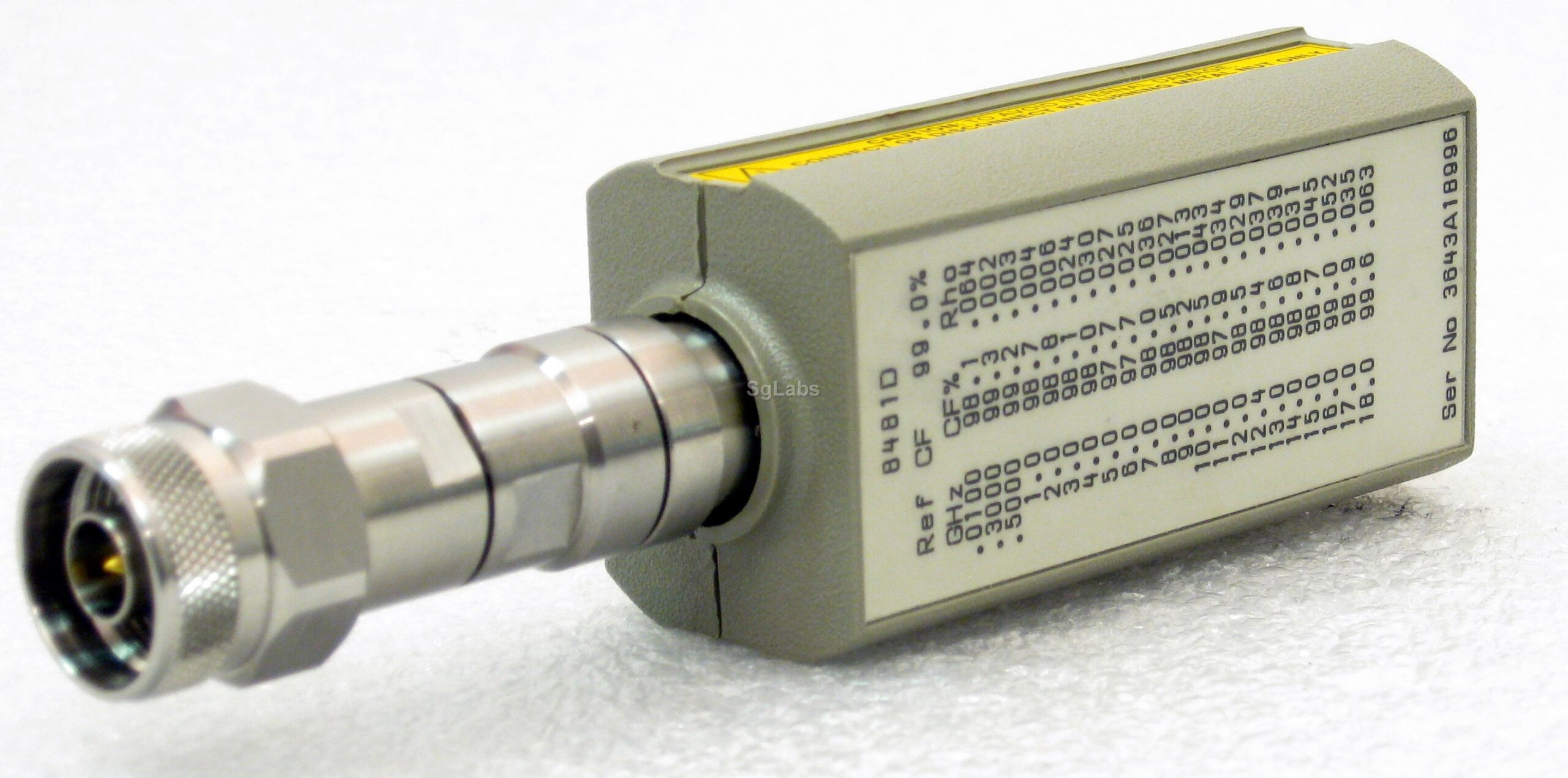
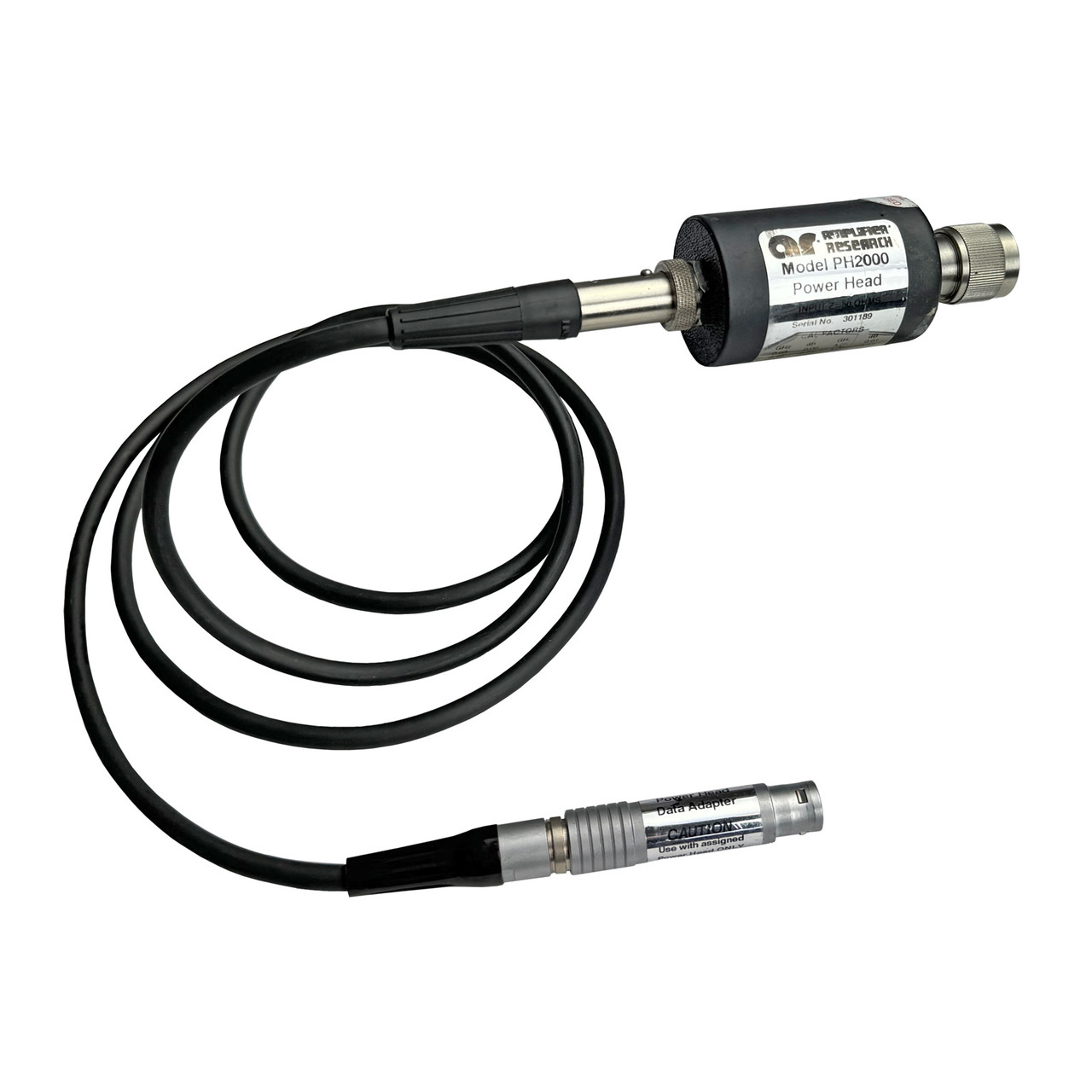
No sensor responds identically across its whole frequency range, so every one carries correction data, the calibration factors, that the meter applies to get an accurate reading. On older heads these are printed on a label on the body and you enter them by hand at the meter. Newer sensors store the data in EEPROM and the meter reads it on connection.
Check that label is present and legible on any older sensor you are considering. A head with a worn-off cal factor table still works, but you are measuring without its corrections, and recovering them means sending it out for characterization.
Coaxial and Waveguide
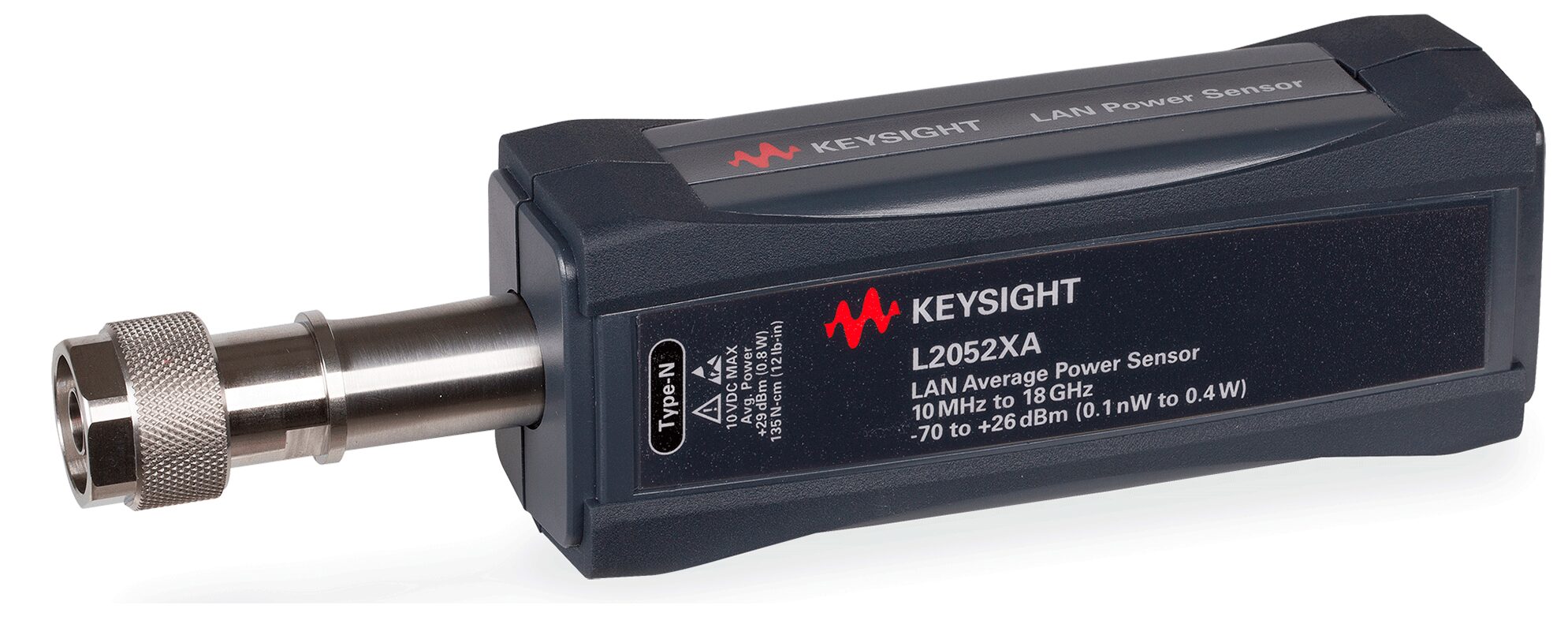
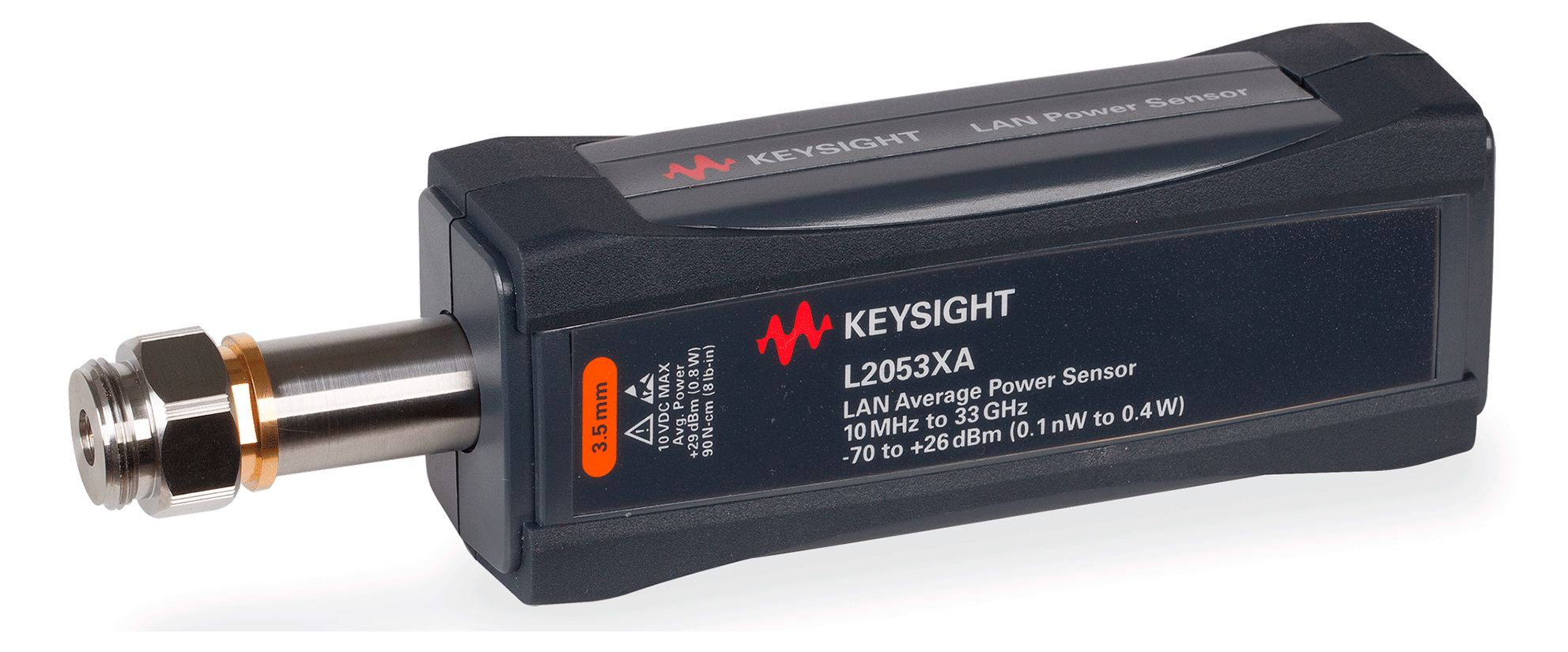
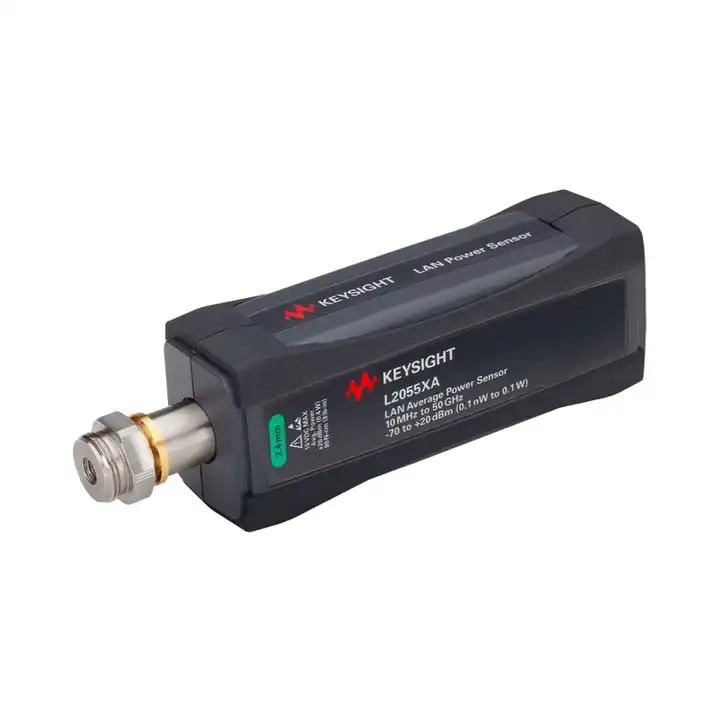
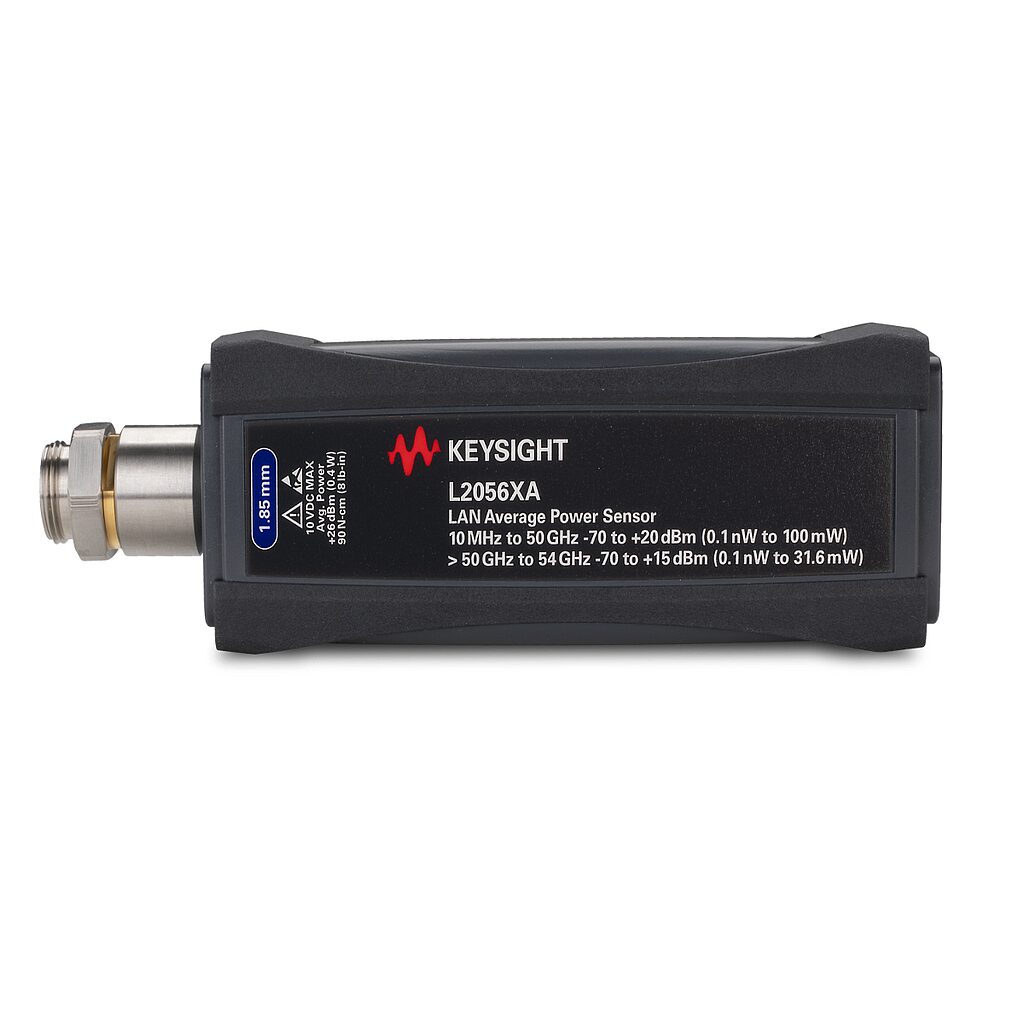
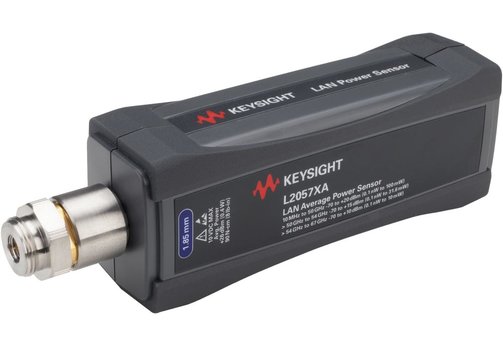
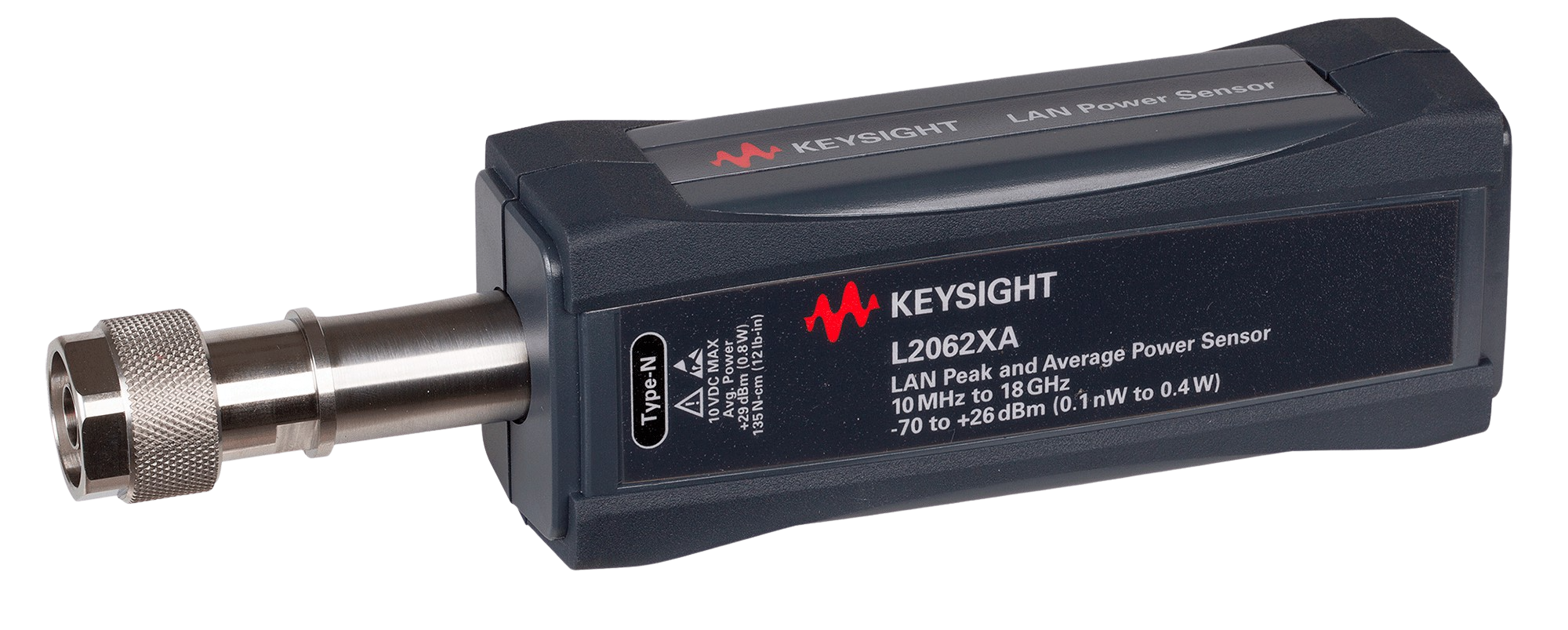
Most of this inventory is coaxial, running from low MHz up to 50 GHz depending on the connector. Type-N covers the lower frequencies, 3.5 mm and 2.4 mm take you to 26.5 and 50 GHz, and connector condition matters enormously at the top of those ranges.
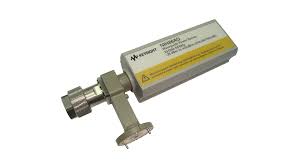
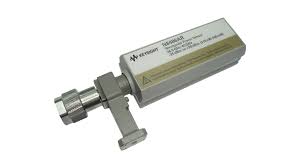
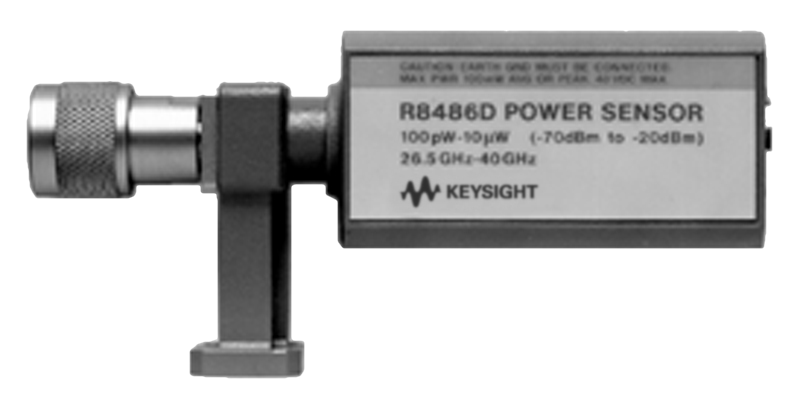
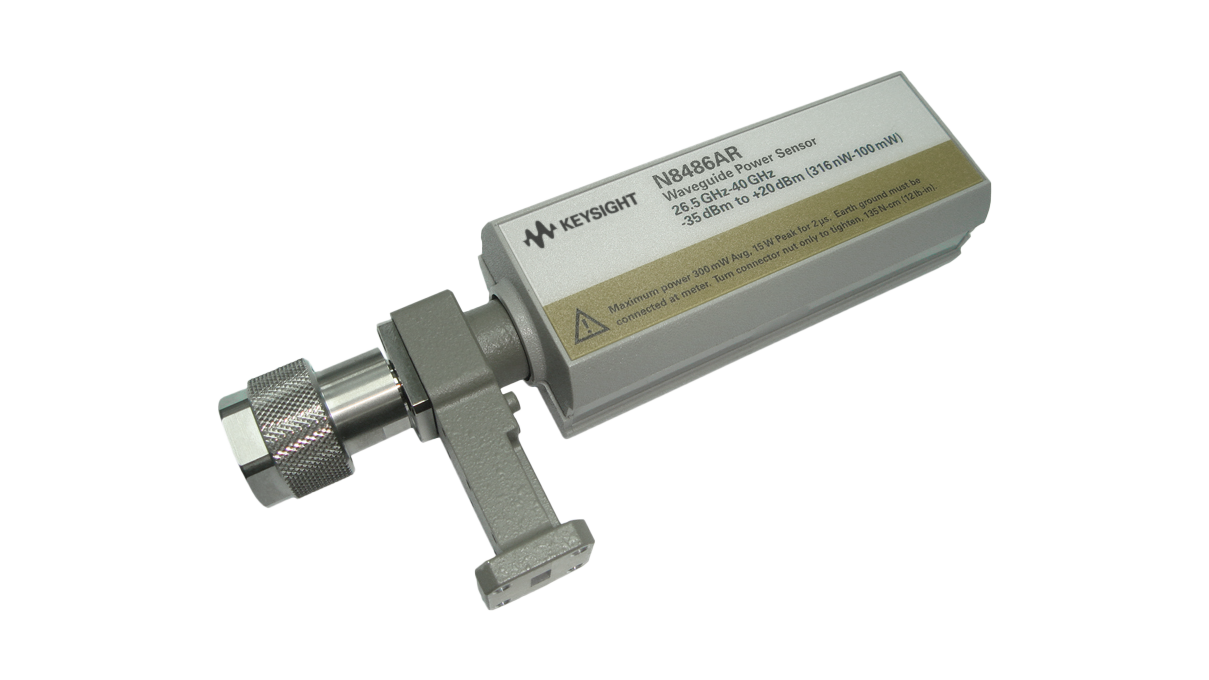
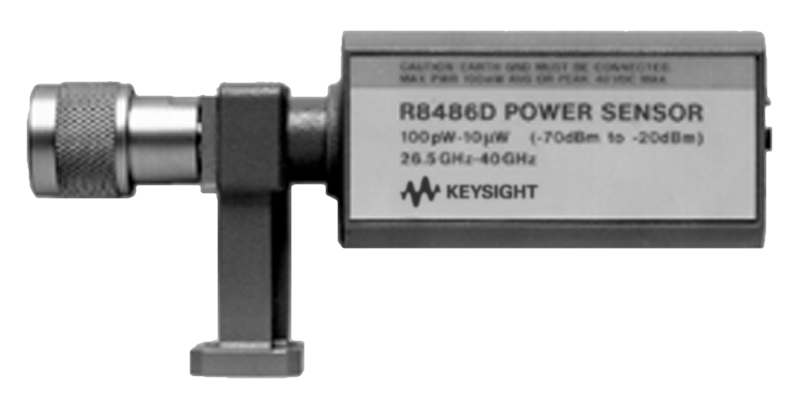
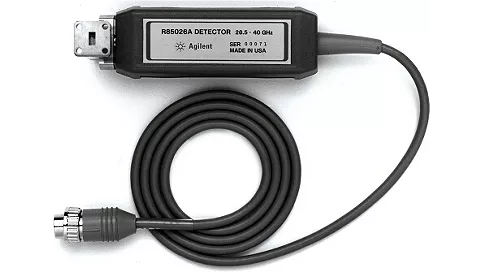
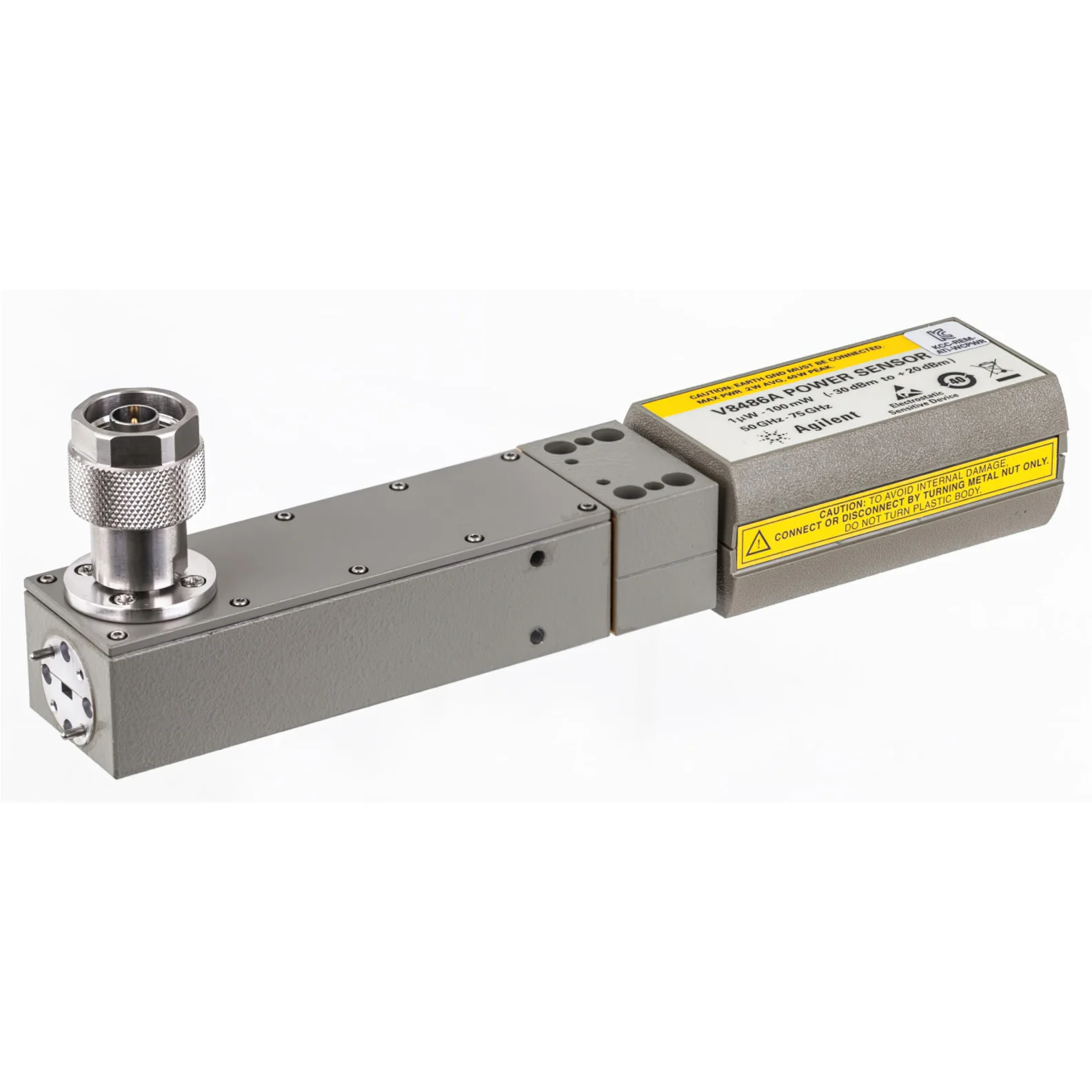
Waveguide sensors such as the R8486D attach to a specific waveguide band rather than a coax line, R-band in that case, roughly 26.5 to 40 GHz. You get lower loss and a better match at millimetre frequencies, at the cost of a sensor that only works in its one band and needs the matching flange on your setup.
What to Check Before Buying
Connector condition first, especially on 2.4 mm and 3.5 mm heads, since a damaged connector on a sensor will damage whatever you screw it into next. Confirm the cal factor data is present. Confirm meter compatibility. And ask whether the sensor has ever been over-powered, because an overdriven head can read low with nothing visibly wrong, which is the worst kind of fault to inherit.
Calibration for Power Sensors
Calibration verifies response across frequency against a traceable standard and gives you corrected cal factor data on the certificate. On a sensor that is serving as your reference for other measurements, this is not optional maintenance. Drift with age and connector wear are both real and both invisible until you check. See all calibration services →
Frequently Asked Questions
Do I need a power meter to use an RF power sensor? +
For most of them, yes. A power sensor is the detector head, not the instrument — it converts RF power into a signal the meter reads, and it has no display or processing of its own. The exception is the USB family: Keysight U2000-series, Anritsu MA24106A, and the Rohde & Schwarz NRP-Z heads all connect straight to a PC and need no separate meter. If you are buying a bare sensor to pair with a meter you already own, check compatibility before you order, because not every sensor works with every meter.
What is the difference between thermocouple and diode power sensors? +
Thermocouple sensors like the Keysight 8480-series and its N8480 replacement measure true average power regardless of the signal shape, which makes them the safe choice for modulated and multi-tone signals. Diode sensors like the E-series are more sensitive at the low end and respond faster, so they reach further down in dynamic range and can track peak and time-gated measurements. Thermistor mounts, the oldest of the three, are largely used now as transfer standards for calibration rather than for general measurement.
Will a Keysight E-series sensor work with my older 436A or 438A meter? +
No. The E-series sensors need an EPM or EPM-P meter, such as the E4418B or E4419B. The older 435, 436, 437 and 438 meters were built for the 8480-series thermocouple and diode sensors and cannot read an E-series head. This mismatch is the single most common reason a used sensor purchase turns out unusable, so confirm the meter model before buying.
What are calibration factors and why do they matter? +
A sensor does not respond identically at every frequency, so each one carries a set of correction values, the calibration factors, that the meter applies to get an accurate reading. On older sensors these are printed on a label on the body and you key them in by hand. Newer sensors store them in EEPROM and the meter reads them automatically. A sensor that has lost its cal factor data is still usable but your accuracy suffers, so check the label is intact and legible on any older head you buy.
What is the difference between coaxial and waveguide power sensors? +
Coaxial sensors cover DC or low MHz up through 50 GHz depending on the connector, with type-N, 3.5 mm, 2.4 mm and 1.85 mm being the common ones. Waveguide sensors like the R8486D attach to a specific waveguide band instead, R-band in that case, covering roughly 26.5 to 40 GHz. Waveguide gives you lower loss and better match at millimetre frequencies, but the sensor only works in its one band and needs a matching flange.
Can you calibrate a used RF power sensor? +
Yes, and it is worth doing on anything you plan to make real measurements with. Calibration verifies the response across frequency against a traceable standard and issues corrected cal factor data. Sensors drift with age and connector wear, and a head that has been over-powered at some point may read low without any visible sign of damage.
Not sure which head fits your meter?
Send us your meter model and the frequency and power range you need to cover. We will tell you which sensors pair with it before you order.
Get in touch