
Used Mixed Signal Oscilloscopes (MSO) for Sale
142 units in stock — Keysight, Agilent, Tektronix, LeCroy, Yokogawa, Rigol, and more. Analog plus digital logic channels on one timebase, function-tested before listing. NIST-traceable calibration available. Ships from Pleasant Grove, UT.
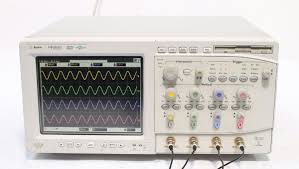
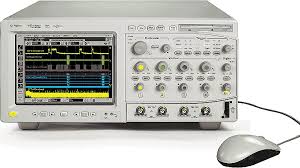
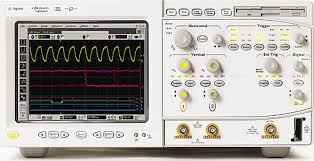
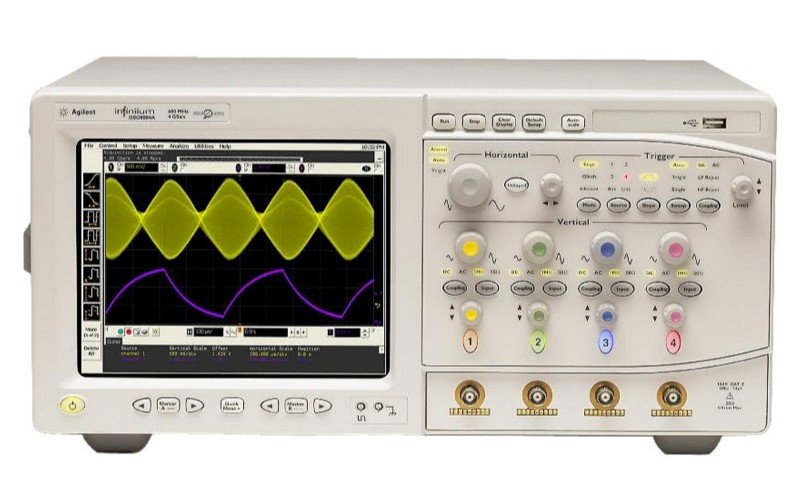
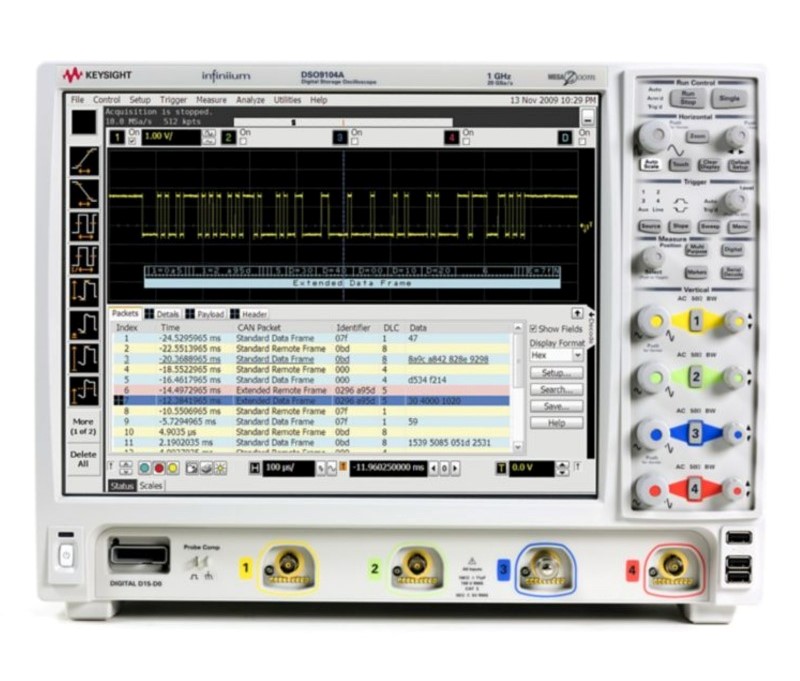
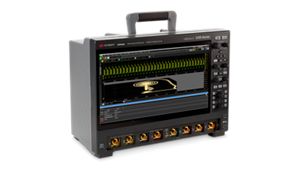
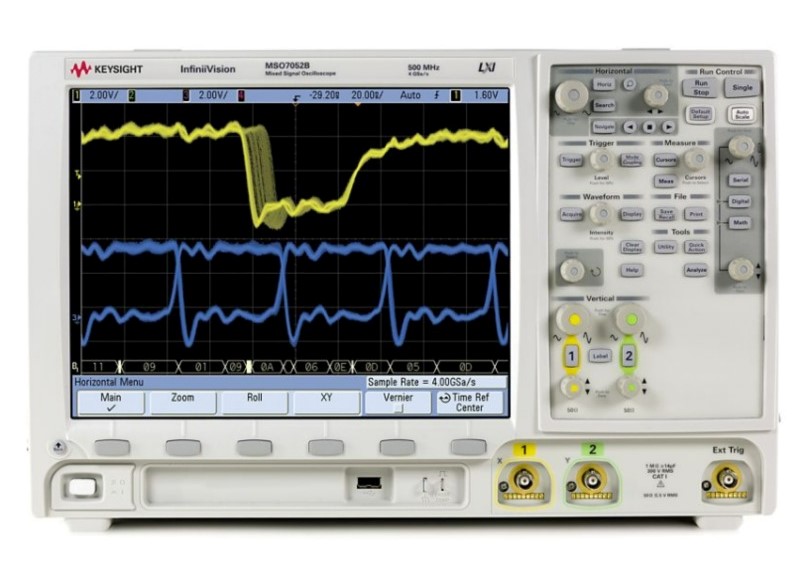
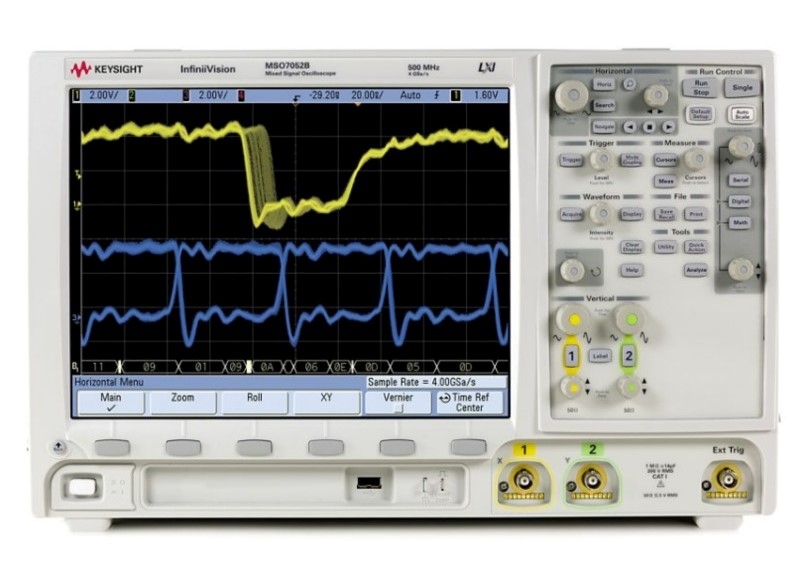
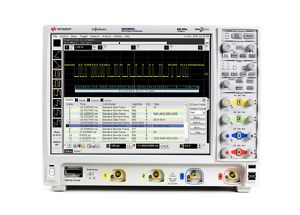
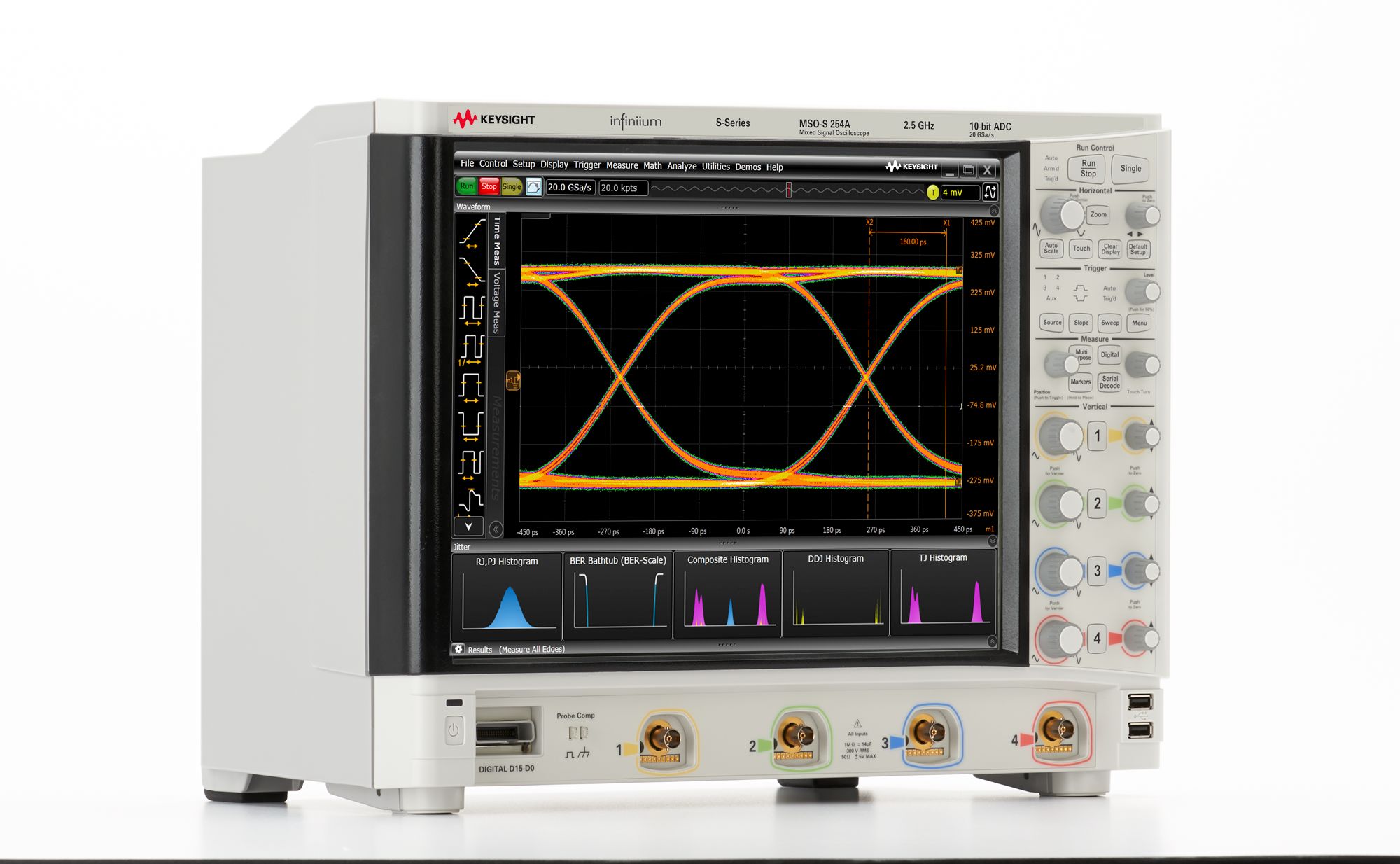
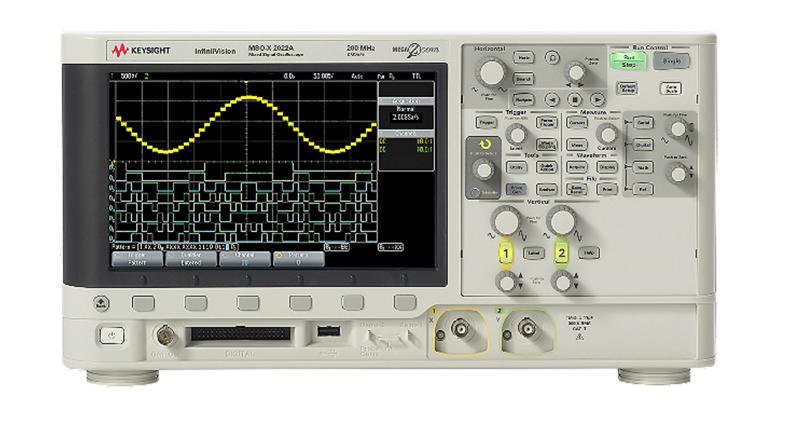
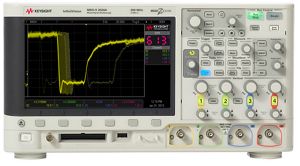
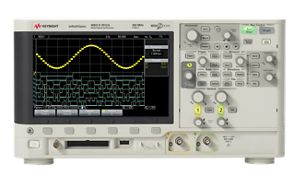
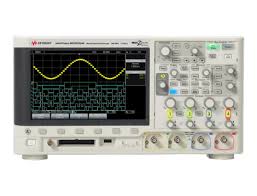
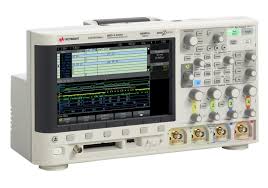
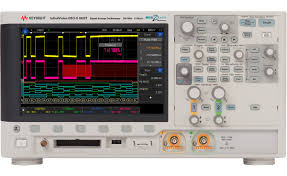
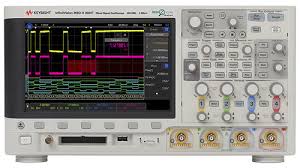
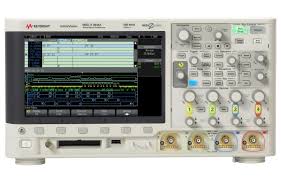
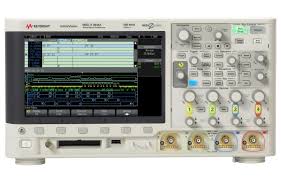
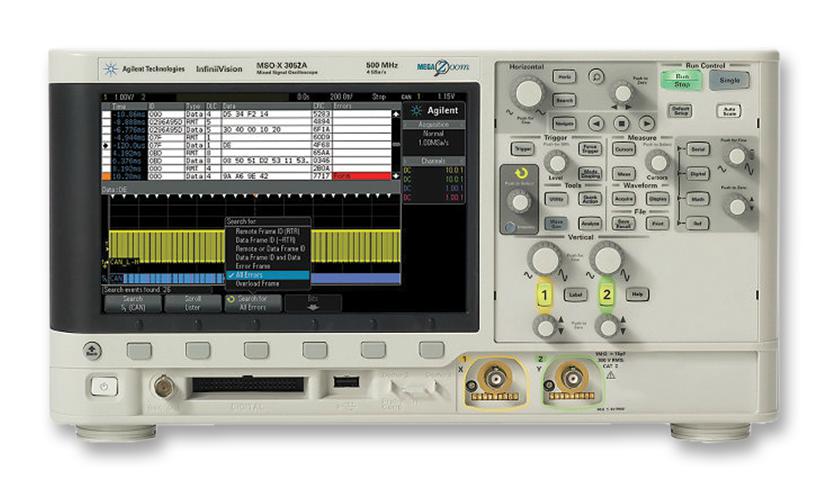
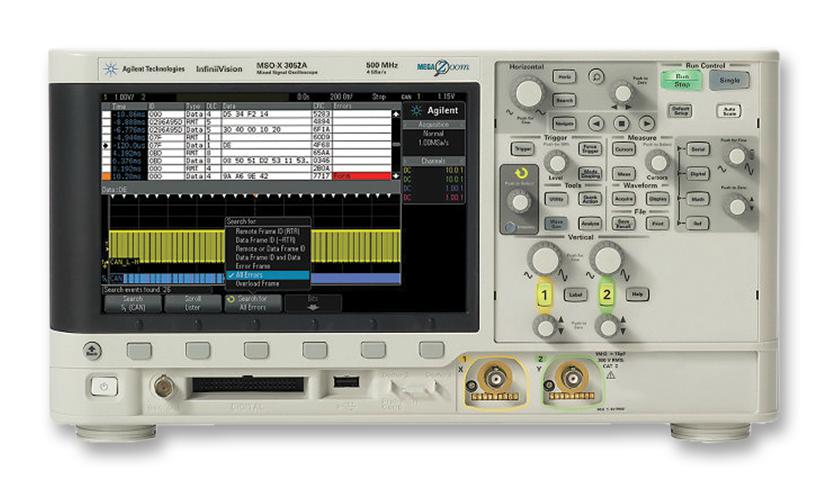
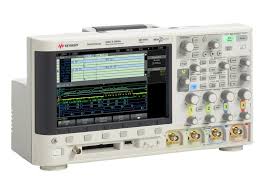
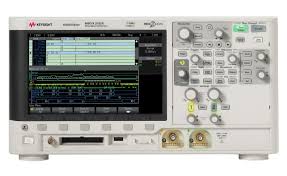
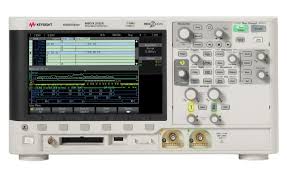
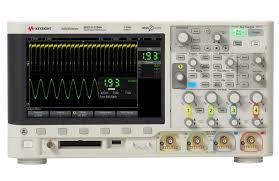
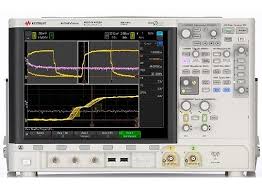
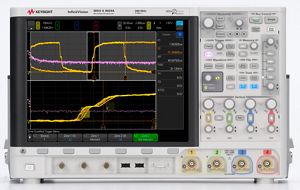
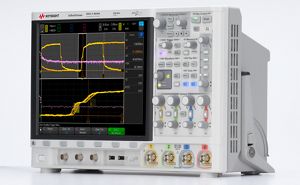
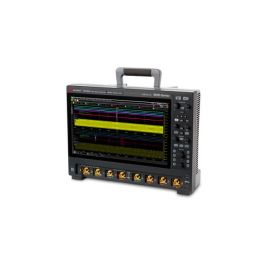
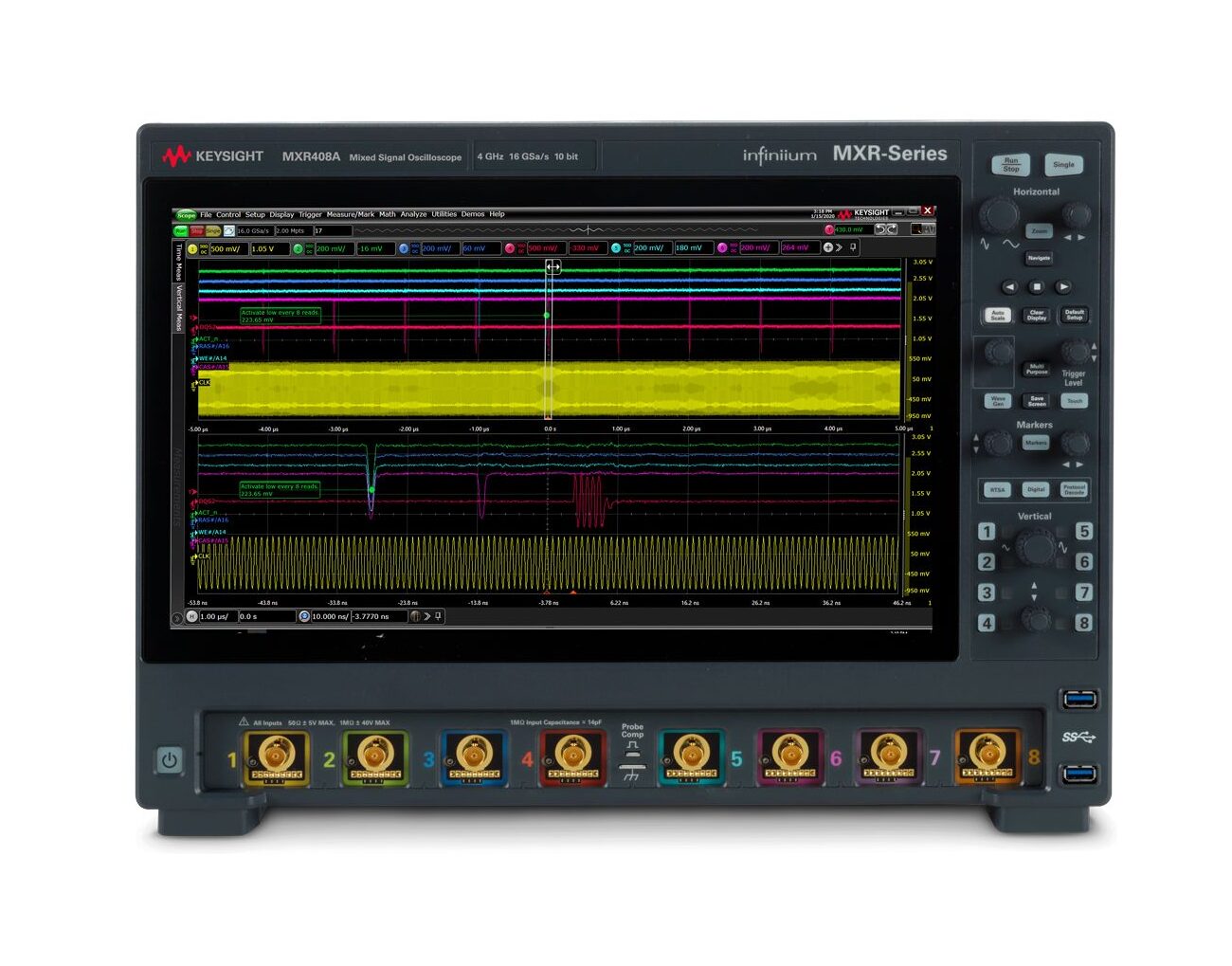
Agilent / Keysight Mixed Signal Oscilloscopes (83 units)
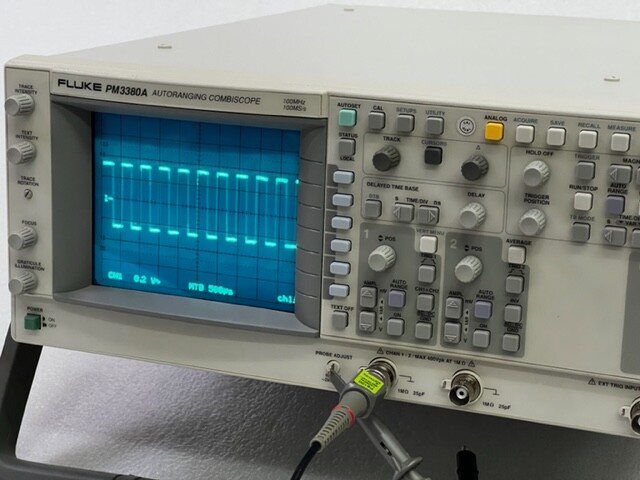
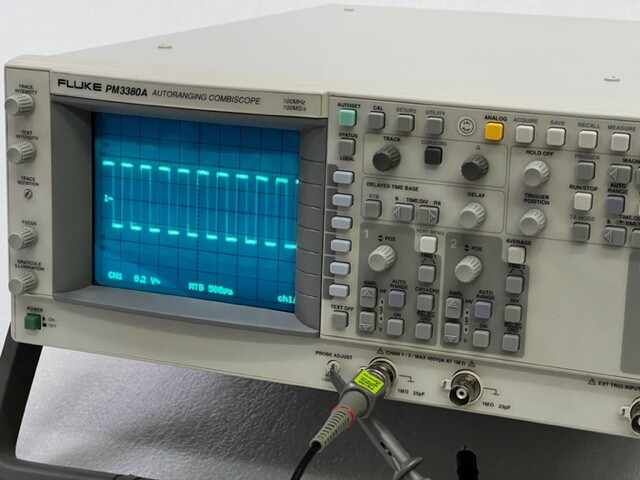
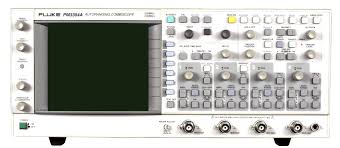
Fluke Mixed Signal Oscilloscopes (7 units)
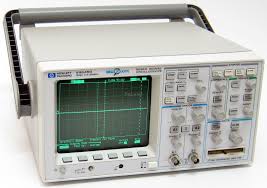
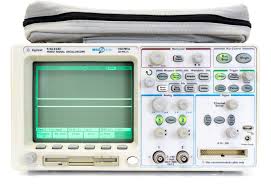
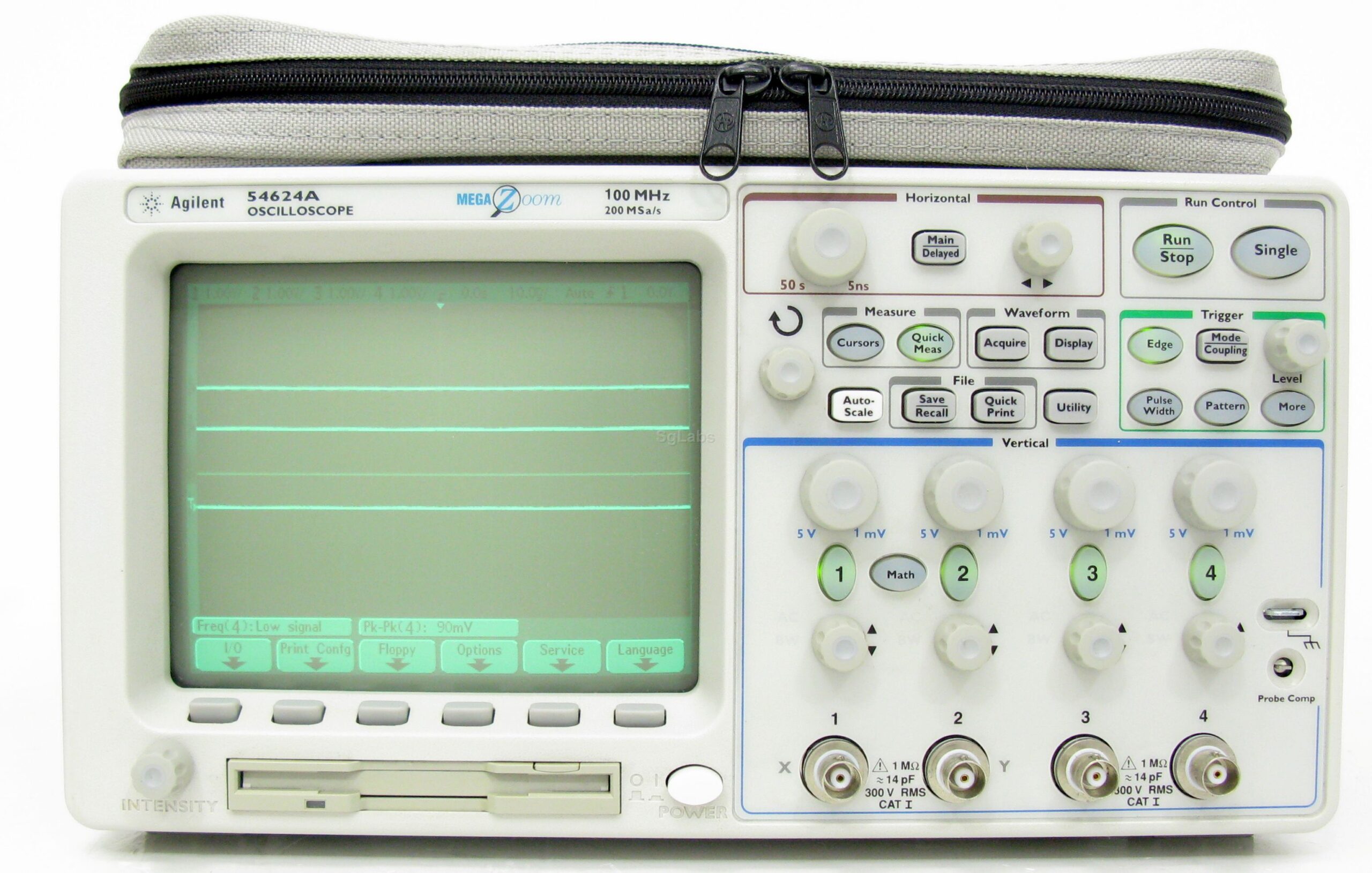
HP / Agilent Mixed Signal Oscilloscopes (6 units)
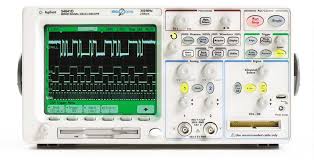
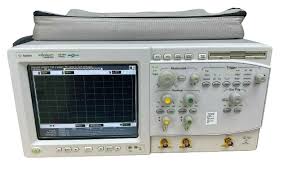
Keysight Mixed Signal Oscilloscopes (1 unit)
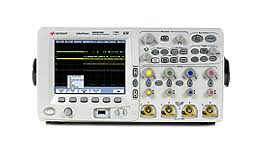
Keysight / Agilent Mixed Signal Oscilloscopes (1 unit)
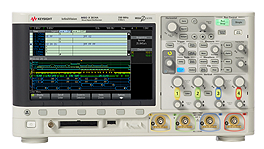
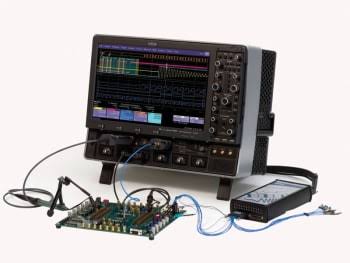
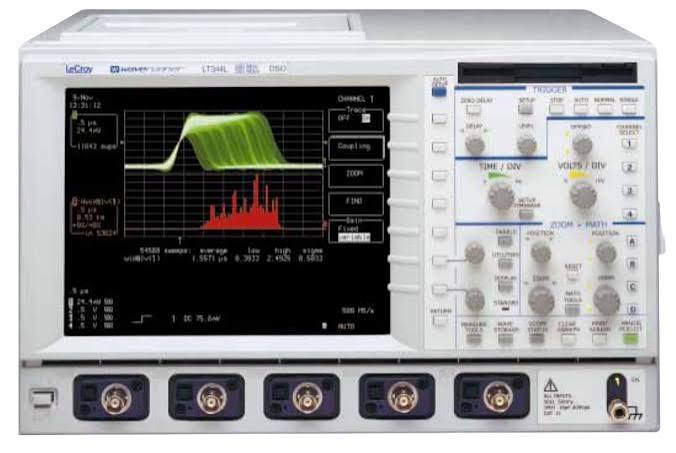
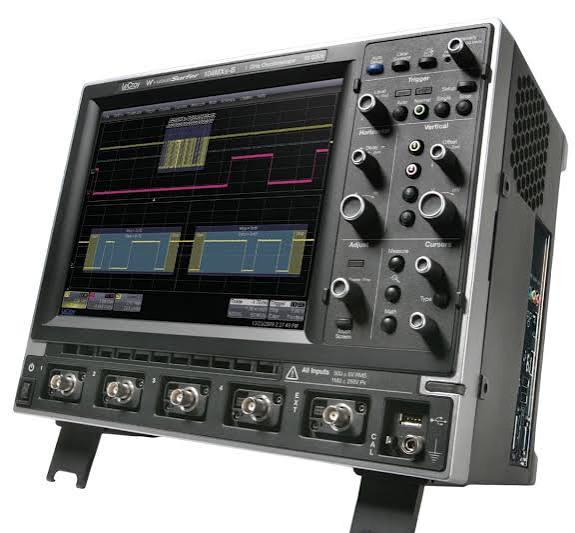
Lecroy Mixed Signal Oscilloscopes (10 units)
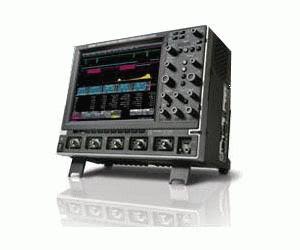
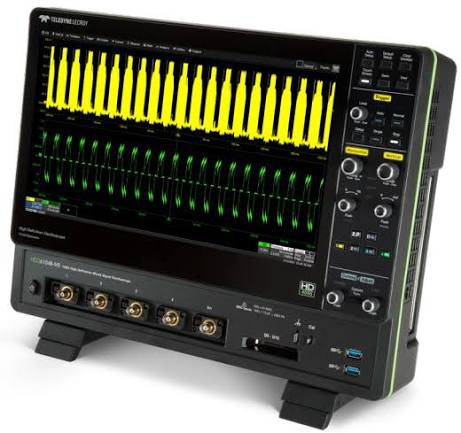
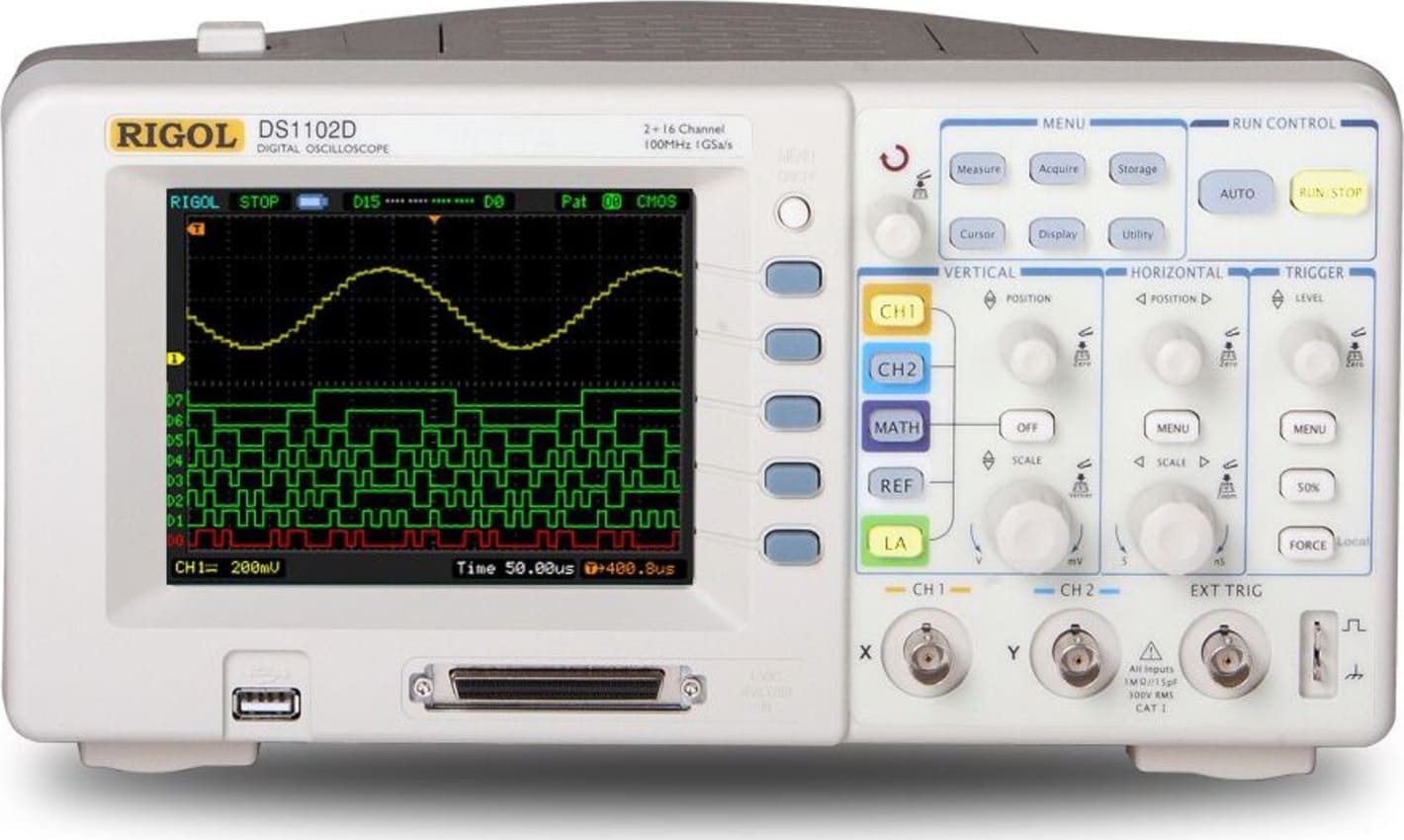
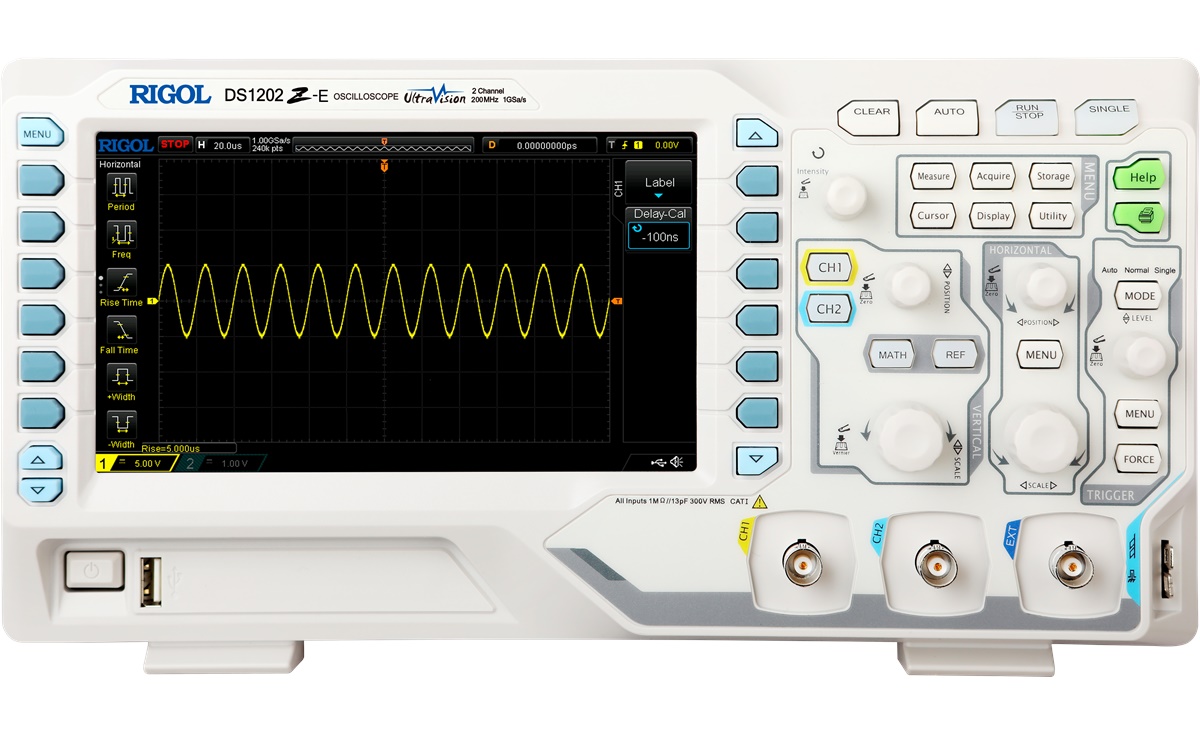
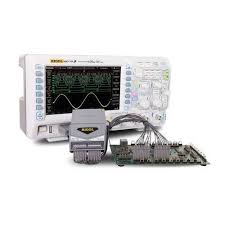
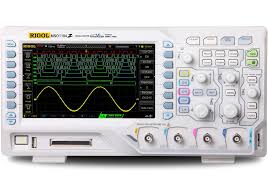
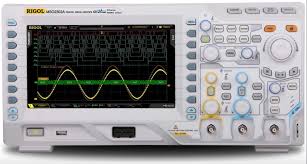
Rigol Mixed Signal Oscilloscopes (7 units)
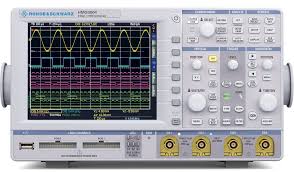
Rohde & Schwarz Mixed Signal Oscilloscopes (2 units)
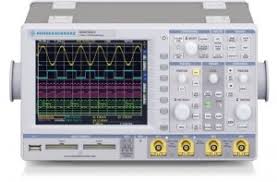
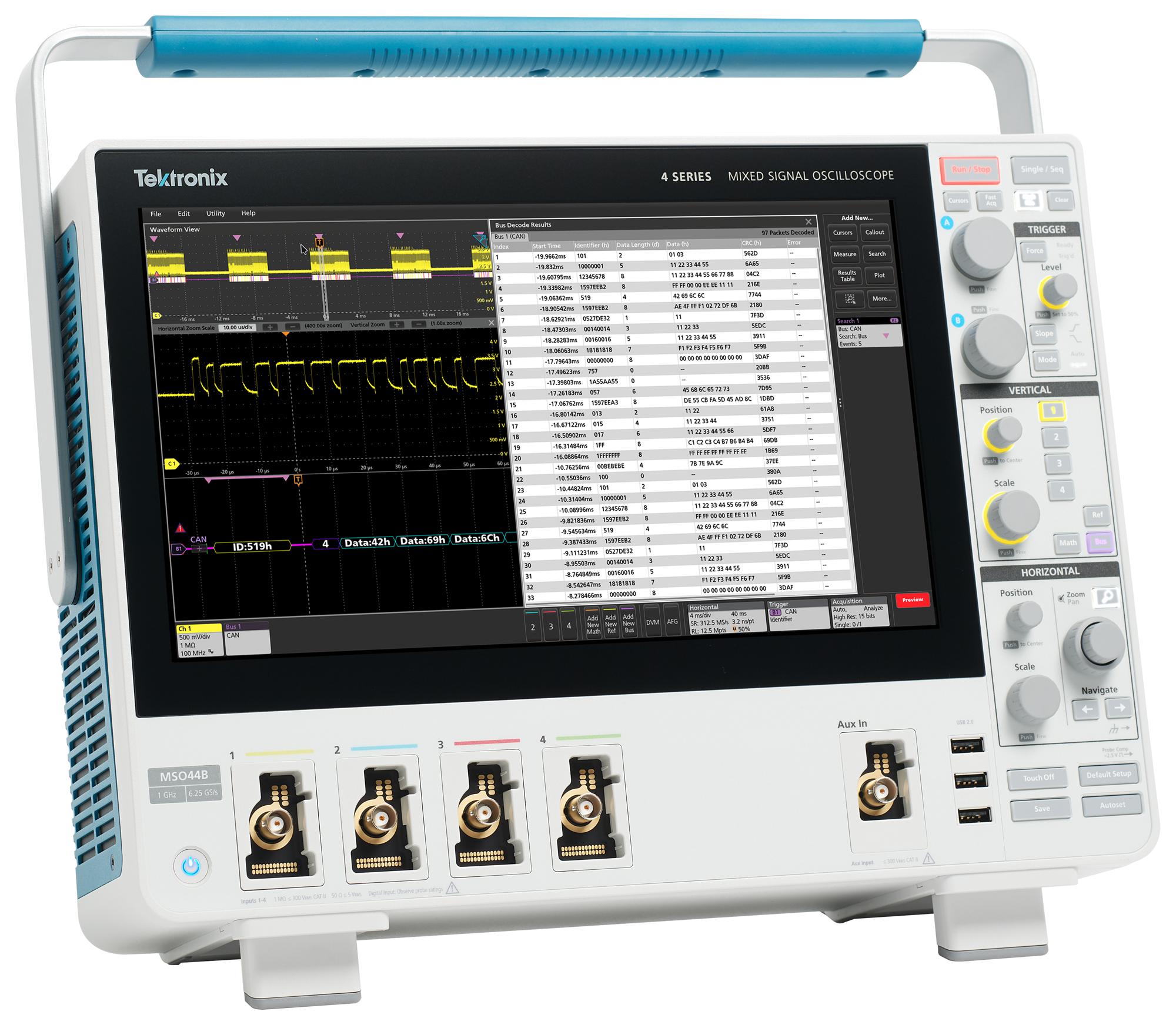
Tektronix Mixed Signal Oscilloscopes (5 units)
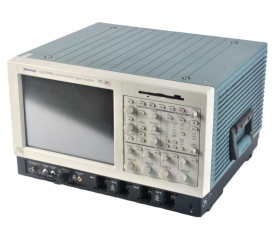
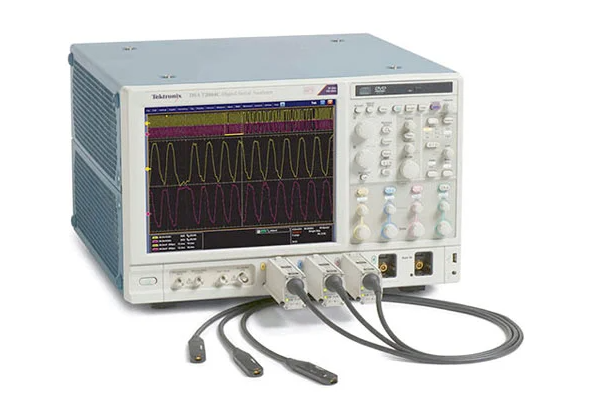
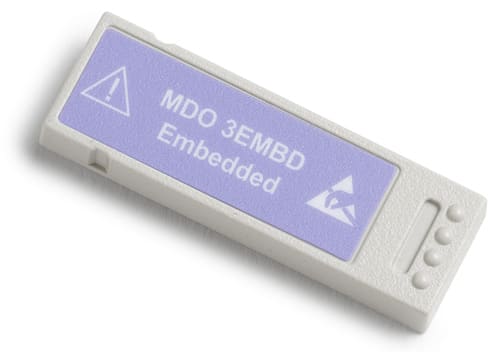
Teledyne LeCroy Mixed Signal Oscilloscopes (2 units)
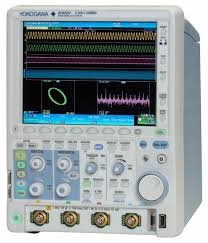
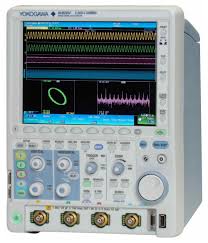
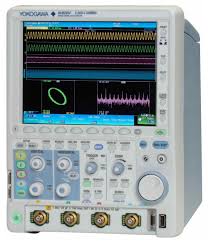
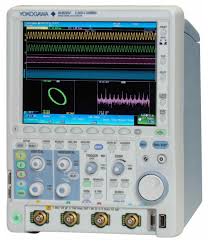
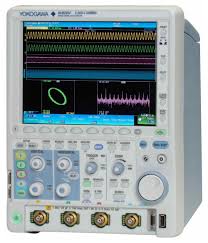
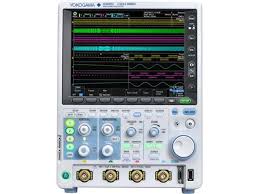
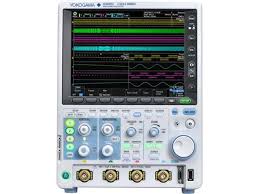
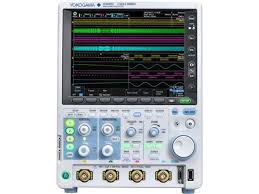
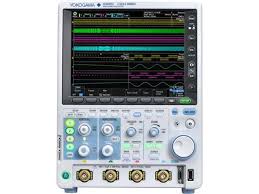
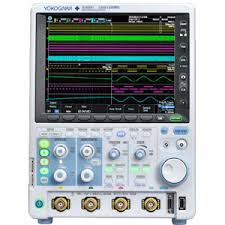
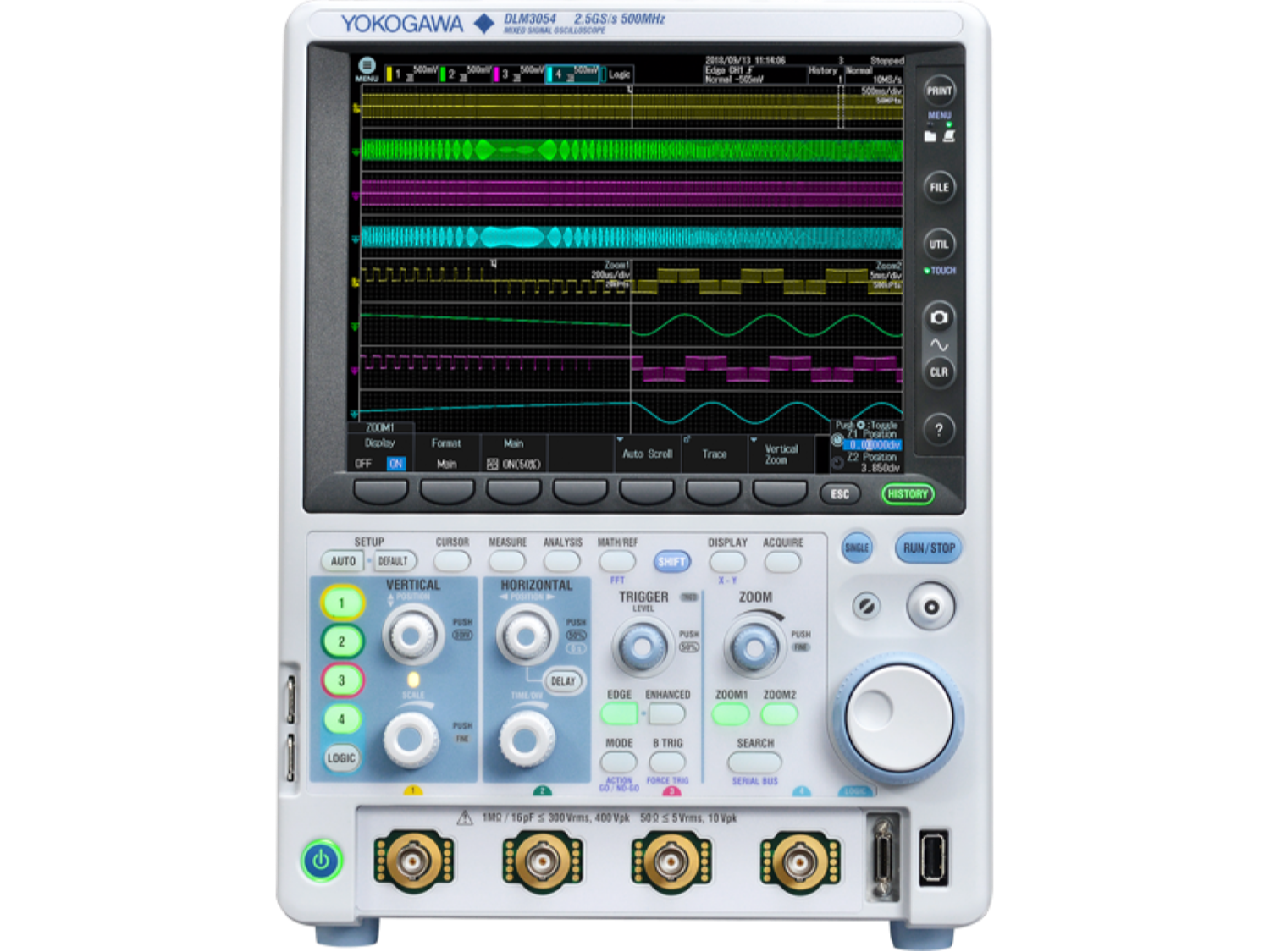
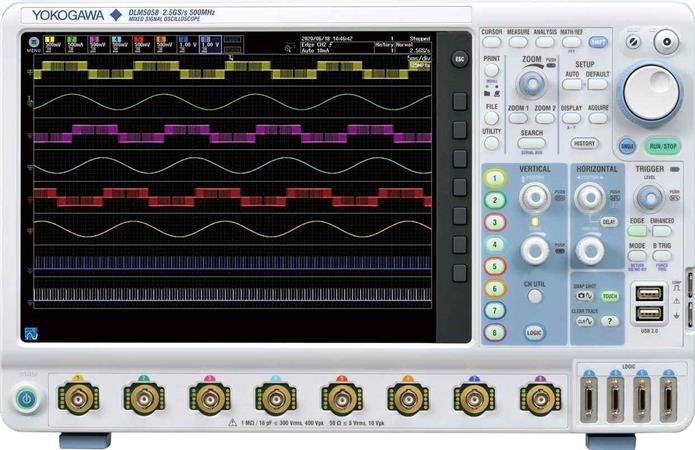
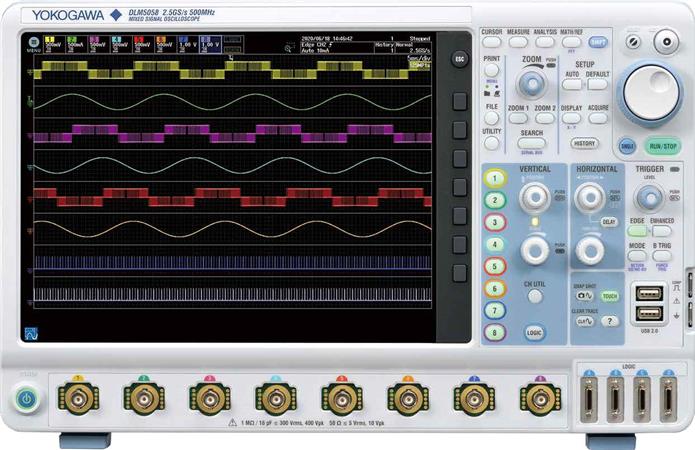
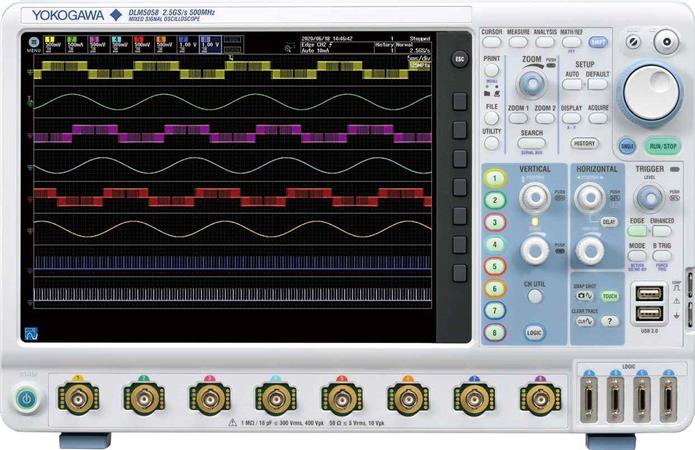
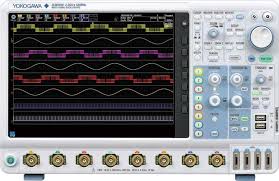
Yokogawa Mixed Signal Oscilloscopes (18 units)

What Makes an Oscilloscope "Mixed Signal"
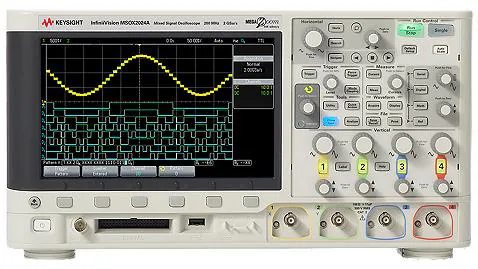
The digital channels are the whole story. A standard digital storage oscilloscope (DSO) only has analog inputs. An MSO adds a bank of logic channels, usually 16, brought in through a flying-lead pod, and triggers and displays them on the same timebase as the analog channels. That correlation is the reason to buy an MSO instead of a cheaper DSO — you can watch an analog power rail sag at the exact clock edge that caused it, or confirm a serial command lines up with the analog response it triggered.
Keysight / Agilent InfiniiVision and Infiniium MSO Families
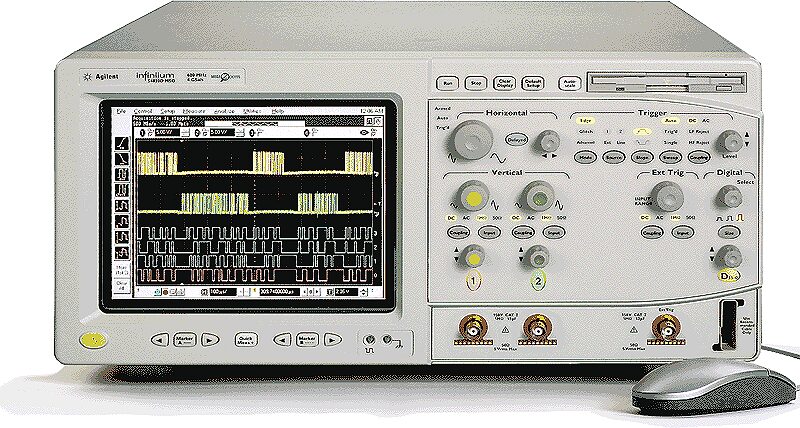
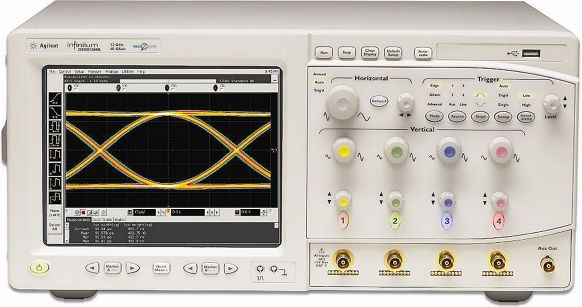
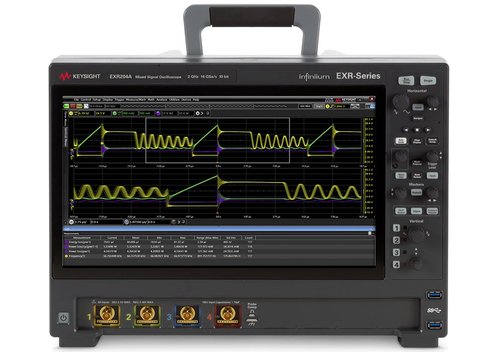
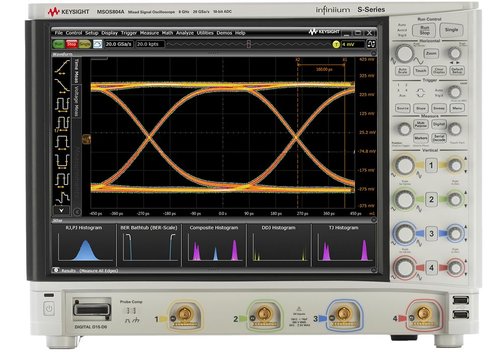
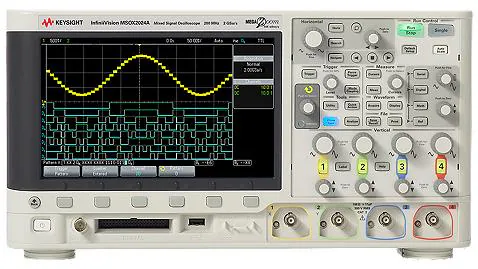
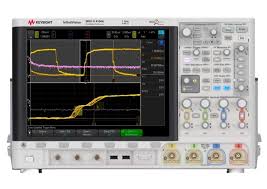
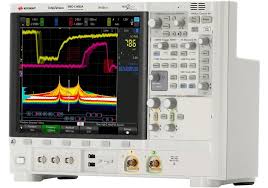
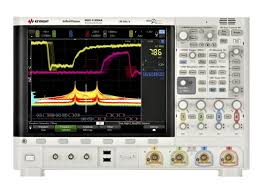
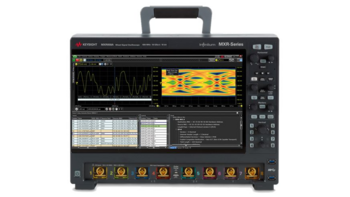
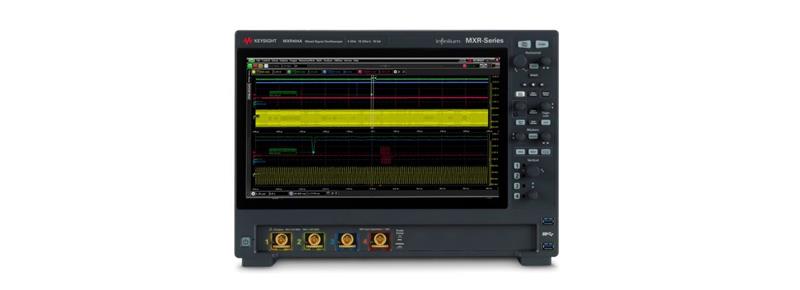
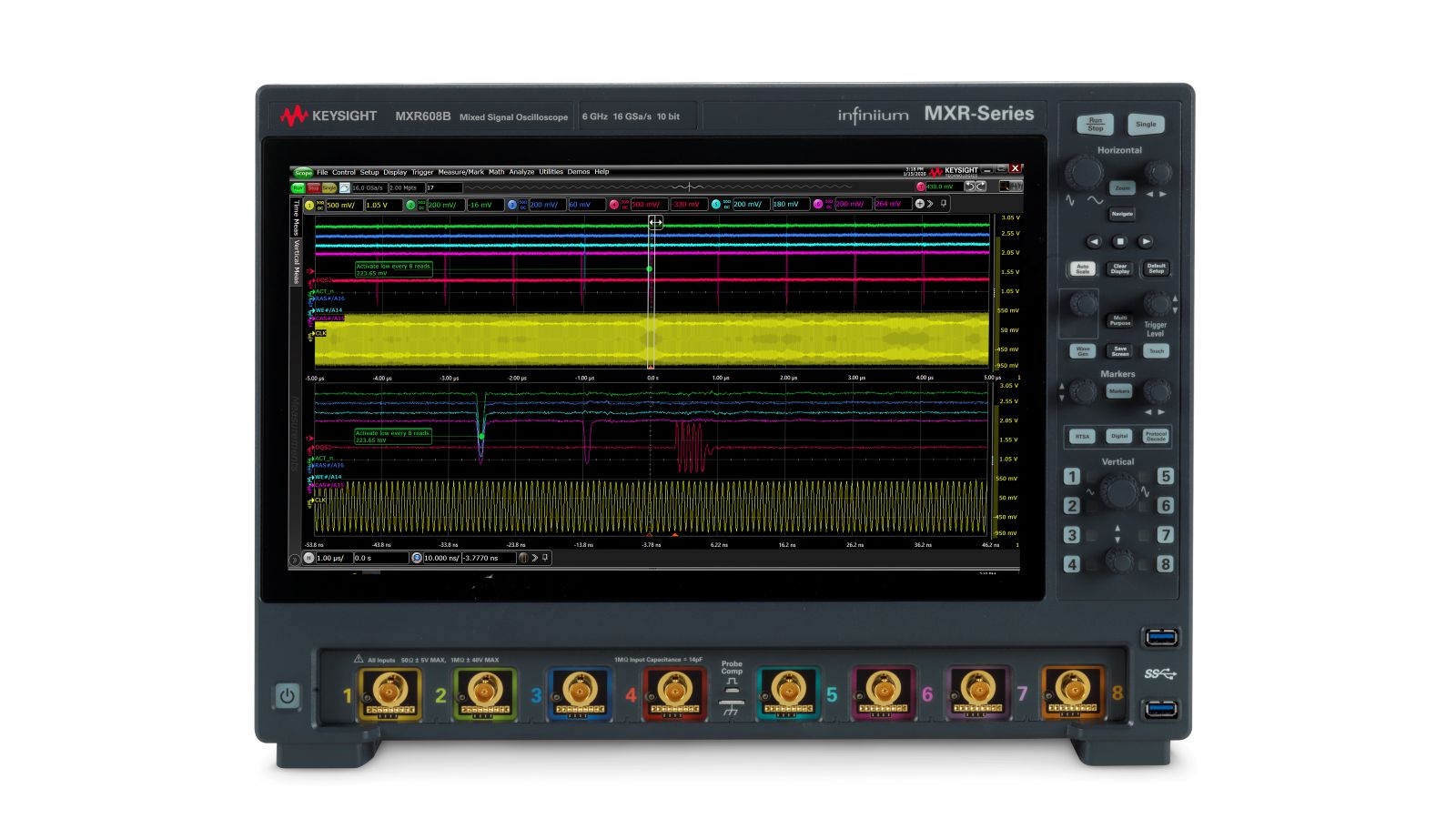
Keysight (and Agilent before it) has the deepest bench in this category. The MSOX2000/3000/4000 X-series InfiniiVision line covers general-purpose bench work from roughly 70 MHz to 1 GHz. The MSOS-series (S-series) and newer MXR/EXR Infiniium models push higher sample rate and memory depth for signal integrity and high-speed digital work. The older MSO7000/8000/9000 series are still common on the used market and remain capable instruments for general debug. On several of these families, the digital channels are a purchasable option built on the same hardware as the DSO version — get the digital channel license and pod confirmed before buying, not just the model prefix.
Tektronix, LeCroy, and Yokogawa
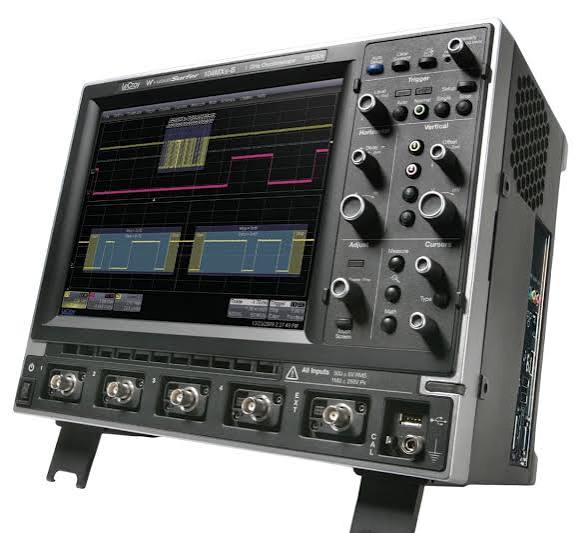
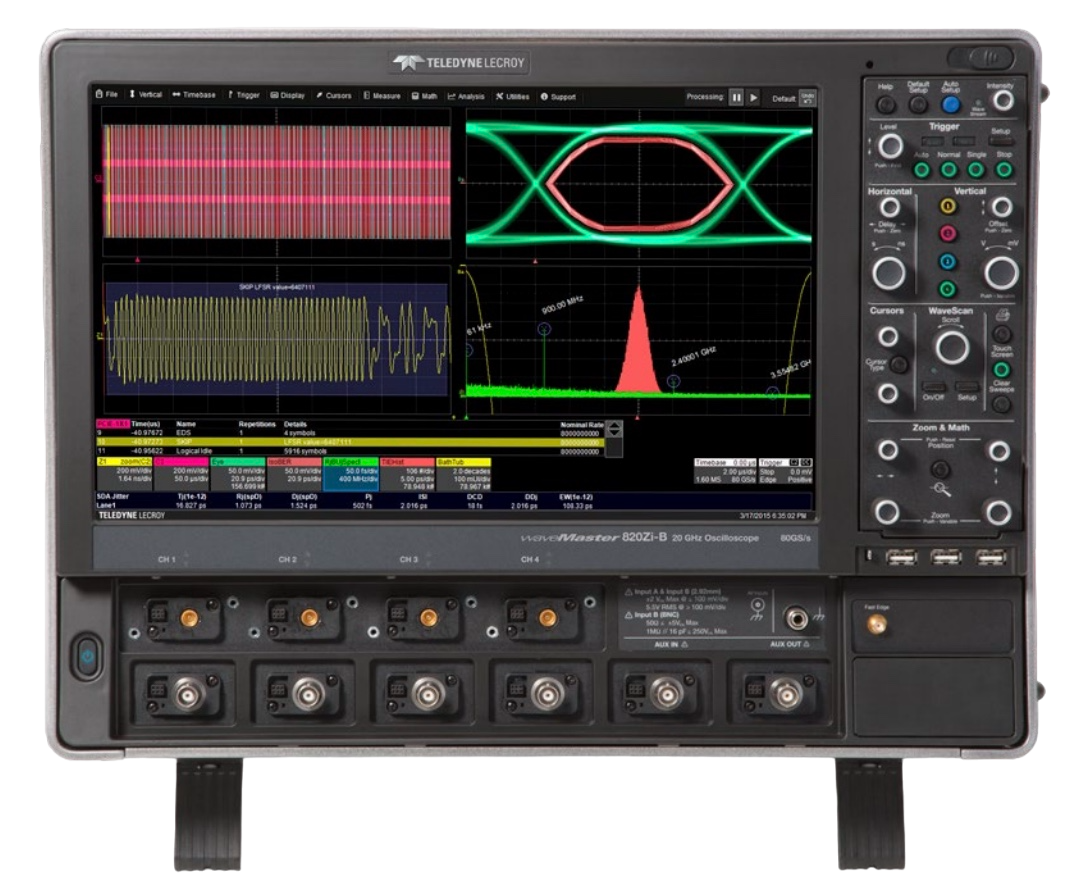
Tektronix's MSO4-series and MDO-series (Mixed Domain Oscilloscope, which adds a built-in RF spectrum view on top of the usual analog/digital combination) show up regularly in RF and embedded work. LeCroy and Teledyne LeCroy's WaveSurfer, HDO, and MSO-series units are common in signal integrity and communications debug, often with deep memory and high sample rates. Yokogawa's DLM series is widely used in power electronics and motor control work, where the digital channels typically track control logic alongside analog current and voltage measurements.
What to Check Before Buying a Used MSO
Confirm the digital channel license is active and the logic pod is included — pods and their flying leads are the single most commonly lost or damaged accessory in this category, and a scope without its pod cannot use the digital channels at all even if the license is present. Check which serial decode options are installed if you need I2C, SPI, CAN, or another specific protocol decoded rather than just viewed as raw logic levels — these are frequently sold as separate licenses. Confirm bandwidth and memory depth against your actual use case; memory depth matters more on an MSO than a plain scope because digital captures often need to span a longer time window than a single analog edge.
Mixed Signal Oscilloscope Calibration
NIST-traceable calibration verifies vertical gain accuracy and offset on every analog channel, timebase accuracy, and trigger sensitivity, with measured deviation recorded at each test point rather than a pass/fail stamp. Digital channel threshold levels and timing are checked separately from the analog front end. See all calibration services →
Frequently Asked Questions
What does "mixed signal" mean on an oscilloscope? +
A mixed signal oscilloscope (MSO) combines the analog channels of a standard scope (usually 2 or 4) with a bank of digital logic channels, typically 16, connected through a flying-lead pod. Both the analog waveform and the digital bus or control signals are captured on the same timebase from the same trigger event, so you can see exactly what a digital line was doing at the instant an analog signal glitched. A standard DSO with no logic pod cannot do this correlation at all.
What is the difference between an MSO and a DSO from the same product line? +
On many Keysight InfiniiVision families, the MSO and DSO versions (for example MSOX3034A vs DSOX3034A) share the same mainframe hardware — the difference is whether the digital channel license and logic pod are included. Some of these models can be upgraded from DSO to MSO in the field by purchasing the option and pod. When buying used, confirm the digital channels are actually enabled and the pod is included, not just that the label says MSO.
How many digital channels do I actually need? +
Most MSOs ship with 16 digital channels, which covers the common serial buses (I2C, SPI, UART, CAN) with room for chip-select and clock lines. If you are only debugging one or two control signals alongside an analog waveform, you will rarely use more than 4-8 of the 16. The channel count is rarely the limiting factor — the flying-lead pod and its ground connections are usually the bigger practical constraint.
What causes MSO logic channels to stop working or read incorrectly? +
The most common cause is the flying-lead pod itself — the small grabber clips and ground leads get lost, bent, or broken with regular use, and pod connector pins on the scope side can bend if the pod is inserted at an angle. Before assuming a channel or the mainframe is faulty, swap in a different lead and confirm the ground lead for that channel group is actually connected; a missing ground reference on one pod bank causes noisy or stuck-looking logic traces that look like a hardware fault.
What specs matter most when choosing a used MSO? +
Bandwidth and sample rate for the analog side, same as any scope. Memory depth (record length) matters more on an MSO than a plain DSO, because you are usually capturing a longer digital sequence (a full serial packet, a boot sequence) rather than a single fast edge. Also check included serial decode licenses (I2C, SPI, CAN, etc. are frequently separate options) if you need to decode a specific protocol rather than just view raw logic levels.
Can an MSO replace a dedicated logic analyzer? +
For debugging a handful of control or bus signals alongside analog behavior, yes — that is exactly what an MSO is for. For deep digital-only debug with dozens to hundreds of channels and very long capture windows, a dedicated logic analyzer still has more channel density and memory depth. Most engineers use the MSO for the day-to-day case (a handful of digital lines correlated with an analog signal) and reach for a standalone logic analyzer only when channel count becomes the limiting factor.
Need a specific bandwidth or channel count?
Tell us the analog bandwidth, digital channel count, memory depth, and any serial decode protocols you need, and we'll check our incoming stock.
Get in touch