
Used Fiber Characterization Systems
33 units in stock — chromatic dispersion, PMD, and precision loss test systems, led by Exfo, for qualifying high-speed and long-haul fiber plant. Ships from Pleasant Grove, UT.
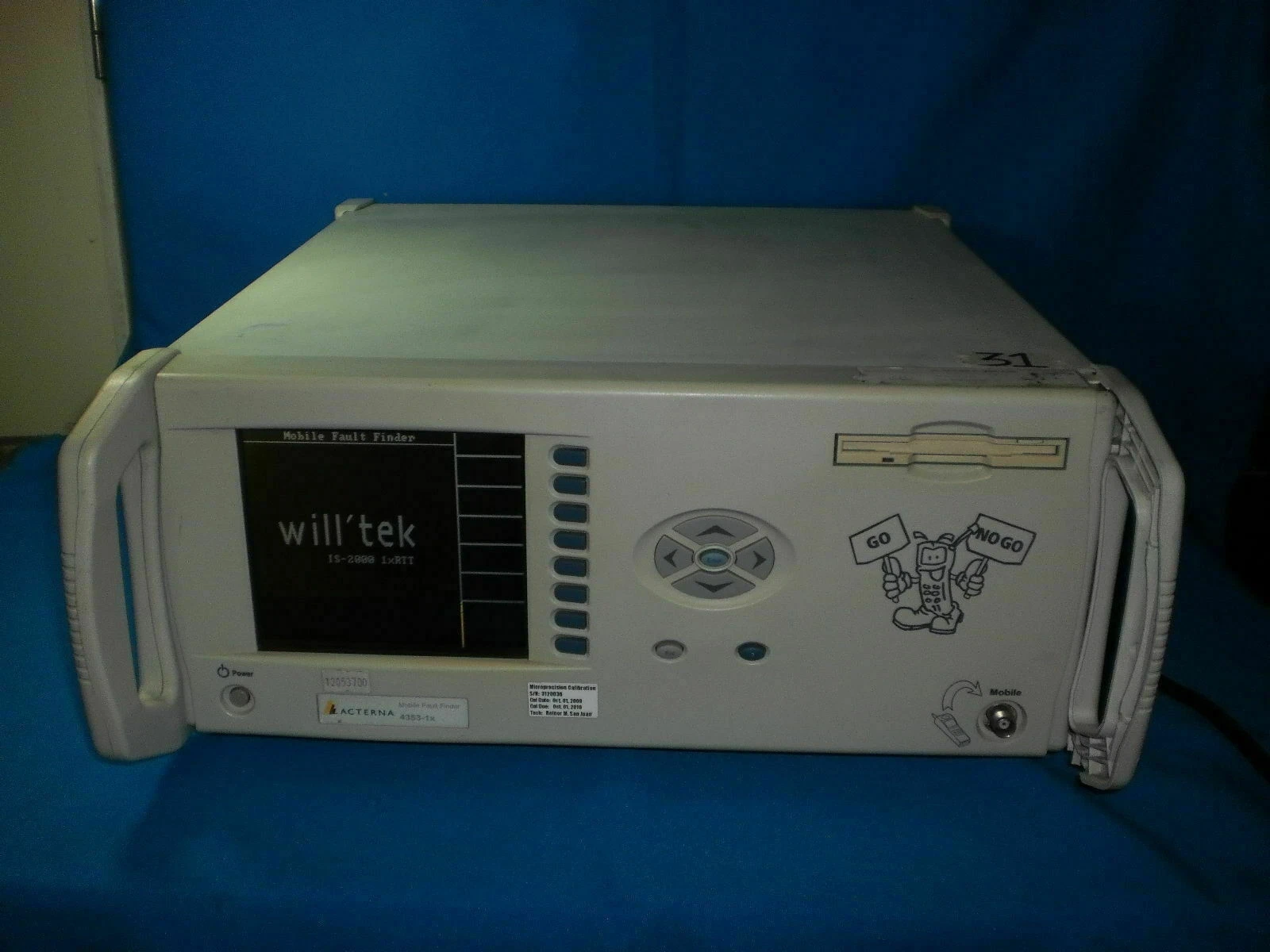
Acterna Fiber Characterization Systems (1 unit)
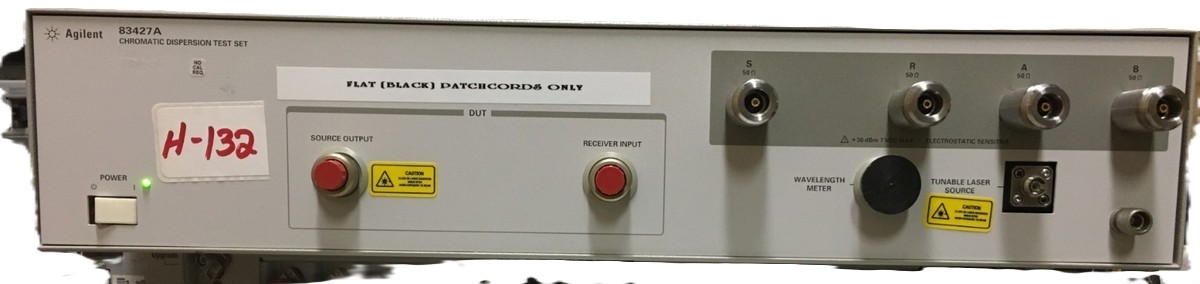
Agilent Fiber Characterization Systems (1 unit)
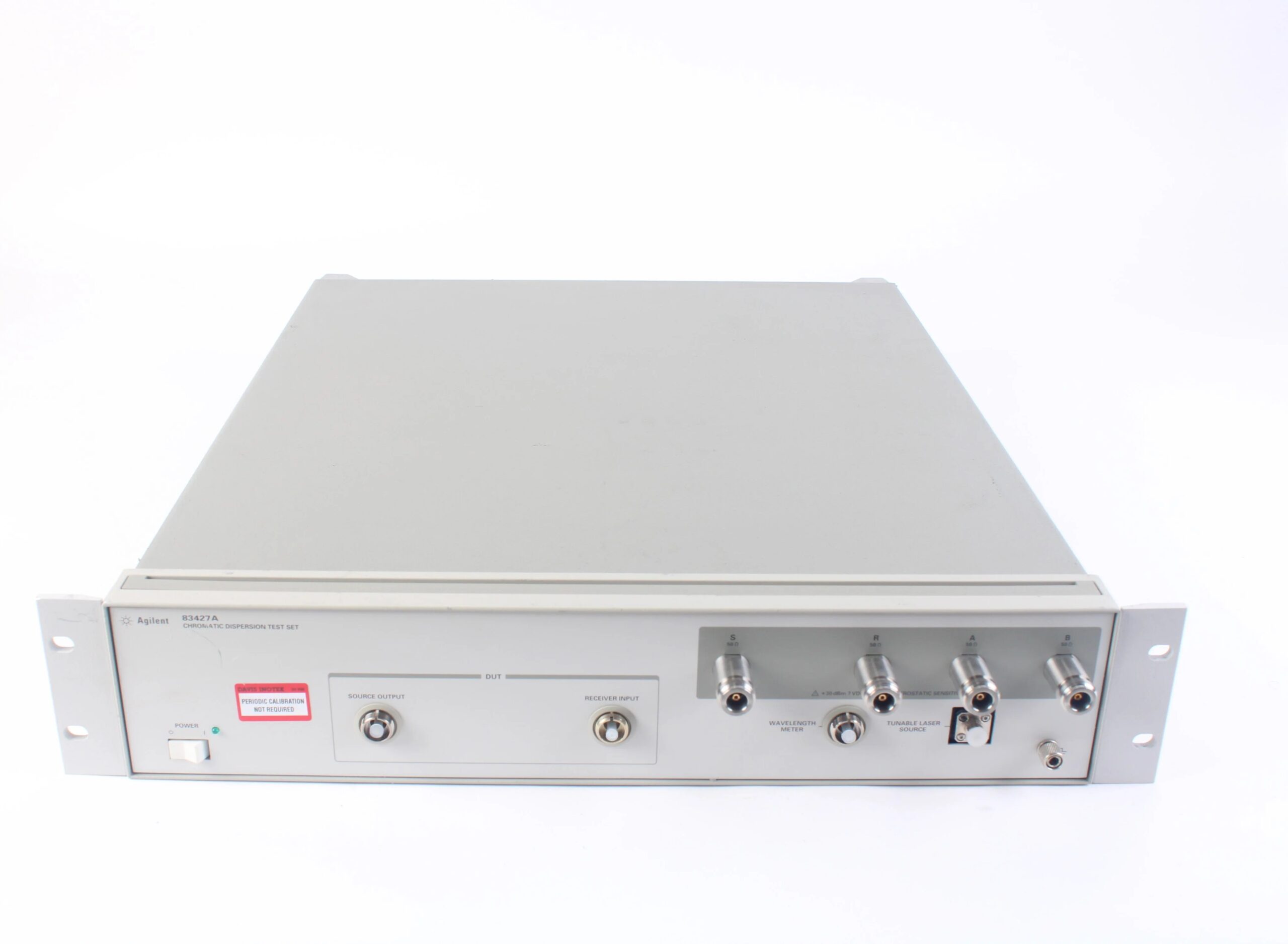
Agilent / Keysight Fiber Characterization Systems (1 unit)
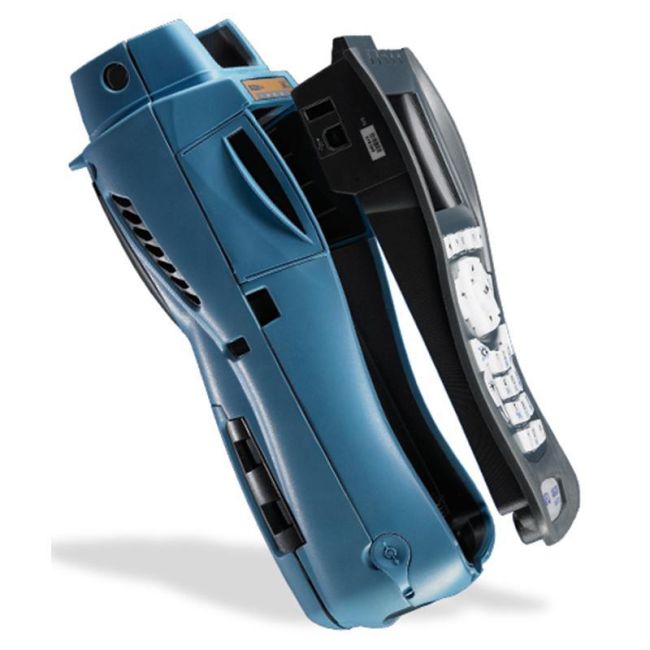
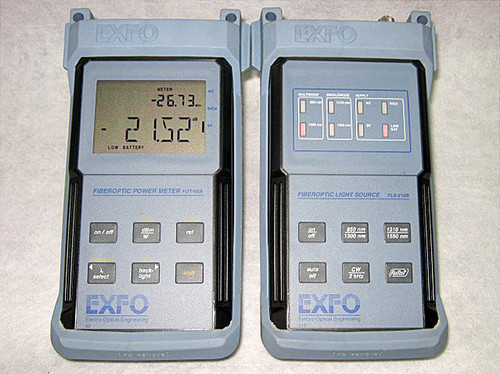
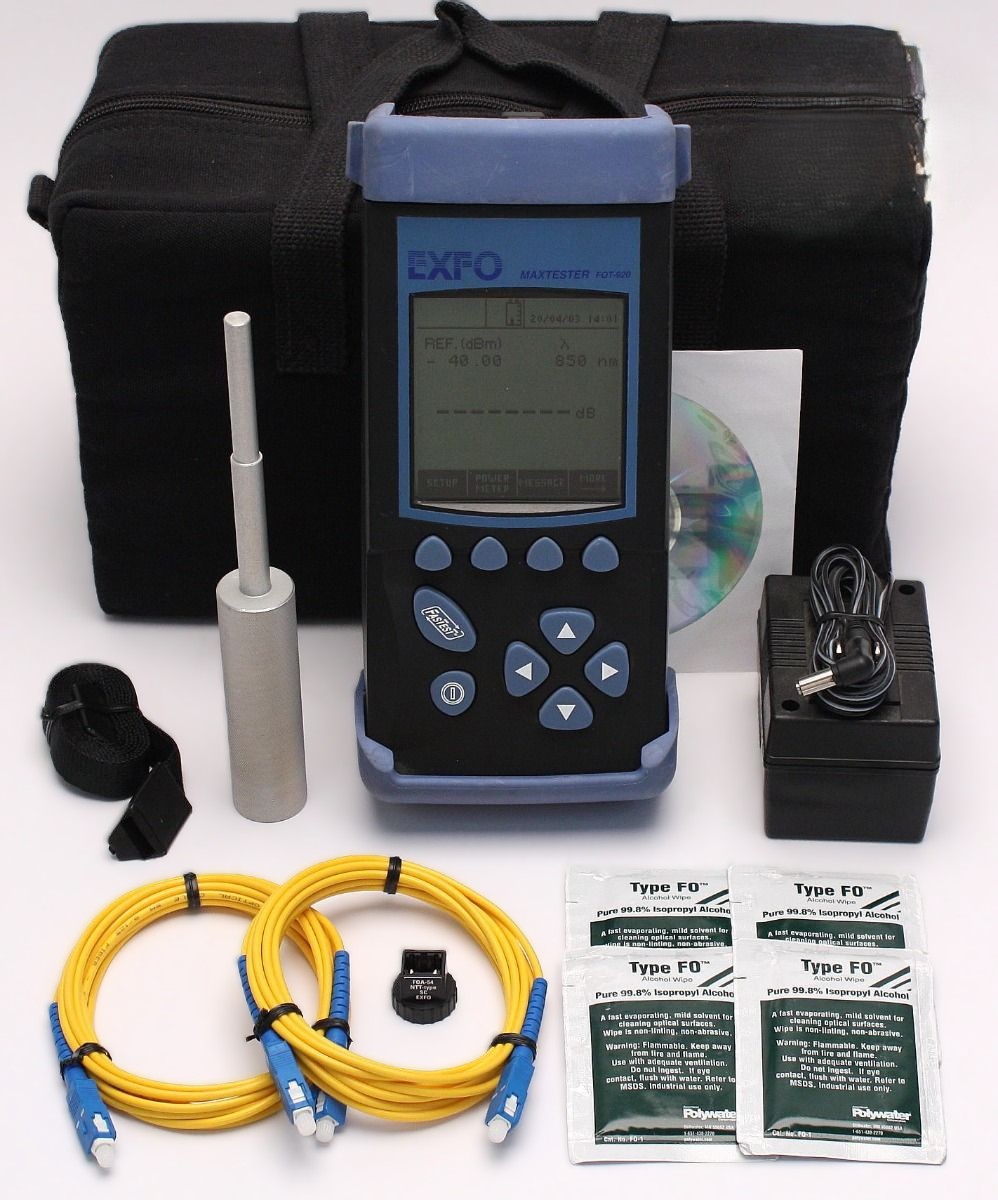
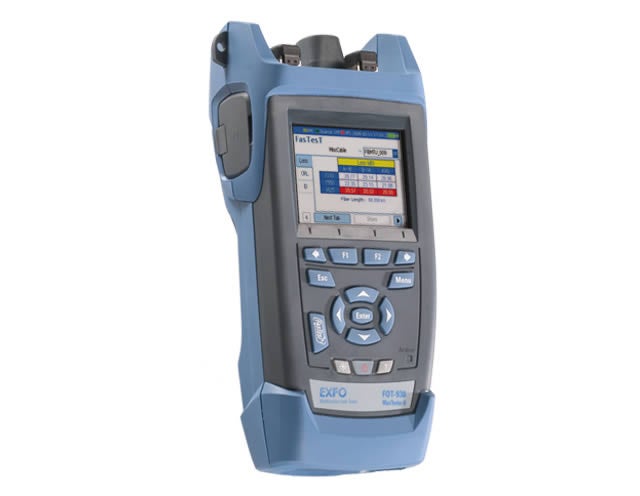
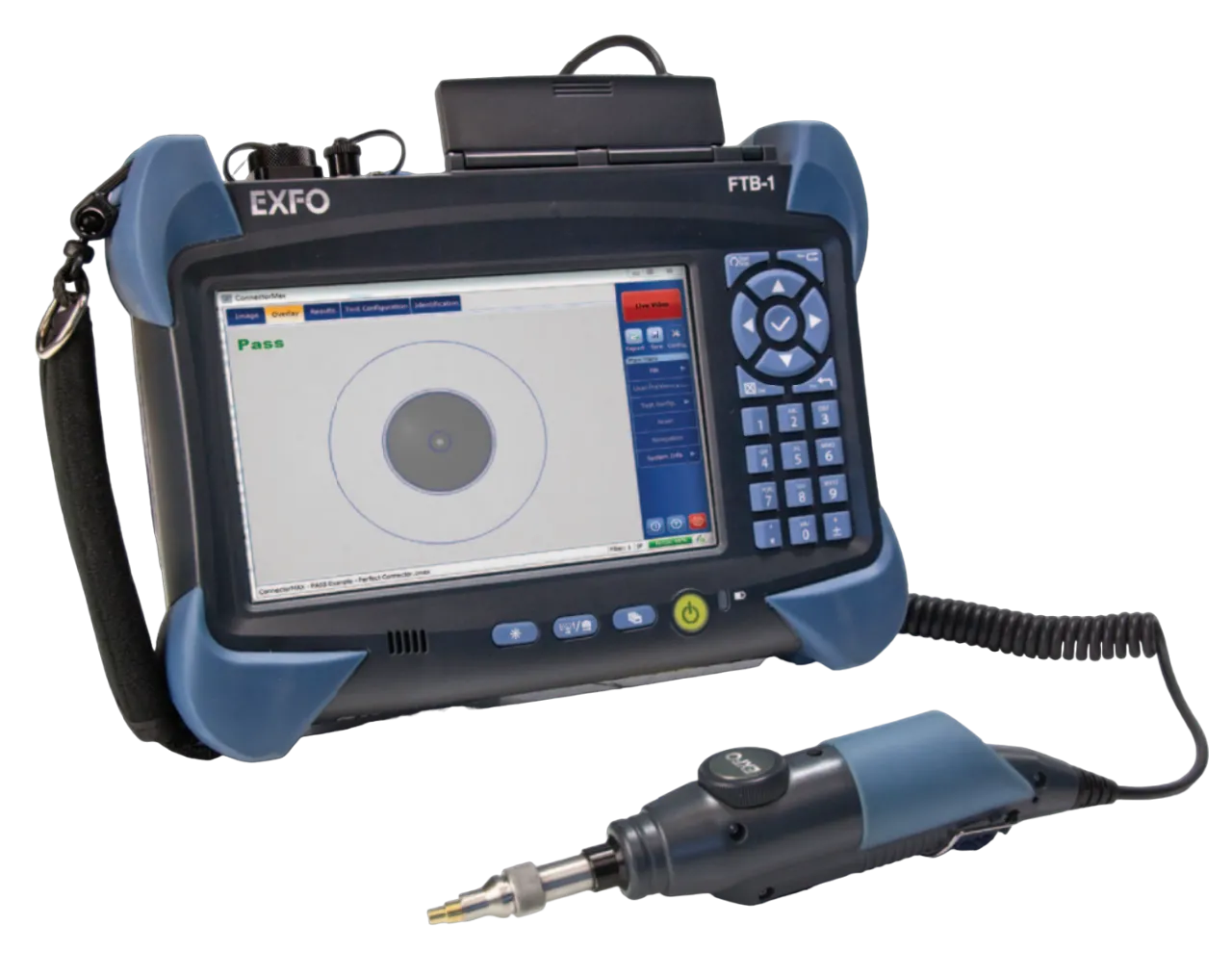
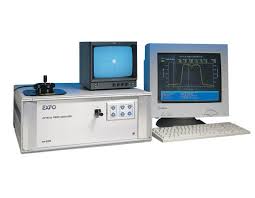
Exfo Fiber Characterization Systems (18 units)
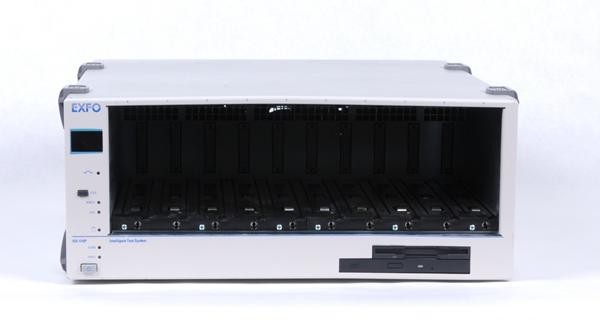
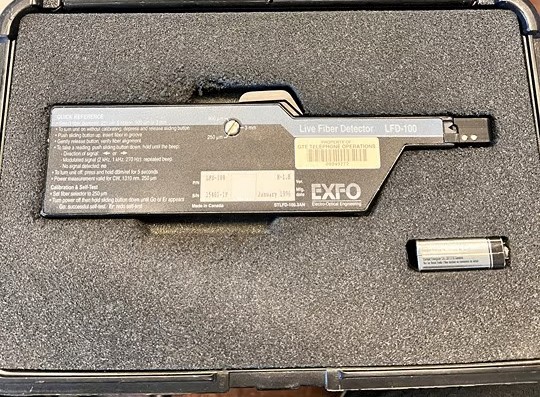
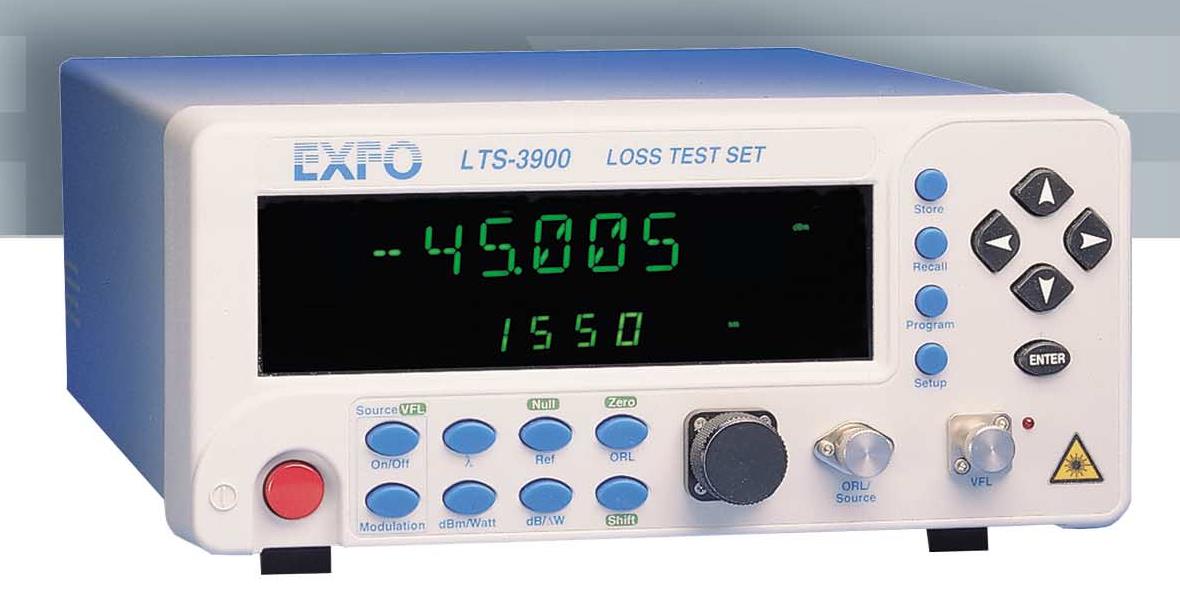
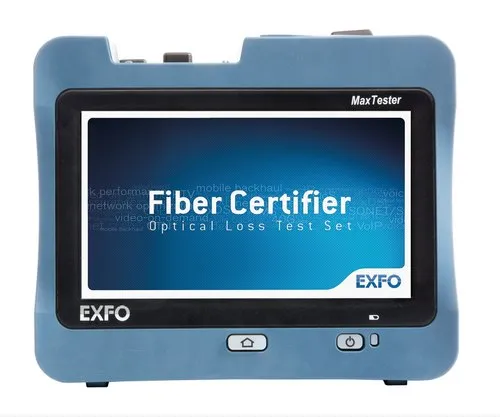
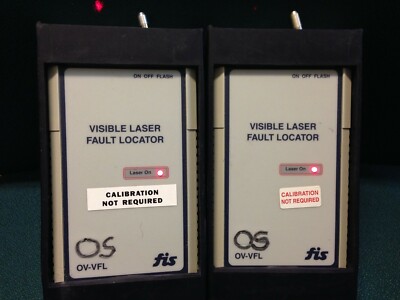
FIS Fiber Characterization Systems (1 unit)
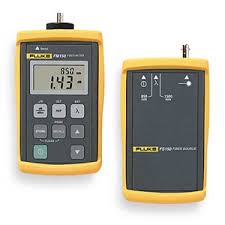
Fluke Fiber Characterization Systems (1 unit)
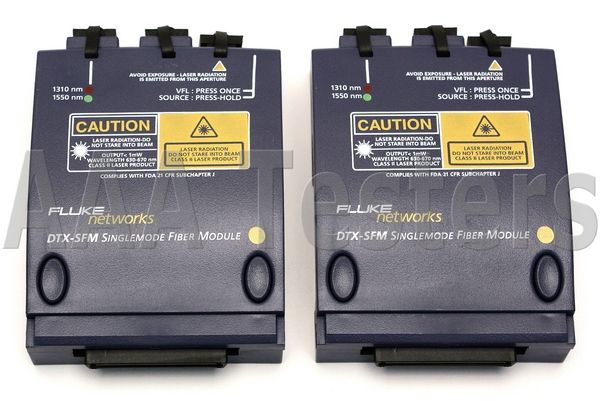
Fluke Networks Fiber Characterization Systems (1 unit)
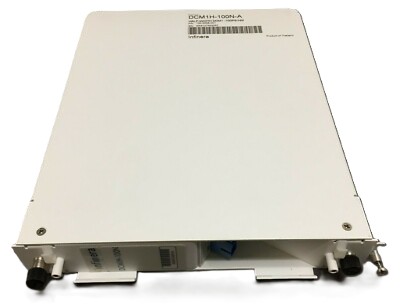
Infinera Fiber Characterization Systems (1 unit)
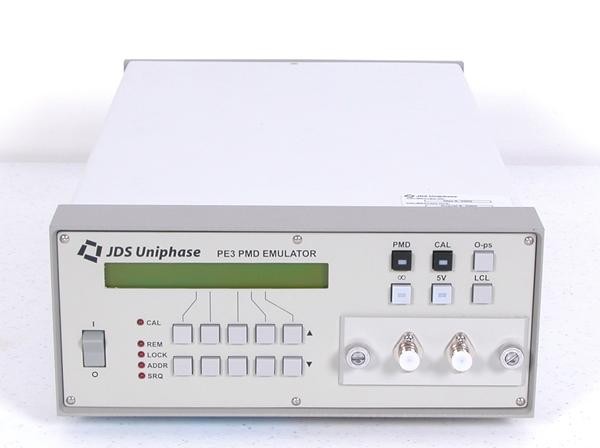
JDS Uniphase Fiber Characterization Systems (1 unit)
JDSU Fiber Characterization Systems (1 unit)
Keysight / Agilent Fiber Characterization Systems (2 units)
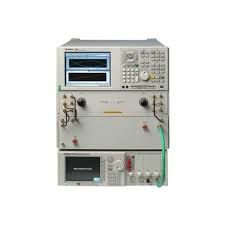
Kingfisher Fiber Characterization Systems (1 unit)
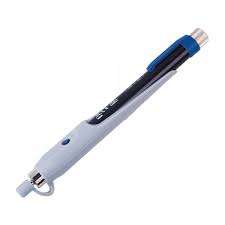
Seiko Instruments/SII Fiber Characterization Systems (1 unit)
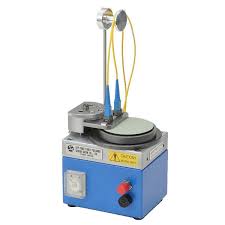
Siemens Fiber Characterization Systems (1 unit)
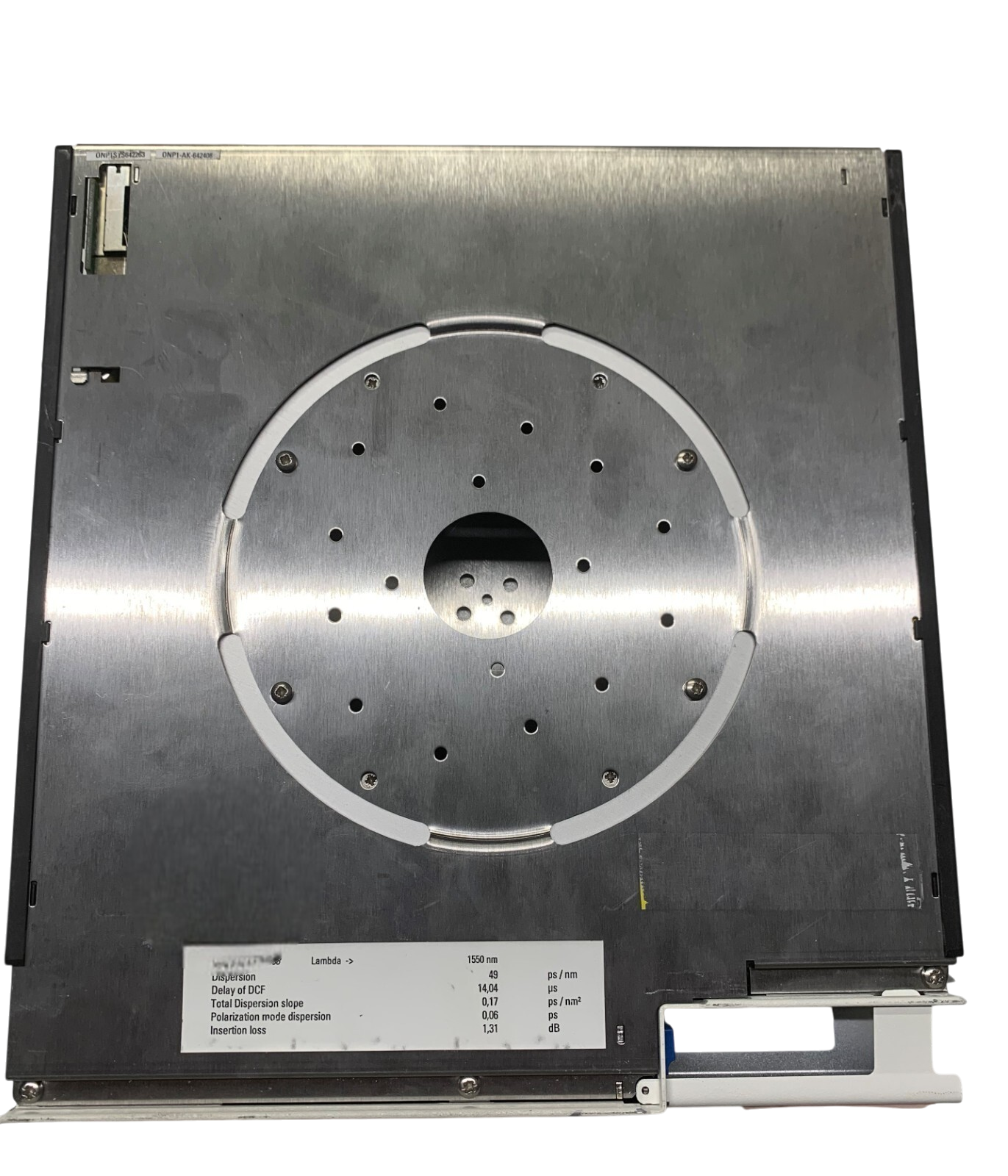
WG Fiber Characterization Systems (1 unit)
Beyond Basic Fiber Testing
Basic fiber testing — continuity, loss with a power meter, OTDR fault-finding — tells you whether a link works and roughly how much loss it has. Characterization goes further, measuring the intrinsic transmission properties that determine how a fiber will actually perform at high data rates over distance: chromatic dispersion, polarization mode dispersion, and precise wavelength-resolved loss. This matters for qualifying long-haul or high-speed links, not for a routine pass/fail check.
Polarization Mode Dispersion (PMD) Testing
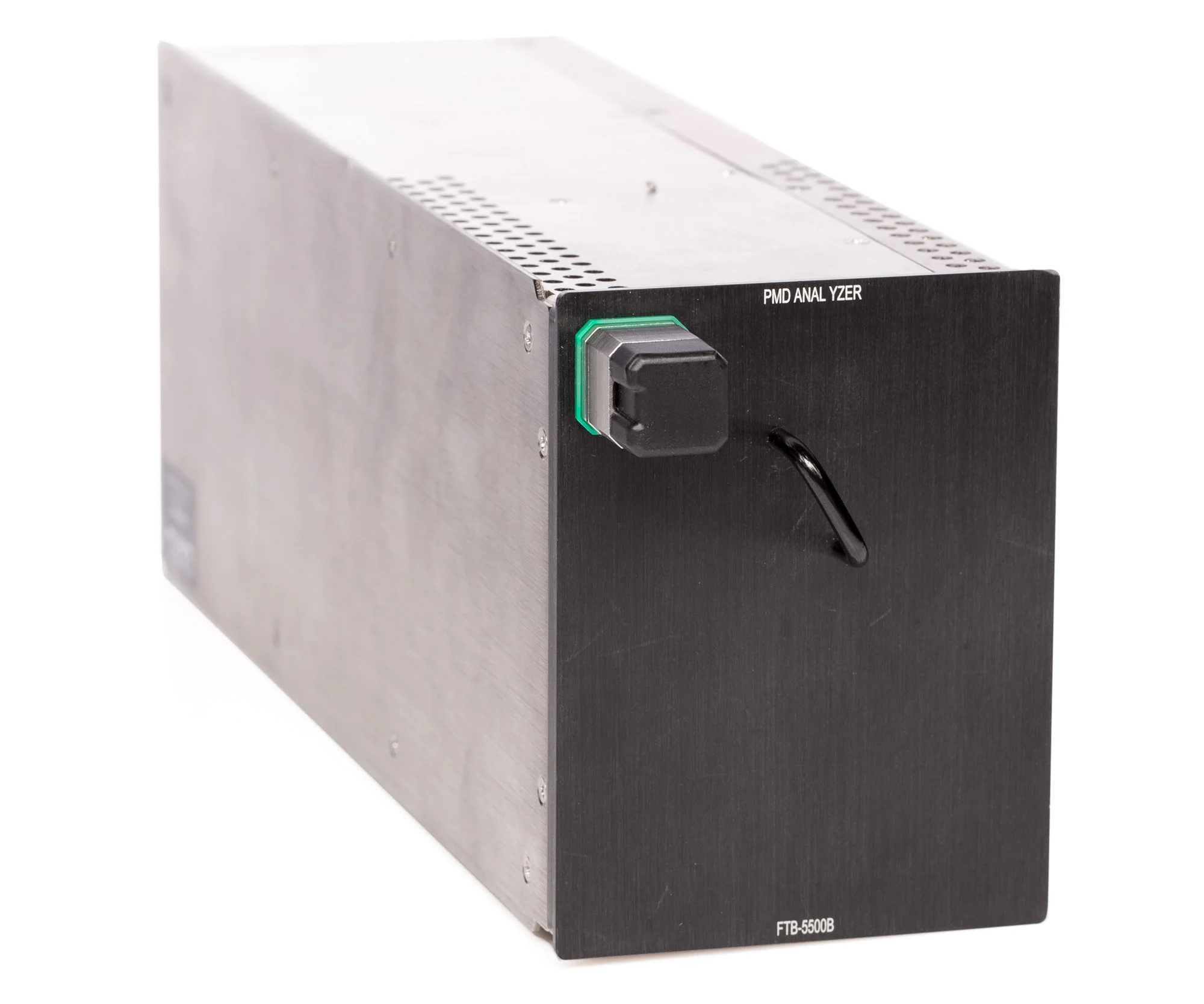
PMD is a pulse-spreading effect caused by tiny asymmetries in a fiber's core, where different polarization states travel at slightly different speeds — a statistical, wavelength-dependent effect that only becomes a real problem at high data rates over long spans. Exfo's FTB-5500B and FPMD-5600 measure this directly; a standard power meter or OTDR can't characterize it.
Chromatic Dispersion Testing
Chromatic dispersion measures how much different wavelengths of light spread apart as they travel down a fiber, which limits the achievable data rate over a given distance on that specific fiber. Exfo's FTB-5700-CD-PMD and similar units measure this directly on installed or spooled fiber — important for planning and qualifying high-speed long-haul links where dispersion compensation needs to be sized correctly.
Field vs. Lab Systems
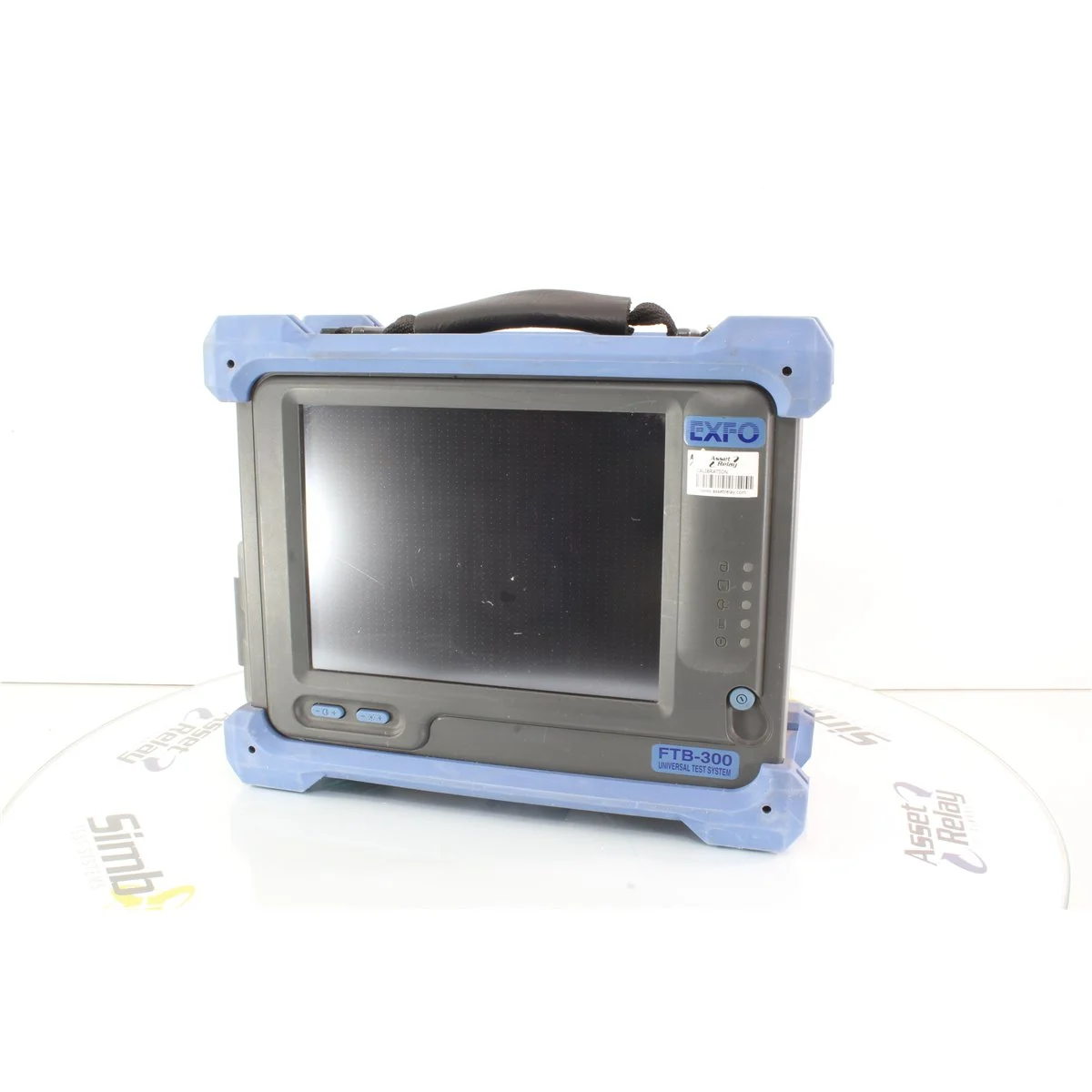
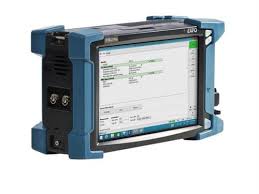
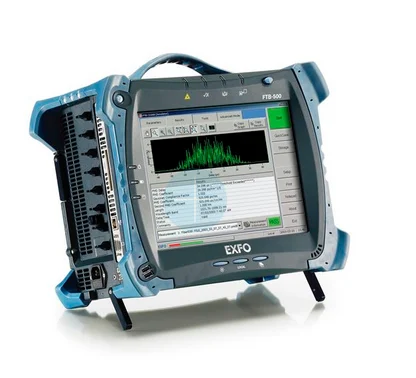
Exfo's platform-based FTB-series units (FTB-500, FTB-300, FTB-5800) are portable and commonly used for field qualification of installed fiber plant. Some of the older, larger bench systems in this category (the IQS- and NR-series) are better suited to a lab or manufacturing QA environment. Check the specific listing's form factor if portability matters for your application.
Calibration for Fiber Characterization Systems
Calibration on these systems verifies measurement accuracy against a traceable reference fiber or standard for whichever parameter the unit measures — dispersion, PMD, or loss. Given how specialized and wavelength-dependent these measurements are, calibration history matters more here than on general-purpose test equipment. See all calibration services →
Frequently Asked Questions
What does "fiber characterization" mean, as distinct from basic fiber testing? +
Basic fiber testing (continuity, loss with a power meter, OTDR fault-finding) tells you whether a fiber link works and roughly how much loss it has. Characterization goes further, measuring the intrinsic transmission properties that determine how a fiber will perform at high data rates over distance — chromatic dispersion, polarization mode dispersion (PMD), and precise loss over wavelength. These matter for qualifying long-haul or high-speed links, not for a basic pass/fail check.
What is PMD and why does it need dedicated test equipment? +
Polarization mode dispersion is a pulse-spreading effect caused by tiny asymmetries in a fiber's core, where different polarization states travel at slightly different speeds. It's a statistical, wavelength-dependent effect that only becomes a real problem at high data rates over long spans, and measuring it requires dedicated instruments like Exfo's FTB-5500B and FPMD-5600 — a standard power meter or OTDR can't characterize it.
What is chromatic dispersion testing used for? +
Chromatic dispersion measures how much different wavelengths of light spread apart as they travel down a fiber, which limits the achievable data rate over a given distance on that specific fiber. Exfo's FTB-5700-CD-PMD and similar units measure this directly on installed or spooled fiber, which matters for planning and qualifying high-speed long-haul links where dispersion compensation needs to be sized correctly.
Are these systems used in manufacturing or in the field? +
Both, depending on the specific model. Exfo's FTB-series platform-based systems (FTB-500, FTB-300, FTB-5800) are portable and commonly used for field qualification of installed fiber plant, while some of the older, larger bench units in this category (like the IQS- and NR-series) are more suited to a lab or manufacturing QA environment. Check the specific listing for form factor if portability matters for your use.
Need to qualify a specific fiber link?
Tell us which parameters you need to test, and we'll check our incoming stock.
Get in touch