
Used Digital Multimeters (DMMs) for Sale
158 units in stock — Fluke, Keithley, Agilent/Keysight, HP, Tektronix, and more. Handheld and bench DMMs, 4.5 to 8.5 digit. Every meter tested and calibrated before listing. NIST-traceable calibration available. Ships from Pleasant Grove, UT.
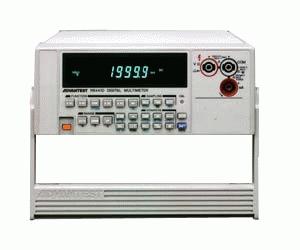
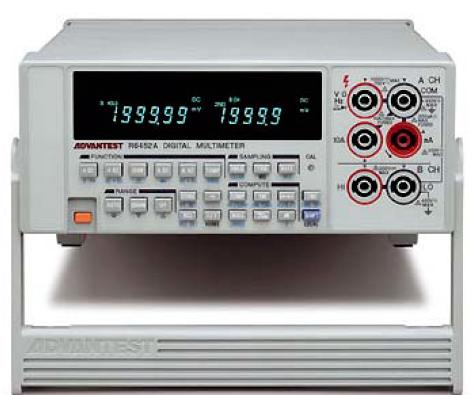
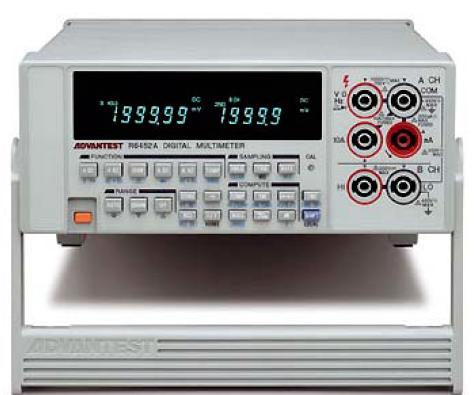
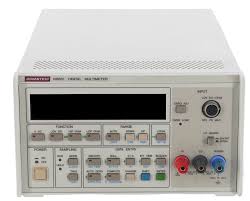
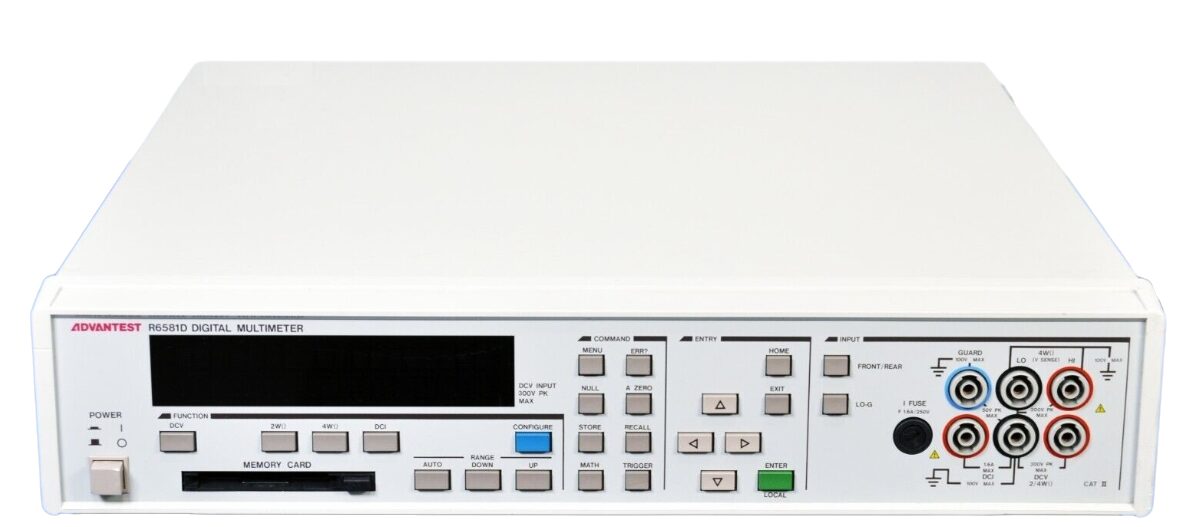
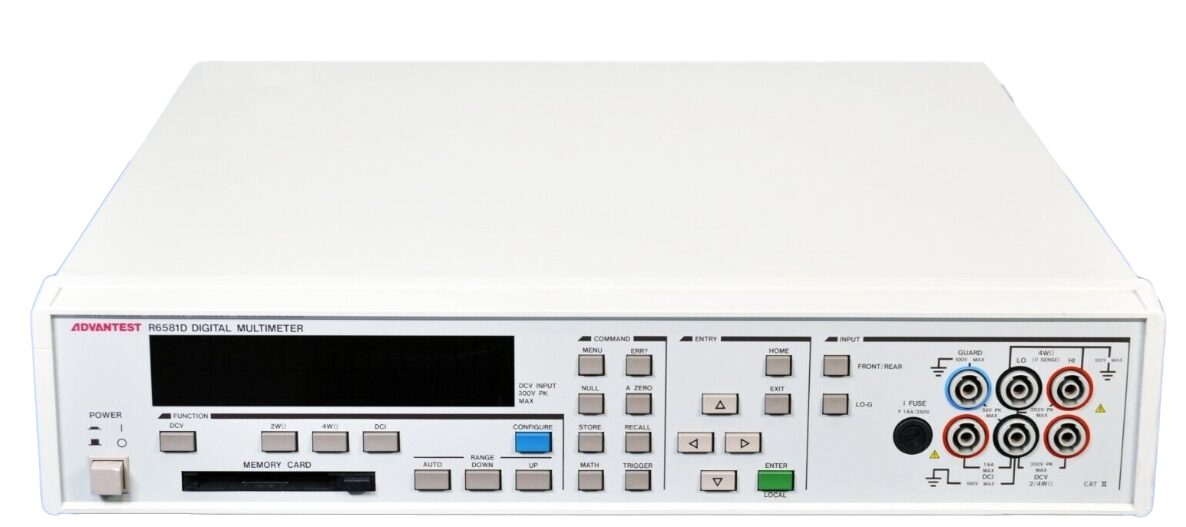
Advantest Multimeters (12 units)
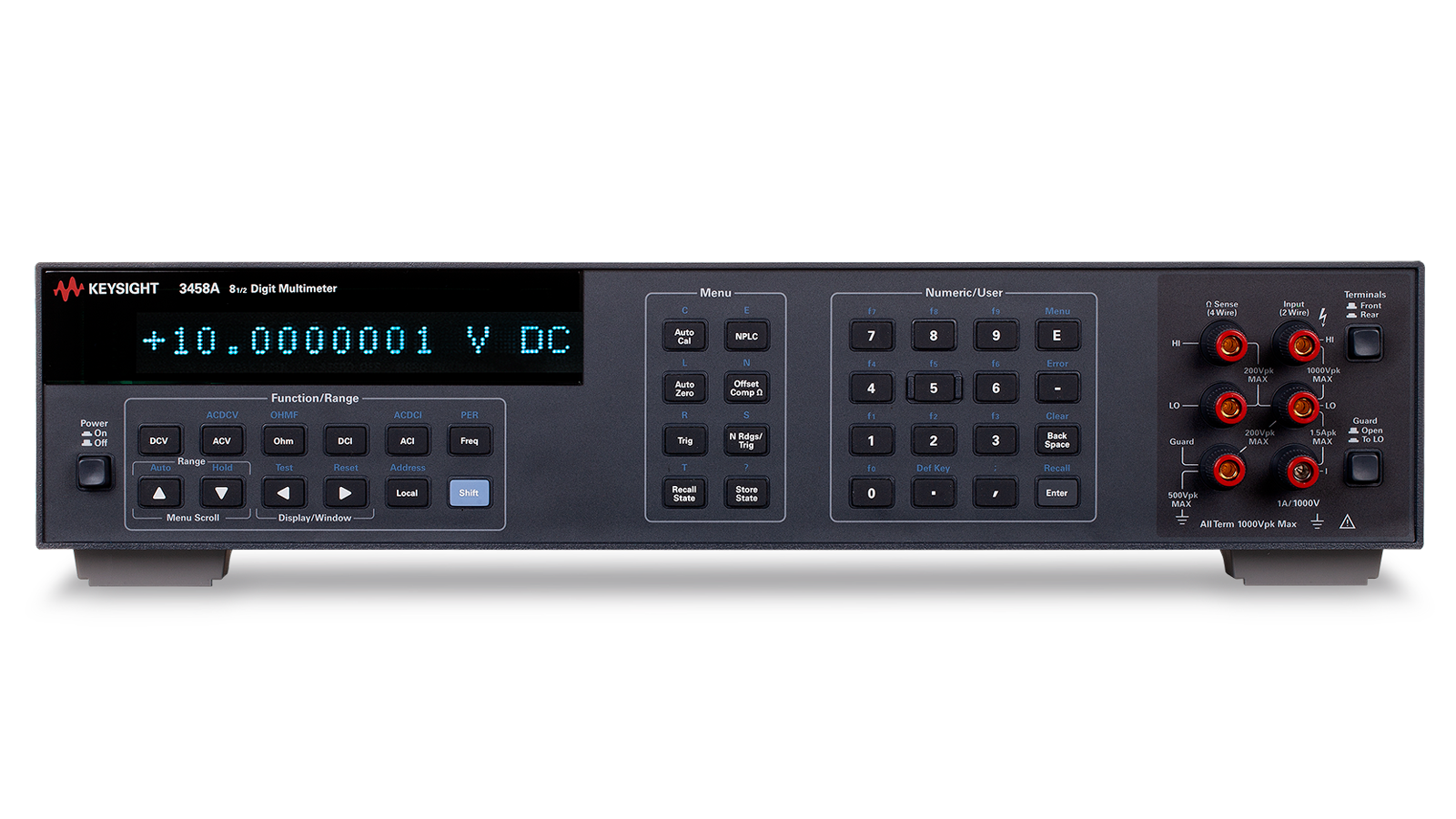
Agilent / HP / Keysight Multimeters (1 unit)
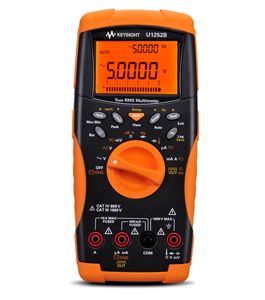
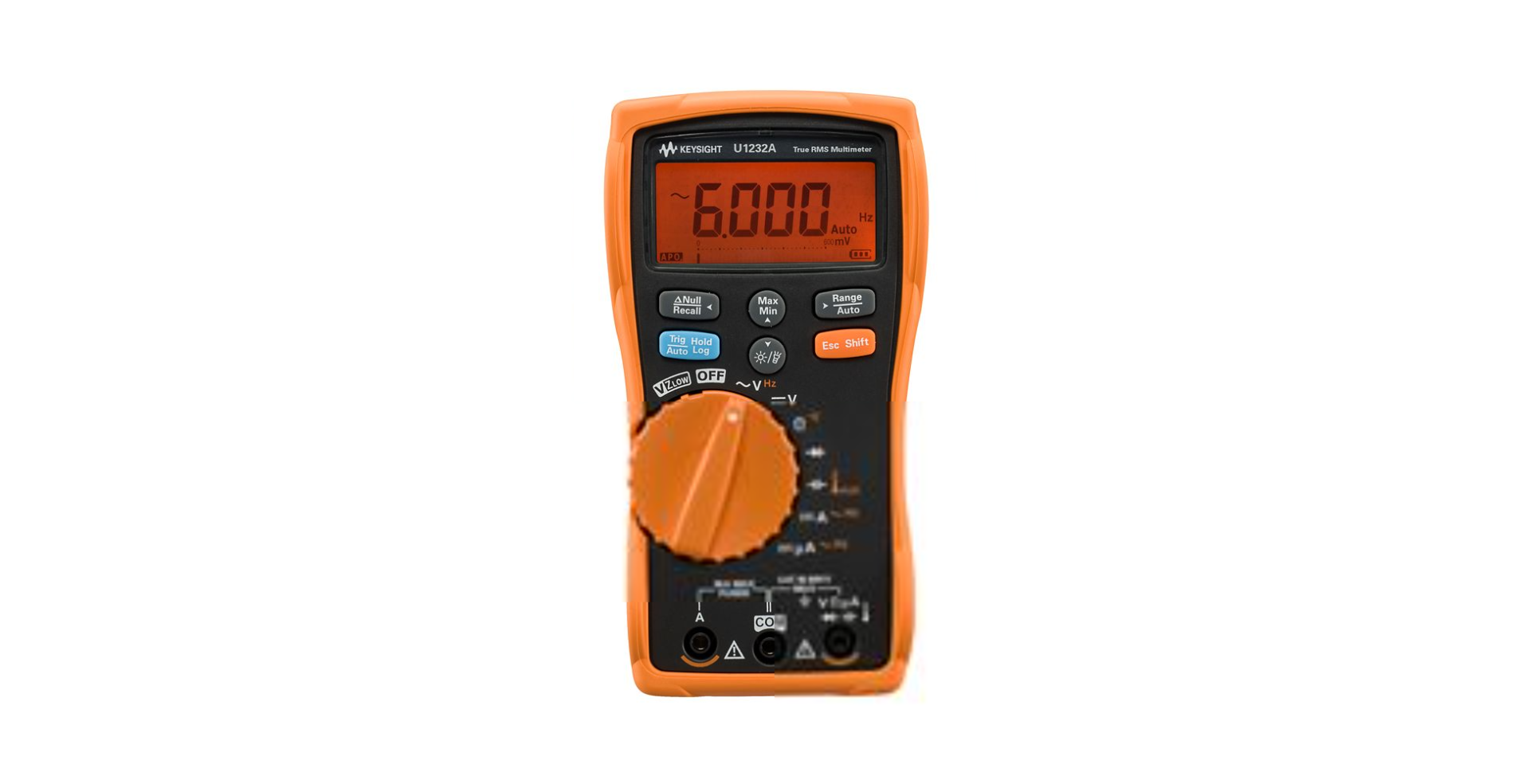
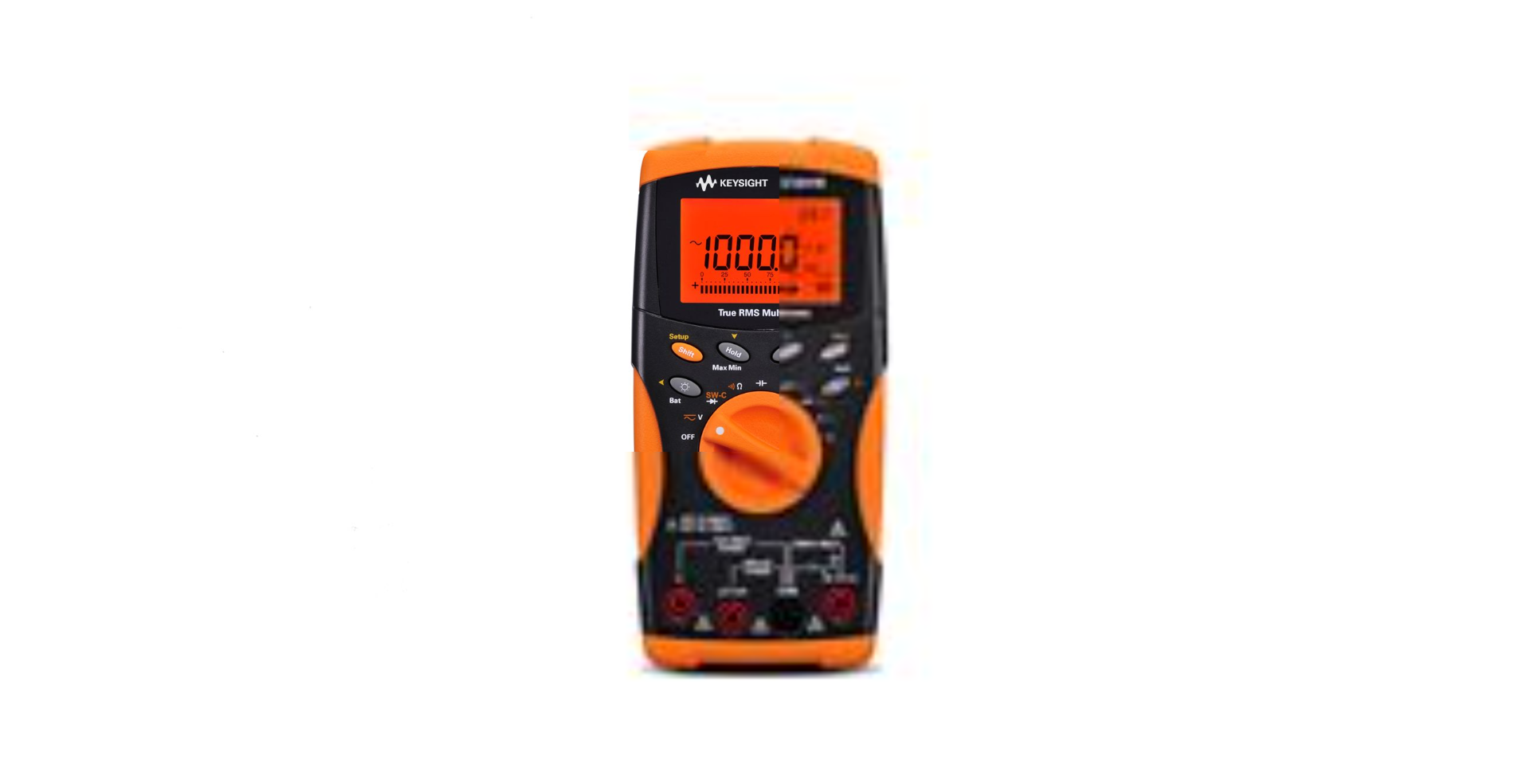
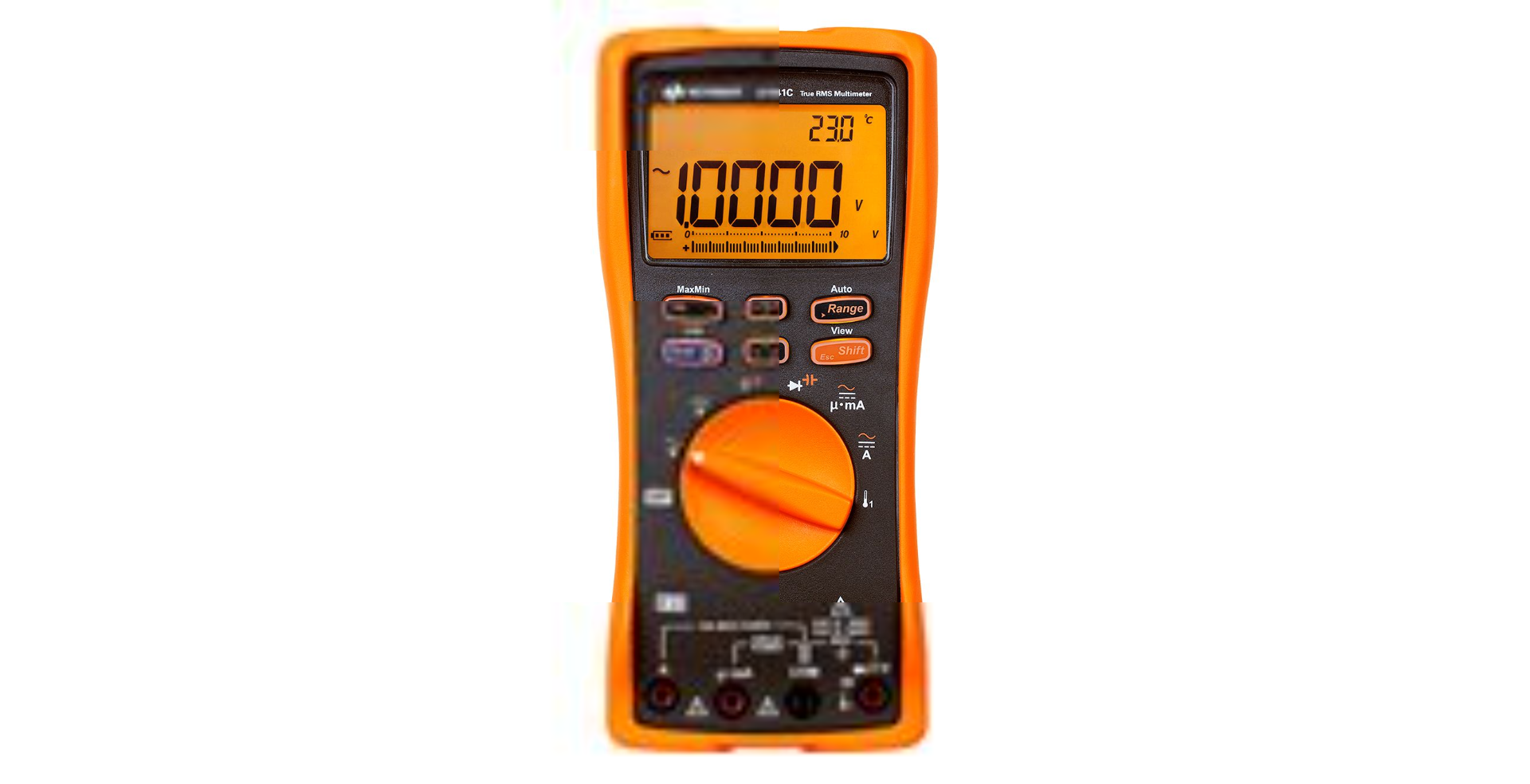
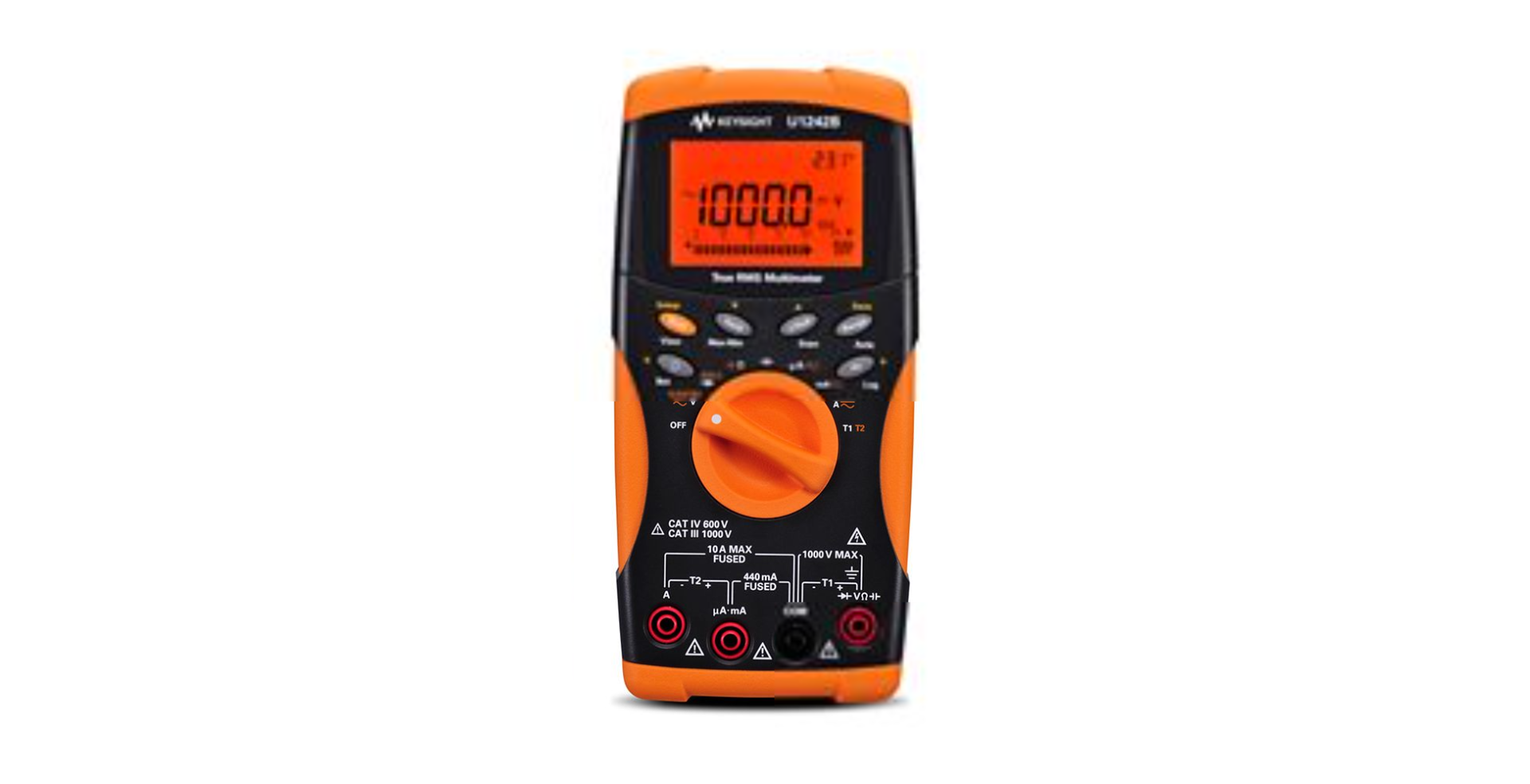
Agilent / Keysight Multimeters (42 units)
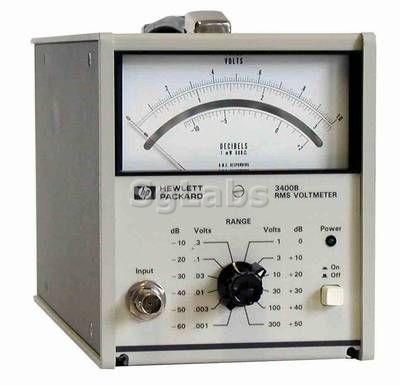
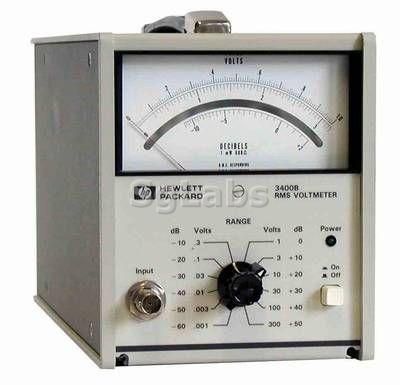
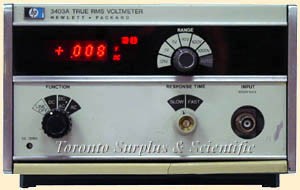
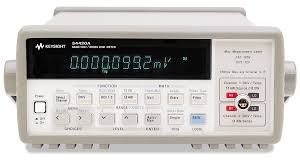
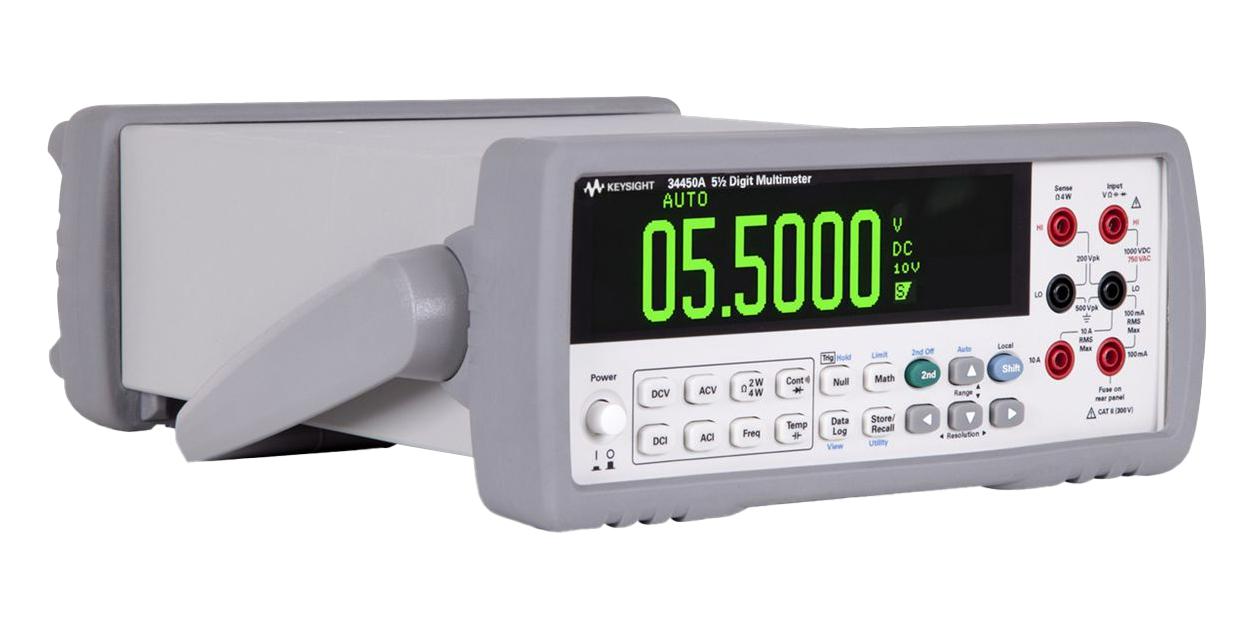
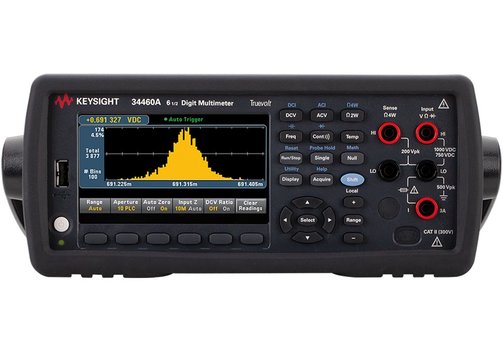
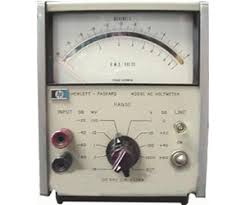
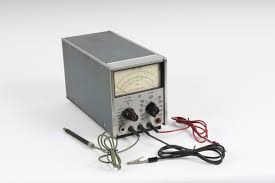
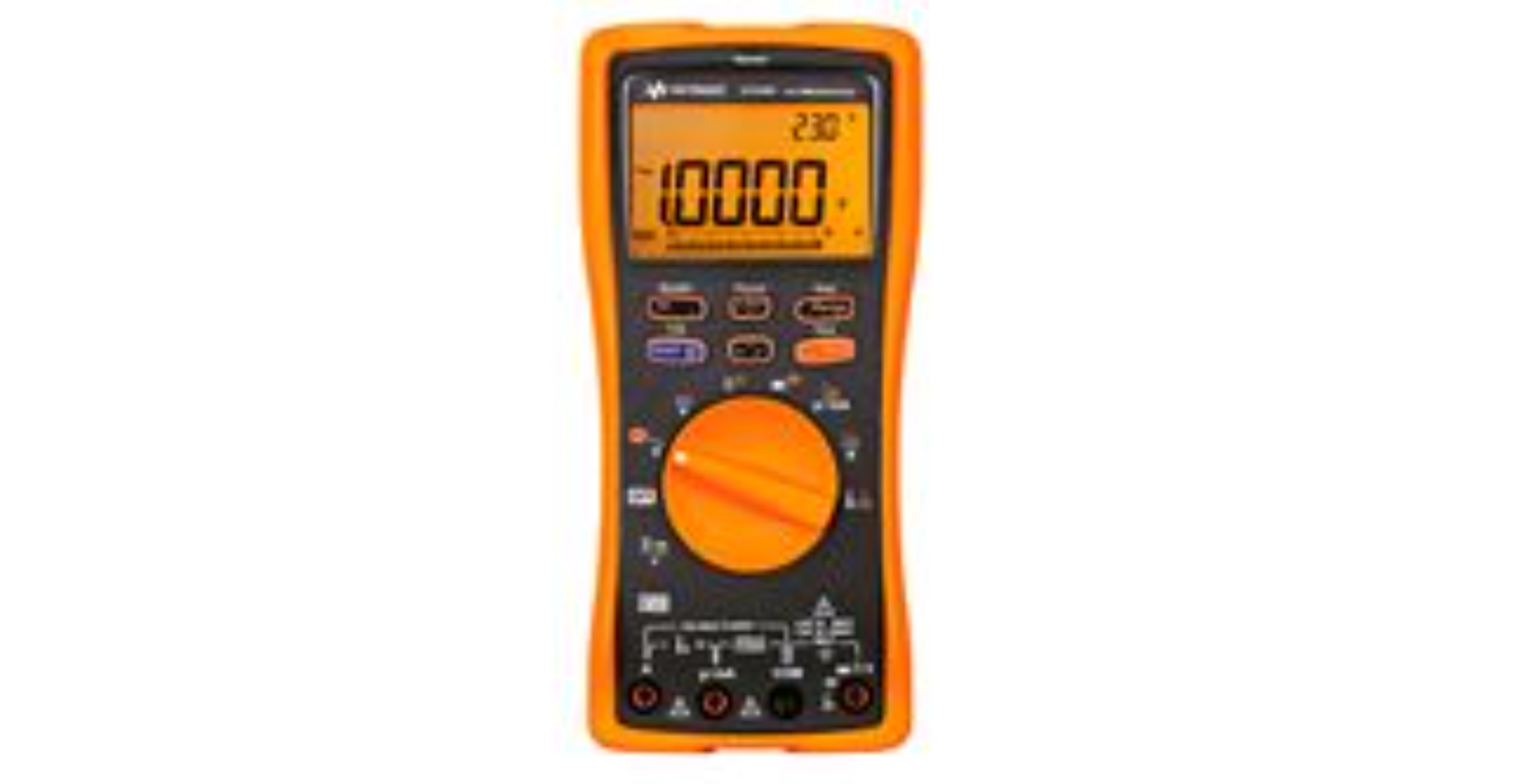
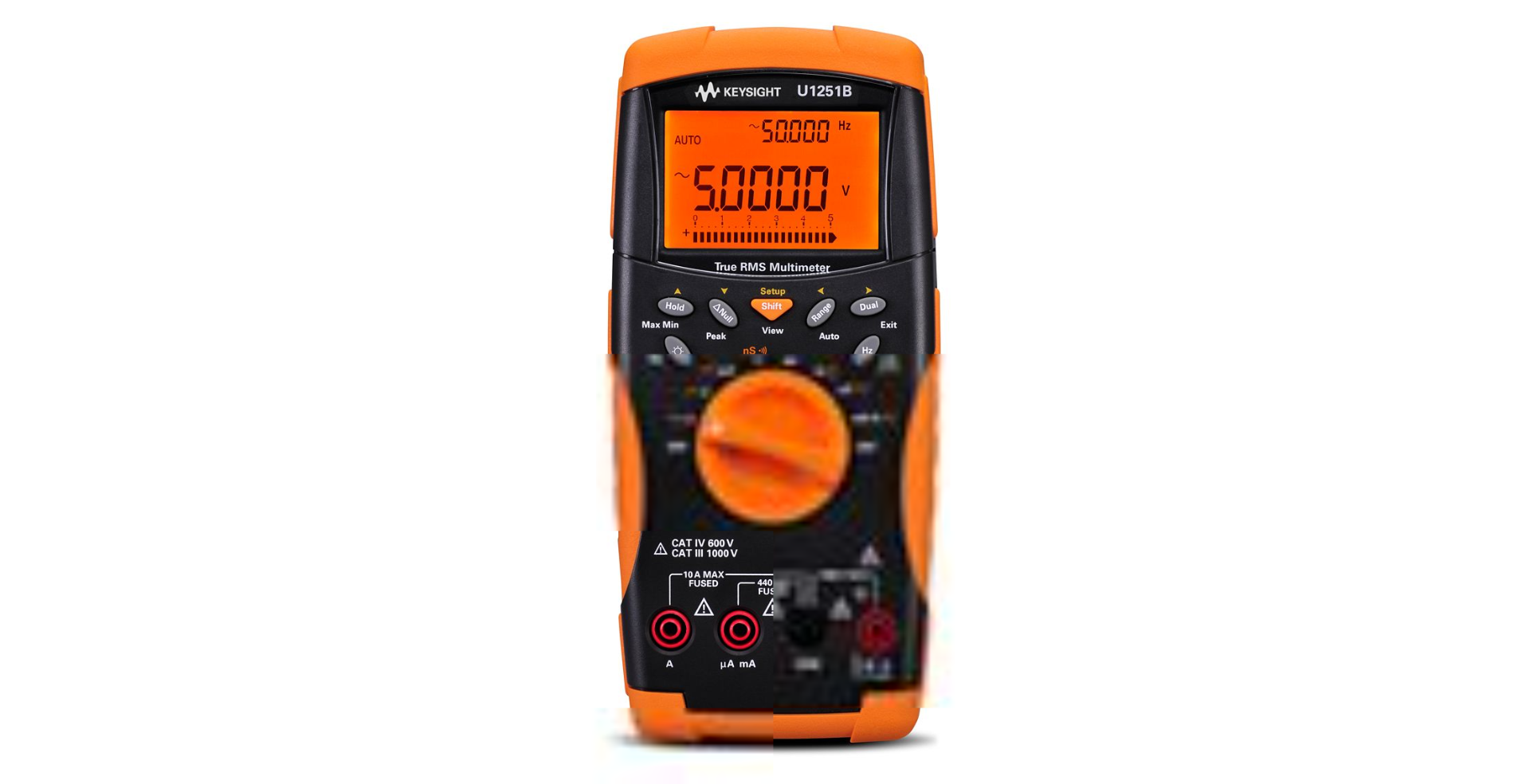
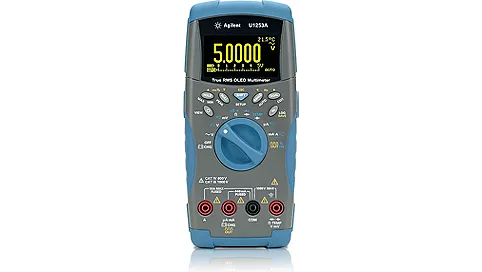
Bruel & Kjaer Multimeters (1 unit)
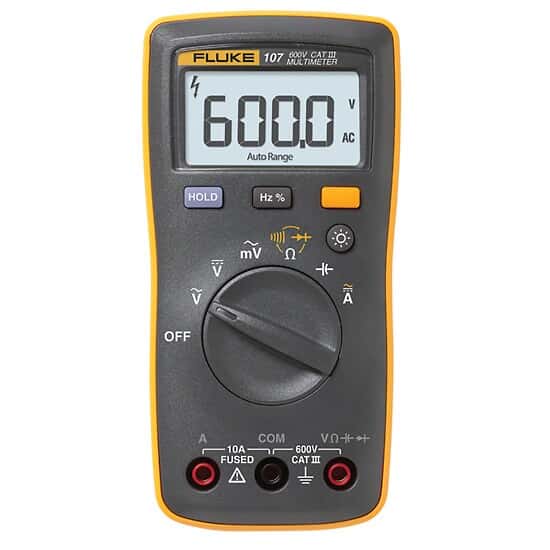
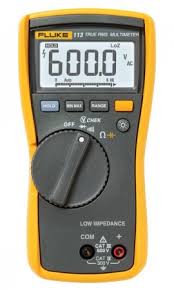
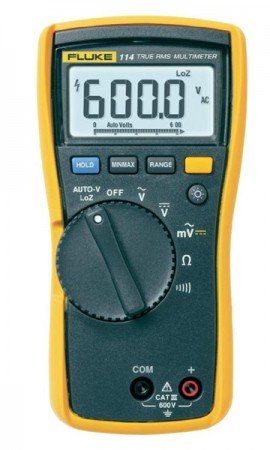
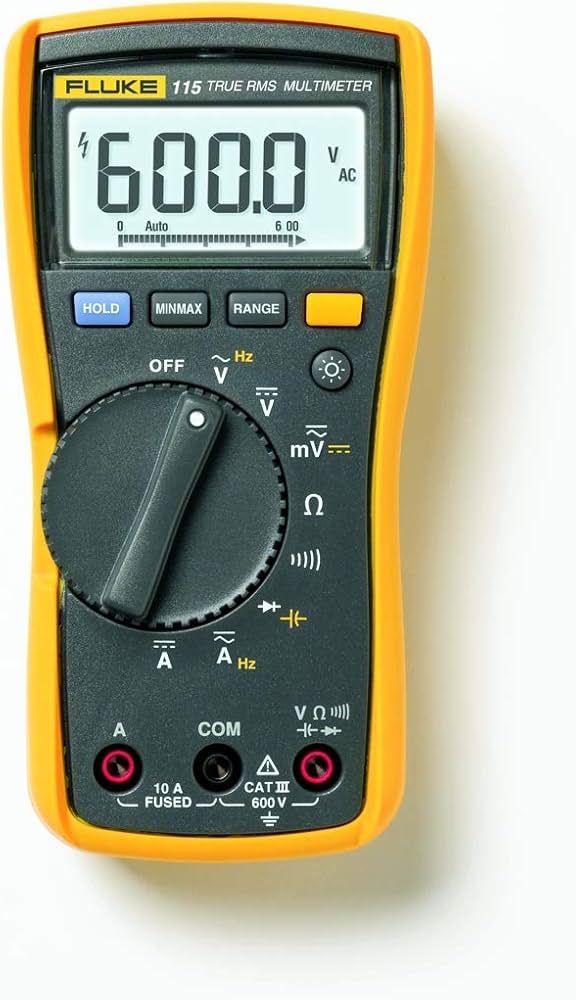
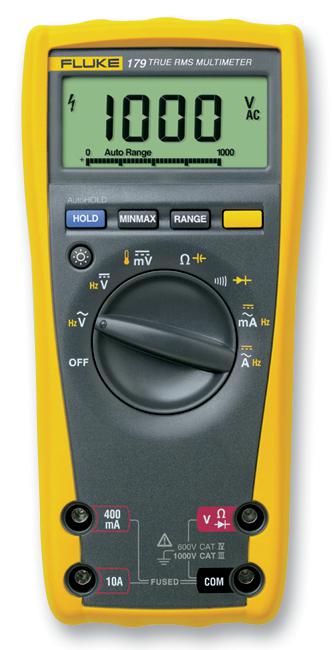
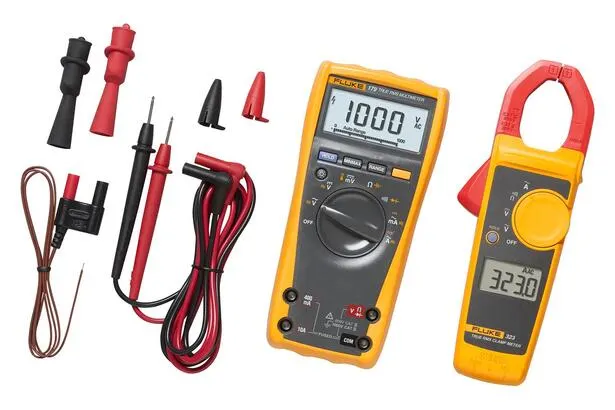
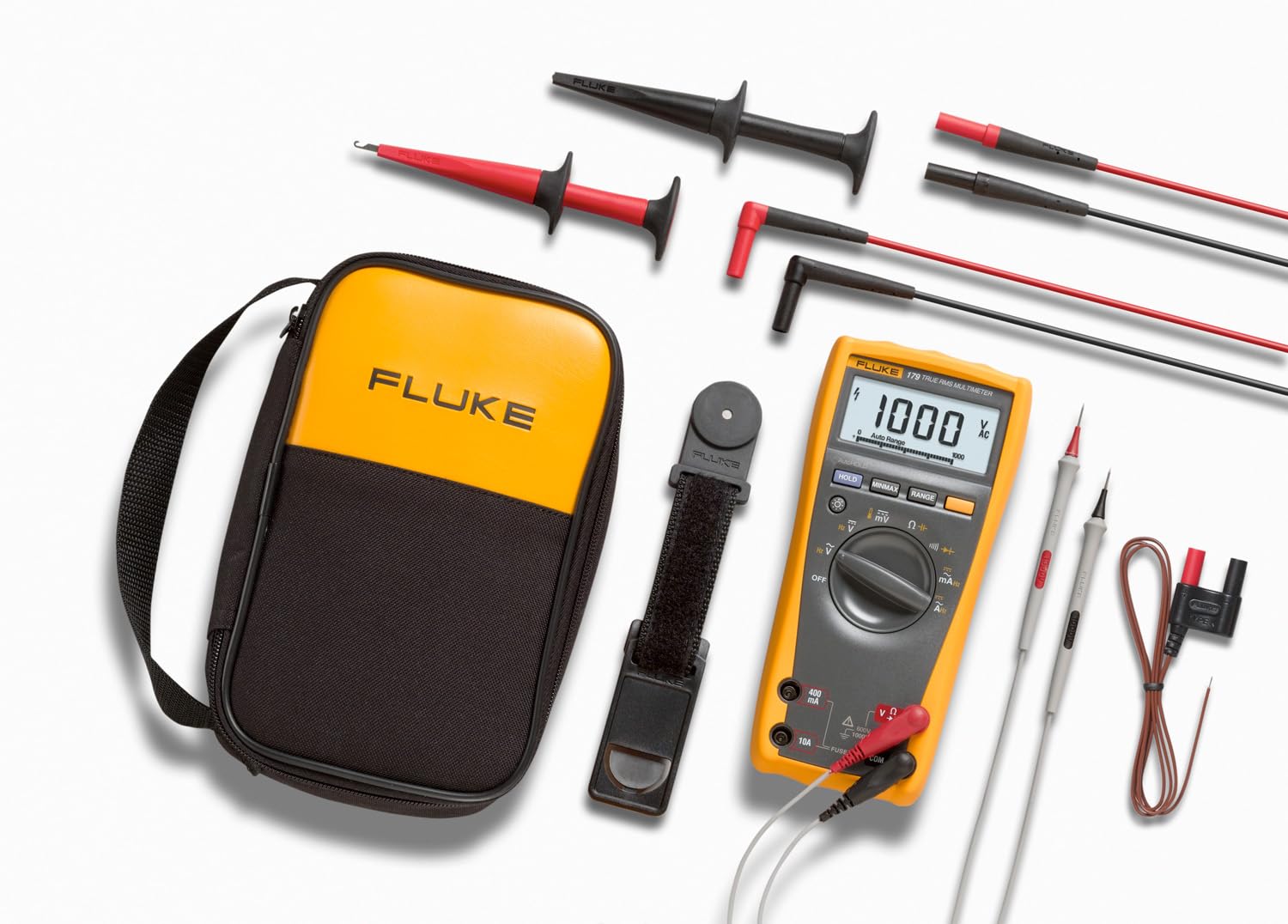
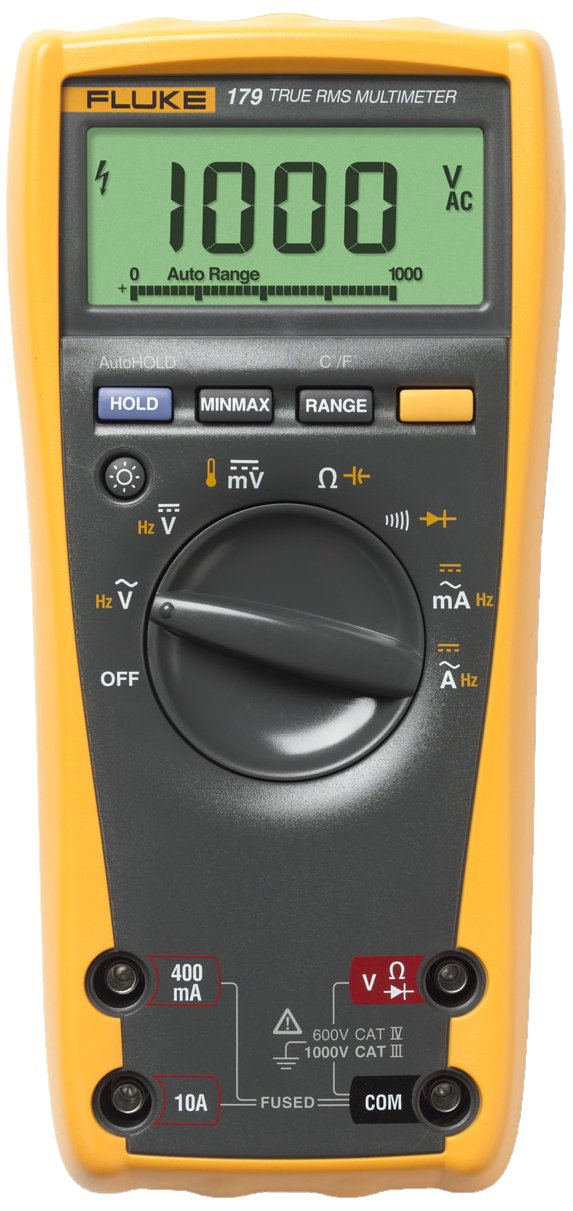
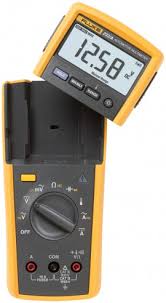
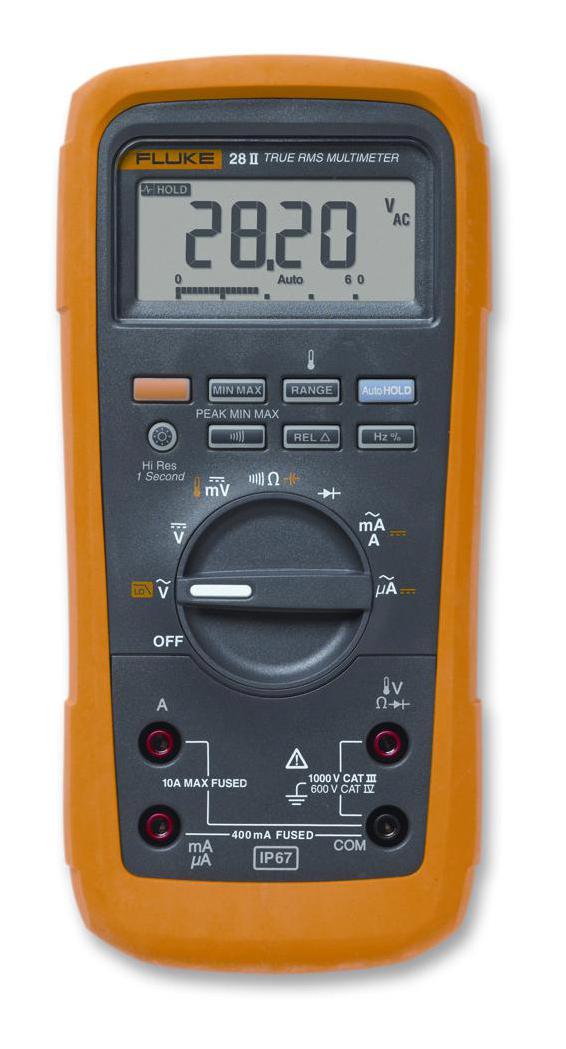
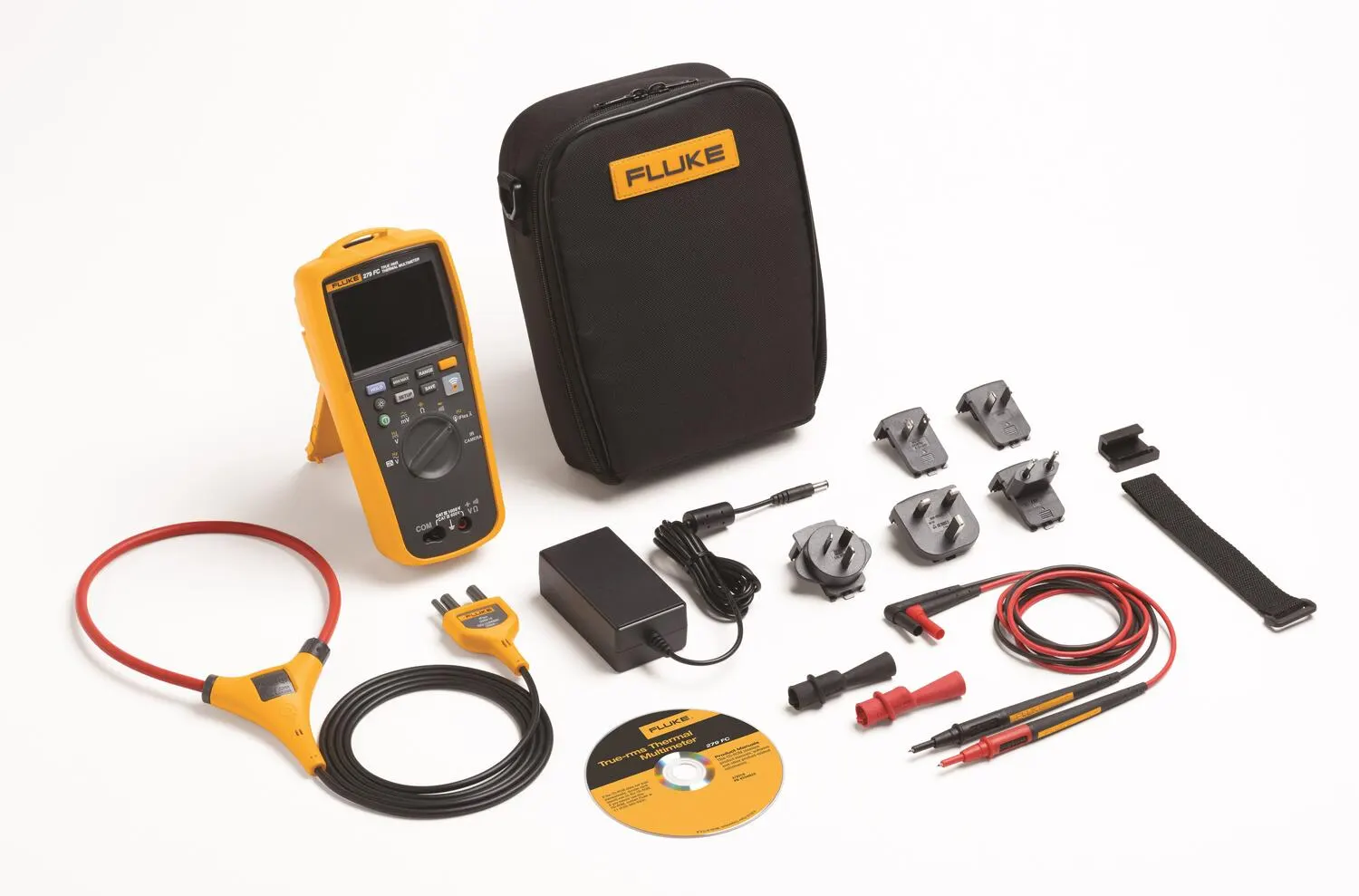
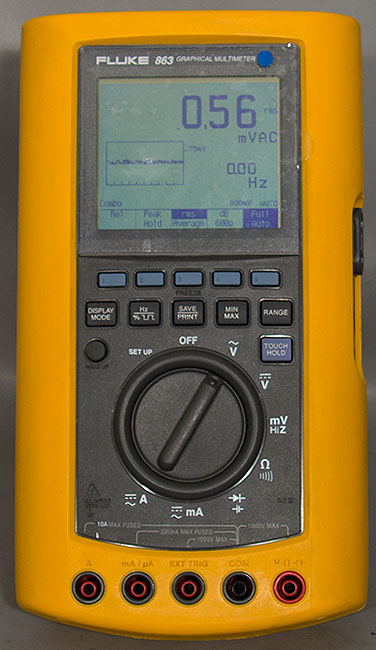
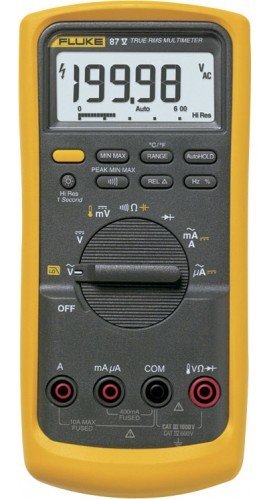
Fluke Multimeters (56 units)
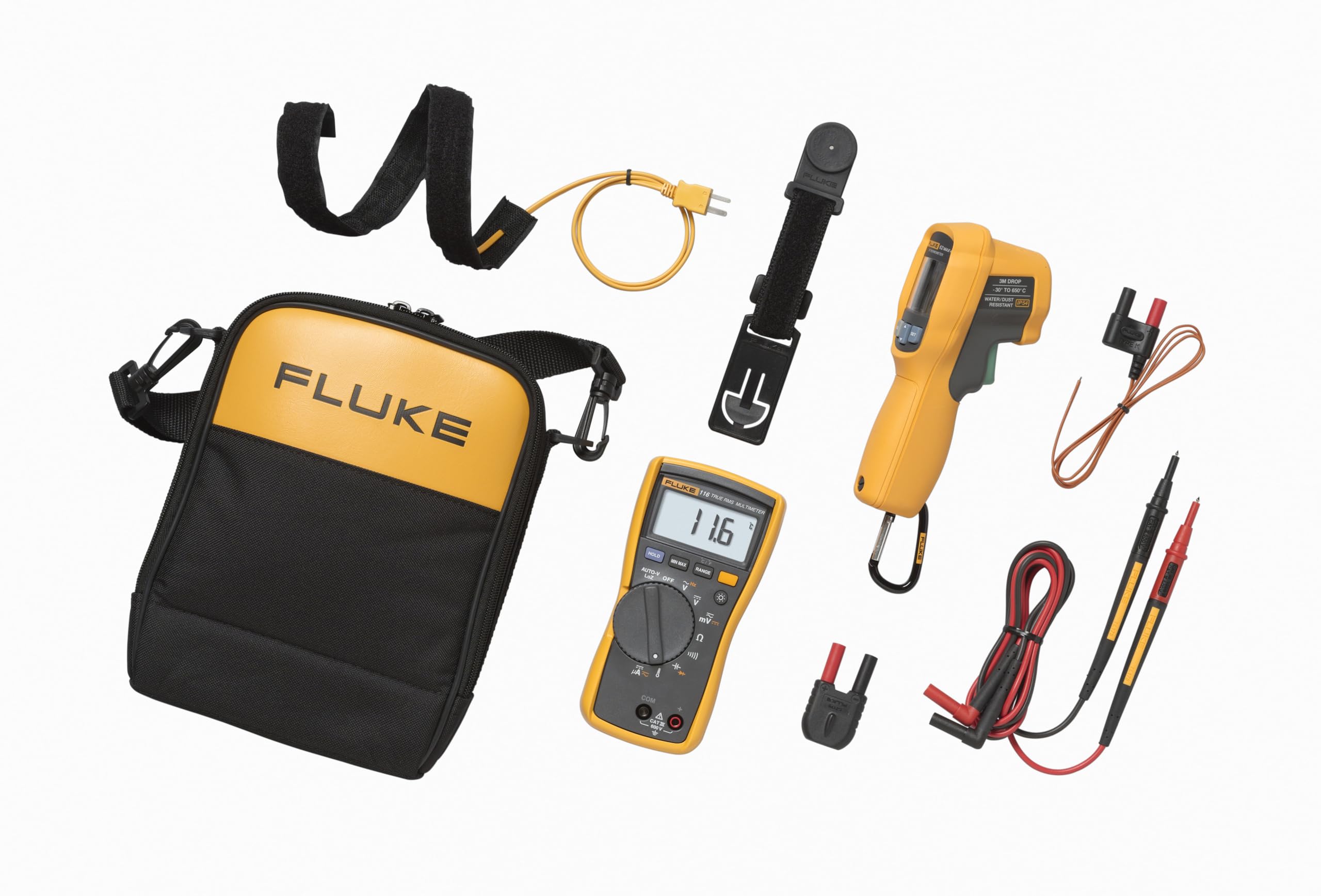
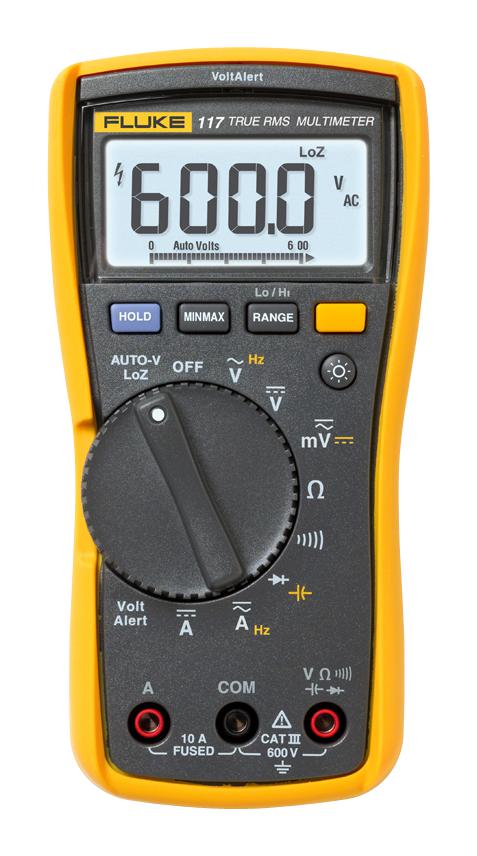
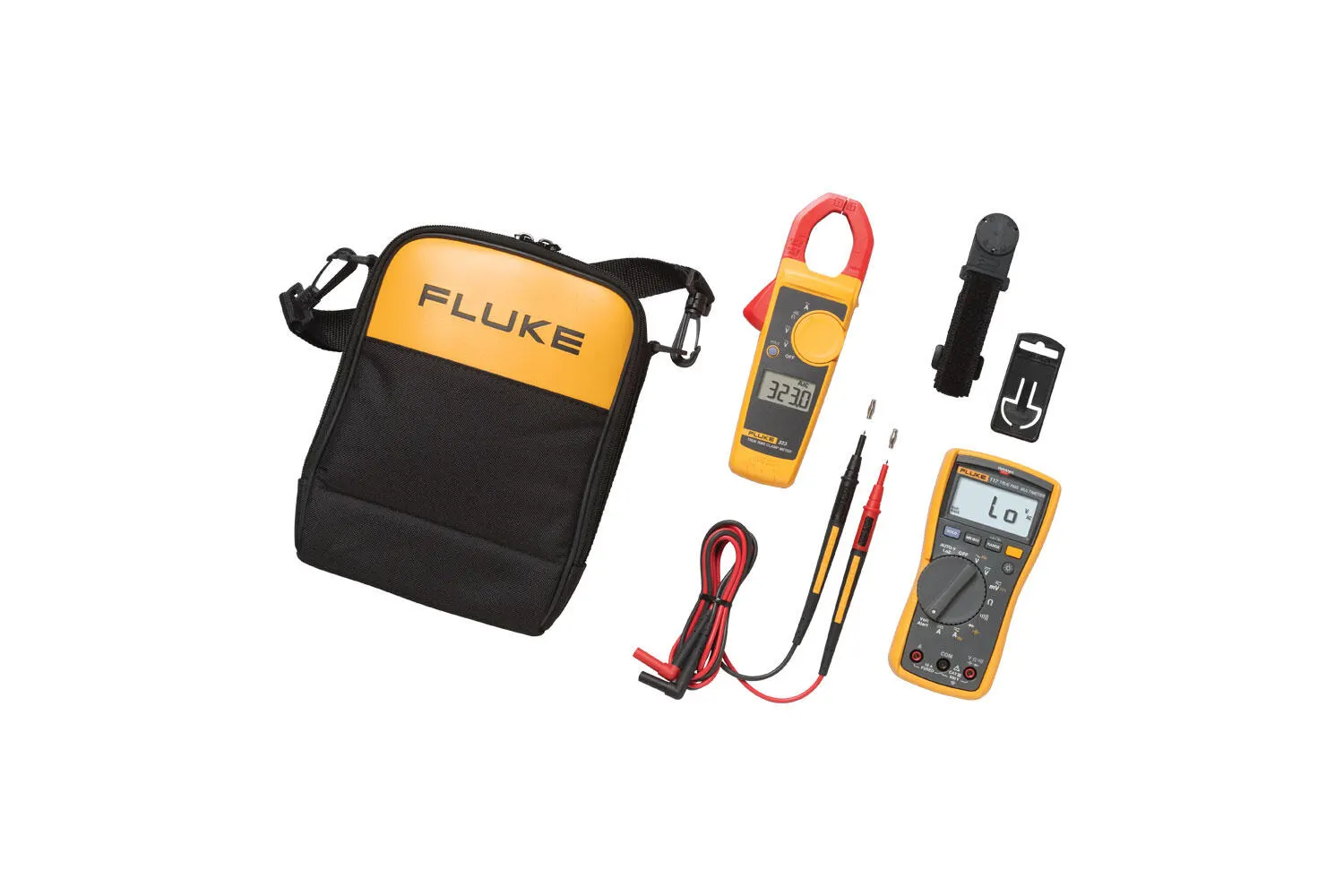
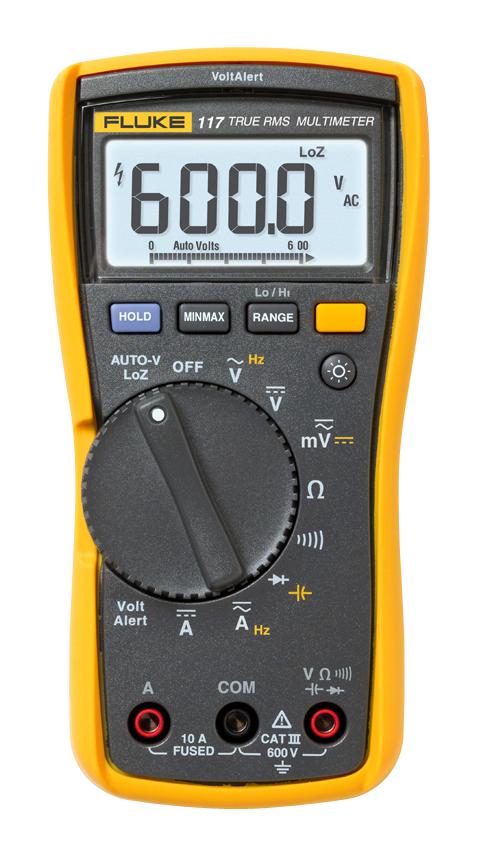
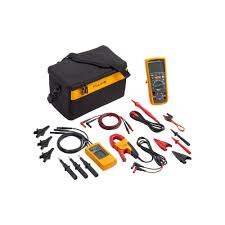
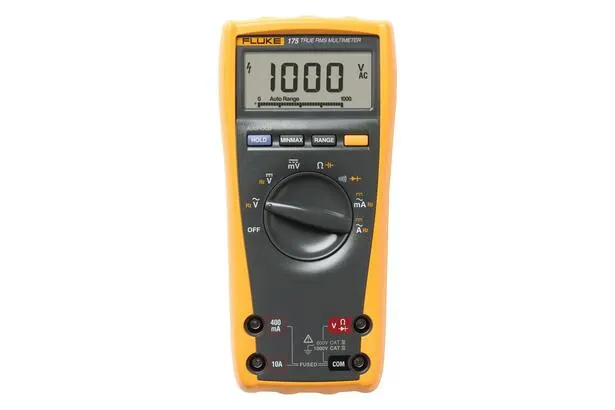
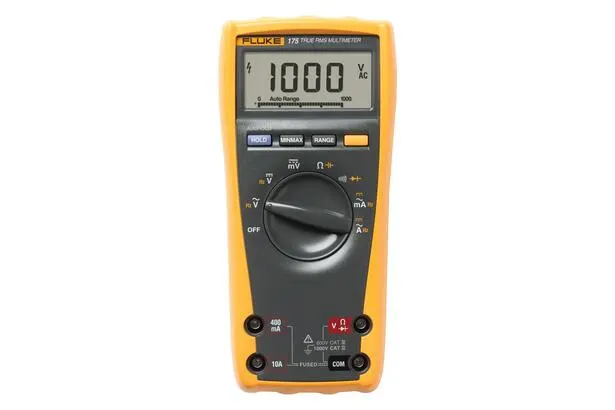
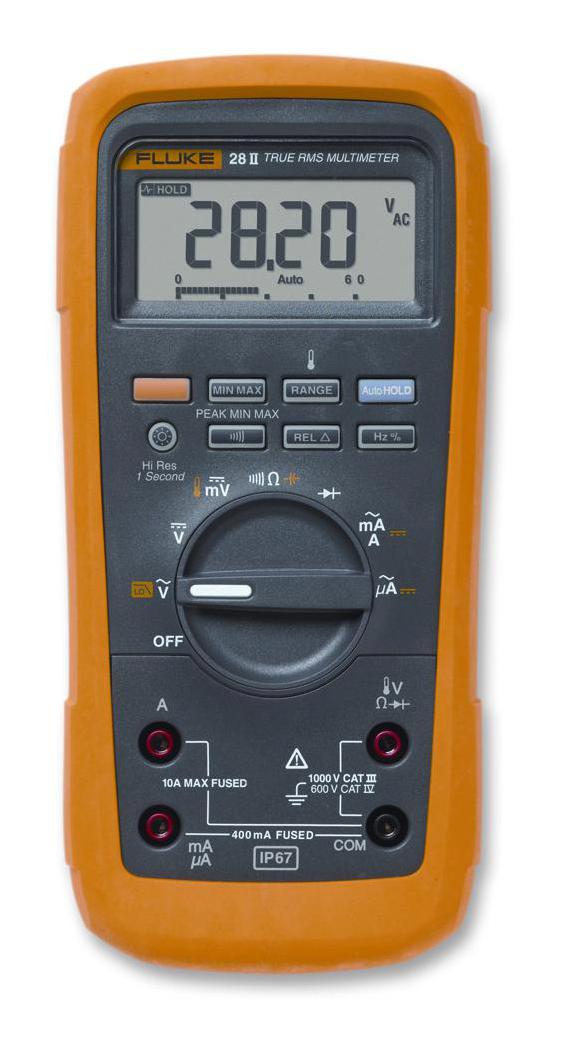
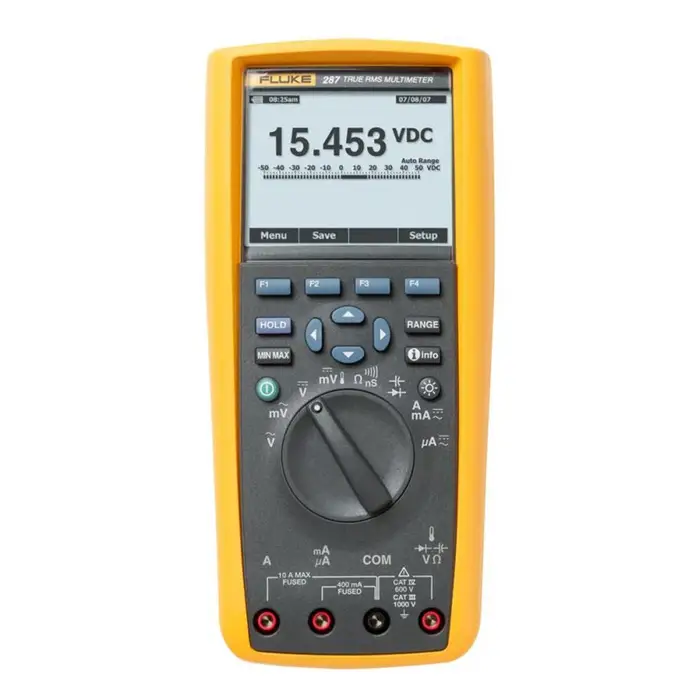
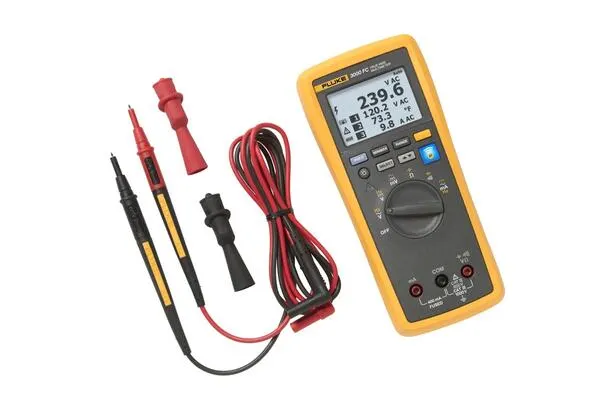
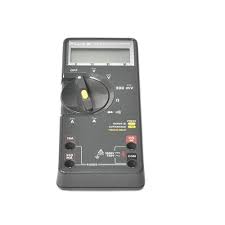
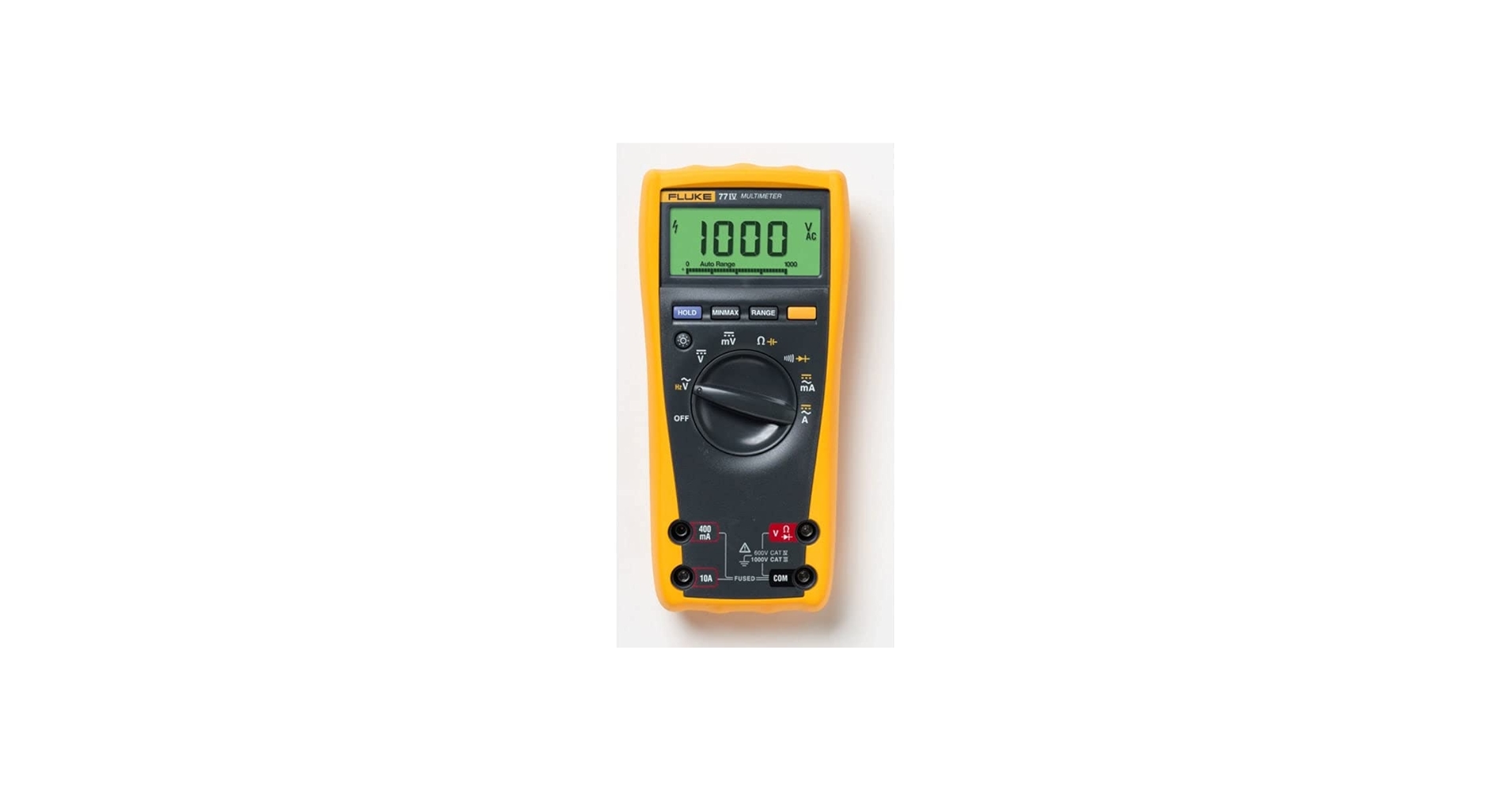
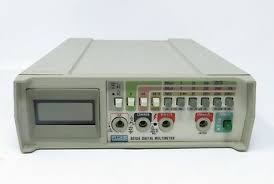
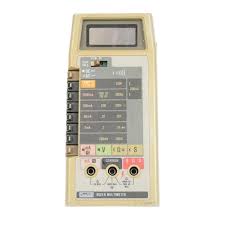
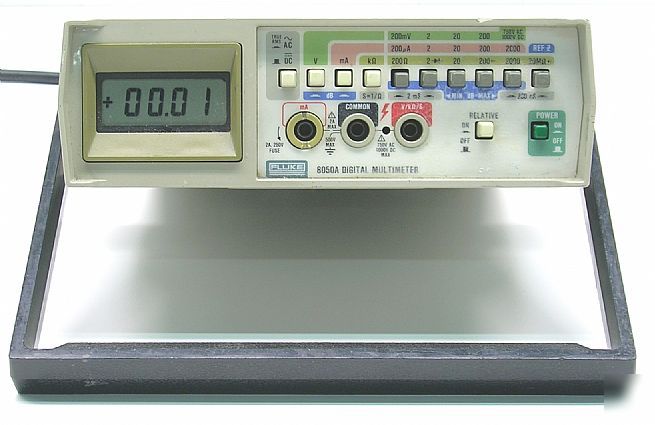
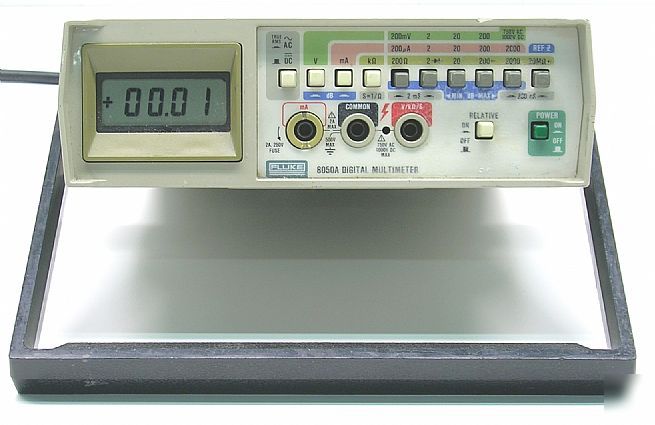
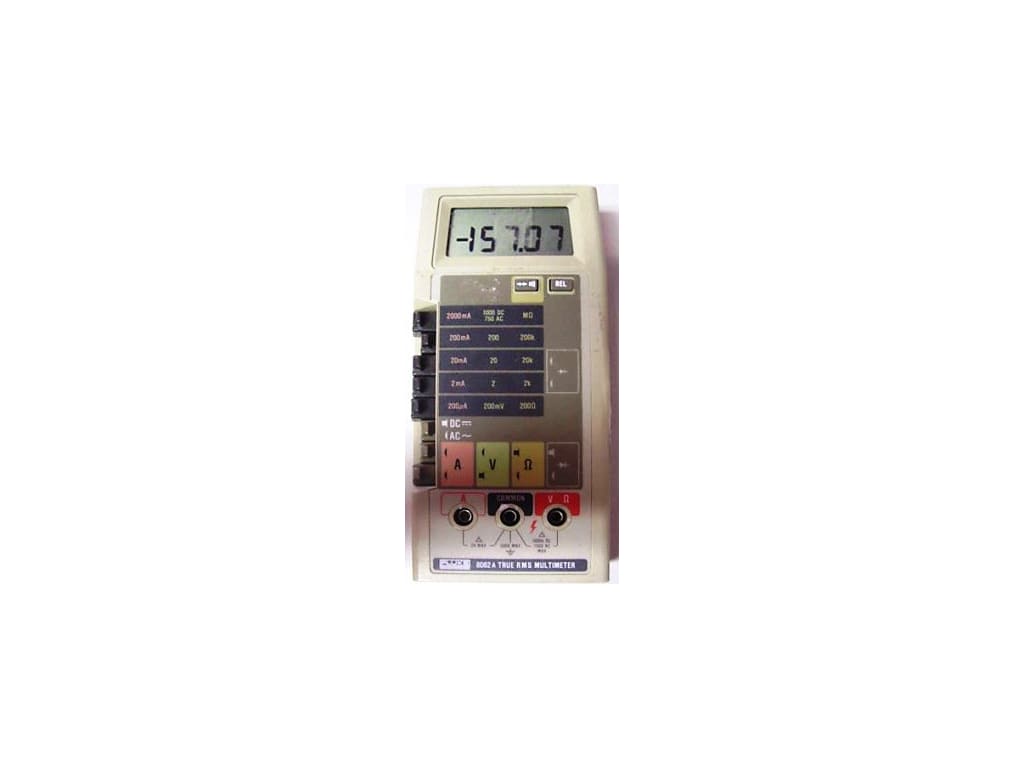
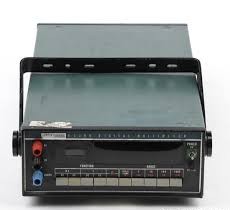
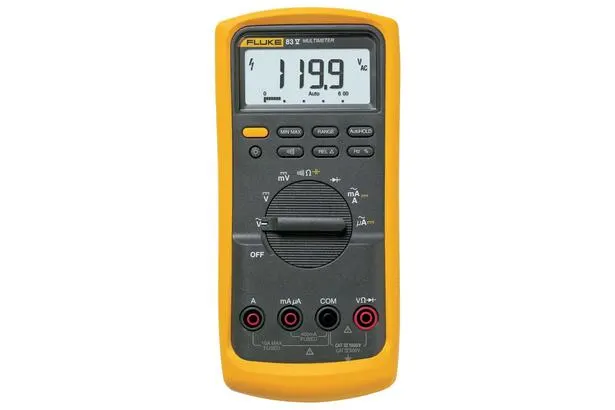
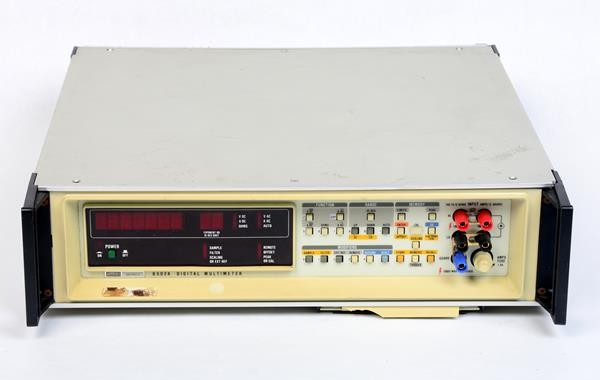
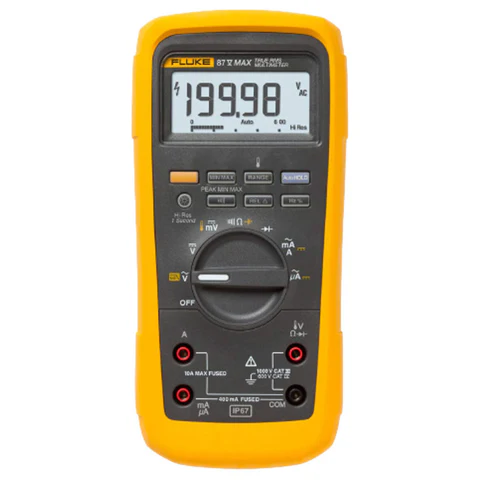
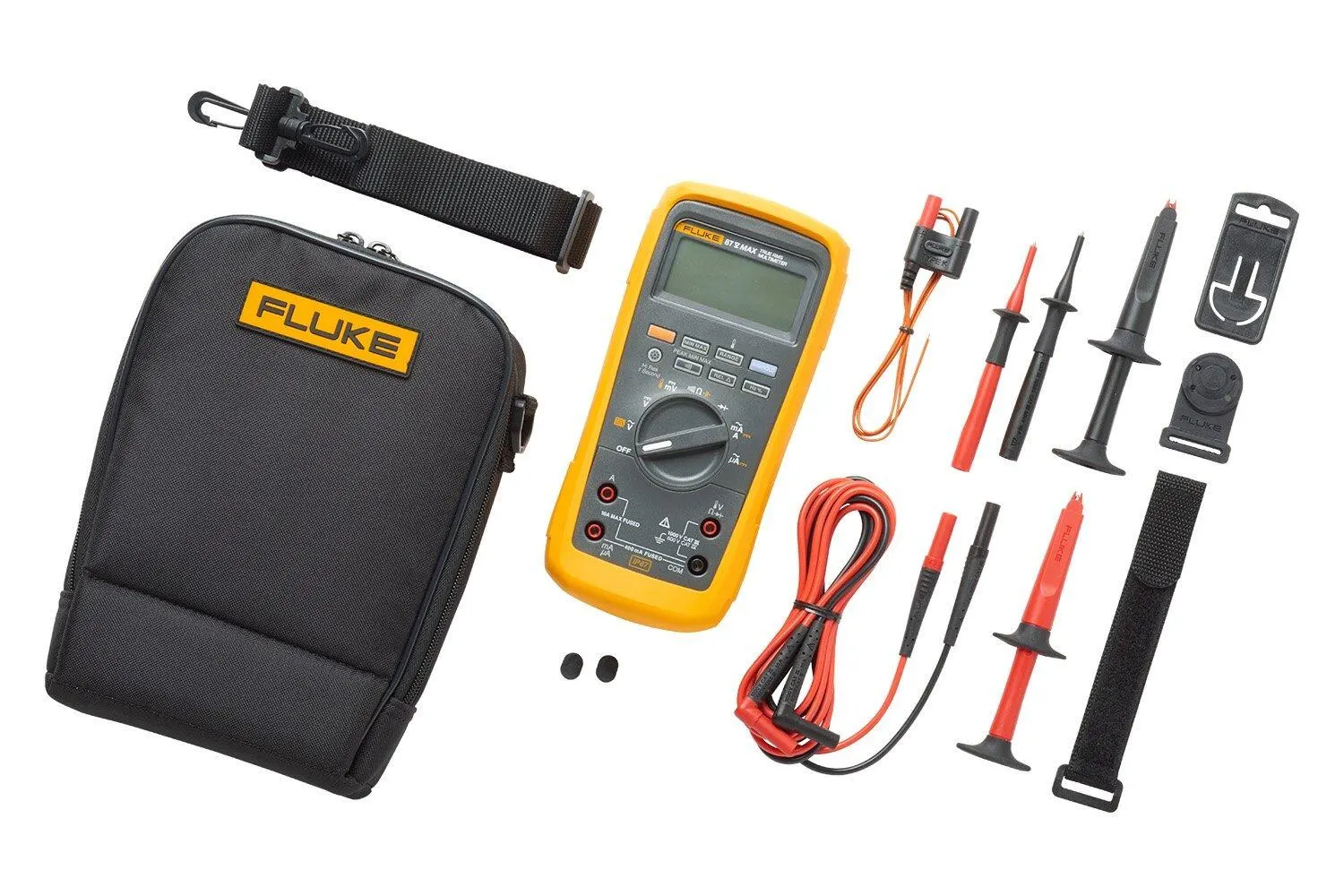
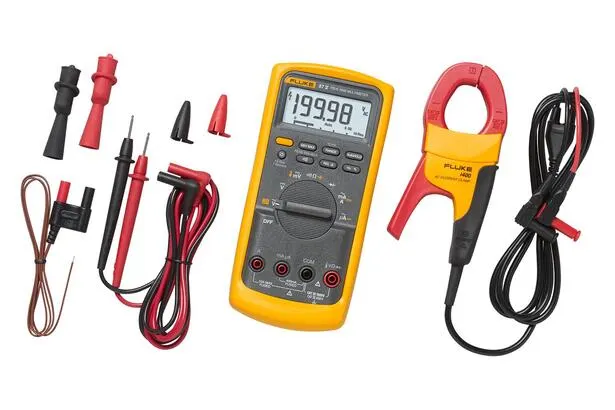
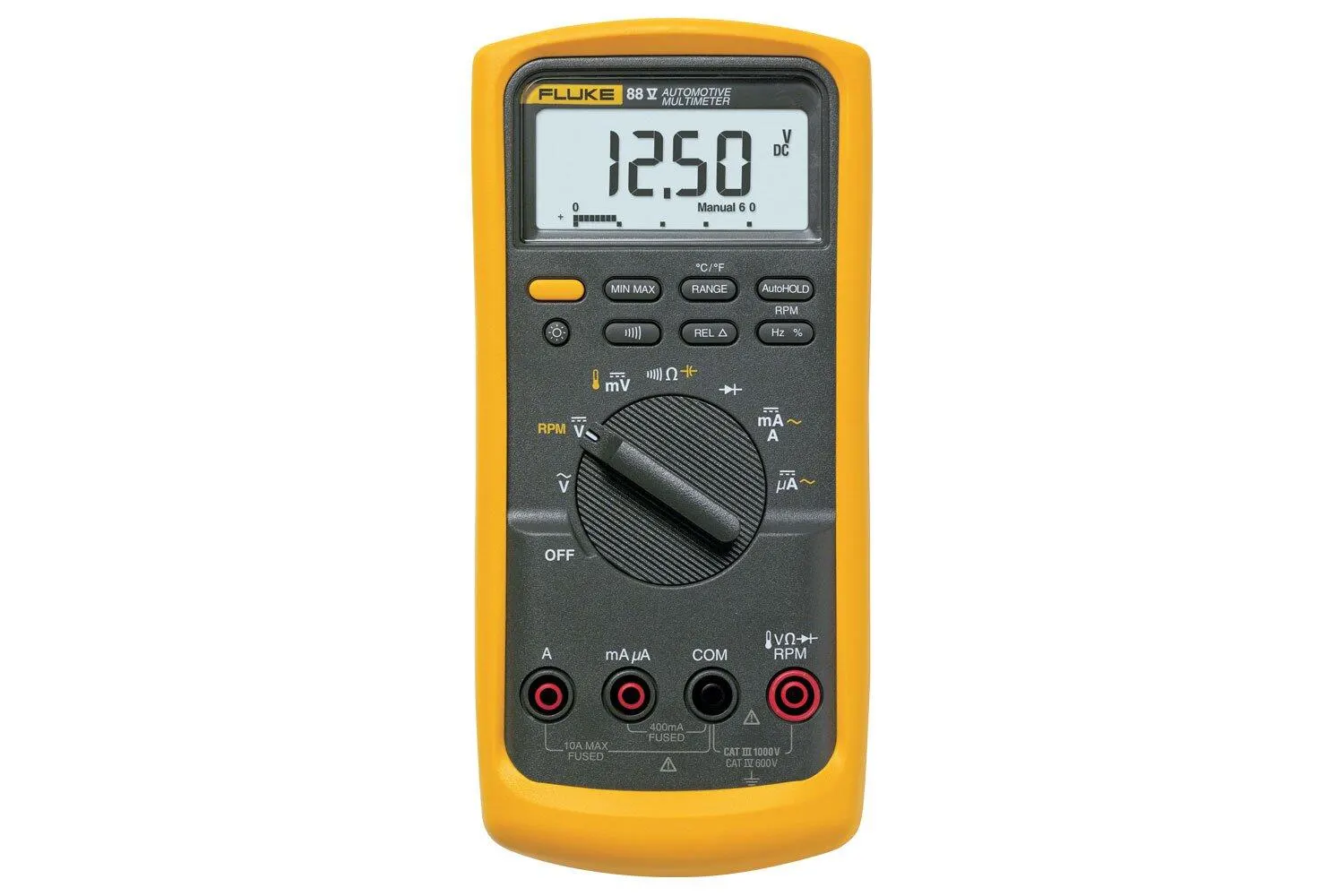
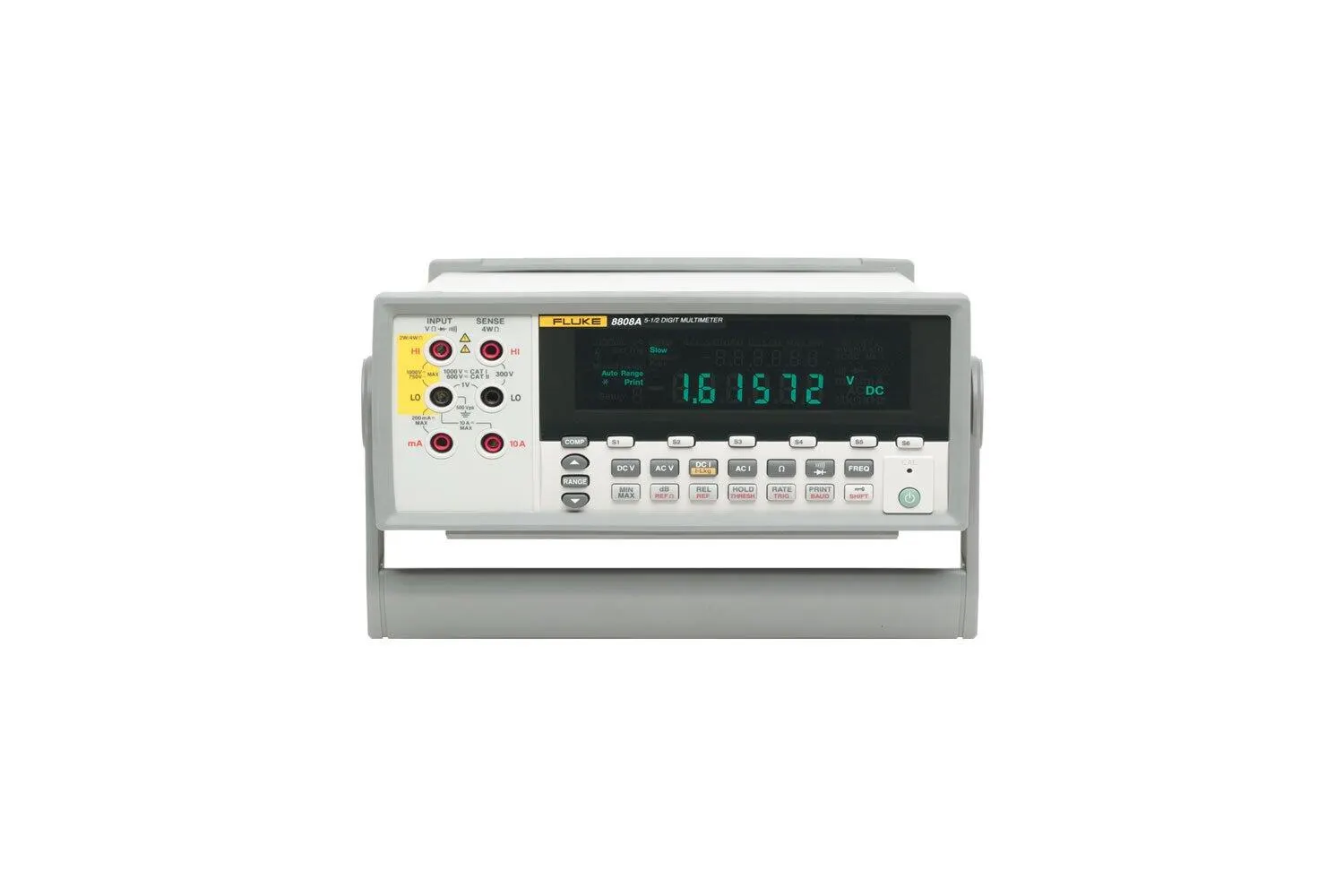
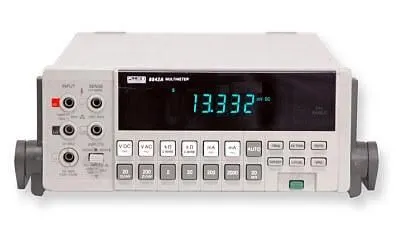
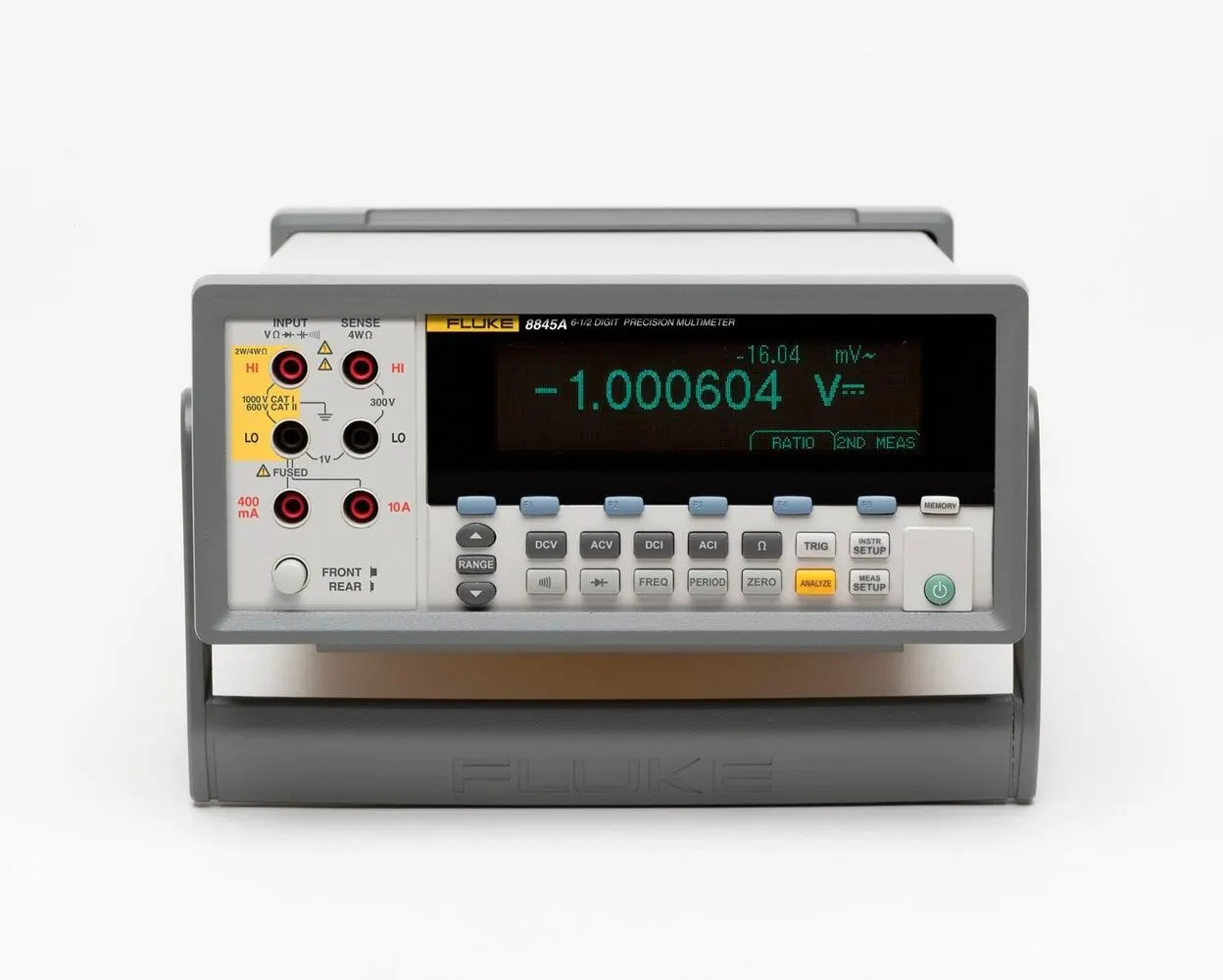
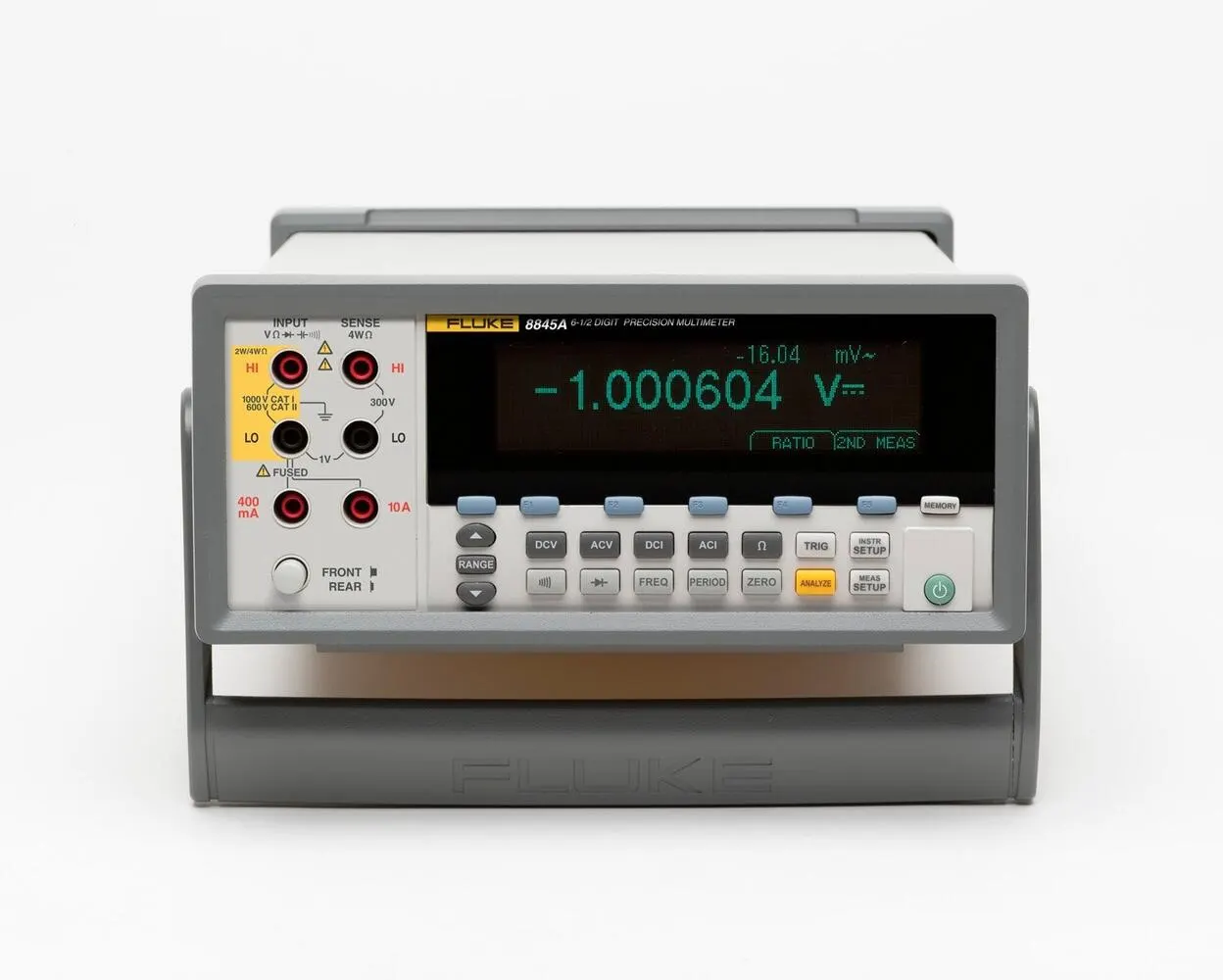
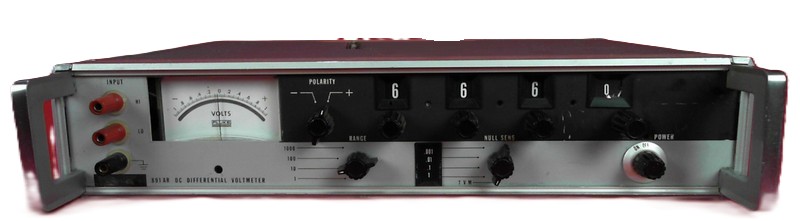
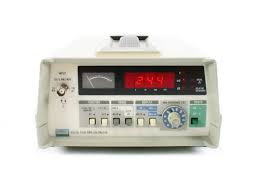
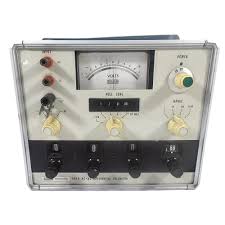
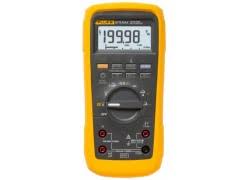
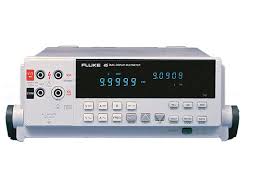
HP / Agilent Multimeters (6 units)
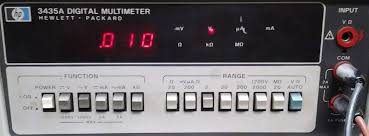
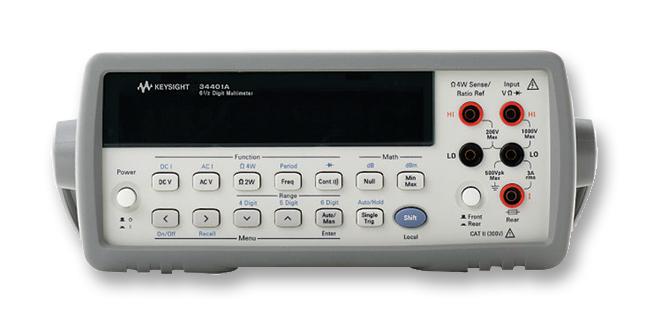
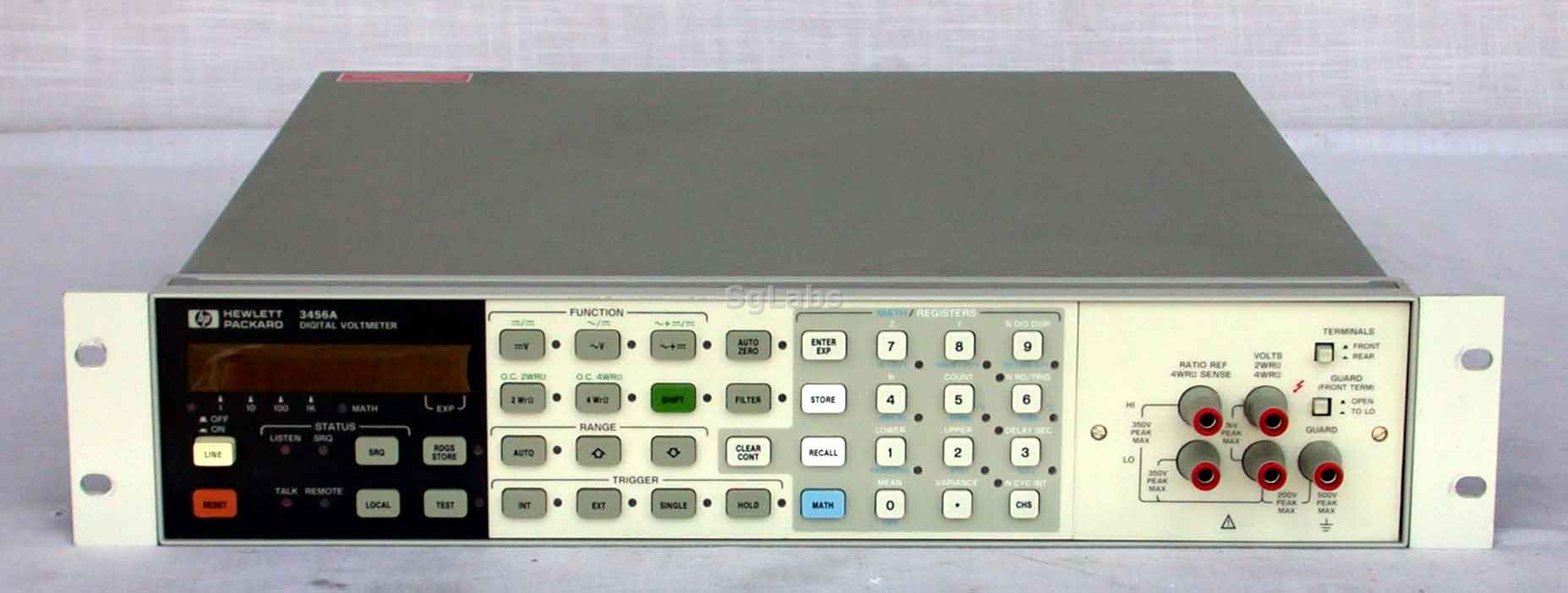
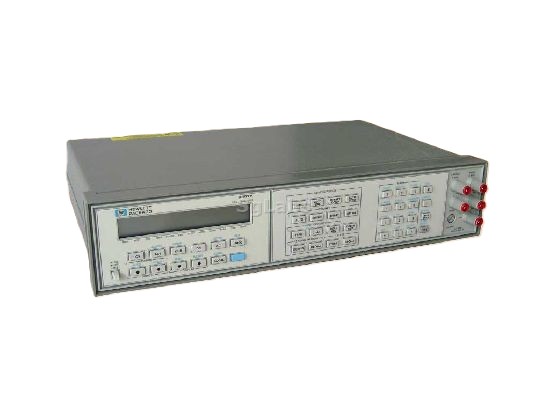
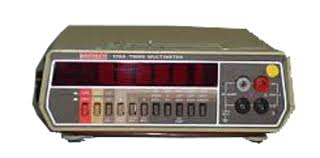
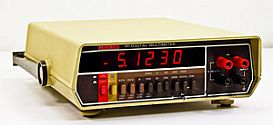
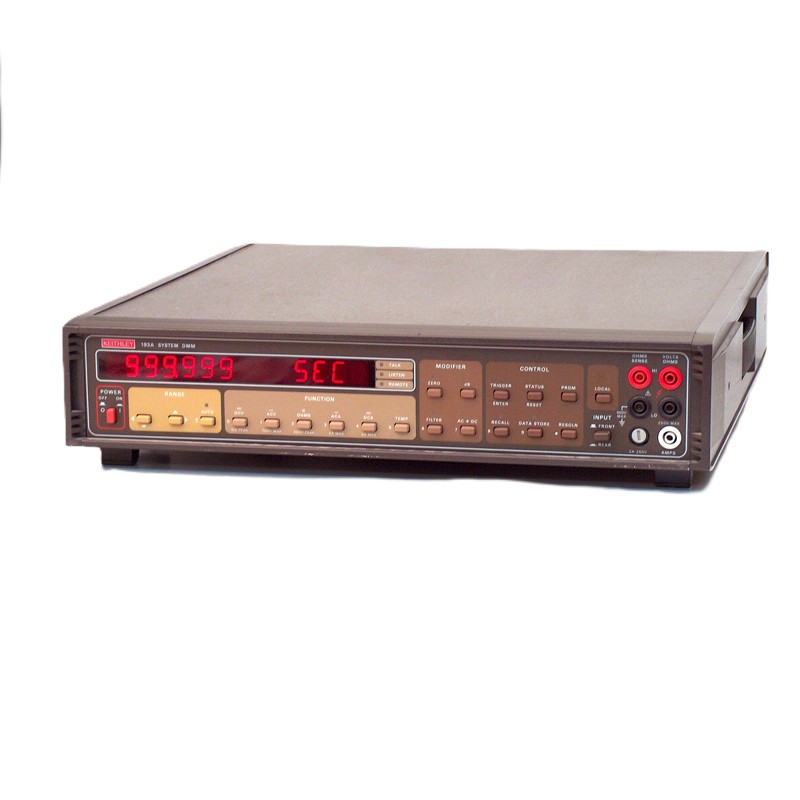
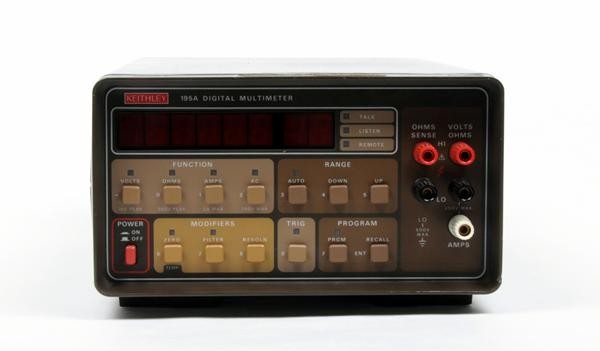
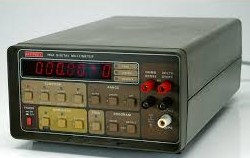
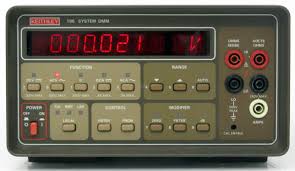
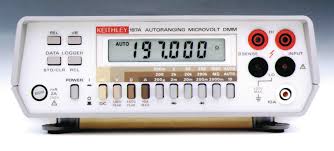
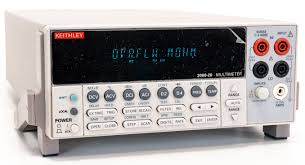
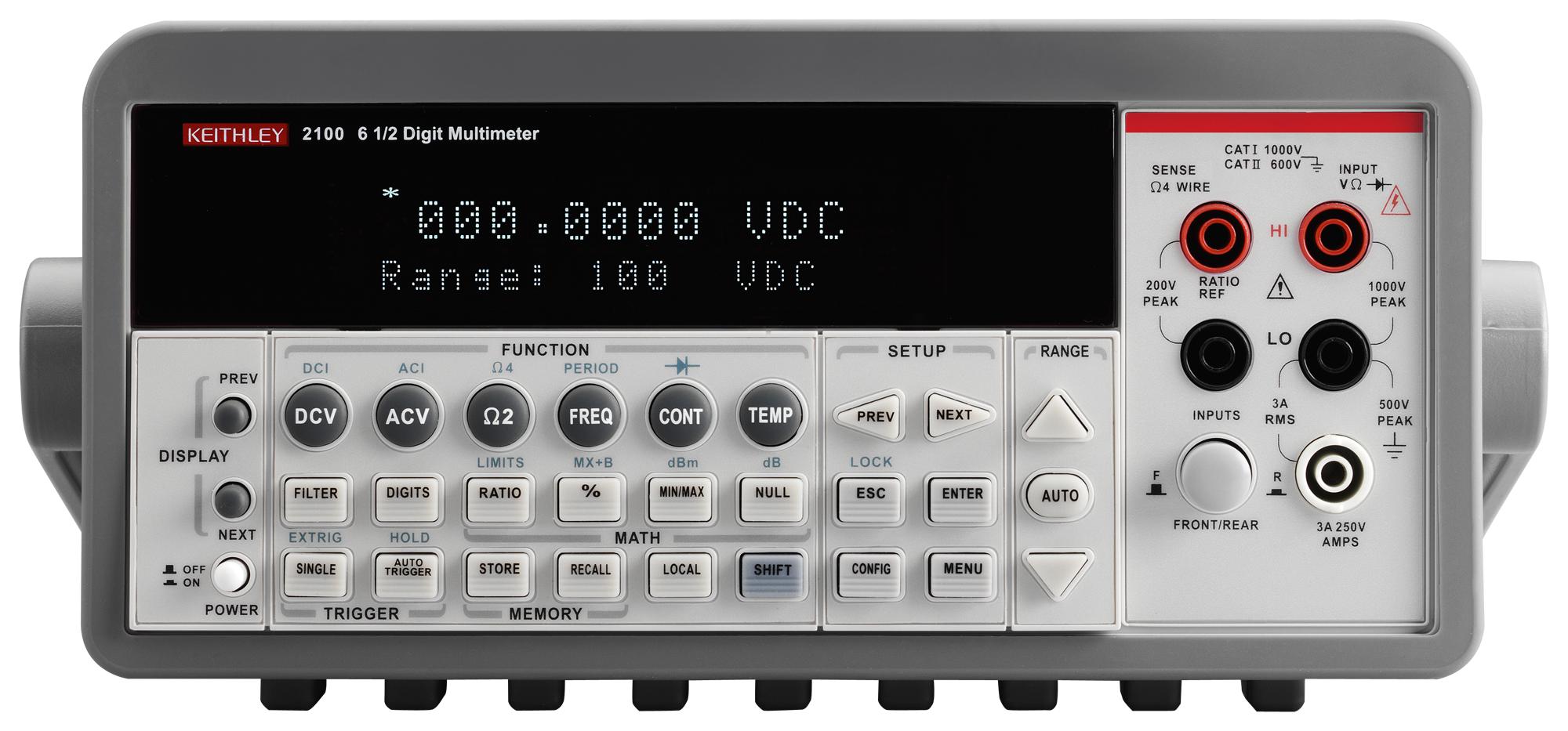
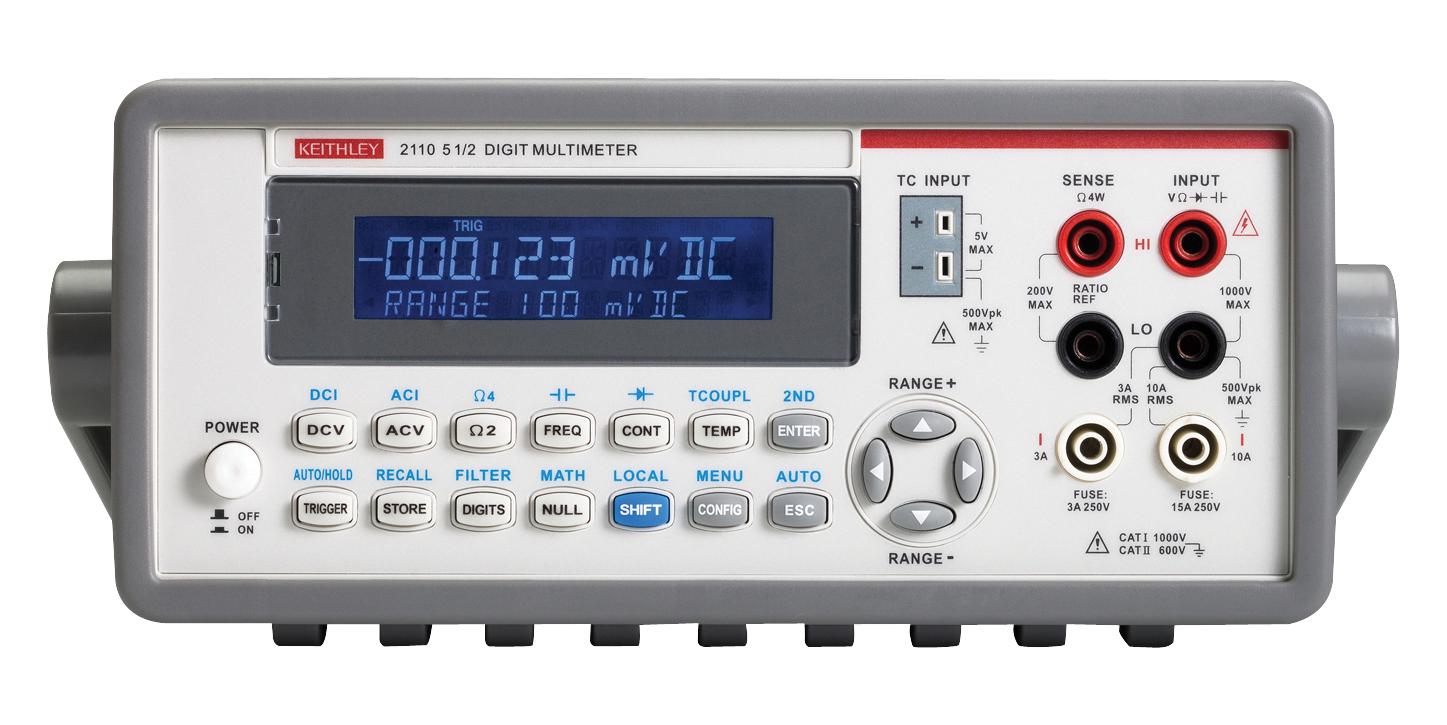
Keithley Multimeters (25 units)
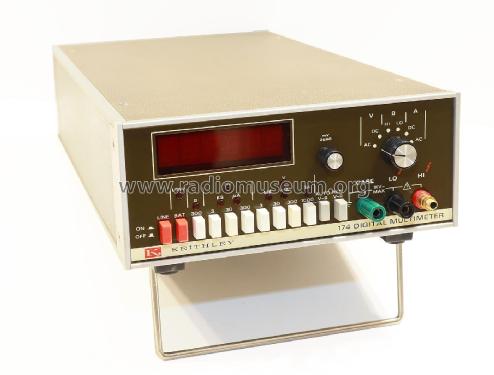
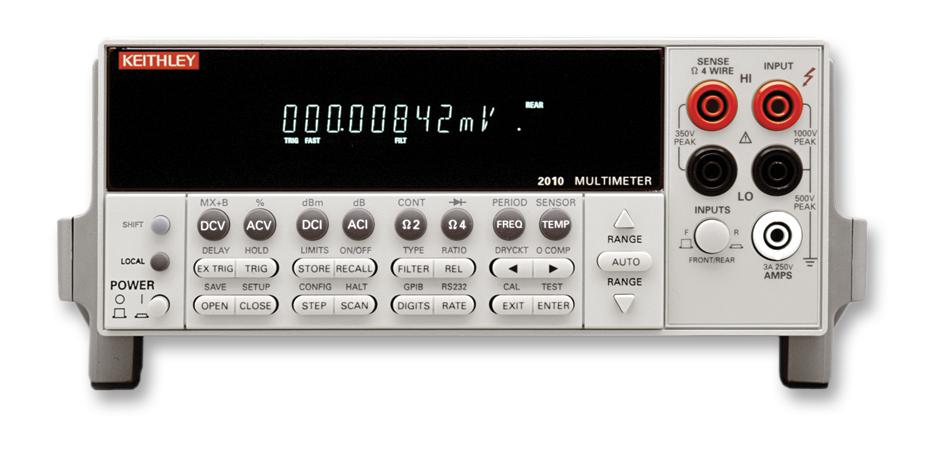
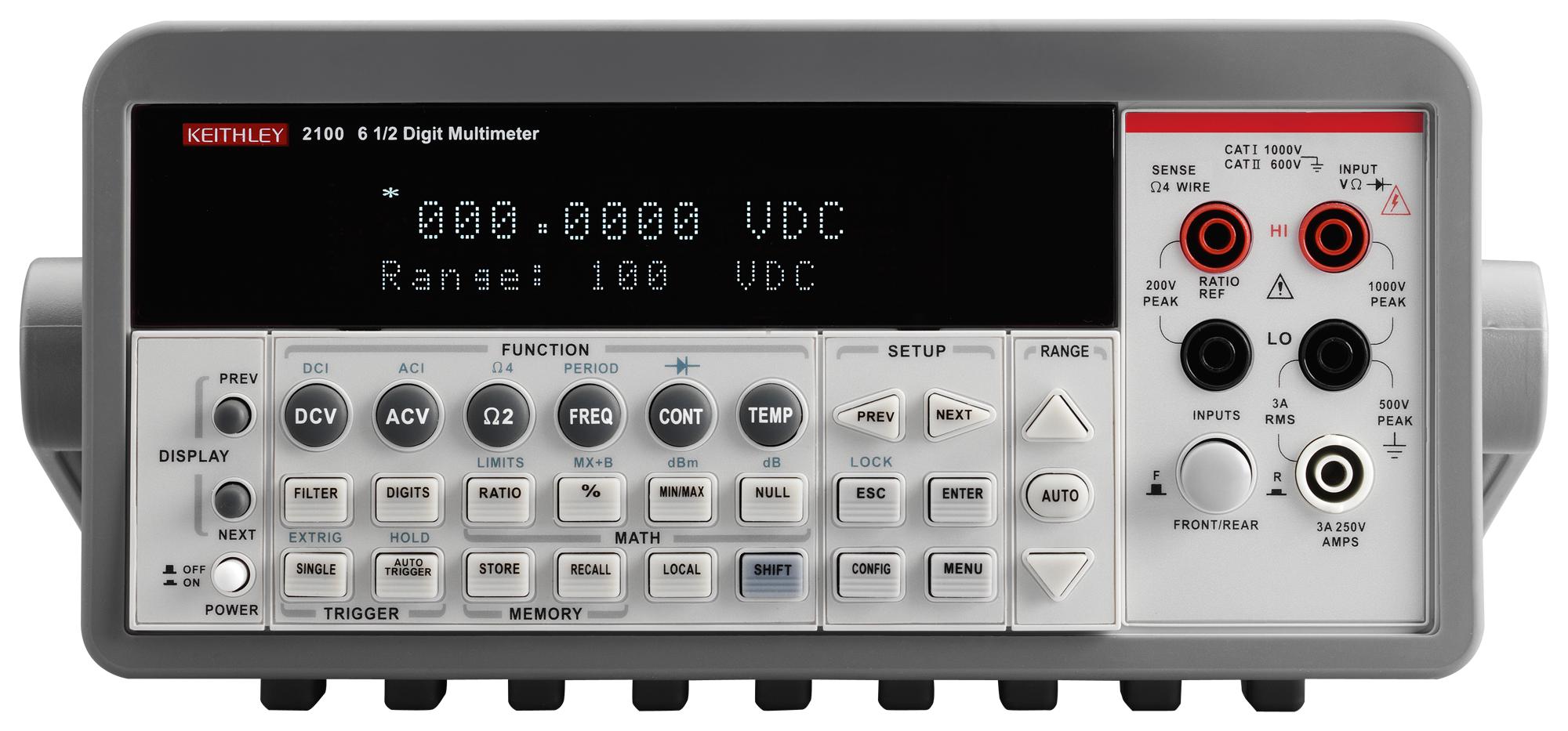
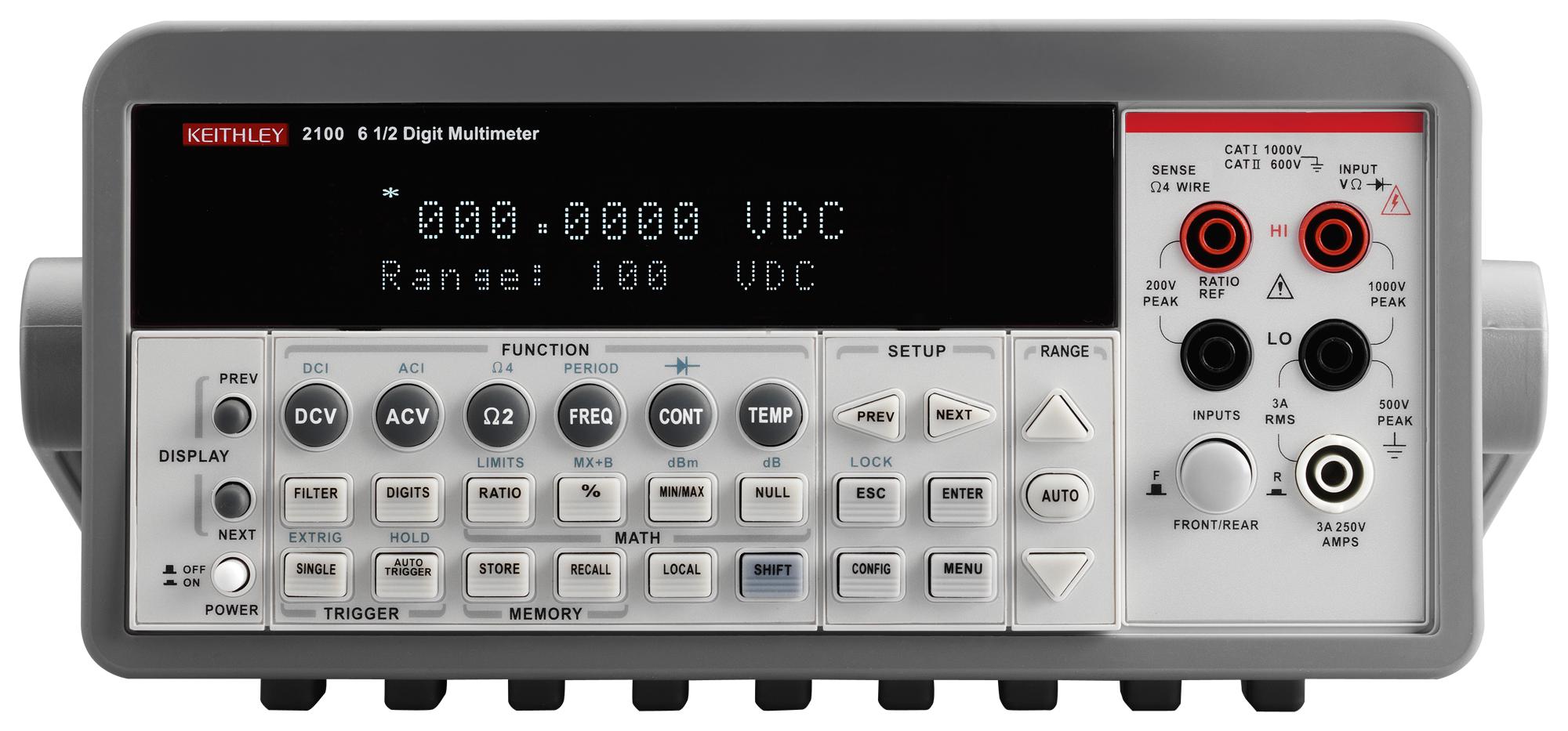
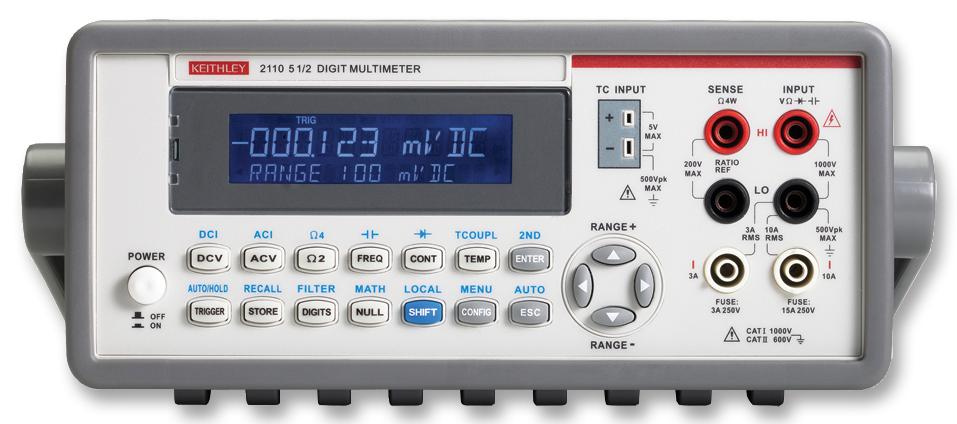
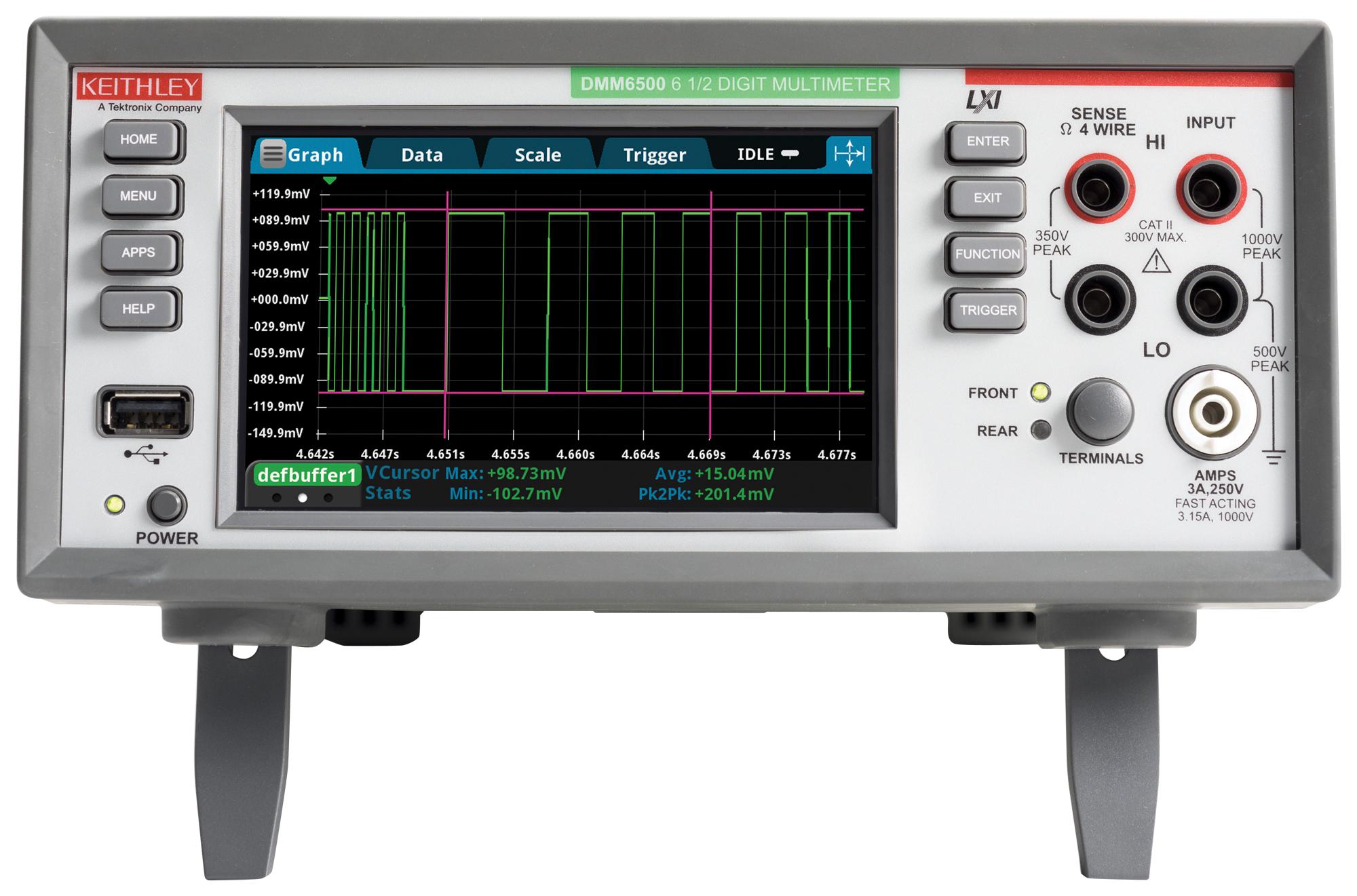
Keysight / Agilent Multimeters (7 units)
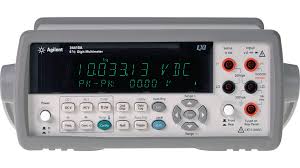
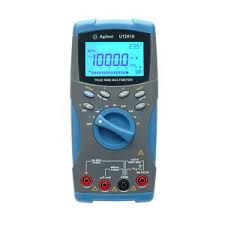
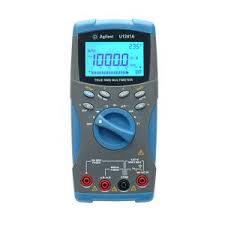
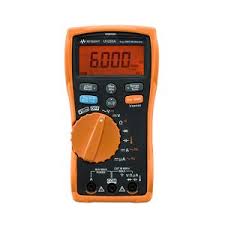
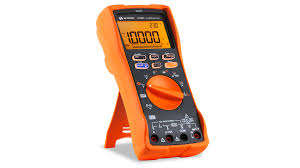
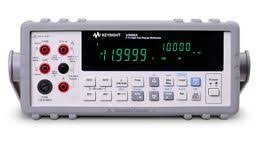
Keysight / Agilent / HP Multimeters (3 units)
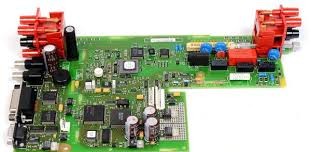
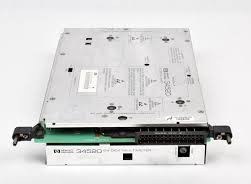
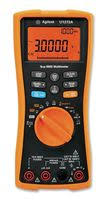
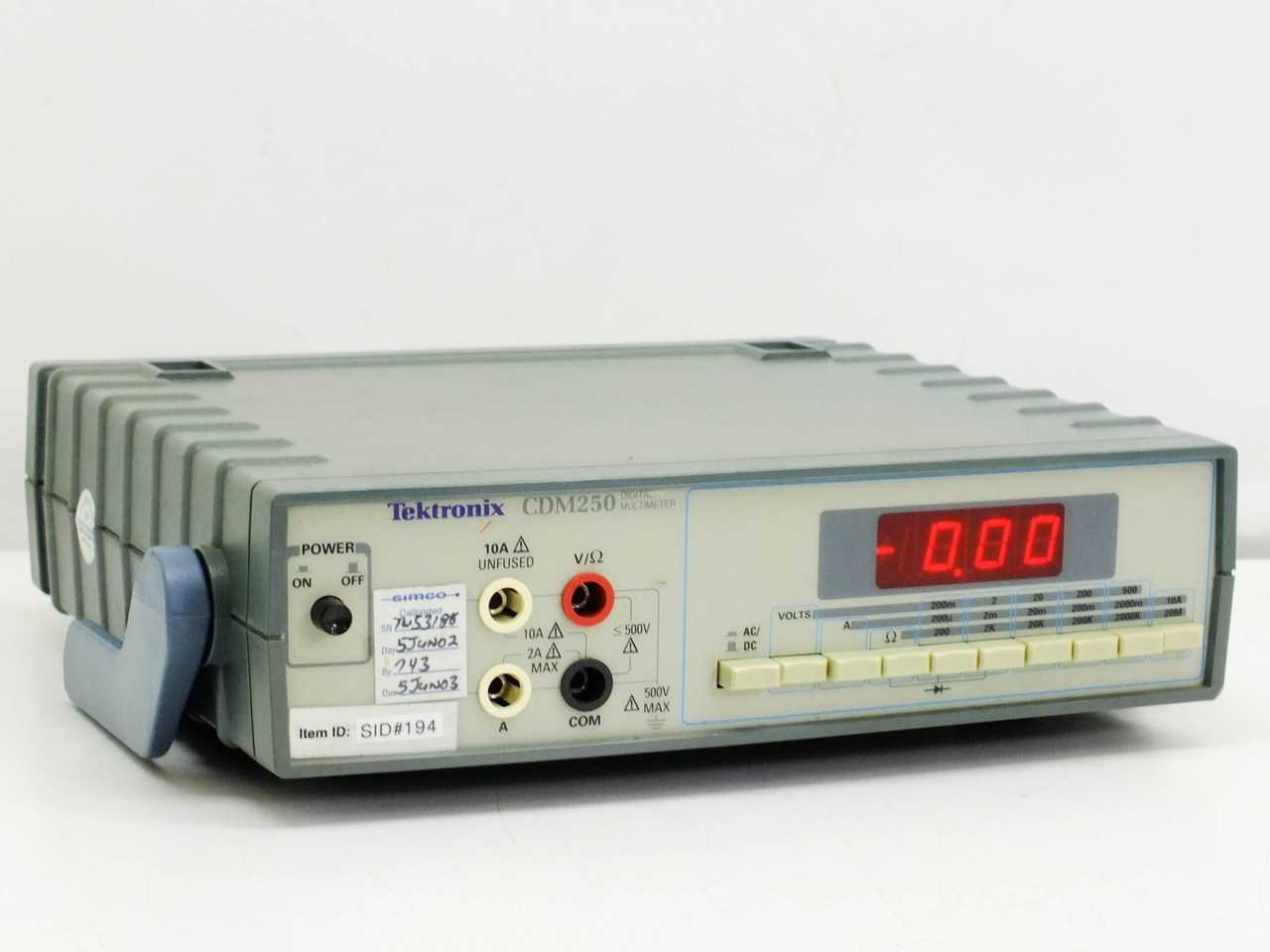
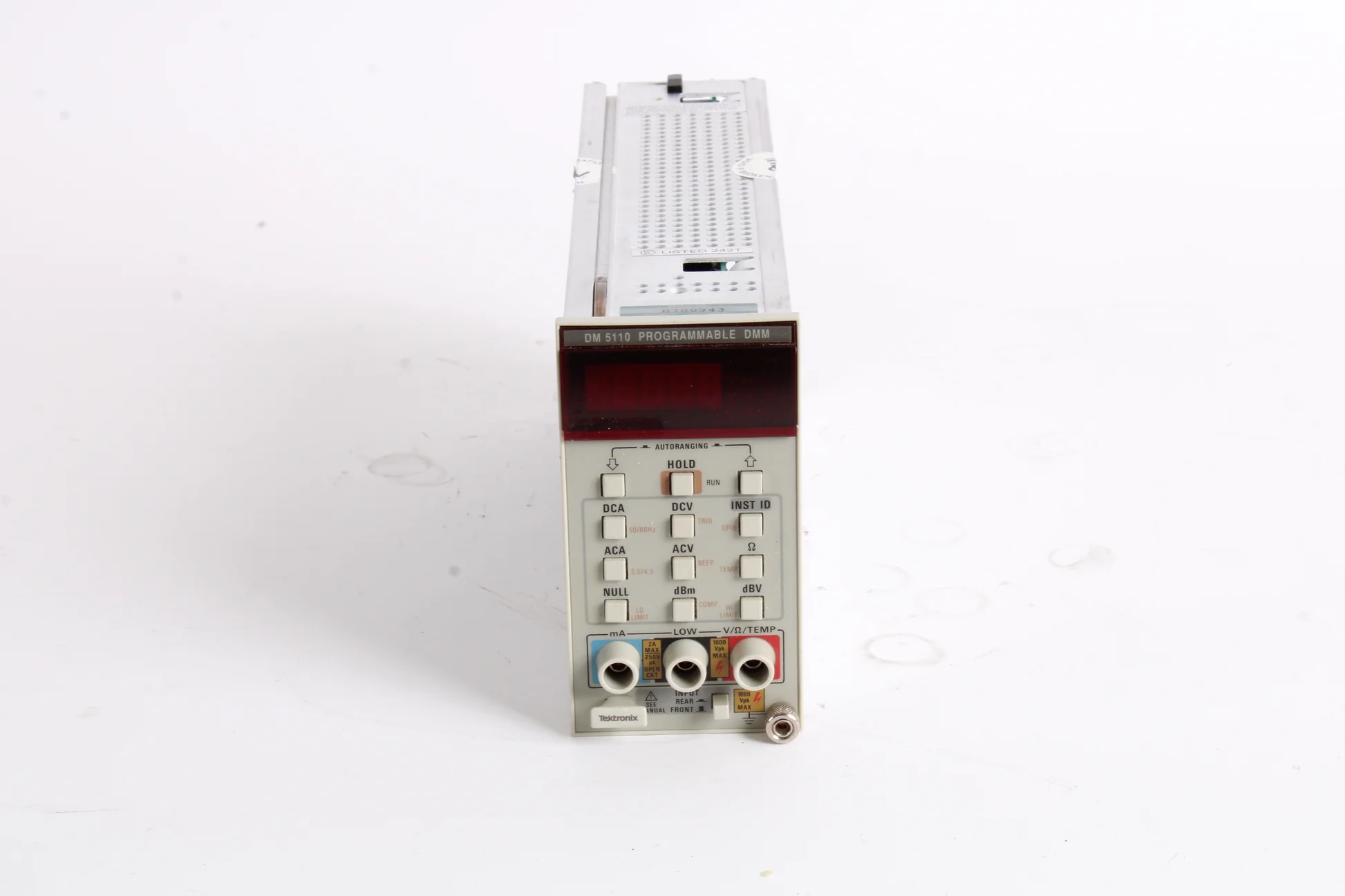
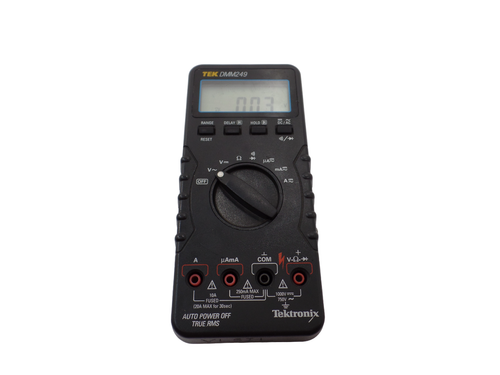
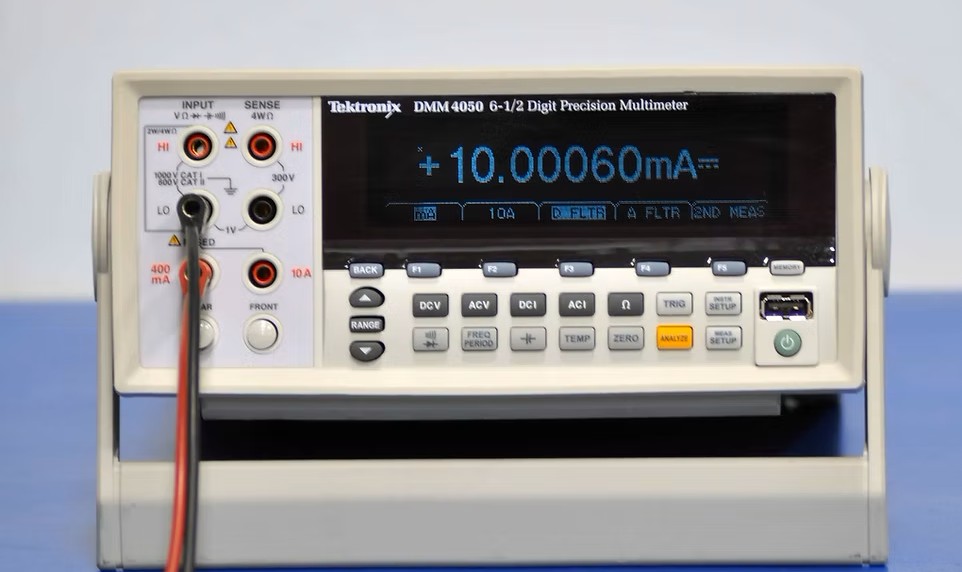
Tektronix Multimeters (4 units)
Tenma Multimeters (1 unit)
Choosing a Used Digital Multimeter
The primary specification to match to your application is digit resolution. For field service and general troubleshooting, a 4.5-digit True RMS handheld (Fluke 87V, Fluke 175, Agilent U1272A) handles every common measurement. For calibration lab work, production test, and precision R&D, a 6.5-digit bench DMM (Keithley 2000/2002, Agilent/Keysight 34401A/34461A, Fluke 8845A) is the standard minimum. For metrology-grade applications, 7.5 or 8.5-digit instruments (Keithley DMM7510, Agilent 3458A) resolve sub-microvolt levels and are used as transfer standards.
Verify that the meter's highest input voltage rating (CAT III or CAT IV) matches the environment you're working in. CAT IV covers service entrance and utility-connected equipment; CAT III covers distribution panels and building wiring; CAT II covers receptacles and portable equipment. Never use a CAT II meter in a CAT III or IV environment.
Fluke Bench DMMs — 8840A, 8845A, 8846A
The Fluke 8840A (5.5-digit) and 8845A/8846A (6.5-digit) are industrial bench meters built for continuous-duty production test. The 8845A has 0.0024% DC voltage accuracy at 90 days; the 8846A adds AC true RMS measurement with a 300 kHz bandwidth. Both accept optional scanner cards for multi-channel use. These are physically robust instruments — the input protection circuits handle 1000 V on any input. Common used-market issue: the 8840A rear-panel GPIB connector board corrodes in humid environments; verify GPIB communication before purchasing for automated test use.
Keithley 2000-Series DMMs
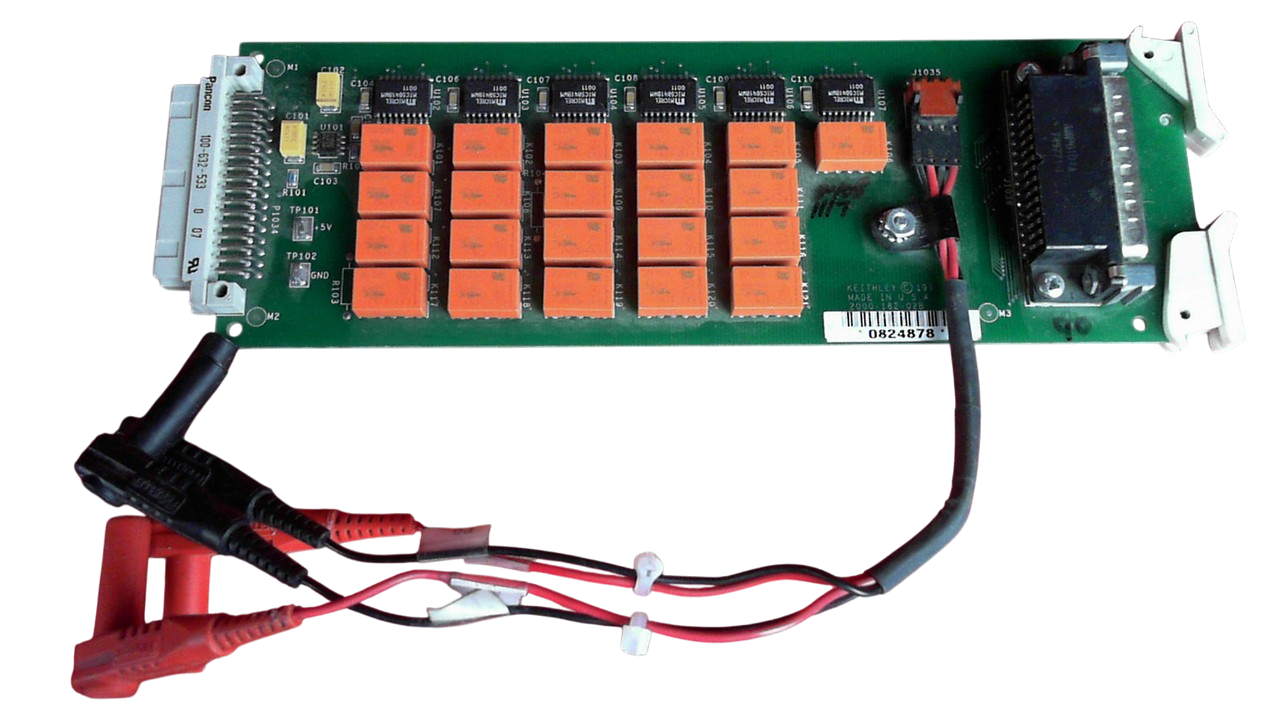
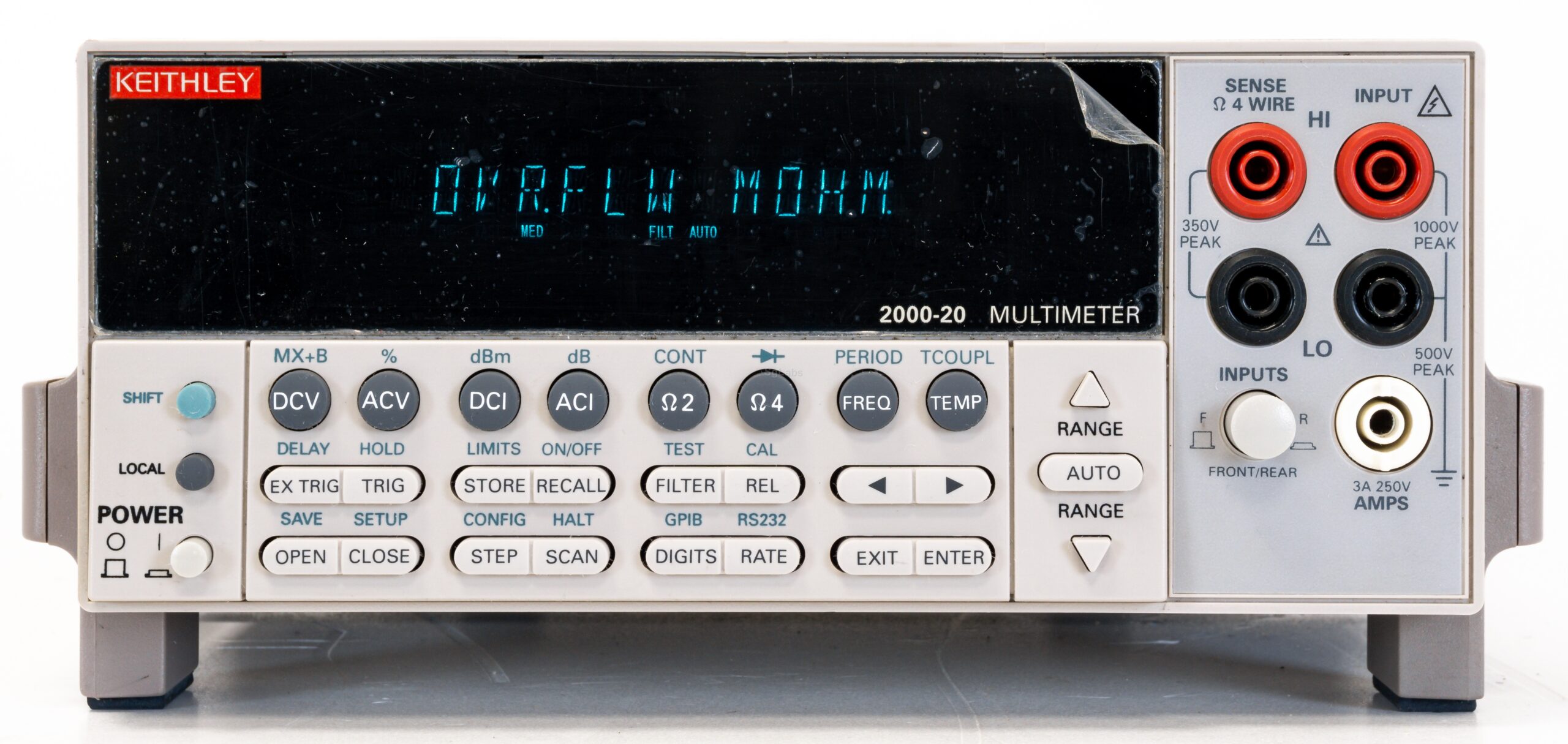
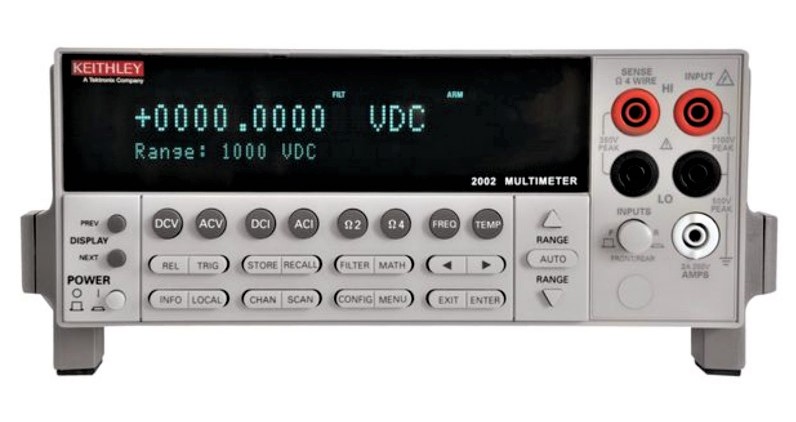
The Keithley 2000 (6.5-digit), 2001 (7.5-digit), and 2002 (8.5-digit) are the standard precision DMMs in semiconductor and physics research labs. The 2000 can scan ten channels with the optional Model 2000-SCAN scanner card. The 2001 adds a 0.5 MHz frequency counter and 100 nA current resolution. The 2002 has 8.5-digit resolution at 100 nV sensitivity — the highest-resolution production DMM Keithley made before the DMM7510. For research labs that need sub-microvolt measurements, the 2001 or 2002 are the cost-effective path. Used pricing for a calibrated 2001 is typically 90–95% less than new.
DMM Calibration and Repair
NIST-traceable DMM calibration at Aumictech covers DC voltage at 5 to 7 test points per range, DC current, AC voltage (True RMS where applicable), resistance at multiple decades, and frequency/continuity. Certificate includes measured as-found and as-left data. Most 6.5-digit bench meters are calibrated with a Fluke 5520A multifunction calibrator. Typical turnaround is 1 to 3 business days. See calibration services →
Frequently Asked Questions
What is the difference between a 4.5-digit and a 6.5-digit multimeter? +
Digit count describes resolution. A 4.5-digit meter reads up to 19,999 counts — the half-digit means the leading digit is either 0 or 1. A 5.5-digit meter reads up to 199,999 counts, and a 6.5-digit bench meter reads up to 1,199,999 counts. More digits mean finer resolution for the same measurement range: a 6.5-digit meter on its 10 V DC range resolves 10 µV, while a 4.5-digit meter on the same range resolves 1 mV. For production testing of precision resistors, voltage references, or current sources, 6.5 or 7.5 digits is standard. For general bench work and field service, 4.5 to 5.5 digits is more than adequate.
What does True RMS mean and when does it matter? +
A True RMS meter measures the actual root-mean-square value of an AC signal regardless of waveform shape. An average-responding meter calibrated for RMS reads correctly only for pure sine waves — apply a non-sinusoidal waveform (PWM motor drives, switch-mode power supplies, variable frequency drives) and it gives an incorrect reading. True RMS is required whenever you measure non-sinusoidal AC voltages or currents. All Fluke 87, 175, 177, 179 and above, all Keithley 2000-series, and all Keysight 34xxx bench meters are True RMS. Basic meters like the Fluke 113 are average-responding.
What is the Fluke 87V and why is it the most popular handheld multimeter? +
The Fluke 87V (and its predecessor 87) became the industry standard handheld because it combines True RMS AC measurement, a low-impedance LoZ mode to eliminate ghost voltages, 1000 V CAT III / 600 V CAT IV safety ratings, temperature measurement, and a frequency counter in a single rugged instrument. It has a 0.05% DC accuracy specification — tighter than most competitors at its price point. For industrial electricians, HVAC technicians, and field engineers, the 87V covers every common measurement without switching instruments. Calibration is straightforward: annual NIST-traceable certificate is accepted by most quality management systems.
How does the Keithley 2000 bench multimeter compare to the Agilent 34401A? +
Both are 6.5-digit precision bench DMMs that became lab staples in the 1990s and 2000s. The HP/Agilent 34401A has a 0.0015% DC voltage accuracy and 3 µV sensitivity at 100 mV range. The Keithley 2000 has 0.002% DC voltage accuracy at 1 year and 100 nA current resolution — slightly better current measurement capability. The 34401A has a faster throughput (up to 1000 readings/s at 4.5 digits) making it preferred for data acquisition applications. The Keithley 2000 has a 10-channel scanner option and is preferred in Keithley test systems. Both are excellent choices for calibration labs, production test, and R&D.
What are the most common repair issues with precision bench multimeters? +
AC input circuit failures are the most frequent repair — usually caused by overvoltage on the AC voltage input when the meter is set to DC or resistance. The input rectifier or RMS converter IC fails, causing incorrect AC readings or no AC at all. Input protection fuses blow from current overloads on the milliamp or microamp ranges — this is repairable but the replacement must match the original fuse rating exactly. EEPROM corruption causes self-test failures or calibration constant loss, typically after a power surge. All of these are bench-repairable. A meter that powers on and passes self-test but has one out-of-spec range is worth calibrating — the most common cause is drift in the reference resistor network.
How often should a precision bench DMM be calibrated? +
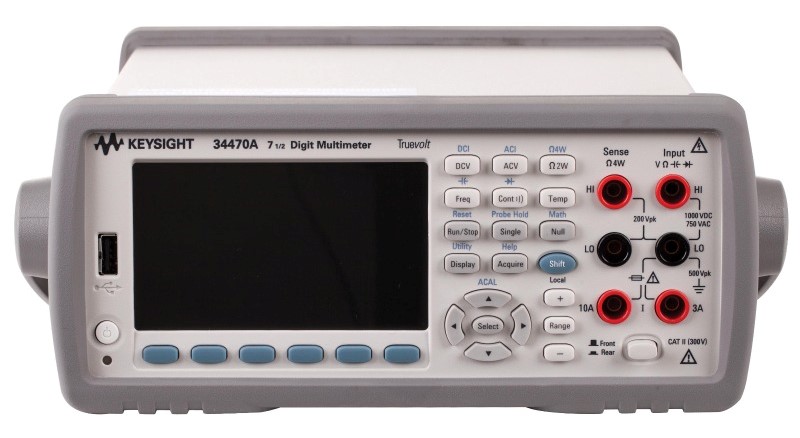
Annual calibration is standard for quality management systems (ISO 9001, AS9100). A 6.5-digit bench meter like the Keithley 2002 or Agilent 34470A has calibration intervals spec'd at 1 year by the manufacturer. In practice, a meter stored at room temperature and used for normal lab measurements drifts very slowly — the dominant drift mechanism is the internal voltage reference, which is specified at parts-per-million per year. NIST-traceable calibration at Aumictech covers DC voltage, DC current, AC voltage, resistance, and frequency at multiple points across each range.
What is the difference between a system DMM and a handheld multimeter? +
A system DMM (also called a bench DMM or rack DMM) is designed for computer-controlled automated test. It has an IEEE-488 (GPIB), USB, or LAN interface, accepts trigger signals from a test controller, and outputs readings in digital format for data collection. A handheld multimeter has a local display, battery power, and manual operation — no remote control. For production test, calibration benches, and research data acquisition, a system DMM is required. For field service, maintenance, and troubleshooting, a handheld is more practical. Many labs use both: a system DMM for automated characterization and a handheld for bench work.
Need a specific model or digit resolution?
We source specific DMM models on request. Tell us the required resolution, input ranges, interface (GPIB/USB/LAN), and any scanner requirements, and we will check incoming stock.
Get in touch