
Used Digital Oscilloscopes for Sale
445 units in stock — Keysight, Agilent, HP, LeCroy, Teledyne LeCroy, Fluke, Rohde & Schwarz, Tektronix, Rigol, and more. Every unit function-tested before listing. NIST-traceable calibration available. Ships from Pleasant Grove, UT.
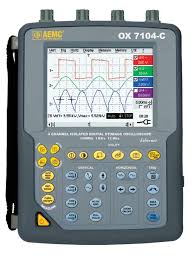
AEMC Digital Oscilloscopes (1 unit)
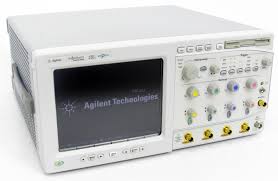
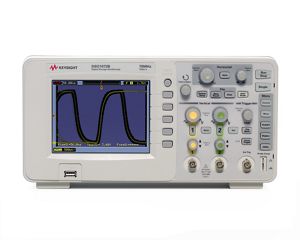
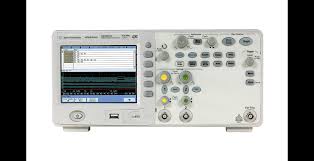
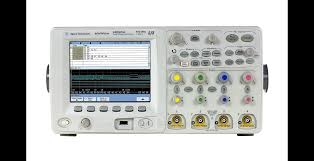
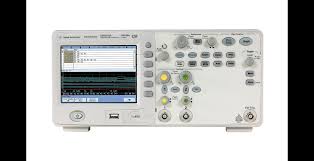
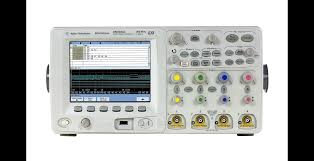
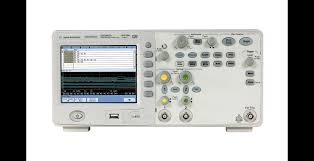
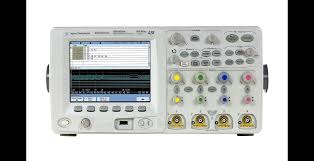
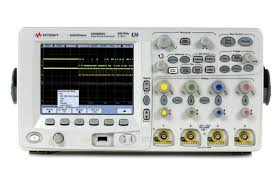
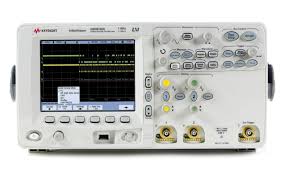
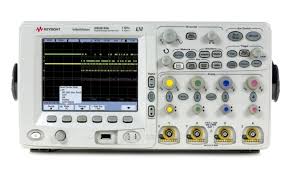
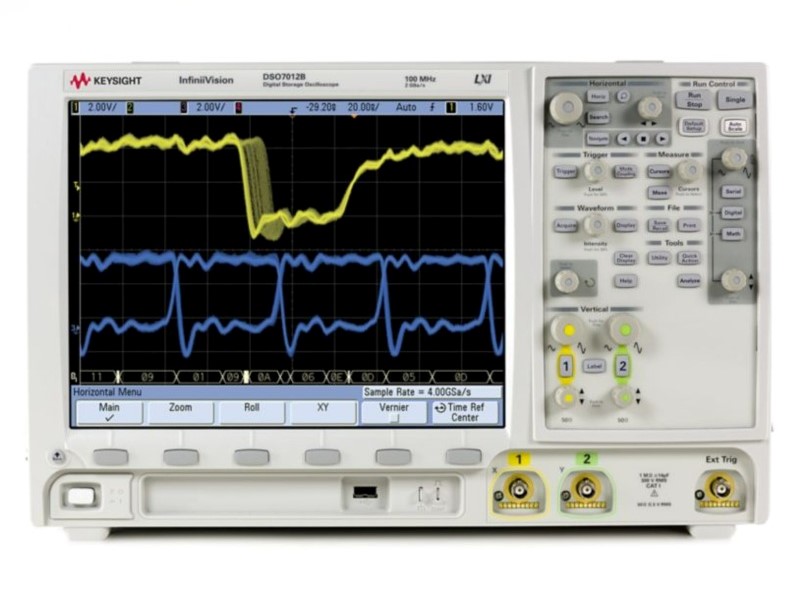
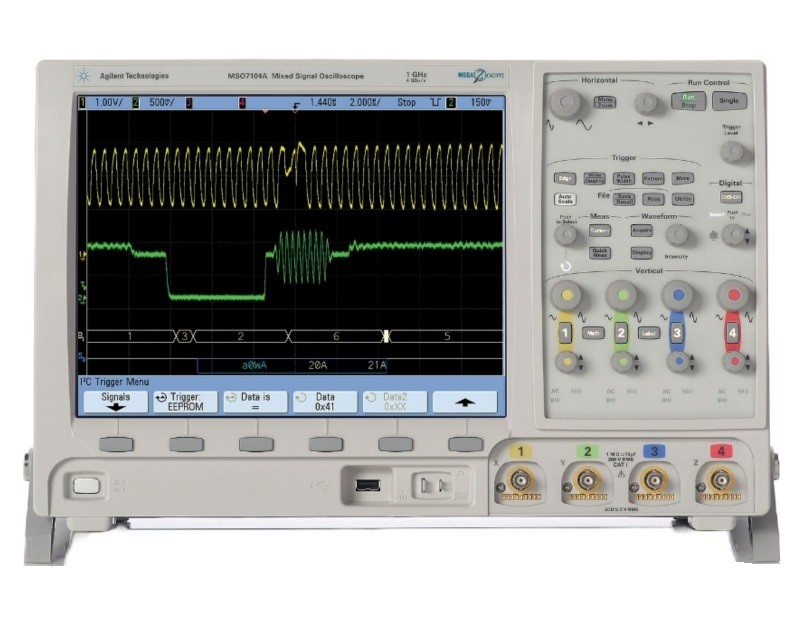
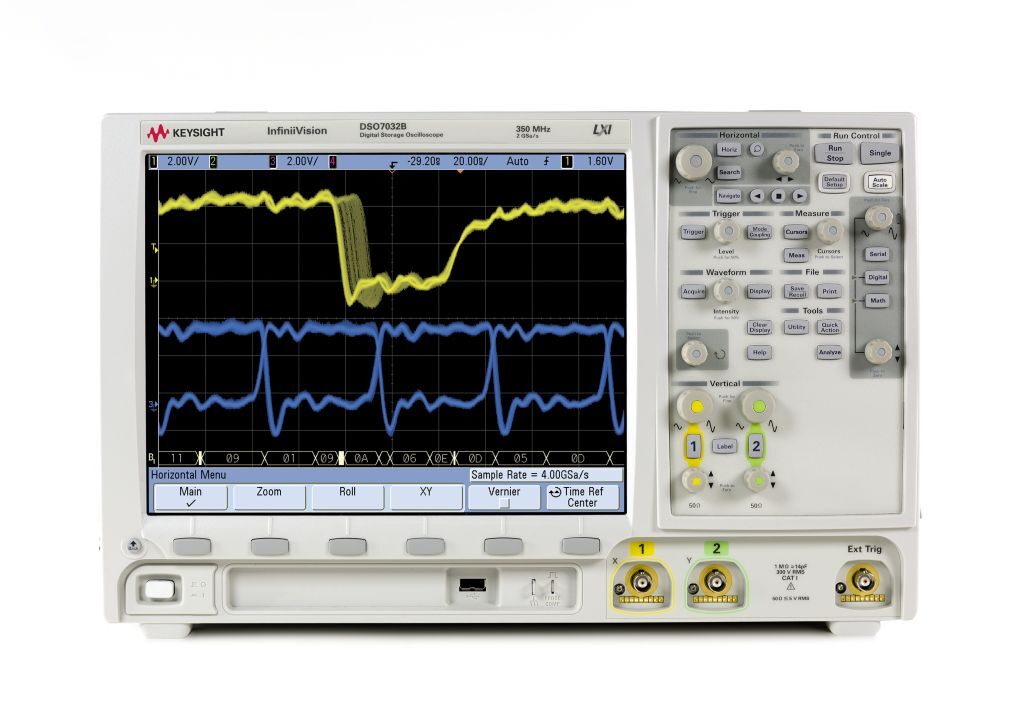
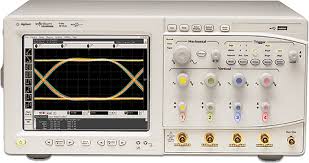
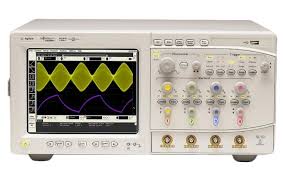
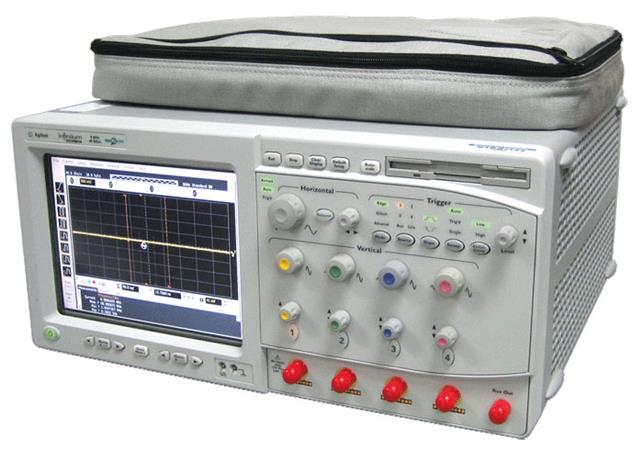
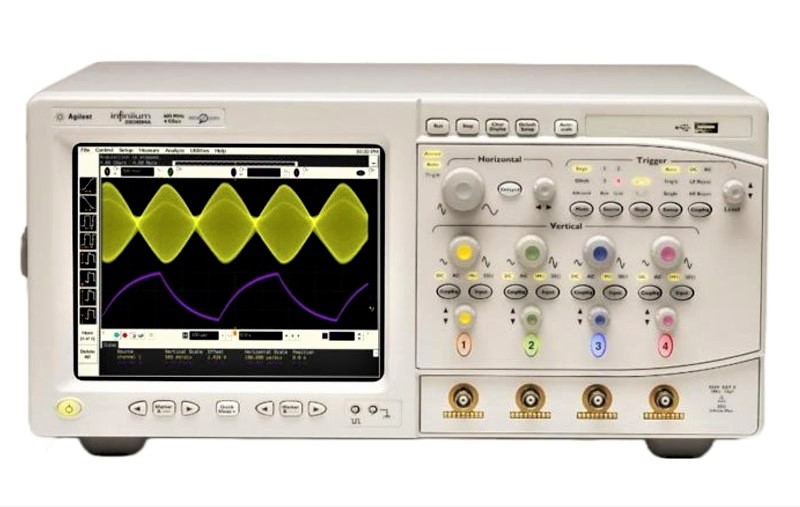
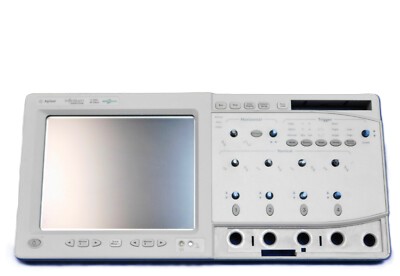
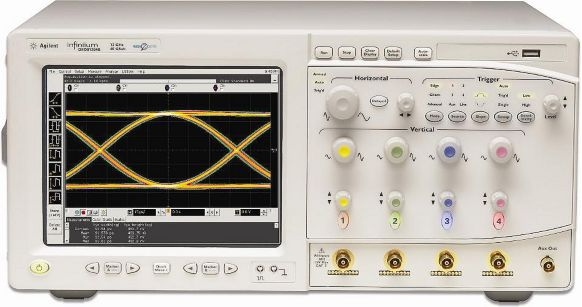
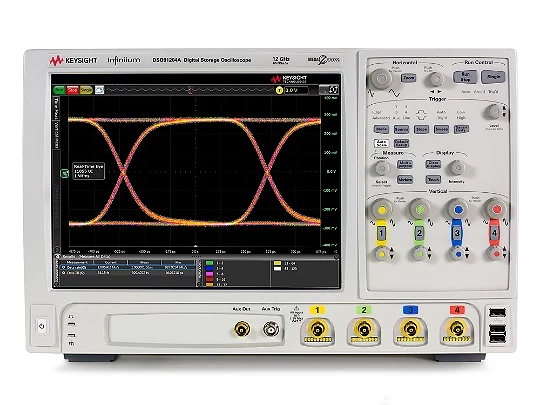
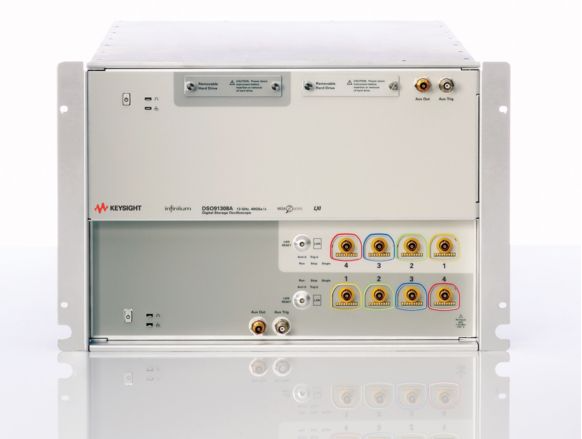
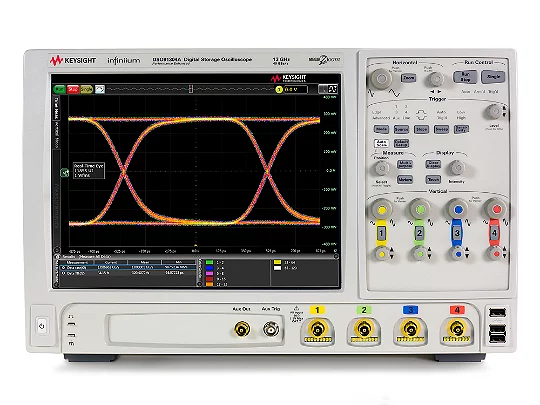
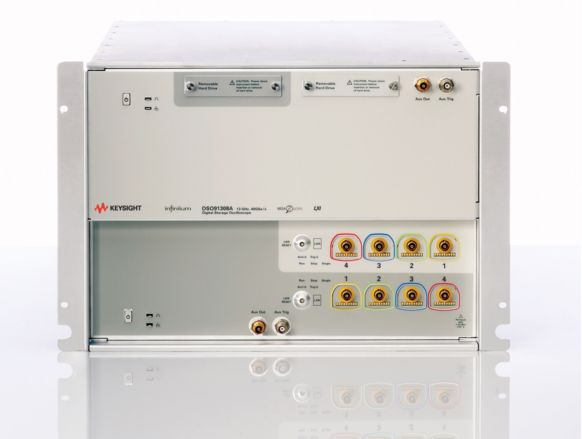
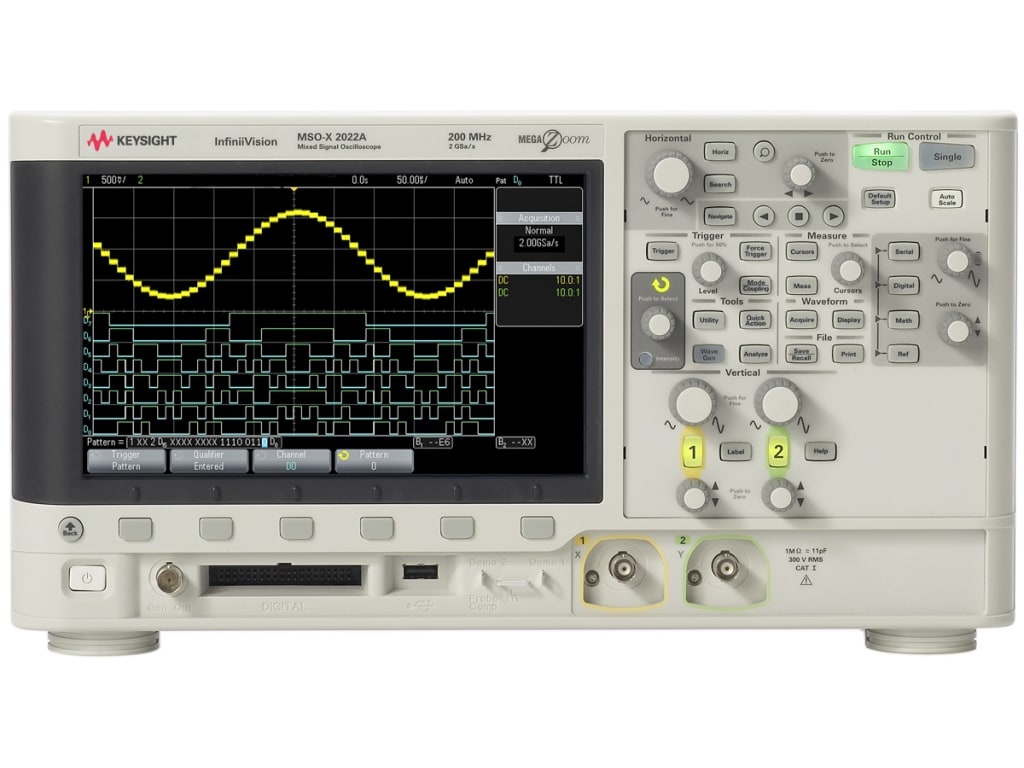
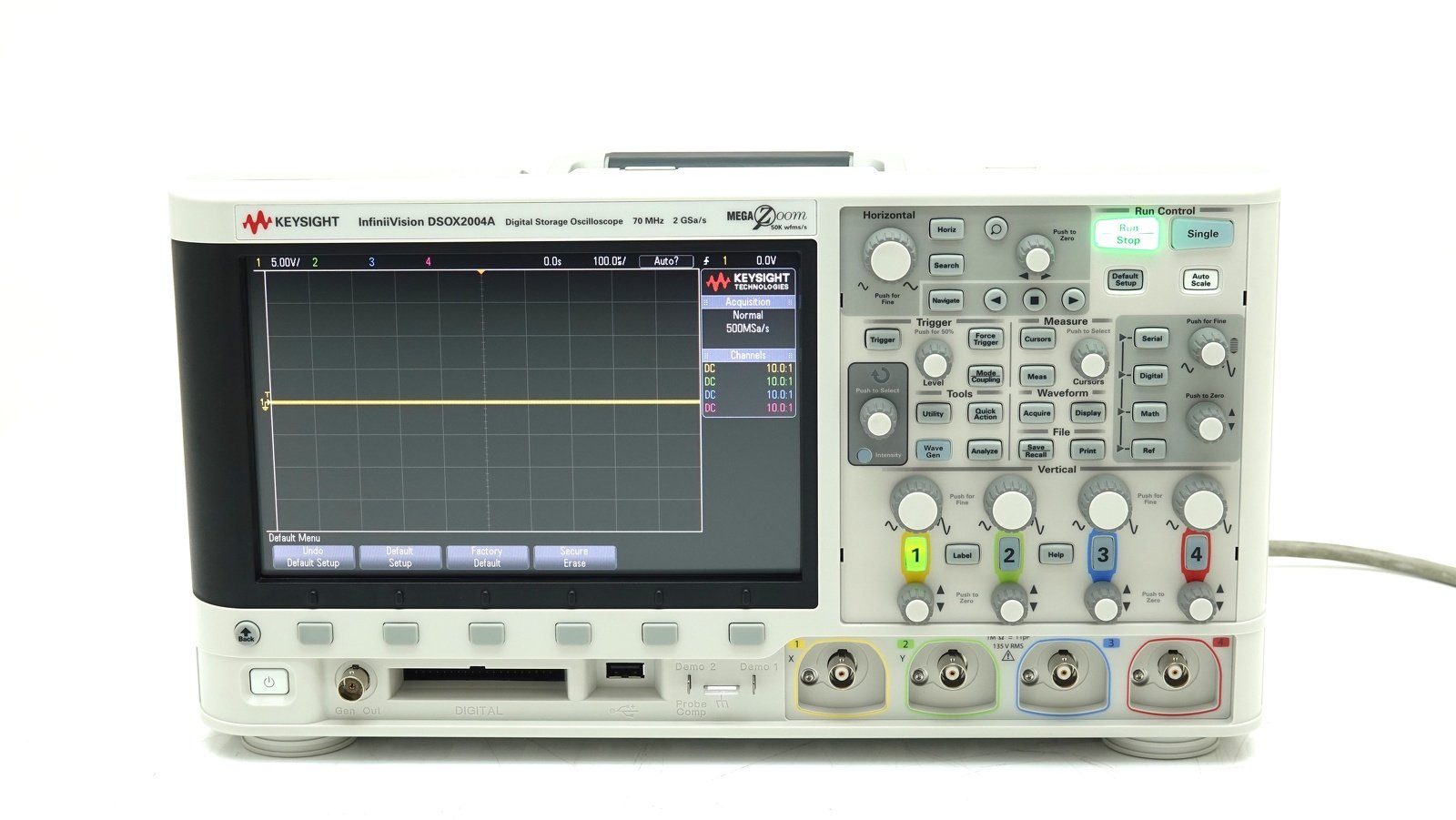
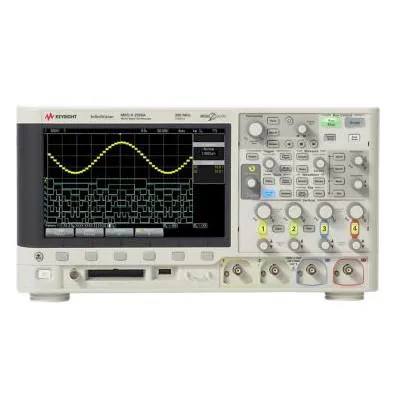
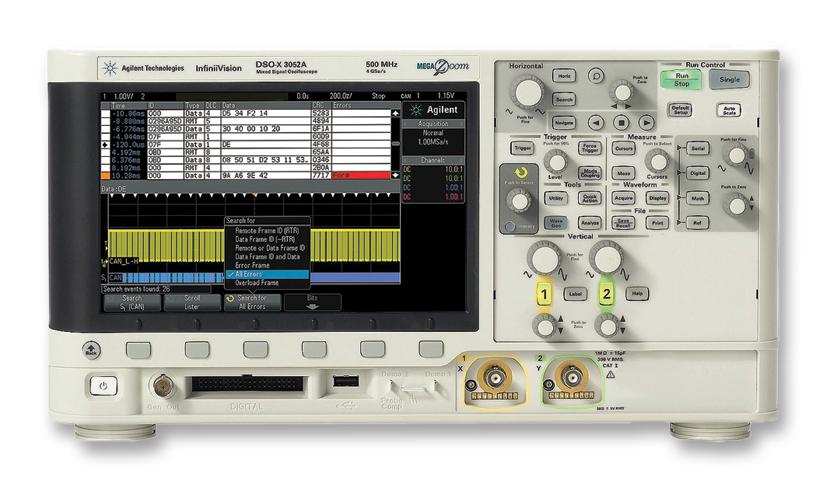
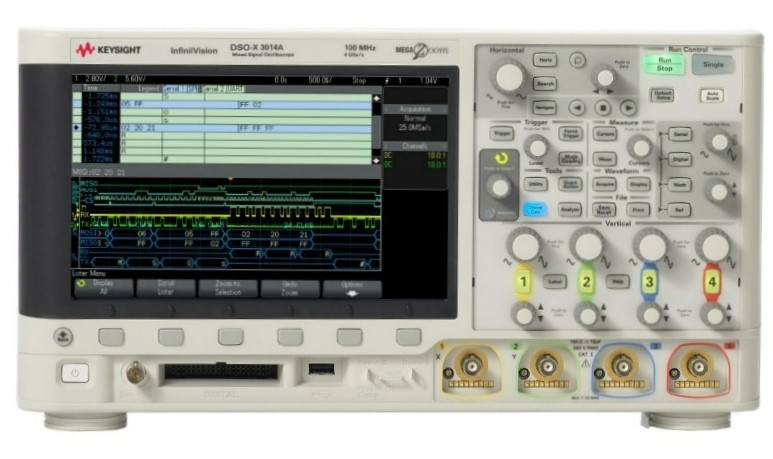
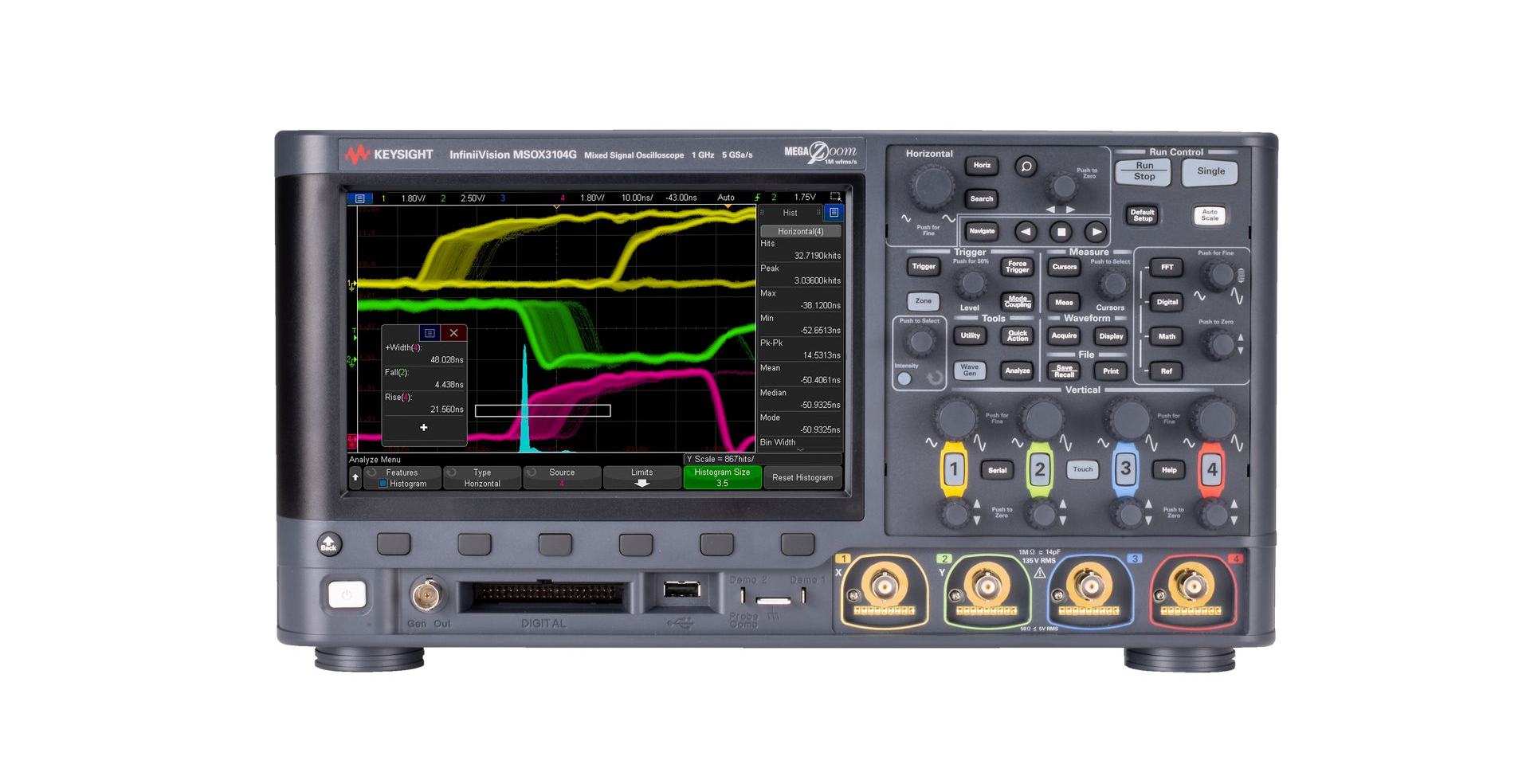
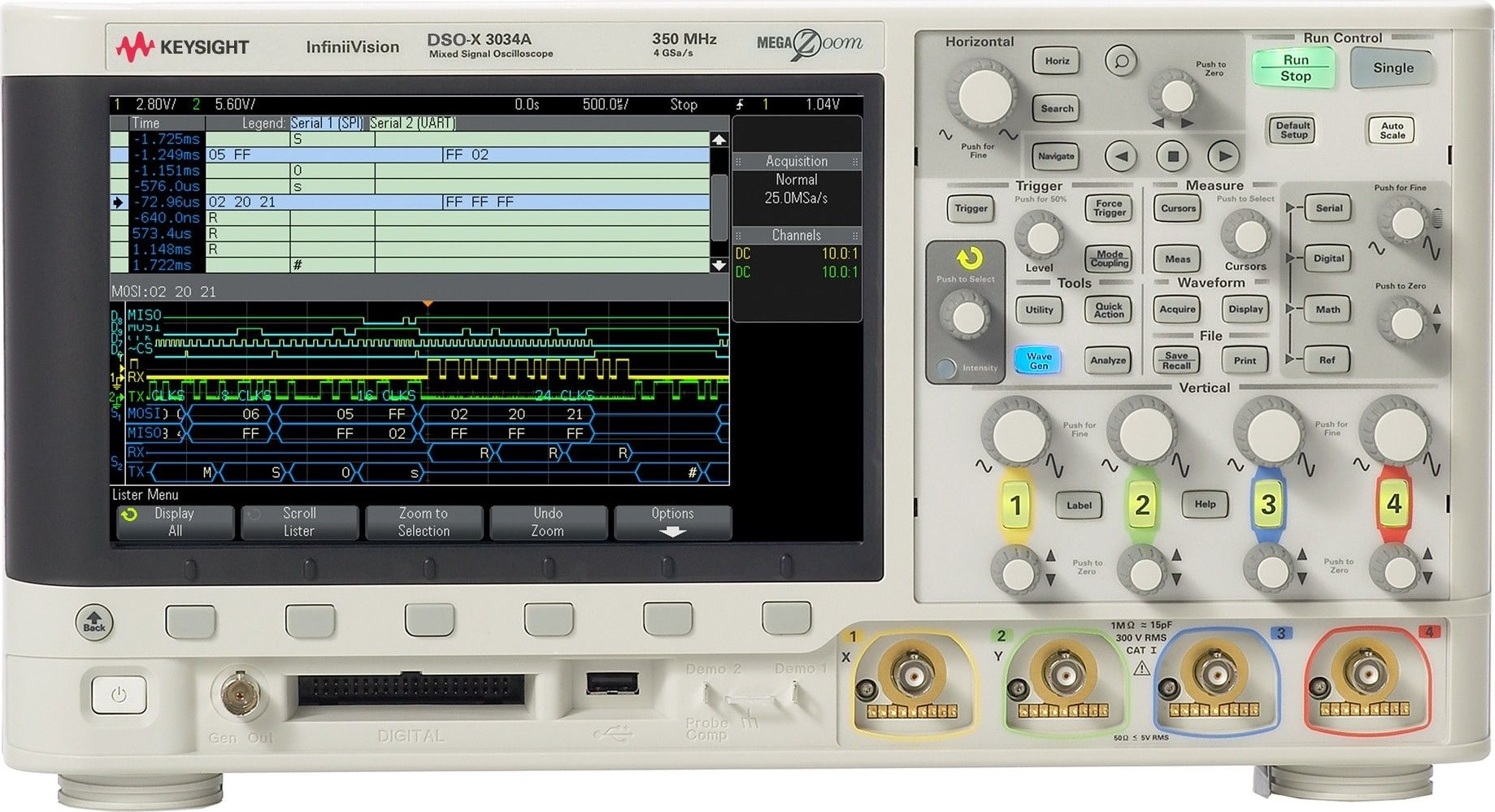
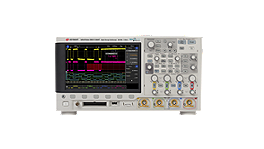
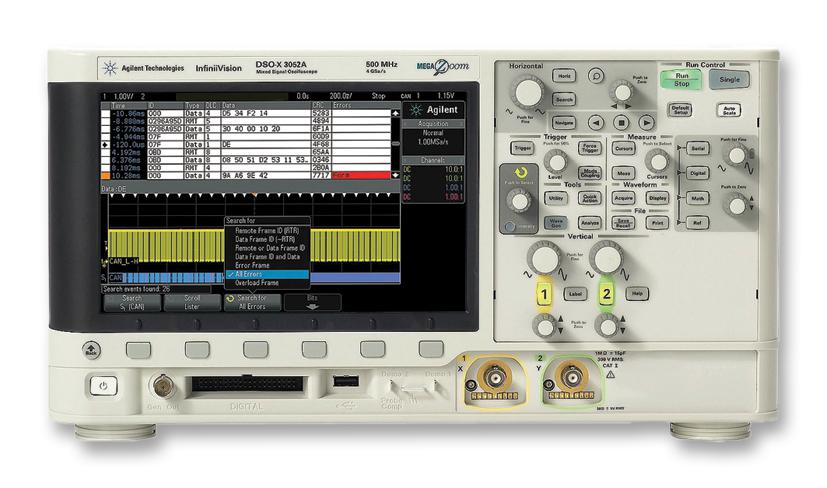
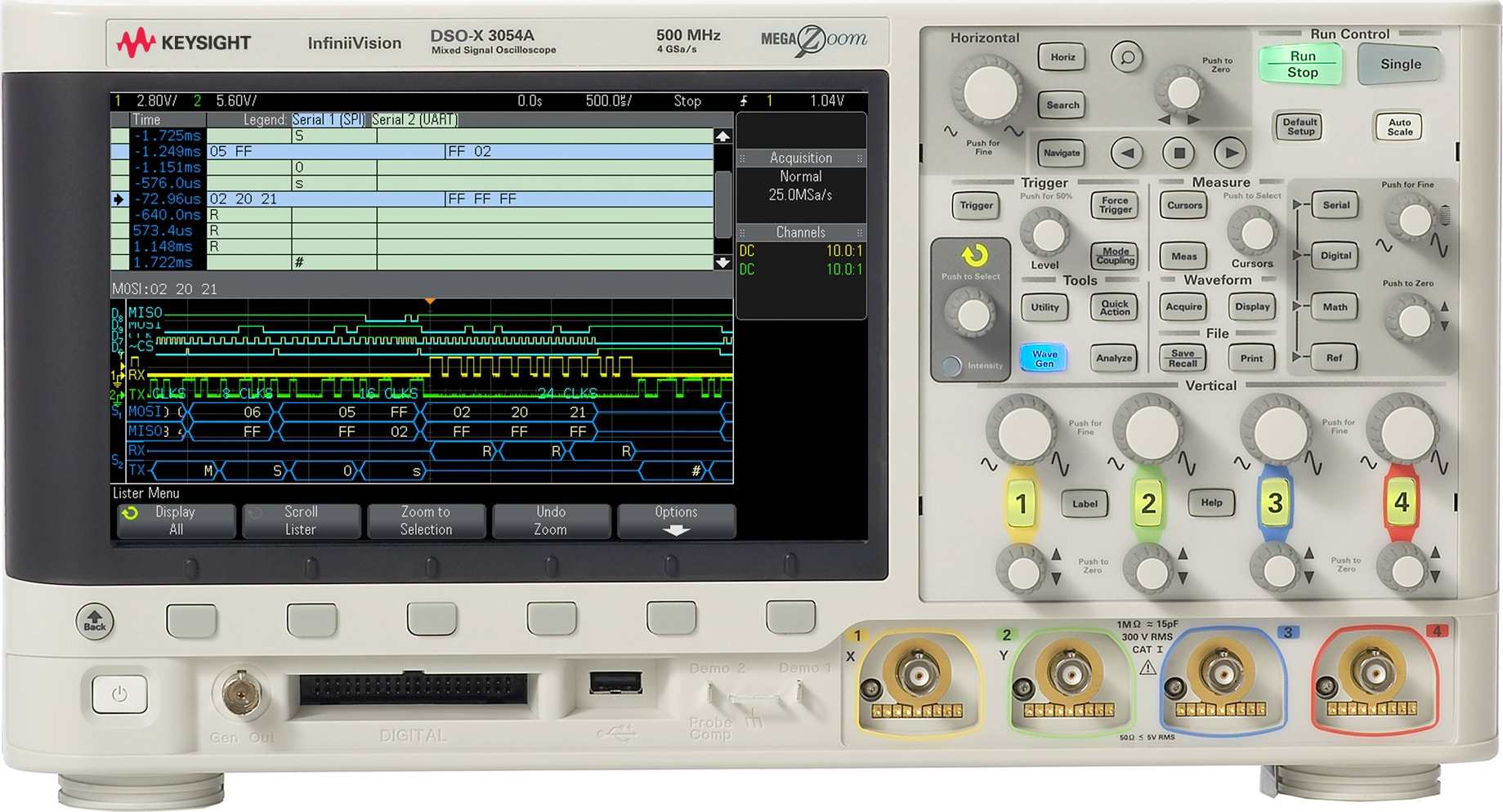
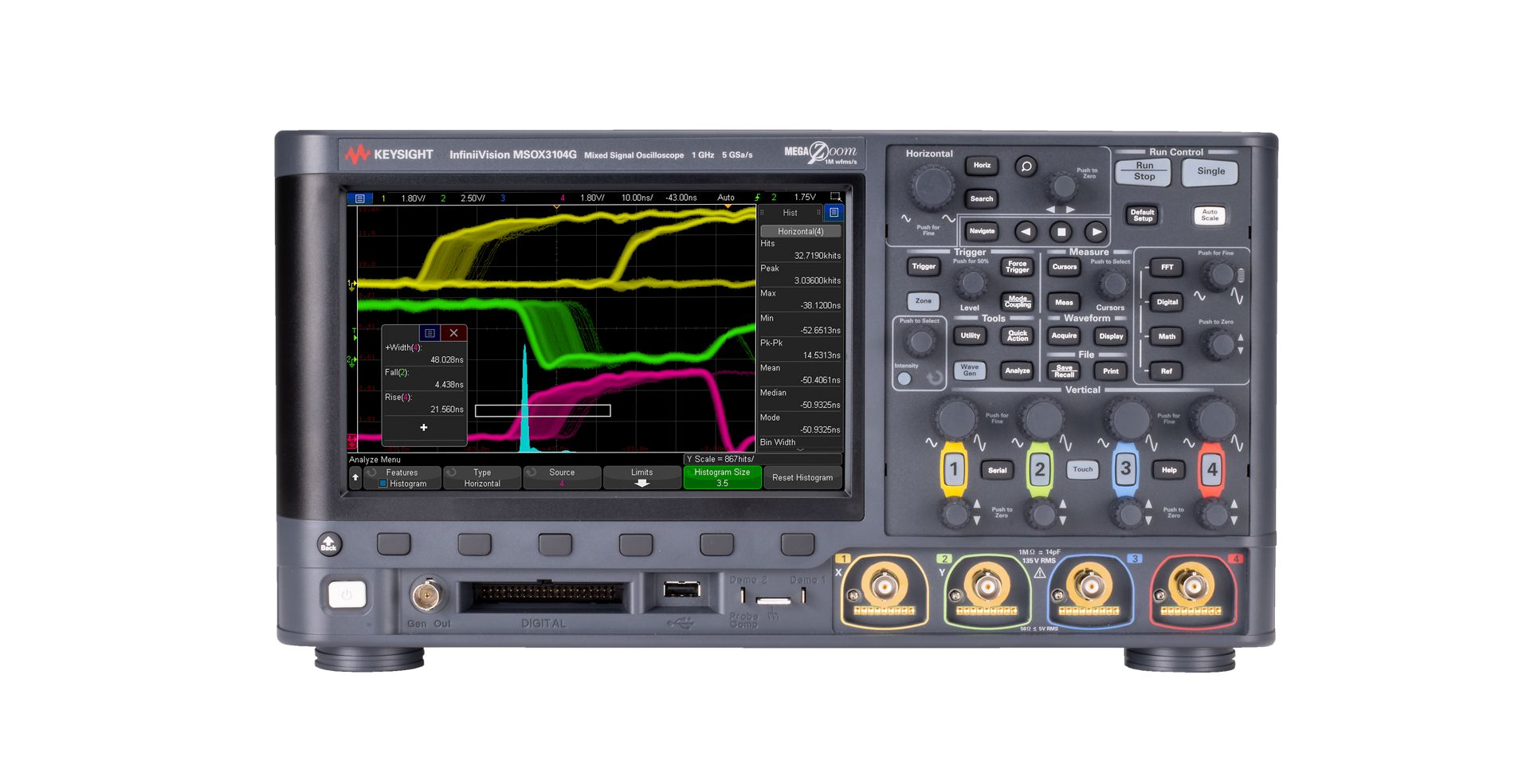
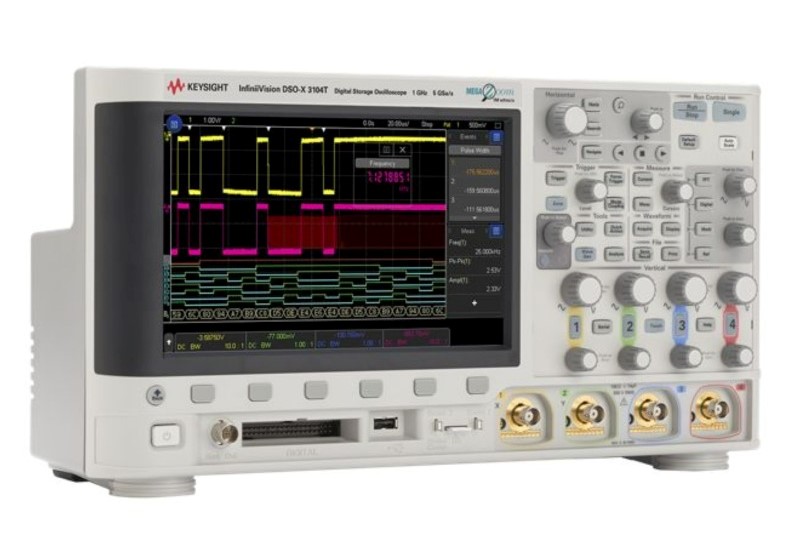
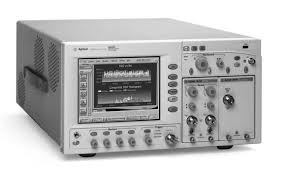
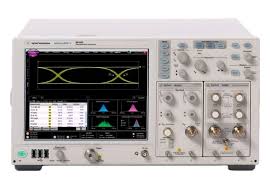
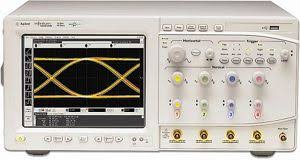
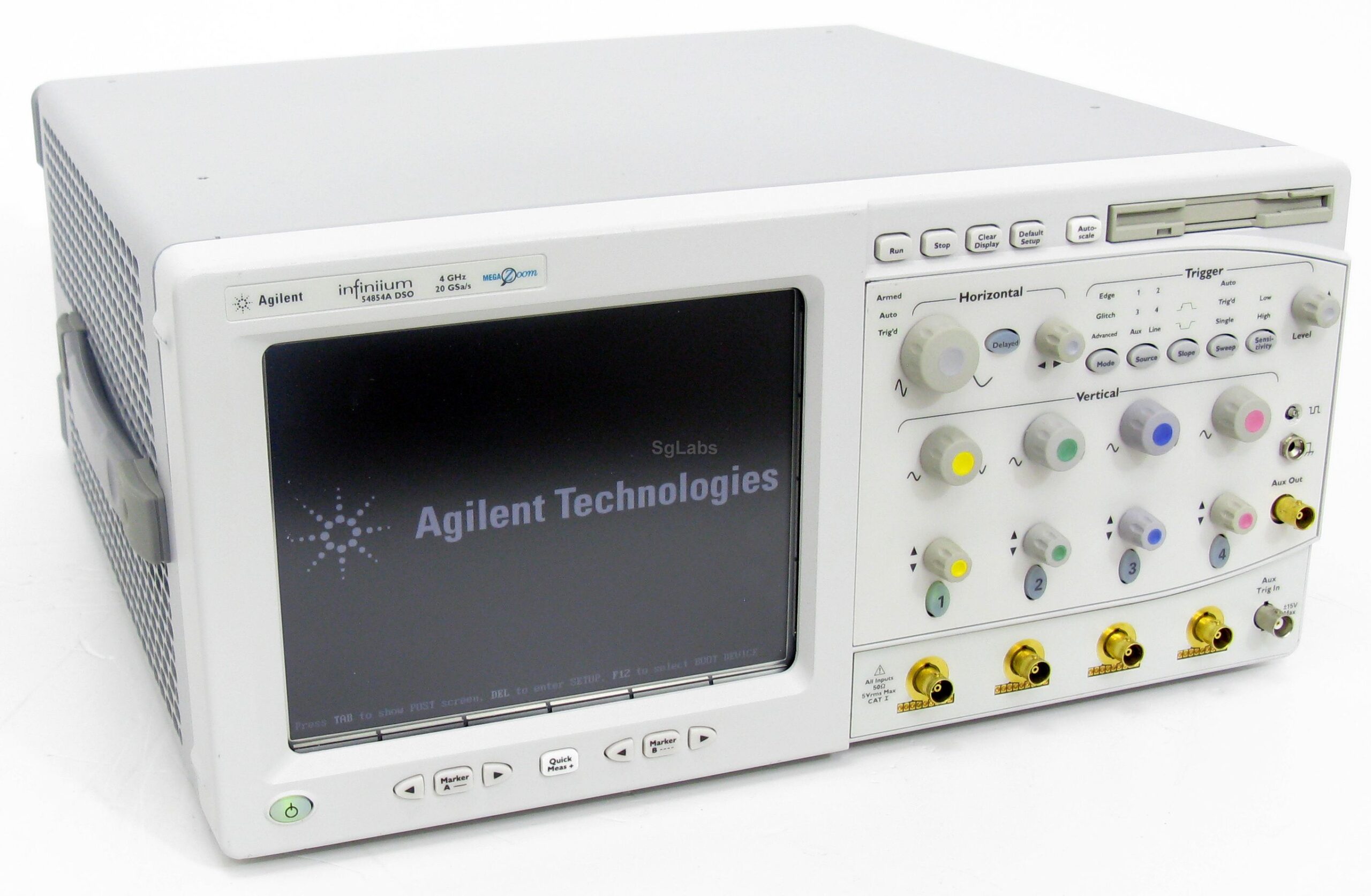
Agilent Digital Oscilloscopes (147 units)

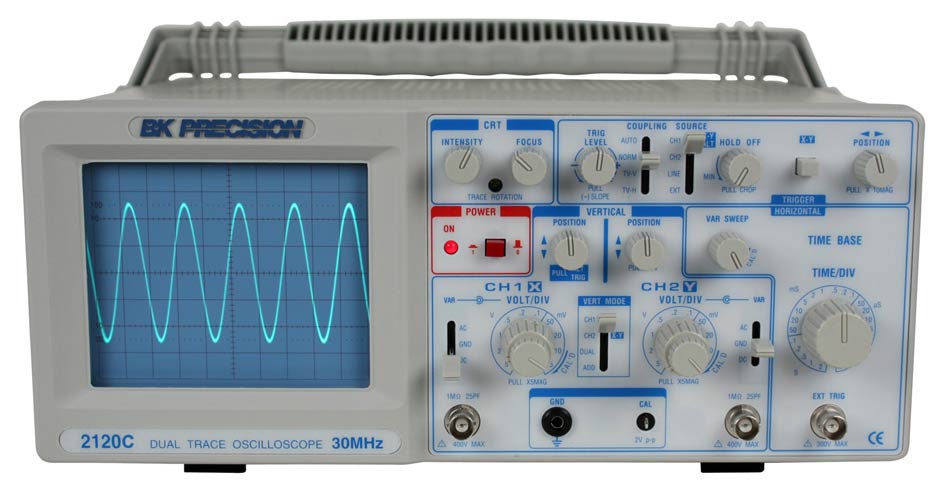
BK Precision Digital Oscilloscopes (1 unit)
Bogen Digital Oscilloscopes (1 unit)
Cascade Microtech Digital Oscilloscopes (1 unit)
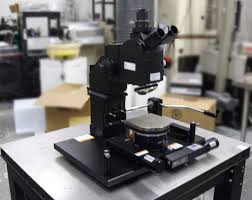
EZ Digital Digital Oscilloscopes (1 unit)
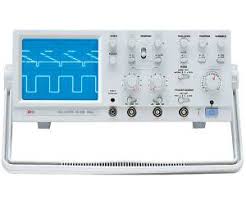
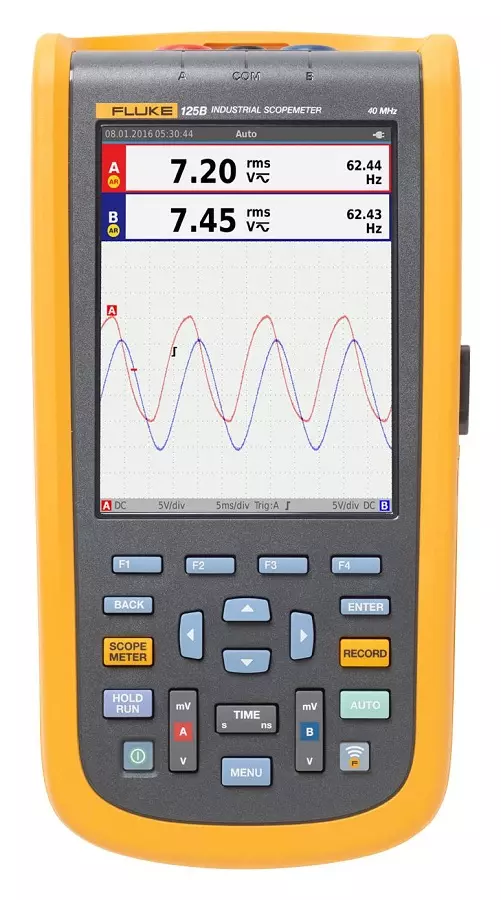
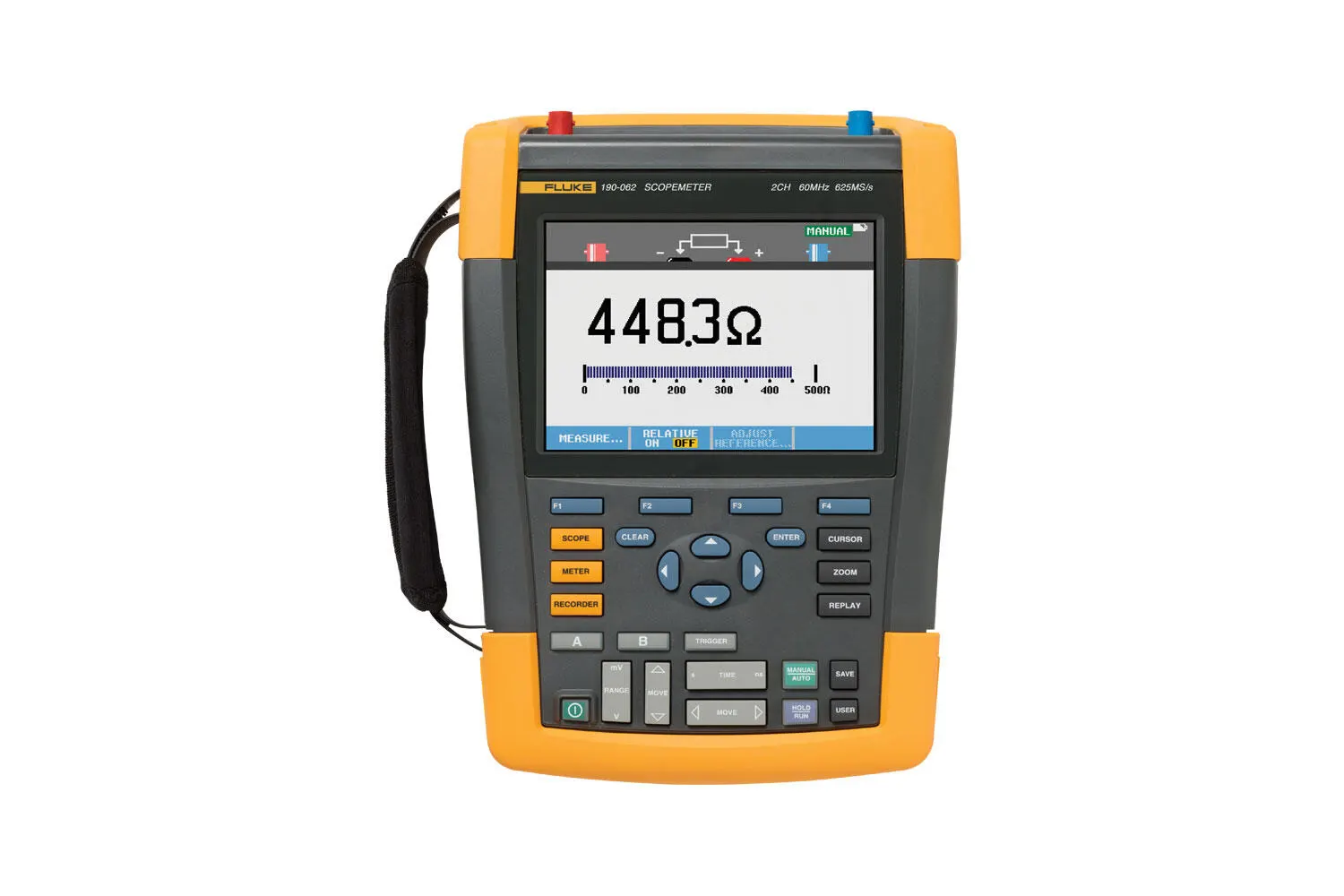
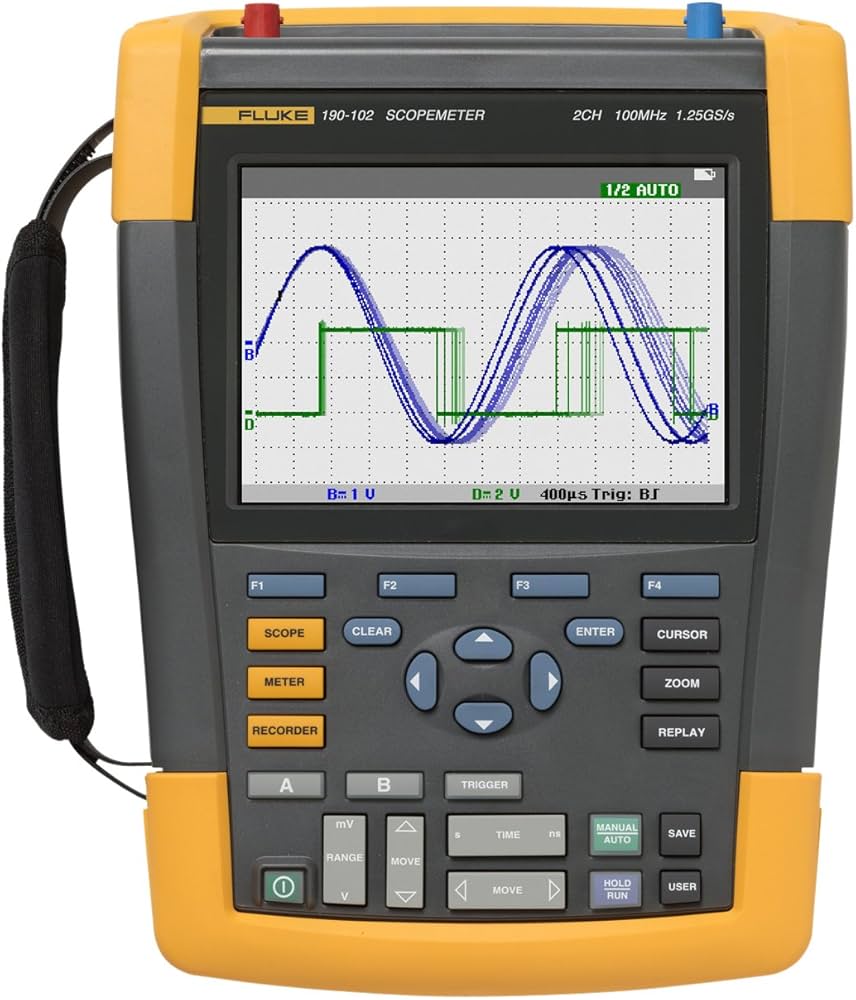
Fluke Digital Oscilloscopes (36 units)
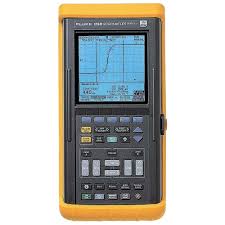
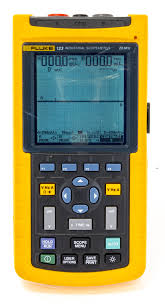
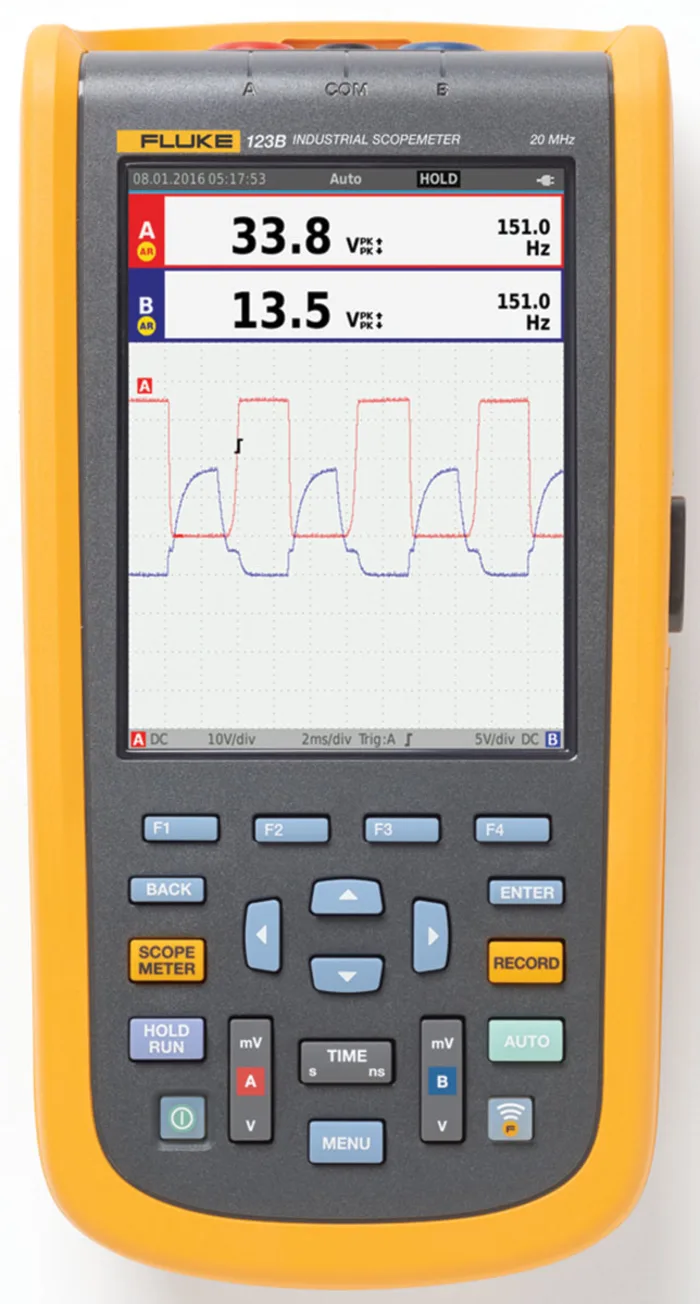
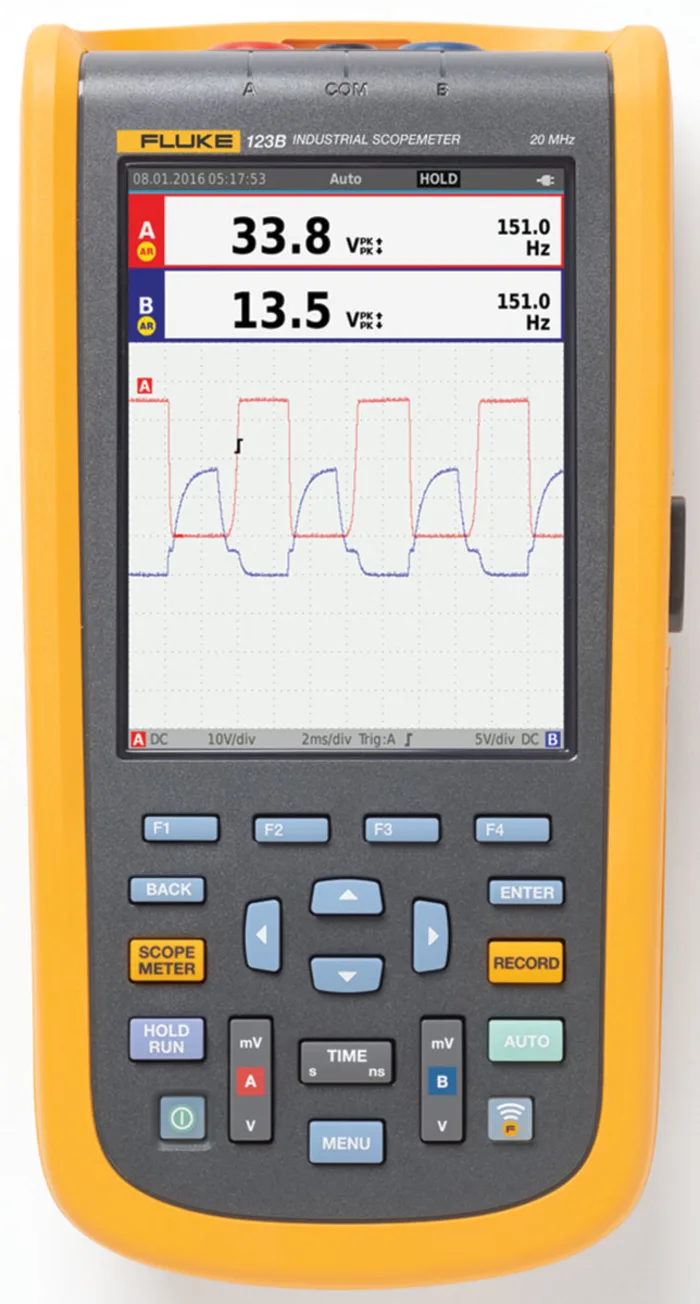
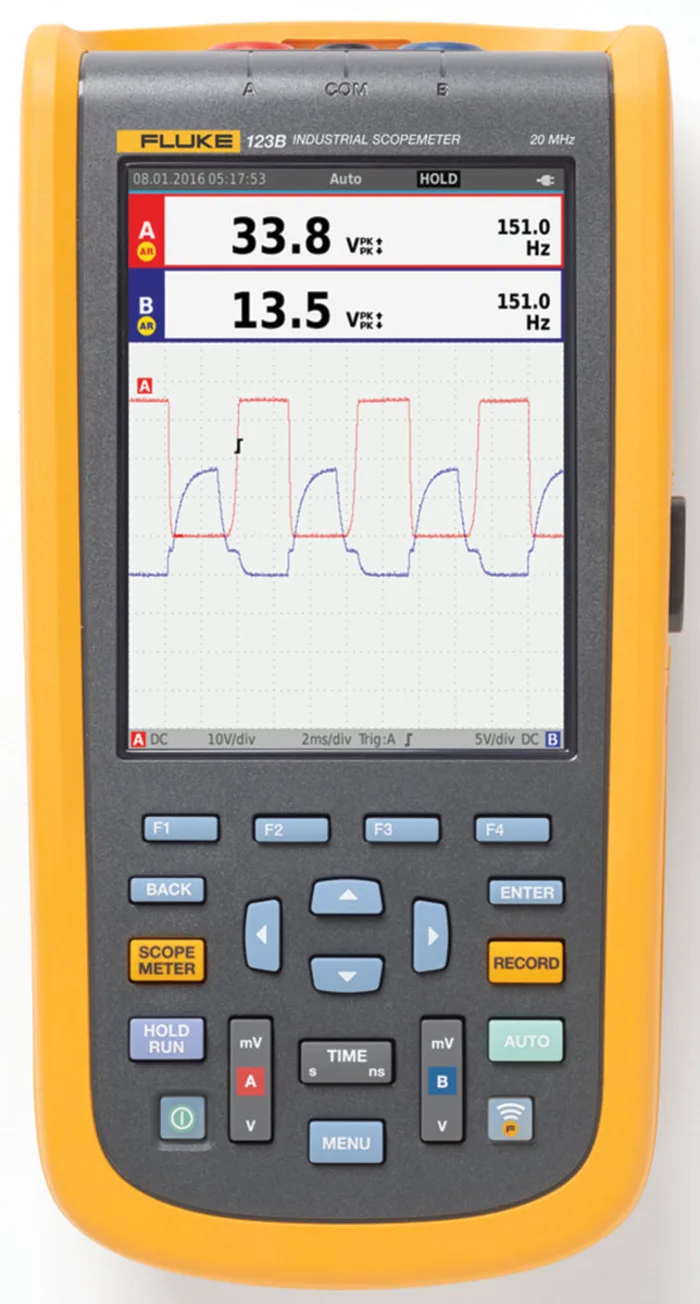
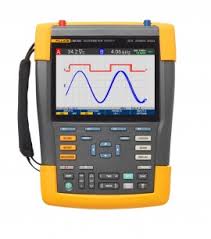
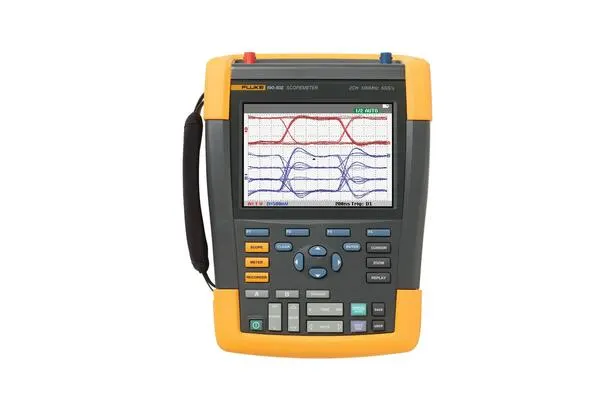
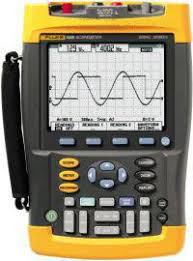
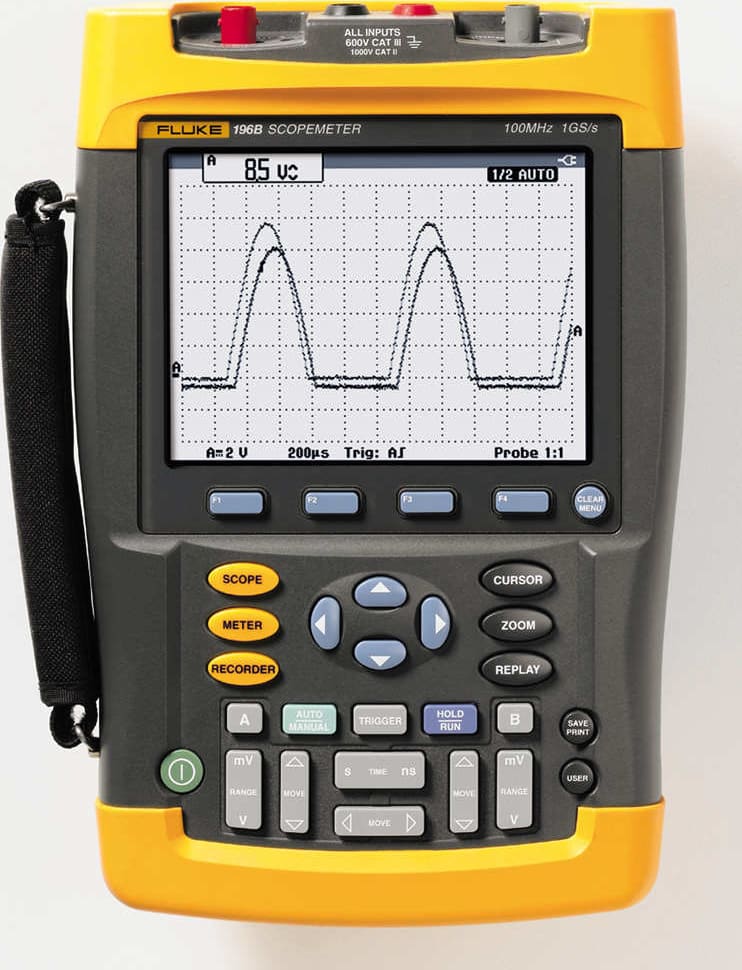
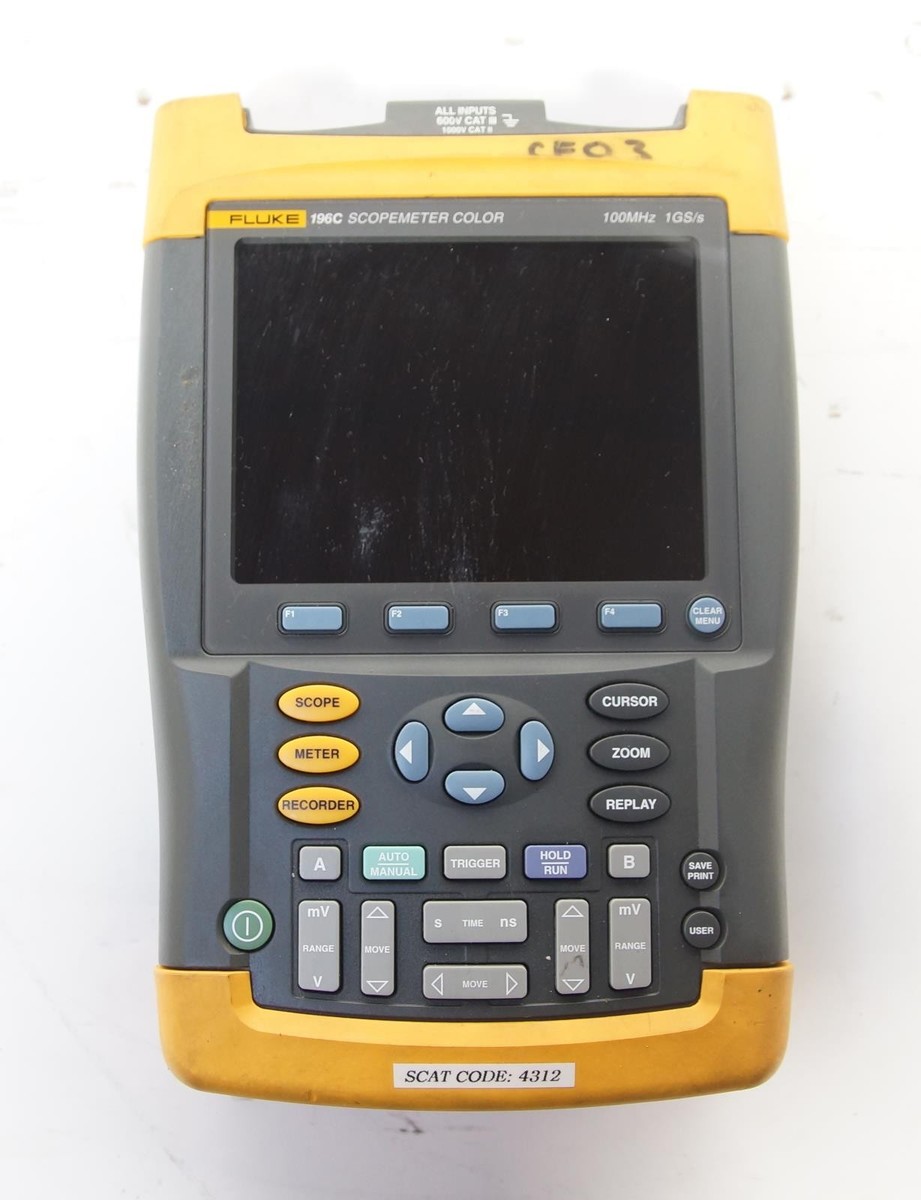
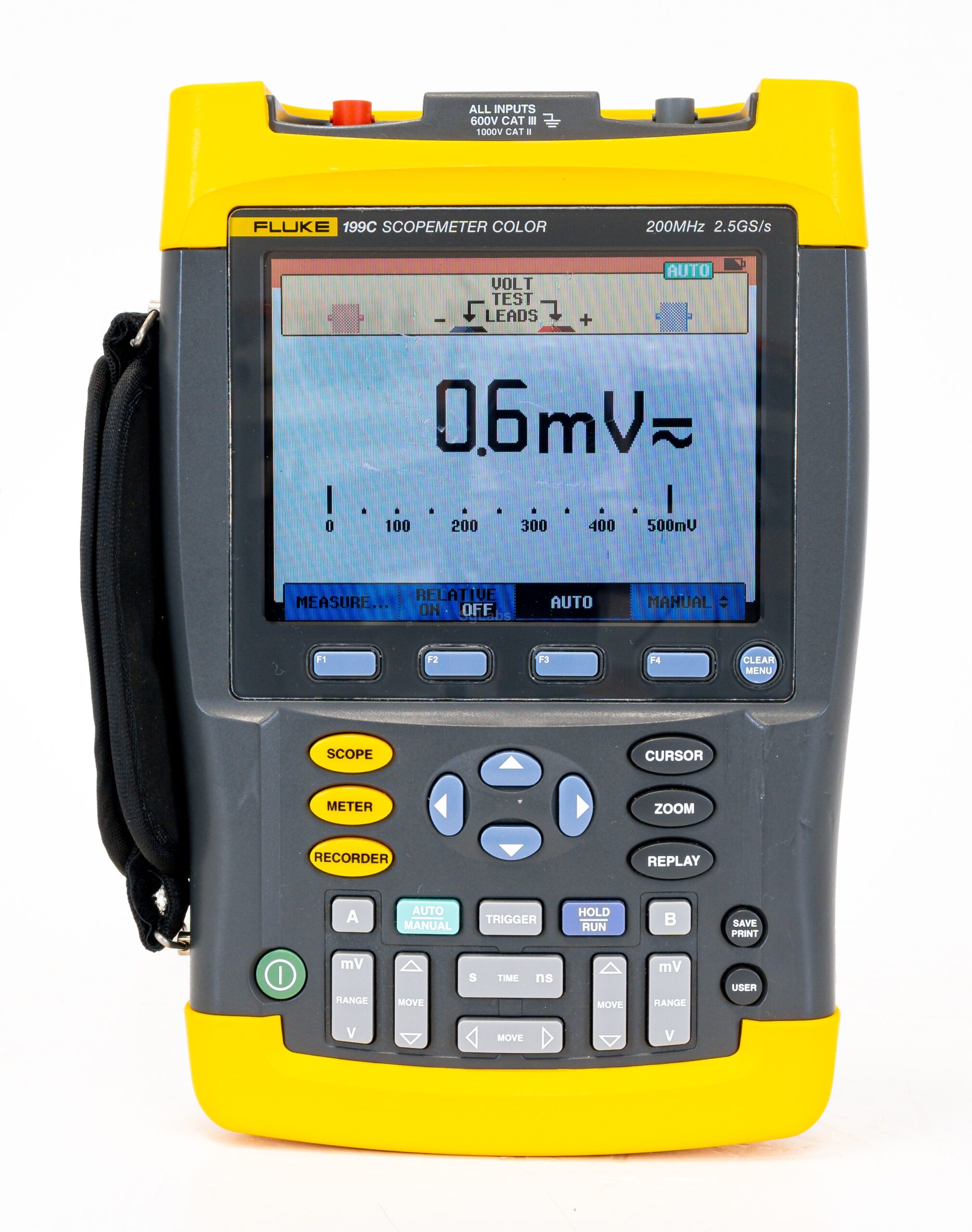
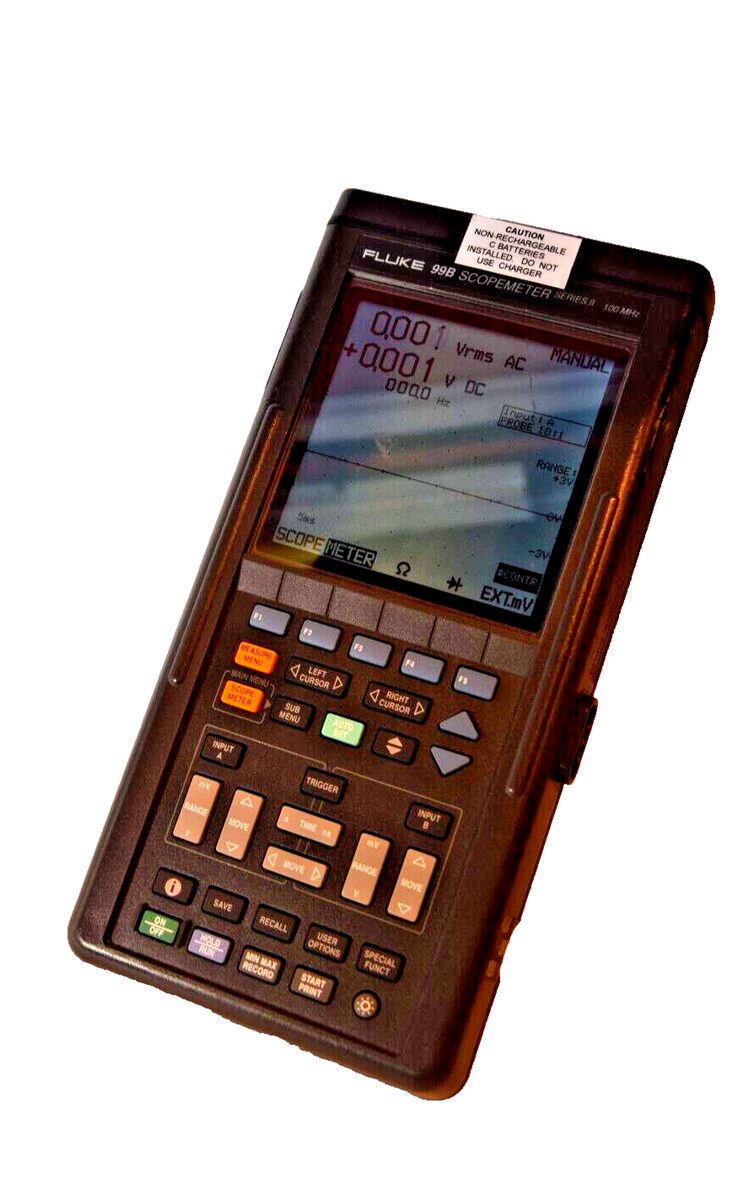
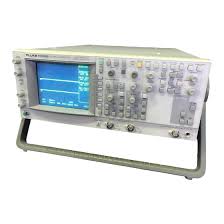
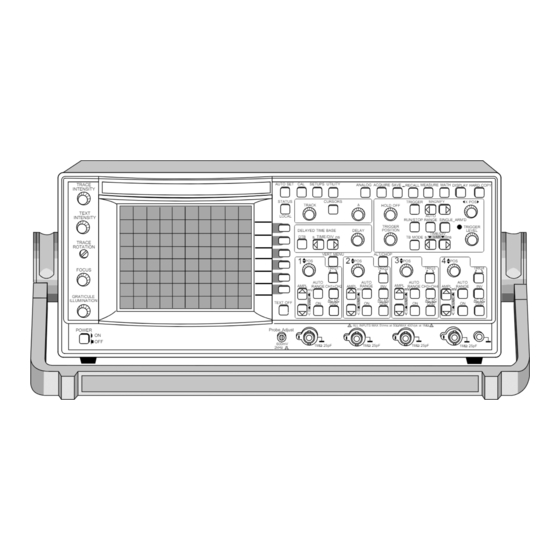
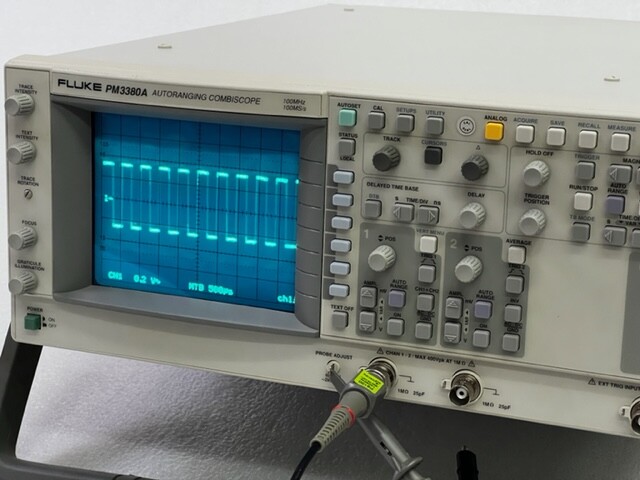
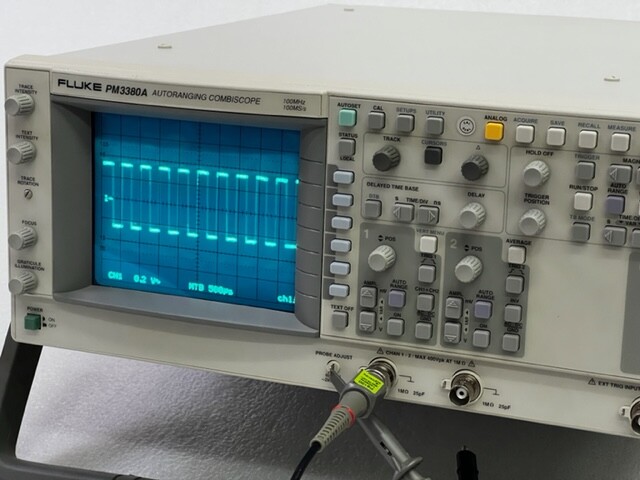
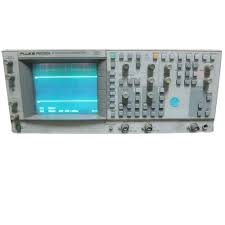
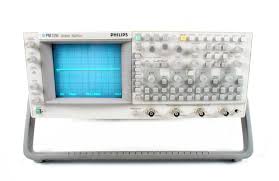
Fluke/Philips Digital Oscilloscopes (1 unit)
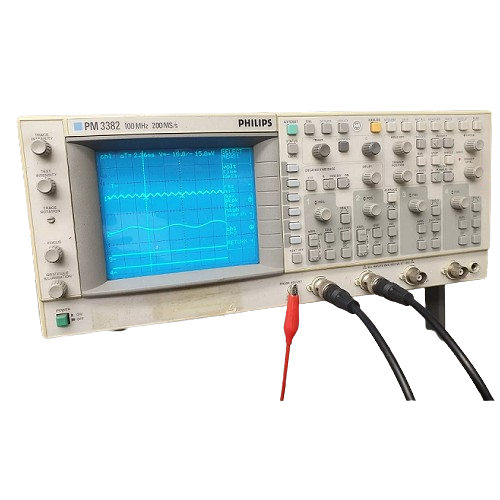
Fossil Power Systems Digital Oscilloscopes (1 unit)
GW Instek Digital Oscilloscopes (1 unit)
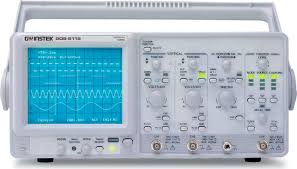
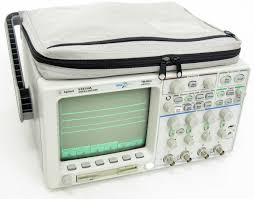
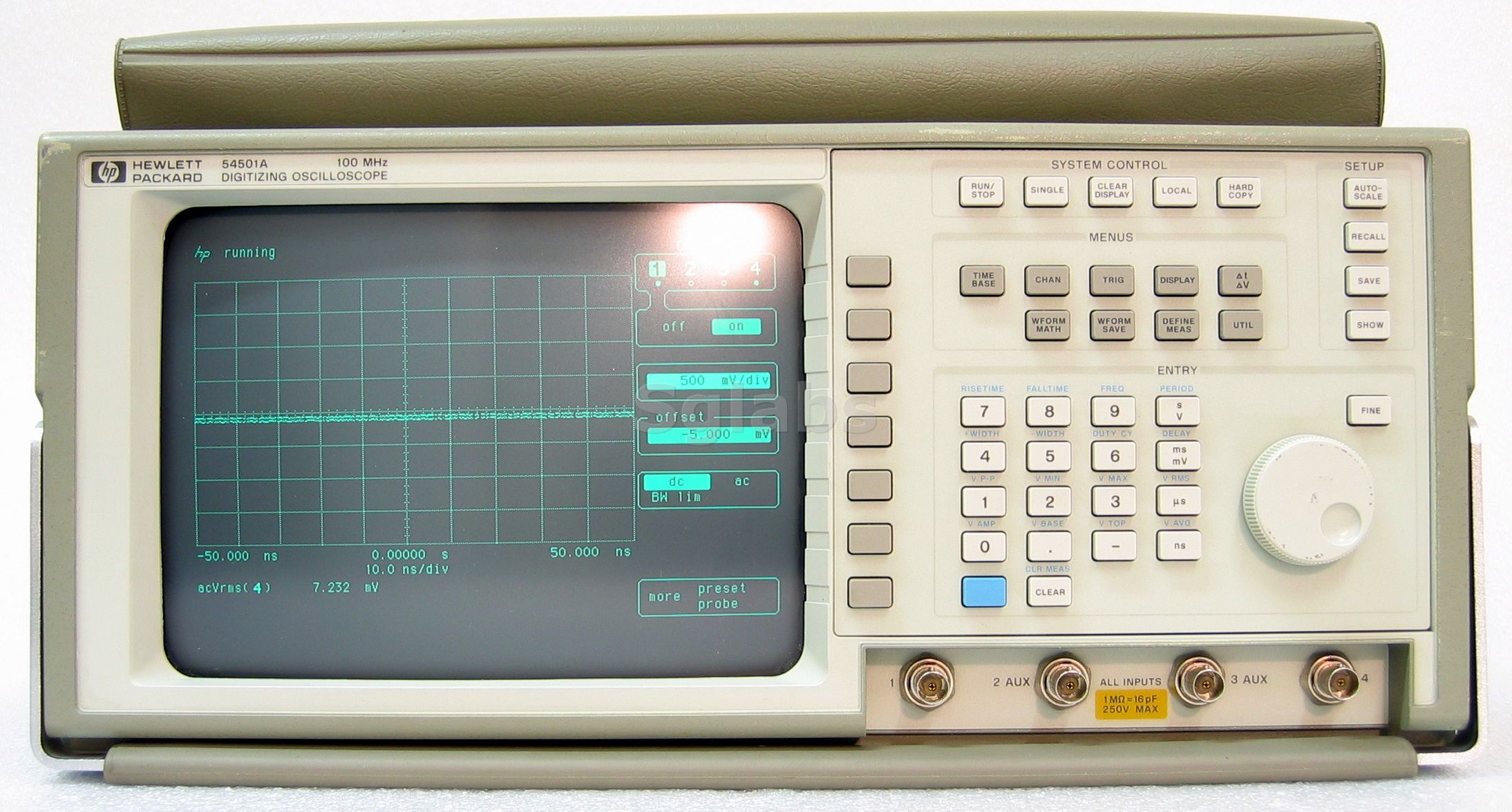
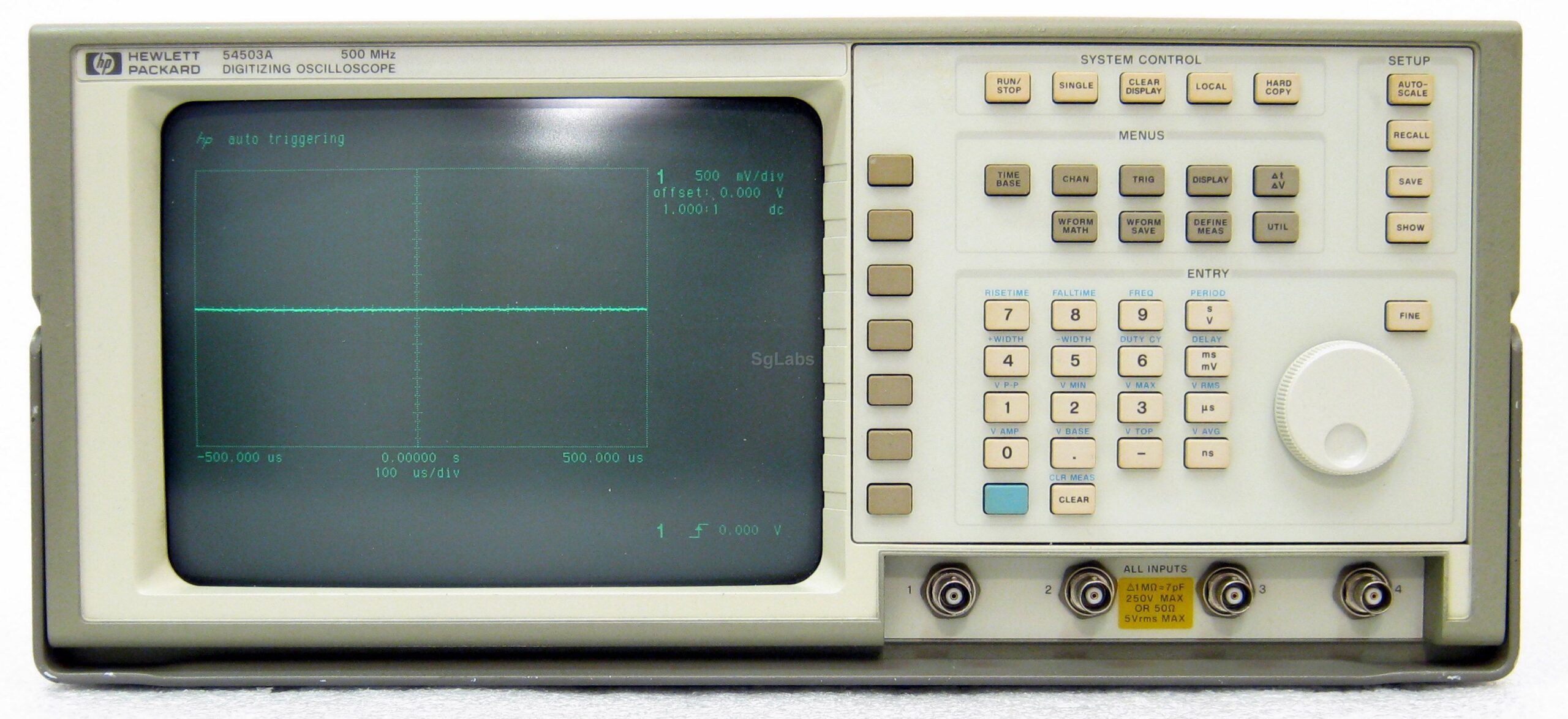
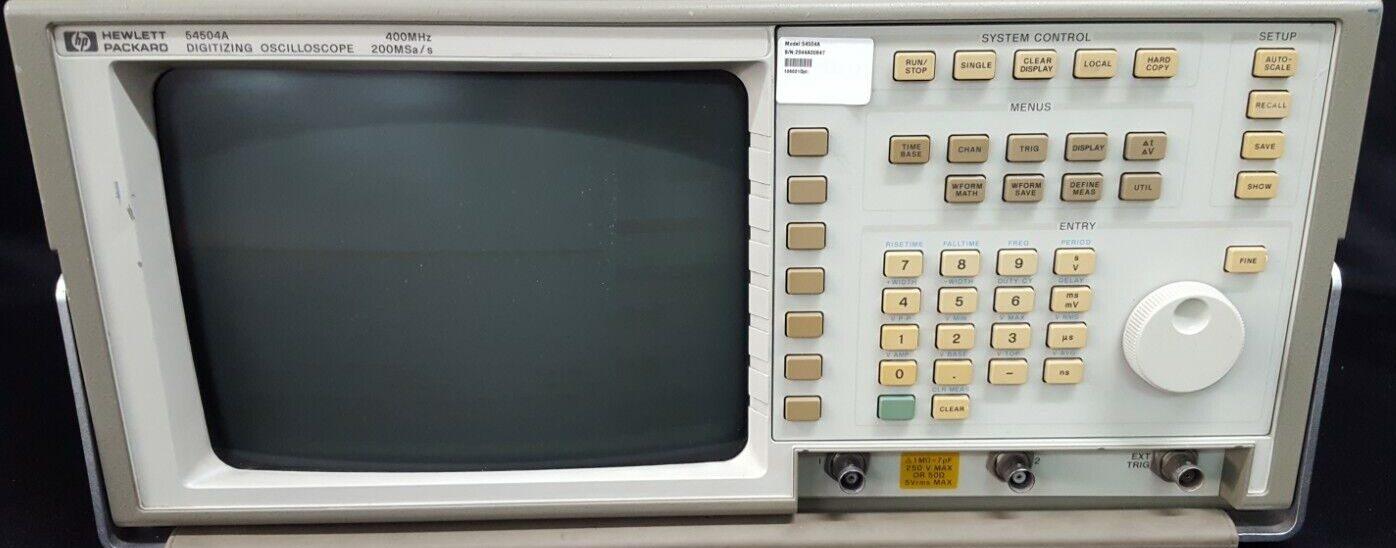
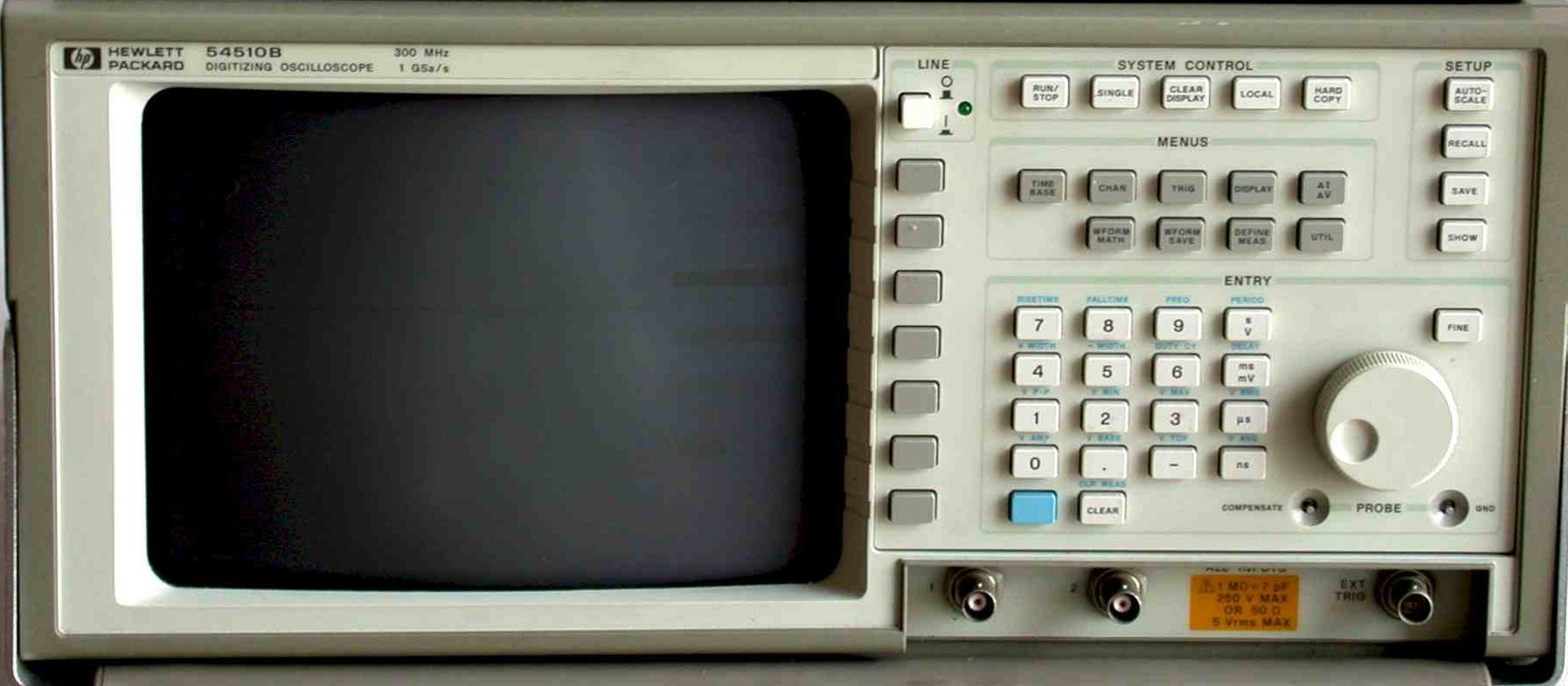
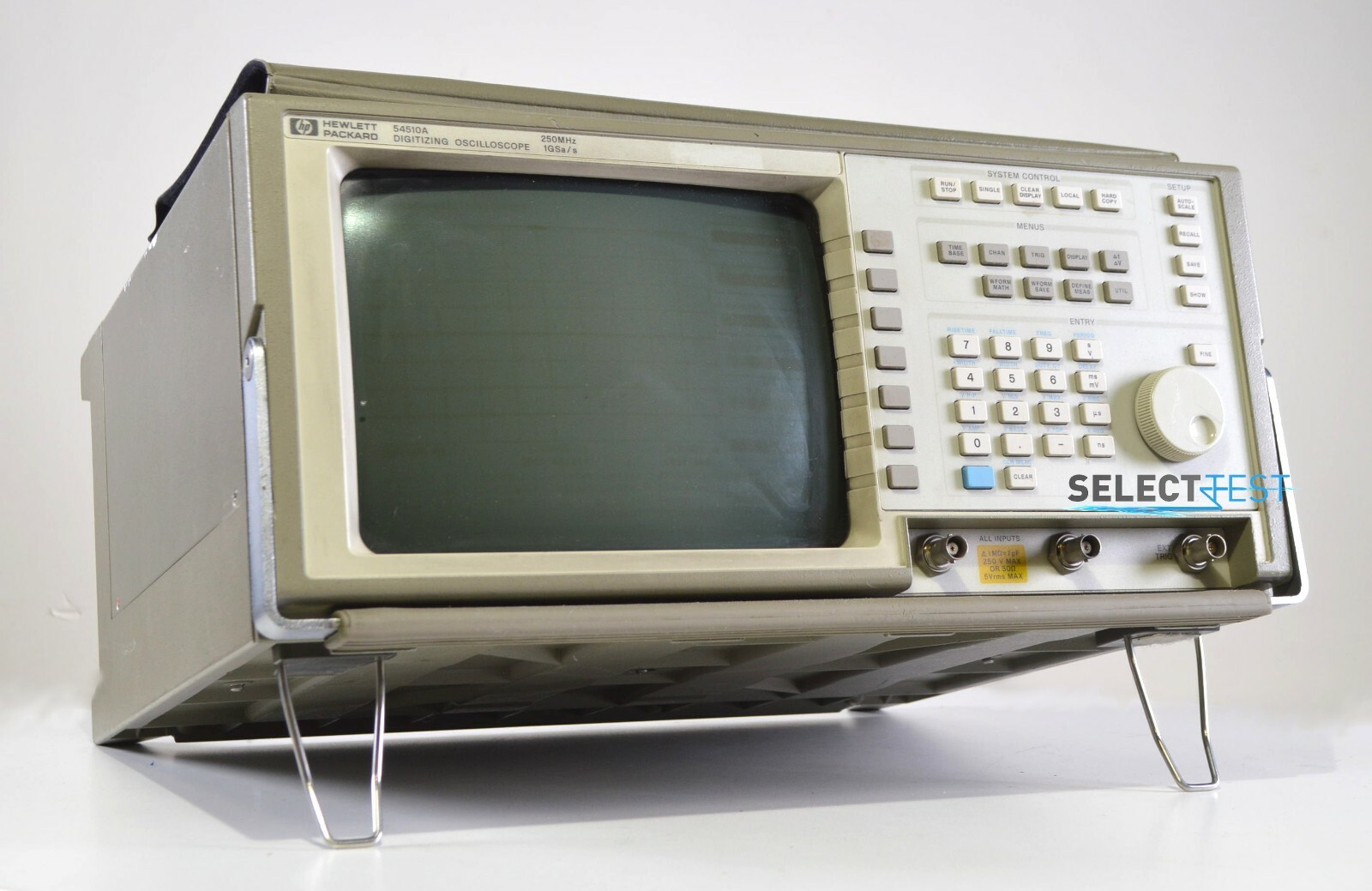
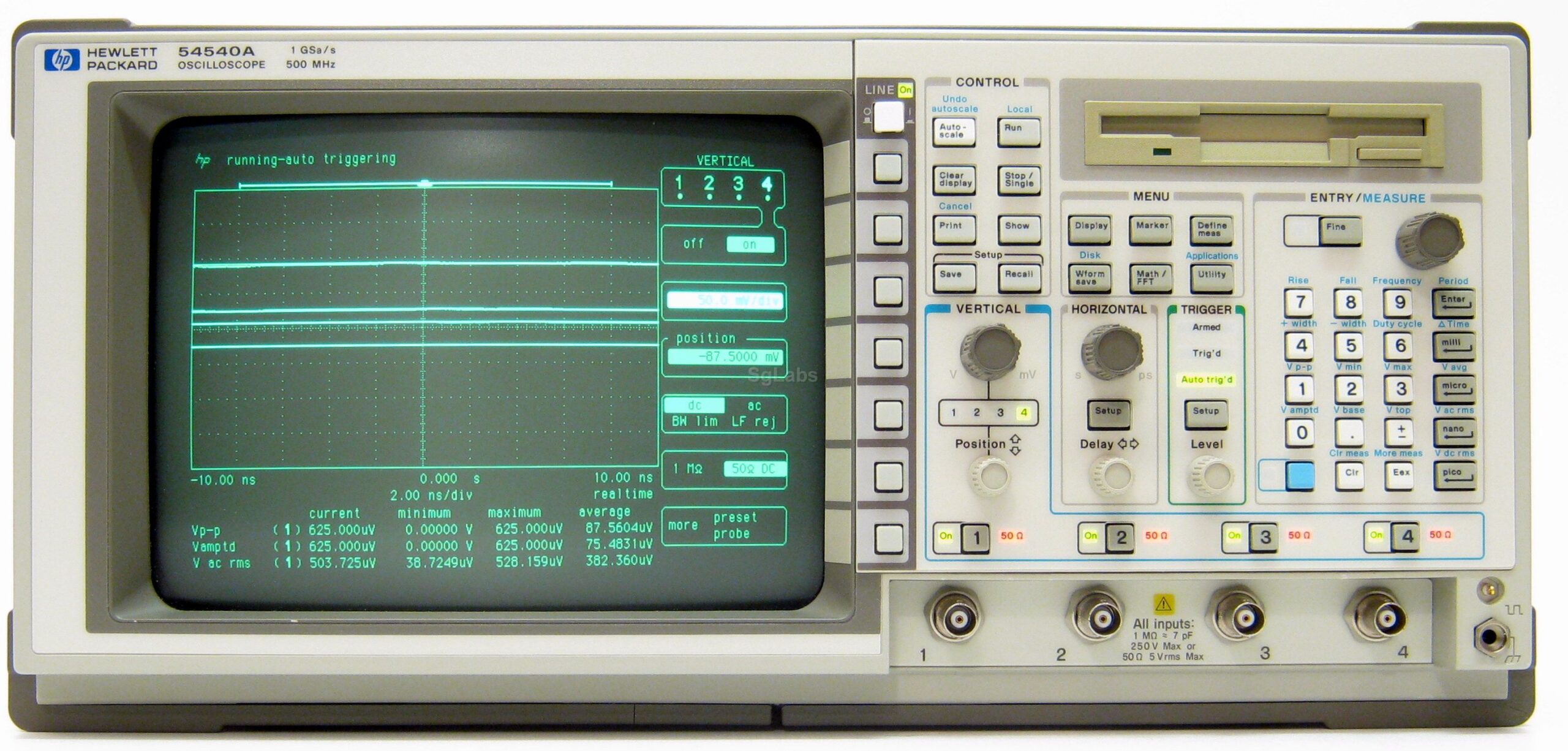
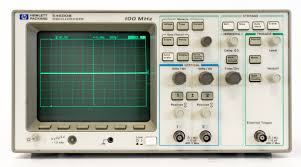
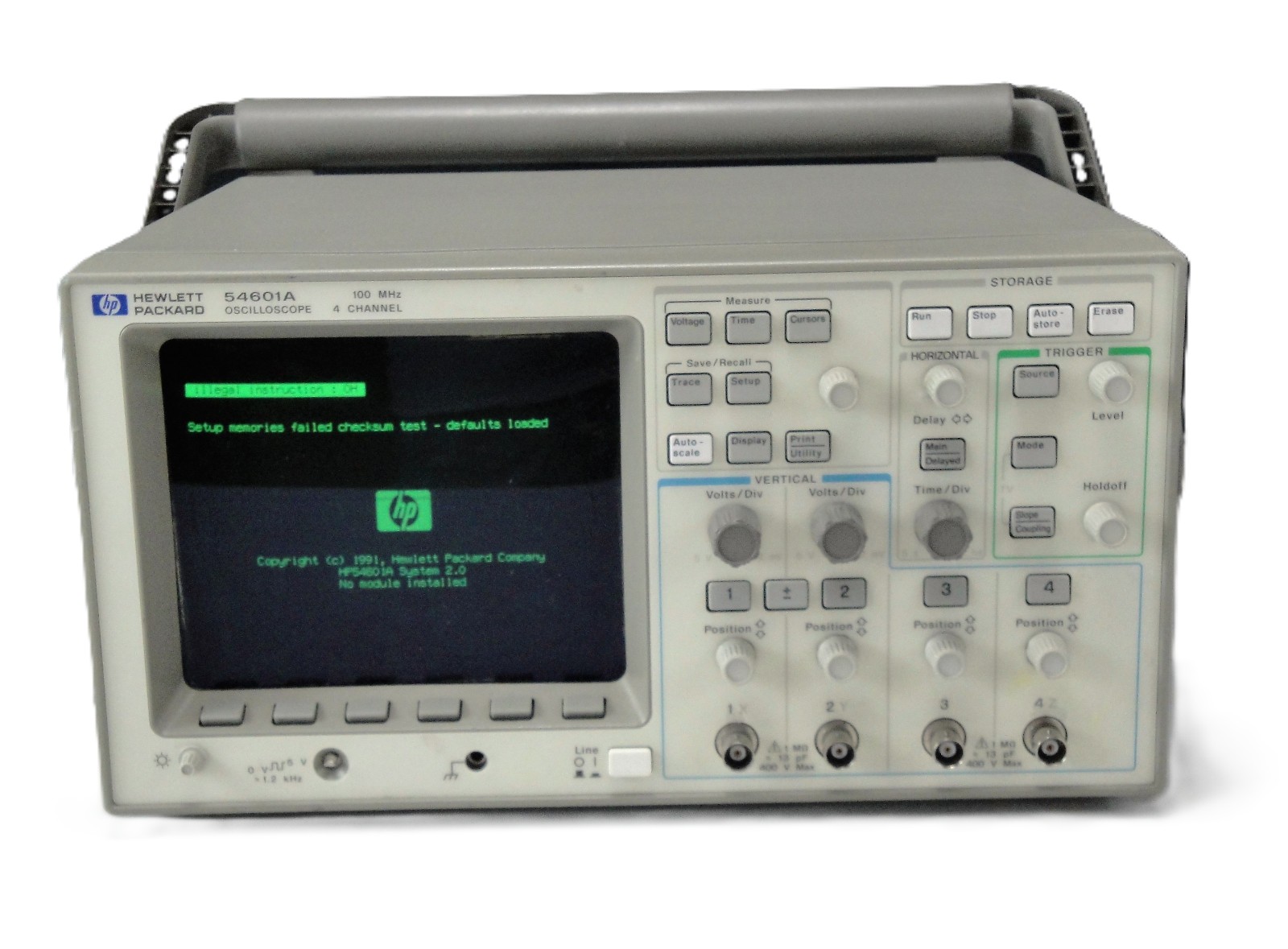
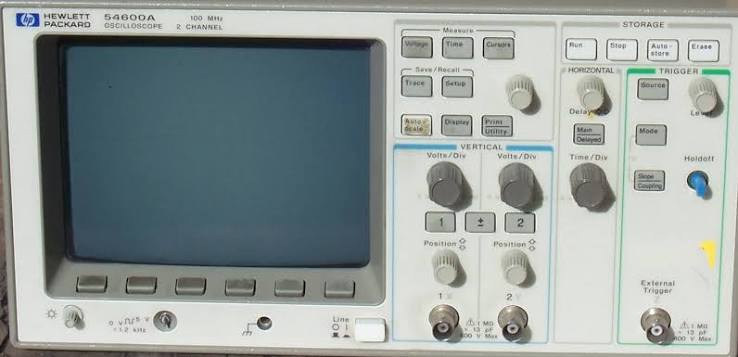
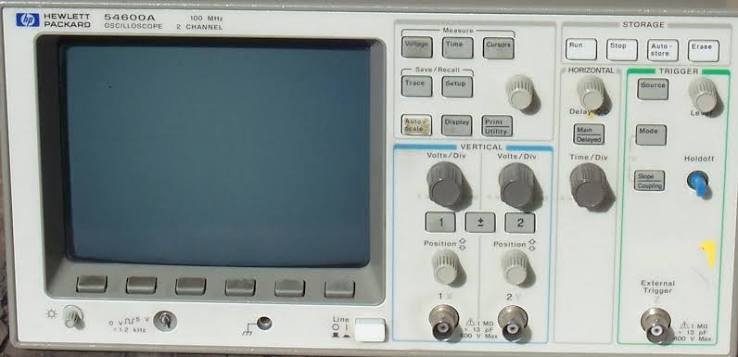
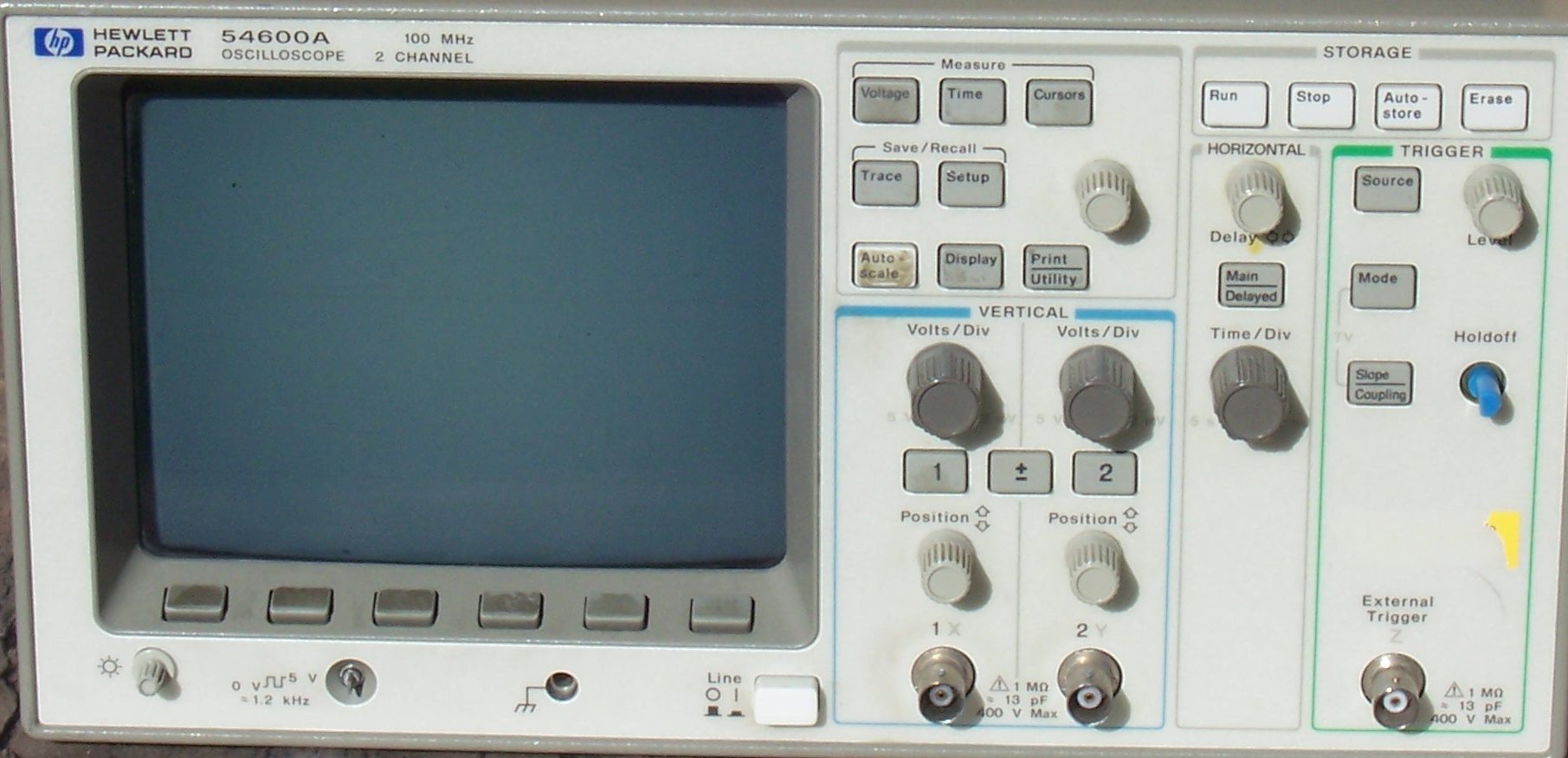
HP Digital Oscilloscopes (7 units)
Hameg Digital Oscilloscopes (2 units)
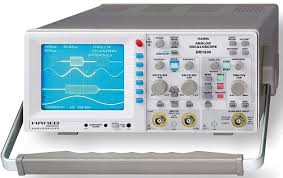
Hitachi Digital Oscilloscopes (7 units)
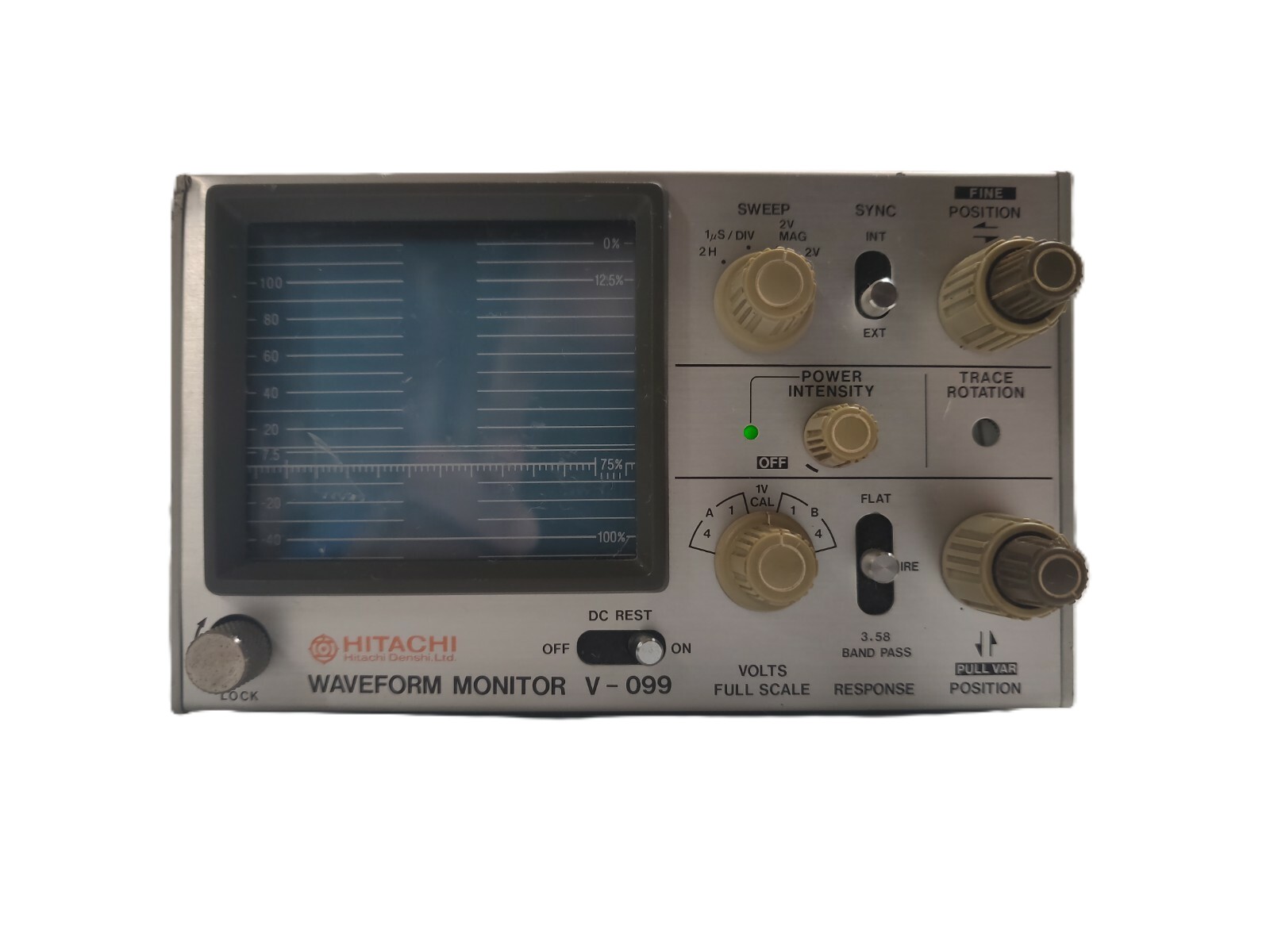
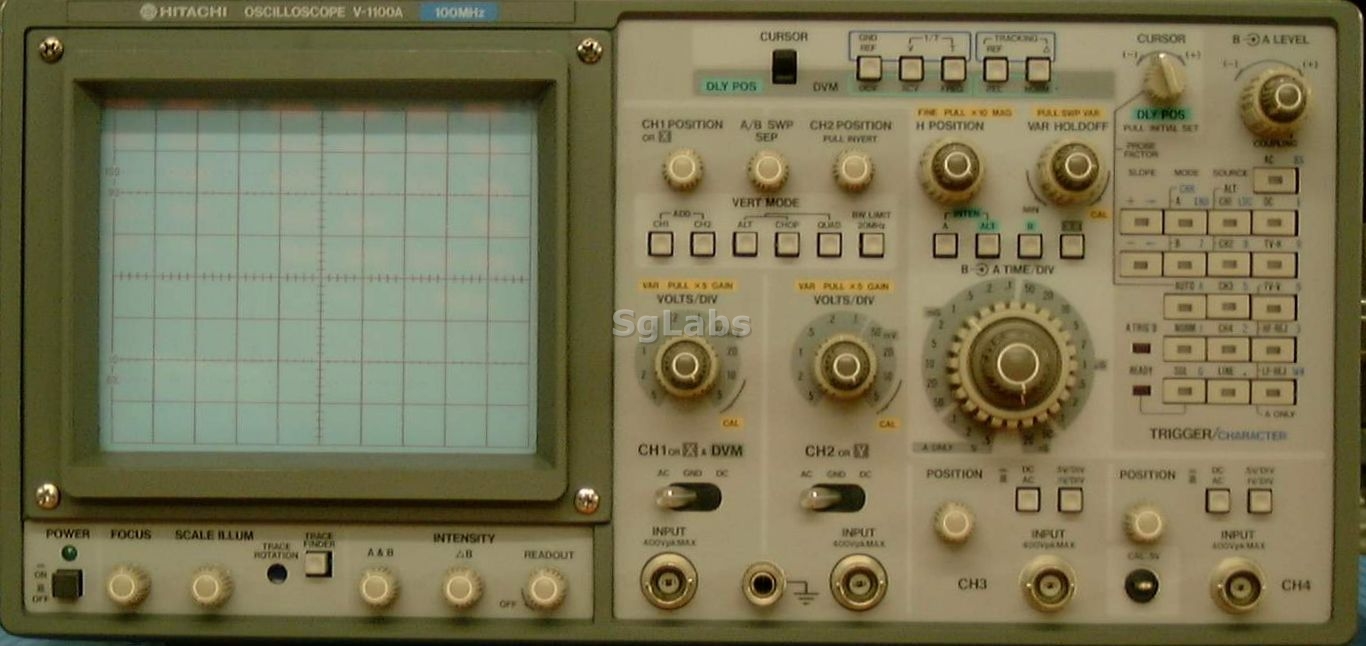
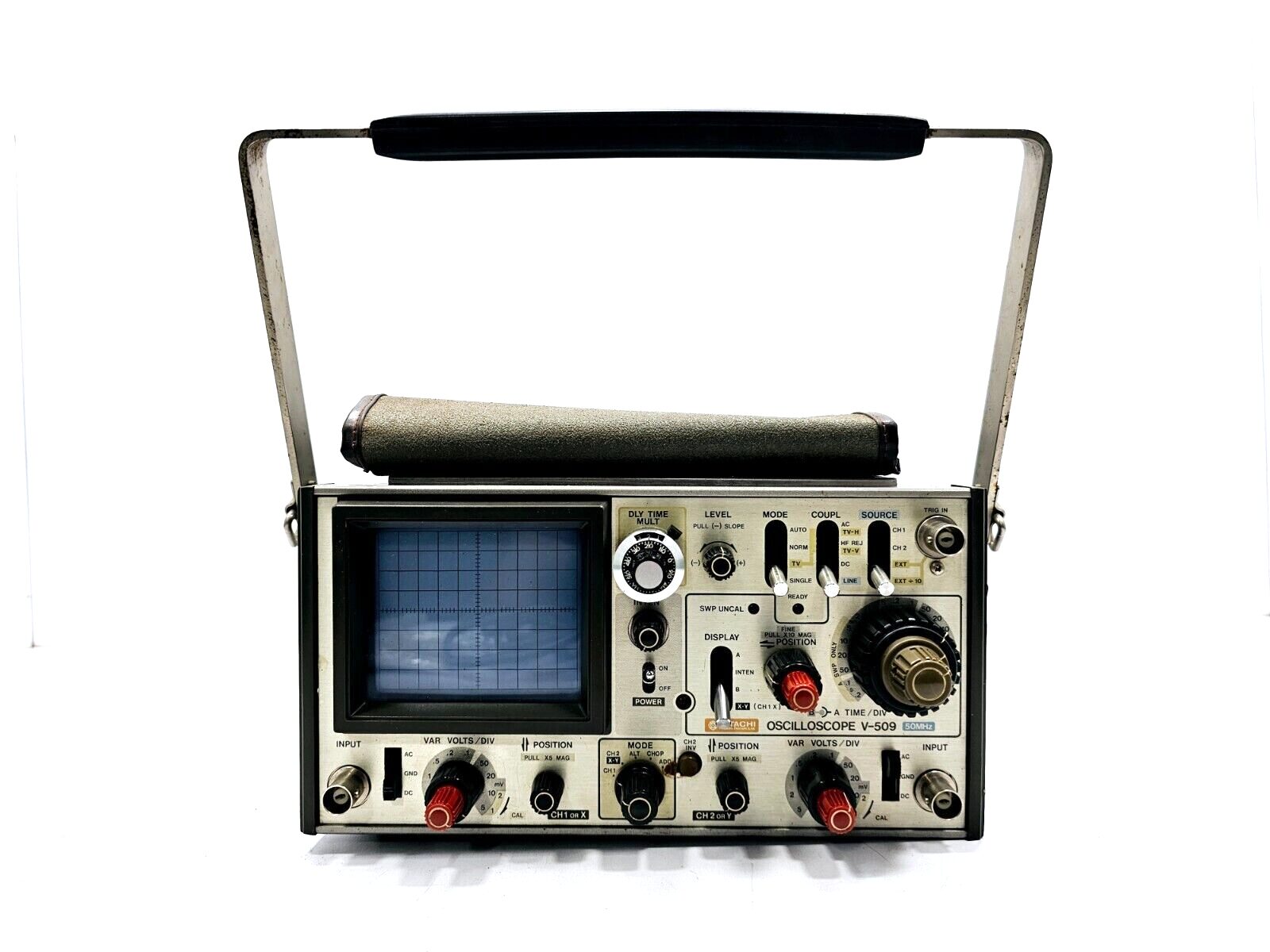
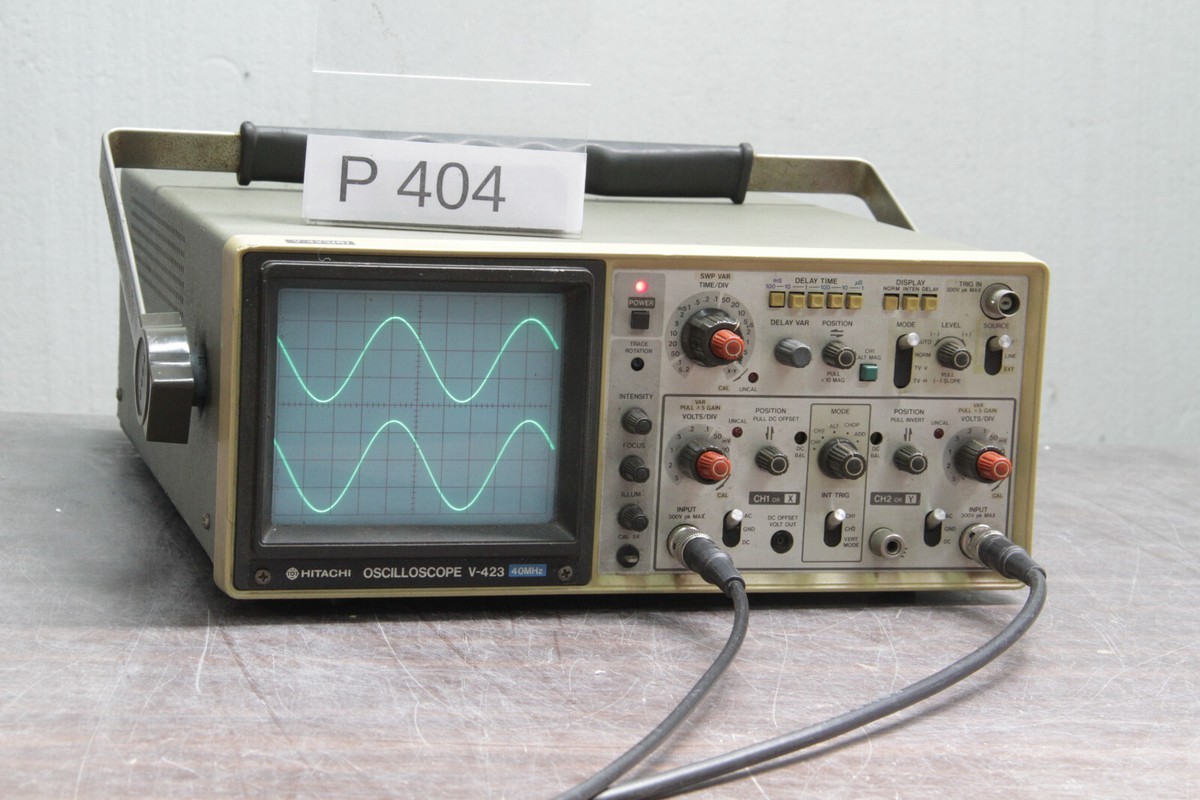
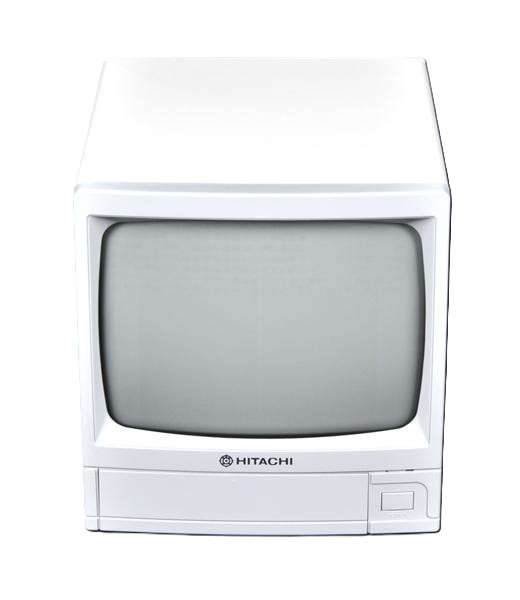
Instek Digital Oscilloscopes (1 unit)
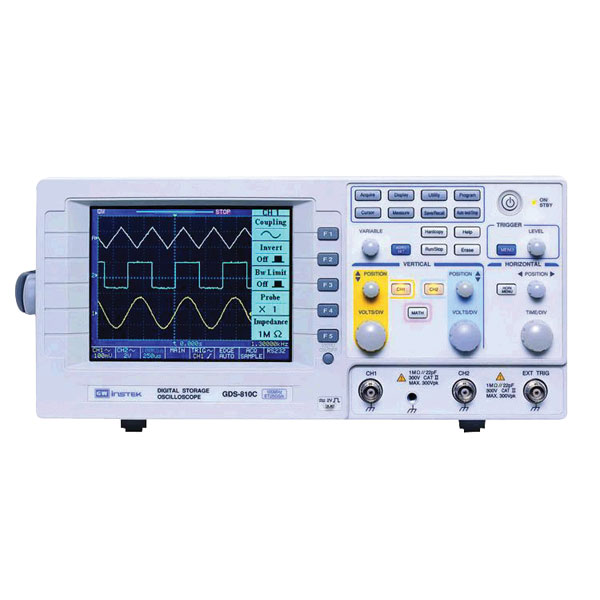
Instek/GW Digital Oscilloscopes (1 unit)
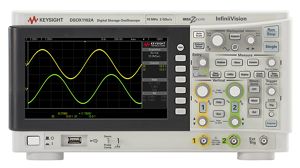
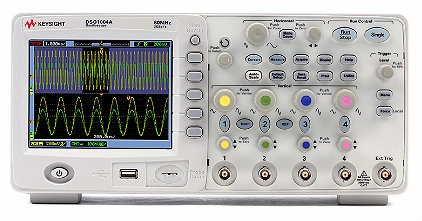
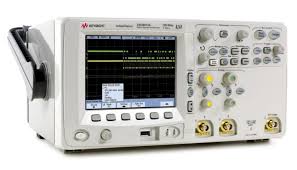
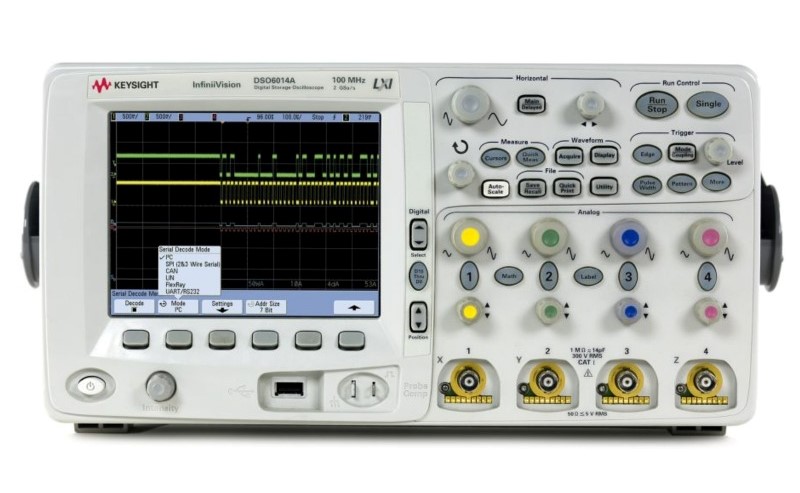
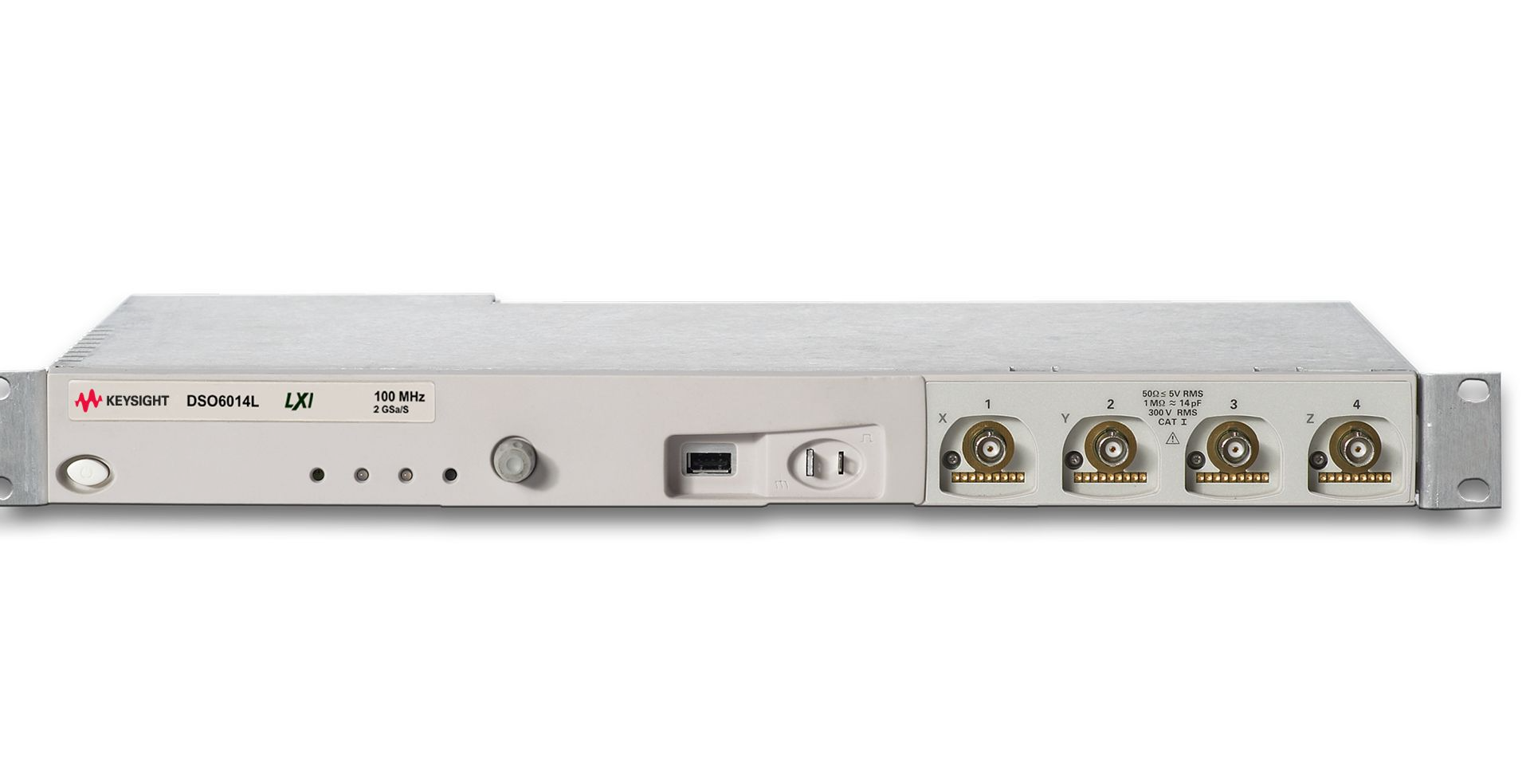
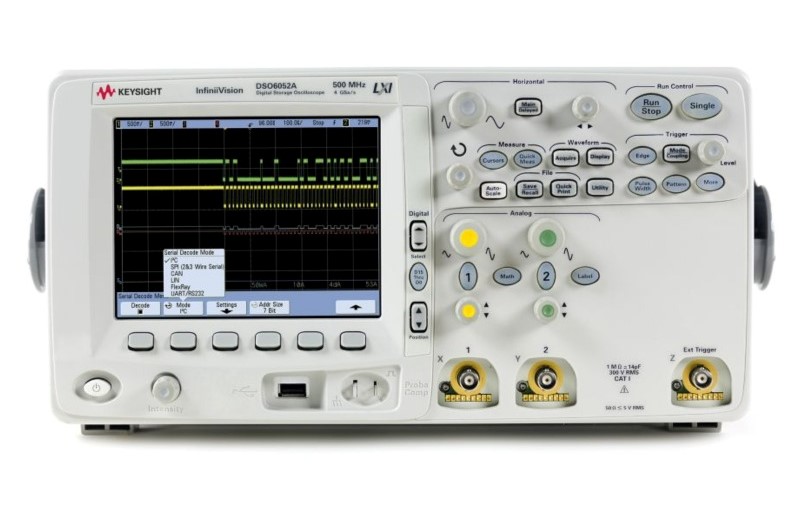
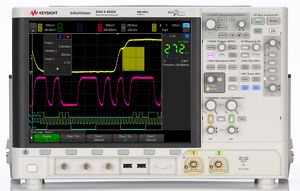
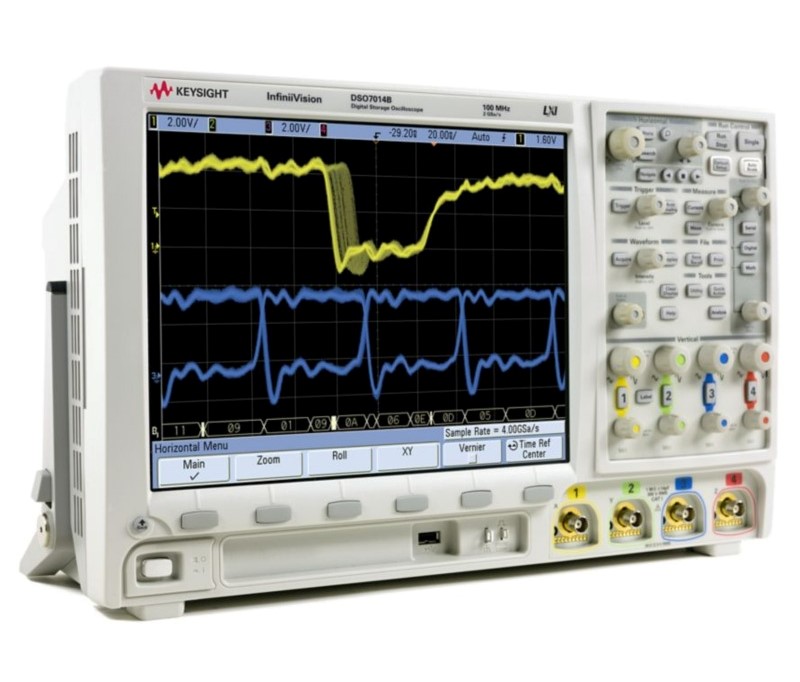
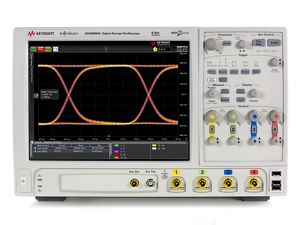
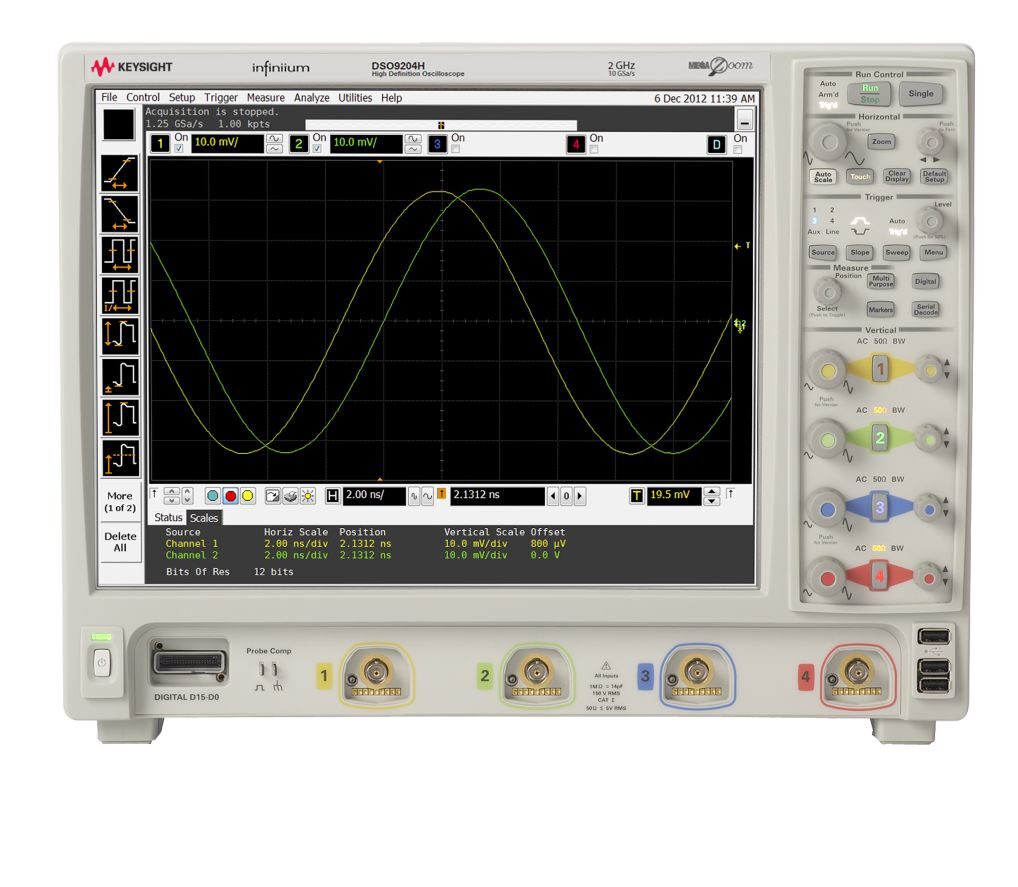
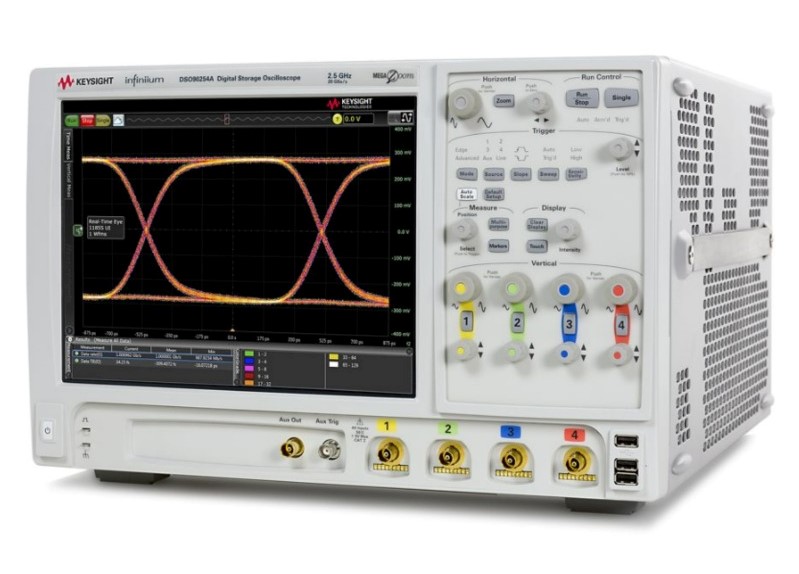
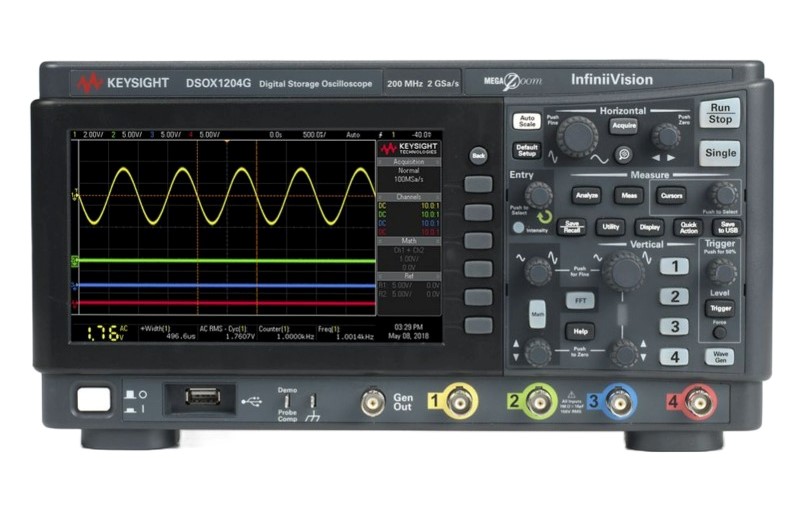
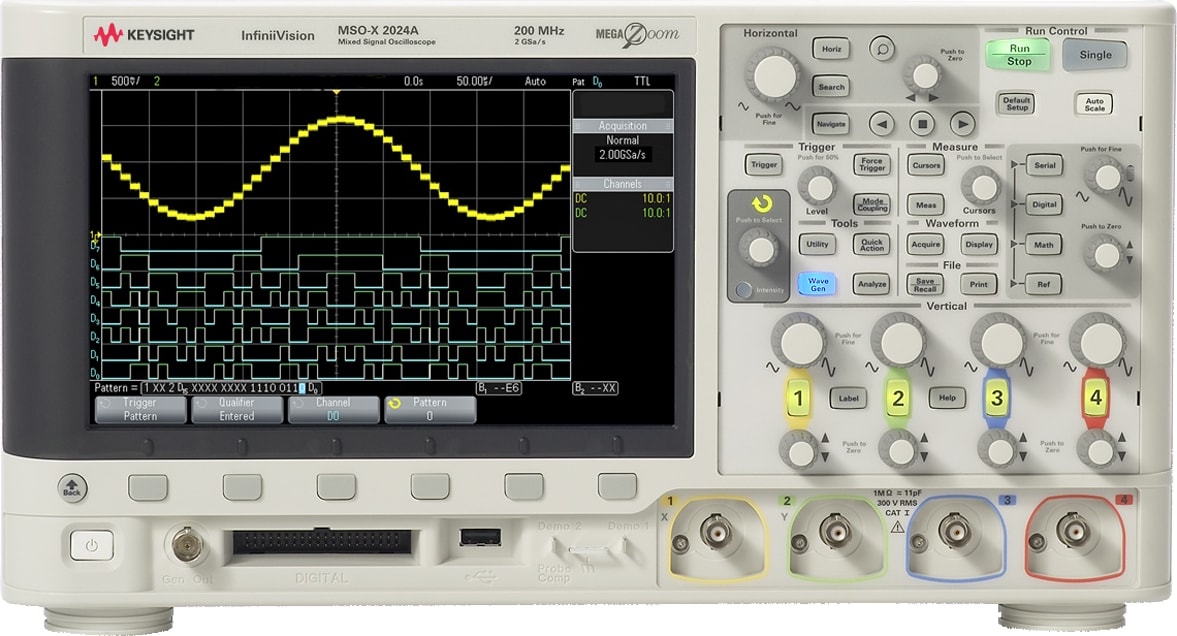
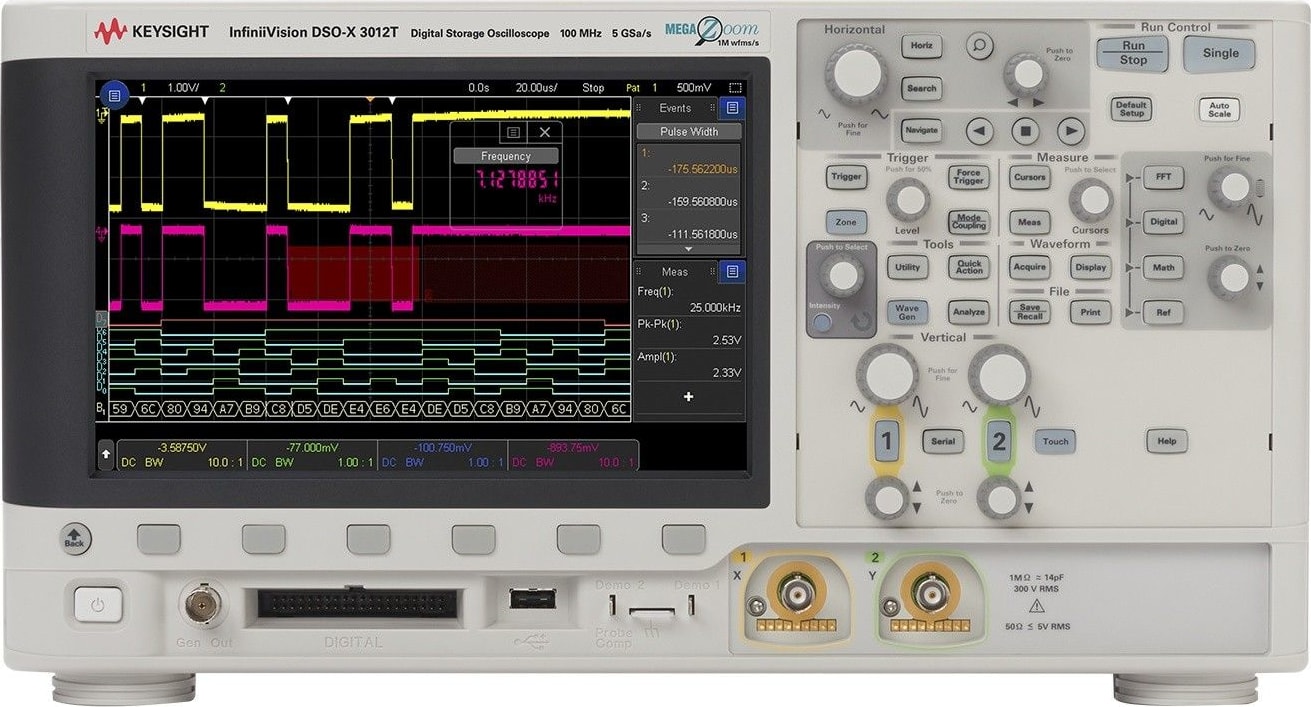
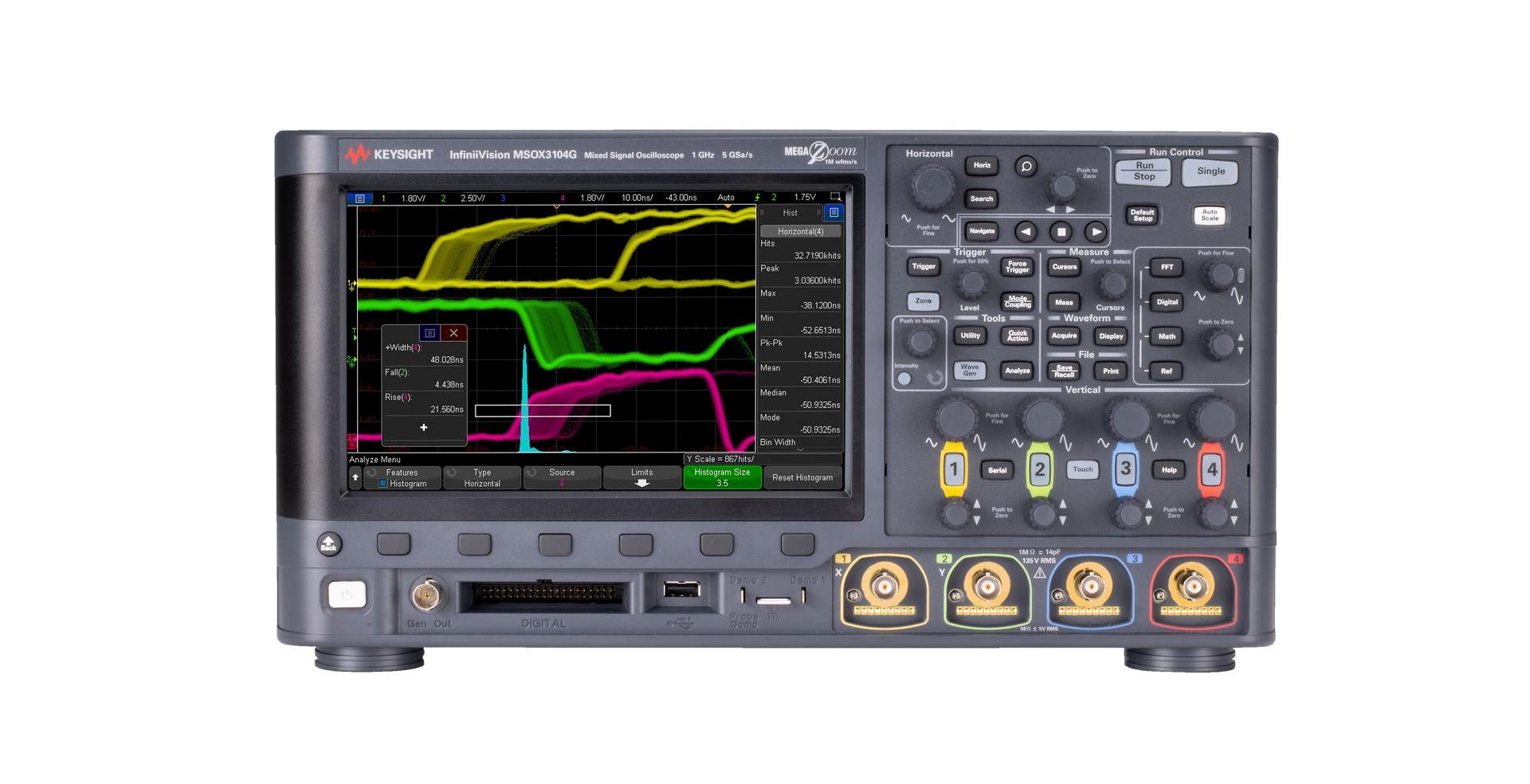
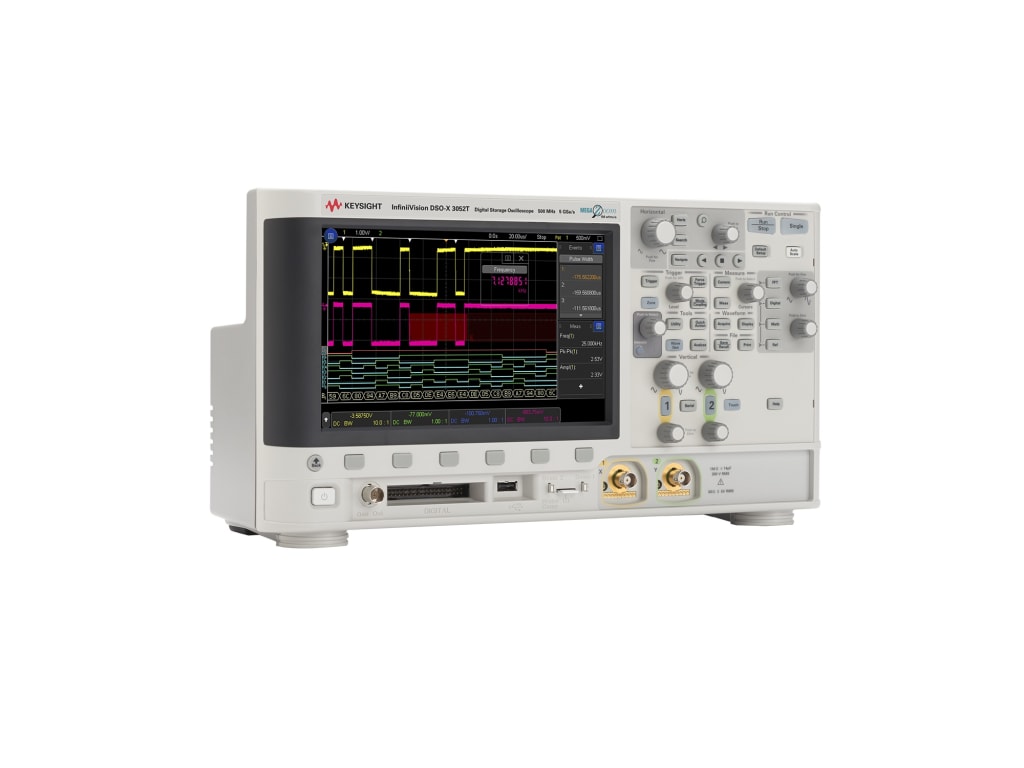
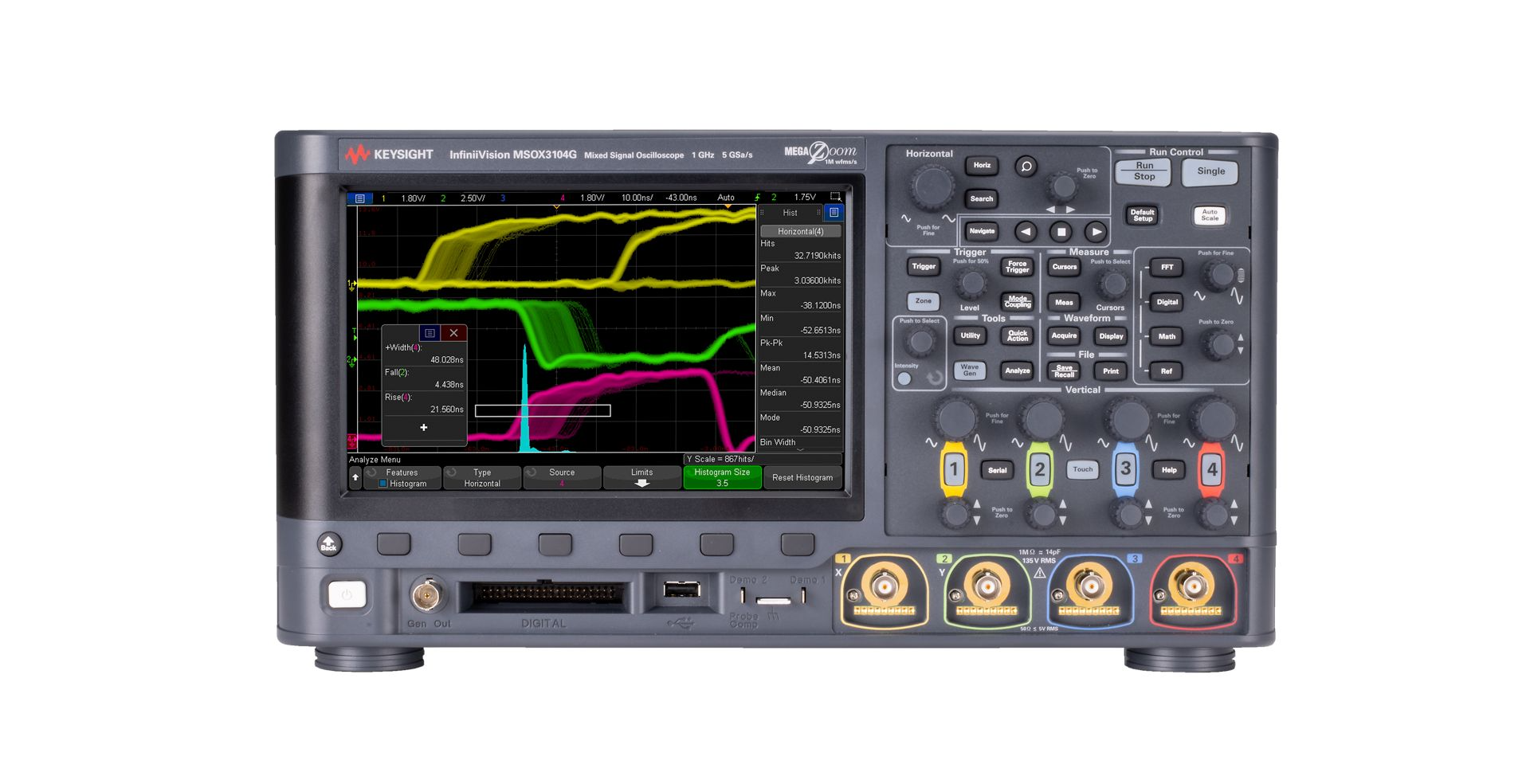
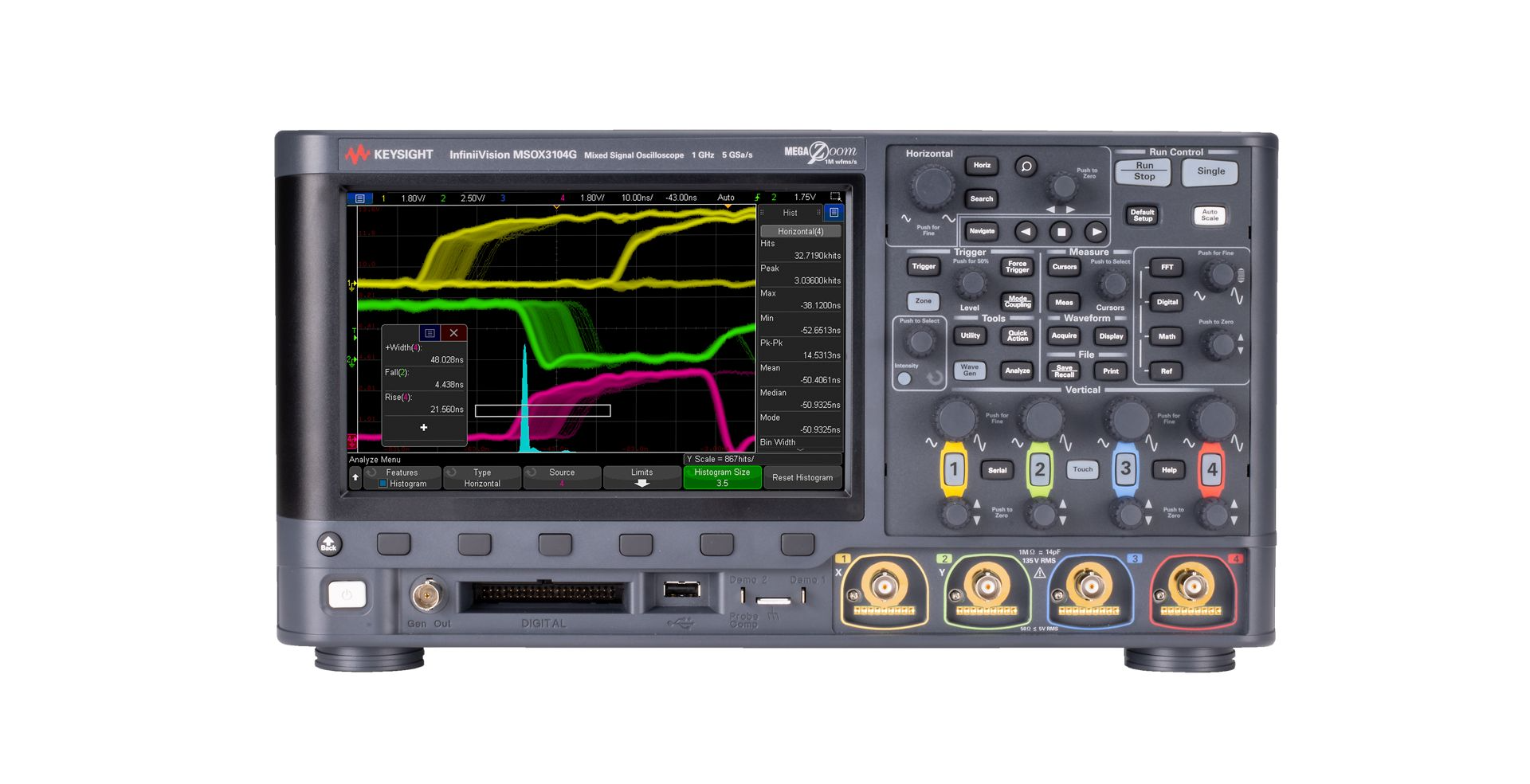
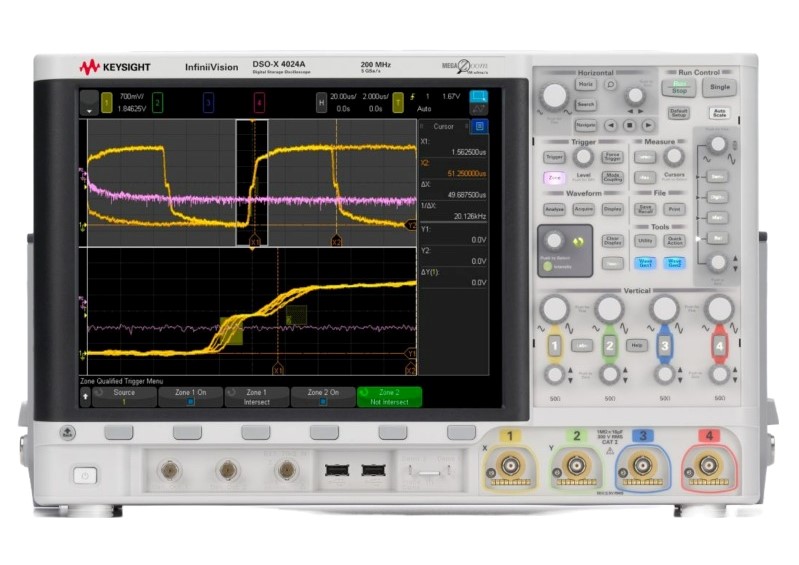
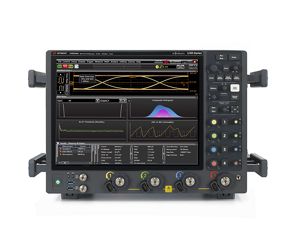
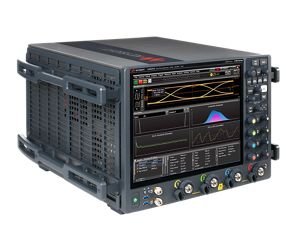
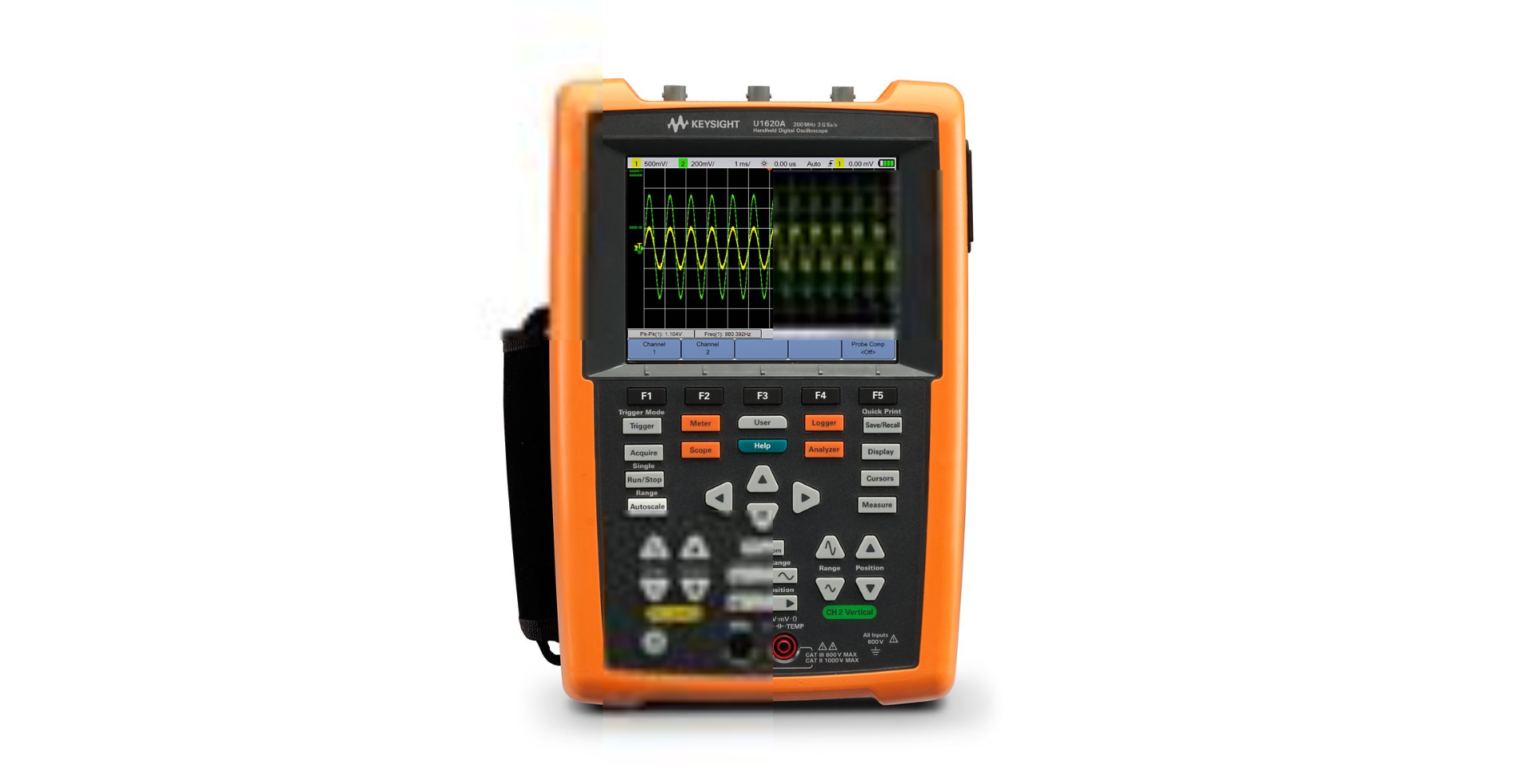
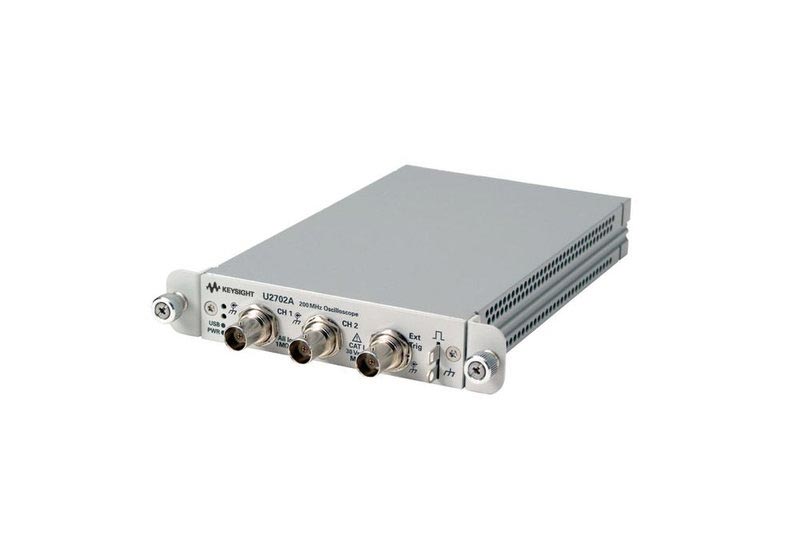
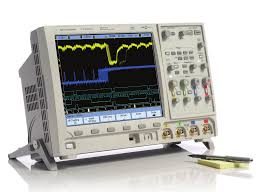
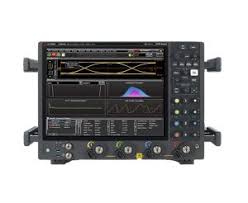
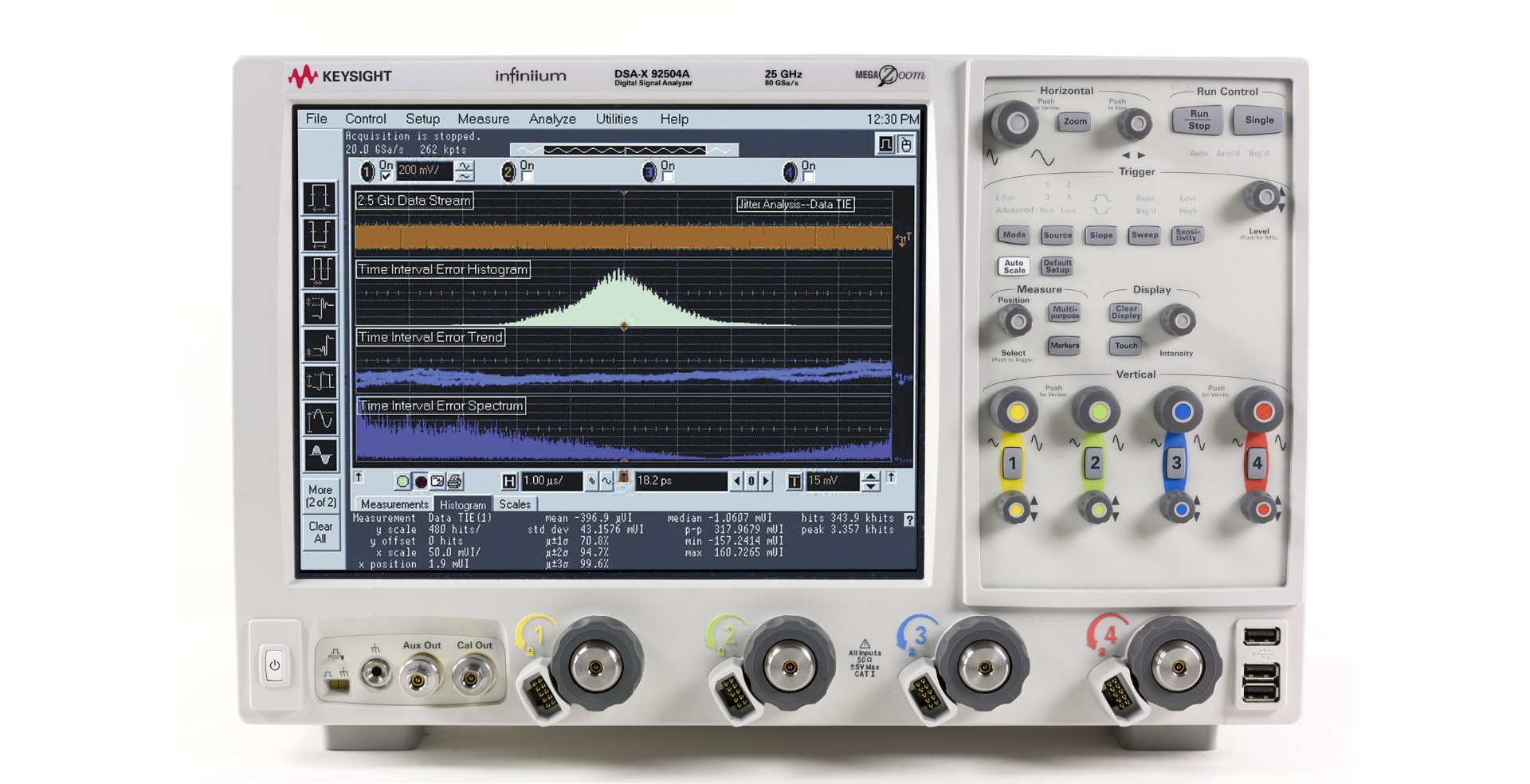
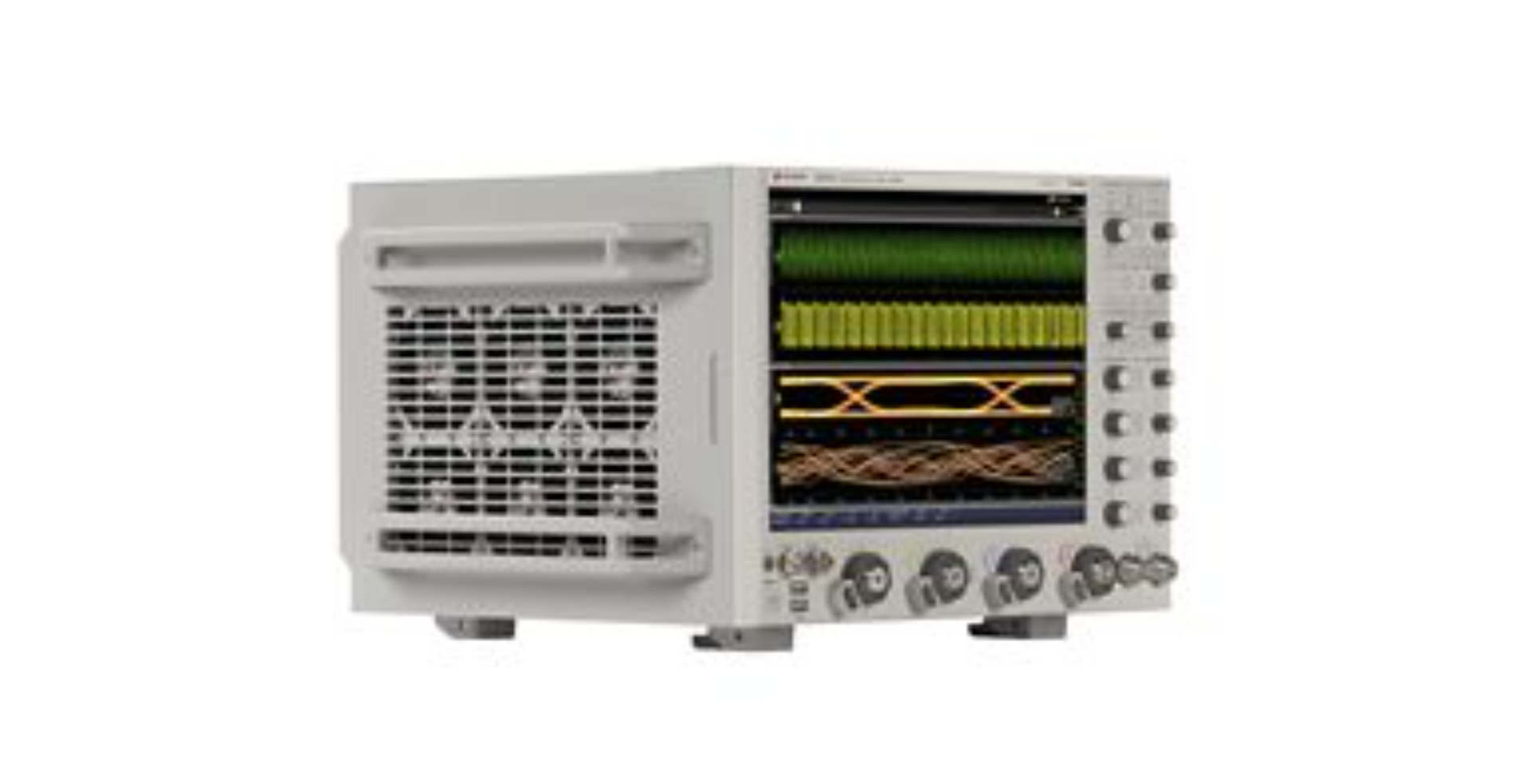
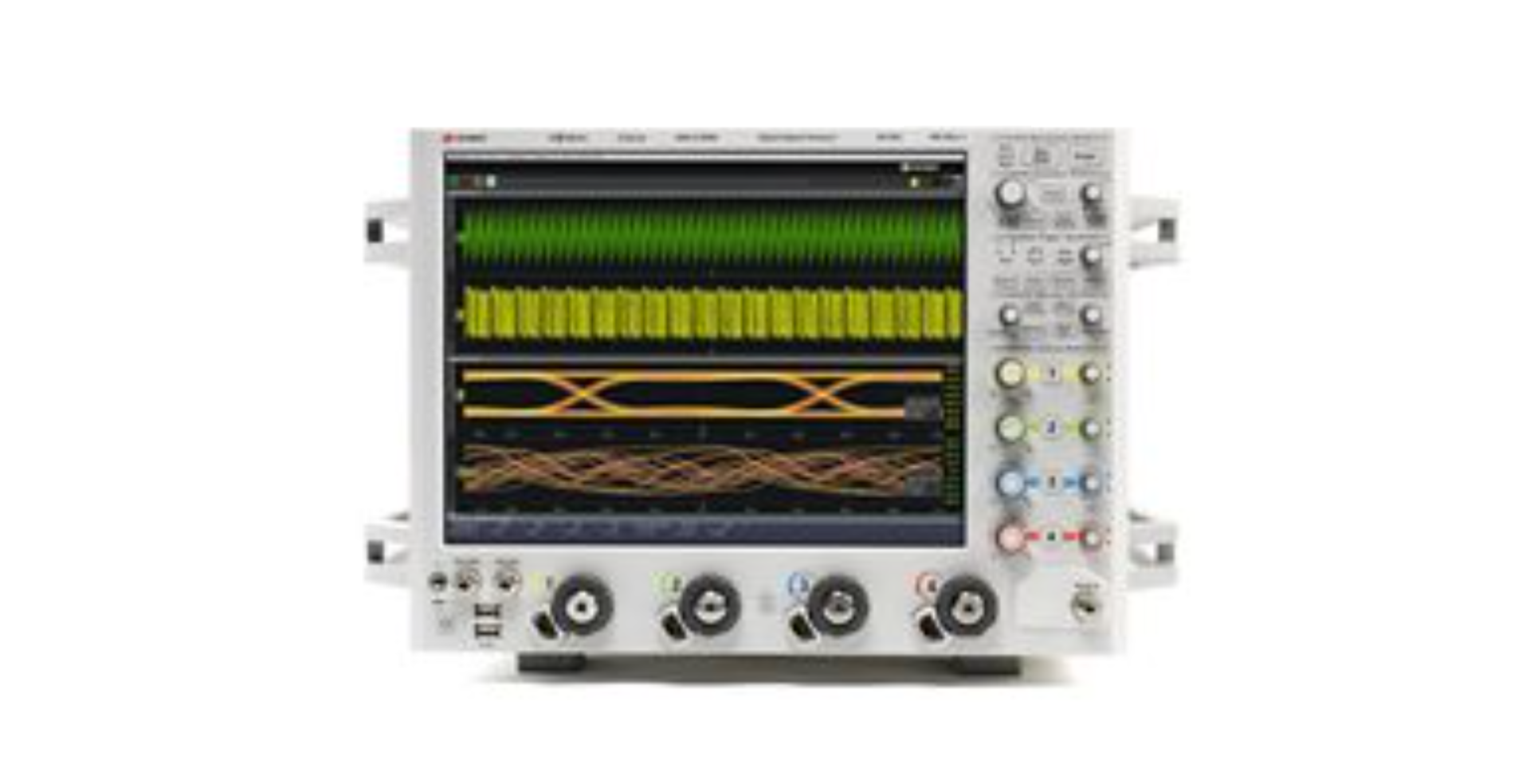
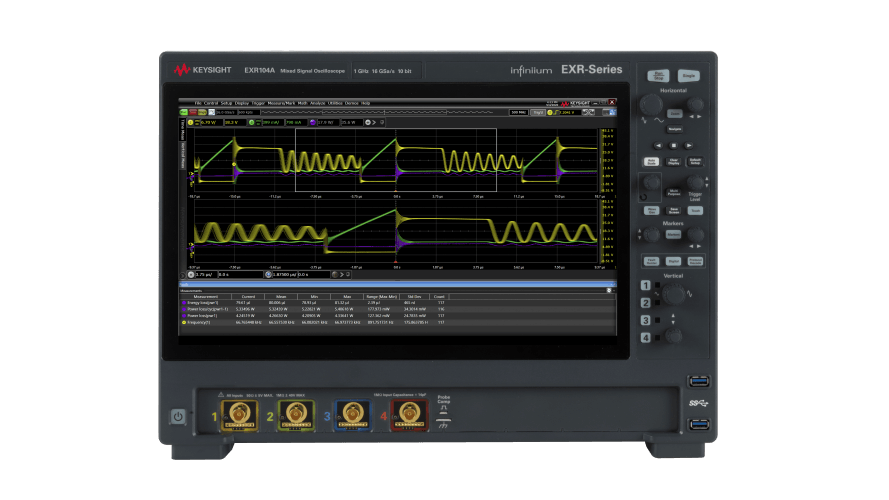
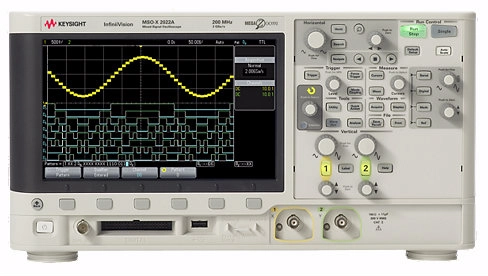
Keysight Digital Oscilloscopes (97 units)
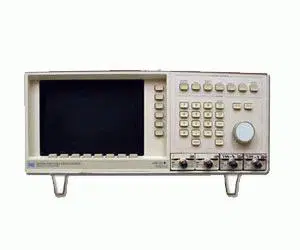
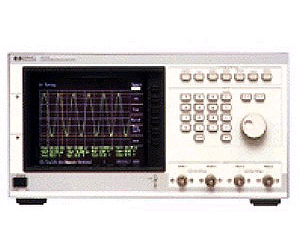
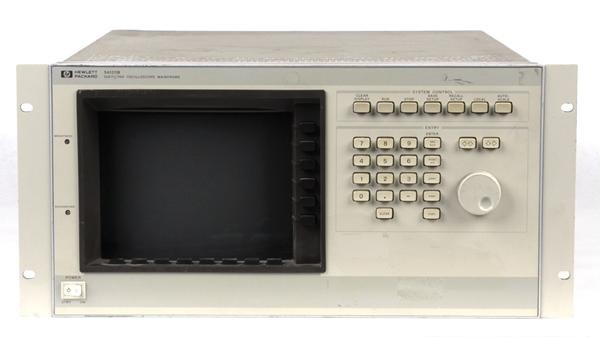
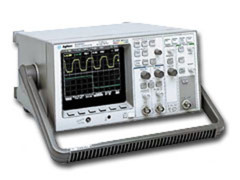
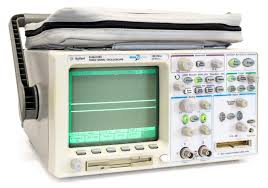
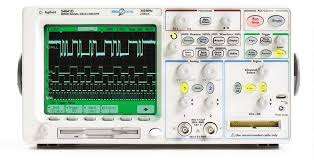
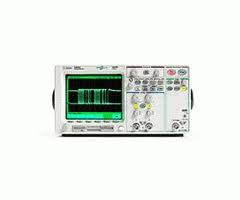
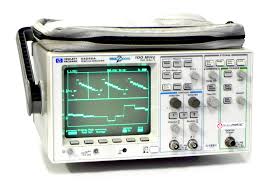
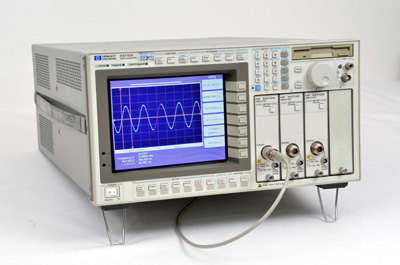
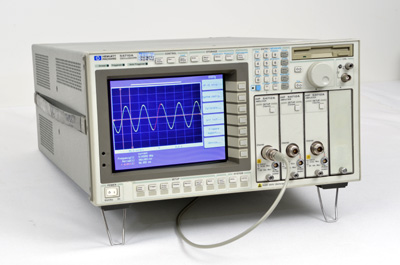
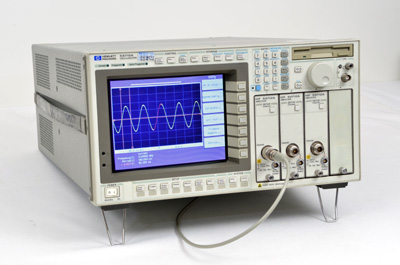
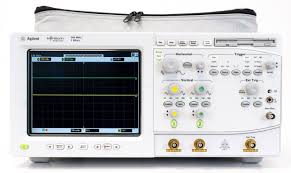
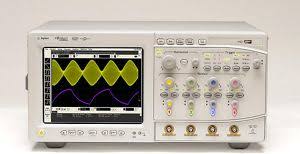
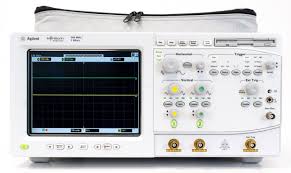
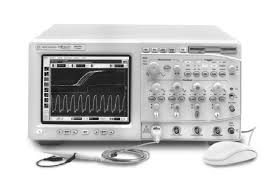
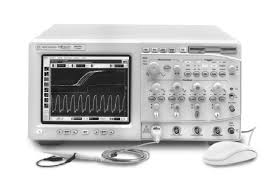
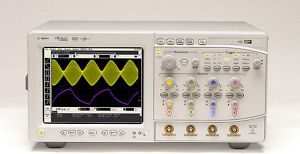
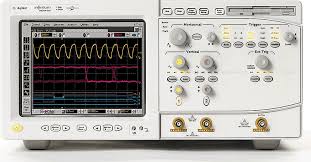
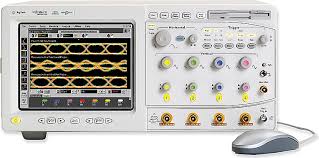
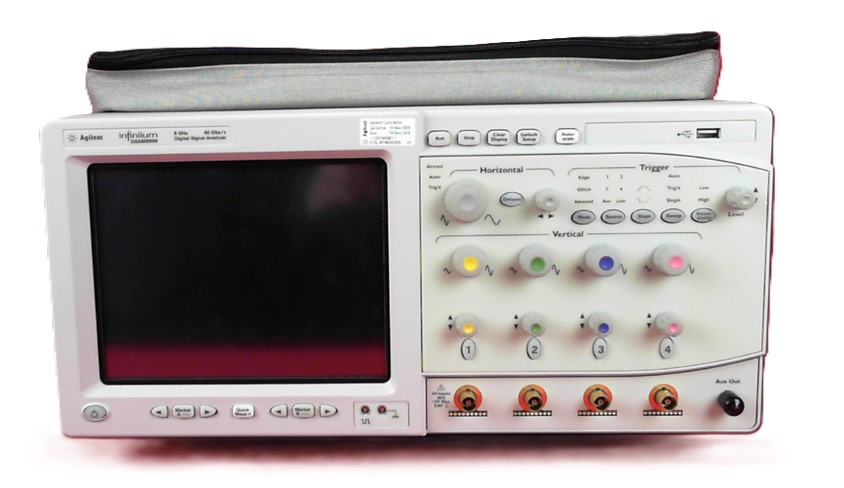
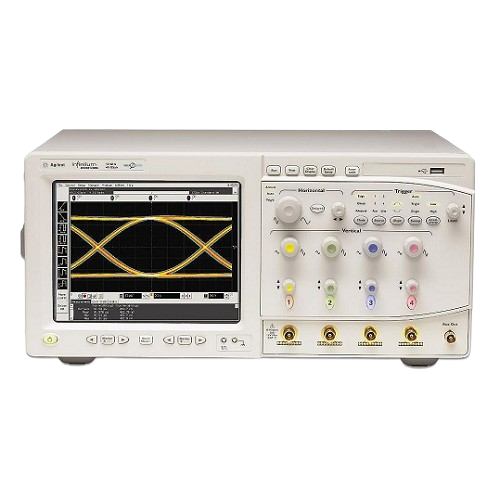
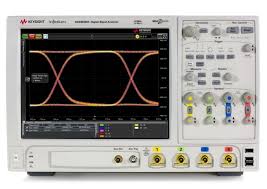
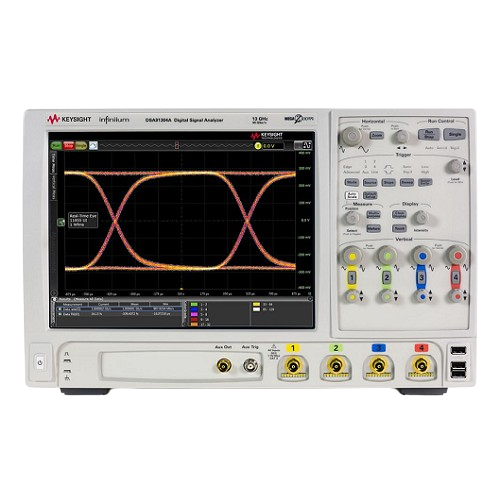
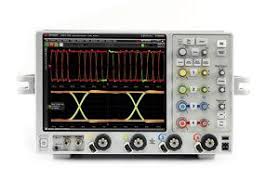
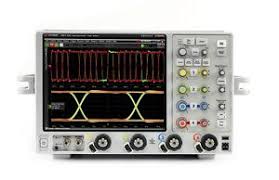
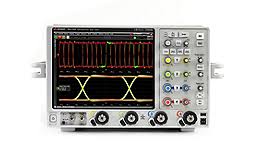
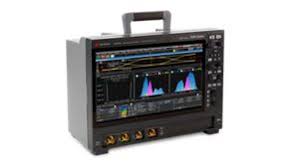
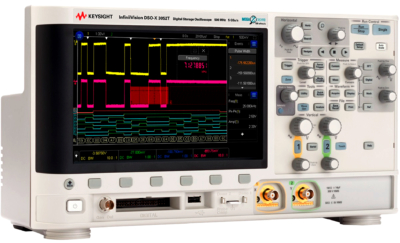
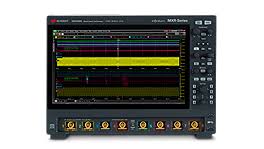
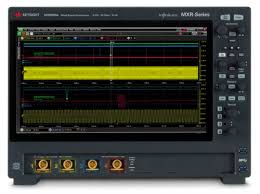
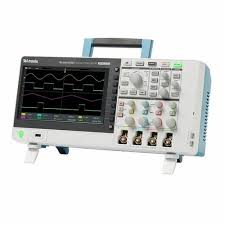
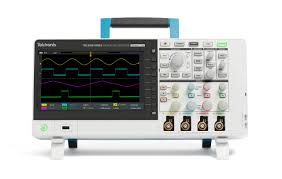
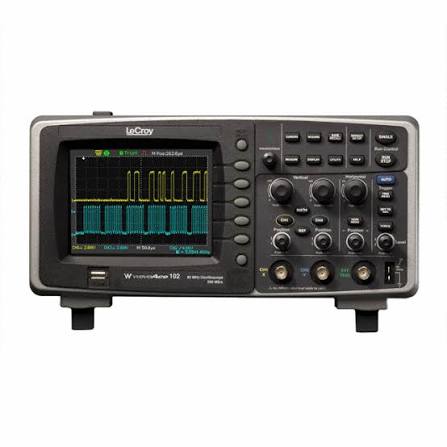
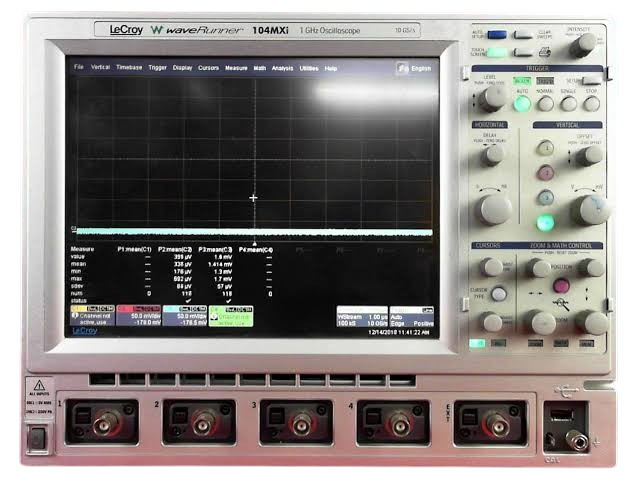
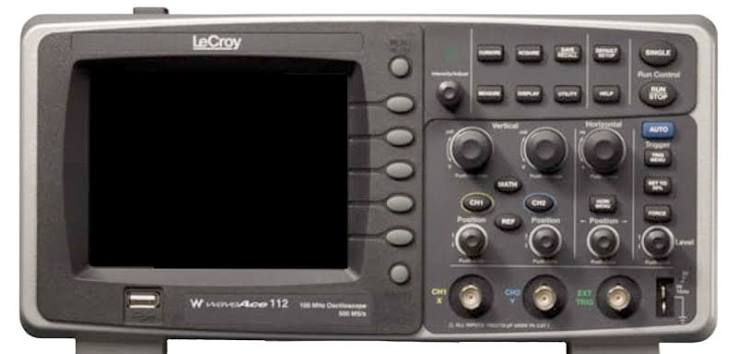
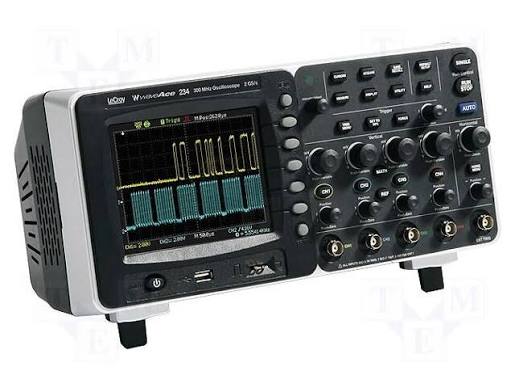
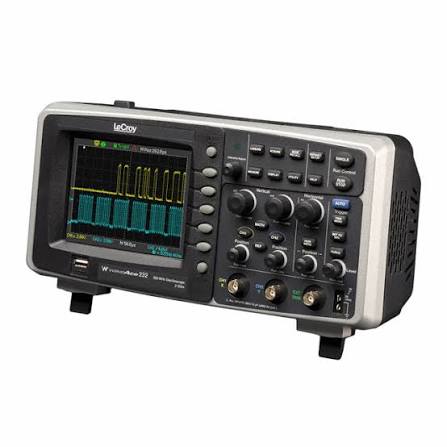
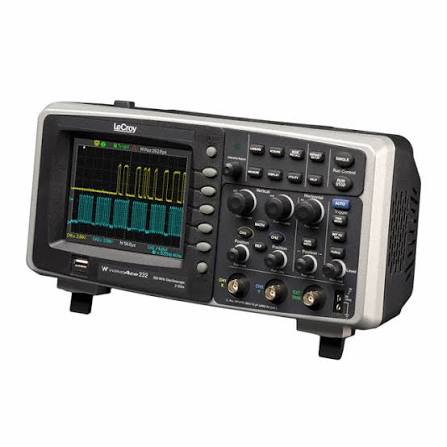
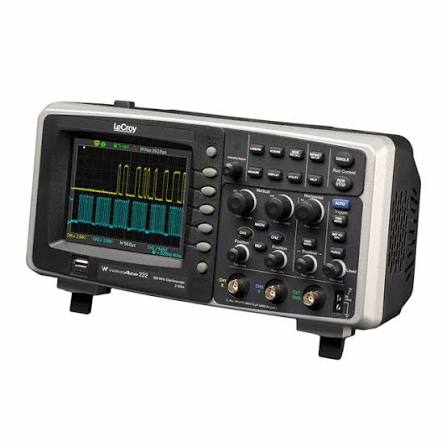
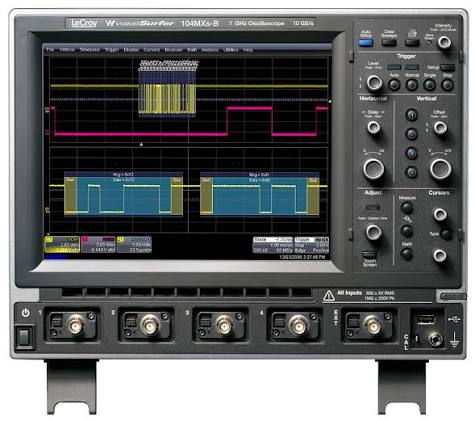
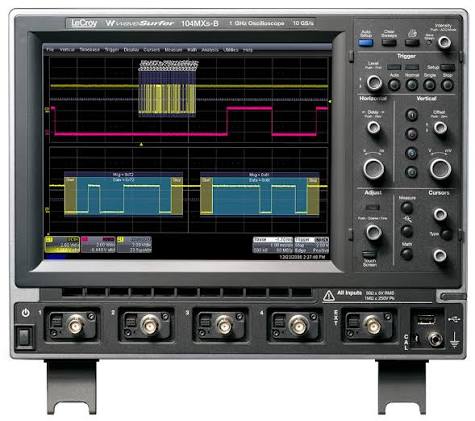
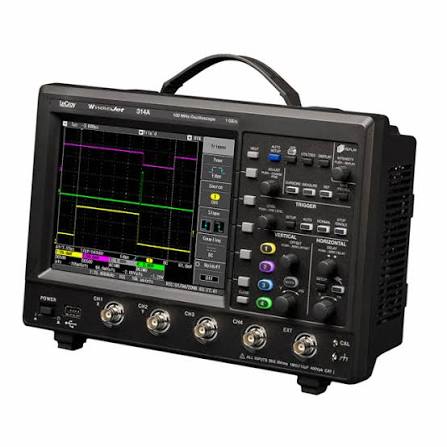
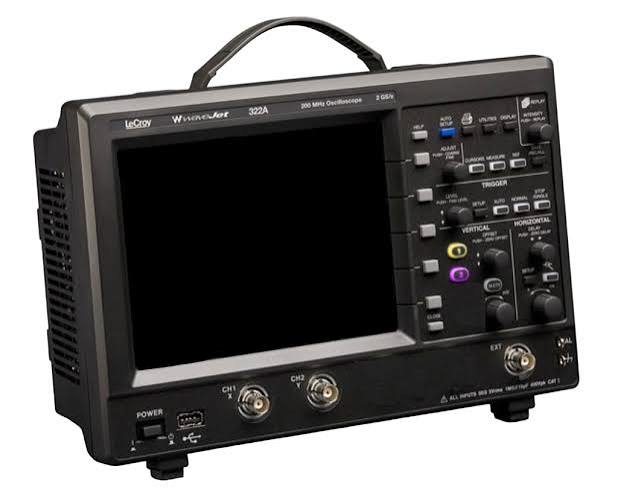
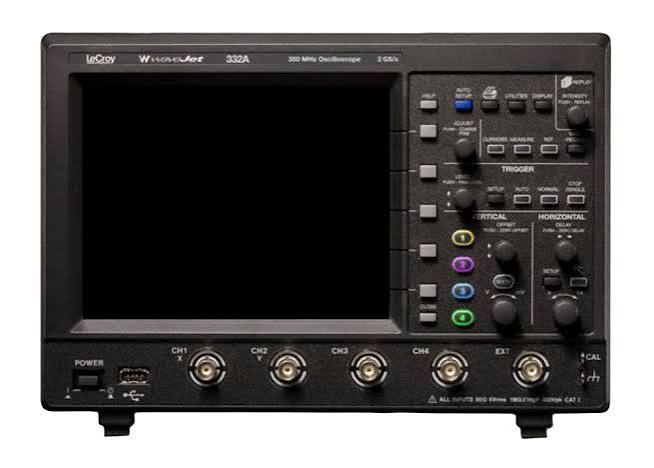
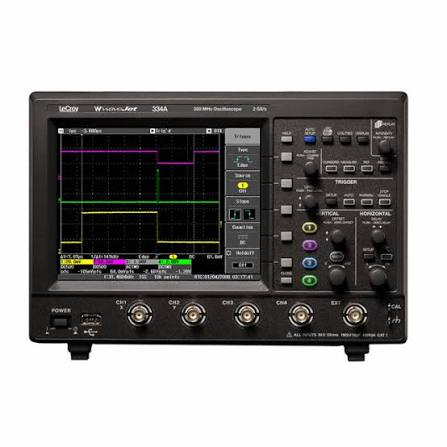
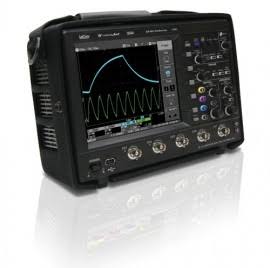
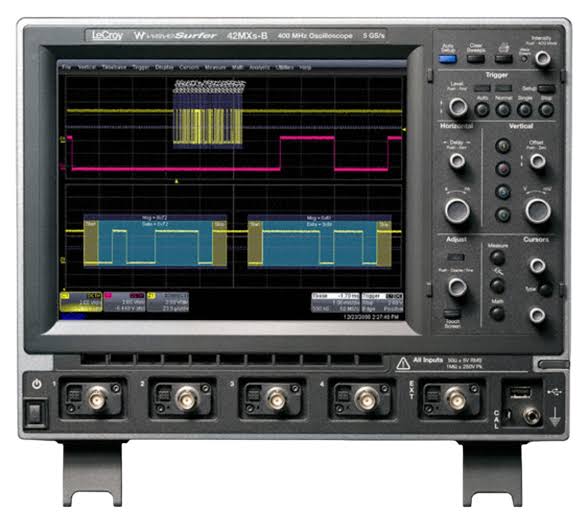
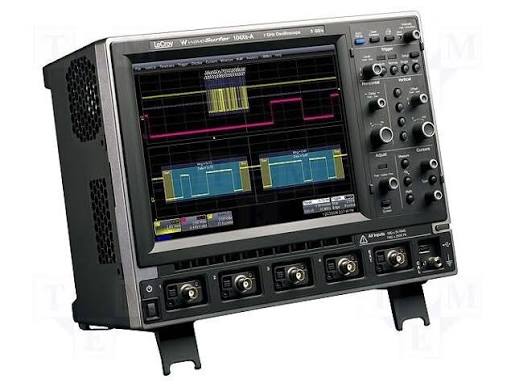
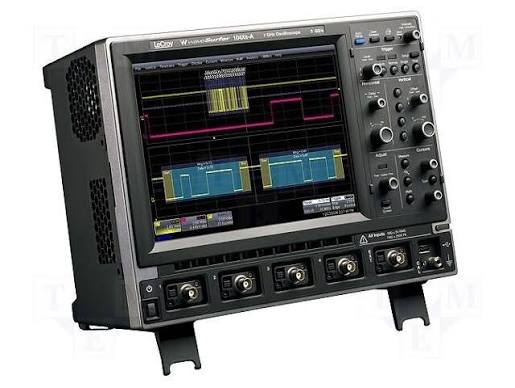
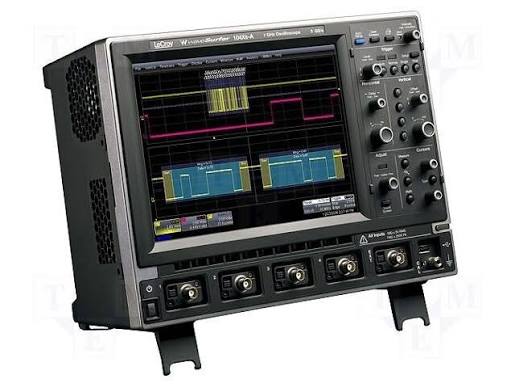
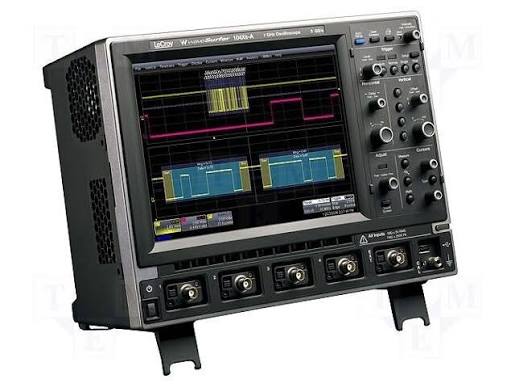
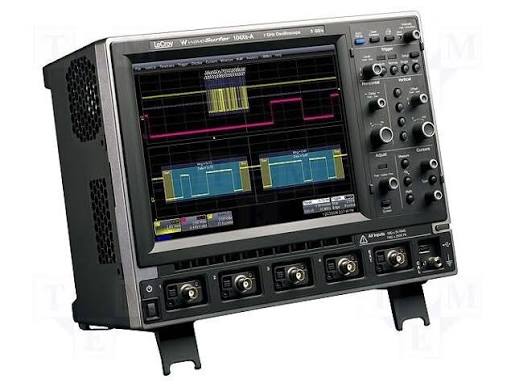
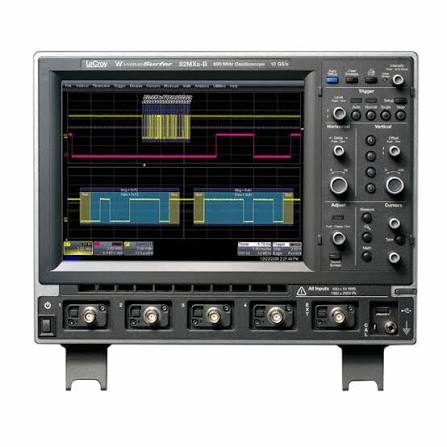
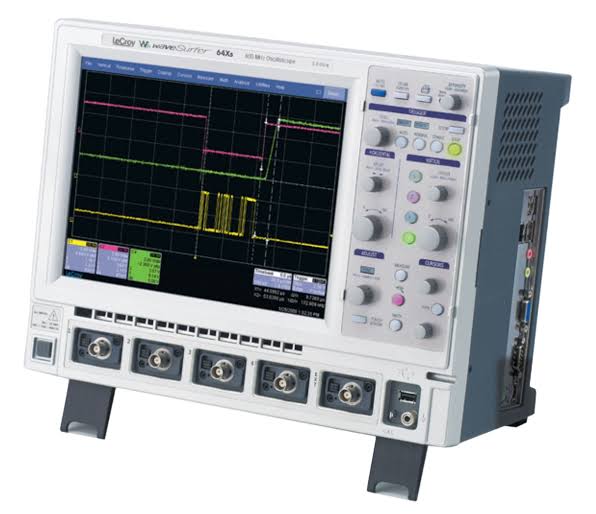
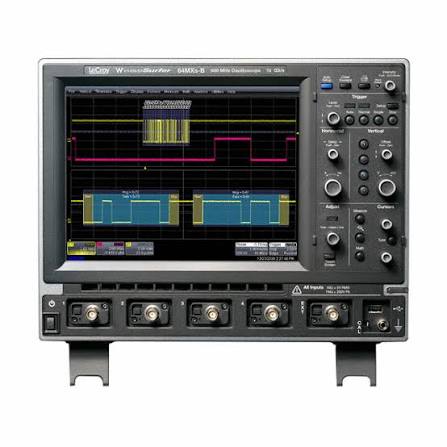
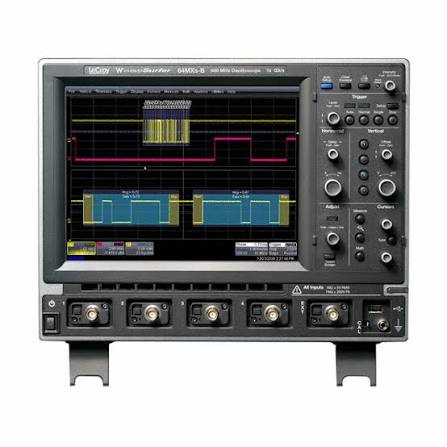
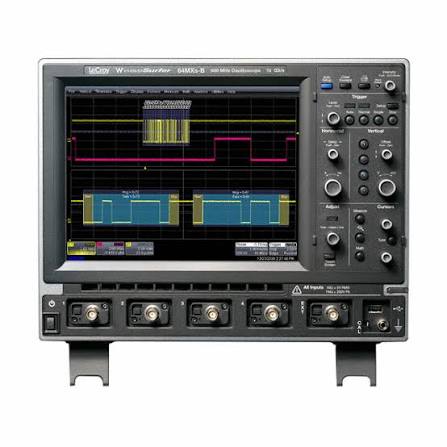
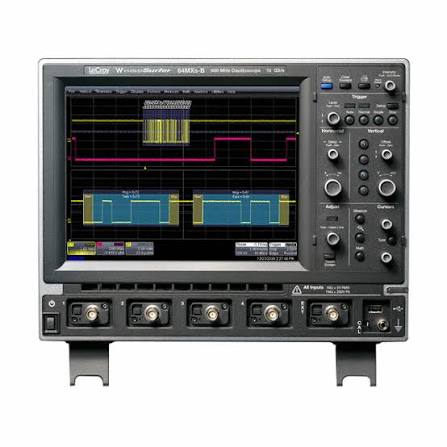
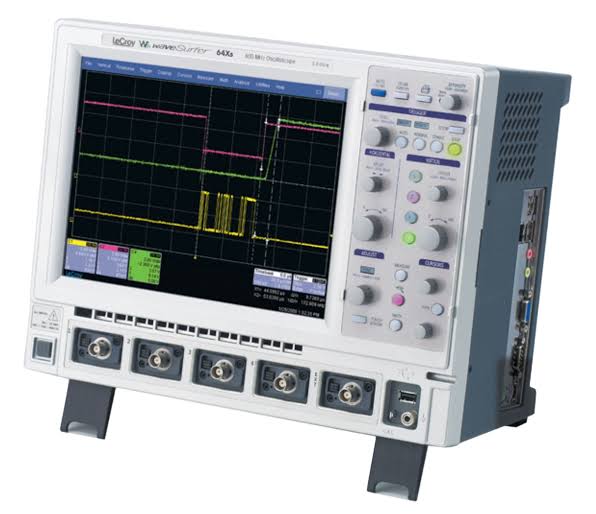
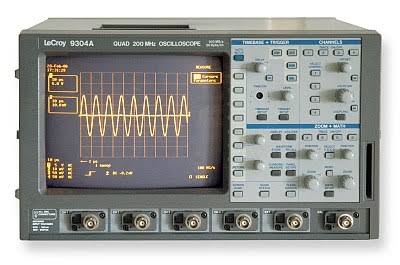
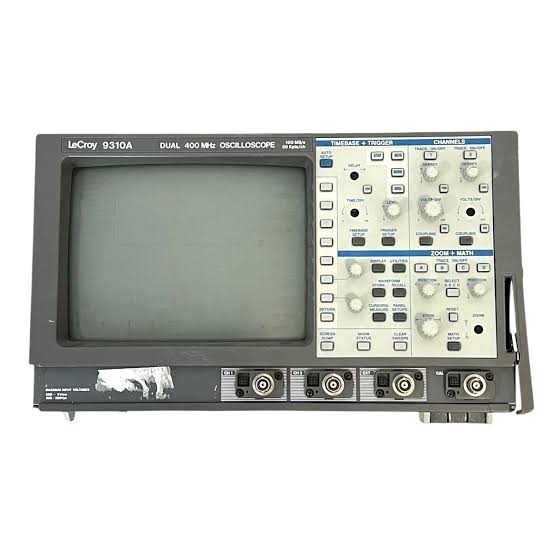
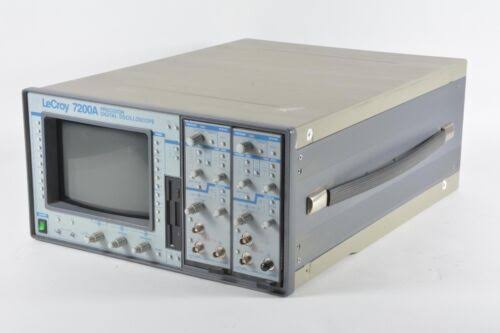
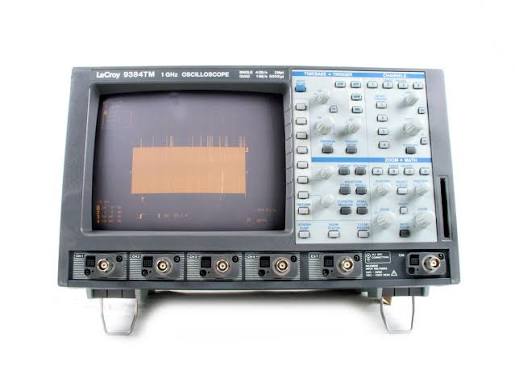
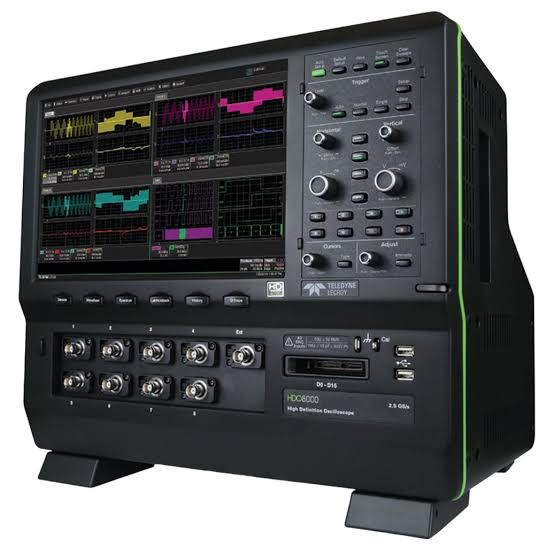
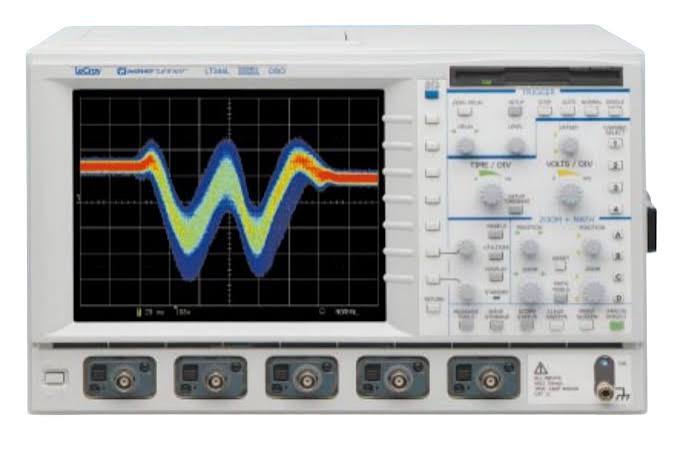
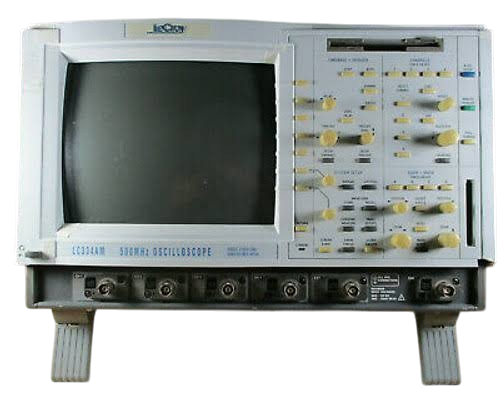
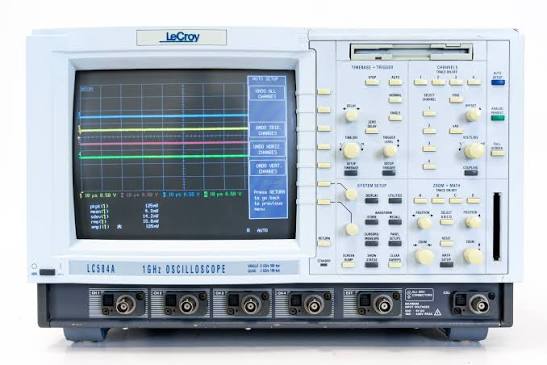
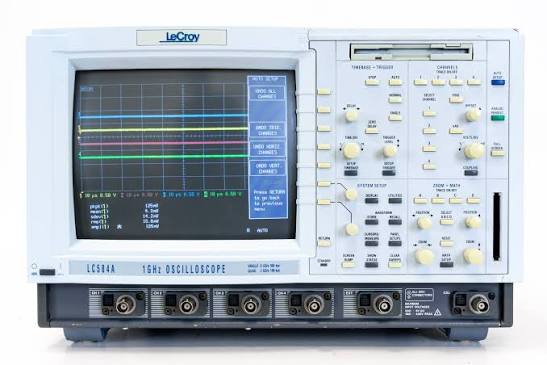
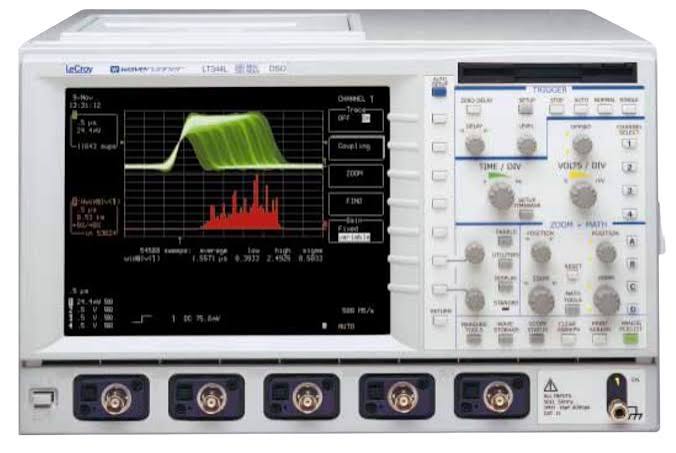
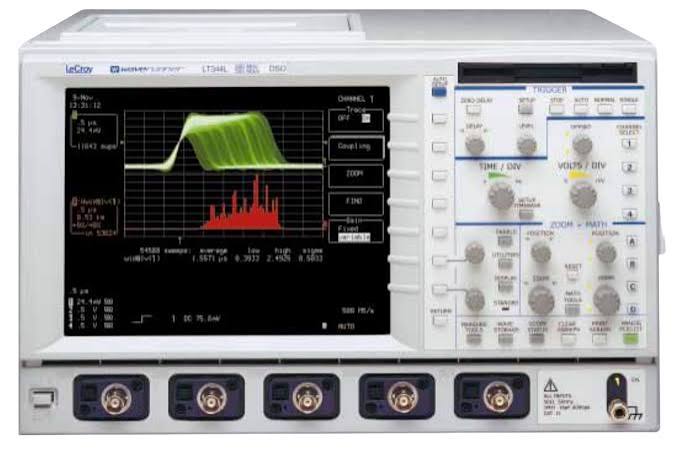
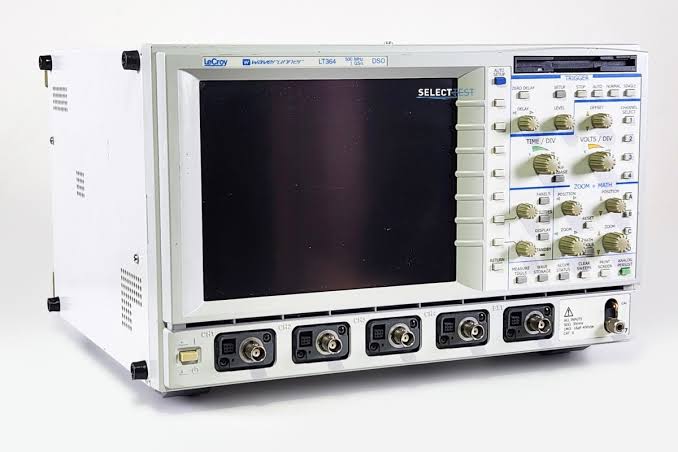
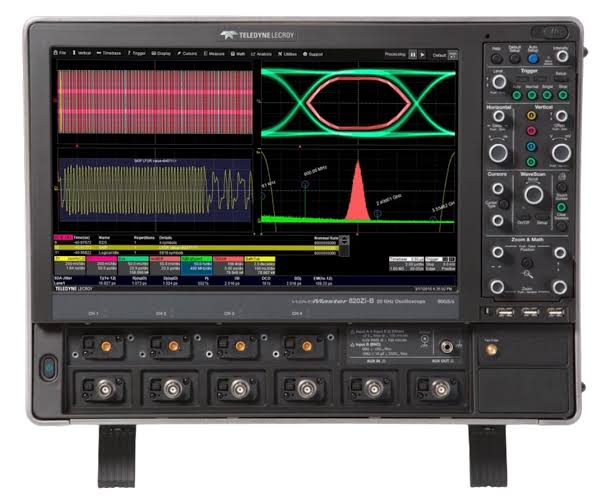
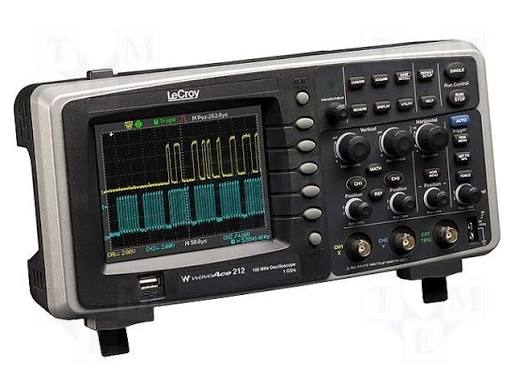
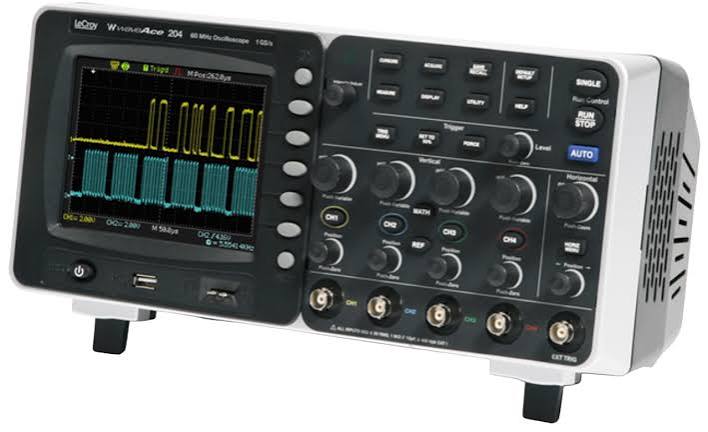
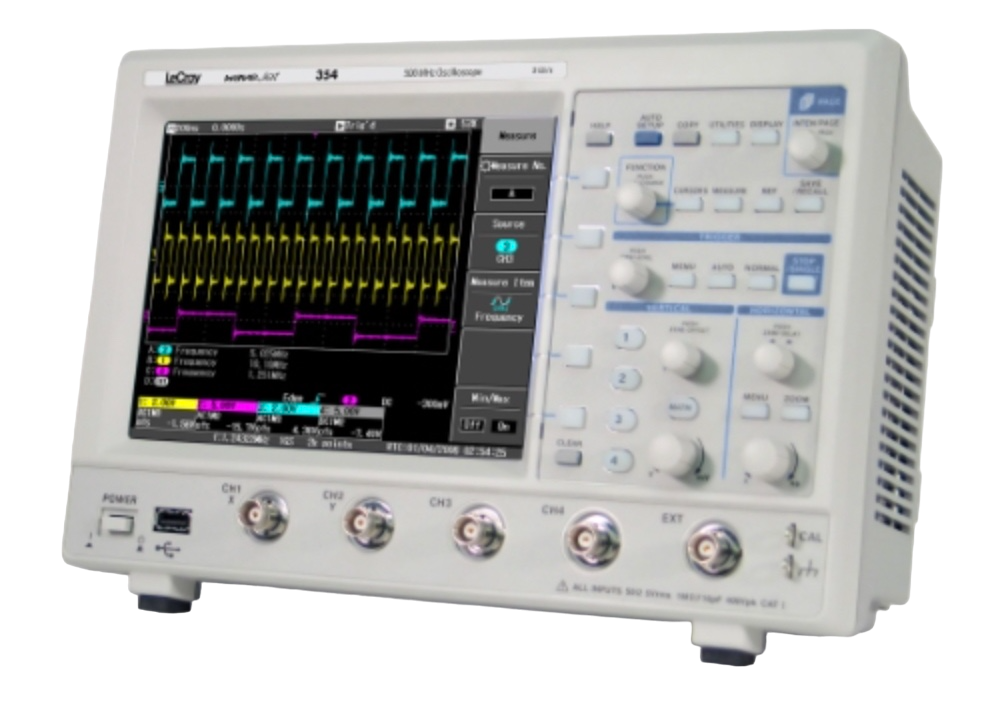
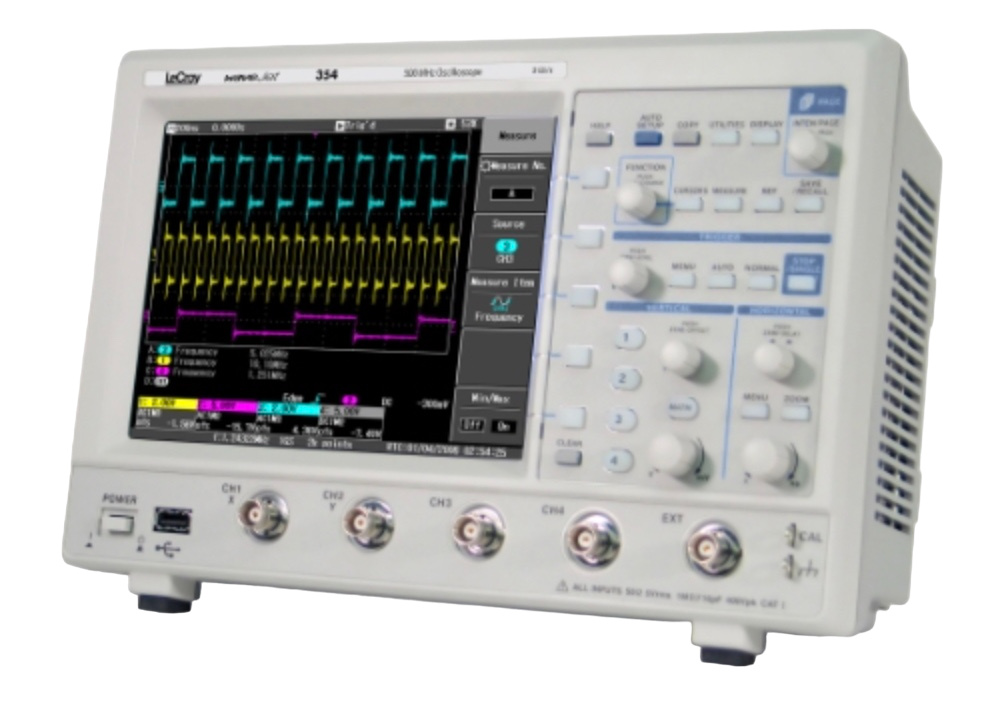
Lecroy Digital Oscilloscopes (76 units)
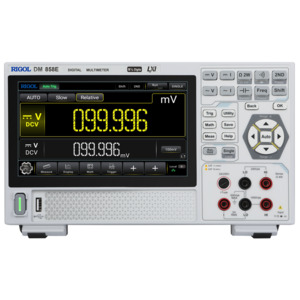
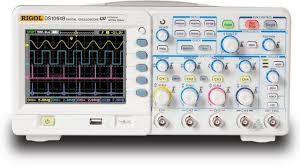
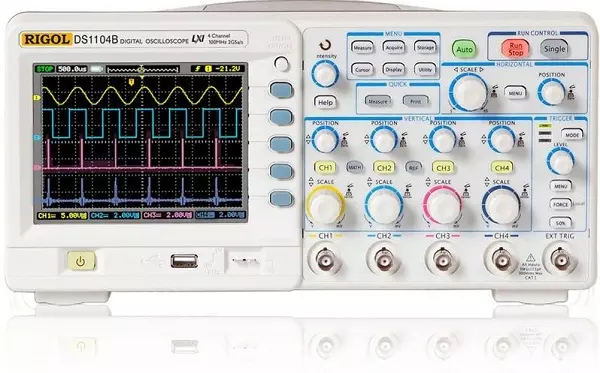
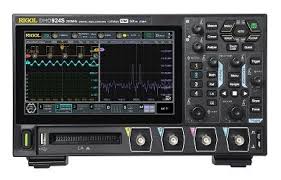
Rigol Digital Oscilloscopes (9 units)
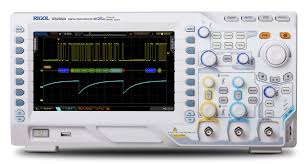
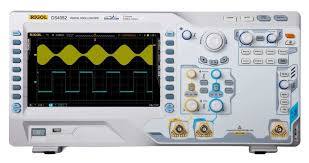
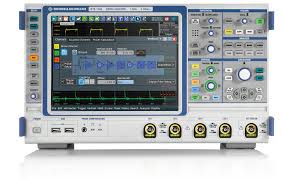
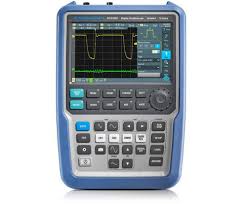
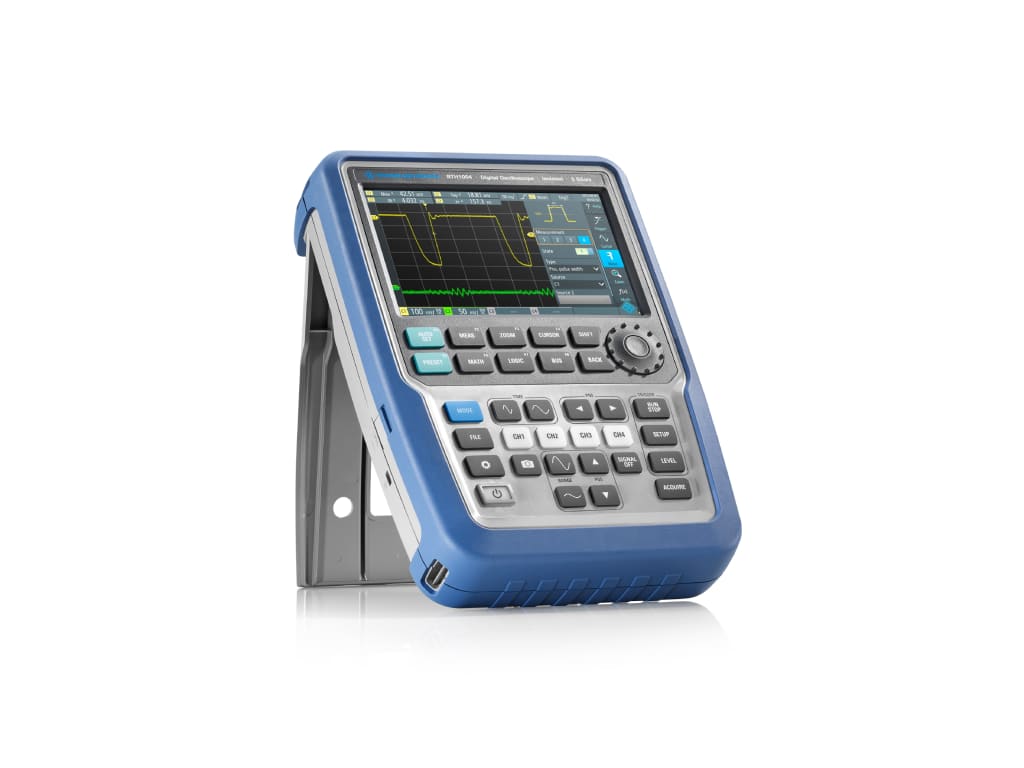
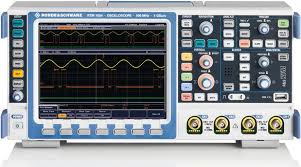
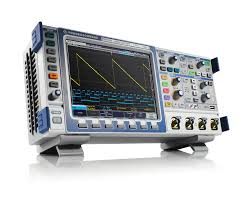
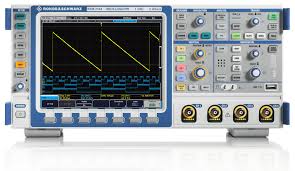
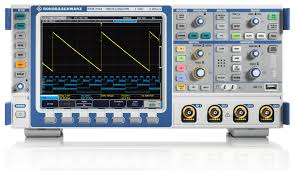
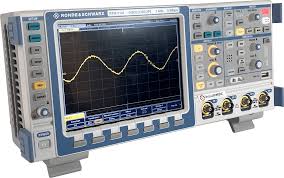
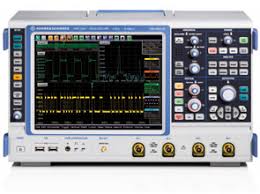
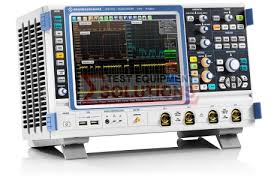
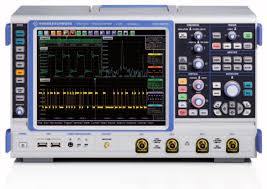
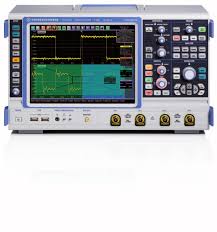
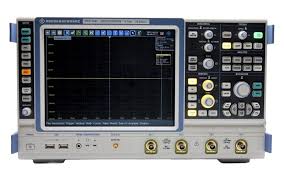
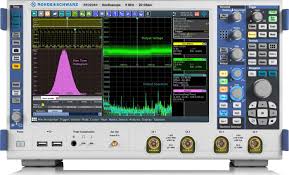
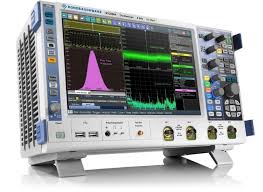
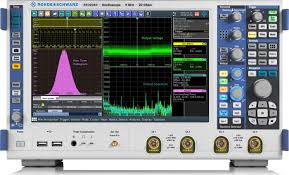
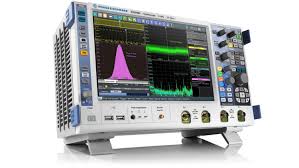
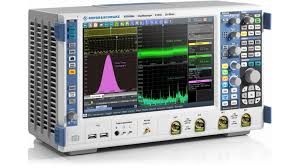
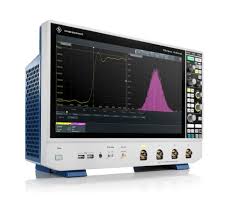
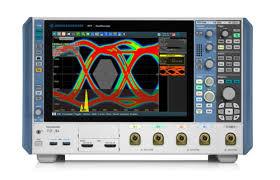
Rohde & Schwarz Digital Oscilloscopes (30 units)
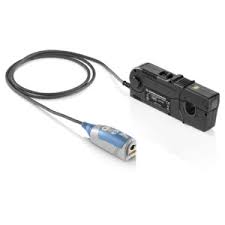
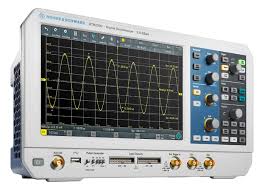
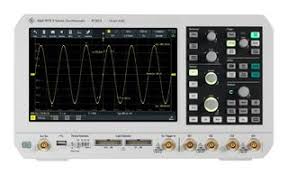
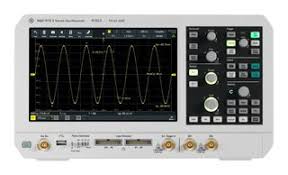
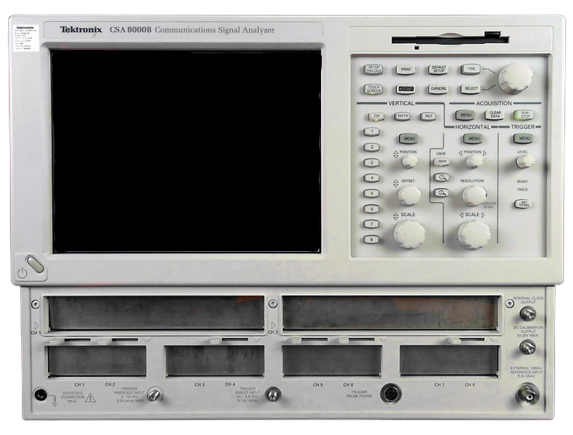
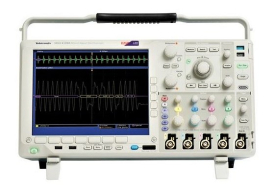
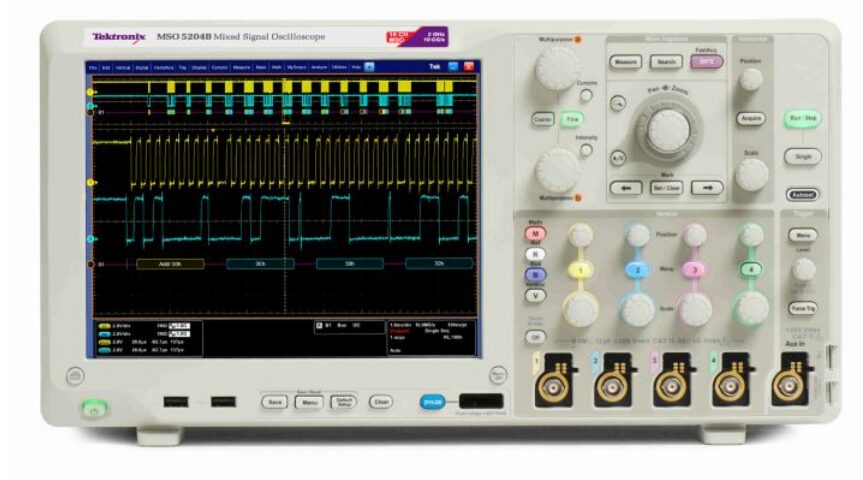
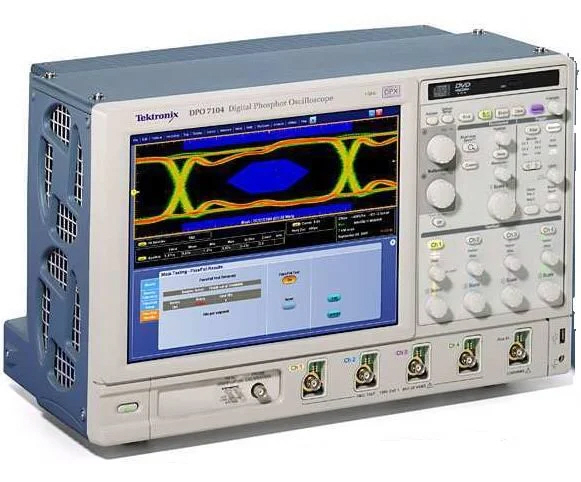
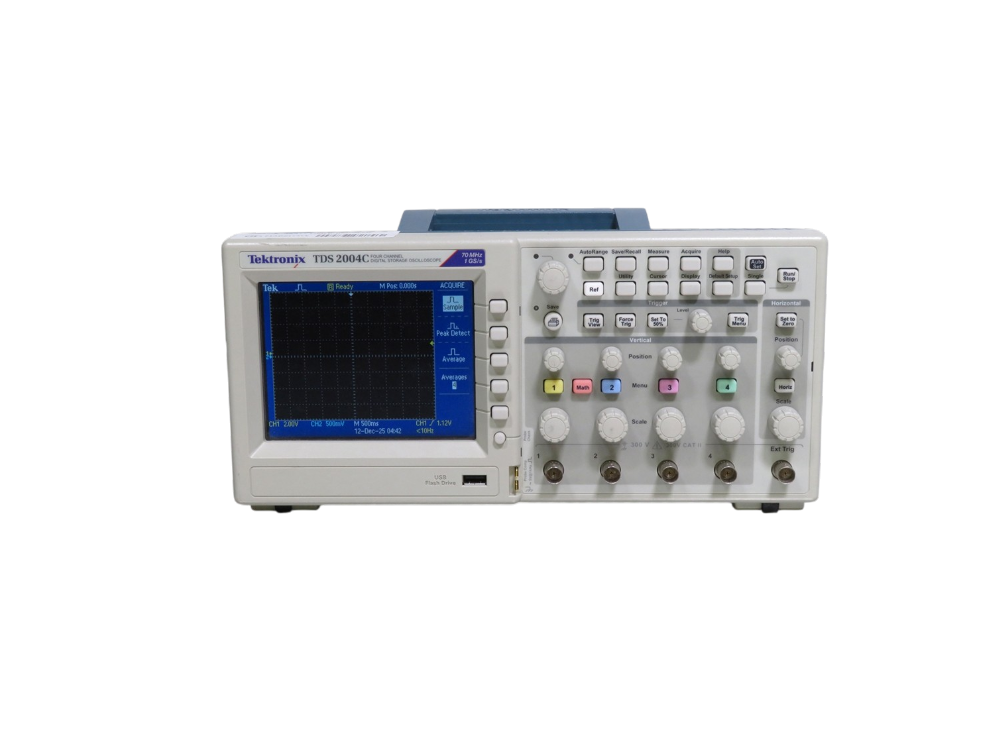
Tektronix Digital Oscilloscopes (13 units)
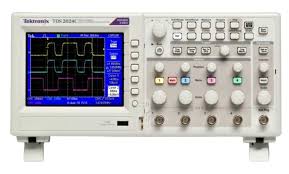


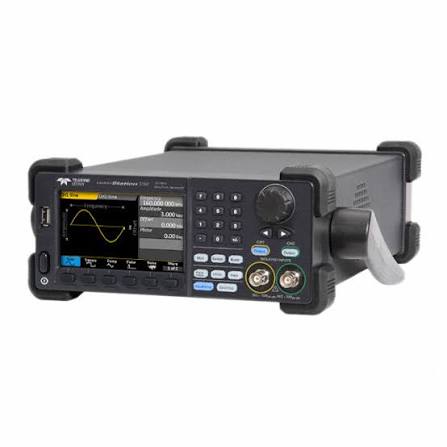
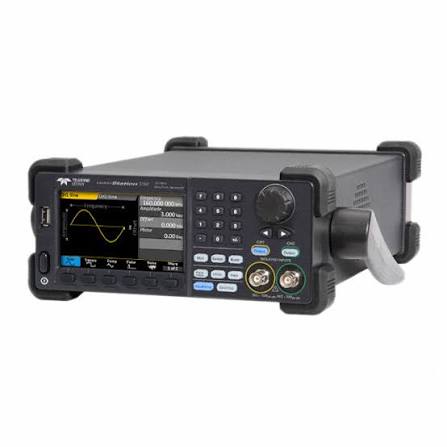
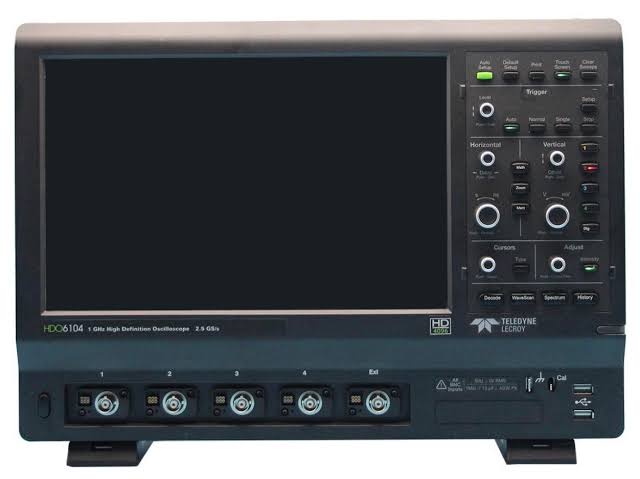
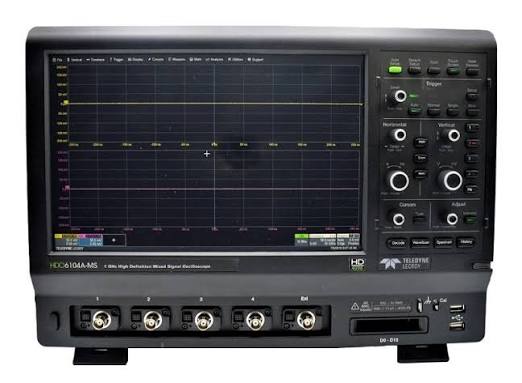
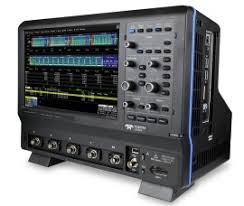
Teledyne LeCroy Digital Oscilloscopes (8 units)
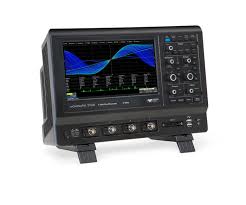
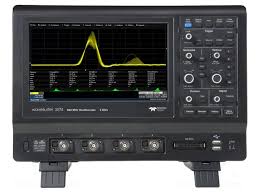
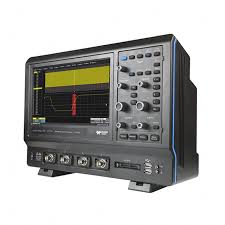
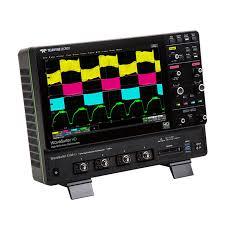
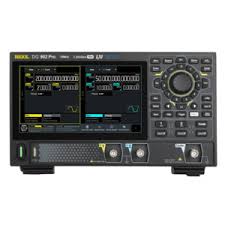
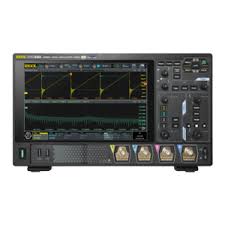
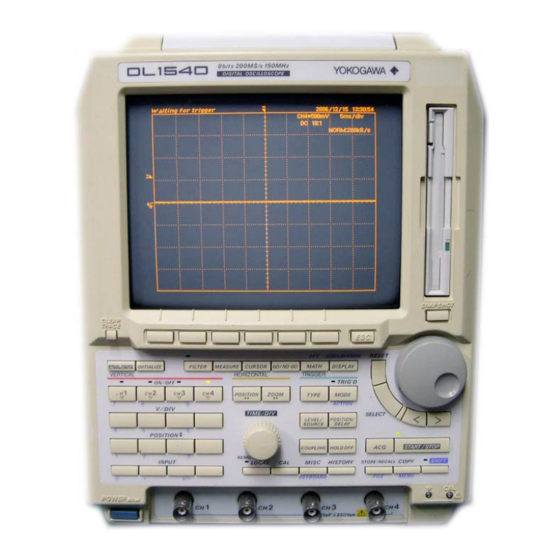
Yokogawa Digital Oscilloscopes (3 units)


Keysight, Agilent, and HP Oscilloscopes
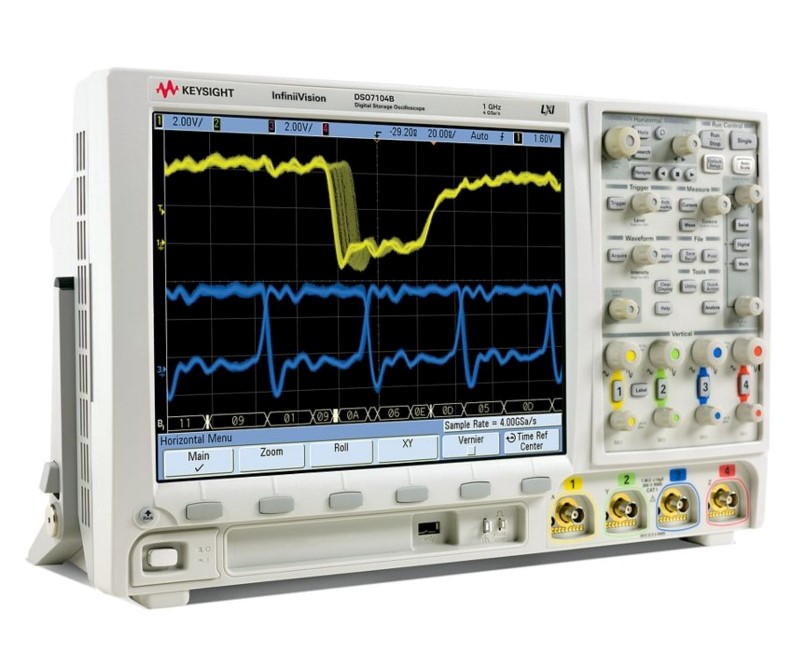
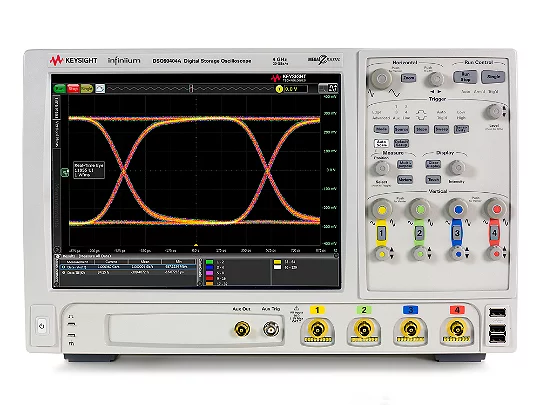
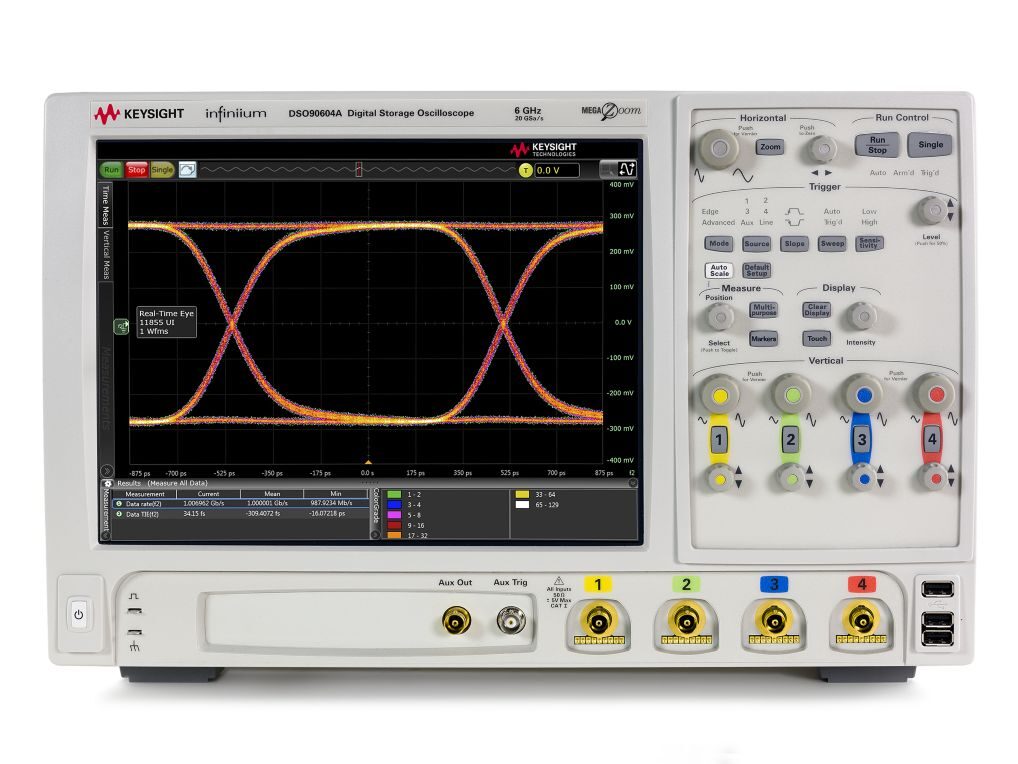
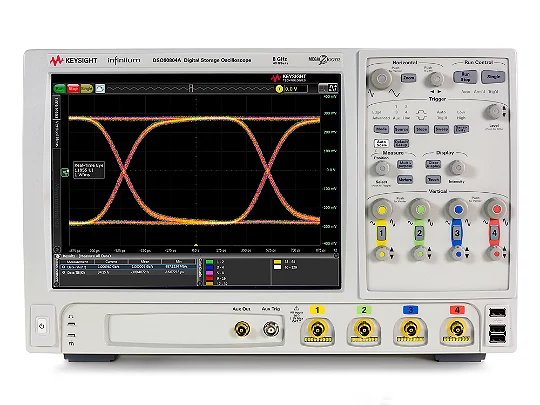
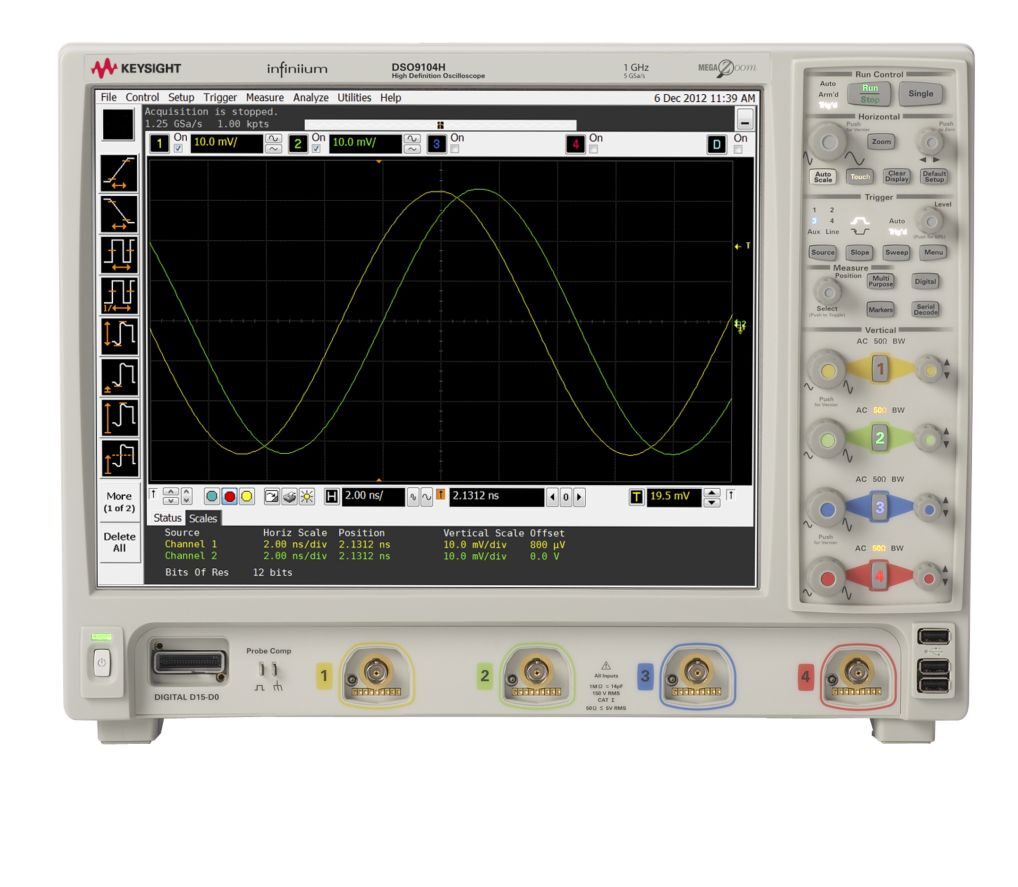
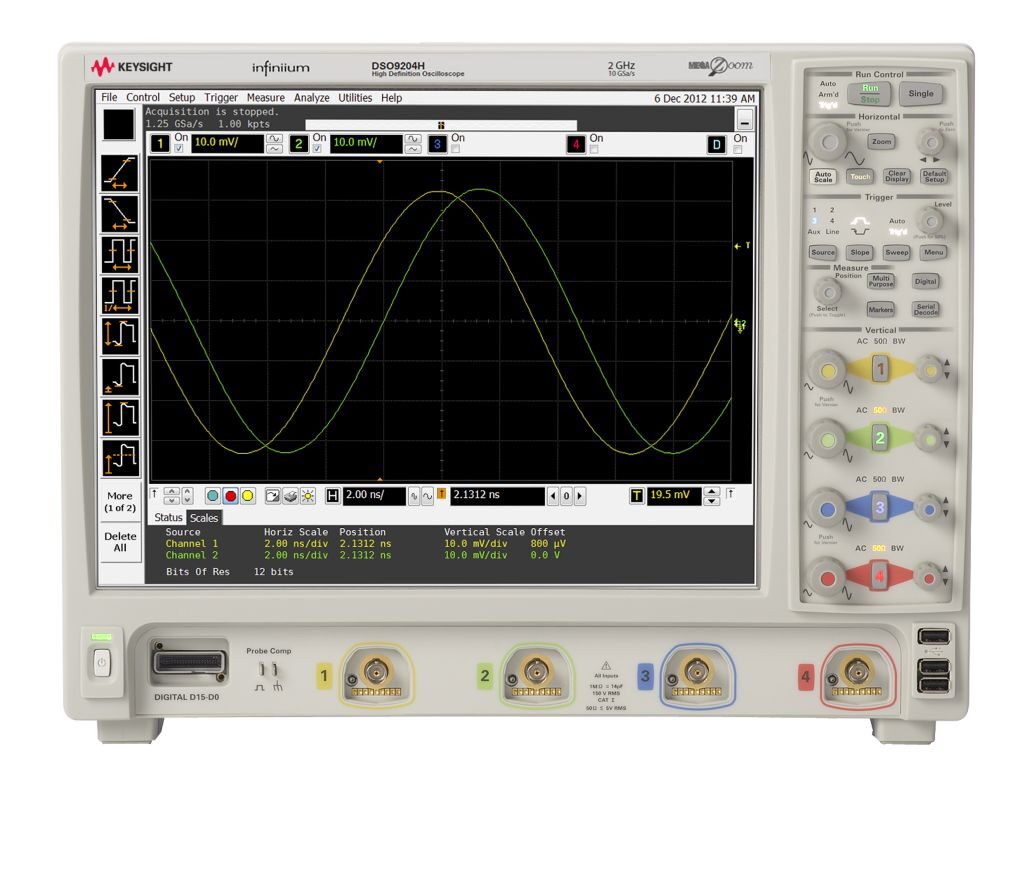
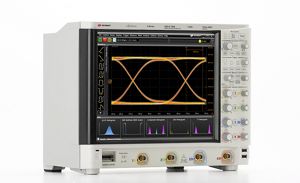
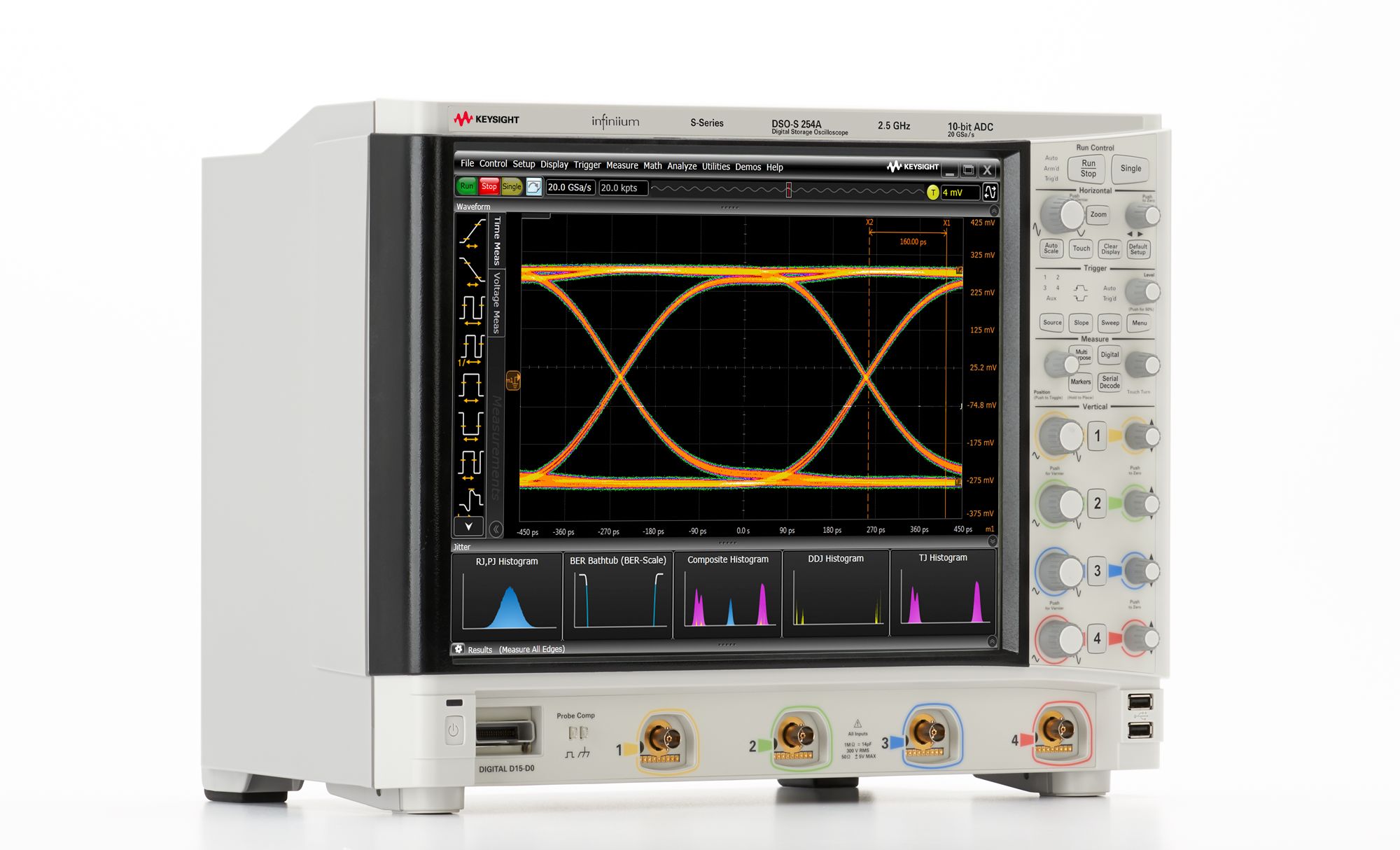
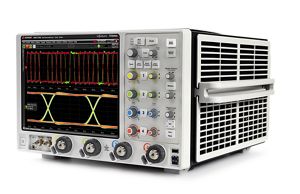
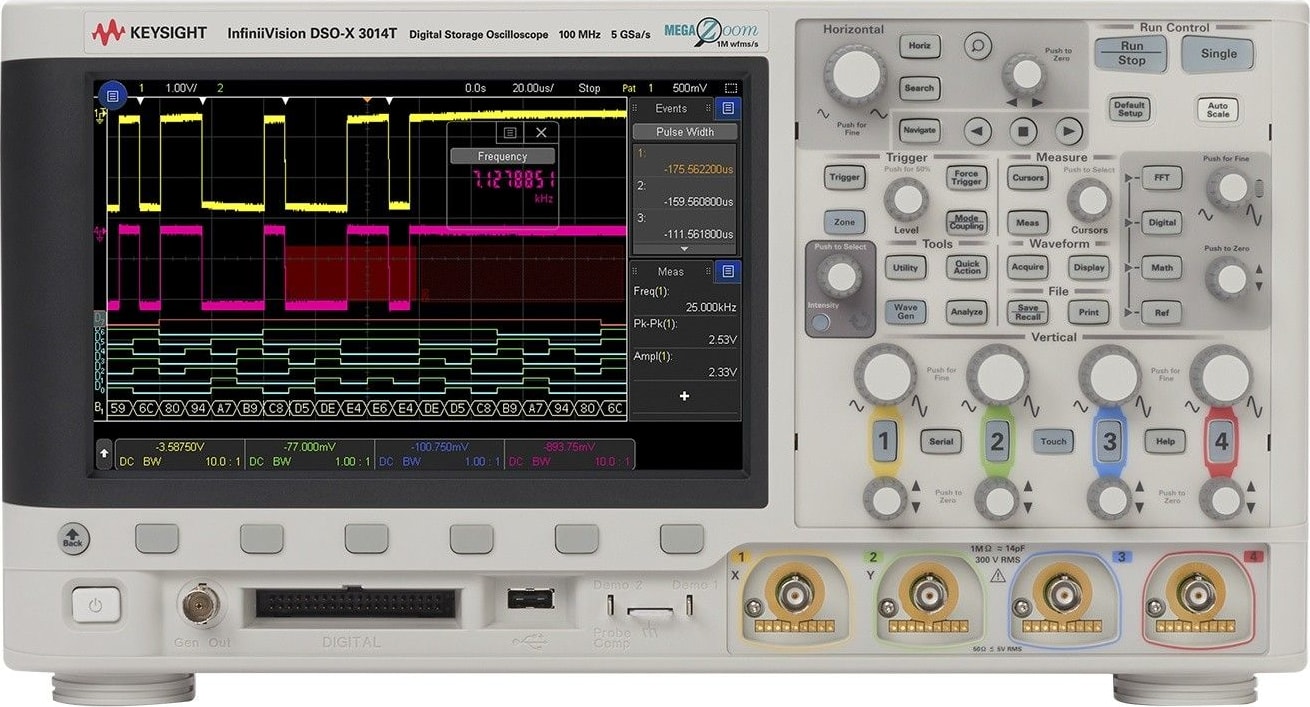
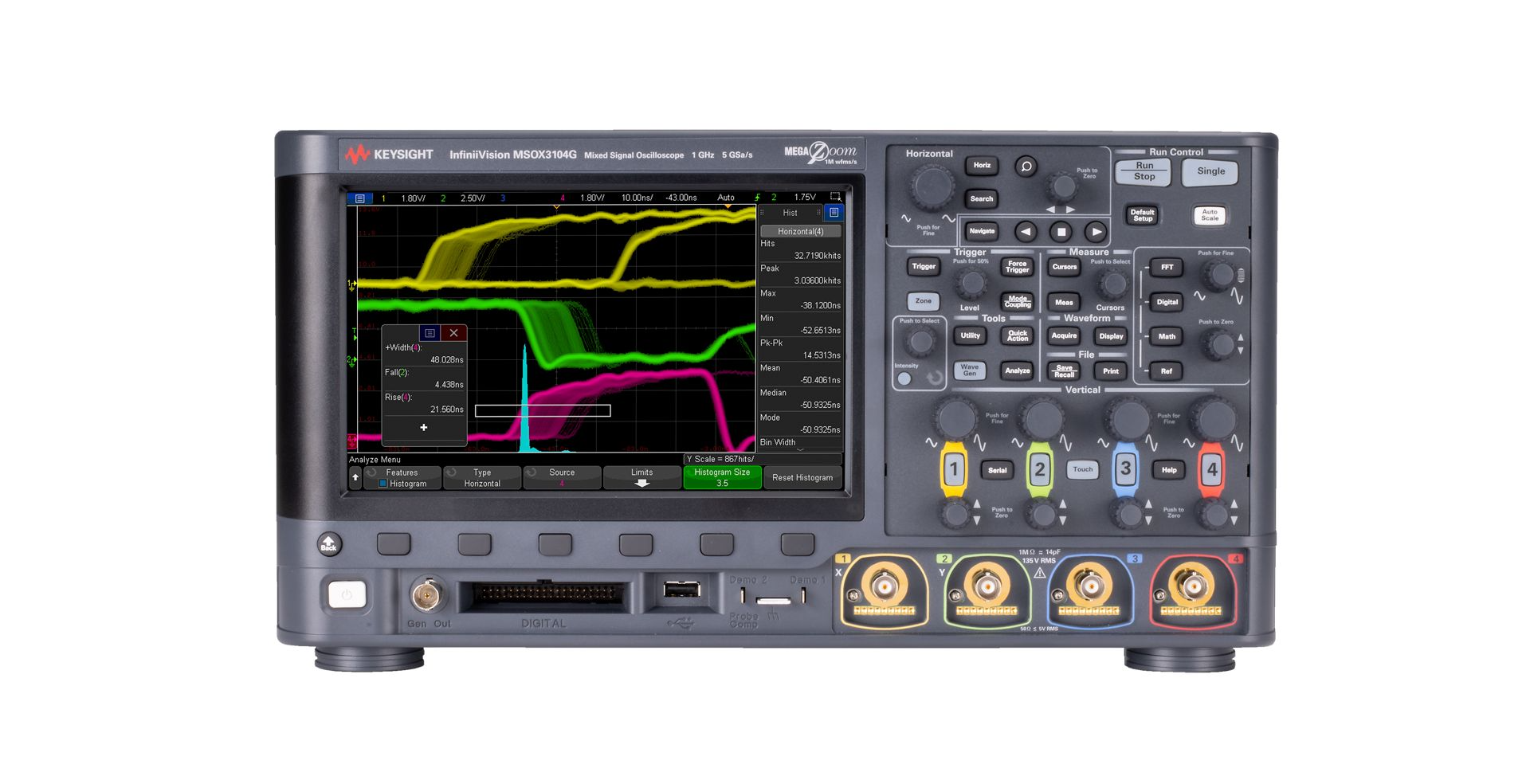
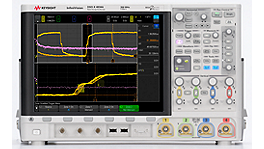
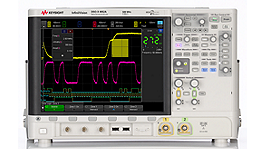
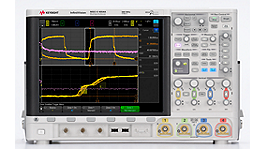
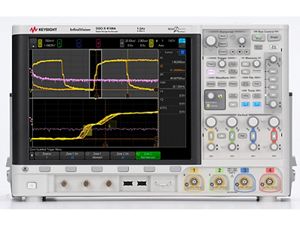
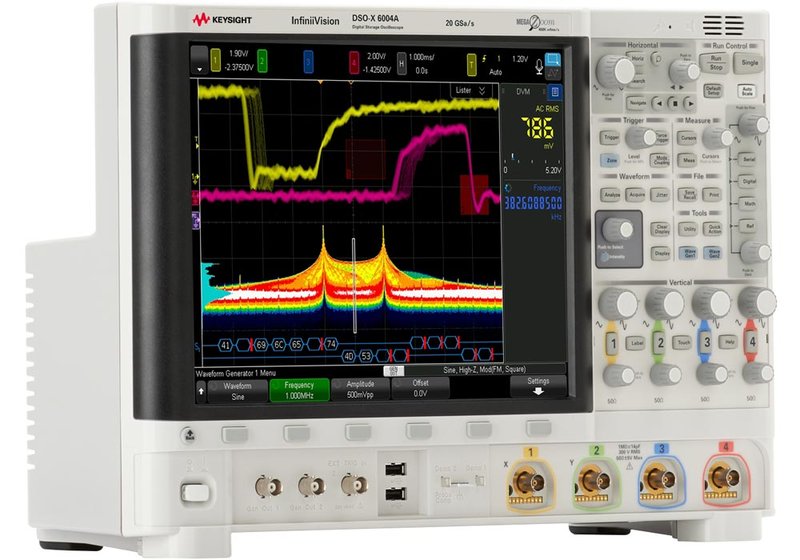
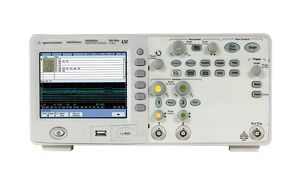
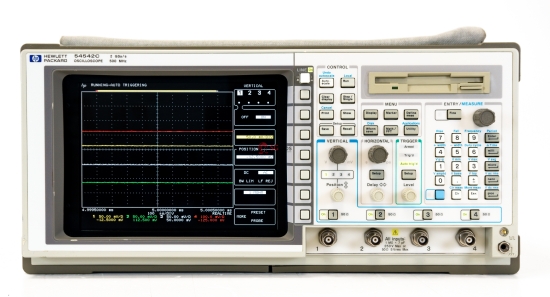
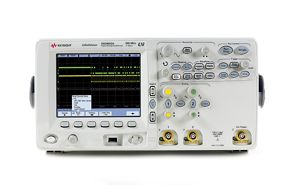
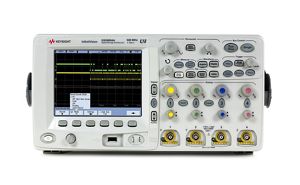
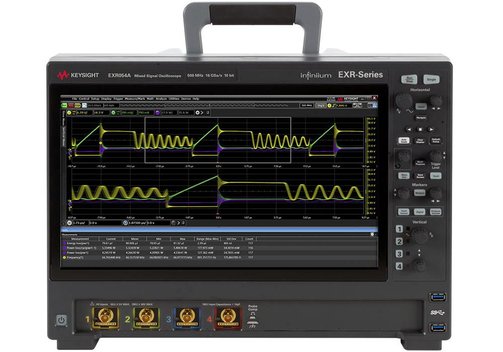
This is the deepest bench in our inventory by a wide margin. The lineage runs from HP’s 54xxx and 546xx-series through Agilent’s DSO/MSO-X InfiniiVision line and into Keysight’s current MXR/EXR Infiniium and DSOX/MSOX families — same engineering group, three badges over three decades. Entry and mid-range InfiniiVision 2000X/3000X/4000X units cover most general bench work from 70 MHz to 1 GHz. Infiniium 80000/90000-series and the newer MXR/EXR models are what shows up in signal-integrity and high-speed digital labs, with bandwidth into the multi-GHz range and correspondingly deeper memory. On the older HP-badged 54600 and 54800-series units, check the cal RAM battery status in the self-test menu before assuming any accuracy fault is a bigger problem.
LeCroy and Teledyne LeCroy
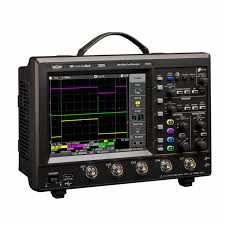
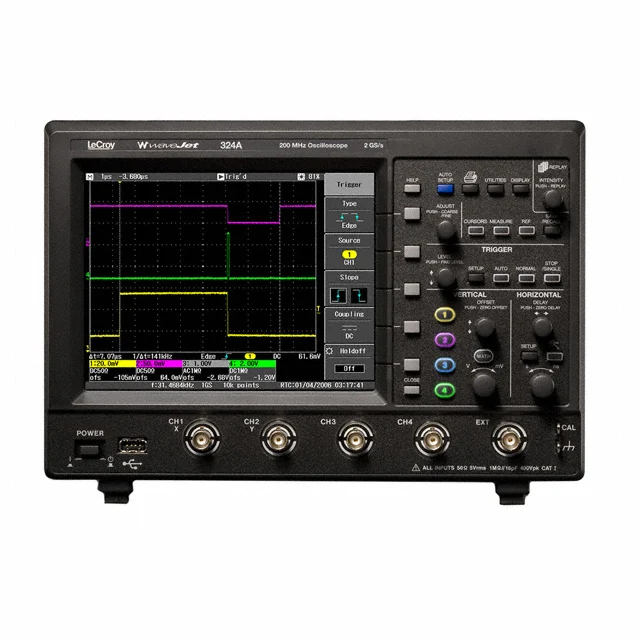
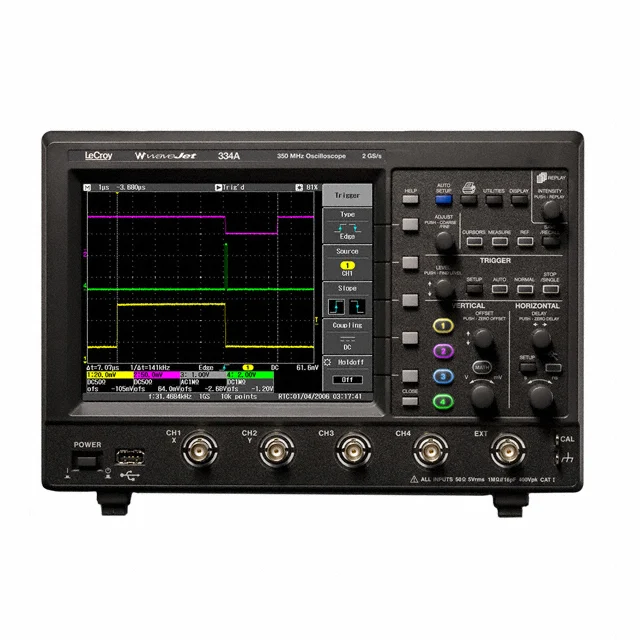
LeCroy (now Teledyne LeCroy) built its reputation on deep memory and fast waveform update rate, and that shows in what we see on the used market: WaveAce and WaveJet cover entry-level bench work, WaveSurfer and WaveRunner are the mid-to-high-end workhorses for communications and power electronics debug, and the LC and LT-series units still turn up from labs doing long-record-length capture work. LeCroy’s touchscreen interface and dedicated math/measurement front-panel keys are a real usability difference from the Keysight menu-driven approach — worth knowing before standardizing a lab on one brand's workflow versus the other's.
Fluke ScopeMeters and Handheld Combiscopes
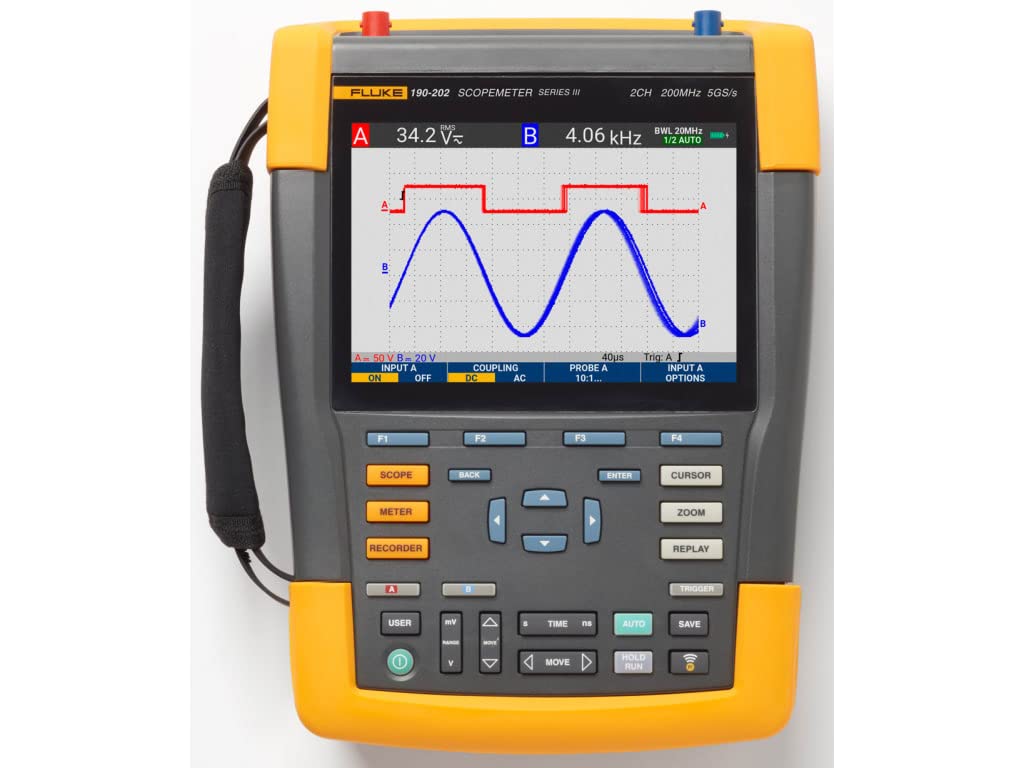
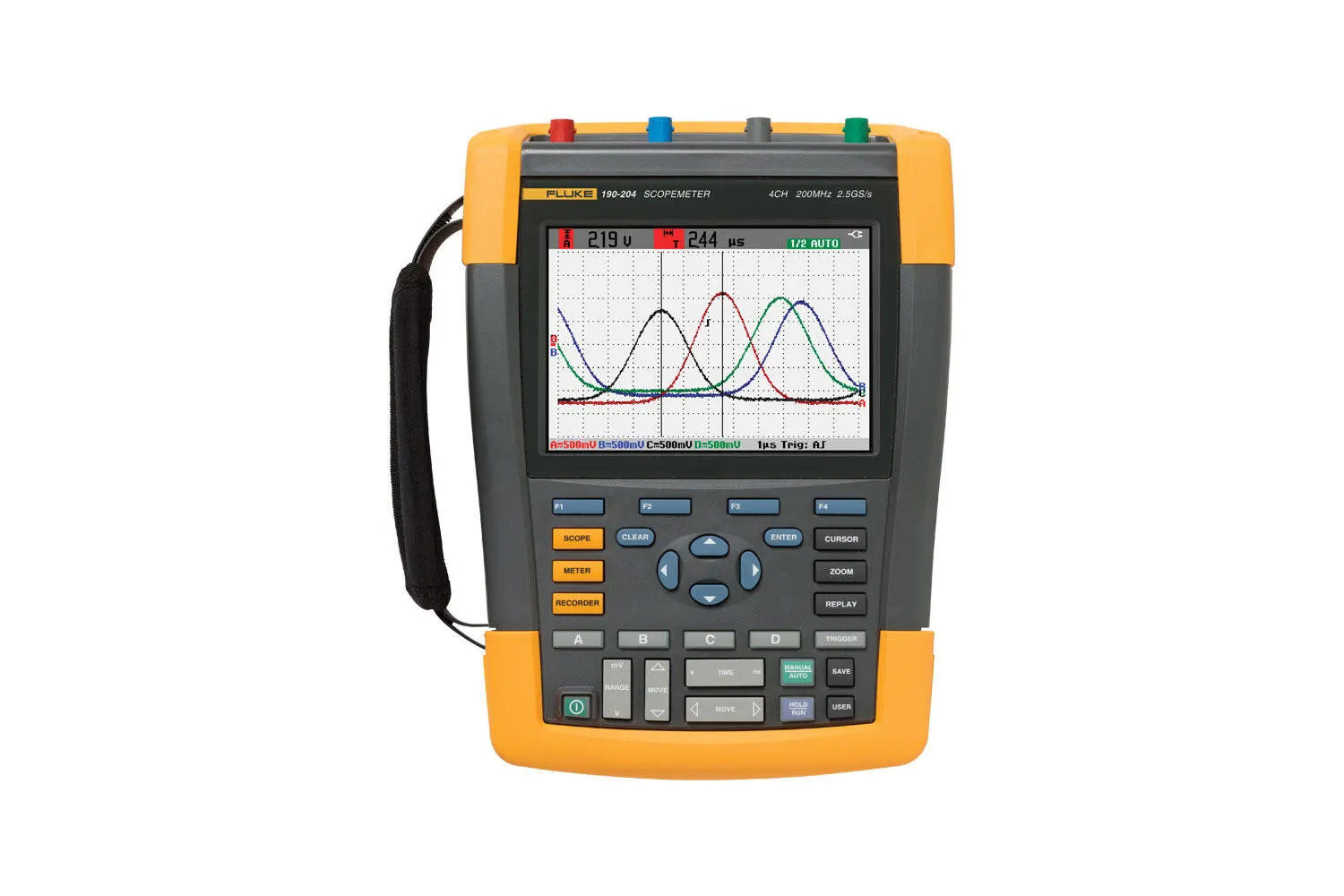
The Fluke 190-series and 120-series ScopeMeters are a different category in practice, not just a different brand: battery-powered, isolated-input, dual-purpose scope-and-multimeter units built for field and troubleshooting work rather than a fixed bench. Isolated inputs mean you can safely measure across floating or differential points in motor drives and industrial control panels that would ground-loop a standard bench scope. Battery condition is the real used-market variable here — check actual runtime, not just that the unit powers on with the charger connected.
Rohde & Schwarz and Tektronix
Rohde & Schwarz's RTB/RTM/RTE/RTO/RTH series are less common on the North American used market than Keysight or LeCroy but show up regularly from RF and communications labs, with the RTO/RTH-series covering higher-bandwidth and mixed-domain work. Tektronix's TDS and DPO-series remain widely deployed workhorses; note that Tek's mixed-signal MSO and mixed-domain MDO models with active logic/RF channels are covered separately in our Mixed Signal Oscilloscopes category rather than here.
What to Check Before Buying a Used Oscilloscope
Ask for the self-test results and, if the seller can run it, the calibration constants checksum status — a failed cal RAM battery is the single most common age-related fault and is a known, inexpensive fix rather than a reason to walk away, but you want to know about it before you buy, not after. Check that every channel reads the same vertical gain and offset at identical settings; a channel that reads differently from its neighbors points to a bad attenuator relay on that input. Confirm probes are actually included and compensated correctly rather than assuming any "10x probe" is interchangeable at higher bandwidths. For touchscreen-equipped DSOX/MSOX and RTB/RTM models, test the touch response across the full screen — corner or edge dead zones on resistive touch panels are a known wear pattern on units with heavy use.
Digital Oscilloscope Calibration
NIST-traceable calibration verifies vertical gain accuracy and offset on every channel, timebase accuracy, trigger sensitivity, and bandwidth, with measured deviation recorded at each test point against the manufacturer's published specification rather than a simple pass/fail stamp. Units with a cal-memory battery fault are flagged and the battery replaced as part of the service, not just re-zeroed against a failing reference. See all calibration services → or read about our oscilloscope repair process for units that need more than calibration.
Frequently Asked Questions
What actually goes wrong with a used digital oscilloscope? +
By far the most common failure is the calibration memory battery — a small lithium cell (soldered or coin-cell) on the mainboard that holds the factory calibration constants in NVRAM. When it dies, the scope boots with a "cal RAM checksum failure" or reverts to default constants, and vertical/timebase accuracy drifts outside spec even though the unit still displays a waveform. On late-1990s to mid-2000s HP/Agilent 54xxx and early Tektronix TDS scopes this battery is original-to-unit and due for replacement on age alone. Second most common: a bad attenuator relay on one channel, which shows up as one channel reading a different vertical gain than the others at the same volts/div setting.
How much bandwidth do I actually need? +
Rule of thumb is 3-5x your fastest signal’s fundamental frequency, not its clock speed. General bench and power electronics work is well served by 100-200 MHz. Digital design with fast edges (USB, embedded serial buses) usually wants 350 MHz-1 GHz to see edge detail without excessive attenuation. High-speed serial (PCIe, HDMI, SATA) and signal-integrity work is where 1 GHz+ Infiniium, MXR/EXR, or LeCroy WaveRunner-class instruments earn their keep. Buying more bandwidth than the work requires mostly buys a bigger price tag and a bigger desk footprint.
What is the practical difference between sample rate and bandwidth? +
Bandwidth is the analog front end’s -3dB rolloff point — the frequency above which the scope starts attenuating the signal you’re trying to measure, and no amount of sample rate fixes it. Sample rate is how often the ADC takes a reading, which governs how faithfully a single fast edge or transient is reconstructed. A scope with high bandwidth but low real-time sample rate (common on older or lower-tier models) can still miss single-shot events even though it would display a repetitive signal at that same frequency correctly using equivalent-time sampling.
Are HP, Agilent, and Keysight oscilloscopes actually different companies? +
Same engineering lineage, three names. HP’s test and measurement division spun off as Agilent in 1999, and Agilent’s electronic measurement group became Keysight in 2014. A 54622A badged HP and a DSO-X 2024A badged Keysight share design DNA and, in many cases, direct firmware and calibration procedure lineage. This matters when buying used: an HP-branded scope from the 54xxx or 546xx family is not an obsolete different product, it is an earlier-generation version of the same InfiniiVision line Keysight sells today, and parts/probe compatibility often carries across the rebrand.
What should I check on a used Fluke ScopeMeter specifically? +
ScopeMeters are handheld and battery-powered, which is the whole point of the category and also the thing that fails first. Check actual runtime on battery, not just that it powers on — NiMH packs in older 190-series and 120-series units lose capacity with age and a scope that only runs while plugged into charger power has a dead or dying pack. Also confirm the rubber holster and probe hooks are intact; ScopeMeters get used in the field and the connector boots and input protection tend to show real wear that a bench scope never sees.
Do I need the original probes, or can I use any 10x probe? +
Any properly rated 10x passive probe will work electrically, but probe compensation and input capacitance are calibrated as a system on higher-bandwidth scopes — an uncompensated or mismatched probe is a common cause of ringing or rolled-off edges that gets misdiagnosed as a scope fault. If the listing includes the original probes, check the compensation trimmer moves freely and the probe tip spring-clip isn’t broken. See our oscilloscope probes if you need replacements.
Need a specific bandwidth, channel count, or brand?
Tell us the bandwidth, sample rate, memory depth, and any probes or options you need, and we'll check our incoming stock.
Get in touch