
Used RF Calibration Equipment
87 units in stock — Keysight, Agilent, HP, Anritsu, and Rohde & Schwarz. Mechanical calibration kits, ECal modules, verification kits, and RF bridges, inspected before listing. Ships from Pleasant Grove, UT.
AH Systems RF Calibration Equipment (1 unit)
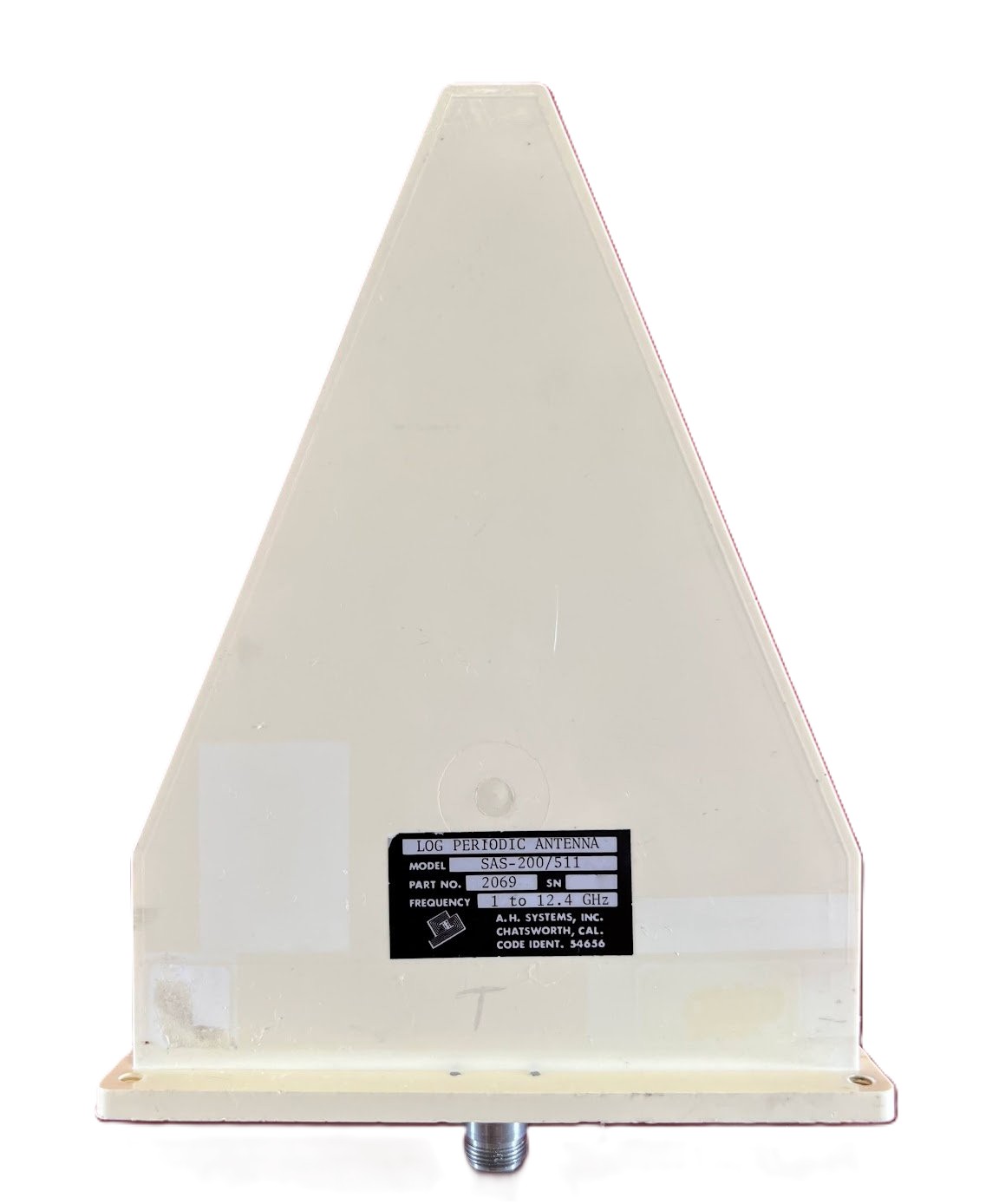
Agilent / HP RF Calibration Equipment (1 unit)
Agilent / HP / Keysight RF Calibration Equipment (2 units)
Agilent / Keysight RF Calibration Equipment (59 units)
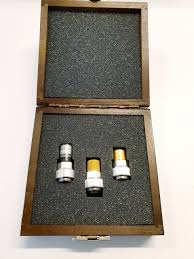
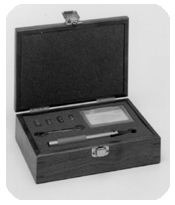
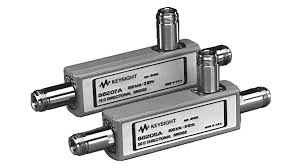
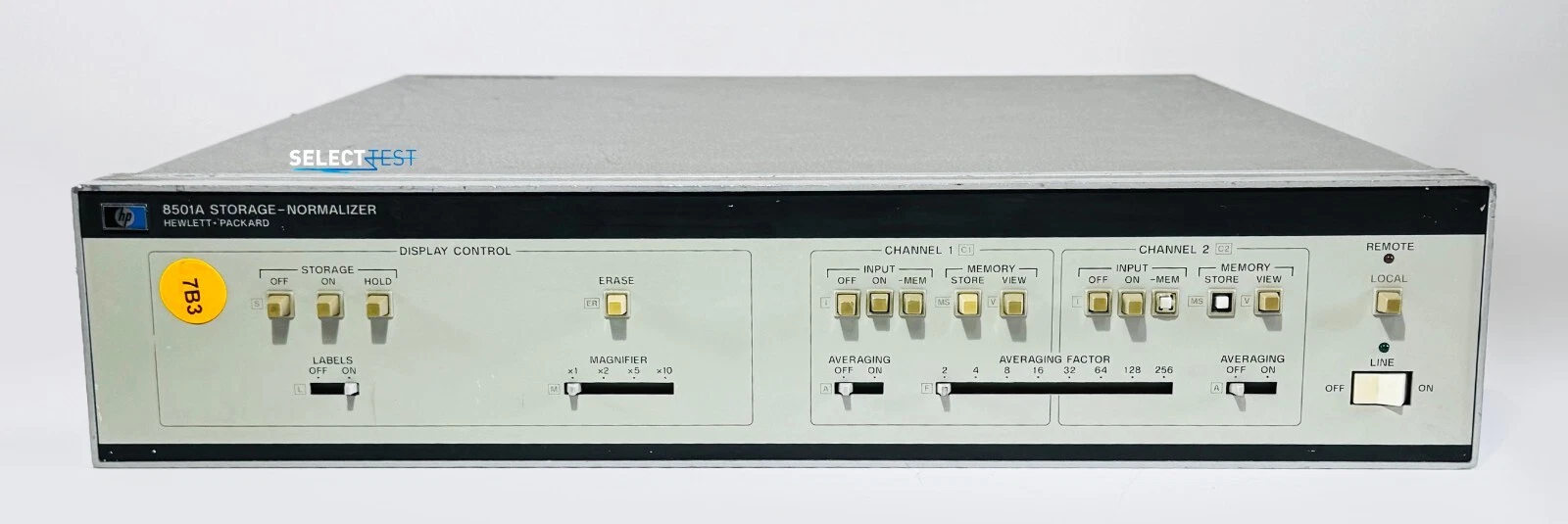
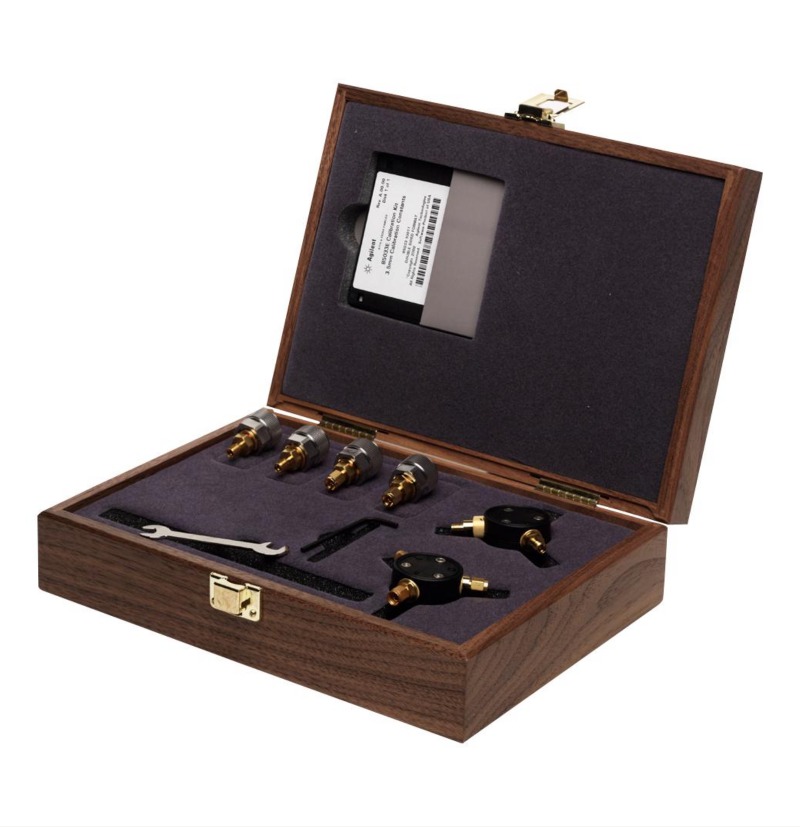
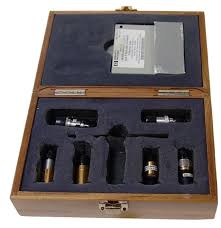
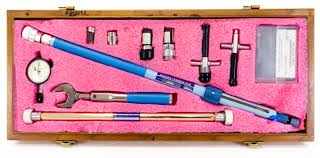
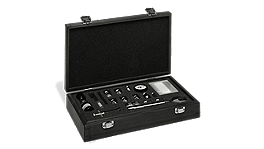
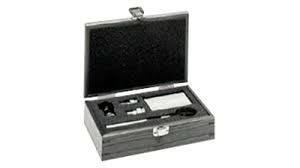
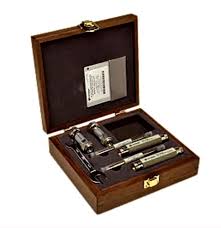
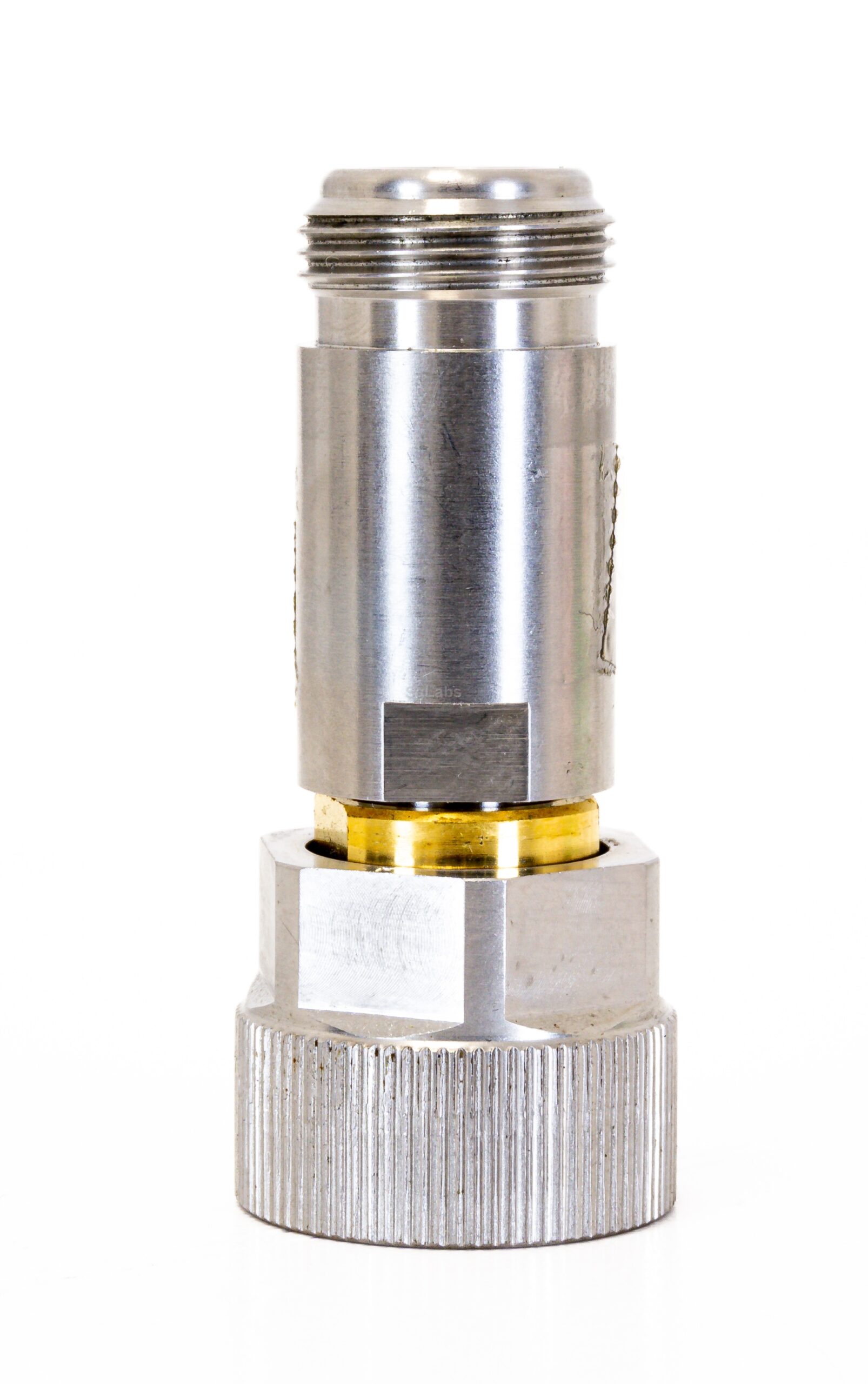
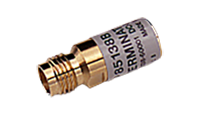
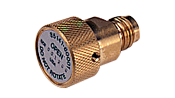
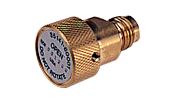
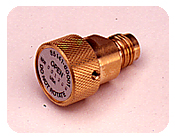
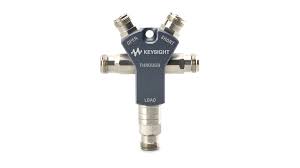
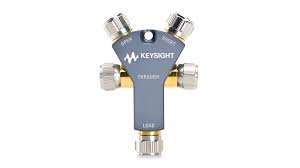
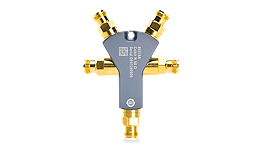
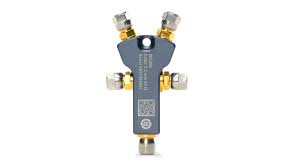
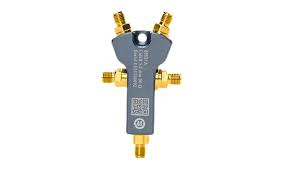
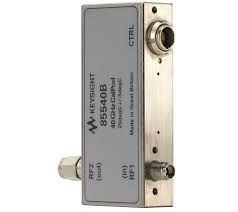
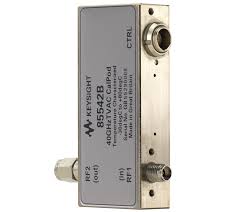
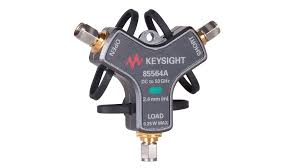
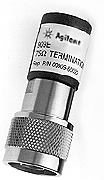
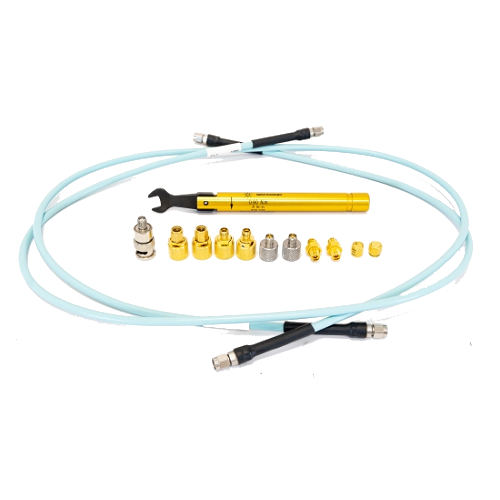
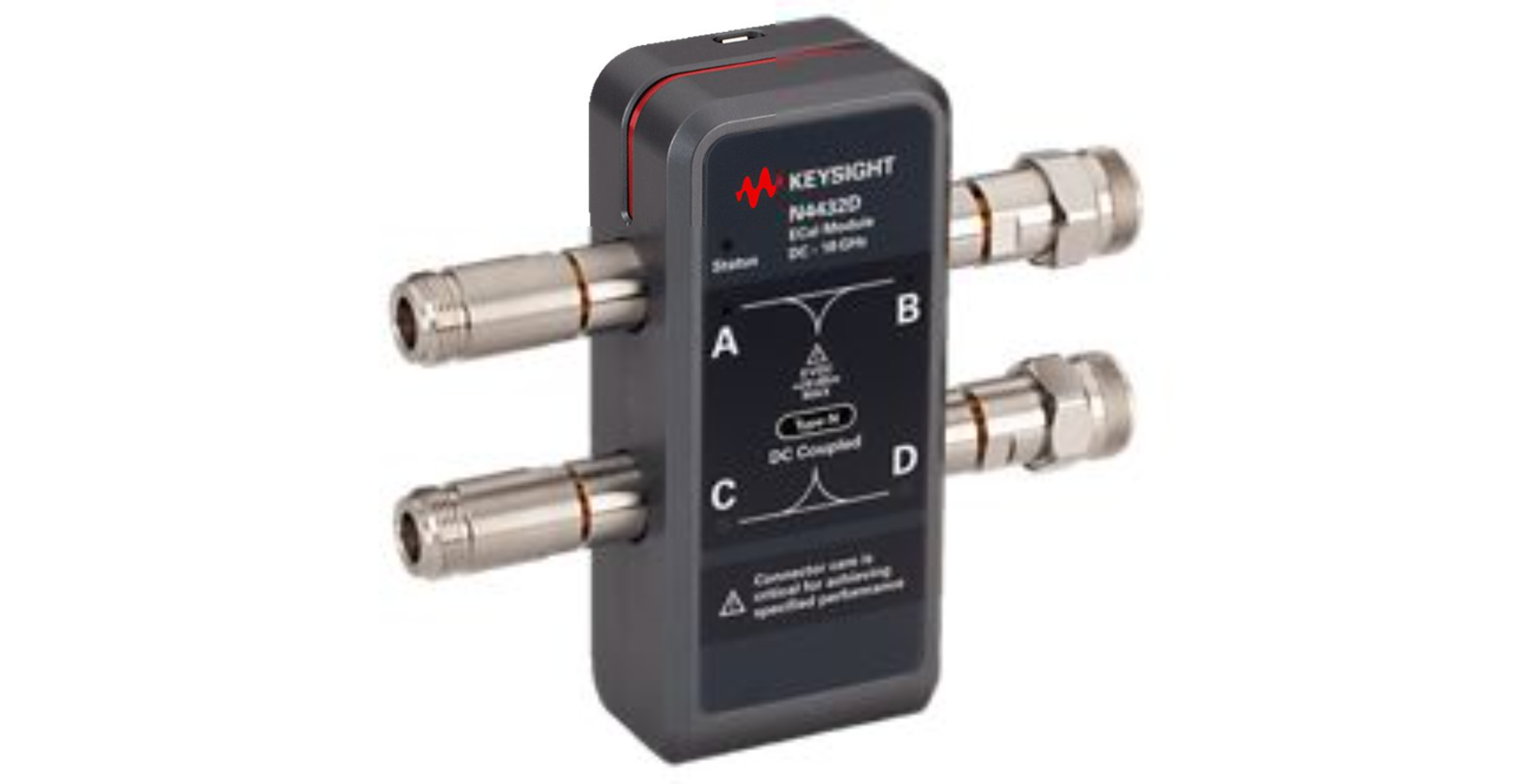
Anritsu RF Calibration Equipment (4 units)
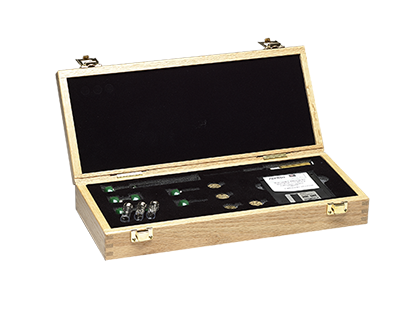
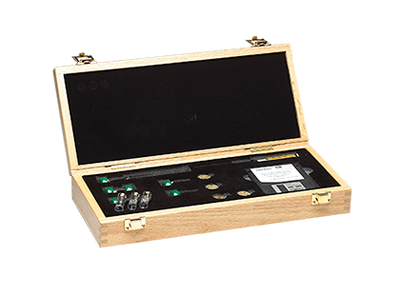
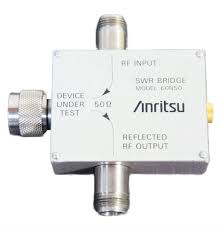
Eagle RF Calibration Equipment (1 unit)
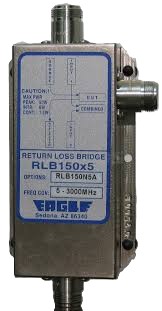
HP / Agilent RF Calibration Equipment (4 units)
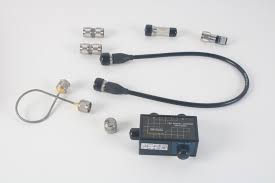
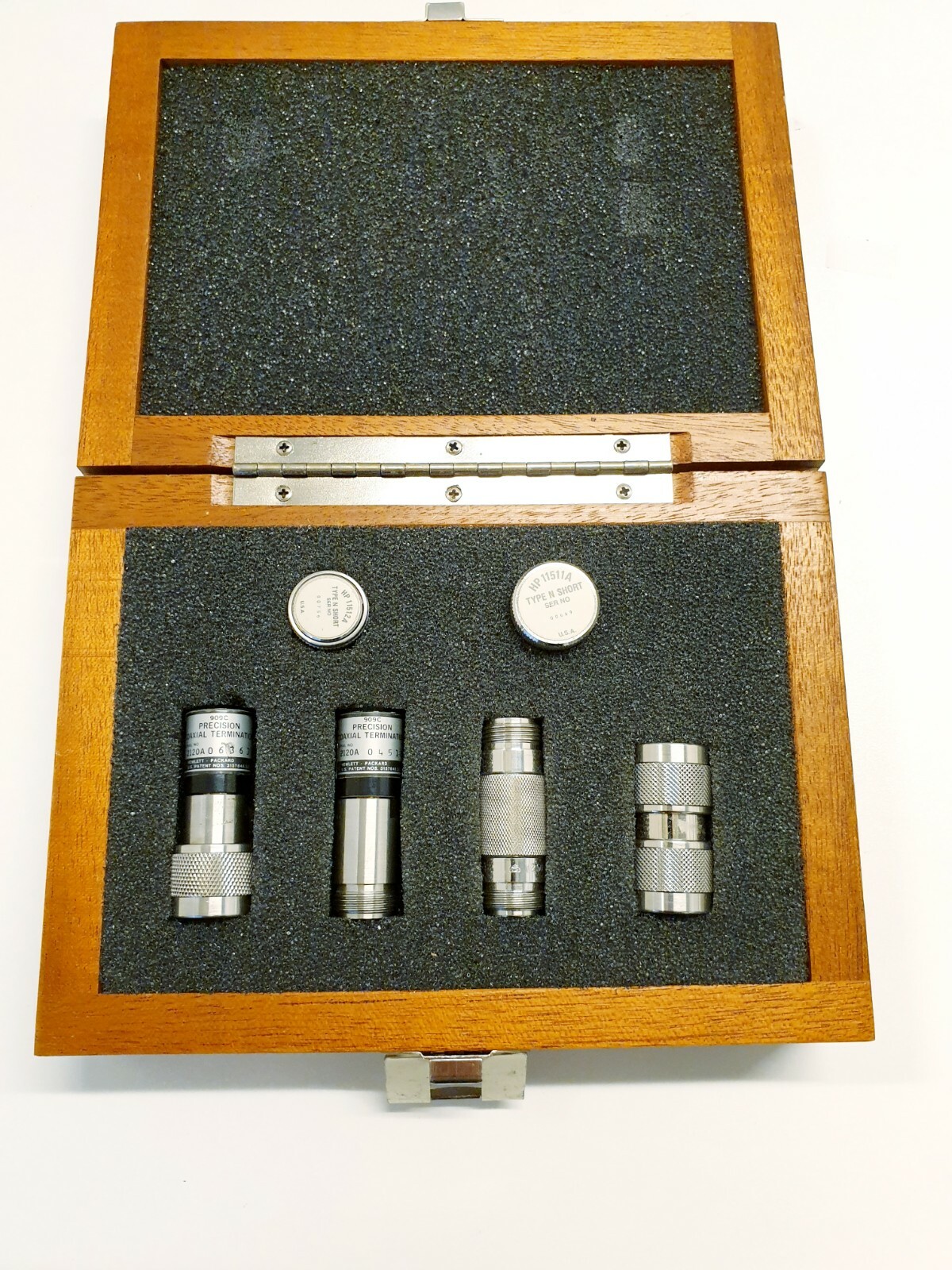
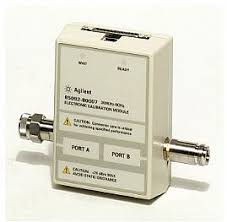
Keysight / Agilent RF Calibration Equipment (11 units)
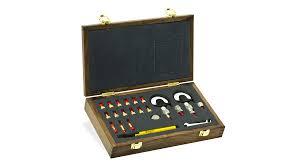
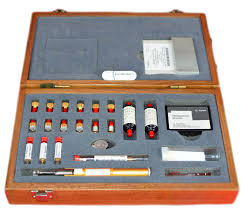
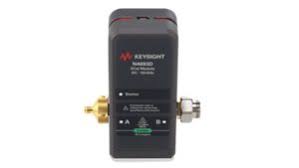
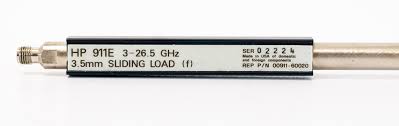
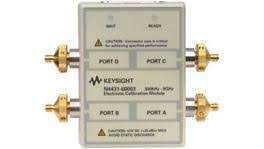
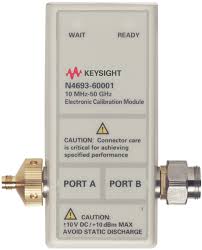
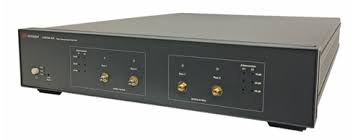
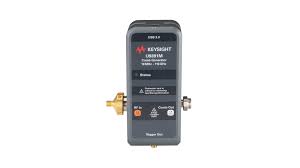
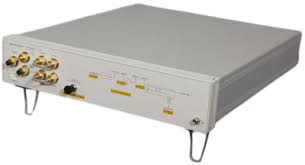
Keysight / Agilent / HP RF Calibration Equipment (1 unit)
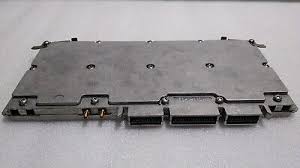
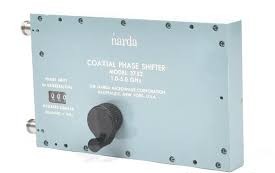
L-3 / Narda / Miteq RF Calibration Equipment (1 unit)
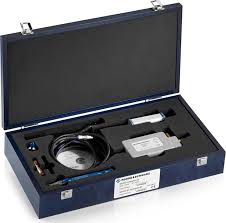
Rohde & Schwarz RF Calibration Equipment (2 units)
Mechanical Calibration Kits vs. ECal Modules
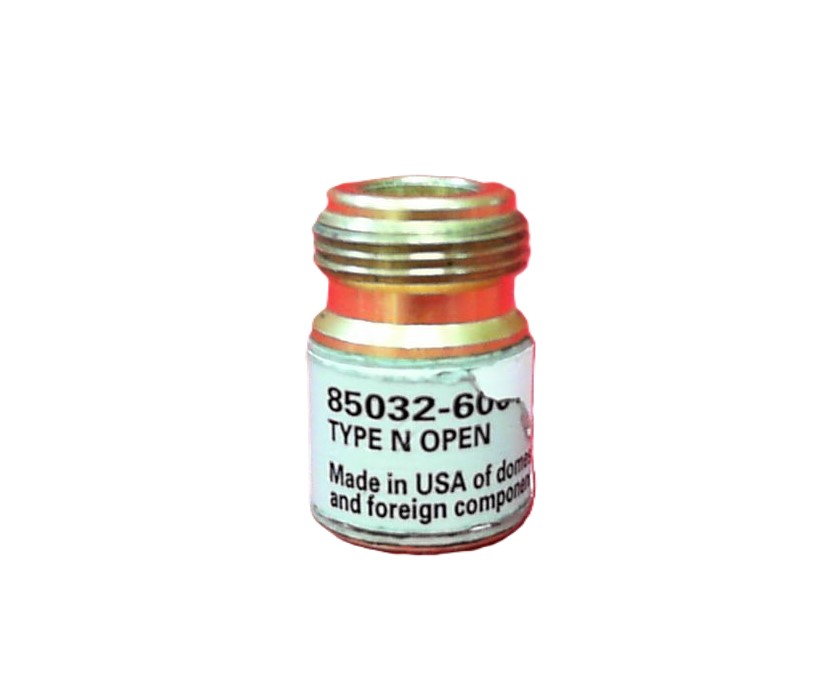
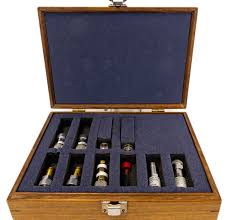
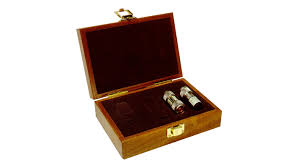
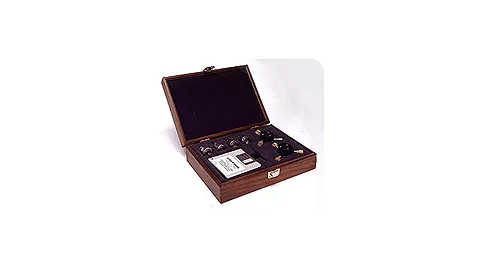
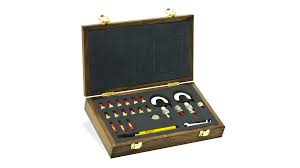
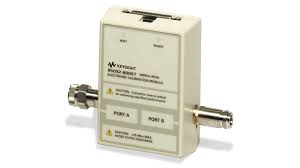
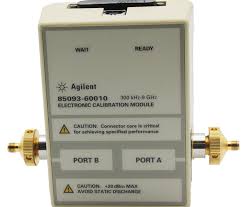
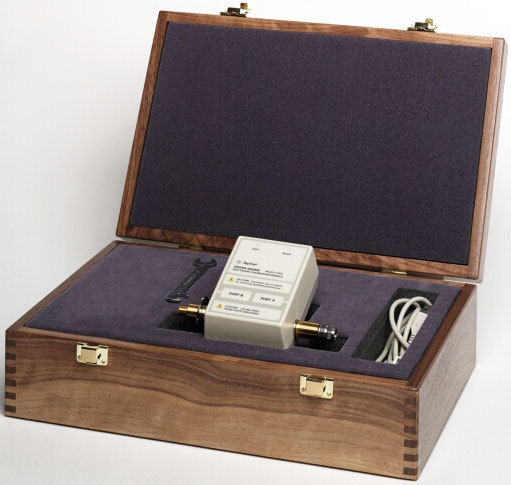
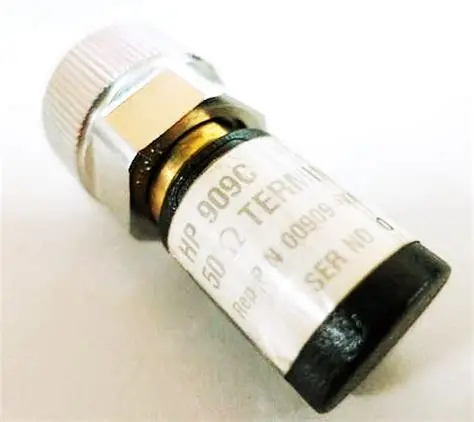
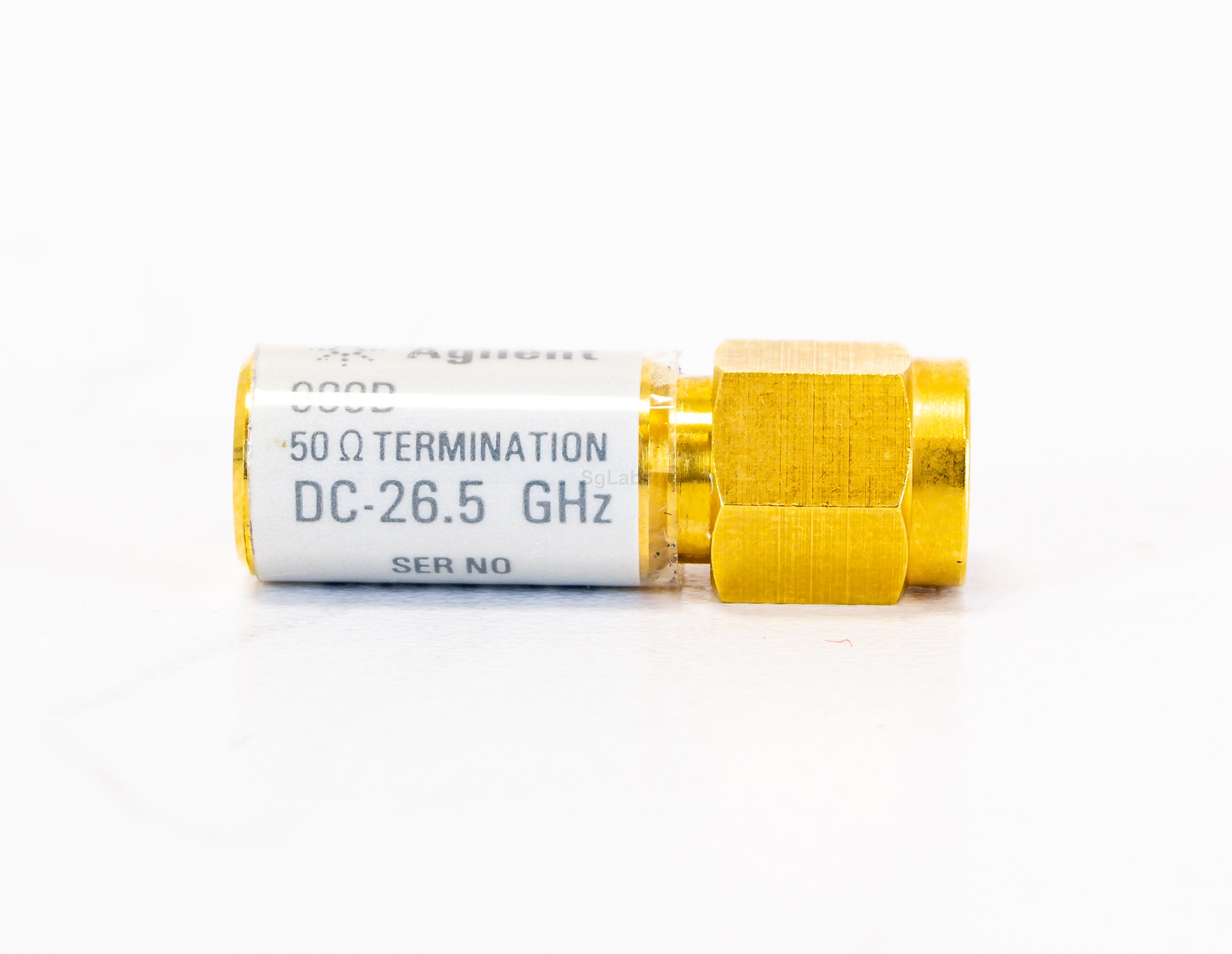
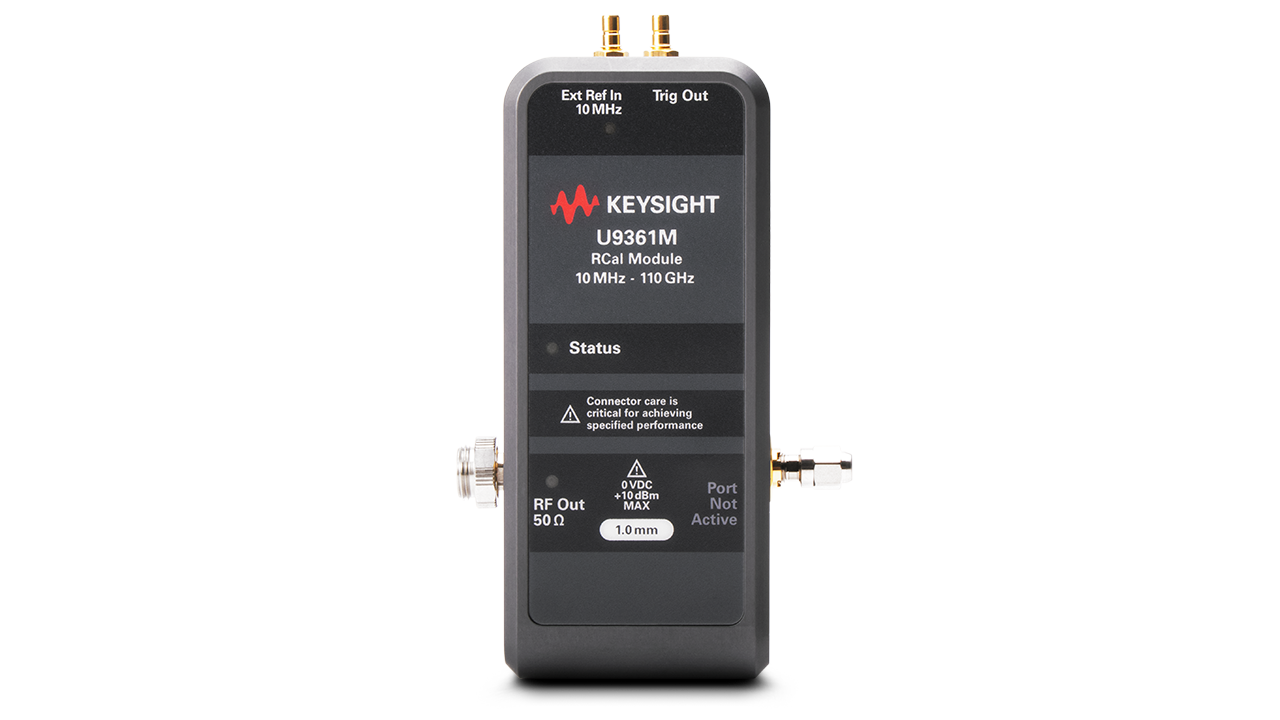
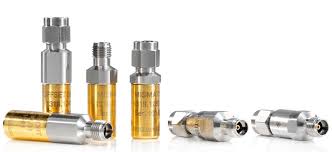
A mechanical kit gives you individual open, short, load, and thru standards (OSL or OSLT) that you connect by hand in sequence while the VNA measures each one to build its error model. An ECal module contains equivalent standards internally and switches between them electronically, turning a multi-step manual calibration into a single connection. ECal is faster and more repeatable between operators; a mechanical kit has no internal electronics to fail and is generally the cheaper option. Keysight's 85093-series ECal modules and 85032/85033/85050/85054/85056-series mechanical kits, covering Type-N through 2.4mm connectors, are the most common of each type on the used market.
Verification Kits: A Different Purpose Than Calibration Kits
A calibration kit defines the reference plane your calibration is built from. A verification kit, like the 85051A 7mm verification kit, is used afterward to independently confirm the calibration is actually accurate, using standards with known traceable values that are deliberately separate from whatever you calibrated with. Using a cal kit to verify itself would be circular and would not catch a kit that has drifted or been damaged.
Connector Type Is the First Thing to Check
The standards have to physically and electrically match your test port. A Type-N kit will not calibrate a 3.5mm port; a 3.5mm kit will not calibrate a 2.4mm or 1.85mm port. Gender matters too. Confirm connector type and gender before checking frequency range or anything else — it is the single most common mismatch we see when people buy a used cal kit for the wrong instrument.
Why Connector Condition Matters More Here
Calibration standards get mated and unmated far more often than a typical instrument's test port, since every calibration involves connecting and disconnecting each standard in sequence. That repeated mating wears connector threads and contact surfaces faster than ordinary use, and a kit with visibly worn or damaged connectors introduces measurement error directly into every calibration performed with it. Inspect connector condition closely on any used cal kit — it matters more here than on almost any other category of RF equipment.
RF Bridges, Comb Generators, and Waveguide Kits
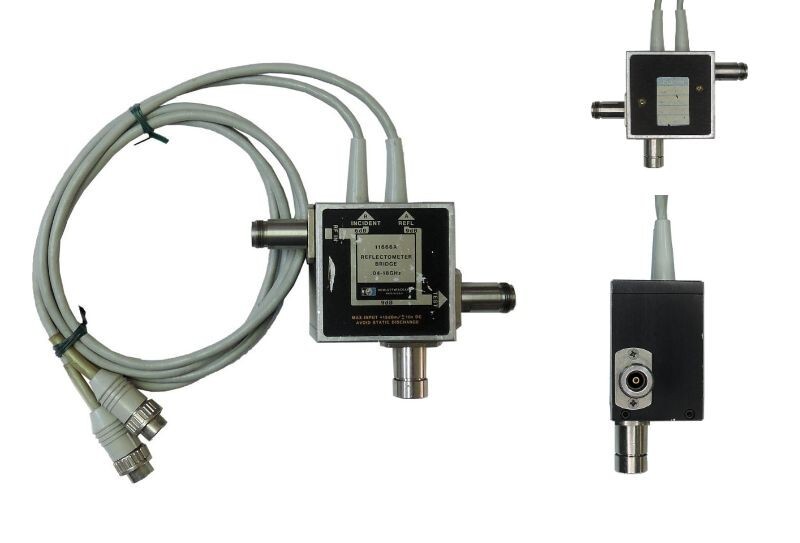
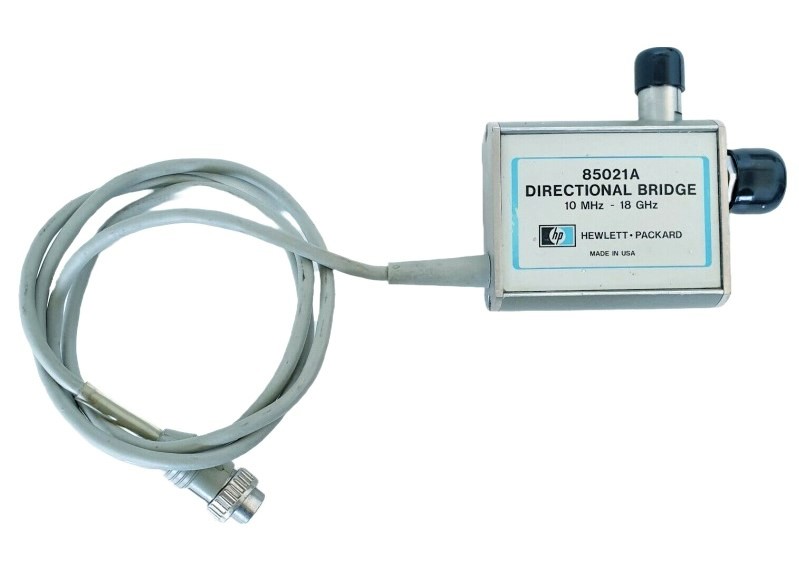
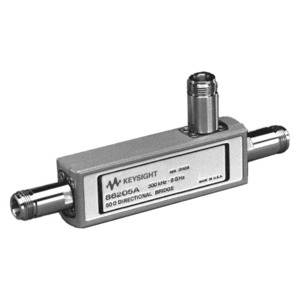
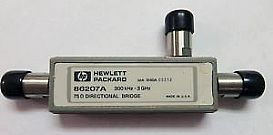
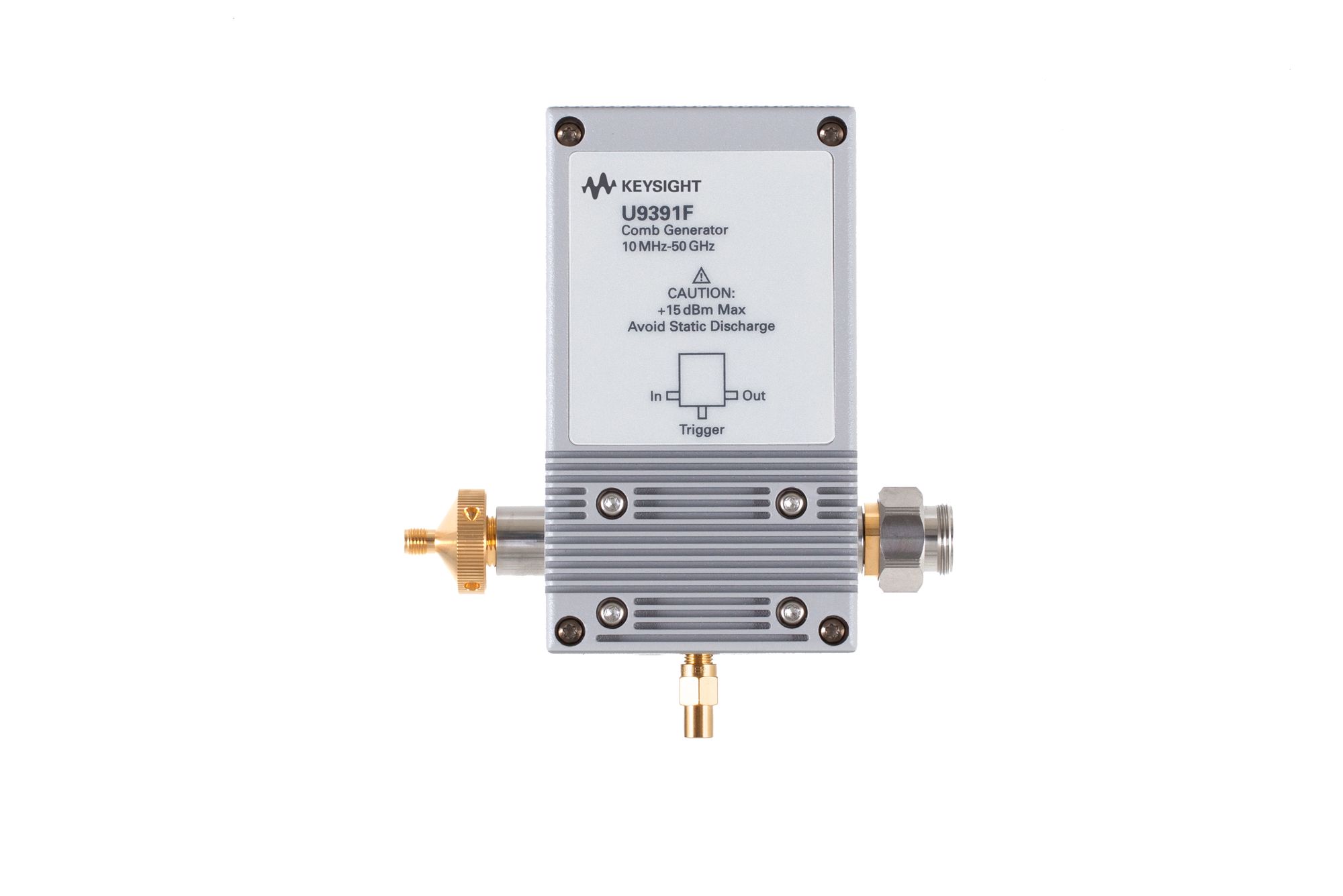
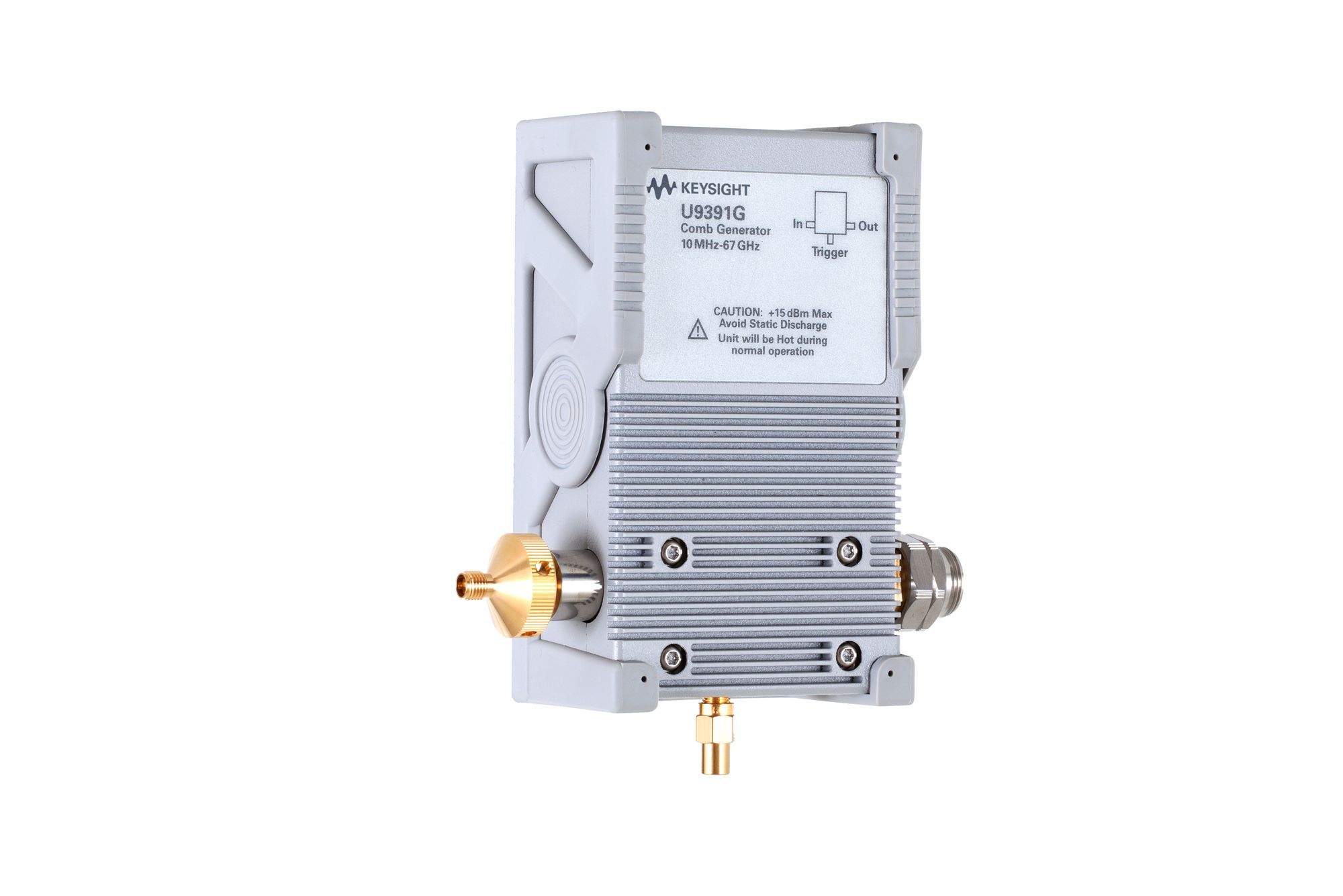
RF and directional bridges (like the HP 85020A) give a simpler alternative to a full VNA for basic reflection and SWR measurements. Comb generators produce a series of frequency-domain reference lines used to check spectrum analyzer frequency accuracy or synchronize systems. Waveguide calibration kits (WR-10, WR-12, and similar) extend calibration into millimeter-wave bands where coaxial connectors are no longer used. Anritsu is a common source for waveguide-band kits on the used market.
RF Calibration Equipment Calibration and Verification
Mechanical standards are inspected for connector wear and verified against known references; ECal modules are checked for correct communication and switching in addition to standard verification, since a module with intact RF switching but corrupted characterization data is not usable. See all calibration services →
Frequently Asked Questions
What is the difference between a mechanical calibration kit and an ECal module? +
A mechanical kit gives you individual open, short, load, and sometimes thru standards (OSL or OSLT) that you connect and disconnect by hand in sequence while the VNA measures each one to compute its error model. An ECal (electronic calibration) module contains all of those standards internally and switches between them electronically, so the whole calibration is one connection and a few seconds instead of several manual connector swaps. ECal is faster and more repeatable operator-to-operator; mechanical kits are cheaper and have no internal electronics to fail.
What is the difference between a calibration kit and a verification kit? +
A calibration kit defines the reference plane — its standards are what the calibration is built from. A verification kit, like a 7mm or 3.5mm verification kit, is used after calibration to independently confirm the calibration is accurate, using standards with known traceable values that are deliberately not the same physical standards used to perform the cal. Using your cal kit to verify itself would be circular and would not catch a cal kit that has drifted or been damaged.
Why does connector type and gender matter so much on a cal kit? +
The calibration standards have to physically and electrically match your VNA test port exactly. A Type-N kit will not calibrate a 3.5mm port, a 3.5mm kit will not calibrate a 2.4mm port, and connecting a male standard to a male test port needs an adapter that itself introduces error into the calibration unless it is accounted for. Confirm connector type (Type-N, 3.5mm, 2.92mm, 2.4mm, 1.85mm, 7mm) and gender before buying, not just the frequency range.
Why do connectors matter more on cal kits than on most RF equipment? +
Calibration standards get mated and unmated far more often than a typical instrument's test port during normal use, since every calibration involves connecting and disconnecting each standard. That repeated mating wears connector threads and contact surfaces faster than ordinary use, and a cal kit with visibly worn or damaged connectors introduces measurement error directly into every calibration performed with it. Connector condition matters more here than almost anywhere else in RF test equipment.
What is a sliding load and why would I need one over a fixed load? +
A fixed load's small imperfections show up as a residual reflection that varies with frequency in a way that is hard to fully characterize at broadband, high frequencies. A sliding load moves the resistive element along the airline and averages out that residual reflection across several positions, giving a more accurate broadband termination standard. Sliding loads are typically part of a more complete high-frequency calibration kit rather than a standalone everyday item.
Can an ECal module go out of calibration itself? +
Yes — an ECal module is itself a characterized device with its own internal standards and switching network, and it needs periodic recharacterization just like any calibration standard. If an ECal module will not communicate over USB or GPIB, or its characterization data is missing or corrupted, it is not usable for calibration even if the internal RF switching still functions mechanically.
Need a specific connector type or frequency range?
Tell us the connector type, gender, and frequency range you need, and we'll check our incoming stock.
Get in touch