
Used LCR Meters & Impedance Analyzers for Sale
57 units in stock — HP, Agilent, Keysight, Wayne Kerr, GenRad, Stanford Research, and more. Bench and handheld LCR meters, impedance analyzers, and capacitance bridges. NIST-traceable calibration available. Ships from Pleasant Grove, UT.
Agilent / HP LCR Meters (1 unit)
Agilent / Keysight LCR Meters (11 units)
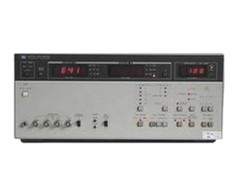
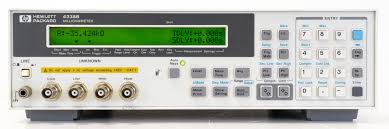
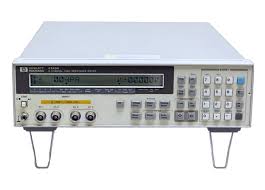
Electro-Scientific Industries LCR Meters (1 unit)
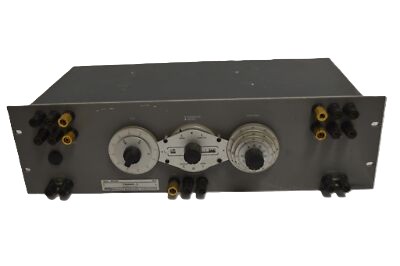
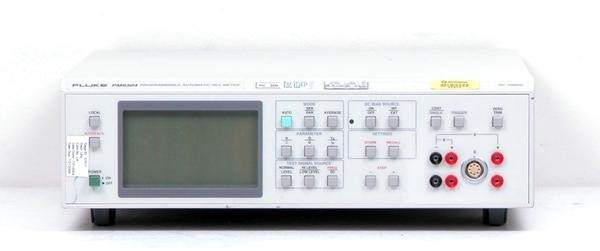
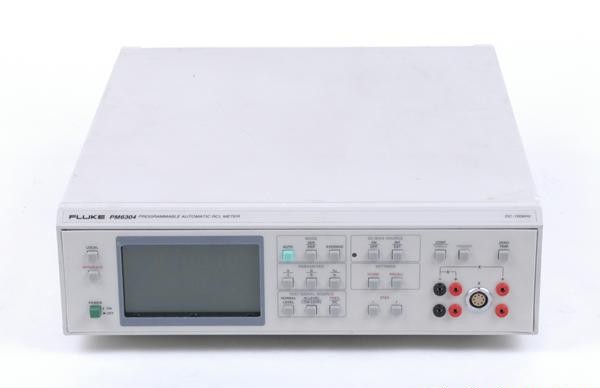
Fluke LCR Meters (3 units)
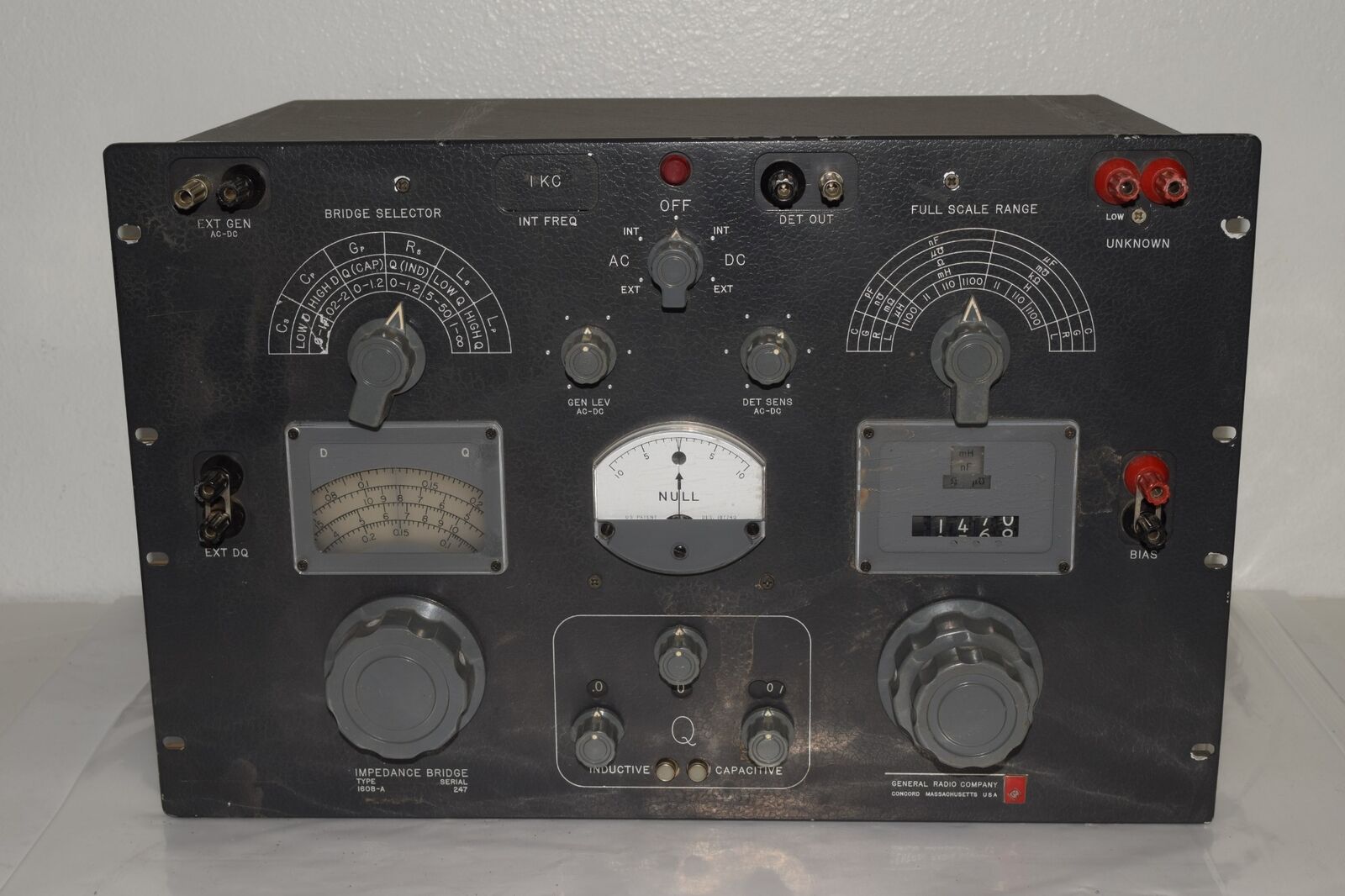
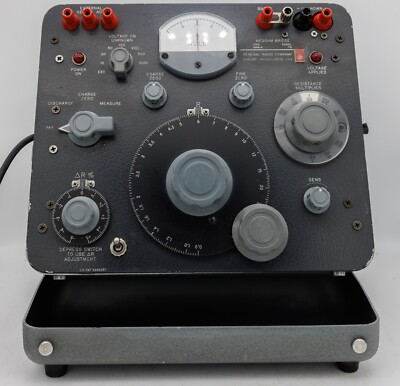
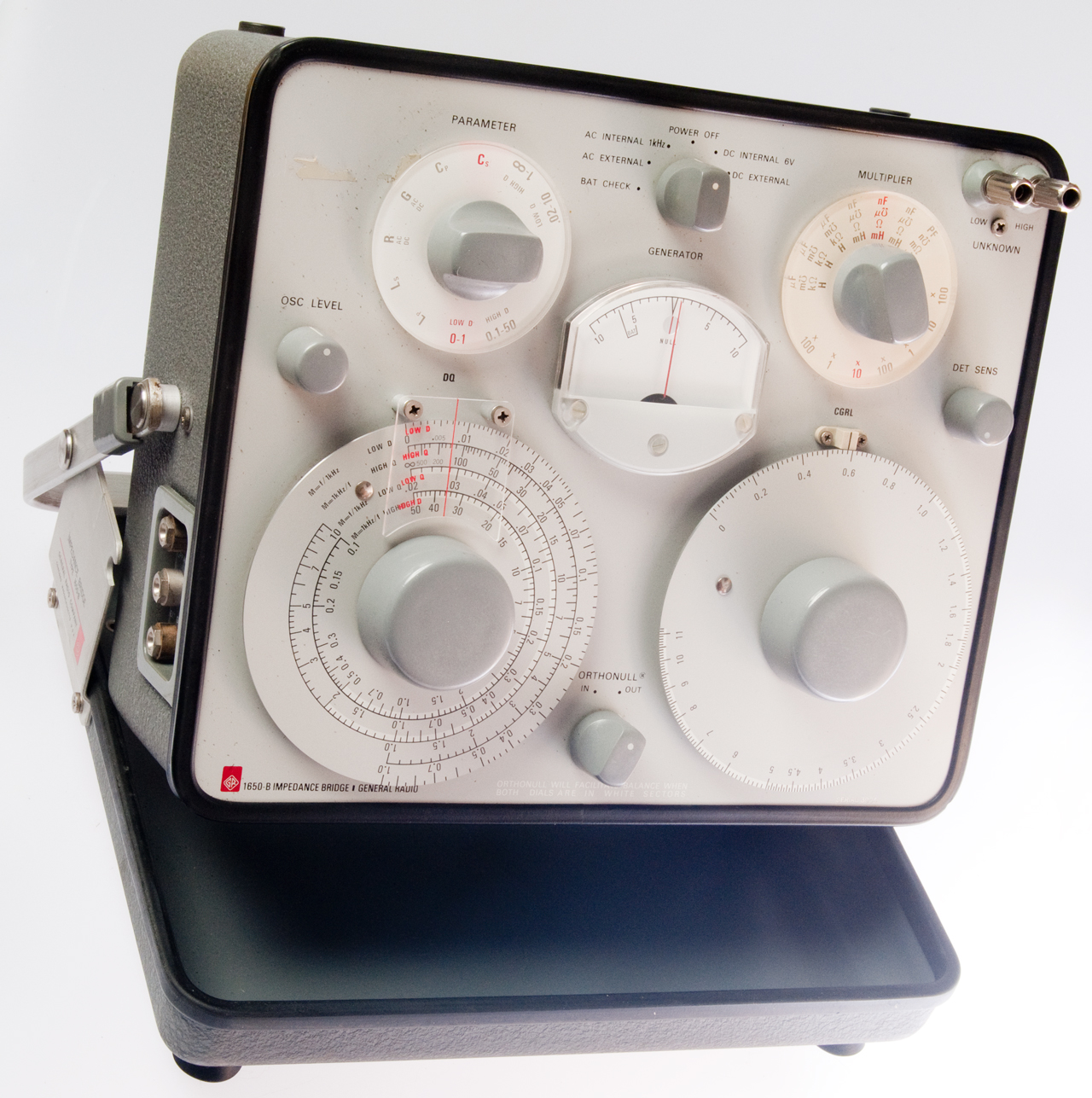
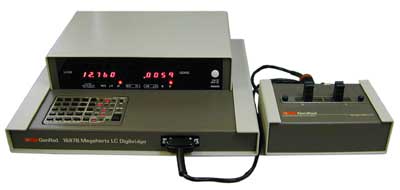
GenRad LCR Meters (6 units)
HP / Agilent LCR Meters (16 units)
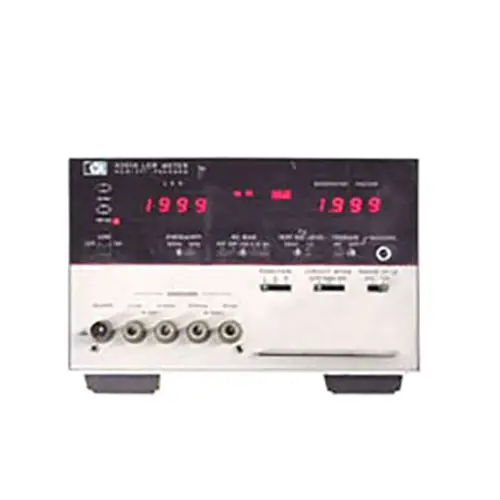
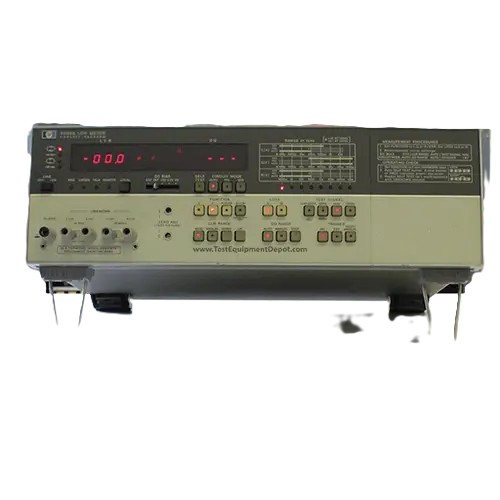
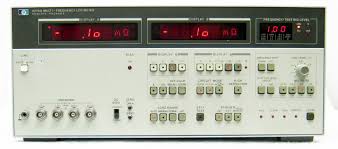
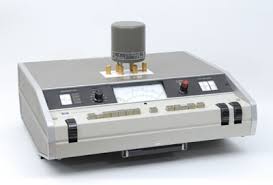
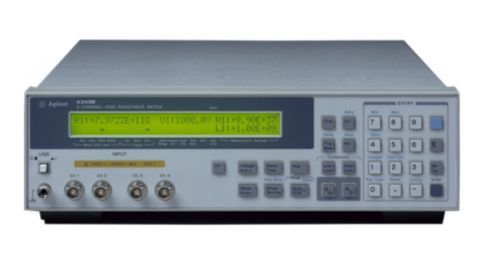
Hioki LCR Meters (1 unit)
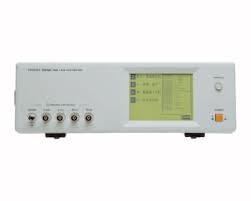
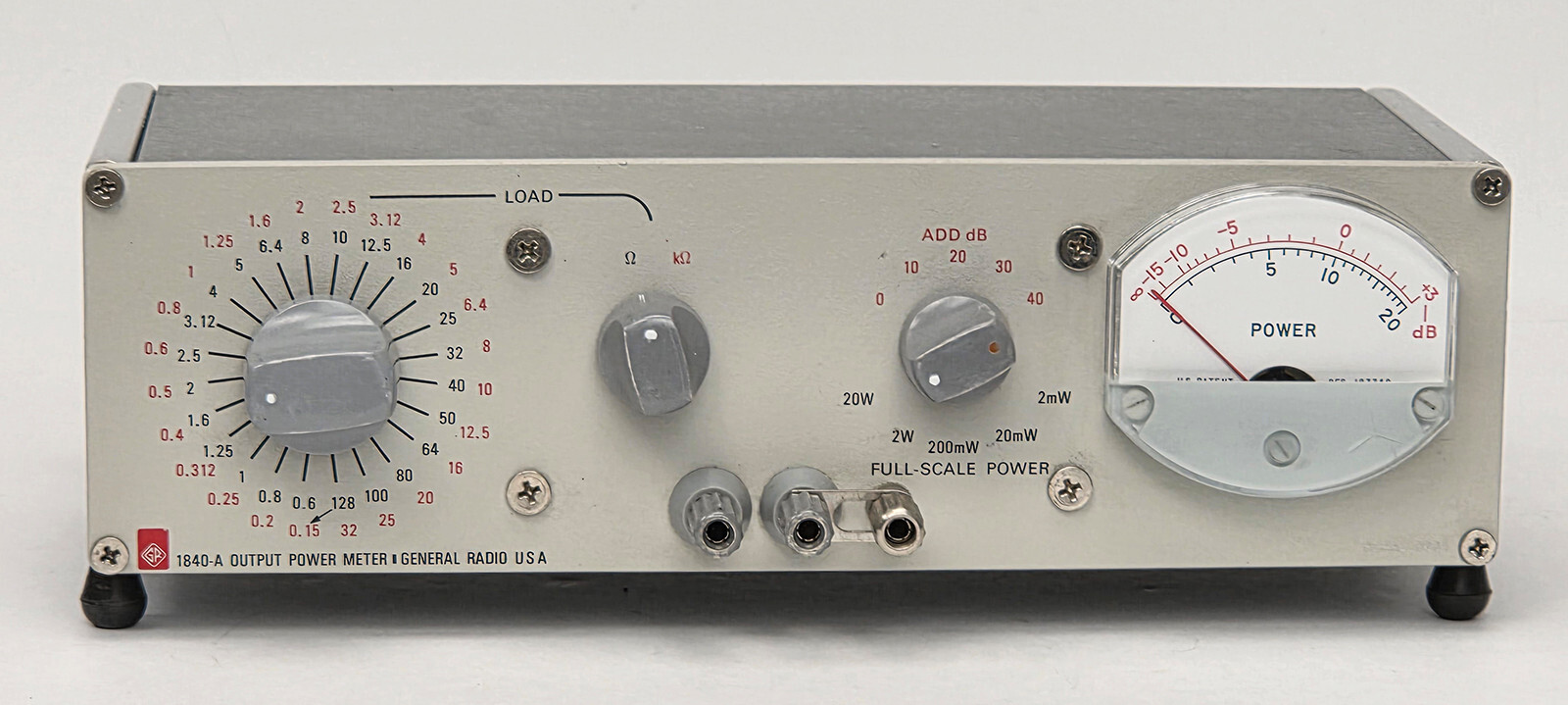
IET / General Radio LCR Meters (1 unit)
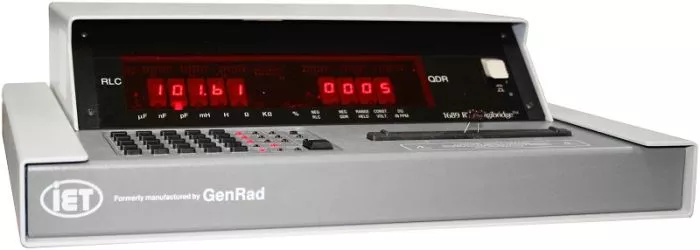
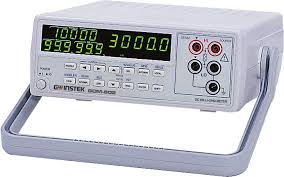
Instek LCR Meters (1 unit)
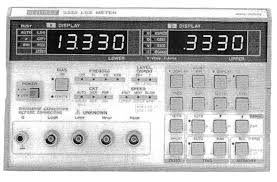
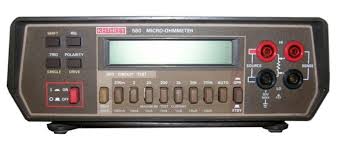
Keithley LCR Meters (4 units)
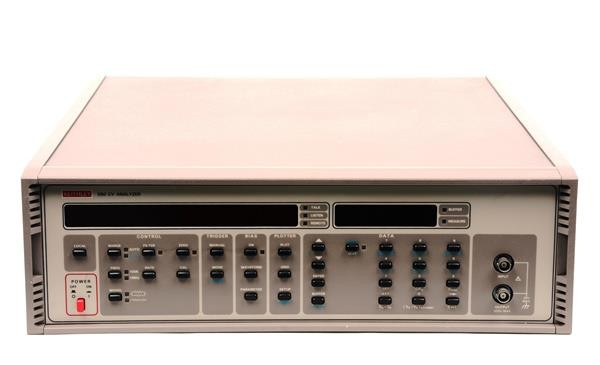
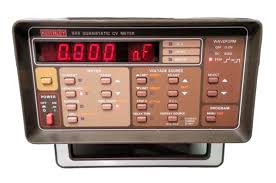
Keysight LCR Meters (2 units)
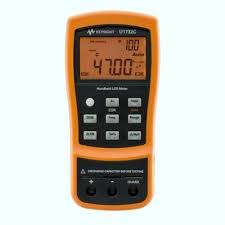
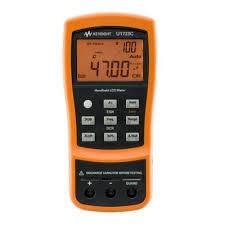
Keysight / Agilent LCR Meters (6 units)
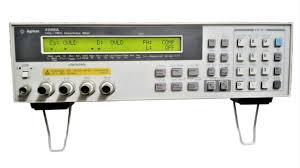
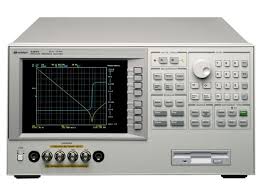
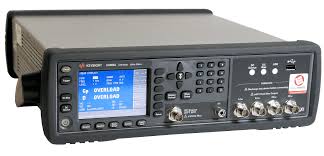
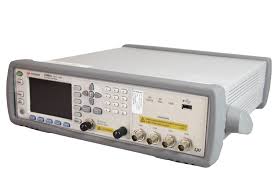
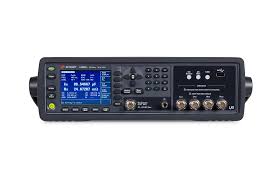
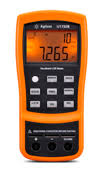
Keysight / Agilent / HP LCR Meters (2 units)
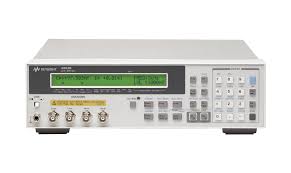
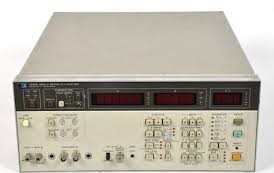
Schlumberger / Solartron LCR Meters (1 unit)
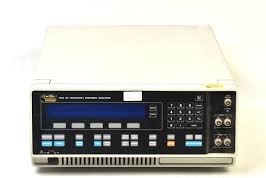
Wayne Kerr LCR Meters (1 unit)
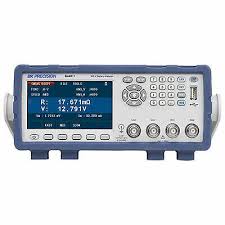
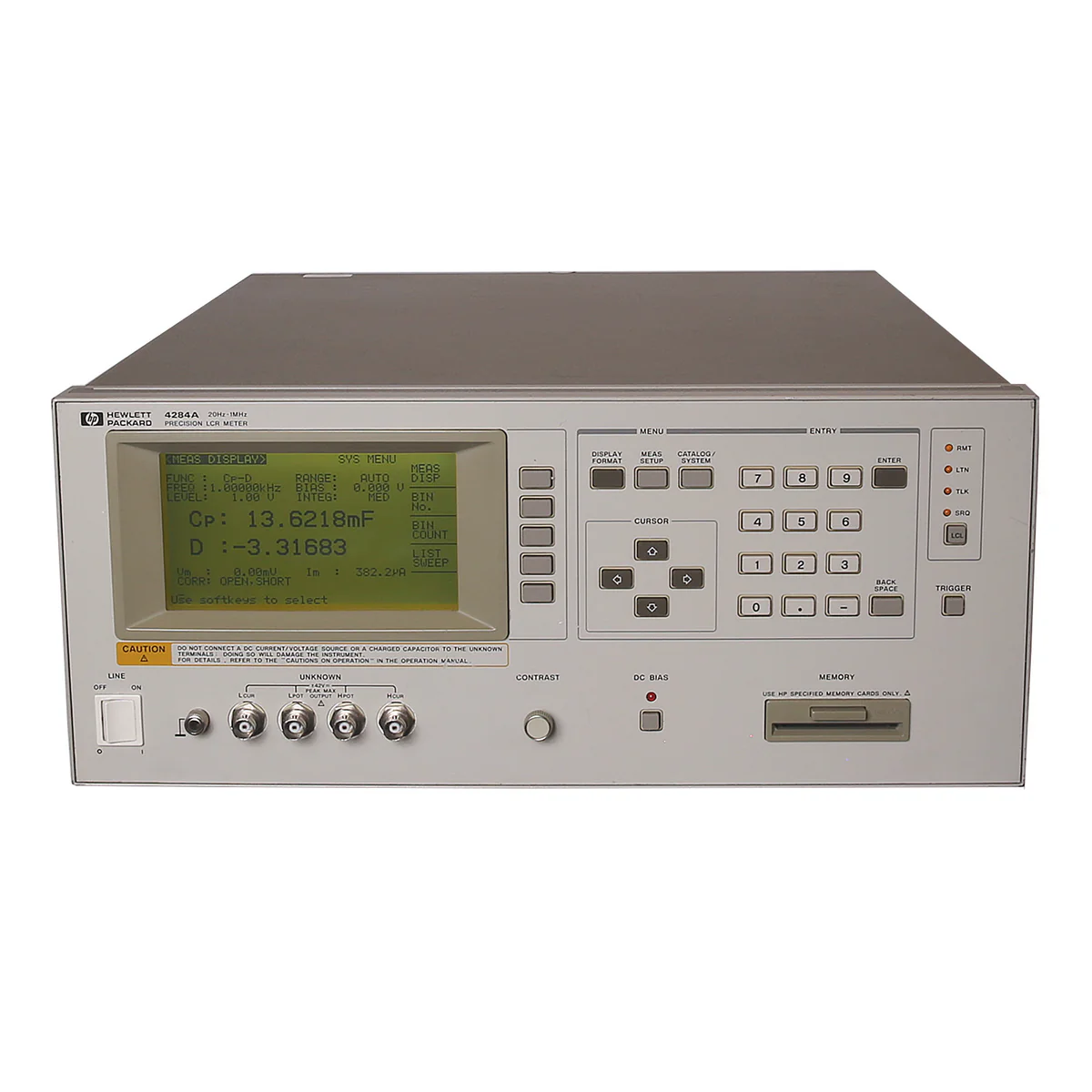
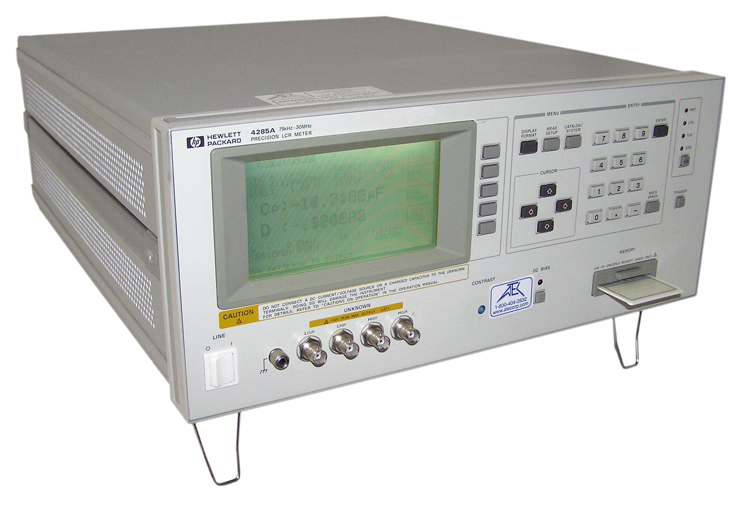
HP / Agilent 4284A and 4285A Precision LCR Meters
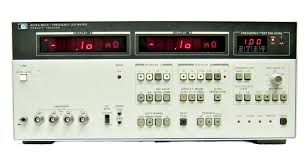
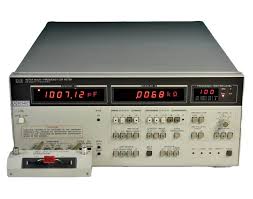
The HP 4284A (20 Hz to 1 MHz) and HP 4285A (75 kHz to 30 MHz) are the most widely used precision LCR meters in semiconductor and materials labs. The 4284A provides 0.05% basic accuracy with four-terminal Kelvin connections, a built-in 0 to 40 V DC bias supply for C-V characterization, and a handler interface for production test automation. The 4285A extends the frequency range into the RF region for characterizing SMD capacitors and inductors at their actual operating frequencies. Both instruments require a calibration standard (short and open) before measurement — use the calibration kit that shipped with the instrument or a traceable standard.
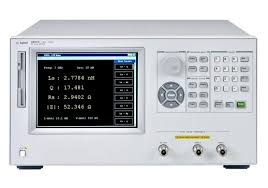
Keysight E4980A and E4990A
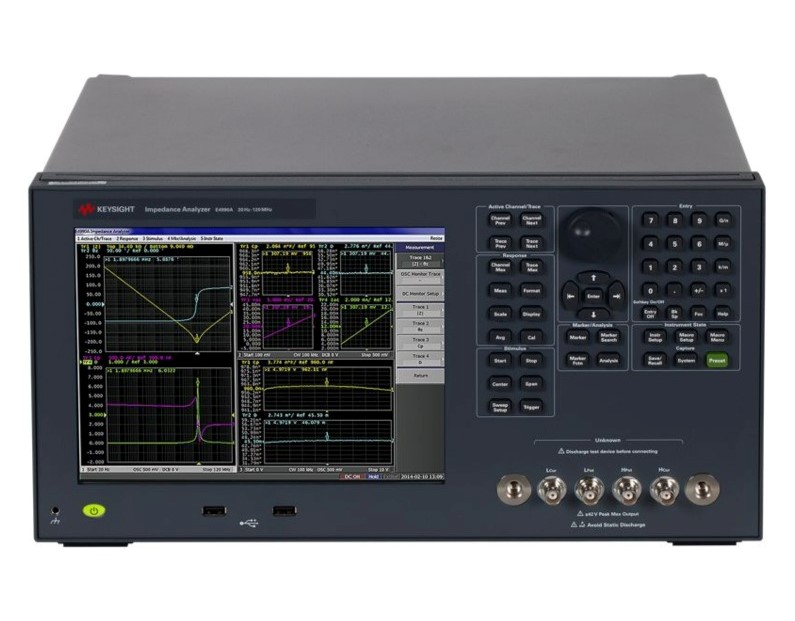
The Keysight E4980A (20 Hz to 2 MHz) is the successor to the 4284A and adds signal level control down to 100 µV for characterizing sensitive components like MEMS resonators and piezoelectric devices. The E4990A (20 Hz to 120 MHz) is a full impedance analyzer with sweep capability — it plots impedance vs. frequency curves and identifies self-resonance, parasitic behavior, and material dispersion. For production test of ceramic capacitors, X5R and X7R dielectrics, and power inductors, the E4980A is the current production standard. For research requiring frequency sweep data, the E4990A is preferred.
Wayne Kerr Precision Component Analyzers
Wayne Kerr instruments (6425, 6430, 6440A, 3210A, 3220A) are favored in European labs and by manufacturers of precision passive components for their low-loss measurement capability and high-Q measurement accuracy. The 6440A achieves 0.02% basic accuracy on capacitance and 0.0002 basic accuracy on dissipation factor — critical for measuring ultra-low-loss capacitors used in timing and filter circuits. Wayne Kerr analyzers use a four-pair measurement configuration (HCUR/HPOT/LCUR/LPOT) that is more immune to lead impedance than standard four-terminal Kelvin — particularly important at high frequencies.
Frequently Asked Questions
What does an LCR meter measure? +
An LCR meter measures inductance (L), capacitance (C), and resistance (R) of passive components and materials. Most modern LCR meters display derived parameters alongside these: impedance magnitude (|Z|), phase angle (θ), dissipation factor (D or tan δ), quality factor (Q), ESR (equivalent series resistance), and admittance (Y). Measurements are made by applying a known AC test signal and measuring the resulting voltage and current. The instrument computes the complex impedance and decomposes it into the parameter pair selected by the user (L+Q, C+D, R+X, Z+θ).
What is the difference between an LCR meter and an impedance analyzer? +
The distinction is frequency range and measurement capability depth. An LCR meter (HP 4284A, Keysight E4980A) operates at a fixed set of test frequencies — typically 20 Hz to 1 MHz or 20 Hz to 2 MHz — and is optimized for component characterization at those frequencies. An impedance analyzer (HP 4192A, Keysight E4990A, Keysight 4294A) sweeps continuously across a wide frequency range and displays the full impedance spectrum, including resonant frequencies, self-resonances, and parasitic behavior. For production testing of individual capacitors, inductors, and resistors, an LCR meter is the right tool. For characterizing materials, ceramic resonators, quartz crystals, and transformer windings across frequency, an impedance analyzer is required.
What is the HP 4284A and why is it the most common lab LCR meter? +
The HP 4284A is a 20 Hz to 1 MHz precision LCR meter that became the lab standard in semiconductor manufacturing and electronics R&D during the 1990s. It has 0.05% basic accuracy, a four-terminal Kelvin measurement configuration for low impedance, and a built-in bias voltage source for capacitance-voltage characterization of MOSFETs and dielectrics. HP made it in very large quantities, so used units are widely available and well-understood. The most common failure mode is the DC bias output stage — typically a failed pass transistor or op-amp in the bias circuit. Measurement accuracy rarely drifts without a visible failure.
What test frequencies should I use for capacitor and inductor measurements? +
1 kHz is the standard test frequency for most capacitor specifications (electrolytic, film, ceramic) and is the frequency most component manufacturers specify on datasheets. 100 kHz is standard for measuring high-Q ceramic capacitors and SMD inductors where 1 kHz measurements are dominated by ESR rather than reactance. For power inductors used in switching regulators, measurements at the actual switching frequency (100 kHz to 2 MHz) are more relevant than at 1 kHz. For electrolytic capacitors in audio applications, 120 Hz is the traditional test frequency. The HP 4284A, Keysight E4980A, and Wayne Kerr 6430 all support user-selectable frequencies across their full range.
What is ESR and why is it important for capacitor testing? +
ESR (Equivalent Series Resistance) is the total resistive loss in a capacitor at a given frequency — it combines the resistance of leads, plates, and dielectric losses. Low ESR is critical for capacitors in power supply decoupling and switching converter output filters, where high ESR causes voltage ripple and heat. A capacitor with nominal capacitance but high ESR will fail in a switching power supply even though it measures correctly on a basic capacitance meter. LCR meters measure ESR directly as the real part of the series impedance model. HP 4284A, Keysight E4980A, and dedicated ESR meters (ESI 290A) are all used for production ESR screening.
How does a four-terminal Kelvin measurement configuration work? +
A standard two-terminal measurement injects current and measures voltage through the same two leads — lead resistance adds directly to the measured impedance, causing errors when measuring low-value components. A four-terminal Kelvin configuration uses four separate terminals: Hcur and Lcur carry the test current, while Hpot and Lpot sense the voltage at the component itself with zero current flowing through the sense leads (Kelvin sensing). This eliminates lead resistance from the measurement. For components below about 100 Ω, Kelvin connection is required to get accurate readings. All HP/Agilent 428x series LCR meters and most Wayne Kerr instruments use four-terminal Kelvin configuration.
Need a specific frequency range or measurement parameter?
We source specific LCR meter models on request. Tell us the required frequency range, measurement parameters (L, C, R, ESR, Q), accuracy class, and interface requirements.
Get in touch