
Used Vector Signal Generators for Sale
48 units in stock — Keysight, Agilent, Rohde & Schwarz, and Anritsu. Frequency ranges from 100 kHz to 44 GHz. All installed options verified before listing. NIST-traceable calibration available.
Aeroflex Vector Signal Generators (2 units)
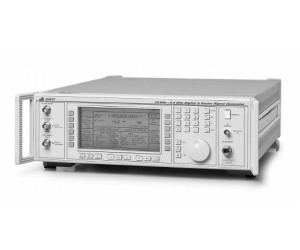
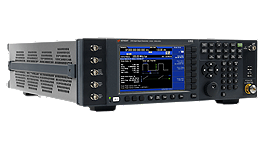
Agilent / Keysight Vector Signal Generators (15 units)
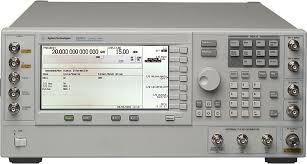
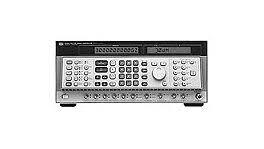
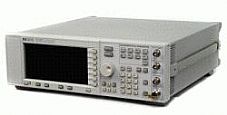
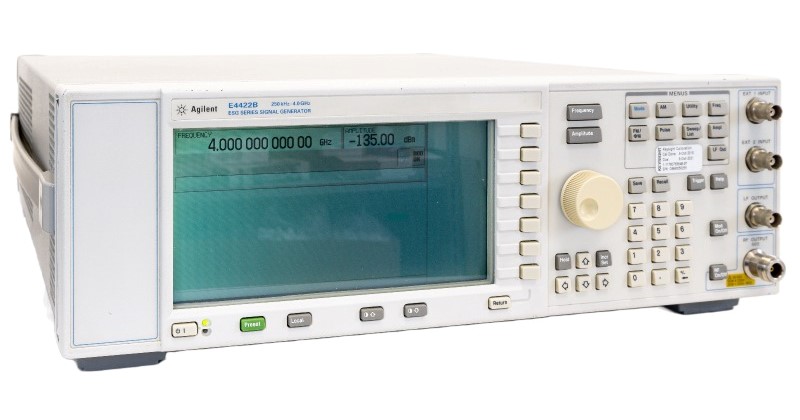
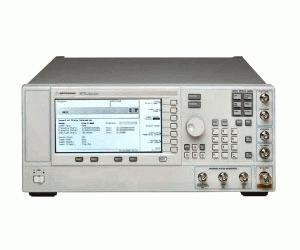
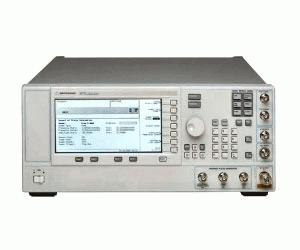
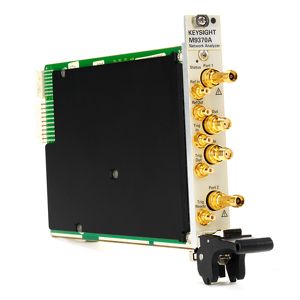
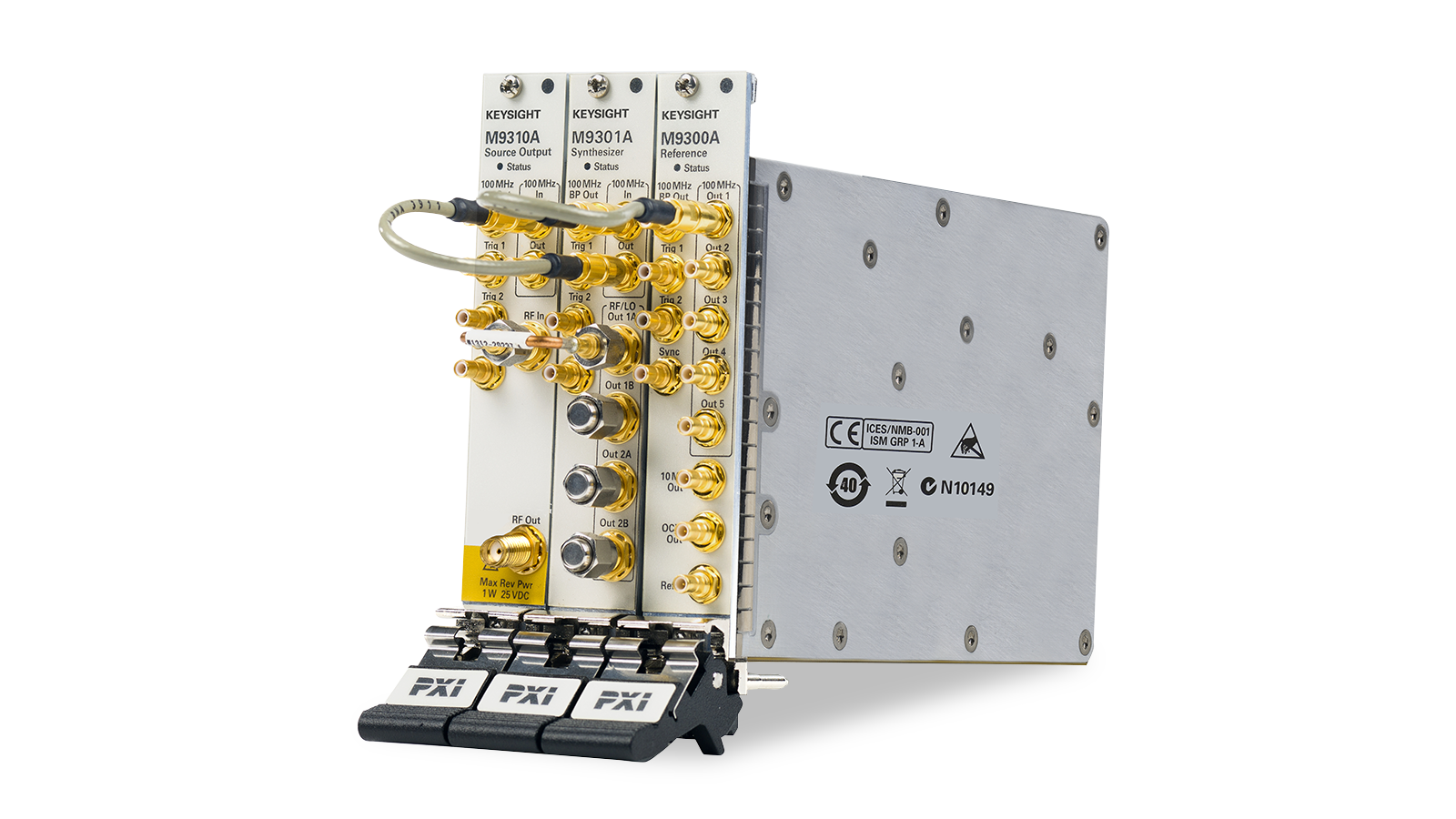
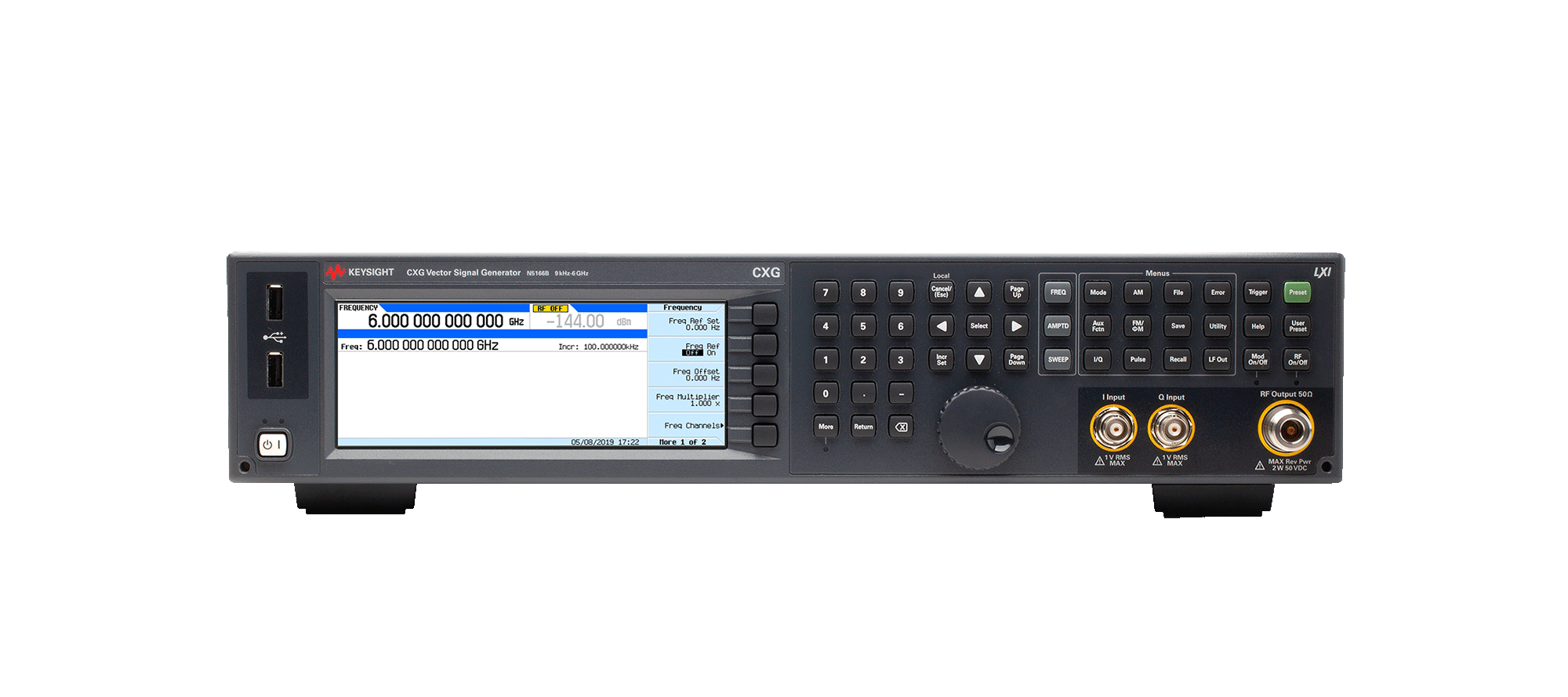
Anritsu Vector Signal Generators (4 units)
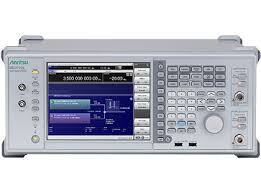
Keithley Vector Signal Generators (2 units)
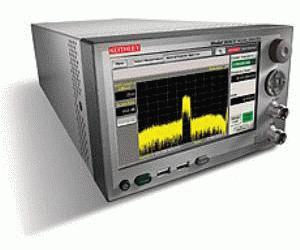
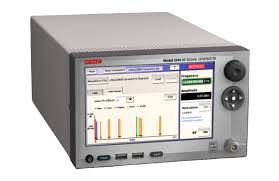
Keysight Vector Signal Generators (1 unit)
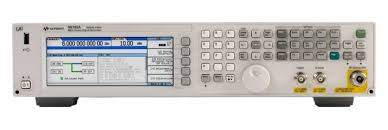
Keysight / Agilent Vector Signal Generators (1 unit)
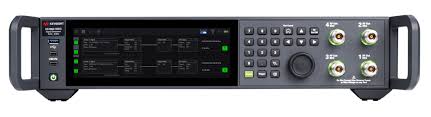
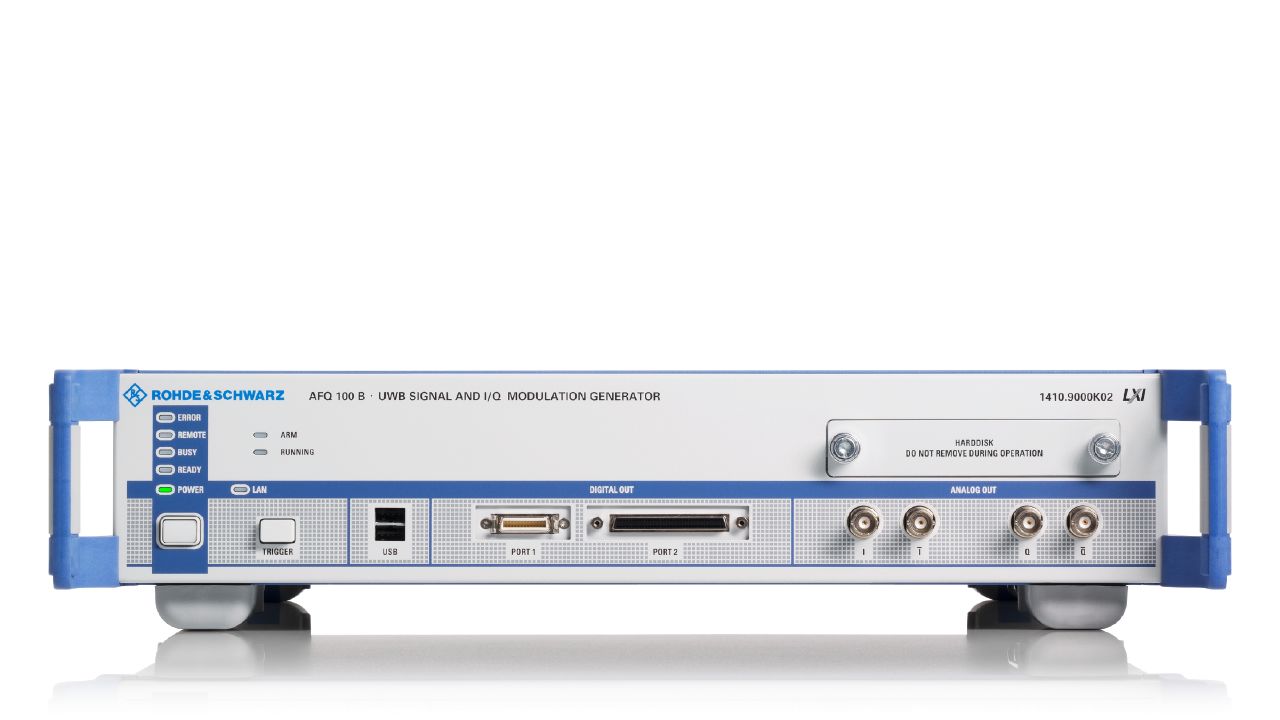
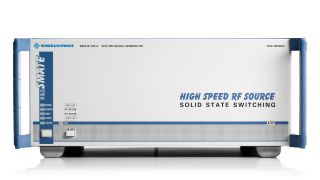
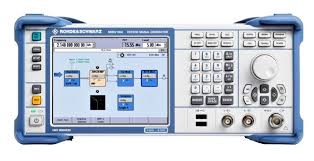
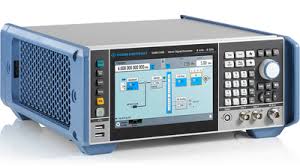
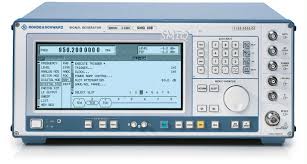
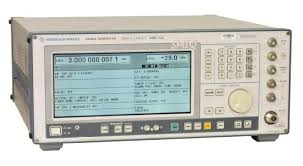
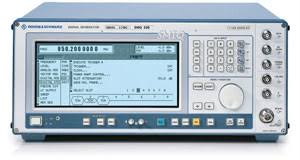
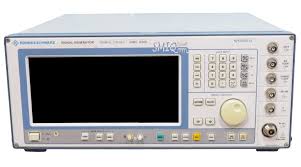
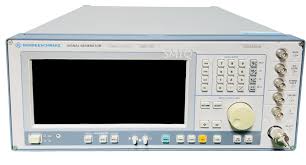
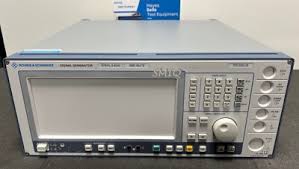
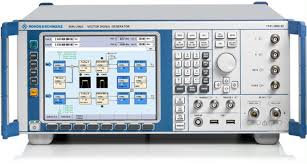
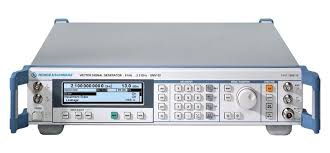
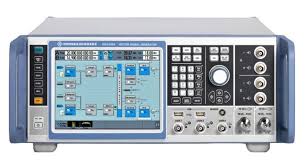
Rohde & Schwarz Vector Signal Generators (20 units)
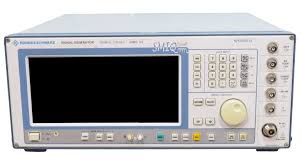
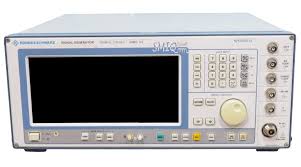
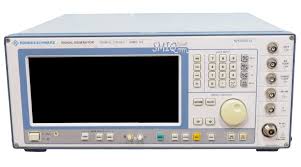
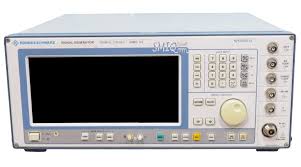
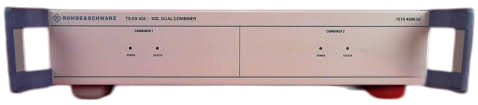
Stanford Research Vector Signal Generators (1 unit)
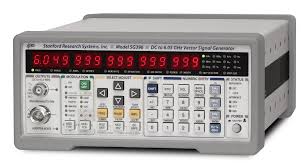
Stanford Research Systems Vector Signal Generators (2 units)
Vector Signal Generator Model Reference
Options dominate the price of used VSGs. The same chassis with different option sets can vary by a factor of four or five in price. Before purchasing, identify the exact options your test plan requires — output frequency, modulation formats, waveform standards, and phase noise requirements — then verify those options are installed and functional in the unit you are considering.
| Model | Frequency | Key capability |
|---|---|---|
| Keysight E4438C | 250 kHz – 6 GHz | LTE, WCDMA, W-LAN; proven legacy platform |
| Keysight N5182B MXG | 9 kHz – 6 GHz | Better phase noise than E4438C; 5G NR option |
| Keysight E8267D PSG | 100 kHz – 44 GHz | Highest-performance widebandwidth IQ modulation |
| R&S SMW200A | 100 kHz – 44 GHz | Dual-path, multi-emitter; 5G NR MIMO |
| R&S SMBV100A | 9 kHz – 6 GHz | Cost-effective for cellular and connectivity testing |
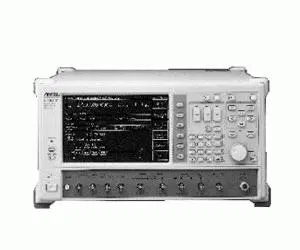
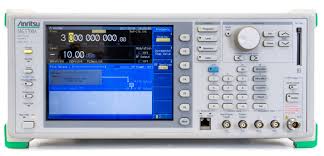
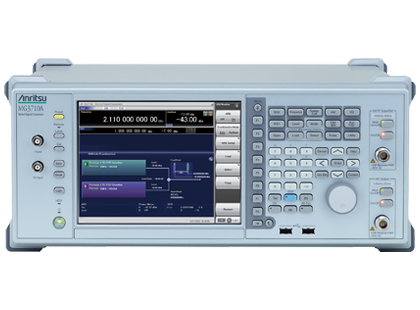
| Anritsu MG3710A | 100 kHz – 6 GHz | LTE, W-CDMA, WiMAX; I/Q waveform memory 256 MSa |
Options Verification — What We Check
Keysight option licenses are hardware-locked and cannot be transferred between units. Every VSG we list has its option string verified at incoming inspection: we power on the unit, navigate to the hardware/option display, photograph the installed options, and for key modulation options, generate a test waveform and verify the signal with a signal analyzer. If an option is in the list but fails functional verification, we note it or resolve it before listing.
Frequently Asked Questions
What is the difference between the Keysight E4438C, N5182A, and N5182B? +
The E4438C (ESG series) covers 250 kHz to 6 GHz with an older I/Q architecture and a Windows CE-based operating system — it is thoroughly proven hardware but uses older software. The N5182A (MXG) improved phase noise and added a faster processor. The N5182B adds a further 10 dB improvement in phase noise at 1 GHz offset and a touchscreen. For most LTE and 802.11ac/ax testing, the N5182B is the preferred used choice; for basic CW and older modulation formats the E4438C remains capable and is less expensive.
Which VSG models support 5G NR signal generation? +
5G NR waveform generation requires either a VSG with a licensed 5G NR application or an external waveform creation tool. The Keysight N5182B with Option 5NR supports 5G NR Sub-6 GHz directly. The Rohde & Schwarz SMW200A with option SMW-K114 supports 5G NR NB-IoT, eMBB, and URLLC. For mmWave 5G NR above 6 GHz, an upconverter or a direct-generation instrument like the Keysight E8267D PSG with external IQ input is needed. Always verify that the 5G NR option license is physically installed in the unit.
Why do some used vector signal generators cost significantly more than others at the same frequency? +
The option set drives most of the value. A Keysight E4438C without modulation options may sell for under $3,000; the same unit with options 1E6 (enhanced phase noise), 403 (LTE waveform generation), and 6EB (6 GHz) can sell for $12,000–$18,000. We list all installed options for every VSG and verify each option is functional. Buying a unit with options you don't need is the most common used VSG purchase mistake.
How do I verify that VSG options are installed and working? +
On Keysight instruments, the installed options are visible from the front panel under System > Show Hardware. We confirm this list during incoming inspection and note the options in the listing. Functional verification differs by option — a modulation option is verified by generating the target waveform and measuring it with a signal analyzer, not just by checking the option list. We run a modulation check for the key options noted in each listing.
Can a vector signal generator replace a vector signal analyzer? +
No. A VSG generates calibrated RF signals; a VSA (vector signal analyzer) demodulates and measures received RF signals. They are complementary, not interchangeable. For a complete transceiver test station, you need both: a VSG to generate the stimulus and a VSA (or spectrum analyzer with vector signal analysis software) to measure the output. Many labs pair a Keysight N5182B (source) with an N9020B MXA (analysis) for end-to-end RF characterization.
What phase noise specification matters for LTE and 5G NR uplink receiver testing? +
LTE and 5G NR receiver sensitivity testing requires a source with phase noise that is at least 10 dB better than the receiver specification being measured. For LTE band edge measurements at 100 MHz offset, most VSGs are adequate. For 5G NR EVM-sensitive tests close in (at 1–10 kHz offset), the Keysight N5182B and R&S SMW200A with enhanced phase noise options are required. Check the option list specifically: Keysight 1EH adds enhanced low-phase-noise output.
Need a specific standard or option set?
Tell us the frequency, modulation standard, and key options and we will match available inventory or source it.
Get in touch