
Used Programmable AC Power Sources
44 units in stock — Keysight, Agilent, HP, Elgar, California Instruments, Kikusui, and more. Single and three-phase sources for mains simulation, 400 Hz avionics testing, and power quality/harmonics work. Ships from Pleasant Grove, UT.
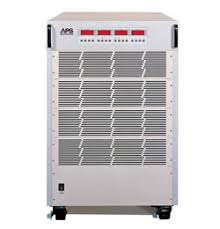
Adaptive Power Systems Programmable AC Power Sources (1 unit)
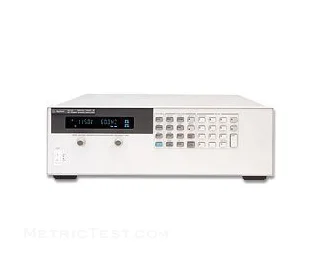
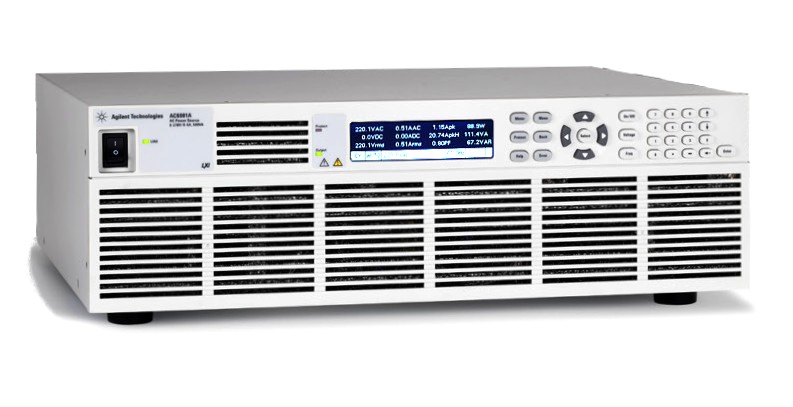
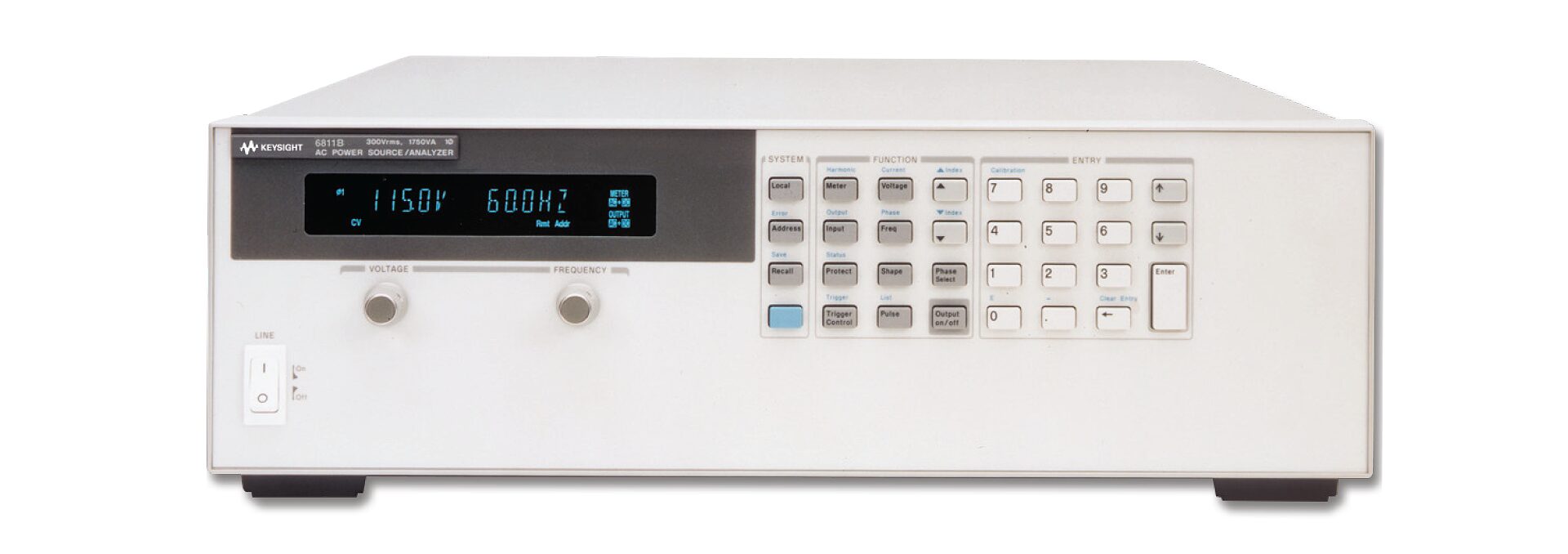
Agilent / Keysight Programmable AC Power Sources (19 units)
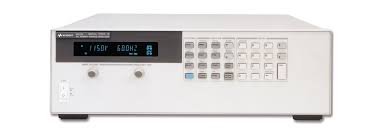
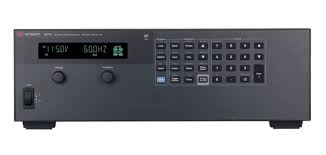
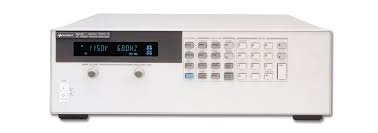
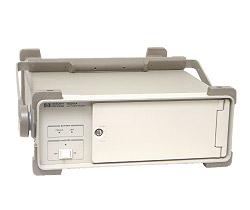
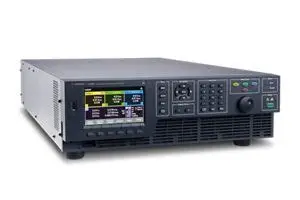
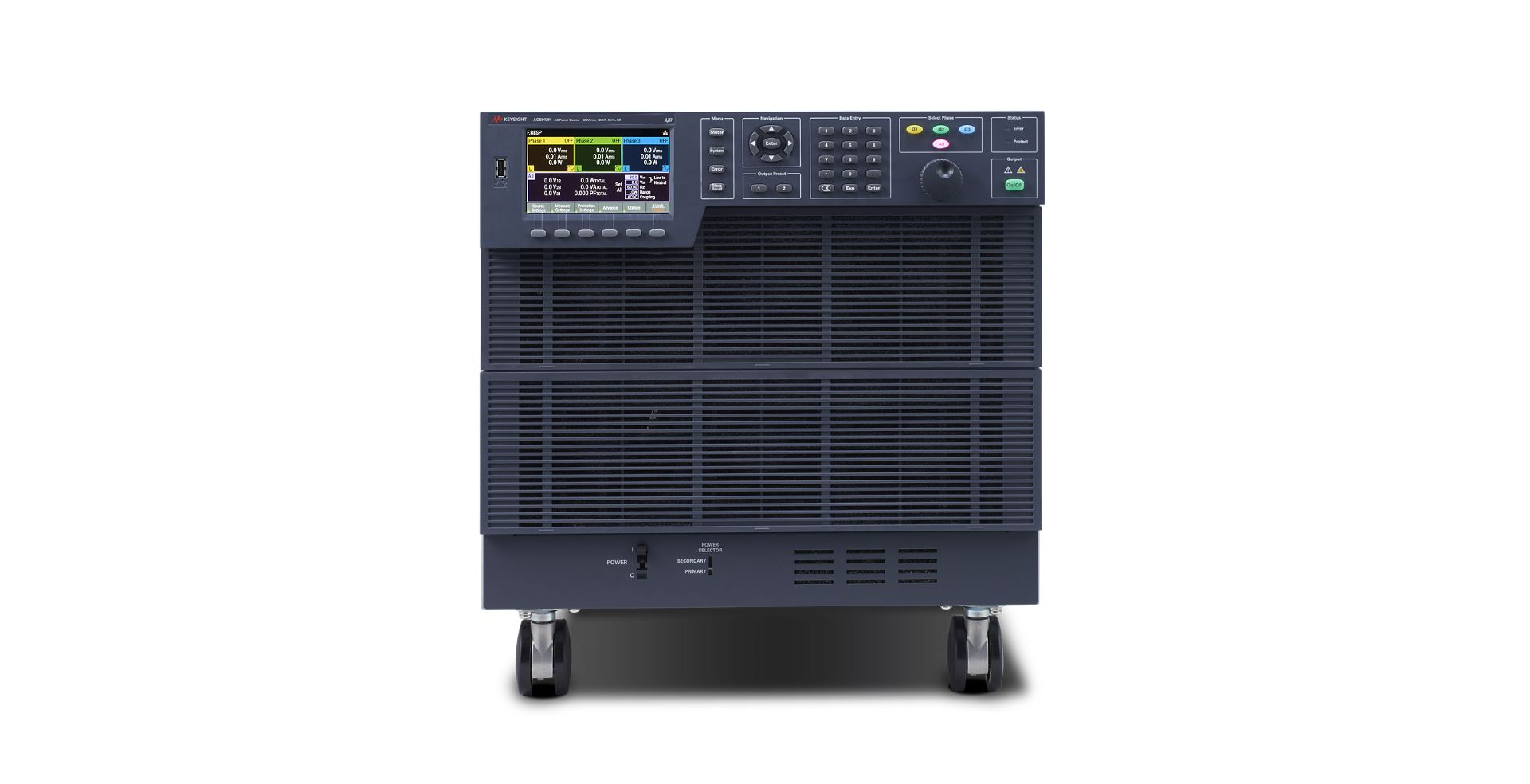
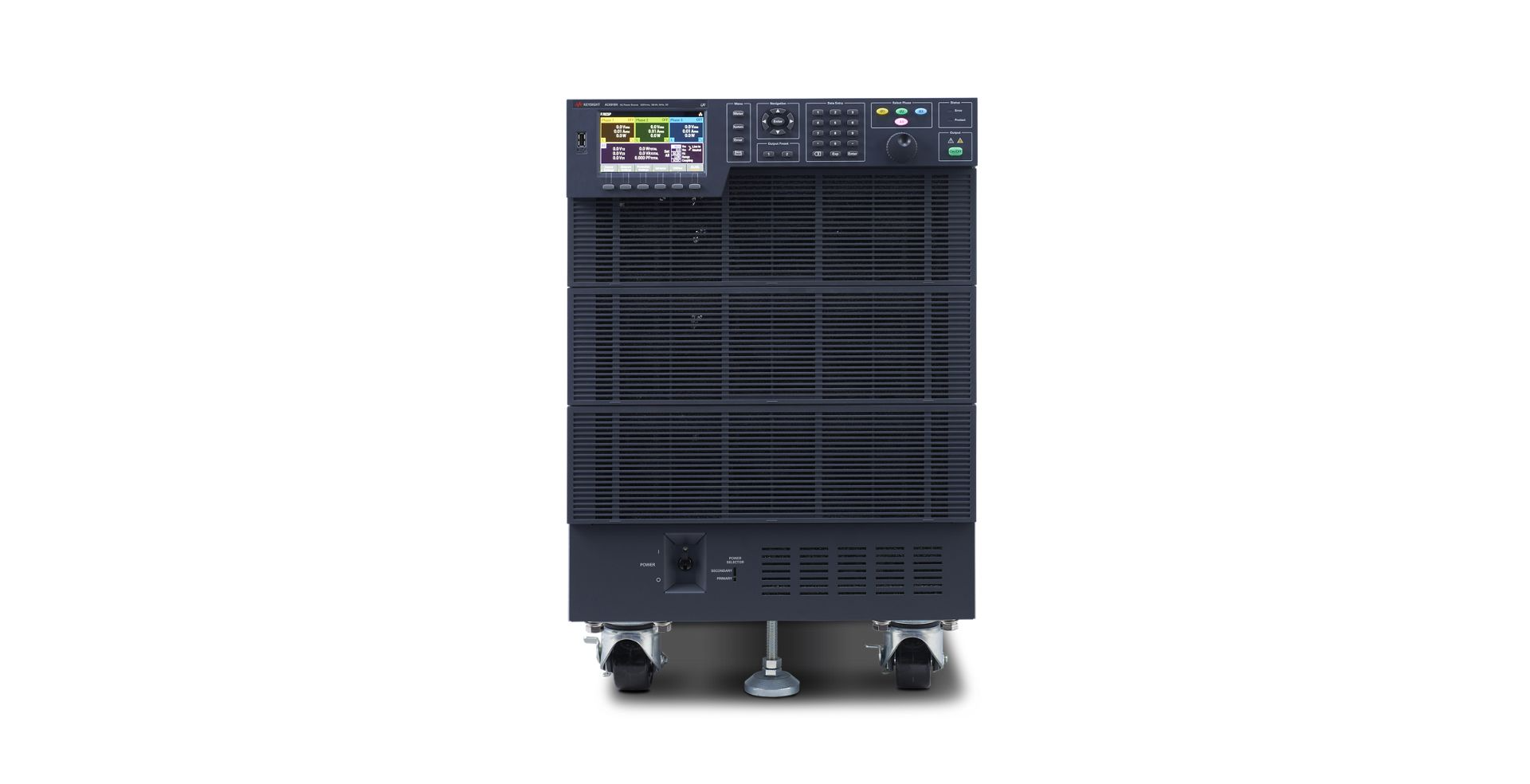
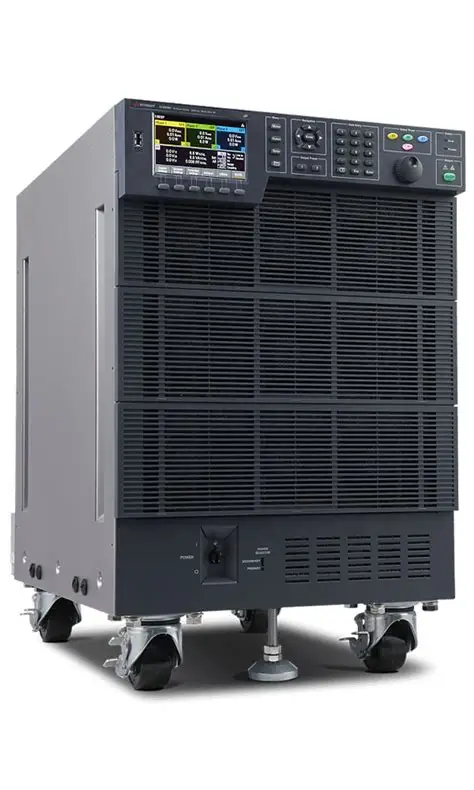
Ametek / Elgar / California Instruments Programmable AC Power Sources (3 units)
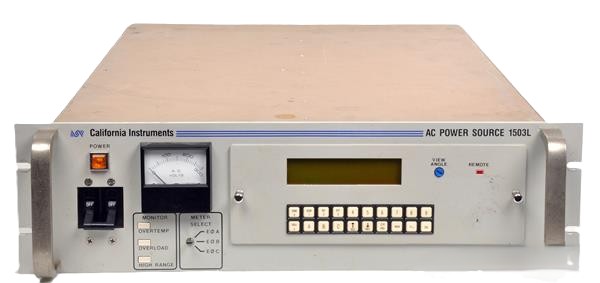
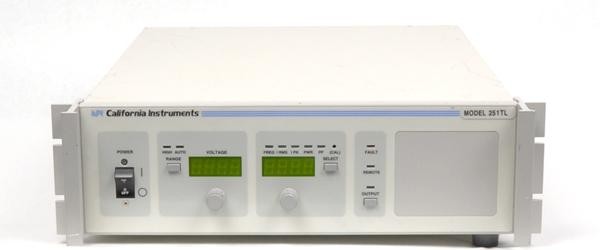
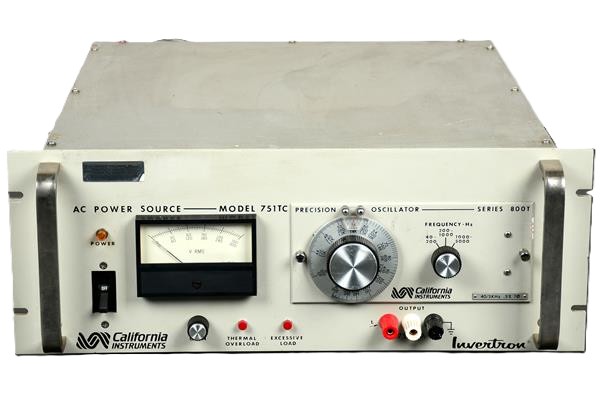
Ametek/Elgar Programmable AC Power Sources (4 units)
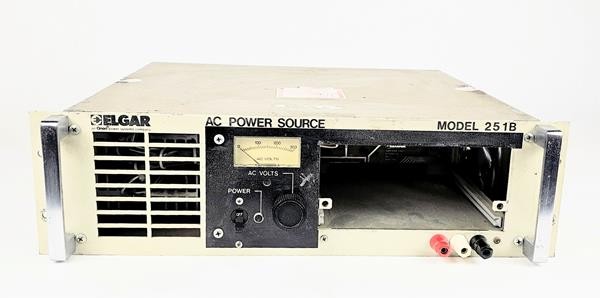
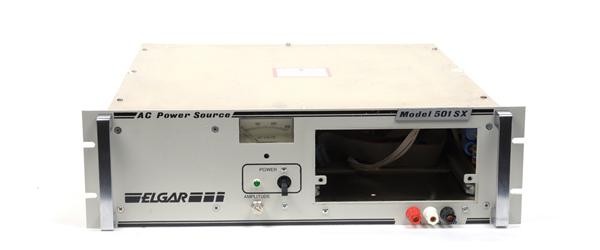
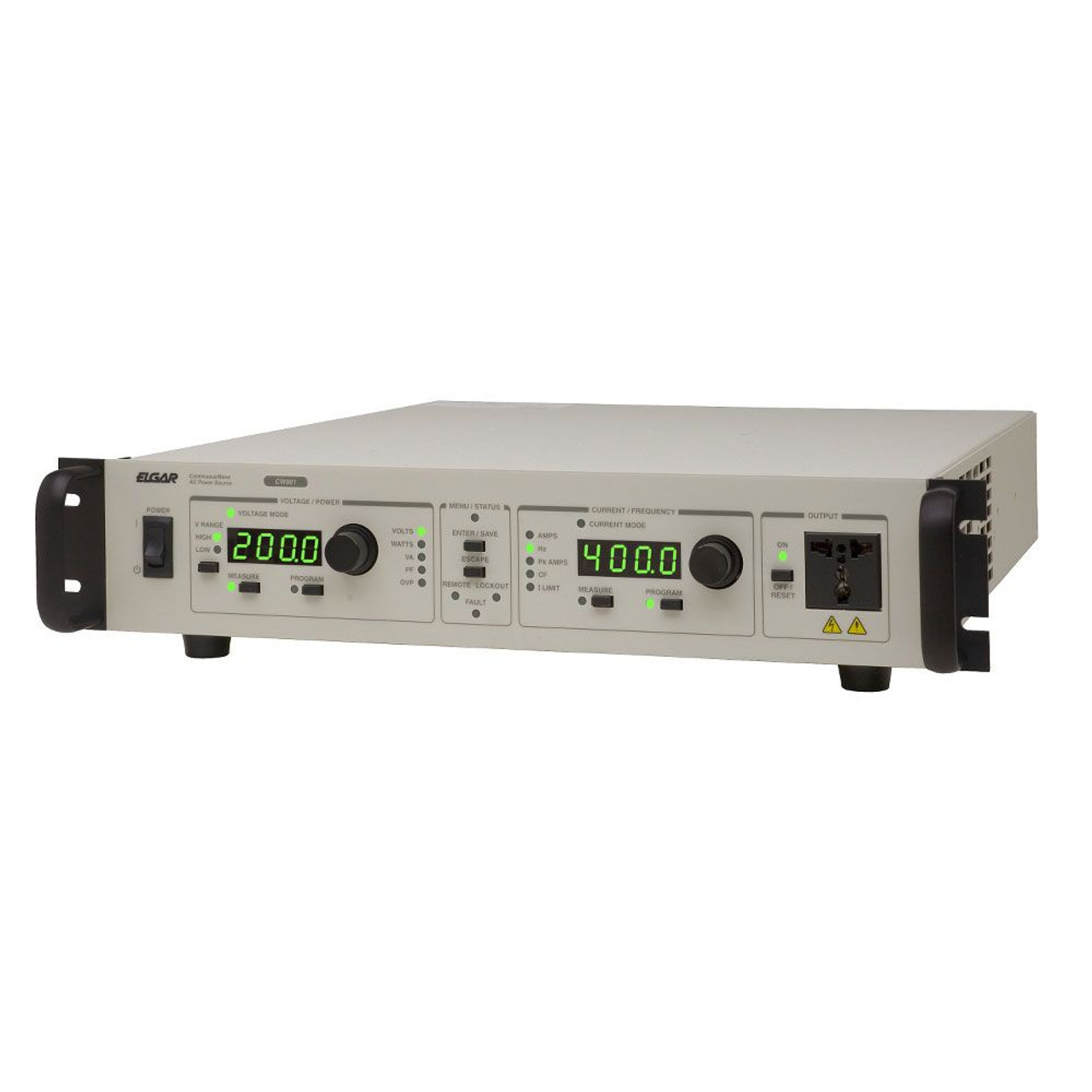
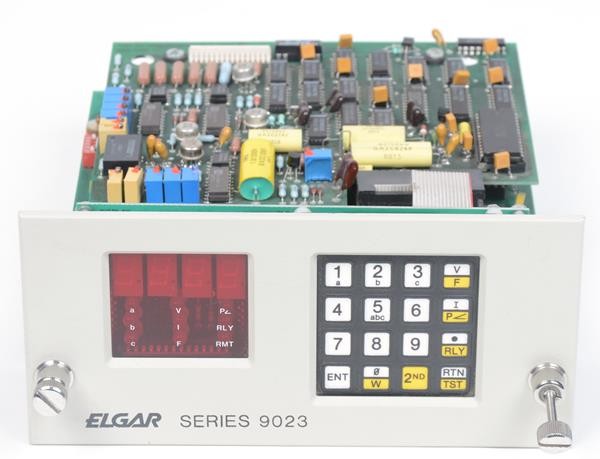
Elgar Programmable AC Power Sources (1 unit)
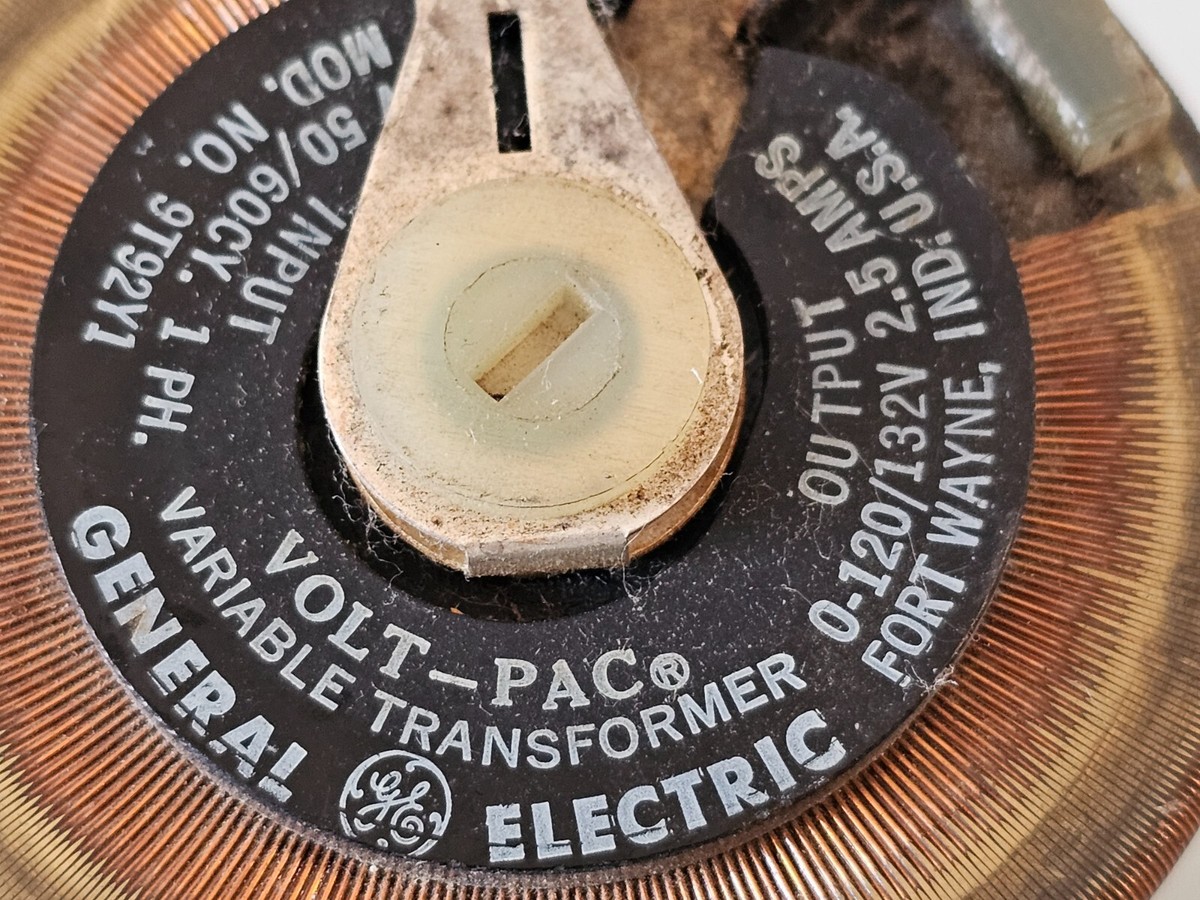
General Electric Programmable AC Power Sources (1 unit)
HP / Agilent Programmable AC Power Sources (7 units)
KGS Electronics Programmable AC Power Sources (3 units)
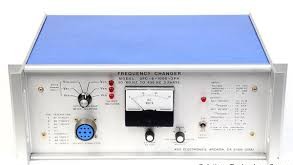
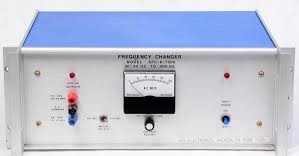
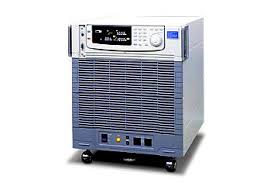
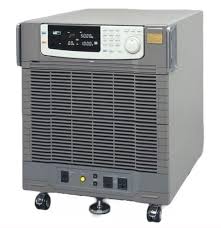
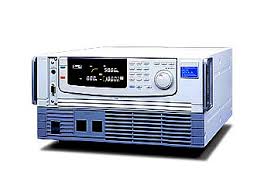
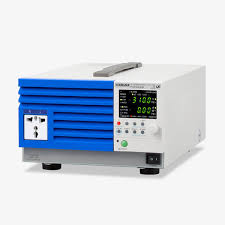
Kikusui Programmable AC Power Sources (5 units)
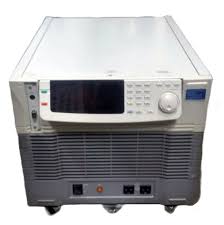
What a Programmable AC Source Does That a Variac Cannot
A variac only scales the voltage of whatever mains frequency it is plugged into. A programmable AC source electronically synthesizes its own output, so it can produce any frequency in its range — commonly both 50/60 Hz mains and up to 400+ Hz for avionics work — independent of what is on the wall, and can generate distorted or transient waveforms for compliance testing rather than just a clean adjustable sine wave.
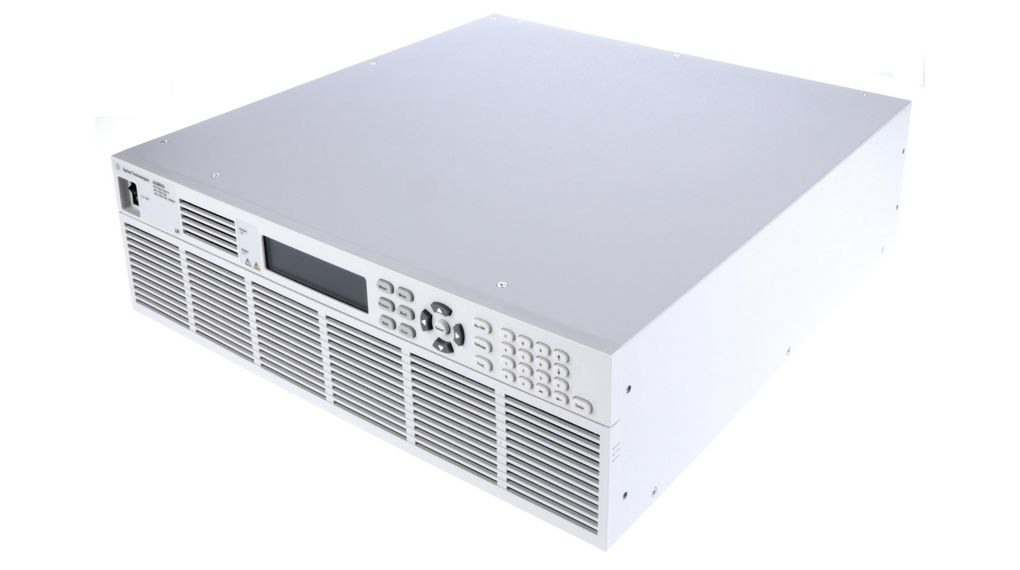
HP / Agilent 6811-6814 "AC Power Source/Analyzer" Series
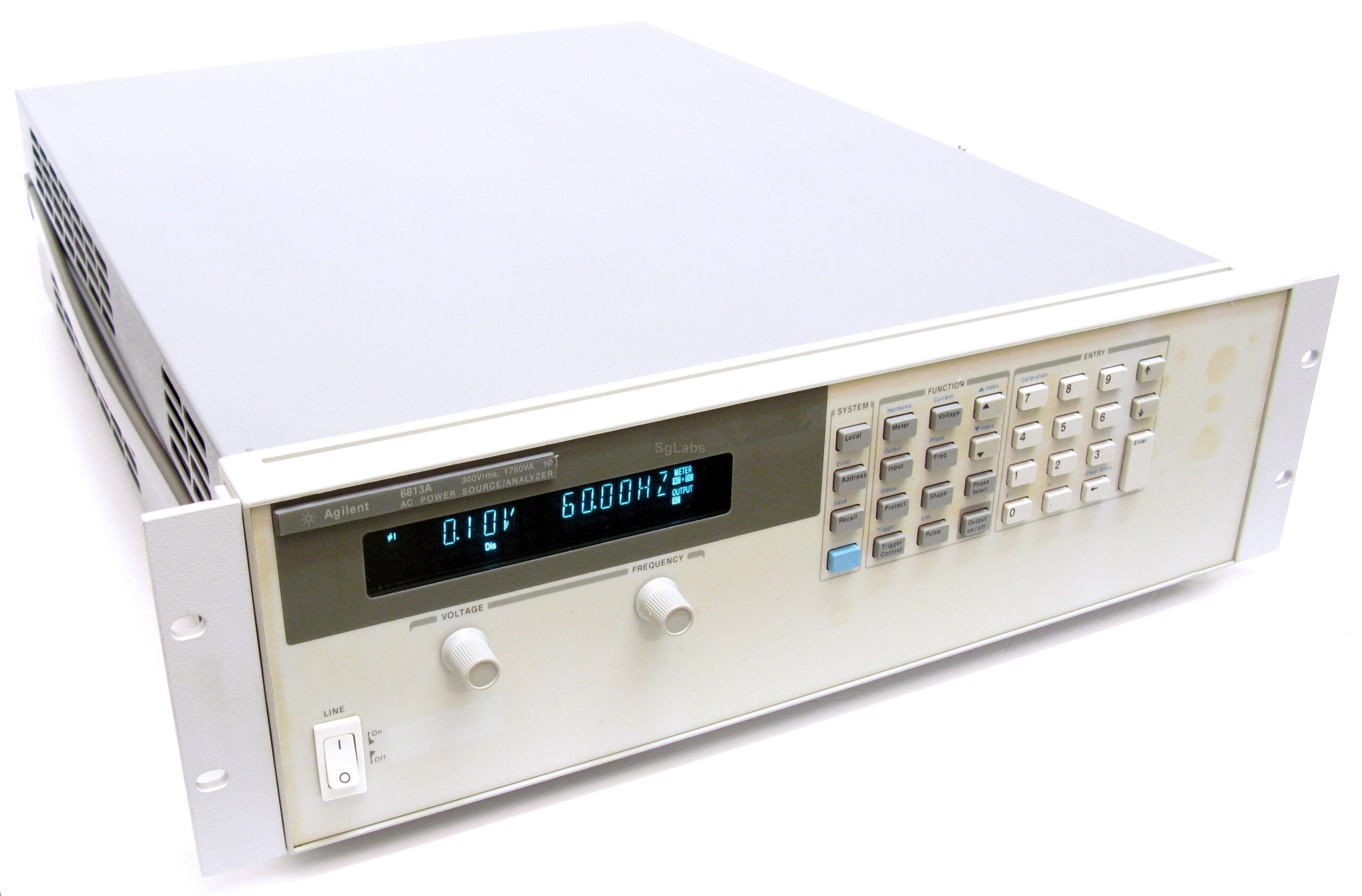
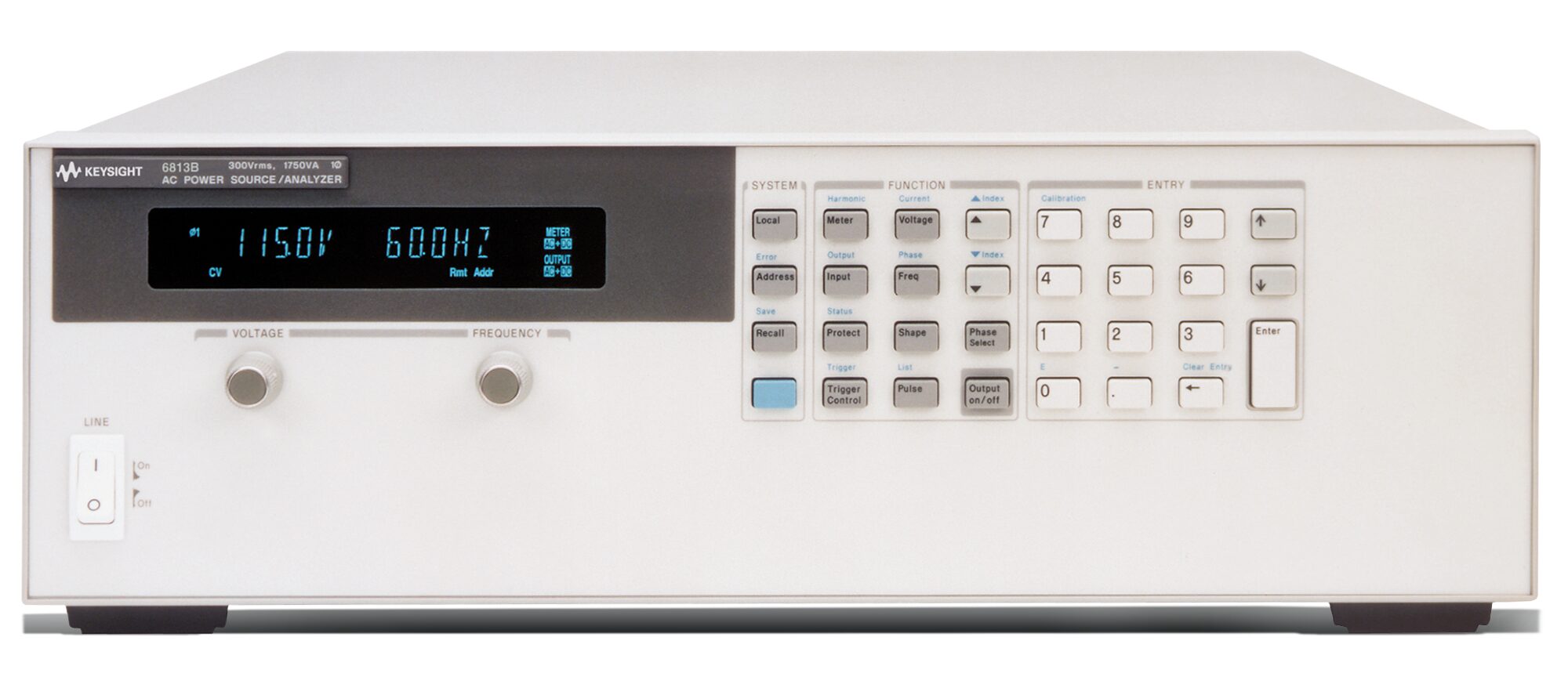
These pair the AC source with a built-in power analyzer that measures the load's voltage, current, power factor, and harmonic content while it runs, which is why several are labeled "source/analyzer" rather than just "source." The 6811 (375 VA) through 6814 (1750 VA) cover a range of power levels in the same family, and are common in labs testing how a device actually draws power under a given AC condition rather than just supplying the condition.
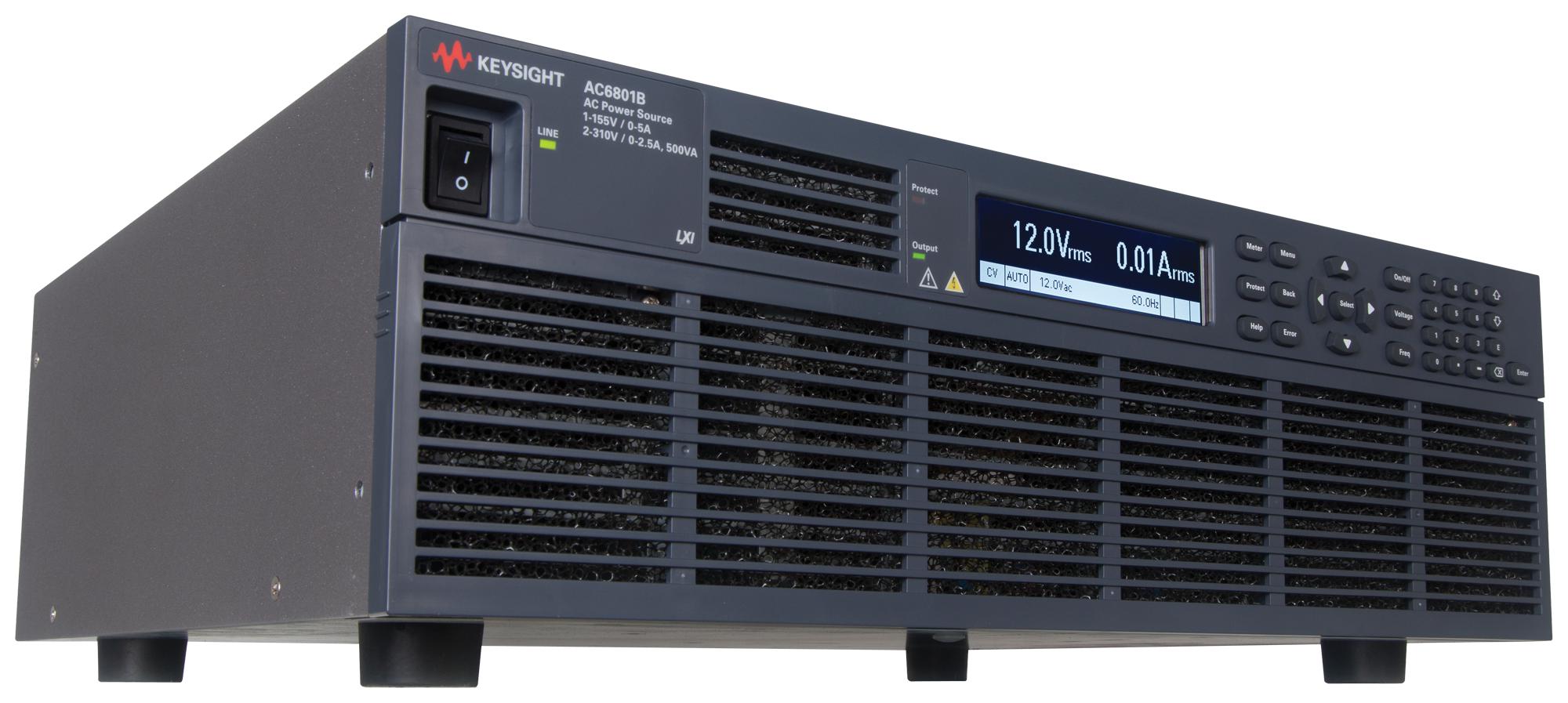
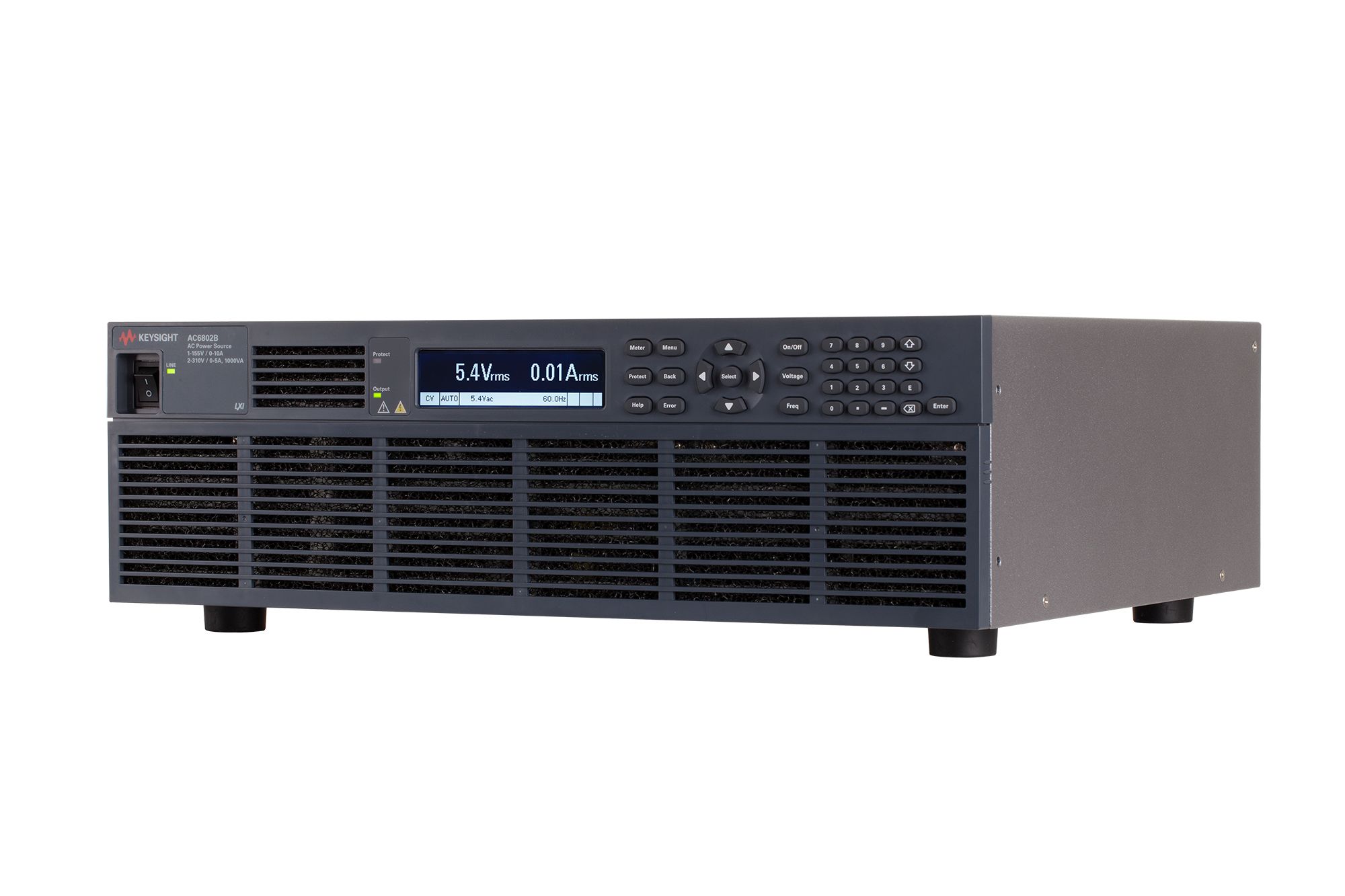
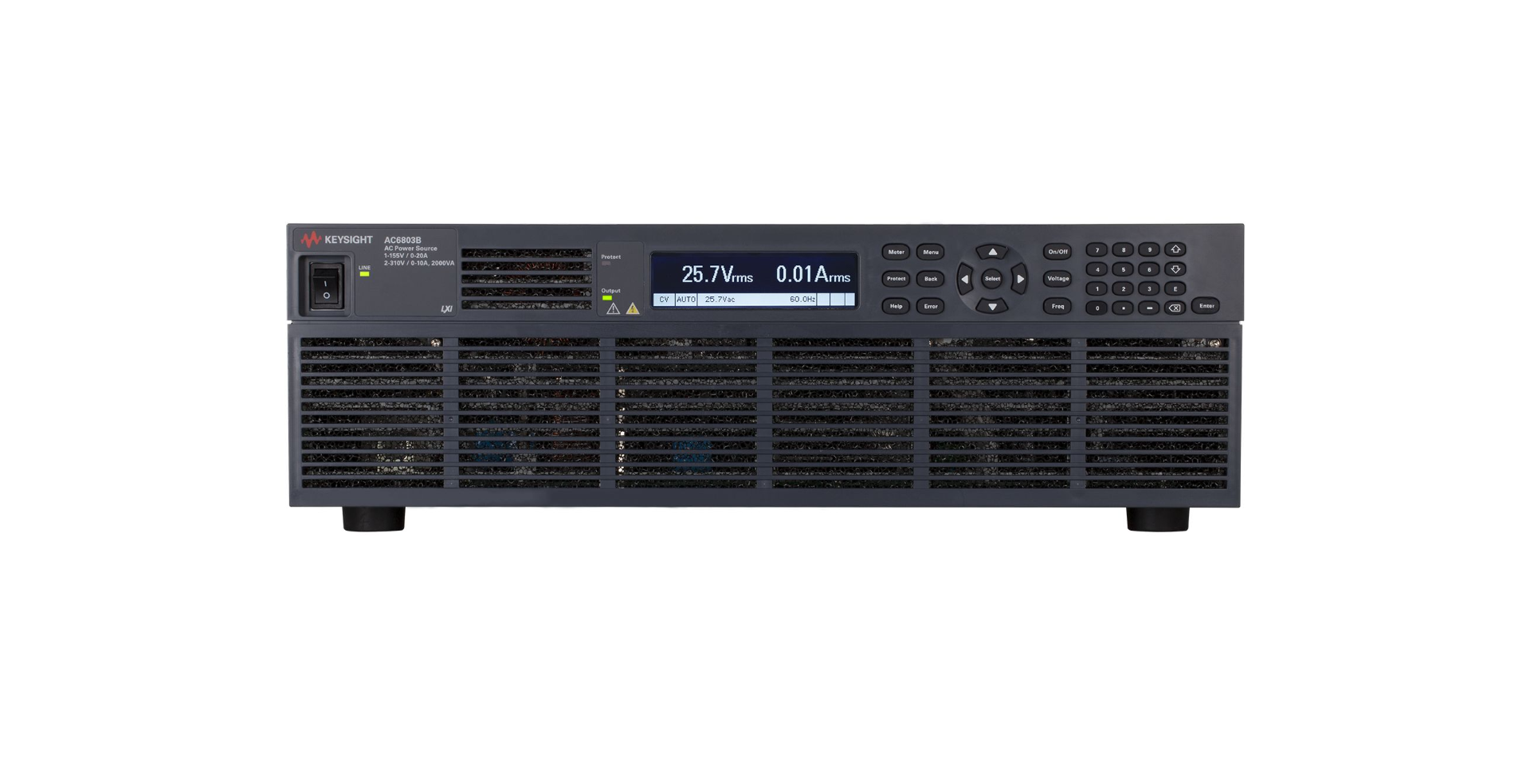
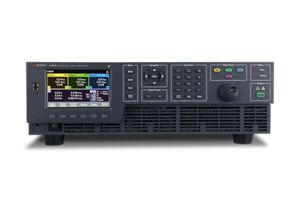
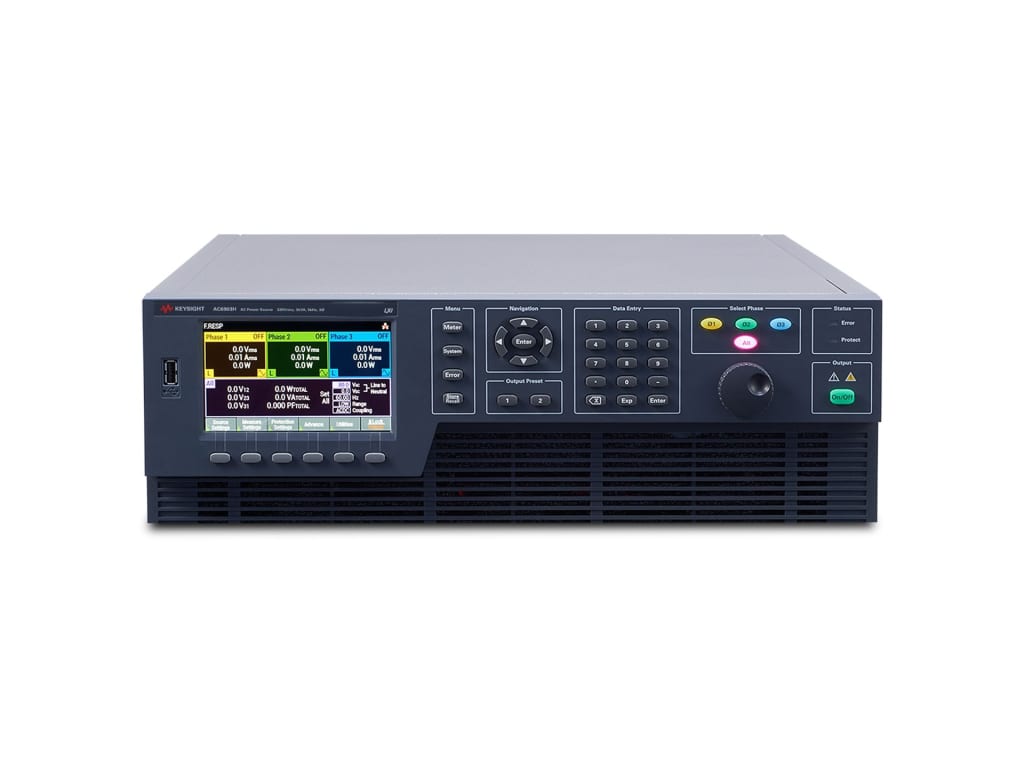
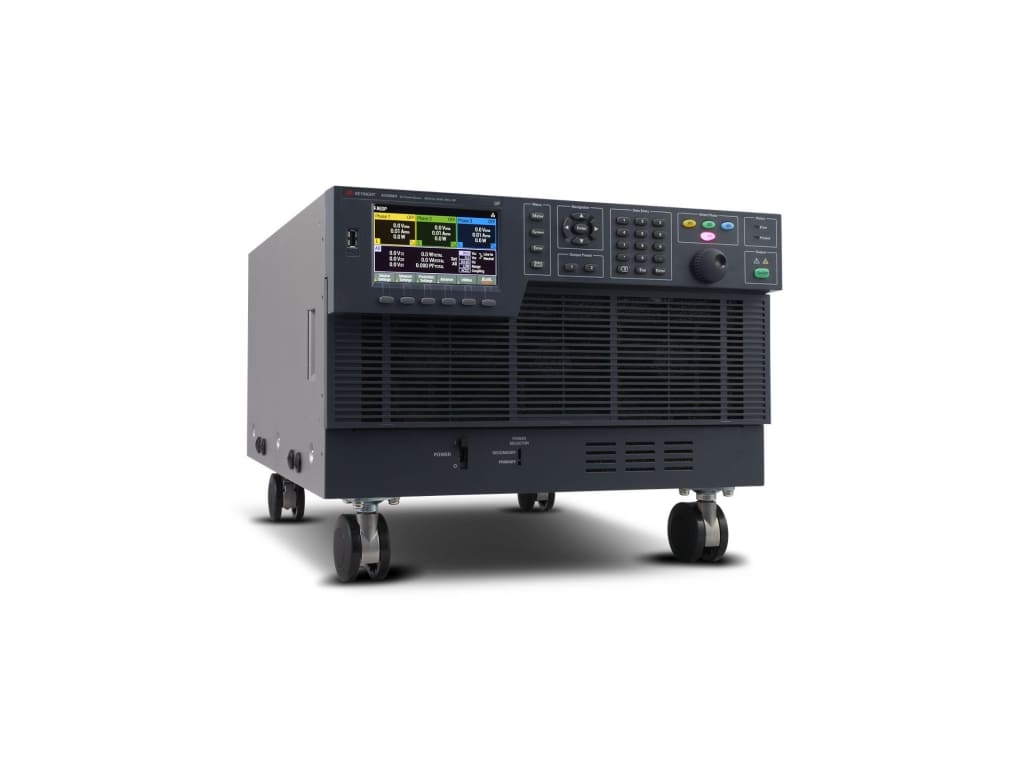
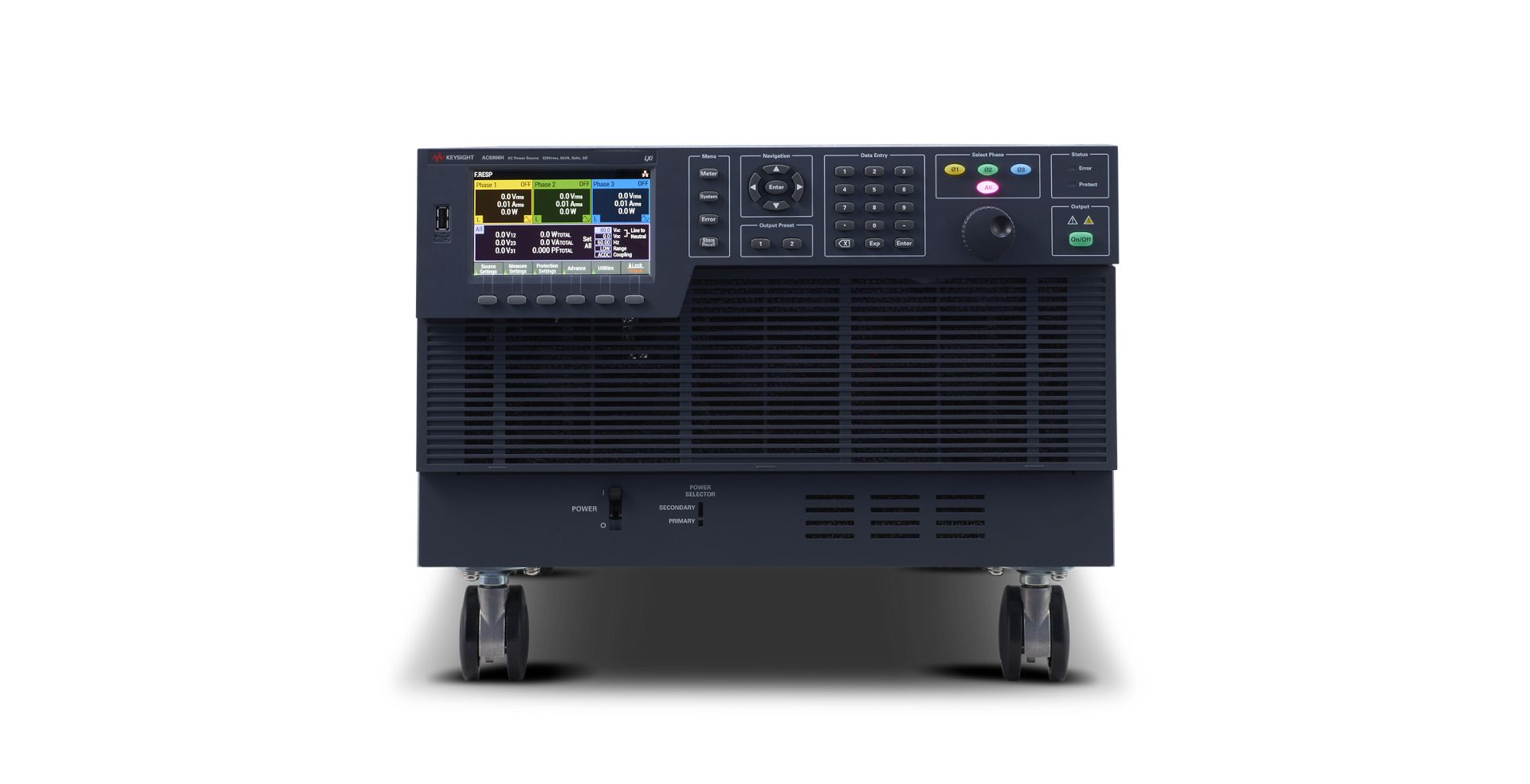
Keysight AC6800 / AC6900 Series
The current-generation Keysight programmable AC sources, commonly seen with H (high-power) and L (low-power range) suffixes. These handle both mains-simulation duty and more demanding compliance and harmonics/flicker testing depending on model and options. As with the older Agilent line, confirm the specific model supports arbitrary or distorted waveform programming if compliance testing (rather than basic voltage/frequency simulation) is the goal.
Elgar, California Instruments, and Kikusui
Elgar and California Instruments (both now part of AMETEK Programmable Power) built a large share of the AC sources fielded in ATE systems and compliance labs — the SW, CW, and TC-series linear and switching sources are common on the used market. Kikusui's PCR series is a frequent choice in Japanese-market and consumer electronics compliance testing. KGS Electronics frequency changers use motor-generator or solid-state conversion rather than a synthesized-output architecture, but serve a similar end use for simple frequency conversion without the programmability of a true synthesized source.
What to Check Before Buying
Match output power (VA) to your device under test with headroom for inrush current, which on switch-mode supplies and motor loads can run several times the steady-state draw. Confirm frequency range covers what you actually need — mains simulation alone needs 45-65 Hz, while avionics testing needs coverage up to 400+ Hz. If the goal is IEC 61000 harmonics, flicker, or dip/interruption compliance testing, confirm the specific model supports programmable transient and distorted-waveform sequencing rather than just adjustable clean sine output.
Programmable AC Source Calibration
Calibration verifies output voltage and frequency accuracy across the programmed range, waveform distortion at rated output, and — on source/analyzer combination units — measurement accuracy of the built-in analyzer function, with measured values recorded at each test point. See all calibration services →
Frequently Asked Questions
What is a programmable AC power source used for? +
It generates a synthesized AC output with adjustable voltage, frequency, and sometimes waveform shape, rather than just passing through mains power. Common uses are simulating different grid conditions (110V/60Hz US, 220V/50Hz EU/Asia), simulating 400 Hz aircraft power for avionics testing, and power quality testing — dips, surges, frequency variation, and harmonics/flicker compliance testing under standards like IEC 61000-3-2 and 61000-3-3.
What is the difference between a programmable AC source and just using an autotransformer or variac? +
A variac only adjusts voltage magnitude from a fixed-frequency mains input — it cannot change frequency, generate a distorted or non-sinusoidal waveform, or run standalone without a mains connection. A programmable AC source synthesizes its own output electronically, so it can produce any frequency in its range (commonly covering both 50/60 Hz and up to 400+ Hz for avionics work), simulate transients and harmonic distortion for compliance testing, and often includes a built-in power analyzer to measure the load's current draw and power factor.
Why do some of these list as "AC power source/analyzer" rather than just a source? +
Several HP/Agilent models in this family, like the 6812 and 6813 series, combine the AC source with a built-in power analyzer that measures the load's voltage, current, power factor, and harmonic content while the source is running. That combination is useful for characterizing how a device actually draws power under a given AC condition, not just supplying the condition.
What output power do I need? +
Match the VA rating to your device under test with headroom for inrush current, which is often several times the steady-state draw on switch-mode power supplies and motor loads. Single-phase sources in this category commonly range from a few hundred VA up to several kVA; three-phase sources are used for larger equipment and industrial loads.
What are the most common faults in used programmable AC sources? +
Output relay or contactor wear from repeated switching under load is common on units that saw heavy production-line duty. Internal power amplifier module failures — the stage that actually synthesizes the AC waveform — behave like any power amplifier fault and are bench-repairable. Cooling fan failures leading to thermal shutdown under sustained load are routine on older units. Voltage and frequency reference drift shows up as calibration failure rather than an obvious functional fault.
Can these simulate power dips, surges, and harmonics for compliance testing? +
Units built for compliance work, not just basic voltage/frequency adjustment, can program arbitrary or distorted waveforms and transient events. If you specifically need IEC 61000-4-11 dip/interruption testing or 61000-3-2/3-3 harmonics and flicker testing, confirm the model supports programmable transient and waveform sequencing, not just a clean adjustable sine output — basic programmable sources and compliance-test-capable sources are not the same tier of instrument even within the same product family.
Need a specific power level or frequency range?
Tell us the output power, voltage and frequency range, and whether you need compliance-test waveform programming, and we'll check our incoming stock.
Get in touch