
Used Phase Noise Analyzers & Signal Source Analyzers
30 units in stock — Keysight, Agilent, HP, Rohde & Schwarz, and IFR Aeroflex. Phase noise measurement systems and signal source analyzers, function-tested before listing. Ships from Pleasant Grove, UT.
Agilent / Keysight Phase Noise Analyzers (12 units)
HP Phase Noise Analyzers (1 unit)
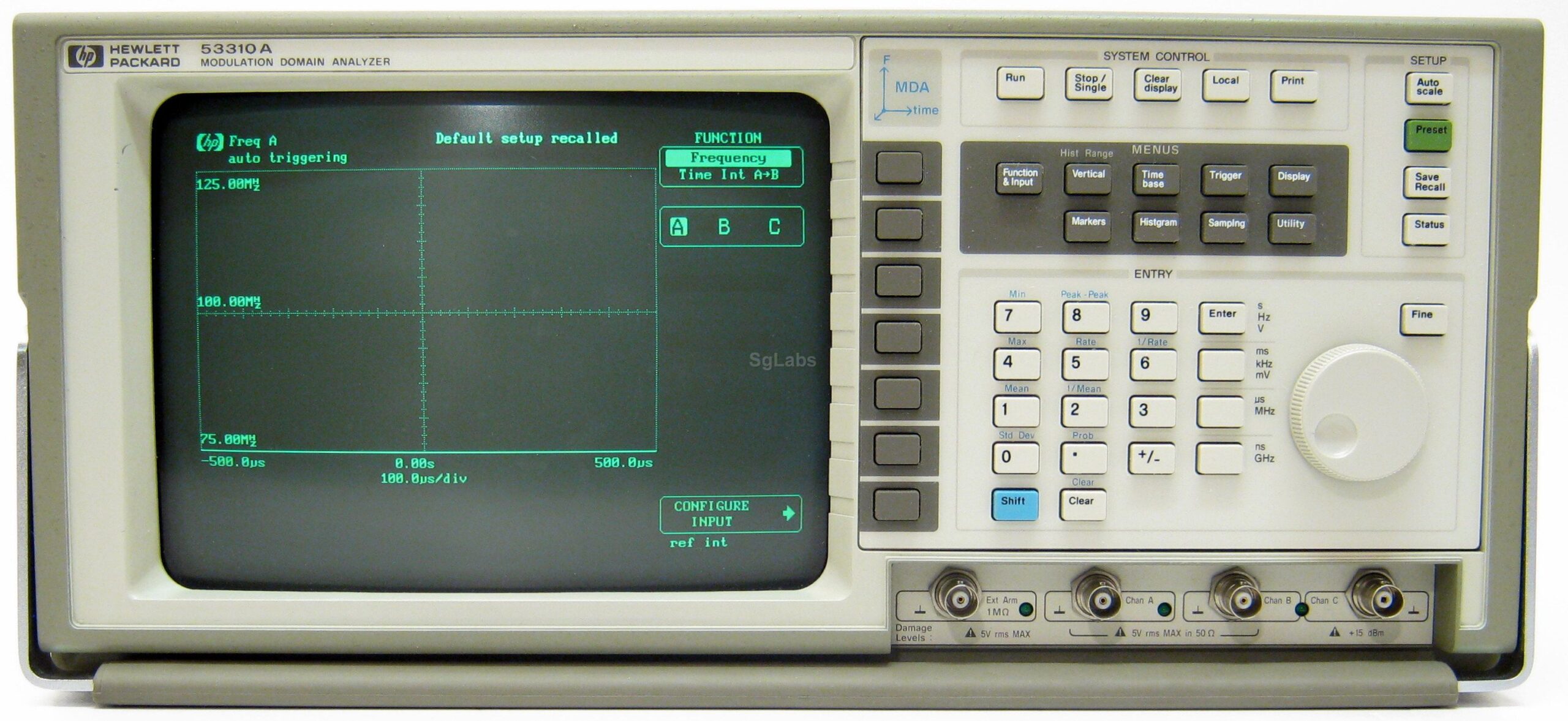
HP / Agilent Phase Noise Analyzers (2 units)
Hewlett Packard Phase Noise Analyzers (1 unit)
IFR Aeroflex Phase Noise Analyzers (1 unit)
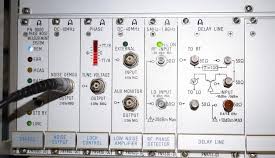
Keysight / Agilent Phase Noise Analyzers (12 units)
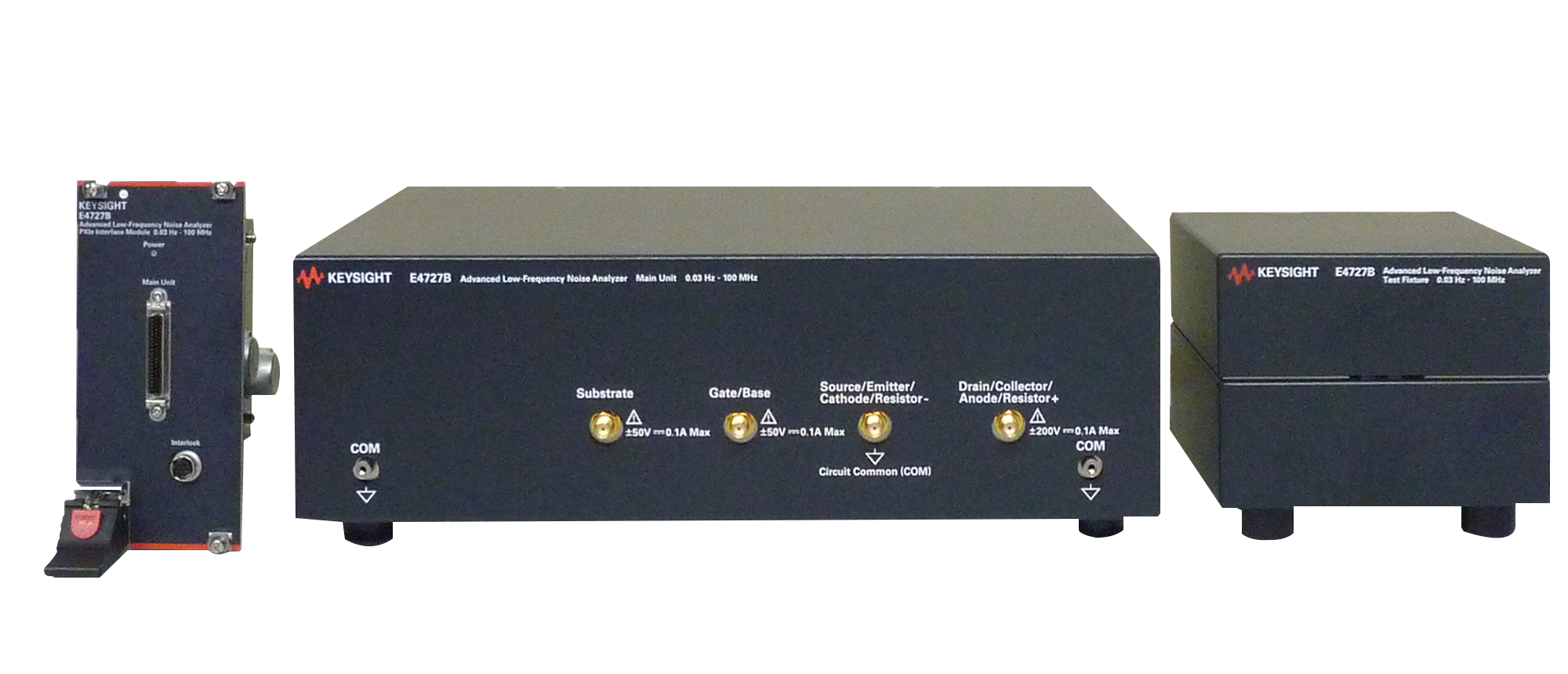
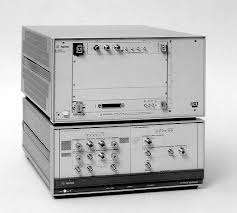
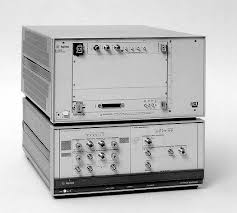
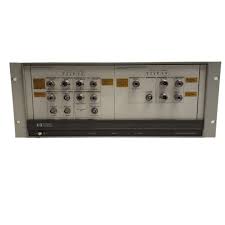
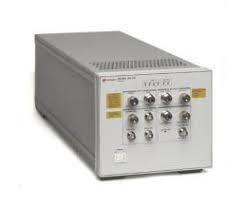
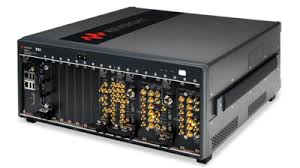
Rohde & Schwarz Phase Noise Analyzers (1 unit)
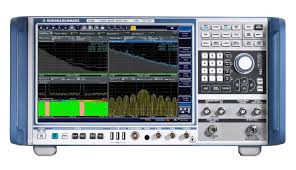
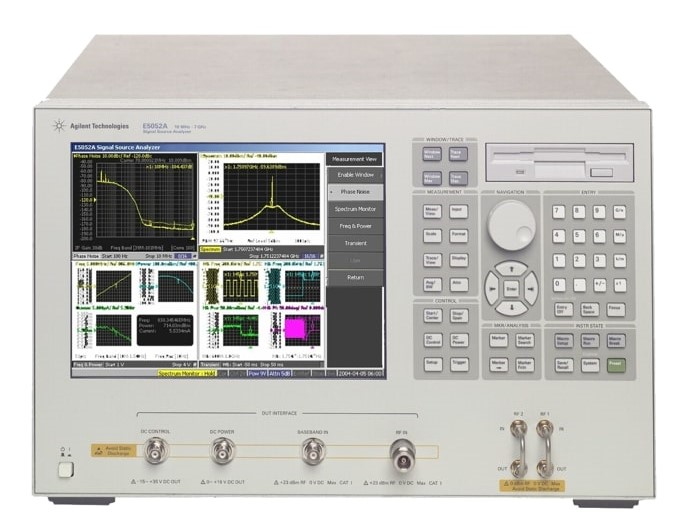
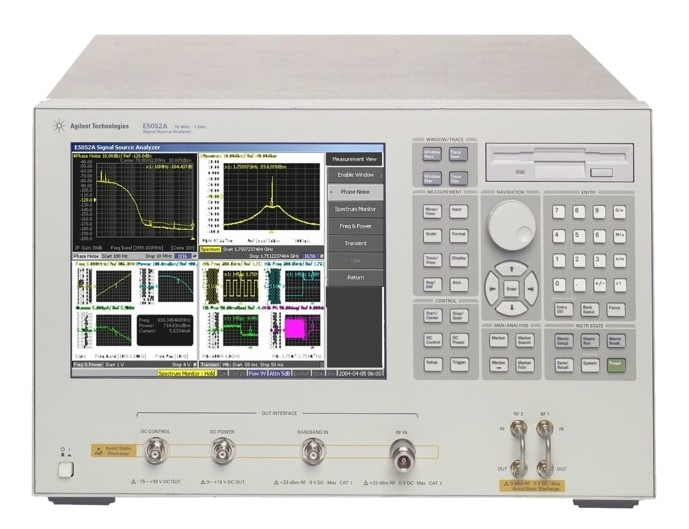
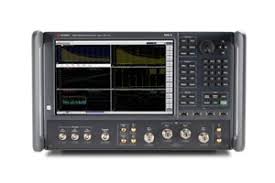
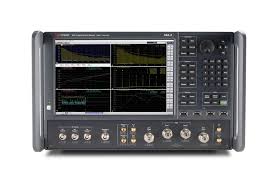
Keysight / Agilent E5052A, E5052B, and E5053A Signal Source Analyzers
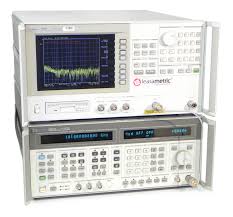
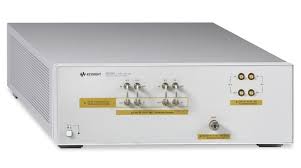
The E5052A/B and E5053A are cross-correlation signal source analyzers — the current-generation standard for measuring phase noise on clean, low-noise sources. Using two independent internal measurement channels and correlating the results cancels out each channel's own noise contribution, pushing the effective measurement floor well below what a single-channel instrument can resolve. The E5053A extends frequency coverage and correlation performance further than the E5052 series. These systems also measure baseband 1/f noise and AM noise, and the E5500-series Phase Noise Measurement Solutions (E5501/E5502/E5503/E5504) package similar measurement engines with application-specific frequency coverage.
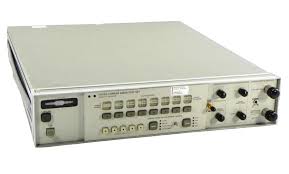
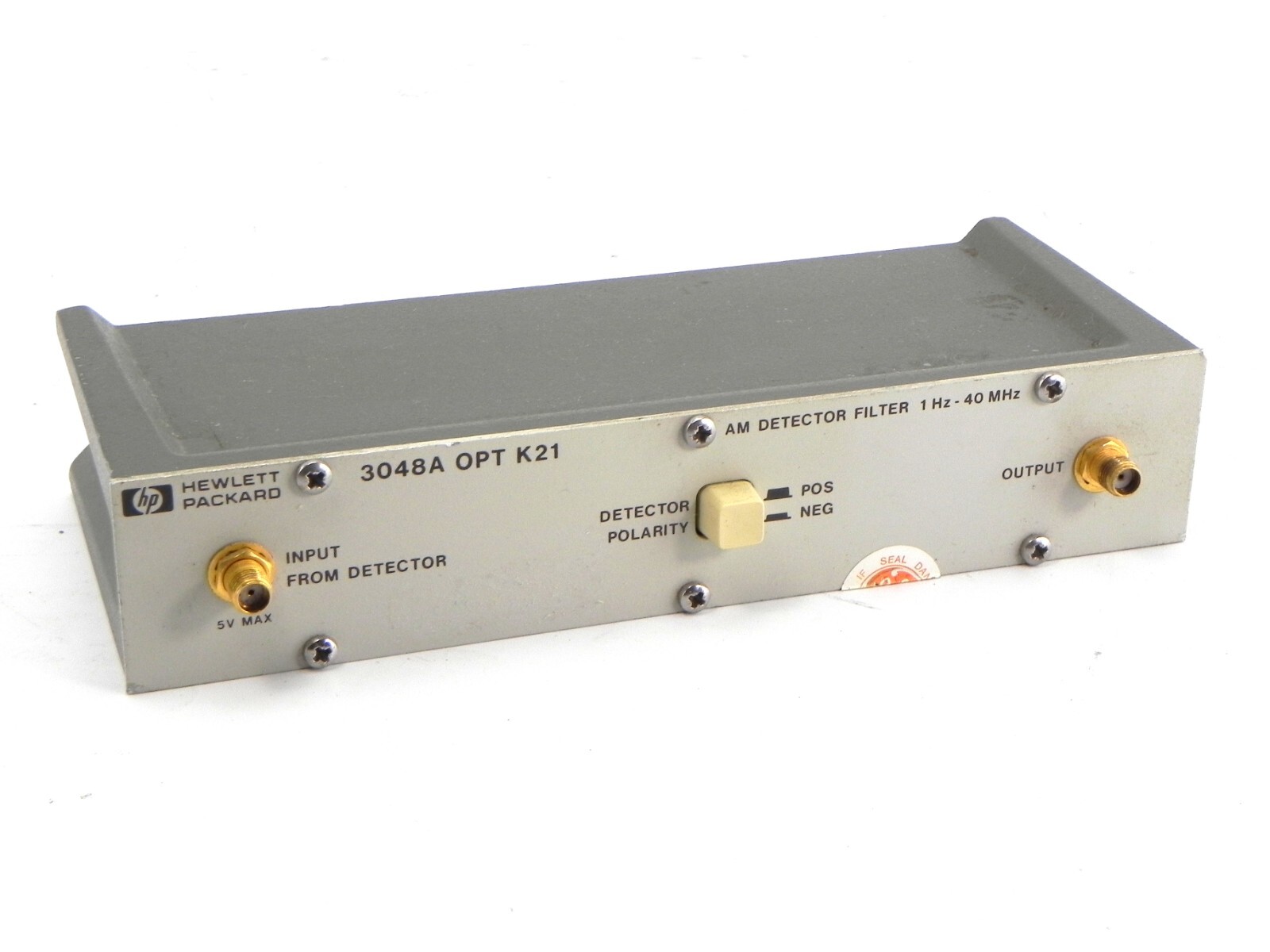
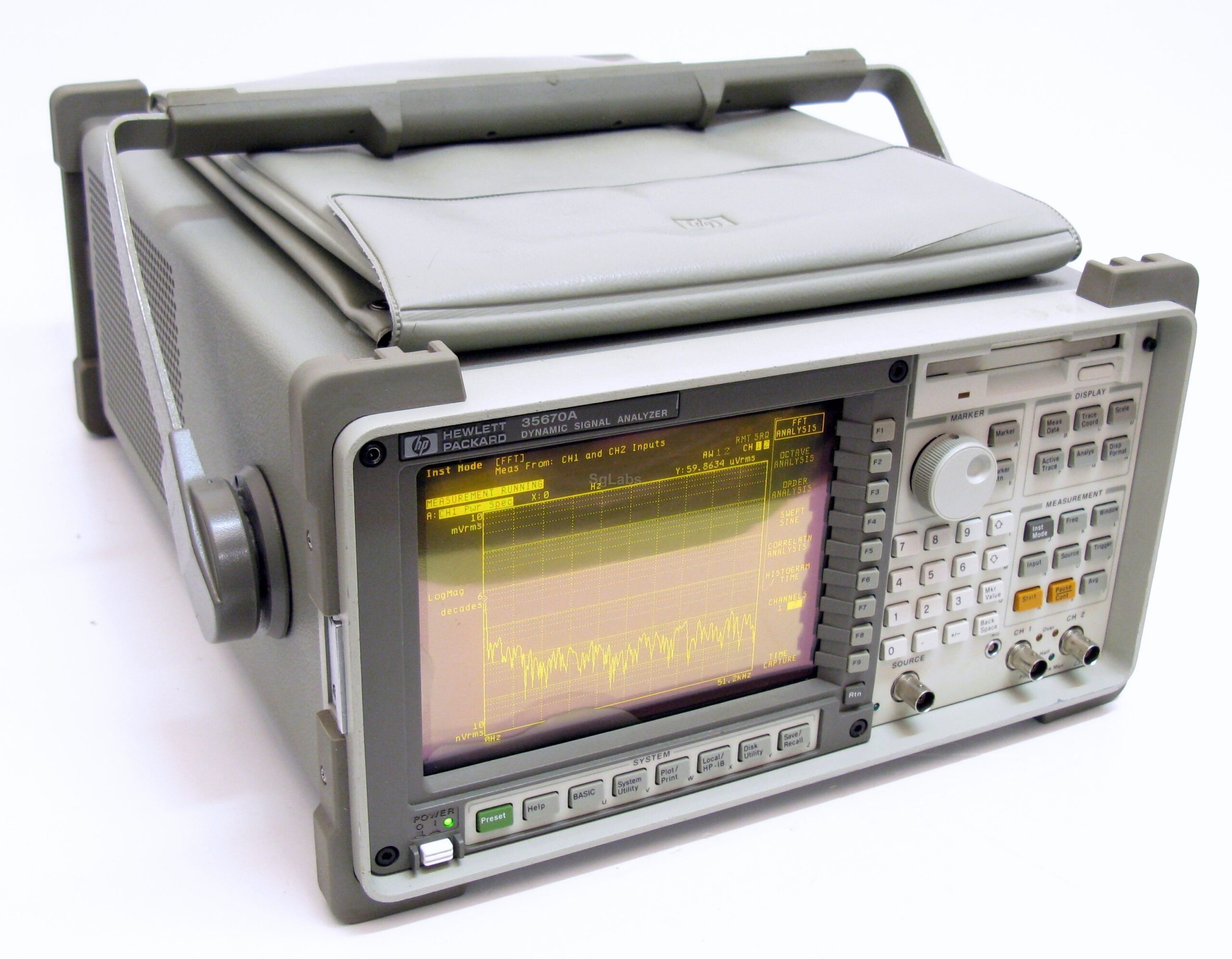
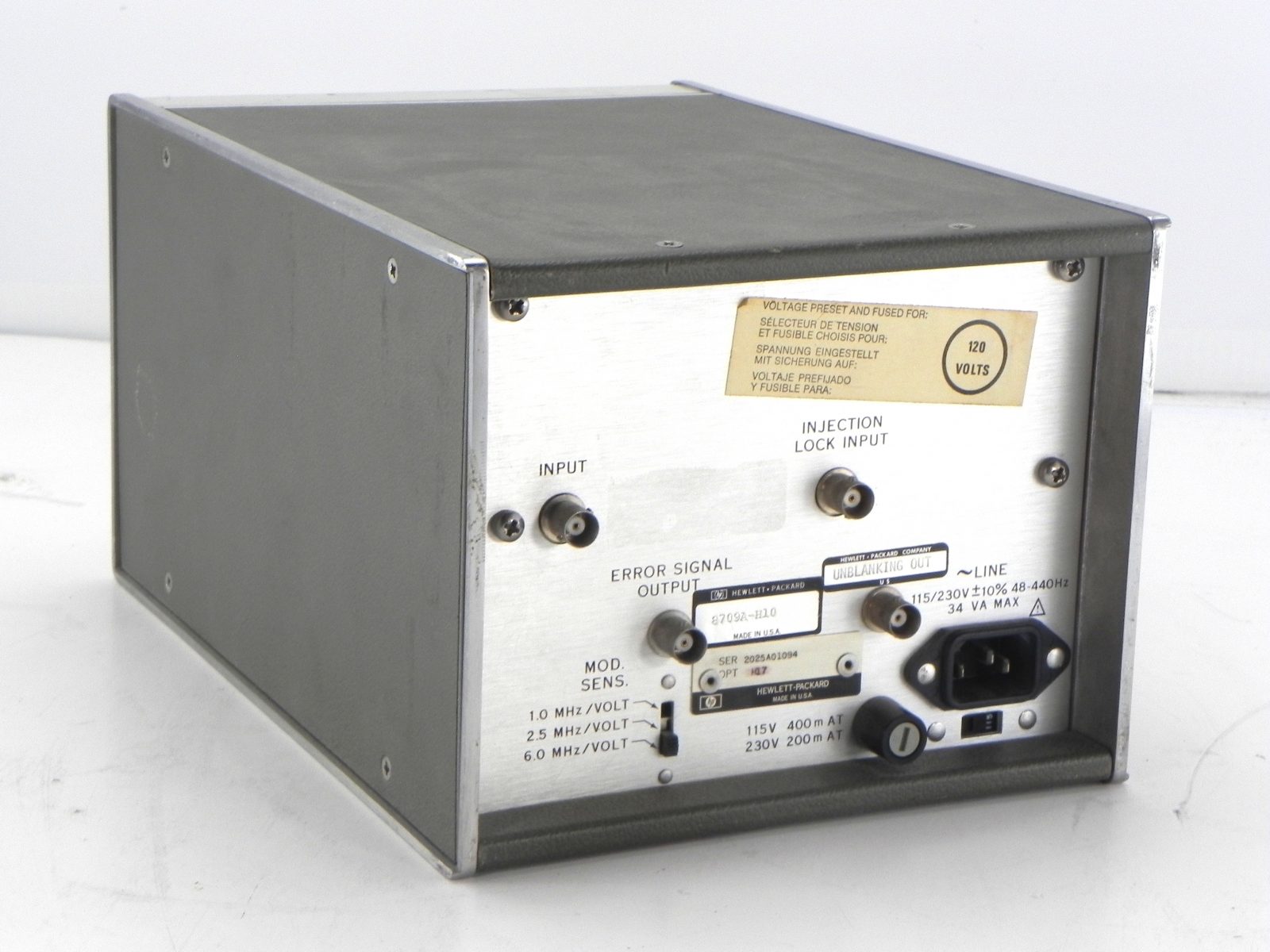
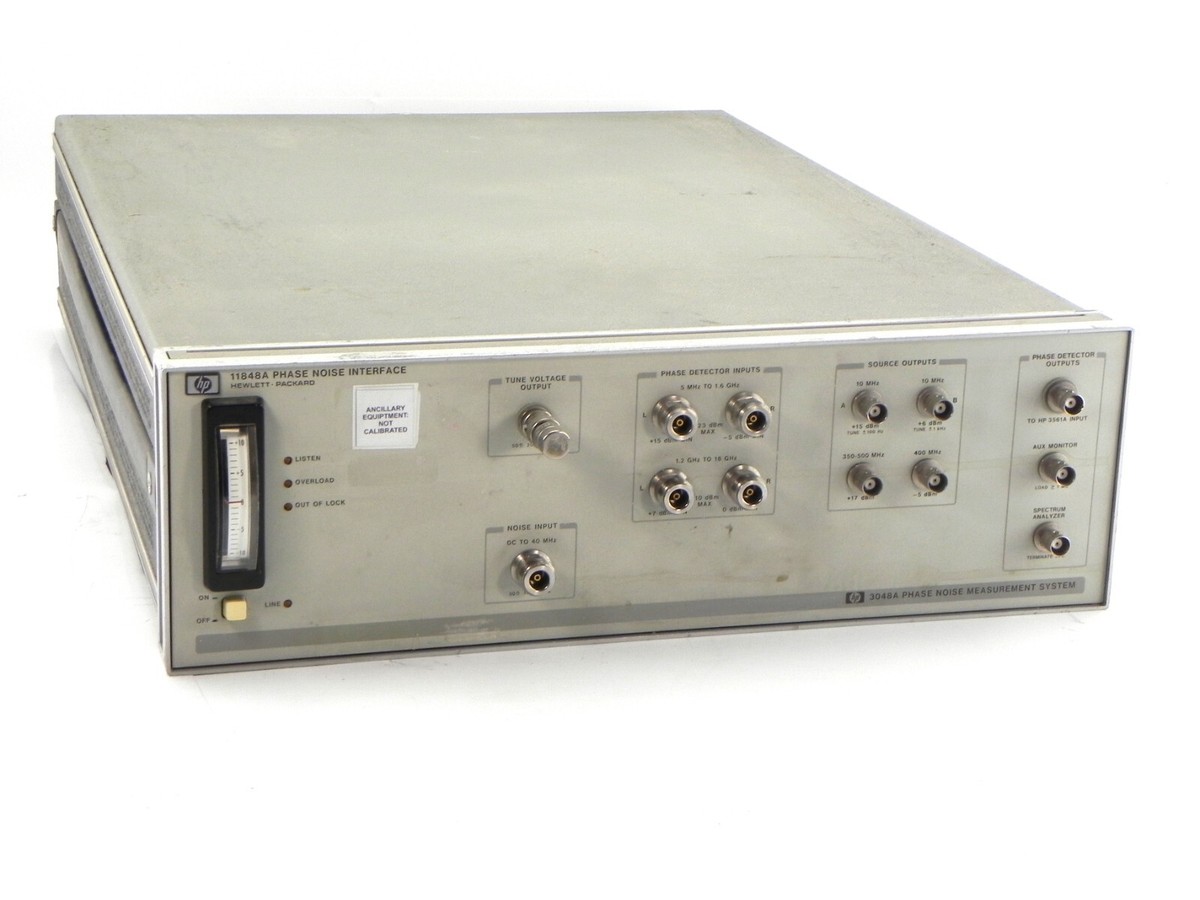
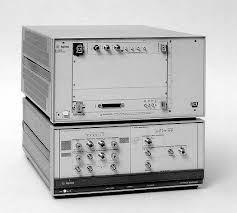
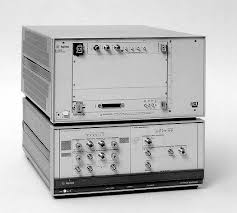
HP 3048A Phase Noise Measurement System
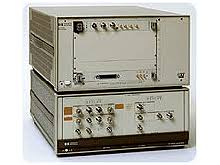
The HP 3048A is the classic phase-lock-loop-based system, pairing an HP spectrum or FFT analyzer with the 11848A phase noise interface and dedicated software to phase-lock a reference source to the device under test and compute the noise spectrum from the resulting error voltage. It requires a tunable reference near the carrier frequency and more manual setup than a modern cross-correlation system, but it's a well-documented, well-understood platform for labs already built around it, and it remains capable for RF oscillator and synthesizer characterization work.
Rohde & Schwarz FSWP and IFR Aeroflex PN9000
The R&S FSWP combines phase noise measurement and VCO testing (tuning sensitivity, harmonics, power vs. tuning voltage) in one instrument and is built around cross-correlation receivers for a low measurement floor across a wide carrier range. The IFR Aeroflex PN9000 is an earlier dedicated phase noise measurement system commonly used for oscillator and frequency synthesizer qualification. Both are specialized, expensive systems — condition, completed self-tests, and included software/licenses matter more here than on general-purpose bench gear, so ask for verification before buying.
Sourcing and Verification
Because phase noise systems are complex, license-gated, and expensive to service, we test function and self-calibration status before listing and disclose it honestly — these are not units we recommend buying sight-unseen from an unknown source. If you need a specific frequency range, correlation performance, or software option set, tell us the application and we'll check what's available. General RF/microwave calibration services →
Frequently Asked Questions
What does a phase noise analyzer actually measure? +
Phase noise is the short-term, random frequency instability of an oscillator or signal source, expressed as dBc/Hz (power relative to the carrier, per Hz of bandwidth) at a series of offset frequencies from the carrier — typically 1 Hz to 10 MHz offset. A phase noise analyzer plots this as an L(f) curve. Lower (more negative) dBc/Hz numbers mean a cleaner, more stable source. The measurement matters directly for radar range resolution, communications channel spacing, and clock jitter in digital systems, since phase noise integrated over a bandwidth converts directly to timing jitter.
What is cross-correlation phase noise measurement and why does it matter? +
A single-channel phase noise measurement is limited by the noise floor of the measuring instrument's own internal reference. Cross-correlation instruments — the Keysight/Agilent E5052A, E5052B, and E5053A signal source analyzers — use two independent measurement channels and correlate the results, which cancels out uncorrelated noise from each channel's own reference. This pushes the effective noise floor down 15-20 dB or more below what either channel could measure alone, which is what makes it possible to characterize very clean sources like OCXOs and low-noise synthesizers accurately.
What is the difference between the HP 3048A and the newer Keysight E5052/E5053 systems? +
The HP 3048A is a phase-lock-loop-based system: it phase-locks a reference source to the device under test, then uses an FFT analyzer (via the 11848A phase noise interface) plus software to compute the noise spectrum. It requires a lockable, tunable reference near the test frequency, and setup is manual and time-consuming. The Keysight E5052A/B and E5053A use built-in cross-correlation receivers and largely automate the process, cover wider frequency ranges natively, and reach lower noise floors without needing an external lockable reference. The 3048A remains a capable, well-understood system for labs already set up around it.
Can a phase noise analyzer also test VCOs and oscillator modules? +
Yes — most phase noise systems double as VCO testers when paired with a bias/tuning supply, and instruments like the Rohde & Schwarz FSWP are explicitly built and marketed for both phase noise and VCO characterization (tuning sensitivity, harmonics, output power vs. tuning voltage) in one setup. This is a common use case for oscillator and synthesizer manufacturers qualifying parts before they go into a production design.
Do I need a full signal source analyzer, or is a spectrum analyzer with a phase noise personality enough? +
A spectrum analyzer with a phase noise measurement option can give a reasonable single-sweep estimate for sources with moderate-to-high phase noise, but its noise floor is set by its own local oscillator, so it cannot accurately characterize very clean sources — the measurement floors out at the analyzer's own noise rather than the device under test. A dedicated cross-correlation system (E5052A/B, E5053A, FSWP) is needed when qualifying low-noise references, OCXOs, or any source where the true noise floor matters, such as radar and precision timing applications.
Looking for a specific frequency range or correlation spec?
These are specialized, lower-volume systems — tell us the carrier frequency range, required noise floor, and any software options you need, and we'll check our incoming stock and sourcing network.
Get in touch