
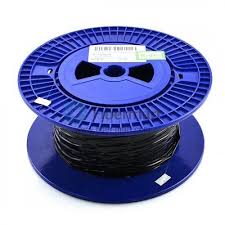
Corning ClearCurve LBL Bare Optical Fiber
ClearCurve LBL meets ITU-T G.657.A2 and B2, providing low bend loss for FTTH distribution cables, in-building networks, and tight enclosure routing where 7.5 mm minimum bend radius is achievable.
- ITU-T standard
- G.657.A2 / G.657.B2
- Mode field diameter
- 9.0 µm @ 1310 nm
- Attenuation @ 1550 nm
- ≤ 0.20 dB/km
- Bend: 10 turns @ 7.5 mm
- ≤ 0.10 dB added @ 1550 nm
G.657.A2 specifies 10-turn, 7.5 mm radius bending with less than 0.1 dB added attenuation at 1550 nm. LBL meets that standard while maintaining G.652.D optical compatibility for splicing to standard feeder fiber. It is positioned between the extreme performance of ZBL (5 mm, B3) and the standard SMF-28 Ultra (15 mm, A1).
LBL is the standard choice for FTTH drop fiber in deployments where controlled installation practices are expected but the fiber will still pass through enclosures, bend around corners, and be managed by field technicians without specialized fiber handling training.
Specifications
| ITU-T standard | G.657.A2 / G.657.B2 |
|---|---|
| Mode field diameter | 9.0 µm @ 1310 nm |
| Attenuation @ 1550 nm | ≤ 0.20 dB/km |
| Bend: 10 turns @ 7.5 mm | ≤ 0.10 dB added @ 1550 nm |
Typical Applications
- FTTH drop and distribution fiber
- In-building fiber networks routed through raceways and conduit
- Tight enclosure and splice closure management
Why Order Corning Fiber from Aumictech?
We source directly from the Corning authorized channel. Every spool ships with documentation, including reel ID and fiber code.
0.5 km to 1,000 km on a single order. Mix lengths across spools. Choose FC, SC, or LC connectors per spool end, or leave ends bare.
Certificate of compliance and OTDR test data available on request. Required for carrier acceptance testing and network documentation.
Continental US next-day and two-day air available. International shipping on request. Most orders confirmed within one business day.
Frequently Asked Questions
When should I choose ClearCurve LBL over ZBL?
LBL is sufficient for most FTTH and in-building applications where a 7.5 mm minimum bend radius is a reasonable installation constraint. ZBL is appropriate when the fiber will be installed by non-specialists (stapled to walls, routed through conduit bends that may reach 5 mm or less) or when the installation cannot be inspected after the fact. ZBL adds cost over LBL. If your installer spec controls bend radius to 7.5 mm, LBL is the right choice.