
Used Test Automation Systems
24 units in stock from Keysight and HP, Spirent, BP Microsystems, Keithley and Exfo. Automated test equipment, device programmers and the hardware that ties a rack together.
Agilent test automation (4 units)
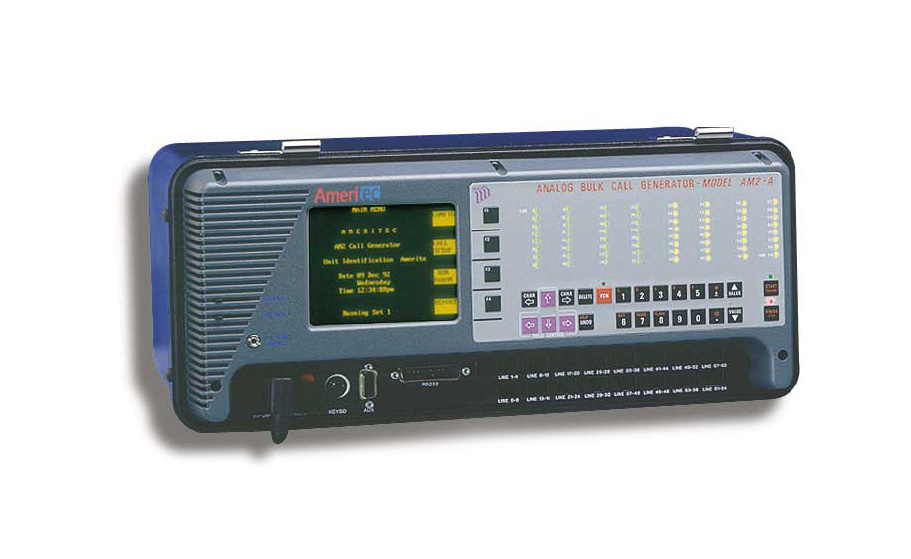
Ameritec test automation (1 unit)
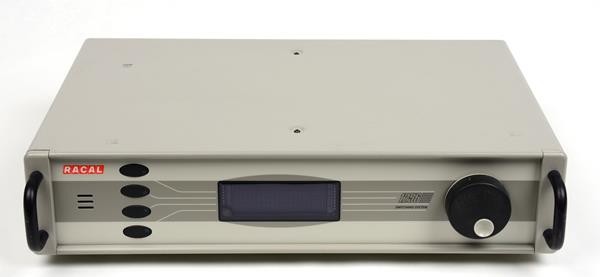
Astronics / EADS / Racal test automation (1 unit)
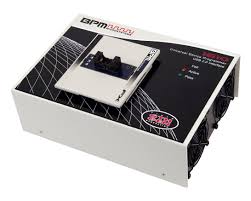
BP Microsystems test automation (2 units)
Bioanalytical Systems test automation (1 unit)
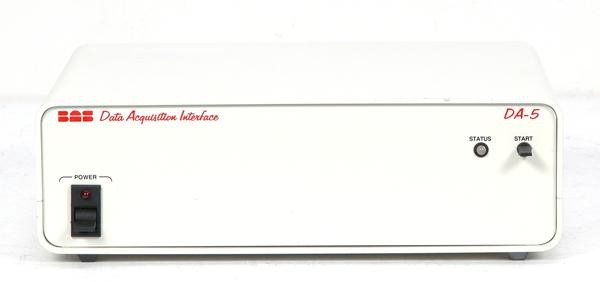
Chroma test automation (1 unit)
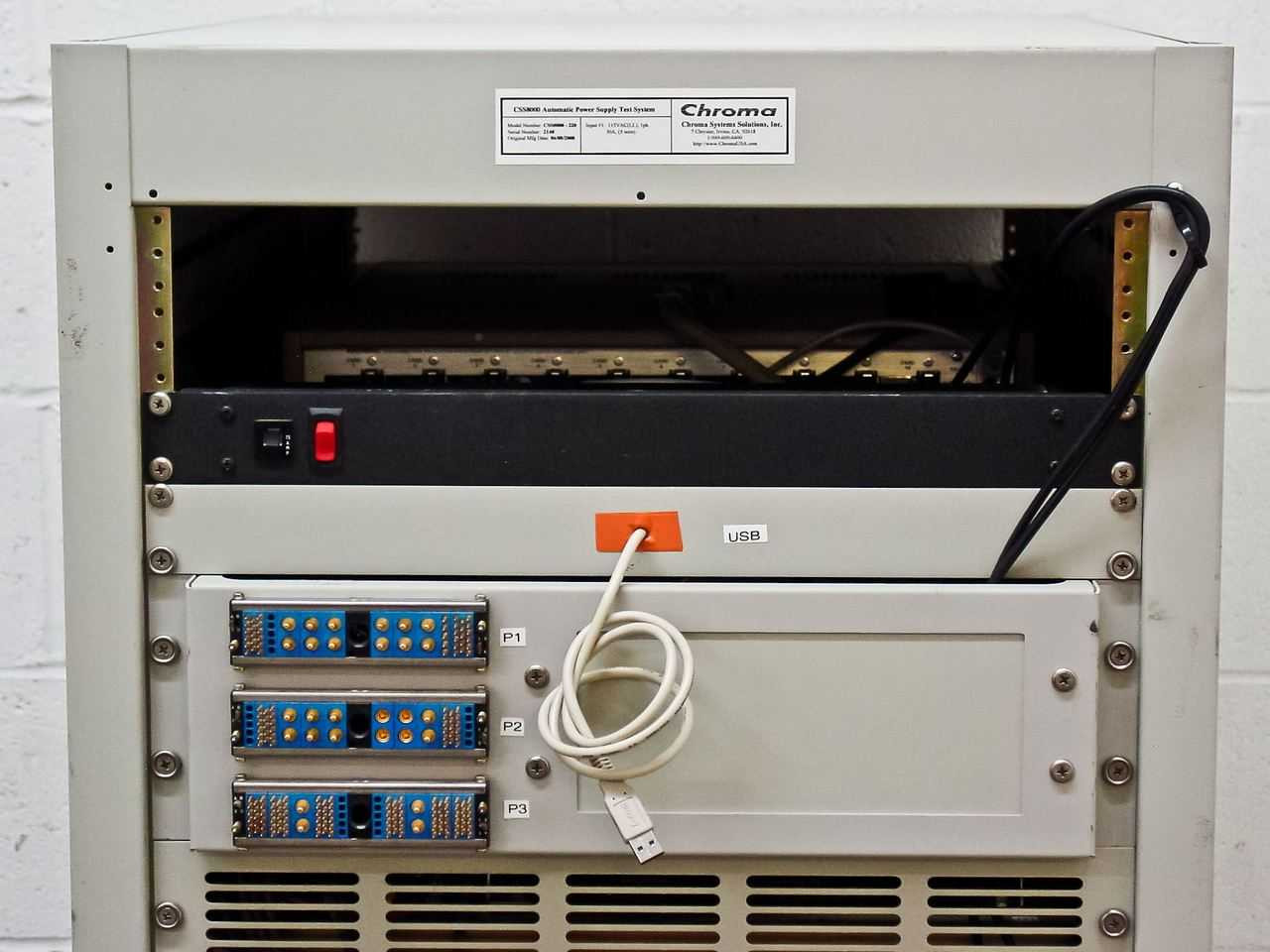
Exfo test automation (1 unit)
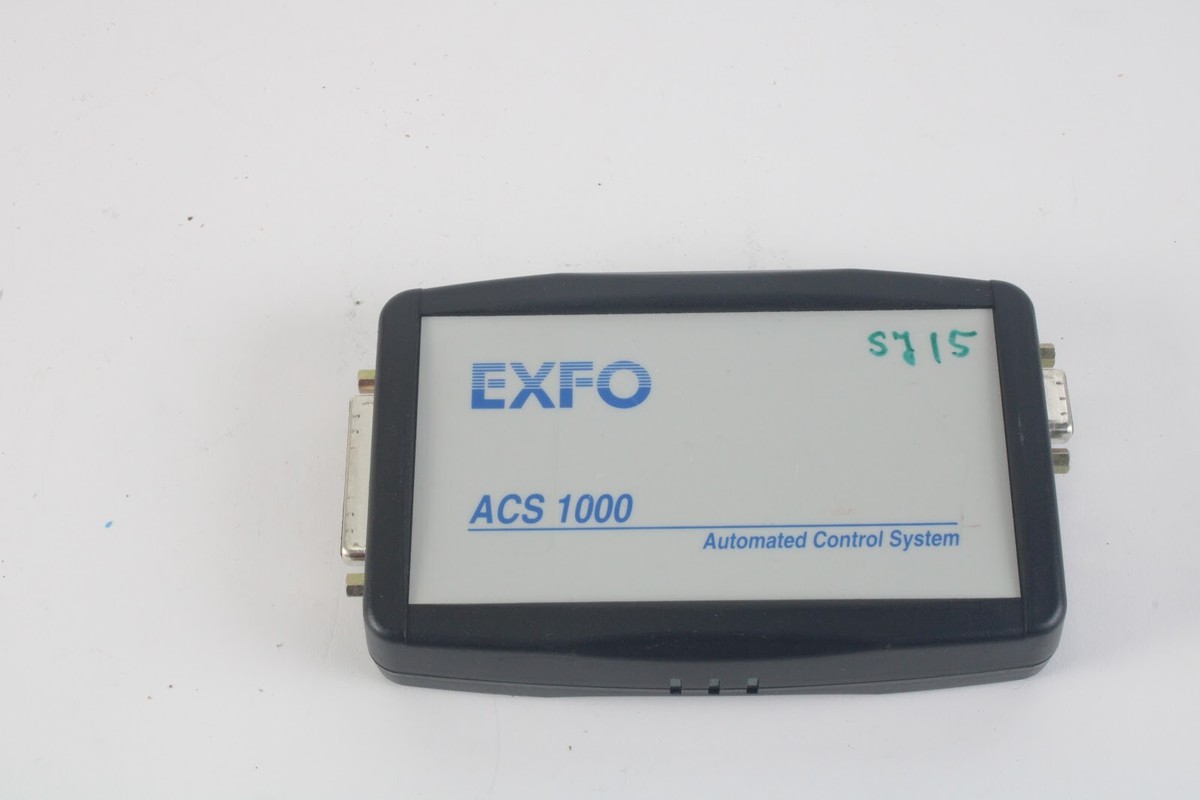
Find-R-Scope test automation (1 unit)
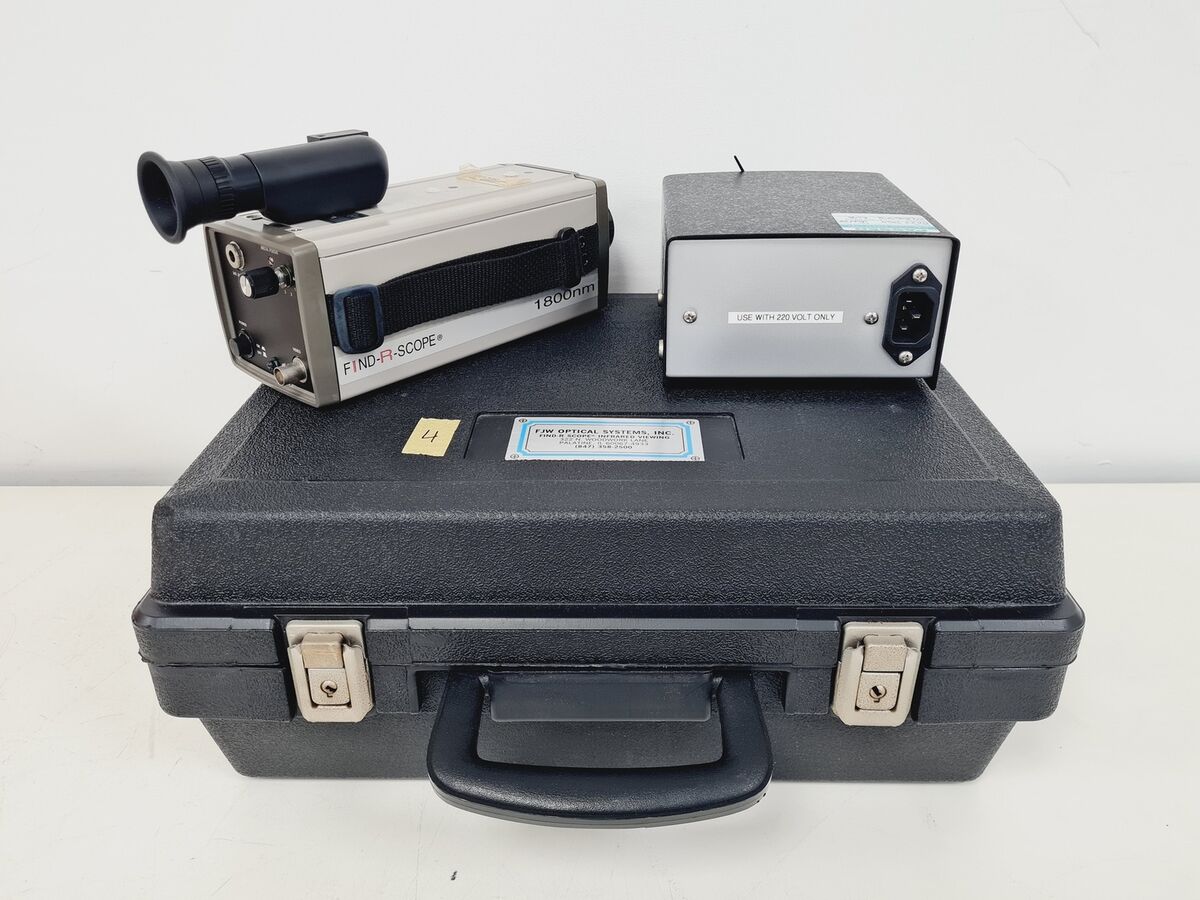
HP test automation (5 units)
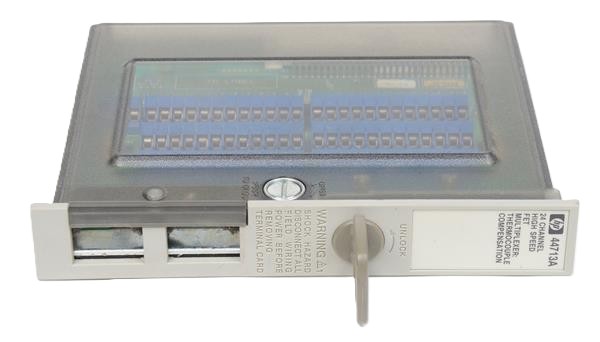
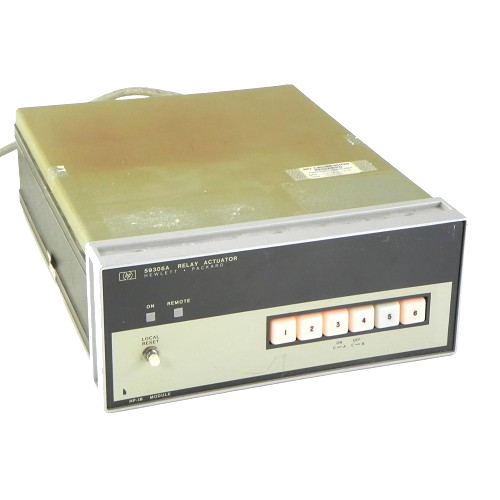
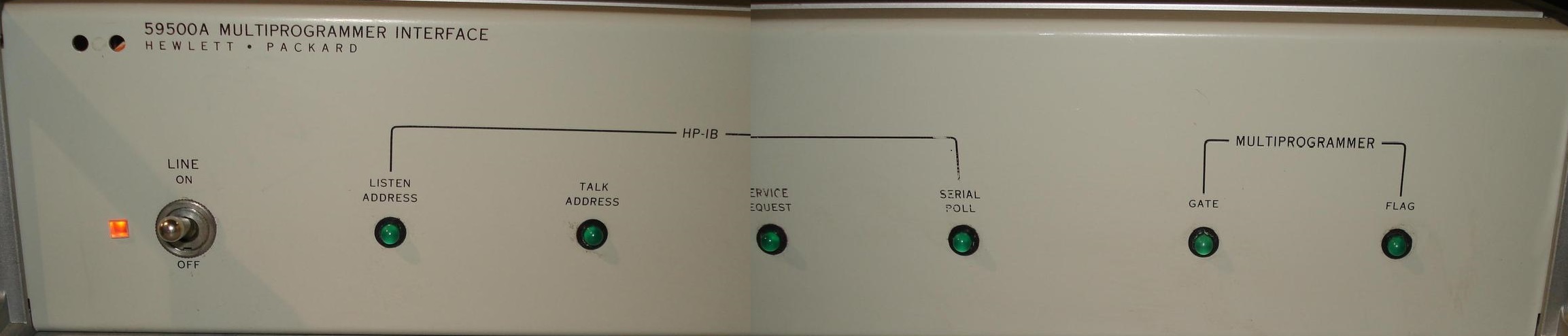
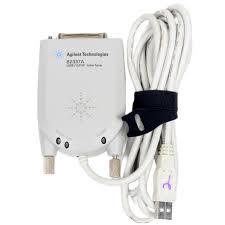
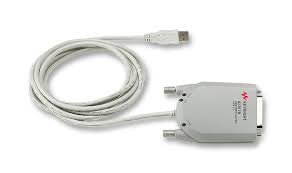
Keithley test automation (3 units)
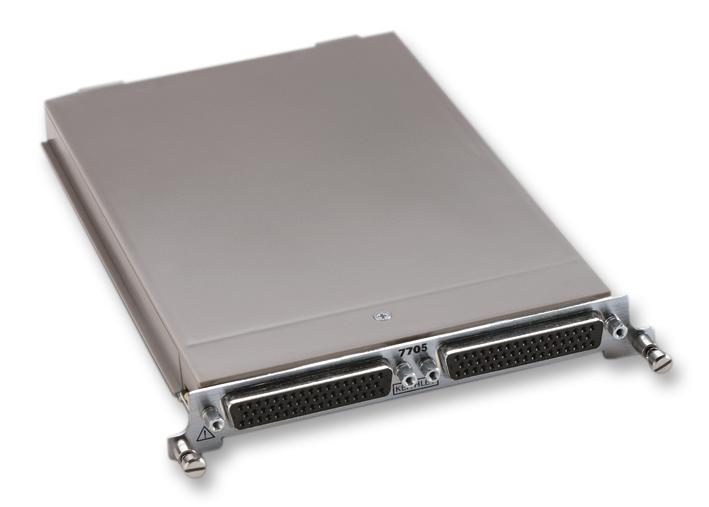
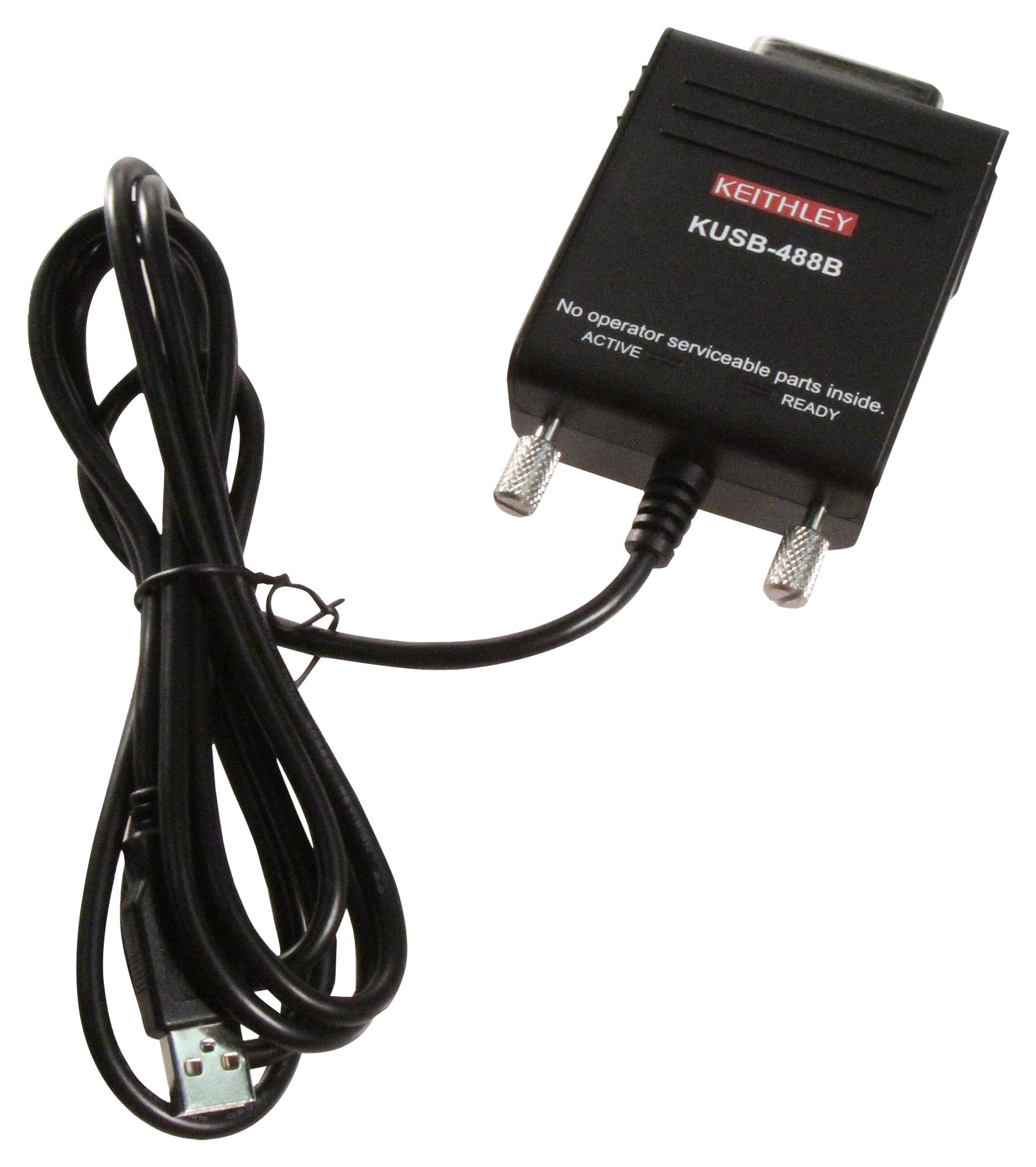
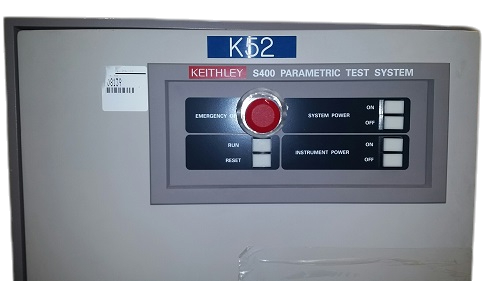
Keysight test automation (3 units)
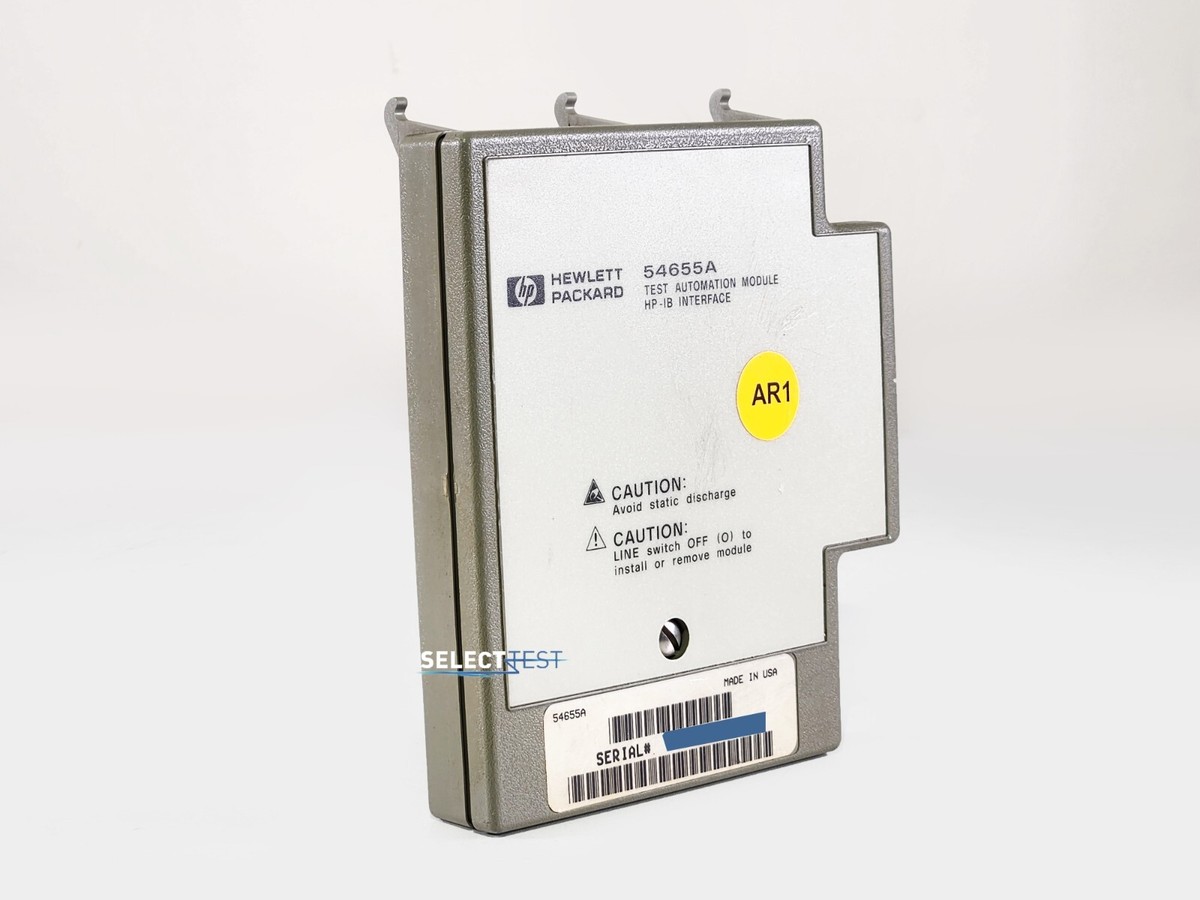
Spirent test automation (1 unit)
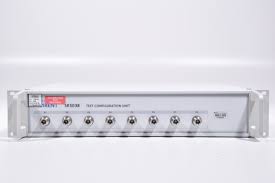
The mainframe is rarely the valuable part
An ATE system is an assembly, and the box with the brand on it is often the least significant thing in it. The value lives in the fixturing, the interface adapters, the switch modules, the cabling loom somebody spent weeks getting right, and the software that drives the lot.
Which is why a rack that arrives without its adapters can be a long way from usable, even though every photograph looked complete. Ask what is physically present, item by item. We list it on every unit here and will photograph anything you want to see before it ships.
Software is the usual obstacle
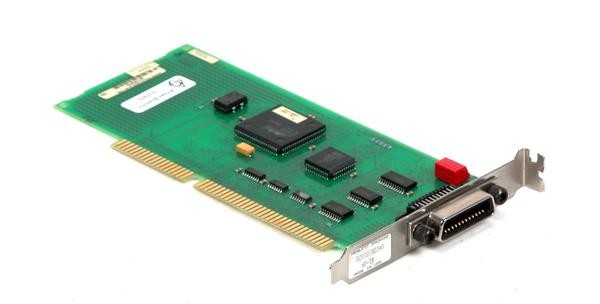
Test executives from the 1990s and 2000s tend to depend on things that have quietly disappeared. A specific Windows version. A GPIB card whose drivers will not install on anything current. A parallel-port licence dongle, on a machine with no parallel port.
Plenty of shops keep a dedicated computer of the right vintage purely to run one test program, and that is a sensible plan rather than an admission of defeat. If software is part of what you are buying, tell us the environment you intend to run it in and we will tell you what we know, including when the honest answer is that we do not know.
Buying pieces instead of the rack
Often the better purchase. Switch matrices, system power supplies, controllers and instrument modules pulled from an ATE rack have a straightforward second life in a different system, and they cost less and ship far more easily than a full cabinet.
If what you actually need is the switching, or one supply, say so. We would rather sell you the part that solves your problem than a rack you have to break down yourself. Individual plug-in instruments live in VXI modules and modular instrument chassis.
Device programmers and their adapters
The BP Microsystems units here write firmware and configuration into chips, handling devices from trays or tape for production quantities rather than one at a time.
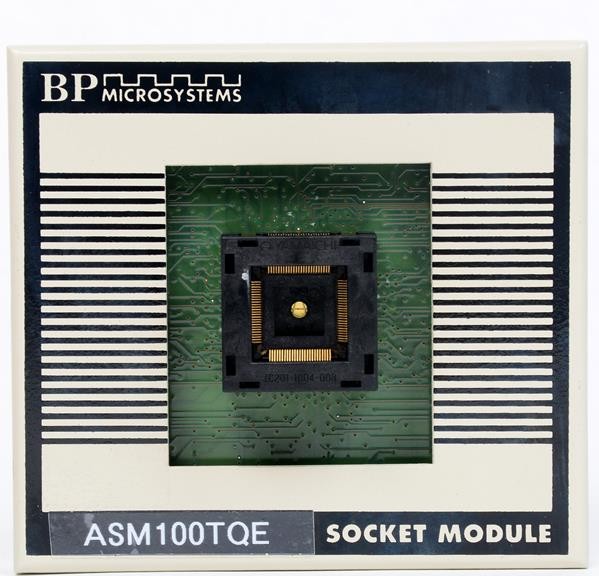
The thing that decides whether a used programmer is useful to you is socket adapters. They are specific down to package type, pin count and body dimensions, and a programmer without the adapter for your device does nothing at all. Adapters are frequently harder to source than the programmer. Check first.
What to settle before buying
Get the inventory in writing, including cables and adapters. Establish what the software situation is and whether a licence transfers. Ask what the system was last used for, because a rack pulled from a working line is a different proposition from one that sat in storage for six years. And ask which measurement instruments inside it hold current calibration.
Calibration and repair
The measurement instruments inside an automation system need calibration if the rack decides whether real product passes. Controllers, switch frames and programmers are functional hardware rather than metrology and generally do not. We can calibrate the measurement elements and leave the rest alone, which is usually the sensible split. See calibration services →
Frequently asked questions
What actually comes with a used ATE system? +
Ask, in detail, and get it in writing. These systems are assemblies, and the value sits as much in the fixturing, cabling, switch modules and software as in the mainframe. A rack that arrives without its interface adapters or its test executive software can be a long way from usable. We list what is physically present on each unit and we will photograph anything you are unsure about before it ships.
Will the original test software still run? +
Often it needs work. Test executives from the 1990s and 2000s frequently depend on a specific Windows version, a GPIB card with drivers that no longer install cleanly, or a licence dongle. Many shops keep a dedicated machine of the right vintage for exactly this reason. If software matters to your purchase, tell us what environment you intend to run it on and we will say what we know.
What does a device programmer like a BP Microsystems unit do? +
It writes firmware or configuration data into chips before they go onto a board, or in some cases after. For production runs it handles devices in trays or tape automatically rather than one at a time by hand. The thing to check is socket adapters: programmers are nearly useless without the right adapter for your package, and adapters are specific down to the pin count and body size.
Can I reuse parts of a system rather than the whole rack? +
Usually yes, and it is often the smarter purchase. Switch matrices, power supplies, system controllers and instrument modules from an ATE rack frequently have a second life in a different system. If you only need the switching, say so, because buying a subset costs less and ships more easily than a full rack.
Does this equipment need calibration? +
The measurement instruments inside it do. Controllers, switch frames and programmers are generally functional rather than metrological, but any DMM, source or analyzer in the rack should hold a current certificate if the system decides pass or fail on real product. We can calibrate the measurement elements and leave the rest.
How is this different from your VXI and chassis categories? +
This page covers systems and the equipment that ties them together: racks, controllers, programmers and automation hardware. The individual plug-in instruments that populate such a system live in our VXI modules and modular instrument chassis categories. People building or sustaining an ATE station usually end up needing both.
Building or sustaining a test station?
Tell us what the station has to test and what you already own. We hold stock that never reaches the site, and we will tell you when a piece is wrong for your setup.
Get in touch