
Used Spectrum Analyzers
408 units in stock from Keysight, Rohde & Schwarz, Anritsu, Advantest, Tektronix and Aeroflex. Benchtop, portable and handheld, with the installed options confirmed before anything ships.
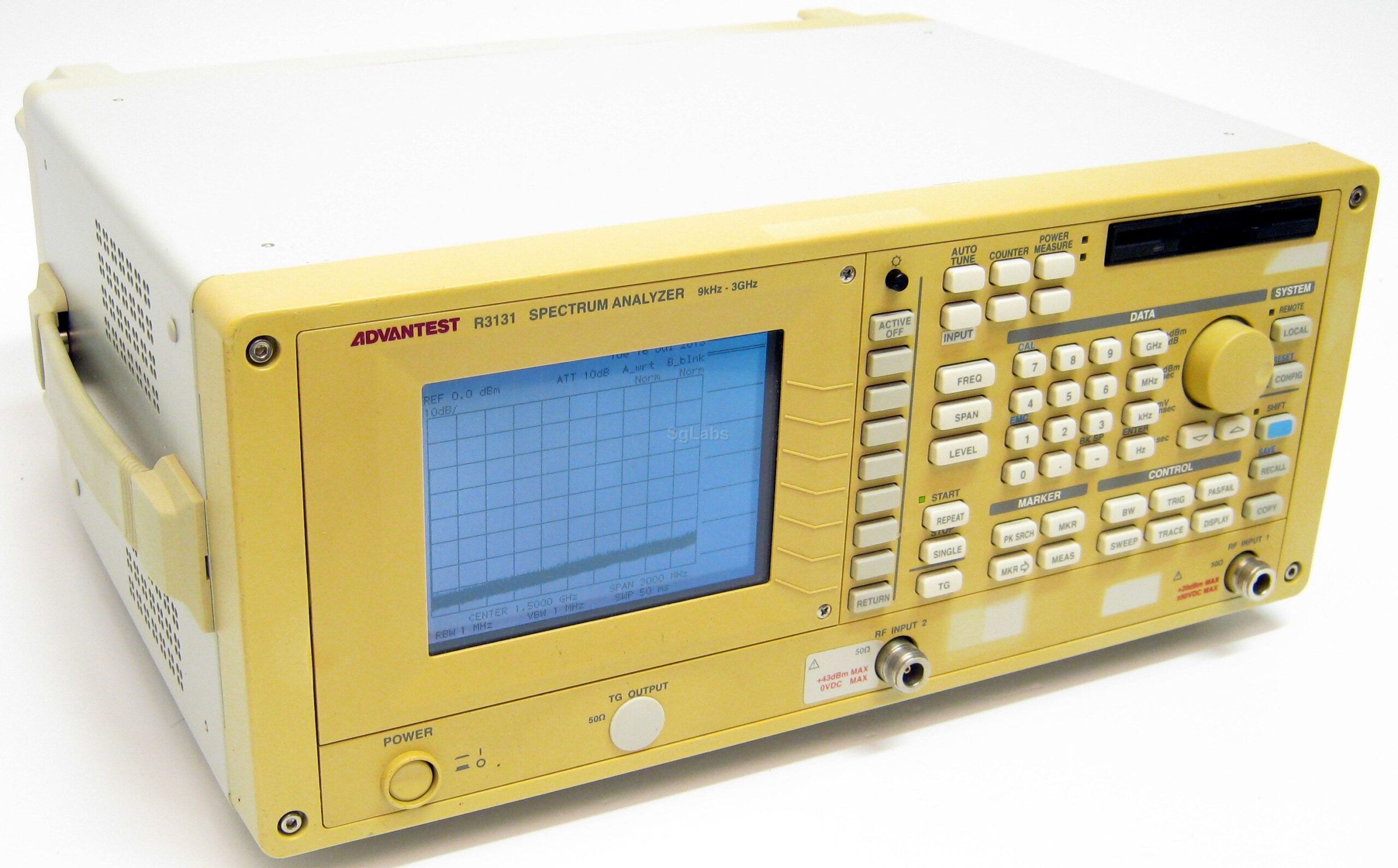
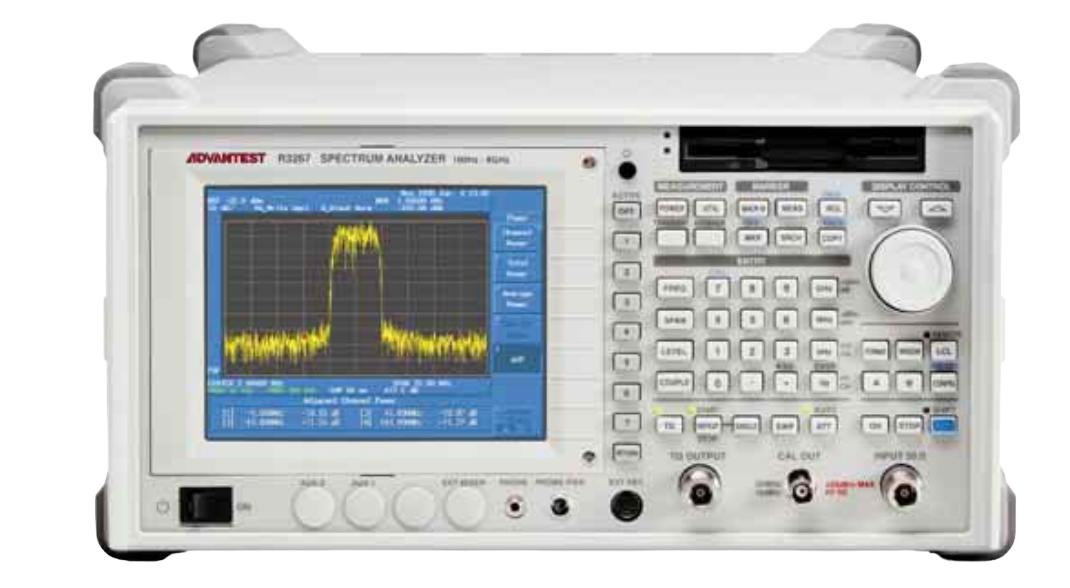
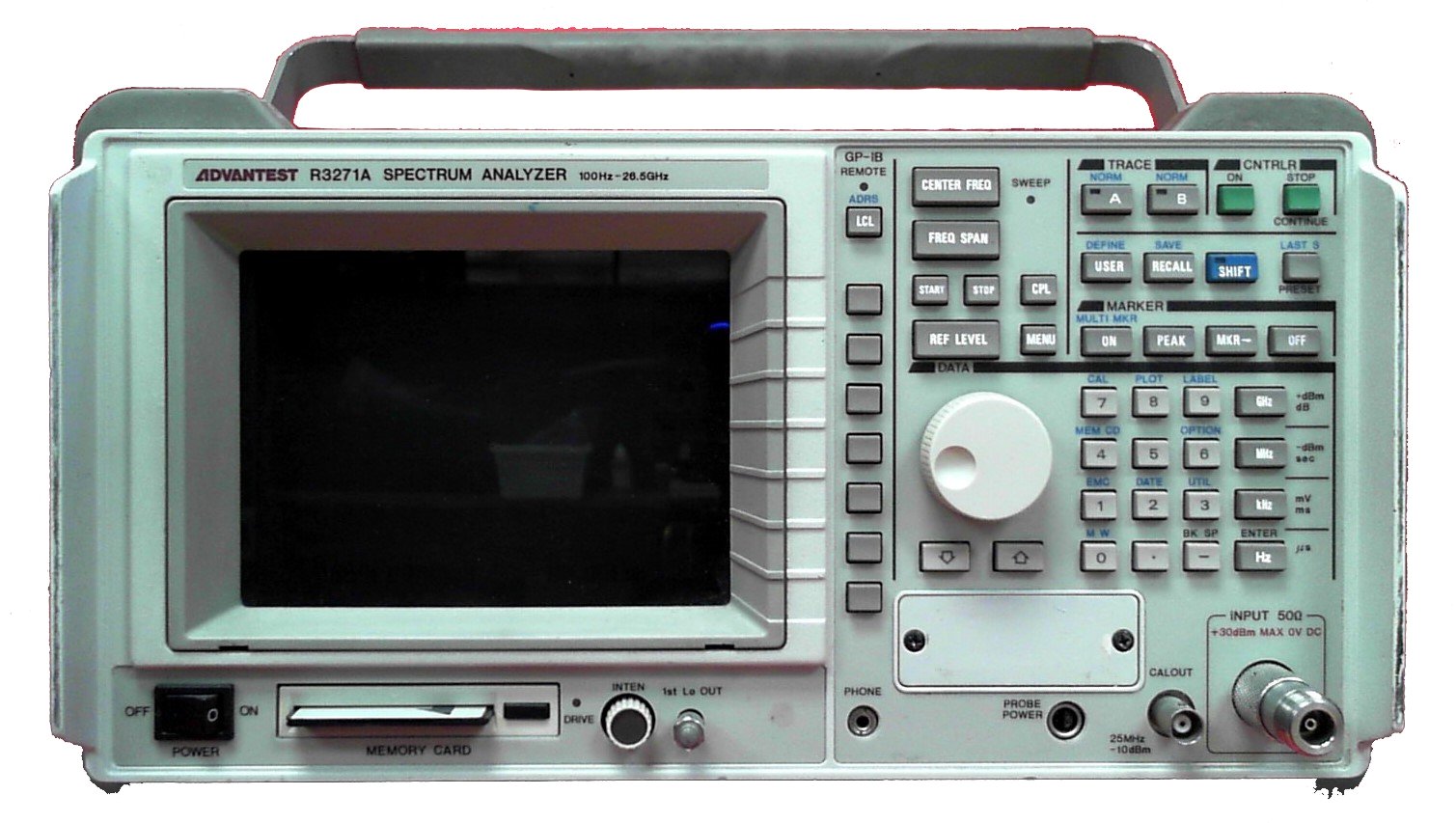
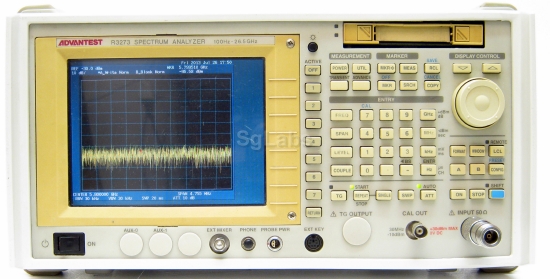
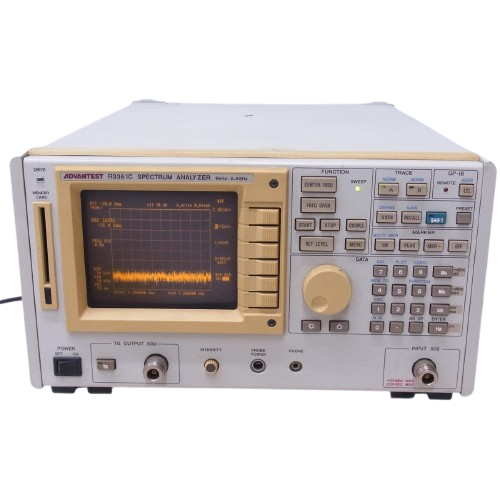
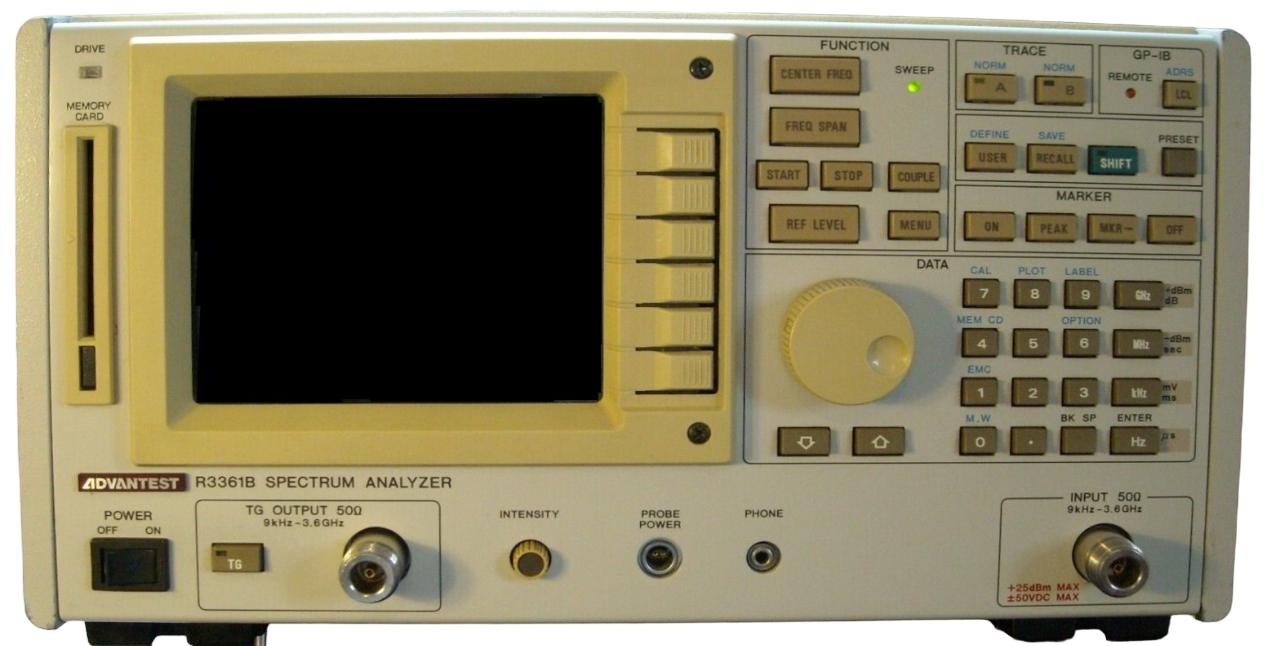
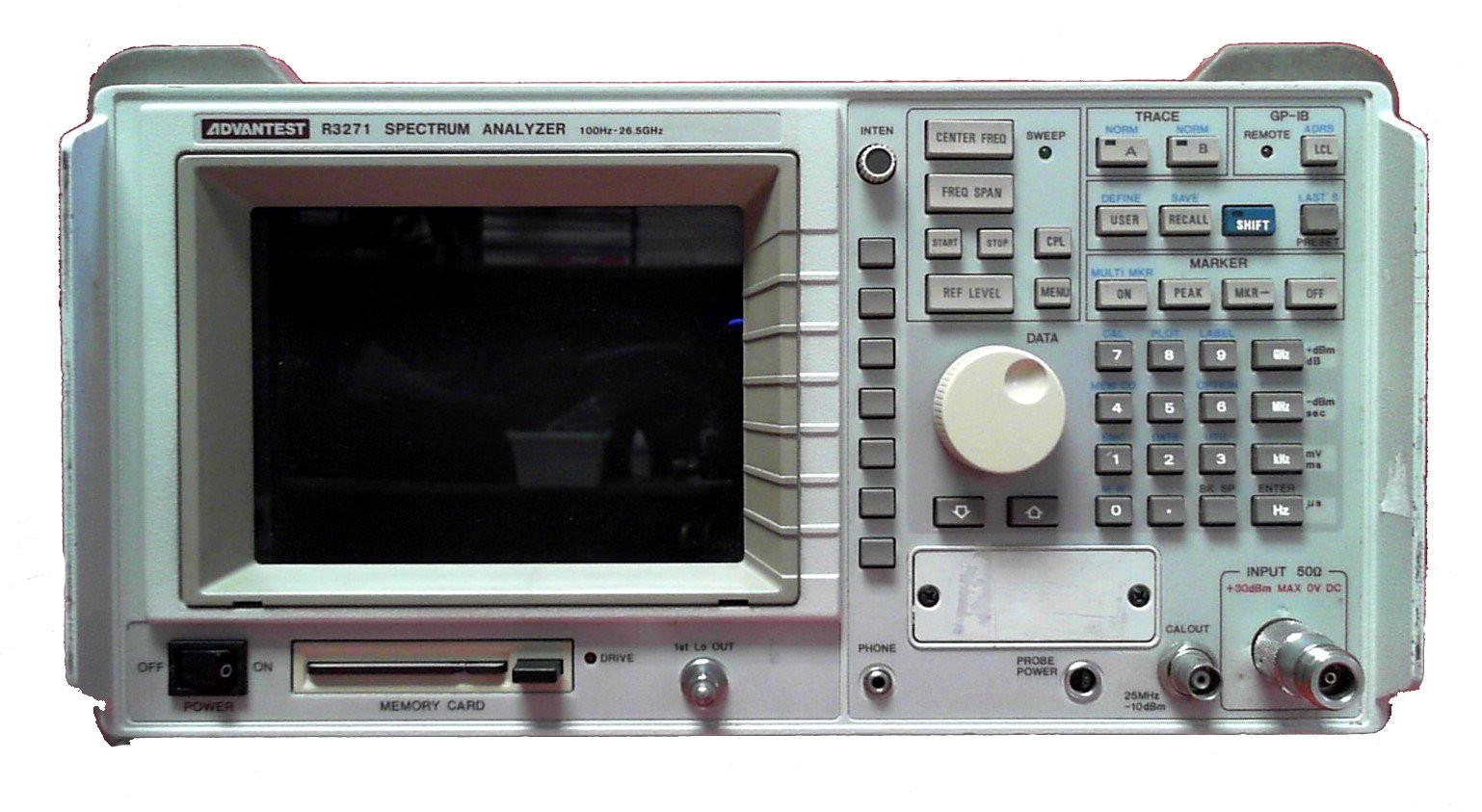
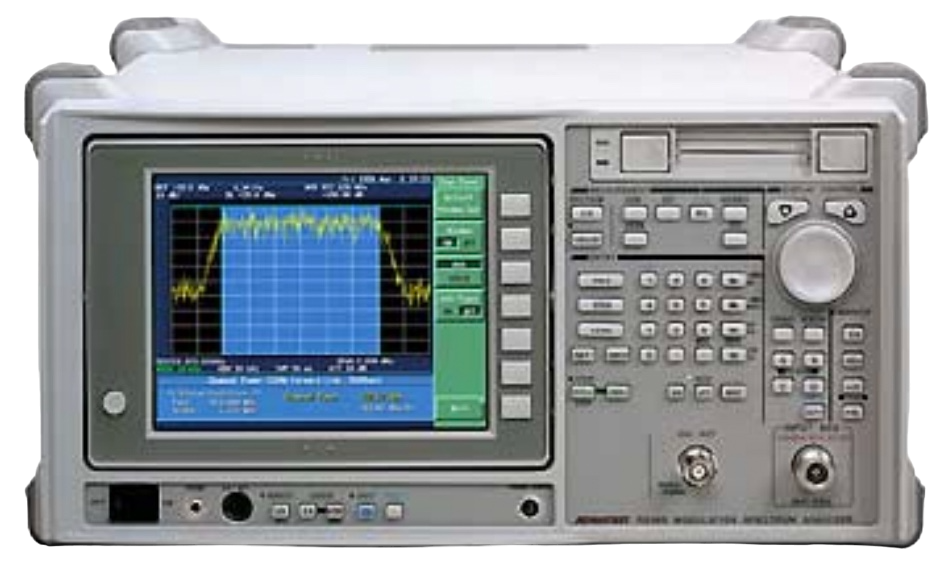
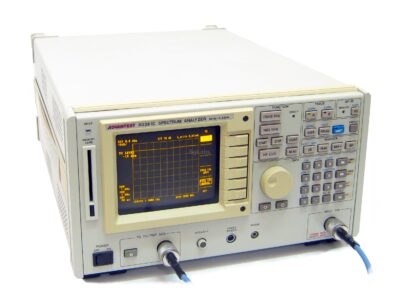
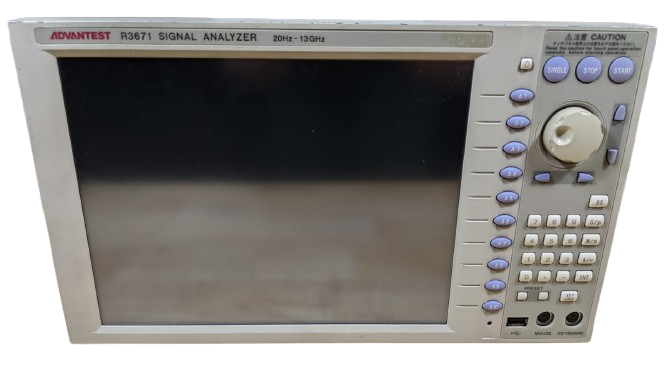
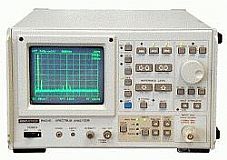
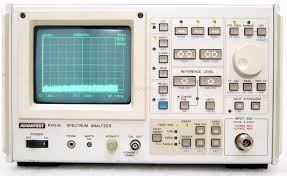
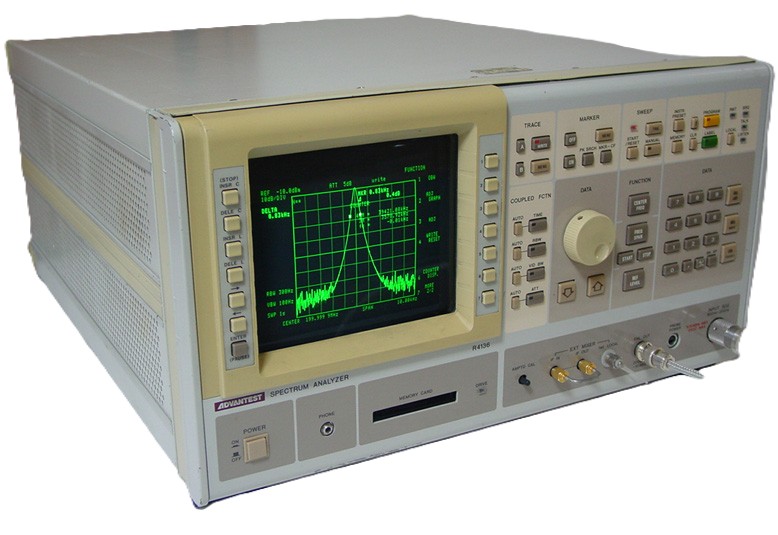
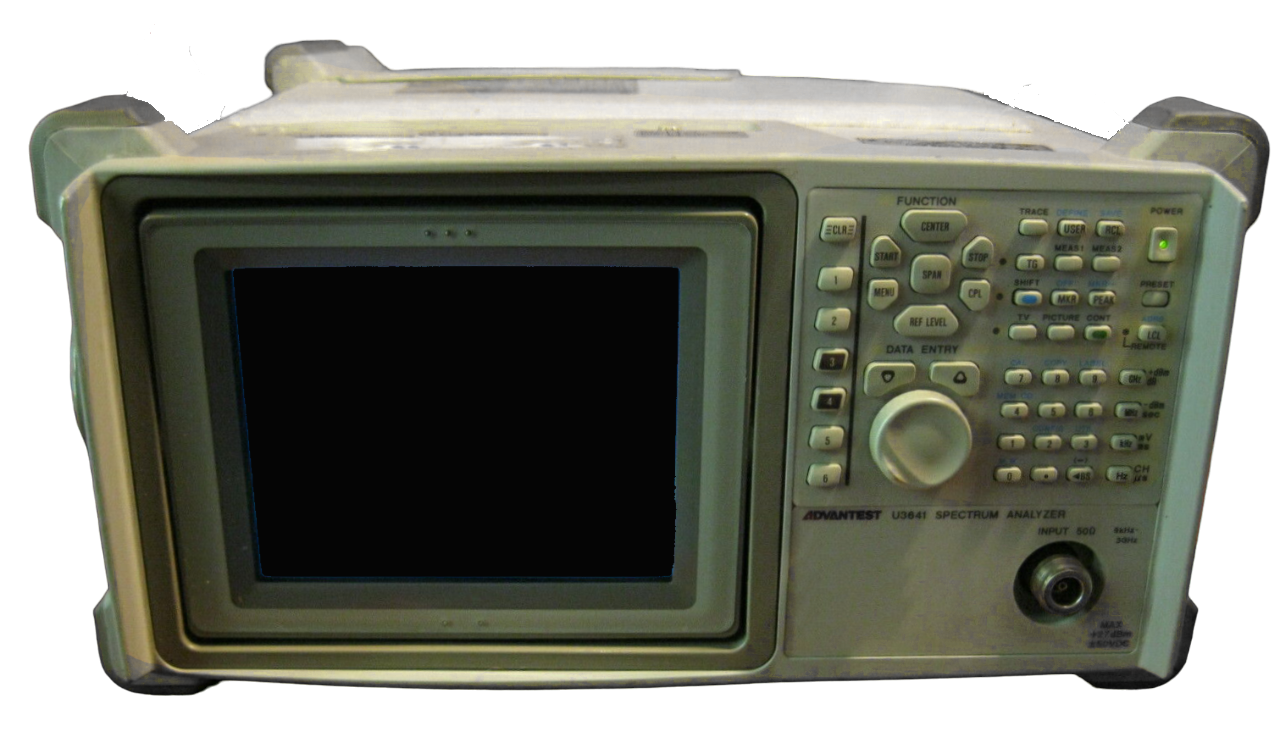
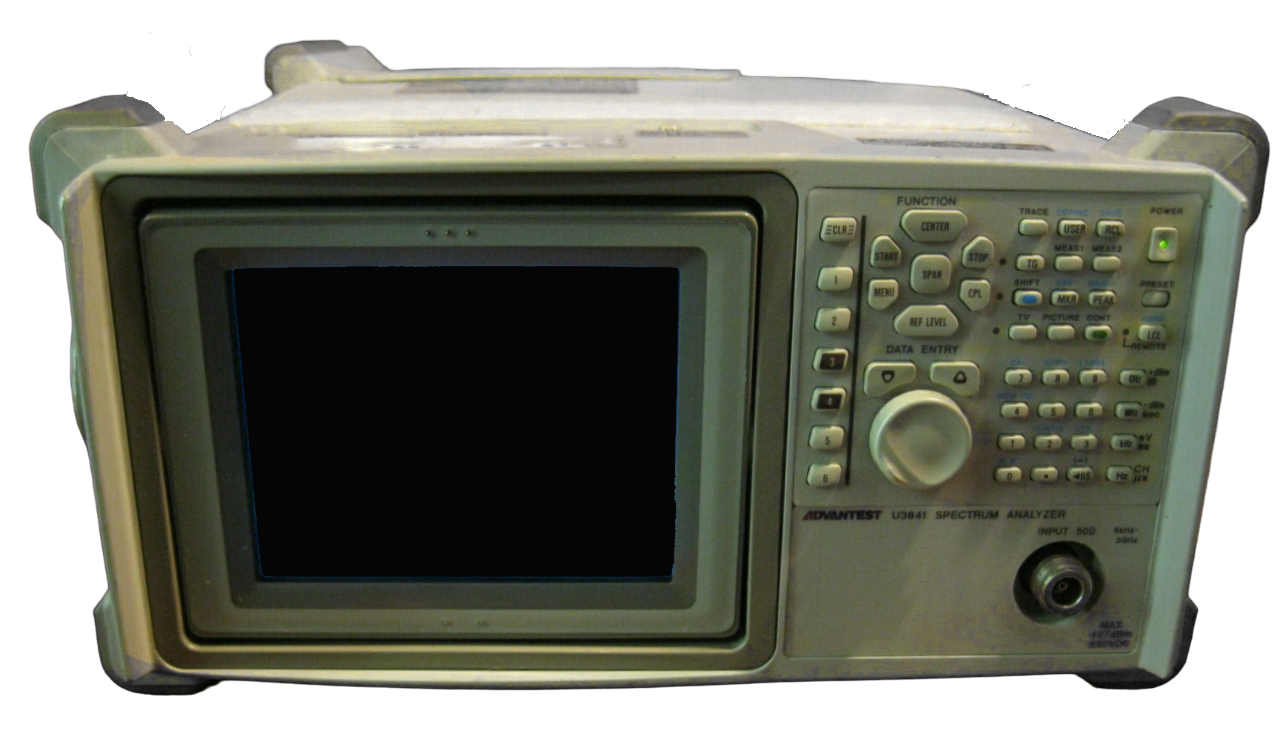
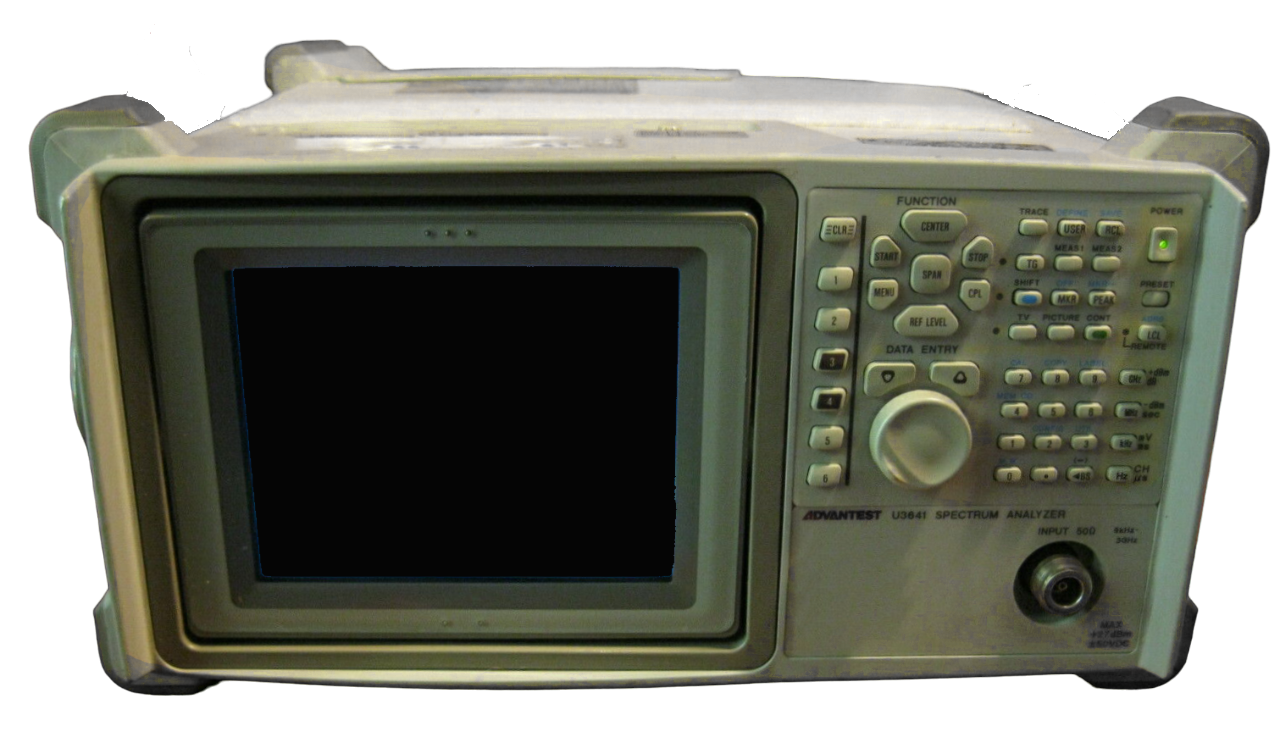
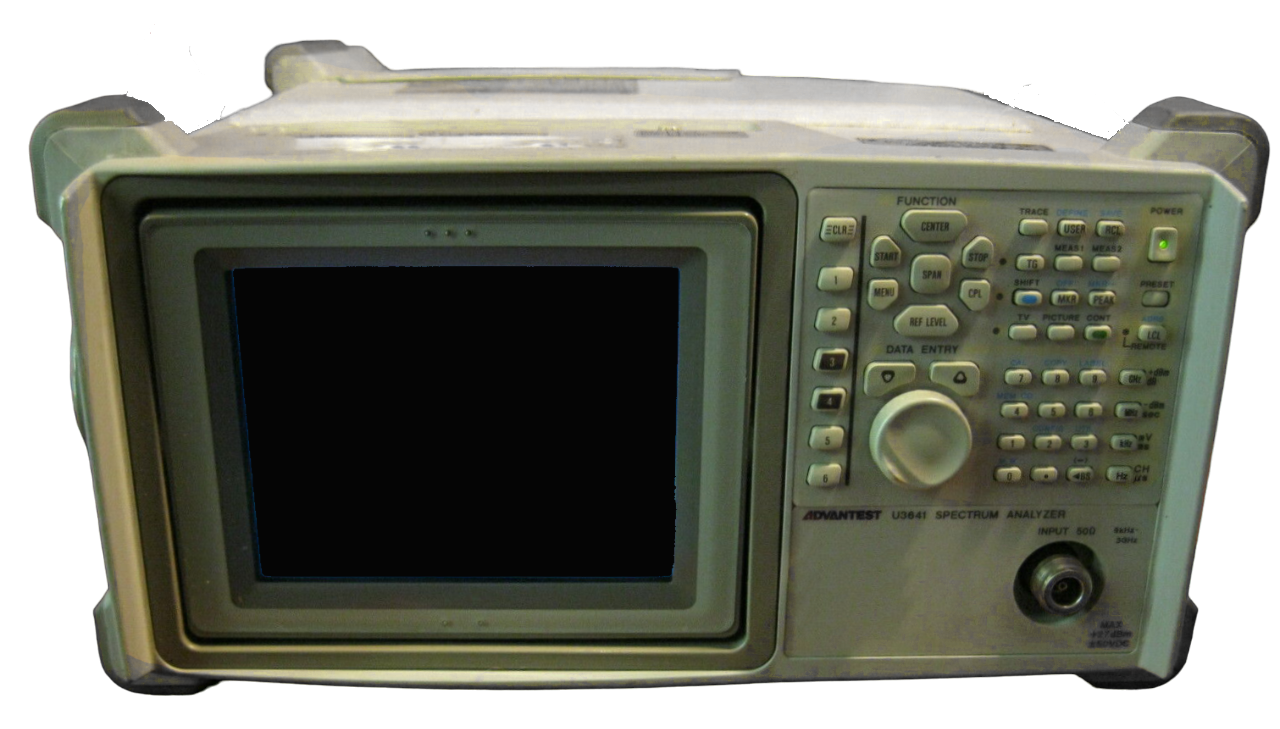
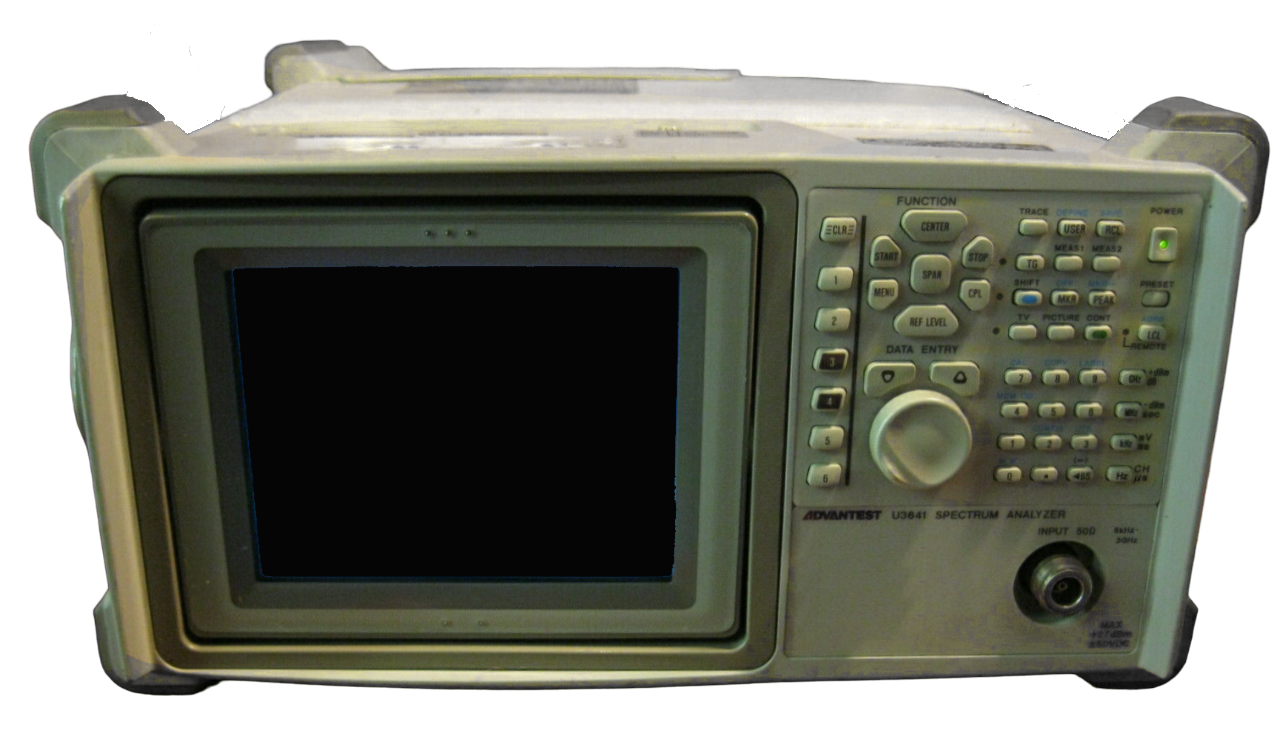
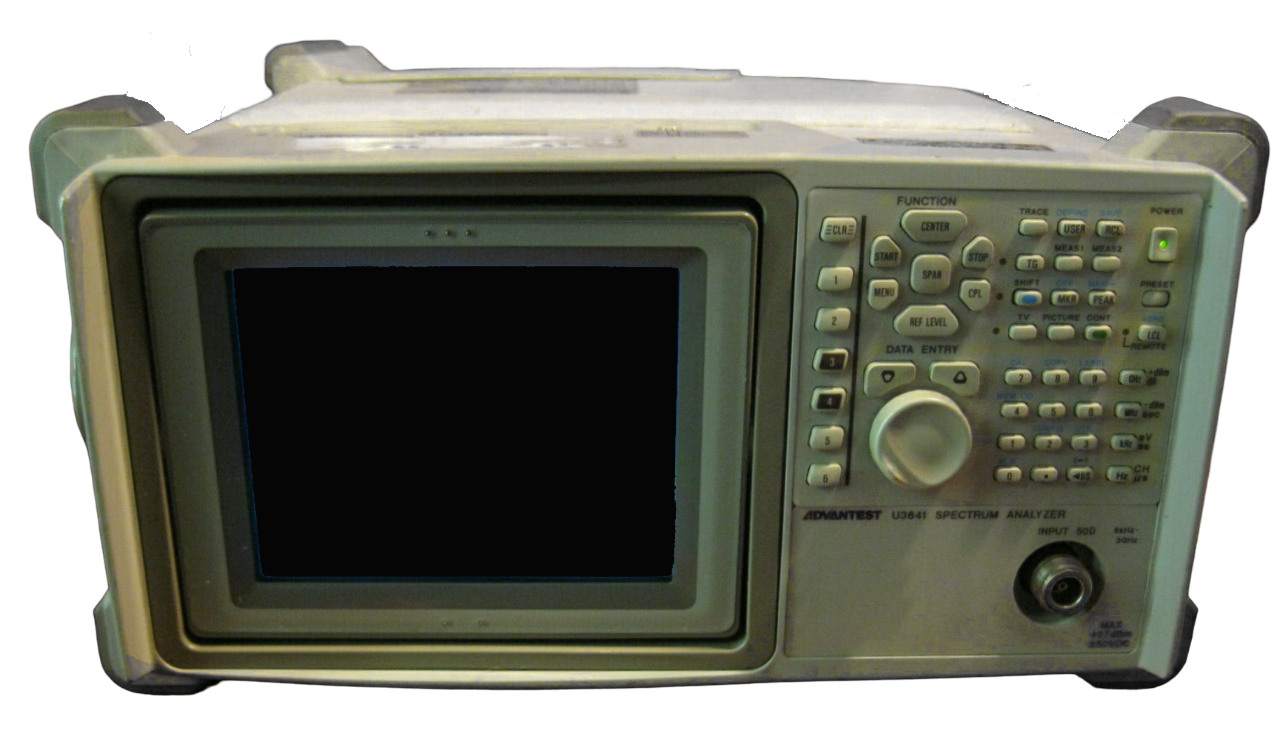
Advantest spectrum analyzers (51 units)
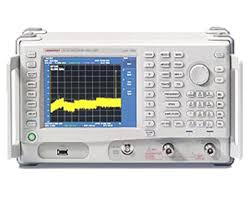
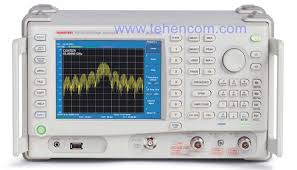
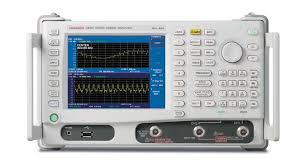
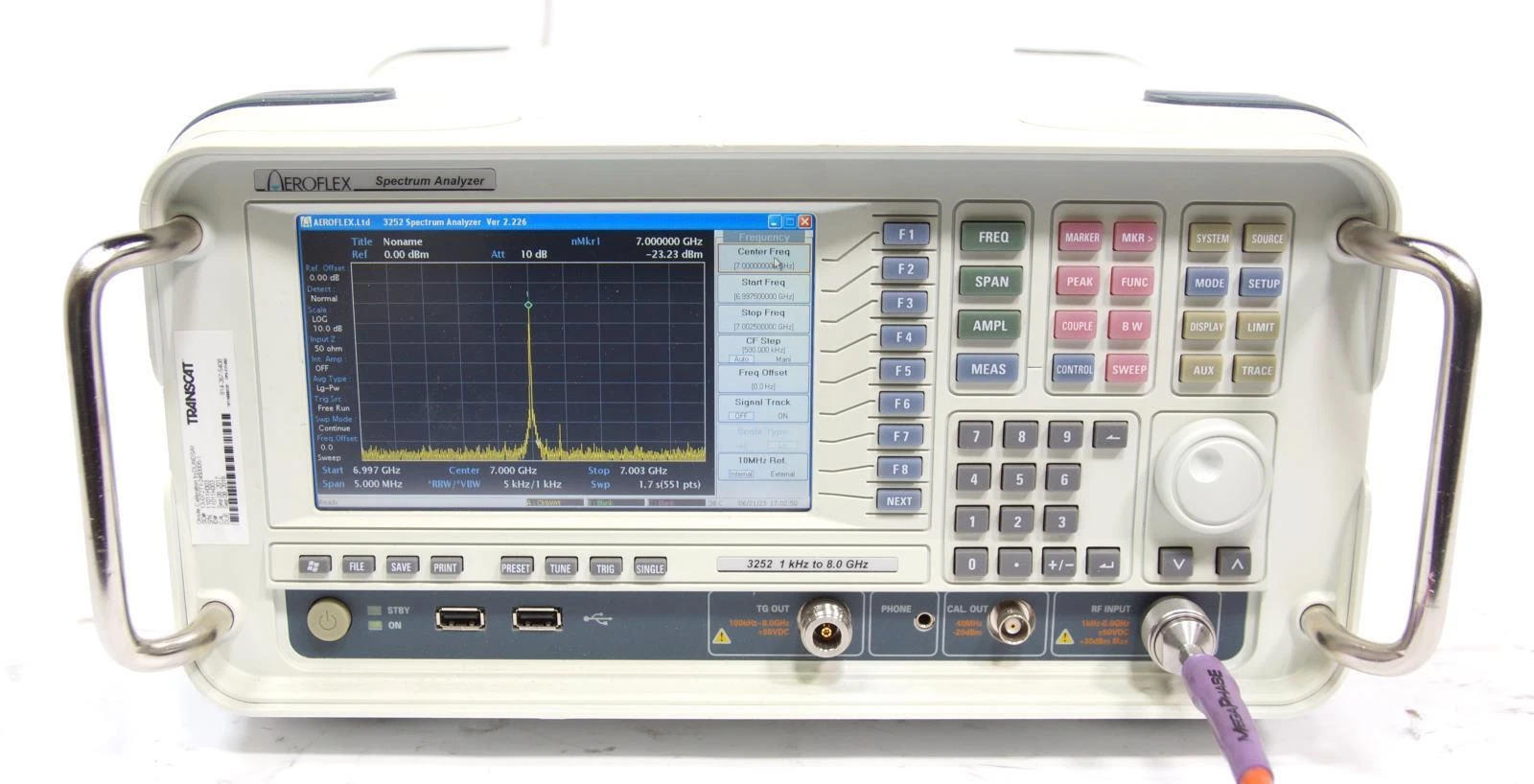
Aeroflex spectrum analyzers (10 units)
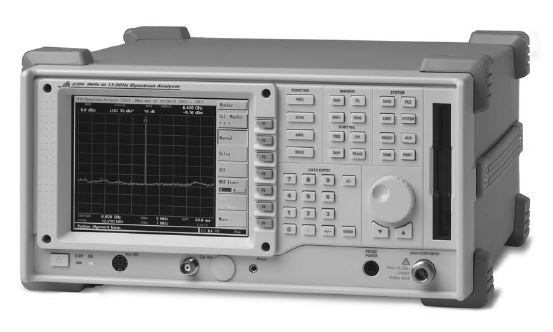
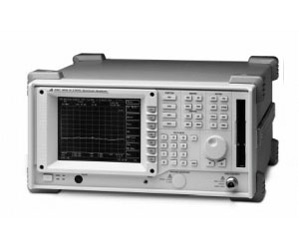
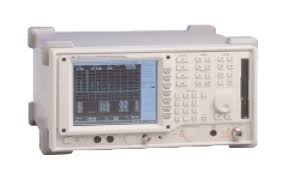
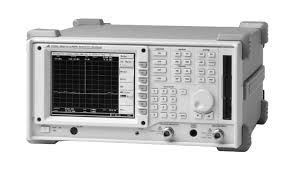
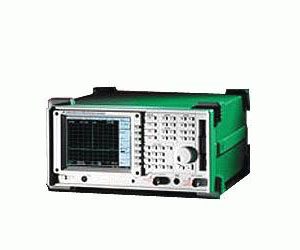
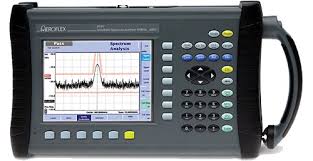
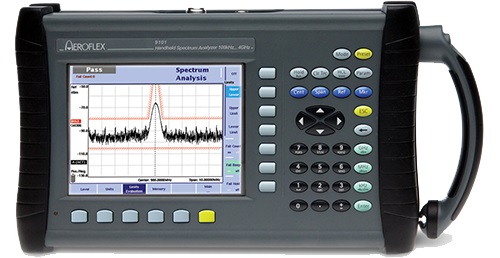
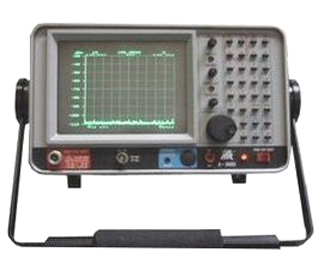
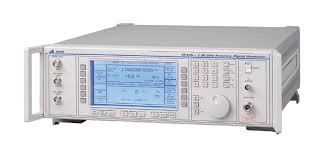
Aeroflex IFR spectrum analyzers (1 unit)
Agilent spectrum analyzers (68 units)
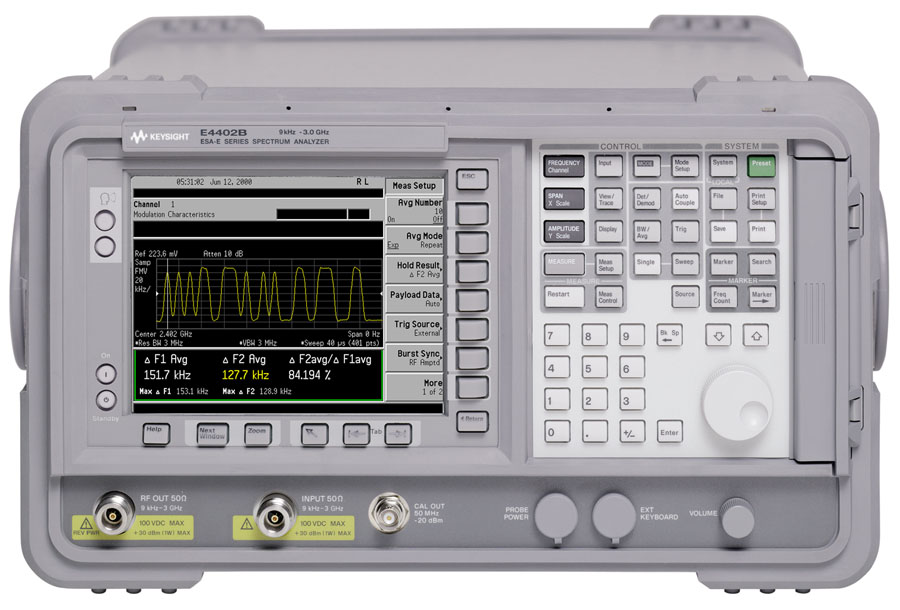
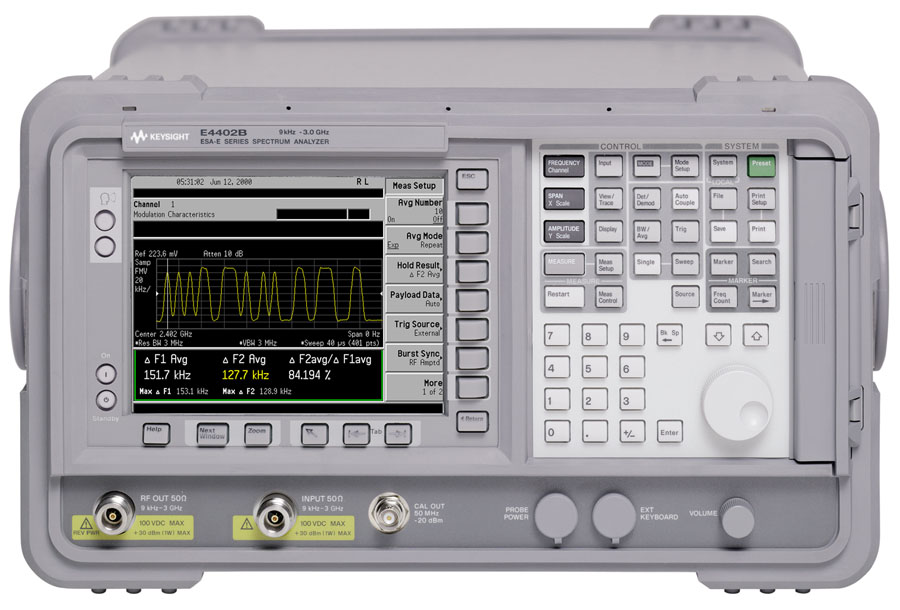
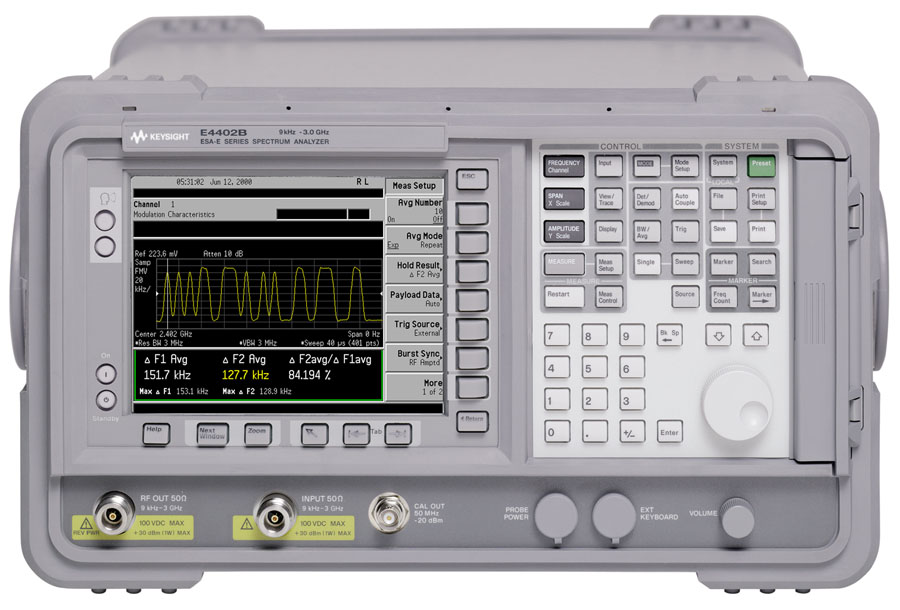
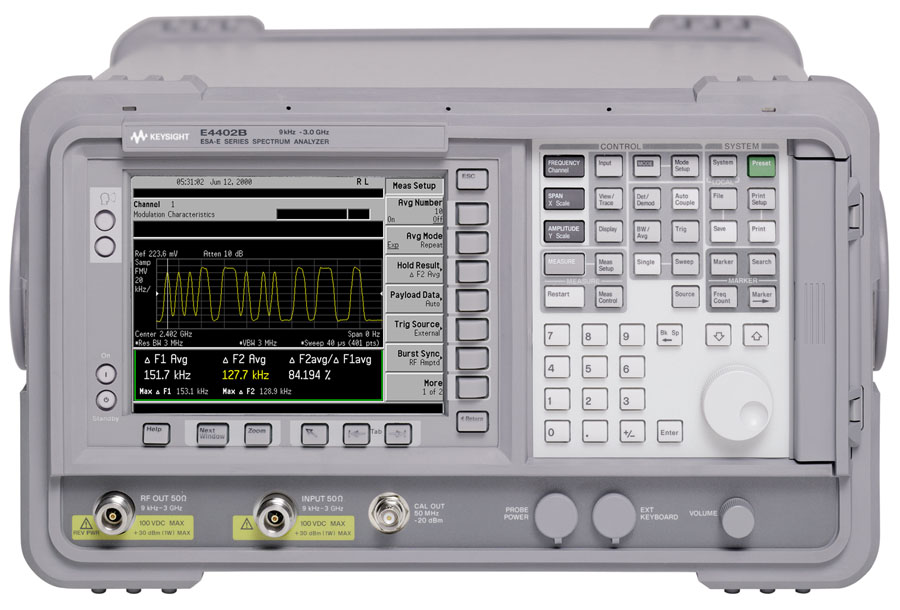
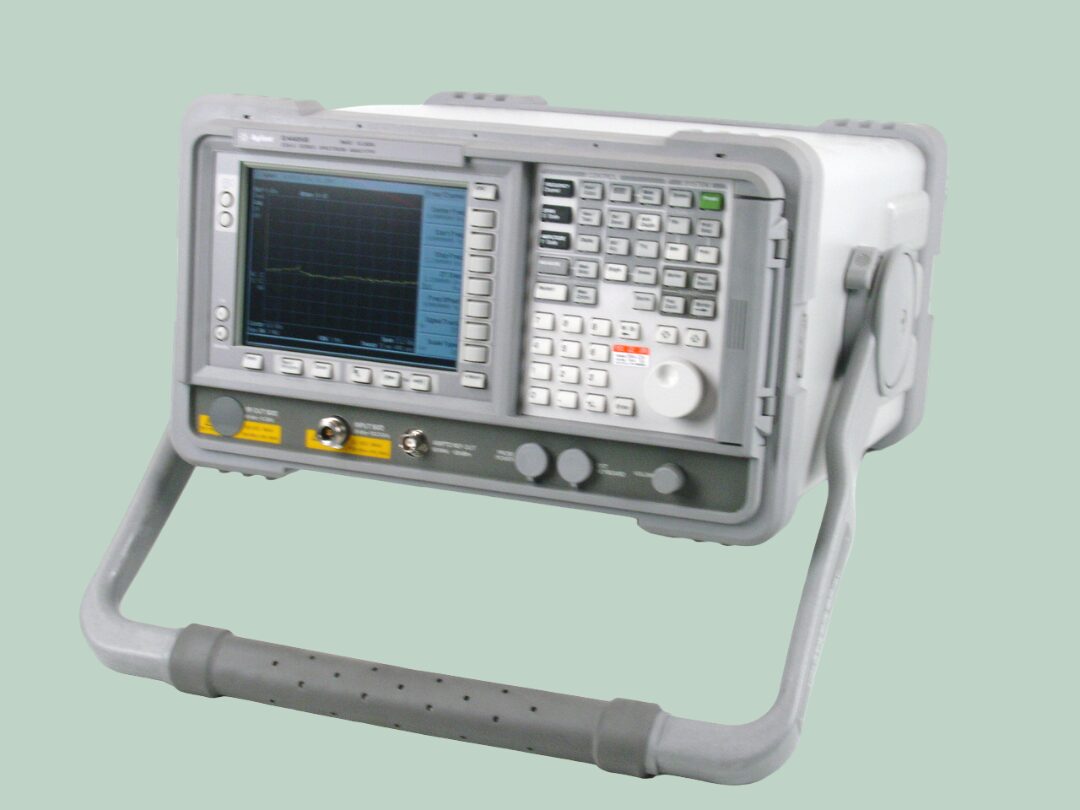
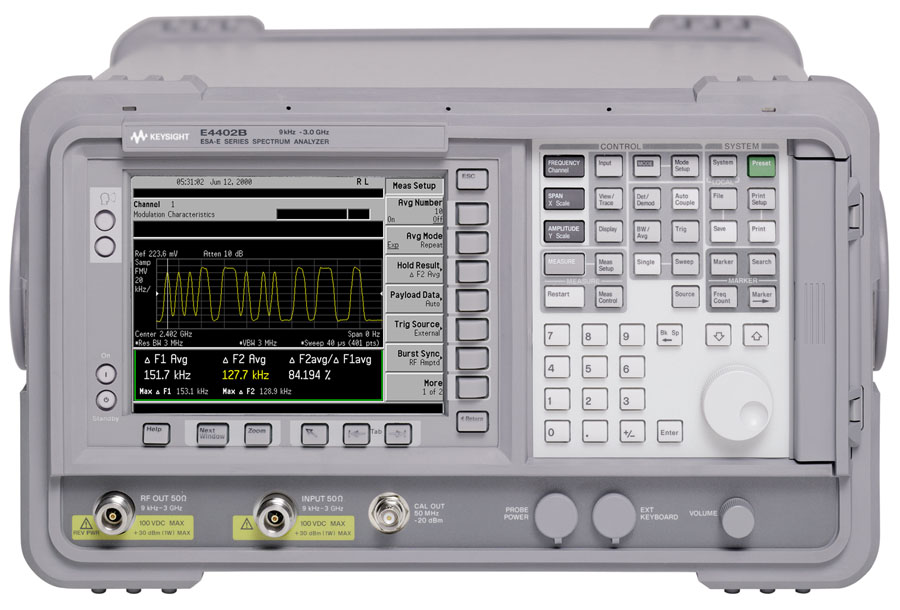
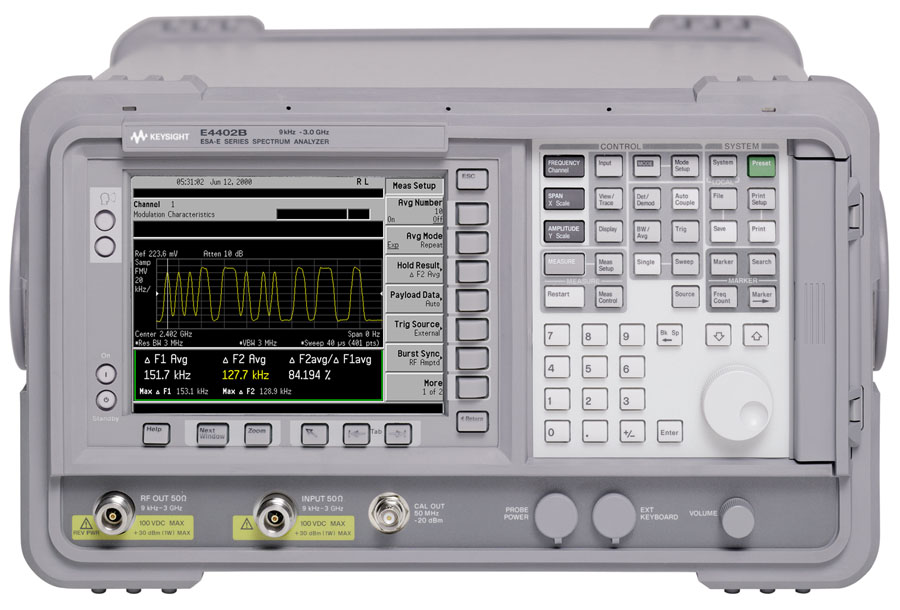
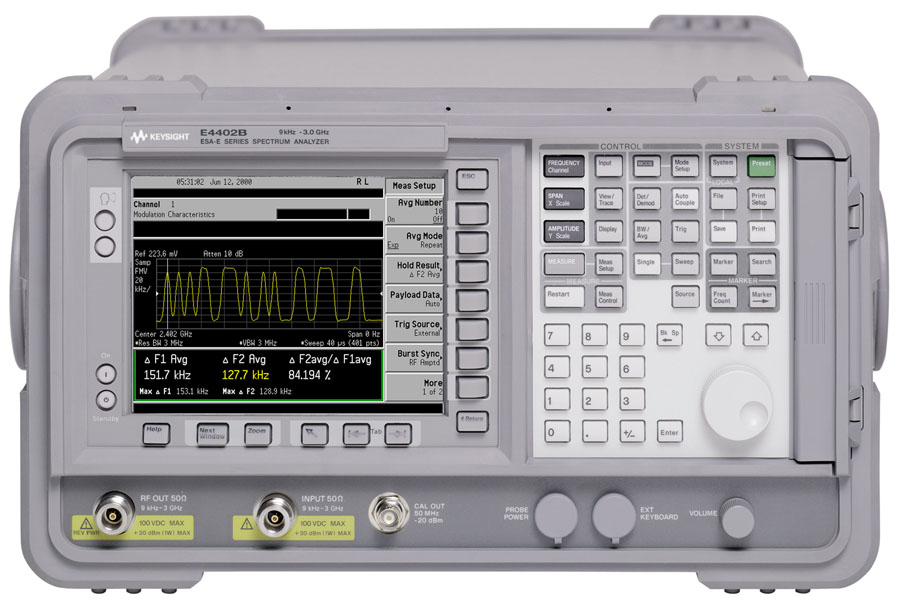
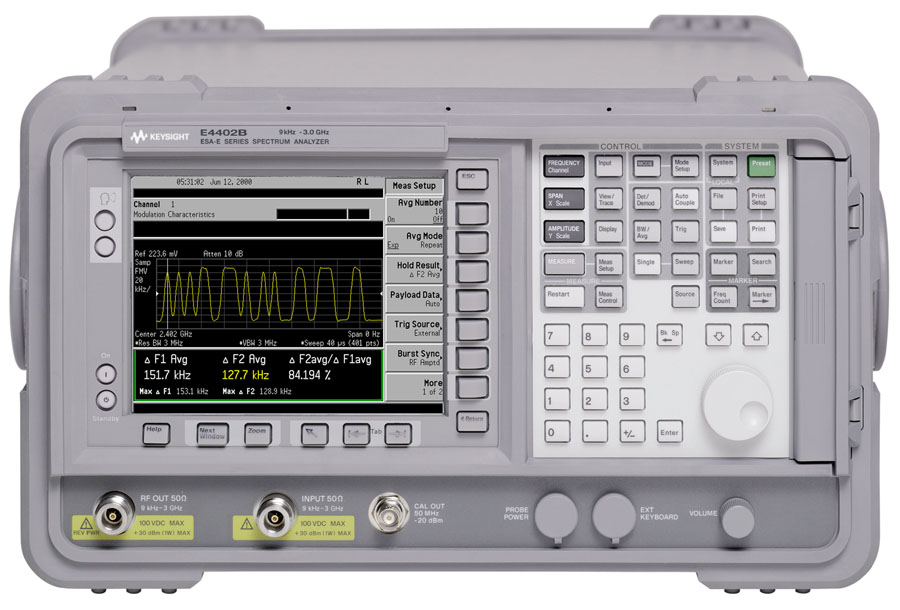
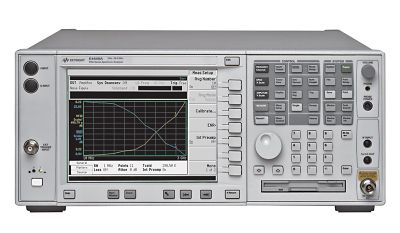
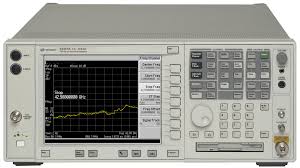
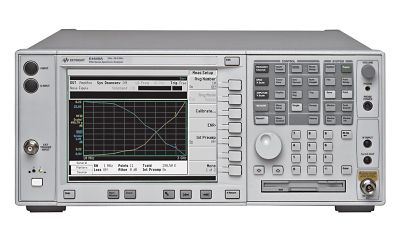
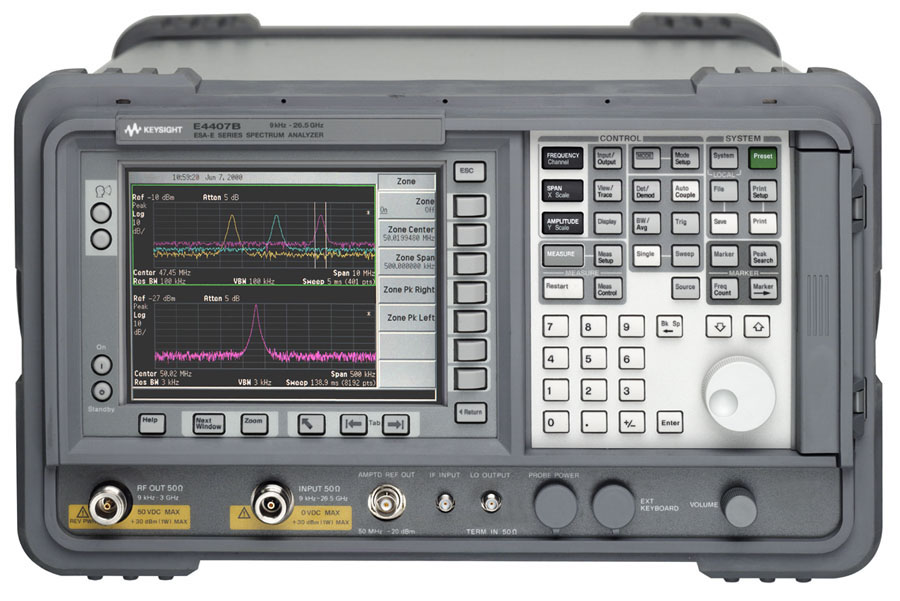
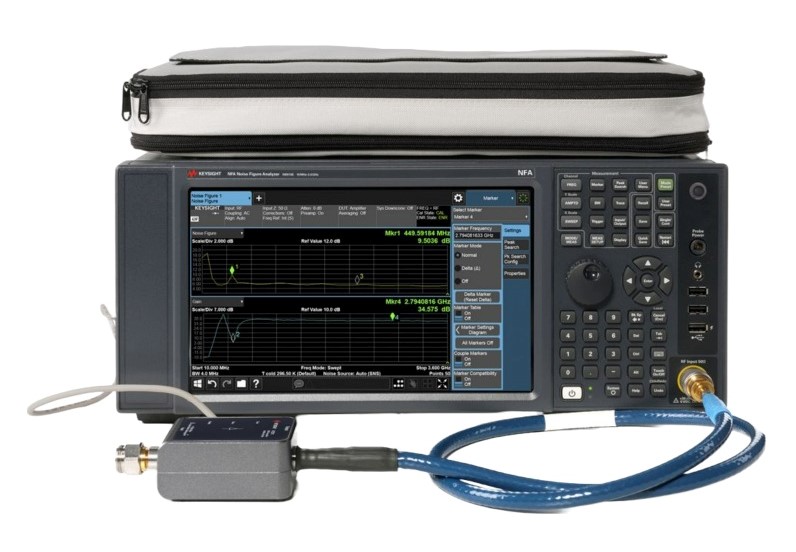
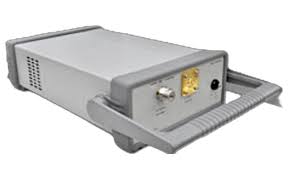
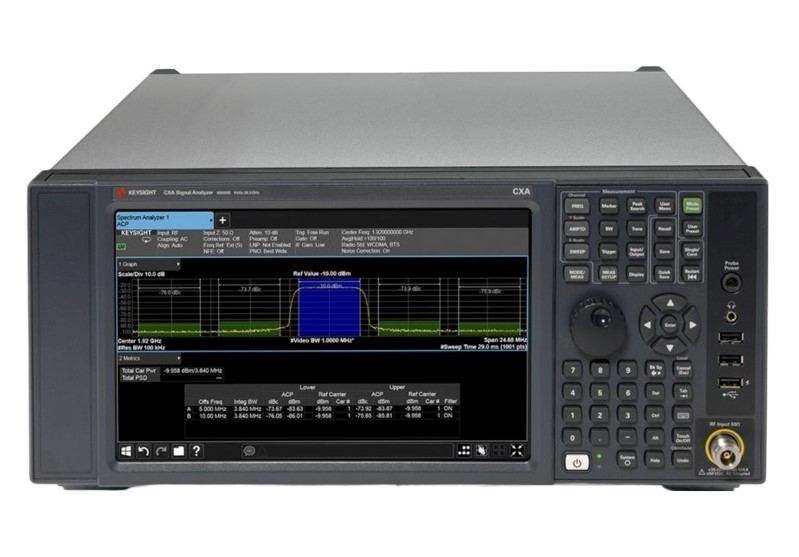
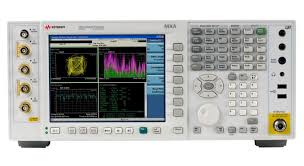
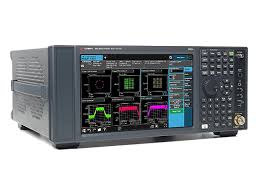
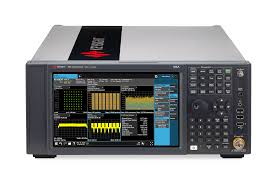
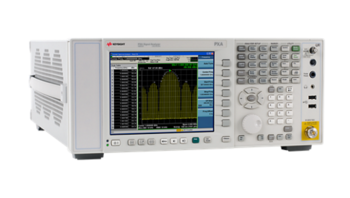
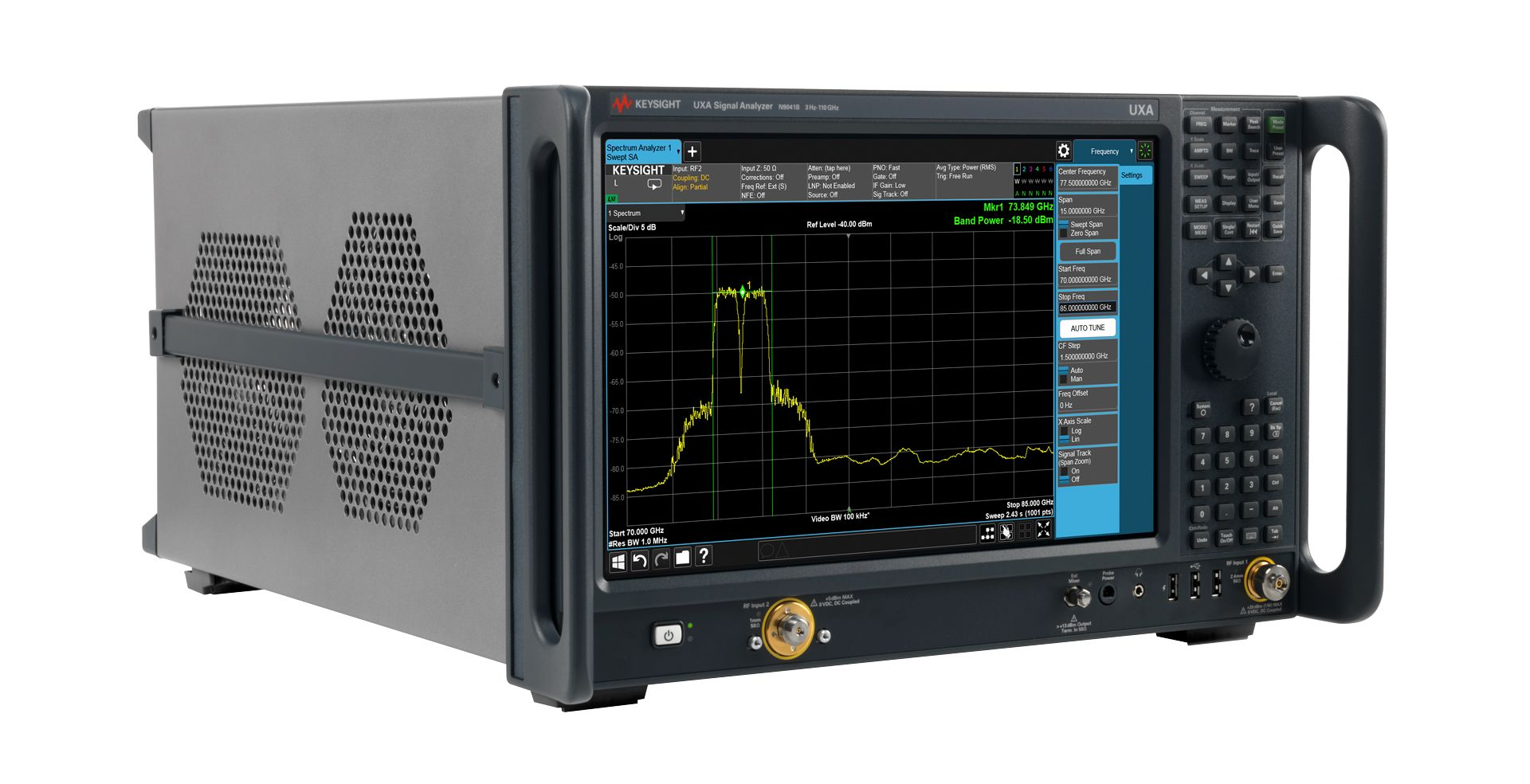
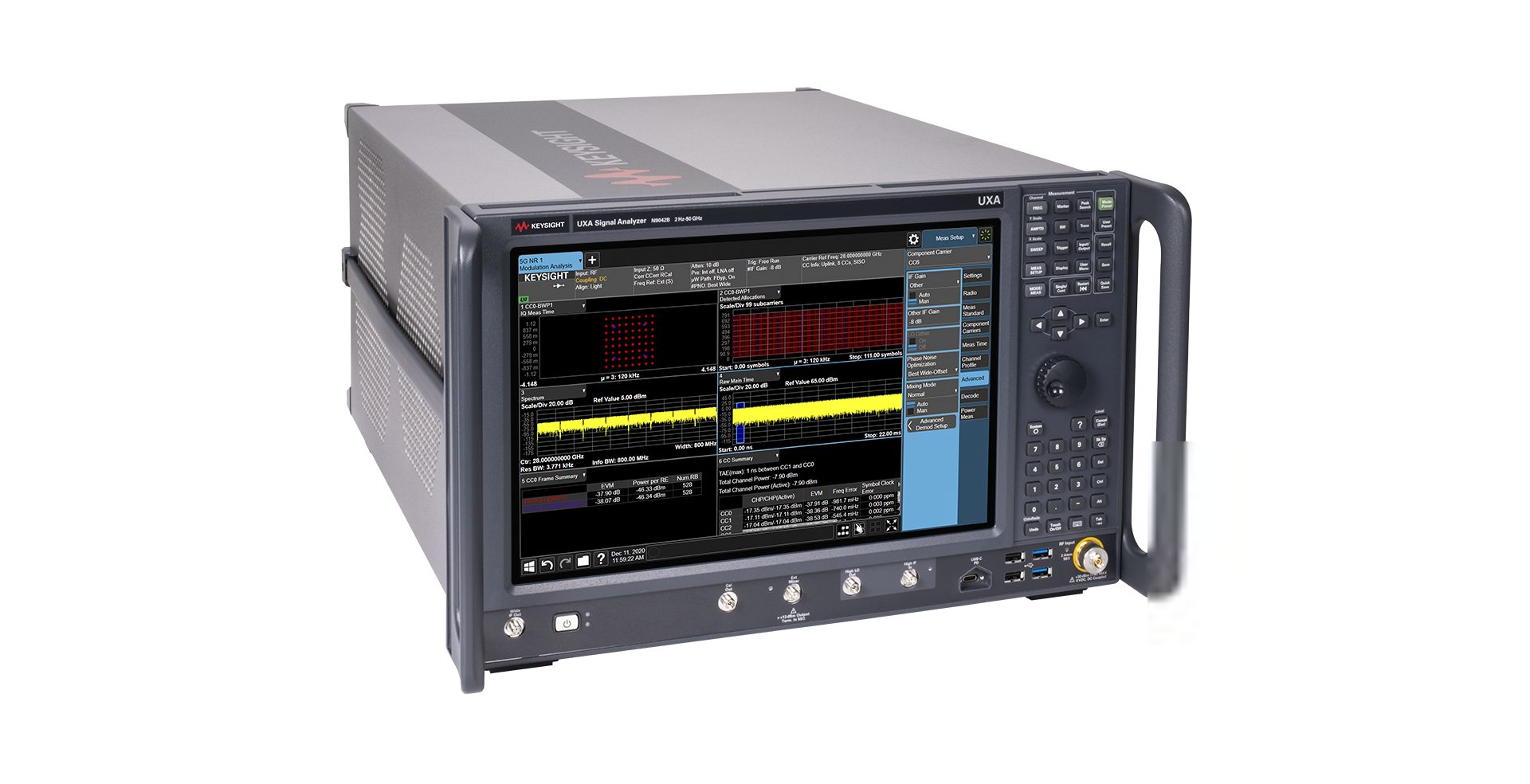
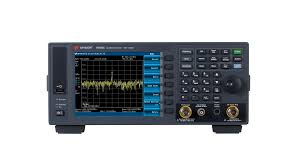
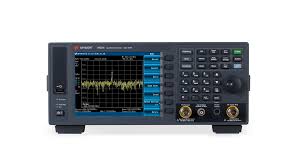
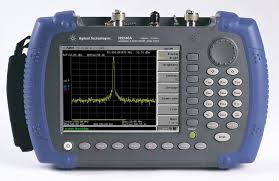
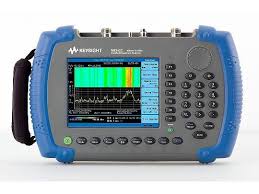
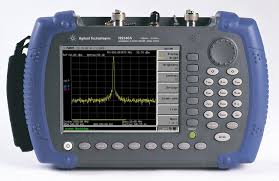
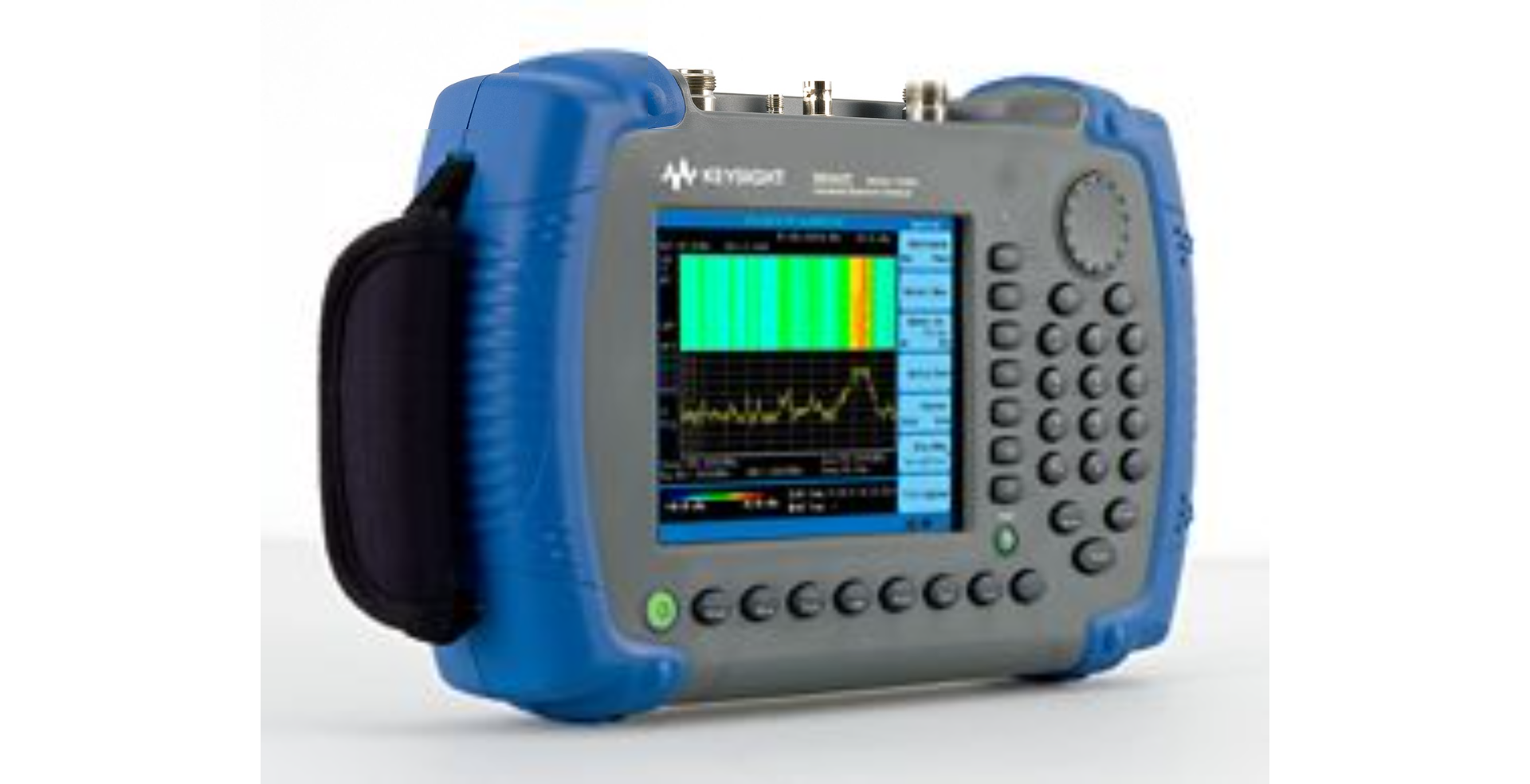
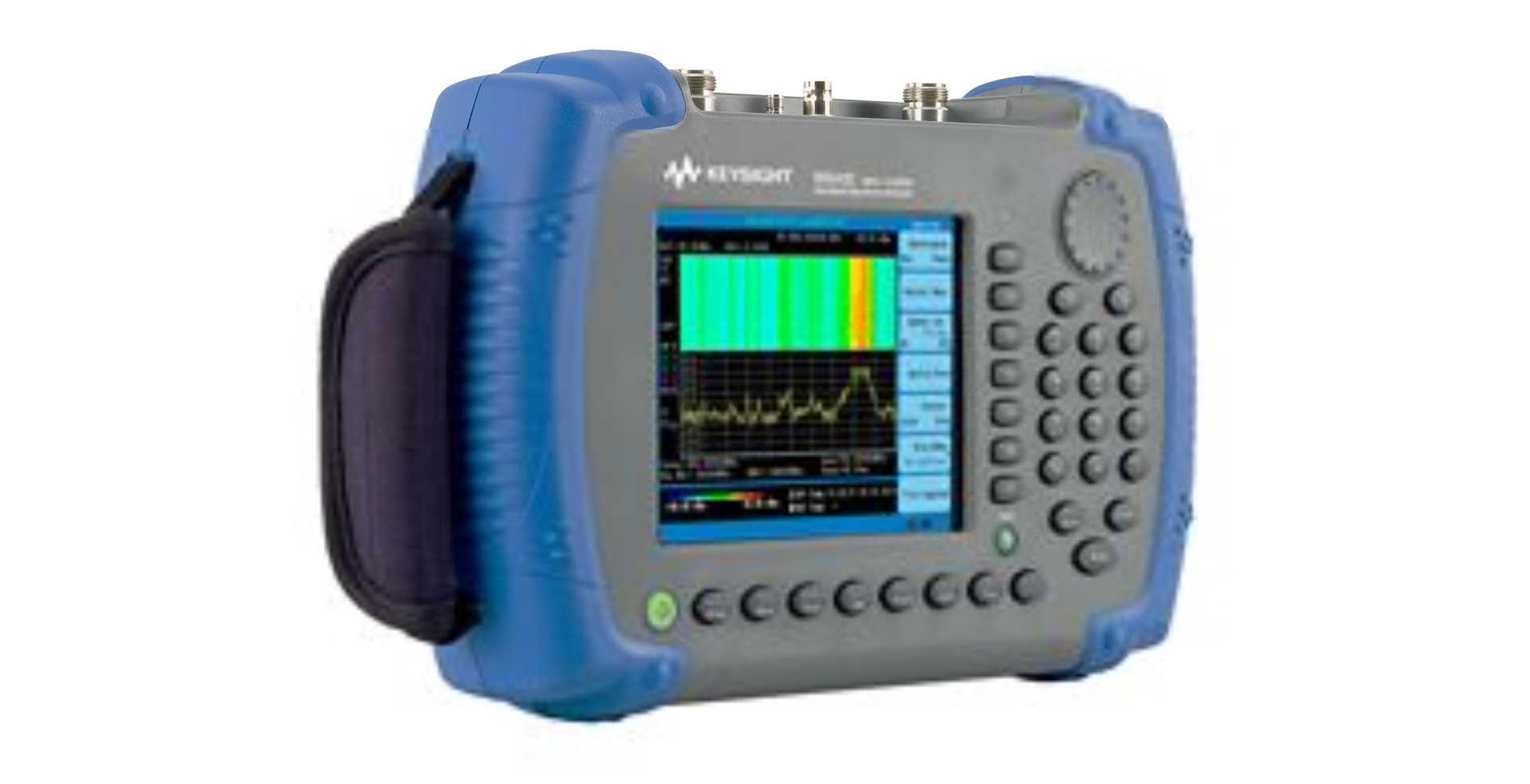
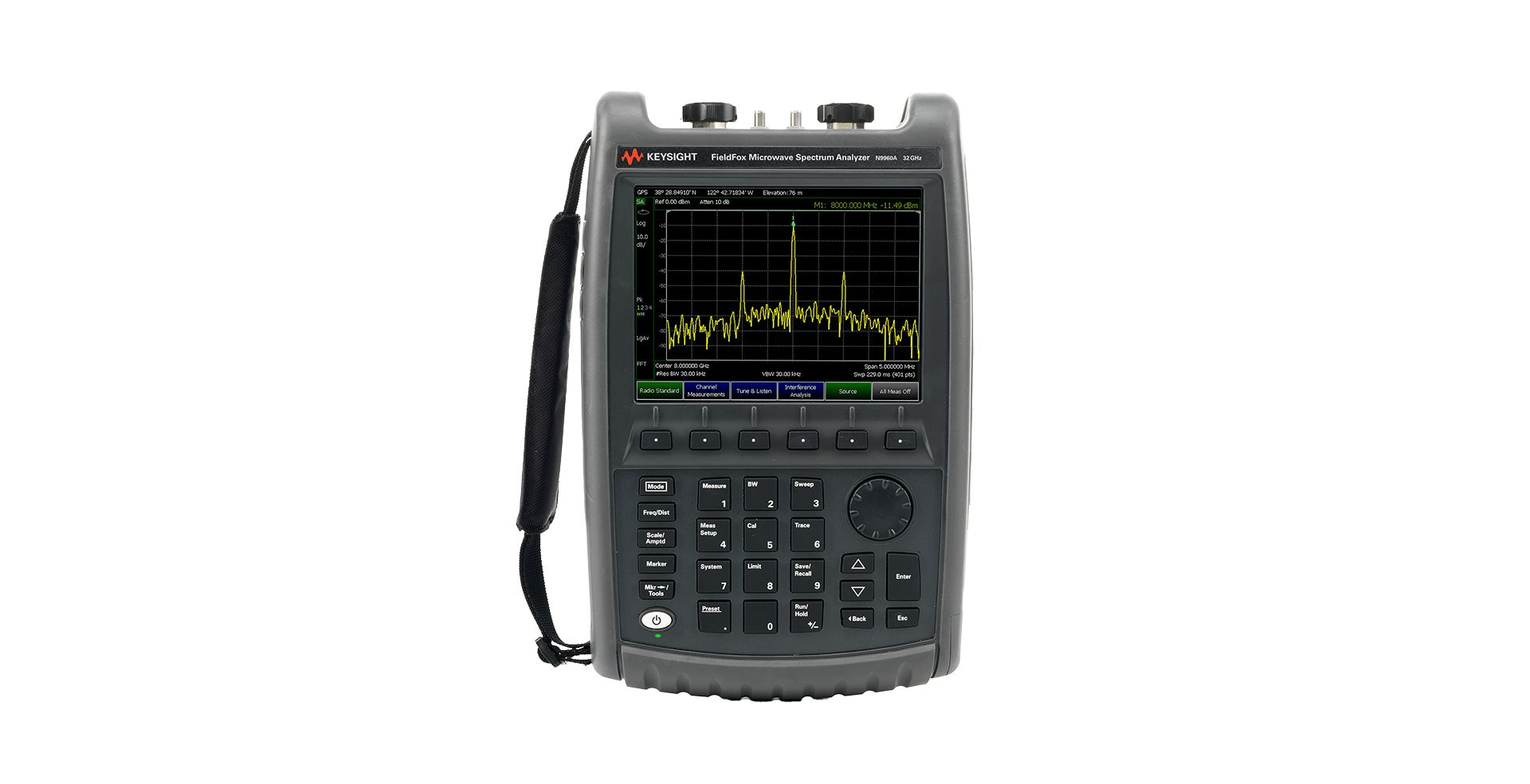
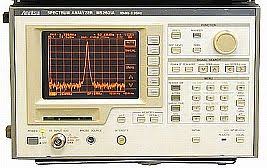
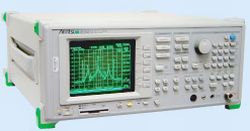
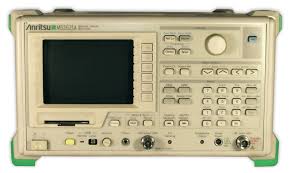
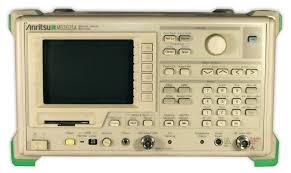
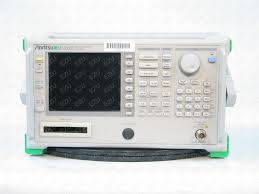
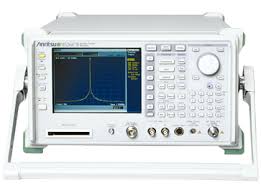
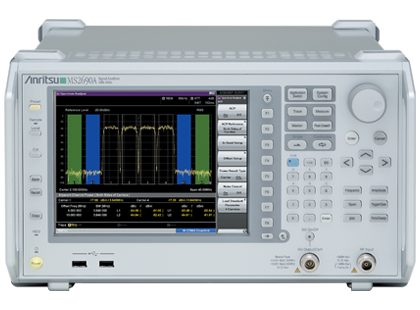
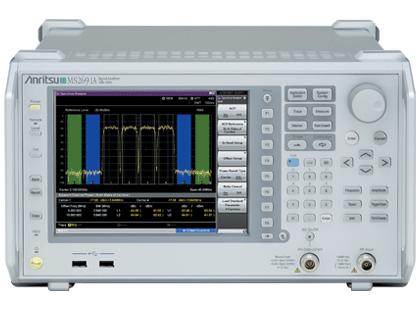
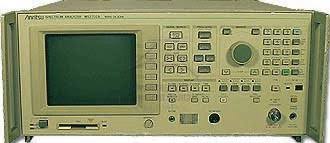
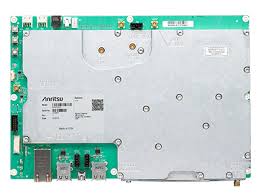
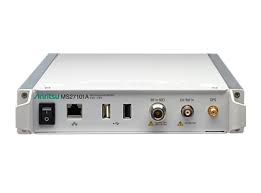
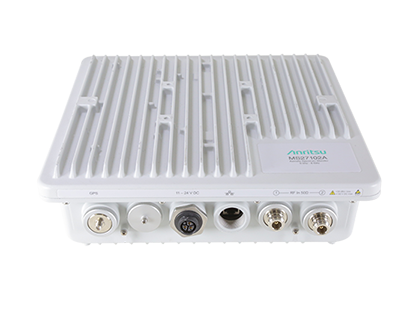
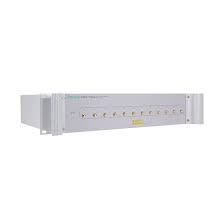
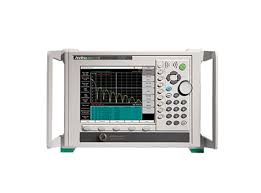
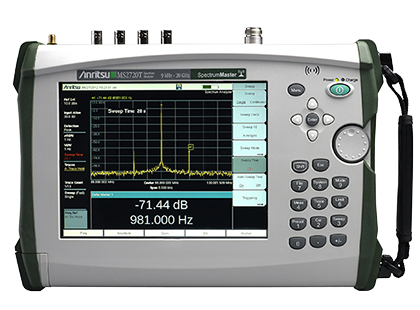
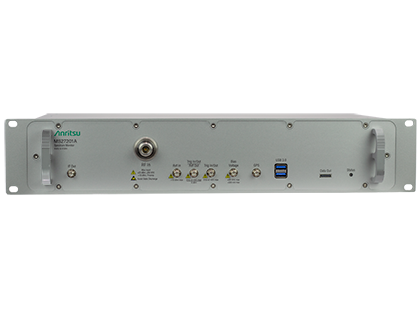
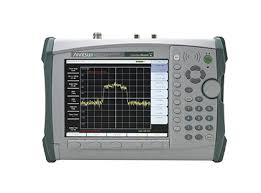
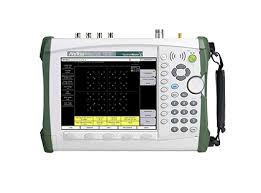
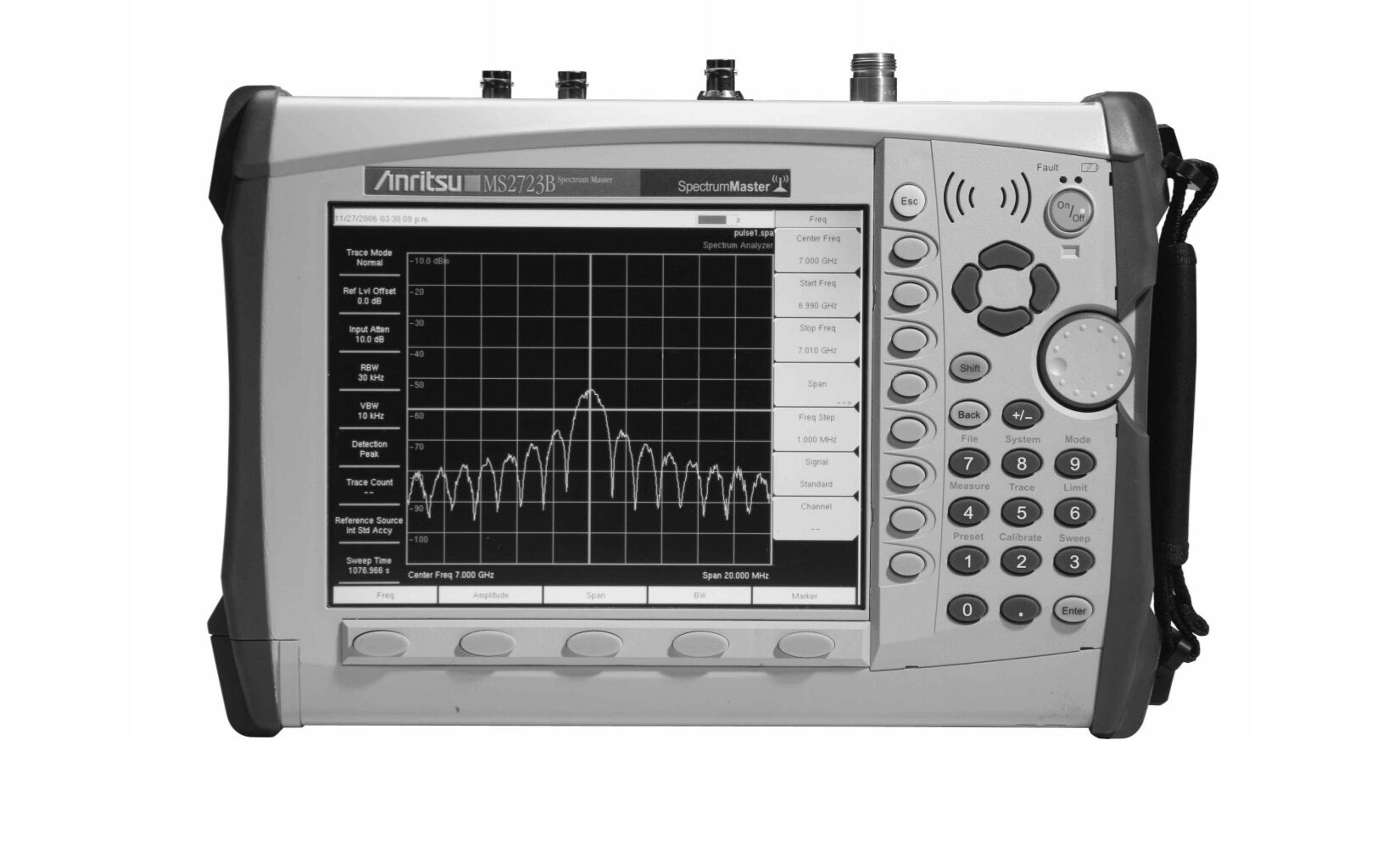
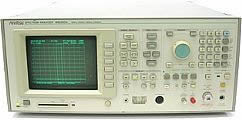
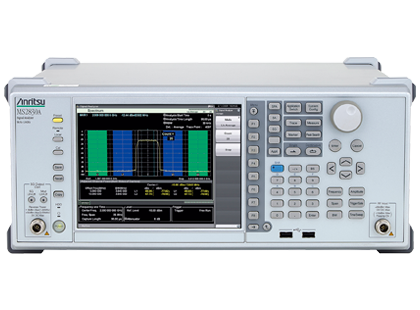
Anritsu spectrum analyzers (53 units)
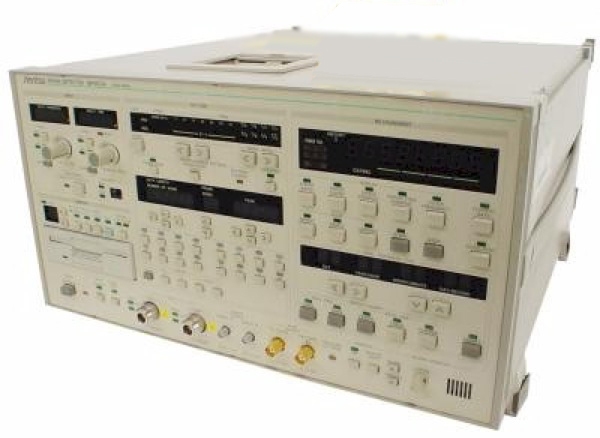
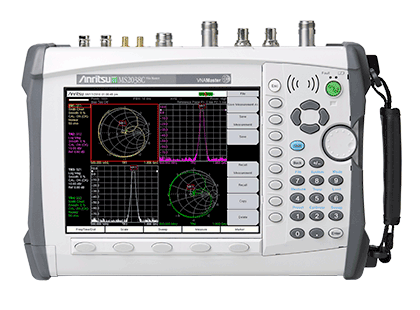
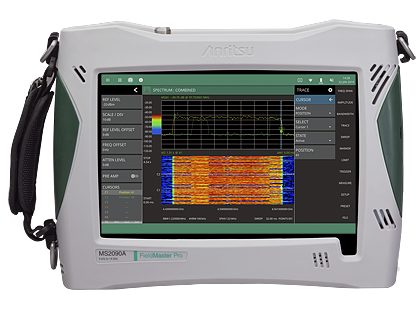
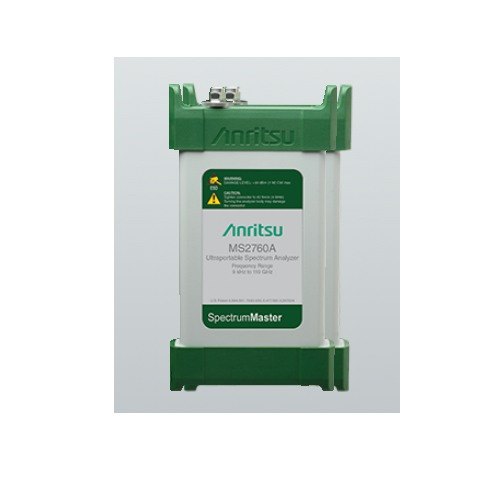
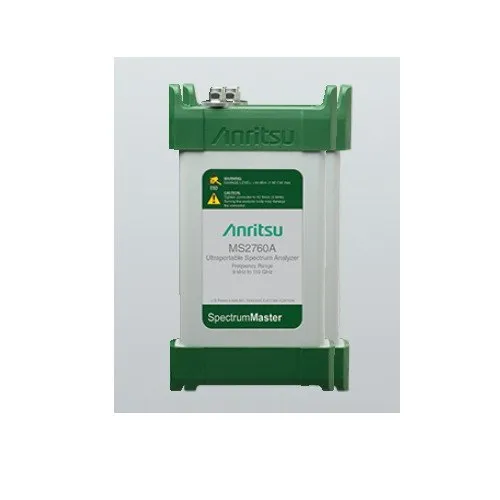
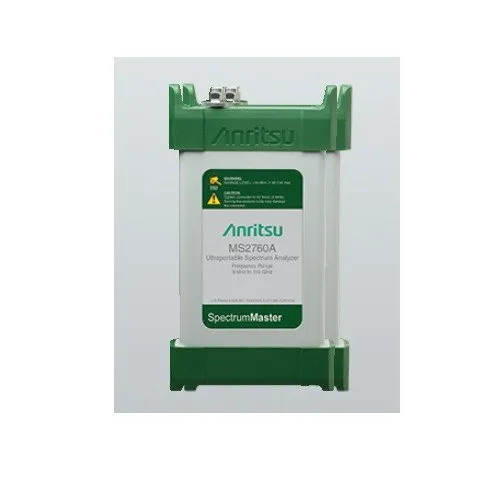
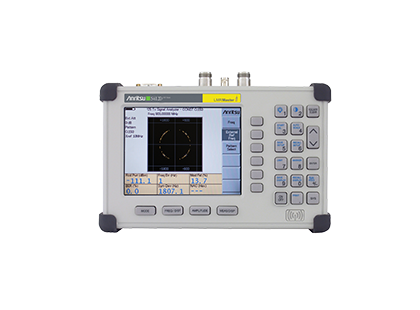
Avcom spectrum analyzers (3 units)
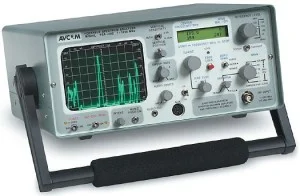
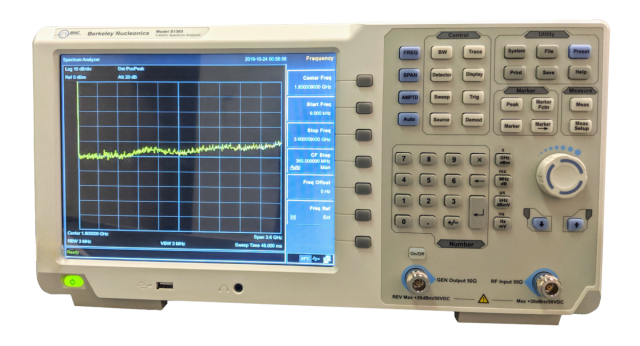
Berkeley Nucleonics spectrum analyzers (1 unit)
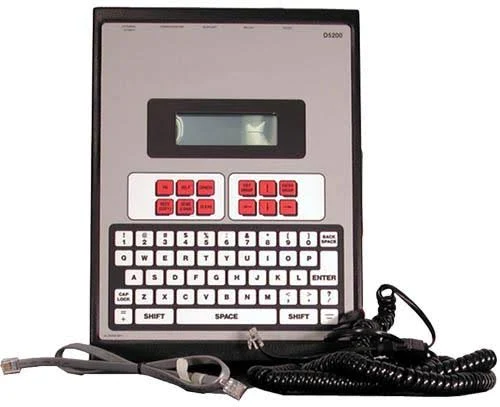
Bosch spectrum analyzers (1 unit)
Combinova spectrum analyzers (1 unit)
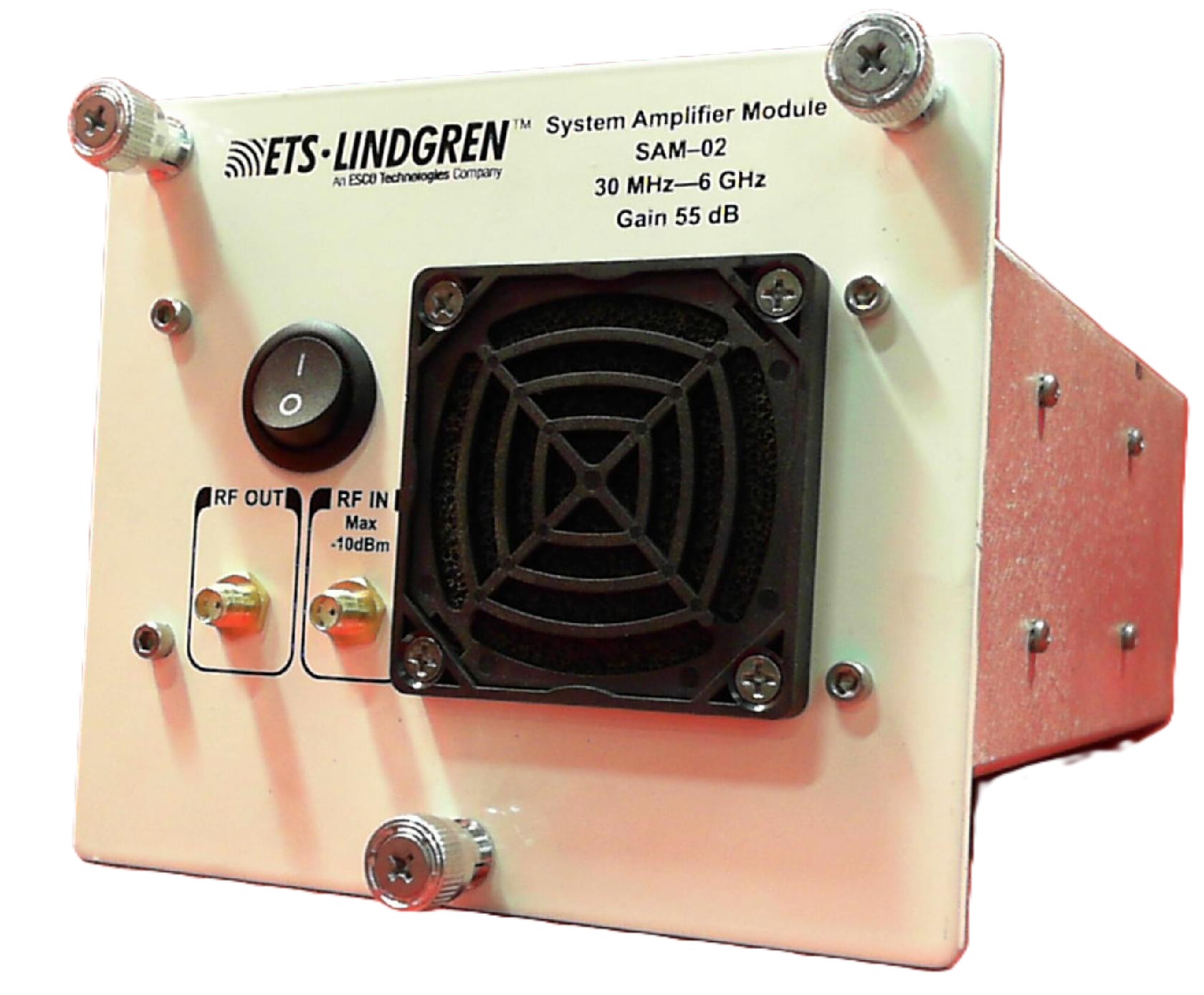
ETS spectrum analyzers (1 unit)
Electro-Metrics spectrum analyzers (1 unit)
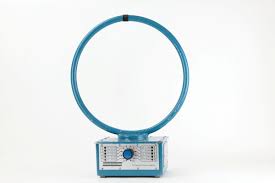
Exlar spectrum analyzers (1 unit)
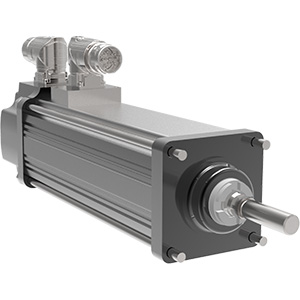
Fluke Networks spectrum analyzers (1 unit)
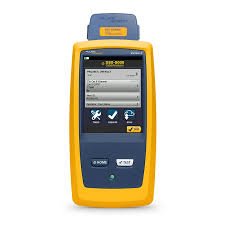
Gooch & Housego / NEOS spectrum analyzers (1 unit)
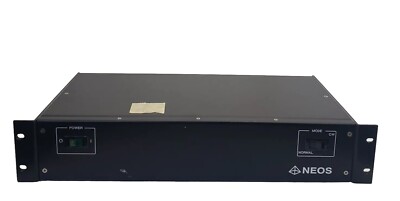
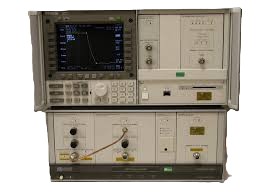
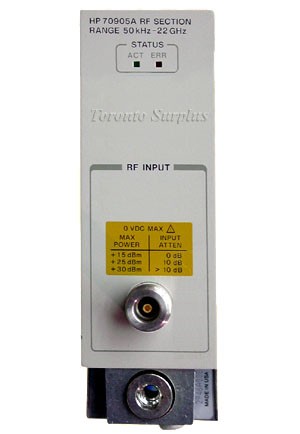
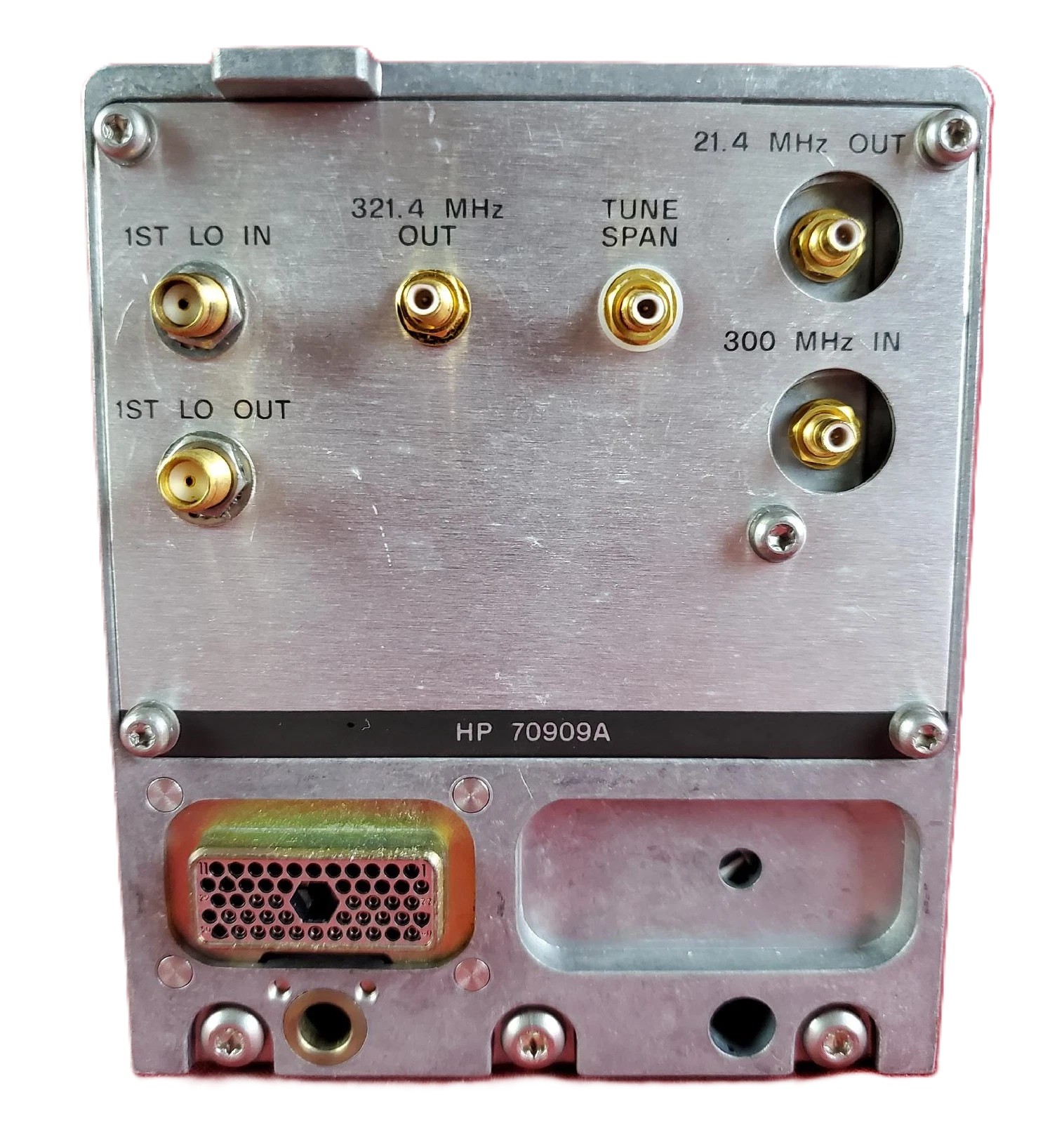
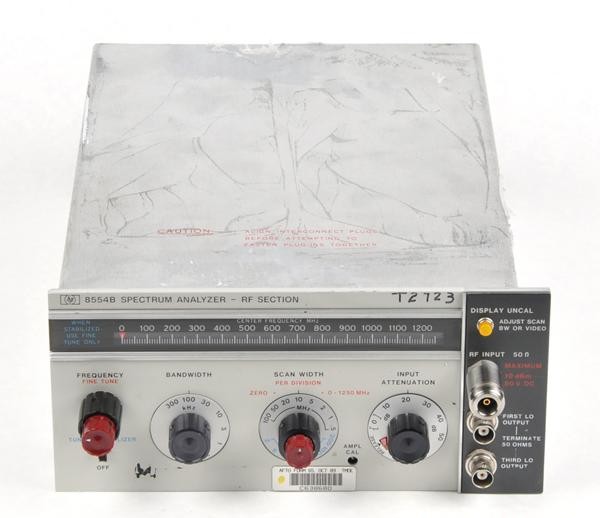
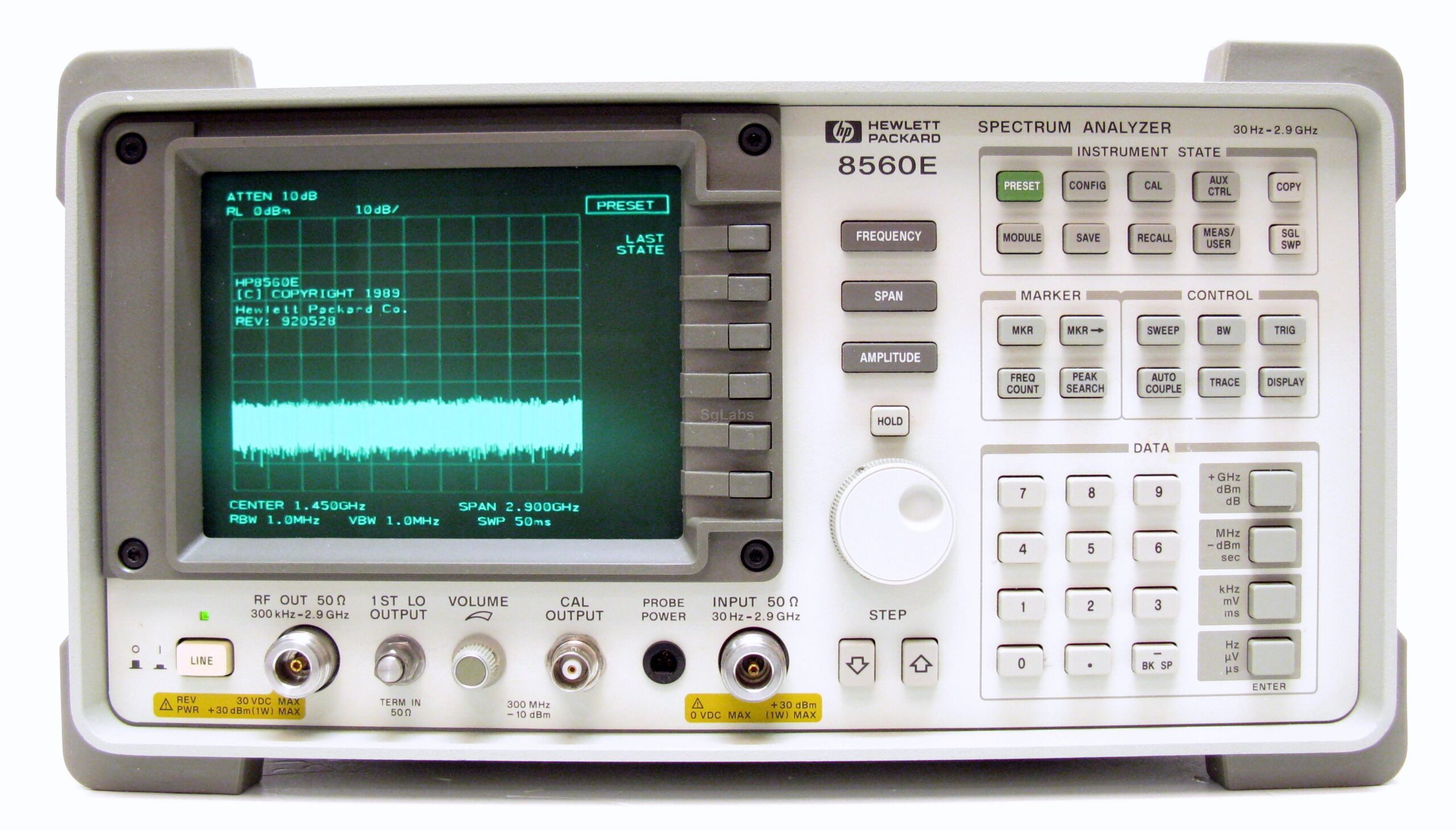
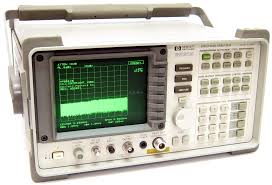
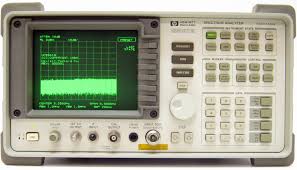
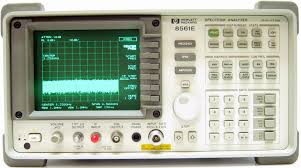
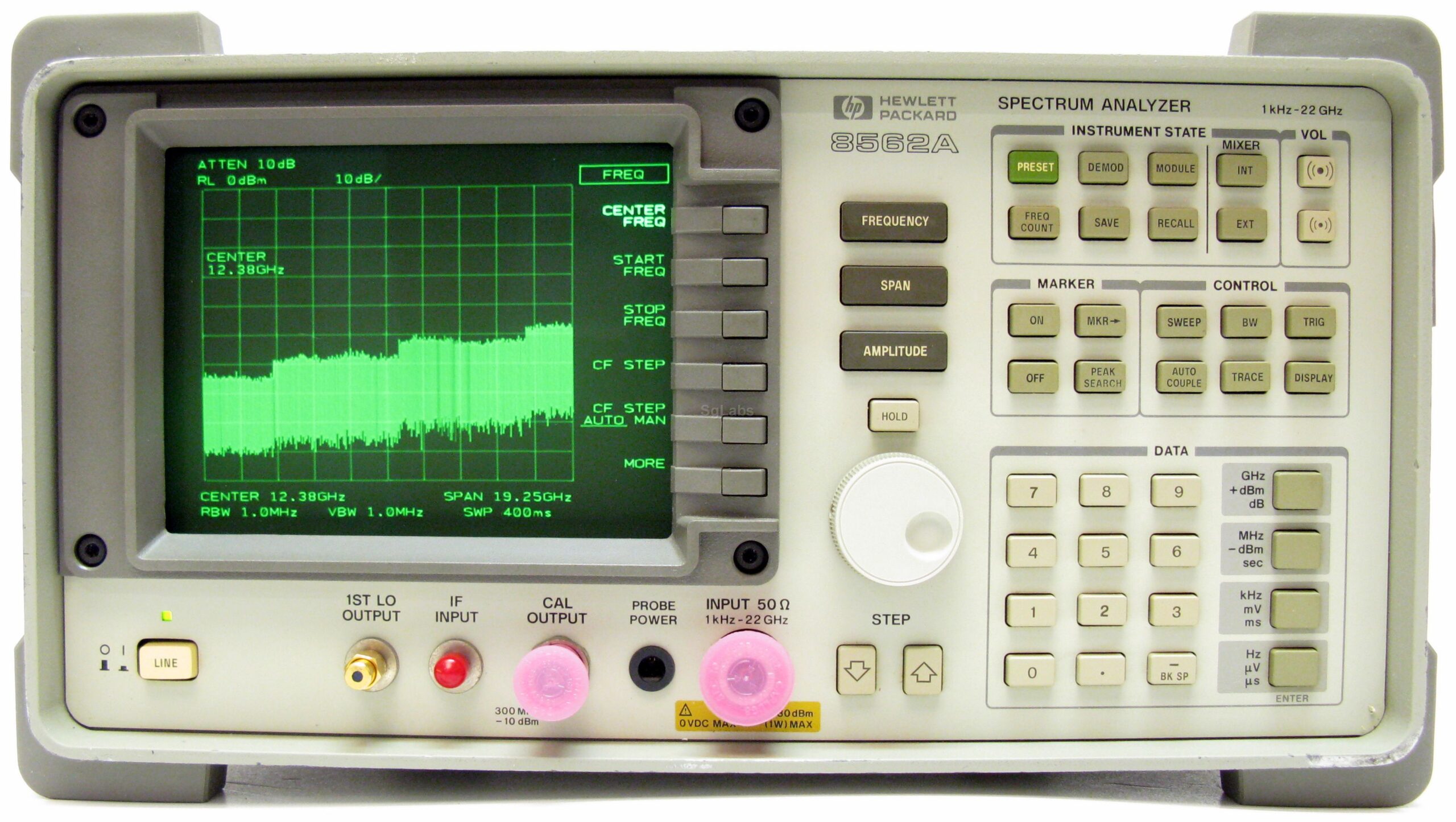
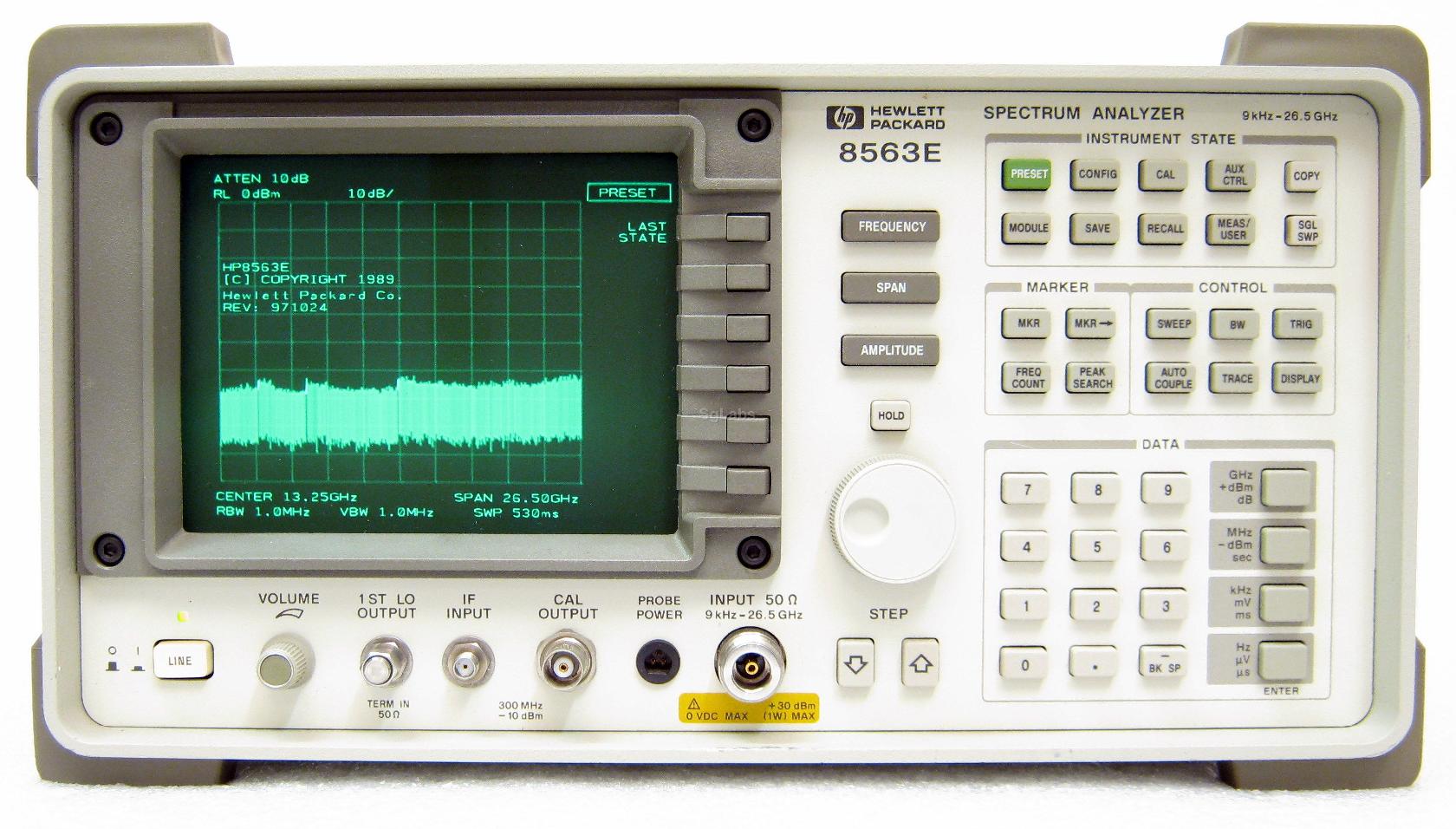
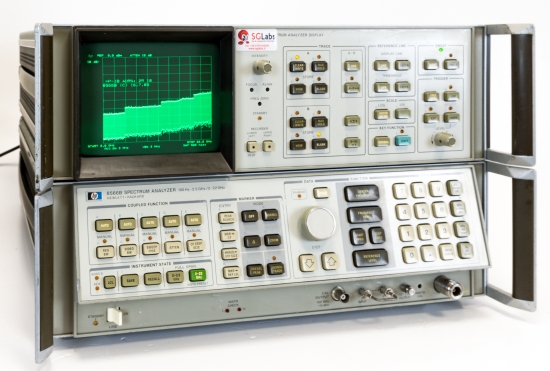
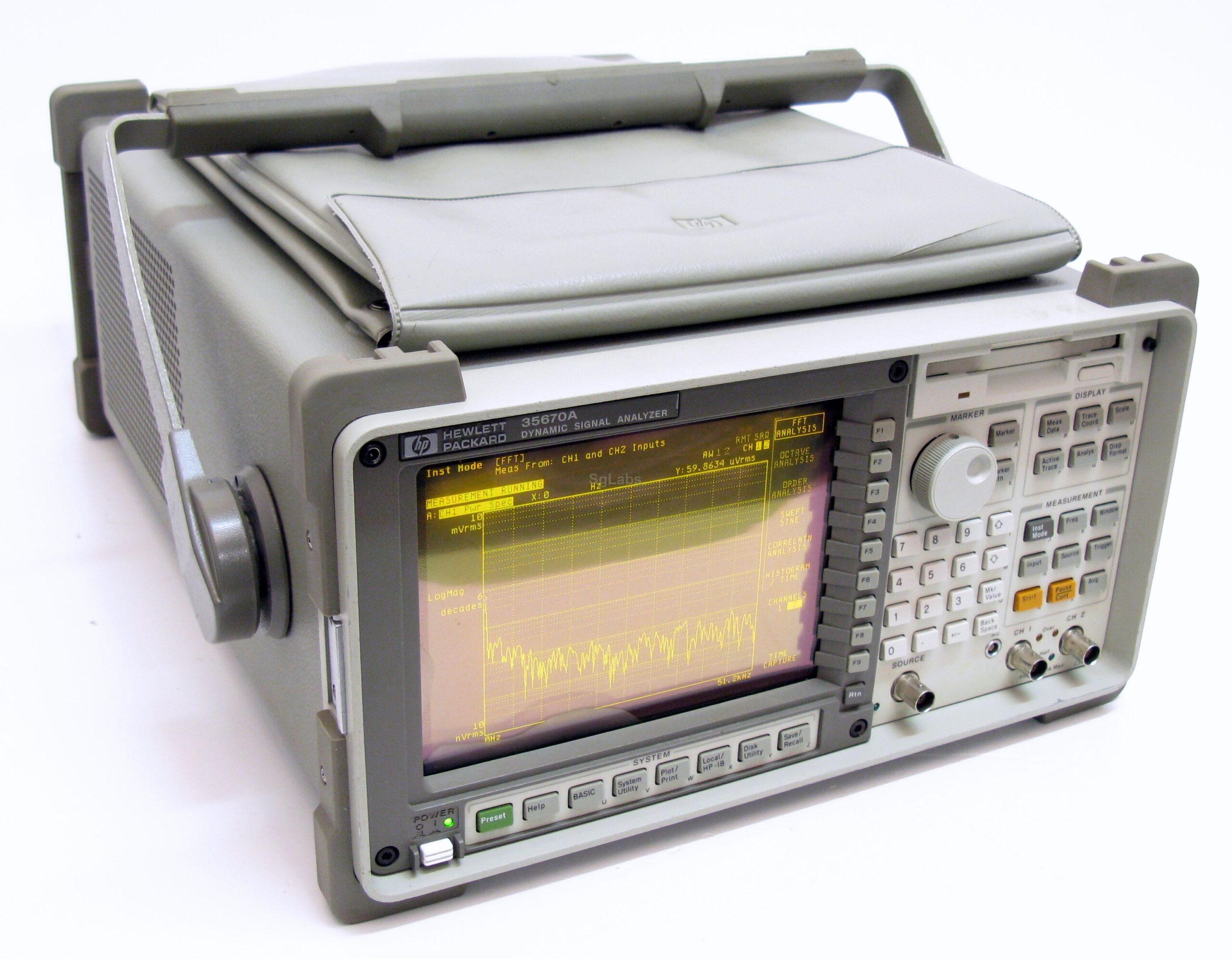
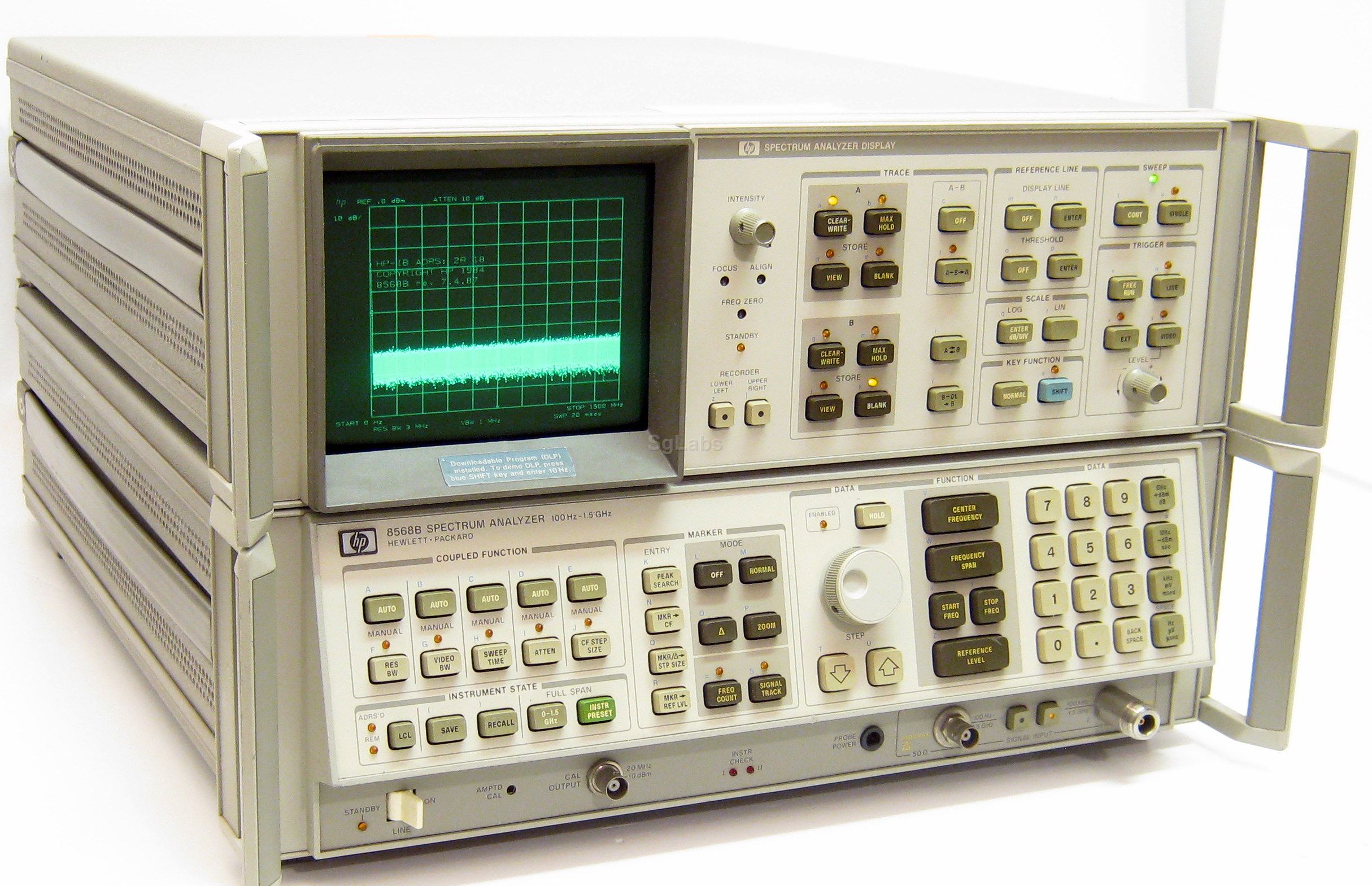
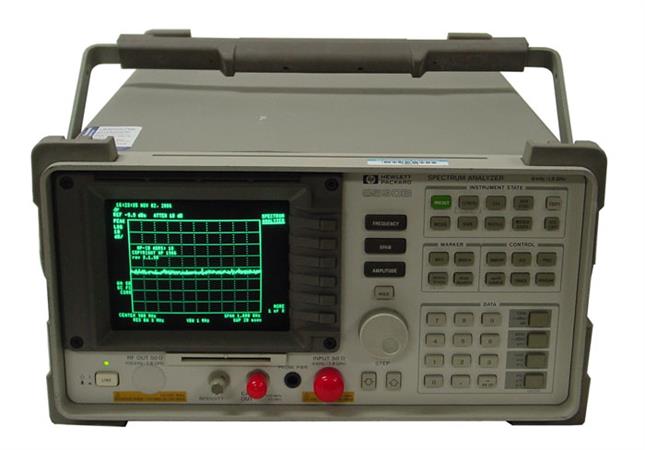
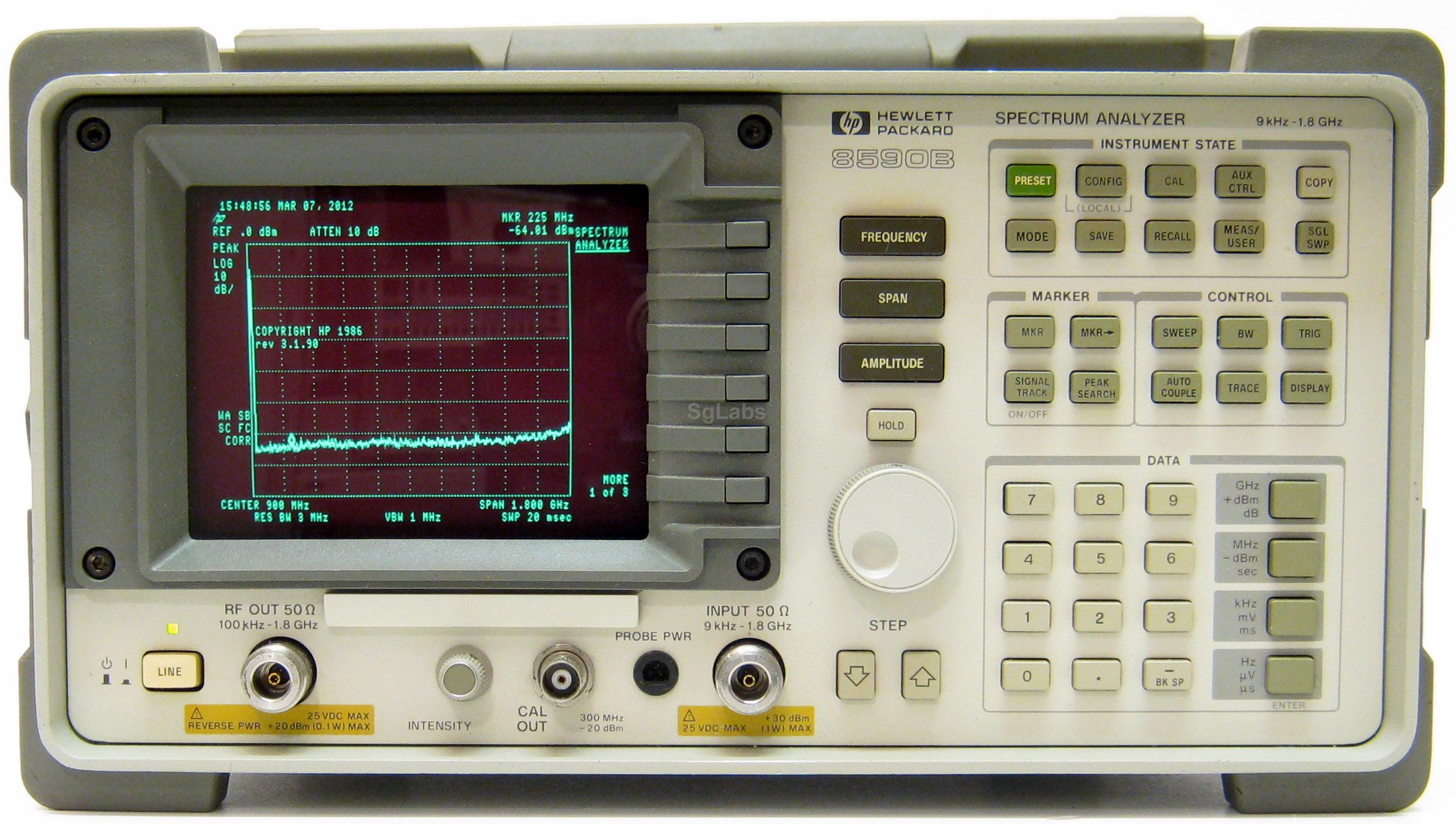
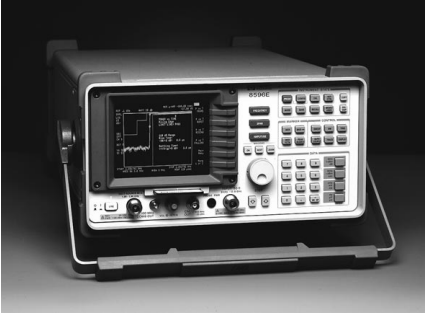
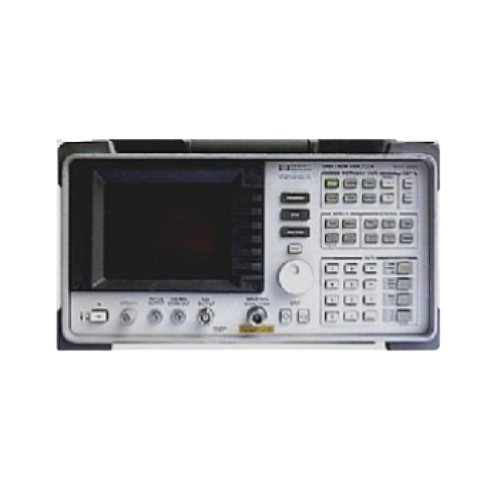
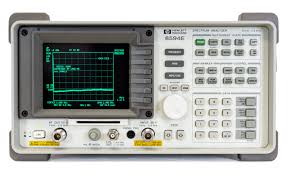
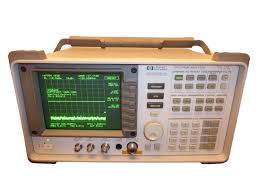
HP spectrum analyzers (82 units)
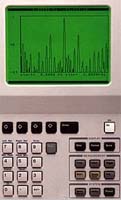
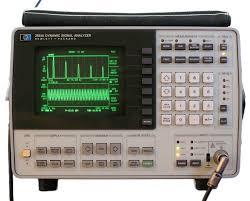
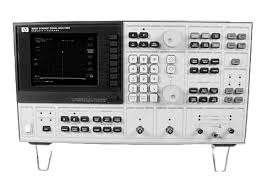
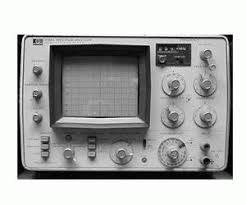
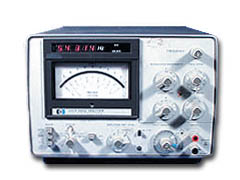
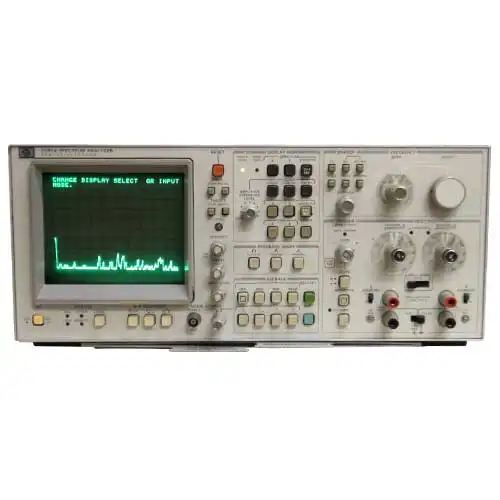
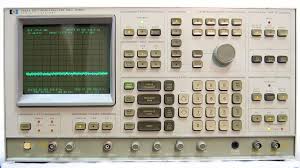
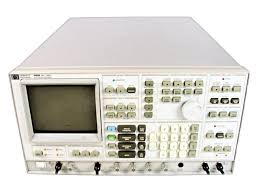
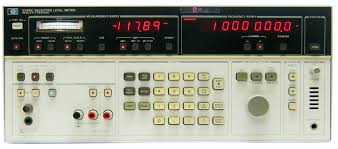
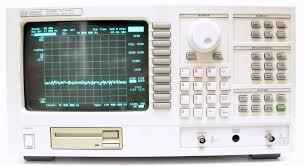
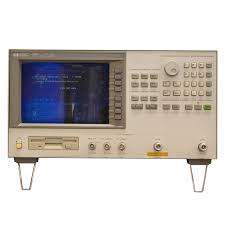
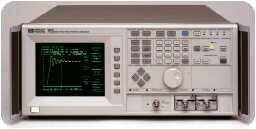
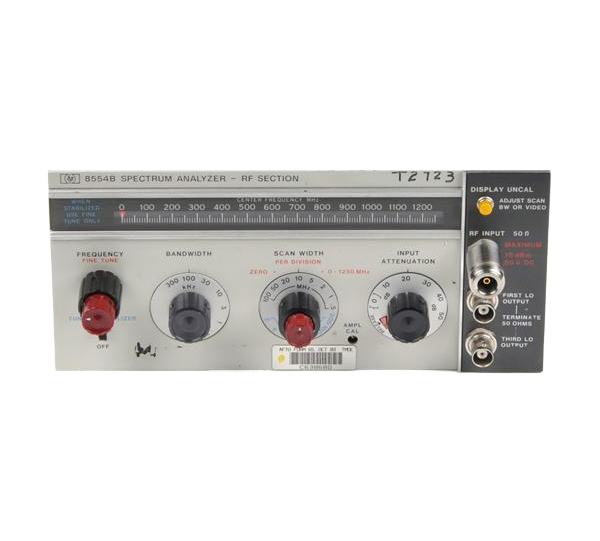
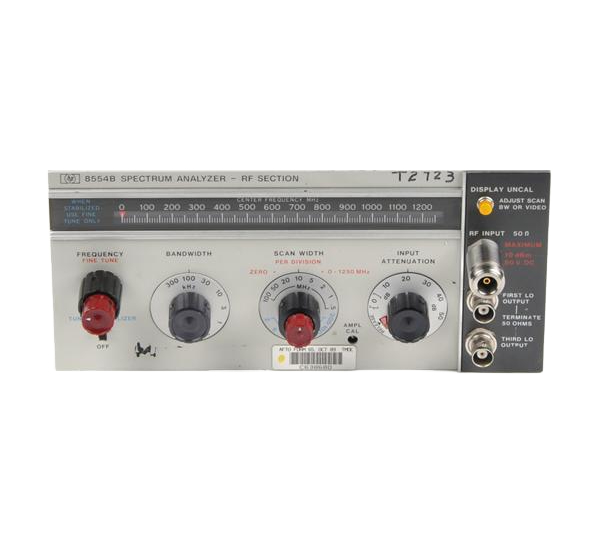
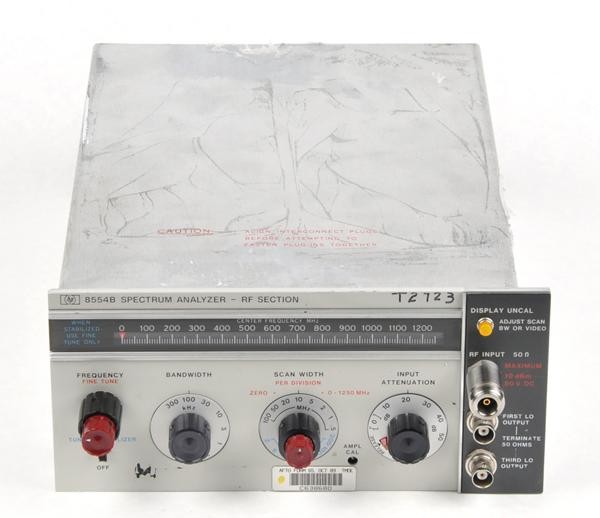
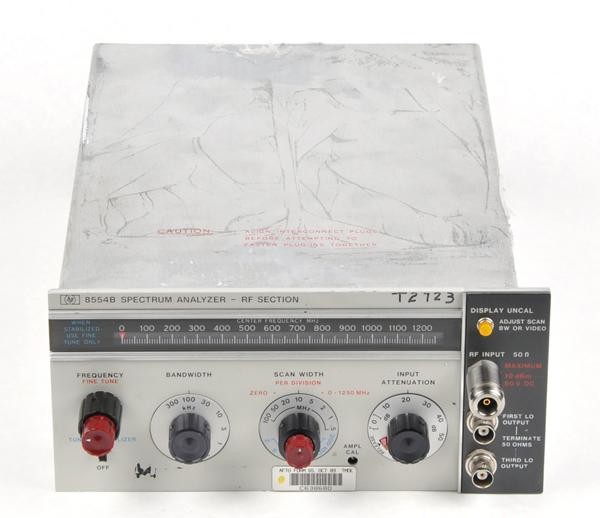
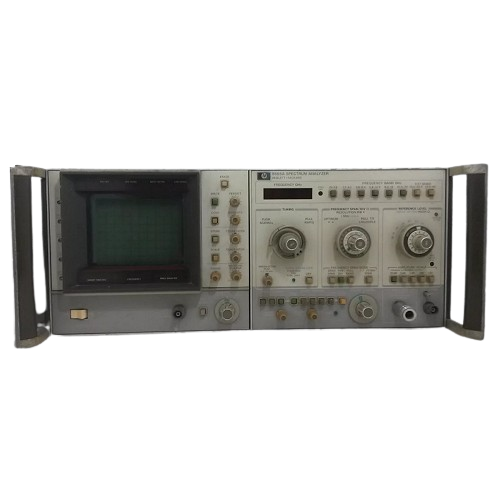
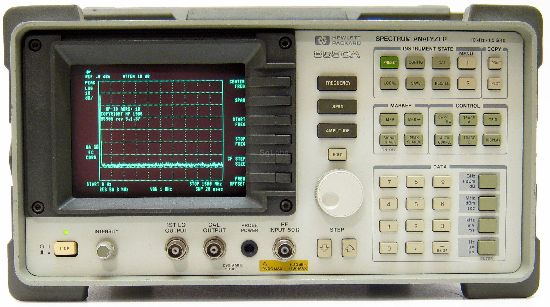
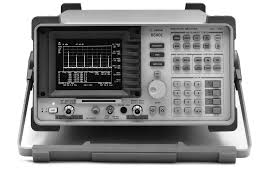
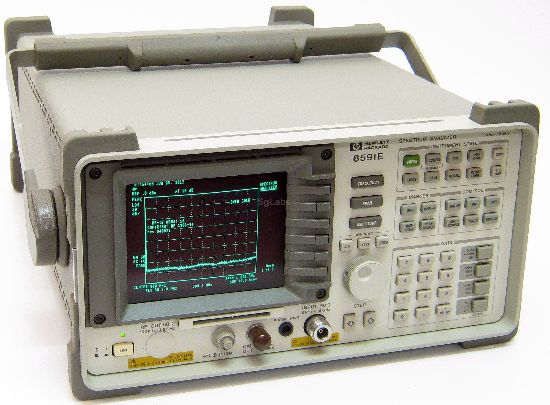
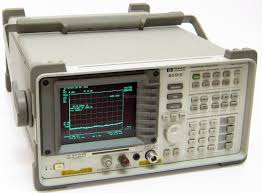
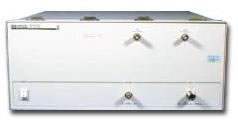
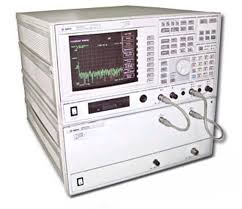
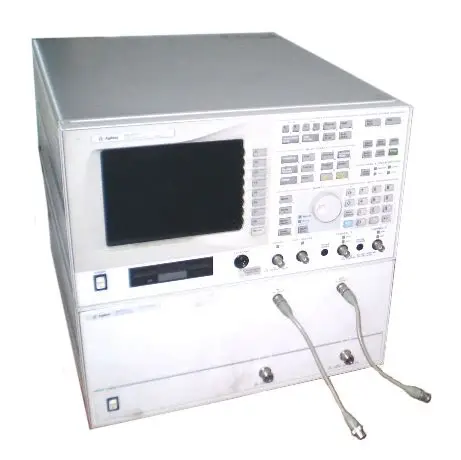
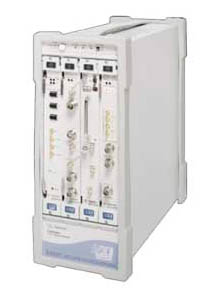
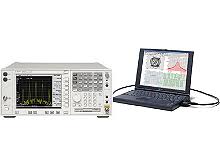
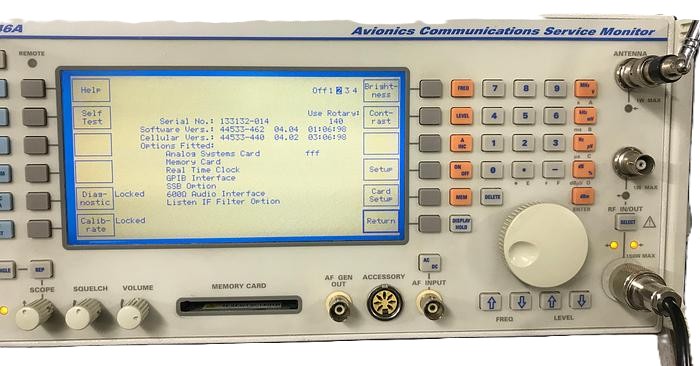
IFR/Marconi spectrum analyzers (4 units)
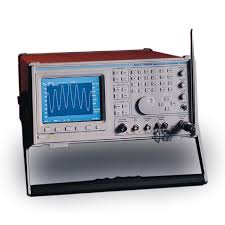
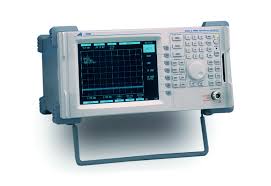
JDSU spectrum analyzers (2 units)
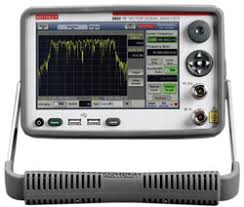
Keithley spectrum analyzers (1 unit)
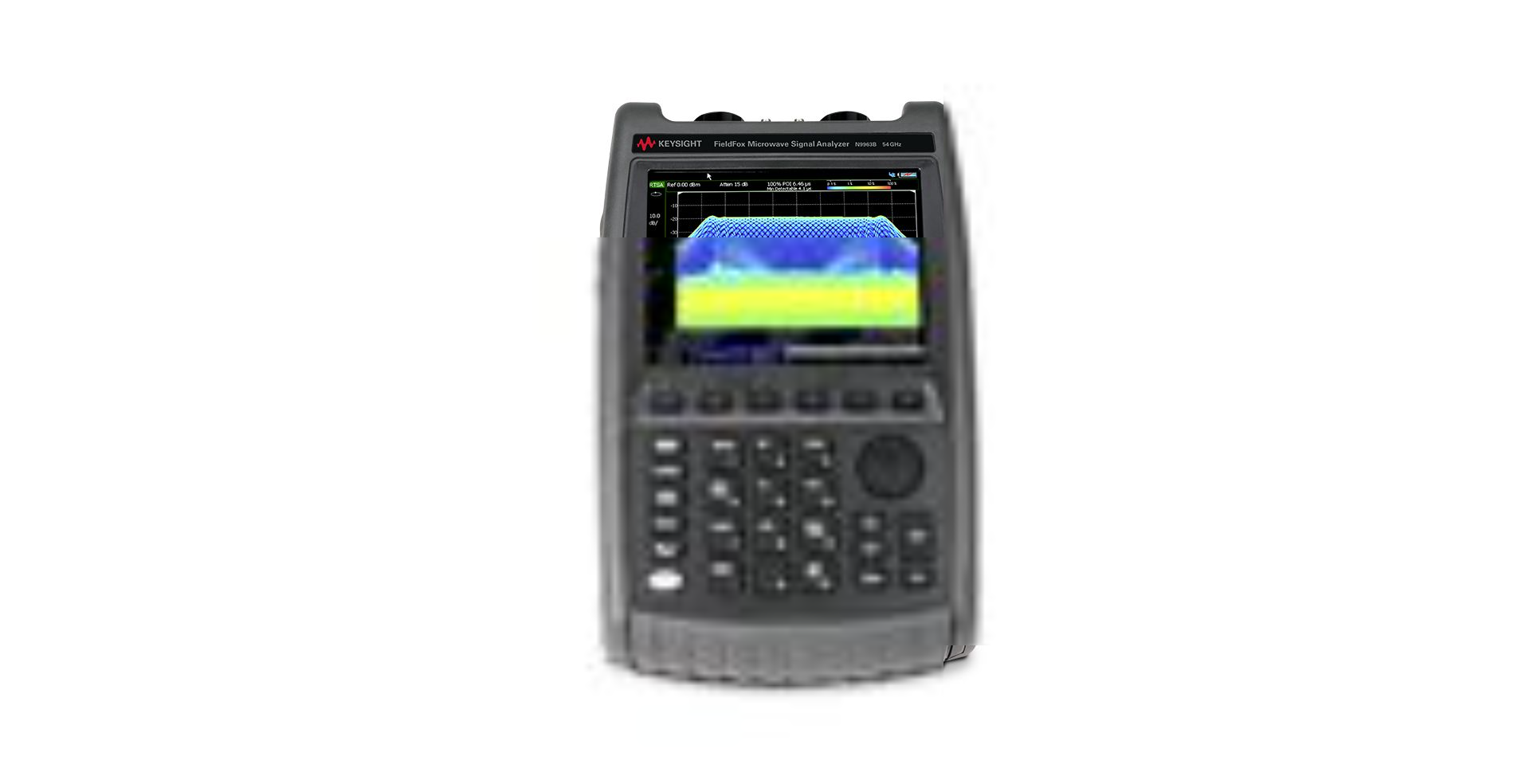
Keysight spectrum analyzers (33 units)
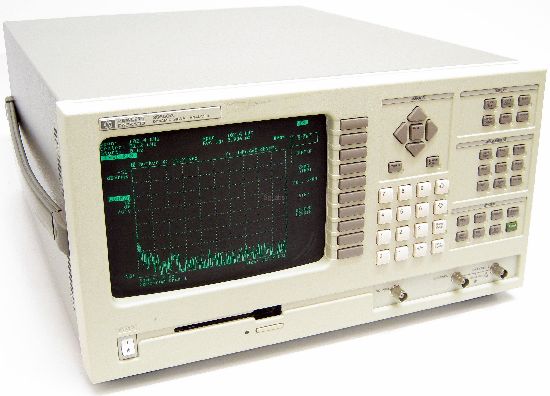
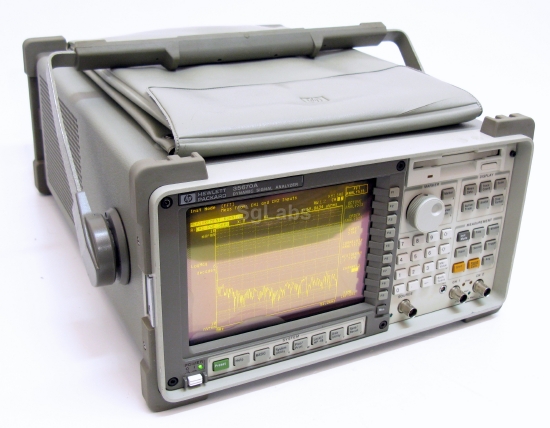
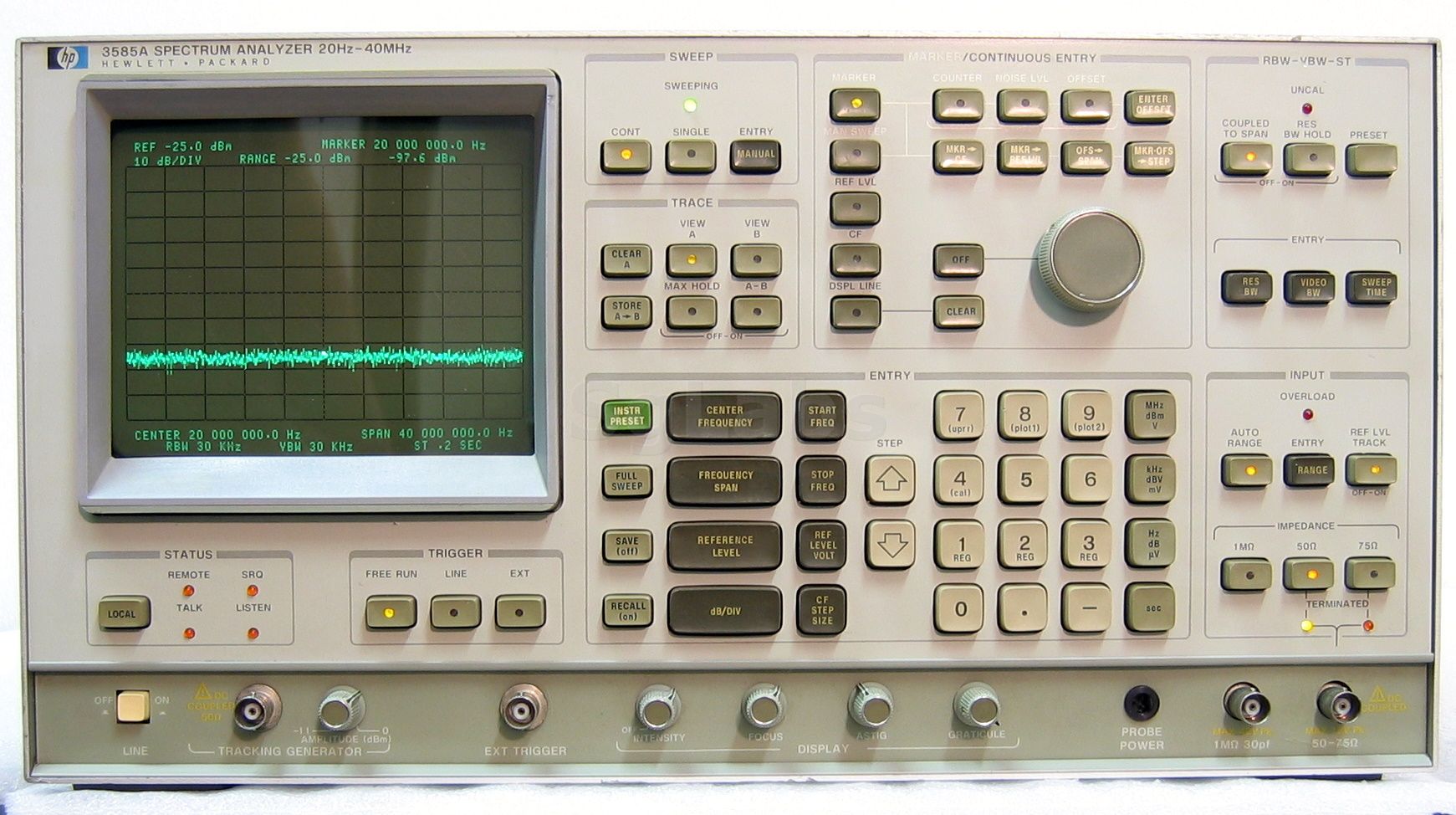
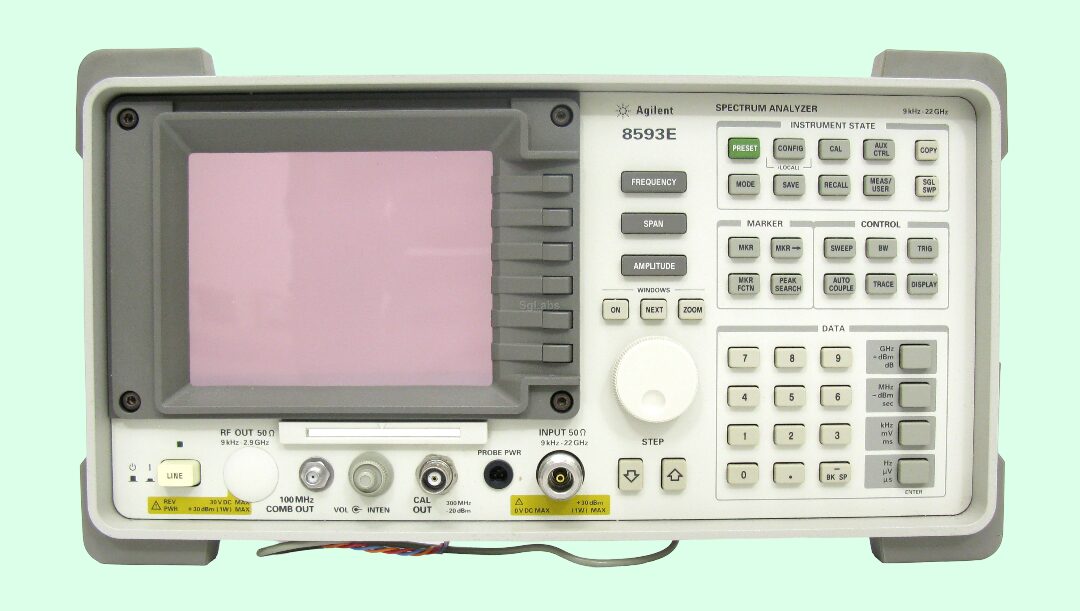
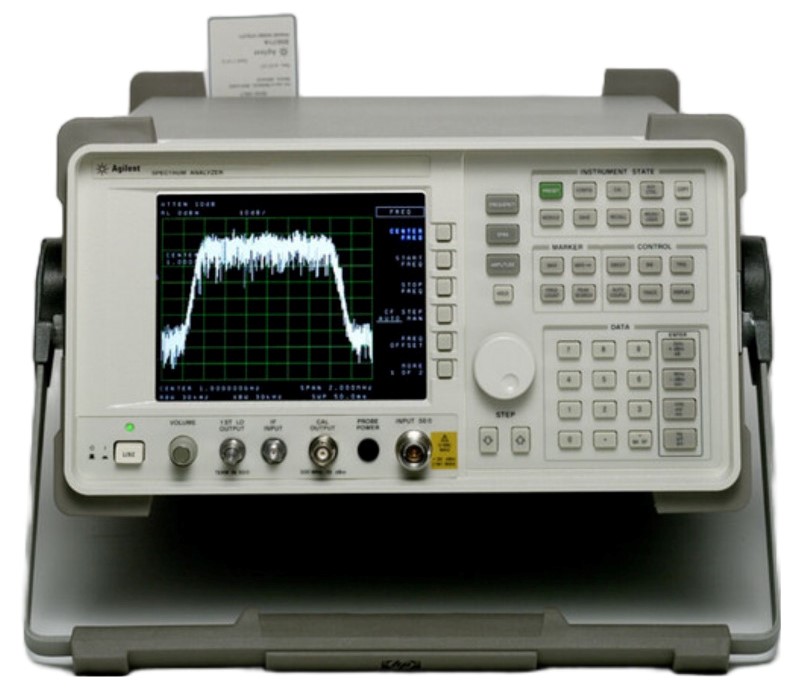
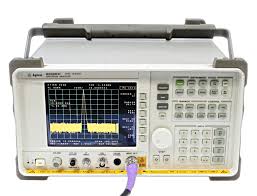
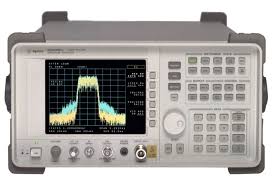
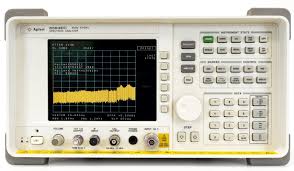
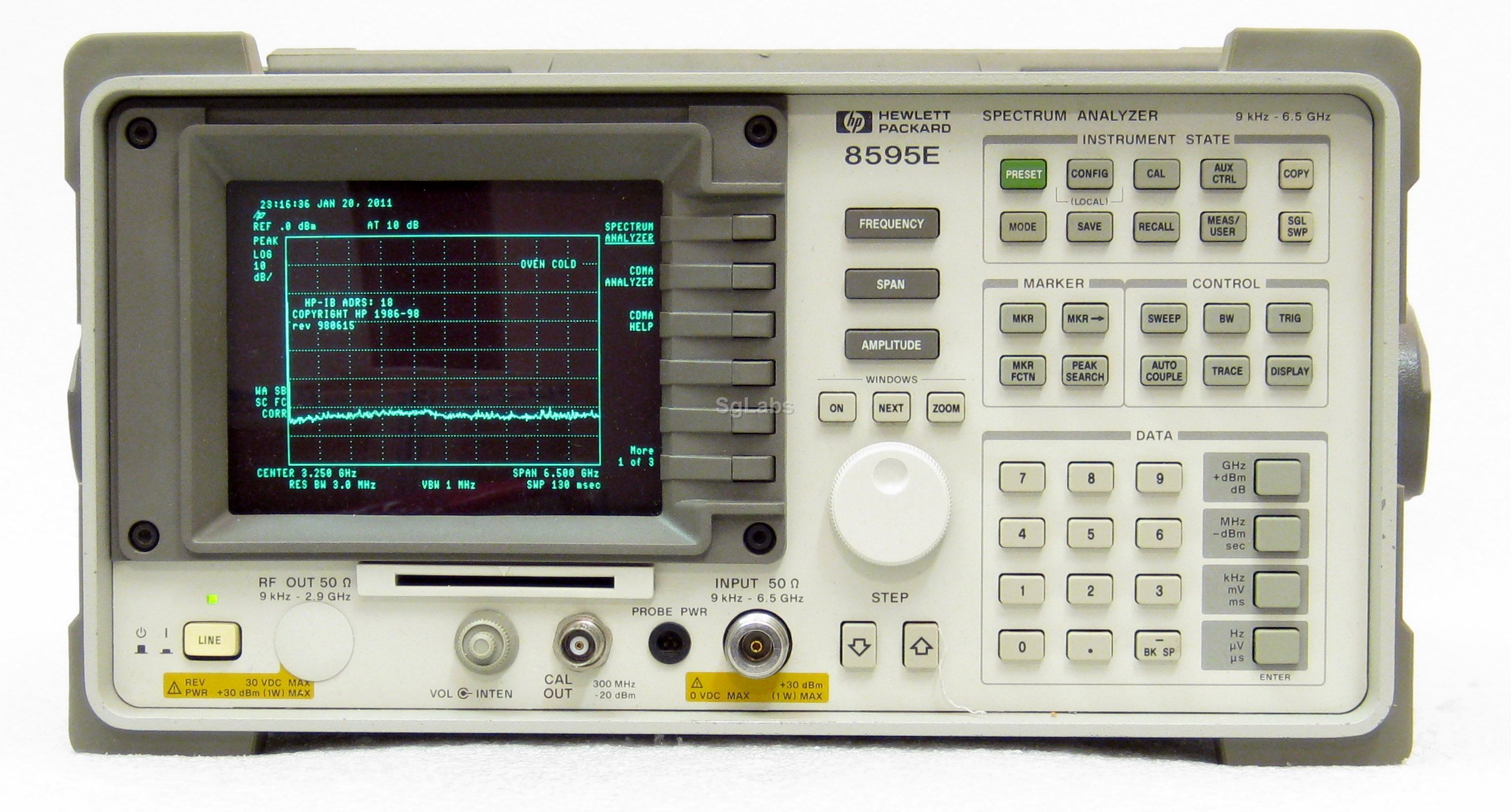
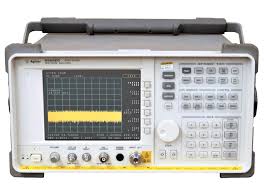
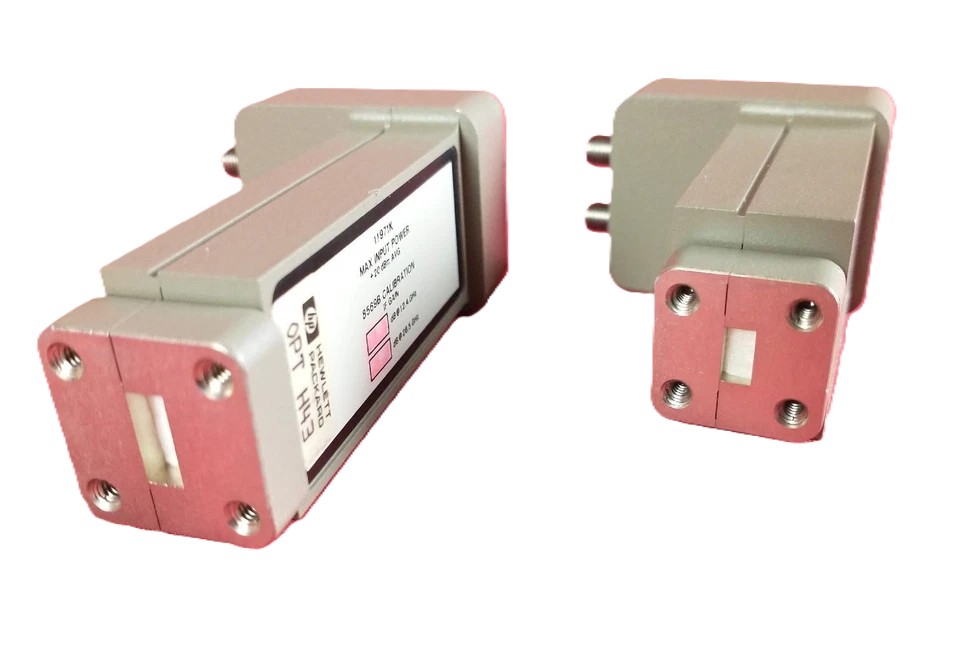
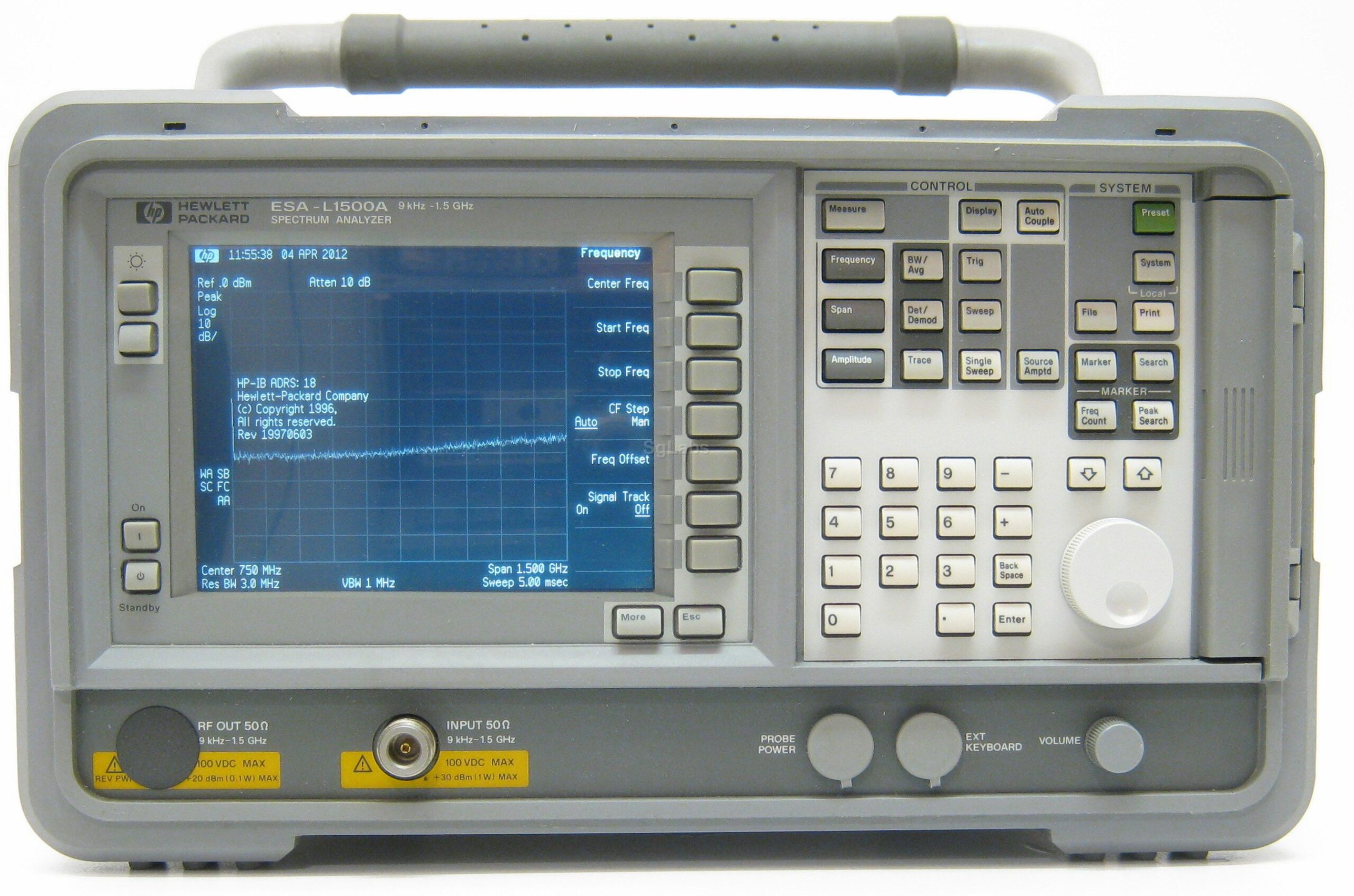
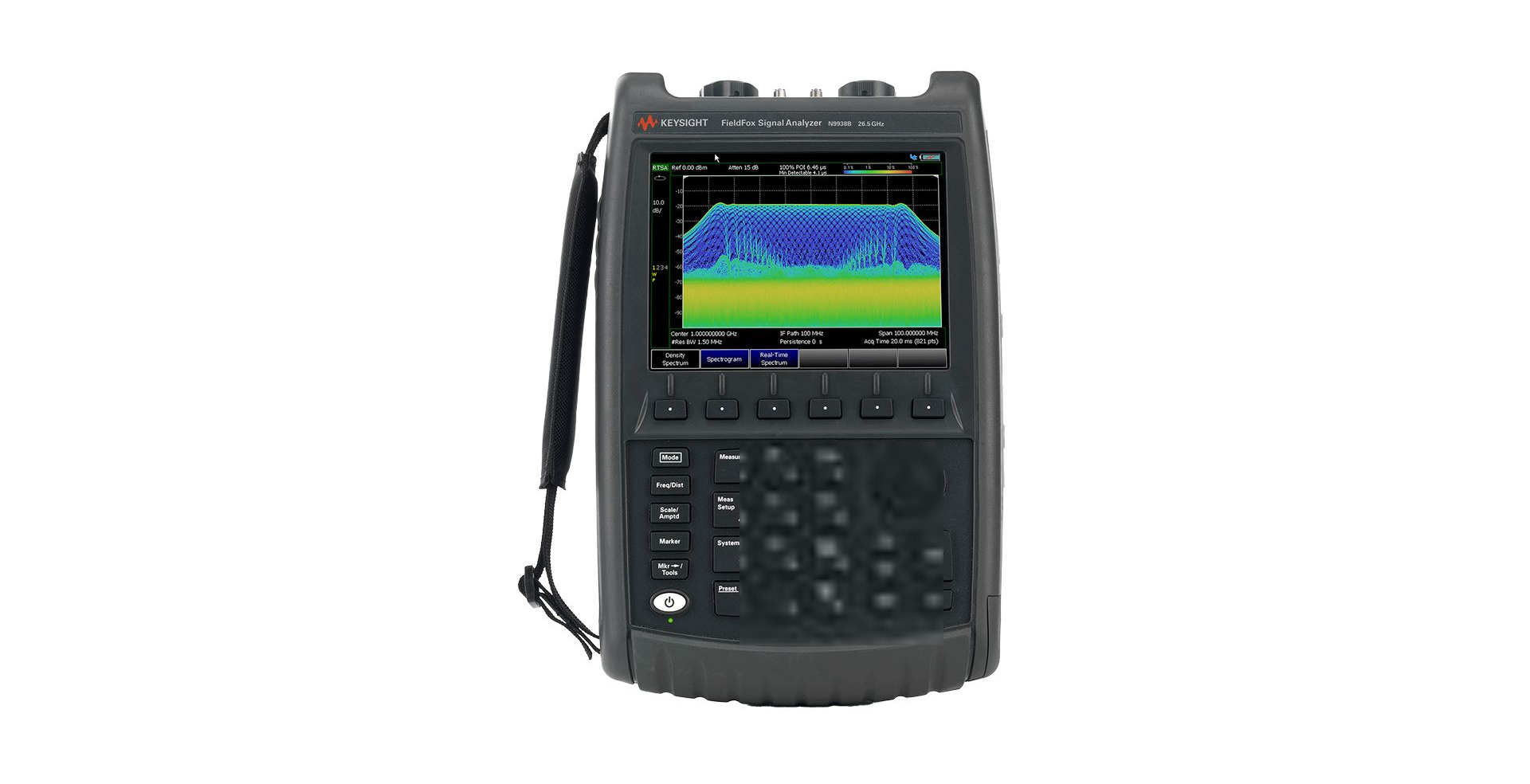
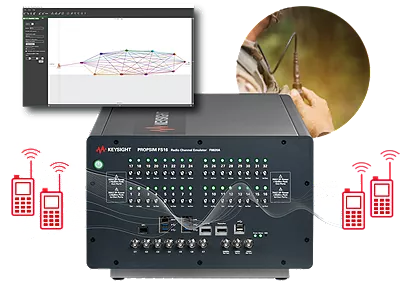
Marconi / IFR / Aeroflex spectrum analyzers (2 units)
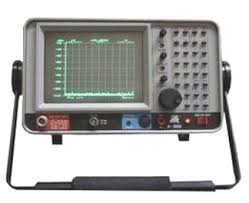
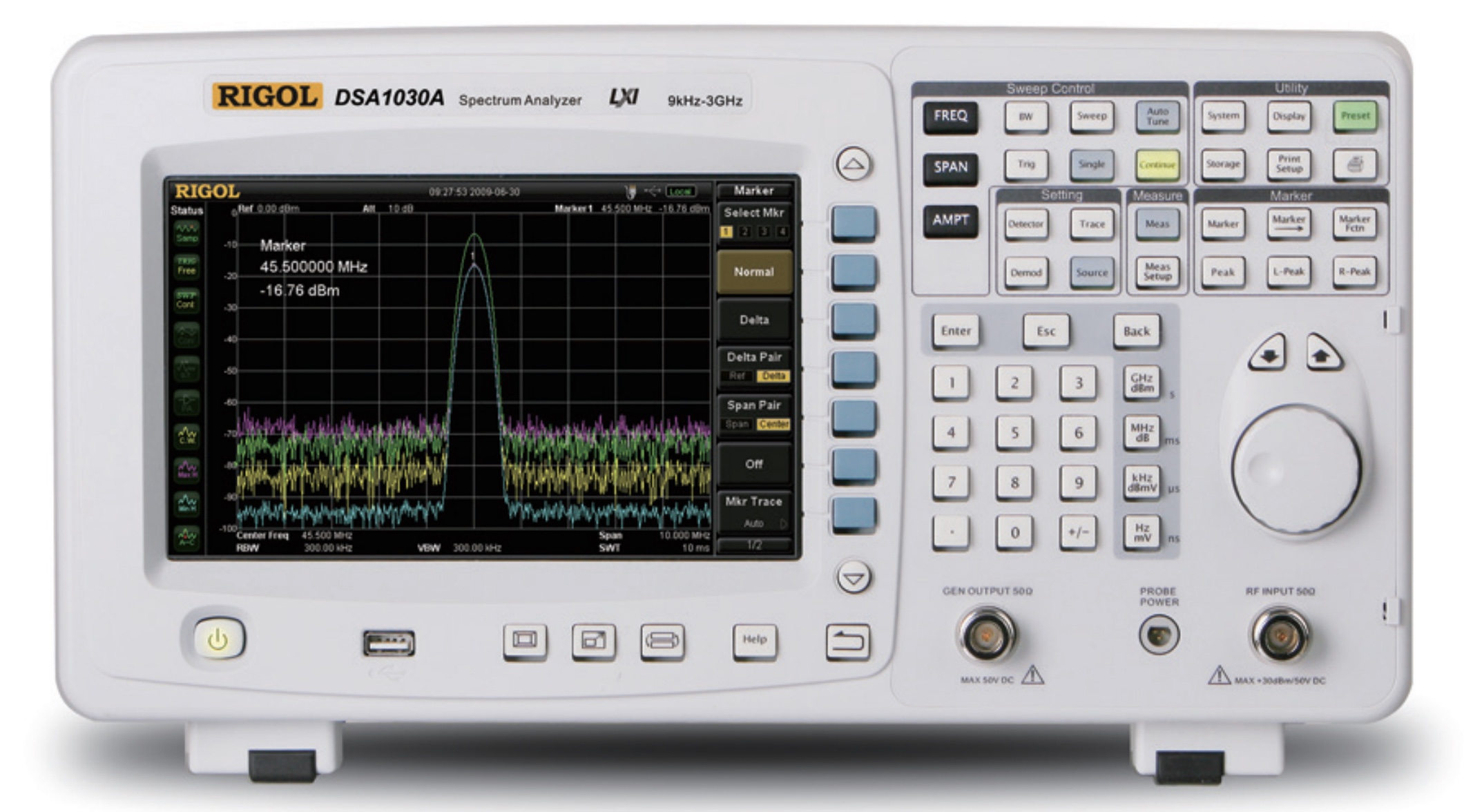
Rigol spectrum analyzers (1 unit)
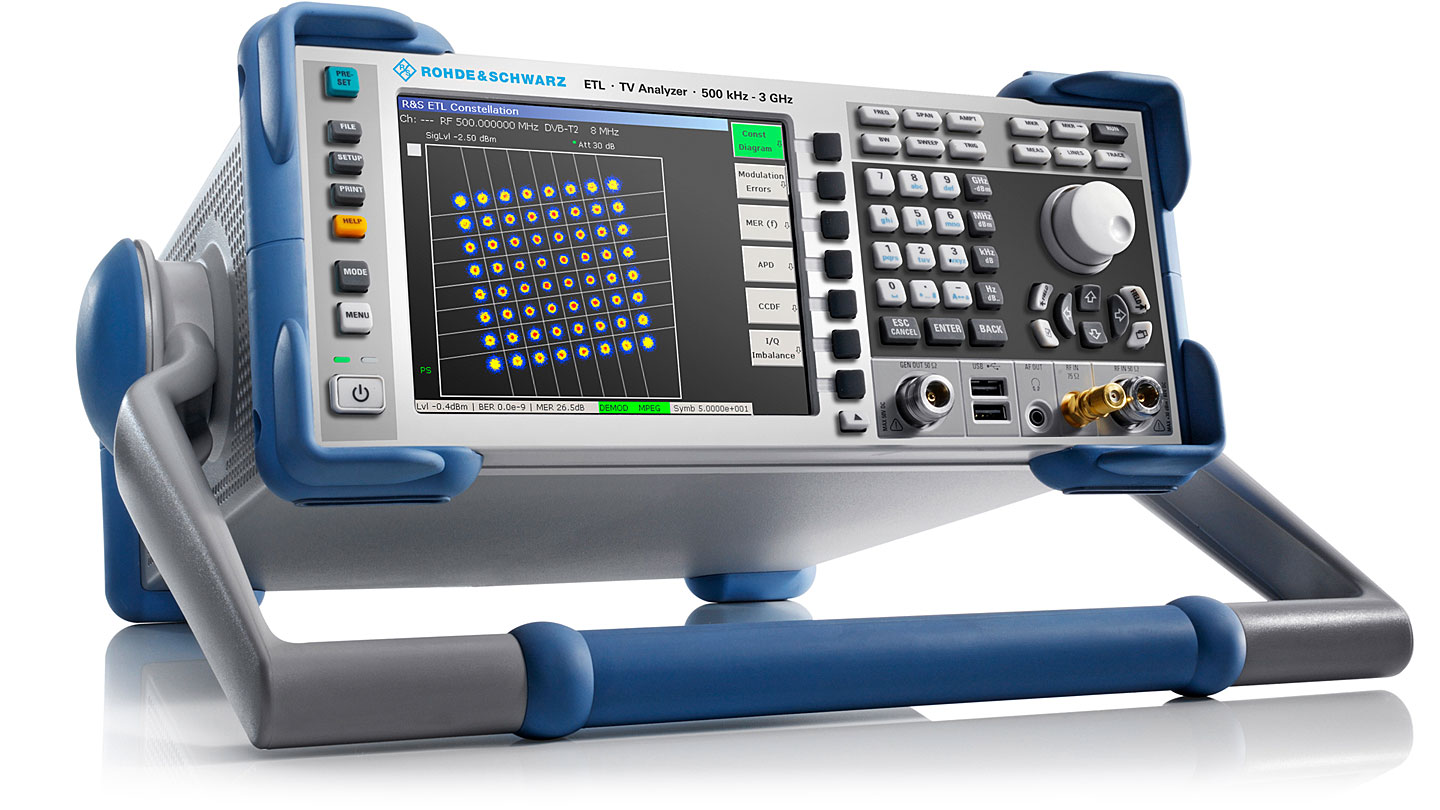
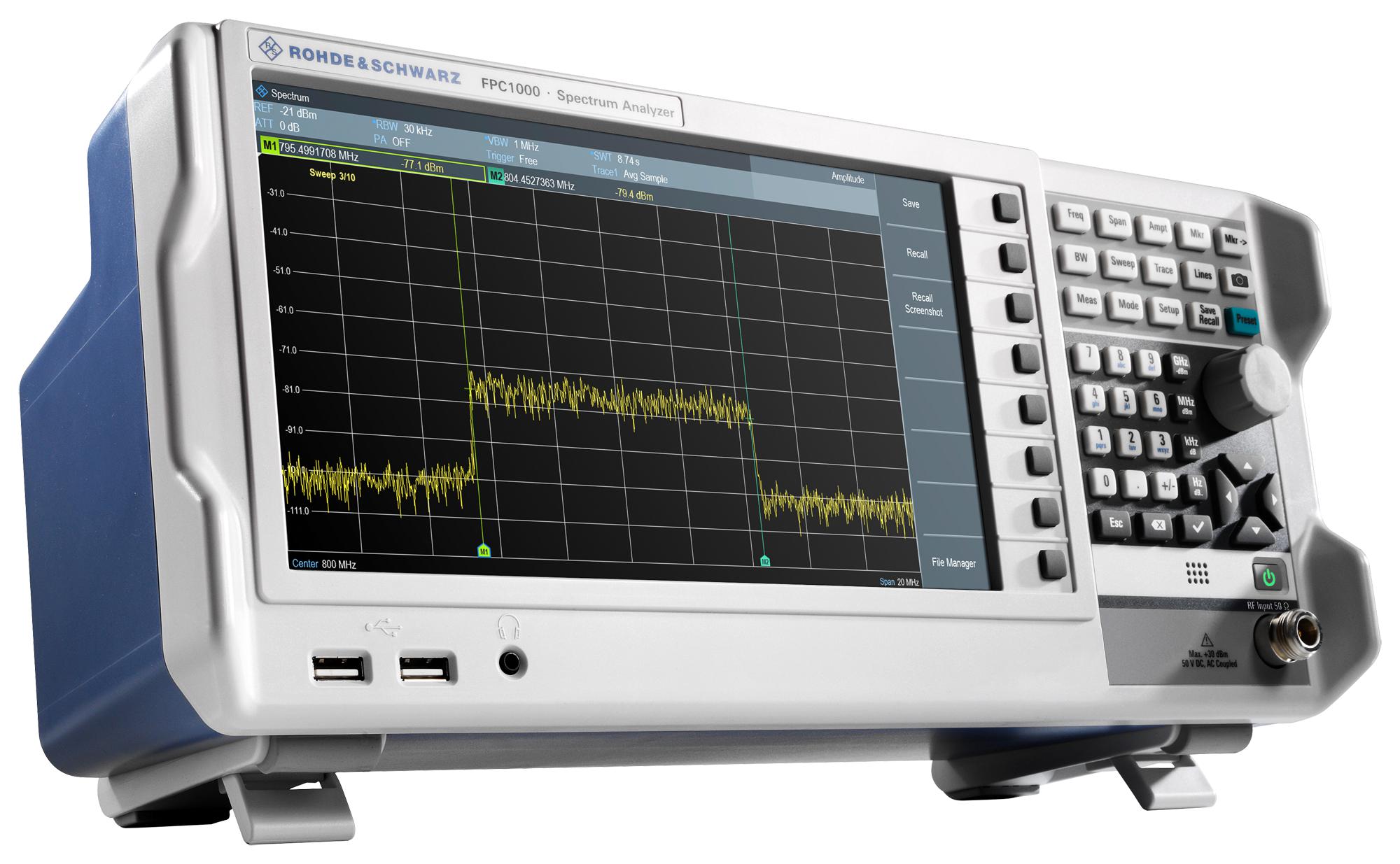
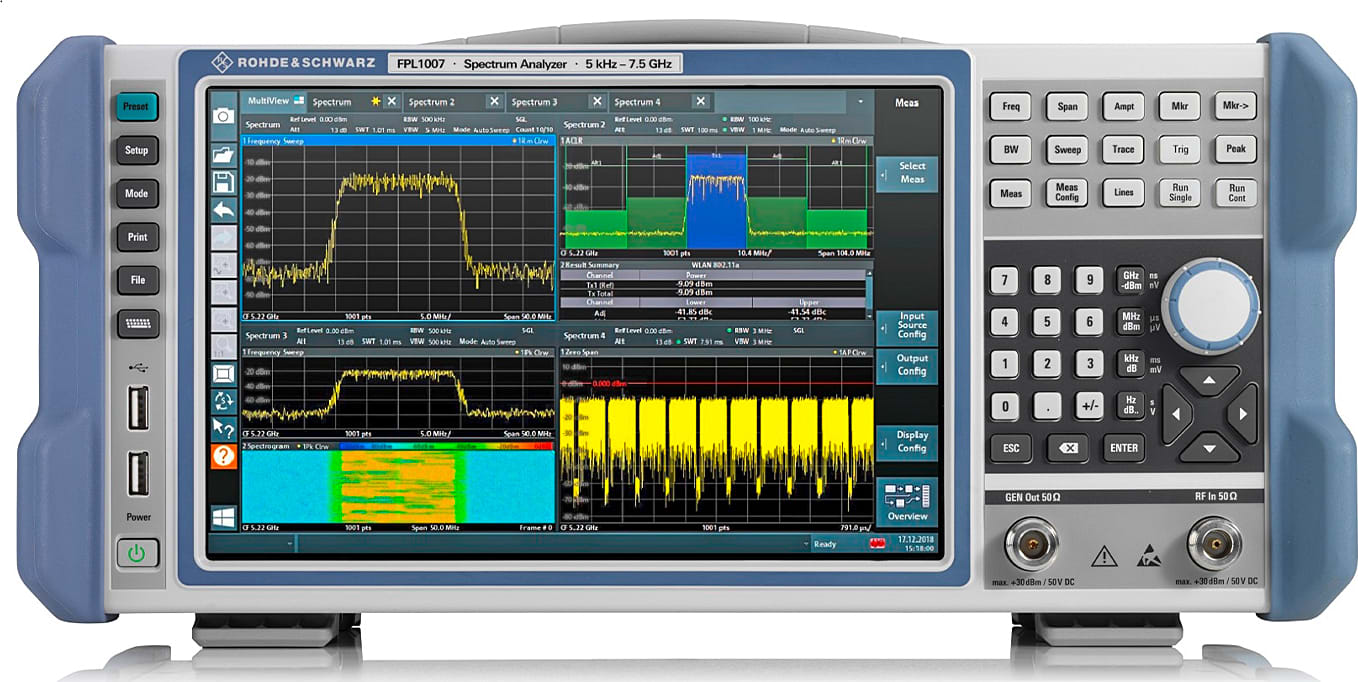
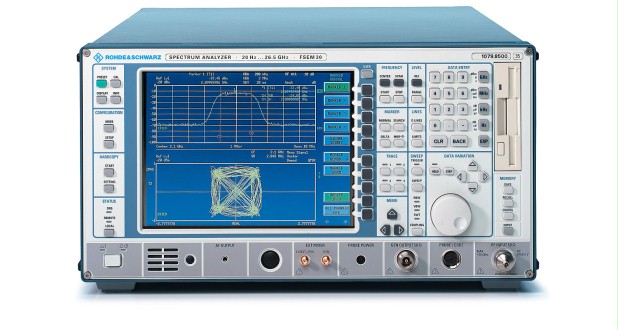
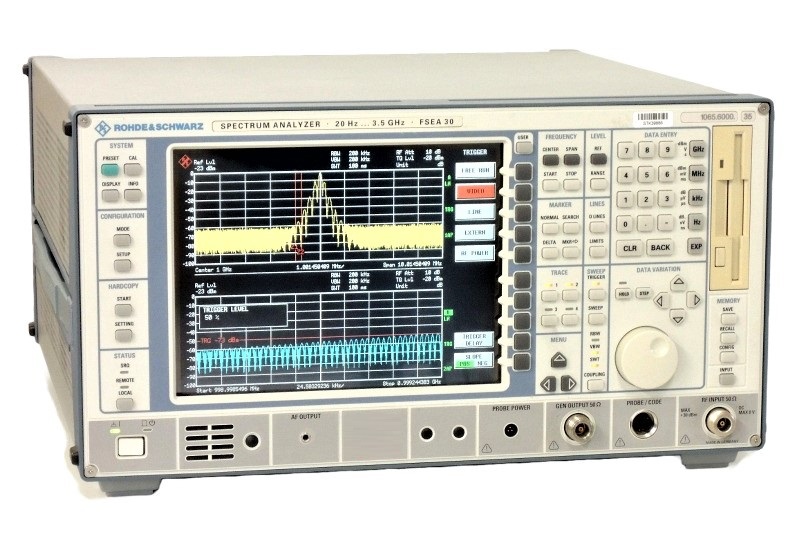
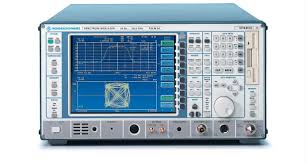
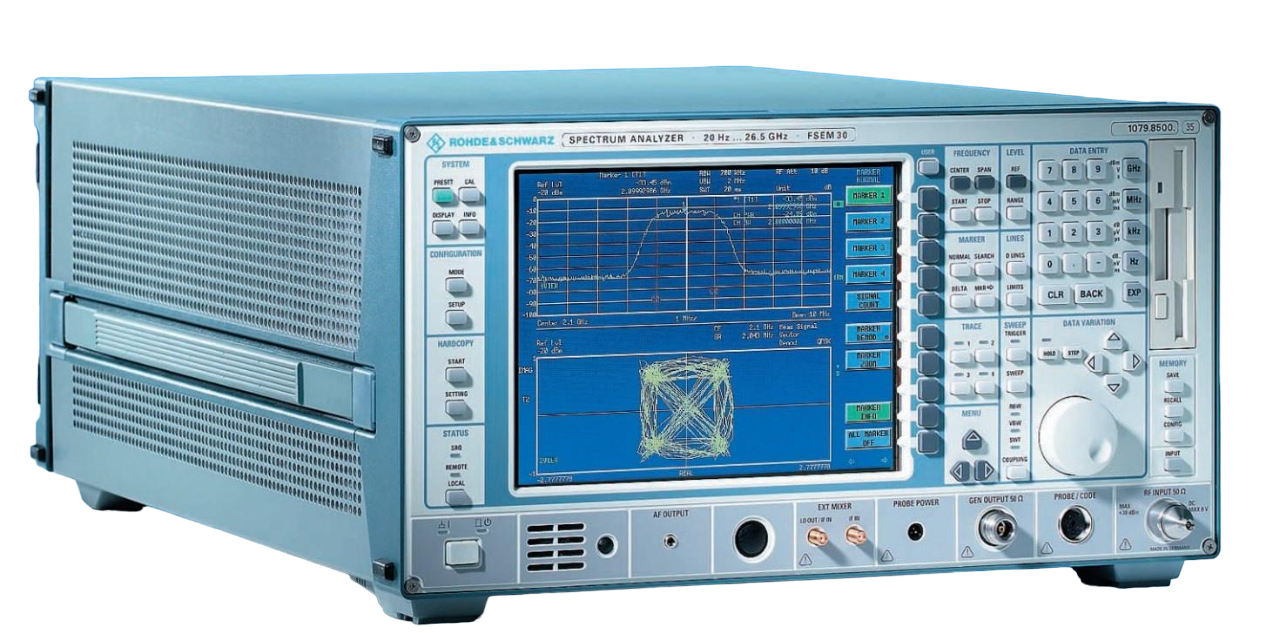
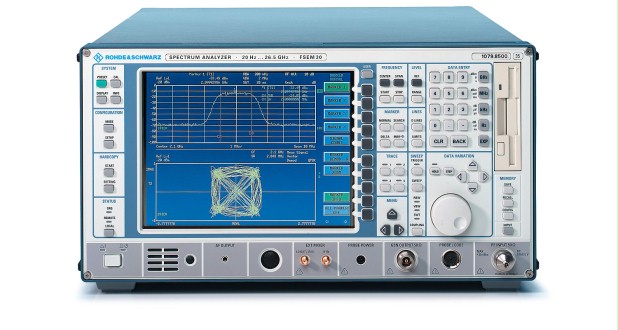
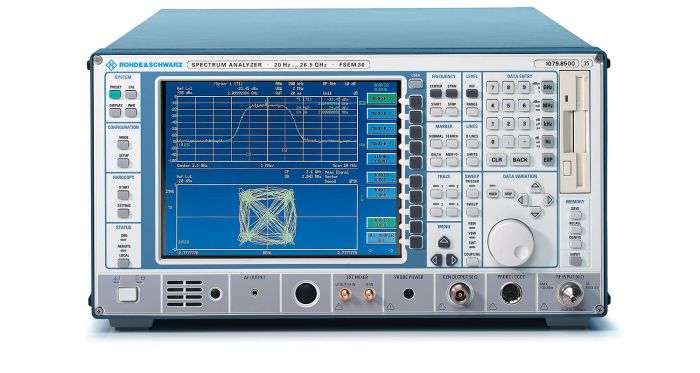
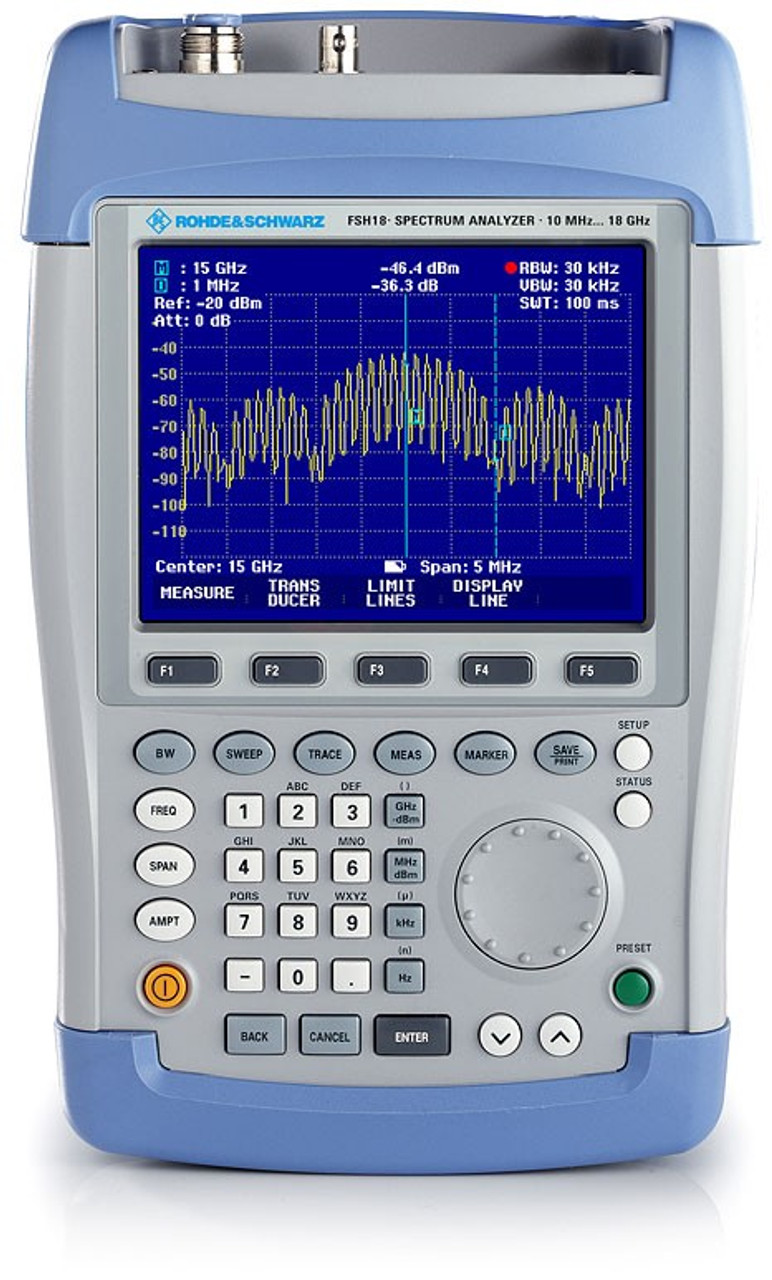
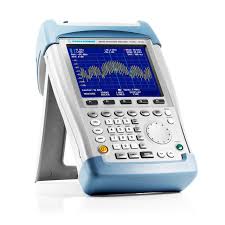
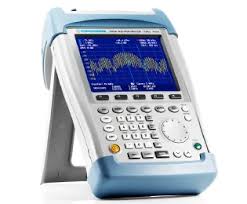
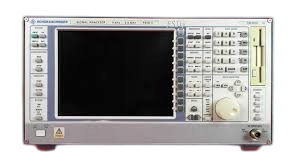
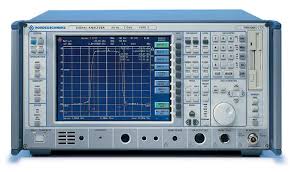
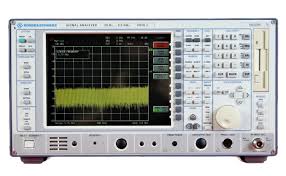
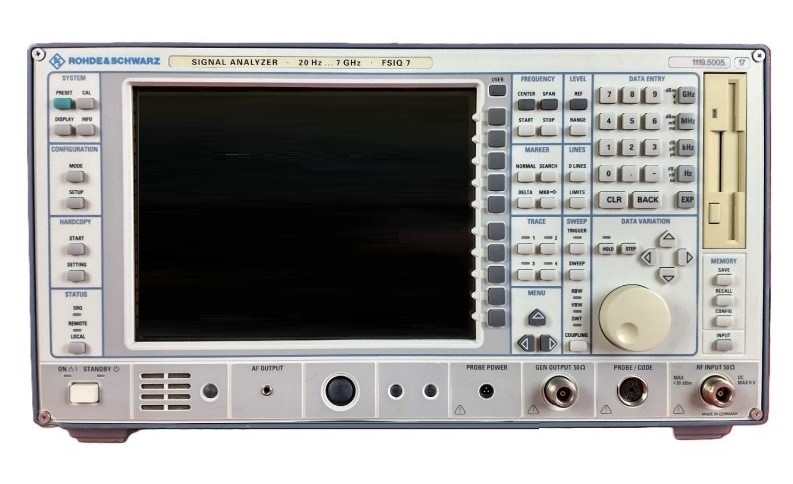
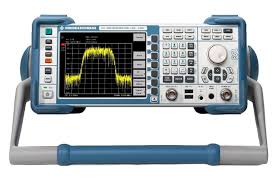
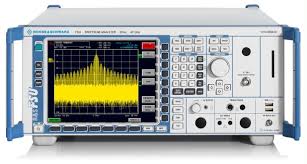
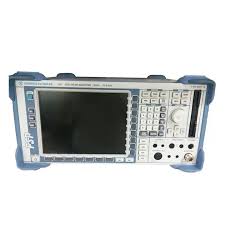
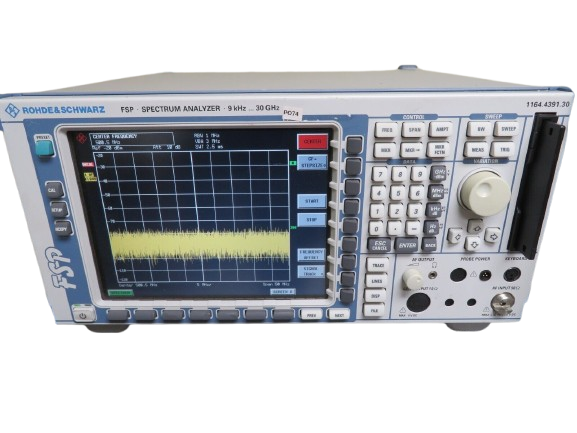
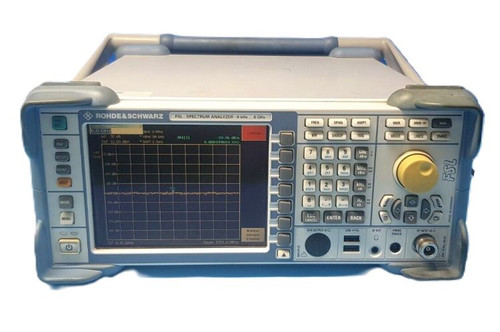
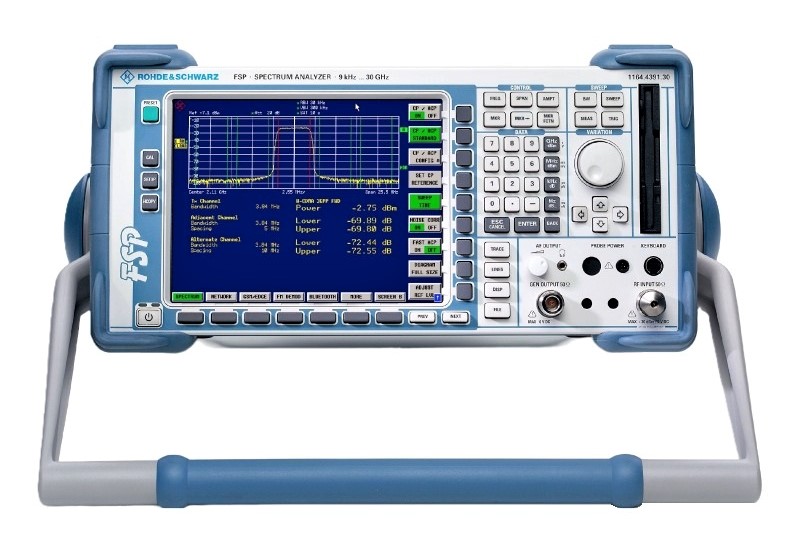
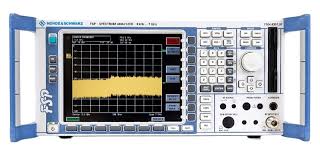
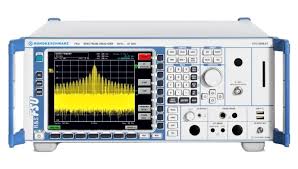
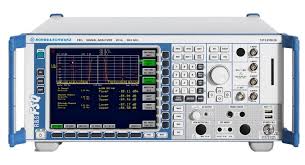
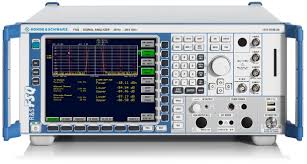
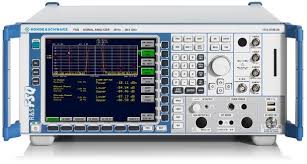
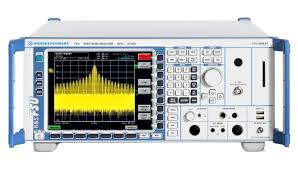
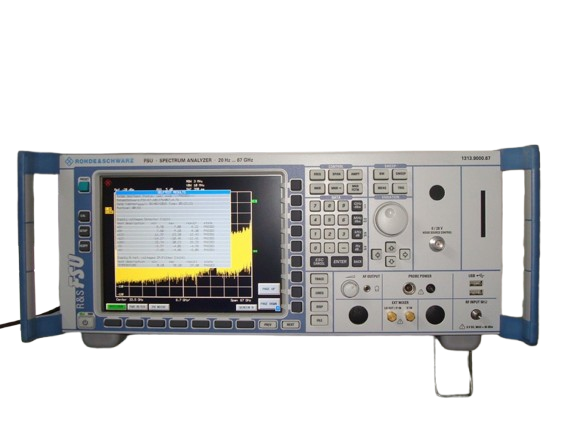
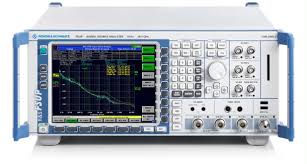
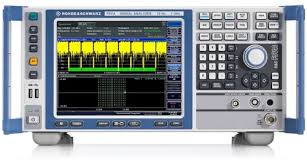
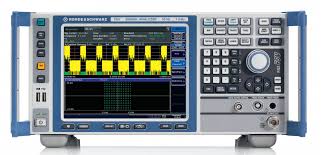
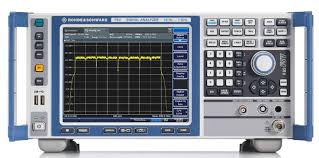
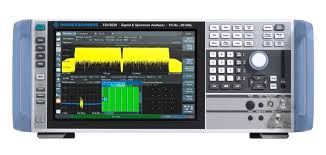
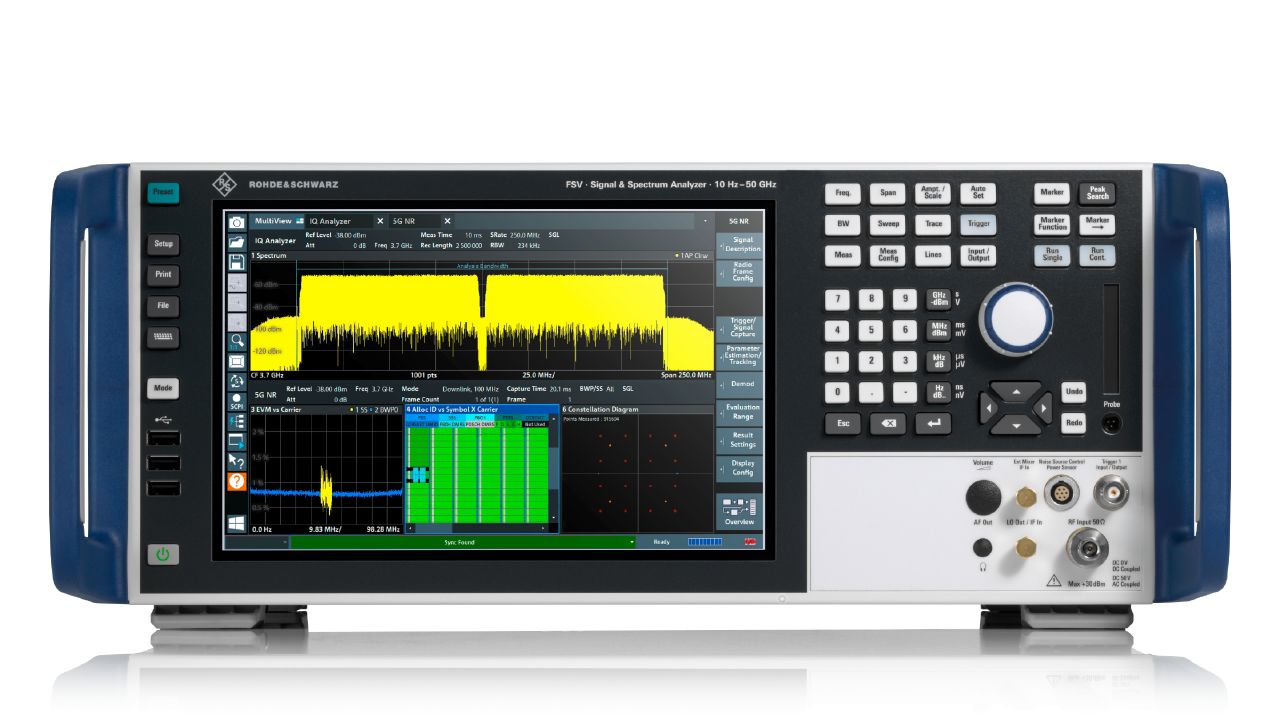
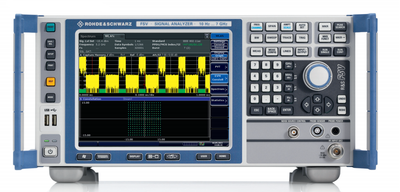
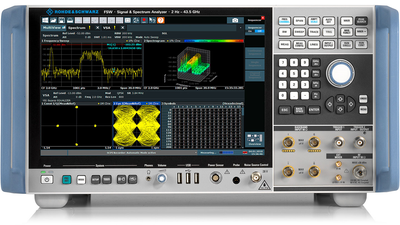
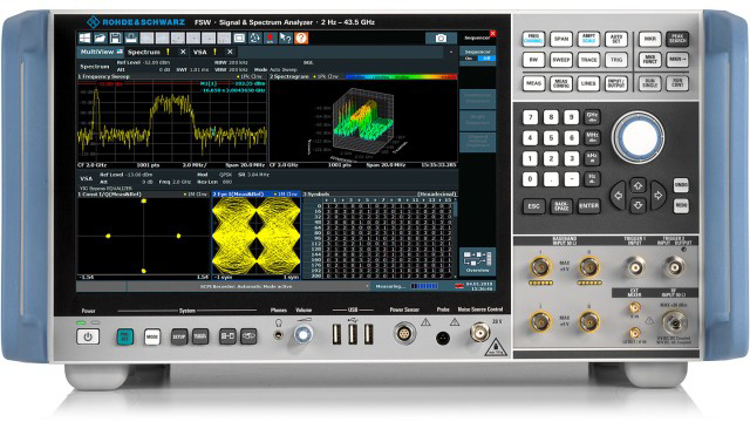
Rohde & Schwarz spectrum analyzers (80 units)
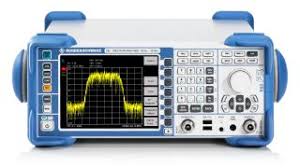
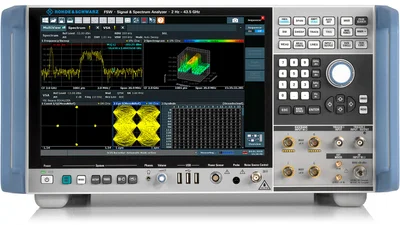
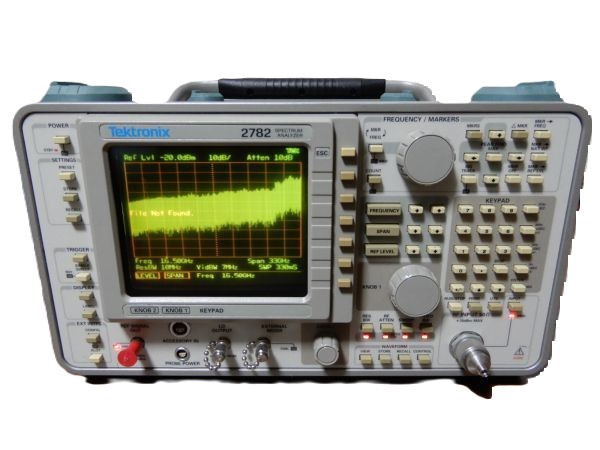
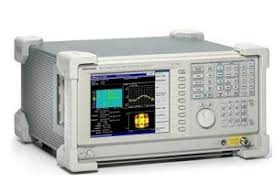
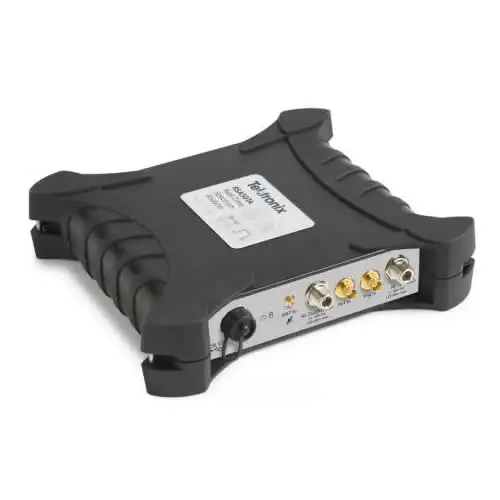
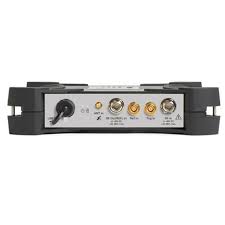
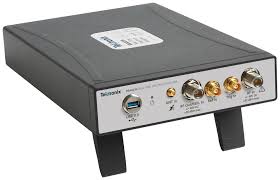
Tektronix spectrum analyzers (9 units)
The options list matters more than the model number
If you take one thing from this page, take this. On a used spectrum analyzer the model number tells you surprisingly little. The installed options decide the frequency ceiling, whether there is a preamplifier in the front end, whether a tracking generator is fitted, and which measurement personalities are licensed.
Two E4440A PSAs can sit side by side with the same label on the front and differ by $20,000 in what they can actually do. One goes to 26.5 GHz with a preamp and noise figure capability; the other stops at 3 GHz with nothing fitted. We publish the option list on every unit, and if you are buying elsewhere and the seller cannot produce one, assume the worst.
Swept-tuned or real-time
A swept-tuned analyzer moves a narrow filter across your span and builds the trace one slice at a time. It is accurate, it is what most of this inventory is, and it has one blind spot: anything that happens while the sweep is looking somewhere else simply never appears.
That blind spot is why people lose weeks to intermittent interference. If you are chasing a burst, a frequency-hopping signal, or an intermittent that shows up for microseconds, a swept analyzer will mostly convince you nothing is wrong. Real-time analyzers digitise a block of spectrum continuously and run an FFT across it, so transients land on screen. Fewer of them come through used, they cost more, and for the right problem they are the only thing that works.
Phase noise, DANL and resolution bandwidth
Three specs decide most purchases here, and the headline frequency range is rarely one of them.
Phase noise sets how close to a carrier you can see something small. Measure an oscillator on an analyzer noisier than the oscillator and you are reading the instrument, not the device. Ask what offset matters to you before you shop.
DANL, the displayed average noise level, is the analyzer's own floor and therefore the smallest thing you can detect. It worsens as you open up resolution bandwidth and improves with a preamplifier fitted, which is one of the more worthwhile options on any used unit.
Resolution bandwidth is the filter width, and it trades against sweep time. Narrow it to separate two close signals and the sweep slows down, sometimes dramatically. On older analyzers that tradeoff is painful enough to shape how you work.
Tracking generators
A tracking generator sweeps a source in step with the analyzer, which turns the instrument into a scalar network analyzer. For filters, amplifiers, cables and antennas it saves you buying a second box, and on a used unit it is usually a cheap option to have.
What it cannot give you is phase. Magnitude only. The moment your work needs complex impedance, matching, or anything expressed as S-parameters, you want a vector network analyzer rather than an analyzer with a tracking generator bolted on.
This is not an optical spectrum analyzer
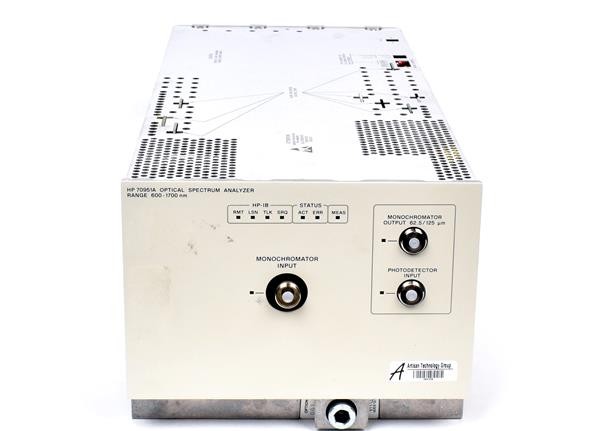
Worth stating plainly, because the names are close enough to cause expensive mistakes. Everything on this page measures RF and microwave signals arriving on a coaxial connector. An optical spectrum analyzer measures light in a fibre, works on diffraction gratings or interferometry, and has nothing in common with these instruments beyond the word spectrum.
If you are after an Ando AQ6317, a Yokogawa AQ6370 or an HP 86140-series, those live in optical spectrum analyzers.
What to check before buying used
Get the option list, in writing. Ask when it was last calibrated and whether a certificate comes with it. Check the input attenuator, since a front end that has taken an overload reads low with nothing obviously broken, and that is the fault you least want to inherit. On older YIG-tuned analyzers ask whether the unit has been sitting unpowered for years, because YTO assemblies do not always come back gracefully.
Everything we ship is tested and comes with a 30-day return window, and we will tell you what we found rather than what we would like you to believe.
Calibration
NIST-traceable calibration is available on anything in this category, and it is worth having on an instrument that will decide whether a product passes or fails. Amplitude accuracy and frequency reference drift are both gradual and both invisible until you check against a standard. See all calibration services →
Frequently asked questions
What does the options list on a used spectrum analyzer actually change? +
More than the model number does. On an Agilent E4440A or a Rohde & Schwarz FSU, the installed options decide the frequency ceiling, whether there is a preamplifier, whether a tracking generator is fitted, and which demodulation and measurement personalities are licensed. Two analyzers with identical model numbers can differ by tens of thousands of dollars in capability and price. Always get the full option list before you commit, and treat a listing that will not supply one as incomplete.
How much phase noise do I need? +
It depends entirely on what sits next to your signal. For general spectrum work and EMC pre-compliance, a standard analyzer is fine. If you are measuring an oscillator, looking at close-in spurs, or working on anything with tight adjacent-channel requirements, the analyzer has to be quieter than the thing you are measuring or you are reading its noise rather than yours. Tell us the offset and the level you need to see and we will work backwards to the model.
What is the difference between a swept analyzer and a real-time one? +
A swept-tuned analyzer steps a filter across the span, so it only looks at one slice of spectrum at a time. Anything that happens while it is looking elsewhere is missed. A real-time analyzer digitises a whole block of spectrum continuously and processes it with an FFT, so short bursts, frequency hopping and intermittent interference show up. If you are chasing something transient, swept will frustrate you for weeks.
Is a tracking generator worth paying extra for? +
If you measure filters, amplifiers, cables or antennas, yes, because it turns the analyzer into a scalar network analyzer and saves you a second instrument. If you only ever look at signals that already exist, it is dead weight. Note that a tracking generator gives you magnitude only. The moment you need phase or complex impedance you want a vector network analyzer instead.
What is DANL and why does it matter? +
Displayed Average Noise Level is the analyzer's own noise floor, and it sets the smallest signal you can see. It gets worse as you widen resolution bandwidth and better when you fit a preamplifier. If you are hunting low-level spurious or doing sensitive EMI work, DANL is usually the spec that decides whether an instrument is usable, not the headline frequency range.
Can you still calibrate and repair older analyzers like the 8563E? +
Yes. The 8560-series, 8590-series, ESA and PSA families and their Rohde & Schwarz contemporaries are all still serviceable well past the point the manufacturer stopped supporting them. YTO and YTF assemblies, attenuators, display assemblies and power supplies are the usual repairs. A calibration certificate is available on anything we ship.
Do you sell optical spectrum analyzers here too? +
No, those are a different instrument and live on their own page. A spectrum analyzer on this page measures RF and microwave signals on a coaxial input. An optical spectrum analyzer measures light in a fibre and works on completely different principles. If you came here looking for an Ando AQ6317 or a Yokogawa AQ6370, see our optical spectrum analyzers category.
Tell us what you are measuring
Give us the frequency range, the smallest signal you need to see, and what sits next to it. We will tell you which analyzers in stock will do the job and which will waste your money.
Get in touch