
Used Temperature Test Equipment
35 units in stock from Fluke Hart Scientific, Lake Shore, Julabo, ILX Lightwave and ThorLabs. Dry-well calibrators, circulating baths, cryogenic controllers and TEC controllers for photonics.
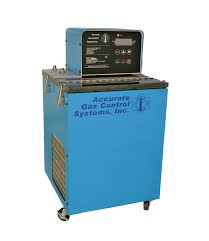
AGT Accurate Gas Control Systems (AGT) temperature equipment (1 unit)
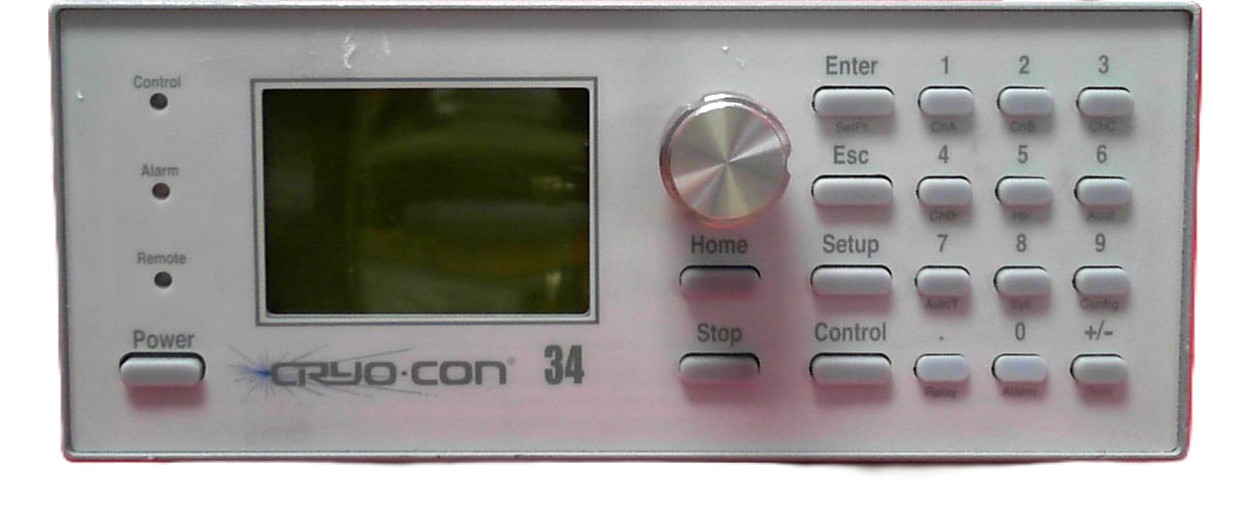
Cryo-Con temperature equipment (1 unit)
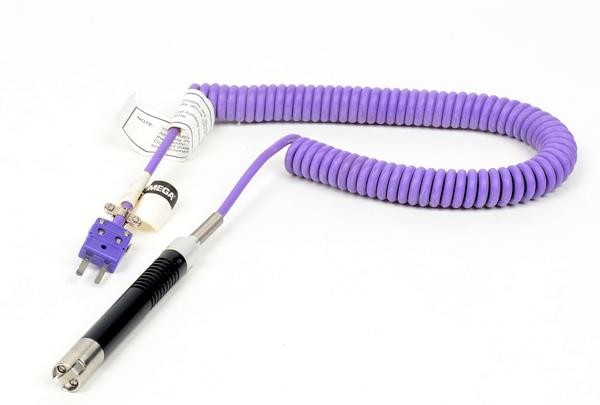
Dwyer/Omega temperature equipment (1 unit)
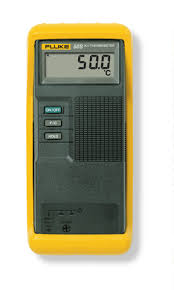
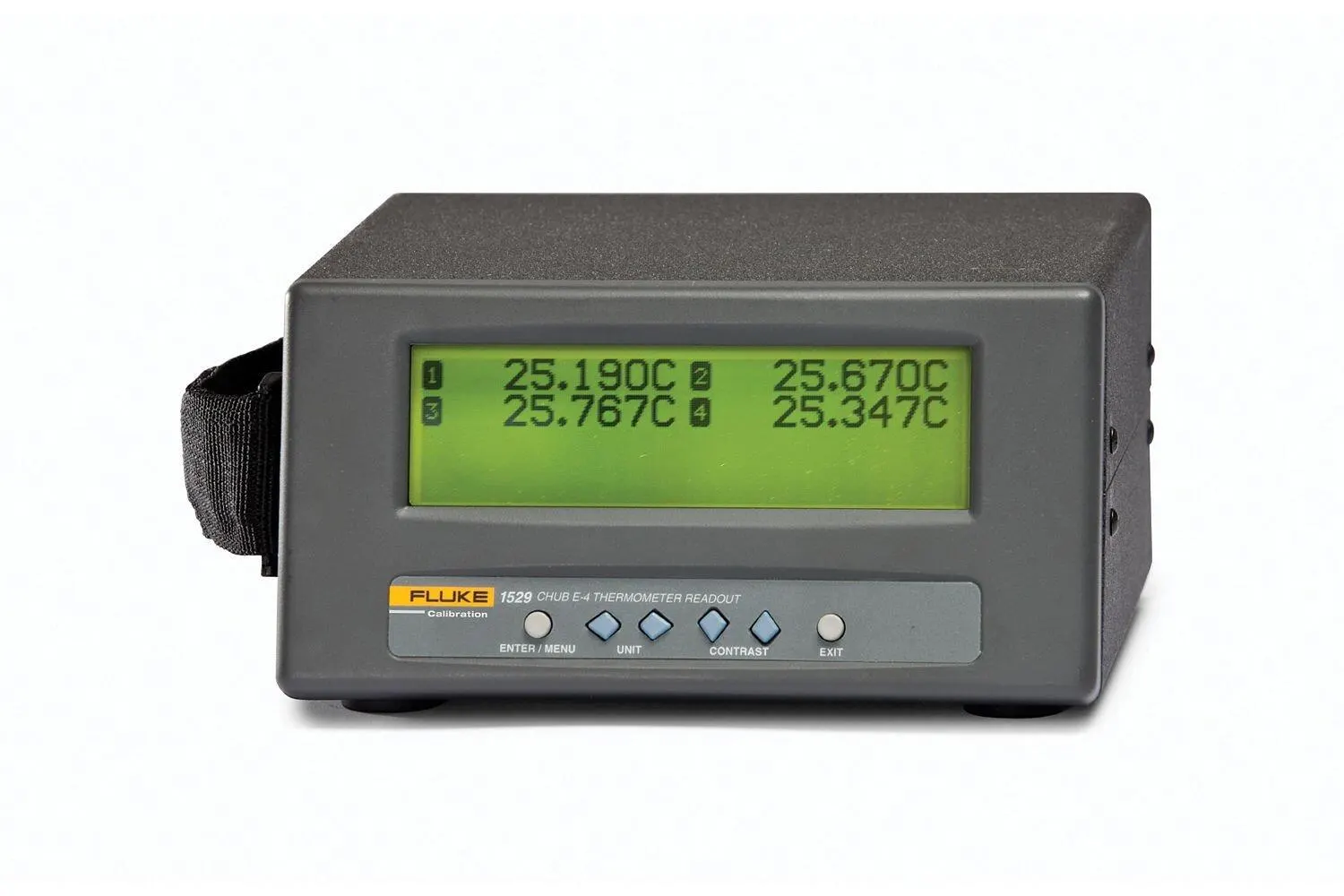
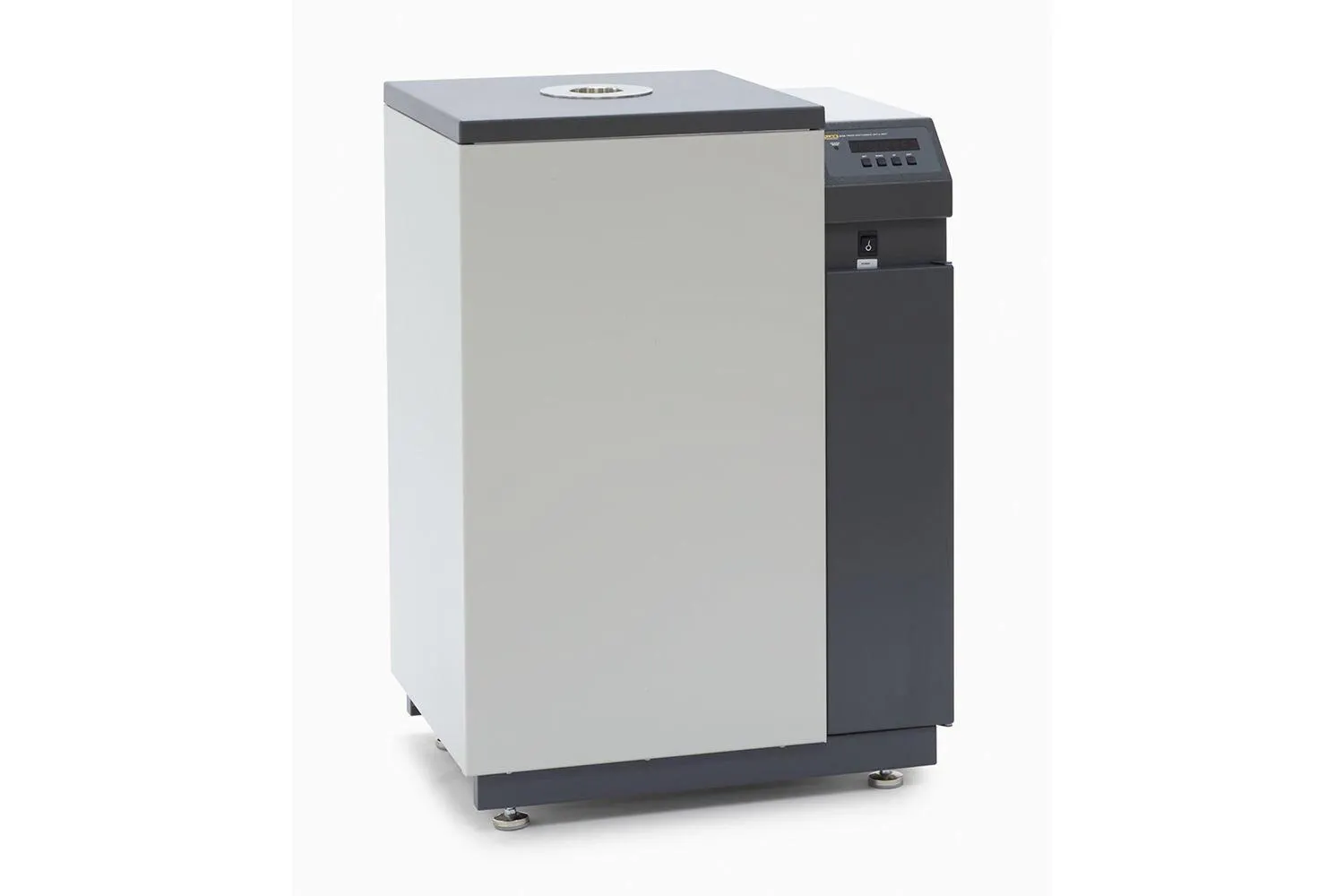
Fluke temperature equipment (4 units)
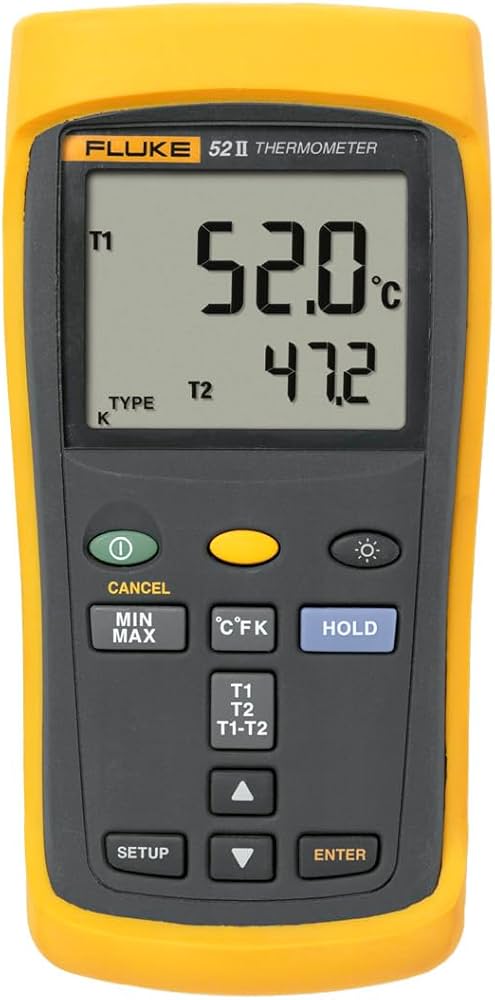
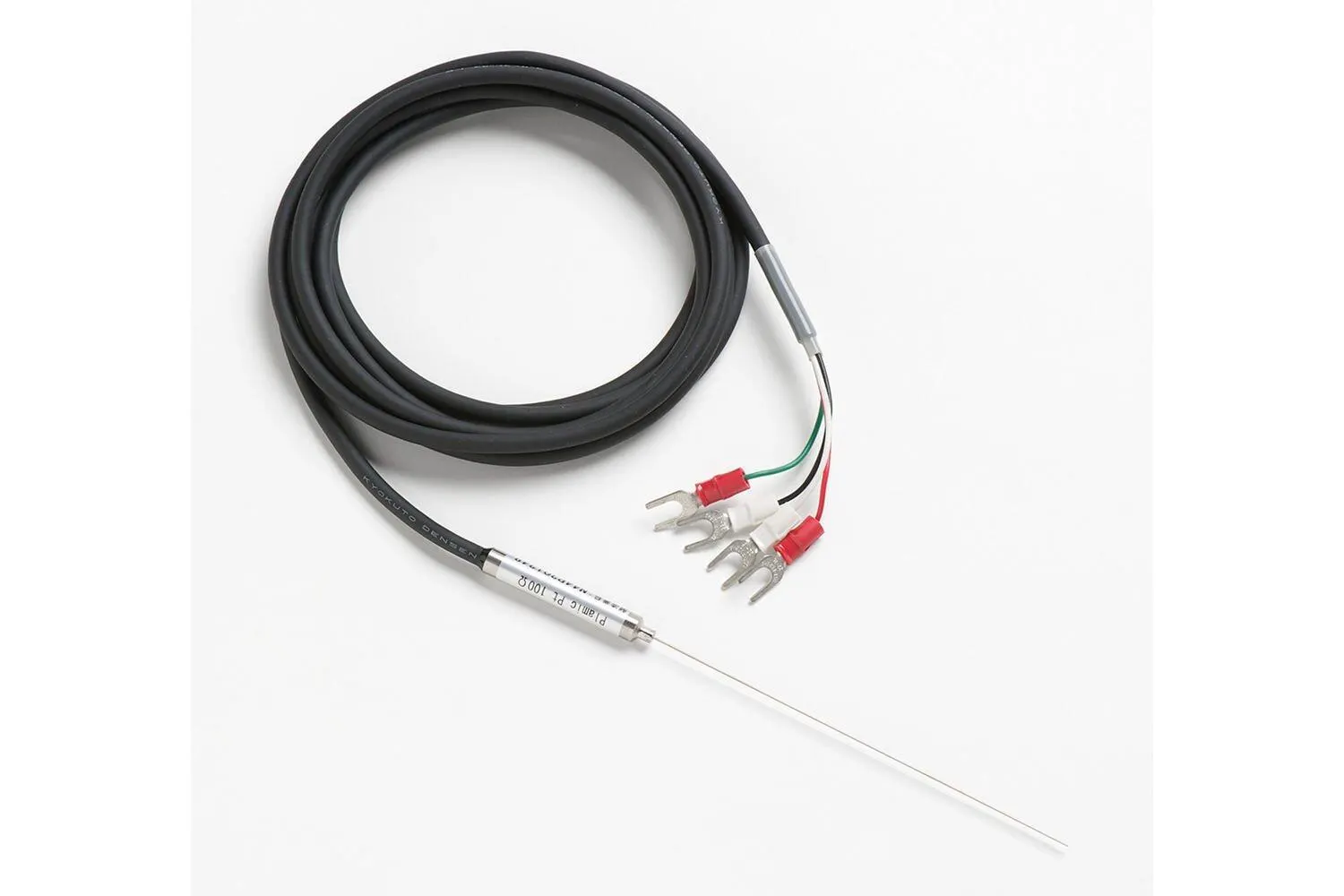
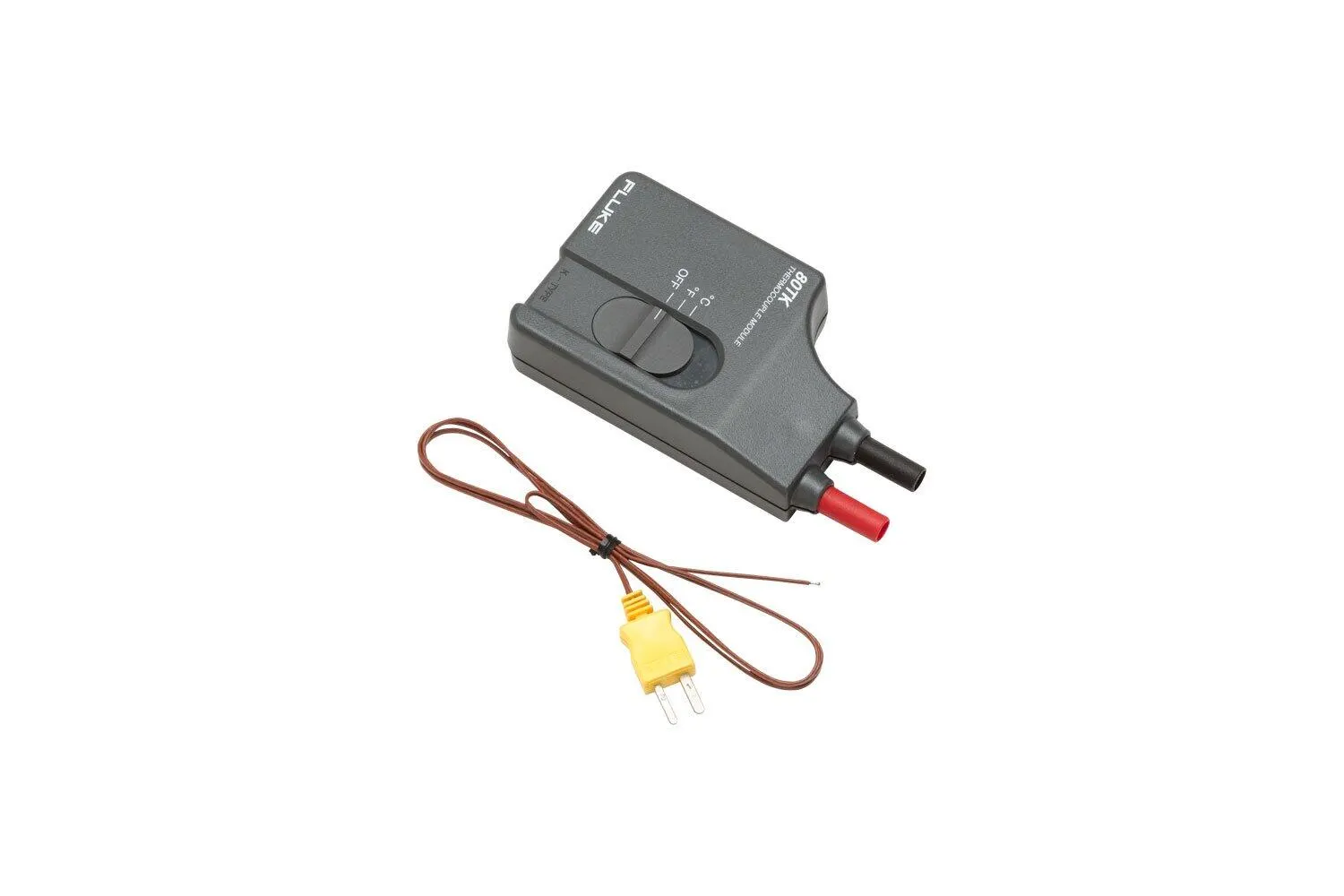
Fluke / Hart Scientific temperature equipment (3 units)
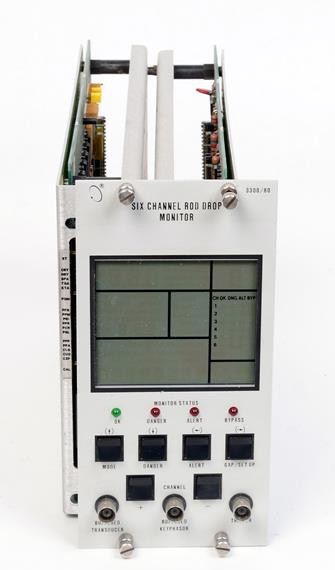
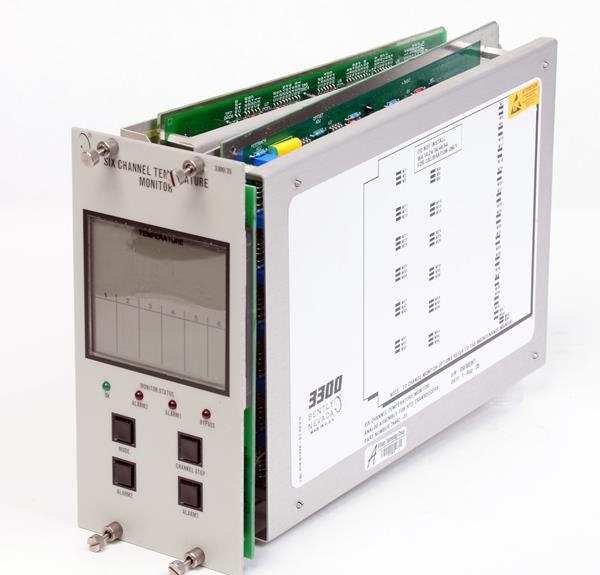
GE / Bently Nevada temperature equipment (2 units)
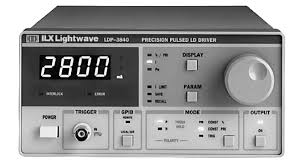
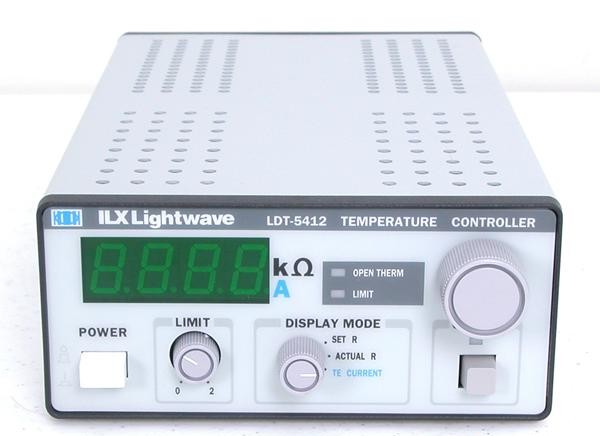
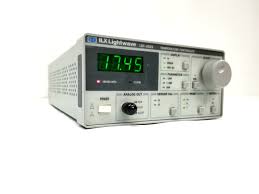
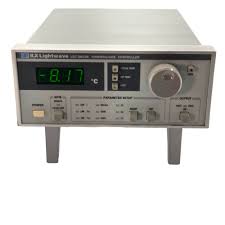
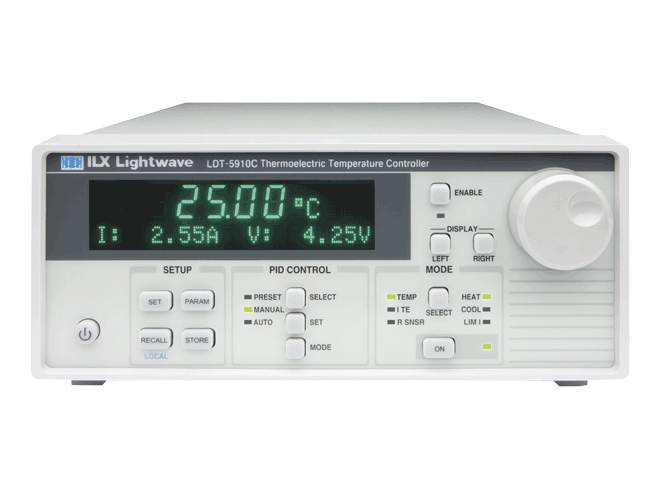
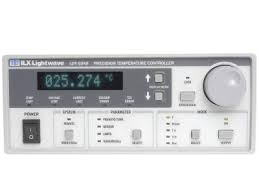
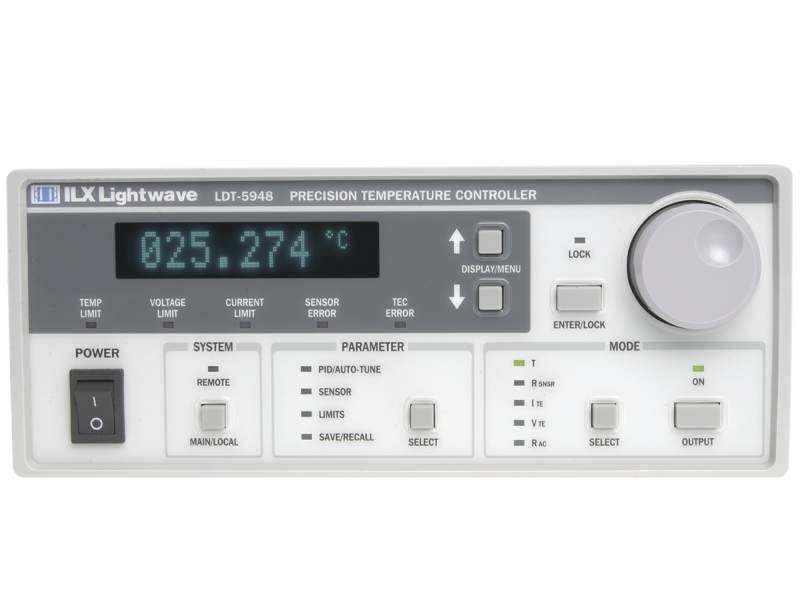
ILX Lightwave temperature equipment (10 units)
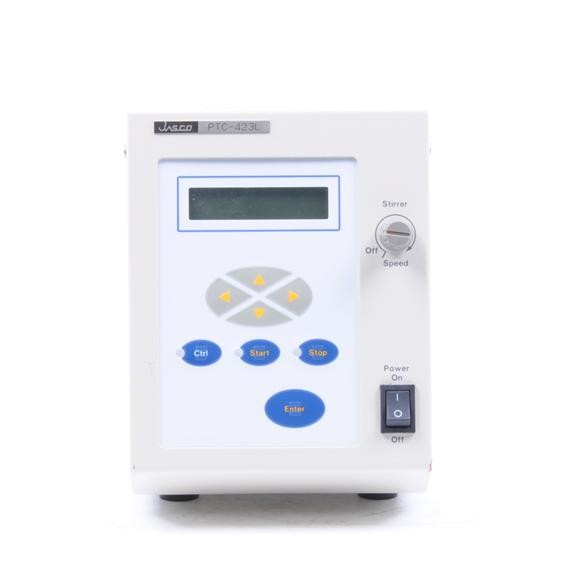
Jasco temperature equipment (1 unit)
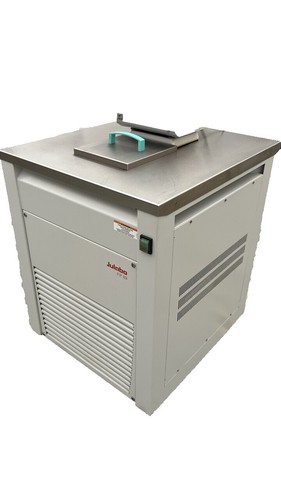
Julabo temperature equipment (2 units)
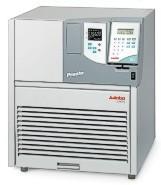
Lake Shore temperature equipment (6 units)
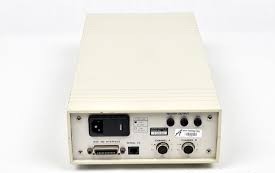
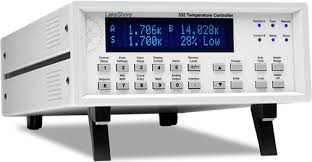
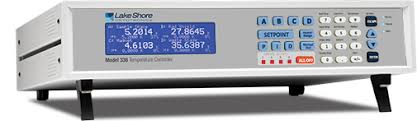
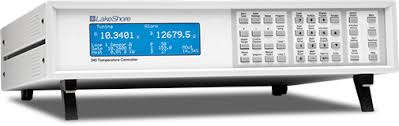
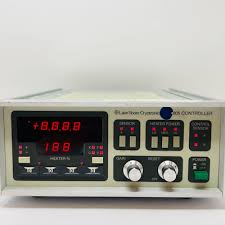
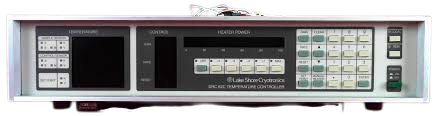
Lake Shore Cryotronics temperature equipment (1 unit)
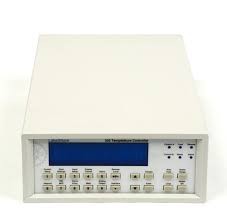
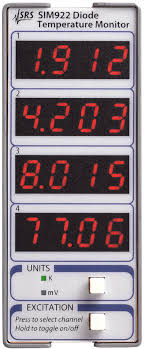
Stanford Research Systems temperature equipment (2 units)
ThorLabs temperature equipment (1 unit)
Dry-well or bath
This is the first fork and it comes down to where the work happens. A dry-well calibrator heats a metal block with holes bored to take your probes. No fluid to manage, warms and cools reasonably quickly, and you can carry it to a plant.
A bath circulates liquid around whatever you put in it. Uniformity and stability are better, and it will take probes of a shape or size that no bored insert accommodates. The cost is fluid handling, longer settling times and a unit that stays where you put it. Lab work with tight uncertainty goes to a bath. Field work goes to a dry-well.
Stability, uniformity and insert depth
Two specs get confused and both feed your uncertainty budget.
Stability is how much the temperature drifts over time at a single point. Uniformity is how much it varies between positions at the same instant, usually quoted as an axial or radial gradient.
Insert depth is where this bites in practice. A unit with excellent numbers on both will still mislead you if the probe under test sits at a different depth than your reference, because the gradient is real and the two probes are simply at different temperatures. Match the immersion depth, and if the probes differ in length, say so when you set up rather than discovering it in the results.
You probably still need a reference probe
The display on most sources tells you what the controller believes about its own sensor. That is not the same as what your device under test is experiencing, and the gap between the two is exactly the thing you are trying to measure.
For defensible work, put a calibrated reference probe alongside the unit under test and read both. Some units accept a reference input and show both values, which saves an instrument and a certificate.
Cryogenic work is a different world
Below liquid nitrogen temperature, ordinary RTD-based instruments stop following you. Lake Shore controllers and monitors are built for that range and work with sensor types you will not meet anywhere else, Cernox, silicon diodes and ruthenium oxide among them.
If your work lives down near liquid helium, those are generally the answer, and the sensor type matters as much as the controller. Tell us what sensors you are running and we will confirm the controller supports them.
TEC controllers are for photonics, not thermometry
The ILX Lightwave and ThorLabs units here are thermoelectric controllers. Their job is holding a laser diode or optical component at a precise temperature, not calibrating thermometers.
The reason is wavelength. A semiconductor laser shifts wavelength as its temperature moves, so optical test and DWDM work need millikelvin-level control right at the device. If you are building an optical bench rather than a calibration lab, these are what you are after, and they pair with our tunable laser sources.
Calibration
A temperature source is a measurement reference, and an uncalibrated reference is just a heater with a display. Calibration verifies set point against traceable standards across the working range and documents the uncertainty you are entitled to claim. We supply NIST-traceable certification with anything here. See all calibration services →
Frequently asked questions
What is the difference between a dry-well calibrator and a bath? +
A dry-well heats a metal block with holes bored for your probes. It is portable, needs no fluid, warms up fast and suits field work. A bath circulates liquid instead, which gives you better uniformity and stability and lets you handle probes of awkward shape or size that will not fit a bored insert. If you are calibrating to tight uncertainty in a lab, a bath wins. If you are carrying it to a plant, a dry-well wins.
What does stability versus uniformity mean on these specs? +
Stability is how much the temperature wanders over time at one point. Uniformity, sometimes called axial or radial gradient, is how much it varies between one position and another at the same moment. Both feed your uncertainty budget, and a unit with excellent stability and poor uniformity will still give you inconsistent results if your probe sits at a different depth than the reference. Insert depth matters more than people expect.
Do I need a separate reference thermometer? +
For accurate work, usually yes. The displayed temperature on most sources tells you what the controller believes, which is not the same as what your probe is experiencing. A calibrated reference probe placed alongside the unit under test is how you get a defensible number. Some units accept a reference input and display both, which saves a second instrument.
What are the TEC controllers from ILX Lightwave and ThorLabs for? +
Those are thermoelectric controllers, used mainly for holding a laser diode or optical component at a precise temperature rather than for calibrating thermometers. Wavelength on a semiconductor laser shifts with temperature, so photonics work needs millikelvin-level control at the device. If you are doing optical test rather than thermal calibration, those are the ones you want.
What does Lake Shore equipment cover? +
Cryogenics, mostly. Lake Shore controllers and monitors work down to liquid helium temperatures with sensor types you will not see elsewhere, including Cernox, silicon diodes and ruthenium oxide. If your work sits below liquid nitrogen temperature, standard RTD-based instruments will not follow you down there and Lake Shore is the usual answer.
Can used temperature equipment be recalibrated? +
Yes, and it should be. These instruments are measurement references, so an uncalibrated one is only an expensive heater. Calibration verifies the set point against traceable standards across the working range and documents the uncertainty. We can supply NIST-traceable certification with anything in this category.
Tell us your range and uncertainty target
Temperature range, the uncertainty you need to claim, probe sizes and whether it stays in a lab or travels. We will narrow it down to what actually meets the requirement.
Get in touch