
Used Vector Network Analyzers
229 units in stock from Keysight, Anritsu, Rohde & Schwarz, Advantest and Tektronix. 2-port and 4-port S-parameter instruments, tested before shipping, with cal kit compatibility confirmed.
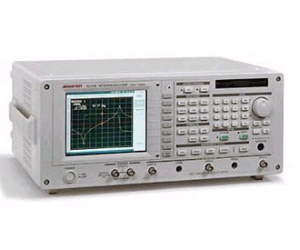
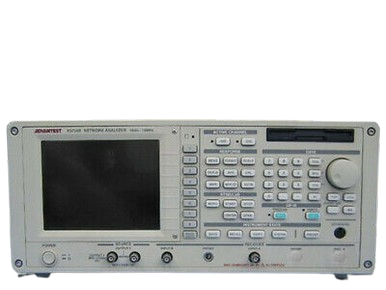
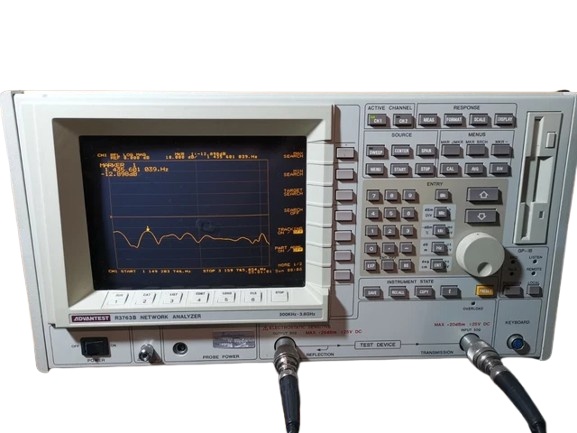
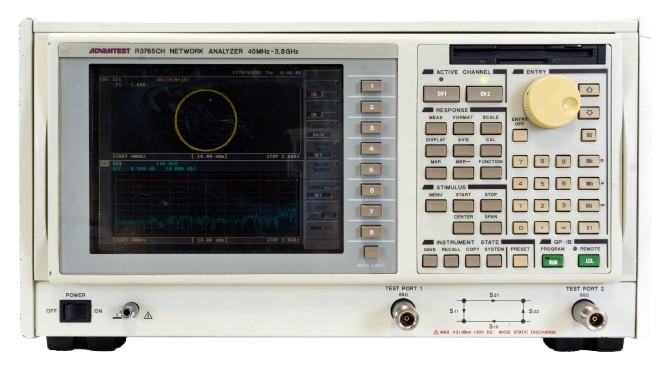
Advantest vector network analyzers (15 units)
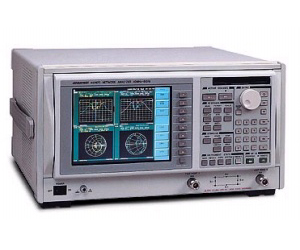
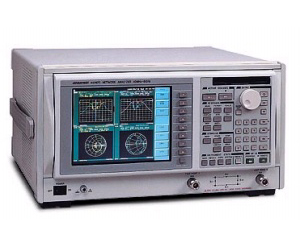
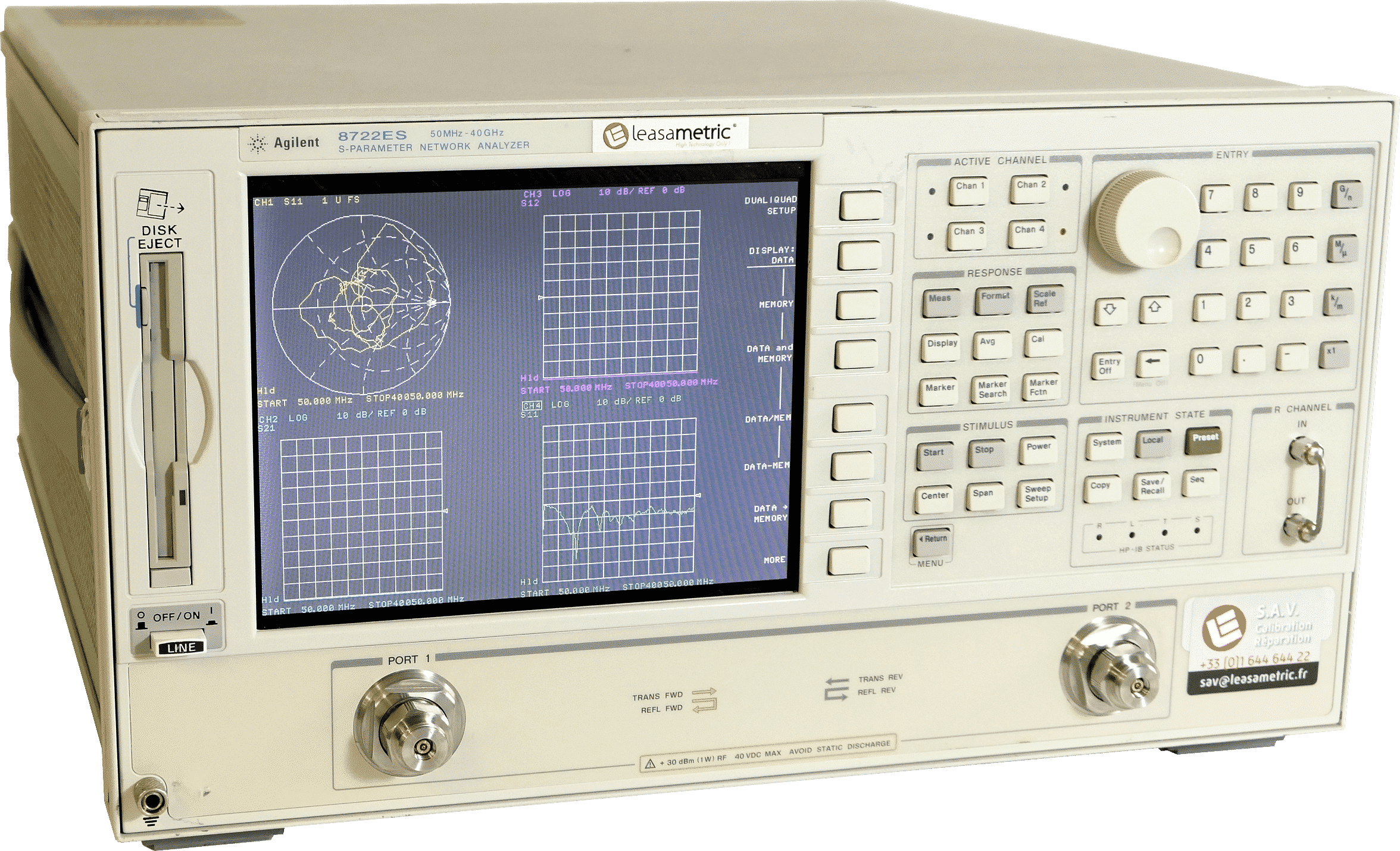
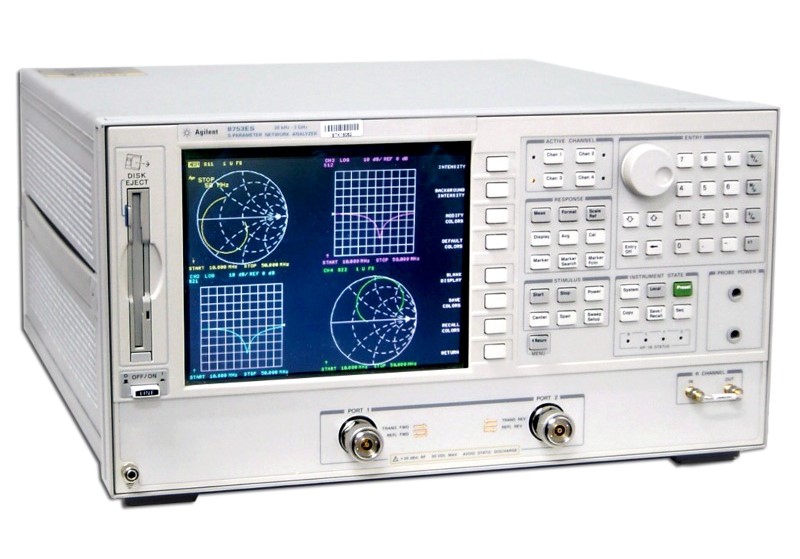
Agilent vector network analyzers (13 units)
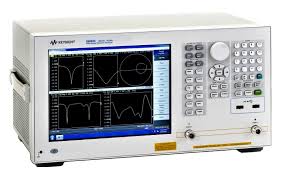
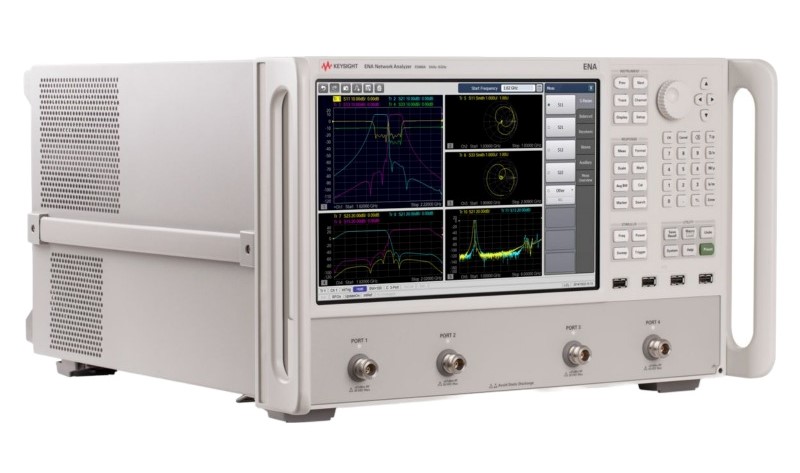
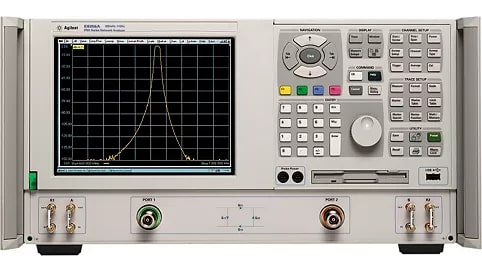
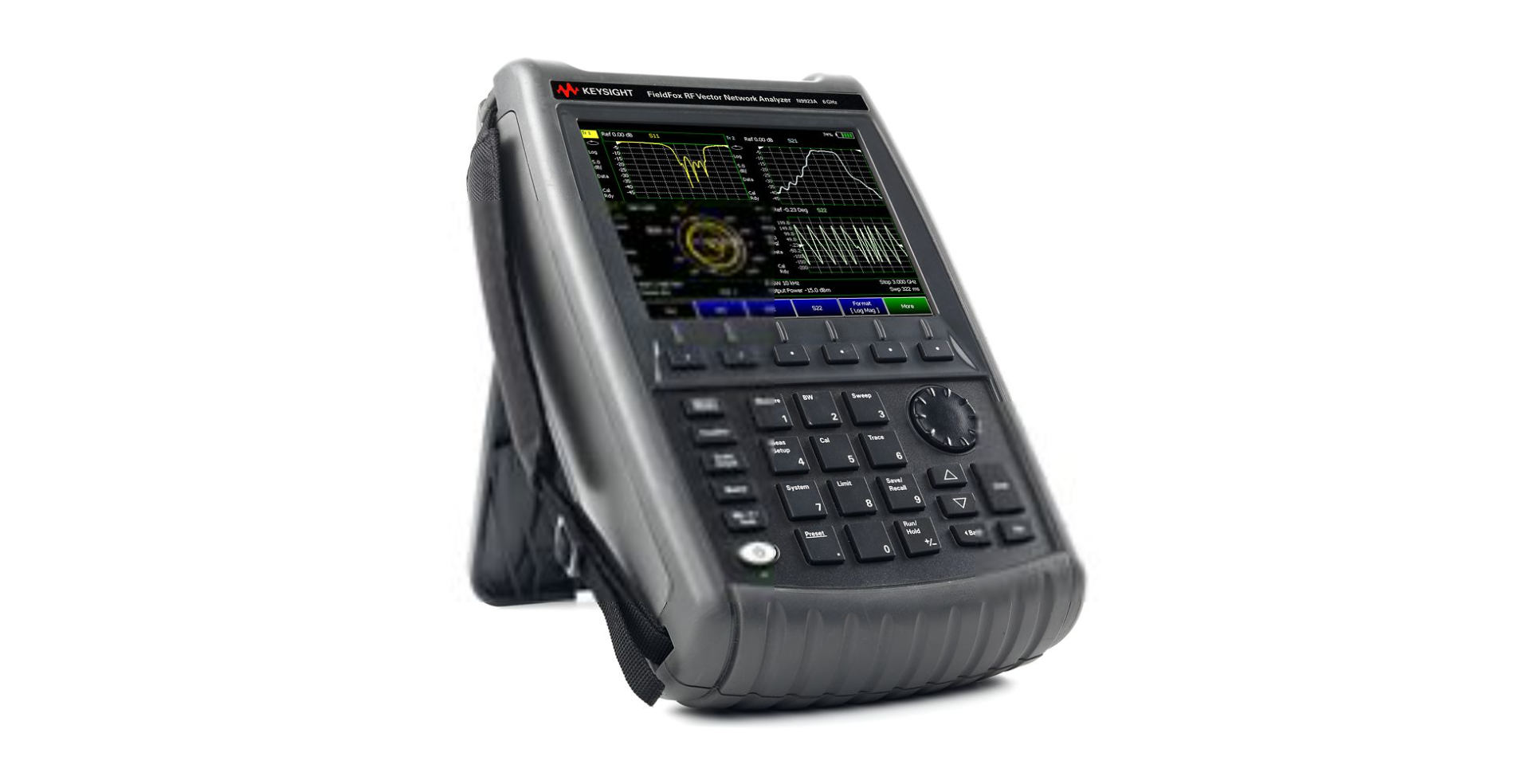
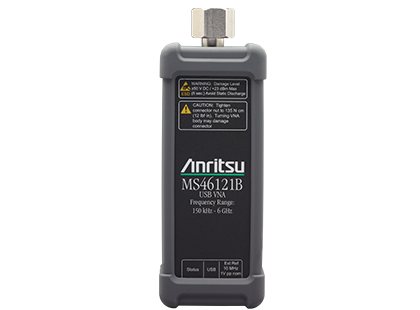
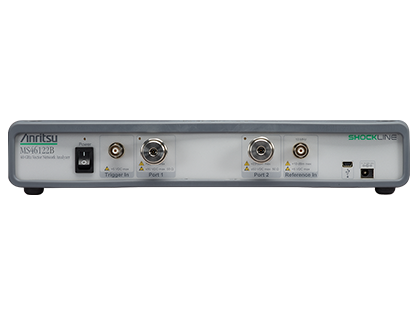
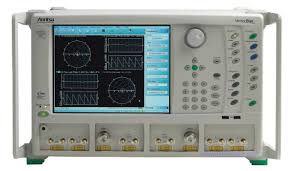
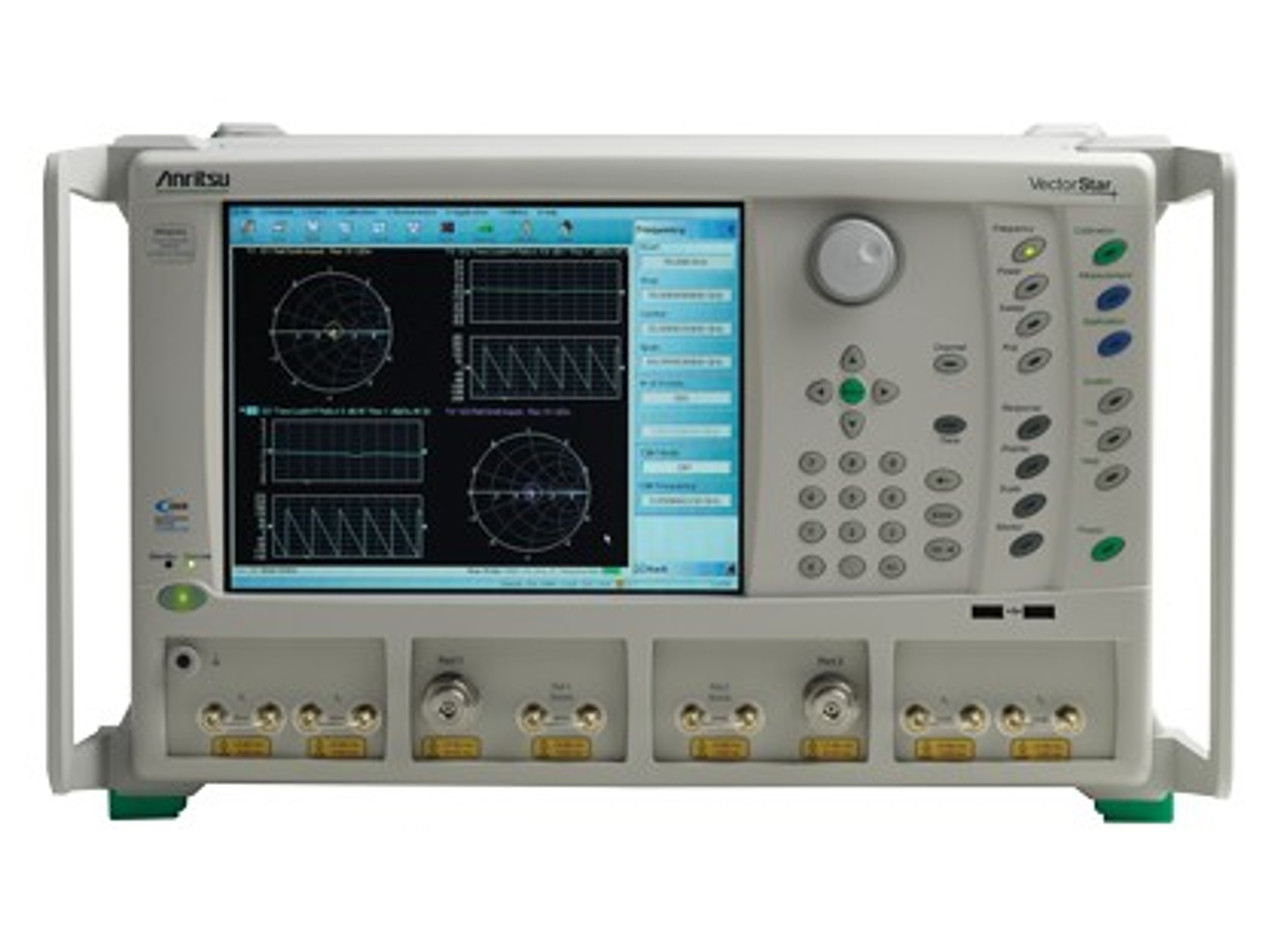
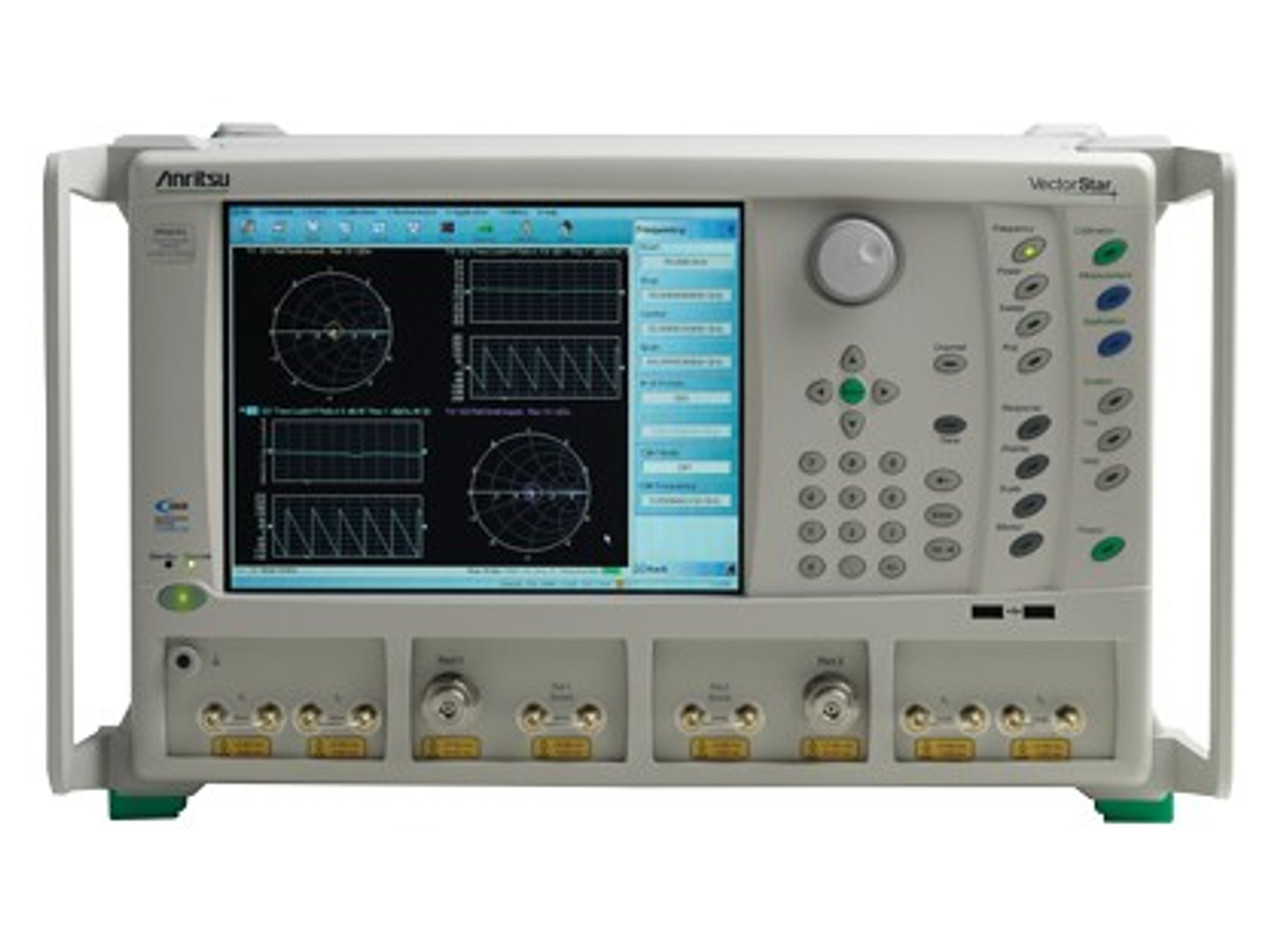
Anritsu vector network analyzers (62 units)
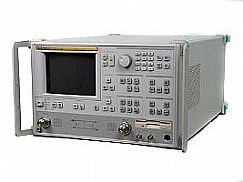
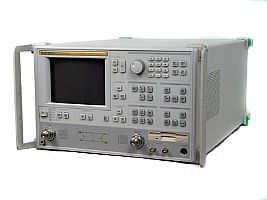
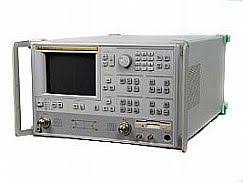
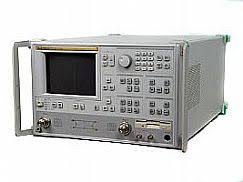
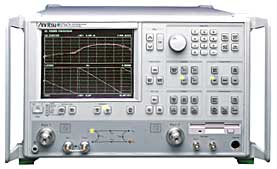
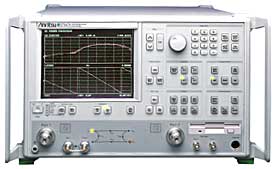
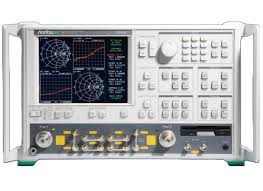
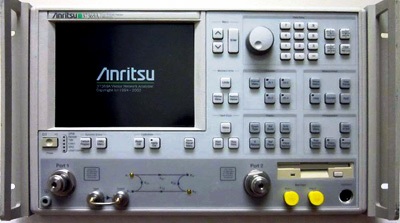
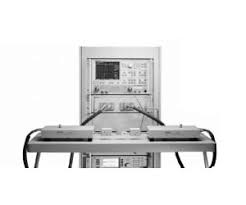
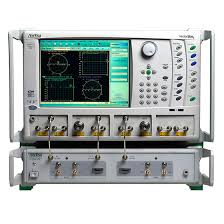
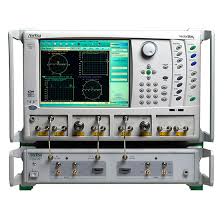
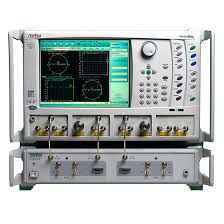
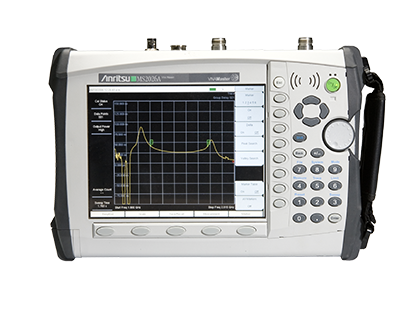
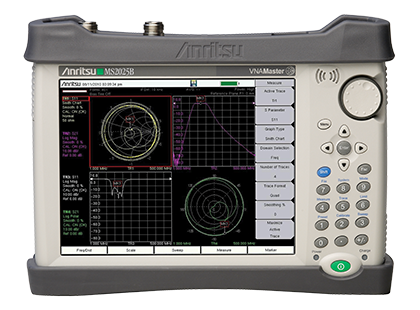
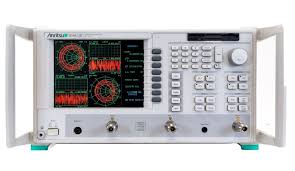
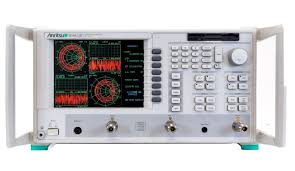
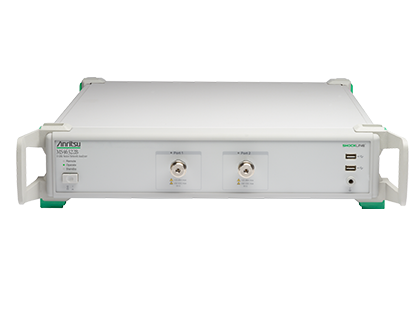
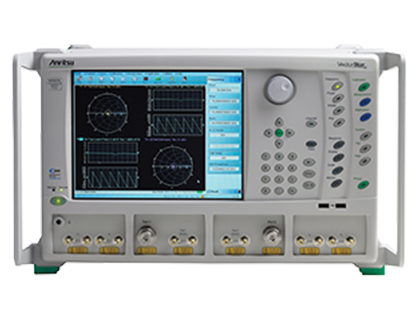
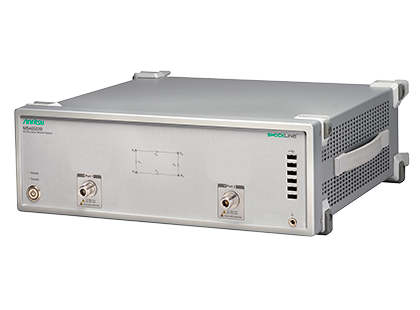
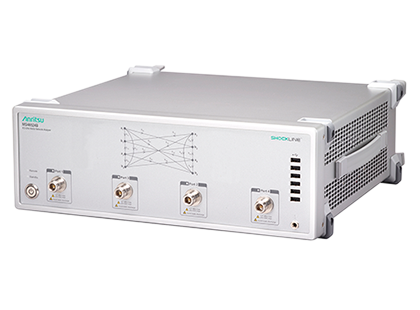
Copper Mountain vector network analyzers (1 unit)
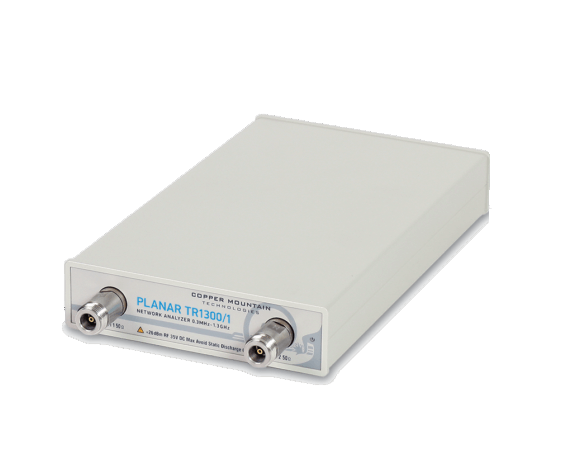
Copper Mountain Technologies vector network analyzers (1 unit)
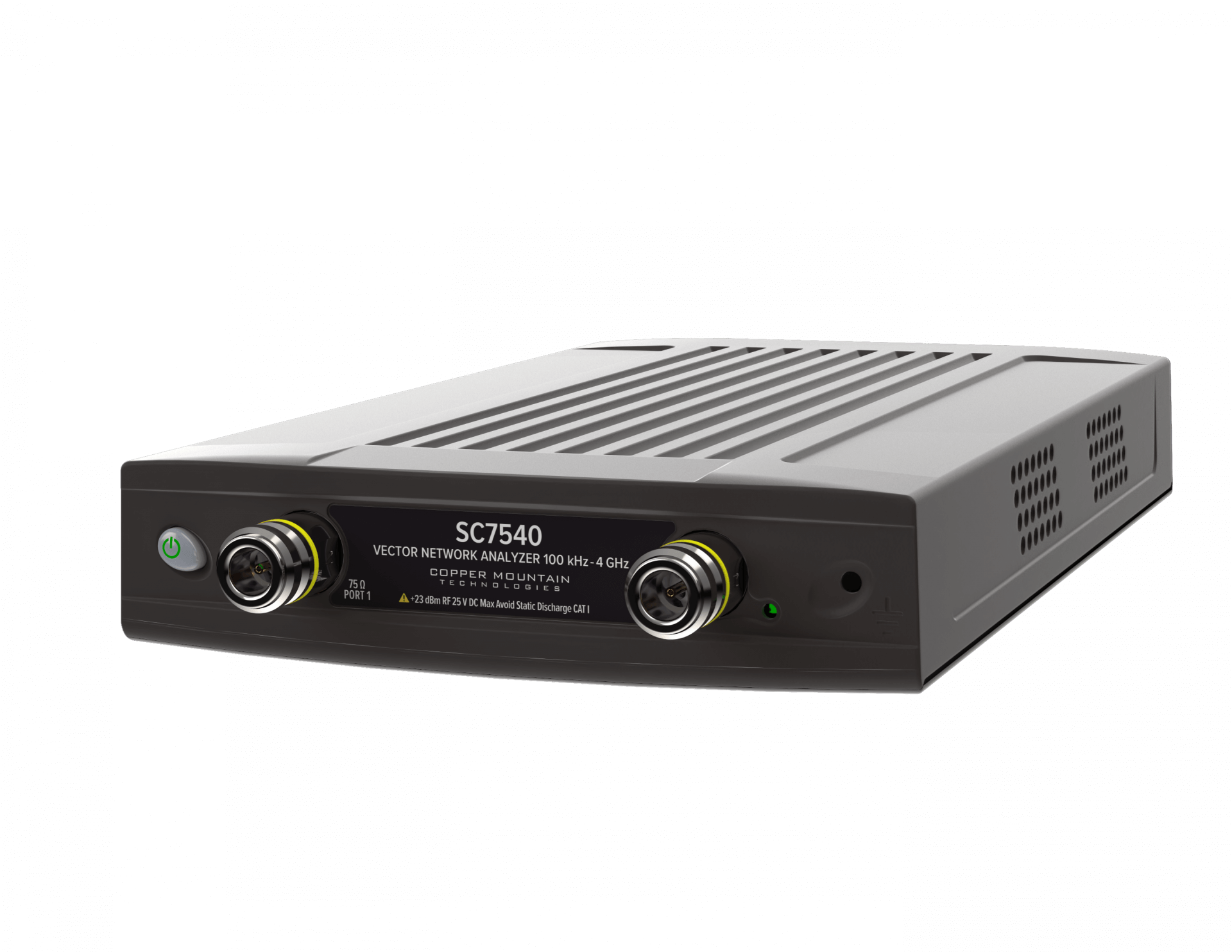
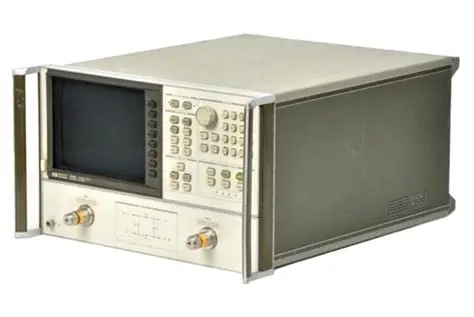
HP vector network analyzers (23 units)
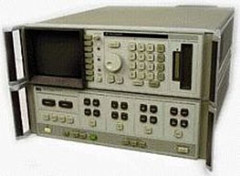
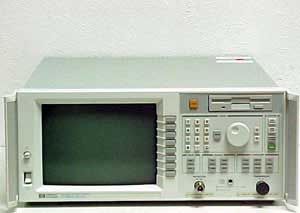
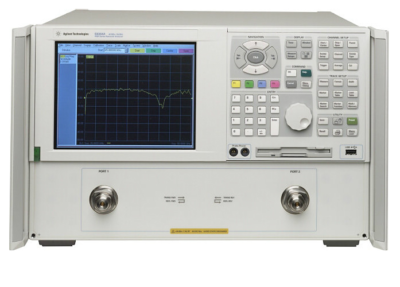
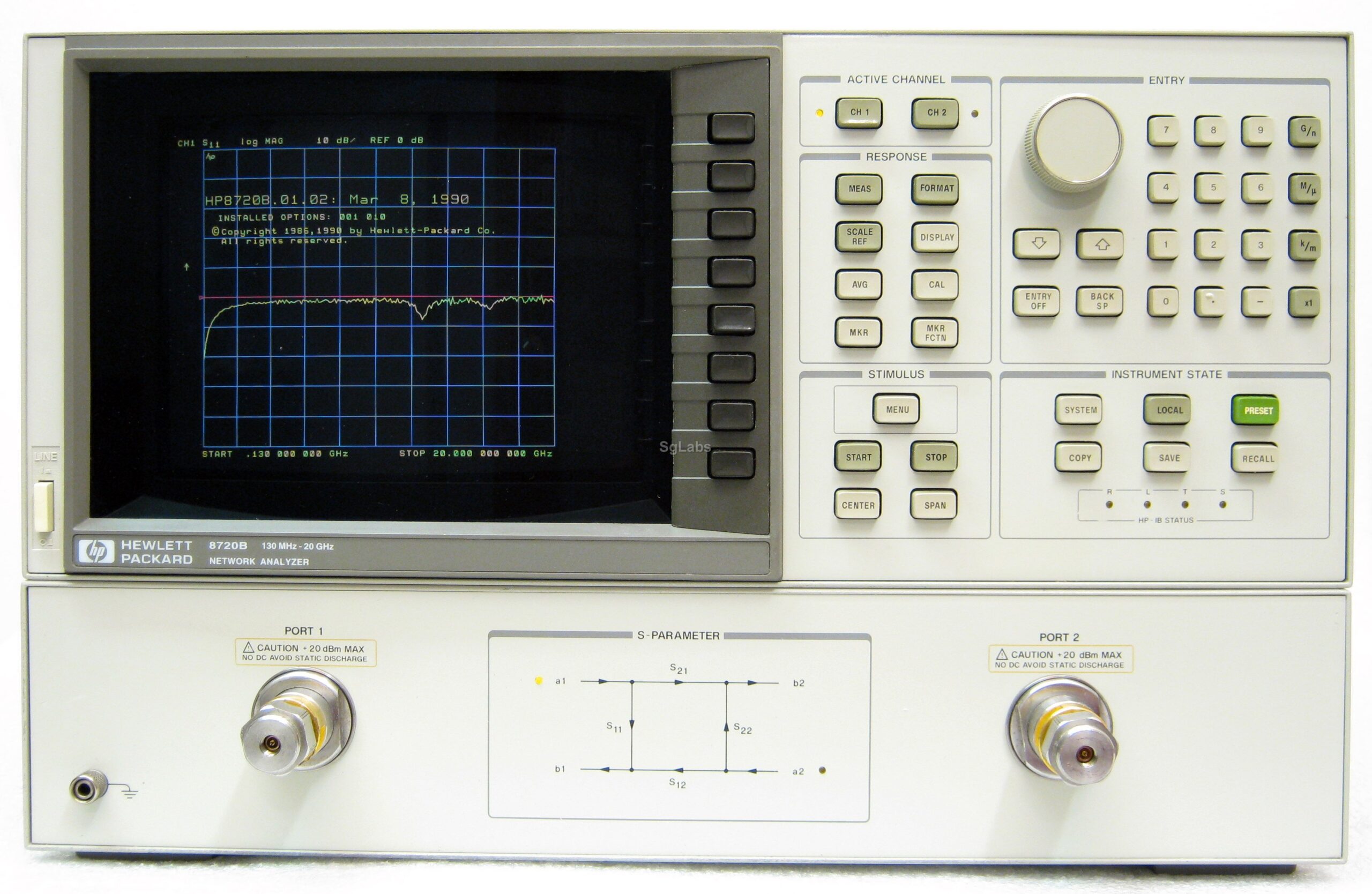
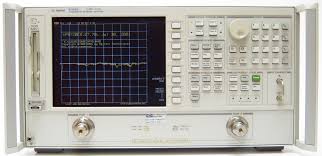
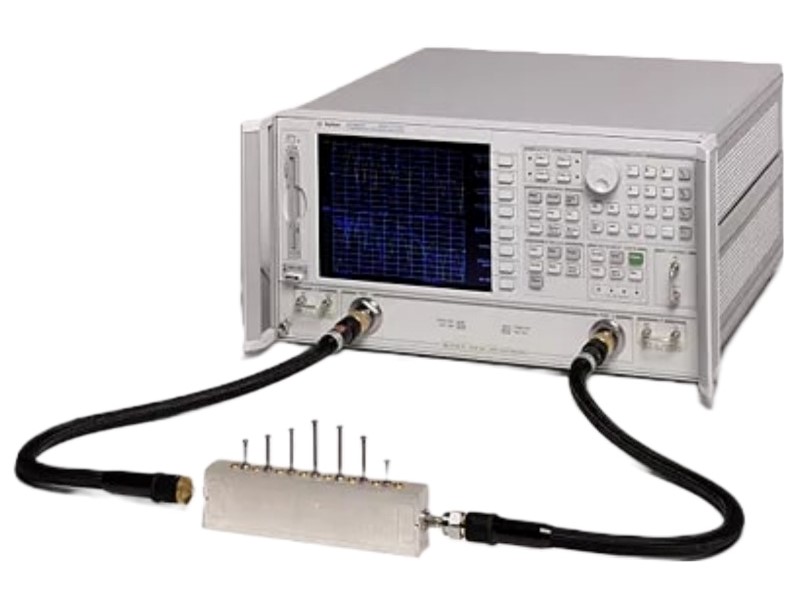
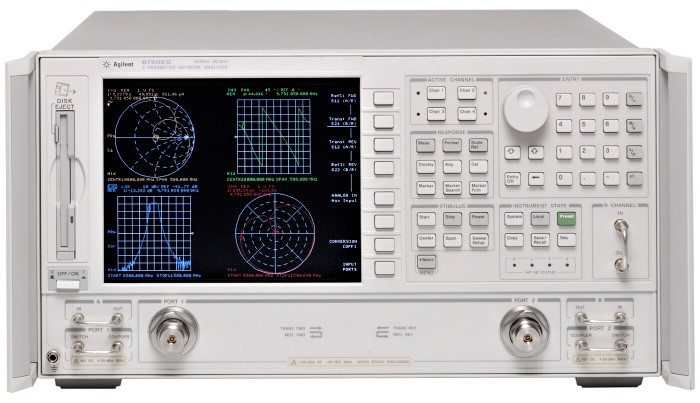
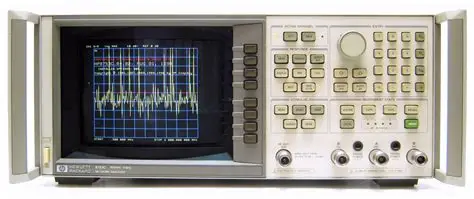
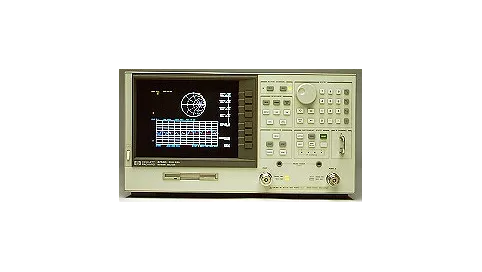
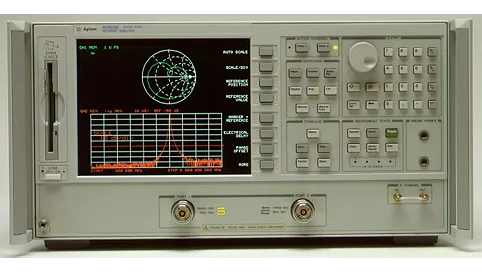
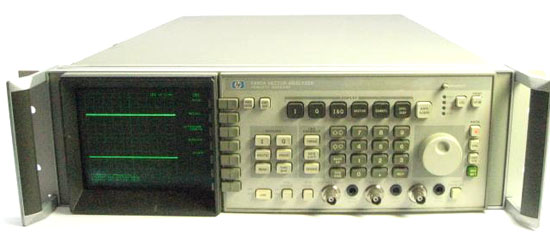
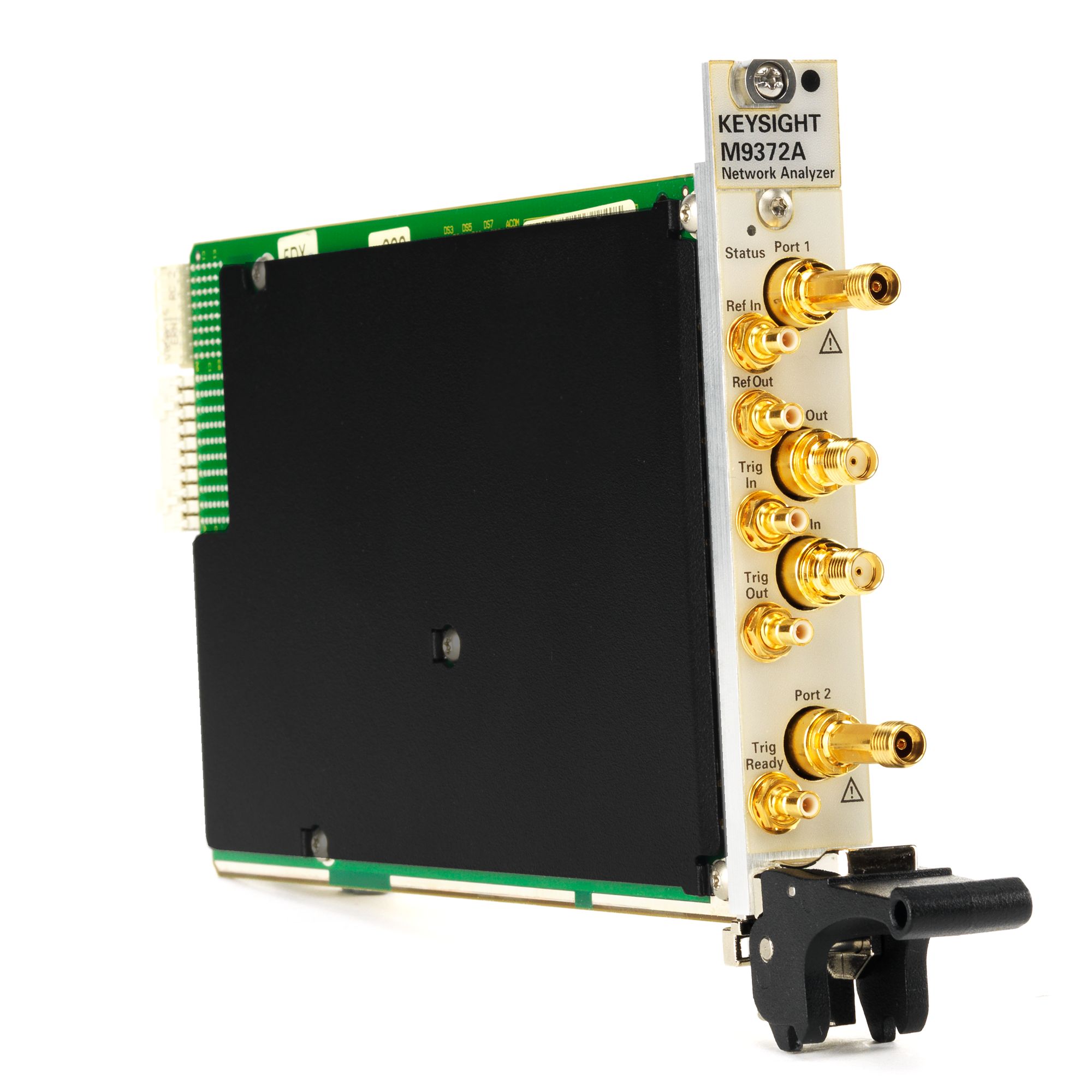
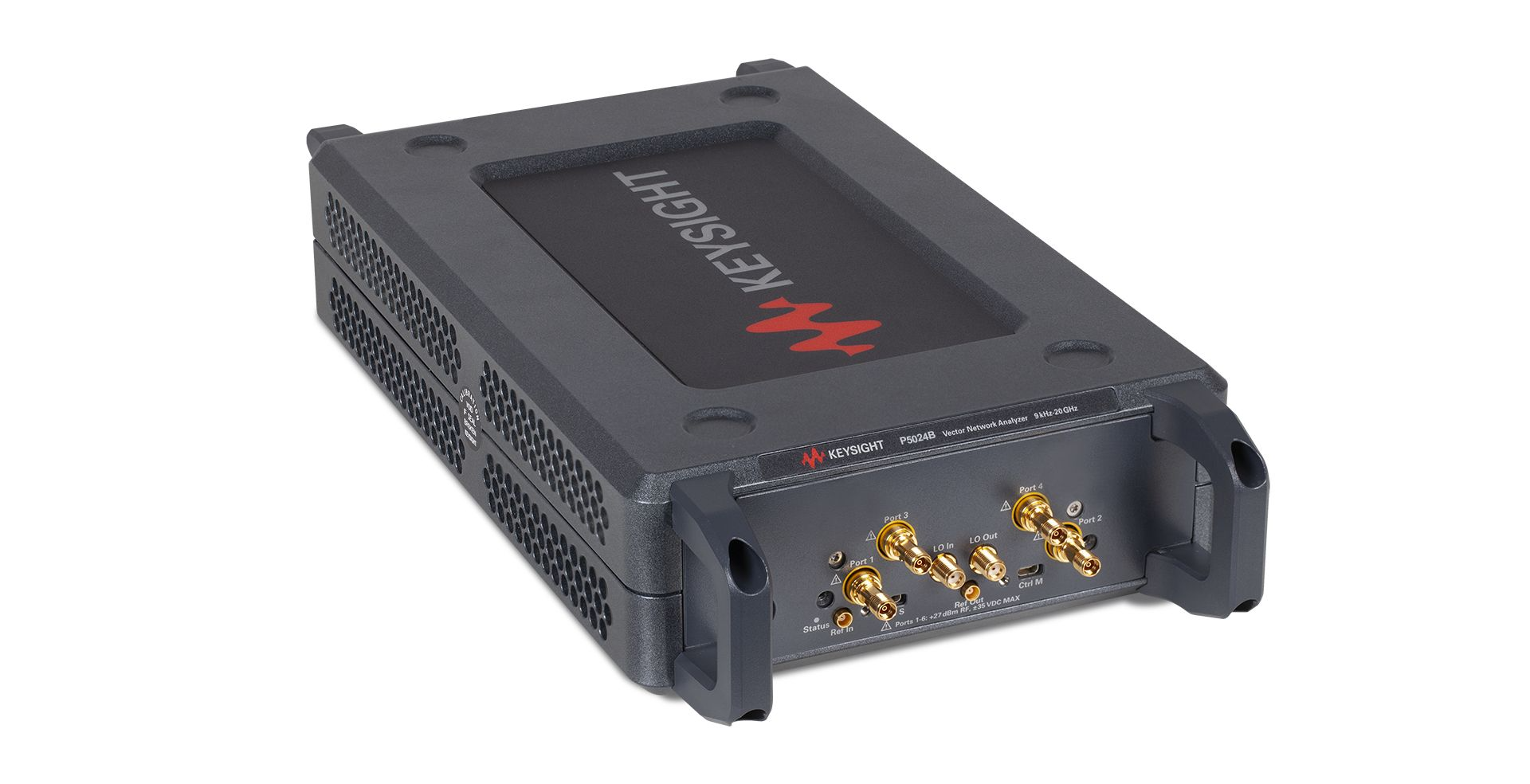
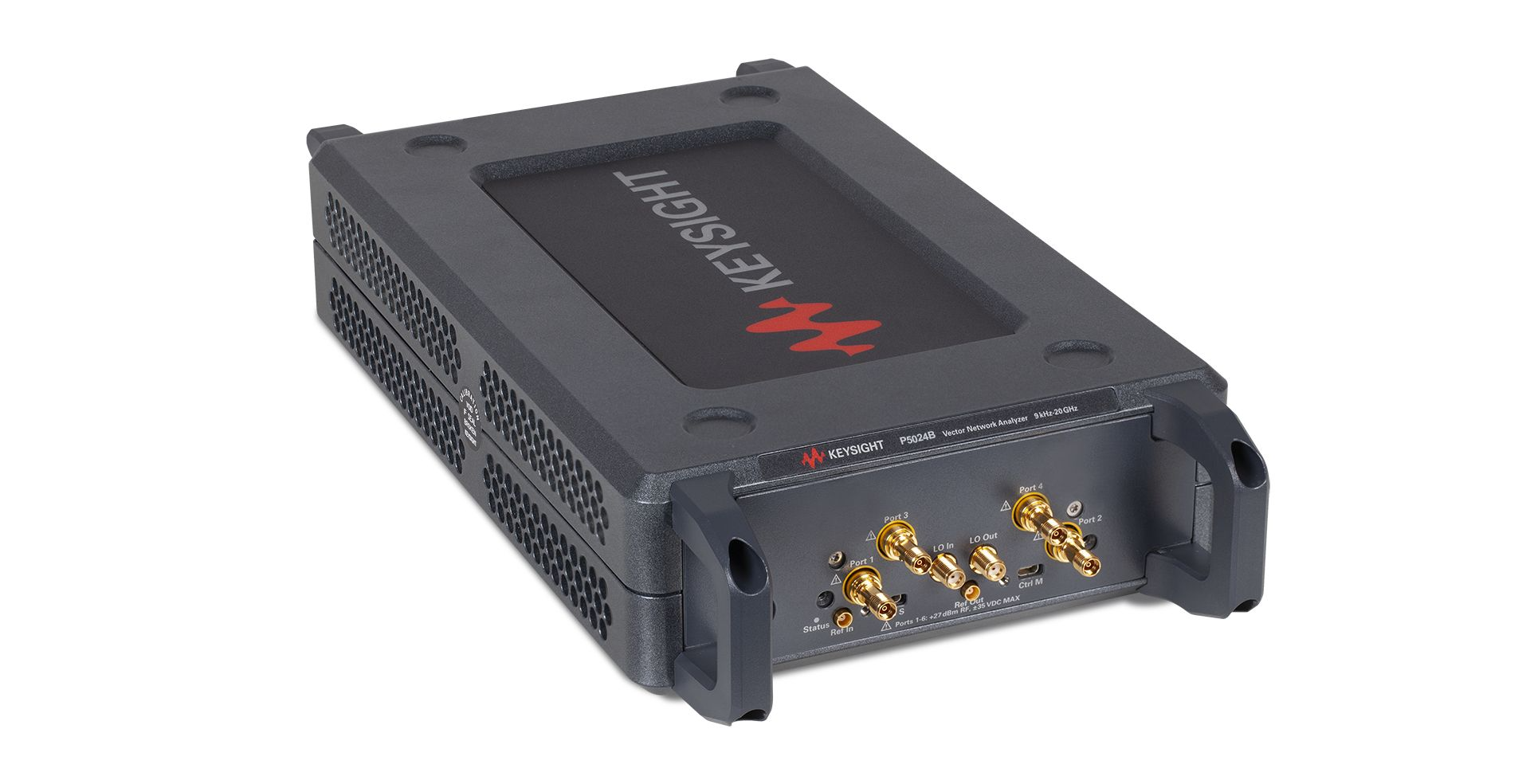
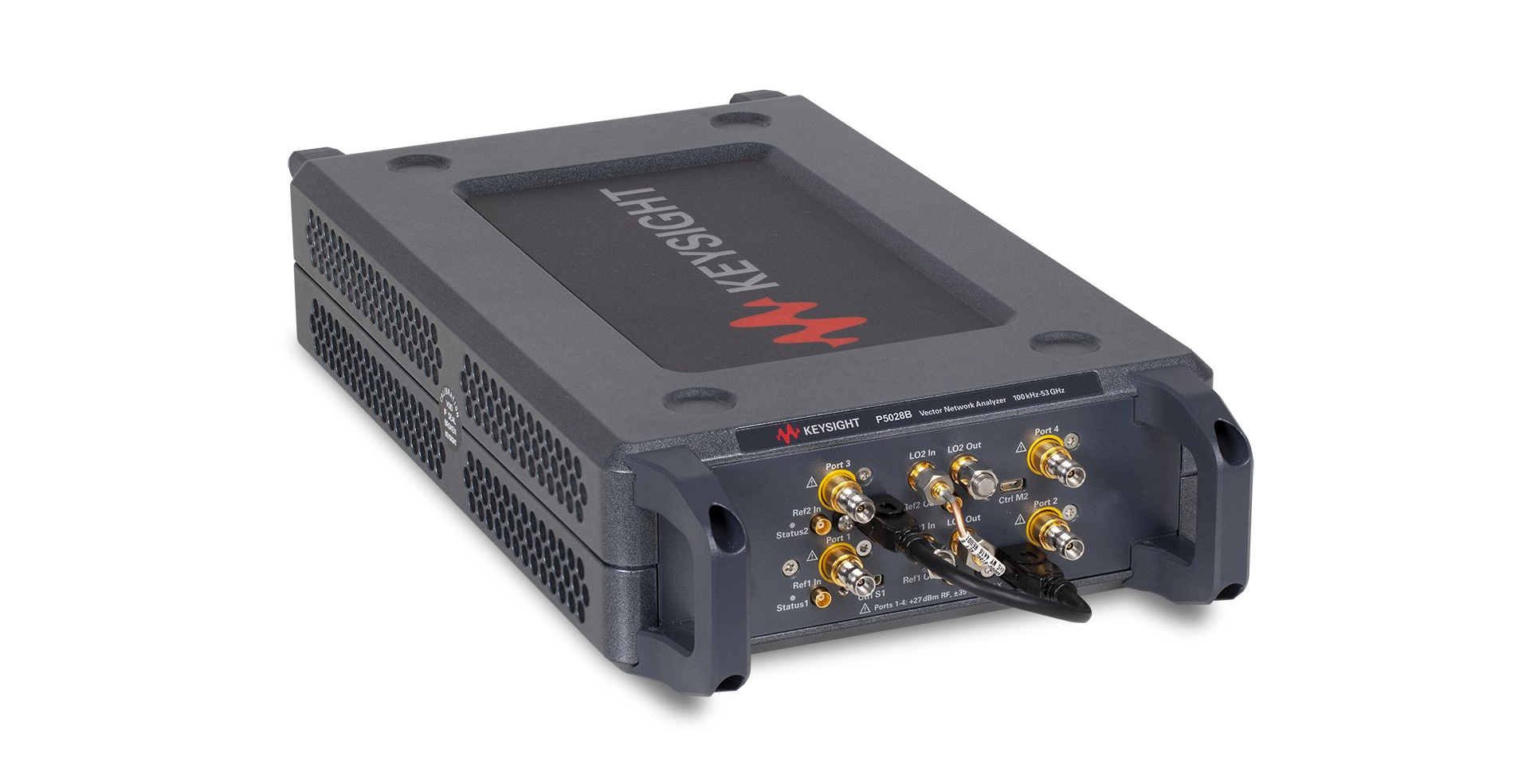
Keysight vector network analyzers (84 units)
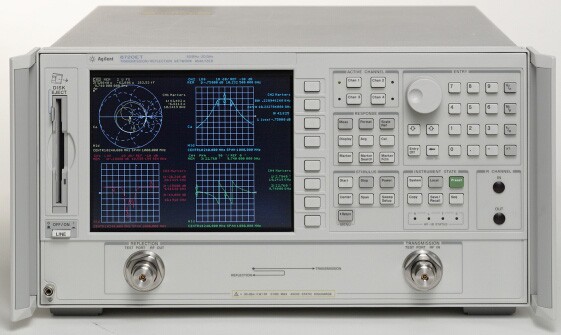
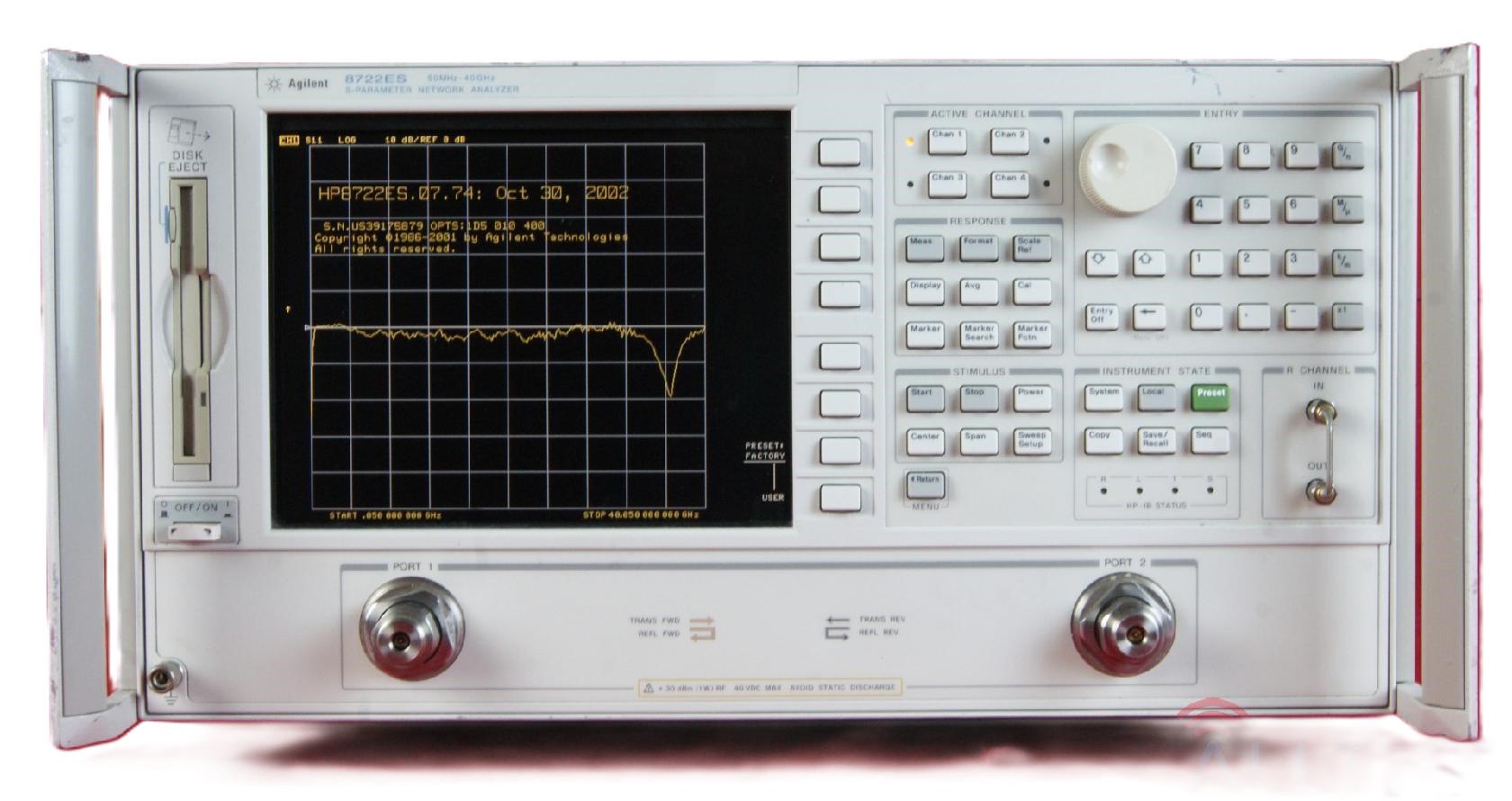
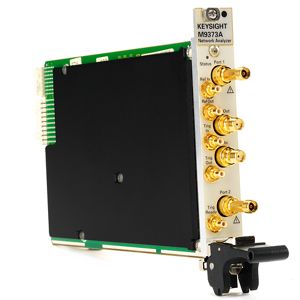
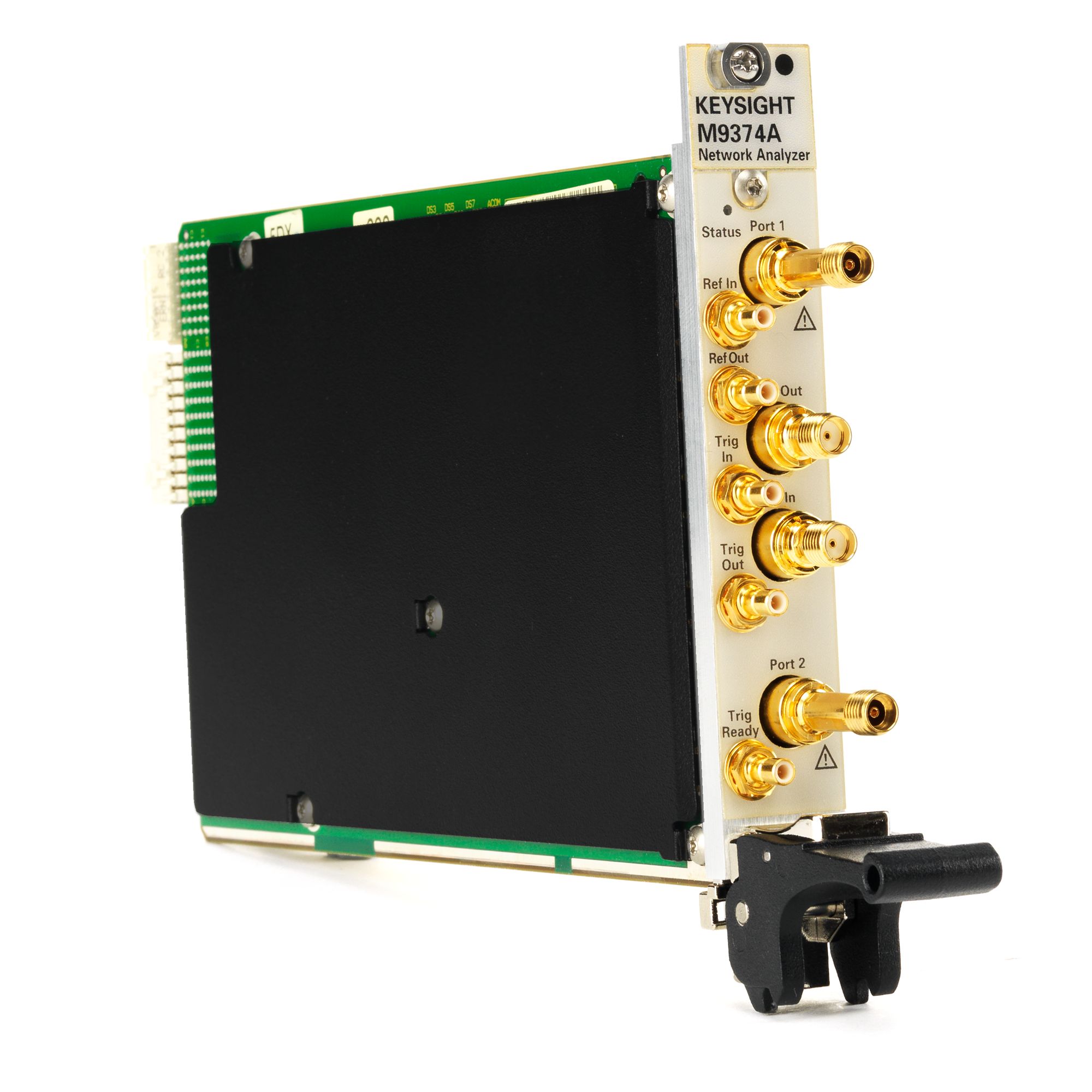
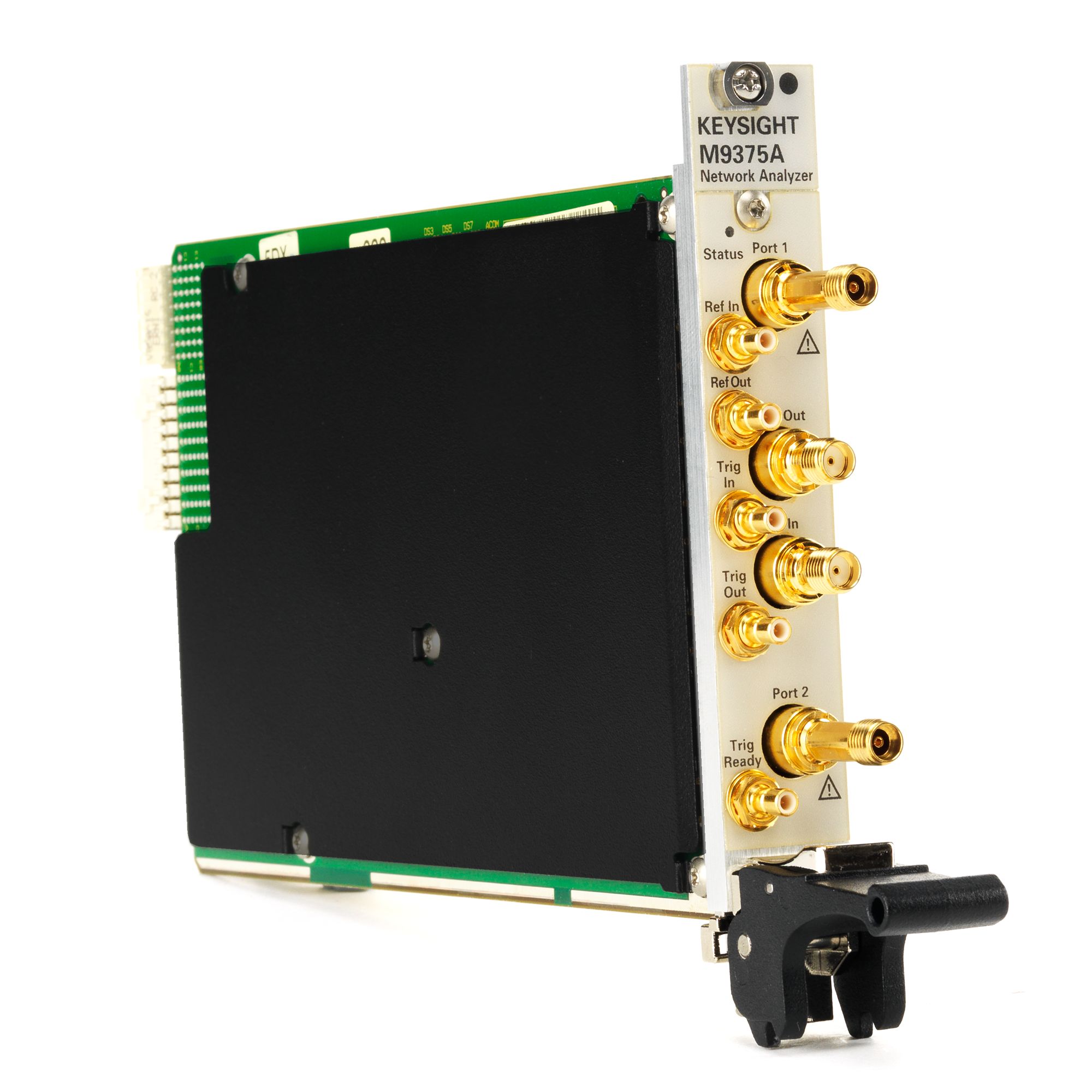
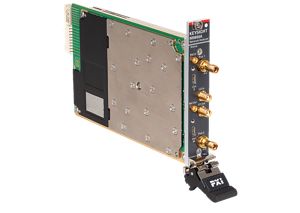
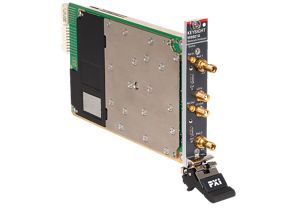
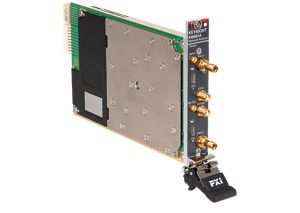
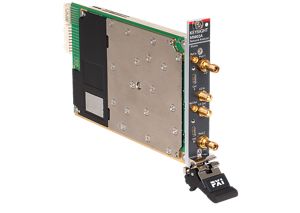
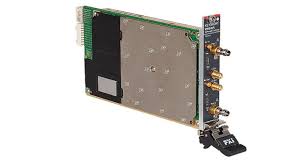
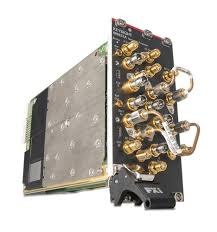
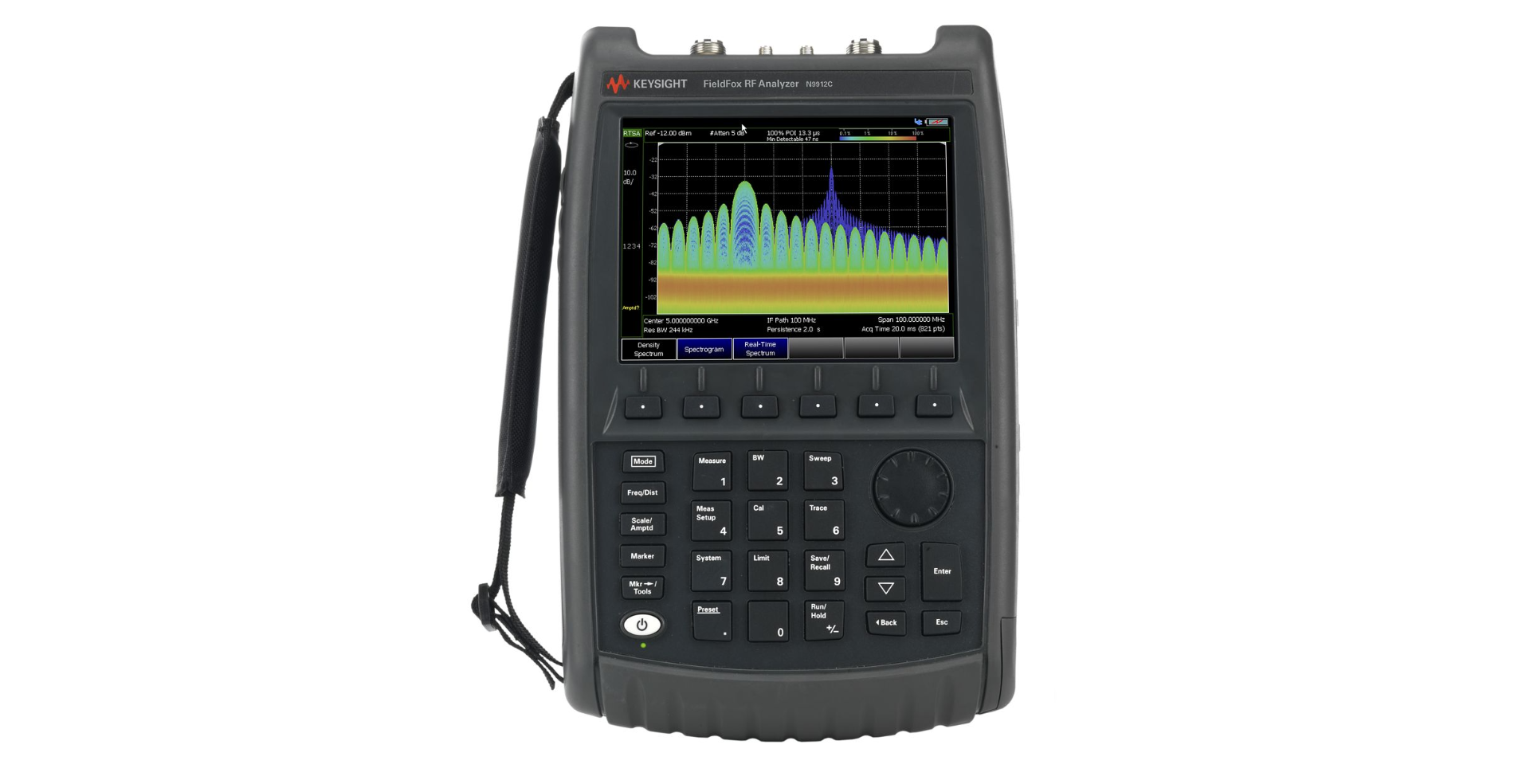
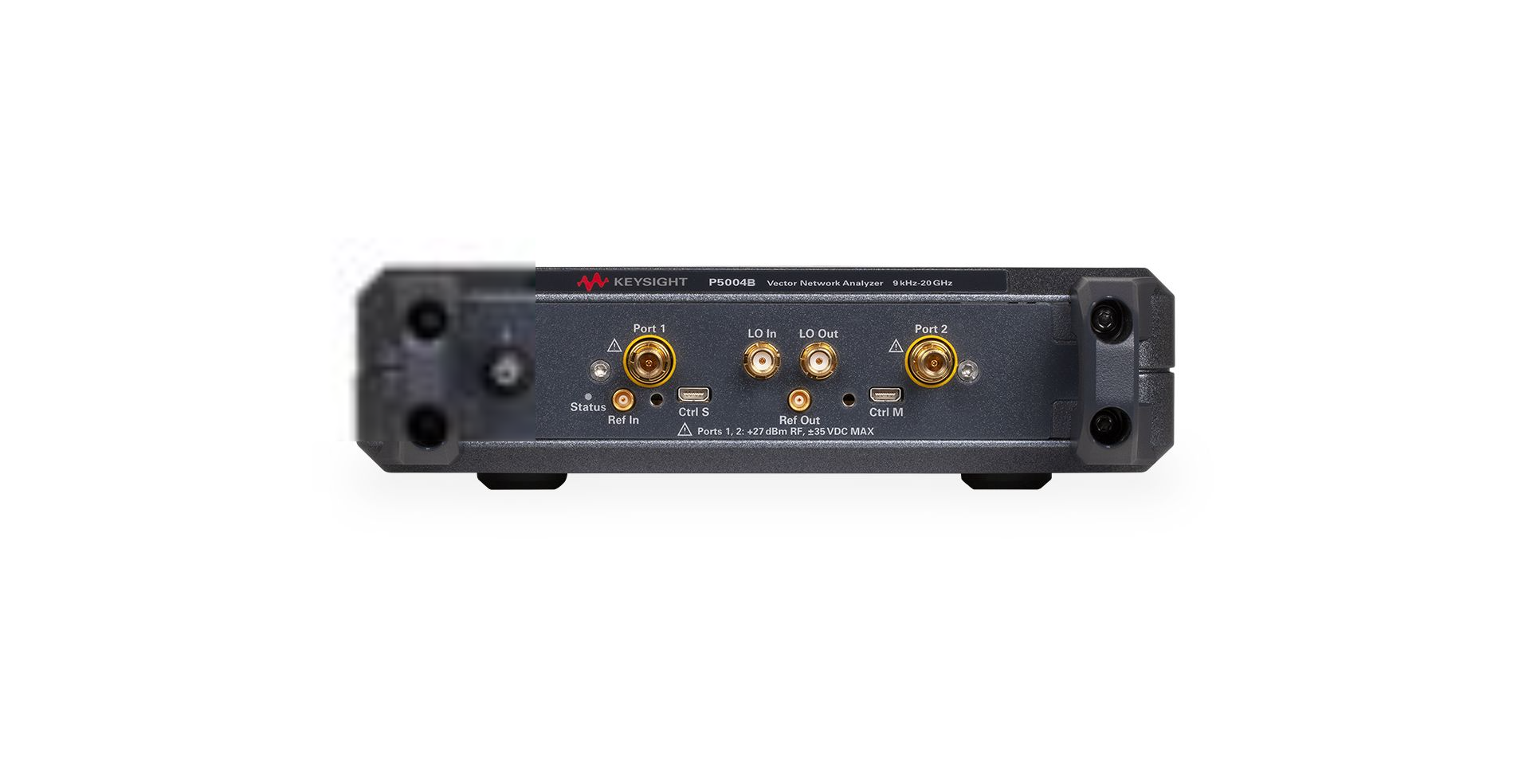
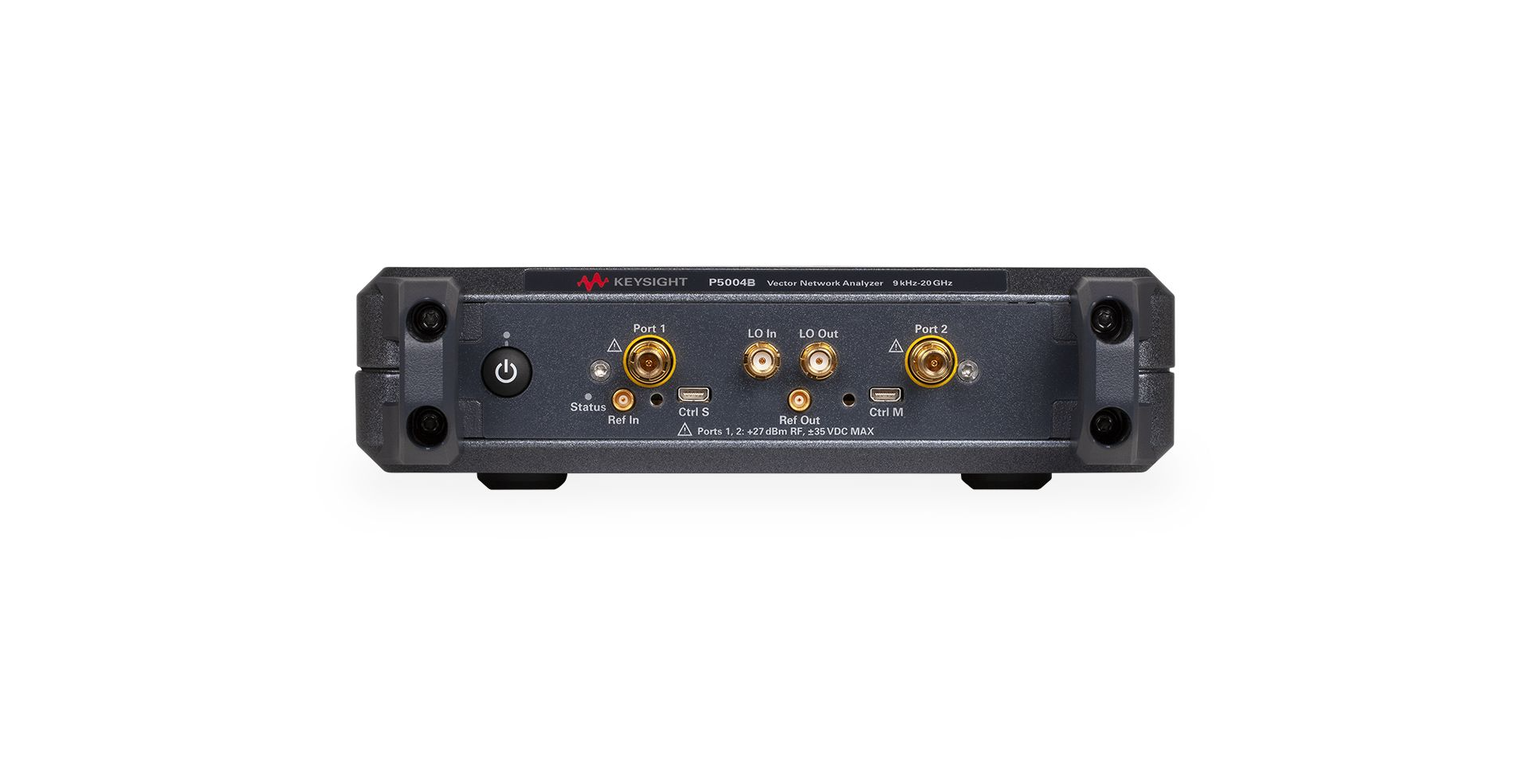
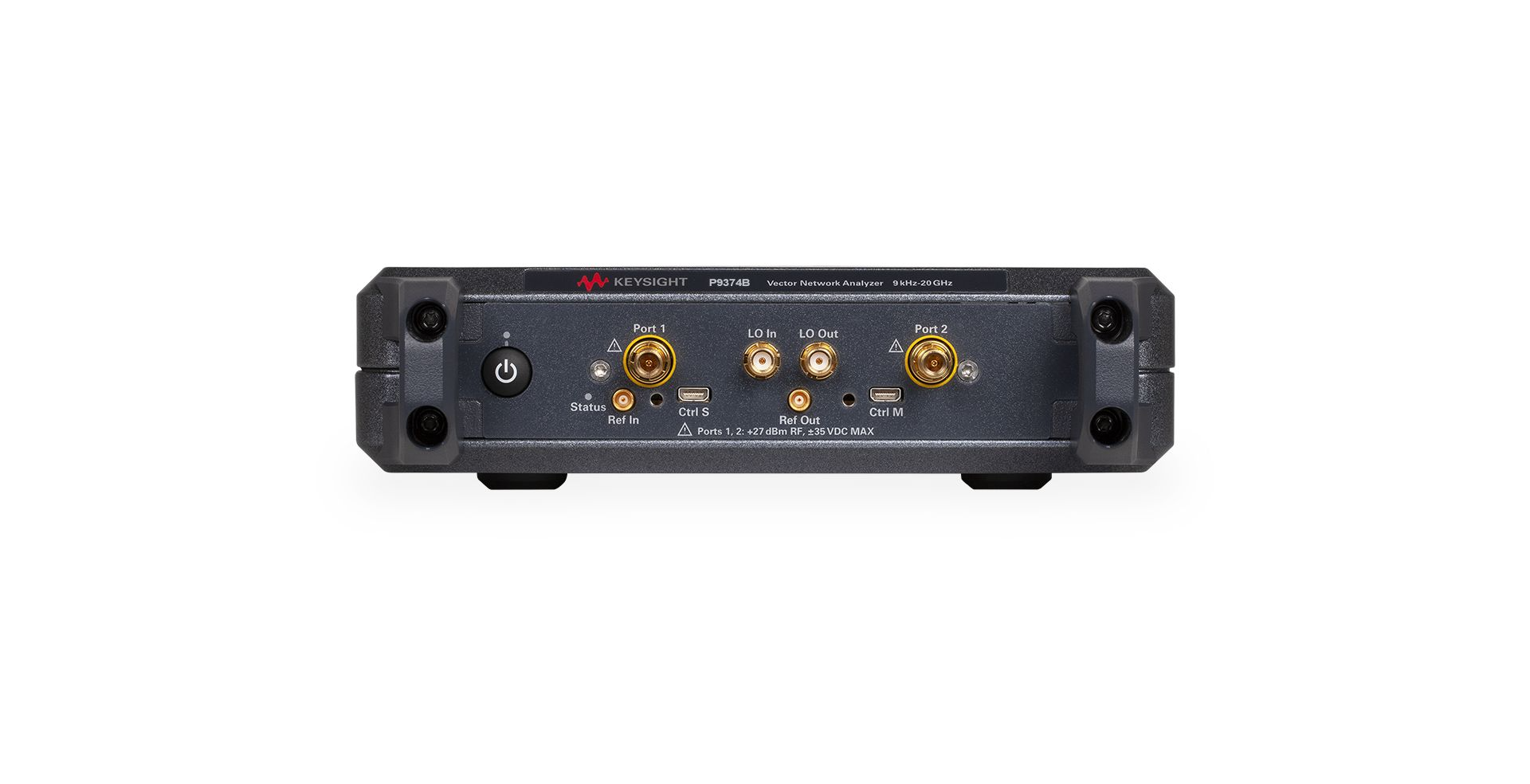
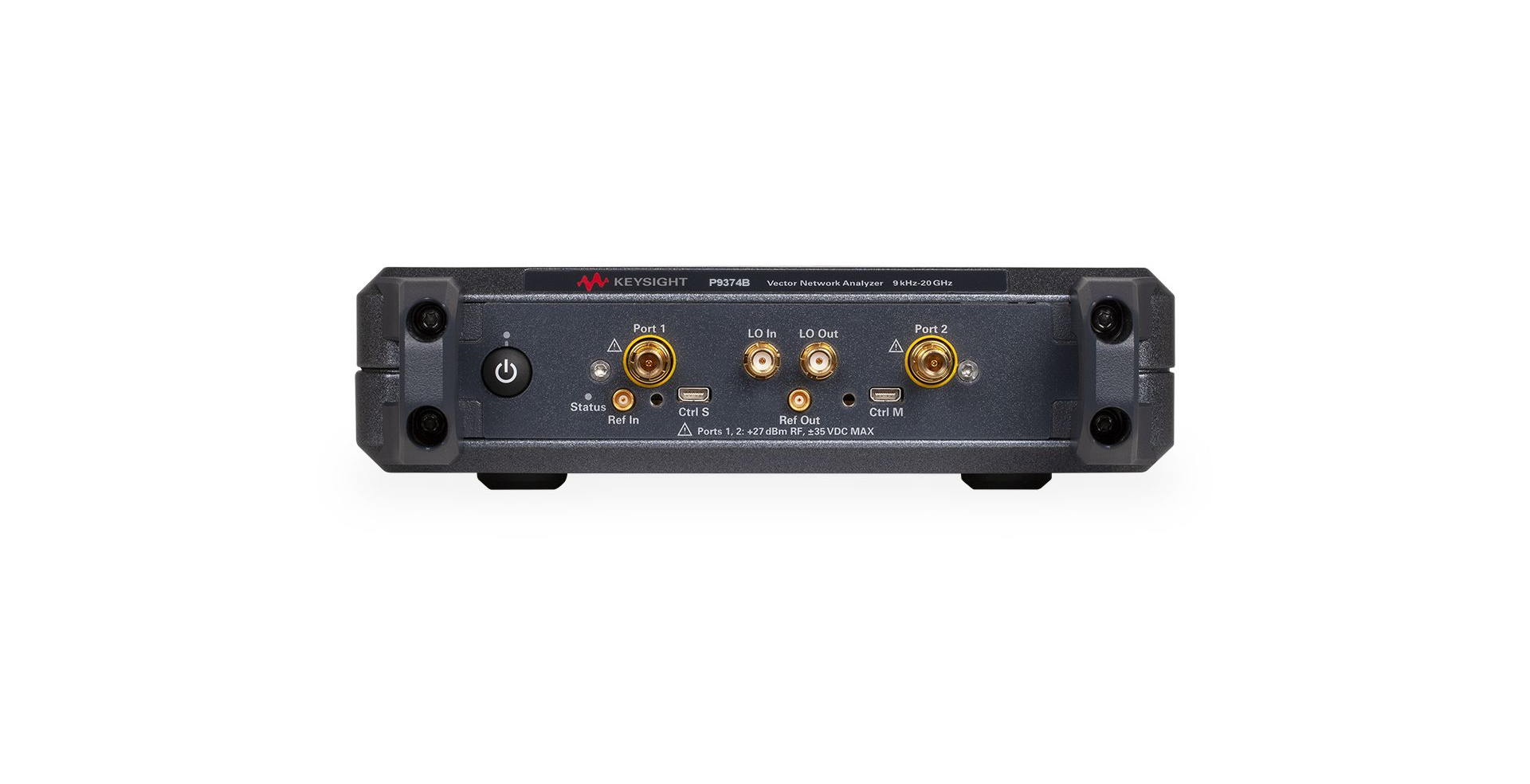
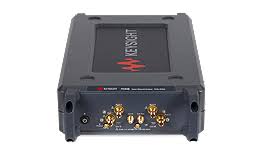
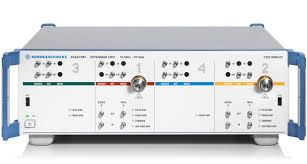
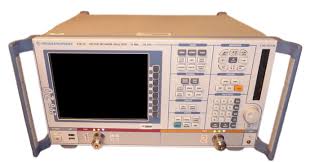
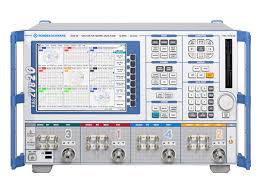
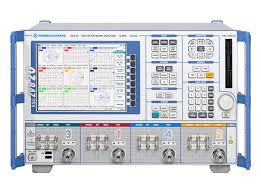
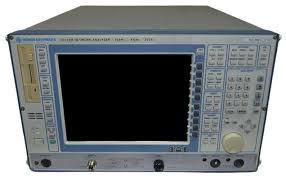
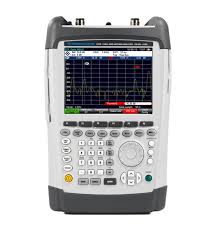
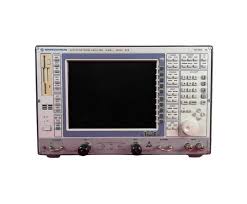
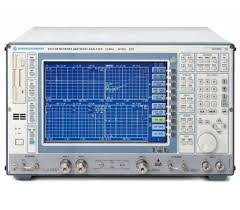
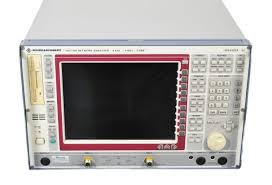
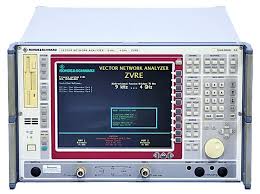
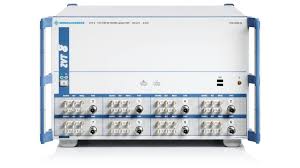
Rohde & Schwarz vector network analyzers (26 units)
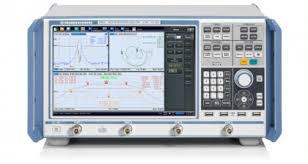
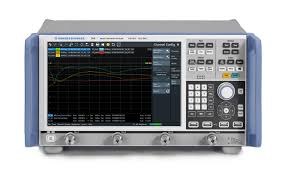
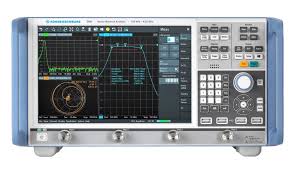
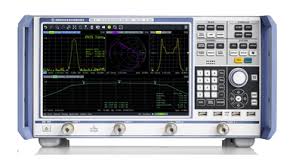
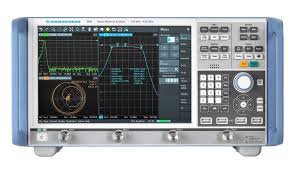
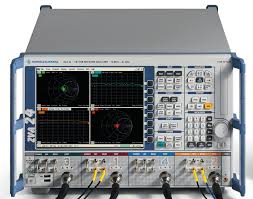
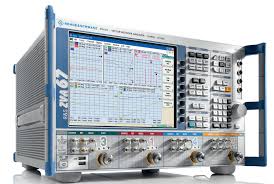
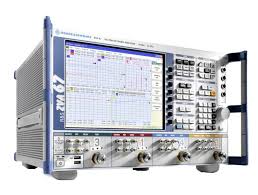
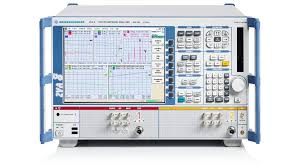
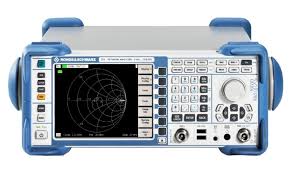
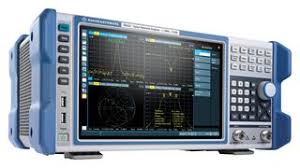
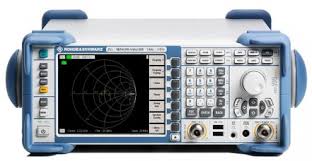
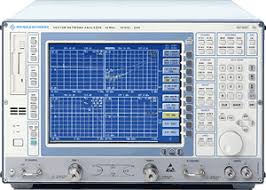
Tektronix vector network analyzers (2 units)


Teledyne LeCroy vector network analyzers (1 unit)
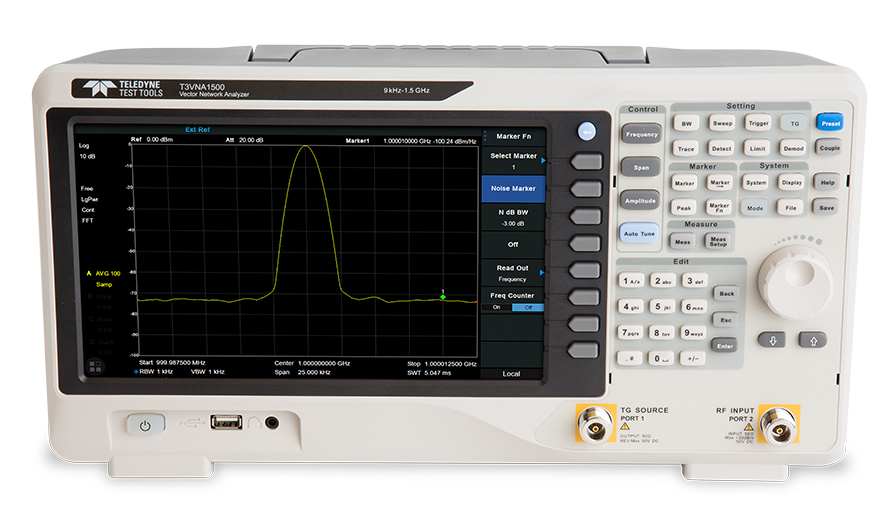
Zeenko vector network analyzers (1 unit)
Budget for the calibration kit
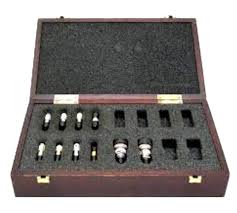
Start here, because this is where used VNA purchases go wrong. The analyzer on its own cannot make an accurate measurement. Calibration is what removes the error your cables, adapters, connectors and the instrument's own hardware introduce, and calibration needs a kit of known standards in your connector type.
Kits are not cheap. A good mechanical kit or an ECal module can run a meaningful fraction of what you paid for a used analyzer. If a listing does not say whether a kit is included, assume it is not, and ask before you buy rather than after. We will tell you plainly what ships with any unit on this page and what you will still need.
Vector or scalar
A vector analyzer measures magnitude and phase. That is the whole distinction, and everything else follows from it. Phase is what gives you complex impedance, group delay, time-domain gating, and the full S-parameter set rather than just a response curve.
If you only need to see the shape of a filter, a spectrum analyzer with a tracking generator does it for less money. If you need to match a network, characterise an amplifier properly, or hand someone an S2P file, nothing scalar will get you there.
Two ports or four
Two ports handles most work. Insertion loss, return loss, gain, and a complete S-parameter set on anything with an input and an output.
Four ports earns its cost in two situations: differential and balanced devices, where you genuinely need all four measured together, and multiport components like couplers and switches where moving cables between sweeps would introduce more error than it is worth. Four-port used instruments cost considerably more, so be honest about which case you are in before paying for ports you will not use.
SOLT, TRL and ECal
SOLT, short-open-load-through, is the common mechanical calibration. You connect each known standard in turn and the analyzer builds its error model. It is accurate, well understood, and fine for anything connectorised.
TRL, thru-reflect-line, uses transmission lines of known length instead of lumped standards. It comes into its own where a precise open or load is not achievable, which means on-wafer probing, test fixtures and waveguide. If your device under test does not end in a coaxial connector, this is the technique to read up on.
ECal replaces the kit with a single electronic module holding switchable standards. Connect it once, let the analyzer sequence through everything, and you are calibrated in well under a minute with far less opportunity for a mistake. If several people share the instrument, or you recalibrate daily, it pays back fast.
What wears out
Test set switches are the part to ask about on any analyzer that has lived in production. They have a finite cycle life, and a worn switch shows up as repeatability that drifts between sweeps rather than as an outright failure, which makes it hard to spot and expensive to chase.
Connector condition on the test ports matters as much as it does anywhere in RF, more so because you will be mating to them constantly. Ask about source and receiver assemblies on older units, and ask when the instrument last held a calibration.
How this differs from our network analyzers page
This page is vector instruments only. Our broader network analyzers category is a wider net that also takes in scalar analyzers and related equipment. If you know you need S-parameters and phase, you are in the right place. If you are still working out what the job needs, the broader page gives you more to compare.
Calibration and repair
NIST-traceable calibration is available on everything here, and on an instrument whose entire purpose is accuracy it is worth having. Source levels, receiver linearity and directivity all drift slowly and invisibly. See all calibration services →
Frequently asked questions
Does a used VNA come with a calibration kit? +
Usually not, and this catches people out constantly. A VNA without a cal kit cannot make an accurate measurement, because the calibration is what removes the error contributed by your cables, connectors and the instrument itself. Kits are expensive, often a significant fraction of what a used analyzer costs. Check what connector type you need, confirm whether a kit or an ECal module is included, and budget for one if it is not.
What is the difference between a vector and a scalar network analyzer? +
A vector analyzer measures both magnitude and phase, which is what lets it give you full S-parameters, complex impedance, group delay and time-domain results. A scalar analyzer, or a spectrum analyzer with a tracking generator, measures magnitude only. If all you need is the shape of a filter response, scalar is cheaper and sufficient. The moment you care about matching, impedance or phase, only a vector instrument will do.
Do I need 2 ports or 4? +
Two ports covers the large majority of work: insertion loss, return loss, gain, and the full S-parameter set on a two-port device. Four ports is what you want for differential and balanced measurements, for characterising a device with two inputs and two outputs, and for multiport components like couplers and switches without having to move cables between sweeps. Four-port instruments cost considerably more used, so be honest about whether you need it.
What does SOLT calibration mean, and when would I use TRL instead? +
SOLT stands for short, open, load, through, and is the standard calibration done with a mechanical kit of known standards in a coaxial connector type. It is accurate, well understood and what most users do. TRL, thru-reflect-line, uses transmission lines of known length instead and gives better accuracy on non-coaxial setups like on-wafer probing, fixtures and waveguide, where you cannot get a precise open or load. For most bench work on connectorised parts, SOLT is the answer.
What is an ECal module and is it worth it? +
An electronic calibration module replaces the mechanical kit with a single unit that contains switchable standards. You connect it once, the analyzer steps through everything automatically, and you are calibrated in under a minute instead of ten with far less chance of a mistake. If you calibrate often, or if several people share the instrument, it pays for itself quickly. ECal modules are tied to connector type and frequency range, so match it to your work.
Can older VNAs like the HP 8753 still be calibrated and repaired? +
Yes, and a surprising number are still in daily service. The 8753 and 8720 families, the Agilent ENA and PNA lines and their Rohde & Schwarz contemporaries remain serviceable. Common repairs are source and receiver assemblies, test set switches, and the display. Switch wear is worth asking about on any unit that has lived in a production environment, since a test set switch has a finite number of cycles.
How is this different from your network analyzers category? +
This page lists vector instruments specifically, the ones that measure phase as well as magnitude and produce full S-parameters. Our broader network analyzers category also includes scalar analyzers and other related instruments. If you know you need S-parameters, start here. If you are not sure, the broader category is a wider net.
Need the right cal kit with it?
Tell us your connector type, frequency range and whether you are measuring single-ended or differential. We will put together an analyzer and kit that actually work together.
Get in touch