
Used Signal Conditioning Modules
144 modules in stock from Acromag, Advantech, Keithley, Agilent and Teledyne LeCroy. Isolation, thermocouple and RTD input, bridge excitation, filtering and current-loop conversion.
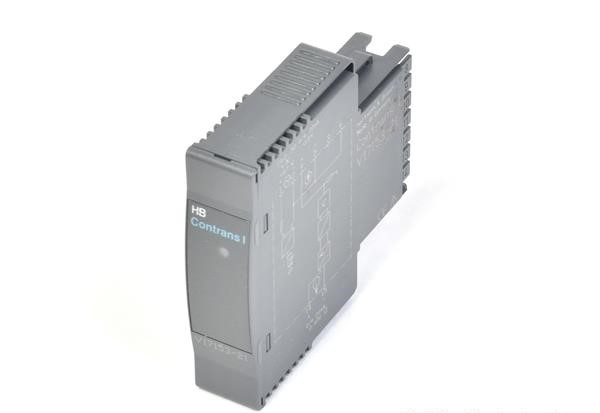
ABB / Hartmann and Braun signal conditioning (1 module)
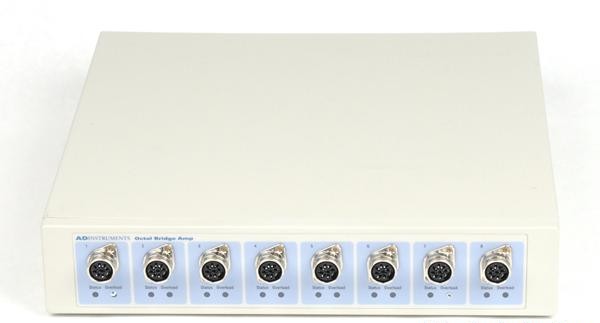
ADInstruments signal conditioning (1 module)
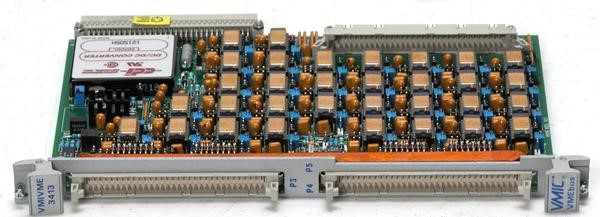
Abaco Systems / VMIC signal conditioning (2 modules)
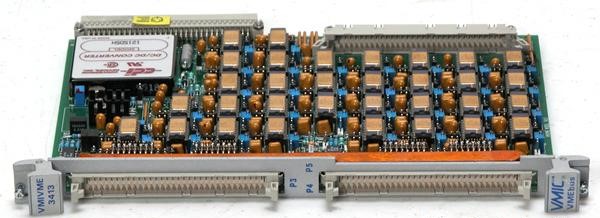
Acromag signal conditioning (1 module)
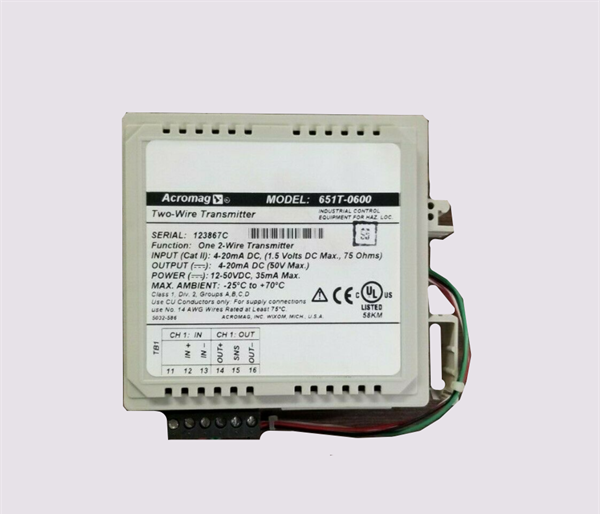
Advantech signal conditioning (1 module)
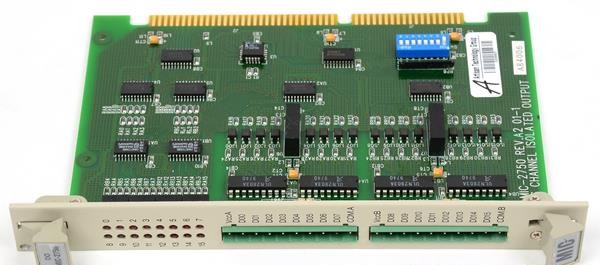
Aeroflex / Tektronix / CDS signal conditioning (4 modules)
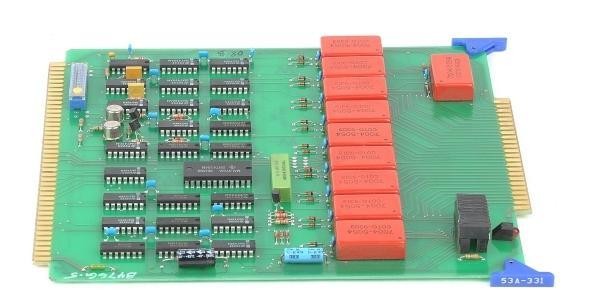
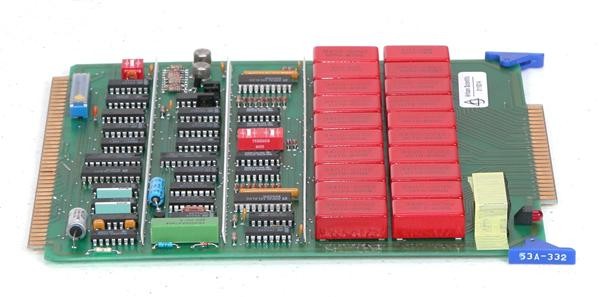
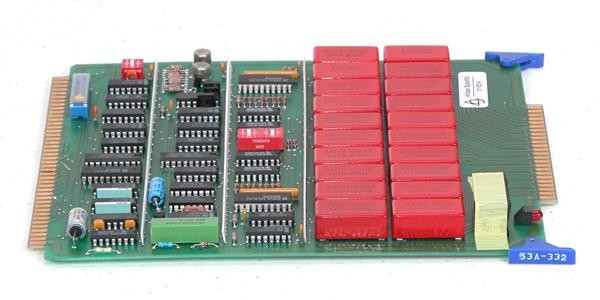
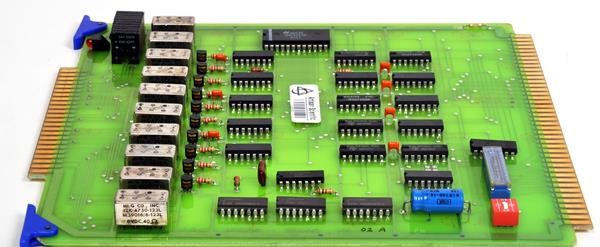
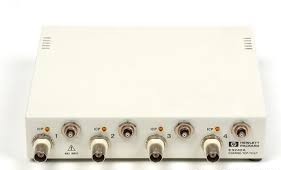
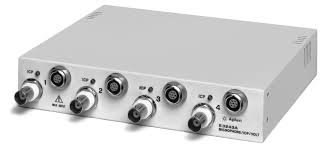
Agilent signal conditioning (20 modules)
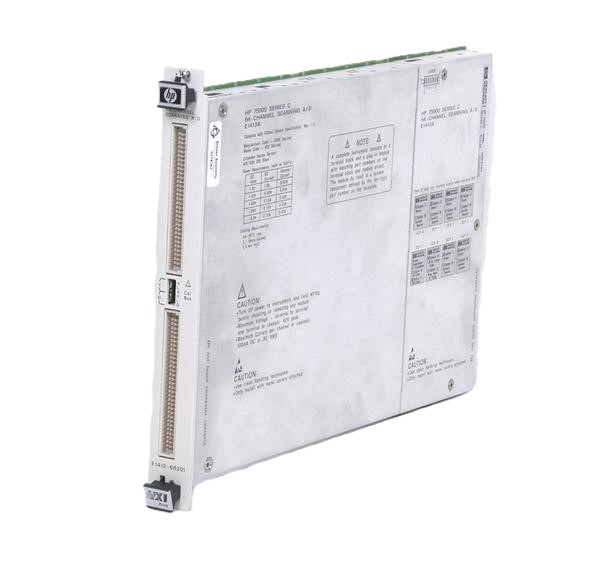
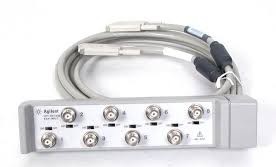
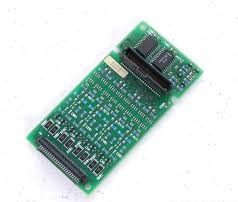
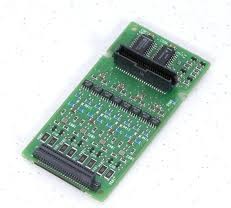
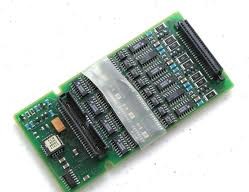
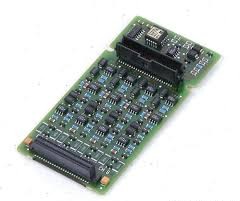
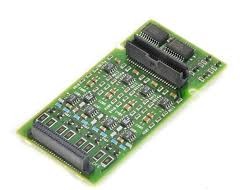
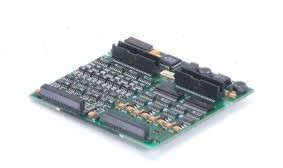
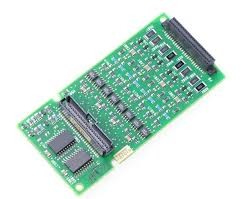
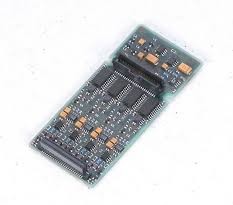
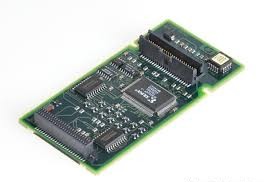
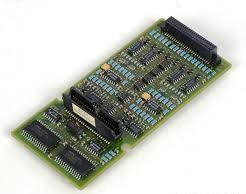
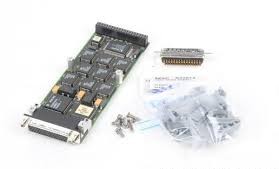
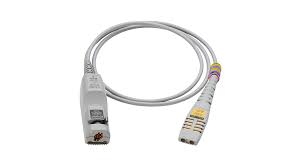
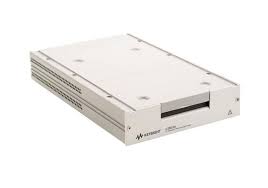
Ametek / EG&G / Princeton Applied Research signal conditioning (1 module)
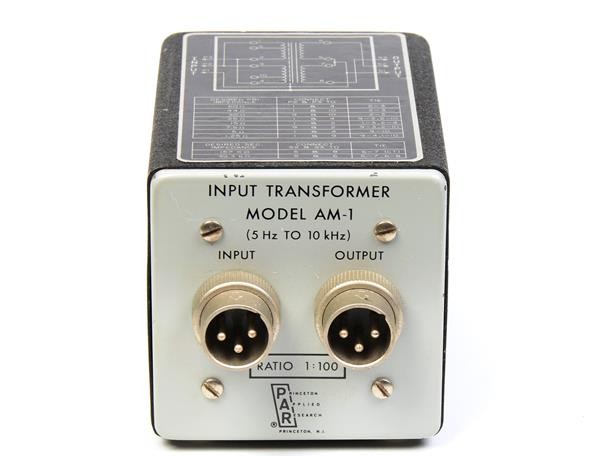
Ametek / VTI Instruments / VXI Technology signal conditioning (2 modules)
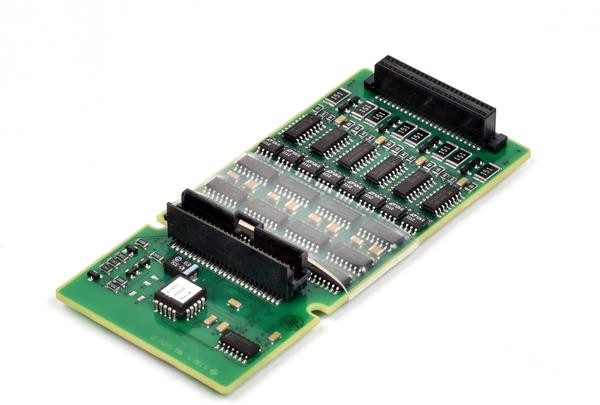
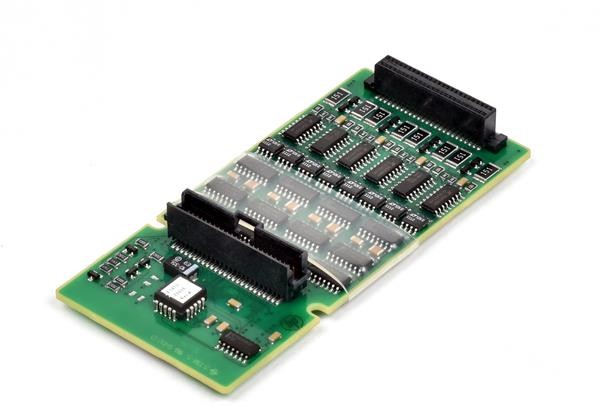
Amphenol / PCB Piezotronics signal conditioning (3 modules)
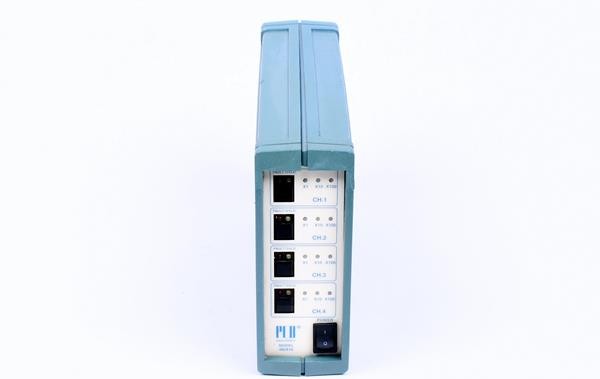
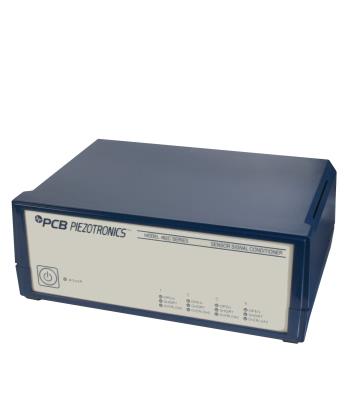
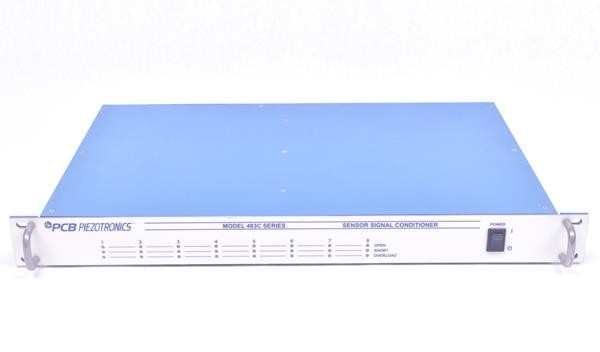
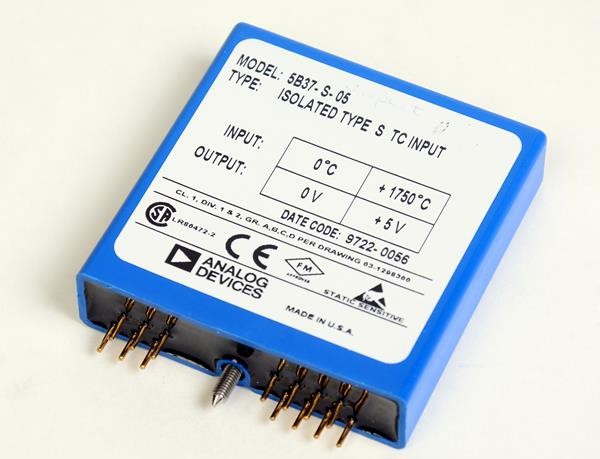
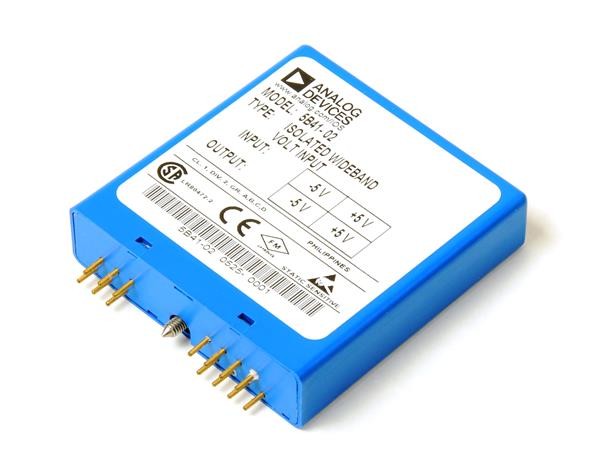
Analog Devices signal conditioning (3 modules)
Astronics / EADS / Racal signal conditioning (1 module)
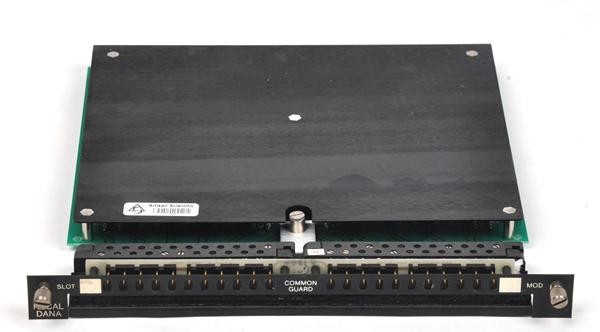
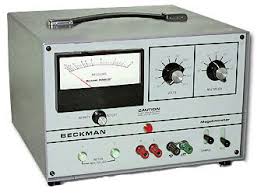
Beckman signal conditioning (1 module)
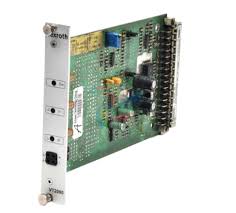
Bosch Rexroth signal conditioning (1 module)
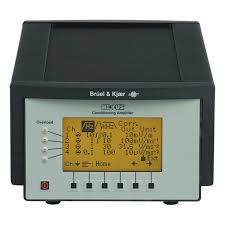
Bruel & Kjaer signal conditioning (1 module)
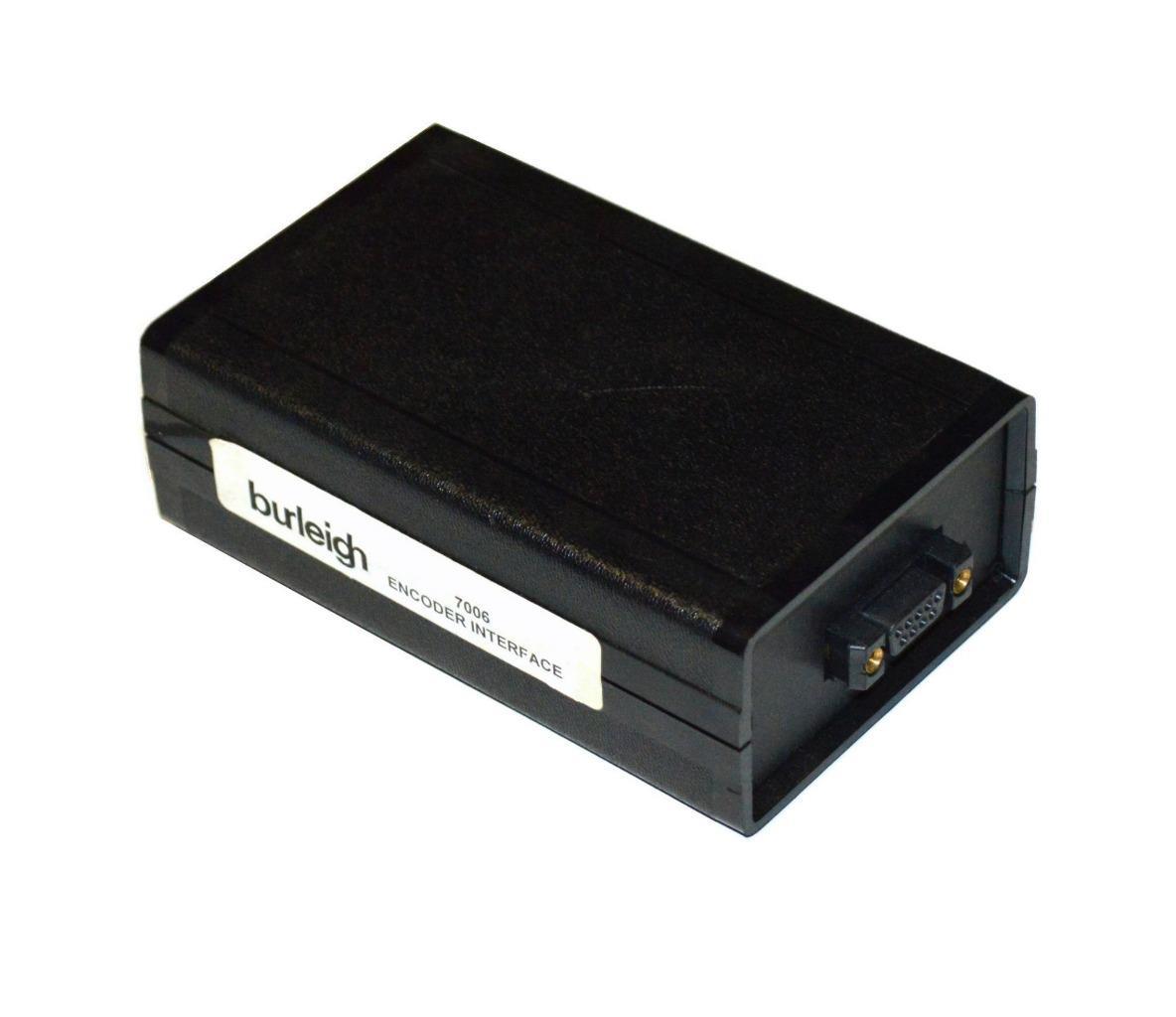
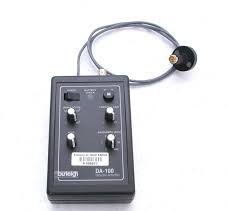
Burleigh signal conditioning (2 modules)
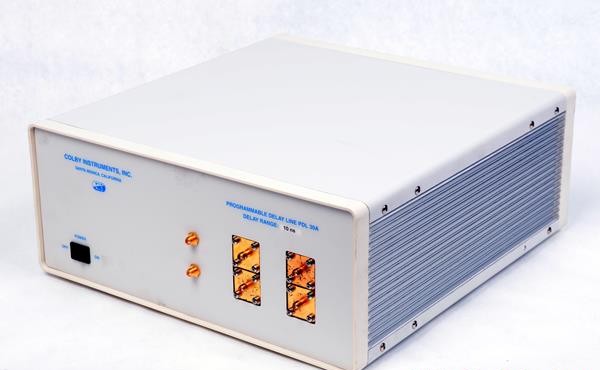
Colby Instruments signal conditioning (1 module)
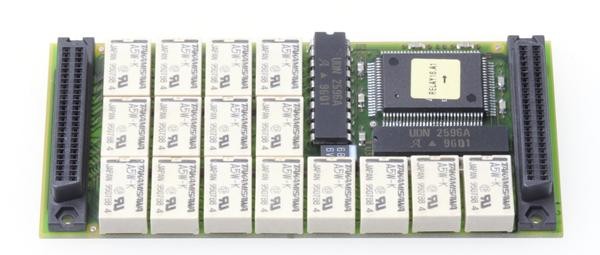
Curtiss-Wright / Systran signal conditioning (1 module)
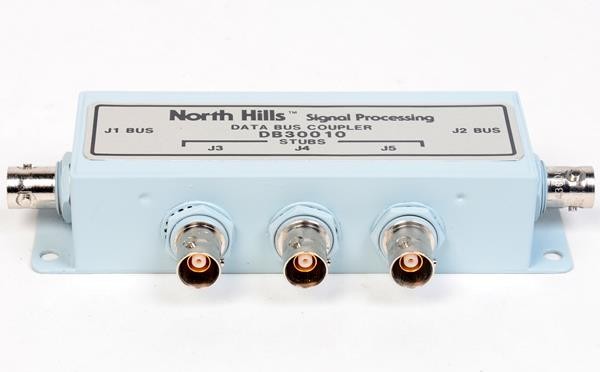
DDC / North Hills signal conditioning (1 module)
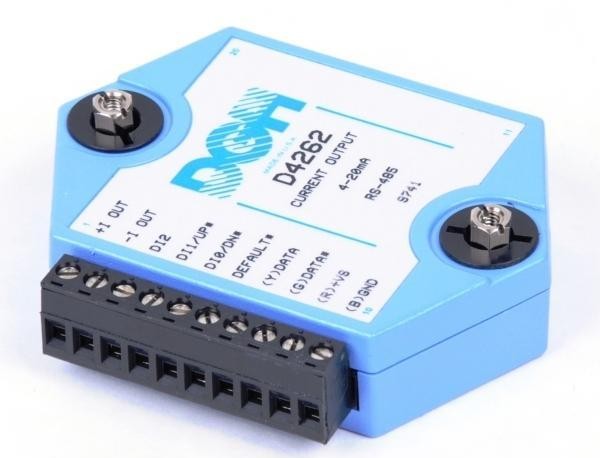
DGH signal conditioning (1 module)
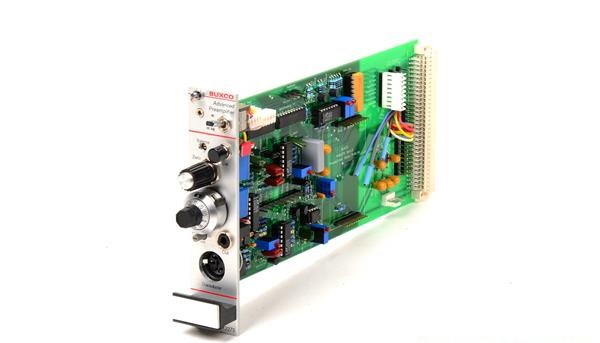
Data Sciences International / Buxco signal conditioning (1 module)
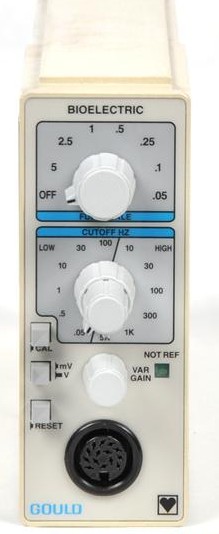
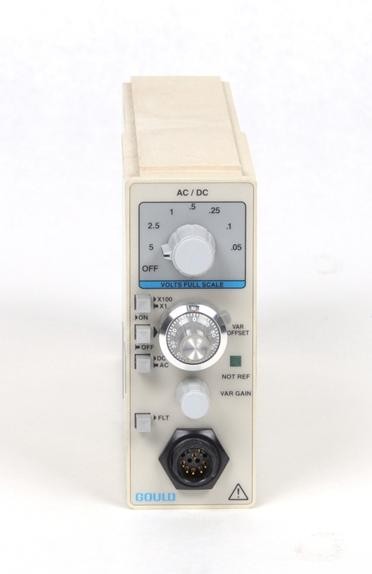
Data Sciences International / LDS / Gould signal conditioning (2 modules)
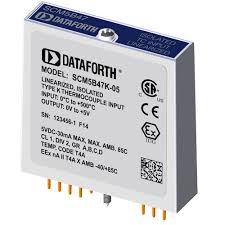
Dataforth signal conditioning (1 module)
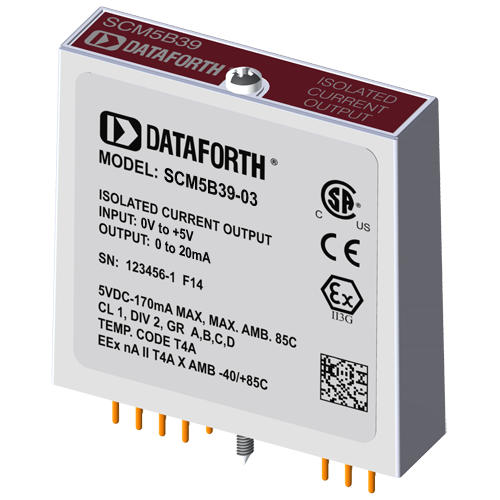
Dwyer/Omega signal conditioning (1 module)
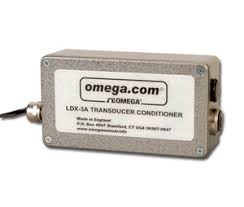
DynamicSignals / Kinetic Systems signal conditioning (1 module)
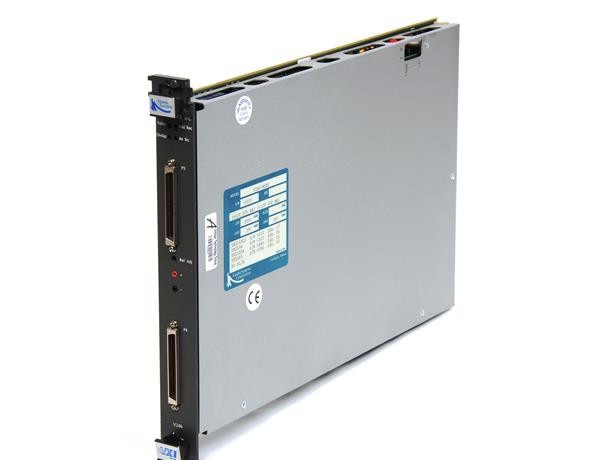
DynamicSignals / Kinetic Systems / Preston signal conditioning (1 module)
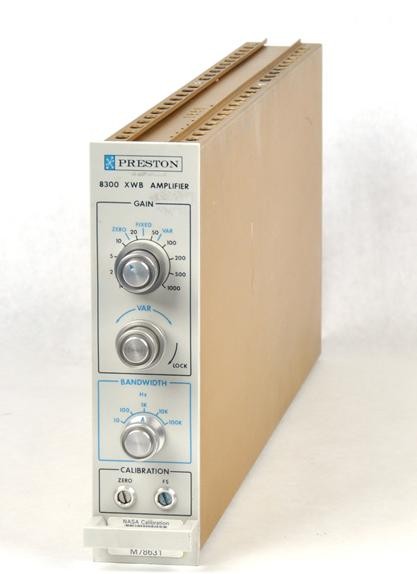
Dytran signal conditioning (1 module)
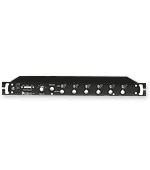
Eaton / MTL Instruments signal conditioning (1 module)
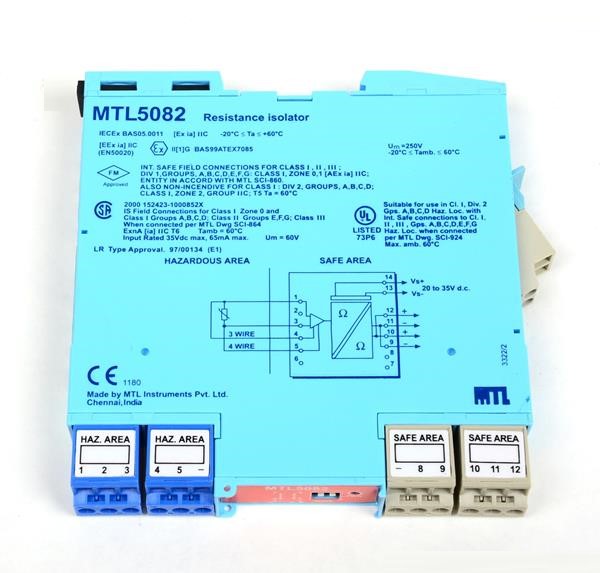
Emerson Motion Control signal conditioning (1 module)
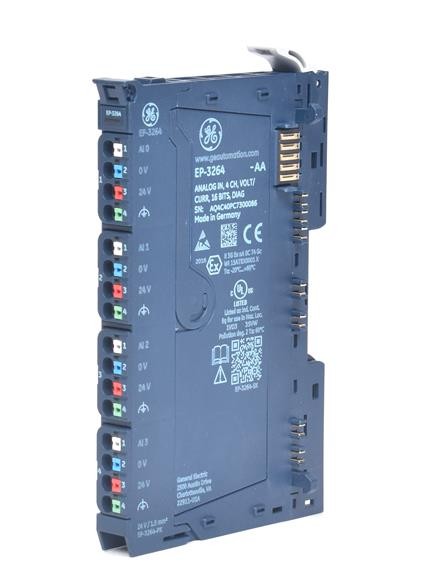
Endevco signal conditioning (3 modules)
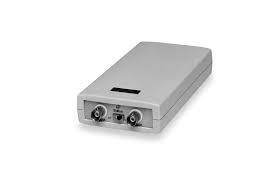
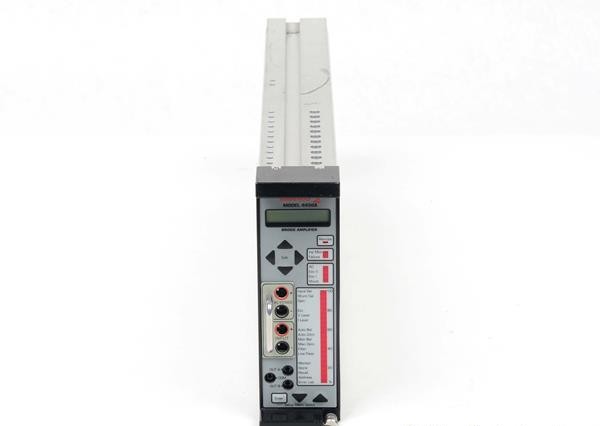
Fluke signal conditioning (1 module)
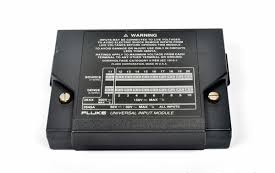
Futek signal conditioning (1 module)
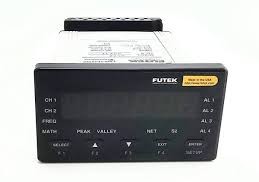
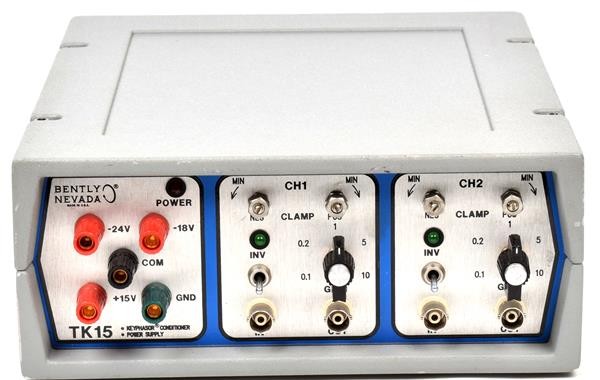
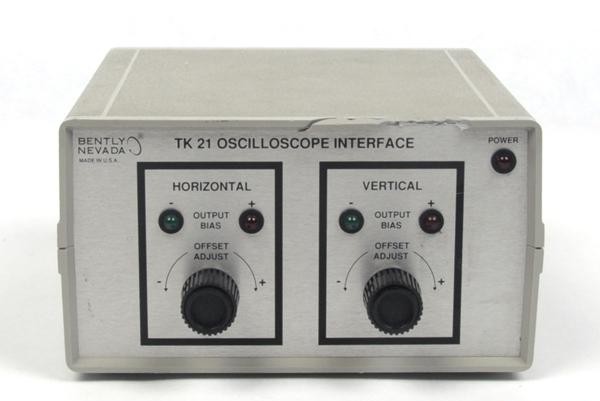
GE / Bently Nevada signal conditioning (6 modules)
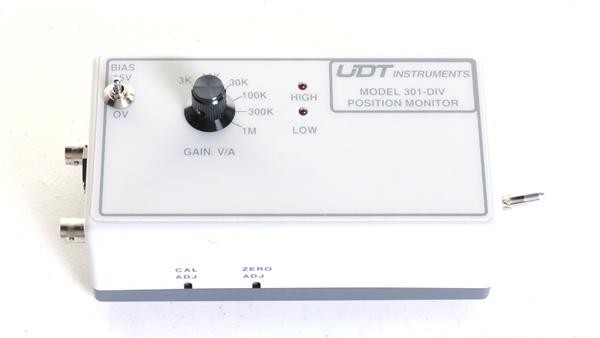
Gamma Scientific / UDT Instruments signal conditioning (1 module)
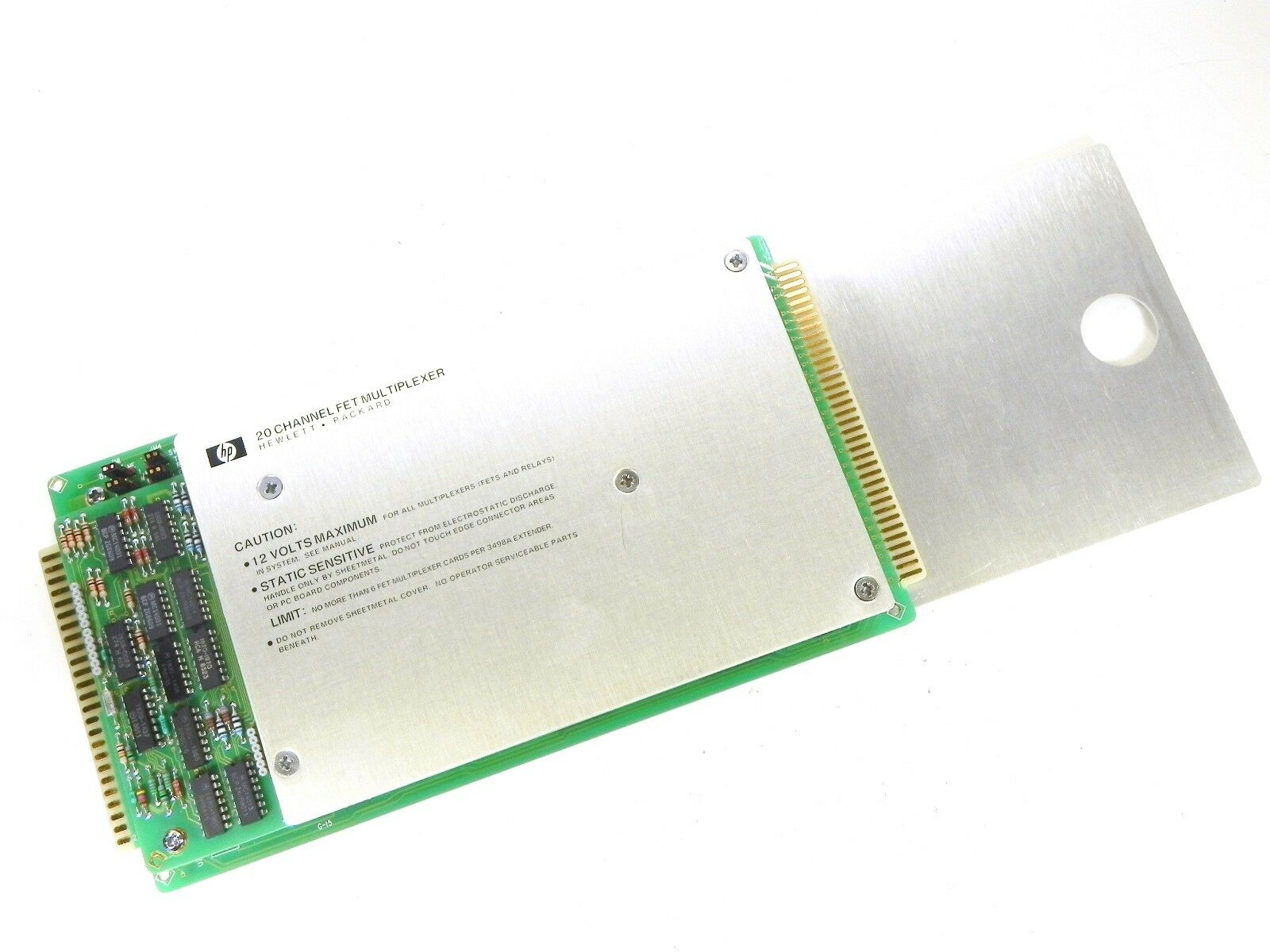
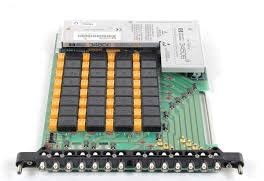
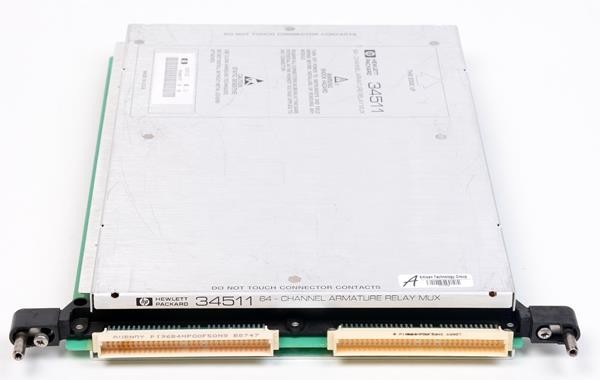
HP signal conditioning (17 modules)
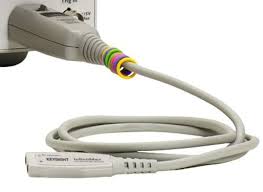
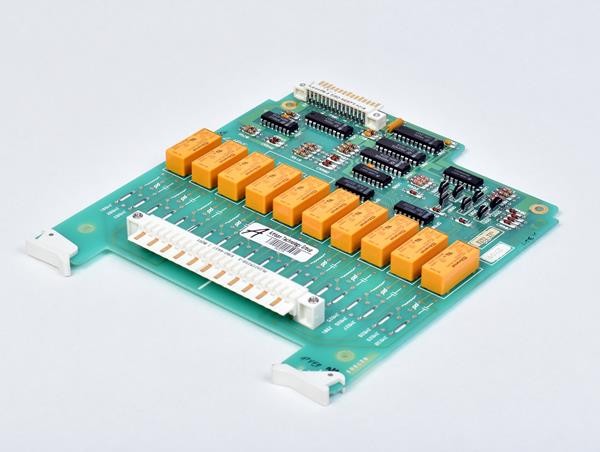
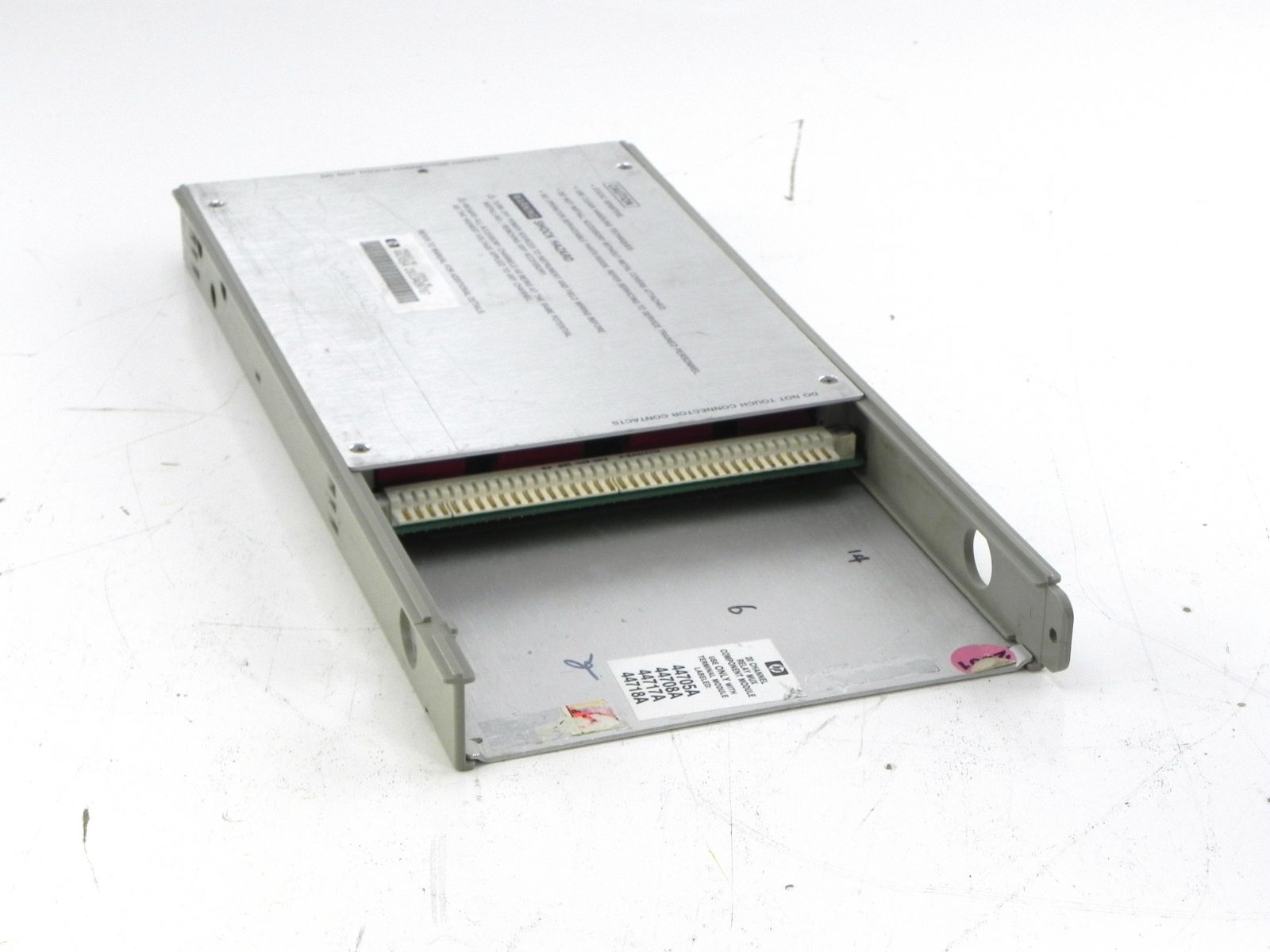
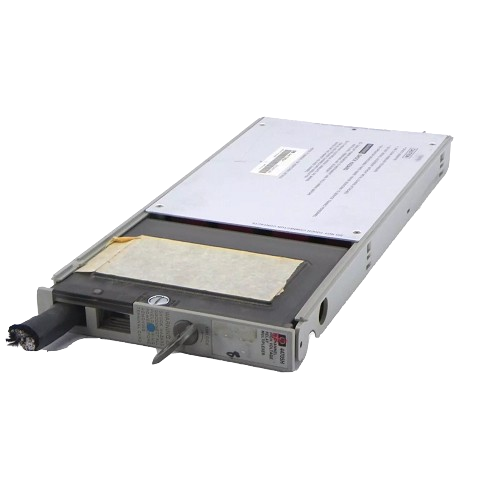
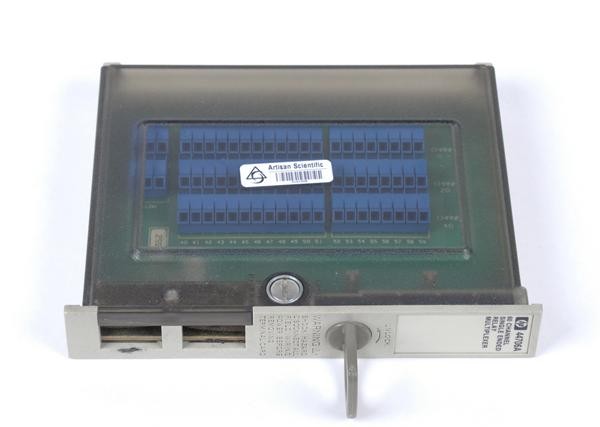
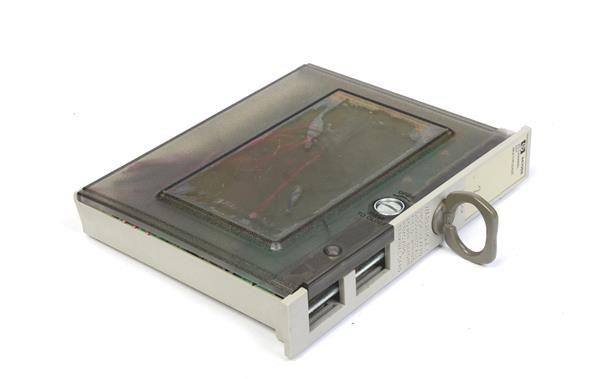
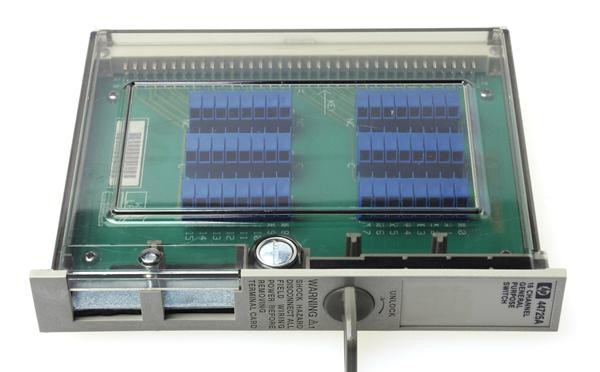
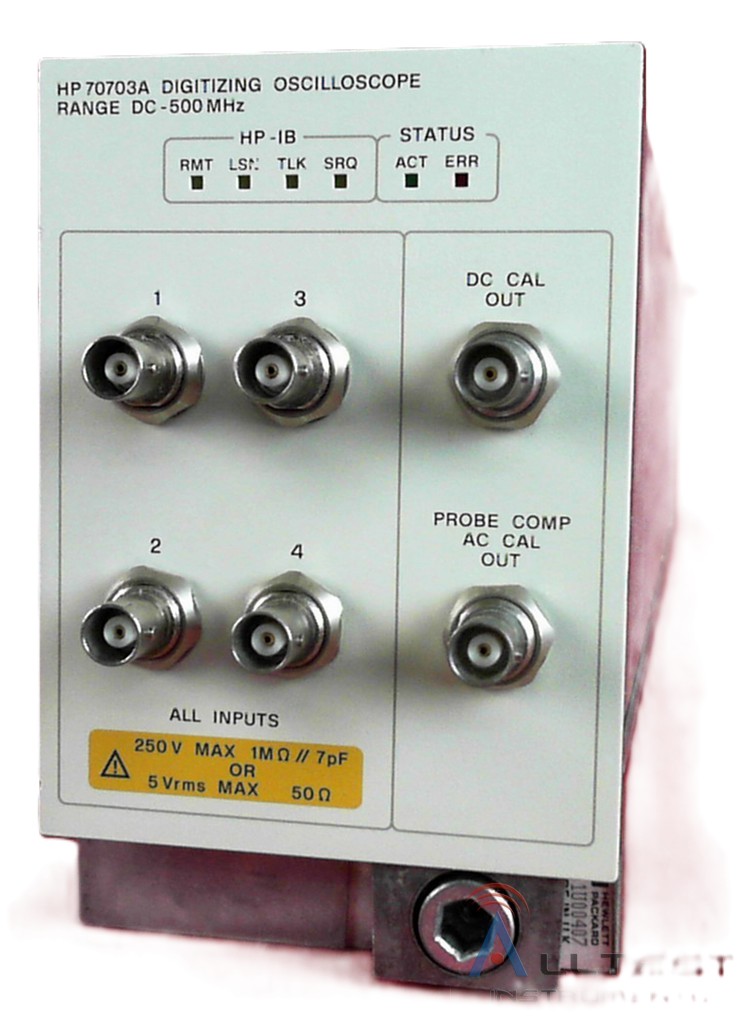
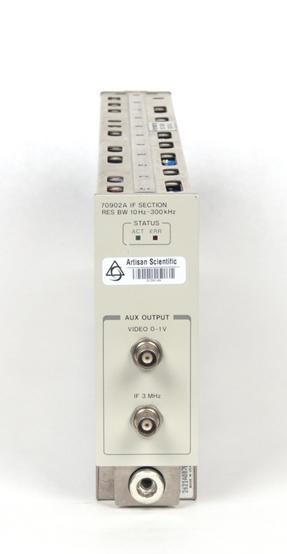
Honeywell signal conditioning (1 module)
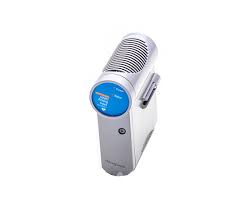
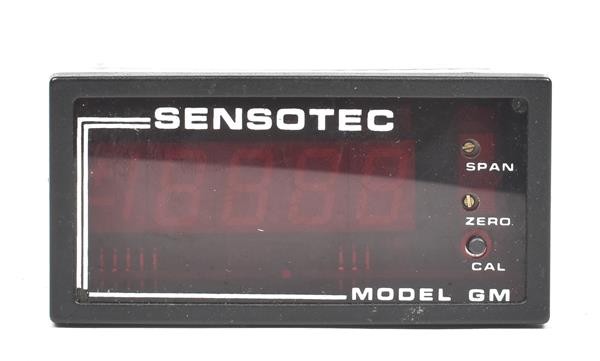
Honeywell / Sensotec signal conditioning (1 module)
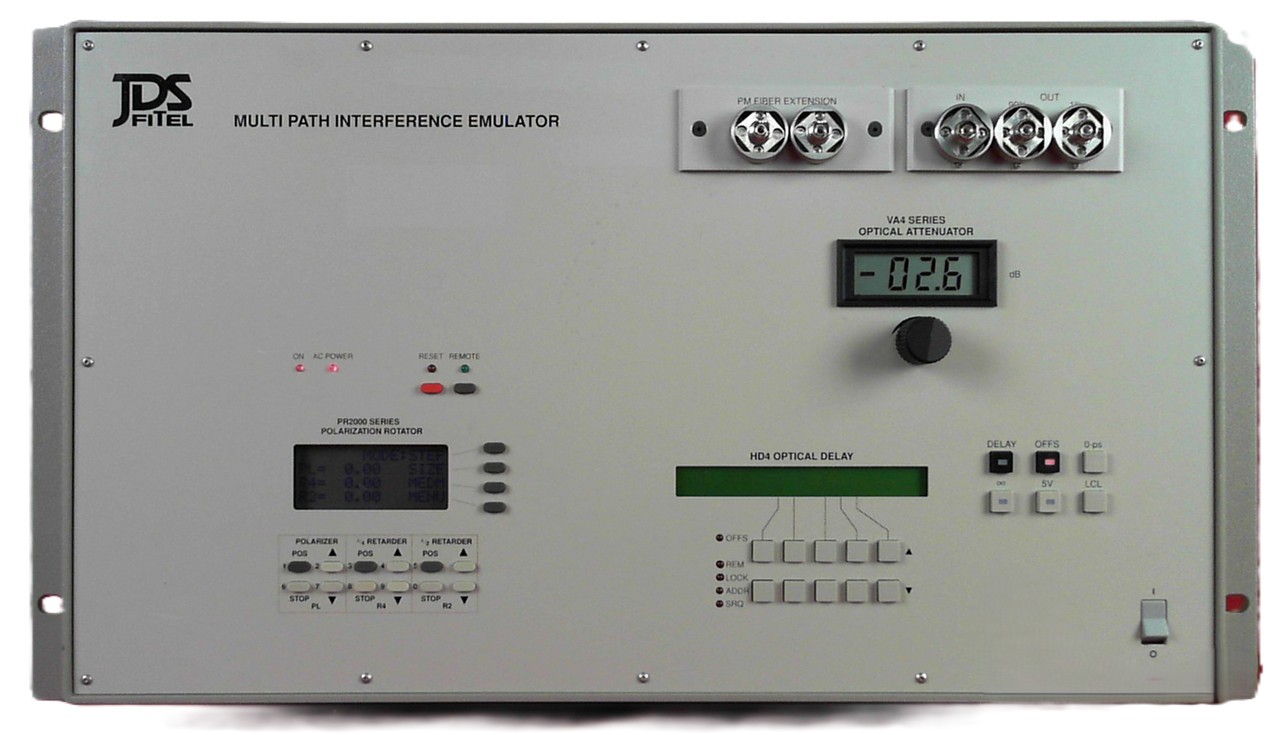
JDS Uniphase signal conditioning (1 module)
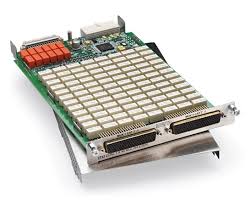
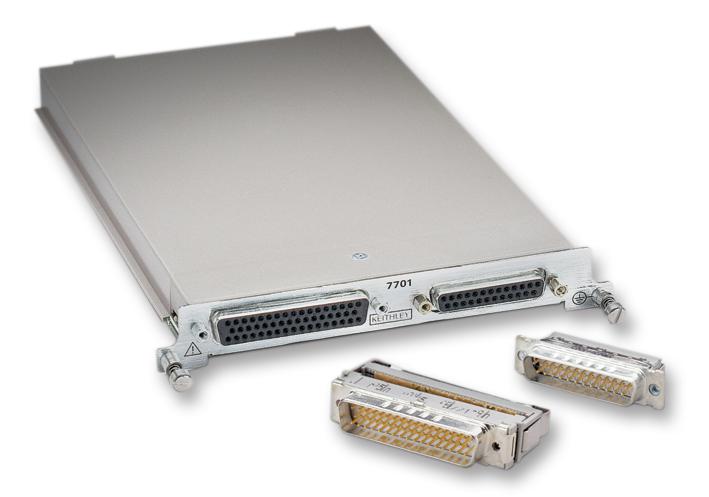
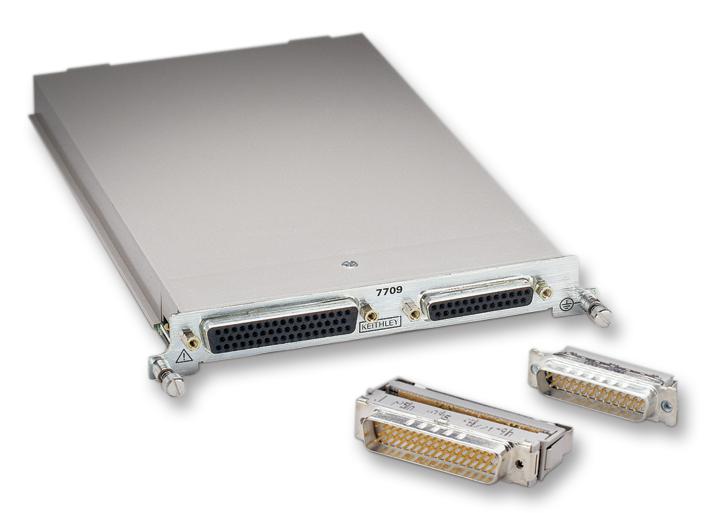
Keithley signal conditioning (12 modules)
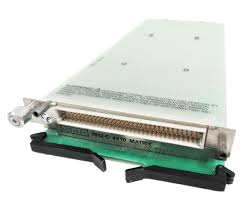
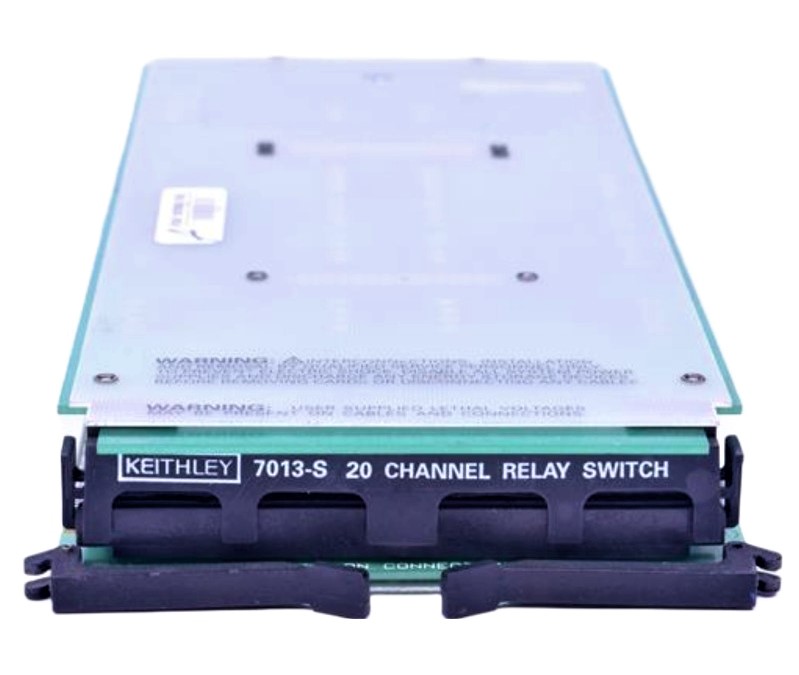
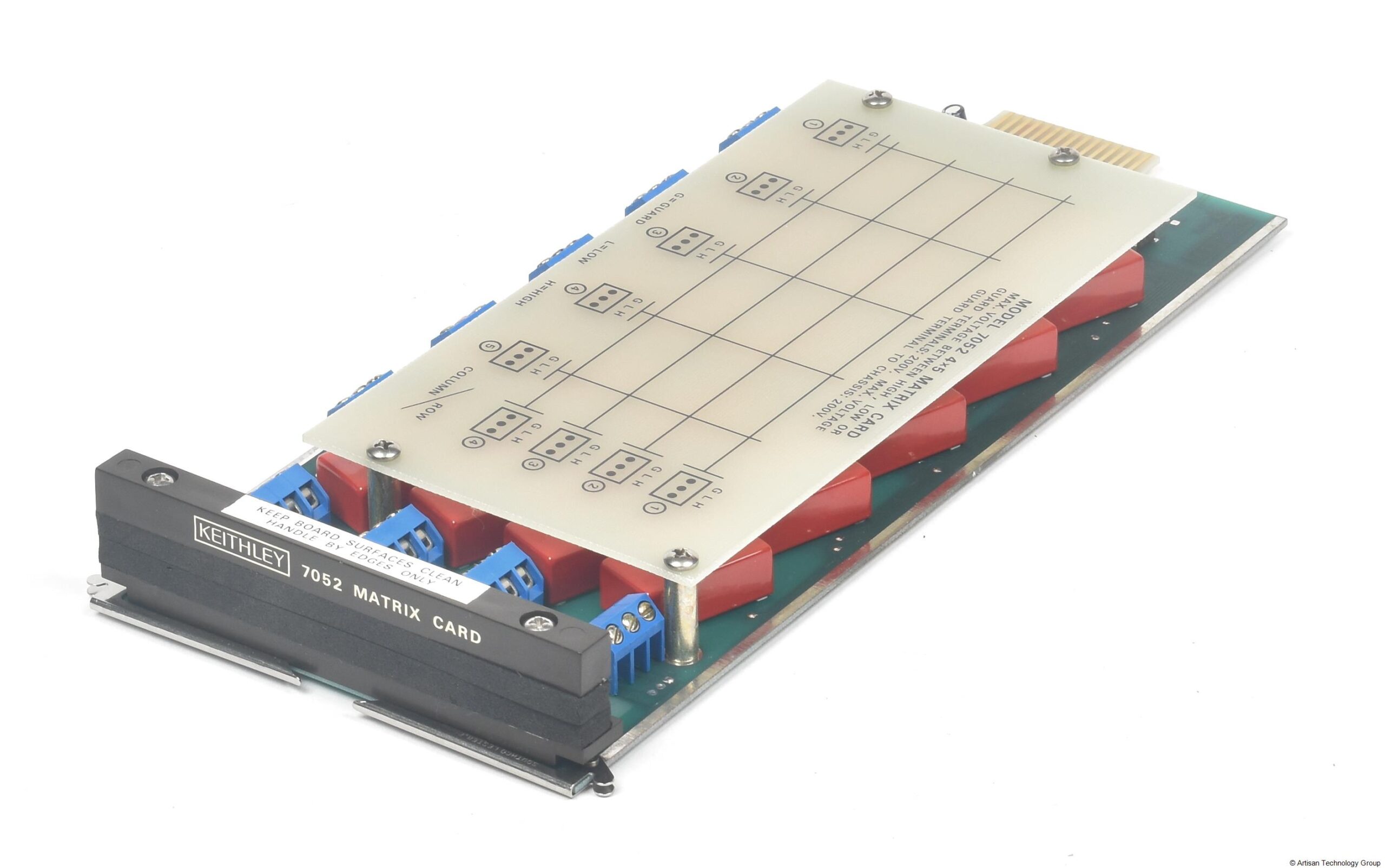
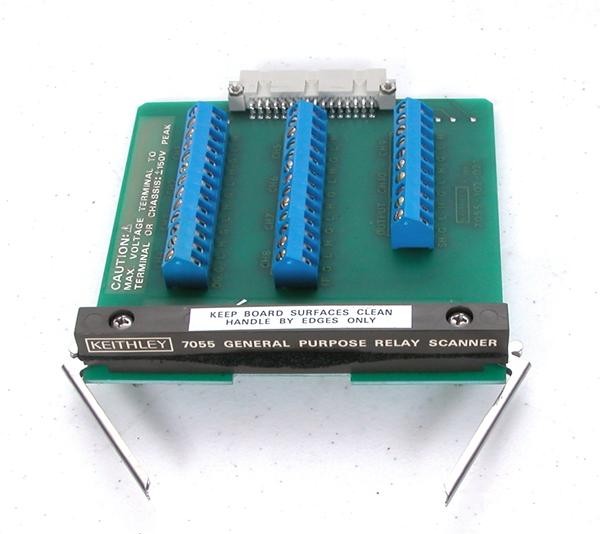
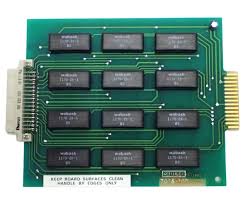
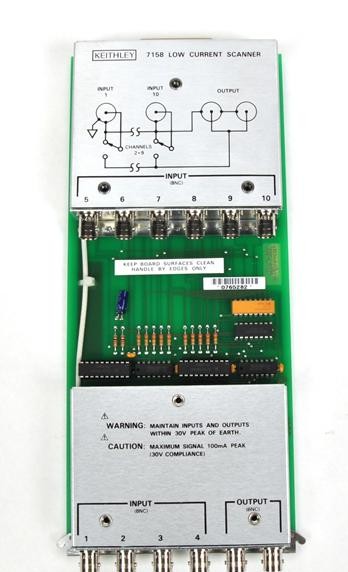
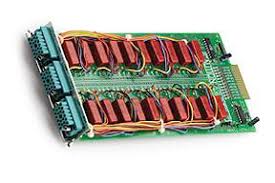
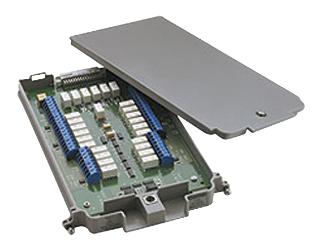
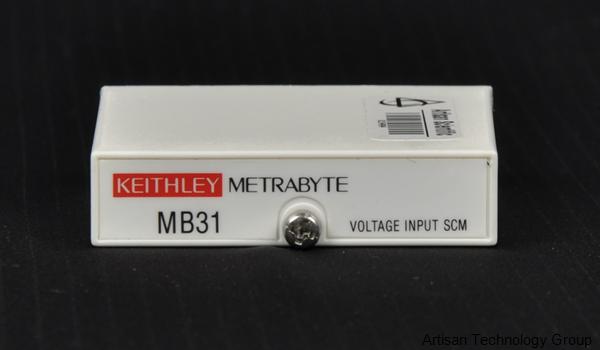
Keithley / MetraByte signal conditioning (1 module)
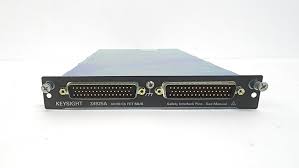
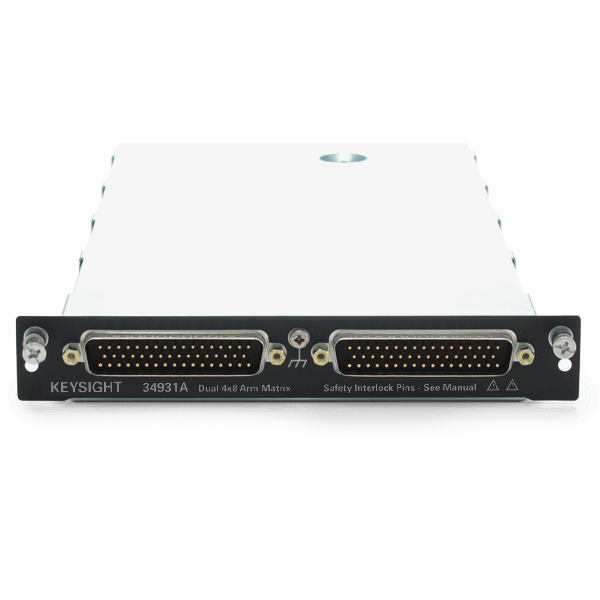
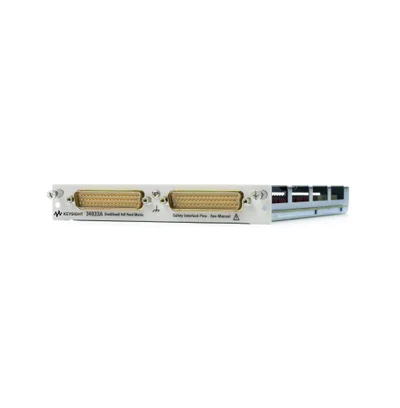
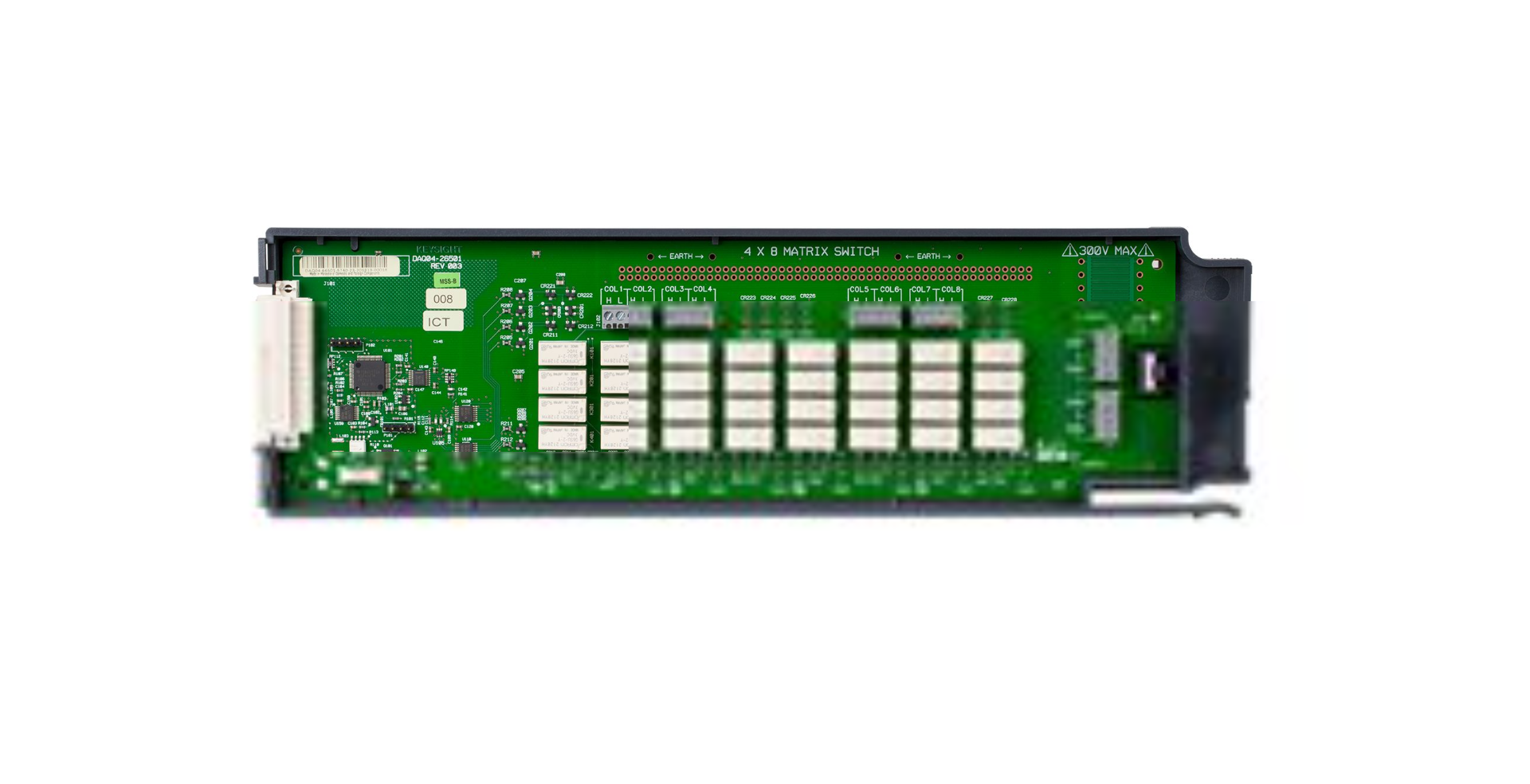
Keysight signal conditioning (15 modules)
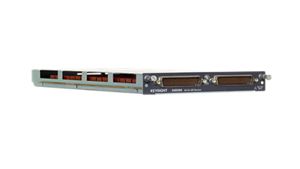
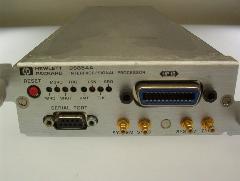
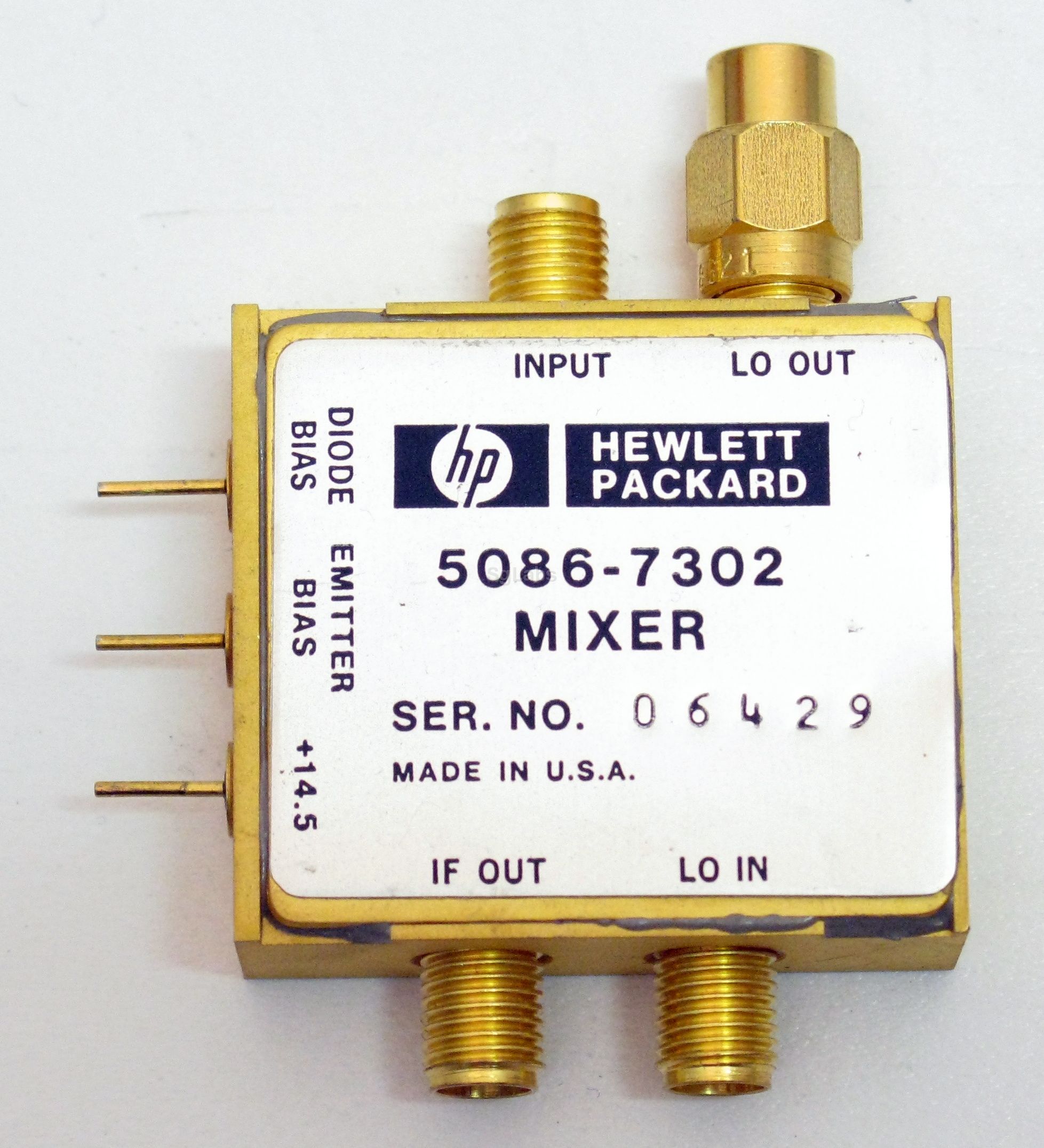
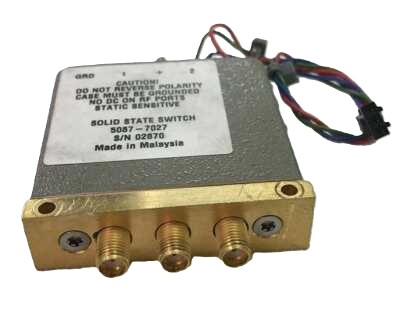
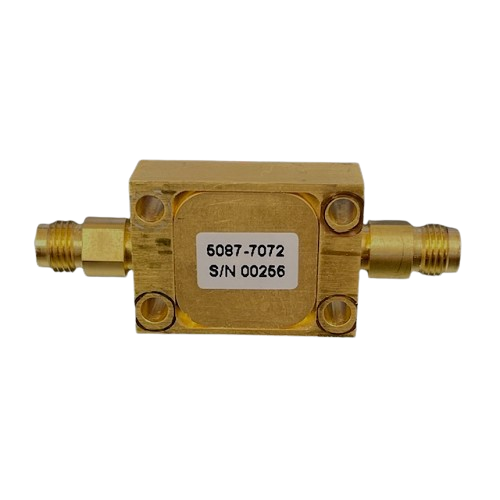
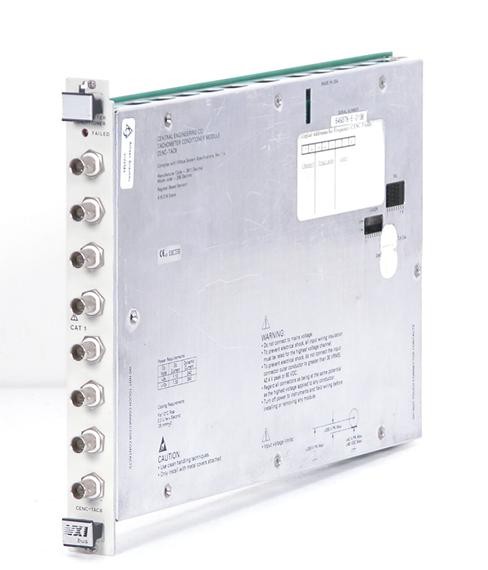
Krohn-Hite signal conditioning (3 modules)
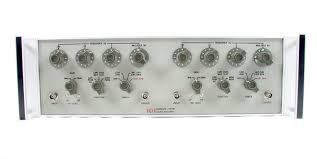
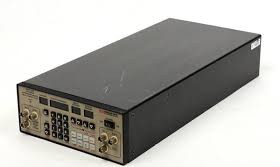
Kulicke & Soffa signal conditioning (1 module)
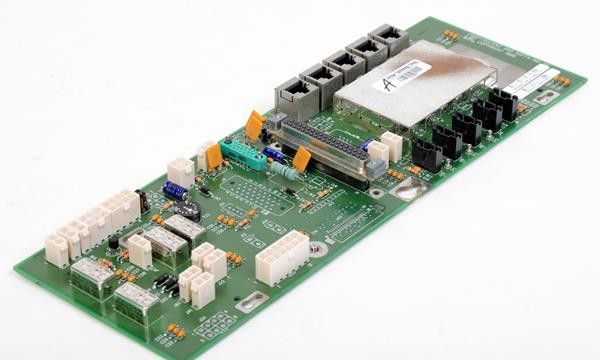
Lake Shore signal conditioning (1 module)
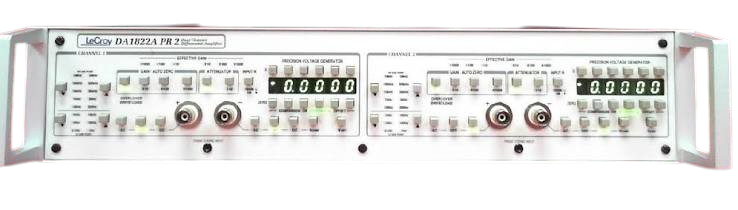
Lecroy signal conditioning (3 modules)
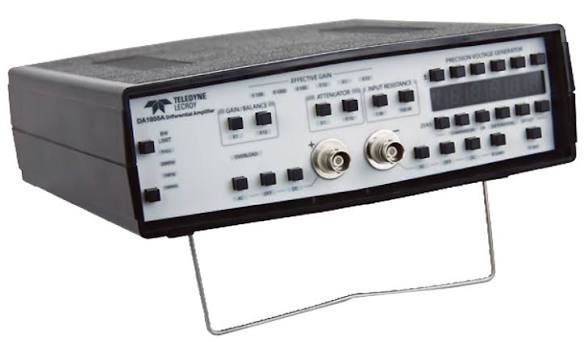
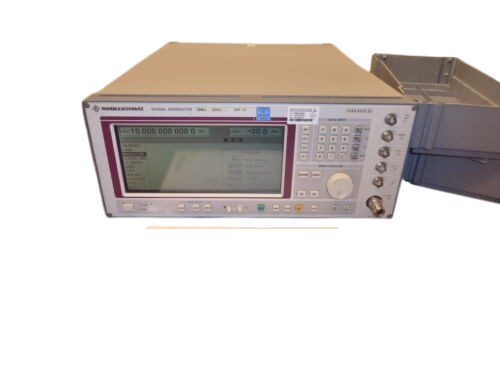
Rohde & Schwarz signal conditioning (3 modules)
Schneider Electric / Invensys / Foxboro signal conditioning (1 module)
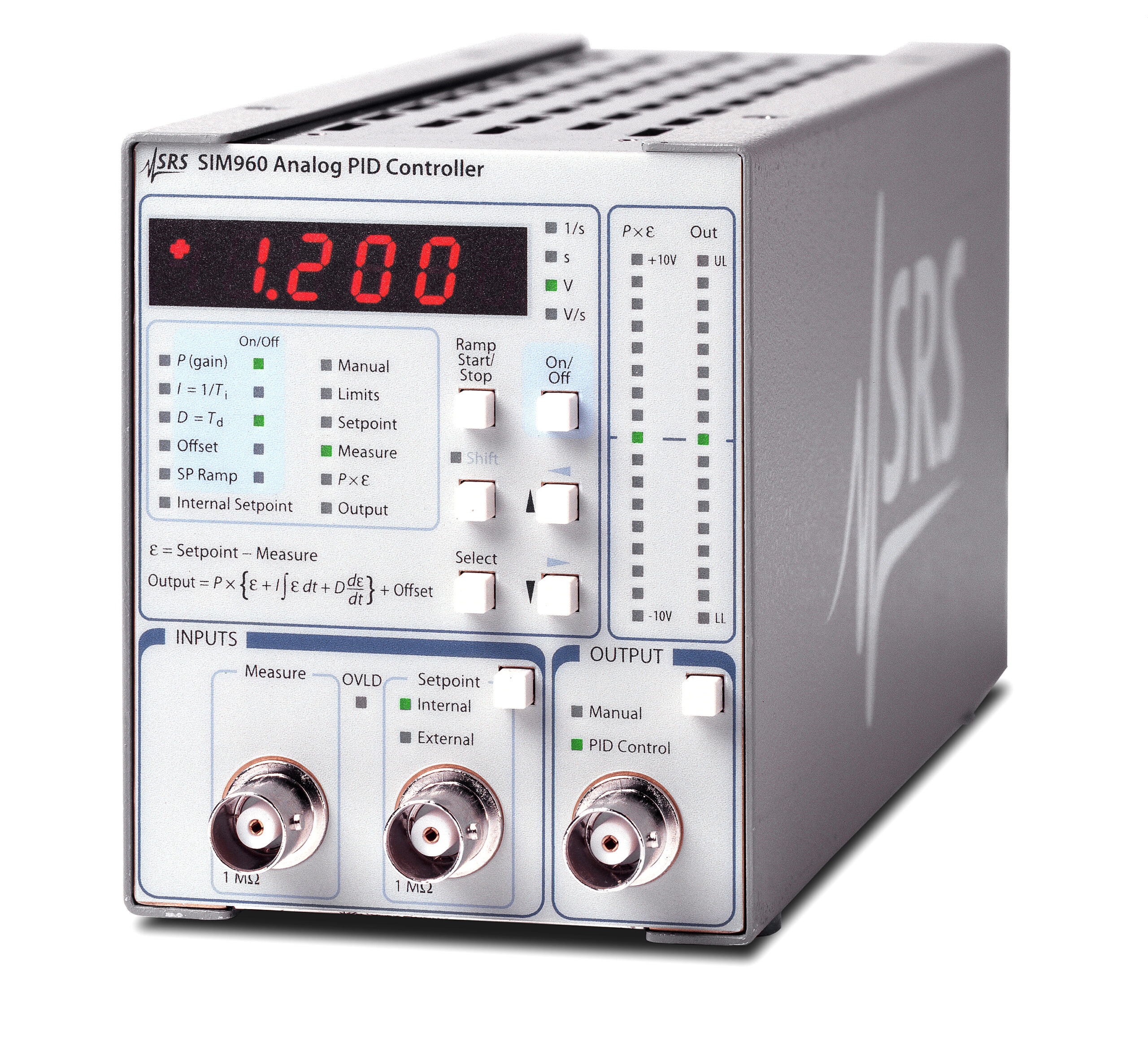
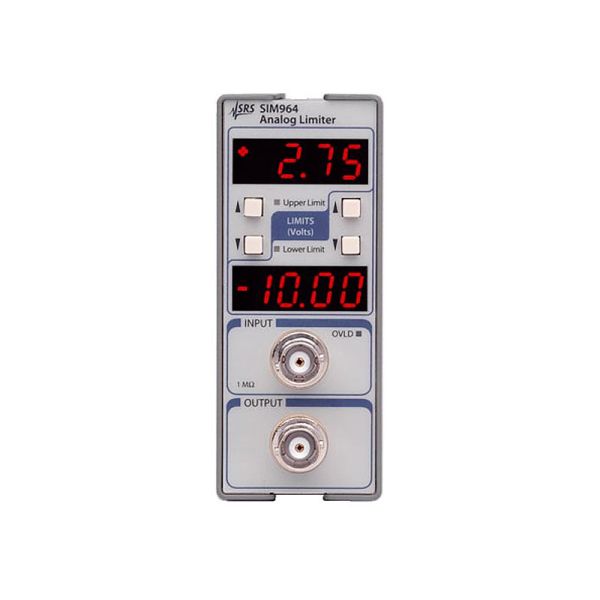
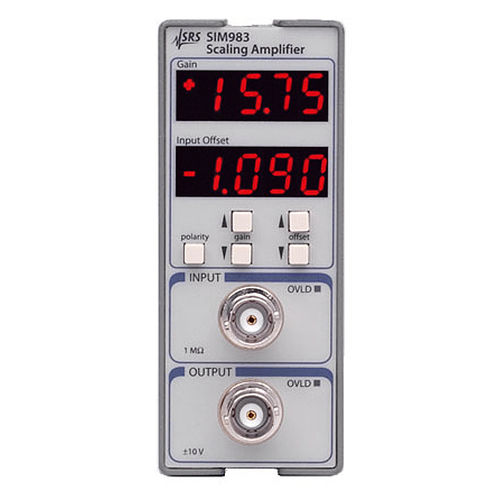
Stanford Research signal conditioning (5 modules)
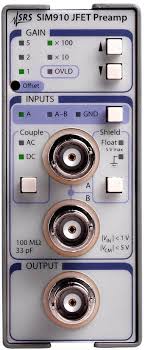
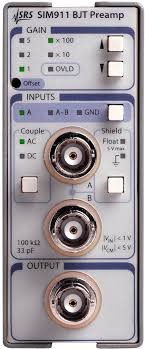
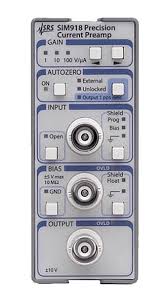
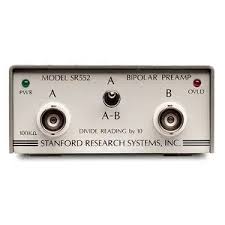
Stanford Research Systems signal conditioning (5 modules)
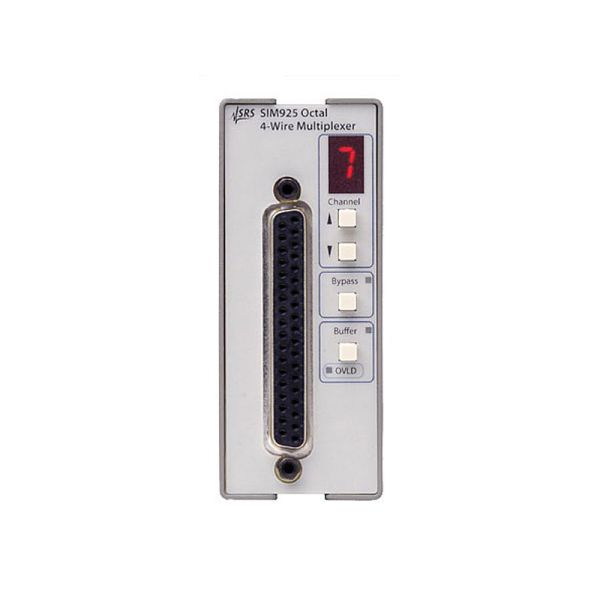
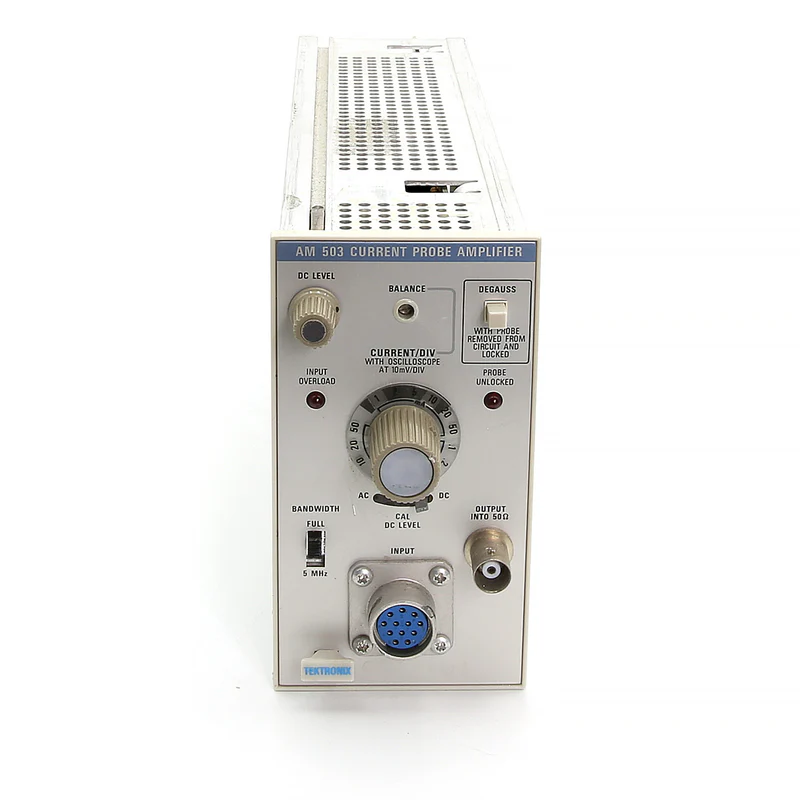
Tektronix signal conditioning (1 module)
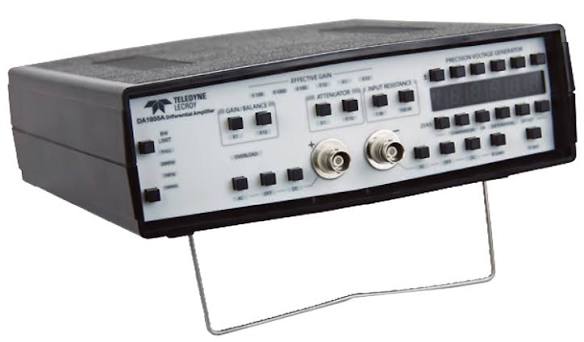
Teledyne LeCroy signal conditioning (1 module)
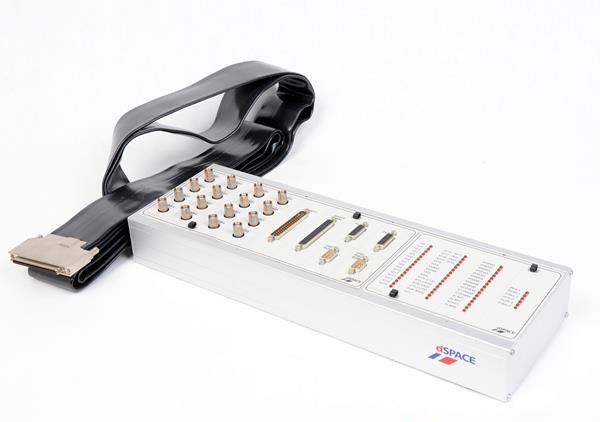
dSPACE signal conditioning (1 module)
What conditioning does that a DAQ card cannot
Most sensors do not speak a language an analog input understands. A type-K thermocouple gives you roughly 41 microvolts per degree C. A strain gauge bridge produces nothing at all until you excite it. An RTD needs a known current through it and a linearisation curve afterwards.
Put any of those straight into a general-purpose DAQ input and the signal disappears under the converter's own noise. Conditioning sits in between and does the unglamorous work: amplify to a useful level, excite what needs exciting, filter what you do not want, and isolate so the measurement side stays safe.
Isolation is the one to not skip
It solves two different problems and people usually only think about the first.
Ground loops come first. Your sensor ground and your measurement ground are rarely at the same potential, and that difference appears directly in your reading as offset or noise that no amount of averaging removes. Isolation breaks the loop.
The second is fault protection. On anything bolted to machinery, motors or mains-referenced plant, a failure upstream will happily send energy down the signal wire into your acquisition hardware. An isolation barrier is the difference between replacing a module and replacing a rack.
Thermocouple, RTD and strain gauge inputs
Thermocouple modules need cold junction compensation, because a thermocouple only ever measures the difference between its tip and wherever the wires meet the instrument. Most modules handle this internally. Check that yours does, because one that expects an external reference will give you readings that look entirely reasonable and are wrong by room temperature.
RTD inputs supply excitation current and handle the resistance-to-temperature conversion. Watch the wiring configuration: 2-wire is simplest and includes your cable resistance in the reading, 3-wire compensates for most of it, 4-wire removes it properly. On long runs this is the difference between a degree of error and none.
Bridge and strain gauge modules provide excitation voltage and amplify the millivolt-level differential that comes back. Shunt calibration, where a known resistor is switched across one arm to produce a predictable offset, is worth having on anything you need to verify in place.
4-20 mA and why industry settled on it
Current loops survive distance and electrical noise in a way voltage signals do not, because the current is identical everywhere in the loop regardless of cable resistance. A voltage signal loses amplitude down the run and collects interference along the way.
The second reason is the live zero. In a 4-20 mA loop, 4 mA means working and reading the bottom of scale. Zero mA means something is broken. A 0-10 V signal reading zero cannot tell you which of those you are looking at, and in a plant that distinction matters.
Standalone or chassis-based
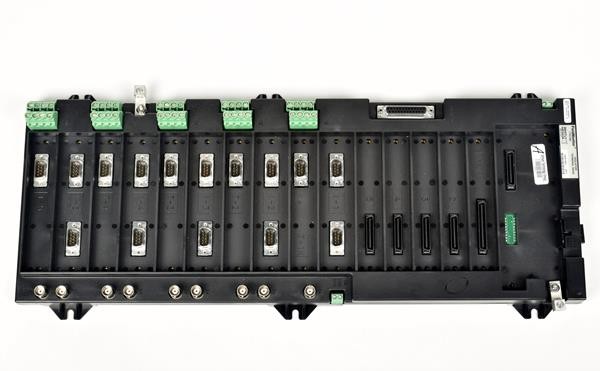
Some of this inventory is standalone: DIN-rail or panel modules with voltage or current outputs that will drive any input that accepts them, whoever made it. Acromag and Advantech cover a lot of that ground.
Others are built for a specific backplane or chassis and only work inside the system they were designed for. That constraint is not always obvious from a photograph, so tell us what you are connecting to and we will confirm compatibility before anything ships. If you are building the acquisition side too, see data acquisition systems.
Calibration
Conditioning sits upstream of everything, which means its gain and offset error propagates into every measurement that follows. Drift is slow, steady and invisible without a reference. If the output feeds anything you report, certify or act on, keep it in calibration. See all calibration services →
Frequently asked questions
Why do I need signal conditioning at all? My DAQ has analog inputs. +
Because most real sensors do not produce anything a DAQ card can read directly. A thermocouple gives you tens of microvolts per degree. A strain gauge bridge needs excitation before it produces anything at all. An RTD needs current through it and linearisation afterwards. Feed those straight into a general-purpose analog input and you get noise with a signal buried somewhere in it. Conditioning amplifies, excites, filters and isolates so the converter sees something it can actually resolve.
What does isolation actually protect against? +
Two things. Ground loops, where your sensor ground and your measurement ground sit at different potentials and the difference appears as error or noise in the reading. And fault energy, where a failure on the plant side would otherwise travel down the signal wire and destroy your acquisition hardware. On anything connected to machinery, motors or mains-referenced equipment, isolation is cheap insurance against an expensive afternoon.
What is cold junction compensation and does the module handle it? +
A thermocouple measures the difference between its measuring junction and wherever the wires meet the instrument, so you have to know the temperature at that second junction to get an absolute reading. Cold junction compensation measures it and corrects automatically. Most thermocouple input modules do this for you, but check, because a module that expects an external reference will read plausibly and be wrong by room temperature.
Can I use these with a DAQ from a different manufacturer? +
It depends on the module type. Standalone modules with voltage or 4-20 mA current outputs, like much of the Acromag and Advantech range, will drive any input that accepts those signals regardless of who made it. Modules designed for a specific chassis or backplane only work in that system. Tell us what you are feeding and we will say which applies.
What is the difference between 4-20 mA and a voltage output? +
Current loops survive long cable runs and electrical noise far better, because the current is the same everywhere in the loop no matter what the wiring resistance does. A voltage signal drops across cable resistance and picks up interference. 4-20 mA also gives you a live zero: 4 mA means working and reading minimum, 0 mA means something is broken. That distinction between a genuine zero and a dead cable is why industrial plants standardised on it.
Do these need calibration? +
If their output feeds anything you report or act on, yes. Gain and offset drift with age and temperature, and a conditioning module sits upstream of everything else, so its error propagates into every measurement downstream. NIST-traceable calibration is available on anything in this category.
Tell us what sensor and what it feeds
Sensor type, signal level, cable run and the input it has to drive. We will tell you which modules in stock fit and whether you need isolation.
Get in touch