
Used Wireless Protocol Analyzers
30 units in stock from Keysight, LeCroy CATC, Anritsu, Exfo, Acterna and Wandel & Goltermann. Capture and decode instruments for working out why a link will not come up.
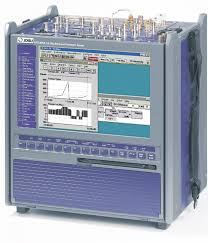
Acterna protocol analyzers (2 units)
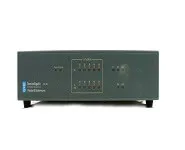
Agilent protocol analyzers (3 units)
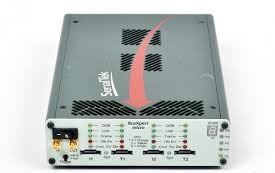
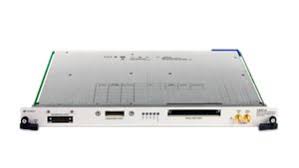
Anritsu protocol analyzers (2 units)
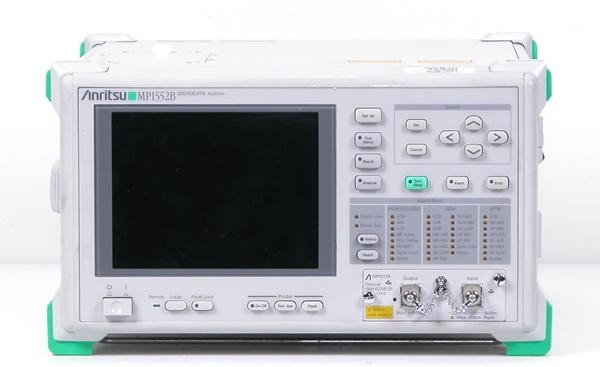
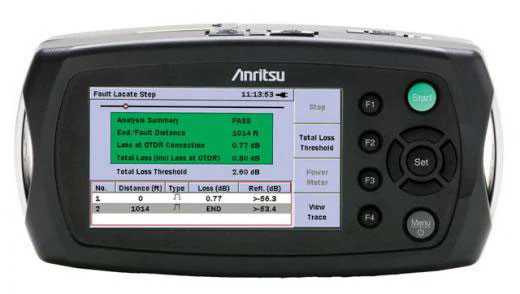
Digital Lightwave protocol analyzers (1 unit)
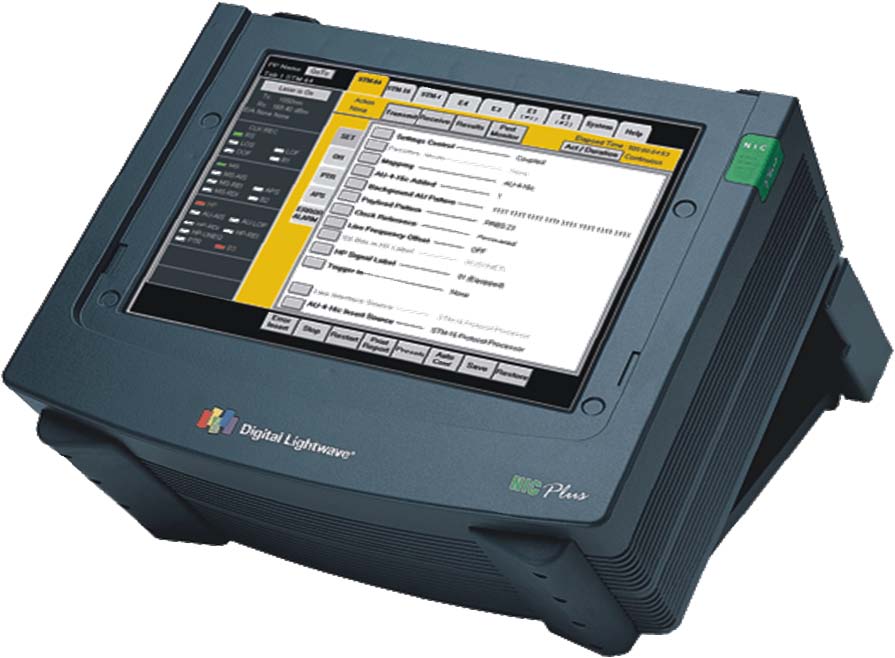
Exfo protocol analyzers (2 units)
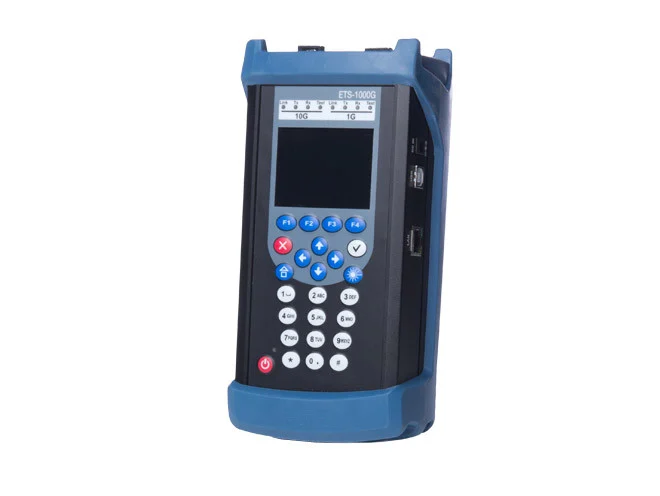
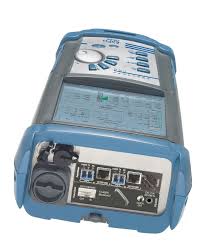
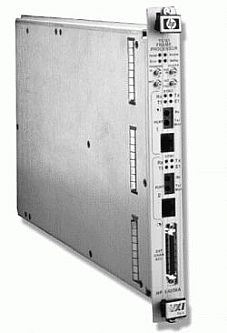
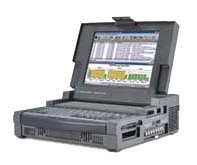
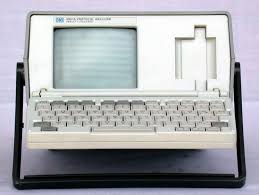
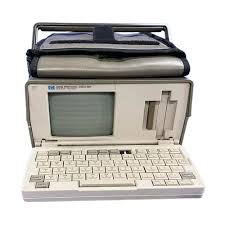
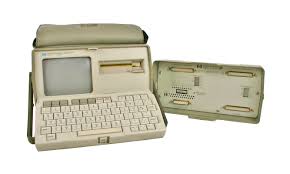
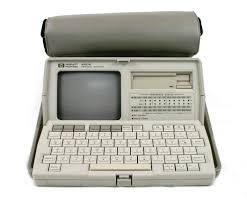
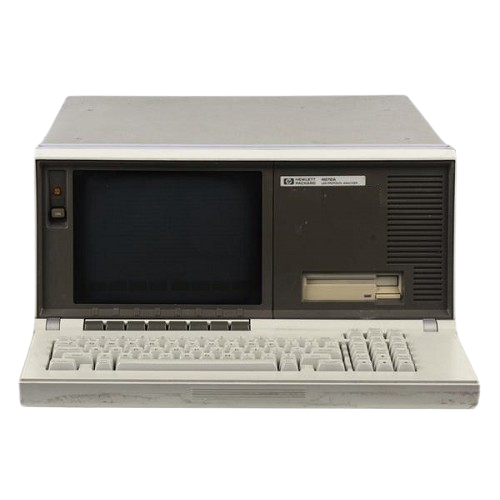
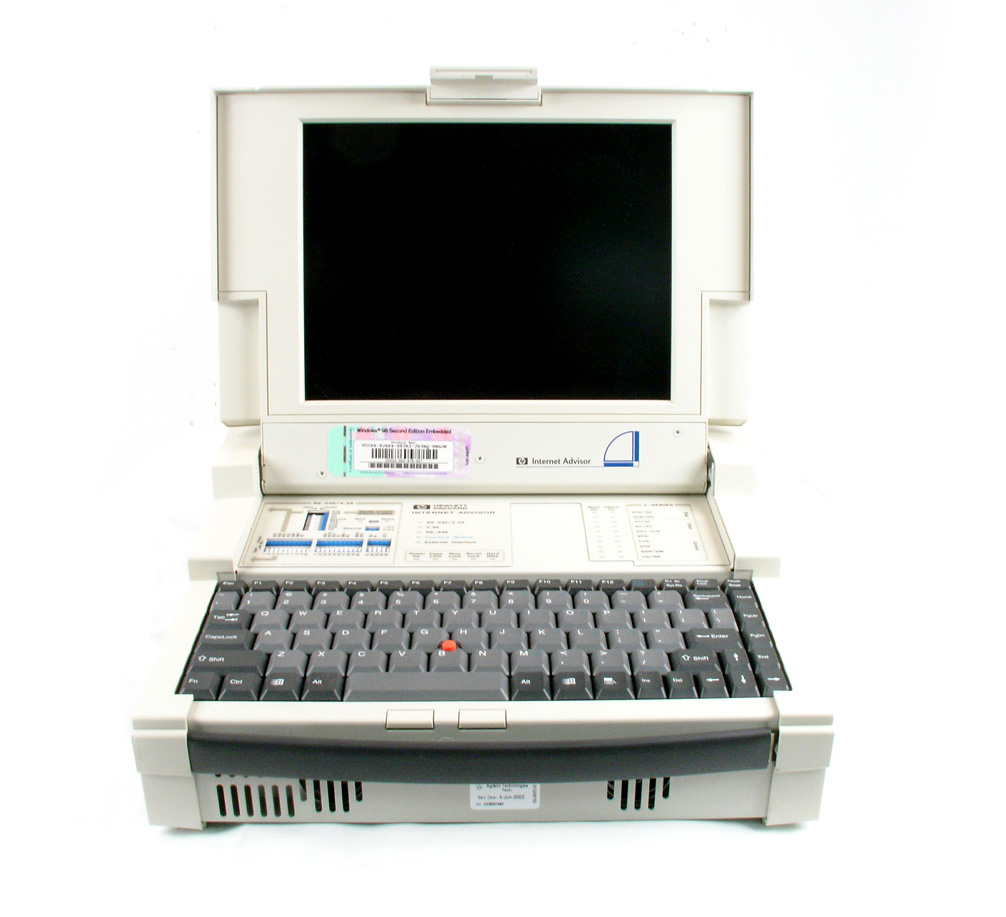
HP protocol analyzers (8 units)
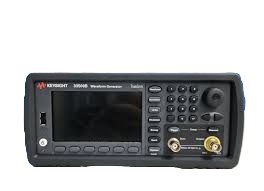
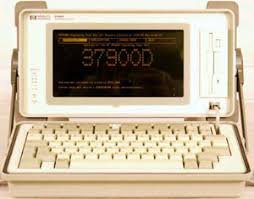
IFR Aeroflex protocol analyzers (1 unit)
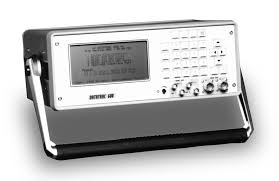
IFR Aeroflex / Viavi protocol analyzers (1 unit)
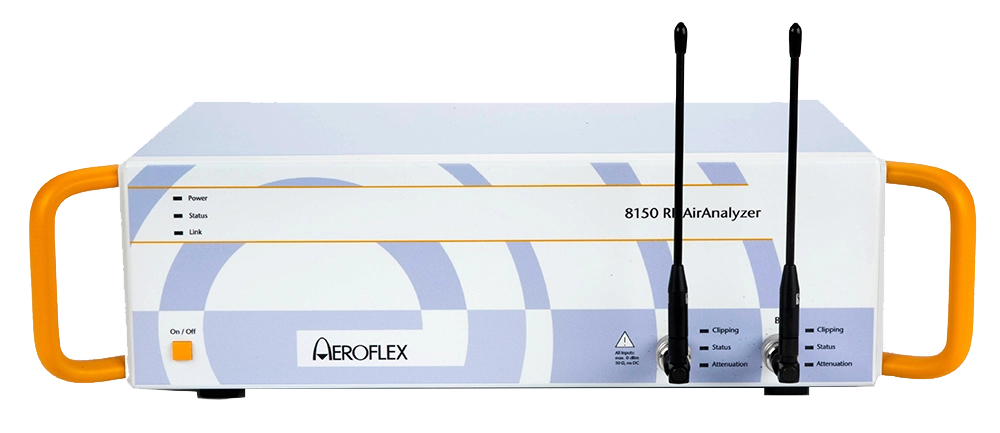
Keysight protocol analyzers (3 units)
Lecroy protocol analyzers (1 unit)
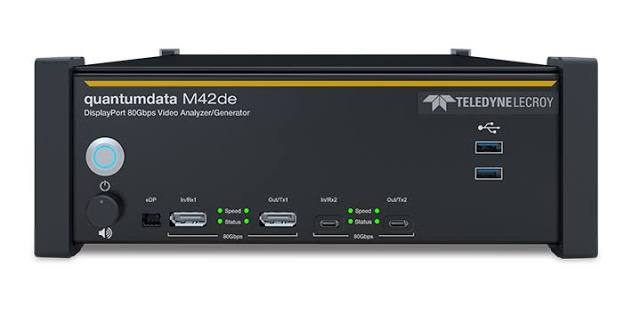
Lecroy / CATC protocol analyzers (1 unit)
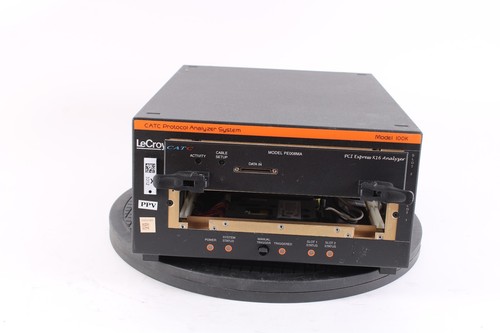
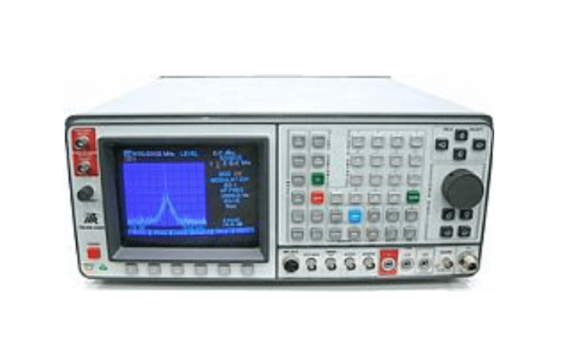
Marconi / IFR / Aeroflex protocol analyzers (1 unit)
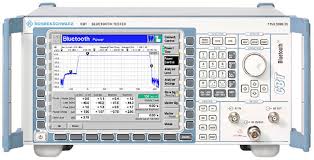
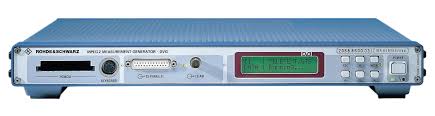
Rohde & Schwarz protocol analyzers (3 units)
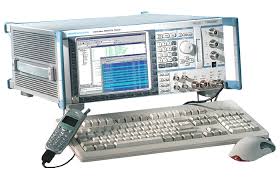
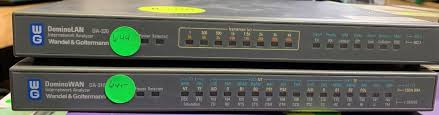
Wandel & Goltermann protocol analyzers (1 unit)
Different question from a spectrum analyzer
A spectrum analyzer tells you about the radio. Power, frequency, occupied bandwidth, whether you are splattering into the next channel. All of which can look perfect while the product in front of you refuses to work.
A protocol analyzer tells you what the radio is saying. Packets, headers, link setup, retries, which end gave up first. When two devices will not pair, the spectrum view usually shows two healthy transmitters and tells you nothing useful. The protocol trace shows the handshake failing at a specific step, which is the thing you can actually fix.
Ask about the licences first
This is the single most important question on any used protocol analyzer and it is not about the hardware.
Decode capability is usually licensed per protocol. A unit that physically captures fine but has no licence for the protocol you care about will show you traffic it cannot interpret. The hardware is healthy and the instrument is still useless to you.
We list what is installed on each unit here. If you are shopping elsewhere and the licence position is vague, settle it before any money moves.
The CATC heritage
LeCroy acquired CATC, and that line earned its reputation on Bluetooth and wired serial protocol work. What made them worth owning was the trace viewer: captures presented as a readable transaction list rather than a wall of bits, with the layers collapsed and expandable.
That matters more than it sounds. Most interoperability bugs between two vendors' stacks are visible in thirty seconds in a good viewer and nearly invisible in a raw capture.
The telecom side
Acterna, Wandel & Goltermann and Exfo units in this inventory come from carrier transmission testing rather than consumer wireless. They overlap with wireless work mainly at the backhaul, where you are testing the transport behind a radio link rather than the air interface itself.
If that is your problem, these pair naturally with bit error rate testers, which is usually the measurement you end up wanting alongside the protocol trace.
Where used equipment stops making sense
Worth being direct about the limits. Capture engines are built around the standards that existed when they shipped. An analyzer from the Bluetooth 4 era cannot decode LE Audio, and no licence or firmware will change that.
For supporting legacy devices still in production, chasing interoperability against older products, and training people on protocol debugging, this equipment is excellent value for a fraction of new price. For developing against the newest standard, buy new. We will tell you which situation you are in rather than selling you the wrong box.
No calibration certificate, and that is correct
These are capture and decode instruments, not metrology. There is no amplitude or frequency accuracy to certify, so a calibration certificate would be decoration rather than information. What we do instead is verify the capture hardware works, confirm which licences are present, and check the unit sees traffic. That is what actually determines whether it will do your job.
Frequently asked questions
How is a protocol analyzer different from a spectrum analyzer? +
They answer different questions. A spectrum analyzer tells you about the radio: power, frequency, occupied bandwidth, spurious emissions. A protocol analyzer decodes what the radio is saying: packets, headers, link setup, retries and errors. If a device will not pair or a connection keeps dropping, the spectrum analyzer will often show you a perfectly healthy signal while the protocol analyzer shows you the handshake failing. Most serious work needs both at some point.
Do protocol analyzers need calibration? +
Generally no, not in the measurement sense. These are capture and decode instruments rather than metrology, so there is no amplitude or frequency accuracy to certify. What matters is that the capture hardware works, the software licences are present and the unit sees traffic. We test for that rather than issuing a calibration certificate that would not mean anything.
Are the software licences included? +
This is the question to ask on any used protocol analyzer. Decode capability is frequently licensed per protocol, and a unit without the licence for the protocol you care about is of limited use to you. We list what is installed on each unit. If a listing anywhere is vague about licences, treat that as the most important unanswered question before you buy.
What can the LeCroy and CATC analyzers decode? +
The CATC line, which LeCroy acquired, built its reputation on Bluetooth and wired serial protocol analysis with genuinely good trace viewers. They capture the link layer and present it as a readable transaction list rather than raw bits, which is what makes them worth having when you are debugging an interoperability problem between two vendors' implementations.
What are the Acterna, Wandel & Goltermann and Exfo units for? +
Those come from the telecom side rather than the consumer wireless side. They handle transmission and network protocol testing on carrier links, which overlaps with wireless work mainly at the backhaul. If you are testing a radio link's transport rather than its air interface, those are the relevant instruments, and they pair with our bit error rate testers.
Can these analyze modern Wi-Fi 6 or Bluetooth LE Audio? +
Mostly not, and it is better to say so plainly. Equipment on the used market predates the newest standards, and a capture engine built for an earlier generation cannot decode a protocol that did not exist when it shipped. For legacy device support, interoperability work against older products, and training, it is excellent value. For bleeding-edge standards development, it is the wrong tool and we will tell you so.
Which protocol and which standard version?
Tell us the protocol, the version you need to decode and what you are trying to find. We will say whether anything in stock covers it, including when the answer is no.
Get in touch