
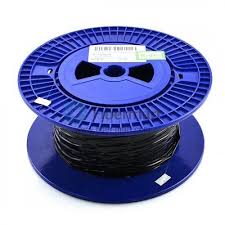
Corning Vascade EX1000, EX3000, and Vascade LEAF
These are earlier generations of the Corning submarine fiber line. Vascade EX1000 and EX3000 preceded the current EX2000/EX2500 products; Vascade LEAF is the submarine variant of the LEAF (Large Effective Area Fiber) design.
- Product line
- Vascade EX1000, EX3000, Vascade LEAF
- Generation
- Legacy — preceding EX2000/EX2500
- Availability
- Varies — contact us before specifying
Availability on these products depends on the specific variant and lot size. We will tell you straight whether we can source a given product before you commit to a specification. If the end equipment design calls for one of these fibers, contact us with the required standard compliance, length, and coating, and we will advise.
Specifications
| Product line | Vascade EX1000, EX3000, Vascade LEAF |
|---|---|
| Generation | Legacy — preceding EX2000/EX2500 |
| Availability | Varies — contact us before specifying |
Typical Applications
- Legacy-matching for submarine cable system extensions
- Spare fiber for existing Vascade-based submarine cable plant
Why Order Corning Fiber from Aumictech?
We source directly from the Corning authorized channel. Every spool ships with documentation, including reel ID and fiber code.
0.5 km to 1,000 km on a single order. Mix lengths across spools. Choose FC, SC, or LC connectors per spool end, or leave ends bare.
Certificate of compliance and OTDR test data available on request. Required for carrier acceptance testing and network documentation.
Continental US next-day and two-day air available. International shipping on request. Most orders confirmed within one business day.
Frequently Asked Questions
Is Corning Vascade LEAF the same as terrestrial LEAF?
No. Vascade LEAF is a submarine-specific design. Terrestrial Corning LEAF is a G.655.C NZ-DSF designed for DWDM long-haul land routes. The names share a heritage but the products are engineered for different environments — submarine fiber must pass much more stringent hydrogen aging and pressure testing than terrestrial fiber.