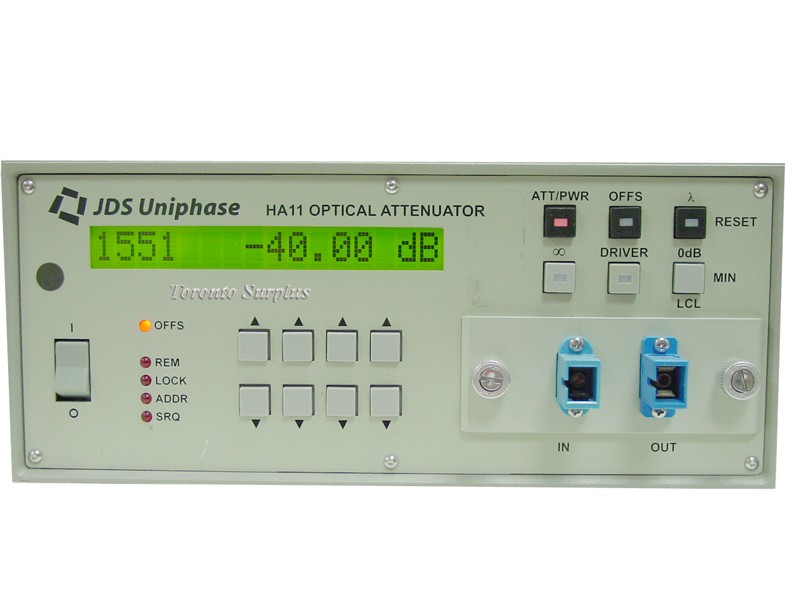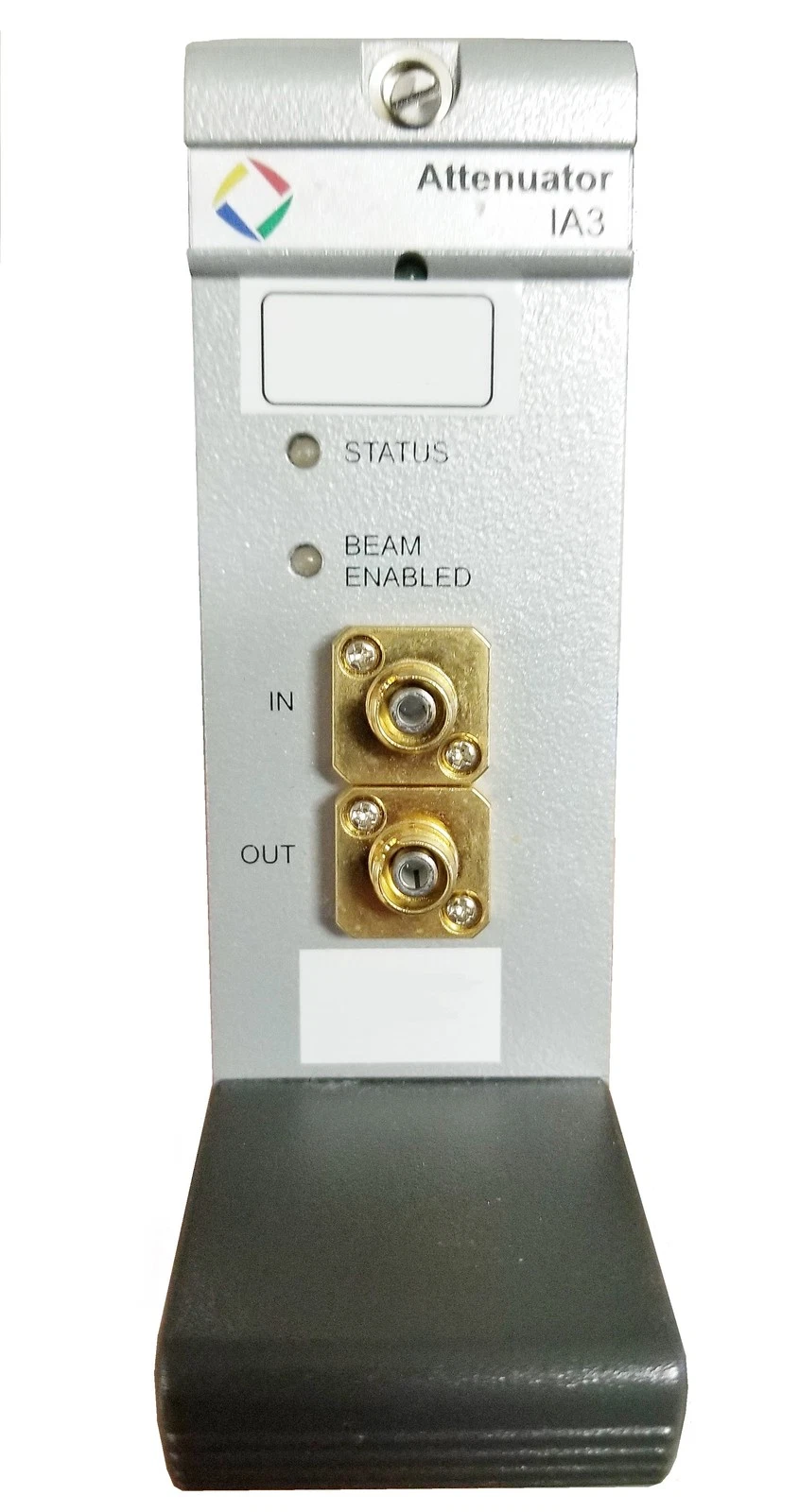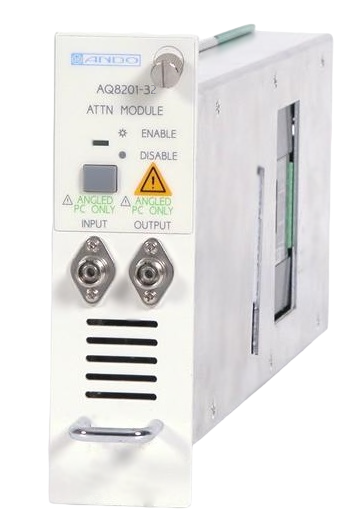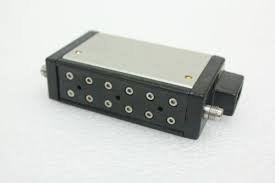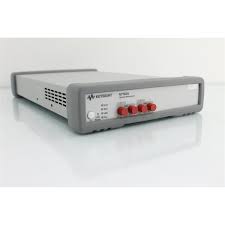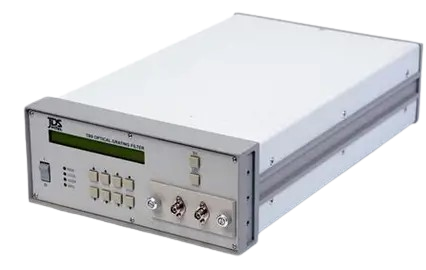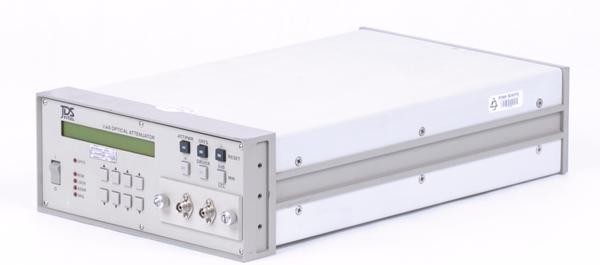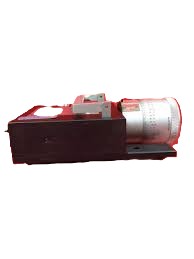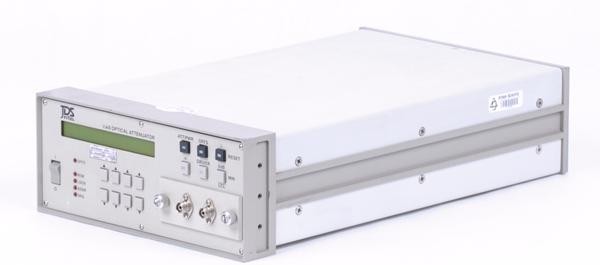
JDS Uniphase HA092+29KSC1
JDS Uniphase Optical Attenuators. Resolution: ** 0.01 dB nominal, Accuracy: ** ±0.1 dB.
- Model
- JDS Uniphase HA092+29KSC1
- Calibration
- Available on request
- Price · starting from
- $1,200
- Status
- In stock
- RFQ ref
- HA092+29KSC1
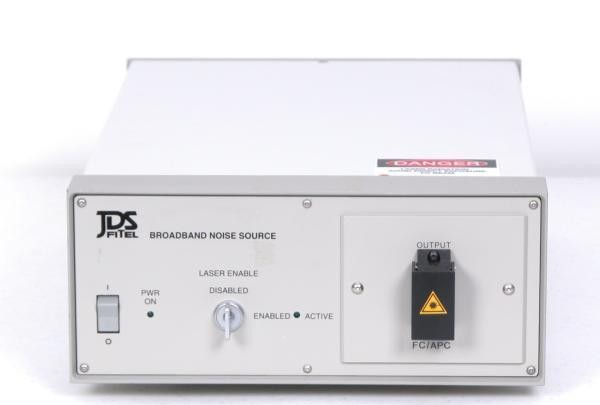
This unit
The JDS Uniphase HA092+29KSC1 is a variable optical attenuator engineered for precise signal control in telecommunications and data networking test environments. This device delivers fine-grain attenuation adjustment with exceptional accuracy, enabling reliable characterization of optical systems across C- and L-band wavelengths. It supports remote instrument control via GPIB and RS232 interfaces, executing SCPI-compatible commands for automated test sequences.
Technical Specifications
Attenuation Range: 50 dB, 60 dB, or 100 dB configurations
Resolution: 0.01 dB nominal
Accuracy: ±0.1 dB
Repeatability: 0.01 dB
Operating Wavelength Range: 1200–1700 nm (standard); 750–1700 nm (HA9W variant, 60 dB max)
Polarization Dependent Loss (PDL): Typical 0.03 dB
Wavelength Dependence: ±0.05 dB over 1530–1625 nm
Return Loss: Better than 60 dB
Optical Reflections: Internal reflections better than 60 dB
Insertion Loss: Low
High Power Input: Up to 1000 mW (30 dBm)
Key Features
Inherently linear design matches optical power meter display across wide dynamic range
Virtually eliminated cavity effects ensure stable attenuation performance
Discrete internal reflections minimized to maintain signal integrity
SCPI/HP8156A command compatibility for seamless integration into test automation frameworks
Compact hermetic packaging
Typical Applications
Power meter linearity calibration
Loss simulation in fiber optic links
EDFA output power characterization
DWDM system characterization
Bit error rate testing
Analog transmission analysis
High bit-rate PCM system testing
Multi-channel AM system evaluation
Compatibility & Integration Dual remote control via GPIB and RS232 connections enables integration into mixed legacy and modern instrument racks. SCPI command compatibility ensures code portability across HP8156A-compatible platforms.
Specifications
| Parameter | Value |
|---|---|
| Power Range (dBm) | up to 1000 mW (30 dBm) | Wavelength Range: 1200–1700 nm (standard) |
JDS Uniphase HA092+29KSC1 — Repair & Calibration Service
Aumictech offers NIST-traceable calibration and repair for the JDS Uniphase HA092+29KSC1. Calibration covers attenuation accuracy at 5 or more set values across the full range (0 to rated maximum dB), attenuation linearity, wavelength-dependent attenuation at 1310 nm, 1490 nm, and 1550 nm, insertion loss at minimum attenuation (0 dB position), and polarization-dependent loss (PDL) where applicable. All calibrations ship with a NIST-traceable certificate. Turnaround is typically 1–3 business days after receipt.
Common JDS Uniphase HA092+29KSC1 faults: motor and gear mechanism wear (attenuation steps or loss of smooth control), optical port contamination, EEPROM calibration data corruption. Most common faults are motor or gear mechanism wear on variable attenuators causing attenuation steps or loss of smooth control, optical port contamination reducing dynamic range, and EEPROM calibration data corruption on digitally controlled models.
JDS Uniphase HA092+29KSC1 price
This JDS Uniphase HA092+29KSC1 is listed at $1,200. Calibration is available separately from $450. Contact us for volume pricing or if you need multiple units.
JDS Uniphase HA092+29KSC1 calibration cost
NIST-traceable calibration for the JDS Uniphase HA092+29KSC1 is $450 (standard — pass/fail certificate and calibration sticker) or $650 (full measured data at every test point, reference standards documented, traceability chain included). Calibration for this instrument covers attenuation accuracy at 5 or more set values across the full range (0 to rated maximum dB), attenuation linearity, wavelength-dependent attenuation at 1310 nm, 1490 nm, and 1550 nm, insertion loss at minimum attenuation (0 dB position), and polarization-dependent loss (PDL) where applicable. Turnaround is 1 to 3 business days after receipt. See full calibration details →