
Fujikura 41S vs Sumitomo Q101-M12
Side-by-side comparison · Aumictech Labs
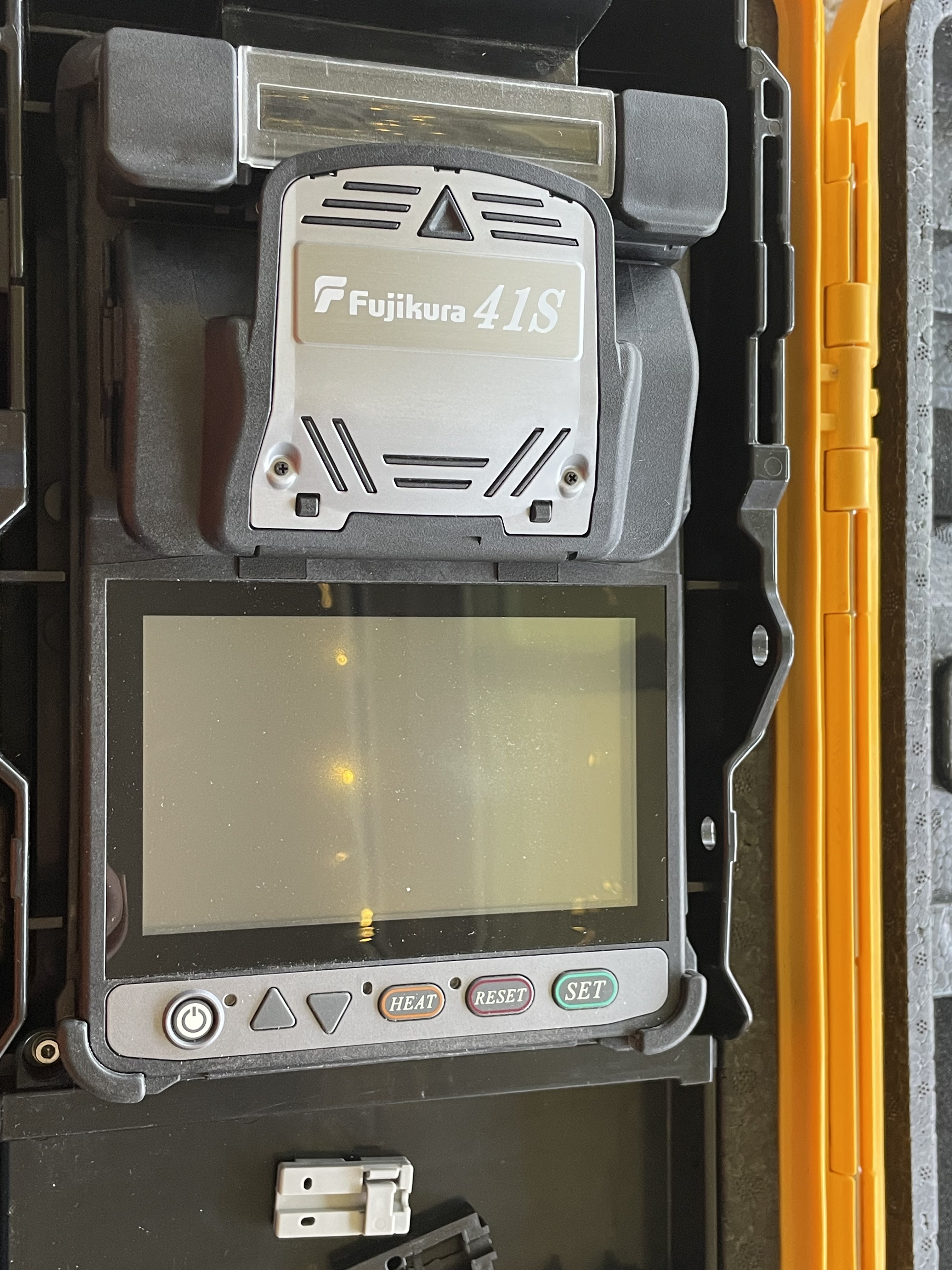
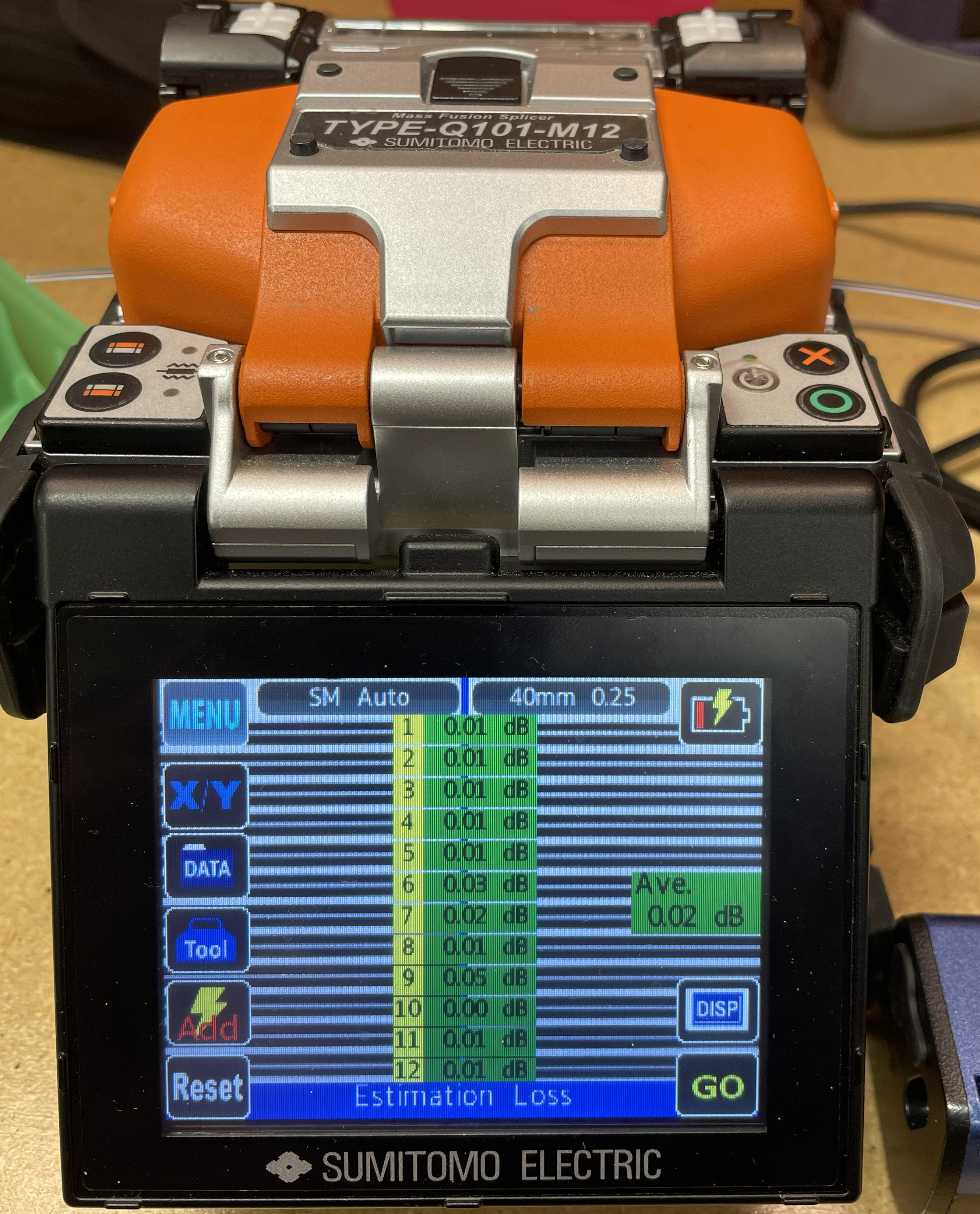
At a glance
AI-generated analysis
Technical differences
The Fujikura 41S is a core alignment fusion splicer designed for single-fiber applications with precise positioning. Its splice count specification of 0-5 indicates it's suited for low-volume splicing tasks, making it ideal for field testing, troubleshooting, or small-scale installations. The inclusion of NIST calibration ensures the equipment meets traceable measurement standards, which is critical for quality assurance and compliance documentation. As a new instrument, it comes with manufacturer warranties and current software support.
The Sumitomo Q101-M12 is a ribbon fusion splicer, a fundamentally different category designed to splice multiple fibers simultaneously, typically 4, 8, or 12 fibers depending on configuration. The M12 designation and wide voltage input range (100-240 V AC, 50/60 Hz) indicate this is a robust, internationally-rated production tool built for high-throughput environments. However, the used condition means potential wear on optical components, unknown maintenance history, and no NIST calibration included. The lack of calibration certification requires you to arrange independent testing if compliance documentation is needed.
Choose the Fujikura 41S if:
- You're performing single-fiber splicing work such as repair, testing, or small-scale deployments where splice count remains minimal
- You need NIST-traceable calibration documentation for regulatory compliance or quality assurance programs
- Budget constraints favor the lower purchase price with the assurance of a new, warranted instrument
- Your operations are primarily in a single geographic region with standard 120V or 240V power availability
Choose the Sumitomo Q101-M12 if:
- You're deploying ribbon cables with 4, 8, or 12 fibers and need to splice them in parallel, dramatically reducing production time per cable termination
- You operate in high-volume environments such as data center builds, carrier networks, or large-scale fiber installation projects
- You have internal calibration capabilities or don't require NIST certification for your application
- You're comfortable with used equipment risk and have technical staff to evaluate component condition before purchase
Our take
For most buyers, the Fujikura 41S is the better choice. It's new, calibrated, reasonably priced, and addresses the majority of typical splicing needs. The Sumitomo Q101-M12 is specialized equipment for ribbon splicing at production scale, which represents a narrower use case. The used condition and missing calibration add risk and hidden costs if you need compliance documentation. Choose the Sumitomo only if you're certain your workload justifies ribbon splicing capabilities and you have the technical expertise to evaluate a used unit's optical performance.
Analysis generated by Claude AI. Verify specs with manufacturer datasheets before purchasing.
Full specification comparison
| Specification | Fujikura 41S | Sumitomo Q101-M12 |
|---|---|---|
| Splice count | 0-5 | N/A |
| Voltage / Current Range | N/A | 100–240 V AC, 50/60 Hz |
Interested in the Fujikura 41S?
View Fujikura 41SInterested in the Sumitomo Q101-M12?
View Sumitomo Q101-M12Compare other instruments using the Compare button on any product page.