
Anritsu MS2037C vs Agilent N9917A
Side-by-side comparison · Aumictech Labs
At a glance
AI-generated analysis
Technical differences
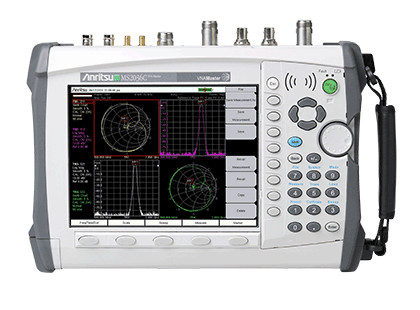
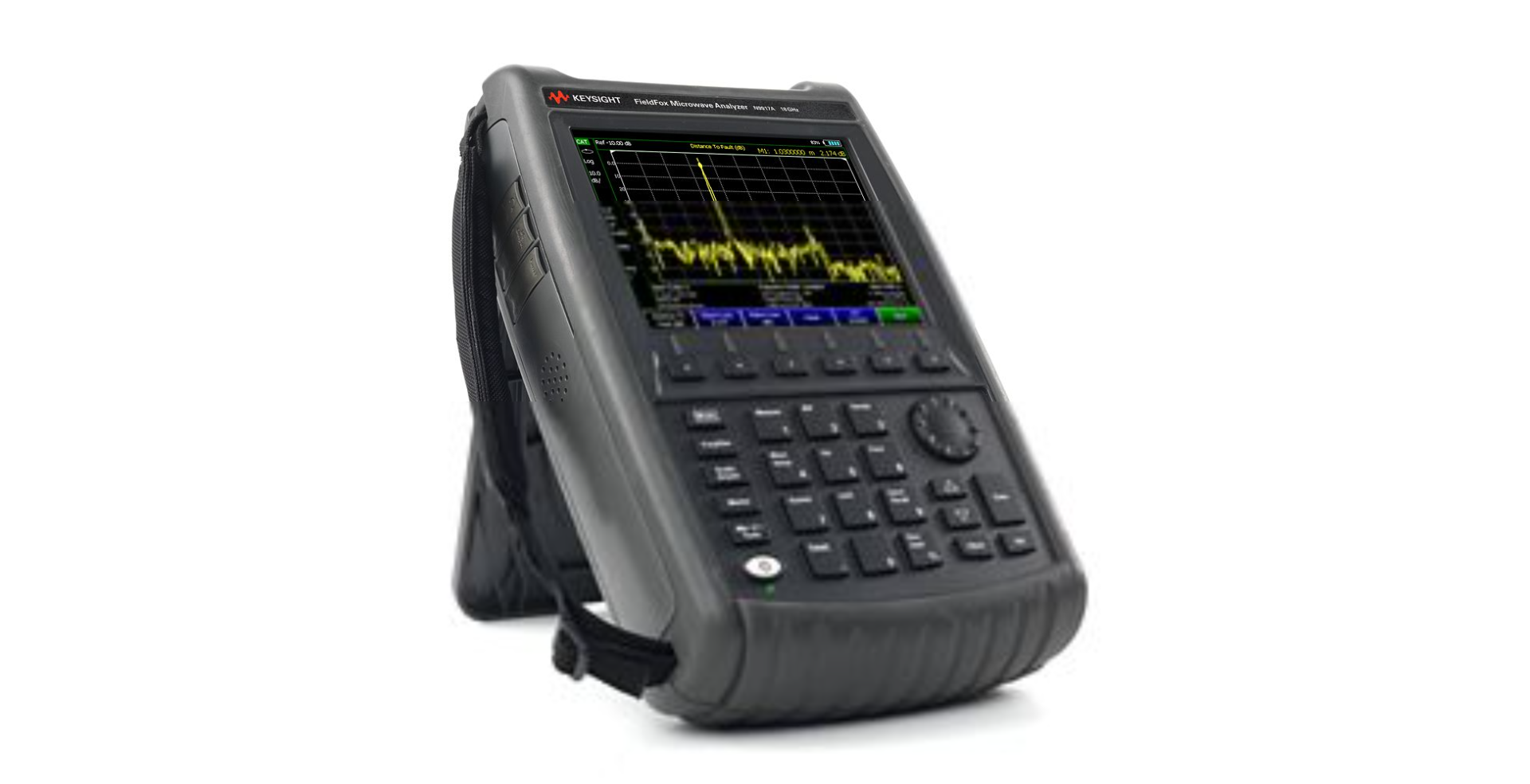
The Anritsu MS2037C and Agilent N9917A occupy different positions in the microwave test instrument space. The MS2037C is a true vector network analyzer with VNA capability from 5 kHz to 15 GHz, making it suitable for impedance and S-parameter measurements across a wide frequency range including low-frequency applications. It includes a spectrum analyzer mode extending to 9 GHz. The N9917A is marketed as a microwave analyzer with spectrum analysis to 18 GHz and noise figure capability starting at 10 MHz, positioning it as a more focused RF/microwave tool without dedicated low-frequency VNA functionality.
The frequency coverage differs meaningfully: the N9917A extends to 18 GHz for spectrum analysis compared to the MS2037C's 15 GHz limit, providing an extra 3 GHz of upper range. However, the MS2037C's 5 kHz starting point enables characterization of low-frequency components and power supply rejection measurements that the N9917A cannot perform. The N9917A's noise figure measurement capability from 10 MHz onward adds a dedicated analysis function not present in the MS2037C's specification sheet. Regarding sensitivity, the N9917A specifies a -155 dBm displayed average noise level at 1 GHz, while the MS2037C shows a -161 dBm power range floor, though direct DANL comparison requires understanding measurement conditions. The MS2037C requires 12 to 14.5 VDC power supply input, whereas the N9917A specifications do not include explicit power requirements in the provided data.
Choose the Anritsu MS2037C if:
- You need to characterize low-frequency circuits below 10 MHz or require sub-5 kHz measurements for power electronics and supply rejection analysis
- Your primary requirement is S-parameter and impedance measurement capability across a continuous frequency range
- You work with legacy test requirements that standardized on VNA-based measurements rather than spectrum analysis
Choose the Agilent N9917A if:
- Your applications focus on RF and microwave frequencies above 10 MHz where the extra 3 GHz upper range to 18 GHz provides meaningful advantage
- Noise figure measurement is essential to your testing workflow, as this is a core function of the N9917A platform
- You prioritize a more compact, portable instrument designed specifically for field-deployable microwave characterization
Our take
For most general microwave and RF laboratories, the Agilent N9917A represents better value at $1,910 lower cost with higher frequency coverage and integrated noise figure capability. However, if your work regularly touches impedance measurements, component characterization below 10 MHz, or legacy test methods requiring true VNA operation across ultra-wide frequency ranges, the MS2037C's comprehensive approach justifies its premium. Evaluate whether you actually need sub-10 MHz capability; if your work centers on typical RF bands above 100 MHz, the N9917A's extended upper range and noise figure analysis likely provide more practical utility.
Analysis generated by Claude AI. Verify specs with manufacturer datasheets before purchasing.
Full specification comparison
1 spec differ between these two instruments (highlighted in yellow).
| Specification | Anritsu MS2037C | Agilent N9917A |
|---|---|---|
| Frequency Range | 5 kHz to 15 GHz (VNA) | 5 kHz to 18 GHz (Spectrum Analyzer) |
| 9 kHz to 15 GHz (spectrum analyzer) | Power Range (dBm) | '-161 dBm to +30 dBm | Voltage / Current Range: 12 VDC to 14.5 VDC @ <5.0 A | N/A |
| 10 MHz to 18 GHz (Noise Figure) | Power Range (dBm) | N/A | '-155 dBm (DANL @ 1 GHz) |
Interested in the Anritsu MS2037C?
View Anritsu MS2037CInterested in the Agilent N9917A?
View Agilent N9917ACompare other instruments using the Compare button on any product page.