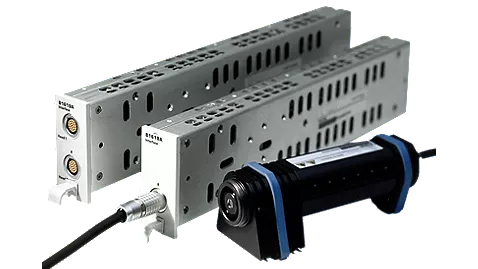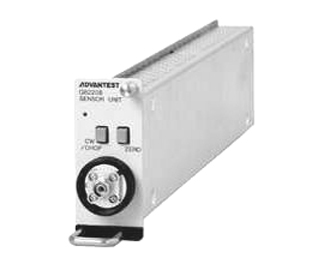
Ando AQ2733 700-1700nm Optical Sensor Module
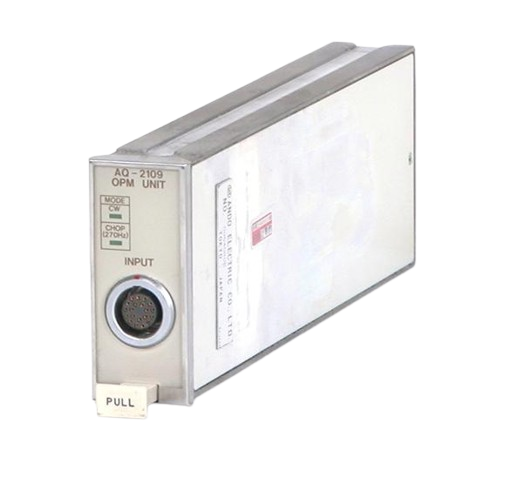
Ando AQ2733 700-1700nm Optical Sensor Module,High-performance optical sensor module offering accurate detection from 700 to 1700 nm. Ideal for optical power monitoring and signal verification in test setups. Compatible with Ando test platforms for efficient system integration.
- Model
- Ando AQ2733
- Calibration
- Available on request
- Price · starting from
- $679
- Status
- In stock
- RFQ ref
- AQ2733
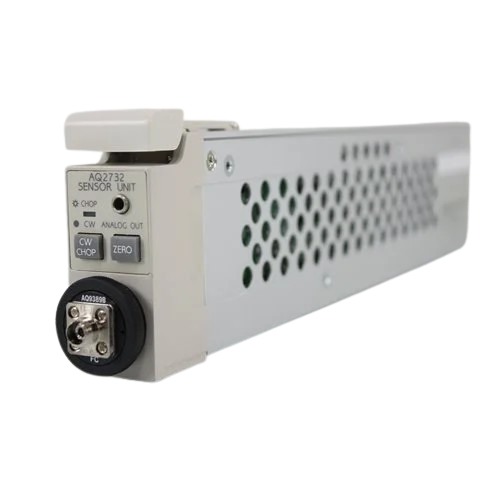
This unit
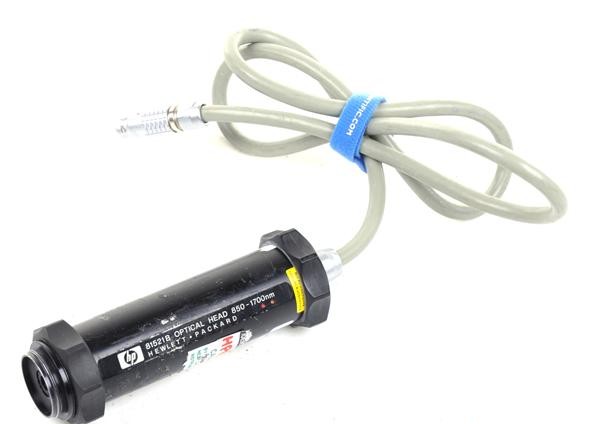
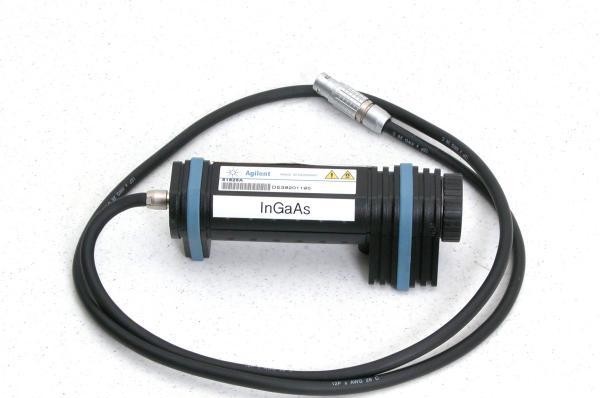
The Ando AQ2733 is an InGaAs optical sensor module engineered for precision optical power detection across the 700 nm to 1700 nm wavelength band. It delivers accurate measurements in fiber optic and free-space applications, with measurement ranges extending to -93 dBm and supporting continuous-wave and pulsed optical signals. The module integrates directly into Ando test platforms and the AQ2140 Optical Multimeter Expansion Frame, making it suitable for production test, field verification, and laboratory characterization of optical components and systems.
Technical Specifications
- Sensor Type: InGaAs
- Wavelength Range: 700 nm to 1700 nm
- Power Range: –93 dBm to +10 dBm (optical fiber emission); –80 dBm to +10 dBm (CW light)
- Measurement Accuracy: ±5% (1000 nm to 1600 nm)
- Linearity: ±0.05 dB (1000 nm to 1600 nm, –50 dBm to +10 dBm)
- Polarization Dependency Loss: 0.02 dB P-P (typical)
- Connector: FC (via AQ9389B adapter)
Key Features
- Wide spectral coverage from 700 nm through 1700 nm supports near-infrared and short-wavelength infrared measurements
- Measurement dynamic range of up to 93 dB enables detection of weak signals in low-loss and high-loss optical paths
- Tight linearity specification of ±0.05 dB ensures reliable power tracking across the full operating range
- Minimal polarization-dependent loss maintains measurement consistency regardless of input signal polarization
- AQ9389B FC adapter enables direct integration with standard fiber connectors
Typical Applications
- Optical power monitoring in fiber optic communications systems
- Signal verification and characterization in test setups
- Optical device testing and validation
- Research measurements in photonics applications
Compatibility & Integration The module works with use with Ando optical test platforms and expands the capabilities of the AQ2140 Optical Multimeter Expansion Frame. Connection to fiber optic sources and components is accomplished through the AQ9389B FC connector adapter.
Specifications
| Parameter | Value |
|---|---|
| Power Range (dBm) | '-93 dBm to +10 dBm | Wavelength Range: 700 nm to 1700 nm |
Ando AQ2733 — Repair & Calibration Service
Aumictech offers NIST-traceable calibration and repair for the Ando AQ2733. Calibration covers detector responsivity across all specified wavelengths (typically 800-1700 nm range), absolute power accuracy, and EEPROM calibration coefficient update. Compatible with Agilent/HP 8163A/B, 8164A/B, and 8166A/B mainframes.. All calibrations ship with a NIST-traceable certificate. Turnaround is typically 1–3 business days after receipt.
Common Ando AQ2733 faults: FC/PC connector damage, EEPROM failure (mainframe shows unrecognized sensor), reduced responsivity. Common faults include FC/PC input connector damage, EEPROM failure causing the module to appear unrecognized by the mainframe, and reduced detector responsivity from contamination.
Ando AQ2733 price
This Ando AQ2733 is listed at $679. Calibration is available separately from $450. Contact us for volume pricing or if you need multiple units.
Ando AQ2733 calibration cost
NIST-traceable calibration for the Ando AQ2733 is $450 (standard — pass/fail certificate and calibration sticker) or $650 (full measured data at every test point, reference standards documented, traceability chain included). Calibration for this instrument covers detector responsivity across all specified wavelengths (typically 800-1700 nm range), absolute power accuracy, and EEPROM calibration coefficient update. Compatible with Agilent/HP 8163A/B, 8164A/B, and 8166A/B mainframes.. Turnaround is 1 to 3 business days after receipt. See full calibration details →