
Anritsu MS9700A vs Anritsu MS9710A
Side-by-side comparison · Aumictech Labs
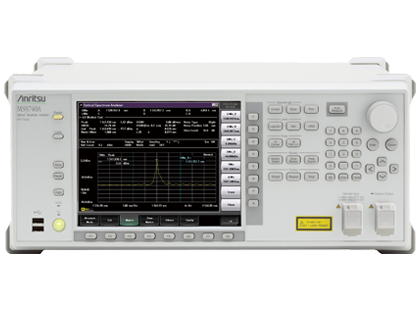
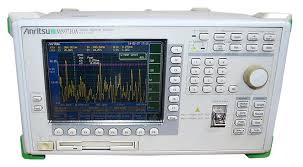
At a glance
AI-generated analysis
Technical differences
The primary distinction between these instruments lies in their dynamic range and sensitivity specifications. The MS9710A offers a superior noise floor at -90 dBm compared to the MS9700A's -87 dBm, providing 3 dB better sensitivity for detecting weak optical signals. The MS9710A also specifies an upper power limit of +20 dBm, whereas the MS9700A's specifications do not clearly define an upper measurement boundary. Both instruments cover the same wavelength range from 600 nm to 1750 nm, making them equally suitable for applications spanning visible, near-infrared, and mid-infrared regions. The wavelength coverage encompasses common telecommunications bands (C-band, L-band) and scientific measurement applications.
The sensitivity advantage of the MS9710A becomes meaningful in precision measurement scenarios where signal levels approach the instrument's noise floor. The additional 3 dB of dynamic range may seem modest, but in optical applications it translates to the ability to resolve signals approximately 50% smaller than the MS9700A can detect reliably. Both are used instruments without NIST calibration certificates, so buyers requiring traceable measurements will need to budget for calibration services with either model. The price difference of $1,400 between the two units represents a 78% premium for the MS9710A, making the cost-to-performance trade-off a significant consideration.
Choose the Anritsu MS9700A if:
- Your measurements involve relatively strong optical signals above -87 dBm where the noise floor difference is irrelevant to your accuracy requirements
- You need a capable general-purpose optical spectrum analyzer for component characterization, signal monitoring, or educational purposes
- Budget constraints are primary and you can tolerate the slightly lower sensitivity specification
- You are measuring well-established telecommunications signals or lab sources with reasonable power levels
Choose the Anritsu MS9710A if:
- You require measurement of weak optical signals, such as distributed sensing networks, long-haul telecommunications monitoring, or low-power research applications
- You need the defined upper power range specification of +20 dBm for accurate measurement of high-power signals
- Your application demands the maximum possible dynamic range to capture signals across a wider power spectrum in a single measurement
- You are characterizing optical amplifiers, fiber optic sensors, or precision lab equipment where marginal sensitivity improvements matter
Our take
The MS9700A represents better value for most general-purpose optical spectrum analysis work. Unless your specific application requires detection of signals below -87 dBm, the additional $1,400 investment in the MS9710A is difficult to justify. Verify that either instrument's performance meets your minimum sensitivity requirements before purchase, and plan for calibration costs with either model if traceability matters for your work.
Analysis generated by Claude AI. Verify specs with manufacturer datasheets before purchasing.
Full specification comparison
1 spec differ between these two instruments (highlighted in yellow).
| Specification | Anritsu MS9700A | Anritsu MS9710A |
|---|---|---|
| Power Range (dBm) | –87 dBm (noise floor) | Wavelength Range: 600 nm to 1750 nm | '-90 dBm to 20 dBm | Wavelength Range: 600 nm to 1750 nm |
Interested in the Anritsu MS9700A?
View Anritsu MS9700AInterested in the Anritsu MS9710A?
View Anritsu MS9710ACompare other instruments using the Compare button on any product page.