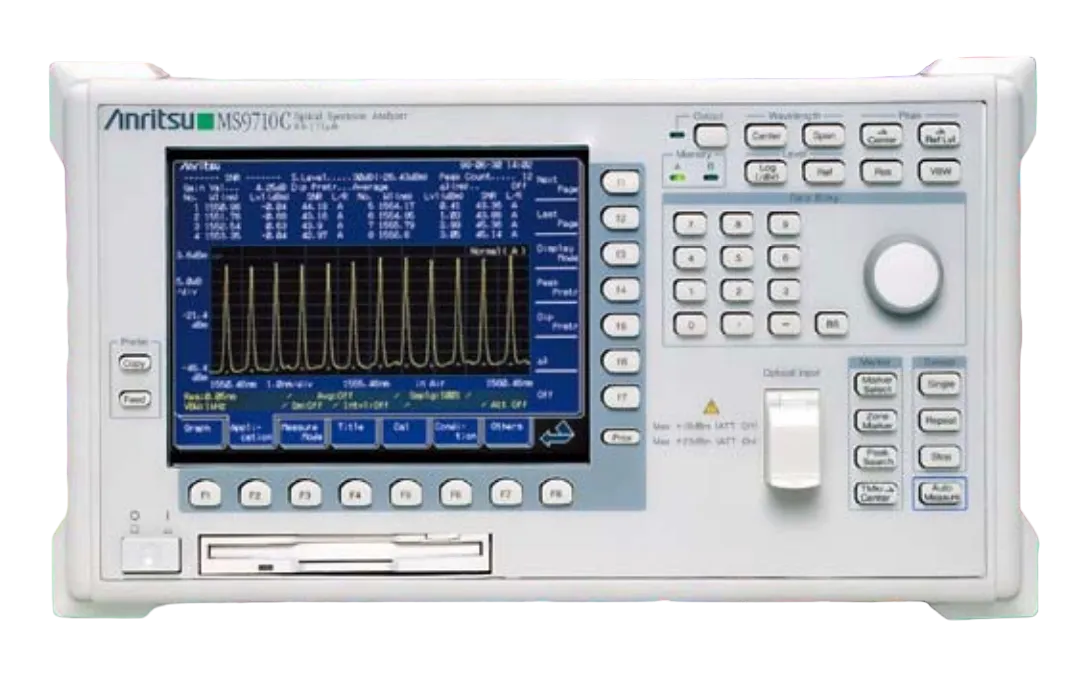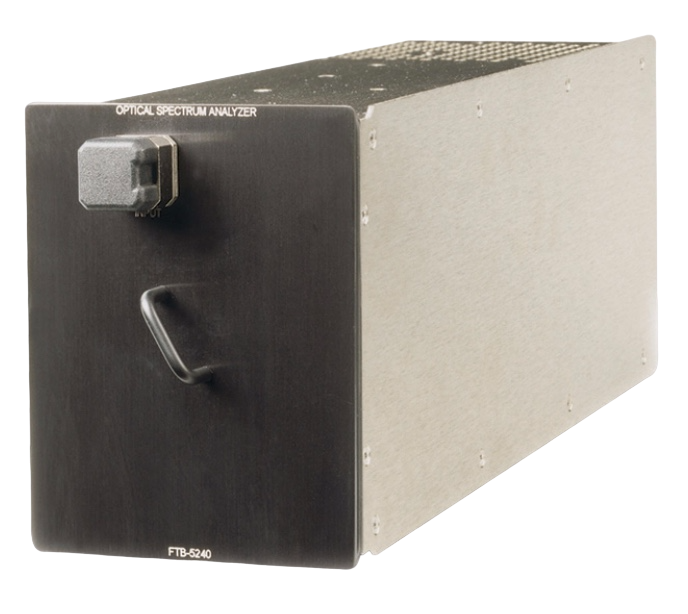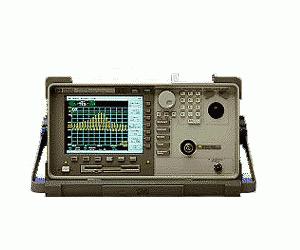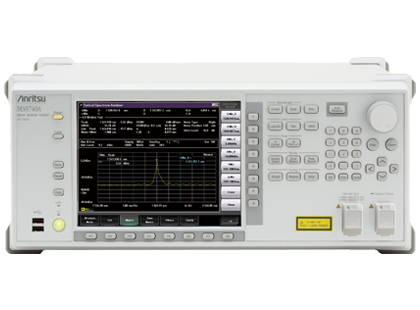
Anritsu MS9710C Optical Spectrum Analyzer
The Anritsu MW9710C (MS9710C) is an optical spectrum analyzer used for measuring the characteristics of optical signals. It analyzes wavelength, optical power, and spectral shape in optical communication systems and optical devices. This analyzer is known for its high resolution, wide dynamic range, and accurate measurements, making it suitable for R&D and manufacturing environments.
- Model
- Anritsu MW9710C/MS9710C
- Calibration
- Available on request
- Price · starting from
- $4,800
- Status
- In stock
- RFQ ref
- MW9710C/MS9710C
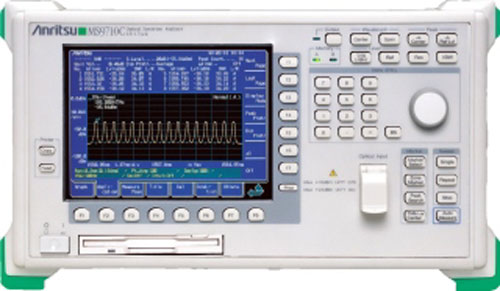
This unit
The Anritsu MW9710C (MS9710C) Optical Spectrum Analyzer (OSA) is a diffraction-grating type instrument designed for comprehensive analysis of optical signal characteristics across a broad wavelength range. It is engineered to provide precise measurements of wavelength, optical power, and spectral shape, making it a critical tool for R&D, manufacturing, and quality control in optical communication systems and device development. This analyzer is recognized for its enhanced performance over its predecessor, the MS9710B, offering improvements in wavelength accuracy, resolution bandwidth, and signal-to-noise ratio (SNR) averaging.
Technical Specifications Wavelength Range:
- 600 to 1750 nm Dynamic Range:
- Typically 45 dB at 0.2 nm from the signal peak with a 50 pm RBW setting
- Greater than 42 dB at 0.2 nm from the peak wavelength
- Minimum of 58 dB at 0.4 nm from the peak wavelength
- Up to 70 dB at 1 nm from the peak wavelength
- Greater than 50 dB at 50 GHz (0.4 nm) channel spacing when RBW is 0.1 nm or greater
- High-dynamic range mode: up to 70 dB Wavelength Accuracy:
- Post-calibration accuracy can be better than ±20 pm when using an optional internal reference wavelength light source
- With Option 15 (L-band enhancement): improves wavelength accuracy in the 1570 to 1620 nm region
- 50 pm (1530–1570 nm) for MS9710B; 20 pm (1530–1570 nm) for MS9710C
- 50 pm (1520–1600 nm) for MS9710B; 20 pm (1520–1620 nm) for MS9710C
- ± 300 pm (600 to 1750 nm)
- ± 20 pm (1530 to 1570 nm) for Wavelength Linearity Resolution Bandwidth (RBW):
- Maximum RBW is 50 pm for the MS9710C
- Improved resolution bandwidth compared to MS9710B Level Accuracy:
- ± 0.4 dB (1300/1550 nm, input: –23 dBm, resolution: ≥0.1 nm)
- ± 2.2% (1530 to 1570 nm, resolution: 0.5 nm)
- ± 3% (1530 to 1570 nm, resolution: 0.2 nm)
- ± 2.2% (1520 to 1620 nm, resolution: 0.5 nm)
- ± 5% (1520 to 1530 nm, 1570 to 1620 nm, resolution: 0.2 nm)
- ± 7% (1600 to 1520 nm, 1620 to 1750 nm, resolution: 0.5 nm)
- ± 10% (1520 to 1530 nm, 1570 to 1620 nm, resolution: 0.1 nm) Level Linearity:
- ± 0.05 dB (1550/1600 nm, –50 to 0 dBm, optical ATT: off)
- ± 0.05 dB (1550 nm, –30 to +20 dBm, optical ATT: on) Polarization Dependency:
- Less than 0.05 dB (PDL < 0.05 dB) when RBW is 0.1 nm or greater
- ± 0.05 dB (1550/1600 nm) Optical Input Sensitivity:
- -65 to +10 dBm (600 to 1000 nm, 0 to +30˚C, optical ATT: off)
- -85 to +10 dBm (1000 to 1250 nm, 0 to +30˚C, optical ATT: off)
- -90 to +10 dBm (1250 to 1600 nm, 0 to +30˚C, optical ATT: off) Signal-to-Noise Ratio (SNR) Measurement:
- Improved SNR measurement with left and right noise floor averaging
- Accurate SNR measurements with errors less than 0.2 dB
- Noise level is standardized per nm by dividing by the selected RBW Measurement Capabilities:
- Wavelength, power level, and SNR for up to 300 DWDM channels
- PMD (Polarization Mode Dispersion) measurements
- EDFA (Erbium-Doped Fiber Amplifier) noise floor and gain measurements
- Measurement of transmission characteristics of passive elements (e.g., optical isolators)
- LD and LED spectra measurements
- SMSR (Single Mode Shandong Ratio) analysis
- OBPF (Optical Bandpass Filter) testing
- Waveform analysis of WDM Systems Internal Functions & Options:
- Tunable Laser Source (TLS) tracking function (eliminates need for external controller)
- Optional built-in light sources: SLD, white light, reference wavelength light sources
- Internal reference wavelength light source for automatic calibration
- Built-in attenuator for high power optical input
- Option 15: L-band enhancement for improved performance in the 1570 to 1620 nm region
- Option 13: Includes wavelength reference and SLD light source Interfaces:
- GPIB interface bus (standard)
- RS-232C interface (standard)
- VGA output connector Physical:
- Diffraction grating spectrum analyzer
Why Choose Aumictech for Anritsu MW9710C (MS9710C)?
At Aumictech, we specialize in supplying high-end optical test and measurement equipment. Whether you need precise spectral analysis for advanced communication systems, reliable characterization of optical devices, or accurate measurements in demanding R&D and manufacturing environments, our team ensures the Anritsu MW9710C delivers maximum performance for your application.
Frequently Asked Questions
- What does the Anritsu MW9710C/MS9710C measure?
- The MW9710C/MS9710C is an optical spectrum analyzer that measures wavelength, optical power, and spectral shape across optical communication systems and optical devices. It delivers high wavelength resolution and wide dynamic range, making it ideal for characterizing DWDM signals, optical filters, and light sources in R&D and manufacturing environments. The analyzer provides accurate spectral analysis essential for signal quality assessment in fiber-optic networks.
- What is the condition of this used Anritsu MW9710C/MS9710C?
- This unit is offered in used condition and has been functionally verified before listing. We inspect optical spectrum analyzers for display clarity, measurement accuracy, and mechanical integrity prior to sale. A separate calibration service is available to bring the instrument to certified standards if required for your application.
- What calibration options are available for this analyzer?
- Calibration for the MW9710C/MS9710C is available separately, starting at $450. This service covers wavelength and power measurement accuracy traceable to NIST standards. We recommend calibration for any critical measurement application, and turnaround timing can be confirmed at time of service request.
- What interfaces and connectivity does the MW9710C/MS9710C support?
- The Anritsu MW9710C/MS9710C features GPIB (IEEE 488) connectivity for remote control and data transfer to laboratory computers and automated test systems. The analyzer is compatible with Anritsu's proprietary software drivers and supports integration into existing measurement automation frameworks. Contact us for specific driver compatibility information for your operating system or test platform.
Anritsu MW9710C/MS9710C — Repair & Calibration Service
Aumictech offers NIST-traceable calibration and repair for the Anritsu MW9710C/MS9710C. Calibration covers wavelength accuracy at 850, 1310, 1550, and 1625 nm, power level accuracy, resolution bandwidth (RBW) accuracy, and dynamic range verification. All calibrations ship with a NIST-traceable certificate. Turnaround is typically 1–3 business days after receipt.
Common Anritsu MW9710C/MS9710C faults: wavelength motor failure, internal light source dimming, detector sensitivity loss. Common repairs include wavelength motor servicing, internal broadband source replacement, and detector recalibration after extended use.
Anritsu MW9710C/MS9710C price
This Anritsu MW9710C/MS9710C is listed at $4,800. Calibration is available separately from $450. Contact us for volume pricing or if you need multiple units.
Anritsu MW9710C/MS9710C calibration cost
NIST-traceable calibration for the Anritsu MW9710C/MS9710C is $450 (standard — pass/fail certificate and calibration sticker) or $650 (full measured data at every test point, reference standards documented, traceability chain included). Calibration for this instrument covers wavelength accuracy at 850, 1310, 1550, and 1625 nm, power level accuracy, resolution bandwidth (RBW) accuracy, and dynamic range verification. Turnaround is 1 to 3 business days after receipt. See full calibration details →