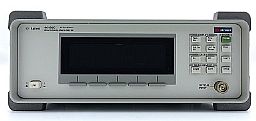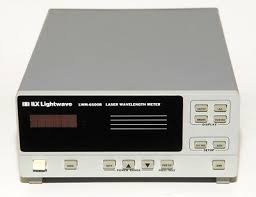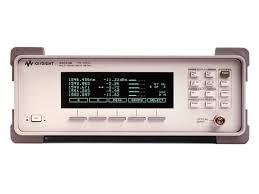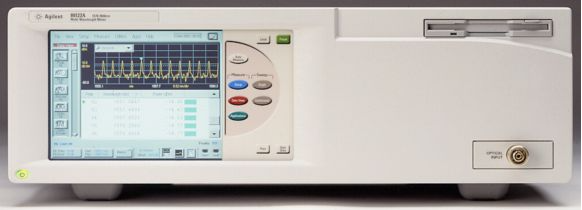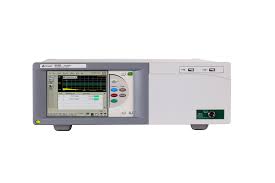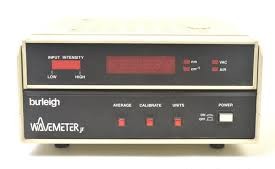
Advantest Q8331 1270nm-1680nm Multi Wavelength Meter
The Advantest Q8331 is a multi-wavelength meter designed for precise measurement of wavelengths in the 1270nm to 1680nm range. It is widely used in optical communication and optical device manufacturing for accurate wavelength characterization and analysis.
- Model
- Advantest Q8331
- Calibration
- Available on request
- Price · starting from
- $1,279
- Status
- In stock
- RFQ ref
- Q8331
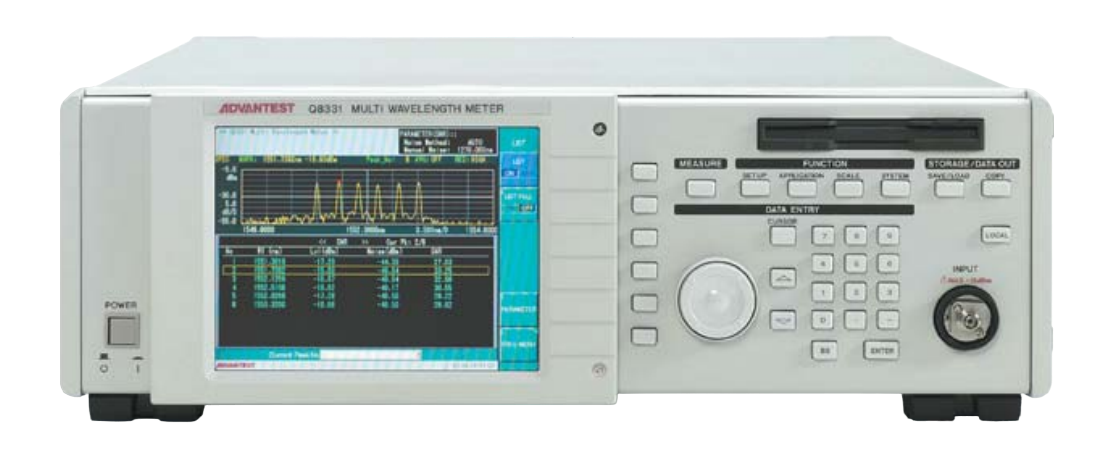
This unit
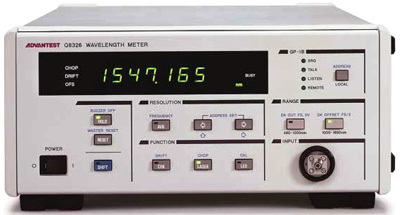
The Advantest Q8331 is a precision optical wavelength meter designed for accurate characterization of signals across the 1270 nm to 1680 nm band. It delivers the measurement resolution and repeatability required for optical communication systems, fiber optic networks, and optical component manufacturing. A single measurement channel, 7-inch color TFT display, and multiple data interfaces support both laboratory and production workflows.
Technical Specifications
- Wavelength Range: 1270 nm to 1680 nm
- Wavelength Accuracy: ±2 pm
- Wavelength Repeatability: ±0.5 pm
- Measurement Accuracy: ±0.2 ppm (typical)
- Measurement Repeatability: ±0.5 ppm
- Measurement Resolution: 0.1 pm
- Input Power Range: −70 dBm to +20 dBm
- Dynamic Range: 65 dB
- Measurement Channels: 1
Key Features
- 7-inch color TFT LCD display for real-time measurement visualization
- Universal optical connectivity: FC/PC standard connector with SC/PC option
- Multiple data interfaces: USB, Ethernet, RS-232C for system integration and data logging
- Compact footprint: 426 mm (W) × 132 mm (H) × 355 mm (D), weighing 10 kg
- AC power supply: 100–240 V, 50/60 Hz
Typical Applications
- WDM (Wavelength Division Multiplexing) system verification and troubleshooting
- Optical component production and quality assurance
- Laser and tunable source characterization
- Fiber optic network deployment and maintenance
Compatibility & Integration The Q8331 supports direct integration into automated test systems via USB, Ethernet, and RS-232C interfaces. Its single-channel architecture and standardized optical connector options accommodate both laboratory benches and manufacturing floors. FC/PC connectors are standard; SC/PC adapters are available for system-specific configurations.
Specifications
| Parameter | Value |
|---|---|
| Power Range (dBm) | −70 dBm to +20 dBm | Voltage / Current Range: 100–240 VAC, 50/60 Hz | Wavelength Range: 1270 nm to 1680 nm |
Advantest Q8331 — Repair & Calibration Service
Aumictech offers NIST-traceable calibration and repair for the Advantest Q8331. Calibration covers absolute wavelength accuracy at multiple reference points across the full measurement range, frequency accuracy, wavenumber accuracy, and multi-wavelength channel spacing measurement accuracy. All calibrations ship with a NIST-traceable certificate. Turnaround is typically 1–3 business days after receipt.
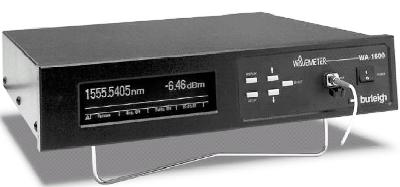
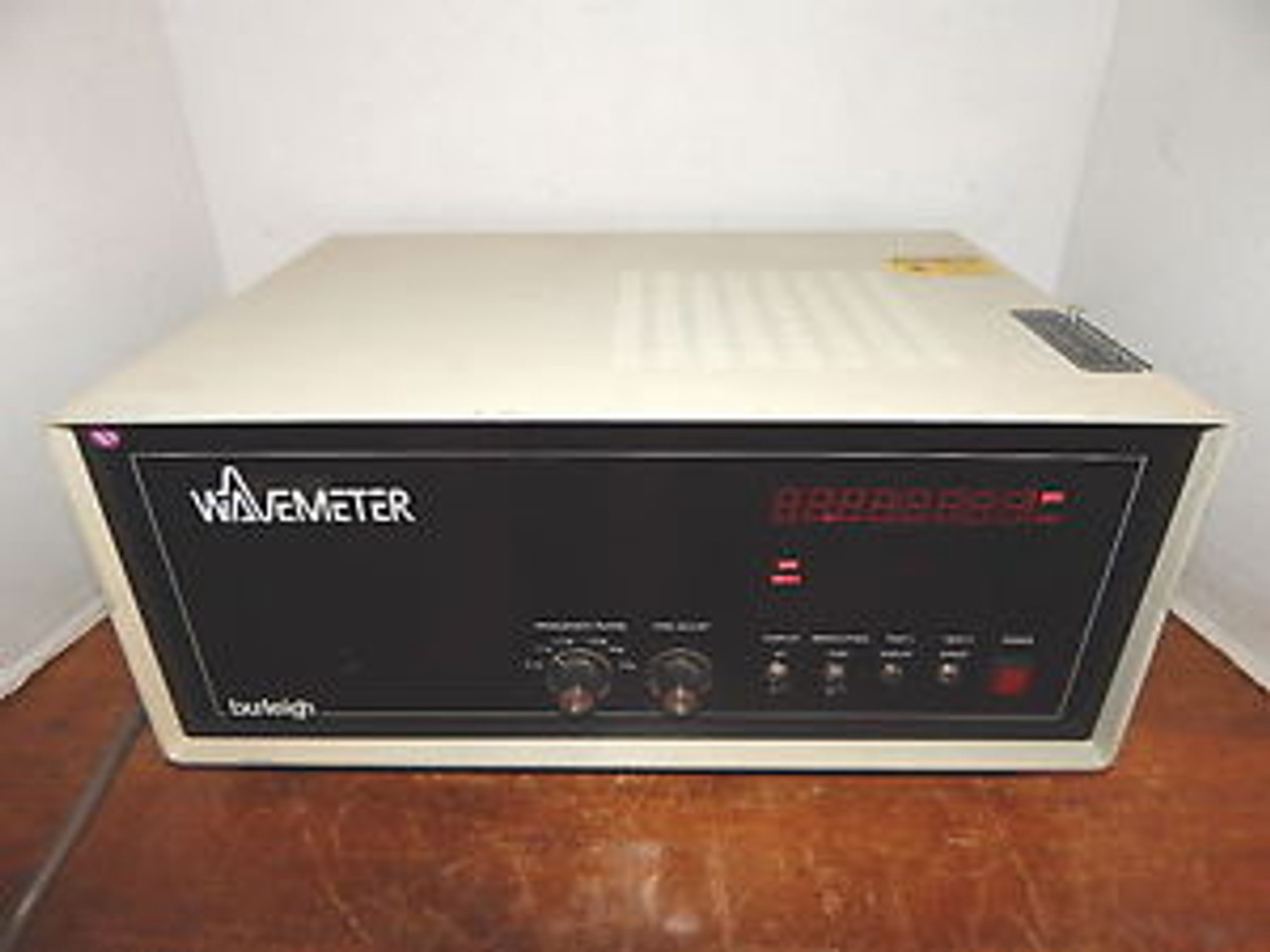
Common Advantest Q8331 faults: interferometer alignment drift, reference etalon or HeNe laser end-of-life, InGaAs detector sensitivity loss, fiber input connector damage. Fizeau interferometer-based instruments (Agilent 86120B/86122A/C) most commonly develop interferometer alignment drift and InGaAs detector degradation over time. Burleigh WA-series scanning Fabry-Perot instruments most commonly fail due to reference HeNe laser end-of-life. Both types are fully repairable with post-repair wavelength accuracy verification.
Advantest Q8331 price
This Advantest Q8331 is listed at $1,279. Calibration is available separately from $450. Contact us for volume pricing or if you need multiple units.
Advantest Q8331 calibration cost
NIST-traceable calibration for the Advantest Q8331 is $450 (standard — pass/fail certificate and calibration sticker) or $650 (full measured data at every test point, reference standards documented, traceability chain included). Calibration for this instrument covers absolute wavelength accuracy at multiple reference points across the full measurement range, frequency accuracy, wavenumber accuracy, and multi-wavelength channel spacing measurement accuracy. Turnaround is 1 to 3 business days after receipt. See full calibration details →